
I have lost count of how many times I have been to London. Across different years and every season, I keep coming back to the same handful of places, and I keep finding new corners in them. This is my personal top ten: the landmarks I would send a first-time visitor to, each one somewhere I have actually stood, queued, climbed, or ridden.
It is not a ranking. Putting the Tower of London “above” the National Gallery makes no sense when they do such different things. So I have ordered these ten as a loose route instead, running roughly west from the medieval fortress by the river, through the City and the South Bank, into Westminster, and out to the parks. Followed in order, it makes something close to a walking arc across the middle of London.
Top 10 London at a Glance
🏰 The paid icons · The Tower of London (£37, allow three hours), Tower Bridge (~£13.50 for the walkways), St Paul’s (~£27), the London Eye (from ~£30) and Westminster Abbey (~£30) reward pre-booked timed tickets.
🖼️ The free ones · The National Gallery and the British Museum are free to enter and best saved for a grey afternoon. Both open late on Fridays.
👑 The royal stops · Buckingham Palace’s State Rooms open only in summer (9 July–27 September in 2026); Changing the Guard outside is free, usually Mon/Wed/Fri/Sun around 11am.
🌳 The green finish · Hyde Park and Kensington Gardens are free and open late, and host Winter Wonderland each December.
💡 Tip · Do not force all ten. Pick two or three clusters, walk them slowly, and Tube between them. Tap contactless for capped fares.
1. The Tower of London
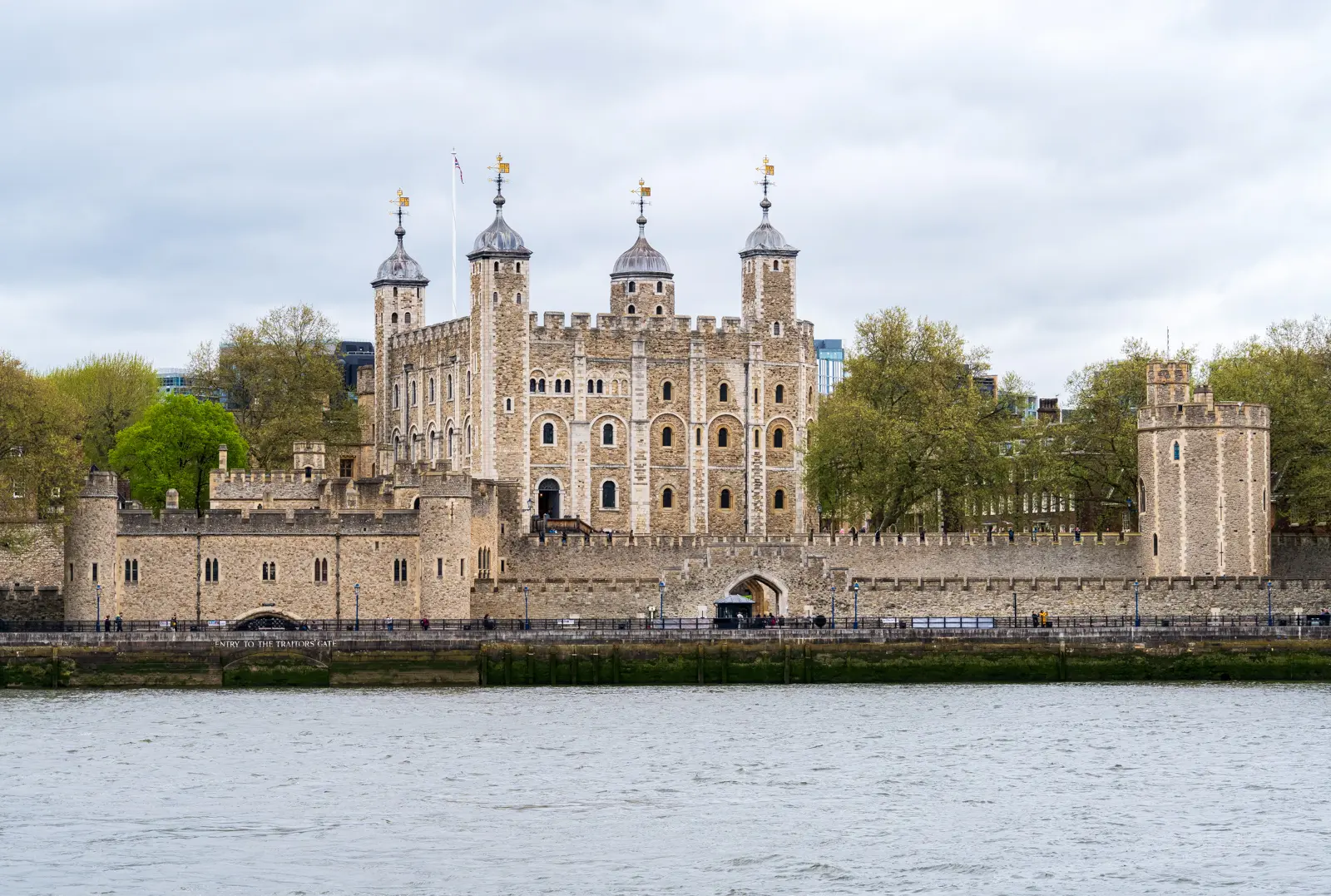
Nearly a thousand years of history sit inside these walls, and it is the one place in London I tell everyone to give a full morning. William the Conqueror began the White Tower in the 1070s, and the fortress has since been a royal palace, a prison, an execution site, a mint, and the home of the Crown Jewels. The 23,000 gemstones of the Coronation Regalia are here, including the crowns used at the coronation of King Charles III and Queen Camilla in 2023.
I went in through Traitors’ Gate, the water entrance built by Edward I in the 1270s that later became the arrival point for the condemned. Inside the chapel of St Peter ad Vincula, beside Tower Green, two of Henry VIII‘s queens lie under the floor: Anne Boleyn and Catherine Howard, with the nine-day queen Lady Jane Grey making a third. Standing in that small space, knowing who rests beneath it, was the part of the whole Tower of London that stayed with me.
Adult entry is £37, which includes the Crown Jewels, the White Tower armouries, the battlements and the Yeoman Warder tour. Allow at least three hours.
2. Tower Bridge
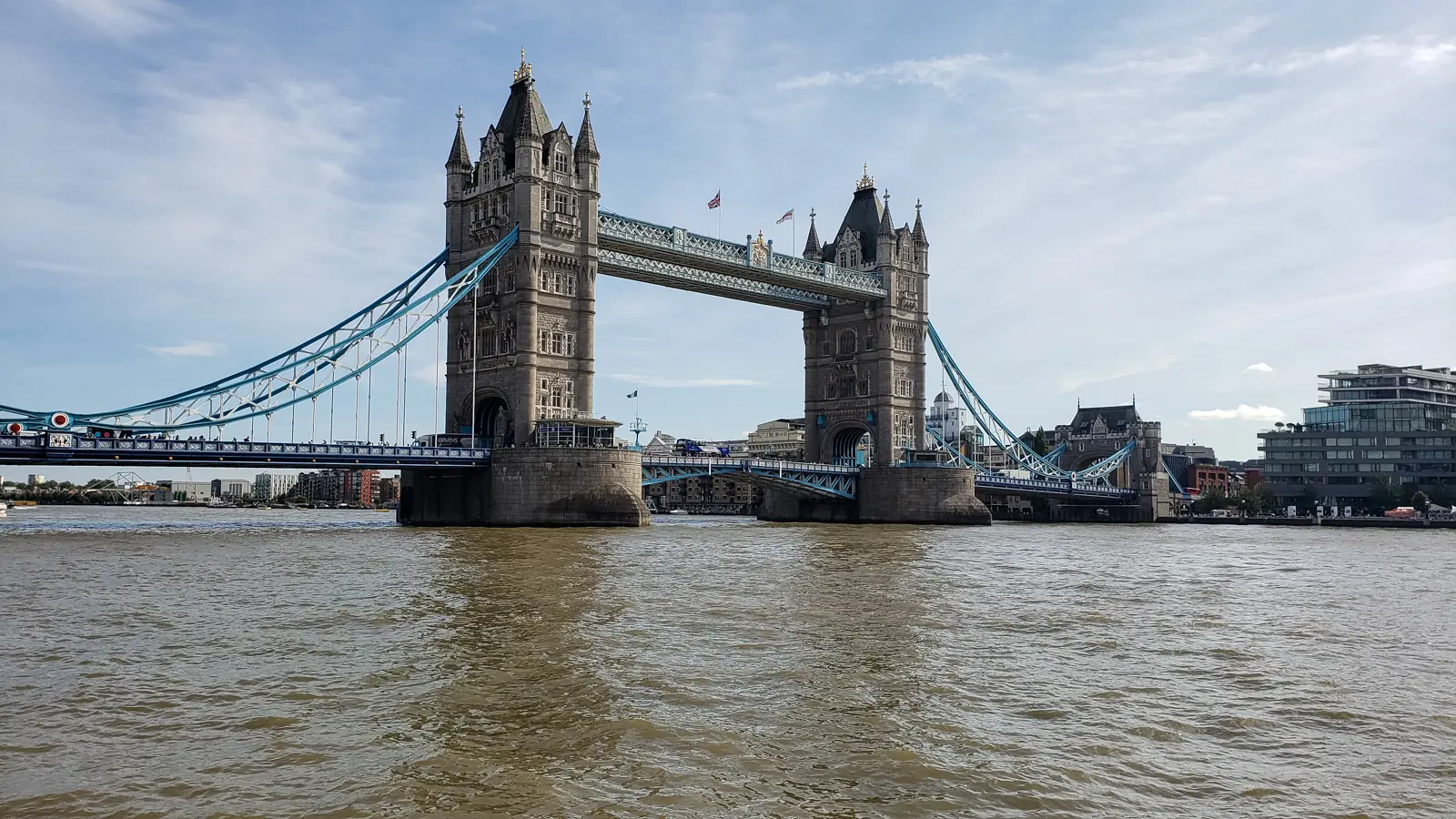
A five-minute walk from the Tower, and the landmark that half the world calls “London Bridge” by mistake. It is neither old nor plain: this is a Victorian bascule and suspension bridge that opened in 1894, its two towers linked by high-level walkways 42 metres above the Thames. The road deck still lifts for tall ships, and the lift times are posted online in advance.
I crossed it on foot, which anyone can do for free, and it is a stunning walk with the river opening out on both sides. The paid exhibition leads up to the glass-floor walkways and down into the original Victorian engine rooms. One personal note I cannot resist: I have been a Lego fan my whole life, and Lego has just released a new Architecture Tower Bridge set, 3,745 pieces of it. Pre-orders opened this month and mine is already on my list.
Crossing the Tower Bridge is free. The exhibition and glass floor need a ticket, usually around £13.50 for an adult.
3. St Paul’s Cathedral
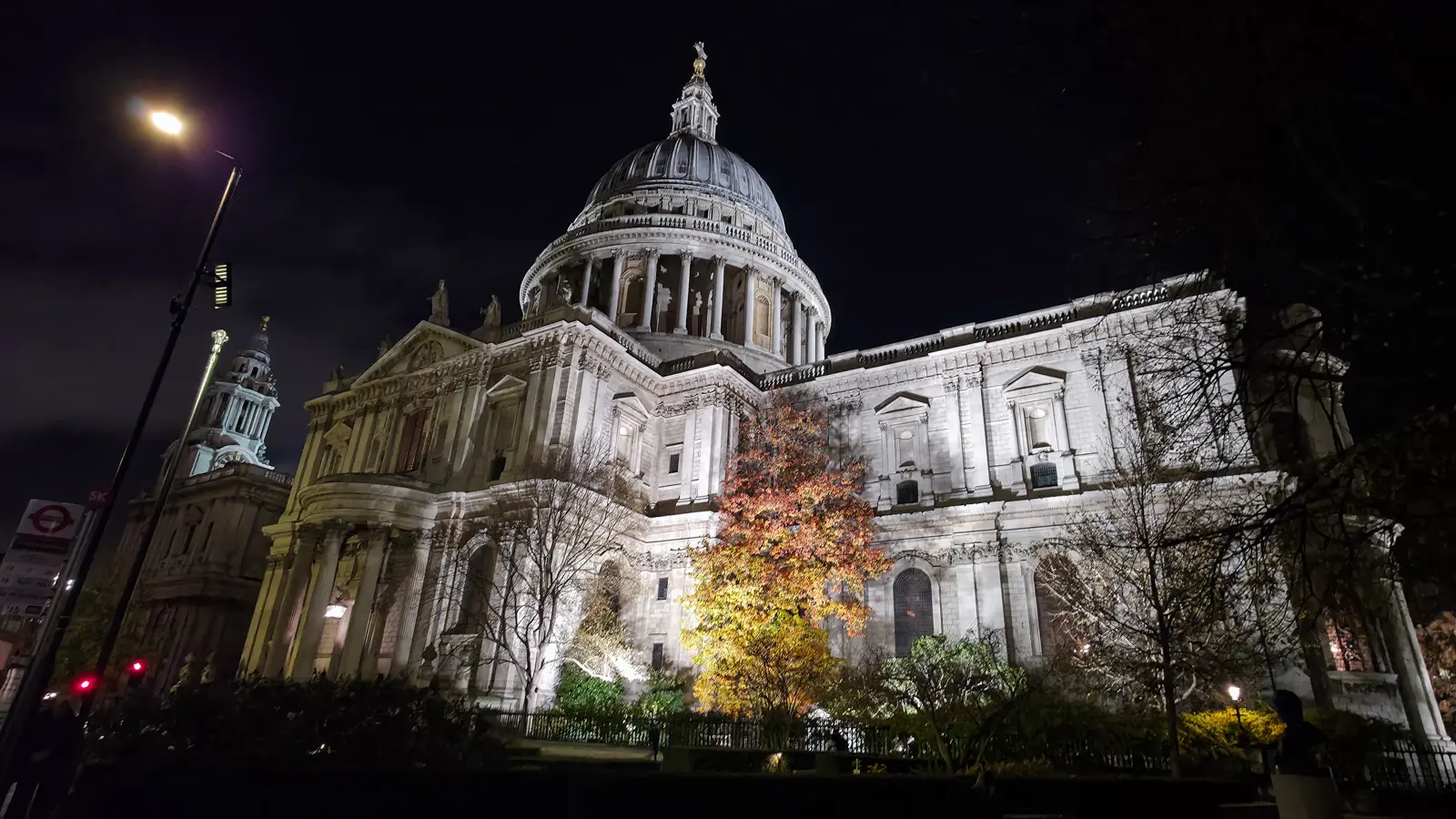
Christopher Wren’s masterpiece, and the building that has anchored the City skyline since it was completed in 1711. The dome was, for centuries, the tallest structure in London, and it survived the Blitz to become a symbol of the city’s endurance. Inside, the Whispering Gallery runs around the base of the dome, and the climb continues up to the Stone Gallery and the Golden Gallery for one of the best high views in London.
My own photograph of St Paul’s Cathedral is a night shot, the floodlit dome and west front rising above the street with an autumn tree caught in the light. It is one of my favourite London pictures. This is also the cathedral where Charles and Diana married in 1981, in a ceremony watched by hundreds of millions around the world.
Adult entry is around £26 to £30 online, and includes the galleries, the crypt and an audio guide. The cathedral closes to sightseeing on Sundays for worship.
4. The London Eye and the South Bank
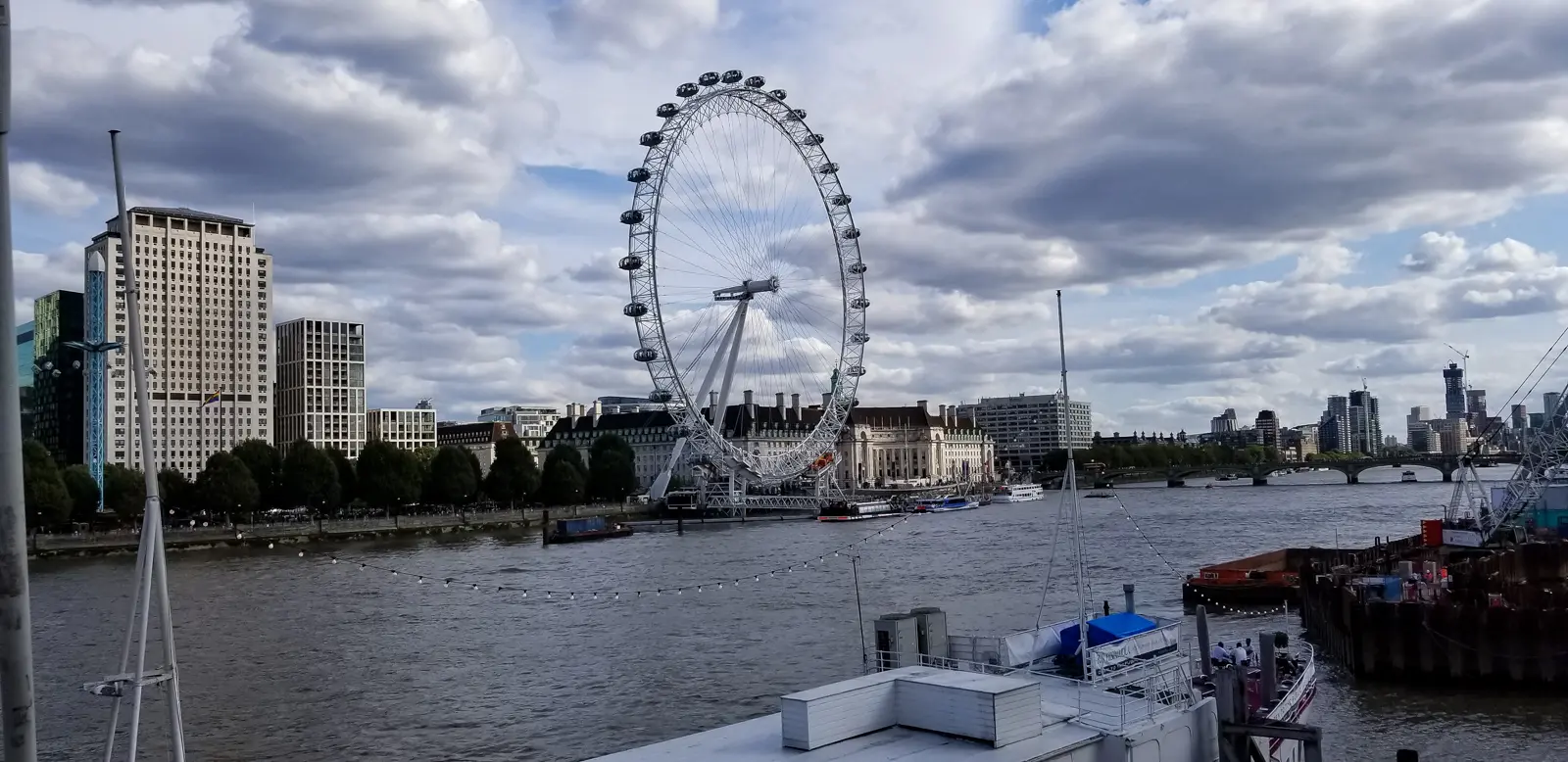
The London Eye is the most visited paid attraction in the country, and for once the hype is fair. It stands 135 metres over the South Bank, and a single slow rotation takes about 30 minutes, long enough to pick out Big Ben directly opposite, the river curving east toward Tower Bridge, and St Paul’s rising out of the City.
I rode it on the Champagne Experience, with a glass poured as the capsule climbed, and the views across the city were worth every minute at the top. The South Bank around the base is a whole afternoon on its own: the walk along the river, the food stalls, the book market under Waterloo Bridge, and the cultural buildings of the Southbank Centre and the National Theatre.
Standard Eye tickets start from around £29 to £33, cheaper booked ahead. The riverside walk itself is free.
5. The Houses of Parliament and Big Ben
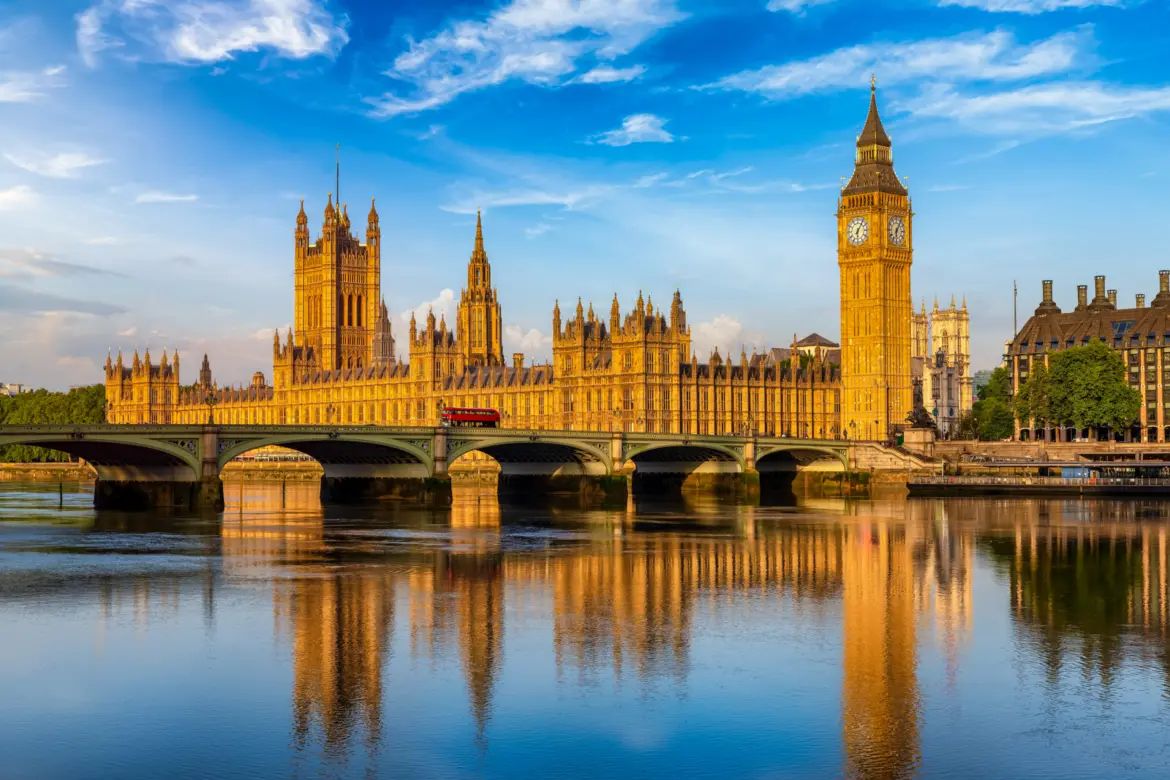
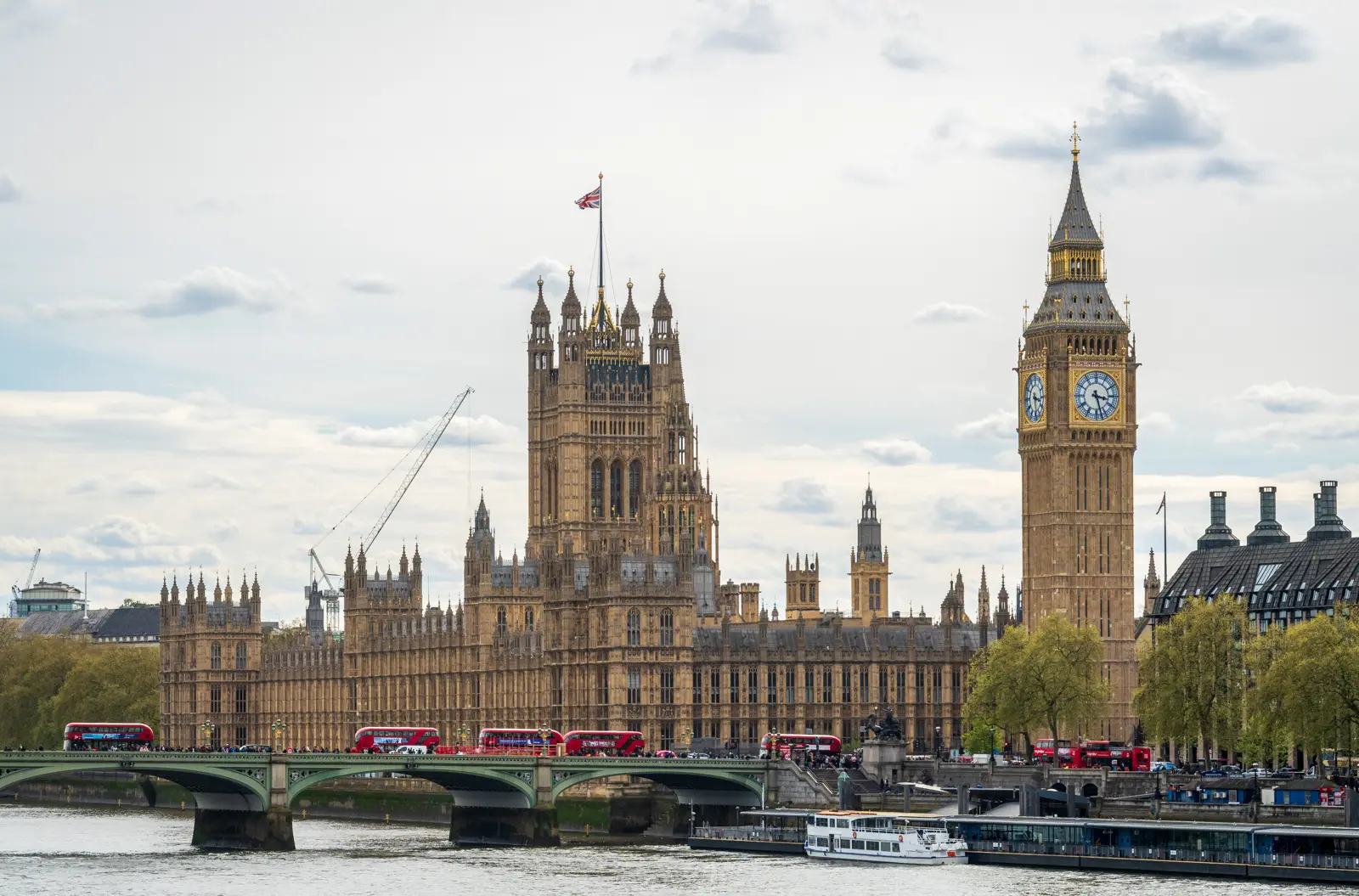
Straight across the river from the Eye is the postcard everyone knows. The Palace of Westminster is a Victorian Gothic fantasy, rebuilt after the 1834 fire, wrapped around Westminster Hall, which dates back to 1097. The clock tower at the north end is the Elizabeth Tower, and Big Ben is properly the name of the great bell inside it, not the tower, though almost nobody keeps the distinction.
I always end up on the South Bank side to see it, because the best view is from across the water, between Westminster Bridge and the Eye. Late afternoon turns the stone gold. I have never been inside, but UK residents and overseas visitors can both book tours through the official Houses of Parliament website, mostly on Saturdays and when Parliament is in recess.
Viewing it from the bridge or the South Bank is free. Tours are paid and sell out early.
6. Westminster Abbey
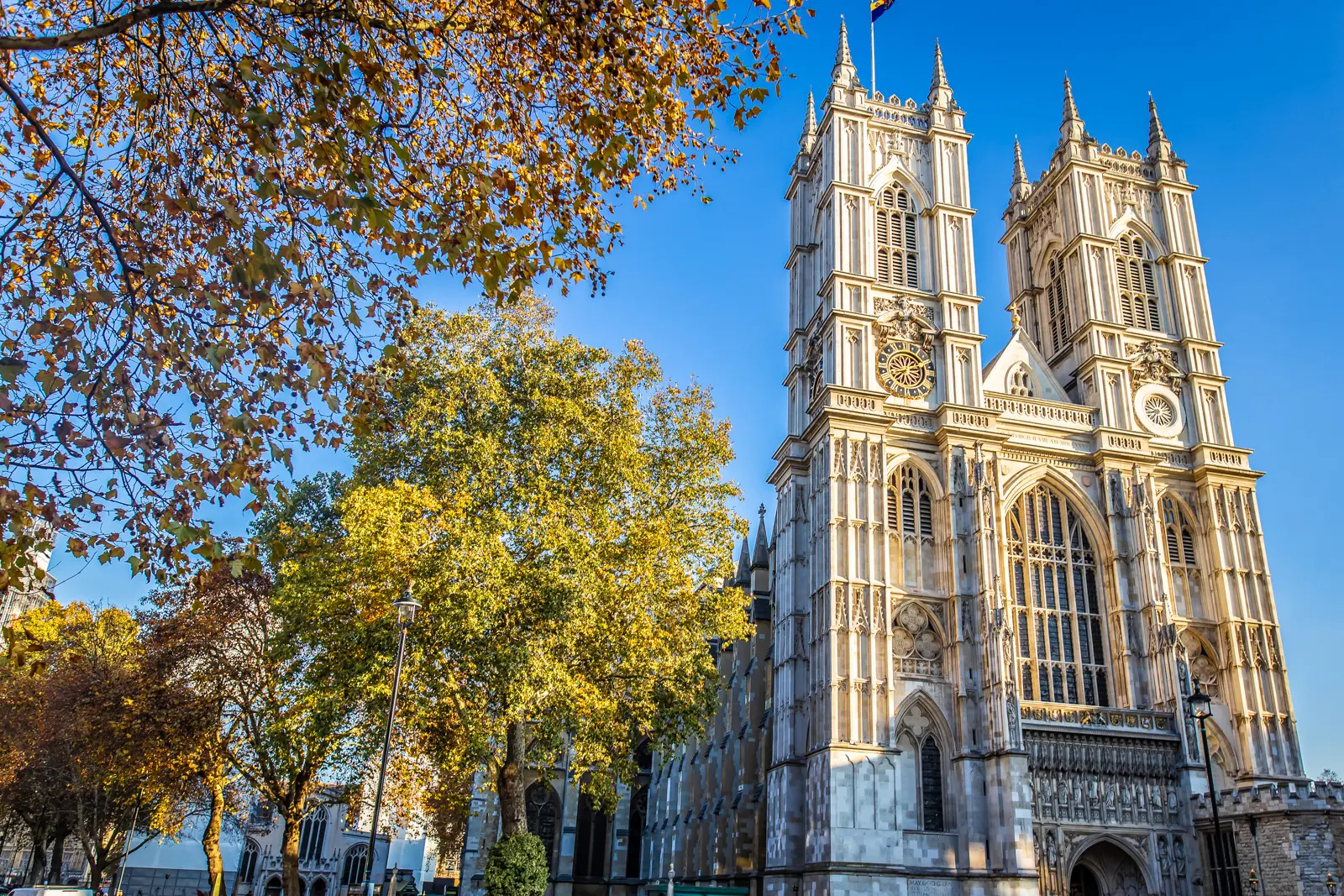
A short walk from Parliament, and one of the most important churches in the country. Every English and British coronation since 1066 has taken place here, and 17 monarchs are buried inside, along with the poets of Poets’ Corner and the Grave of the Unknown Warrior. It has been the setting for royal weddings and funerals for the better part of a thousand years.
I have admired Westminster Abbey from the outside on many trips without ever quite timing a visit inside, which I now regret every time I walk past that west front. The interior is on my list for next time, and I would book ahead rather than queue.
Adult entry is around £30. The Abbey is closed to sightseeing on Sundays, though services are open to attend for free.
7. Buckingham Palace
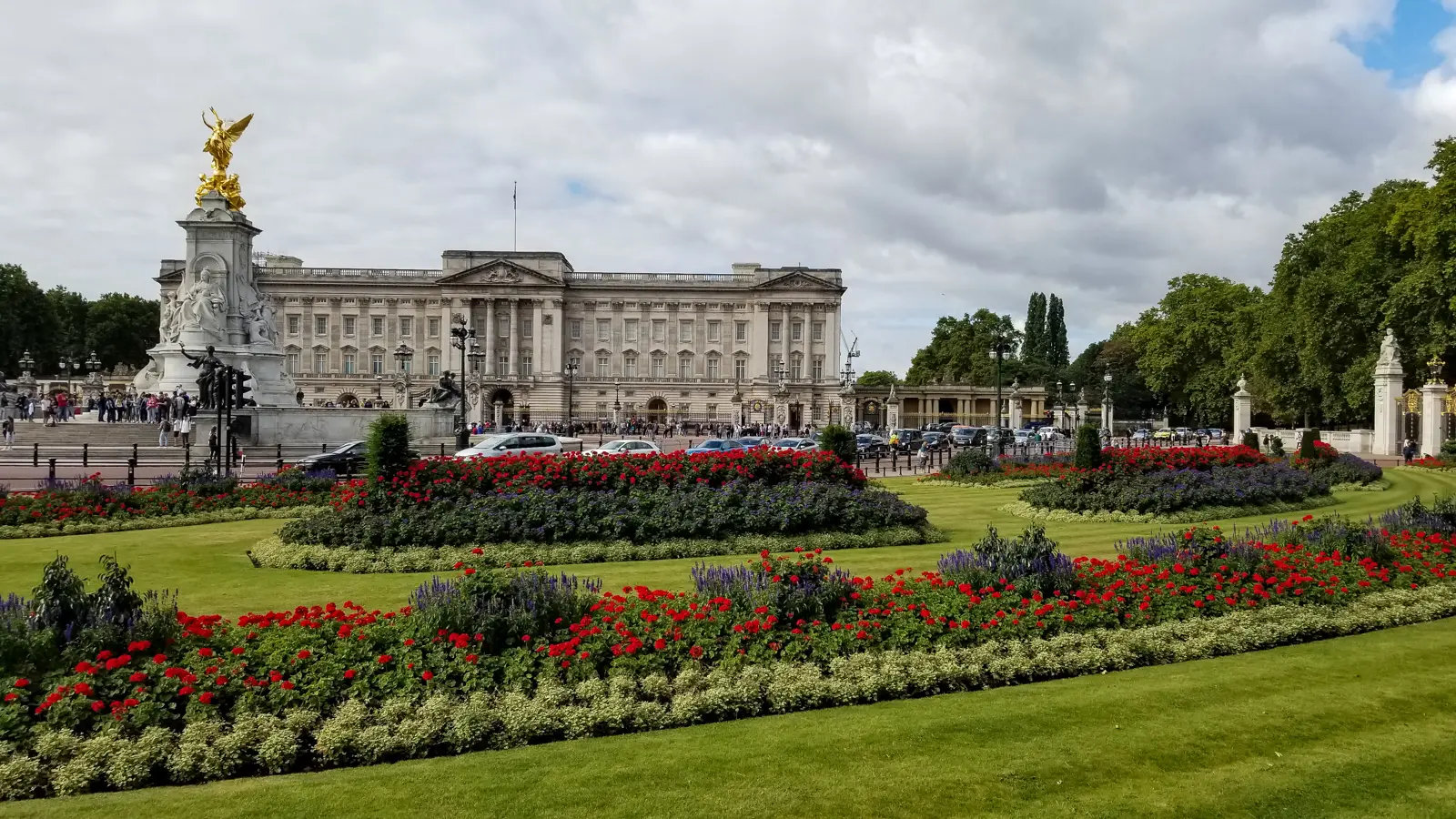
The official London home of the monarch, and the stage for every big royal moment: the balcony appearances, the wedding-day crowds, the flag that flies when the sovereign is in residence. Buckingham Palace has 775 rooms, though the ones the public can see are the 19 State Rooms, and those open for only about ten weeks each summer.
I have stood at the gates more than once without going inside, because the State Rooms were closed for the season each time. The thing that is always free is Changing the Guard, the bearskins and red tunics and the band, usually on Monday, Wednesday, Friday and Sunday at around 11am. It is worth arriving early, because the space around the Victoria Memorial fills fast.
Watching the guard is free. State Rooms tickets are summer only; in 2026 the opening runs from July to late September.
8. Trafalgar Square and the National Gallery
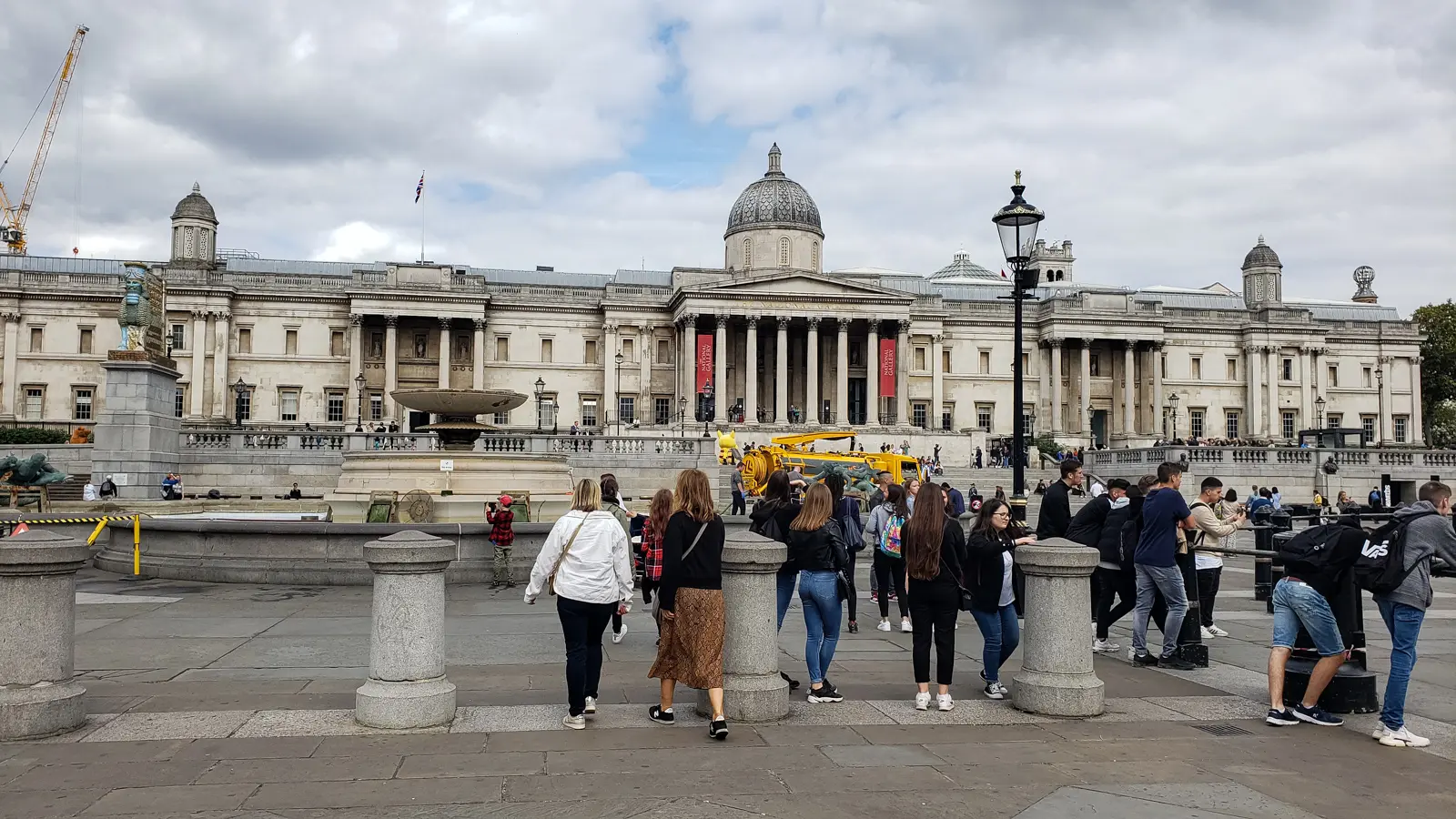
Two icons in one stop. Trafalgar Square is the civic heart of London, with Nelson’s Column, the fountains, the four plinths and the ever-changing artwork on the Fourth Plinth. On the north side, up the steps, is the National Gallery, and it holds one of the finest collections of Western European painting anywhere: Van Gogh‘s Sunflowers, works by Rembrandt, Vermeer, Turner, Monet and Leonardo, all free to see.
This is my deepest London obsession by a distance. I have written more about the National Gallery than any other place in the city, from the Impressionists to the Northern Renaissance to individual painters. The Sainsbury Wing reopened in 2025 after a full renovation, with the first complete rehang of the collection since 1991.
Admission to the permanent collection is free. It stays open late on Fridays, until 9pm.
9. The British Museum
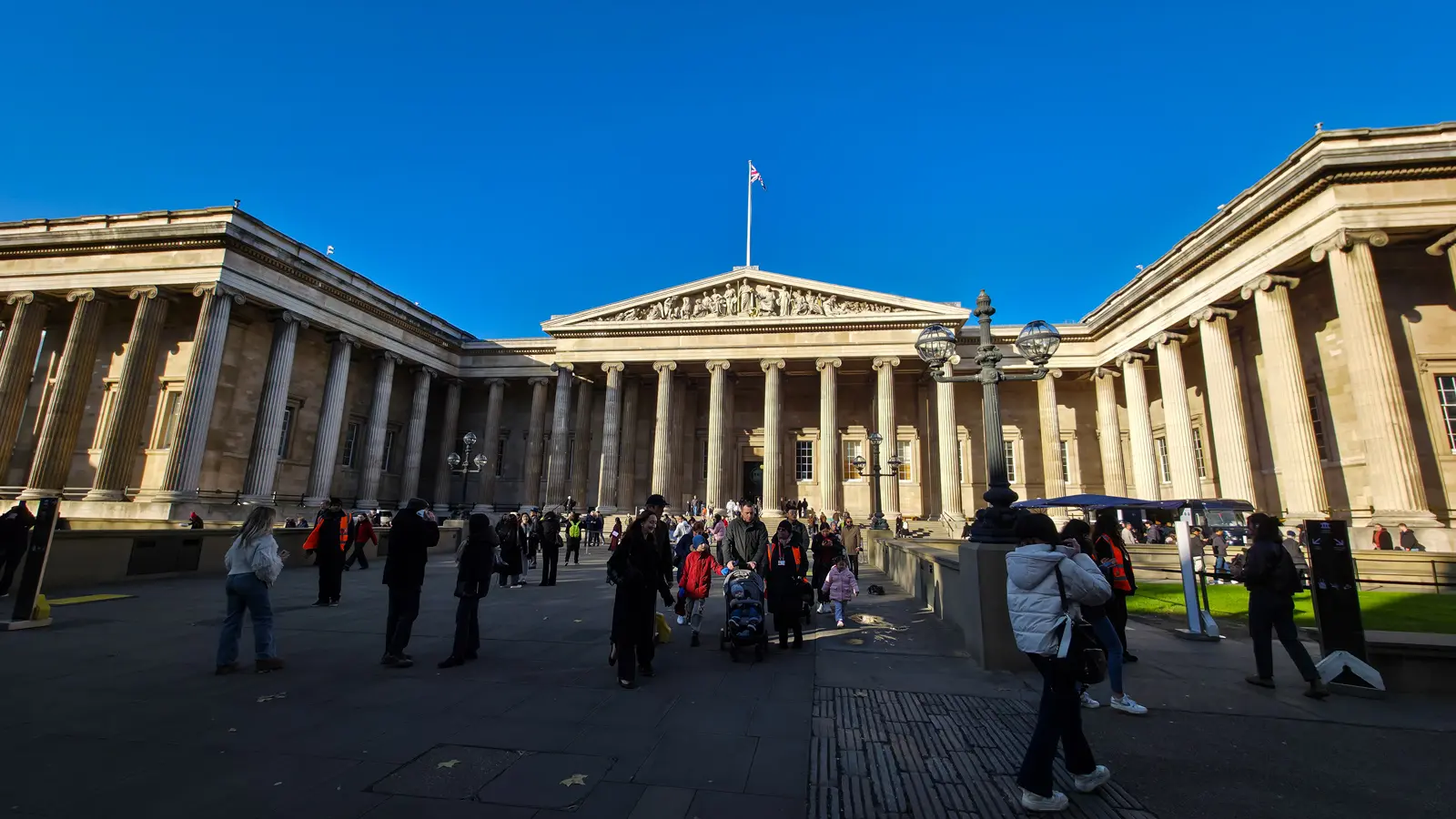
A ten-minute walk north into Bloomsbury reaches the British Museum, and two million years of human history under one roof. The Rosetta Stone, the Parthenon sculptures, the Egyptian mummies, the Lewis Chessmen and the Sutton Hoo treasures are all here, entered through Norman Foster’s Great Court, the largest covered public square in Europe, which opened in 2000.
I keep coming back to the Sutton Hoo room and the Anglo-Saxon helmets, which I once walked past on the way to the Lewis Chessmen before deciding they deserved a whole visit of their own. The Great Court alone is worth the walk in, all pale stone and that lattice of glass overhead.
Admission is free. The museum is open daily until 5pm, and until 8:30pm on Fridays.
10. Hyde Park and Kensington Gardens
After nine built landmarks, the tenth is where London breathes out. Hyde Park and the adjoining Kensington Gardens form one great green space in the middle of the city, once Henry VIII’s hunting ground, now 625 acres of lawns, the Serpentine lake, the Diana Memorial Fountain and Kensington Palace on the western edge.
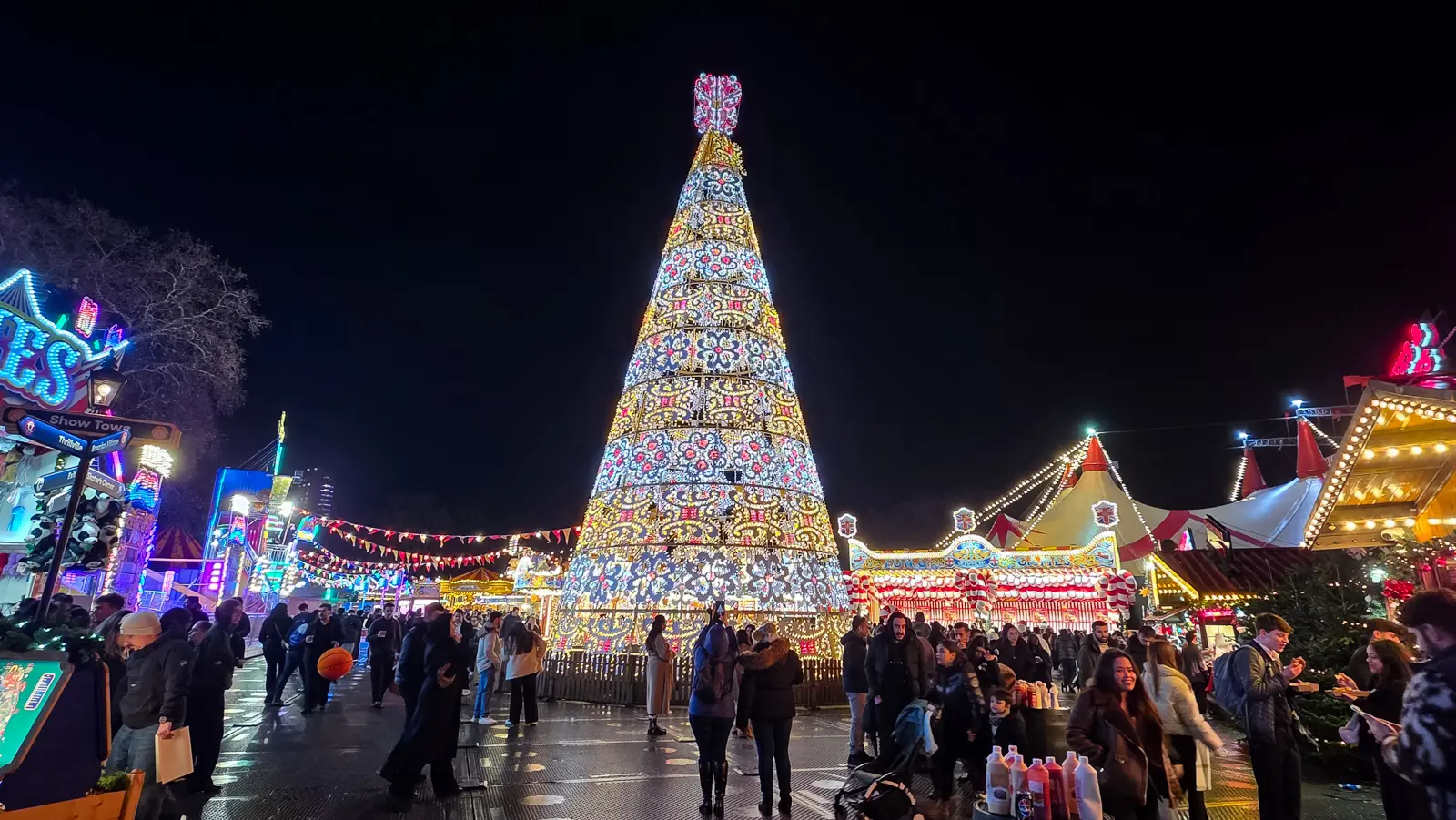
I came at the busiest time of the year, when the eastern end of Hyde Park turns into Winter Wonderland: the towering illuminated tree, the light arches, the fairground rides and the German market stalls, all packed with people on a cold December night. In summer the same ground is quiet lawns and the Serpentine. It is the easiest place in central London to slow right down, or, in my case, to be swept along with the crowd.
The parks are free and open from early morning until midnight. Kensington Palace is a separate paid ticket.
Bubbly Tips for a London Trip
- Get an Oyster card or just tap contactless. Contactless bank cards and phones work straight onto the Tube and buses at the same capped fares as an Oyster card. There is a daily cap, so you stop paying once you have made enough journeys.
- Book the paid attractions ahead, skip the queue on the free ones. The Tower, the Eye, Tower Bridge and Westminster Abbey all reward pre-booked timed tickets. The free museums (British Museum, National Gallery) let you walk in, though the British Museum asks for a free timed slot in peak months.
- Use the free museums as your bad-weather plan. When it rains, and it will, the National Gallery and British Museum cost nothing and swallow hours. Save them for the grey afternoon and do the outdoor icons on the clear morning.
- Walk the clusters, Tube between them. Tower and Tower Bridge are a pair. Parliament, the Abbey and St James’s Park are a pair. The Eye faces Parliament across one bridge. Group them and you save both money and time.
- Aim for Friday evenings at the galleries. Both the National Gallery (until 9pm) and the British Museum (until 8:30pm) open late on Fridays, and the late hours are far calmer than a weekend afternoon.
- Time Changing the Guard, do not chance it. It runs on set days, usually Monday, Wednesday, Friday and Sunday around 11am, but the schedule shifts. Check the official Household Division site the day before, and arrive by 10:15 for a spot.
- Shoot Parliament and the Eye from the opposite bank. The postcard of Big Ben is taken from the South Bank, not from beside it. The postcard of the Eye is taken from the Westminster side. Cross the river for the better photo.
- Check for closures before you commit. Working buildings change their access at short notice. The Tower has conservation work on some routes, Buckingham Palace’s State Rooms are summer only with rooms shut for reservicing in 2026, and the Abbey closes for state occasions. A two-minute check online saves a wasted trip.
Final Thoughts
Ten places, and not one of them is really finished with me. I have been up the Eye and along the South Bank more times than I can count, and I still have never been inside the State Rooms at Buckingham Palace. That is the thing about London: you can go for years and still have a list.
If you only have a few days, do not try to force all ten. Pick a couple of clusters, walk them slowly, and let the city fill the gaps between the landmarks, which is where London is often at its best. The Tower will still be there next time. So will the rest of the list, and so, most likely, will I.
Until next time!

🌟 Everything You Need to Plan Your Dream Trip in 2026
- 🌟 Luxury Hotels - Find premium stays with Booking.com & Hotels.com
- 🏡 Vacation Rentals - Discover unique properties on VRBO
- 🏞️ Guided Tours - Explore with Viator or GetYourGuide
- 🎫 Attraction Tickets - Skip the lines with Tiqets
- 🚢 Ocean Cruises - Set sail with Cruise Direct
- 📱 International SIMs - Stay connected with Saily
- 🚗 Car Rentals - Budget-friendly options from Discover Cars
- 🌐 Secure VPNs - Browse safely with NordVPN
- 💶 Currency Exchange - Best rates with Wise
- 🗣️ Learn Languages - Master the local language with Babbel and Rosetta Stone