
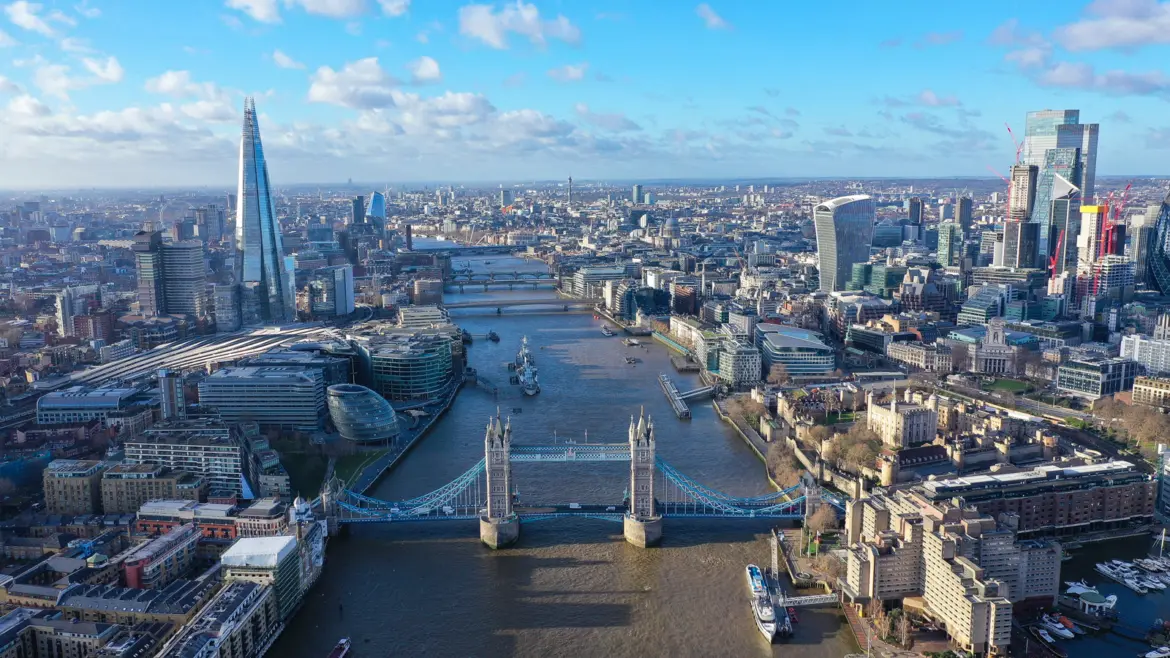
There are few rivers in the world as deeply connected to the identity of a city as the River Thames is to London. Flowing through the heart of the British capital for over 300 kilometres before reaching the North Sea, the Thames has shaped London’s history, economy, skyline, culture, and atmosphere for nearly two thousand years. More than simply a river running through the city, the Thames feels like the thread that ties London together.
Almost every major chapter of London’s story connects back to the river in some way. Roman settlers established Londinium beside its banks. Medieval merchants built fortunes through trade along its waters. Monarchs travelled across it by barge. Victorian engineers transformed its waterfront through bridges and embankments. Today, the Thames continues to define the rhythm of London life, flowing past ancient fortresses, modern skyscrapers, royal landmarks, theatres, markets, and riverside promenades that together create one of the world’s most recognizable urban landscapes.
What makes the Thames especially fascinating is its constant ability to connect different versions of London simultaneously. Along its banks, medieval architecture stands beside contemporary towers, historic churches rise near glass developments, and centuries-old bridges coexist with modern engineering. The river reveals London not as a city frozen in a single era, but as a place continuously evolving while carrying traces of every period that shaped it.
Walking along the Thames today, it becomes impossible not to feel how deeply the river continues to influence the atmosphere of London itself. Reflections shimmer beneath bridges, boats move steadily through the city, landmarks emerge dramatically along the skyline, and public life unfolds constantly along the riverbanks. The Thames is not simply part of London’s scenery, it remains one of the city’s defining forces.
The River Thames at a Glance
🌊 Length · 346 km / 215 miles from the Cotswolds to the North Sea — the longest river entirely within England.
🏛️ Founded London · The Romans built Londinium on the north bank around AD 47, choosing the site for its tidal river crossing.
🌉 Bridges in central London · Around 17 crossings between Hammersmith and Tower Bridge, each with its own architecture, era, and view.
🚤 Tidal range · The Thames rises and falls up to 7 metres twice a day all the way up to Teddington Lock.
📖 Cultural life · Anchored by the Tate Modern, Shakespeare’s Globe, the BFI, the Southbank Centre, and the daily book market under Waterloo Bridge since 1983.
🌃 Best at · Sunset and after dark — illuminated bridges, glowing landmarks, reflections across the water.
🚇 Best stations · Westminster, Embankment, Waterloo, Southwark, Blackfriars, London Bridge, Tower Hill.
The Origins of London Along the Thames
The relationship between London and the Thames began long before the modern city existed. Around AD 43, the Romans established the settlement of Londinium along the northern bank of the river, recognizing the strategic and commercial advantages of the location. The Thames provided access inland from the sea while also serving as a transportation and trade route connecting different parts of Roman Britain. The river quickly became central to London’s growth. Goods, people, and ideas moved along the Thames, helping transform Londinium into one of the most important settlements in Roman Britain. Even after the collapse of Roman rule, the river continued shaping the city’s development throughout the medieval period and beyond.
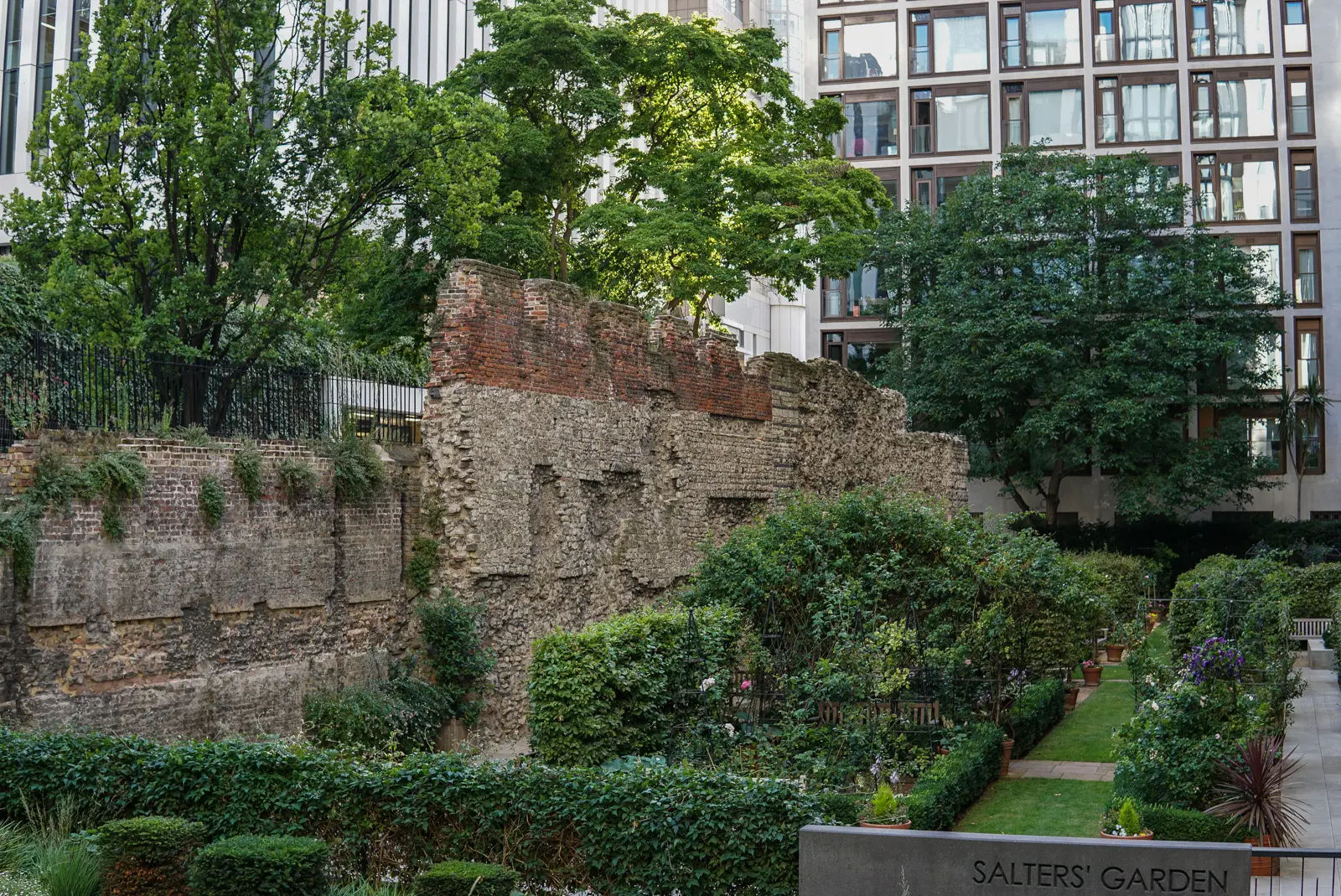
For centuries, the Thames functioned as London’s primary commercial artery. Before modern roads and railways, the river allowed goods ranging from spices and textiles to timber and coal to flow directly into the city. The bustling wharves and docks along the Thames became symbols of London’s growing economic power and global influence. The river also shaped the geography of political and royal power. Important institutions including the Tower of London, the Palace of Westminster, and royal palaces were positioned along or near the river, reinforcing the Thames as both a practical and symbolic centre of authority.
The Thames and London’s Skyline
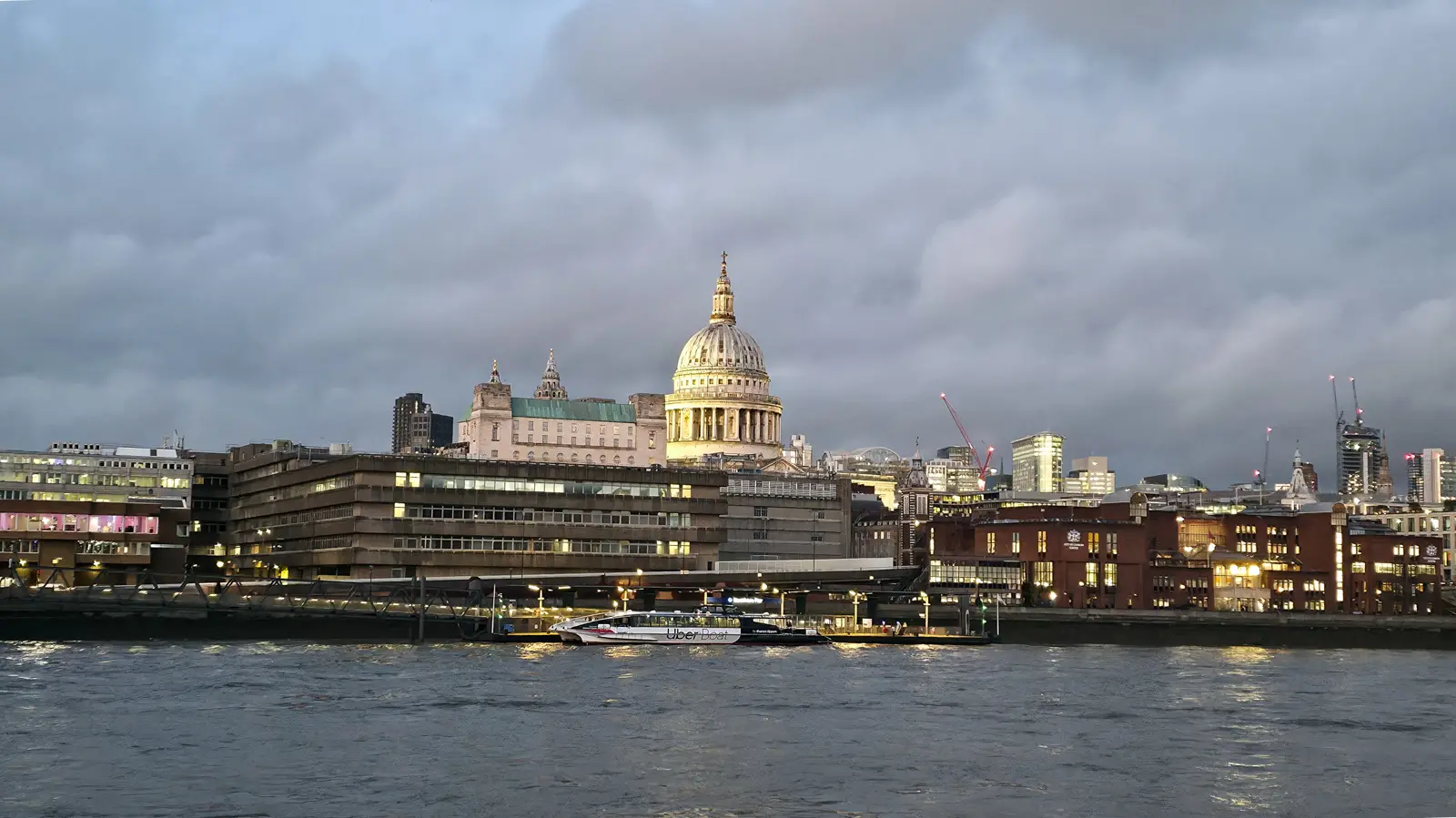
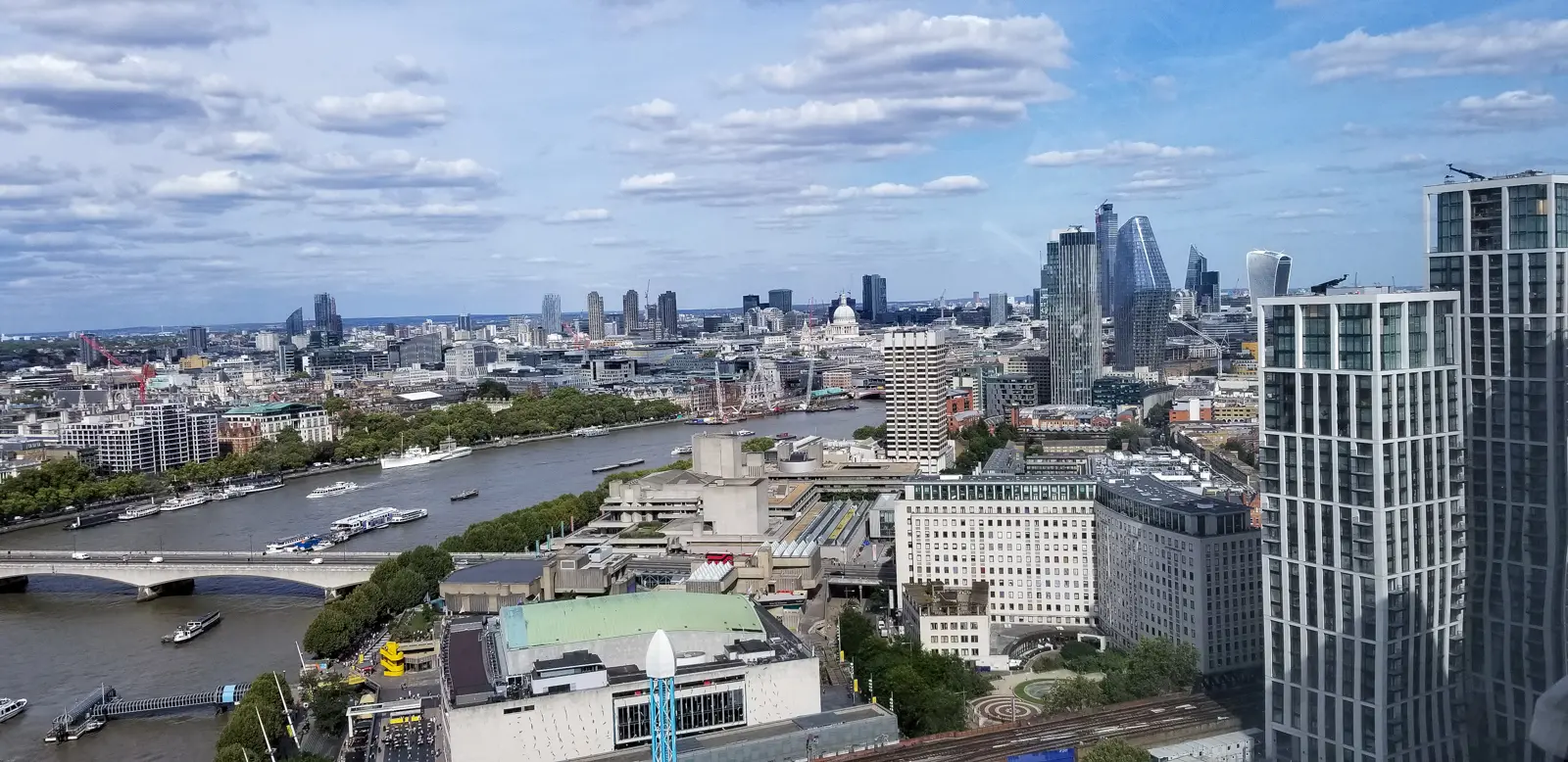
One of the most remarkable aspects of the Thames is the way it frames London’s skyline. The curves of the river create constantly shifting perspectives that reveal different architectural layers of the city from nearly every angle. Standing beside the Thames, visitors can often see centuries of London history unfolding within a single view. Tower Bridge rises beside modern skyscrapers in the City of London. The dome of St Paul’s Cathedral appears beyond contemporary glass towers. Big Ben and the Palace of Westminster overlook the river while modern developments continue expanding further downstream.
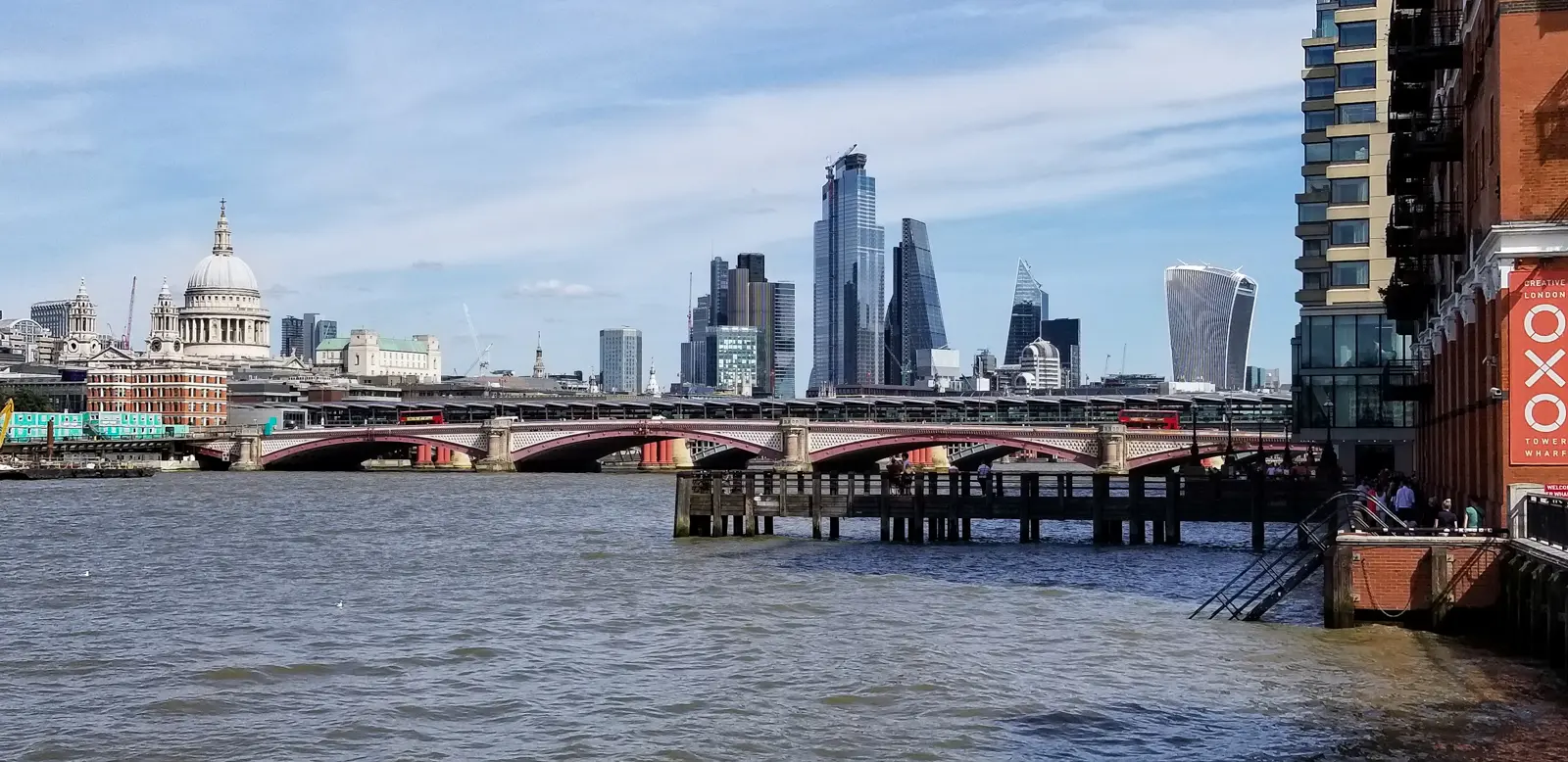
The river also contributes enormously to the visual drama of the city itself. Reflections, changing weather, shifting clouds, and evening illumination constantly transform the atmosphere along the Thames. London’s famously unpredictable skies often create particularly cinematic moments where sunlight, mist, rain, and reflections interact across the water.
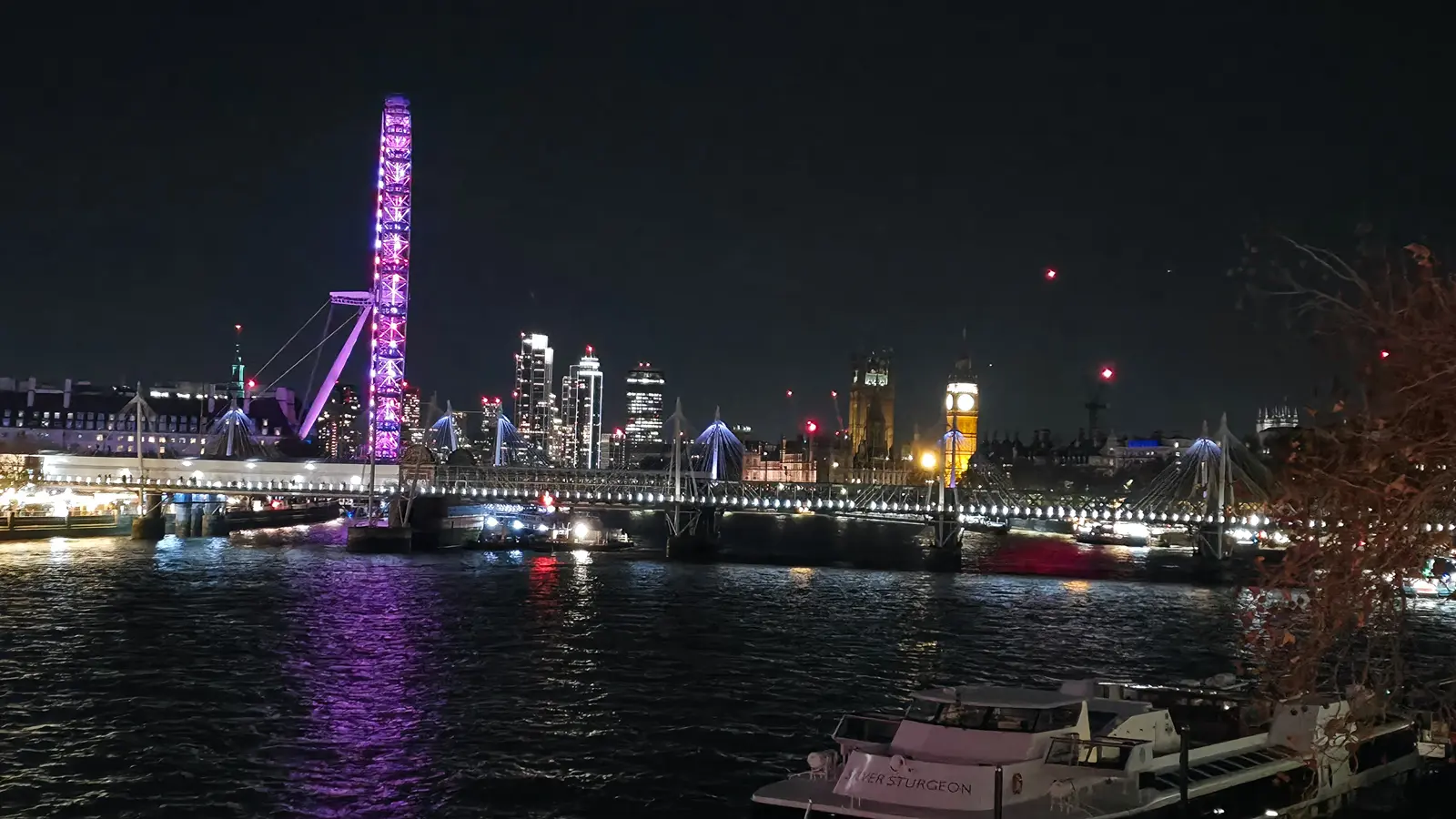
At night, the Thames becomes even more atmospheric. Illuminated bridges, glowing landmarks, and reflections stretching across the river create some of the most memorable urban views in Europe. Whether viewed from a riverside promenade, a bridge crossing, or a boat along the water, the Thames reveals a version of London that feels constantly alive and evolving.
Bridges Across the Thames
The bridges crossing the Thames are among the defining features of London itself. Each bridge contributes its own architectural style, historical significance, and atmosphere while helping connect the city physically and symbolically. Among the most iconic is Tower Bridge, whose Victorian Gothic Revival towers and movable bascules have become one of London’s most recognizable landmarks. Nearby, the modern skyline of the City rises behind the historic bridge, creating one of the clearest visual examples of old and new London coexisting side by side.
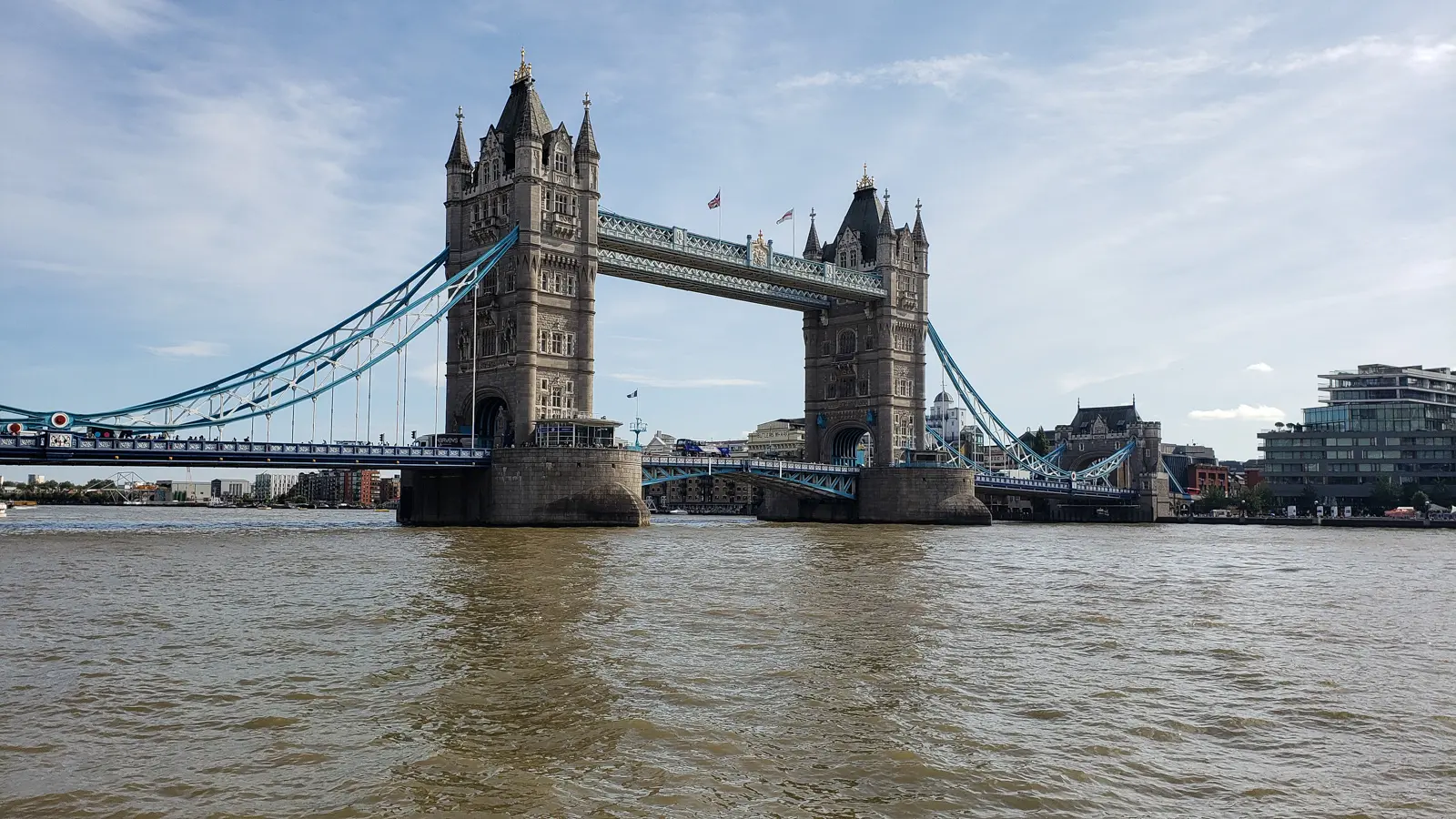
Further west, Westminster Bridge frames famous views of Big Ben and the Palace of Westminster, while Waterloo Bridge offers sweeping panoramic views often considered among the finest in the city. Millennium Bridge introduces a more contemporary architectural perspective, linking St Paul’s Cathedral with the Tate Modern across the river.
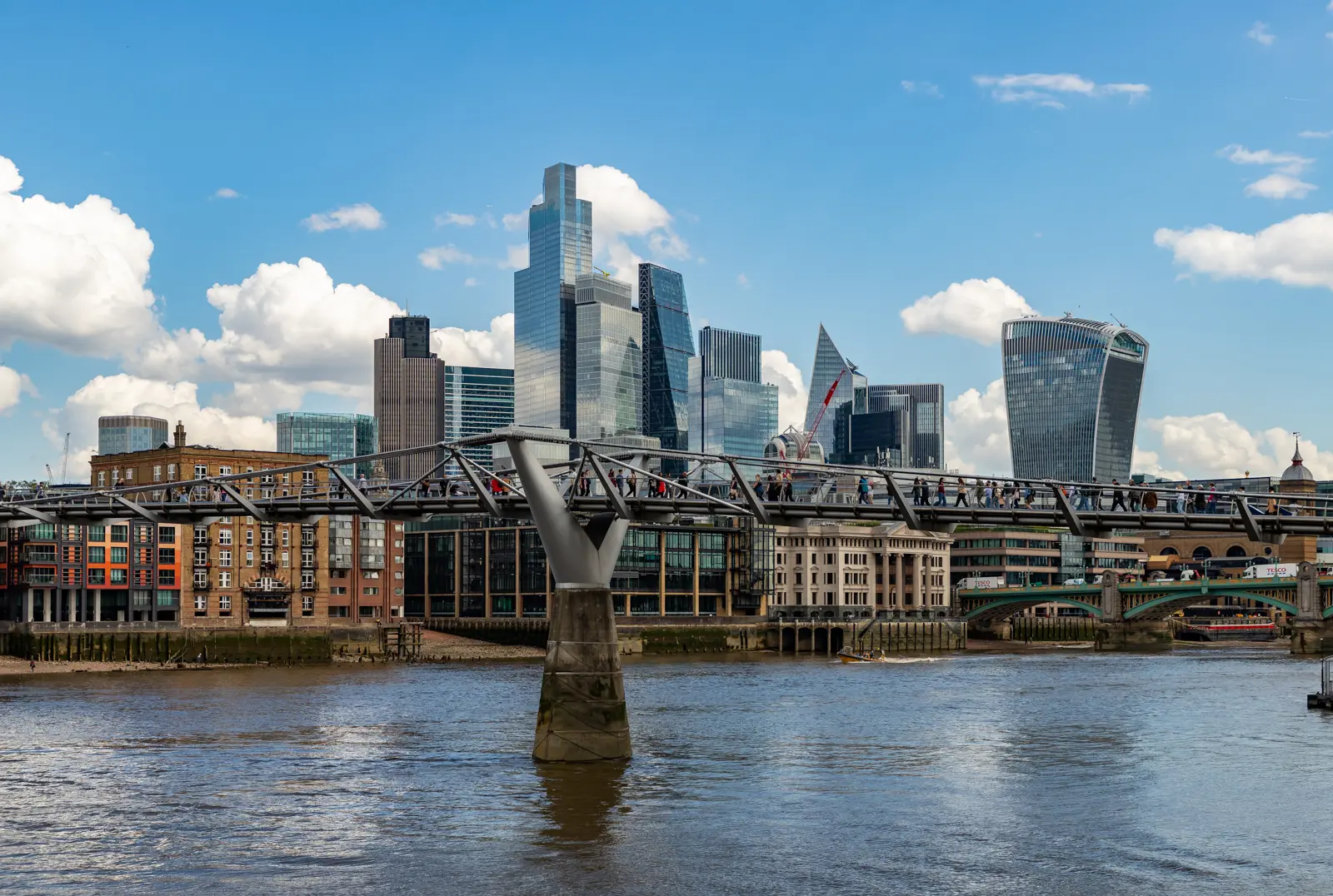
Each crossing reveals different moods of London. Some feel monumental and ceremonial, while others feel quieter and more reflective. Together, they reinforce the Thames not as a barrier dividing the city, but as a space constantly connecting different neighbourhoods, histories, and experiences.
Walking Along the South Bank
One of the most enjoyable ways to experience the Thames today is by walking along the South Bank. Once associated more heavily with industry and warehouses, the area has transformed into one of London’s most vibrant public spaces filled with cultural institutions, markets, restaurants, theatres, riverside cafés, and pedestrian promenades. Walking along the South Bank reveals a version of London that feels energetic, creative, and constantly in motion. Street performers entertain crowds near the London Eye while food vendors, book markets, and riverside terraces create an atmosphere that feels simultaneously local and international.
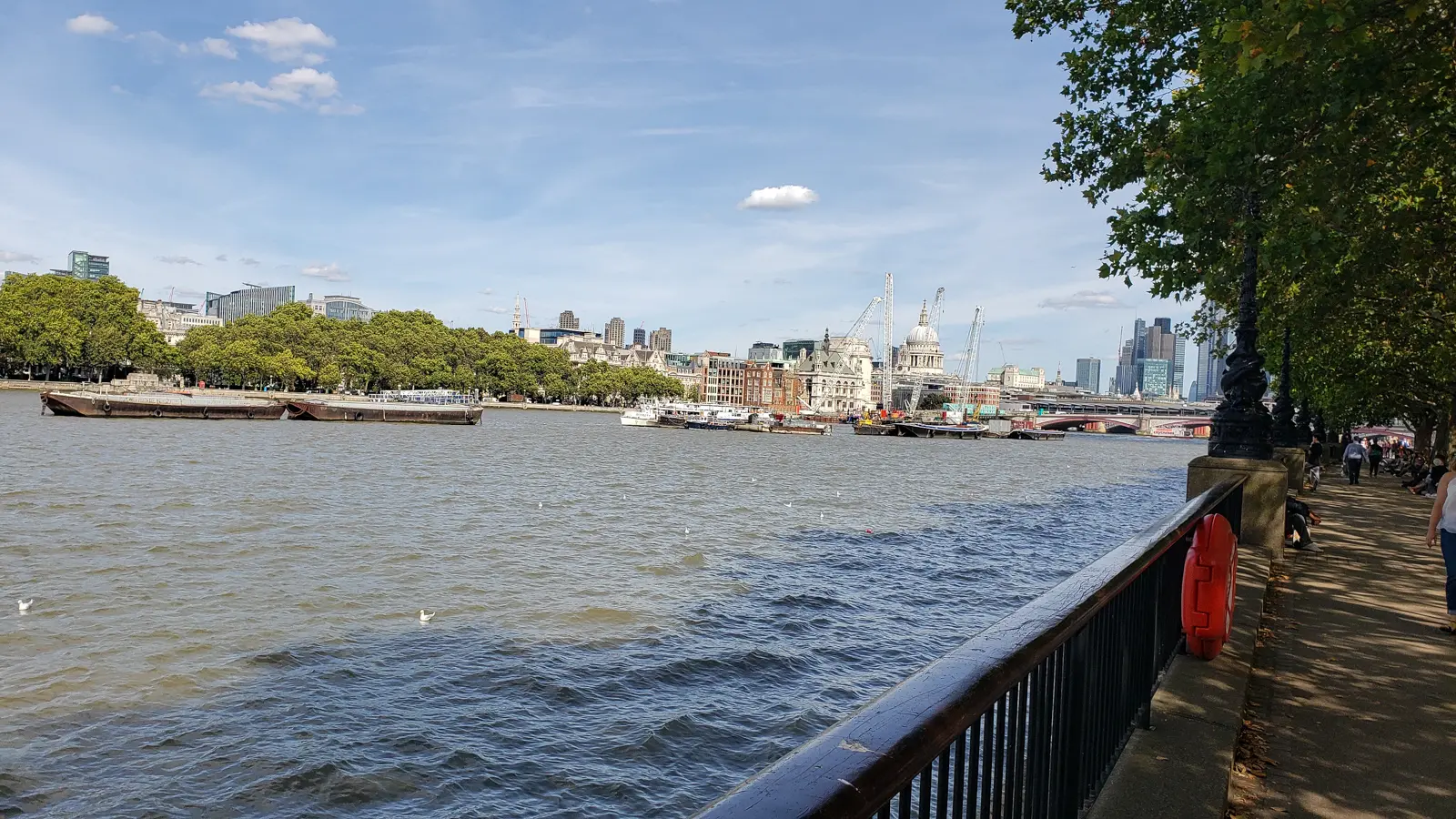
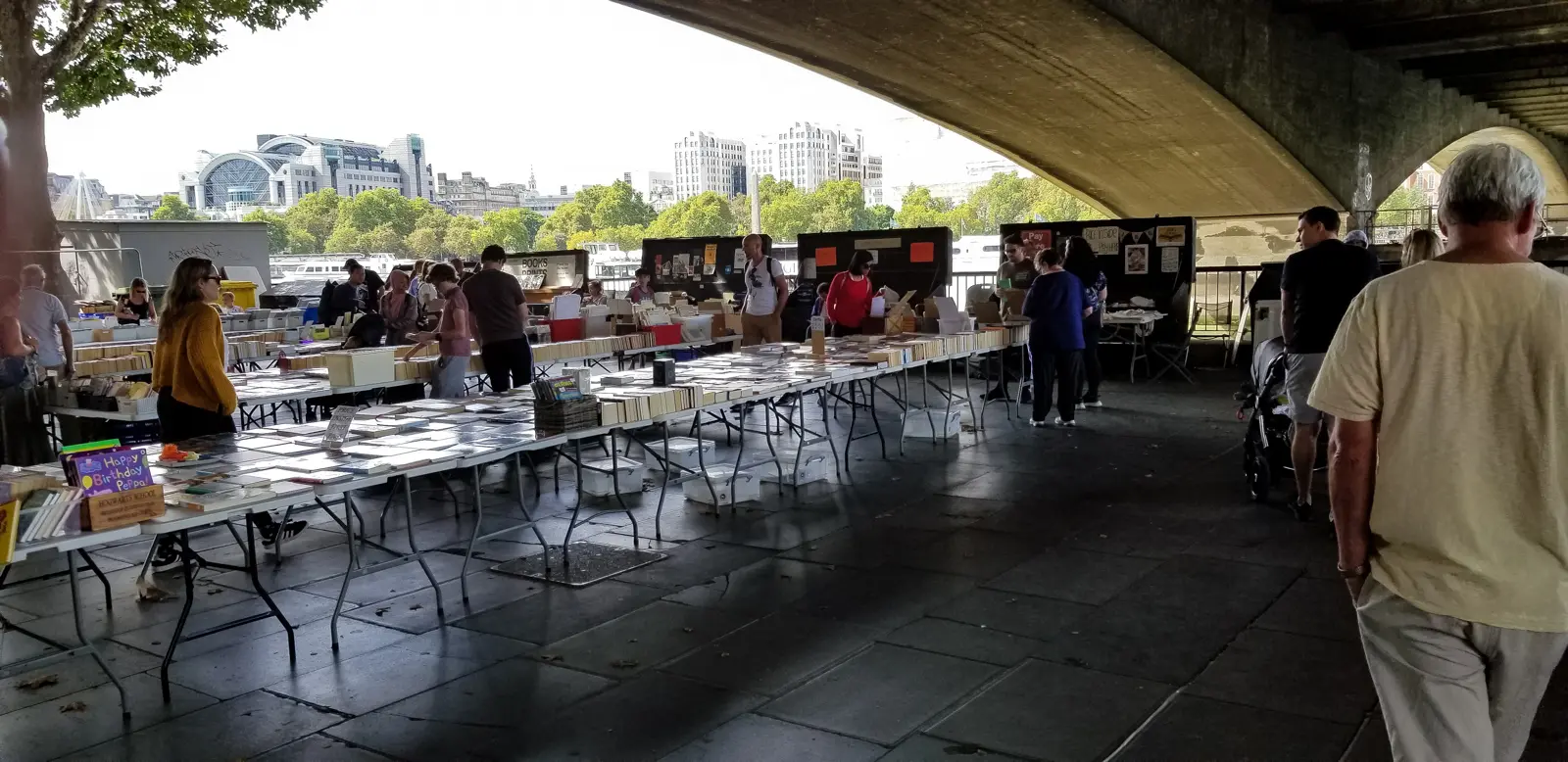
The river itself remains central to the experience. Boats move steadily along the Thames while bridges frame the skyline overhead and landmarks emerge gradually as visitors continue walking. The atmosphere changes naturally throughout the day, from quieter mornings beside the water to lively evenings filled with light, movement, and reflections across the river.
What makes the South Bank particularly memorable is the way it combines London’s monumental landmarks with everyday urban life. People jog along the river, gather at cafés, browse book stalls, attend performances, or simply pause to admire the skyline. The Thames becomes not only something to observe, but something actively lived beside.
The Thames at Night
Few places capture the atmosphere of London as beautifully as the Thames after dark. As evening falls, the river begins reflecting the illuminated skyline while bridges and landmarks glow above the water. The contrast between historic architecture and modern towers becomes especially striking at night. Tower Bridge illuminates dramatically above the river while skyscrapers shimmer beyond it. The London Eye glows along the South Bank, and reflections from Westminster and the City stretch across the water beneath changing skies.
Walking beside the Thames at night often feels surprisingly calm compared to the pace of the surrounding city. The movement of the river softens the urban landscape, creating moments of stillness within one of the world’s busiest capitals. Reflections, lights, and river sounds combine to create an atmosphere that feels cinematic, reflective, and unmistakably London. Even after centuries of development and transformation, the Thames continues to shape the emotional atmosphere of the city just as profoundly as it shaped its physical growth.
The Thames in Literature, Film, and Popular Culture
The Thames has long inspired writers, artists, filmmakers, and musicians who viewed the river as central to London’s identity. Throughout literature and popular culture, the Thames often appears as both setting and symbol – representing mystery, movement, trade, power, or transformation. The river appears throughout the works of writers such as Charles Dickens, whose descriptions of Victorian London frequently captured the fog, industry, and social contrasts associated with the Thames. Modern films and television series continue using the river as one of London’s most iconic visual elements, from Harry Potter to James Bond films and countless historical dramas.
What makes the Thames so visually compelling in storytelling is its ability to reveal multiple versions of London simultaneously. Depending on perspective, the river can appear royal, industrial, romantic, modern, mysterious, or deeply historical – sometimes all at once.
The River That Continues to Shape London
Although modern London no longer depends on the Thames in the same way it once did for trade and transportation, the river continues shaping the city’s identity profoundly. It influences urban planning, tourism, architecture, public life, and the emotional experience of moving through London itself. The Thames connects neighbourhoods that might otherwise feel entirely different from one another. It creates open space within a dense urban environment while simultaneously acting as one of London’s greatest visual and cultural anchors. Whether viewed from bridges, riverbanks, restaurants, parks, ferries, or observation decks, the Thames remains central to how people experience the city.
Perhaps what makes the Thames most remarkable is its continuity. Empires rose and fell beside its banks. Monarchs ruled from riverside palaces. Victorian engineers transformed its waterfront. Modern skyscrapers continue rising around it. Yet the river itself remains a constant presence flowing through every chapter of London’s story.
Bubbly Tips for Experiencing the Thames
- Walk different sections of the river: Each stretch of the Thames offers a completely different atmosphere and perspective on London.
- Experience the Thames during both day and night: Reflections and illumination transform the river dramatically after dark.
- Cross multiple bridges: Each bridge reveals unique skyline views and architectural contrasts.
- Take time to simply pause beside the water: Some of London’s most memorable moments come from quietly observing the river and city movement around it.
- Explore both the North Bank and South Bank: The atmosphere shifts noticeably between the two sides of the river.
- Consider a river cruise or boat ride: Viewing London from the Thames offers a perspective impossible to experience entirely from street level.
- Bring a camera for reflections and skyline photography: The changing light along the river creates constantly evolving compositions.
- Location: The River Thames flows through the heart of London and connects many of the city’s most famous landmarks and neighbourhoods.
Final Thoughts
The Thames is far more than a river flowing through London. It is the force that helped shape the city’s history, identity, atmosphere, and evolution for nearly two thousand years. From Roman Londinium to modern skyscrapers, the river has remained present through every chapter of London’s story.
What makes the Thames especially unforgettable is the way it reveals London’s complexity so naturally. Along its banks, visitors encounter monarchy and modernity, medieval fortresses and contemporary towers, quiet reflections and vibrant city life all existing side by side.
Walking beside the Thames today, it becomes easy to understand why the river continues to inspire artists, writers, filmmakers, and travellers from around the world. The Thames does not simply pass through London, it defines it.
Have you explored the Thames during your time in London? I would love to hear which part of the river left the strongest impression on you.
Happy travels!

🌟 Everything You Need to Plan Your Dream Trip in 2026
- 🌟 Luxury Hotels - Find premium stays with Booking.com & Hotels.com
- 🏡 Vacation Rentals - Discover unique properties on VRBO
- 🏞️ Guided Tours - Explore with Viator or GetYourGuide
- 🎫 Attraction Tickets - Skip the lines with Tiqets
- 🚢 Ocean Cruises - Set sail with Cruise Direct
- 📱 International SIMs - Stay connected with Saily
- 🚗 Car Rentals - Budget-friendly options from Discover Cars
- 🌐 Secure VPNs - Browse safely with NordVPN
- 💶 Currency Exchange - Best rates with Wise
- 🗣️ Learn Languages - Master the local language with Babbel and Rosetta Stone