
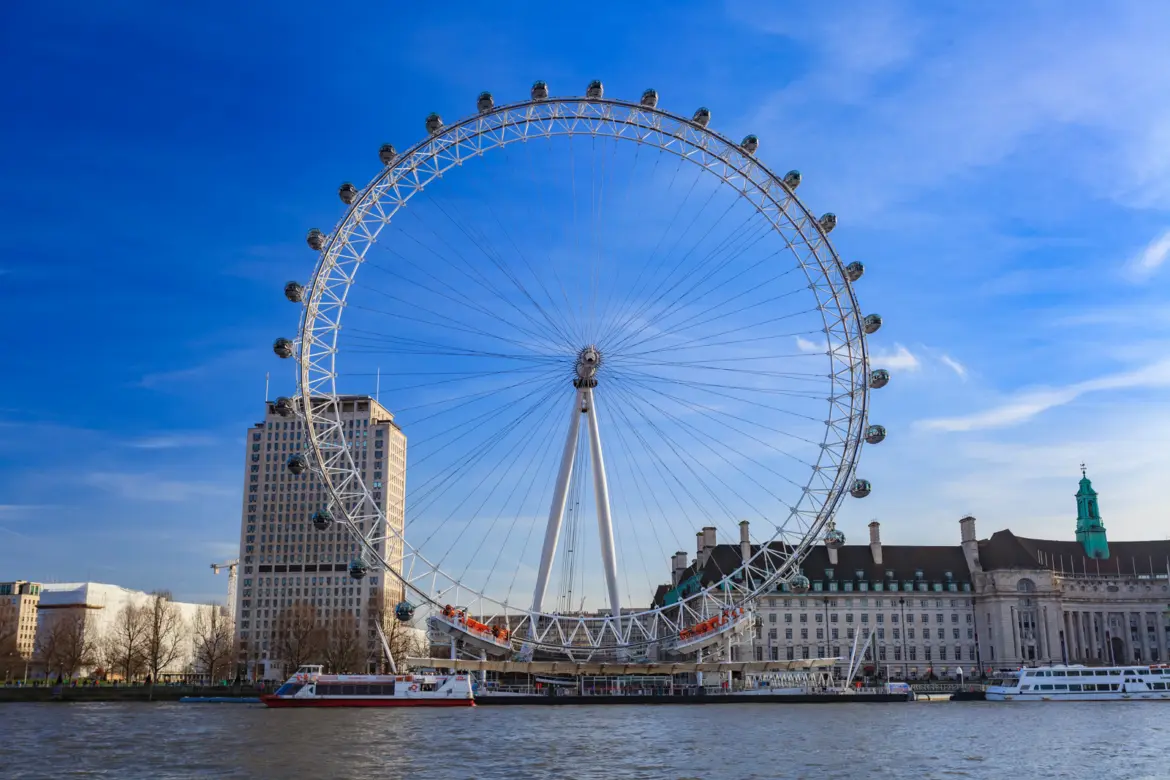
There are certain landmarks that become so deeply associated with a city that they begin to shape its identity, and the London Eye has undoubtedly become one of modern London’s defining symbols. Rising gracefully above the River Thames on the South Bank, the London Eye offers far more than panoramic views. It provides a completely different perspective on the city itself, revealing the remarkable relationship between historic London and its constantly evolving modern skyline.
What makes the London Eye especially memorable is not only its height or engineering, but the experience of slowly ascending above the city. Unlike traditional observation decks that transport visitors instantly to the top of a building, the London Eye reveals London gradually. As the capsule rises, landmarks begin unfolding one by one beneath shifting skies and reflections on the Thames, creating an experience that feels immersive, cinematic, and surprisingly emotional.
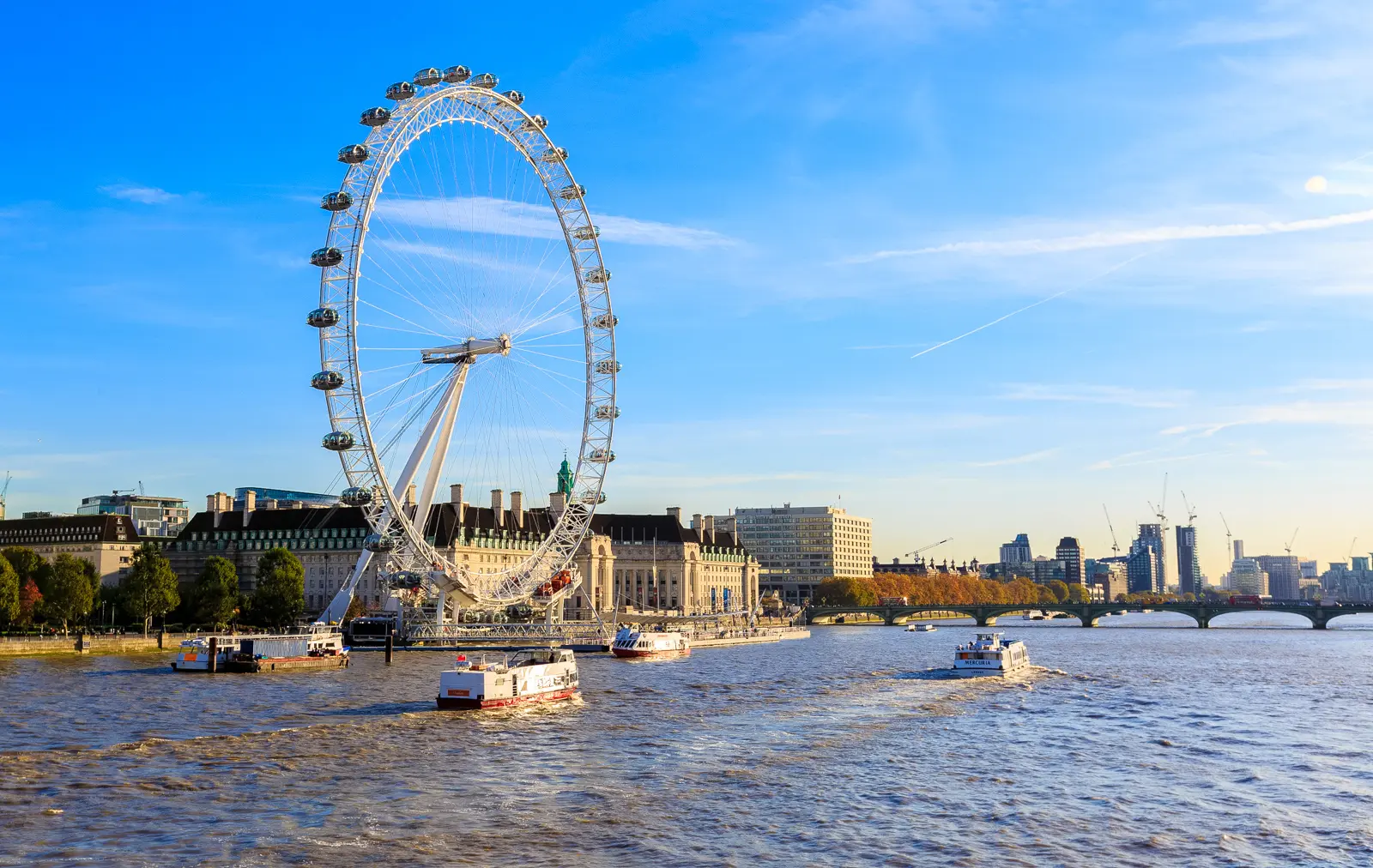
Standing along the South Bank and looking up at the wheel itself, it becomes clear how naturally it now belongs to London’s skyline. Yet despite feeling timeless today, the London Eye is actually a relatively recent addition to the city, representing London’s transition into the 21st century while simultaneously becoming one of its most recognizable global landmarks.
The London Eye at a glance
📍 Where · Riverside Building, County Hall, South Bank · directly across the Thames from Big Ben.
📏 Size · 135 metres tall · 120-metre diameter · world’s largest cantilevered observation wheel.
🎡 Capsules · 32 sealed, air-conditioned glass capsules numbered 1 to 33 (skipping 13 for superstition) · each represents one of London’s 32 boroughs.
⏱️ Ride · One full rotation takes about 30 minutes · the wheel turns continuously at 26 cm per second, slow enough to board without stopping.
🗓️ Opened · Officially launched 31 December 1999 · first paying passengers 9 March 2000 · originally intended as a five-year temporary attraction.
The Story Behind the London Eye
The London Eye was originally conceived as part of London’s millennium celebrations and was initially known as the Millennium Wheel. The idea emerged in the early 1990s when husband-and-wife architects David Marks and Julia Barfield submitted a proposal for a new London landmark to commemorate the beginning of the new millennium. Their design was created for a competition organised by The Sunday Times and the Architecture Foundation in 1993. Although no official winner was ultimately selected, Marks and Barfield continued developing the concept independently, eventually securing crucial financial backing from British Airways, whose support helped transform an ambitious architectural vision into a viable reality.
The architects envisioned a structure that would allow people to experience London from above in an accessible and inclusive way. Rather than creating another tower or monument, they imagined a giant observation wheel that would celebrate both the city and the act of viewing it. The concept reflected a broader shift toward modern London at the turn of the millennium, where innovation, design, engineering, and public experience became increasingly intertwined.
Construction officially began in 1998, and the project quickly became recognised as one of the most ambitious engineering undertakings in London at the time. The wheel was assembled horizontally above the River Thames on floating platforms before being gradually raised into its upright position over several days in October 1999, a spectacular operation that Londoners watched with fascination as the massive structure tilted slowly skyward.
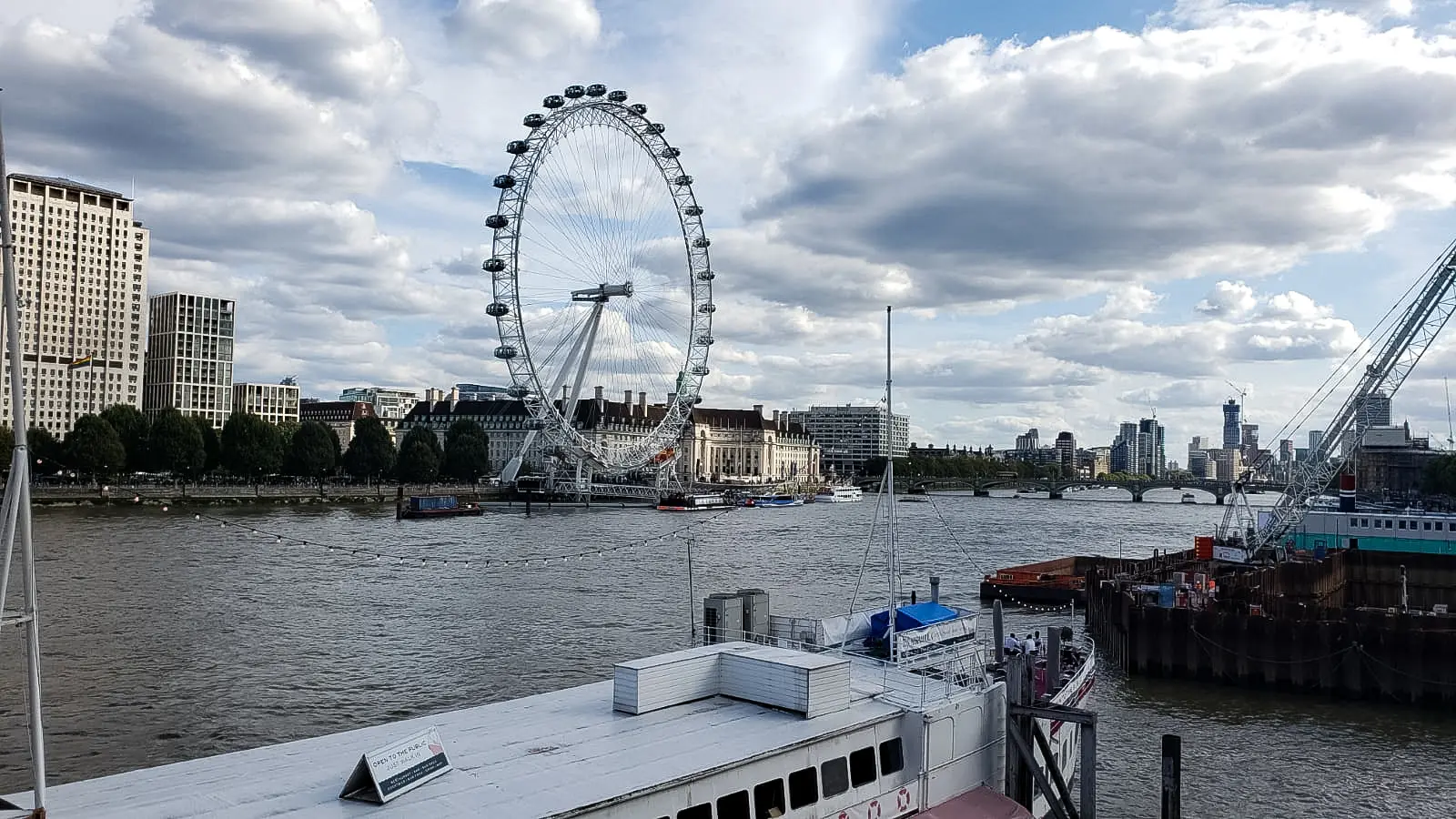
The London Eye was ceremonially opened by Prime Minister Tony Blair on 31 December 1999, with a ceremony featuring lasers and fireworks set to the music of Gustav Holst, though paying passengers did not ride until 9 March 2000, three months behind schedule. Originally intended to remain in London for only five years, the wheel became so popular that its planning permission was extended and it was ultimately retained permanently. Today, the London Eye has become not only one of the city’s most visited attractions, but also one of the defining symbols of modern London itself.
Design, Engineering, and Modern Innovation
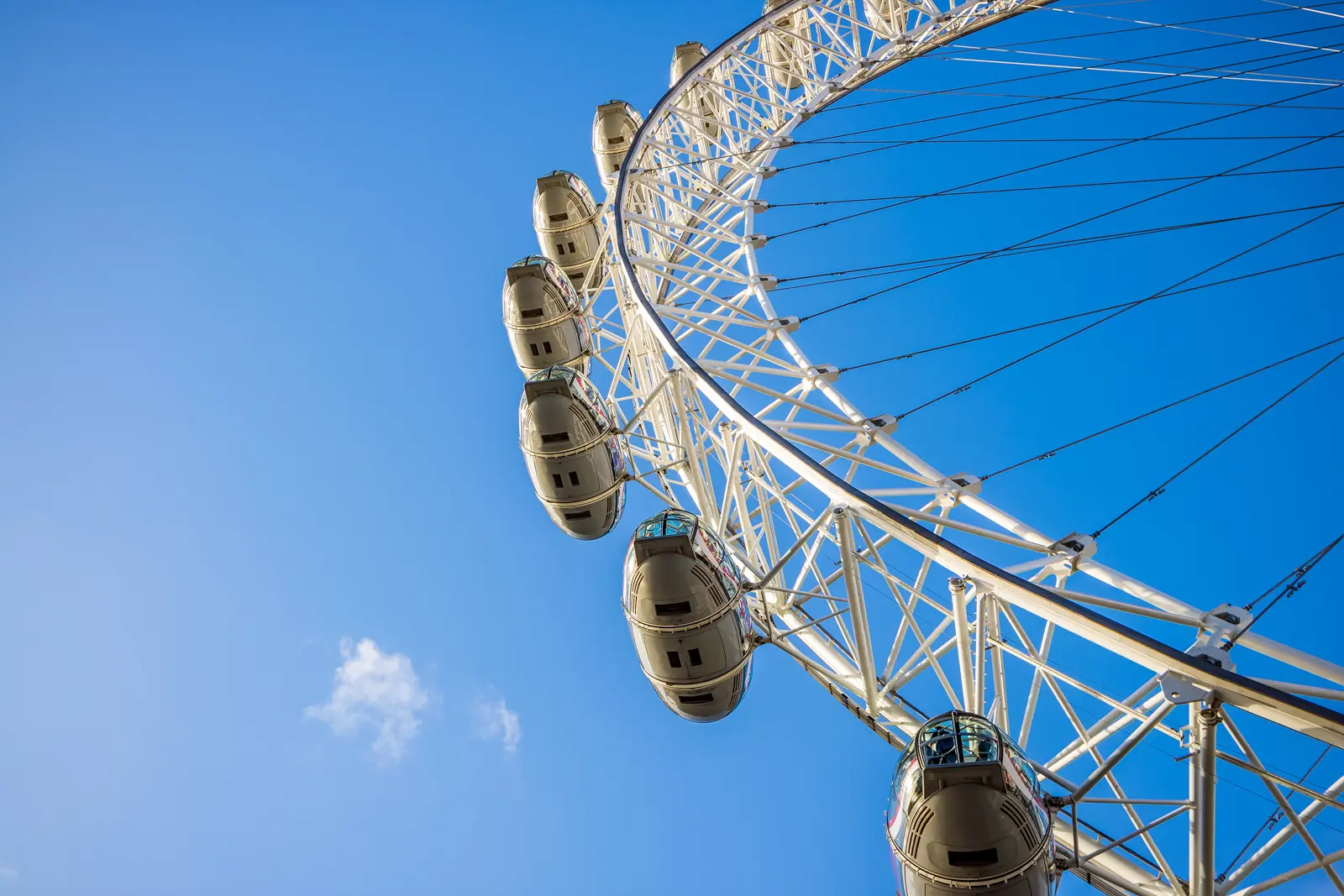
One of the most fascinating aspects of the London Eye is its design. At 135 metres tall, it was the world’s tallest observation wheel when it opened and remains the world’s largest cantilevered observation wheel today. Unlike traditional Ferris wheels supported on both sides, the London Eye is cantilevered, supported by an A-frame on one side only, with the wheel leaning outward over the river at a 65-degree angle, giving it a far cleaner and more elegant visual profile against the skyline.
The wheel’s structure resembles a giant bicycle wheel, with 64 tensioned steel cables supporting the rim. This design contributes not only to its engineering stability, but also to its visual lightness and transparency. Despite its enormous scale, the London Eye avoids feeling heavy or overwhelming against the River Thames skyline, instead appearing remarkably graceful and balanced.
The project itself was highly international in scope, with components sourced from six European countries: steel supplied from the United Kingdom and fabricated in the Netherlands, cables from Italy, bearings from Germany, the spindle and hub cast in the Czech Republic, and the capsules manufactured in France, with the glass for both the capsules and the wheel sourced from Italy. The complexity of the project reflected the enormous engineering ambition behind the structure. Once assembled horizontally above the river, the wheel was raised into its upright position using a strand jack system, initially lifted at two degrees per hour until it reached 65 degrees, before pausing for a week while engineers prepared for the second phase of the lift. The operation itself became a spectacle, watched closely by Londoners as the enormous structure slowly rose above the Thames skyline.
The capsules themselves are also part of the attraction’s appeal. The London Eye contains 32 sealed, air-conditioned glass capsules numbered 1 to 33, skipping number 13 for superstitious reasons, each representing one of London’s 32 boroughs. Each capsule weighs around 10 tonnes and holds up to 25 passengers, who are free to move around inside while enjoying uninterrupted panoramic views. The wheel rotates continuously at around 26 centimetres per second, slow enough that passengers can board without the wheel stopping, while each full rotation takes approximately 30 minutes, allowing London to unfold gradually beneath the capsules.
What makes the design particularly successful is that the London Eye manages to feel distinctly modern while still integrating naturally into one of the world’s most historic urban landscapes. It represents contemporary London without competing aggressively against the city’s historic architecture, creating a dialogue between old and new that feels remarkably cohesive.
The Experience of Rising Above London
Experiencing the London Eye is very different from visiting a traditional observation deck. The movement is slow and continuous, allowing the city to reveal itself gradually rather than all at once. This pacing becomes part of the experience itself. As the capsule ascends, London begins unfolding layer by layer beneath you, from the curves of the River Thames to the rooftops, bridges, parks, and historic landmarks stretching across the horizon.
One of the most striking aspects of the ride is how clearly London’s contrasts become visible from above. Gothic landmarks such as Big Ben and the Palace of Westminster stand beside contemporary skyscrapers and modern developments rising around the City of London and Canary Wharf. Historic bridges connect districts with entirely different personalities, while green parks interrupt the density of the urban landscape in unexpected ways. The winding shape of the Thames becomes especially dramatic from above, revealing how deeply the river shapes the structure, movement, and rhythm of the city itself.
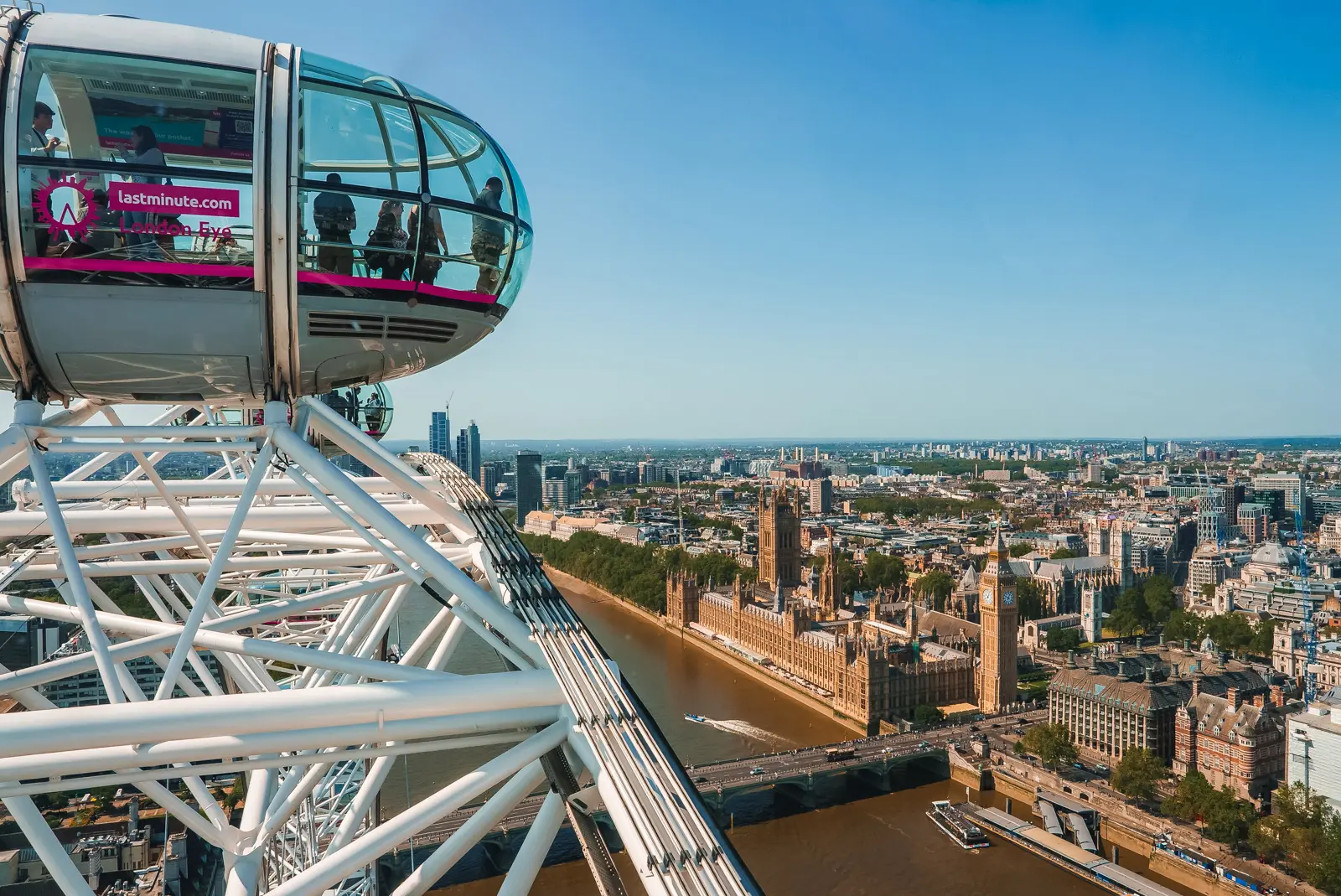
The gradual rise also creates moments of quiet reflection. Unlike faster attractions, the London Eye encourages visitors to slow down and observe. The city begins to feel less chaotic from above, revealing patterns and relationships that are difficult to fully appreciate at street level. From the capsules, visitors can see many of London’s most recognizable landmarks, including Buckingham Palace, St Paul’s Cathedral, and Tower Bridge, all woven together within a skyline that reflects centuries of architectural evolution.
What makes these views particularly compelling is the way London’s different eras coexist within the same panorama. Medieval, Victorian, modernist, and contemporary structures appear side by side, illustrating how London continuously reinvents itself while preserving traces of its past. Even London’s famous weather contributes to the atmosphere, with shifting clouds, sunlight, and reflections constantly transforming the skyline throughout the ride.
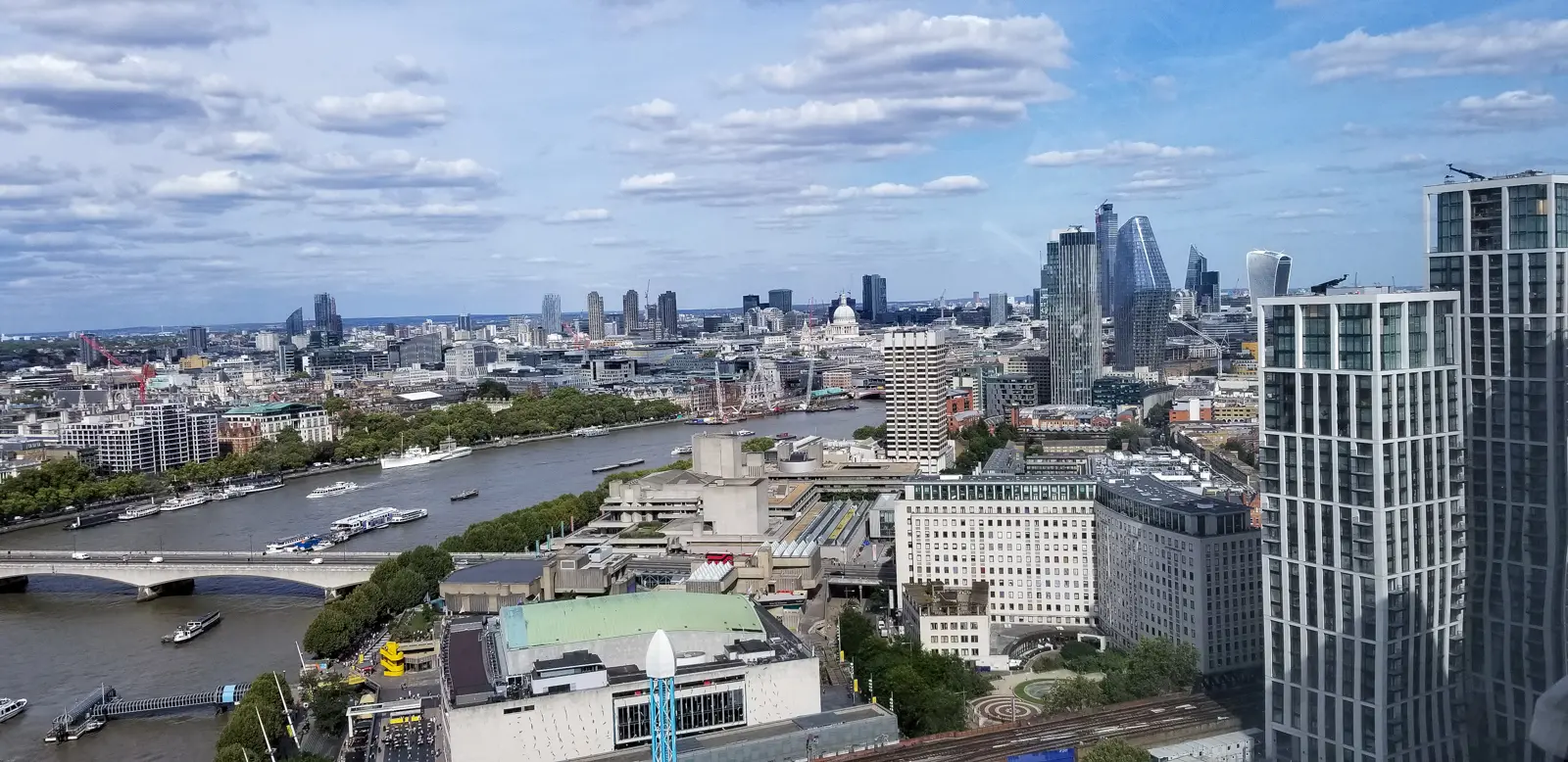
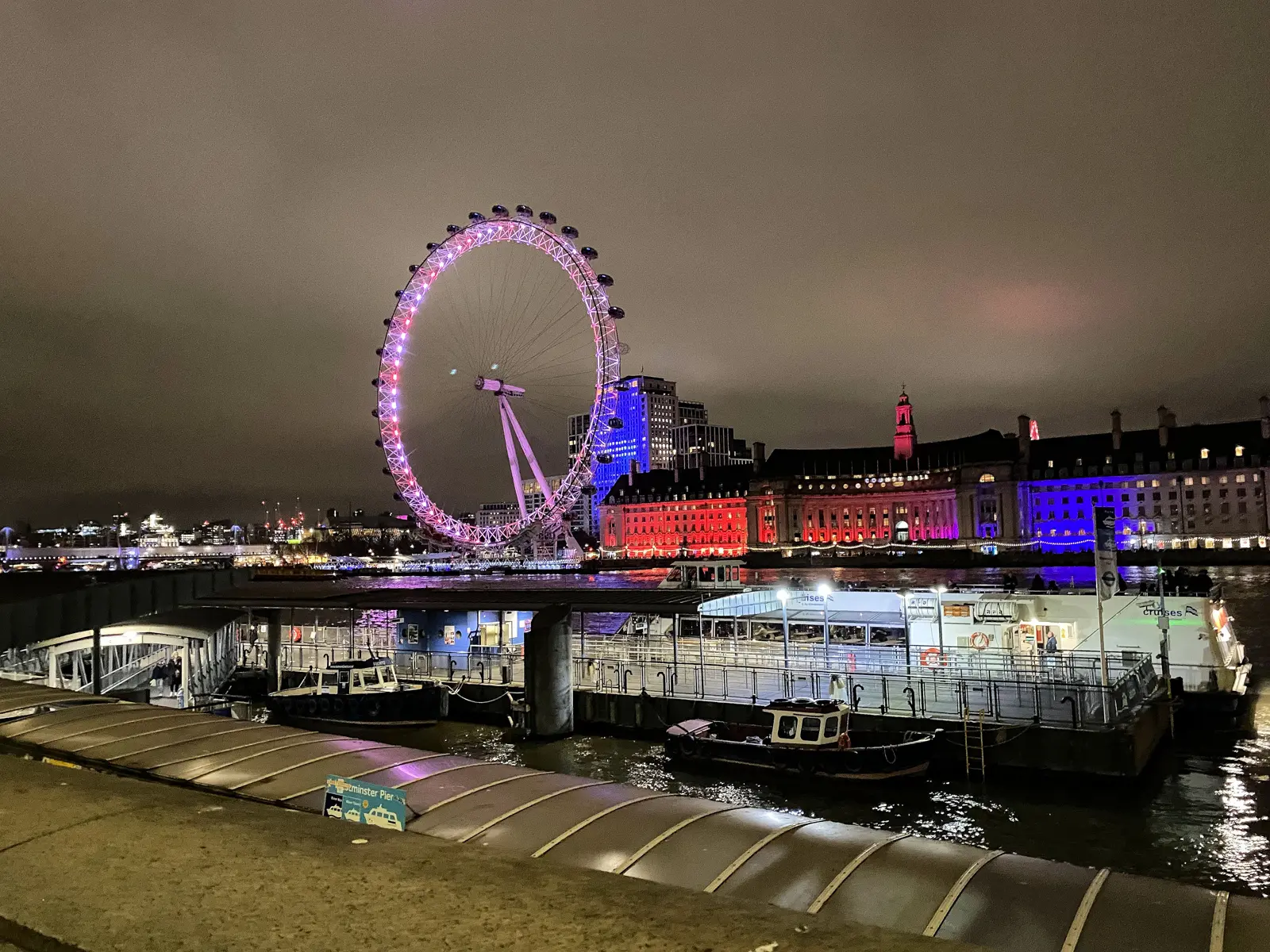
The experience becomes especially atmospheric toward sunset and into the evening, when the city gradually begins to illuminate beneath changing skies. Reflections on the river, glowing landmarks, and the emergence of London’s nighttime skyline create some of the most memorable views the city has to offer. Yet despite the panoramic scale of the experience, the atmosphere within the capsule often feels surprisingly calm and intimate, allowing visitors to simply pause and absorb the vastness of London unfolding below.
The South Bank Atmosphere
Part of what makes visiting the London Eye so enjoyable is its location along London’s South Bank. The area surrounding the attraction feels lively, creative, and constantly animated by movement along the riverfront. Walking along the Thames before or after the ride becomes part of the overall experience. Street performers, cafés, restaurants, food stalls, book markets, and riverside terraces contribute to an atmosphere that feels energetic yet relaxed. Unlike some major tourist attractions that feel isolated from their surroundings, the London Eye integrates naturally into the rhythm of the South Bank itself.
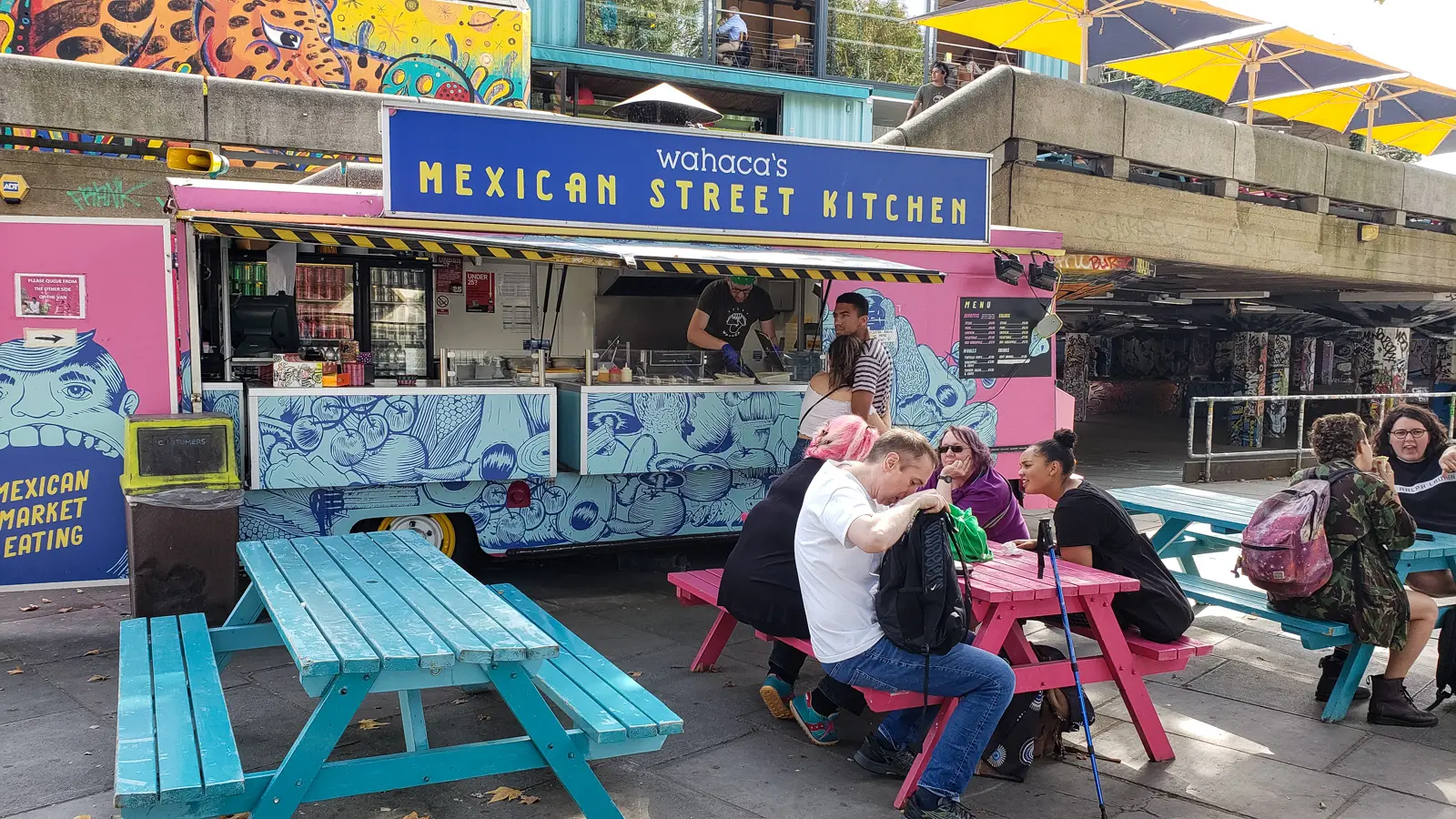
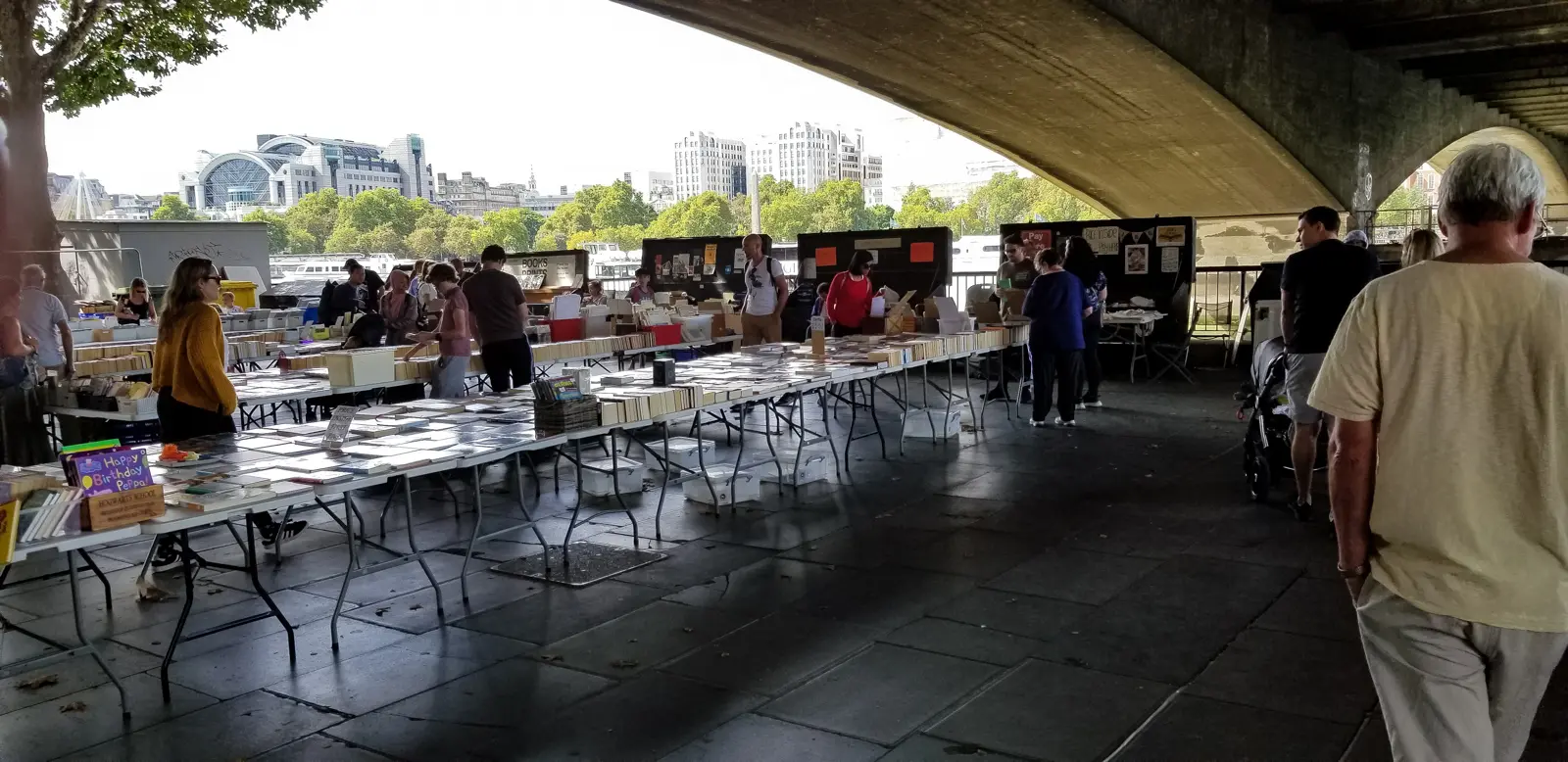
From this side of the river, some of London’s most iconic skyline views unfold beautifully, particularly toward Westminster and Big Ben. The combination of river reflections, illuminated landmarks, bridges, and pedestrian energy creates an atmosphere that feels distinctly London. At night, the South Bank becomes especially cinematic. The illuminated London Eye reflects against the Thames while nearby landmarks begin glowing across the skyline, transforming the riverside into one of the city’s most atmospheric evening walks.
The London Eye as a Symbol of Modern London
What makes the London Eye particularly fascinating is how naturally it has become woven into London’s identity in such a relatively short period of time. Although it opened only in 2000 as part of the city’s millennium celebrations, the structure already feels inseparable from the London skyline itself. Unlike historic landmarks such as Westminster Abbey or the Tower of London, which reflect centuries of monarchy and political history, the London Eye symbolizes a different chapter of the city’s evolution, one defined by modern design, engineering ambition, and London’s emergence into the 21st century as a confident global capital. Its success also contributed significantly to the transformation of the South Bank into one of London’s most vibrant and visited riverside districts, reinforcing the London Eye’s role not simply as an attraction, but as a defining symbol of contemporary London itself.
Bubbly Tips for Visiting the London Eye
- Consider visiting near sunset: Watching London transition from day to night creates an especially memorable experience, as the skyline gradually begins to illuminate above the River Thames.
- Explore the South Bank before or after your ride: The riverside atmosphere is part of what makes this area so enjoyable, with street performers, food vendors, cafés, and book markets creating constant energy along the waterfront.
- Book tickets online in advance: The London Eye is one of London’s most popular attractions, and reserving ahead can help reduce wait times and secure preferred time slots.
- Consider one of the upgraded experiences: The London Eye also offers a variety of premium packages, including champagne experiences, private capsules, and afternoon tea options that add an extra layer of occasion to the experience.
- Check the weather forecast: Clearer skies dramatically enhance visibility across the city and allow London’s skyline to feel even more expansive from above.
- Take time to observe details during the ascent: The slow rotation allows you to appreciate how London gradually unfolds beneath the capsules rather than appearing all at once.
- Experience the area at night if possible: The illuminated skyline and reflections along the Thames create a particularly cinematic atmosphere after dark.
- Location: The London Eye is located on the South Bank of the Thames near Westminster Bridge in central London, directly across from Big Ben and the Palace of Westminster.
Final Thoughts
The London Eye offers far more than panoramic views of London. It provides a new perspective on the city itself, revealing the relationship between history and modernity, architecture and atmosphere, movement and stillness. The experience feels less like simply “seeing” London and more like slowly watching the city unfold beneath you.
What makes the London Eye so memorable is not only its engineering or its height, but the emotional atmosphere surrounding the experience itself. The gradual ascent, the unfolding skyline, the curves of the Thames, and the changing light across the city all combine to create something that feels distinctly London: dynamic, layered, historic, and constantly evolving.
Whether viewed from below along the South Bank or experienced from within one of its glass capsules, the London Eye has become far more than a millennium project. It has become one of the defining symbols of modern London and one of the most unforgettable ways to experience the city.
Have you visited the London Eye before? I would love to hear what stood out most during your experience above London.
Happy travels!

🌟 Everything You Need to Plan Your Dream Trip in 2026
- 🌟 Luxury Hotels - Find premium stays with Booking.com & Hotels.com
- 🏡 Vacation Rentals - Discover unique properties on VRBO
- 🏞️ Guided Tours - Explore with Viator or GetYourGuide
- 🎫 Attraction Tickets - Skip the lines with Tiqets
- 🚢 Ocean Cruises - Set sail with Cruise Direct
- 📱 International SIMs - Stay connected with Saily
- 🚗 Car Rentals - Budget-friendly options from Discover Cars
- 🌐 Secure VPNs - Browse safely with NordVPN
- 💶 Currency Exchange - Best rates with Wise
- 🗣️ Learn Languages - Master the local language with Babbel and Rosetta Stone