
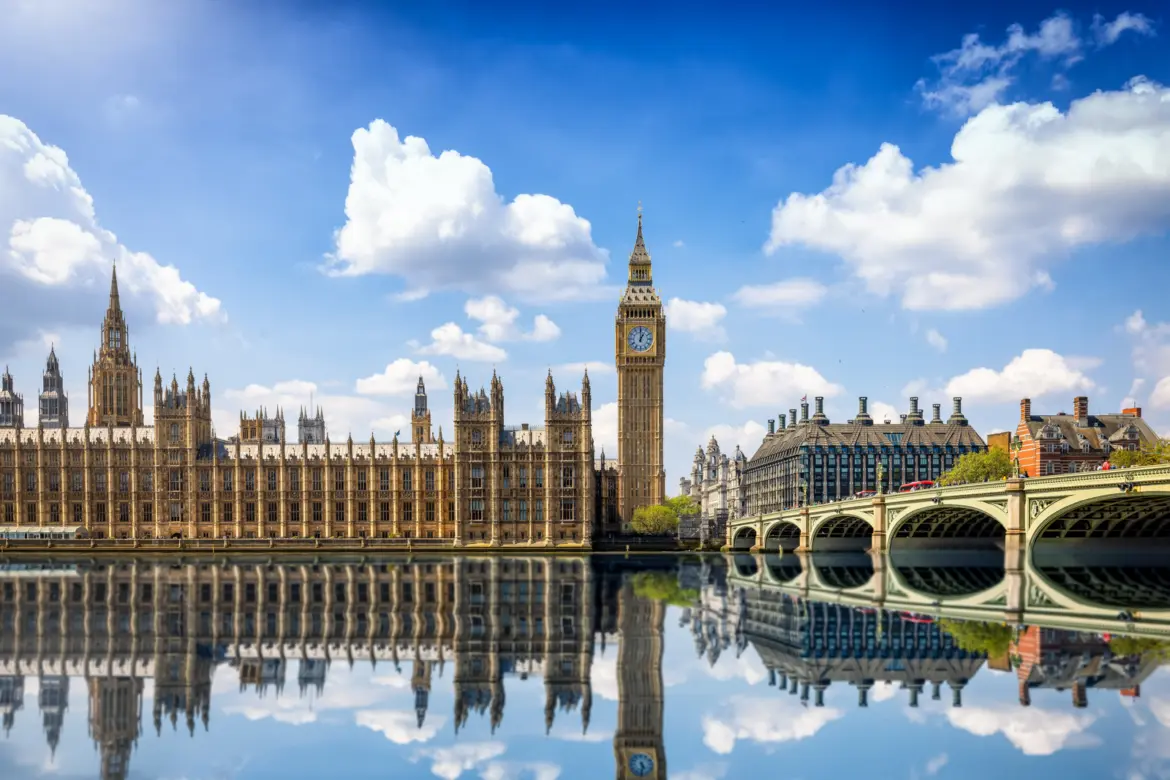
There are certain cities that feel cinematic no matter the season, and London is undoubtedly one of them. The city carries a distinctive atmosphere shaped by centuries of history, royal tradition, architecture, literature, and constant movement. Yet during the holiday season, London seems to take on an additional layer of magic, illuminated by festive lights, decorated storefronts, Christmas markets, and the soft glow of historic streets wrapped in seasonal energy.
What makes London so compelling, however, is that its charm is never limited to a single moment of the year. Whether explored beneath summer sunlight or illuminated by holiday lights, the city retains the same layered sense of history, elegance, and movement that makes it so captivating. Red double-decker buses continue moving past Gothic landmarks, black cabs weave through grand avenues and narrow side streets, and historic buildings stand beside modern skyscrapers in a city that constantly balances tradition and reinvention.
What immediately stood out to me was the scale of London itself. The city does not unfold all at once. Instead, it reveals itself gradually through neighbourhoods, architecture, atmosphere, and small moments that feel entirely different depending on where you stand. One street may feel regal and ceremonial, another literary and intimate, another energetic and contemporary. During the holidays, these contrasts become even more pronounced, but they remain part of London’s identity year-round, giving the city a layered and almost theatrical quality that feels uniquely its own.
London at a glance
🏰 Royal London · Buckingham Palace, the Mall, the changing of the King’s Guard, Westminster Abbey, the Palace of Westminster.
🎨 World-class museums · British Museum, Natural History Museum, V&A, National Gallery — all free to enter.
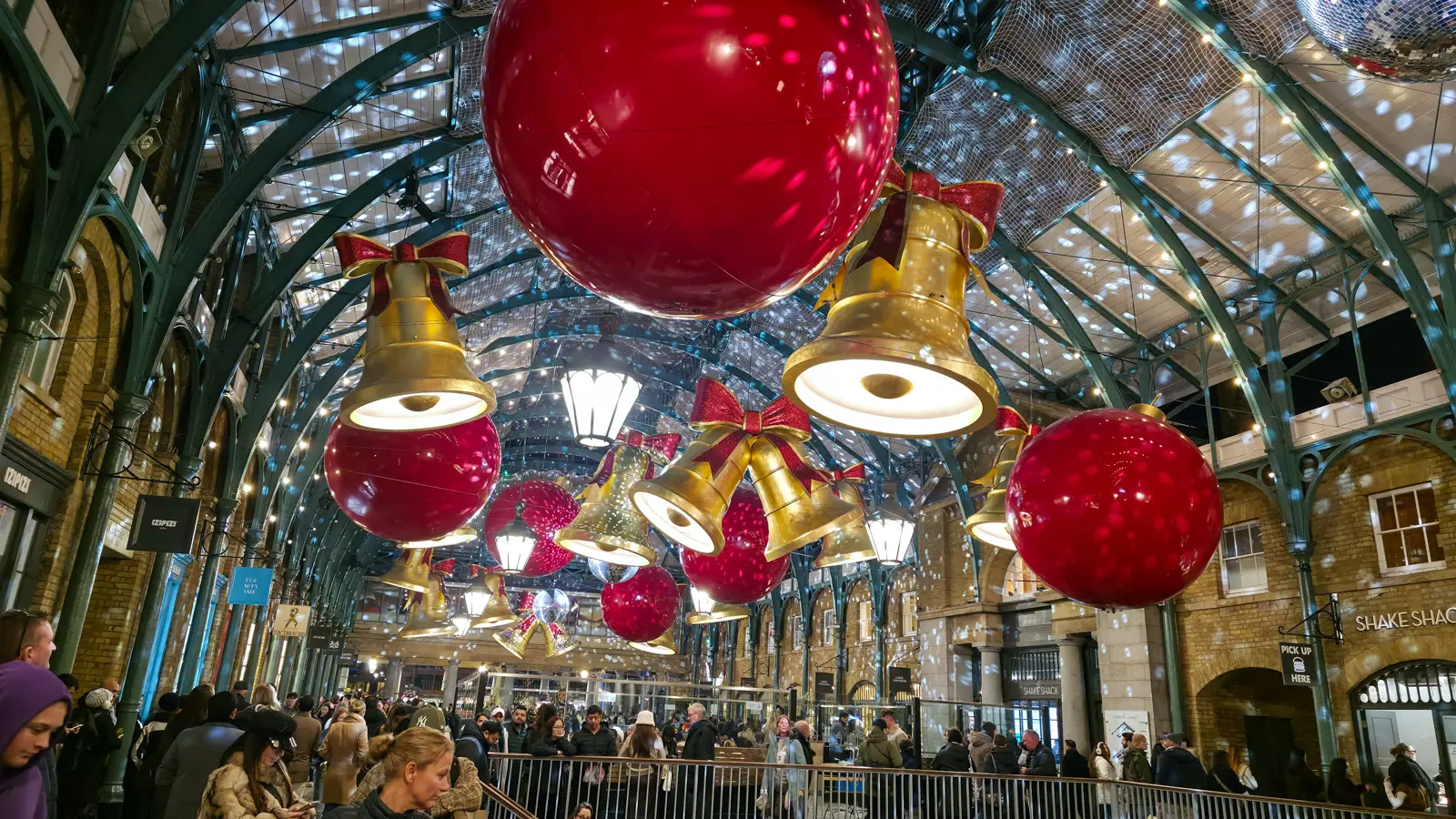
🎄 Holiday season magic · Regent Street’s Spirit of Christmas angels, Covent Garden’s giant baubles and tree, Trafalgar Square’s Christmas market.
🚇 Getting around · Underground (Tube), bus, and walking — central London is surprisingly compact between major attractions.
📅 Best time to visit · Late November through December for holiday lights · April–June for parks and gardens in bloom · September for mild weather and smaller crowds.
A City Where History Feels Constantly Present
One of the most remarkable aspects of London is the way history remains fully integrated into everyday life. Unlike cities where historic sites feel isolated from the modern world, London allows centuries to coexist simultaneously. Walking through the city, you constantly encounter reminders of different eras layered directly beside one another.
The Gothic towers of Westminster Abbey and the Houses of Parliament rise beside busy streets filled with commuters and shoppers. Royal parks create moments of openness amid dense urban energy, while historic pubs and centuries-old churches appear unexpectedly between modern storefronts and luxury boutiques. Even the smallest architectural details – ornate façades, gas lamps, statues, iron gates, and cobblestone side streets – contribute to the feeling that London’s history is not hidden away, but actively lived alongside the present.
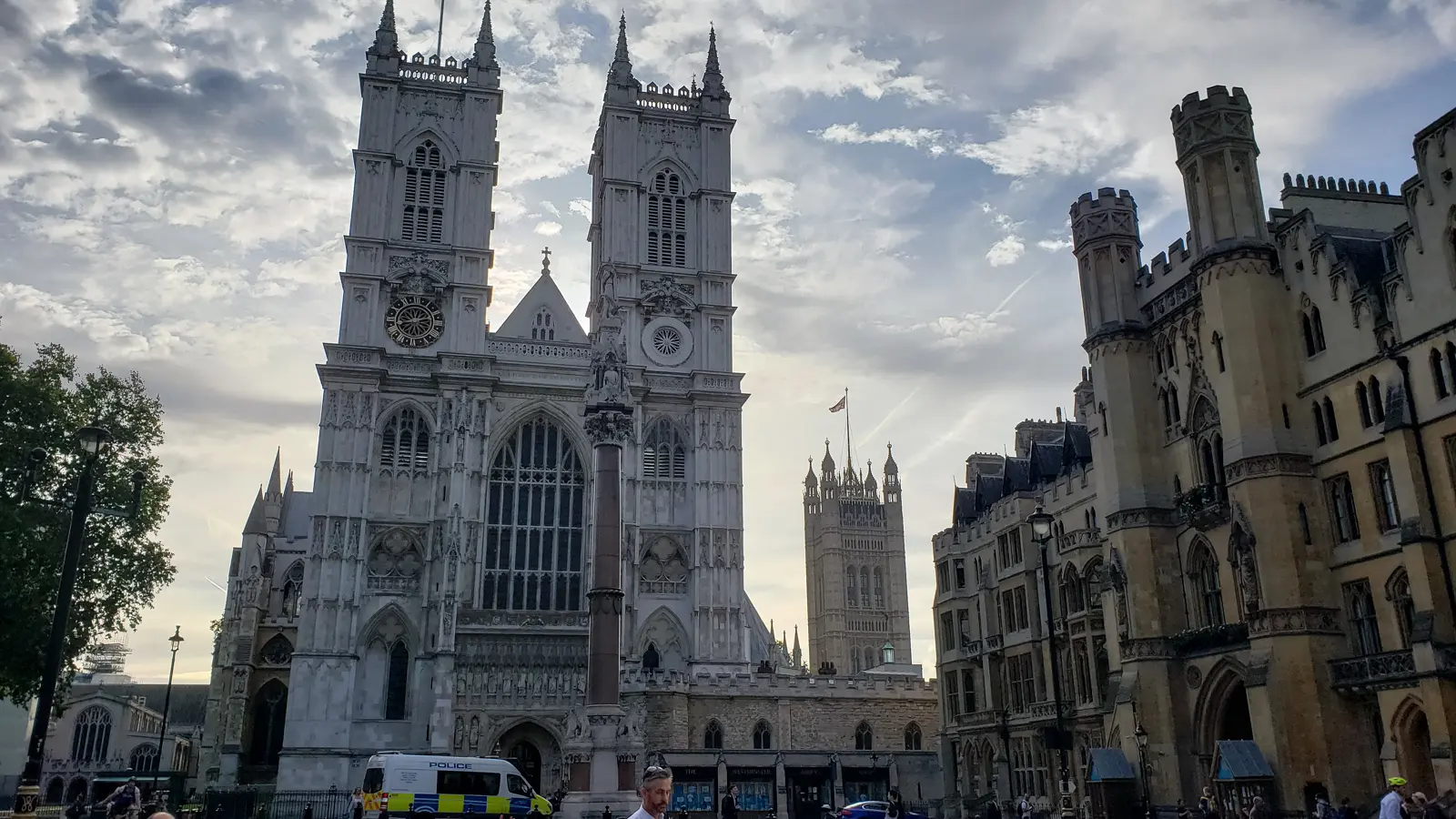
During the holiday season, this atmosphere becomes even more pronounced. Christmas lights draped across historic streets soften the city’s darker winter palette, while decorated windows and festive installations create warmth against the cold air. Walking through areas such as Covent Garden, Mayfair, Westminster, and Soho in the evening feels almost cinematic, particularly when the streets begin to glow after sunset.
What makes London especially compelling is that its history does not feel frozen or overly curated. The city feels alive, constantly moving, constantly evolving, yet still deeply aware of its past. That balance between continuity and transformation gives London much of its emotional depth.
London’s Seasonal Magic
London embraces seasonal change in a way that dramatically transforms the atmosphere of the city throughout the year. During the holidays, festive decorations illuminate streets and public spaces with extraordinary elegance and scale. Some displays are grand and theatrical, while others feel intimate and understated, creating moments of surprise as you move through different neighbourhoods.
The famous lights along Oxford Street, Regent Street, and Carnaby Street create a particularly striking atmosphere in the evenings. Illuminated arches, stars, angels, and artistic installations stretch above the streets, reflecting against storefront windows and wet pavements after rain. The city feels vibrant and festive without losing its sophistication.
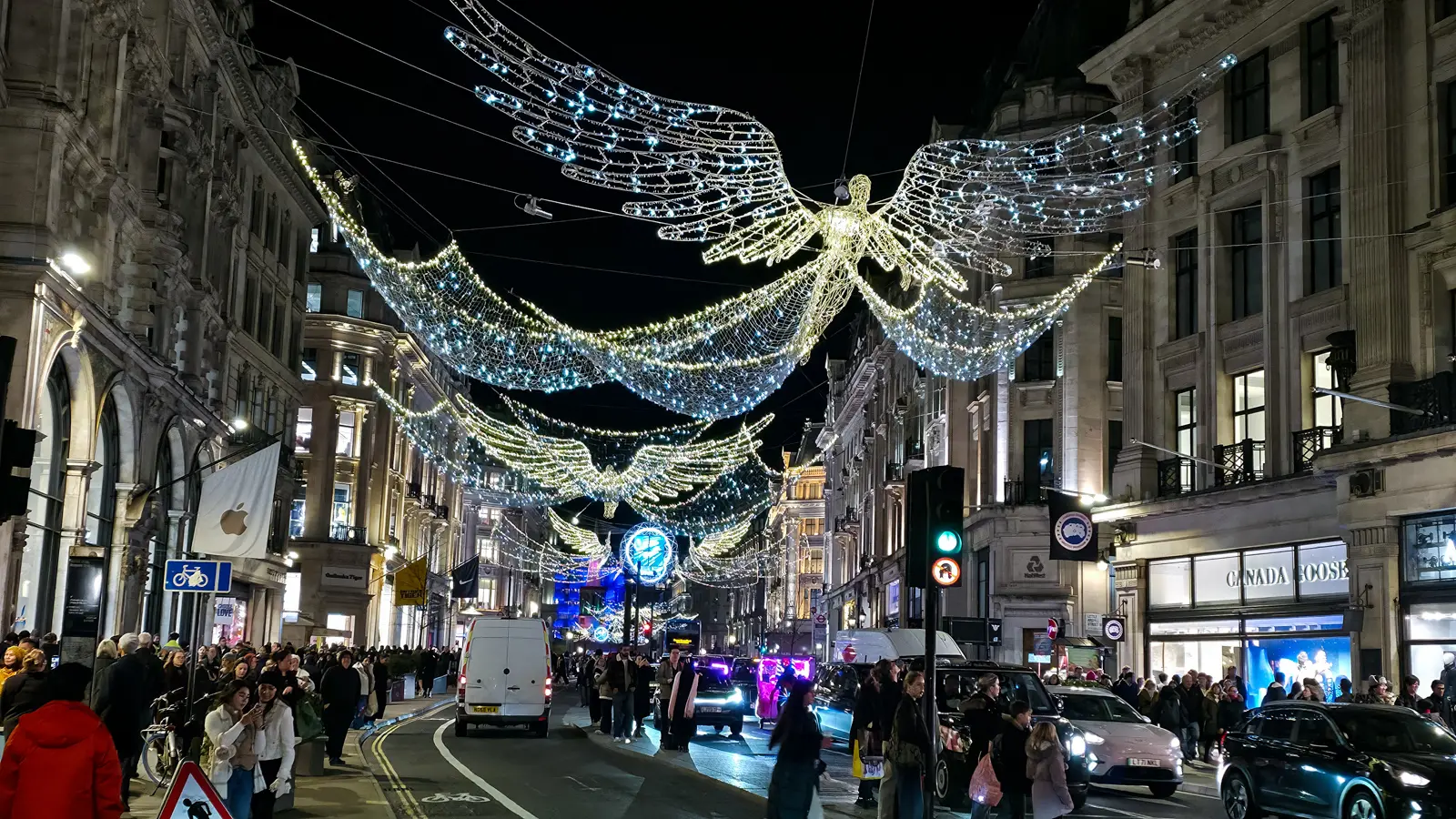
One of the most beautiful aspects of London is the way the city transforms with the seasons. During the holidays, festive lights and decorated storefronts create an especially atmospheric experience, while in warmer months parks, gardens, riverside walks, and open-air terraces bring a completely different energy to the city. This ability to evolve seasonally gives London a dynamic personality that encourages visitors to return again and again.
Christmas markets and seasonal displays further contribute to the city’s charm. Warm drinks, roasted chestnuts, festive music, and decorated storefronts create an energy that feels immersive without becoming overwhelming. Even simple moments – walking through illuminated streets with a coffee in hand or stepping into a historic department store decorated for the holidays – become memorable parts of the experience.
Royal London and Timeless Elegance
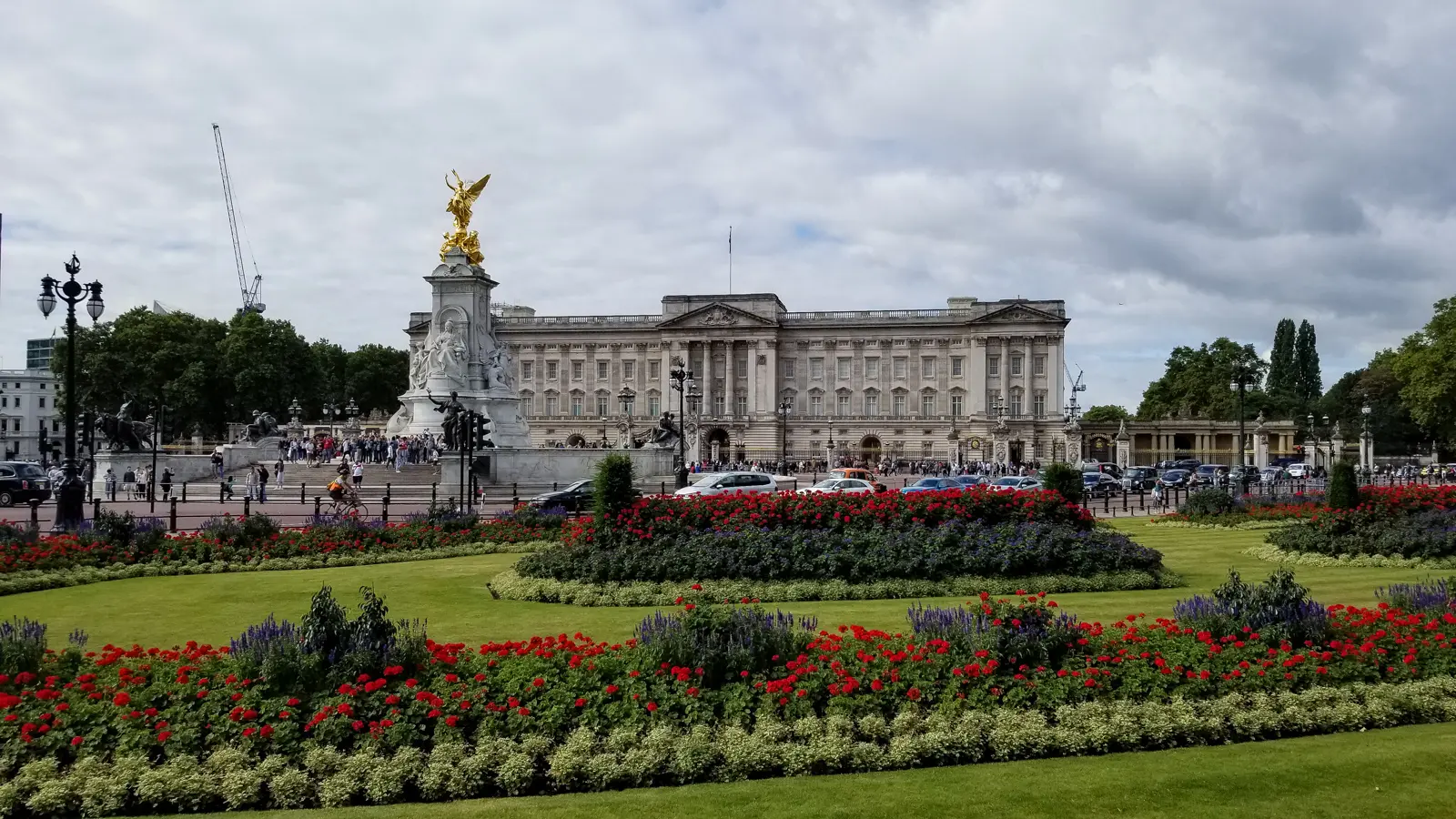
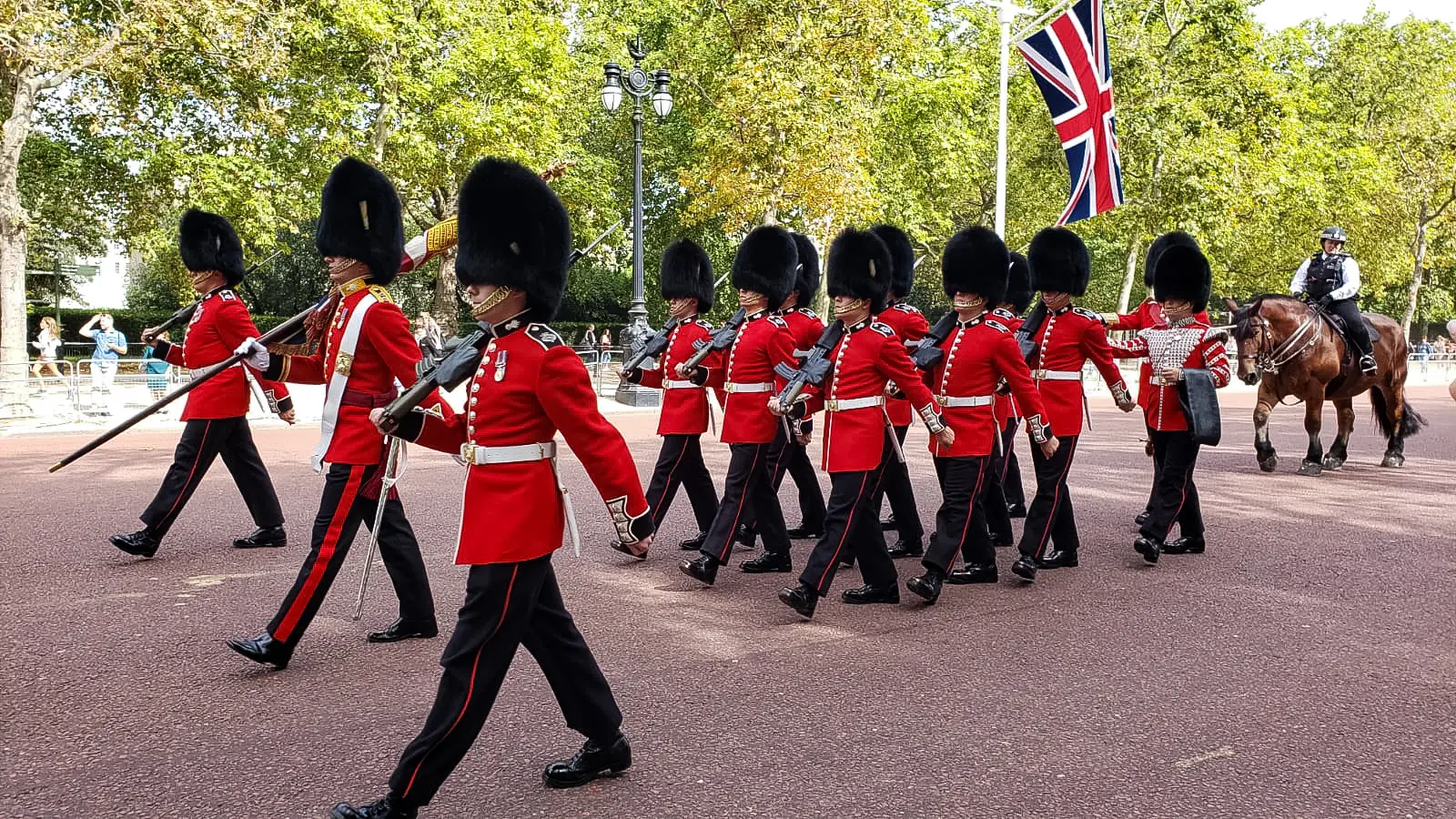
London’s connection to royalty gives the city a sense of ceremony and grandeur that feels deeply woven into its identity. Visiting areas associated with the British monarchy introduces another layer to the city’s atmosphere, where architecture, tradition, and symbolism come together in powerful ways. Standing near Buckingham Palace, it becomes clear how deeply monarchy remains embedded within London’s visual and cultural landscape. The surrounding gates, monuments, ceremonial roads, and nearby parks create an environment that feels intentionally grand without losing its accessibility to everyday life.
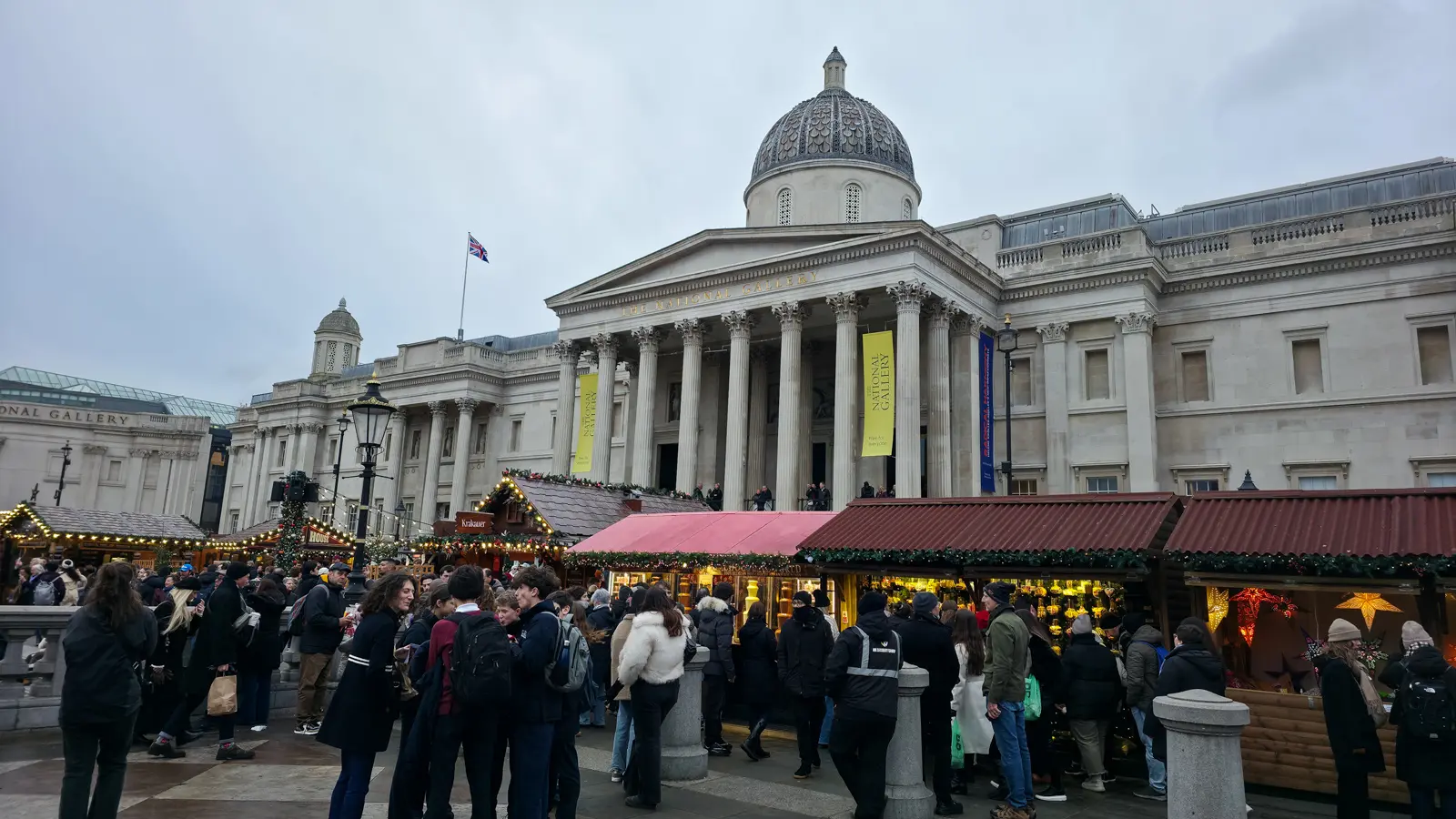
Walking along The Mall toward Trafalgar Square is equally memorable, revealing another side of London’s monumental beauty. Surrounded by fountains, historic architecture, museums, and wide ceremonial spaces, the square feels simultaneously monumental and welcoming. The presence of the National Gallery overlooking the square adds another layer of cultural significance, reinforcing London’s ability to combine history, public life, art, and architecture within a single space.
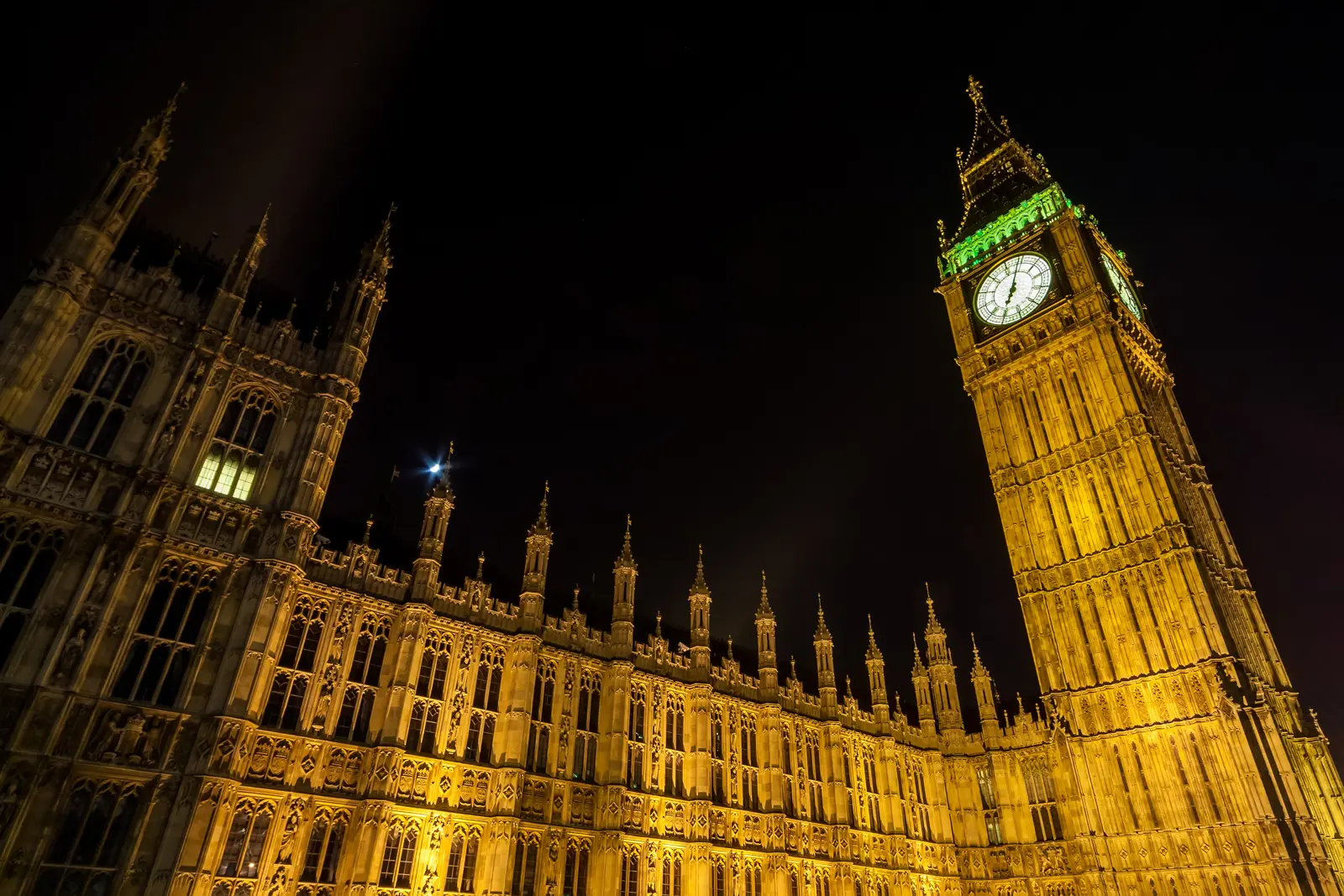
Nearby, the atmosphere around Big Ben and the Palace of Westminster becomes especially striking at night. Illuminated against the sky, these landmarks feel timeless and unmistakably London, embodying the city’s ability to combine political history, architectural grandeur, and emotional atmosphere in a single view.
London’s Neighbourhoods: A City of Many Personalities
One of the reasons London feels endlessly fascinating is that each neighbourhood carries its own identity and rhythm. Exploring the city becomes less about checking off landmarks and more about discovering how dramatically the atmosphere changes from one area to another. Covent Garden feels lively and theatrical, especially during the holiday season when giant decorations and festive installations fill the piazza. Soho carries a more energetic and eclectic atmosphere, blending restaurants, theatres, nightlife, and historic streets into one of the city’s most dynamic districts.
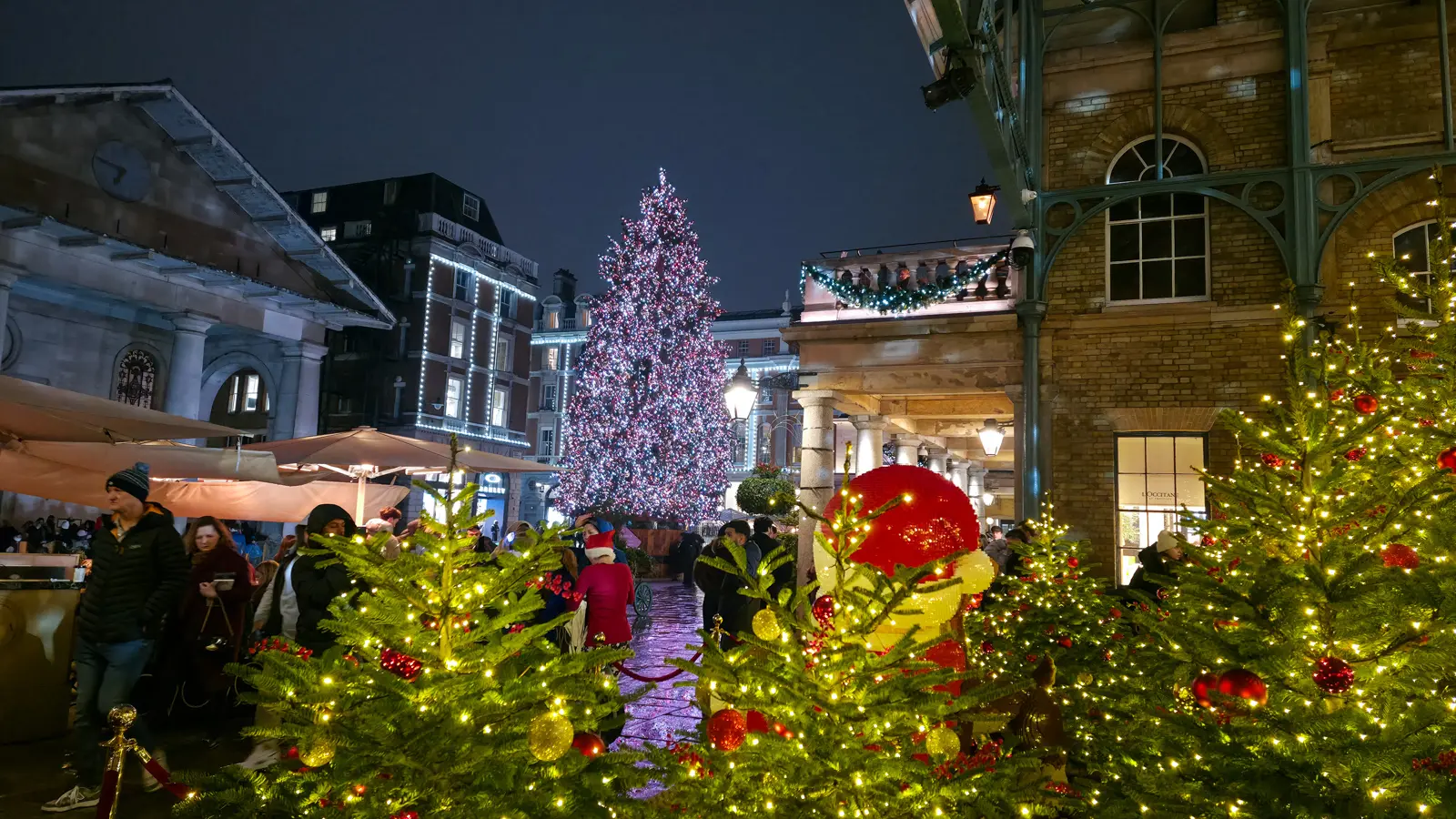
Mayfair introduces another side of London entirely – elegant, refined, and quietly luxurious. Decorated storefronts, historic hotels, and softly illuminated streets create an atmosphere that feels especially magical in the evenings. Nearby, areas such as Kensington and South Kensington offer a more residential elegance, where museums, gardens, and architecture create a slower and more refined pace.
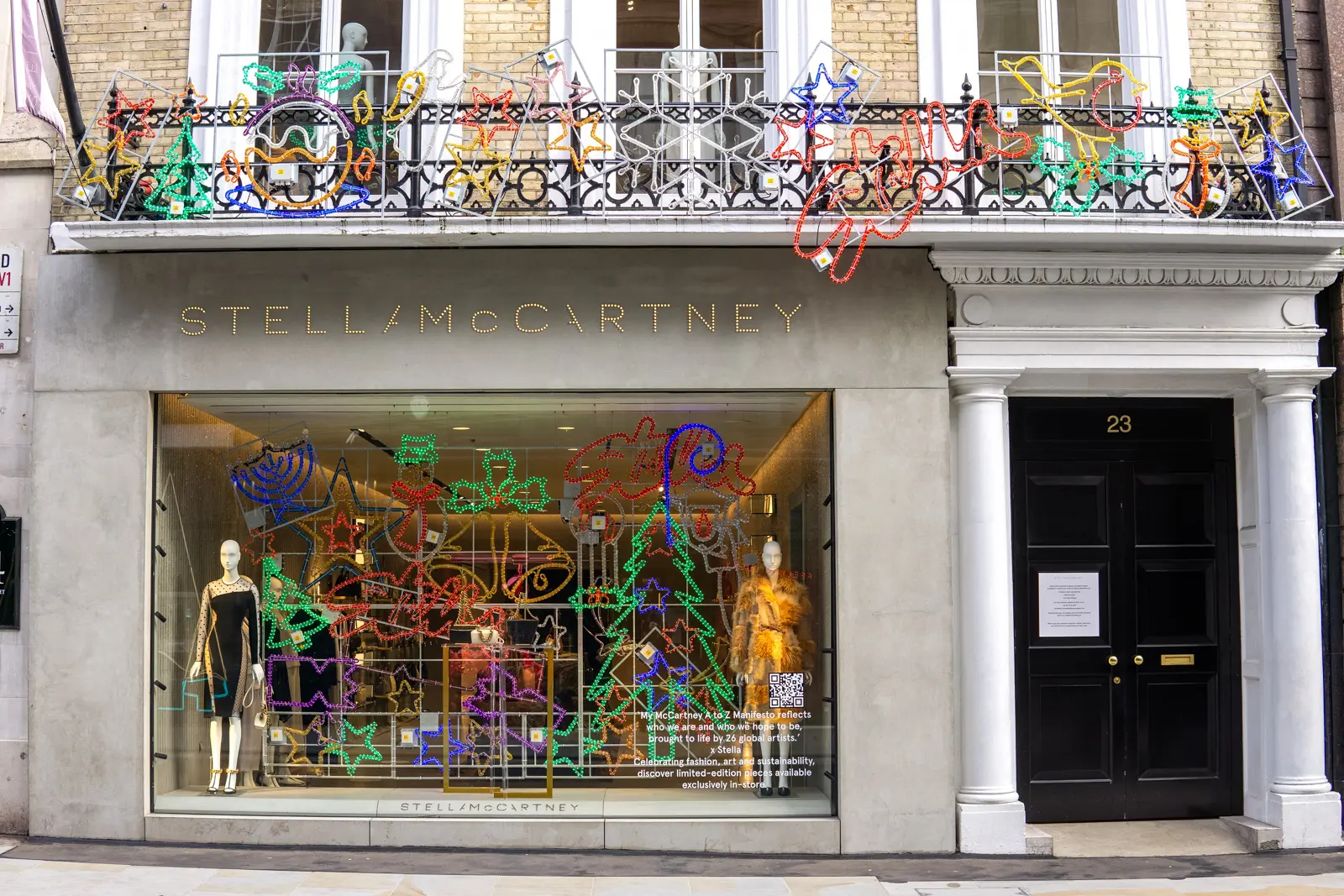
What makes these shifts so fascinating is that they happen quickly. A short walk can transport you from grand ceremonial spaces into intimate side streets lined with cafés, bookstores, and historic pubs. London constantly rewards curiosity and wandering, often revealing its most memorable moments unexpectedly.
A City of Culture, Literature, and Storytelling
London also feels deeply connected to storytelling itself. The city has inspired countless writers, filmmakers, musicians, and artists, and that creative energy still feels embedded within its streets and landmarks. Walking through London, it becomes easy to understand why the city has served as the backdrop for so many literary and cinematic worlds. Elements of Harry Potter, Sherlock Holmes, and countless historical dramas feel almost tangible within the city’s atmosphere. Gothic alleys, grand train stations, historic bookstores, and atmospheric evenings create an environment where imagination feels constantly stimulated.
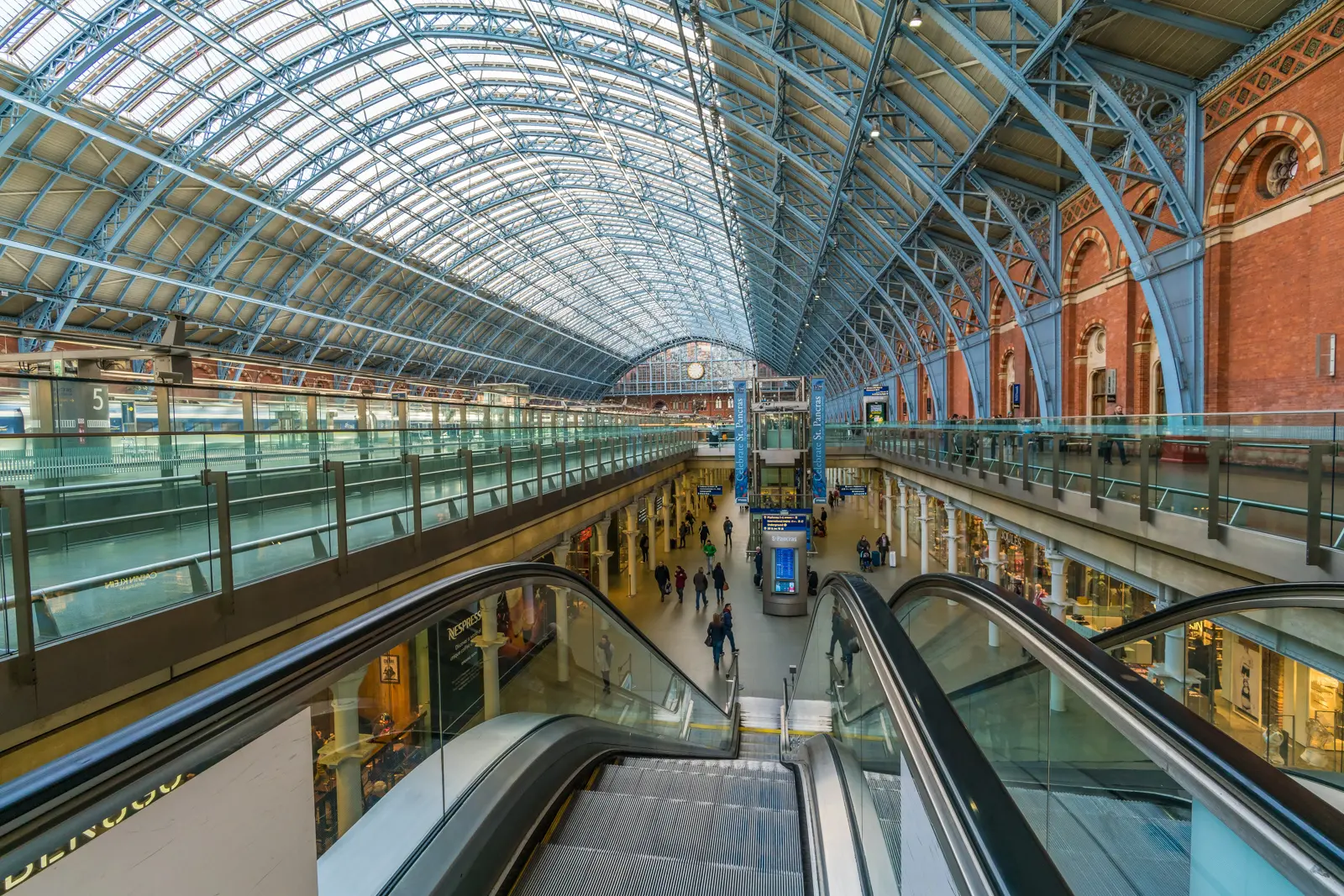
This connection between place and narrative gives London a uniquely immersive quality. The city does not simply present landmarks to visitors – it invites interpretation, imagination, and emotional connection. Every street seems to carry traces of stories, whether historical, literary, cinematic, or deeply personal.
Museums That Reflect the Scale of London Itself
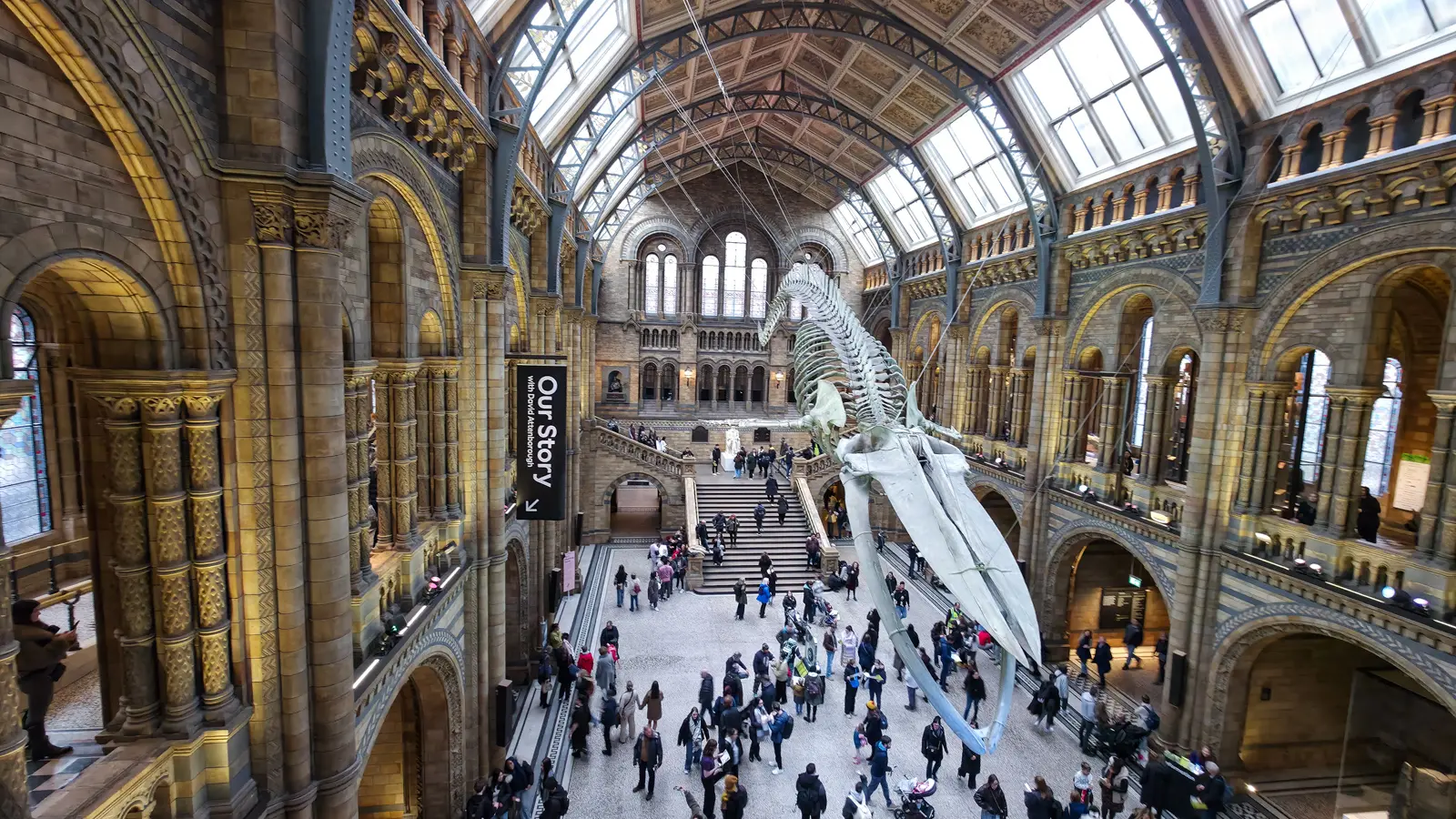
One of the things that makes London feel endlessly rich is the sheer scale and diversity of its museums. The city is home to some of the most important cultural institutions in the world, where art, history, science, design, archaeology, and literature are preserved within spaces that are often as impressive as the collections themselves.
Places such as The British Museum, Victoria and Albert Museum, Natural History Museum, and National Gallery reveal different dimensions of the city’s cultural identity. Some feel monumental and academic, others elegant and immersive, but together they reinforce London’s role as a global centre of art, preservation, and intellectual life.
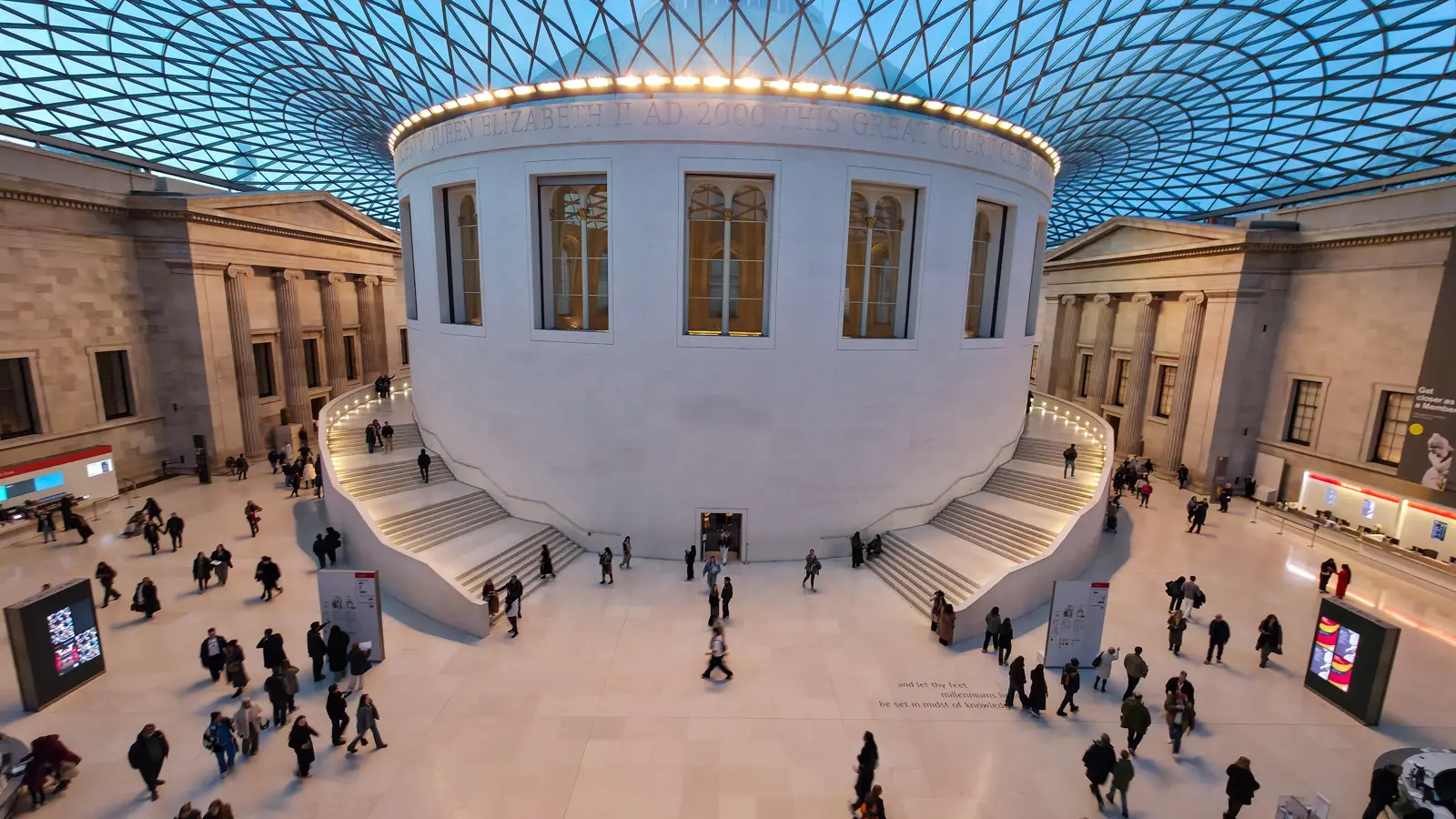
What makes London’s museums especially remarkable is how accessible they feel within the rhythm of the city itself. You can move from busy streets into vast galleries filled with centuries of artistic achievement, ancient civilizations, scientific discoveries, or intricate design collections within minutes. Even visitors who are not typically museum-focused often find themselves drawn into these spaces simply because of the atmosphere they create.
The museums also contribute to London’s identity beyond tourism alone. They function as living cultural spaces where students sketch in galleries, locals spend quiet afternoons exploring exhibitions, and travellers encounter histories and perspectives from around the world. This constant interaction between education, curiosity, and everyday life gives London a cultural energy that feels deeply embedded within the city rather than separated from it.
London at Night
As evening settles over London, the city takes on yet another personality. The combination of illuminated landmarks, reflections on wet streets, glowing windows, and atmospheric lighting creates scenes that feel elegant, cinematic, and unmistakably London. Walking along the Thames at night offers some of the city’s most beautiful views. Landmarks such as Tower Bridge, the London Eye, and the illuminated skyline reflect across the river, creating scenes that feel almost surreal after sunset. The contrast between historic architecture and modern towers becomes especially striking in the evening light.
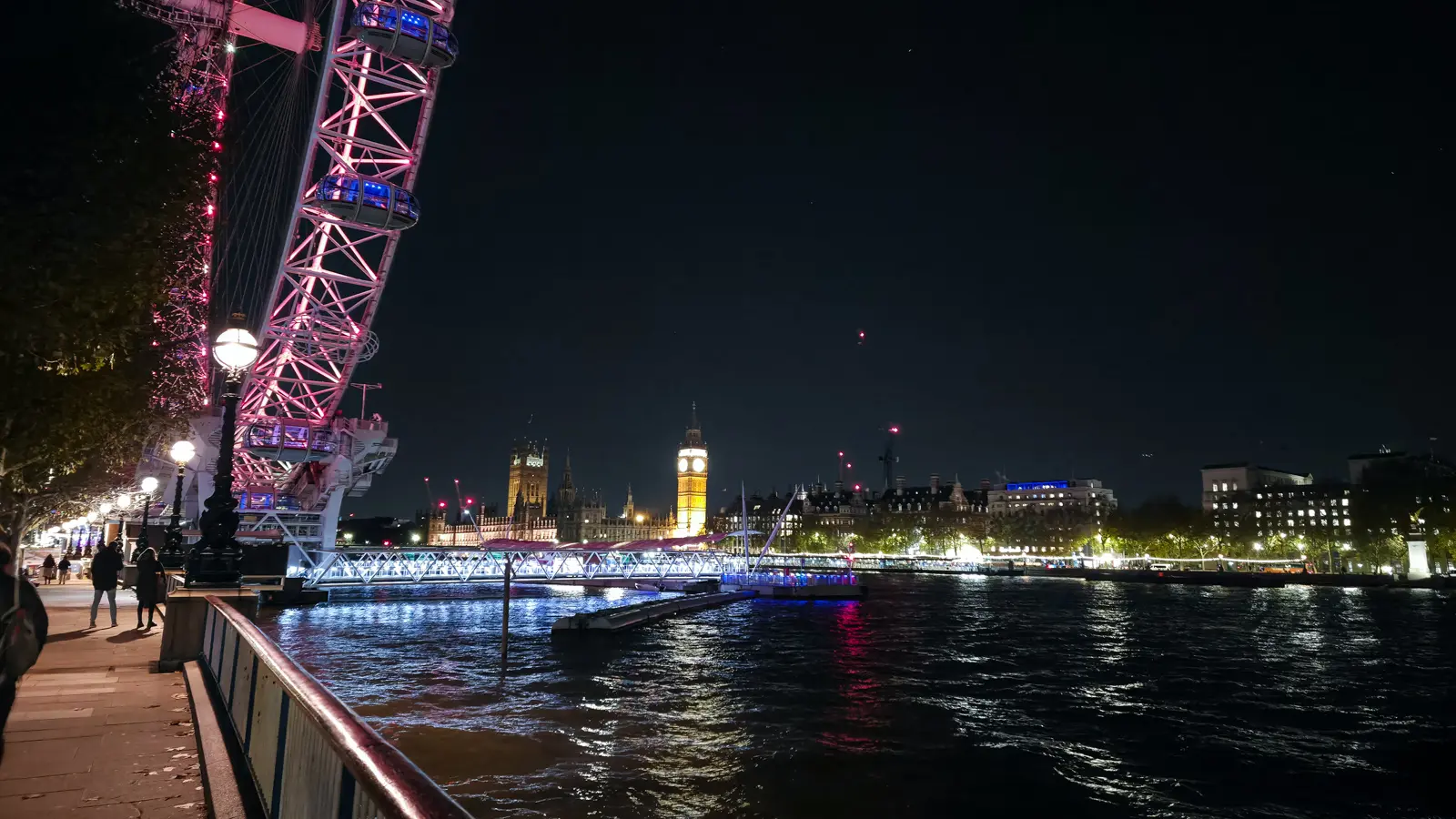
Even quieter moments become memorable in London at night – stepping into a warm café after walking through cold streets, hearing distant music from a pub, or watching lights shimmer against historic façades. Whether experienced during winter festivities or warmer months when terraces and riverside walks fill with life, London’s evenings possess a unique atmosphere that lingers long after the day ends.
Bubbly Tips for Visiting London
- Dress in layers: London’s weather changes quickly, often shifting between sunshine, wind, mist, and rain throughout the day.
- Explore both during the day and at night: The city transforms completely after sunset, particularly when illuminated streets and landmarks begin to glow.
- Take time to wander between major landmarks: Some of London’s most memorable moments happen unexpectedly between destinations.
- Visit the major shopping streets in the evening: Regent Street, Oxford Street, and Covent Garden feel especially atmospheric once the lights illuminate the city.
- Use the Underground strategically: London is massive, and balancing walking with transit helps maximize your time and energy.
- Slow down in cafés and pubs: London is best experienced gradually, allowing time to absorb the atmosphere rather than rushing constantly between attractions.
Final Thoughts
London feels immersive in every season, though the city becomes especially atmospheric during the holidays, when festive lights and winter evenings add another layer of magic to its already cinematic streets. Yet what makes London unforgettable extends far beyond any single season. The city combines history, royalty, architecture, culture, literature, and movement into an experience that feels simultaneously grand and deeply personal.
What stayed with me most was not only the landmarks themselves, but the atmosphere created between them – the glow of lights against historic buildings, the energy of the streets, the warmth of cafés, and the feeling that London constantly reveals something new the longer you explore it.
This was not simply a visit to a city. It felt like stepping into a world shaped by centuries of history, storytelling, elegance, and transformation, where every neighbourhood, street, and season reveals another side of London’s identity.
Have you visited London before? I would love to hear which part of the city captured your attention the most.
Happy travels!

🌟 Everything You Need to Plan Your Dream Trip in 2026
- 🌟 Luxury Hotels - Find premium stays with Booking.com & Hotels.com
- 🏡 Vacation Rentals - Discover unique properties on VRBO
- 🏞️ Guided Tours - Explore with Viator or GetYourGuide
- 🎫 Attraction Tickets - Skip the lines with Tiqets
- 🚢 Ocean Cruises - Set sail with Cruise Direct
- 📱 International SIMs - Stay connected with Saily
- 🚗 Car Rentals - Budget-friendly options from Discover Cars
- 🌐 Secure VPNs - Browse safely with NordVPN
- 💶 Currency Exchange - Best rates with Wise
- 🗣️ Learn Languages - Master the local language with Babbel and Rosetta Stone