
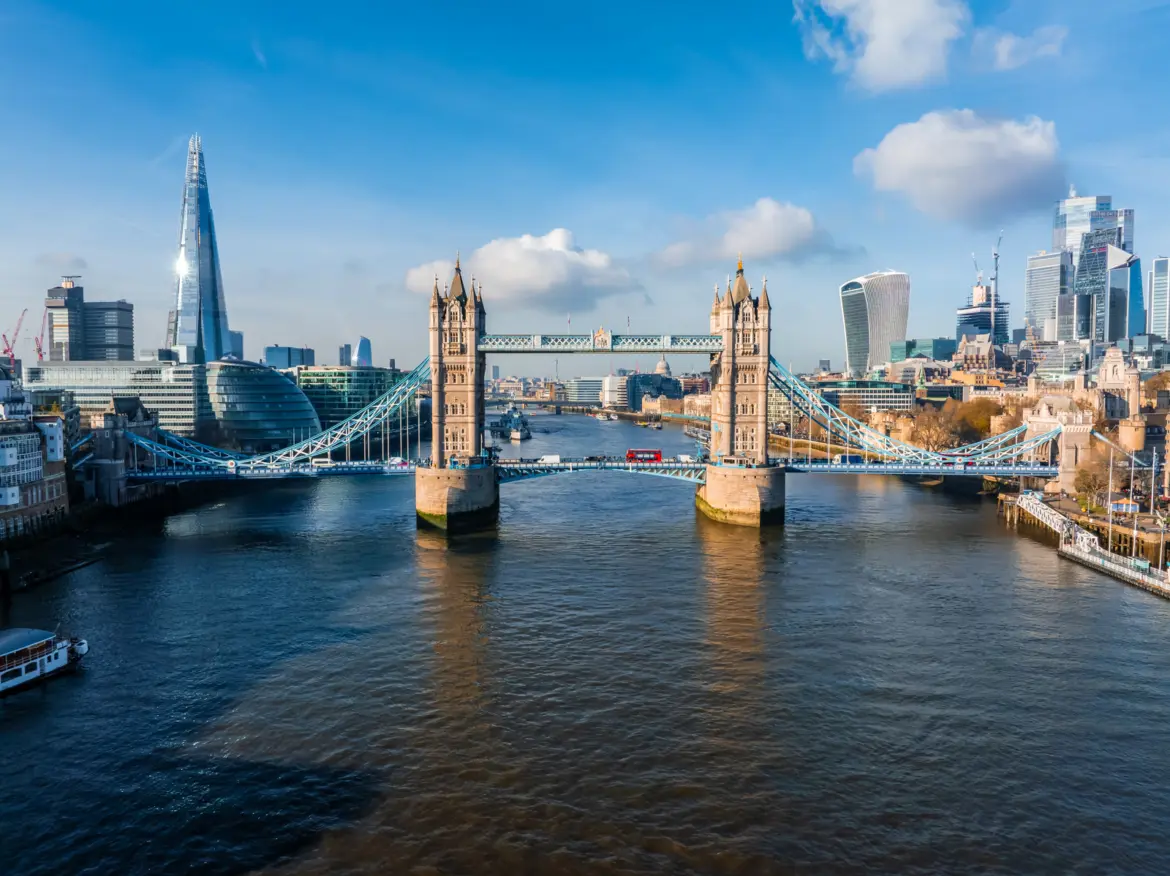
Three days is not enough for London. I want to say that at the top, because every itinerary that promises otherwise is lying to somebody. What three days is enough for is a proper introduction: the landmarks that made the city famous, one great museum, one long walk beside the river, and enough sitting down to enjoy any of it.
I have put this together the way I actually travel, which means no more than three or four real stops a day, walking wherever walking makes sense, and a decent meal at the end of it. Each day covers one part of the city so nobody crosses London twice before lunch.
Three Days in London at a Glance
📅 Day 1 — Royal Westminster · Changing the Guard, St James’s Park, Westminster Abbey and Parliament, then the London Eye at sunset.
🏰 Day 2 — The Tower and the river · The Tower of London at opening, Tower Bridge, then St Paul’s or Tate Modern across the river, and bottomless pizza in the City.
🖼️ Day 3 — Museums, shopping, a park · The British Museum, the National Gallery, Harrods and Knightsbridge, finishing at Hyde Park.
🛏️ Where to stay · The South Bank, walkable to Westminster one way and the City the other. Sea Containers sits right on the Thames.
💡 Tip · Three or four real stops a day is plenty once you add queues, walking and lunch. Do not try to force more.
Where to Stay: Sea Containers London
I stayed at Sea Containers on the South Bank and would happily do it again. It is a five-star hotel that is priced more reasonably than most of its neighbours, and the location does a great deal of work: it sits directly on the Thames between Blackfriars Bridge and the OXO Tower, which puts Tate Modern, the Globe and the whole South Bank walk on the doorstep, with St Paul’s Cathedral a few minutes over the river.
The building leans into its shipping history, and that starts in the lobby.
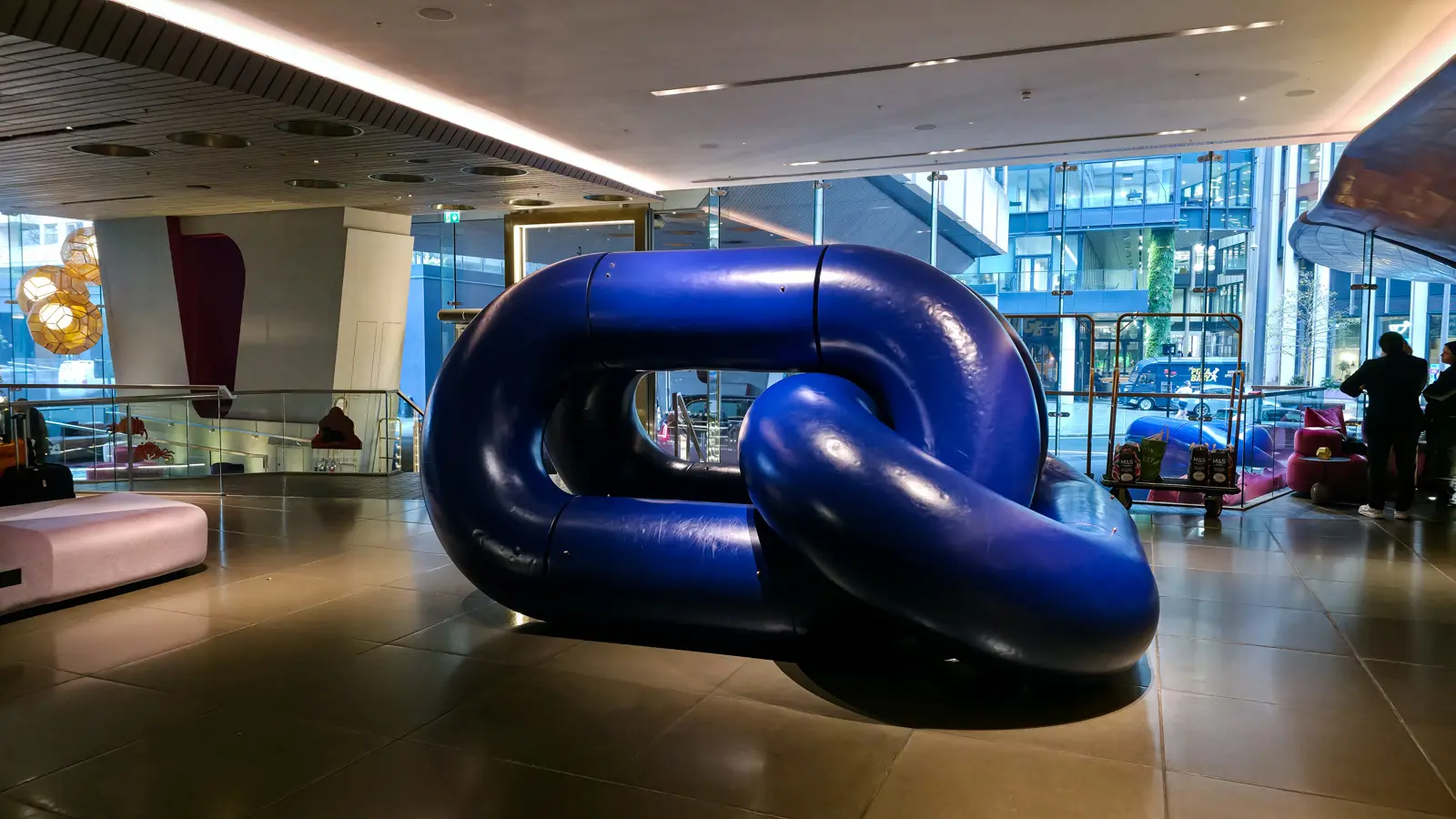
There is plenty in the building besides the rooms. Lyaness is the bar downstairs, the 12th Knot is the rooftop bar and terrace, and there is a Curzon cinema on site. The views over the river are the thing people mention, and for once the mentions are justified.
One piece of news worth knowing concerns the restaurant.
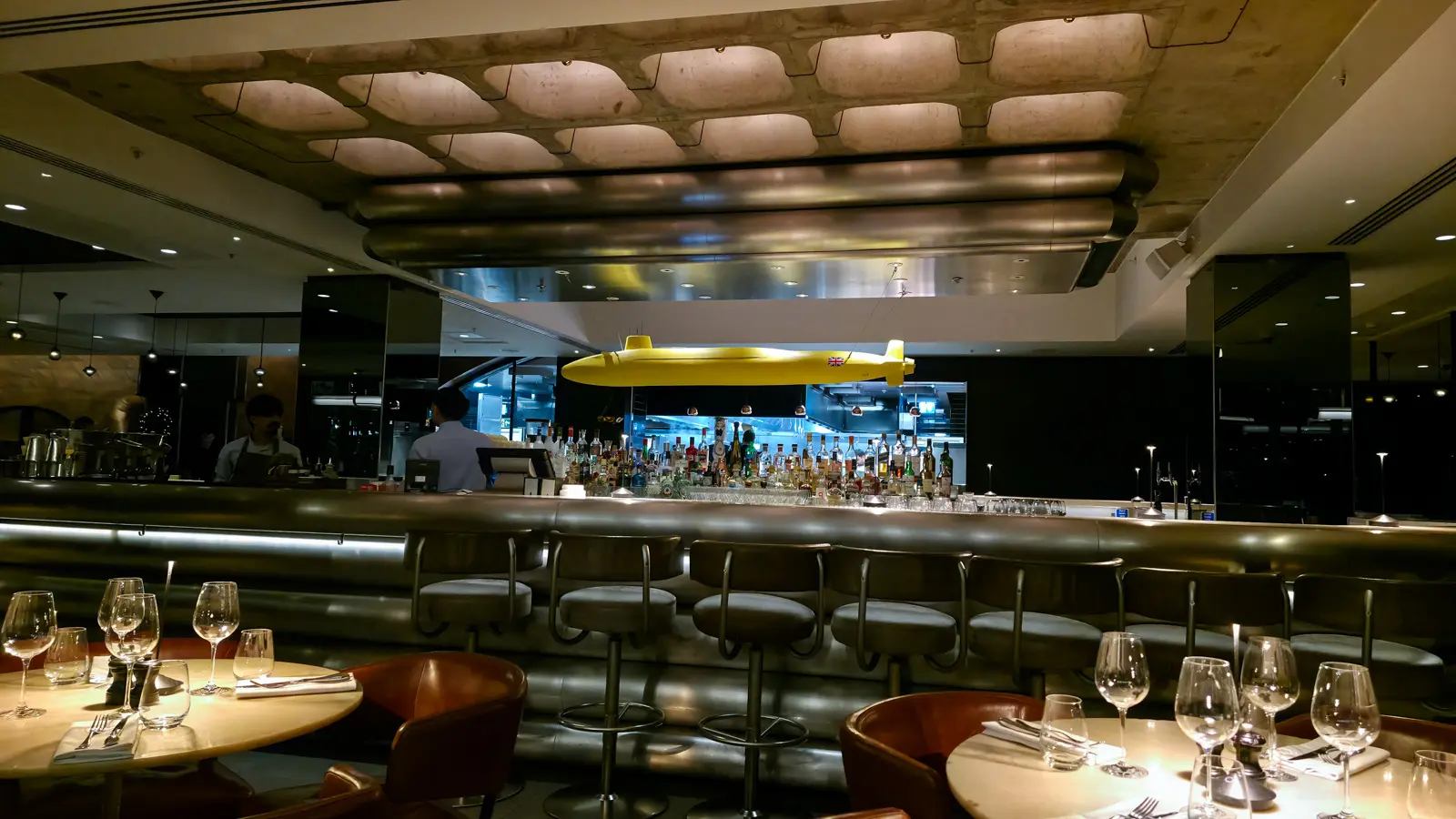
Gordon Ramsay at Sea Containers opens this autumn as the hotel’s signature restaurant, taking over the existing dining room rather than sitting alongside it. It will serve breakfast, lunch and dinner. So anyone booking from autumn onwards will get a different restaurant from the one I ate in, and the riverside terrace is the part I would go back for.
The wider point is that the South Bank is a good place to base a first visit generally. It is walkable to Westminster in one direction and the City in the other, the riverside path is free entertainment, and the food along it has improved beyond recognition.
Day One: Westminster and Royal London
Morning. The day starts at Buckingham Palace, timed for Changing the Guard, which is free to watch and usually runs at around 11am on Monday, Wednesday, Friday and Sunday. The schedule shifts, so it is worth checking the Household Division site the day before. Arriving by about 10:15 gets a spot near the Victoria Memorial rather than three rows back.
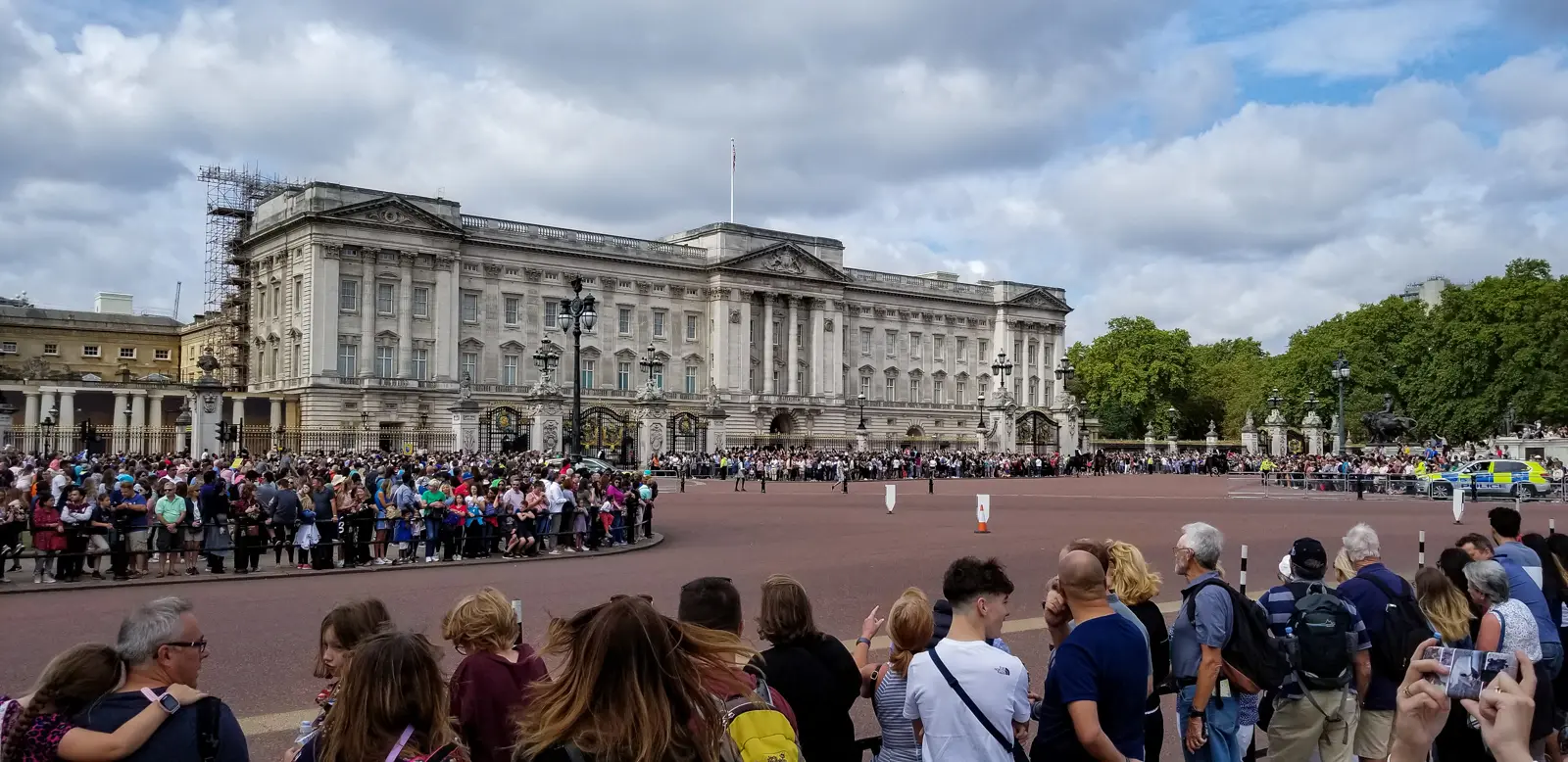
From the palace gates, St James’s Park runs east towards Whitehall, and walking through it is far nicer than taking the Tube one stop. The Blue Bridge in the middle gives the view back towards the palace that everyone photographs.
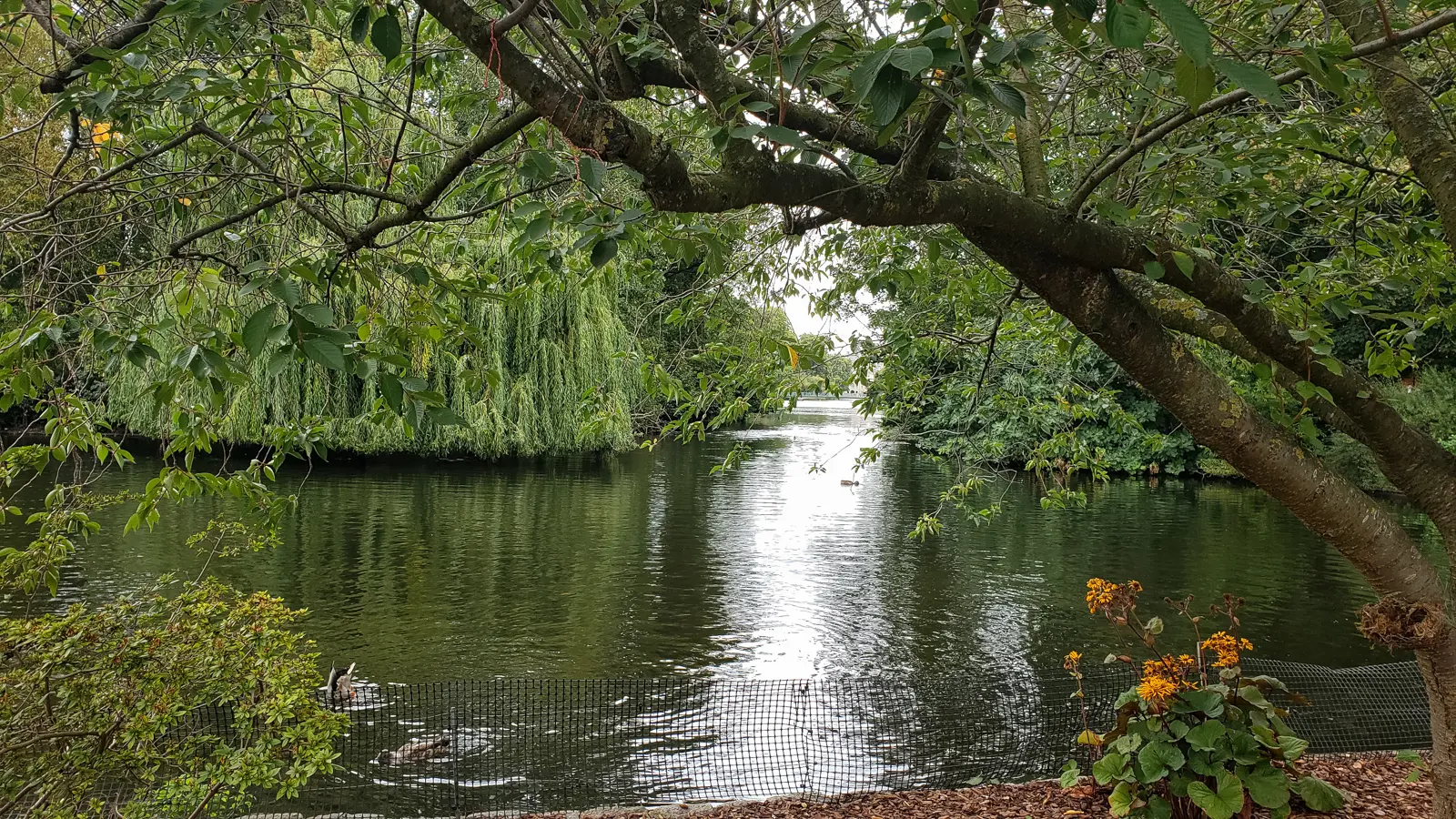
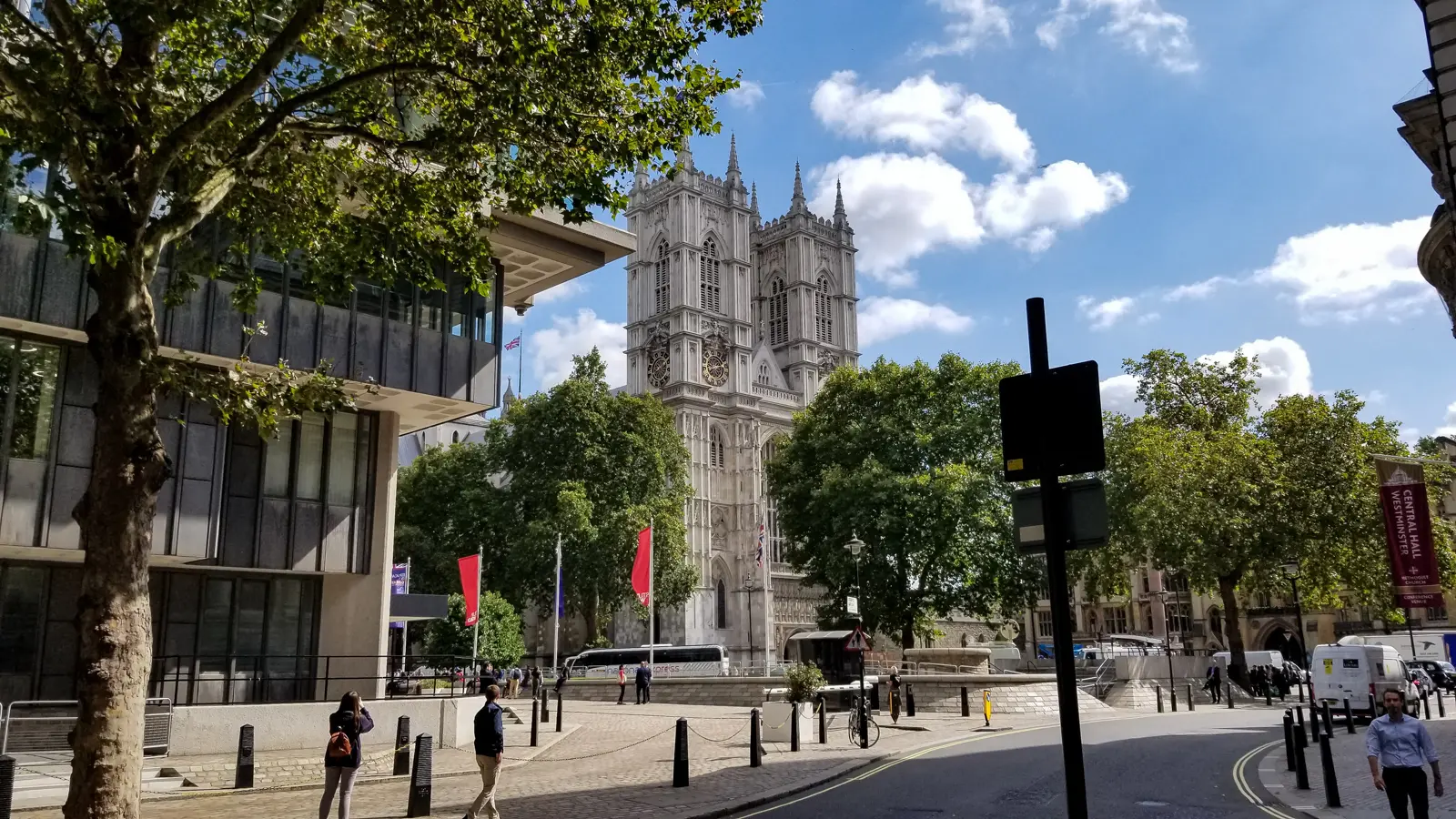
Afternoon. The park comes out near Parliament Square, which puts the Houses of Parliament, the Elizabeth Tower and Westminster Abbey within a few minutes of each other. Parliament itself is best admired from outside unless a tour has been booked well in advance. Westminster Abbey takes about ninety minutes properly, costs around £30, and closes to sightseeing on Sundays, which is worth planning around.
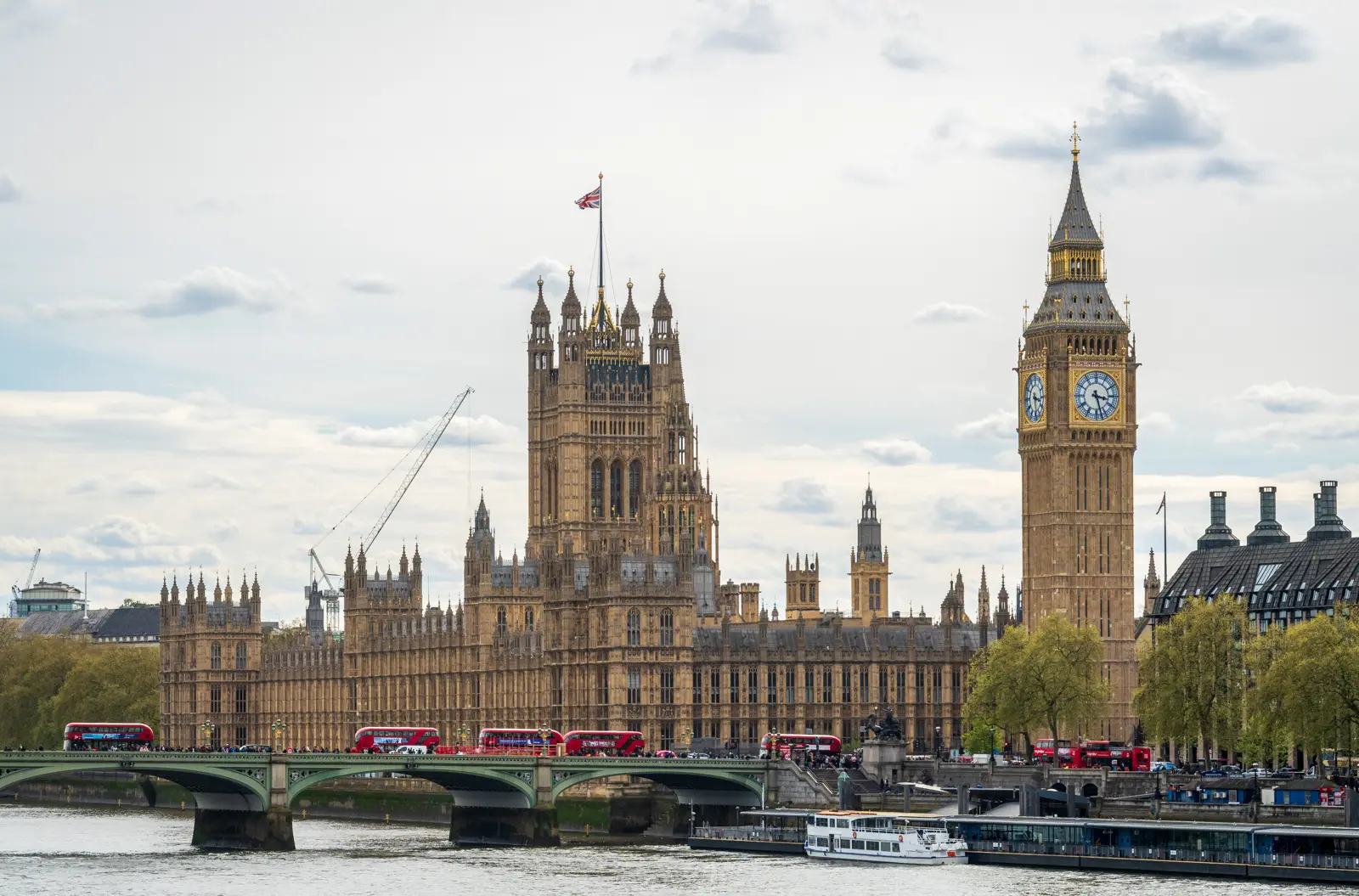
Then over Westminster Bridge to the South Bank, which is the moment the postcard view arrives: turning back to see Big Ben and the Palace of Westminster from the far bank is the single best free thing in London.
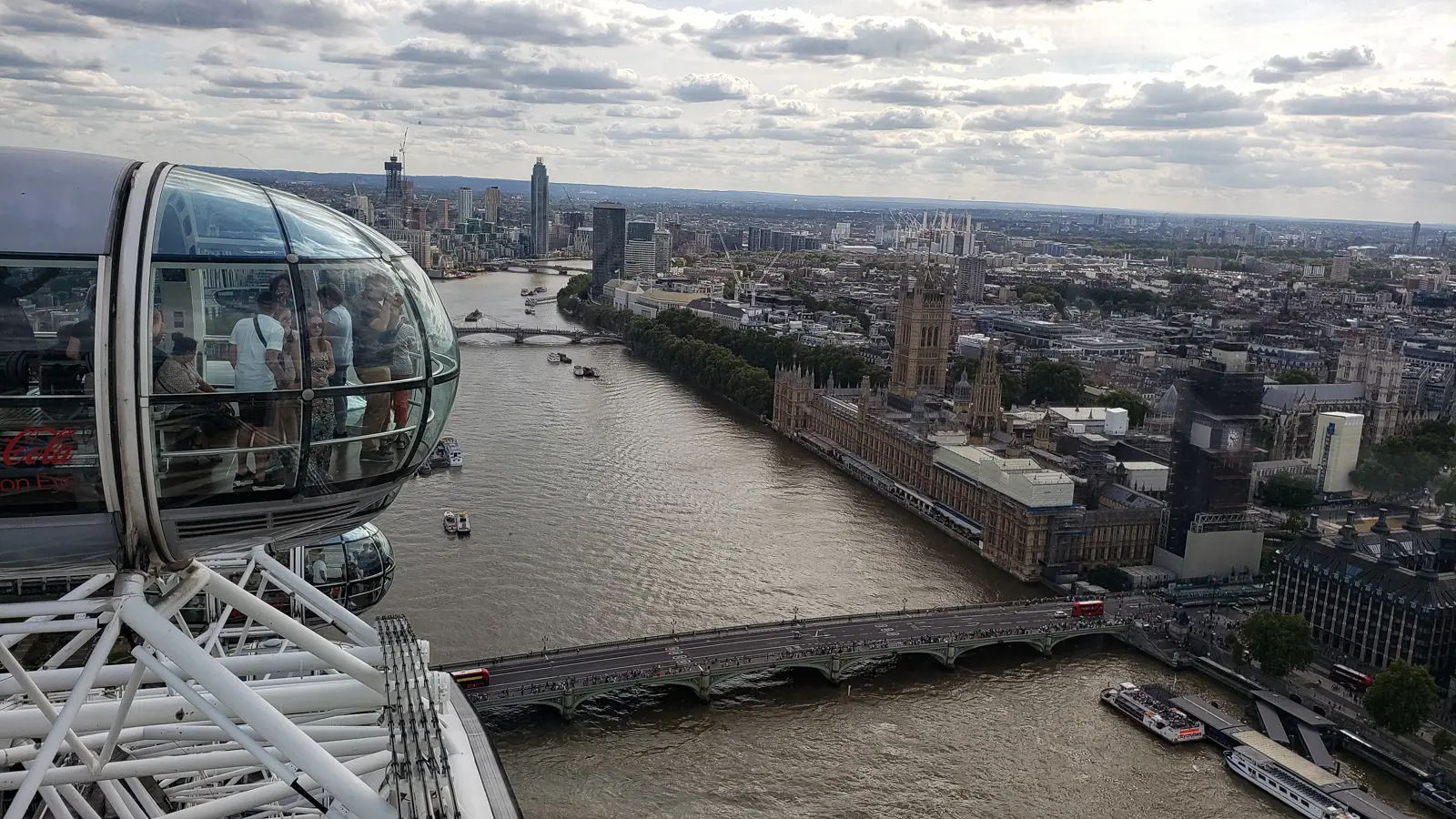
Evening. The London Eye sits a few minutes along the river. A rotation takes about half an hour, tickets start somewhere around £29 to £33, and booking ahead is both cheaper and faster. Going up near sunset is worth the extra planning. Dinner afterwards along the South Bank, then back to the hotel on foot.
Day Two: The Tower, the City and the River
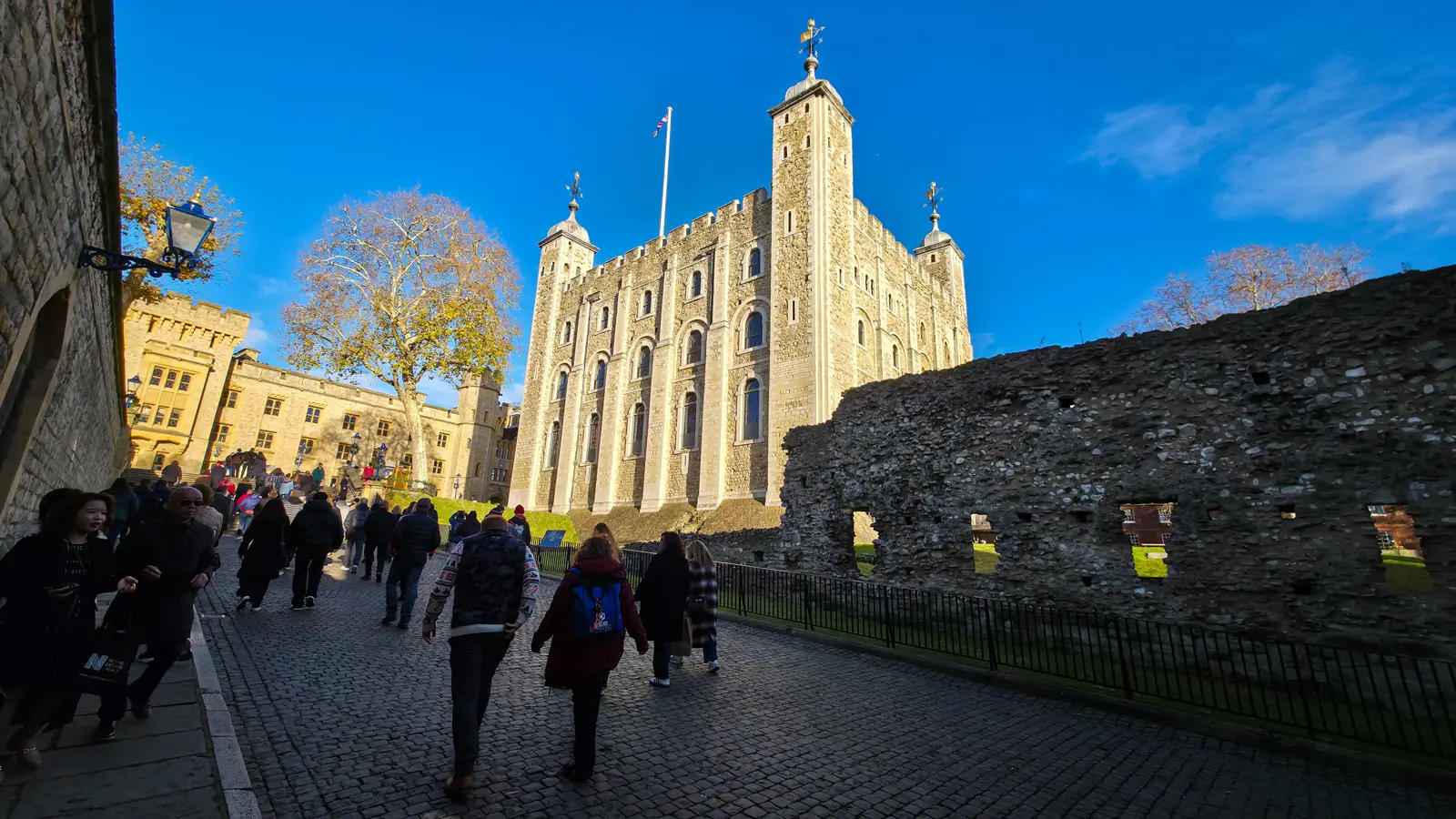
Morning. The Tower of London deserves an early start and at least three hours. Adult entry is £37 and covers the Crown Jewels, the White Tower, the battlements and the Yeoman Warder tour. Going as it opens means seeing the Crown Jewels before the queue builds, which by mid-morning is considerable.
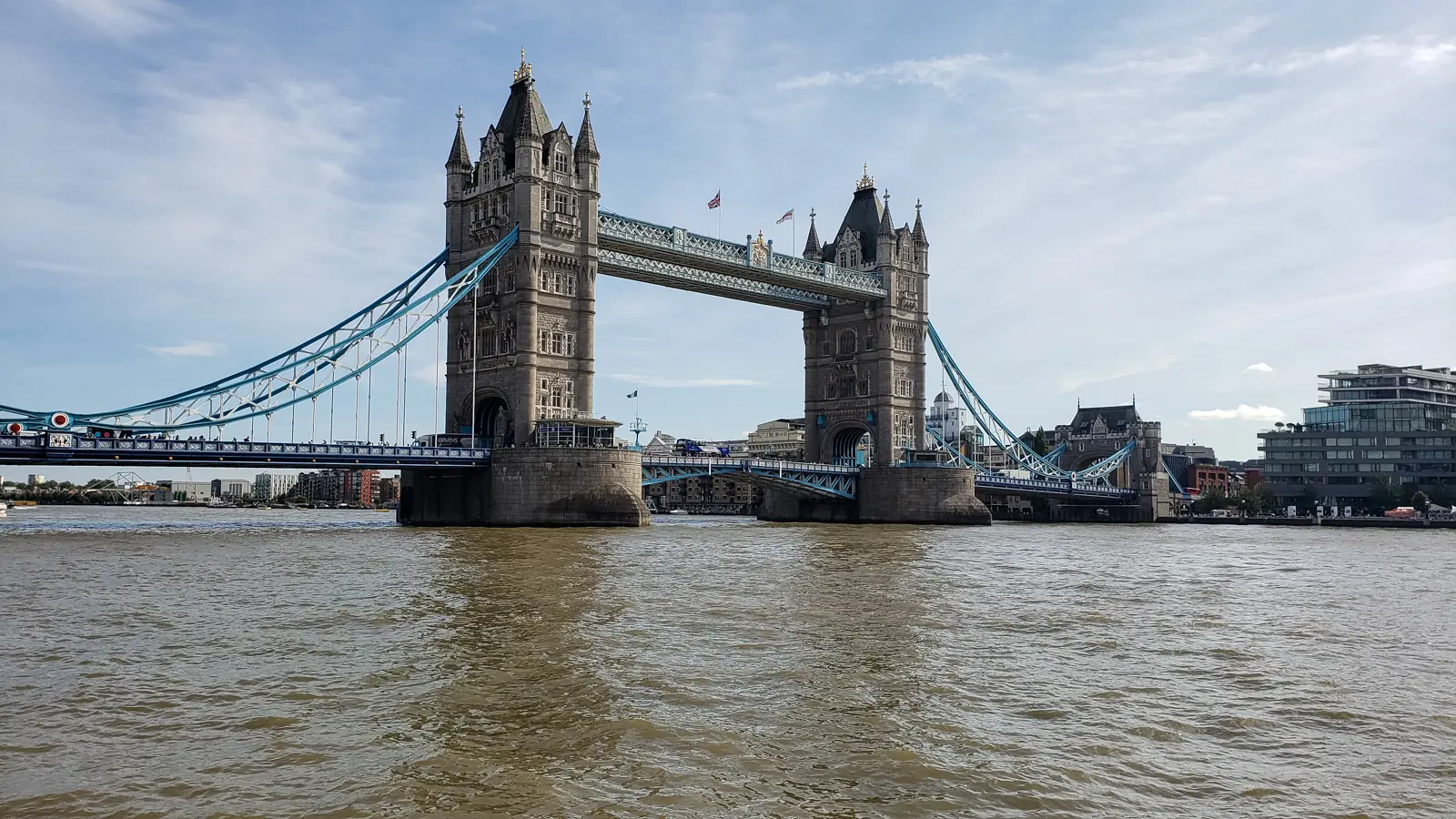
Afternoon. Tower Bridge is a five-minute walk away, and crossing it on foot costs nothing. The paid exhibition leads up to the high-level walkways with their glass floors and down into the Victorian engine rooms, usually around £13.50.
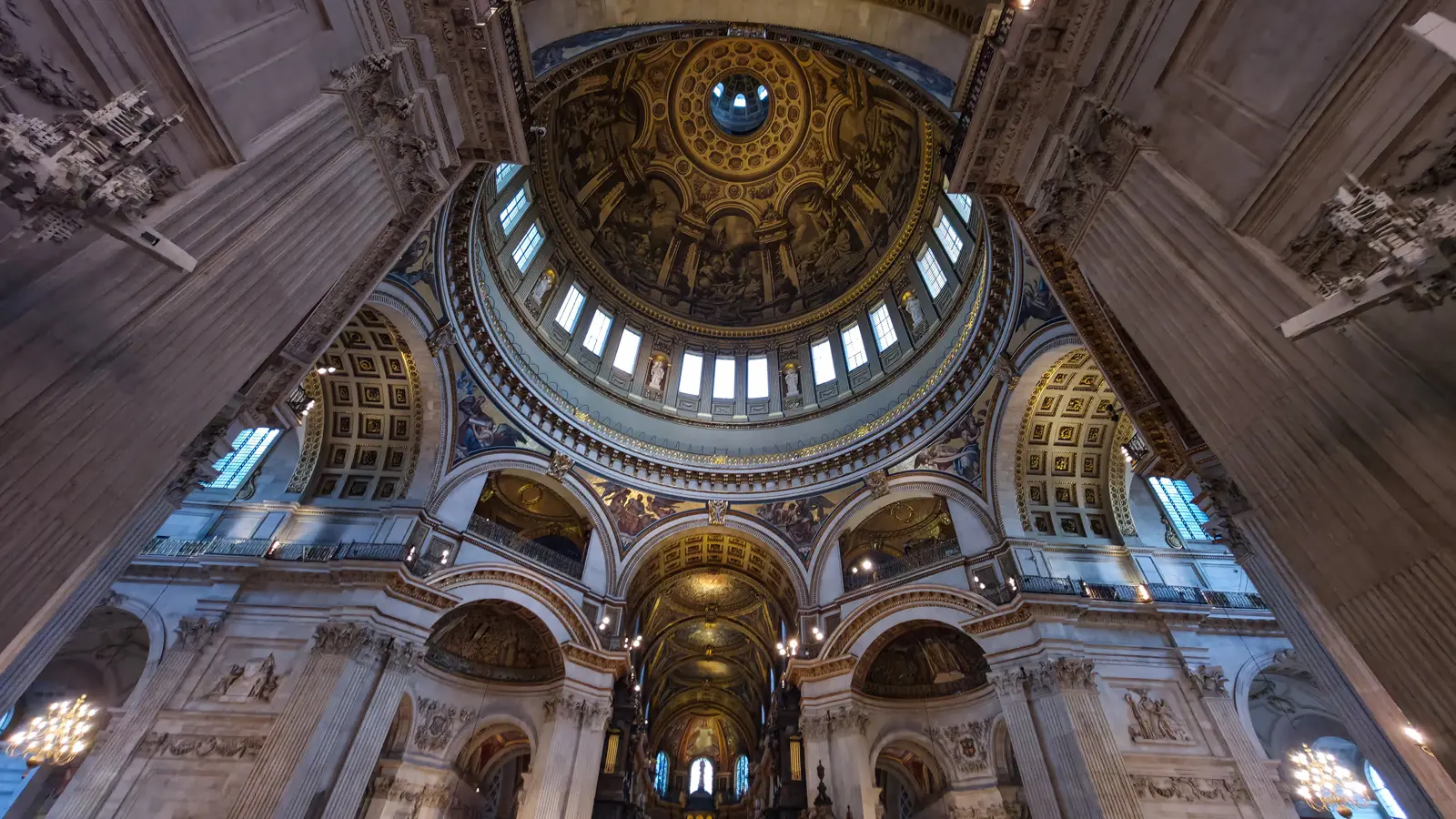
From there the river path runs west towards the City. St Paul’s Cathedral is the obvious next stop, at roughly £26 to £30 including the galleries and the crypt, and the climb up to the dome is the part people remember.
Alternatively, cross the Millennium Bridge to Tate Modern, which is free, and where the Turbine Hall alone justifies the walk. Doing both in one afternoon is possible but rushed; I would pick one and enjoy it.
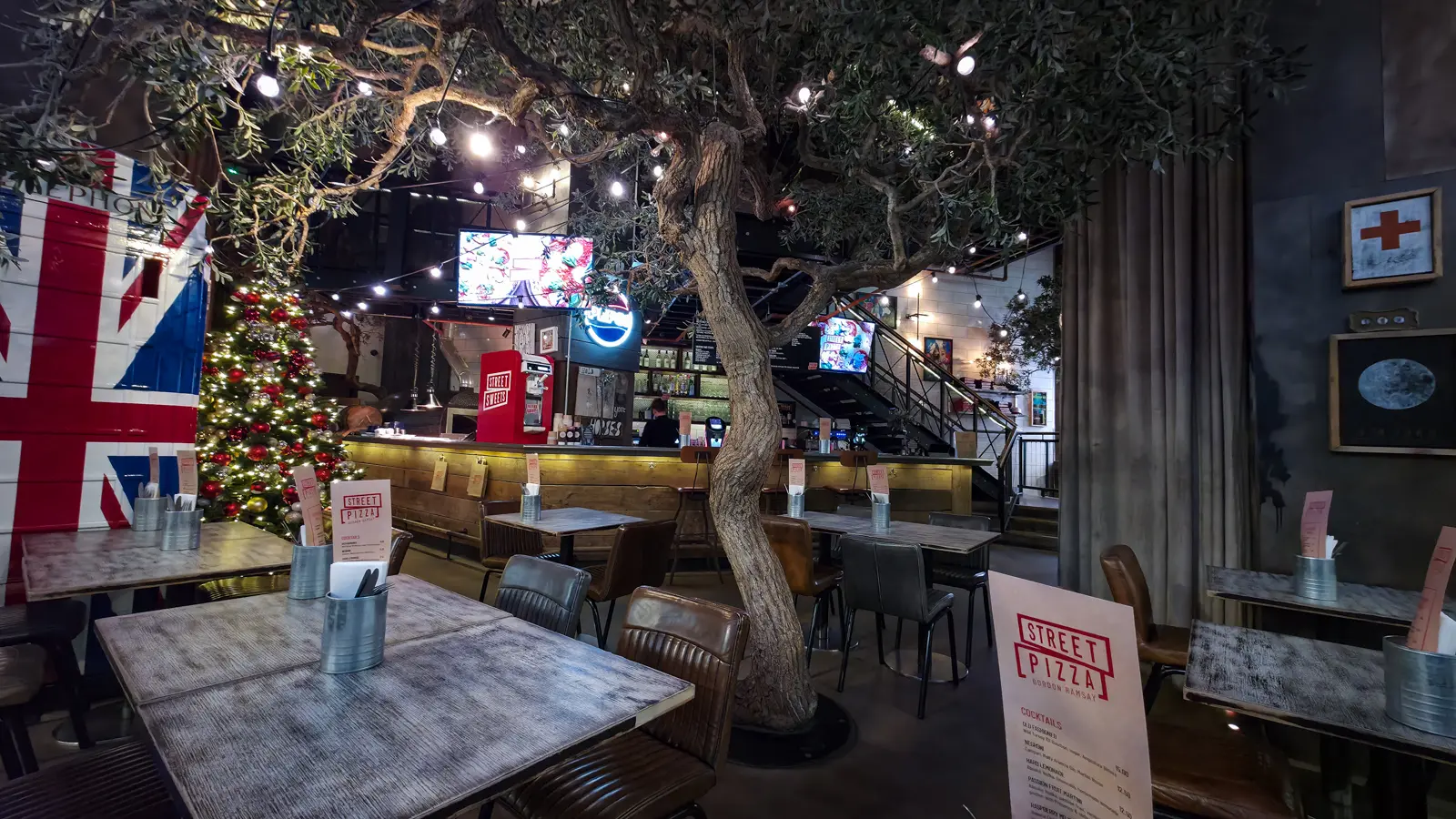
Evening. Street Pizza by Gordon Ramsay is two minutes from St Paul’s, on Bread Street, and after a day of walking it is exactly the right idea: £20 per person for bottomless pizza in the evening, with slices brought round until the white flag goes up. Only the pizza is bottomless, so drinks and sides go on top, and there is a discretionary service charge. There is also a weekday lunch deal at £15 for a pizza and a drink if the timing suits better.
Day Three: Museums, Shopping and a Park
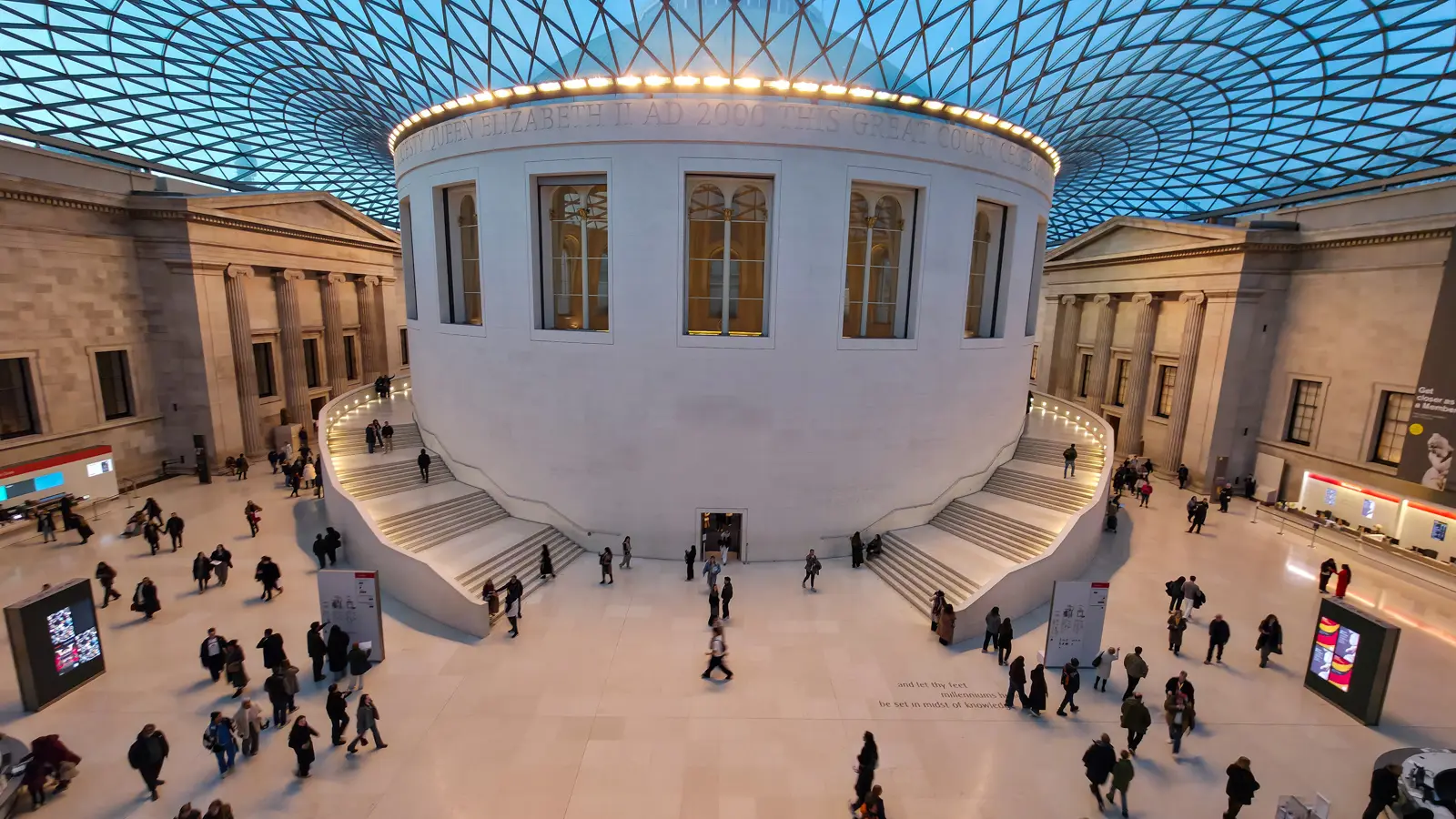
Morning. The British Museum opens at 10 and is free, and the Egyptian galleries and the Rosetta Stone are busiest from about 11 onwards, so first thing matters. Two hours is enough for the highlights, and the Great Court is worth standing still in for a minute on the way through. My own favourite corner is the Sutton Hoo room upstairs, which most people walk straight past.
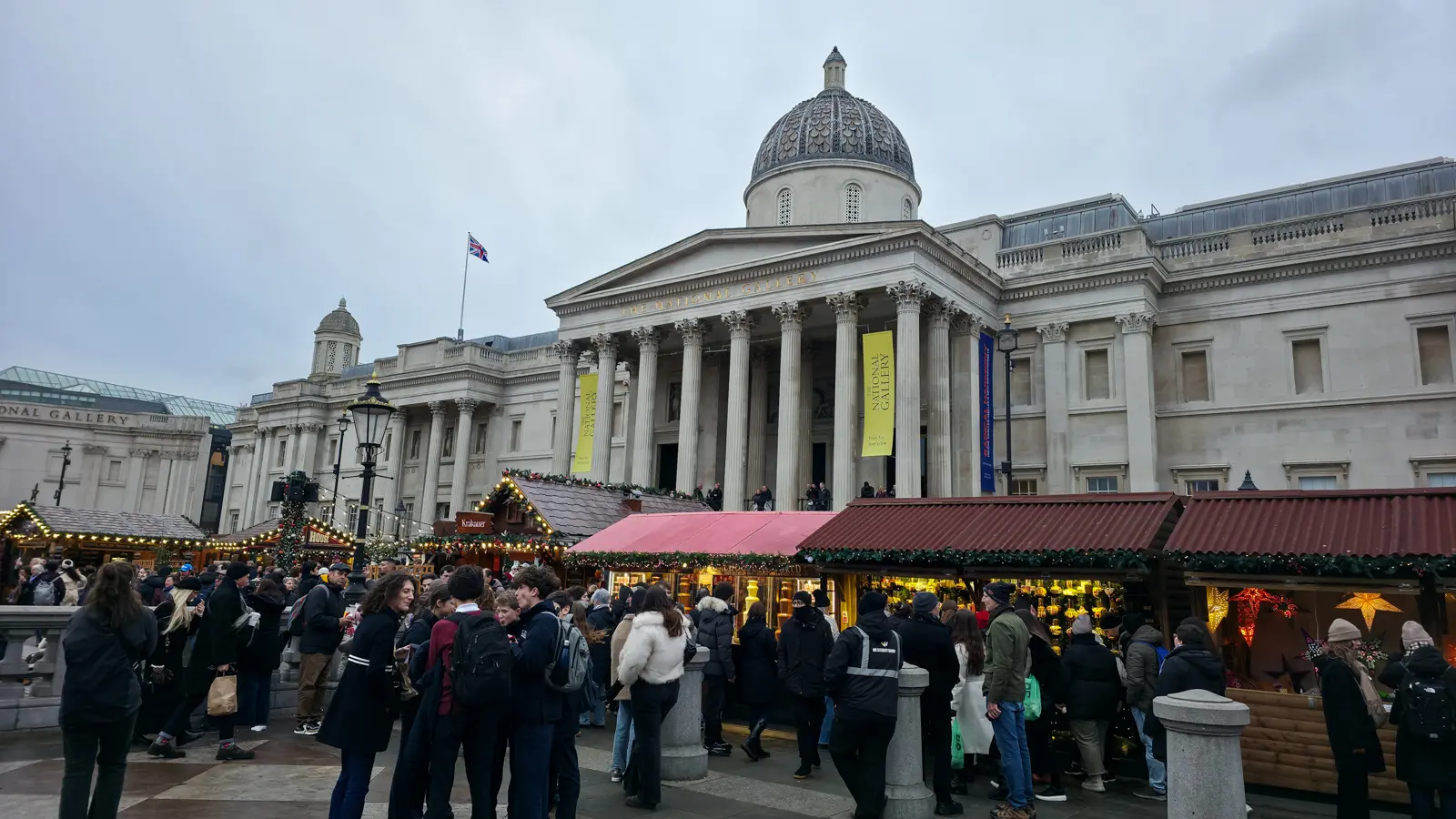
Afternoon. From Bloomsbury it is a walk south to Trafalgar Square, where the National Gallery is also free and stays open until 9pm on Fridays. An hour and a half is enough for a first pass at the famous rooms.
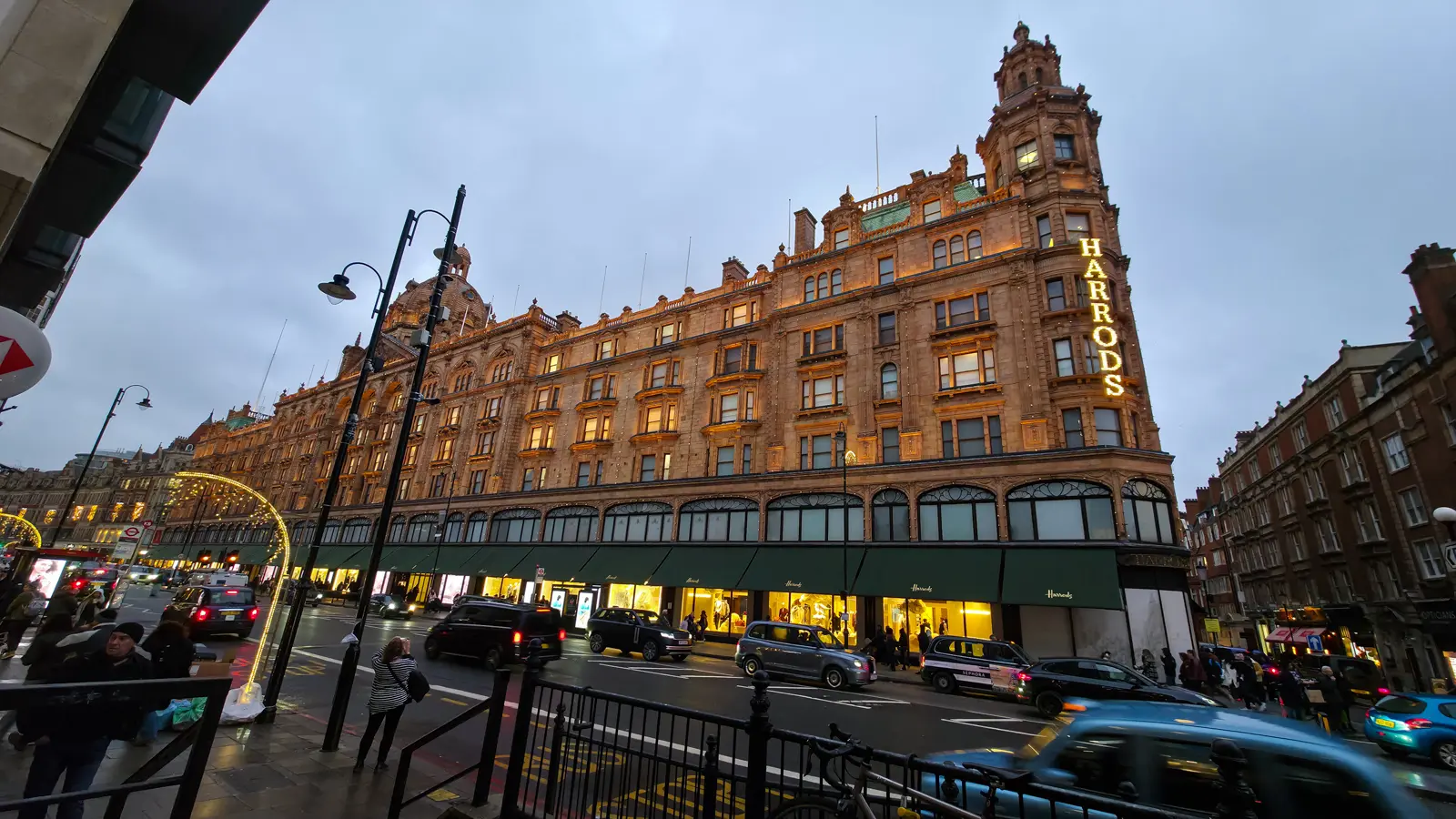
Then west to Knightsbridge for the other kind of London afternoon. Harrods is a spectacle whether or not anything gets bought, and the food halls are the part I would not skip.
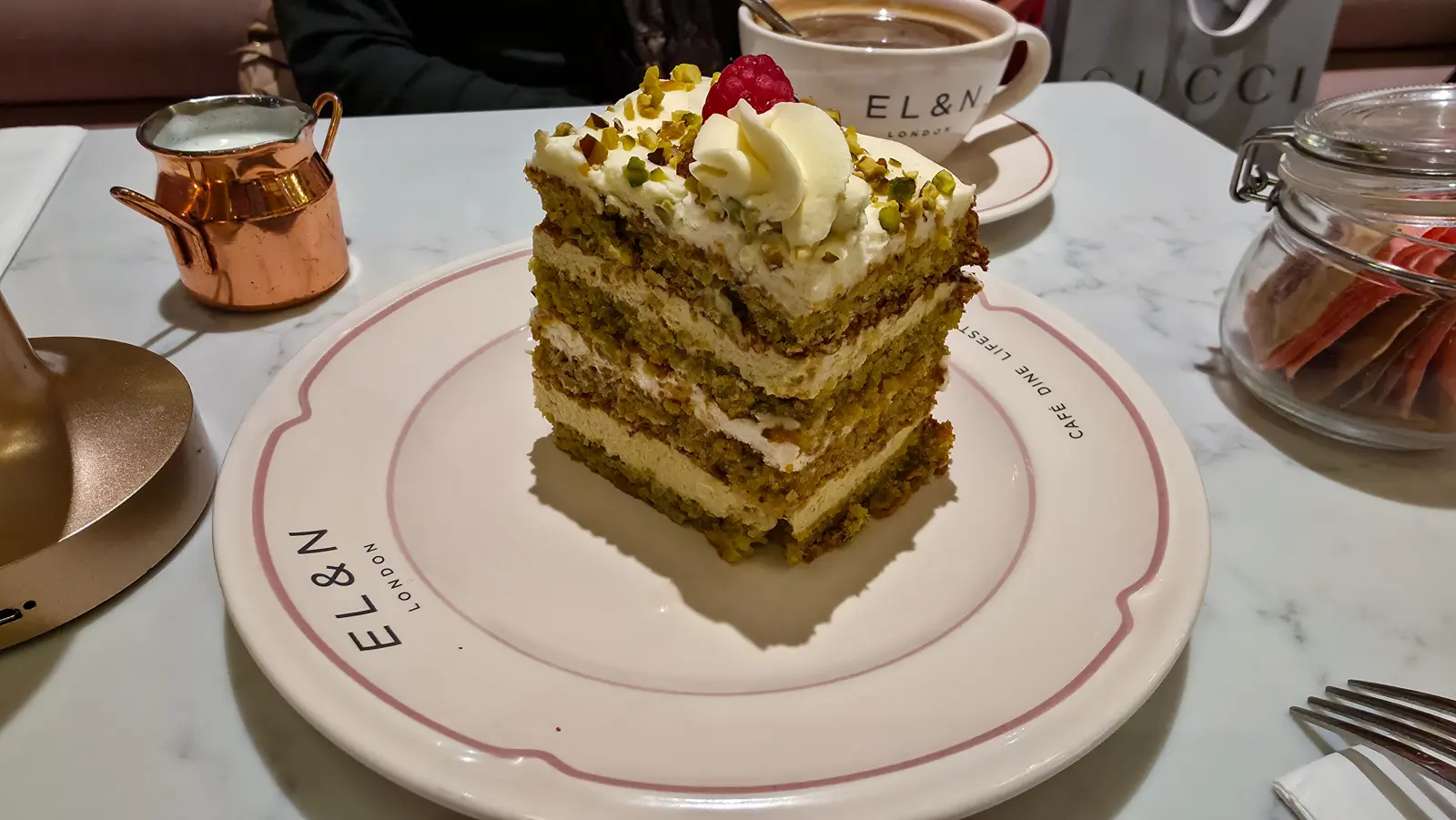
Late afternoon. EL&N is the reward for surviving Harrods, and conveniently it is barely a minute away, at 42 Hans Crescent on the street that curves around the side of the store. The room is blush pink and marble, there is a winged Pegasus wrapped in the brand’s own jungle print, and the cakes are the reason to go. It stays open late, until around 11pm most nights, so it works as an evening stop as much as an afternoon one.
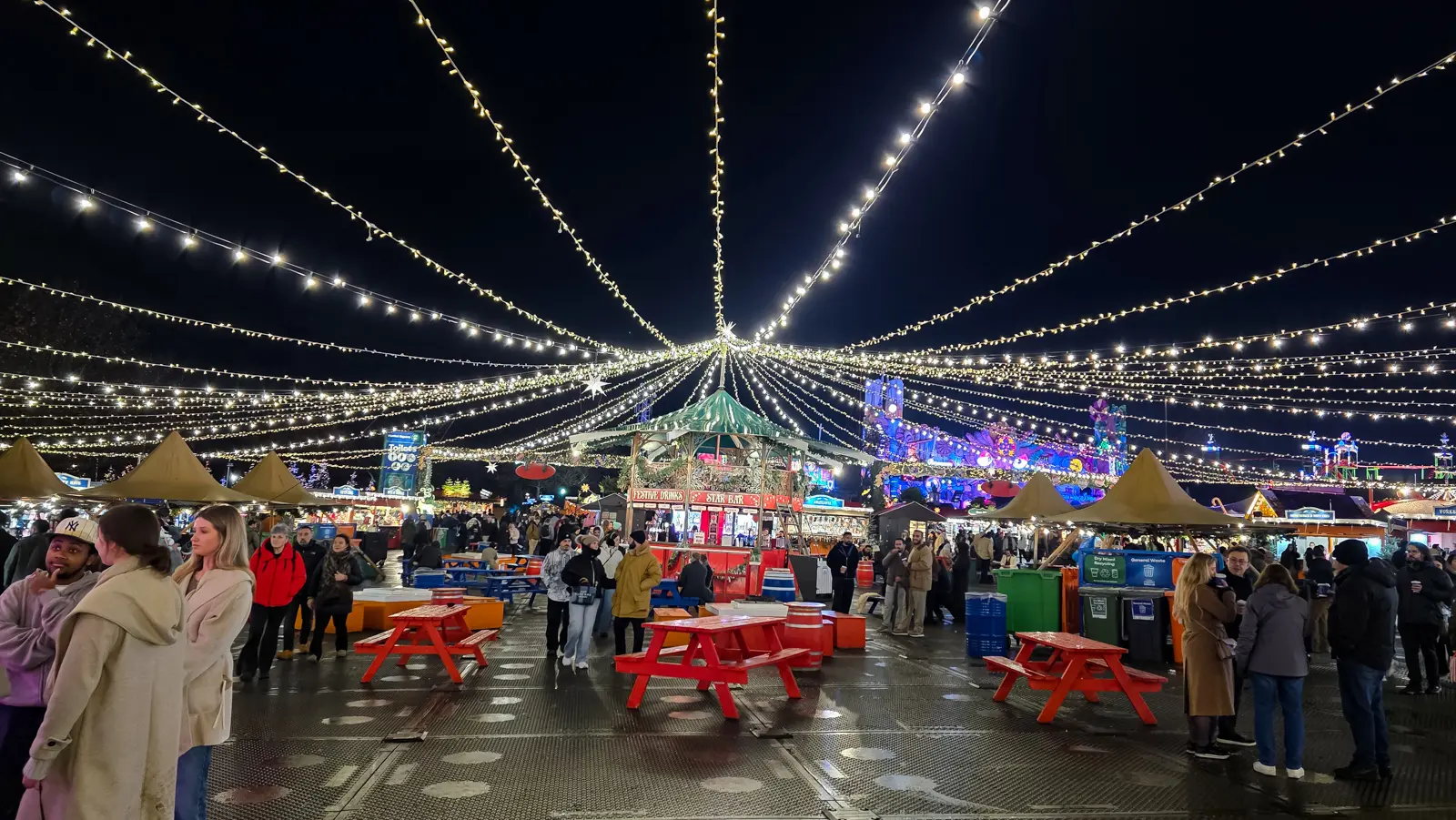
If the legs are still willing, Hyde Park and Kensington Gardens start a few minutes away, and in December the eastern end becomes Winter Wonderland.
What I Left Out, and Why
Three days means saying no to things. Windsor Castle and Stonehenge are both wonderful and both are day trips, so they belong to a different itinerary rather than being crammed into an afternoon. The Natural History Museum and the V&A would each need half a day of their own. Greenwich is a lovely half-day by boat and did not fit. Notting Hill and Portobello Road really want a Saturday morning, which this route does not have spare.
None of that is a loss. It is the argument for coming back.
Bubbly Tips for Three Days in London
- Book the paid attractions before you fly. The Tower, the Eye, Tower Bridge and Westminster Abbey all reward pre-booked timed tickets, and several are cheaper online than at the door.
- Tap in with a contactless card. Contactless bank cards and phones work straight onto the Tube and buses at the same capped daily fare as an Oyster card, so there is no need to buy anything in advance.
- Put the free museums on your rainy day. The British Museum, the National Gallery and Tate Modern all cost nothing, and they are the obvious plan when the weather turns, which it will.
- Check opening days, not just times. Westminster Abbey closes to sightseers on Sundays, Buckingham Palace’s State Rooms open only in summer, and Turbine Hall commissions change annually. A two-minute check saves a wasted morning.
- Walk the bridges. Westminster, Millennium and Tower Bridge are all free, all beautiful, and all give you the views that the paid attractions charge for.
- Stay central and pick a side. Basing yourself on the South Bank or near Westminster means walking to most of this. Anything that saves a daily commute is worth paying a little more for.
- Eat before 7 or book ahead. Central London restaurants fill fast in the evening, especially near the theatres and the river. Street Pizza takes bookings and is worth making one for.
- Give yourself one unplanned afternoon. The best hours I have had in London were the ones I did not schedule. If a day runs long, drop something rather than sprinting through it.
Final Thoughts
The version of this itinerary I would defend hardest is the pacing. Three or four stops a day sounds modest on paper and turns out to be plenty once queues, walking, lunch and the small accidental stops have been accounted for. Every London trip I have taken that tried for more ended up remembering less.
So: royal London on day one, the Tower and the river on day two, museums and Knightsbridge on day three, and a hotel on the South Bank to come back to. That is three days well spent, and it leaves Windsor, Greenwich, Portobello and half the museums for next time. There is always a next time with this city.
Until next time!

🌟 Everything You Need to Plan Your Dream Trip in 2026
- 🌟 Luxury Hotels - Find premium stays with Booking.com & Hotels.com
- 🏡 Vacation Rentals - Discover unique properties on VRBO
- 🏞️ Guided Tours - Explore with Viator or GetYourGuide
- 🎫 Attraction Tickets - Skip the lines with Tiqets
- 🚢 Ocean Cruises - Set sail with Cruise Direct
- 📱 International SIMs - Stay connected with Saily
- 🚗 Car Rentals - Budget-friendly options from Discover Cars
- 🌐 Secure VPNs - Browse safely with NordVPN
- 💶 Currency Exchange - Best rates with Wise
- 🗣️ Learn Languages - Master the local language with Babbel and Rosetta Stone