
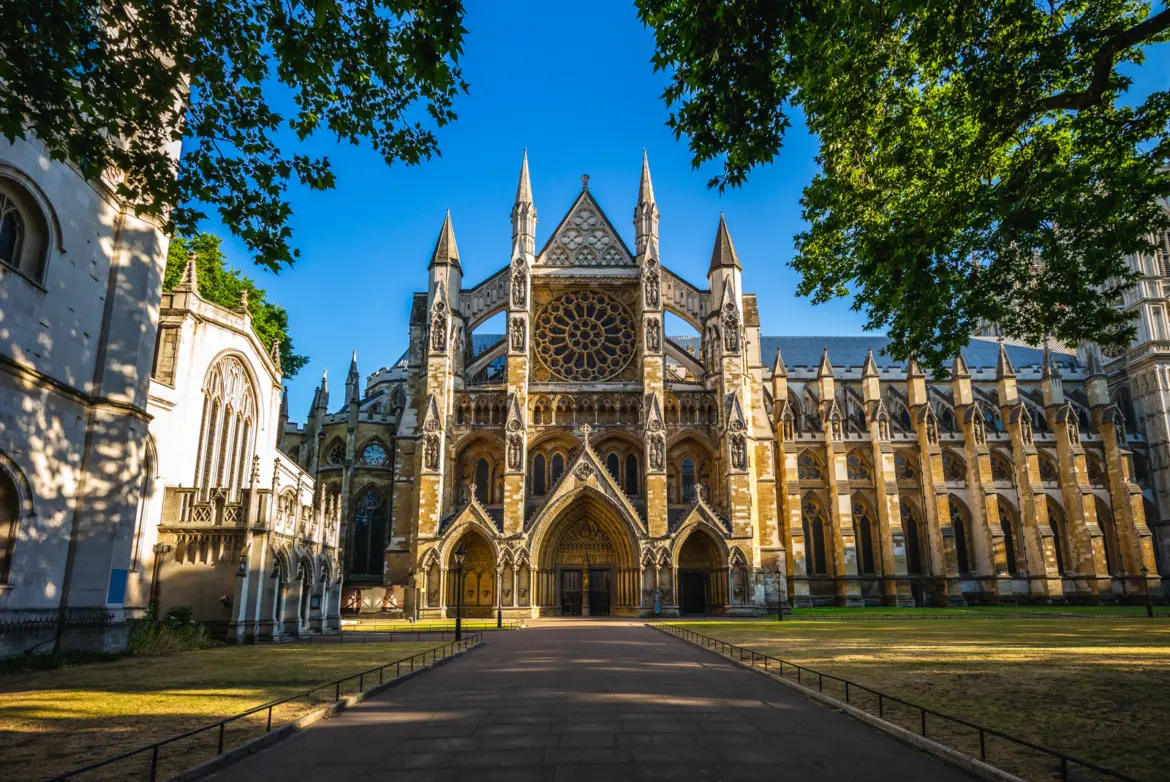
I had Westminster Abbey near the top of my London list, and the Abbey had other plans. The day I went, it was closed to visitors. Catherine, the Princess of Wales, holds her “Together at Christmas” carol service here every December, and the church had been given over to it. So I did the one thing you can always do at the Abbey, even when the doors are shut. I stood outside and looked up.
That was no consolation prize. The façade stopped me where I stood. I had seen it a hundred times on television, at royal weddings and at the crowning of King Charles III, but a screen does not prepare you for the height of it, or the depth of the carving, or the great rose window staring back down the lawn. I will get inside next time. For now, this is the Abbey from the pavement, which is still a thousand years of England in one wall.
Westminster Abbey at a Glance
👑 Coronation church · Every English and British monarch since William the Conqueror in 1066 has been crowned here, forty in all. The most recent was King Charles III in May 2023.
⛪ Not a cathedral · The Abbey is a Royal Peculiar, answering directly to the Crown rather than to a bishop. Its formal name is the Collegiate Church of St Peter at Westminster.
🪦 A national pantheon · More than 3,300 people are buried or memorialised inside, from Isaac Newton and Charles Darwin to Stephen Hawking, alongside the writers of Poets’ Corner.
🧱 A thousand years of building · A Benedictine monastery stood here by around 960. Henry III began the present Gothic church in 1245, and the western towers were finished only in 1745.
💎 The showpiece · Henry VII’s Lady Chapel at the east end, begun in 1503, is a jewel box of Perpendicular Gothic with a pendant fan-vaulted ceiling. Walk round the back to see it.
🎟️ Visiting · Buy a timed ticket online, which includes an audio guide. The Abbey closes to sightseers for services and state events, and on Sundays it opens for worship only.📸 Best shots · Photography is restricted inside, so take your rose-window and facade photos from the green out front. It is free and far less rushed than the queue.
The coronation church
If one building can be called the stage of the British monarchy, this is it. Westminster Abbey has been the coronation church since 1066, when William the Conqueror was crowned here on Christmas Day. Every English and British monarch since has been crowned on this spot, forty of them, the most recent being King Charles III in May 2023. The Coronation Chair, built around 1300, has been used at the crowning of monarchs since 1308 and still stands in the Abbey.
It is a church of weddings too. Sixteen royal weddings have taken place here, including the Queen and Prince Philip in 1947 and William and Catherine in 2011, the latter watched by something close to two billion people. And it is where the country says goodbye to its monarchs. Both Princess Diana, in 1997, and Queen Elizabeth II, in 2022, were mourned here before the world.
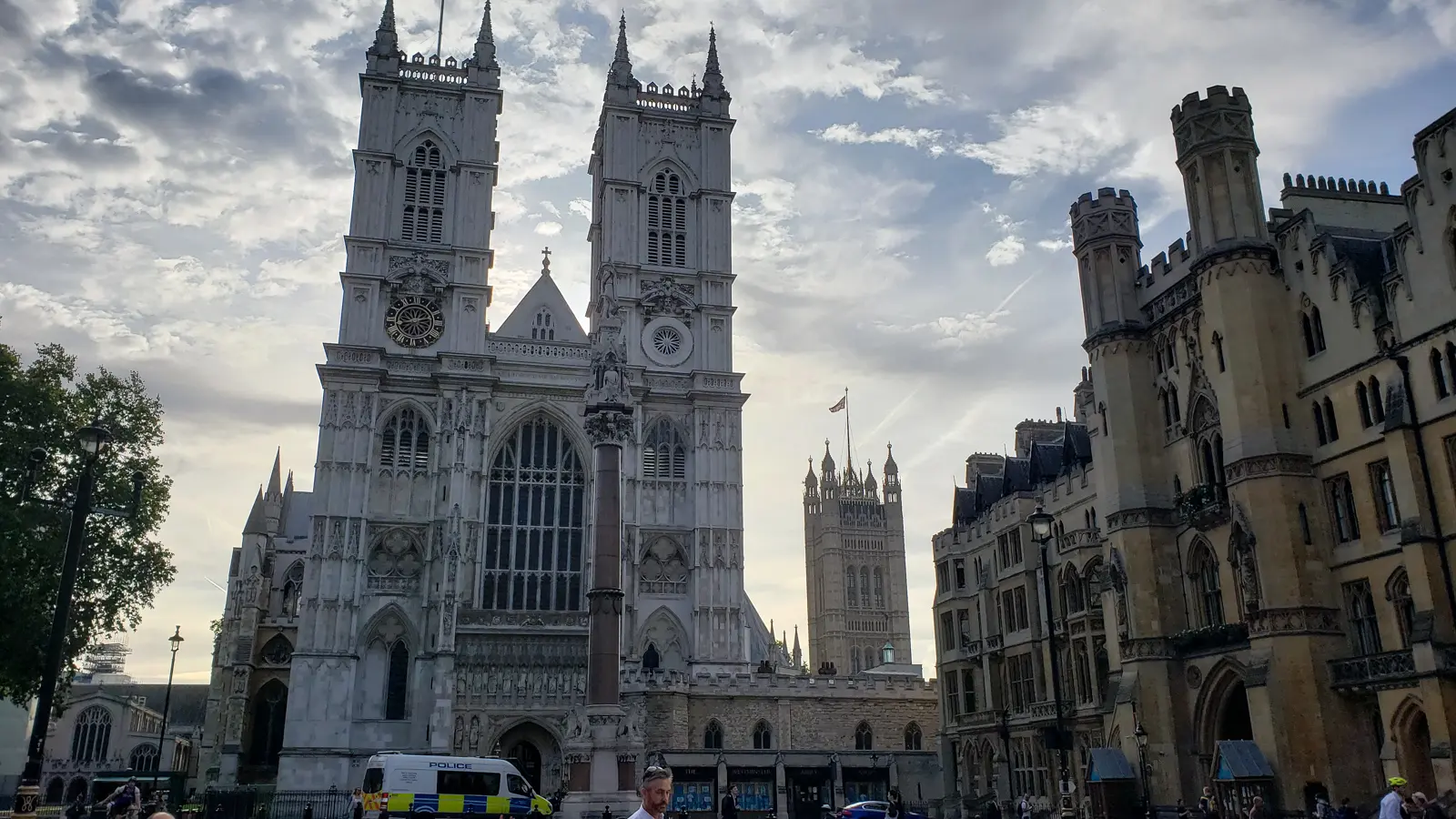
A thousand years of building
The Abbey wears its long history in its stonework, layer over layer. A Benedictine monastery stood here from around 960. Edward the Confessor built a great church on the site and had it consecrated in 1065, a week before he died, and he is still buried at its heart. Almost nothing of his church survives above ground, because in 1245 Henry III pulled most of it down and began rebuilding in the new Gothic style, borrowing from the cathedrals of northern France: pointed arches, flying buttresses, and the rose windows you see today. Most of what stands now is his.
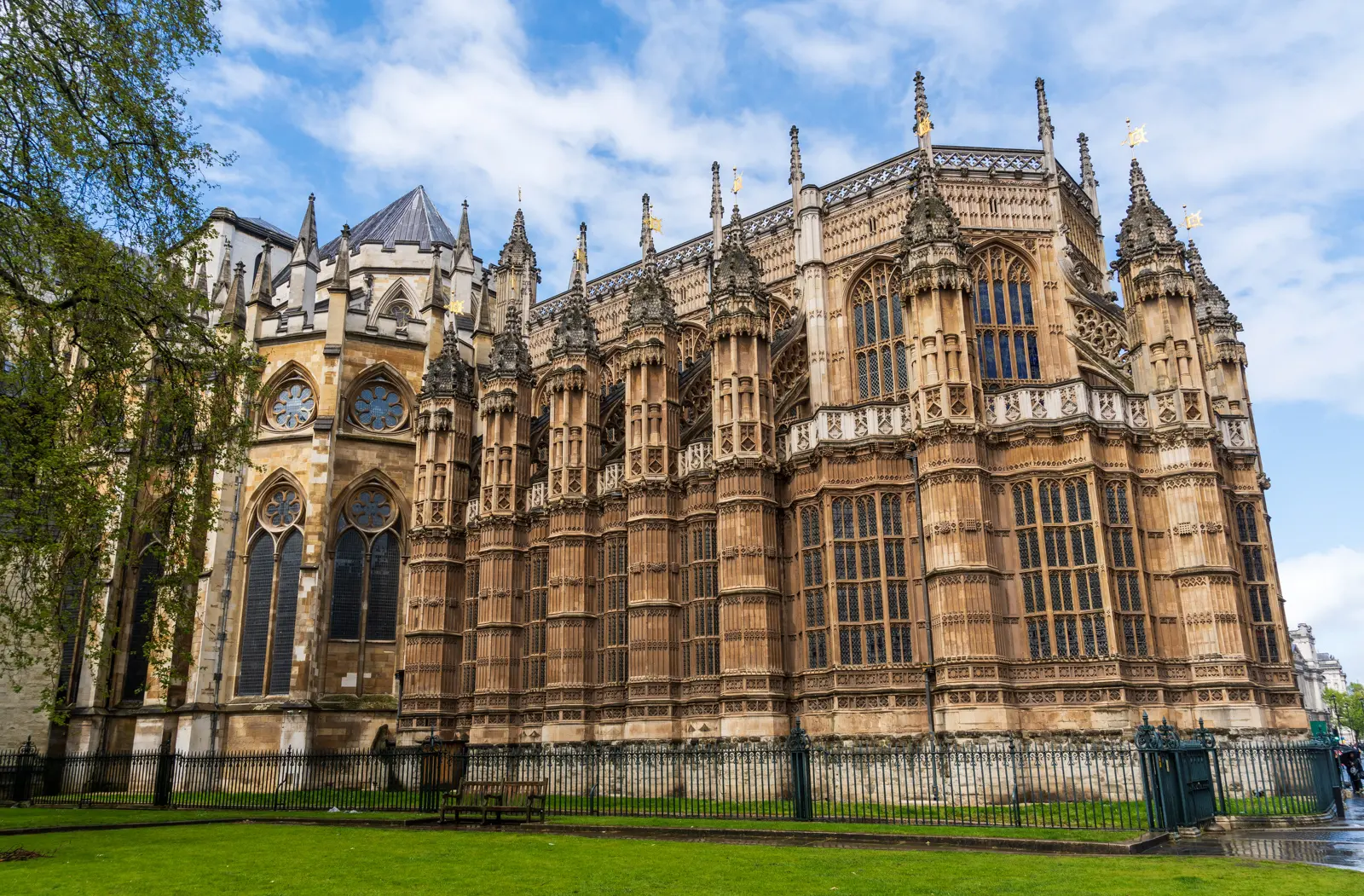
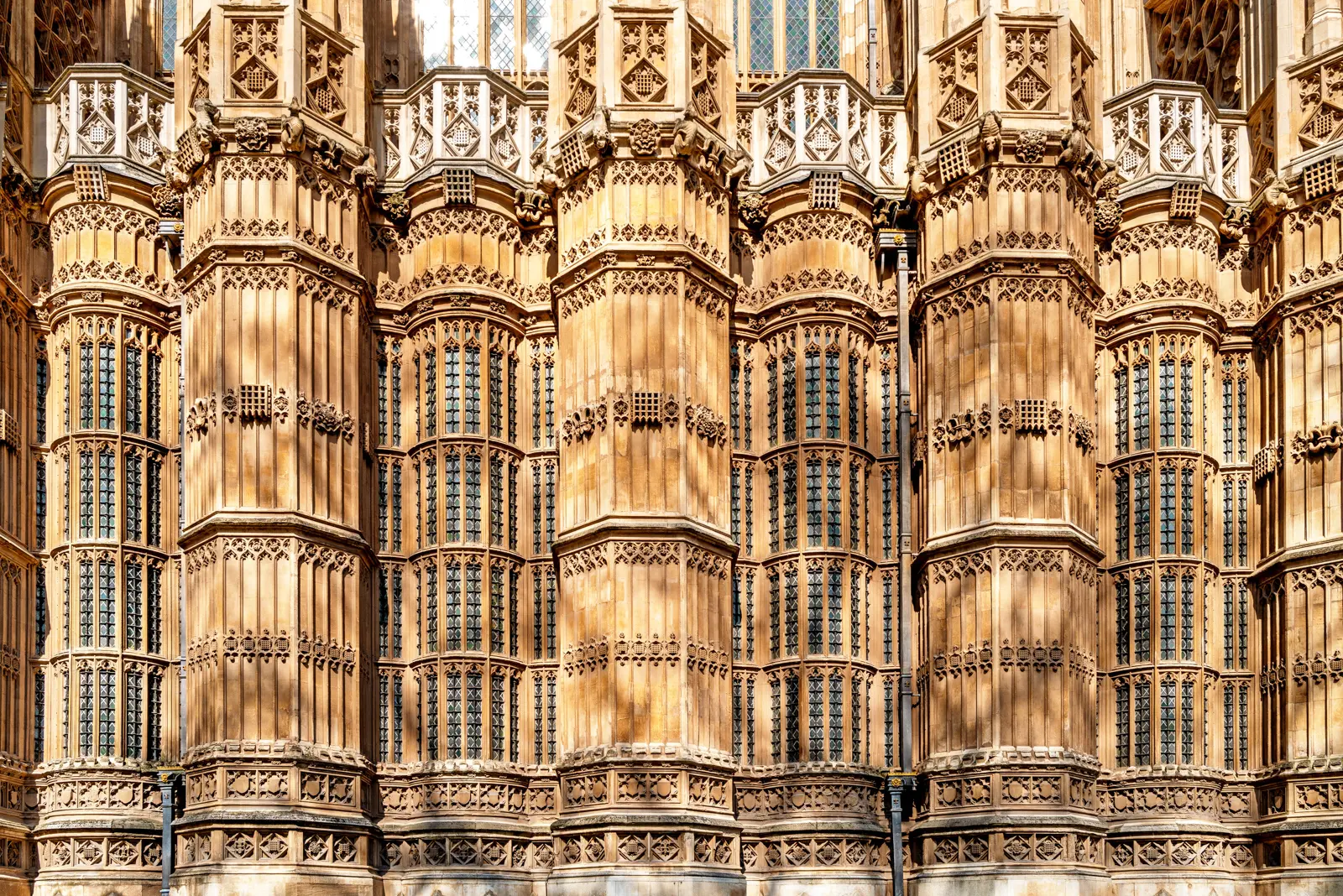
The building kept growing for centuries. The nave was finished in the late Middle Ages. Then, between 1503 and 1519, Henry VII added the Lady Chapel at the east end, a jewel box of Perpendicular Gothic with a fan-vaulted ceiling that hangs from carved stone pendants.
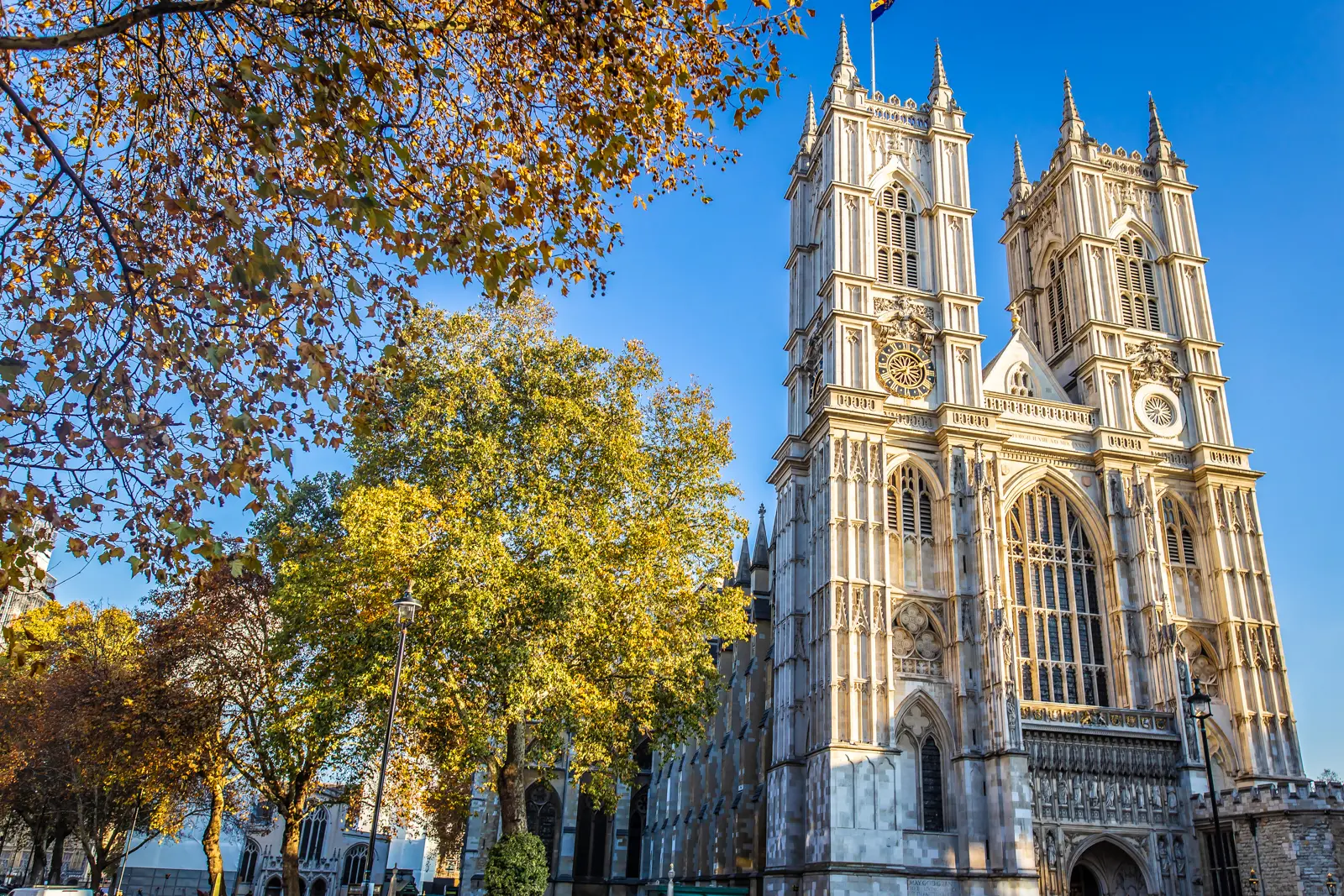
The last piece came much later. The two western towers, the ones that frame most photographs of the front, were not finished until 1745. They were designed by Nicholas Hawksmoor in a Gothic style to match the old church, and built in pale Portland stone. People often credit them to Christopher Wren. They are Hawksmoor’s.
The façade and the rose window
This is the part that held me. The north front, where most visitors arrive, climbs in stages: three deep doorways crusted with carving, a band of arches above, and then the rose window, a wheel of stone tracery filled with glass, set into the gable like an eye.
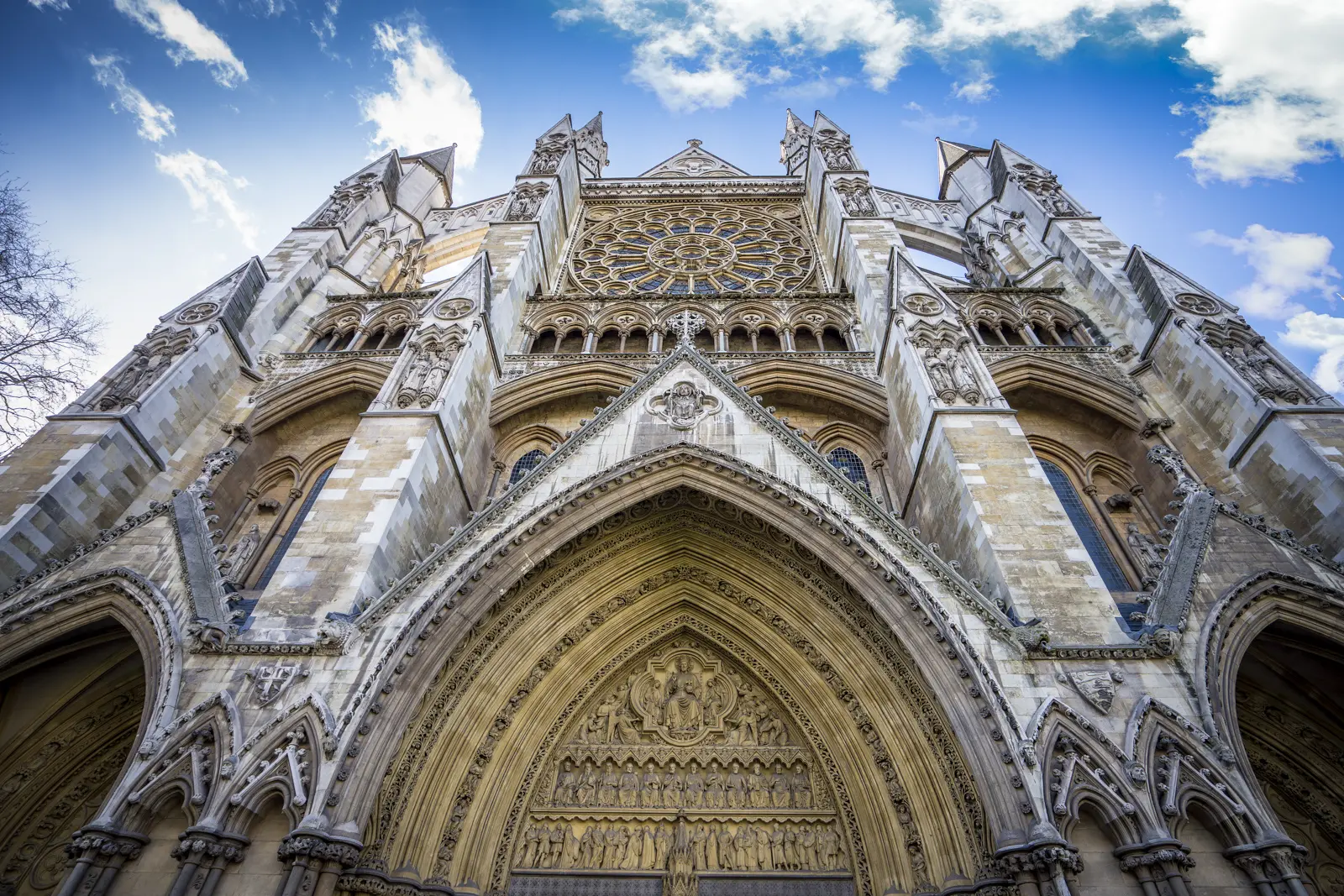
From the lawn you see the rose window as a silhouette, dark glass in pale stone. I know that from the inside it is the opposite, that when the light comes through it throws colour across the floor, and that is the single thing I most want to see when I come back. The stonework here is medieval, though the glass in this window dates from the early 18th century, and the whole north front was carefully recut by Victorian architects in the 1880s. The closer you look, the more there is. The Lady Chapel at the east end is so thick with pinnacles, tracery and little flying buttresses that the stone seems to dissolve.
What waits inside the walls
I did not get in, so I will not pretend to describe what I have not seen. But it is worth knowing what sits behind that façade, because it is why the queue forms.
The Abbey is, among other things, the most crowded burial ground in Britain. More than 3,300 people are buried or memorialised inside, kings and queens alongside the people who shaped the country’s mind: Isaac Newton, Charles Darwin and, more recently, Stephen Hawking. In Poets’ Corner lie or are remembered Chaucer, Dickens, Austen and the Brontës. By the west door rests the Unknown Warrior, an unidentified soldier of the First World War buried in soil brought from the battlefields, the one grave in the Abbey that no one is allowed to walk across.
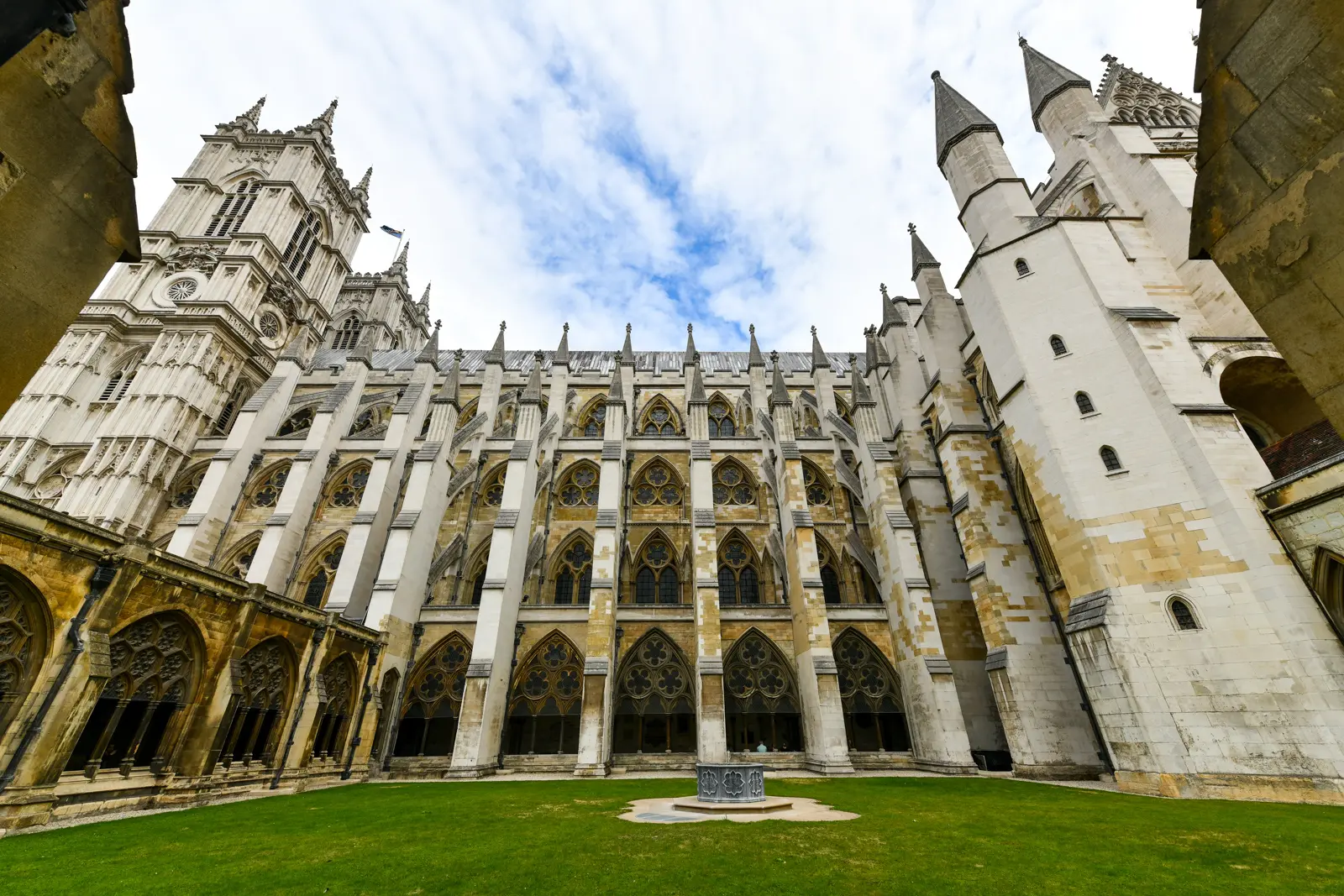
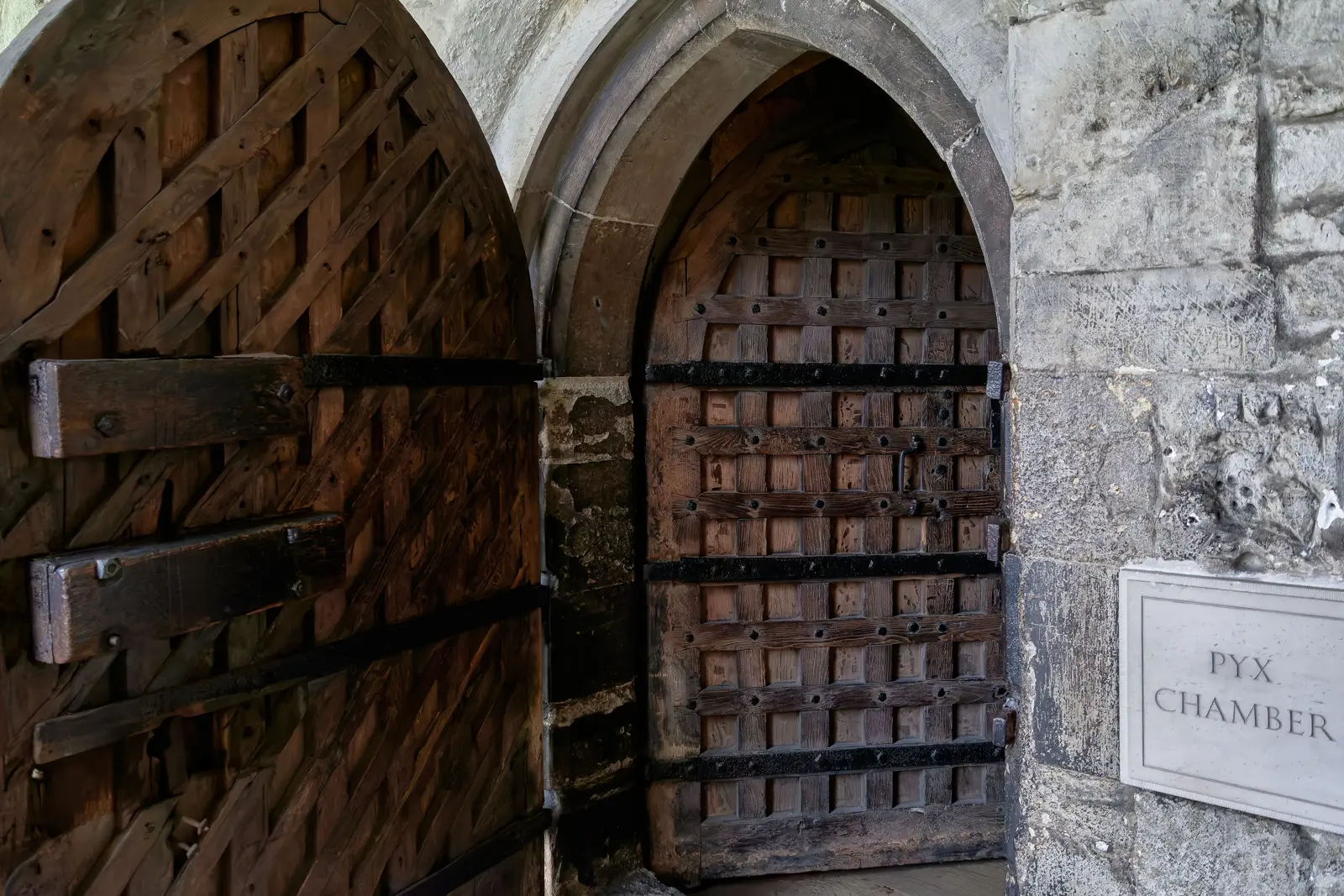
Beyond the church proper are the cloisters and chapter house, the quiet working heart of the old monastery. Tucked off them is the Pyx Chamber, one of the oldest surviving corners of the whole Abbey, a low vaulted room from around the 1070s that once held the royal treasure. The Abbey also keeps what is generally called the oldest door in Britain, made in the 1050s, from Edward the Confessor’s church.
A living church, which is why it closes
It is easy to forget, in all the history, that the Abbey is a working church. It is a Royal Peculiar, which means it answers directly to the Crown rather than to a bishop, and it holds services every day. That is also why it shuts to visitors more often than you might expect: for daily worship, for state occasions, and for events like the carol service that turned me away. None of it is a museum closure. The building is simply busy being what it has always been.
If you want to go inside, you buy a timed ticket, and the price includes an audio guide narrated, at the time of writing, by the actor Jeremy Irons. Verger-led tours go further into the chapels for an extra fee. The Abbey is closed to sightseers on Sundays, when it opens for worship only.
Bubbly Tips
- Check it is open before you go. The Abbey closes to visitors for services, state events and occasions like the royal carol service. Look at the official website’s visitor calendar the day before, or you may arrive to locked doors, as I did.
- Aim for the first slot. This is one of London’s busiest sights. The first entry of the morning is the calmest, before the tour groups build up.
- Book a timed ticket online. Tickets are cheaper and faster booked ahead than on the door, and busy days sell out. The price includes the audio guide.
- Sundays are for worship, not sightseeing. If you want to look around, pick another day. If you want the music, come to a service instead.
- Hear Evensong if you can. Sung by the Abbey choir most weekday evenings, it is free to attend and the best way to experience the building as it was meant to be used.
- Photograph the outside. Photography is restricted inside, so take your façade and rose-window shots from the green out front, where it is allowed and free.
- Walk round to the east end. Most people photograph the north front and leave. The Henry VII Lady Chapel at the back is the architectural showpiece and far less crowded.
- Pair it with Parliament. The Houses of Parliament and Big Ben are a two-minute walk away, and St James’s Park is just up the road. Easy to build a Westminster morning around it.
Final Thoughts
Some visits end at the door, and this one did. But standing on the lawn, looking up at a wall that has watched a thousand years of coronations, weddings and funerals, I did not come away disappointed. It was like reading the cover of a very good book and being told to come back for the rest.
I will. And when I do, the first thing I am going to do is find the place where the light comes through the rose window and lands on the floor, the one view this whole magnificent outside has been promising me. Some buildings you tick off a list. This is one I have started and fully intend to finish.
Until next time!

🌟 Everything You Need to Plan Your Dream Trip in 2026
- 🌟 Luxury Hotels - Find premium stays with Booking.com & Hotels.com
- 🏡 Vacation Rentals - Discover unique properties on VRBO
- 🏞️ Guided Tours - Explore with Viator or GetYourGuide
- 🎫 Attraction Tickets - Skip the lines with Tiqets
- 🚢 Ocean Cruises - Set sail with Cruise Direct
- 📱 International SIMs - Stay connected with Saily
- 🚗 Car Rentals - Budget-friendly options from Discover Cars
- 🌐 Secure VPNs - Browse safely with NordVPN
- 💶 Currency Exchange - Best rates with Wise
- 🗣️ Learn Languages - Master the local language with Babbel and Rosetta Stone