
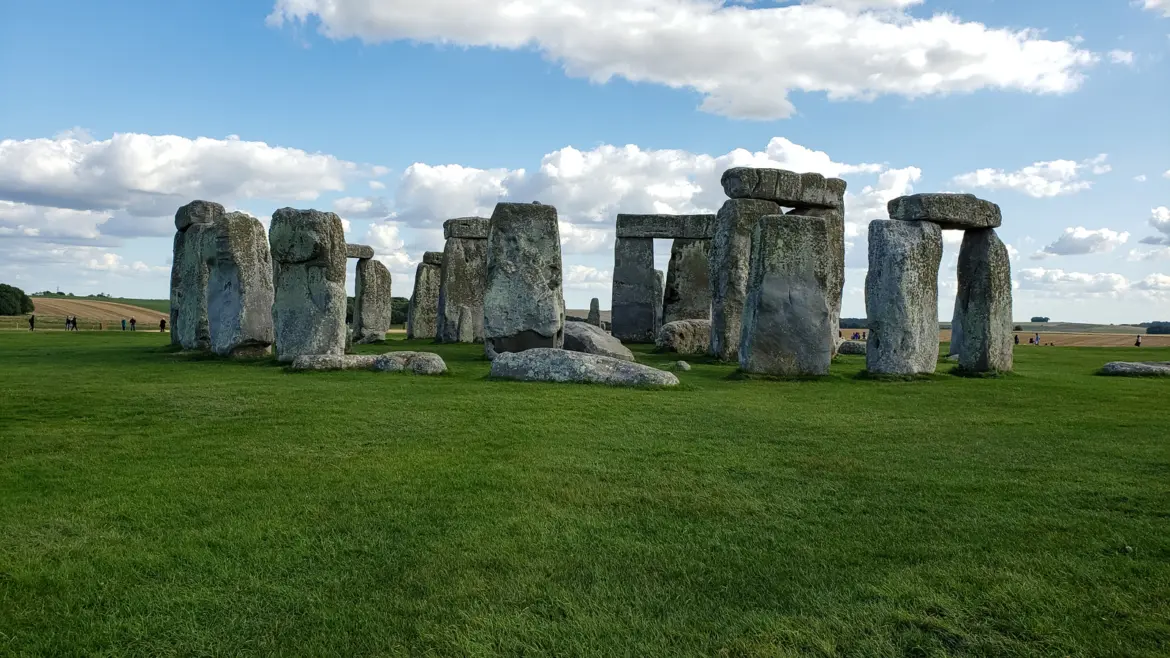
You see Stonehenge from a distance before you reach it, a grey cluster of stones alone on open grassland, and the first thing it does is stop you. I had seen it in a hundred photographs. None of them prepared me for standing there in the wind on Salisbury Plain, looking at something people built 4,500 years ago and still cannot fully explain. The honest feeling, before any of the history sinks in, is awe. We made the trip out from London for the day, about two hours each way, and it is well worth doing.
Stonehenge at a Glance
📍 Location · Salisbury Plain, Wiltshire, about eight miles north of Salisbury and roughly two hours from London, making it an easy day trip.
🪨 What it is · A prehistoric stone circle raised in stages from about 3000 BC, with the great sarsens up by around 2500 BC. A UNESCO World Heritage Site since 1986, in the care of English Heritage.
🎟️ Tickets · Timed advance tickets through English Heritage, adults from about £25 (more on the day). EH and National Trust members go free but still need a booked slot.
🚌 Getting to the stones · The visitor centre sits about a mile and a half away, linked by an included shuttle bus or a walk across the fields.
⭕ The catch · A standard ticket views the circle from a roped-off path. Separate early-morning and evening Stone Circle Experience visits, about an hour in small groups, take you inside.
🌅 The clue · The whole monument aligns on the sun: midsummer sunrise over the Heel Stone, midwinter sunset on the same axis.
🏴 The shock · In 2024 the six-tonne Altar Stone was traced to north-east Scotland, at least 750 km away, a journey probably made partly by sea.
⏰ Hours · Open daily from 9:30, until 18:00 in summer (last entry 16:00) and 17:00 the rest of the year.
💡 Tip · Go early or late for soft light and thinner crowds, dress for wind on the open plain, and pair it with Avebury or Woodhenge to see the wider landscape.
What it actually is
Stonehenge is a prehistoric stone circle in Wiltshire, about eight miles north of Salisbury, cared for today by English Heritage and a UNESCO World Heritage Site since 1986, one of the first places in the UK to be listed. It was raised around the same time as the Great Pyramid of Giza, and it was built in stages over roughly 1,500 years. The earliest version, from about 3000 BC, was a simple circular ditch and bank, and one of the largest cremation cemeteries known from Neolithic Britain. The huge stones you picture came later, around 2500 BC.
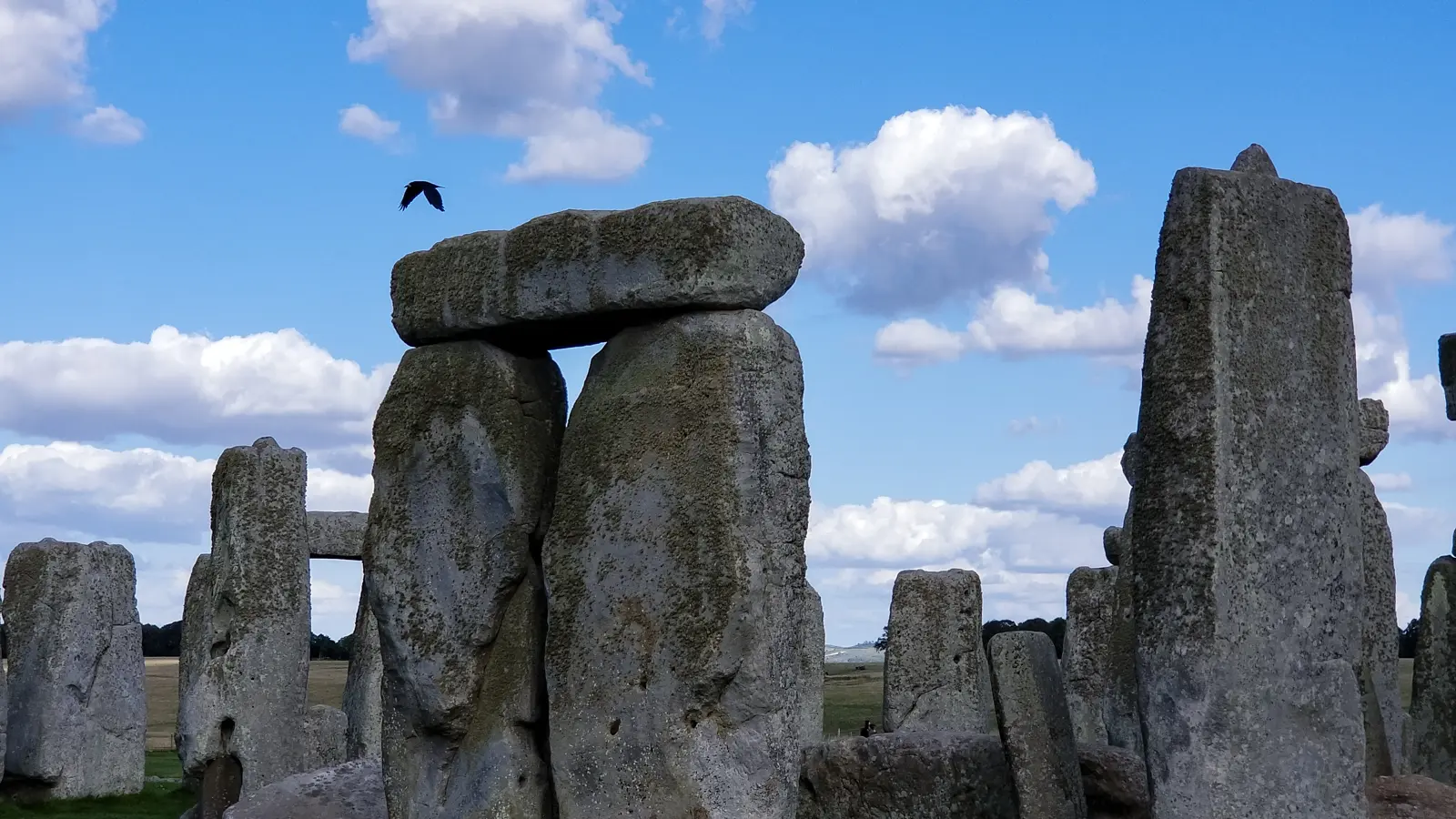
What makes it singular is not just age but craft. It is the only surviving stone circle in the world topped with a continuous ring of lintels, and the only one where the builders locked the stones together with joints normally used in woodworking, carved into rock with stone tools. For a society without metal, that is staggering.
The long way the stones travelled
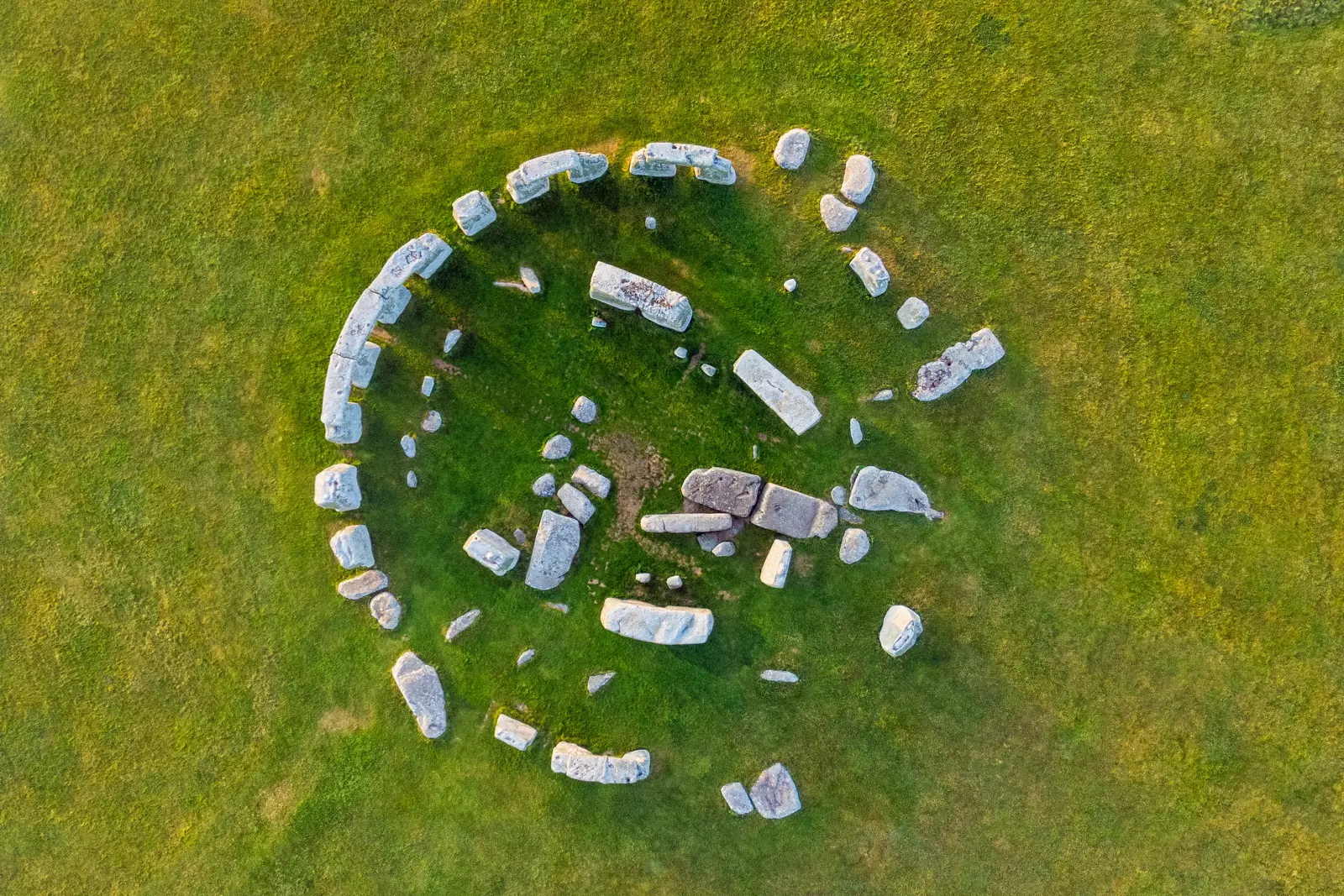
Here is where the mystery really begins, because the stones did not come from here. The giant sarsens were dragged from the Marlborough Downs about 25 kilometres north. The smaller “bluestones” came from the Preseli Hills in Wales, more than 240 kilometres away. And in 2024, scientists traced the central Altar Stone, long thought to be Welsh too, all the way to north-east Scotland, at least 750 kilometres away, a journey that was probably made partly by sea. No stone from any other monument of that age is known to have travelled so far, and the researchers who found it called the result genuinely shocking. People moved a six-tonne slab the length of the island, by hand, five thousand years ago, and we still do not know exactly how.
The question no one can answer
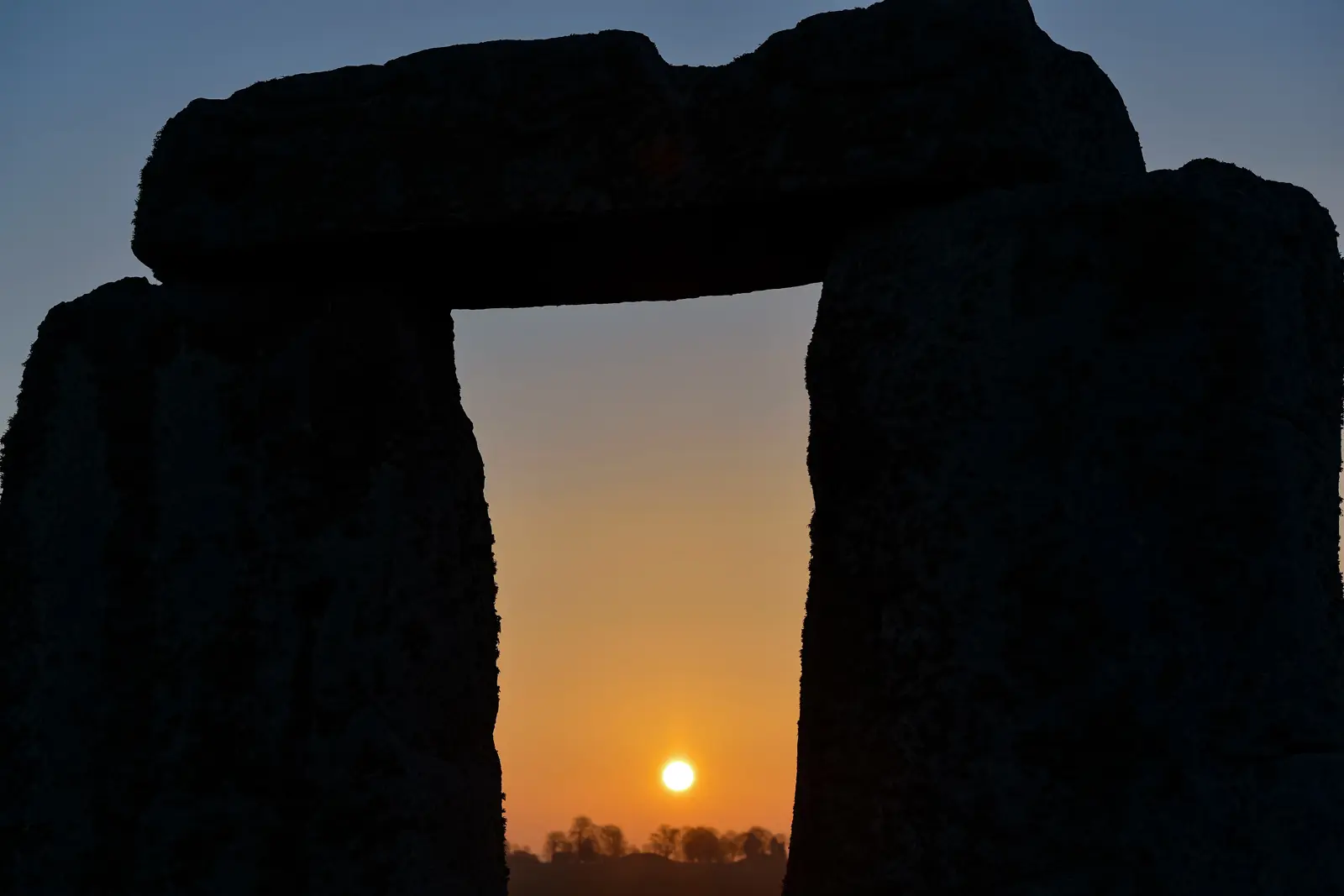
Then there is the harder question: why? After centuries of study, the purpose is still genuinely open. A temple, a burial ground, a place of healing, a giant calendar in stone, a meeting place for scattered communities, or some of all of these at once. The one thing the builders left us as a clear clue is the sun. The whole monument is aligned so that the sun rises over the Heel Stone at the summer solstice and sets along the same line in midwinter, which is why people still come in their thousands to stand among the stones at dawn on the longest day. That alignment is also where the spiritual weight of the place lives, ancient and modern at once. And to clear away the obvious tabloid theory: no, it was not built by aliens. That idea was popularised in a 1968 book and has been picked apart by researchers ever since. The truth, that ordinary people did this, is far more astonishing.
It does not stand alone
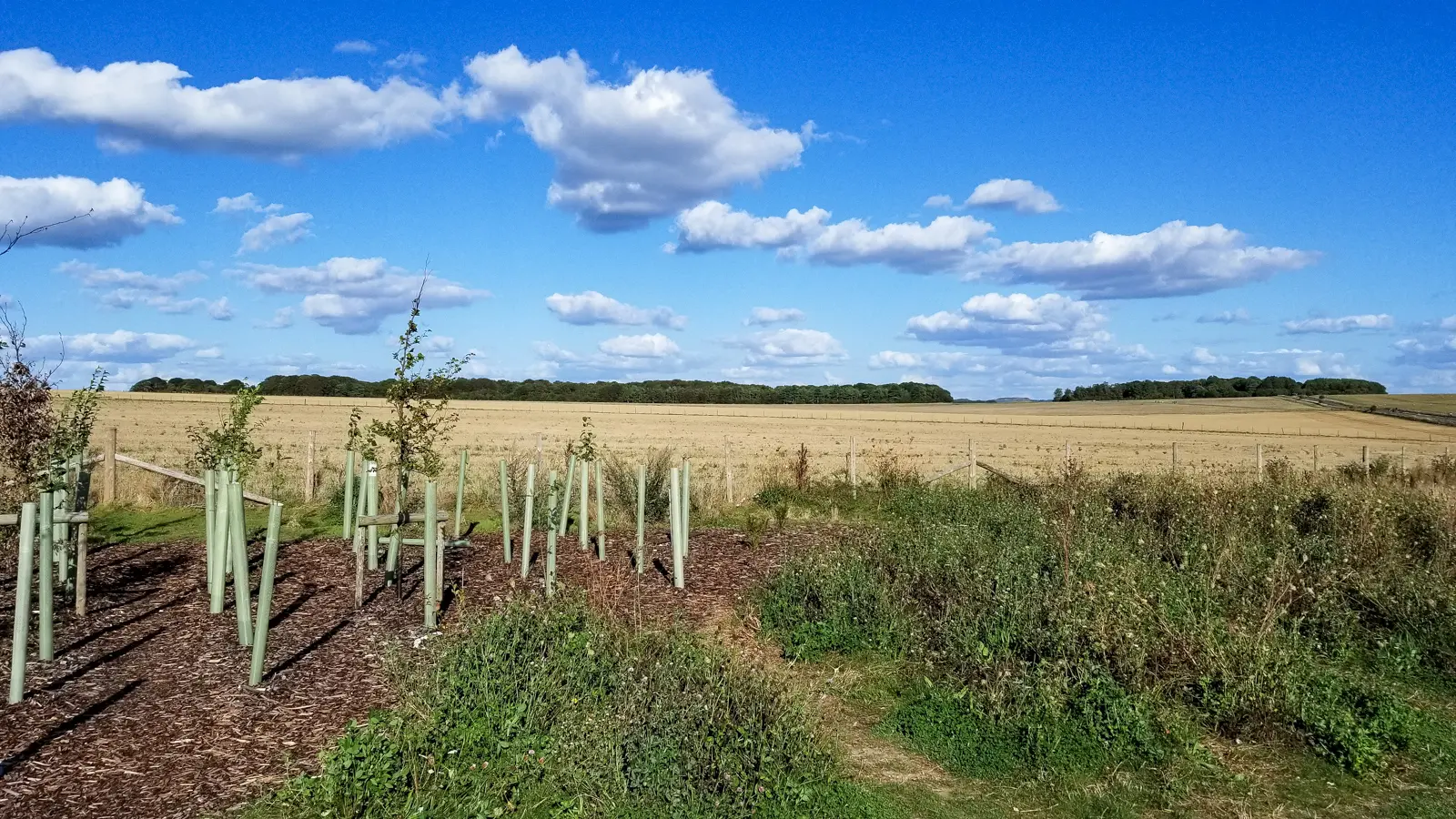
It is easy to think of Stonehenge as a single object in a field, but it is the centrepiece of one of the richest prehistoric landscapes in Europe. Within a few miles are Durrington Walls and Woodhenge, the remains of timber circles and a huge settlement, long burial mounds along the ridges, and, a little further off, the enormous stone circle at Avebury, which shares its World Heritage listing. It is one surviving piece of a whole vanished world of monuments, and people built circles and standing stones like this across Britain, Ireland and beyond.
Visiting
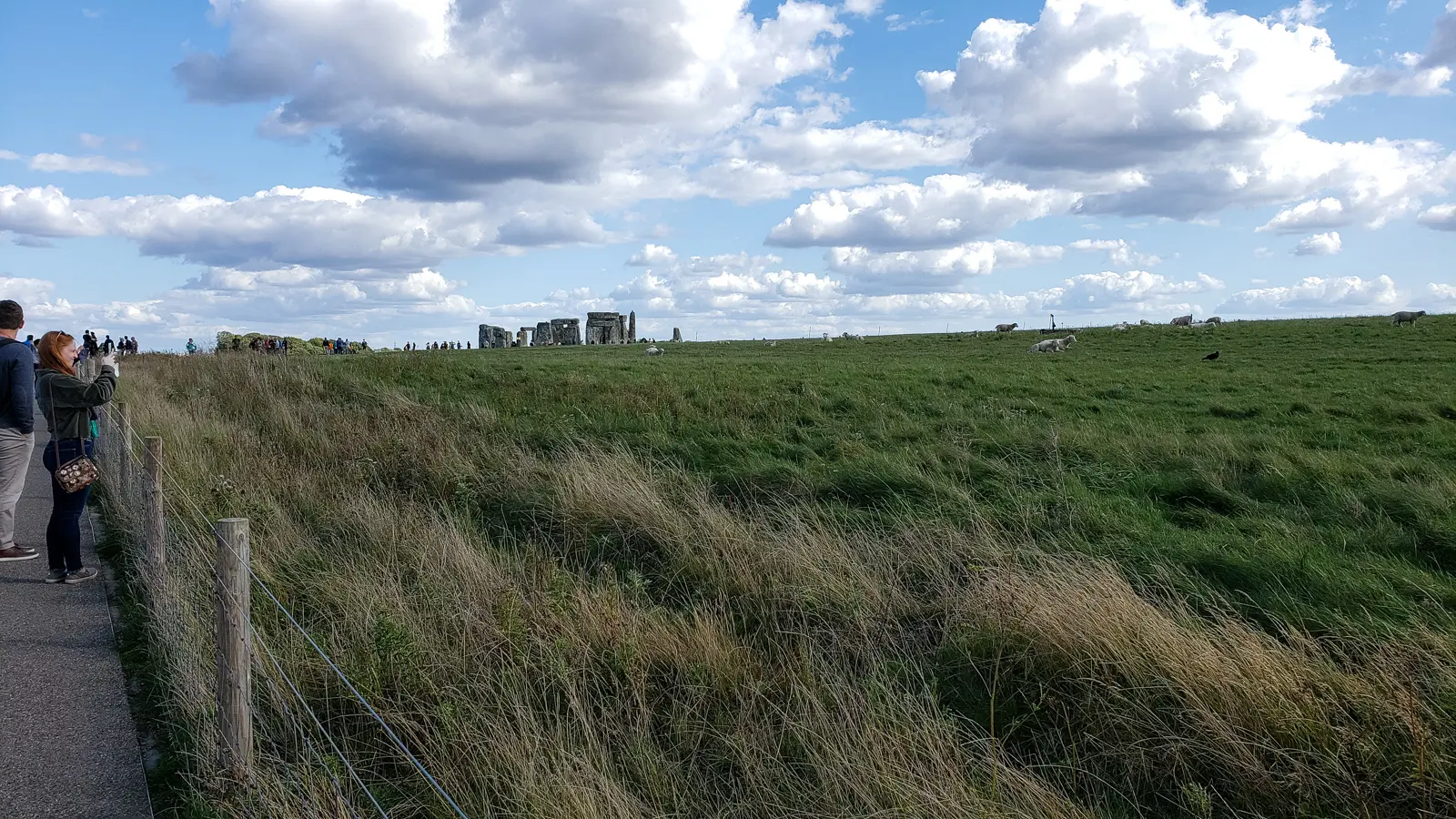
A practical note, because it shapes the day. On a standard ticket you view the stones from a path that loops around them; the circle itself is roped off, so you do not walk among the stones. That sounds like a letdown and somehow is not, because the scale reads from the path and the crowds thin as you go round. The visitor centre sits about a mile and a half away, linked to the stones by a shuttle bus or a walk across the field, and yes, those were sheep grazing the grass, part of how the landscape is kept. Book a timed ticket through English Heritage before you go, especially in summer. And if you want to stand inside the circle, English Heritage runs separate early-morning and evening Stone Circle visits that you book ahead.
Standing there
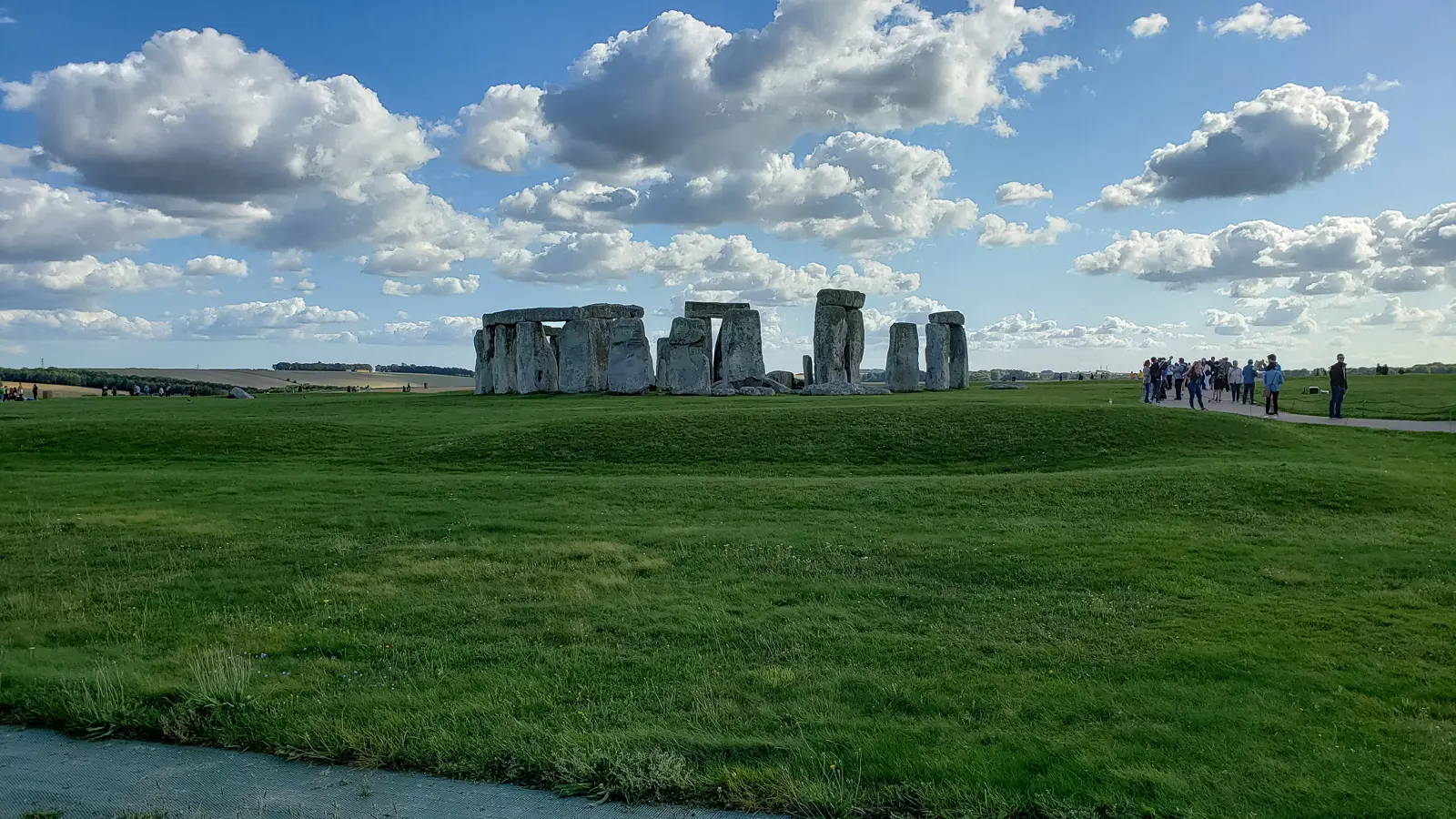
I will be honest about what it did to me. I stood at the rope in the wind and felt something closer to reverence than to curiosity. Part of it is the not-knowing. We can date these stones and trace where they came from, but no one can tell you why people dragged them across half of Britain and raised them just so. I kept wishing for a clean answer, and slowly understood that the missing answer is the point. People I will never know stood on this exact ground 4,500 years ago and built something to matter, and whatever they meant by it still reaches across all that time and lands on you at the rope. That is the closest thing to a spiritual experience I have had from what is, on paper, a ring of old rocks. I would go back tomorrow.
Bubbly Tips
- Book ahead: Reserve a timed ticket through English Heritage before you travel, particularly in summer and around the solstices.
- Getting to the stones: From the visitor centre it’s about a mile and a half to the circle, by shuttle bus or on foot across the field. The walk is lovely in good weather.
- You view from a path: On a normal ticket the stones are roped off, so set expectations. The scale still lands, and the far side of the loop is the quietest.
- Want to go inside the circle? English Heritage runs separate early-morning and evening Stone Circle visits that let you walk among the stones. Book well ahead.
- Time it: Early or late in the day means softer light, fewer people and a better chance at the photographs you actually want.
- Dress for the plain: It is open, exposed downland with little shelter, so wind and sudden weather are part of the deal. Layers and proper shoes.
- Make a day of the landscape: Pair it with Avebury, Woodhenge or Durrington Walls to see that Stonehenge was never alone.
FAQ
Why was Stonehenge built? No one knows for certain. It may have been a temple, a burial site, a solar calendar, a place of healing or a gathering place, and possibly several of these over its long life. Its alignment to the solstice sun is the clearest surviving clue.
Can you walk among the stones? Not on a standard ticket, where you follow a path around the roped-off circle. English Heritage does offer separate, bookable early-morning and evening visits that go inside the circle.
How were the stones moved? By people, without the wheel or metal tools, using ropes, sledges and muscle, and possibly boats for the longest journeys. Exactly how remains debated, which is part of the wonder.
Final thoughts
Some places live up to their photographs. Stonehenge goes one better, because a picture can show you the stones but never the size of the question they leave you with. It is one of those rare sights that is bigger in person. Go, and let it stay a mystery.
Until next time!

🌟 Everything You Need to Plan Your Dream Trip in 2026
- 🌟 Luxury Hotels - Find premium stays with Booking.com & Hotels.com
- 🏡 Vacation Rentals - Discover unique properties on VRBO
- 🏞️ Guided Tours - Explore with Viator or GetYourGuide
- 🎫 Attraction Tickets - Skip the lines with Tiqets
- 🚢 Ocean Cruises - Set sail with Cruise Direct
- 📱 International SIMs - Stay connected with Saily
- 🚗 Car Rentals - Budget-friendly options from Discover Cars
- 🌐 Secure VPNs - Browse safely with NordVPN
- 💶 Currency Exchange - Best rates with Wise
- 🗣️ Learn Languages - Master the local language with Babbel and Rosetta Stone