
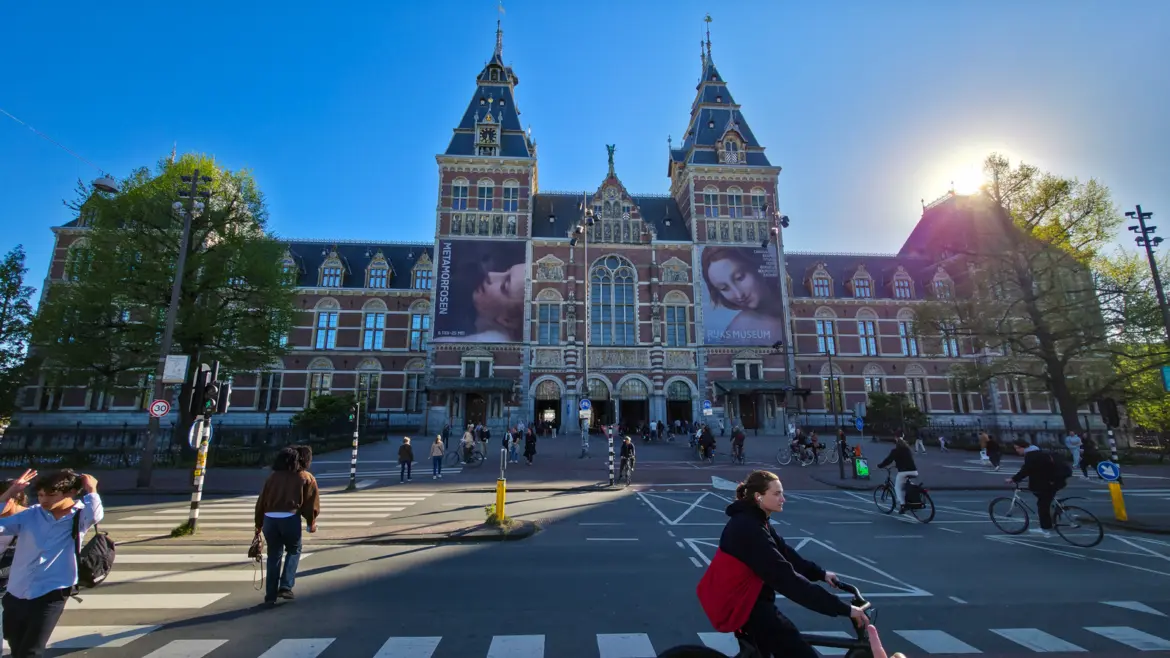
Amsterdam is a museum city, and my week there was built around them. Van Gogh was the reason I came. Rembrandt, a royal palace and a former brewery filled the rest of the days.
This post brings them together. The first half covers the museums I actually visited, with links to the deeper posts I wrote about each one. The second half covers the museums I did not get to, and why they are at the top of my list for next time.
The Museums I Visited
Van Gogh Museum
The Van Gogh Museum holds the largest collection of his work in the world, and I went twice in one week. It opened in 1973, and it exists largely because of one family: his brother Theo, Theo’s widow Jo, and their son, the baby Van Gogh painted Almond Blossom for.
The collection runs from the dark early paintings like The Potato Eaters to the Sunflowers, The Bedroom and Almond Blossom, alongside his letters to Theo. My posts on his self-portraits, his landscapes, the Sunflowers and the blossoms go room by room.
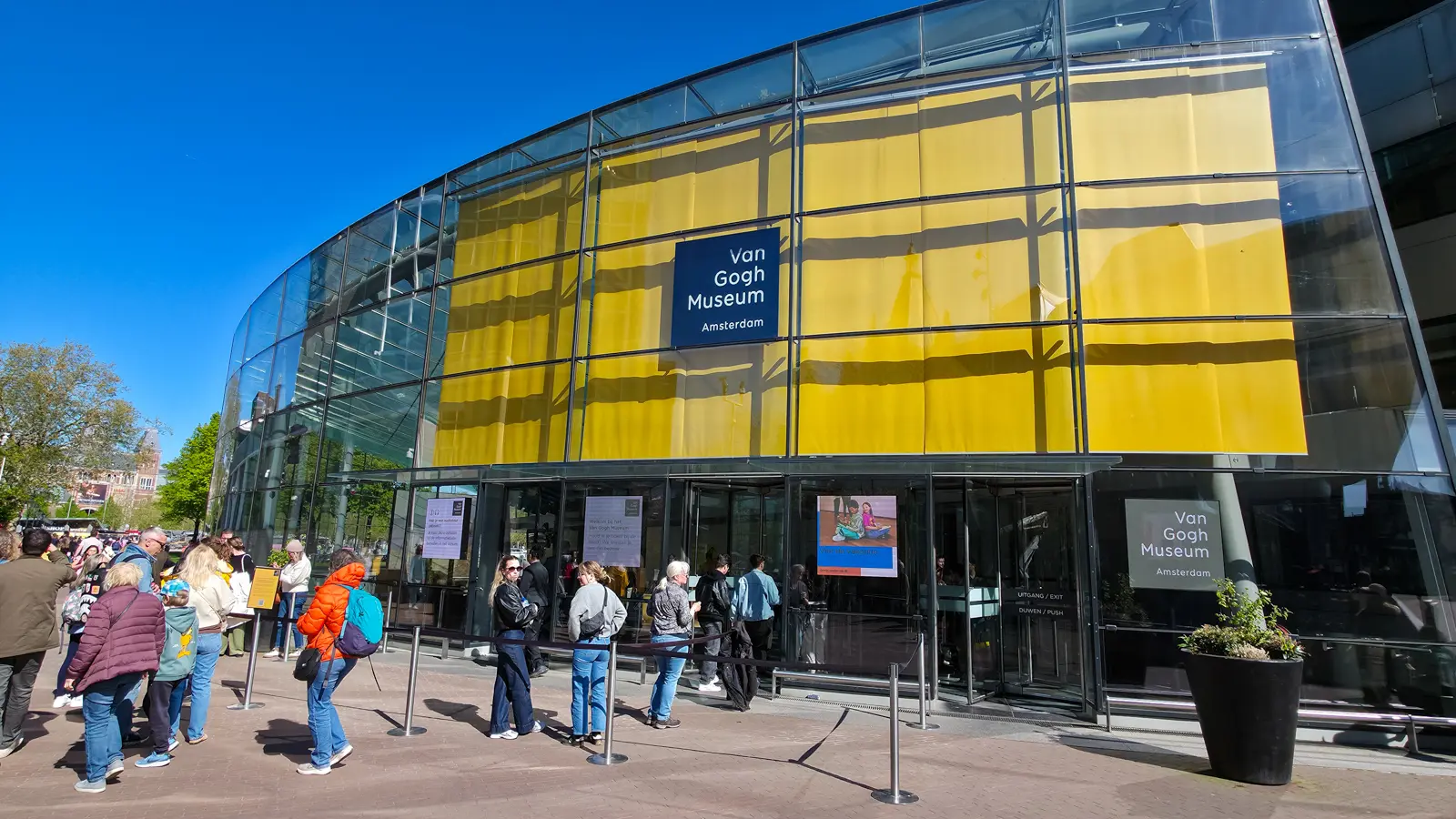
Tickets are sold online only, with a time slot, and there is no ticket desk at the door. Visitors under 18 go free but still need a timed ticket.
Best for: anyone who loves Van Gogh, and anyone who wants to understand him.
Rijksmuseum
The Rijksmuseum is the national museum of the Netherlands, and the Gallery of Honour is its spine: the Night Watch, Vermeer and the late Rembrandts. The quieter rooms are just as rewarding. I spent time in a room of early Rembrandt portraits, a gallery of still lifes full of hidden mice and frogs, and the maritime rooms.
The atrium, under its glass roof, was already busy the morning I went, with a crowd around the round information desk before anyone had reached the galleries.
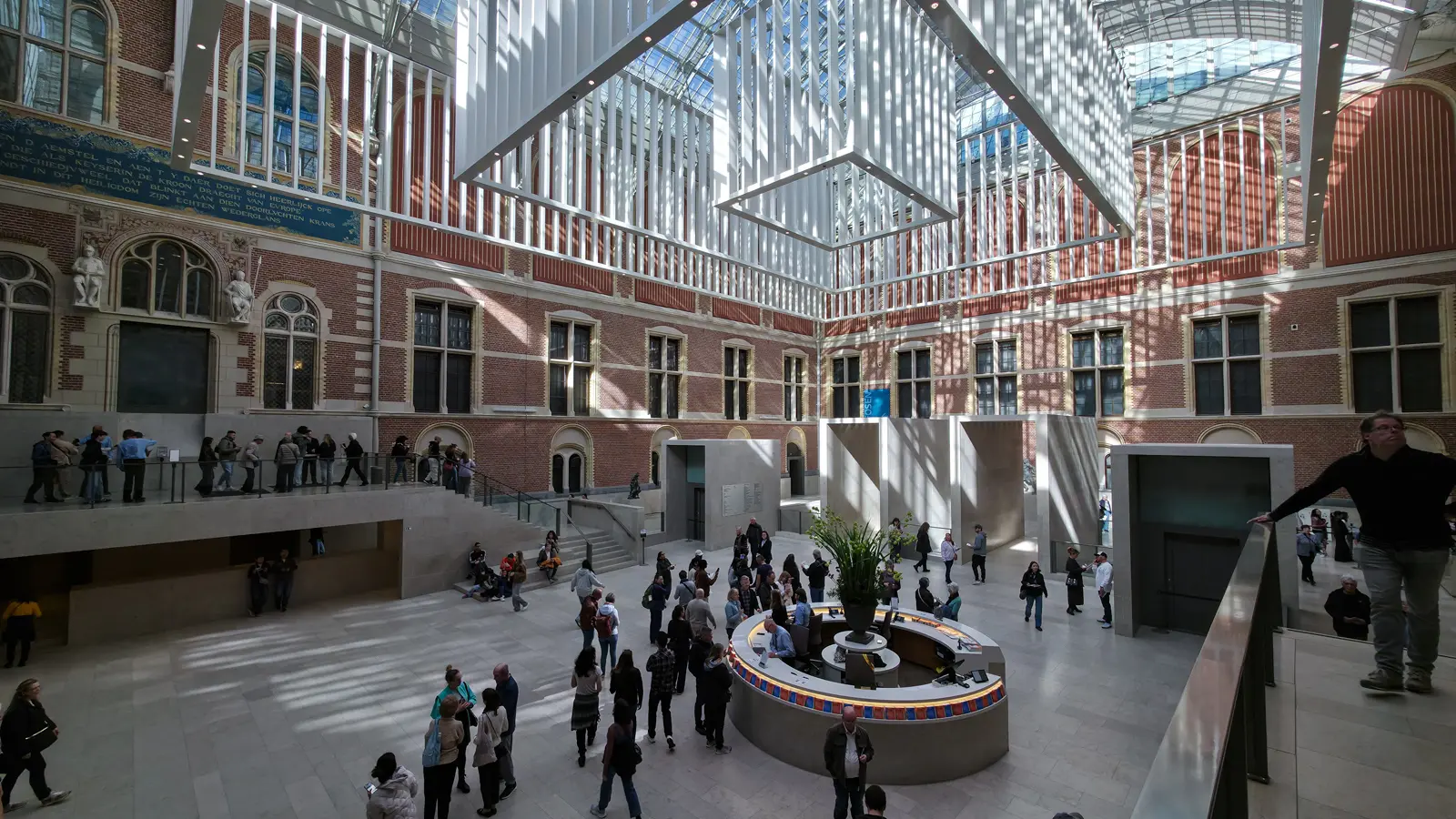
Tickets are online only with a time slot, and even Museumkaart and I amsterdam City Card holders must book one.
Best for: Dutch Golden Age painting, and anyone with a full day to spare.
Moco Museum
Moco is the modern counterweight to the Old Masters next door. It opened in April 2016, founded by the Amsterdam gallerists Lionel and Kim Logchies, in Villa Alsberg, a house designed in 1904 by Eduard Cuypers. The banner on the day I visited listed Warhol, Kusama, Banksy and Hirst. The street art, the immersive rooms and the garden make it a lighter, more playful stop than its neighbours.
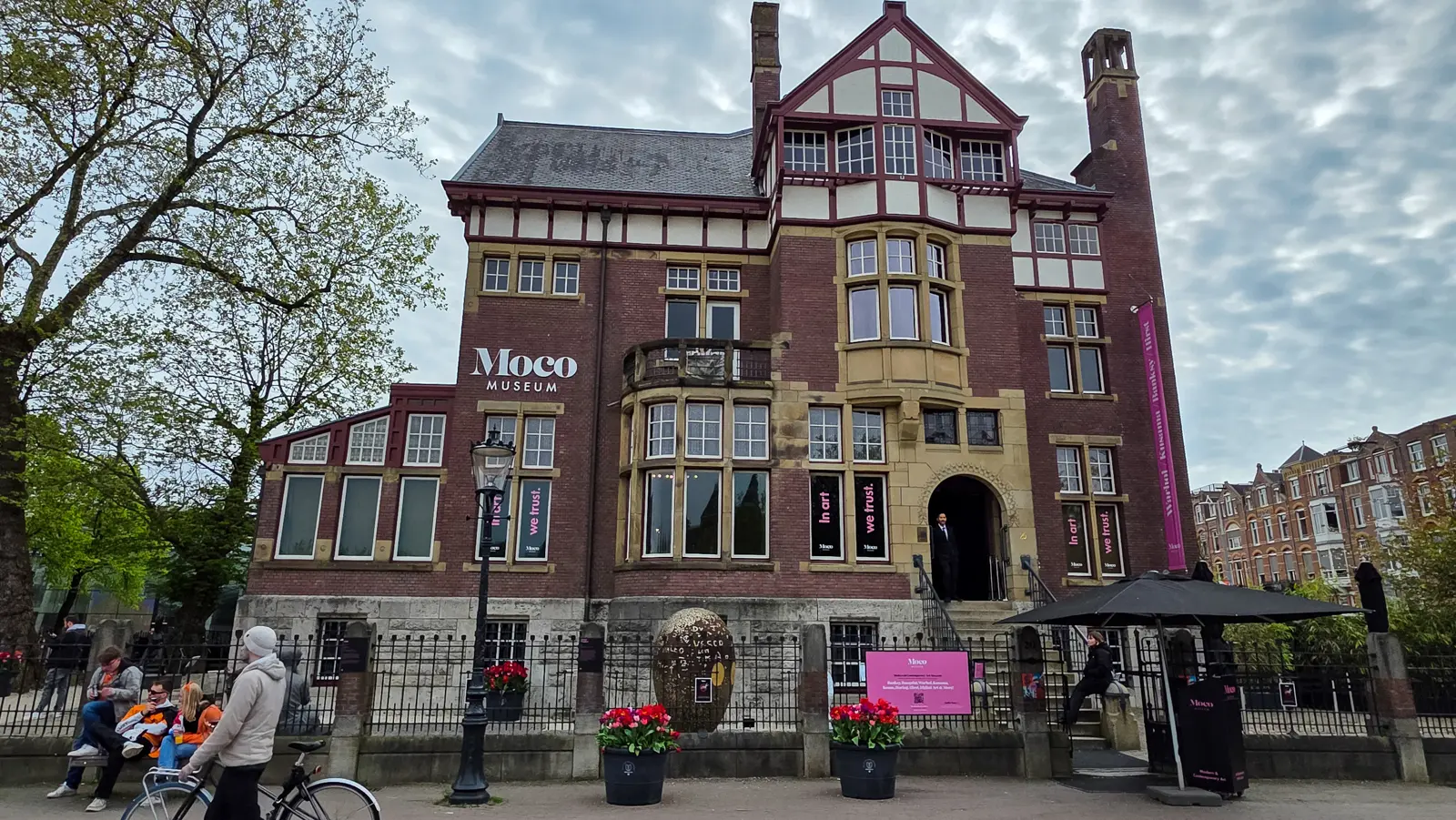
I went on King’s Day, when half of Amsterdam was out in orange.
Best for: modern and street art, and a break from the Golden Age.
Royal Palace
The Royal Palace on Dam Square was built from 1648 as Amsterdam’s city hall, designed by Jacob van Campen to show off the city’s wealth and power, and opened in 1655. It became a royal palace only in 1808. The public floors are open to visitors most of the year.
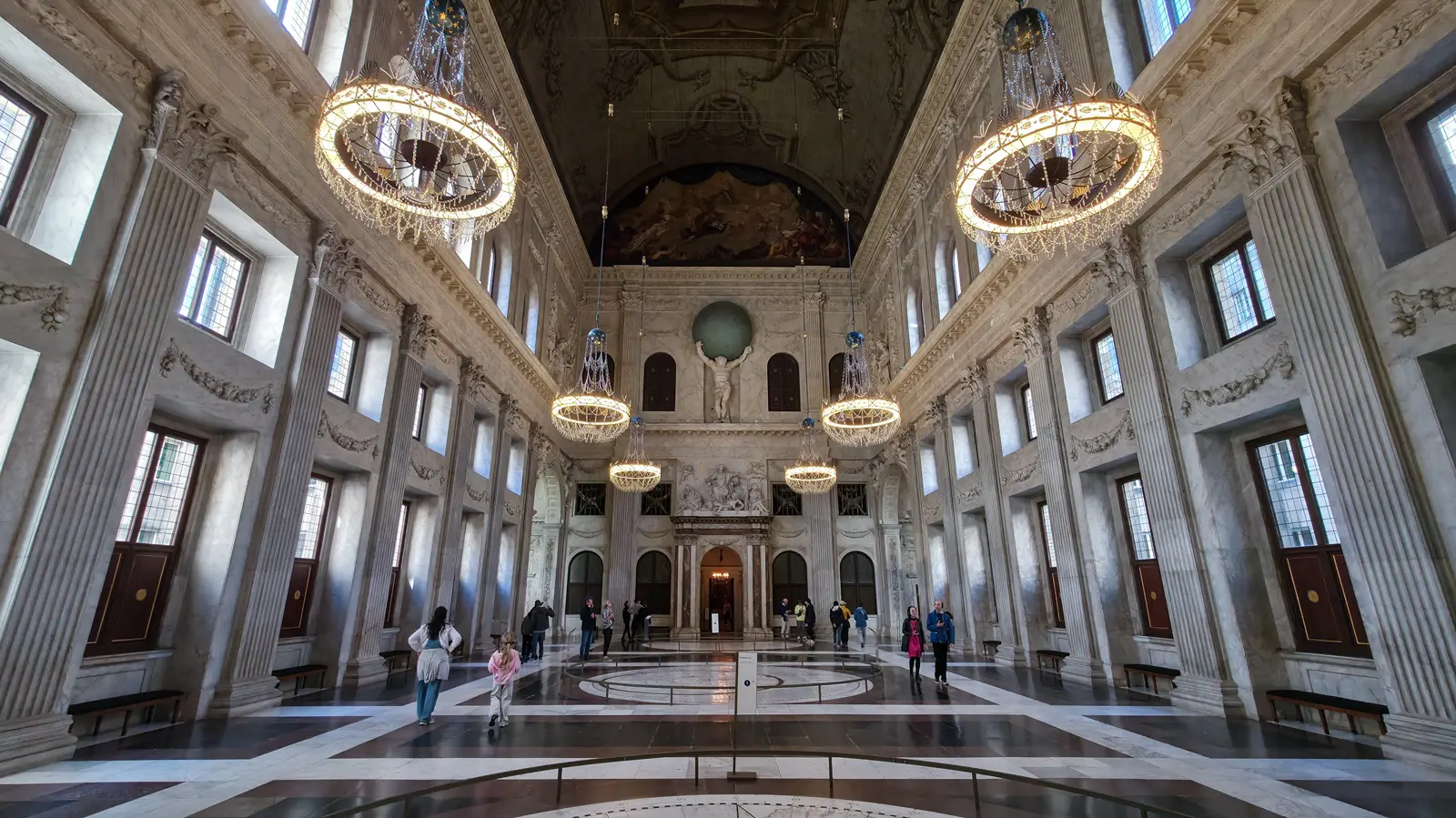
The Burgerzaal is the showstopper. It is a white marble hall with crystal chandeliers, a statue of Atlas carrying a globe, and maps of the world inlaid in the floor.
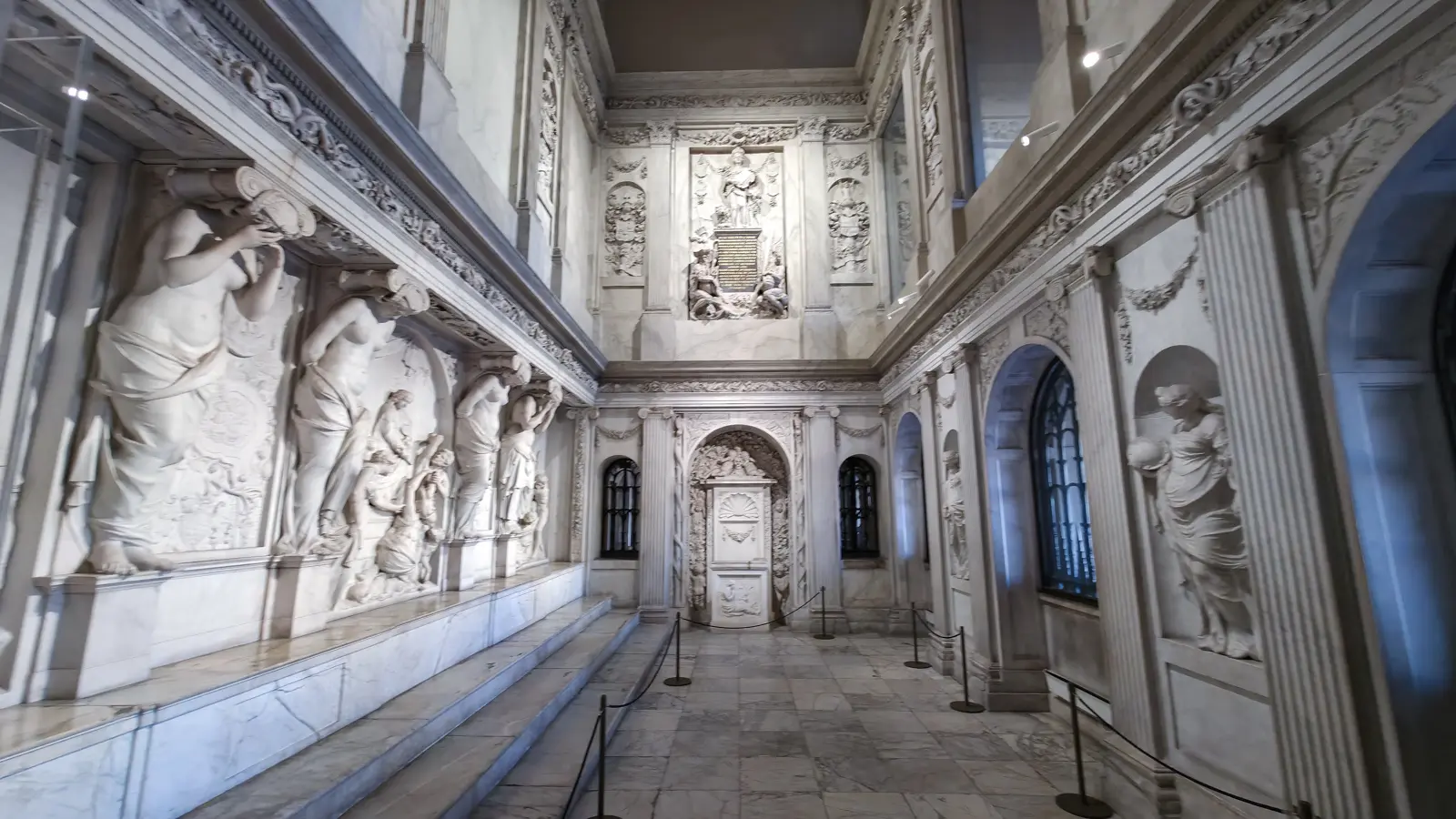
The Vierschaar has the darkest history. It was the tribunal where death sentences were pronounced in public, and it is lined with carved marble figures and reliefs.
Best for: architecture and Dutch history, right in the centre.
Bonus: Heineken Experience
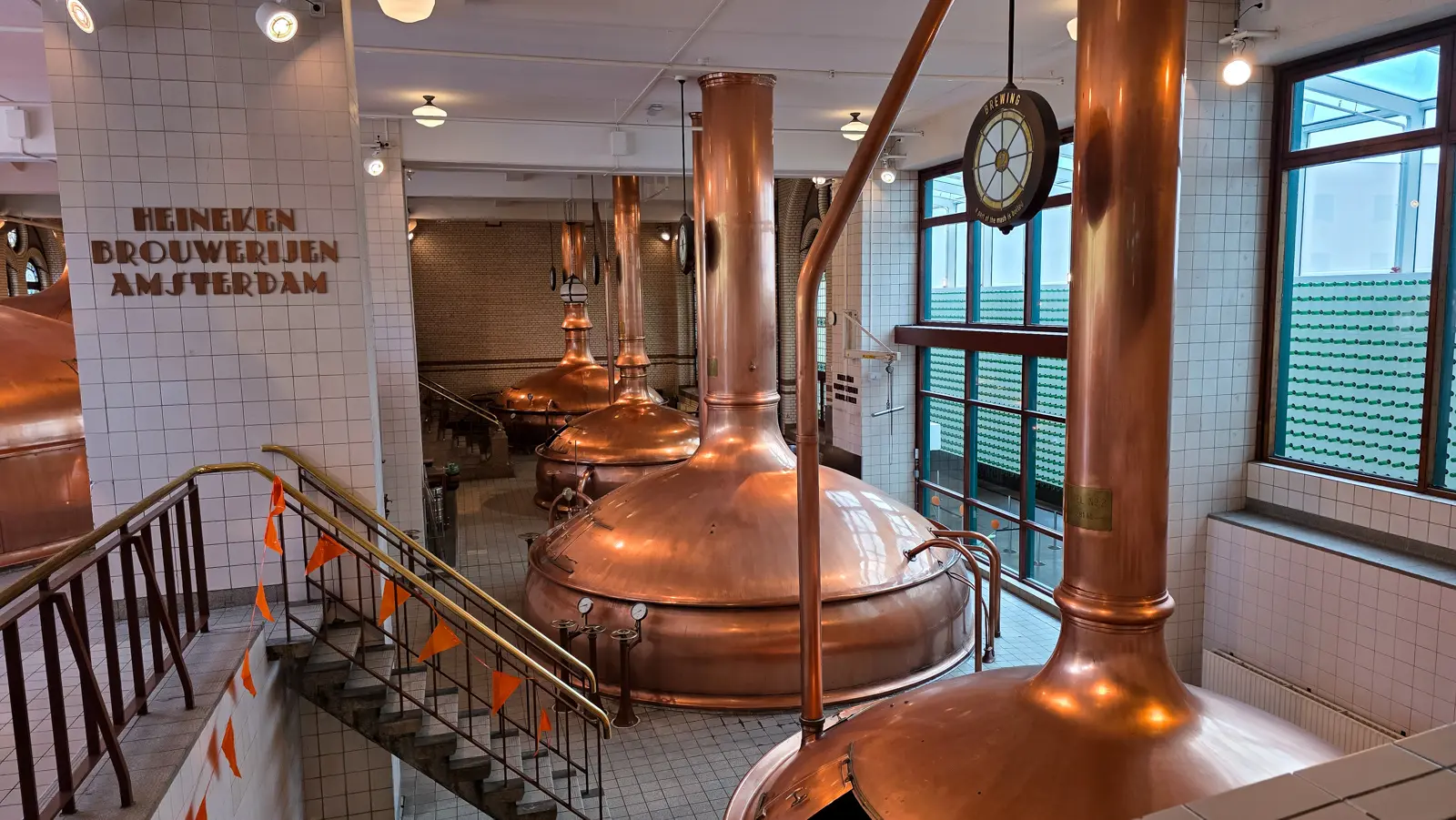
The Heineken Experience is more brand attraction than museum, but it earns its place. It is a museum of beer, set in the brand’s original Amsterdam brewery, and it ends with a tasting. The copper brewing kettles are still there, under the old Heineken Brouwerijen Amsterdam lettering.
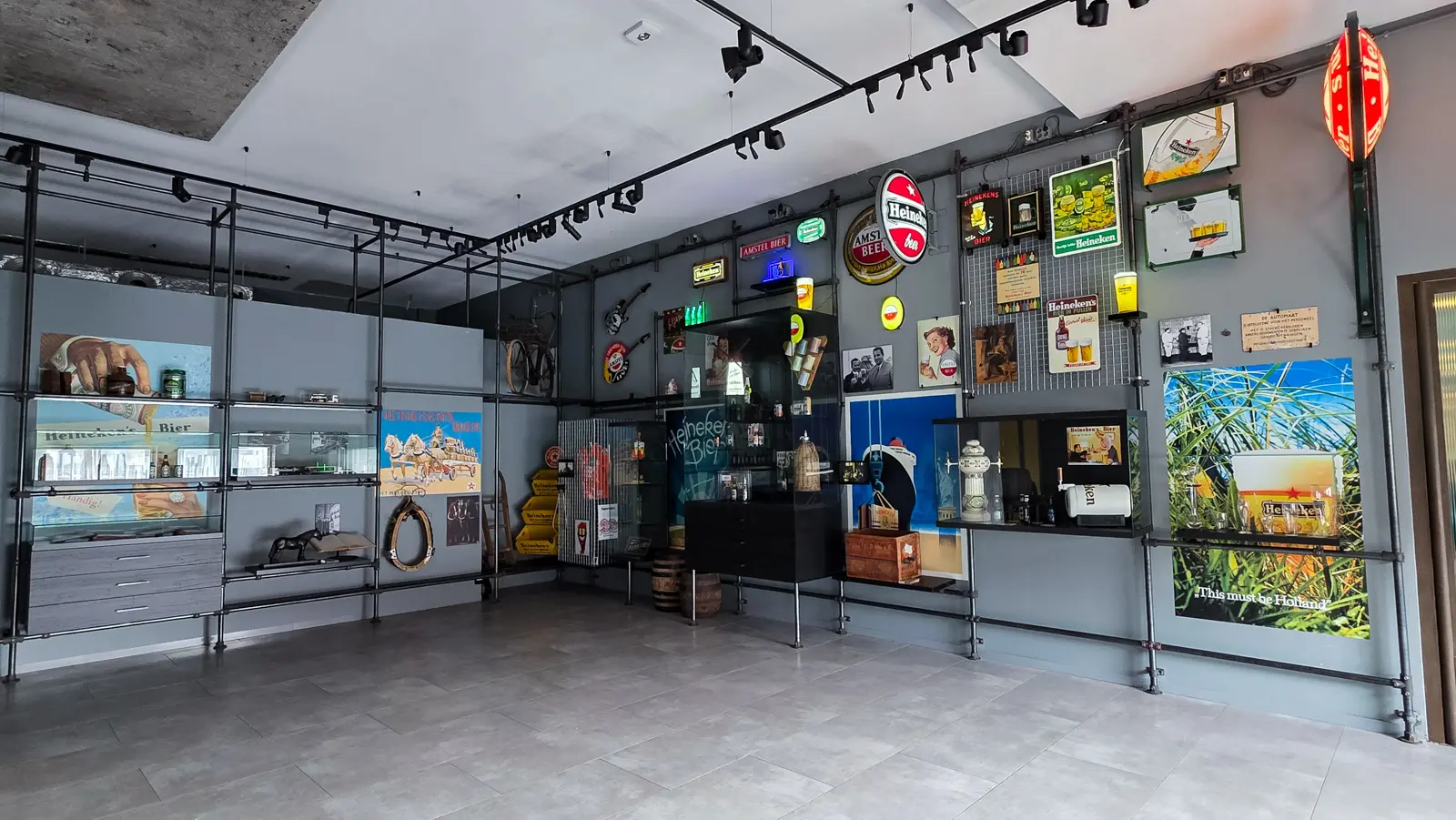
The memorabilia was the surprise. A whole room is given over to old Heineken and Amstel enamel signs, neon, posters, bottles and crates, including a “This must be Holland” advertisement. Walking through it is like visiting a landmark, and the visit ends with a beer in hand.
Best for: beer lovers, design fans and a lighter afternoon.
The Museums on My List
Anne Frank House
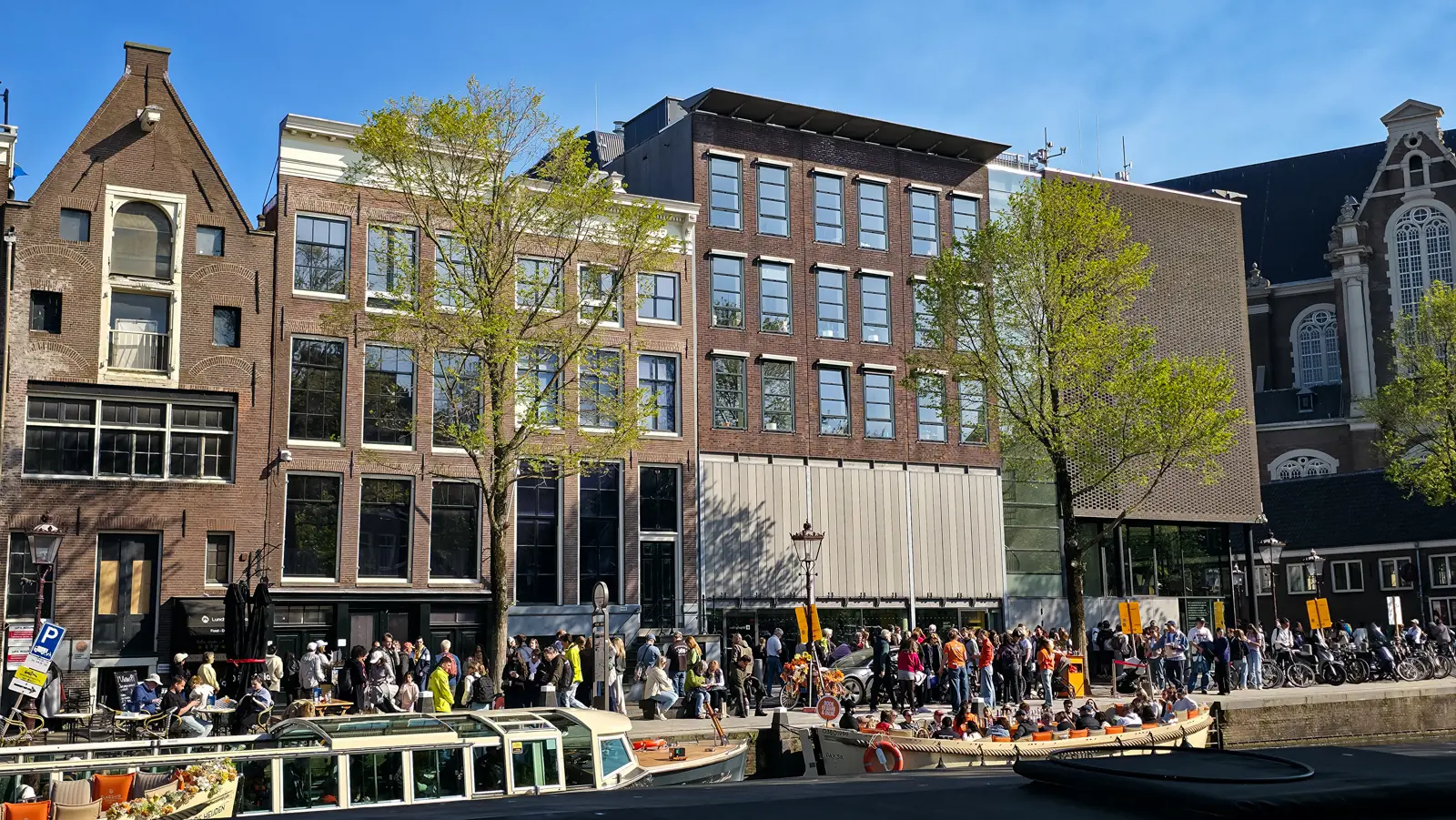
Tickets had sold out weeks before my trip, so the closest I came was the far side of the Prinsengracht, looking at the pavement packed with people outside. Tickets are sold only online, on the museum’s own website. Every Tuesday at 10am, tickets go on sale for the week six weeks later.
Stedelijk Museum
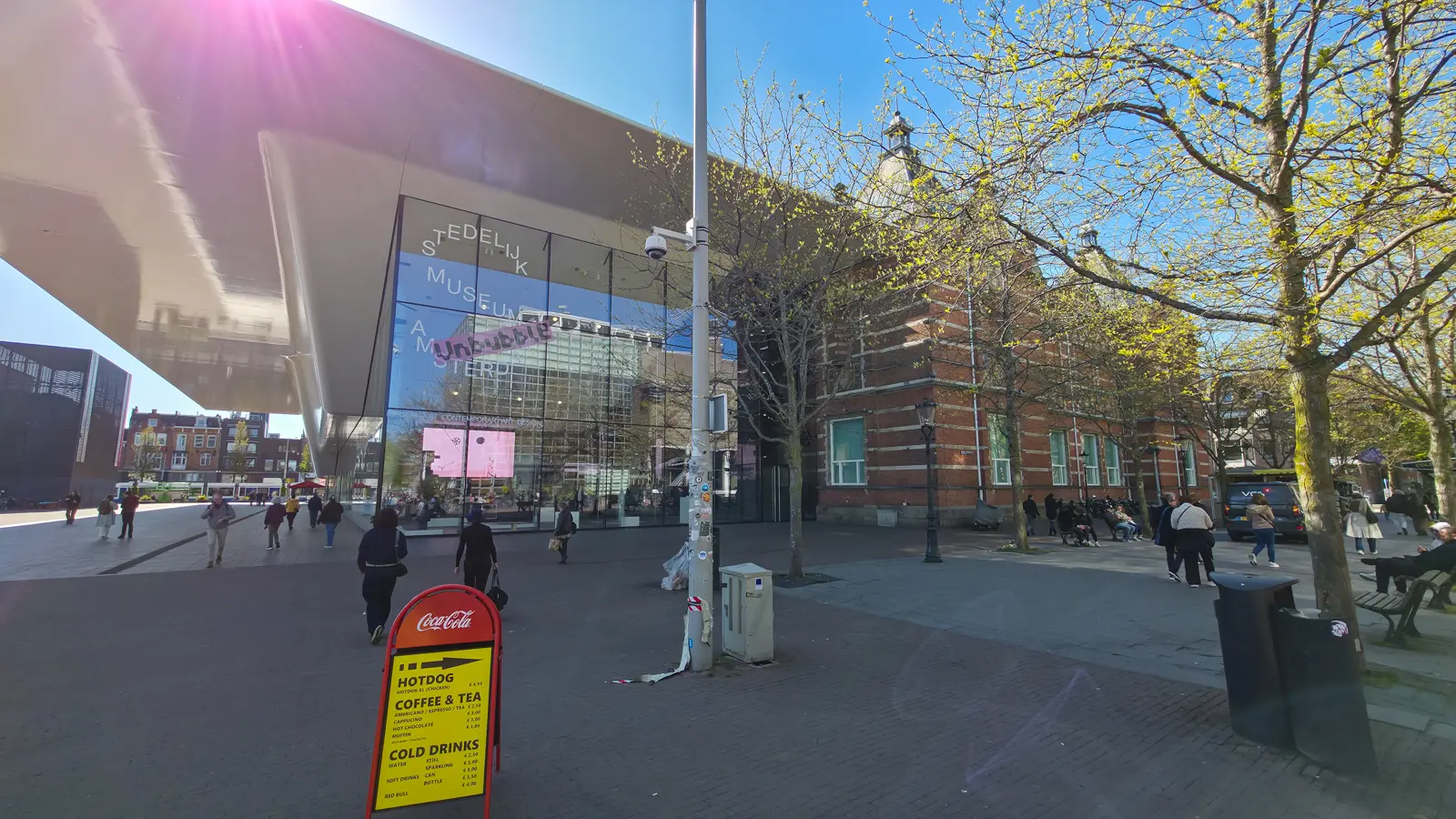
I walked right past the Stedelijk on Museumplein. It is Amsterdam’s museum of modern and contemporary art and design, and its white extension is known to everyone as the bathtub.
Rembrandt House
After everything I learned about Rembrandt in Amsterdam, this is the one I regret most. Rembrandt bought the house at Jodenbreestraat 4 in 1639, the year he painted Maria Trip, and lived and worked there until 1658, when he lost it in his bankruptcy. The inventory drawn up in 1656 listed his possessions room by room, and the museum used it to rebuild the house as he knew it. It opened as a museum in 1911.
Het Scheepvaartmuseum
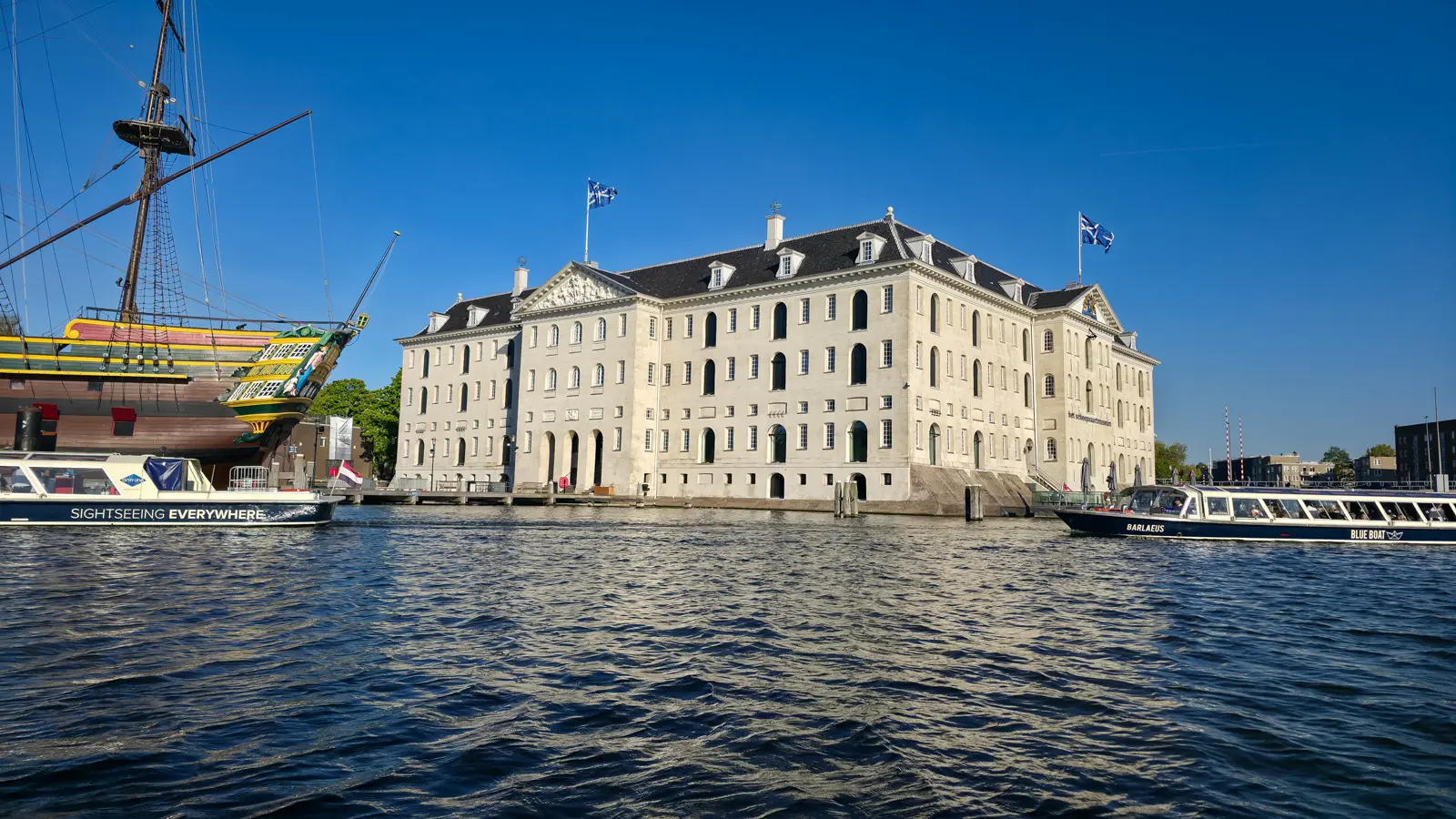
After the maritime rooms at the Rijksmuseum, the national maritime museum is the natural next step. It occupies a naval storehouse built in 1656 and designed by Daniël Stalpaert, the city architect who also oversaw the building of the city hall on Dam Square. Moored beside it is a full-size replica of the Amsterdam, a Dutch East India Company ship lost on her maiden voyage in 1749. I photographed it from the water on my canal cruise, with the replica ship beside it, and said to myself: I need to come back.
Our Lord in the Attic
This one is a hidden gem, and I cannot believe I missed it. Behind the front of an ordinary canal house on the Oudezijds Voorburgwal, near the Oude Kerk, is a complete Catholic church built into the attic in 1663 by the merchant Jan Hartman, at a time when Catholics could not worship in public. It has been a museum since 1888.
The secret is bigger than it looks. The church runs across the attics of three houses, with two galleries above the nave and room for about 150 worshippers, and even the pulpit folds away into an altar column. The climb up passes through 17th century rooms and steep stairs, and the church still holds occasional masses and weddings.
Bubbly Tips
- Book everything online, in advance. The Van Gogh Museum, the Rijksmuseum and the Anne Frank House no longer sell tickets at the door.
- Set an alarm for the Anne Frank House. Tickets go on sale every Tuesday at 10am for the week six weeks later, and they go fast.
- Book a slot even with a pass. Museumkaart and I amsterdam City Card holders still need a timed reservation at the Rijksmuseum. The City Card is not valid at the Anne Frank House at all.
- Bring a card. The Van Gogh Museum is cashless.
- Use the Museumplein cluster. The Rijksmuseum, the Van Gogh Museum, the Stedelijk and Moco all sit around the same square.
- Split the big two. I saw the Van Gogh Museum and the Rijksmuseum on different days, and both deserved a fresh pair of eyes.
- Check the Royal Palace calendar. It closes for royal events and official receptions, so check the website before you go.
- Bring ID to Heineken. The tour is strictly 18 and over.
- Wear good shoes for Our Lord in the Attic. The house has steep, narrow stairs.
Final Thoughts
Five museums in one week, and I still left with a list. One week in Amsterdam is not enough to take in all the art. The Van Gogh Museum gave me the painter I have loved since childhood, the Rijksmuseum gave me Rembrandt, the Royal Palace gave me marble halls built for a city rather than a king, and Heineken gave me a beer.
Next time it will be the Anne Frank House, booked six weeks ahead on a Tuesday morning, and the attic church I somehow missed.
Until next time!

🌟 Everything You Need to Plan Your Dream Trip in 2026
- 🌟 Luxury Hotels - Find premium stays with Booking.com & Hotels.com
- 🏡 Vacation Rentals - Discover unique properties on VRBO
- 🏞️ Guided Tours - Explore with Viator or GetYourGuide
- 🎫 Attraction Tickets - Skip the lines with Tiqets
- 🚢 Ocean Cruises - Set sail with Cruise Direct
- 📱 International SIMs - Stay connected with Saily
- 🚗 Car Rentals - Budget-friendly options from Discover Cars
- 🌐 Secure VPNs - Browse safely with NordVPN
- 💶 Currency Exchange - Best rates with Wise
- 🗣️ Learn Languages - Master the local language with Babbel and Rosetta Stone