
The Netherlands is small, and the trains are good, so a lot of the country is within a day of Amsterdam. I only managed two day trips: Keukenhof and Zaanse Schans, on a tour that bundled them into a single day. Keukenhof went above and beyond my expectations, and I spent the rest of the trip wishing I had given it the whole day.
Below are the two trips I actually took, and what I would do differently. After them come eight more that are on my list, some for reasons that go back years, with the facts I gathered while planning them.
Day Trips from Amsterdam at a Glance
🌷 Keukenhof (spring only) · Tulip garden near Lisse — give it a full day, not half.
🌬️ Zaanse Schans · Working windmills and crafts; free to walk the village.
⚖️ The Hague + Delft · Courts and the Peace Palace, Vermeer’s Mauritshuis, and his home town — easy to pair.
🚆 Haarlem / Utrecht · The quickest hops (15–30 min by train).
🧀 Volendam, Edam, Kinderdijk, Rotterdam · Fishing towns, cheese, 19 UNESCO windmills and a modern skyline.
💡 Tip · The country is small and the trains are good — most of these are under an hour from Centraal.
The Day Trips I Took
Keukenhof
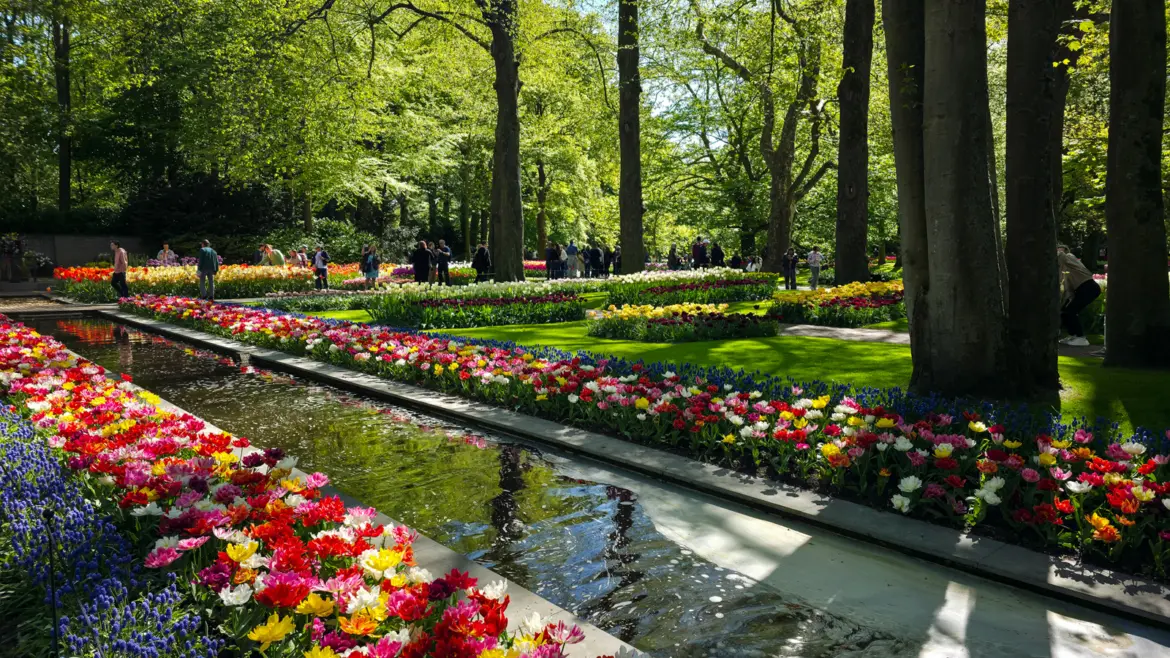
Keukenhof, near Lisse, is a spring garden open for about eight weeks a year, and around seven million bulbs go into the ground there by hand every autumn. I am Canadian and had been to Ottawa’s tulip festival, so I arrived a little sceptical. I left calling it a tulip Disneyworld. The little ones were running off to explore, and the adults were simply in awe.
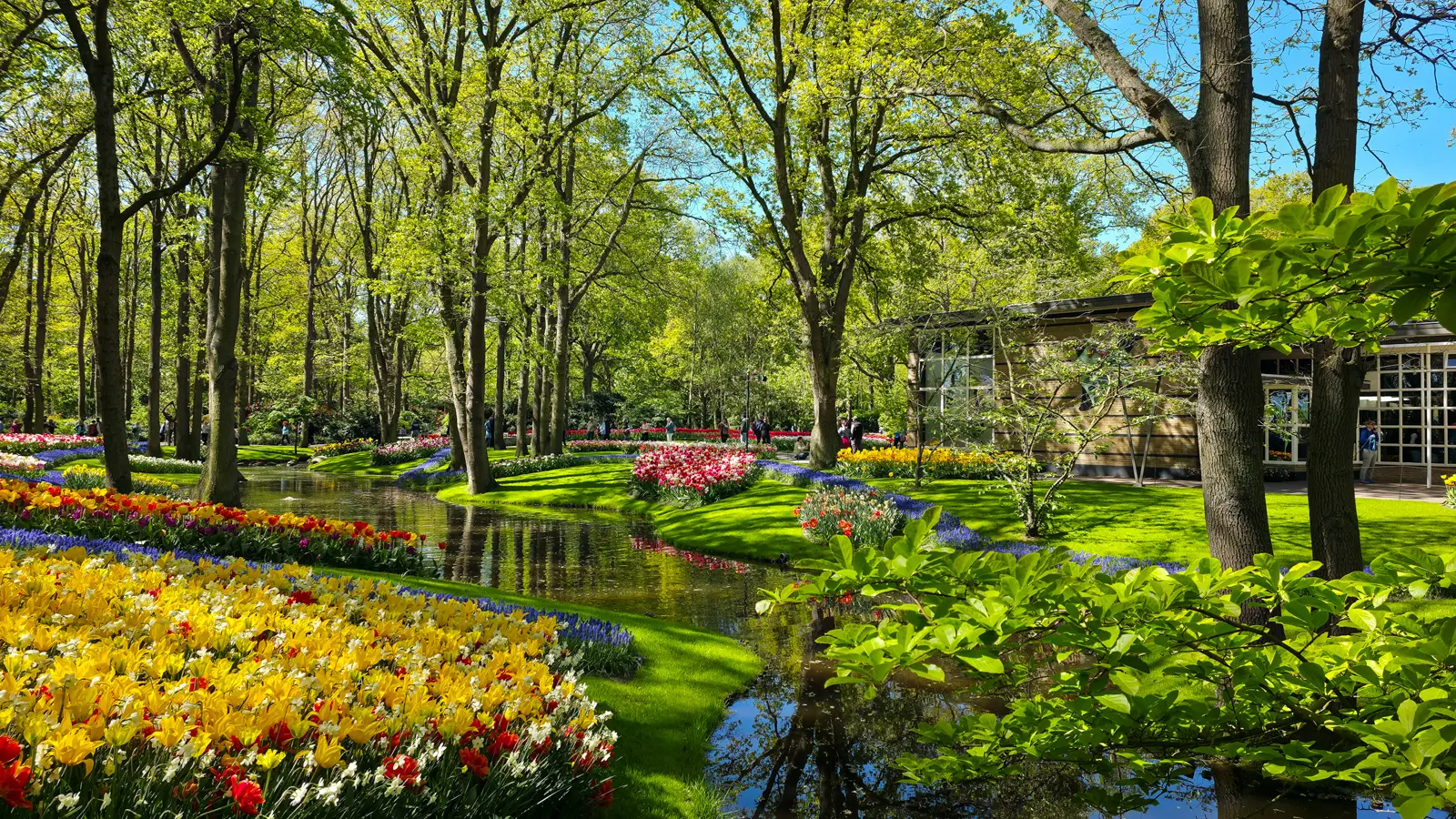
My one regret is time. Our tour gave Keukenhof half a day, and it deserves a full one.
Zaanse Schans
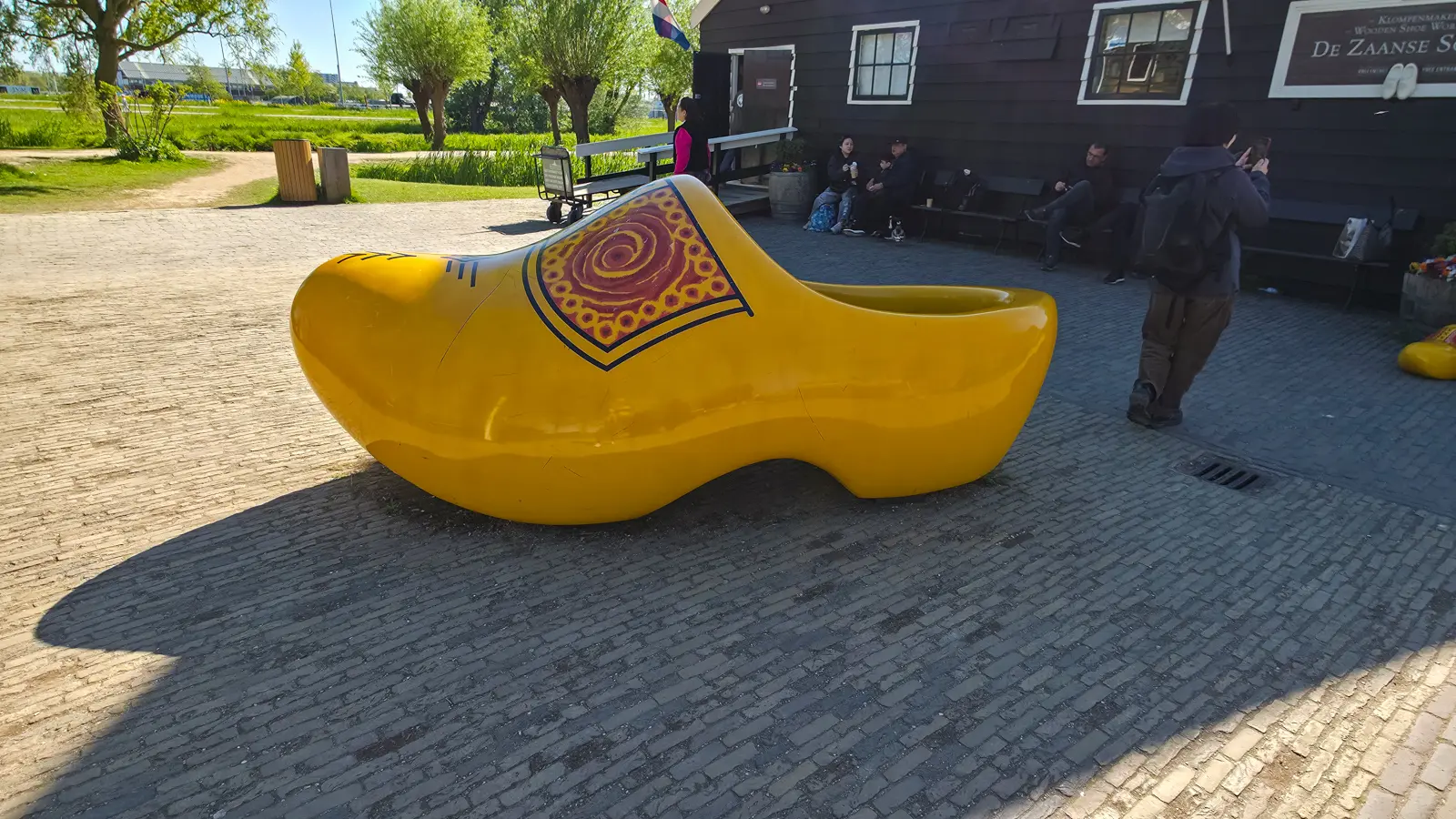
The other half of the day went to Zaanse Schans, a village of working windmills and wooden houses on the river Zaan. The windmills, De Kat among them, were lovely, the cheese demonstration and the clog-making demonstration were both excellent, and the pancakes were amazing. All in all, it was a memorable, relaxing afternoon.
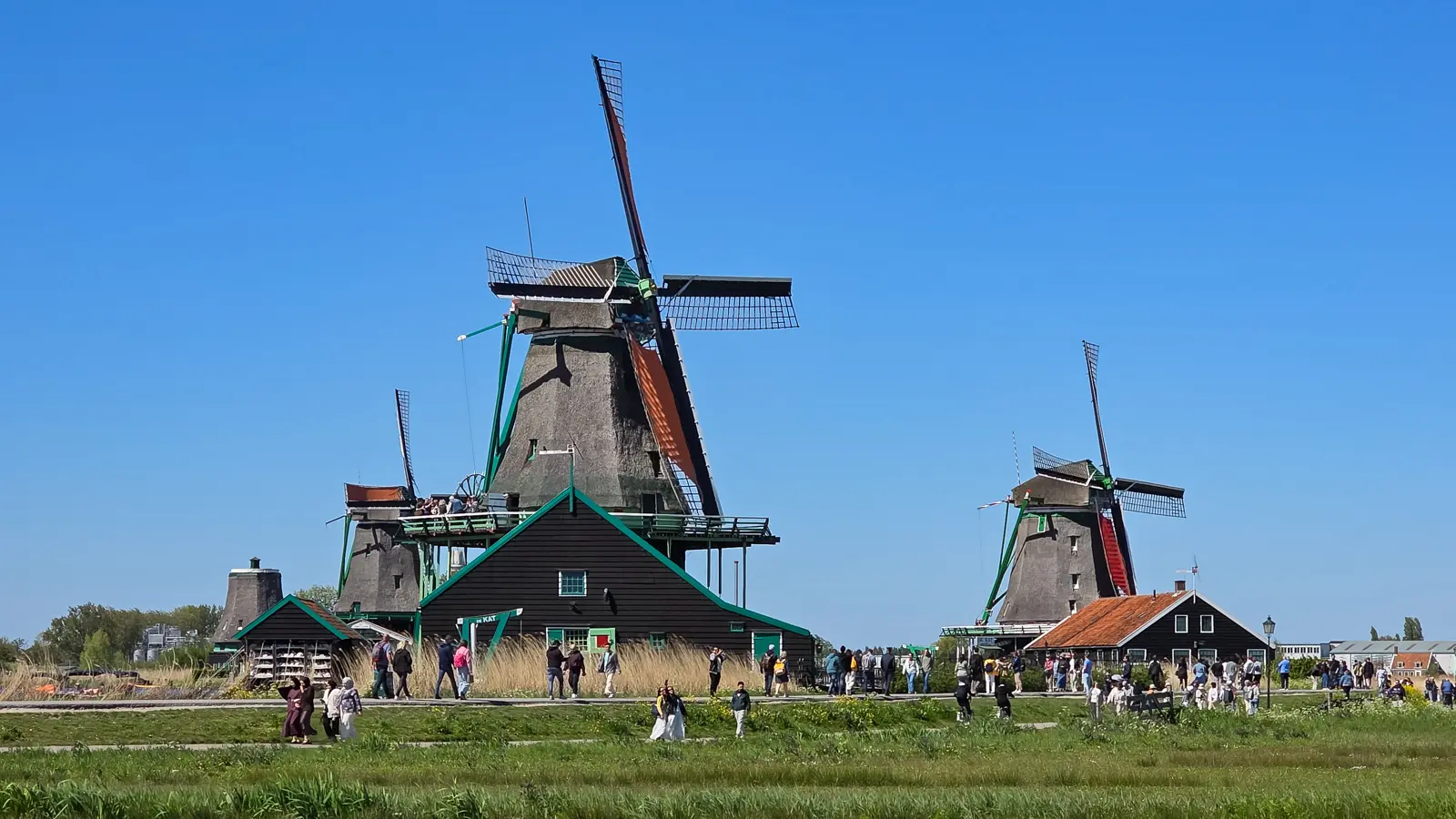
It is also a place where people live. Ordinary houses line the far bank of the river, a reminder that this is a real village rather than a set, and the tour buses come and go all day.
The Day Trips on My List
I have not been to any of these yet. Each one is here for a reason, and everything below comes from planning rather than experience.
The Hague
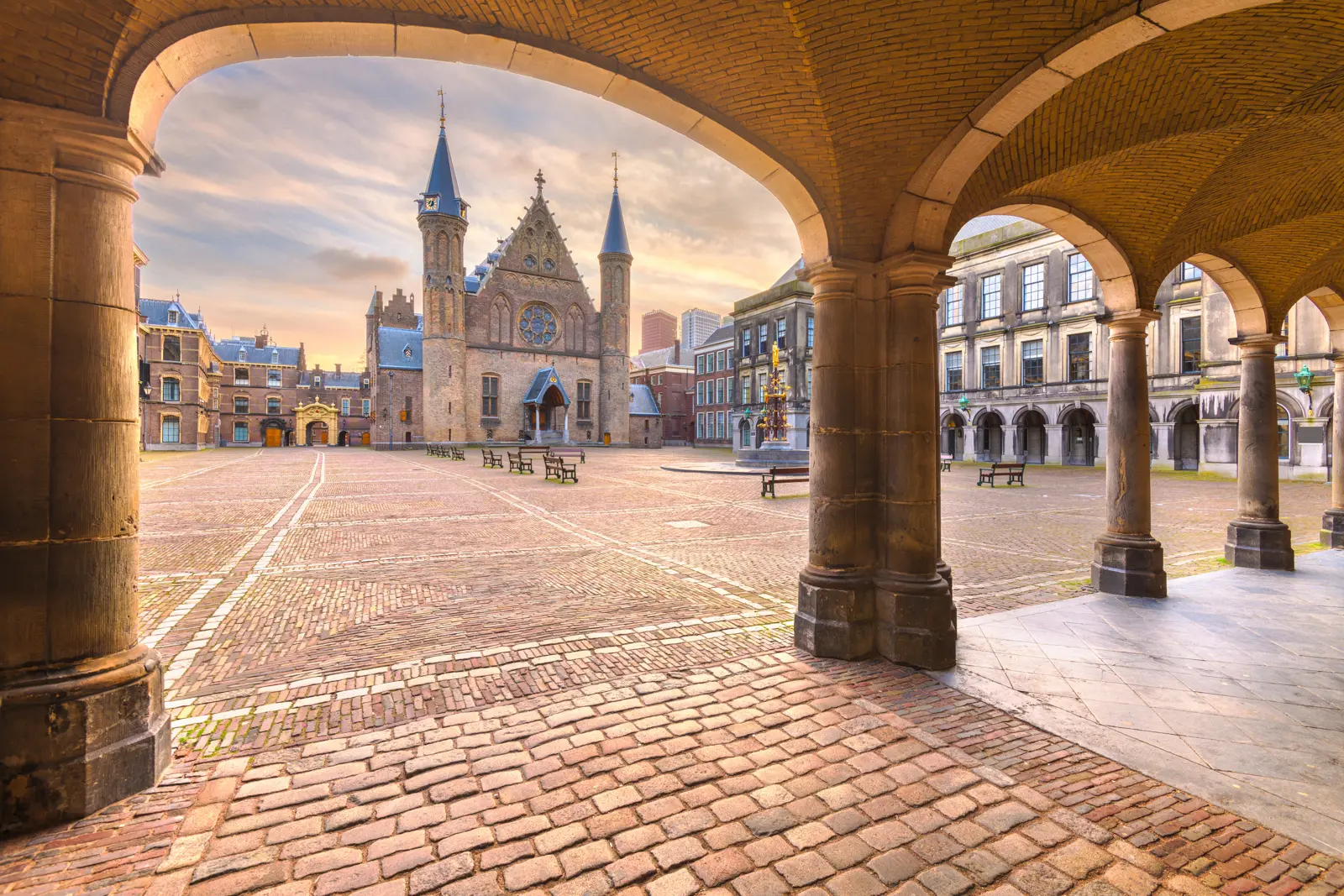
I have always wanted to see The Hague because of human rights. The city calls itself the International City of Peace and Justice. The Peace Palace houses the International Court of Justice, the United Nations’ principal court, along with the Permanent Court of Arbitration, and the International Criminal Court is also based in the city. The Hague is the seat of the Dutch government, centred on the Binnenhof with the Gothic Ridderzaal at its heart, but Amsterdam remains the capital. It is under an hour from Amsterdam by train.
For art, the Mauritshuis holds Vermeer’s Girl with a Pearl Earring and his View of Delft. After seeing his work at the Rijksmuseum, that alone would be worth the trip.
Delft
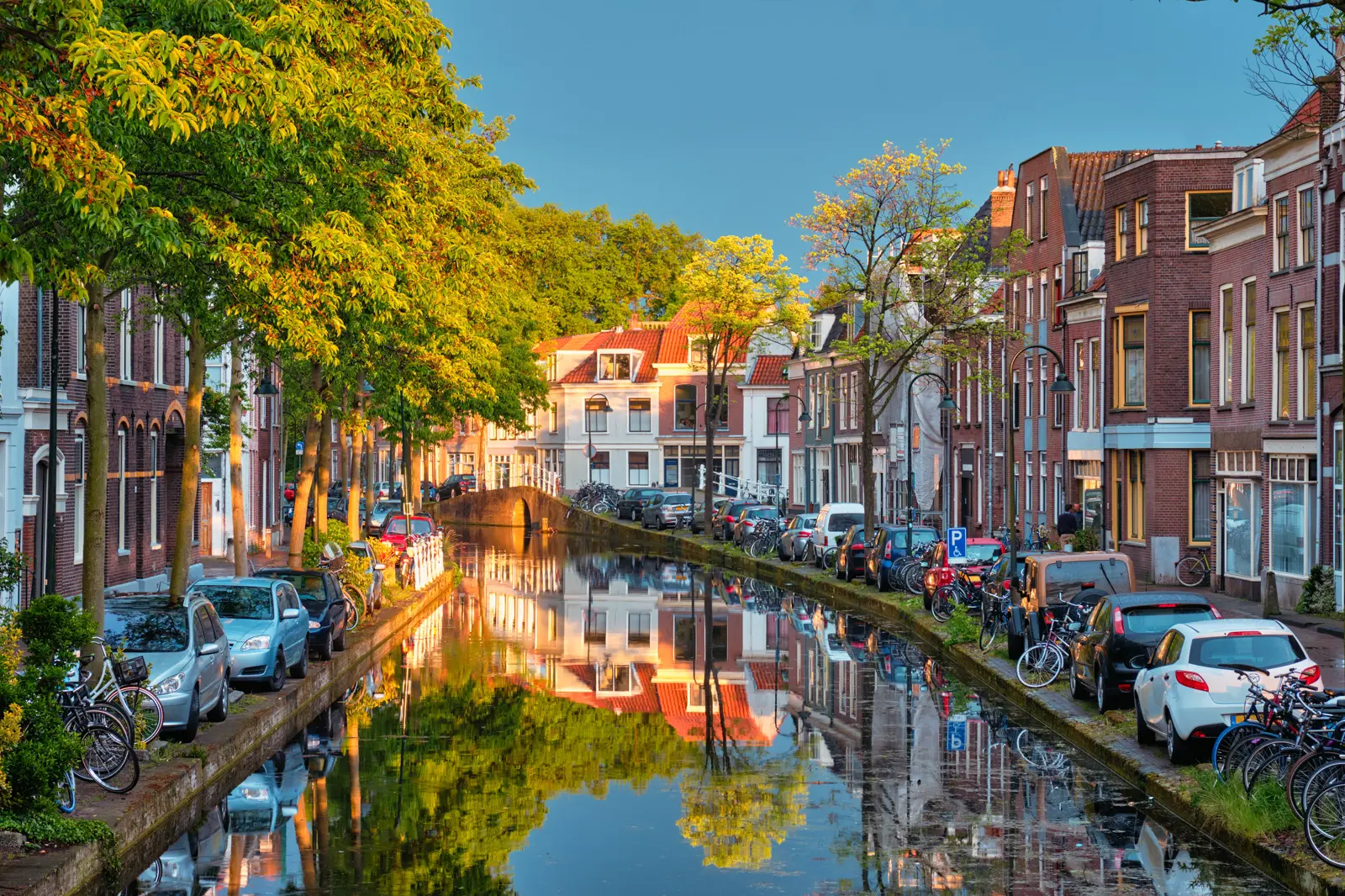
Delft is Vermeer’s town. He was born there in 1632 and spent his whole life in the city. The Little Street, which I saw at the Rijksmuseum, shows two houses on a Delft street. There are no original Vermeers left in Delft itself, but the Vermeer Centrum tells his story through reproductions.
Delft is also the home of Delft Blue. Royal Delft, founded as De Porceleyne Fles in 1653, is the only one of the city’s 32 seventeenth-century pottery factories still operating. I already own a little Delft Blue house from KLM, so seeing where the real thing is made is high on my list. Delft is about an hour from Amsterdam by train, and close enough to The Hague to combine the two.
Haarlem
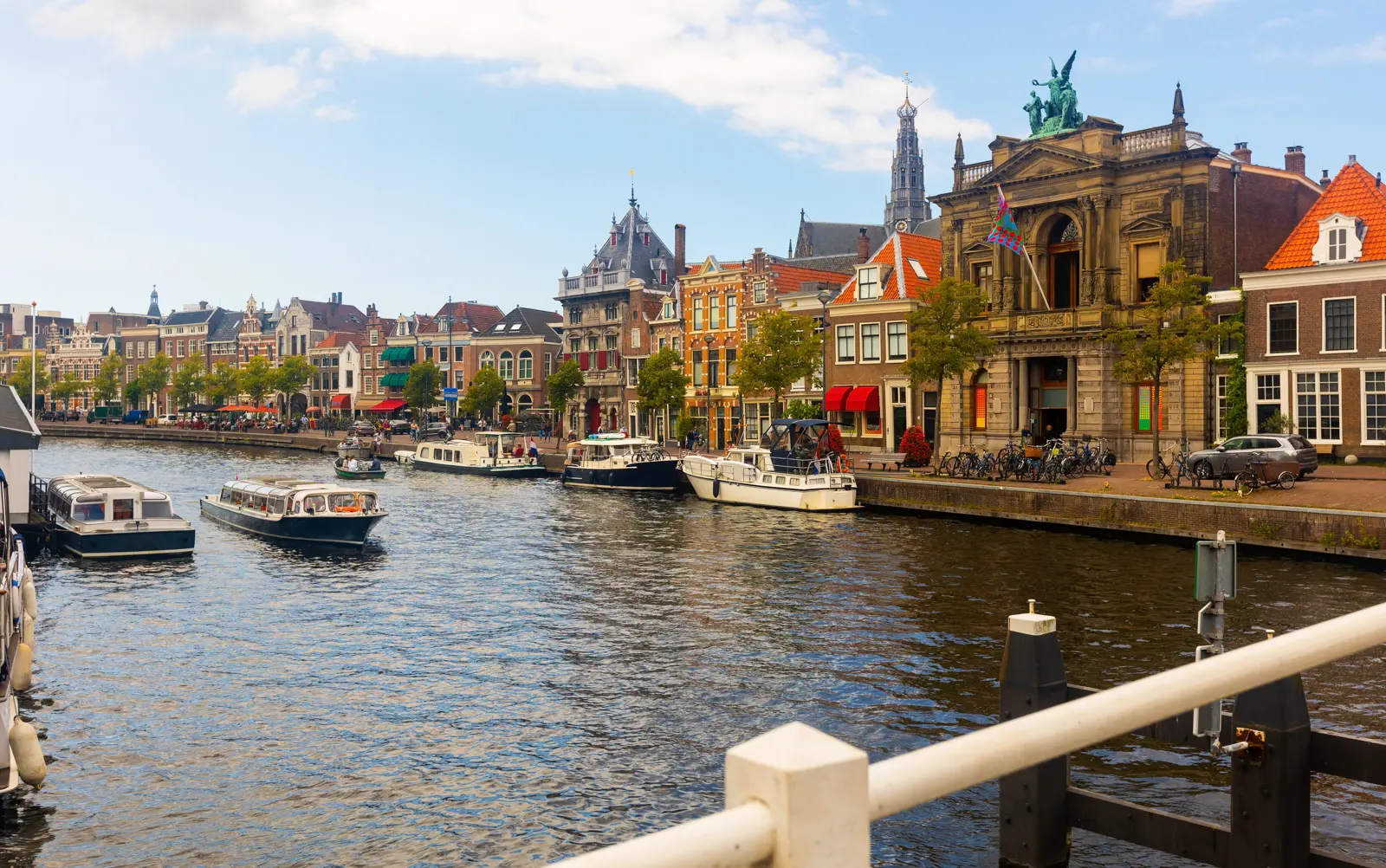
Haarlem is the quickest of all, about 15 to 20 minutes by train. The line between Amsterdam and Haarlem was the first railway in the Netherlands, opened in 1839. In the Grote Kerk on the main square, the Christian Müller organ dates from 1738, and a 10-year-old Mozart played it. The Frans Hals Museum is also in town, and the Teylers Museum stands on the bank of the river Spaarne.
Utrecht
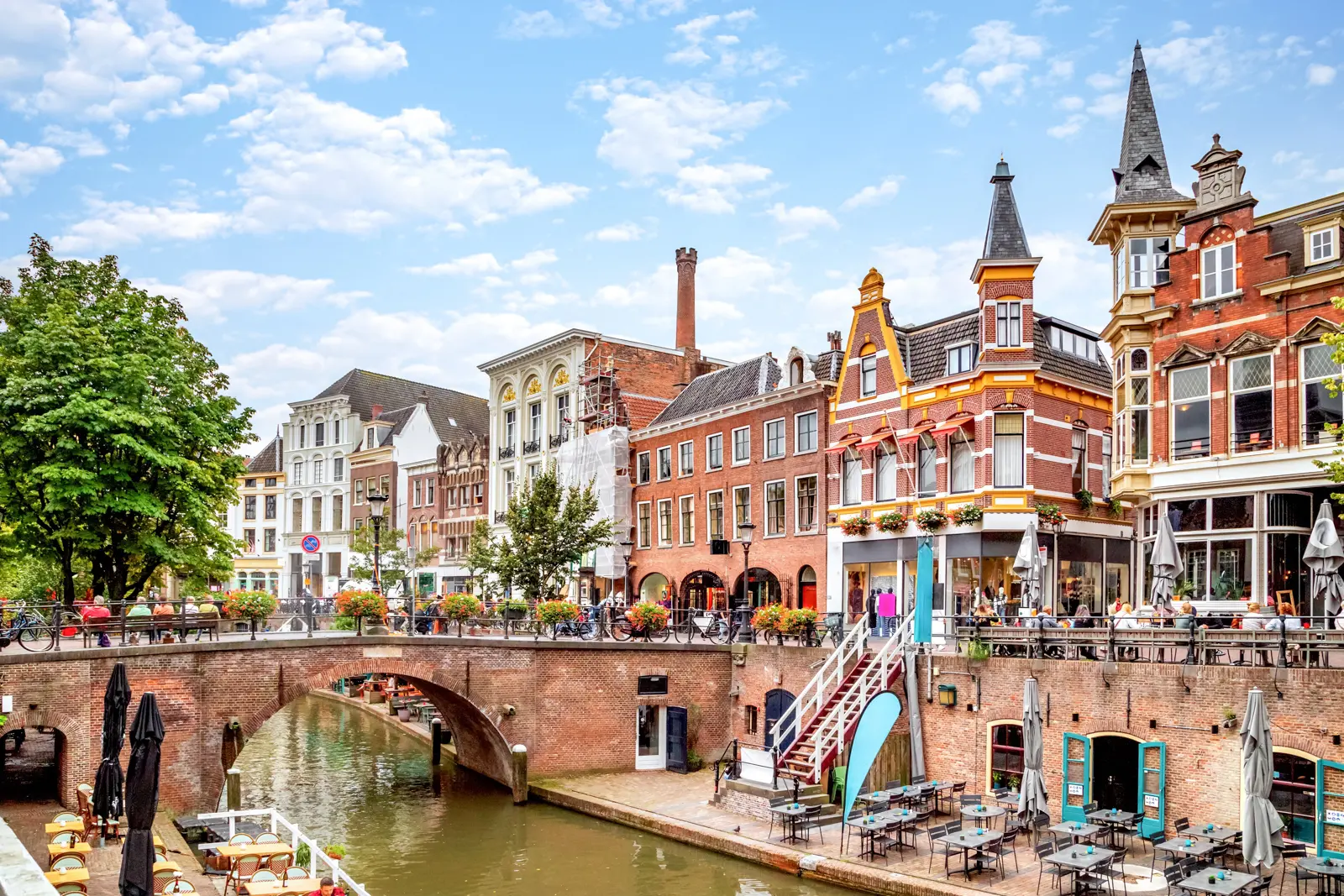
Utrecht is on the list because of a conversation at the W Amsterdam. One of the staff told us she lived in Utrecht and that it was beautiful, even though it meant commuting to Amsterdam by train every day. The trip takes about 25 to 30 minutes, and the heart of the city is the Oudegracht, the old canal.
The Dom Tower is the tallest church tower in the Netherlands, at 112 metres, and was completed in 1382. A storm in 1674 destroyed the nave of the church, which is why the tower now stands apart from it. The climb, 465 steps, is by guided tour only.
Volendam and Edam
Volendam, Edam and Marken sit in the Waterland region, about 30 minutes north-east of Amsterdam by bus from Centraal. Volendam is the fishing town with the traditional costume photo studios, and a boat connects it with Marken across the water.
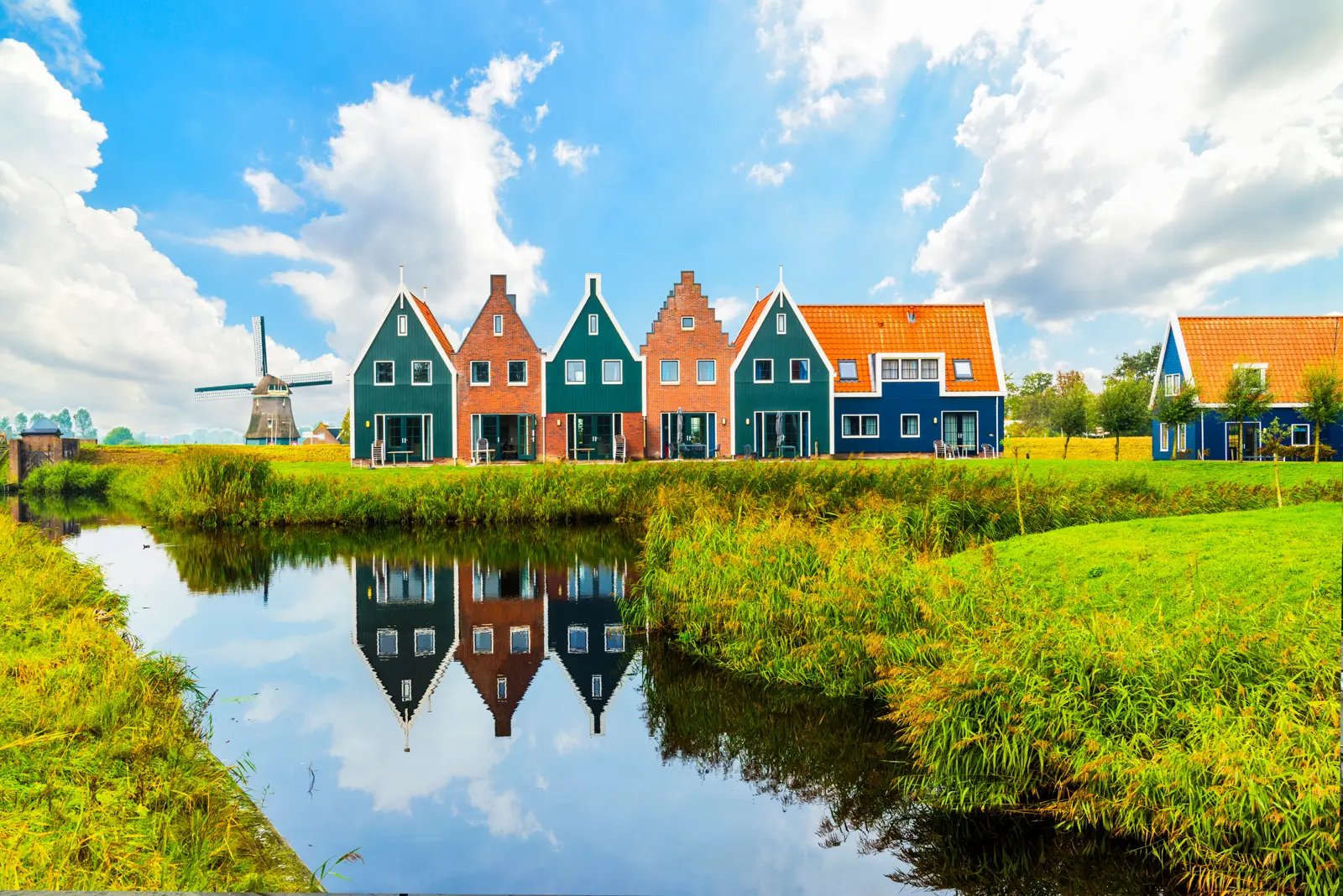
Edam gives its name to the cheese. On Wednesday mornings in July and August, the town stages its traditional cheese market, with cheese carriers in straw hats and clogs.

Kinderdijk and Rotterdam
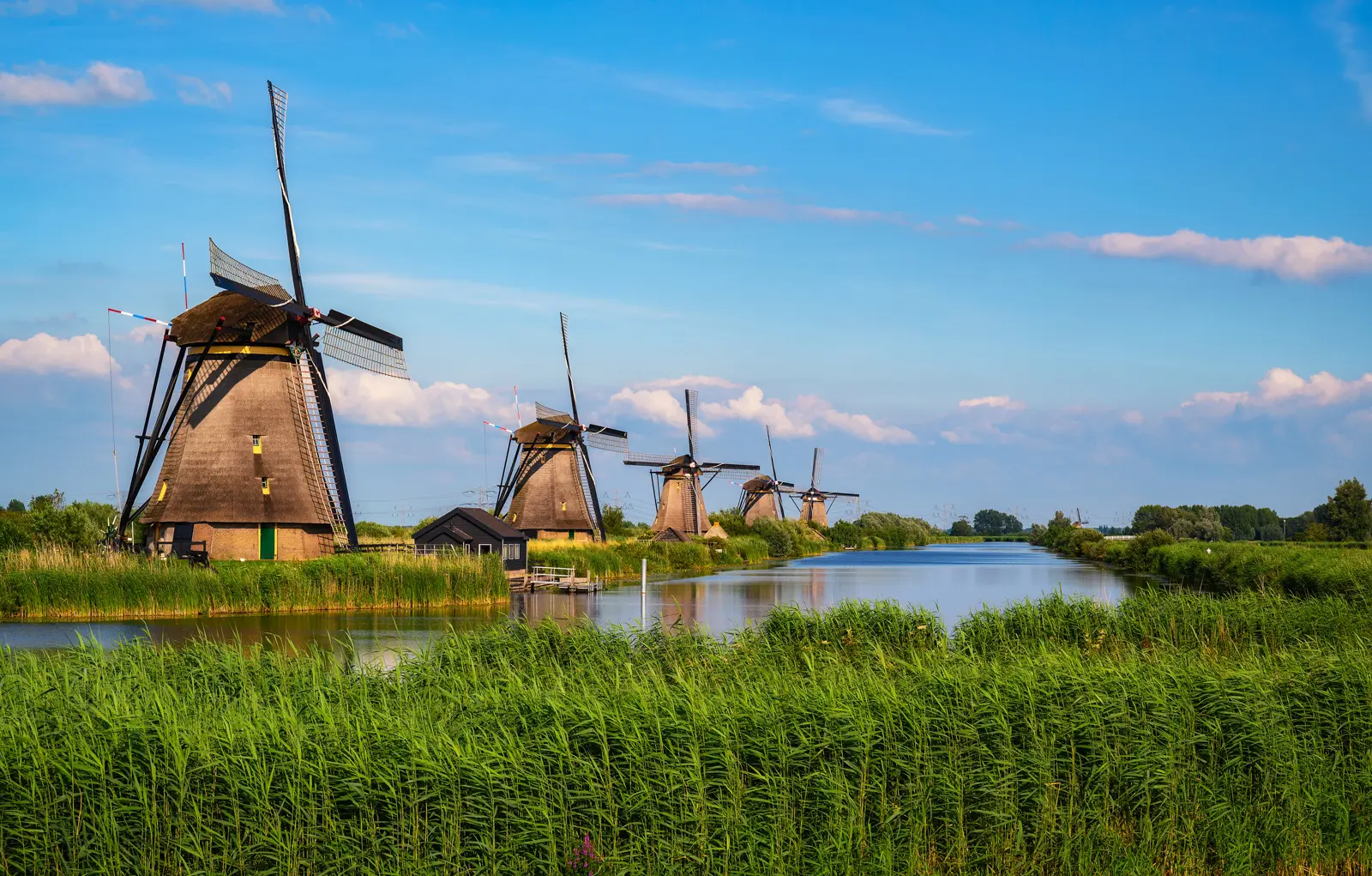
Zaanse Schans gave me my first windmills. Kinderdijk is the place for the full set: 19 windmills, most built between 1738 and 1740 to drain the low-lying polder, and a UNESCO World Heritage Site since 1997. It is easiest to reach from Rotterdam, by waterbus from beside the Erasmus Bridge, a ride of about half an hour.
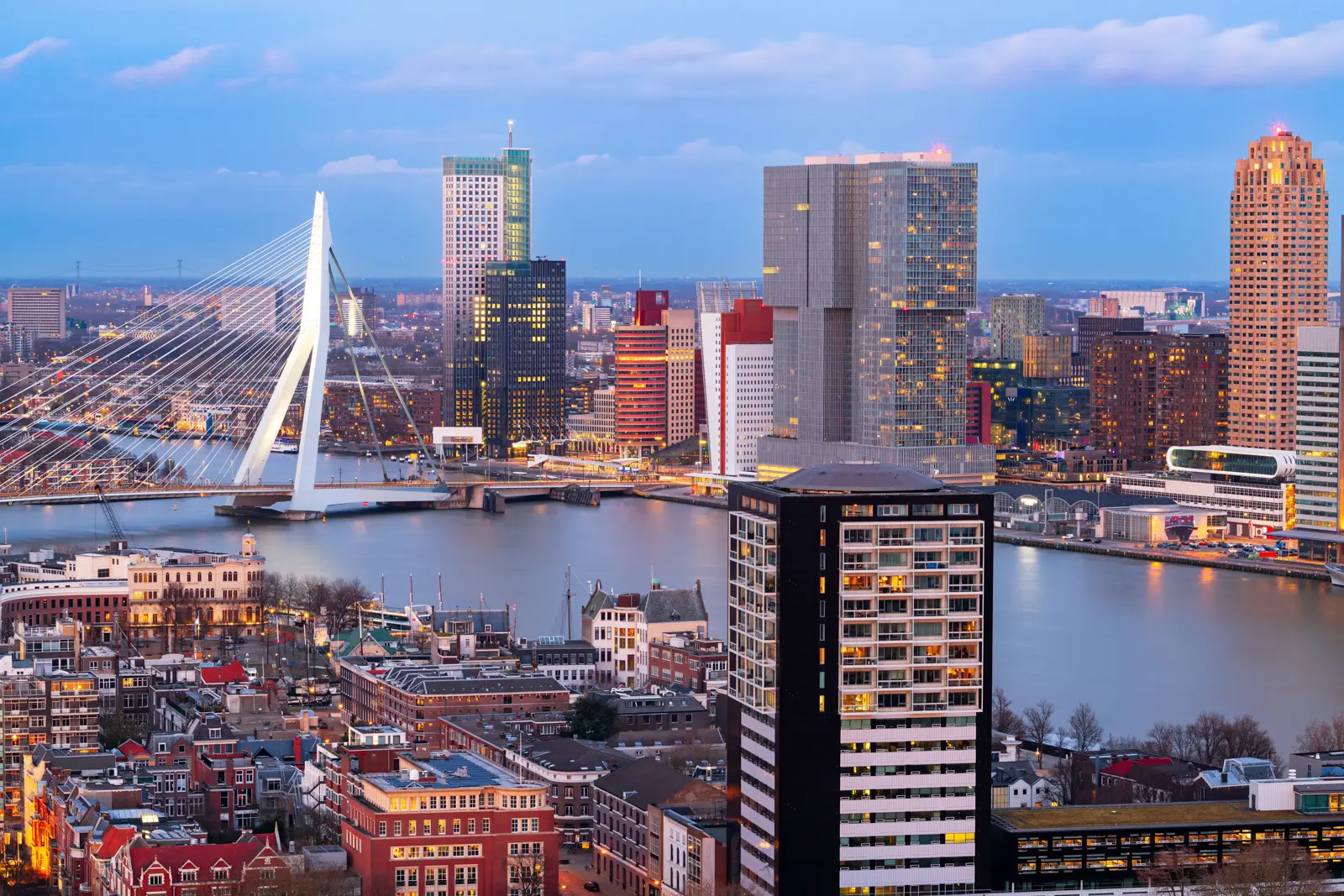
Rotterdam itself is the modern counterpoint to everything else on this list, and there is a reason for that. On 14 May 1940, German bombing destroyed almost the entire city centre. Rather than recreate the old city, Rotterdam rebuilt with modern architecture, which is why its skyline looks so different from Amsterdam’s. It is also home to the largest port in Europe, which was the busiest port in the world from 1962 until 2004. Rotterdam is less than an hour from Amsterdam by train.
Bubbly Tips
- Do not bundle Keukenhof with Zaanse Schans. Many tours do, and Keukenhof is the one that loses out. Give it a full day of its own.
- Check Keukenhof’s dates. The garden is only open in spring. The 2027 season runs from 18 March to 9 May.
- Pack a lunch for Zaanse Schans, or try the pancakes. The village has no gate, so a picnic by the water is allowed.
- Pair Delft with The Hague. The two are close enough by train to cover in one day.
- Pair Kinderdijk with Rotterdam. The waterbus leaves from beside the Erasmus Bridge.
- Go to Edam on a summer Wednesday. The cheese market runs on Wednesday mornings in July and August.
- Book the Dom Tower climb. Utrecht’s tower can only be climbed on a guided tour.
- Check access to the Binnenhof before you go. The renovation has closed most of the inner court until 2031, though the gates open on special days, such as the Day of Construction in June 2026.
- Choose Haarlem for a half day. At 15 to 20 minutes by train, it is the easiest of all these trips.
Final Thoughts
Two day trips taught me one lesson: give each place its own day. Keukenhof deserved more time than a bundled tour allowed, and Zaanse Schans was better for being an afternoon rather than a rush.
The Hague is first on my list, for the courts and the Peace Palace, with Delft right beside it for Vermeer and a closer look at where my little KLM house comes from. Utrecht is next, on the word of a woman who makes the train trip every day and still calls it beautiful.
Until next time!

🌟 Everything You Need to Plan Your Dream Trip in 2026
- 🌟 Luxury Hotels - Find premium stays with Booking.com & Hotels.com
- 🏡 Vacation Rentals - Discover unique properties on VRBO
- 🏞️ Guided Tours - Explore with Viator or GetYourGuide
- 🎫 Attraction Tickets - Skip the lines with Tiqets
- 🚢 Ocean Cruises - Set sail with Cruise Direct
- 📱 International SIMs - Stay connected with Saily
- 🚗 Car Rentals - Budget-friendly options from Discover Cars
- 🌐 Secure VPNs - Browse safely with NordVPN
- 💶 Currency Exchange - Best rates with Wise
- 🗣️ Learn Languages - Master the local language with Babbel and Rosetta Stone