
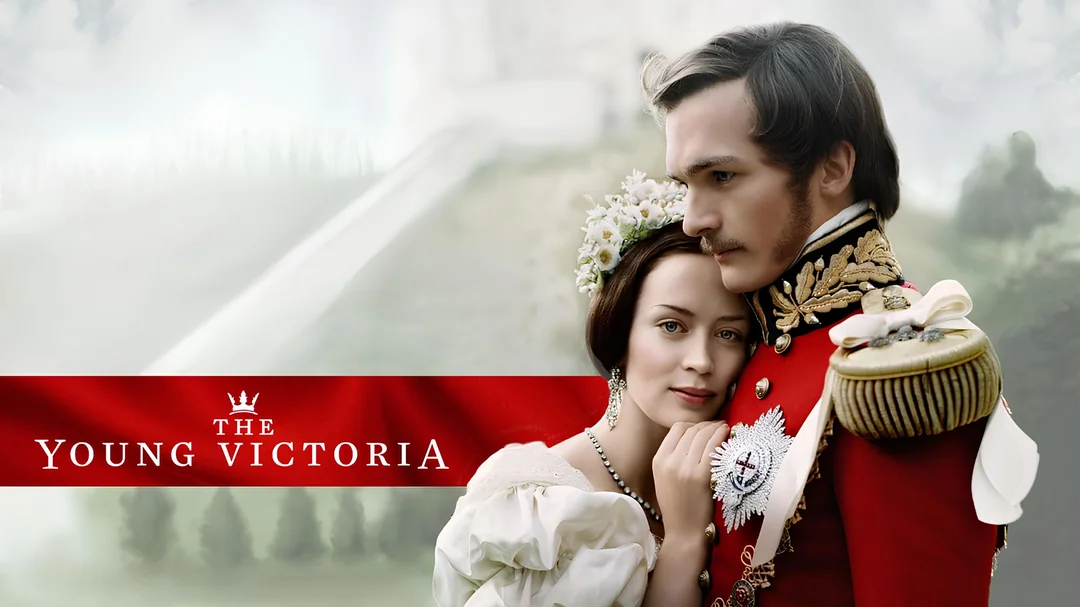
I love The Young Victoria. The 2009 film, with Emily Blunt as Victoria and Rupert Friend as Albert, tells the story of a teenage queen finding her feet and falling in love, and the romance at the centre of it gets me every time. So when I realised how many of its grand royal palaces are places I have actually stood in, I had to write it up.
Here is the catch that makes this fun. A film cannot just walk into the working royal palaces and start shooting. So The Young Victoria did what almost every period drama does: it hired body doubles. Other great houses stood in for Buckingham Palace, Westminster Abbey, Windsor and Kensington Palace. I have visited the real ones, so this is a tour of both, the stand-in on screen and the genuine article in the flesh.
One thing to keep straight. This is the 2009 film with Emily Blunt, not the later ITV series Victoria with Jenna Coleman, which was shot mostly in Yorkshire. Different production, different locations.
The Young Victoria Filming Locations at a Glance
🎬 The film · The Young Victoria (2009), Emily Blunt as Victoria and Rupert Friend as Albert; written by Julian Fellowes, directed by Jean-Marc Vallée. One Oscar, for Best Costume Design.
👑 Buckingham Palace · Played mostly by Blenheim Palace, Oxfordshire, with Hampton Court and Wilton House for other parts.
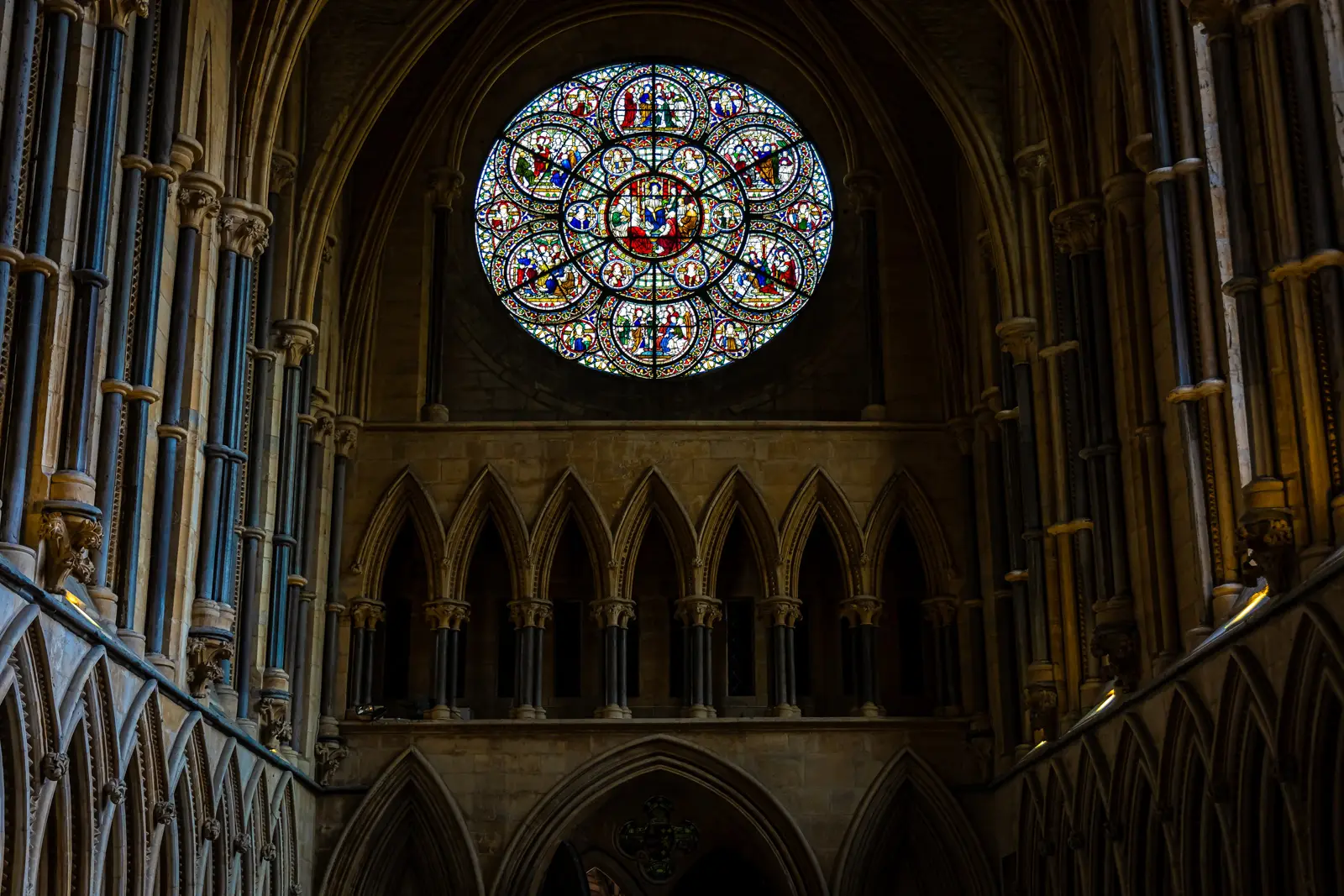
⛪ The coronation · Filmed not in Westminster Abbey but in Lincoln Cathedral, whose plainer interior looks closer to the Abbey in Victoria’s day.
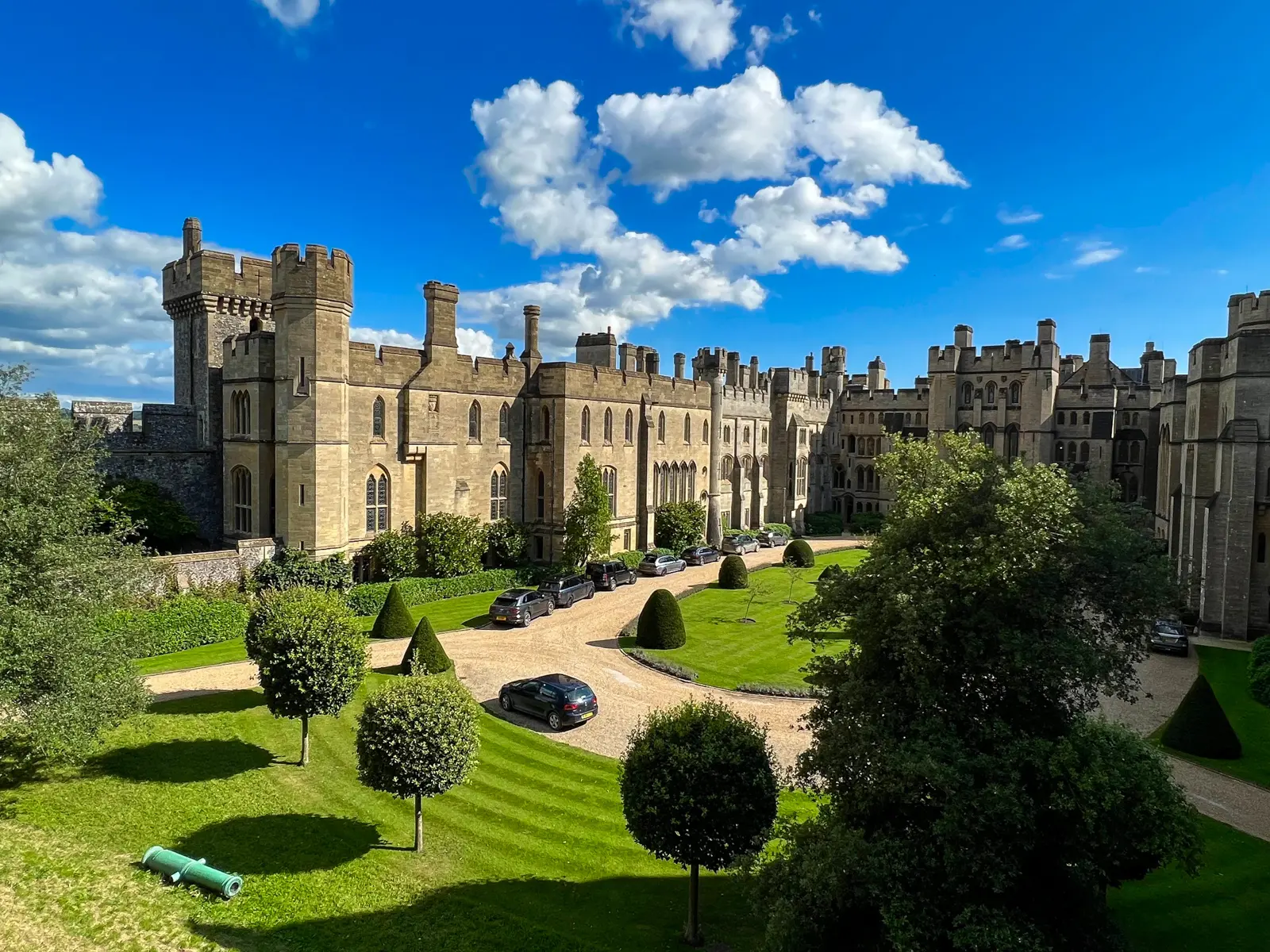
🏰 Windsor Castle · Played by Arundel Castle, West Sussex.
🚪 Kensington Palace · Played by Ham House, a Stuart mansion on the Thames at Richmond.
🎩 Real ones to visit · Buckingham, Westminster Abbey and Windsor are the genuine articles, an easy royal run in and around London.
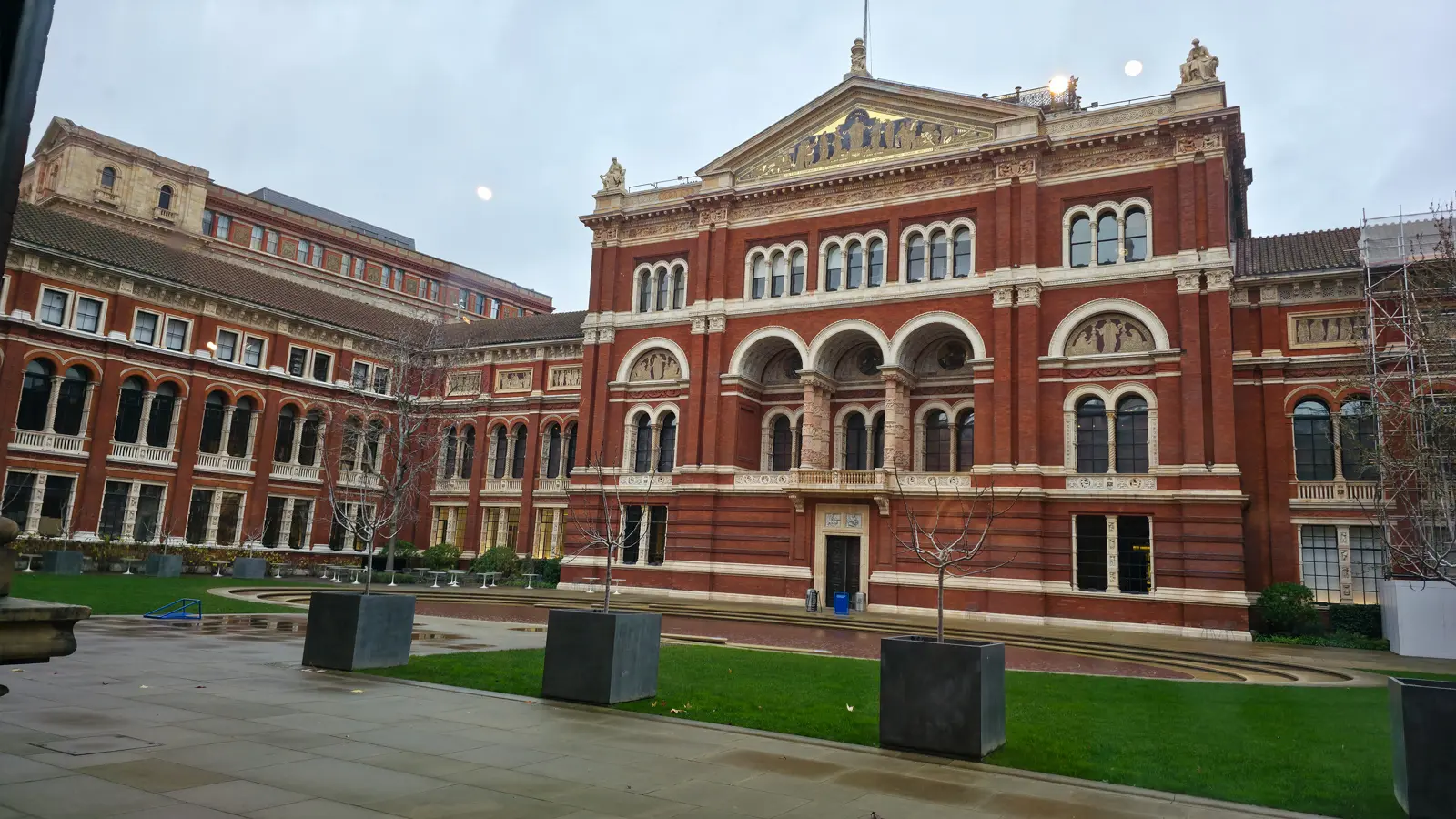
🎨 End at the V&A · Free, named after Victoria and Albert, with the fashion galleries to finish a costume-drama trail.
The film, and the story it tells
The film has a surprising origin. It was Sarah Ferguson, the Duchess of York, who first came up with the idea, having grown interested in Victoria over the years. She pitched it to producer Graham King, who brought in Martin Scorsese to help produce. The script went to Julian Fellowes, who had written Gosford Park and would go on to create Downton Abbey, and the director was the French-Canadian Jean-Marc Vallée. The cast is the part you remember: Emily Blunt as Victoria, Rupert Friend as Albert, Paul Bettany as the prime minister Lord Melbourne, Miranda Richardson as Victoria’s mother, Jim Broadbent as King William IV and Mark Strong as the scheming Sir John Conroy. Watch the extras in the early scenes and you may spot the Duchess of York’s daughter, Princess Beatrice, in a small uncredited turn.
The story covers a short, sharp window, roughly 1836 to 1840. Victoria grows up half a prisoner under the “Kensington System”, a strict regime run by her mother and Conroy, who want her to sign away her power to a regency in the last days of her uncle William IV. She refuses. Meanwhile her uncle, King Leopold of Belgium, is steering his nephew Albert towards her, coaching him to win her hand for political reasons. They fall for each other anyway. Victoria becomes queen at eighteen, leans heavily on Melbourne, and slowly grows into the marriage and the throne. Fellowes chose not to end with Albert’s death decades later, leaving the film on the hopeful early years rather than the grief.
How true is it?
Mostly, and more than you might expect. Historians rate it fairly faithful on the politics and the people. But it does take liberties, and the biggest one is worth knowing before you watch.
Late in the film, a gunman fires at the royal carriage, and Albert is wounded throwing himself across Victoria to shield her. That attack was real. On 10 June 1840, a man named Edward Oxford fired two pistols at the couple as they drove along Constitution Hill, with Victoria four months pregnant. Here is the change: in real life nobody was hurt, and Albert was never wounded in any attempt on Victoria’s life. Fellowes admitted he had Albert grazed by a bullet to show the prince’s devotion. The wound is the film’s invention. Queen Elizabeth II, Victoria’s great-great-granddaughter, is said to have watched the film, liked much of it, and taken issue with exactly that change, along with thinking the officers’ uniforms looked too German.
A couple of smaller liberties: the real Lord Melbourne was about forty years older than Victoria, not the closer-aged figure Bettany plays, and King Leopold was in truth her favourite uncle rather than the one-note plotter on screen. None of it spoils the film. It just helps to know where the history stops and the storytelling starts.
Buckingham Palace, played by Blenheim and friends
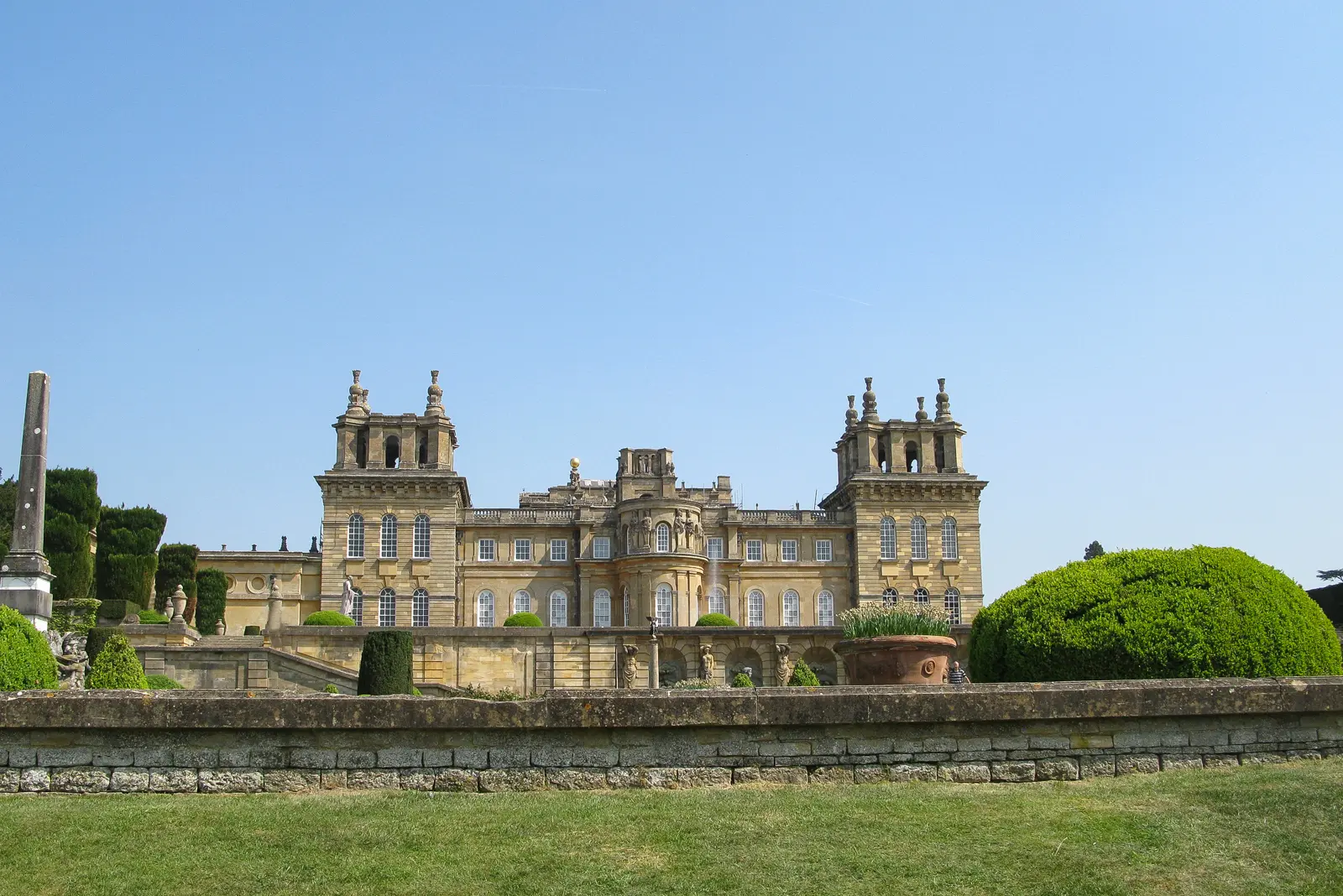
In the film, the newly finished Buckingham Palace is mostly Blenheim Palace in Oxfordshire, with Hampton Court Palace and Wilton House filling in for other parts. The scenes where King Leopold plots his marriage diplomacy were shot in Blenheim’s Long Library, one of the grandest rooms in the country.
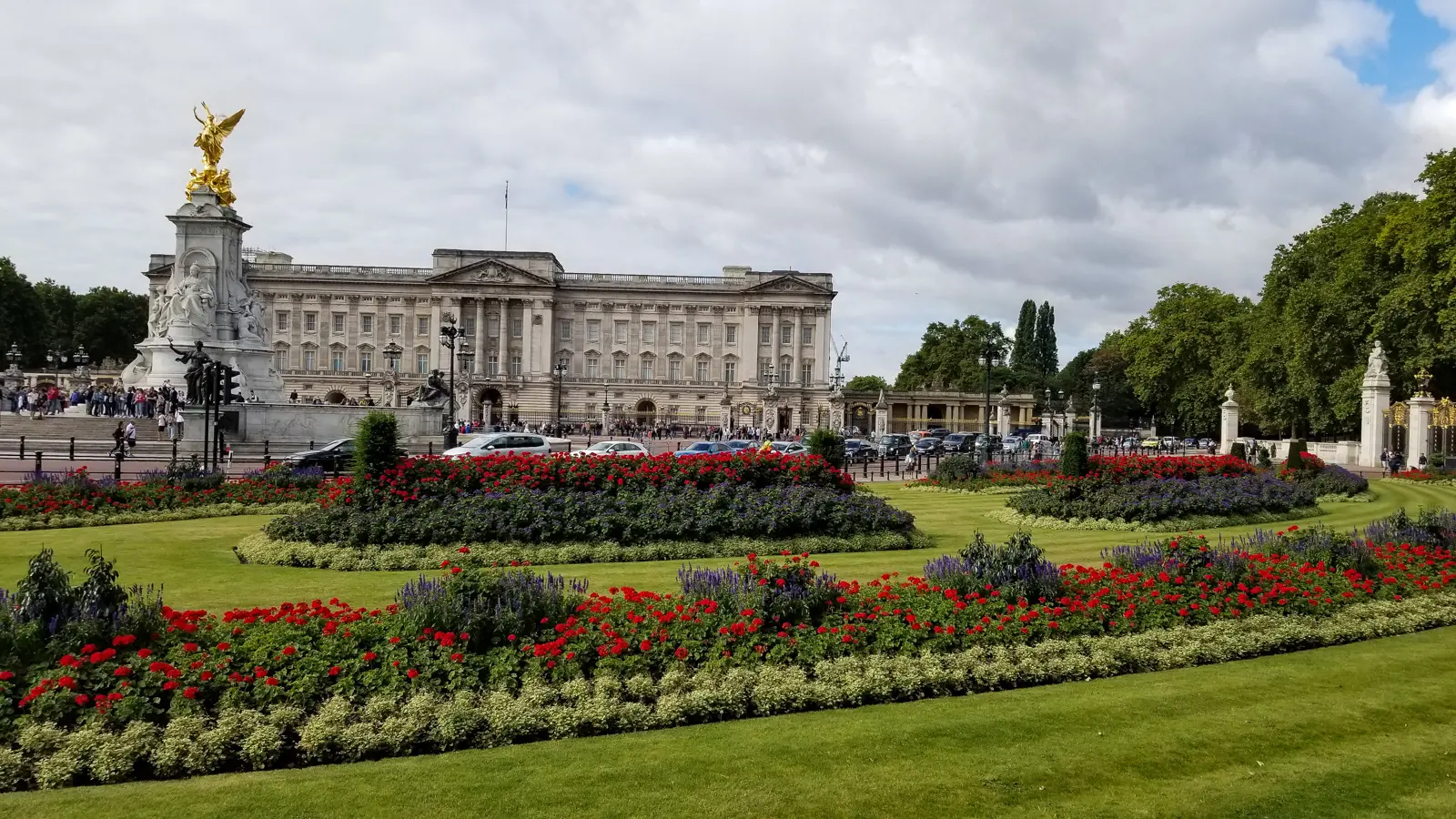
The real palace needs no double for me, because I have stood at the railings myself. The crowds, the gold-tipped gates, the guards. Victoria was the first monarch to make Buckingham Palace her official London home, so it is fitting that the film about her leans on it so heavily.
The coronation, played by Lincoln Cathedral
The coronation is the showpiece of the film, and it was not filmed in Westminster Abbey. It was shot in Lincoln Cathedral, well to the north. The reason is clever: Lincoln’s plainer interior looks much closer to how the Abbey appeared in Victoria’s day, before it filled up with the tombs and memorials you walk past now. The film also puts Albert at the ceremony, though in reality the two were not yet engaged and he was not there.
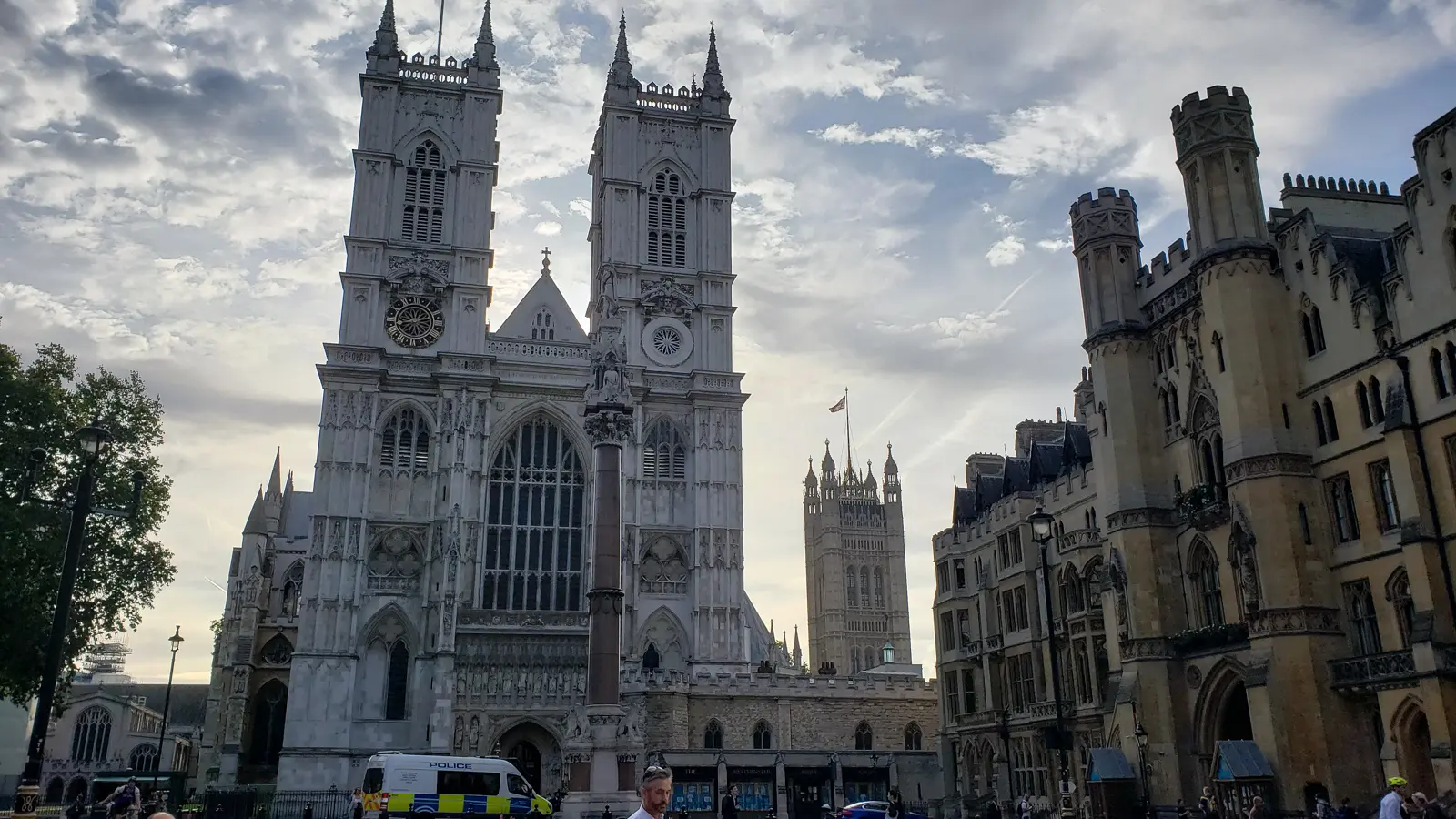
I have been inside the real Abbey, around its cloisters and out front under those huge towers, and the swap makes sense once you know it. The Abbey we see today is crowded with centuries of monuments. The film wanted the barer, older feel, and went to Lincoln to find it.
Windsor, played by Arundel Castle
When the film needs Windsor Castle, it mostly gives you Arundel Castle in West Sussex instead. Arundel has the towers, the battlements and the long approach that read as “Windsor” on screen, and it has doubled for Windsor in plenty of other films too. In the story, it is at a birthday reception at Windsor that King William publicly insults Victoria’s mother, one of the film’s sharpest scenes.
There is a nice connection here. Arundel is the home of the Dukes of Norfolk, who hold the ancient post of Earl Marshal, the role that organises every coronation. It was the 12th Duke who ran Victoria’s real coronation in 1838. So the castle standing in for Windsor belongs to the family who staged the very ceremony the film recreates.
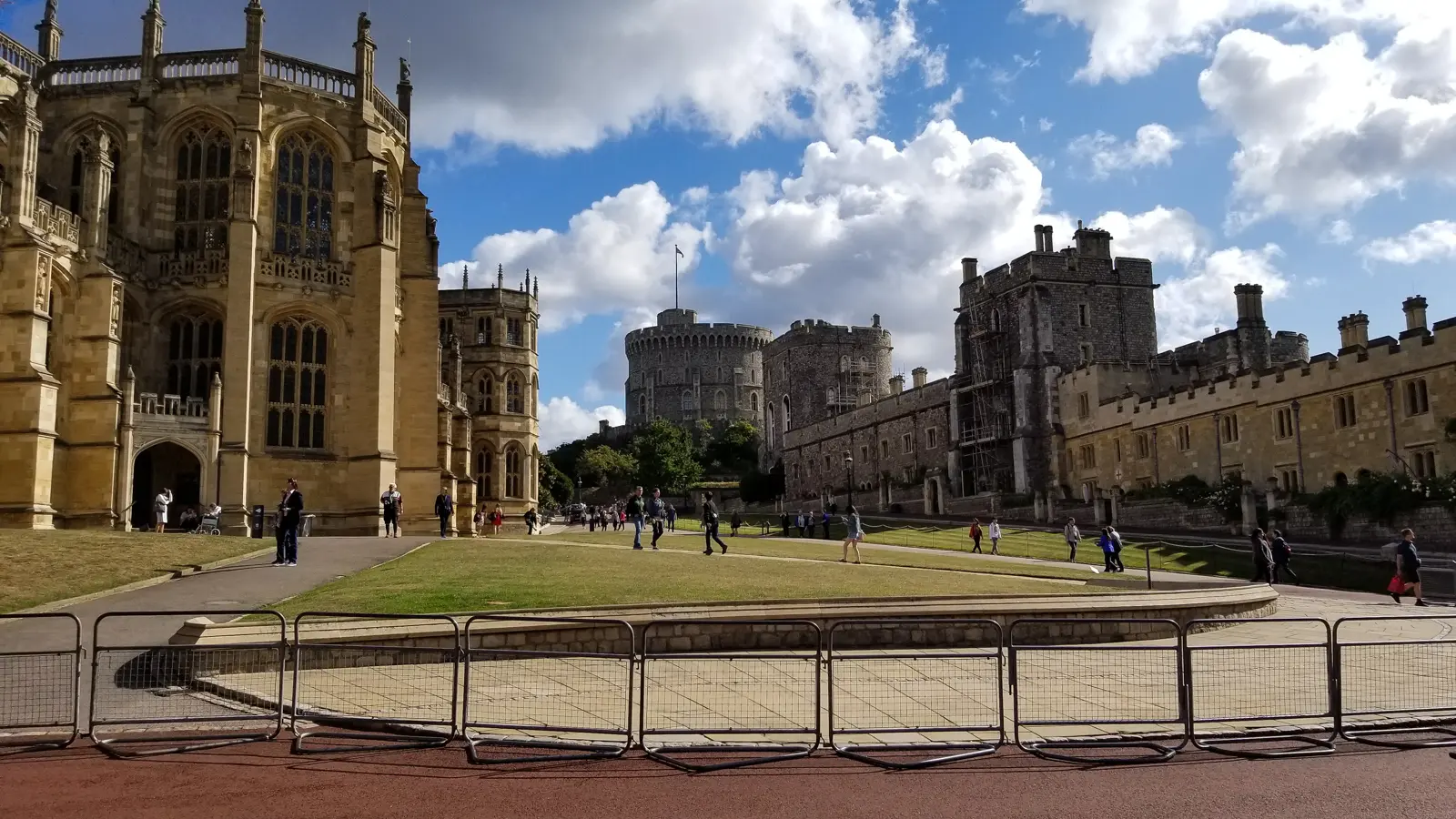
The real Windsor Castle is worth the trip in its own right. I walked the Upper Ward, looked up at the Round Tower on its mound and stood in front of St George’s Chapel. It is a true working castle, not a film set, and it shows.
Kensington Palace, played by Ham House
This is the one royal home the film does not flatter. Victoria was born at Kensington Palace in 1819 and grew up here under the strict, controlling Kensington System run by her mother and Sir John Conroy. It was here, one morning in June 1837, that she was woken and told her uncle William IV had died and she was queen. She held her first council in the palace that same day, then moved the court to Buckingham.
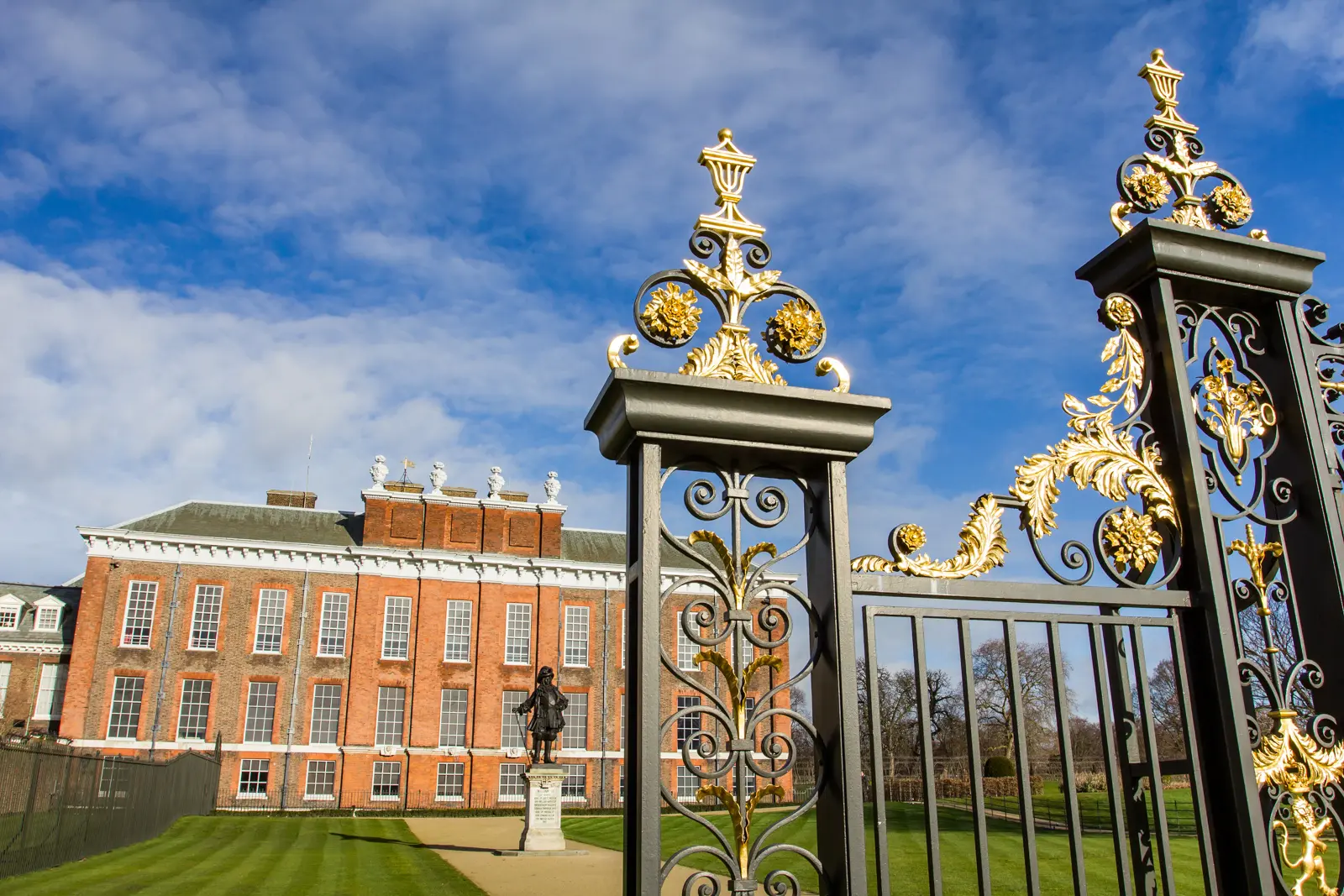
The real palace, red brick behind its gilded gates, looks handsome in the sun. The film wanted the opposite. To capture the gloom of that shut-in childhood, the production filmed the Kensington scenes at Ham House, a Stuart mansion on the Thames at Richmond, with its dark panelling and heavy rooms. Albert’s German home, Rosenau, was played by Wilton House near Salisbury, the same house that doubled for Buckingham interiors.
The costumes, and the way back to the V&A
The film won a single Academy Award, and it was for Best Costume Design, a third Oscar for the designer Sandy Powell. A historical consultant was brought in to keep the look right, and the care shows in every gown and tailcoat. That is a neat thread to pull, because the great museum of fashion and design sits a few streets from the real palaces, and it is named after the very couple the film is about: the Victoria and Albert Museum. If the clothes are your favourite part, that is where to go next.
Bubbly Tips
- Watch the film first. Half the fun of a location is recognising it, so see The Young Victoria before you go, or rewatch it after with fresh eyes.
- Do the real royal trio in London. Buckingham Palace, Westminster Abbey and Windsor make a strong royal run, and they are the genuine versions of what the film only suggests.
- Windsor and Hampton Court are easy day trips. Both are a short train ride from central London and open to visitors, so they are the simplest pairing of stand-in and real to see.
- Blenheim and Arundel need more of a plan. They are further out and ticketed, so check opening seasons and times before you build a day around them.
- Lincoln is a journey, but a good one. Lincoln Cathedral is a few hours north of London. Make it a day in the city of Lincoln rather than a quick visit.
- Ham House is National Trust. It sits by the river at Richmond, so you can pair it with a Thames-side walk, and Trust members get in free.
- Spot the real dress. The gown Blunt wears to meet her council for the first time is a copy of one Victoria actually wore, and the original has been shown at Kensington Palace. Check what is on display before you go.
- End at the V&A. It is free, it is named after Victoria and Albert, and its fashion galleries are the perfect place to finish a costume-drama trail.
Final Thoughts
What I love about a film like this is that it sends you out into the real world looking for the places it borrowed. The Young Victoria could not film in the working palaces, so it found doubles with the same grandeur, and chasing both, the stand-in and the original, turns a favourite film into an itinerary.
The romance still gets me, the cast is wonderful, and Emily Blunt makes you believe in a frightened girl becoming a queen. Knowing which bits the film bent only makes it more fun to watch. Next time I am near Arundel or Blenheim, I will be seeing it all over again, and the real Buckingham, Westminster and Windsor I have already loved in person, no stand-in required.
Until next time!

🌟 Everything You Need to Plan Your Dream Trip in 2026
- 🌟 Luxury Hotels - Find premium stays with Booking.com & Hotels.com
- 🏡 Vacation Rentals - Discover unique properties on VRBO
- 🏞️ Guided Tours - Explore with Viator or GetYourGuide
- 🎫 Attraction Tickets - Skip the lines with Tiqets
- 🚢 Ocean Cruises - Set sail with Cruise Direct
- 📱 International SIMs - Stay connected with Saily
- 🚗 Car Rentals - Budget-friendly options from Discover Cars
- 🌐 Secure VPNs - Browse safely with NordVPN
- 💶 Currency Exchange - Best rates with Wise
- 🗣️ Learn Languages - Master the local language with Babbel and Rosetta Stone