
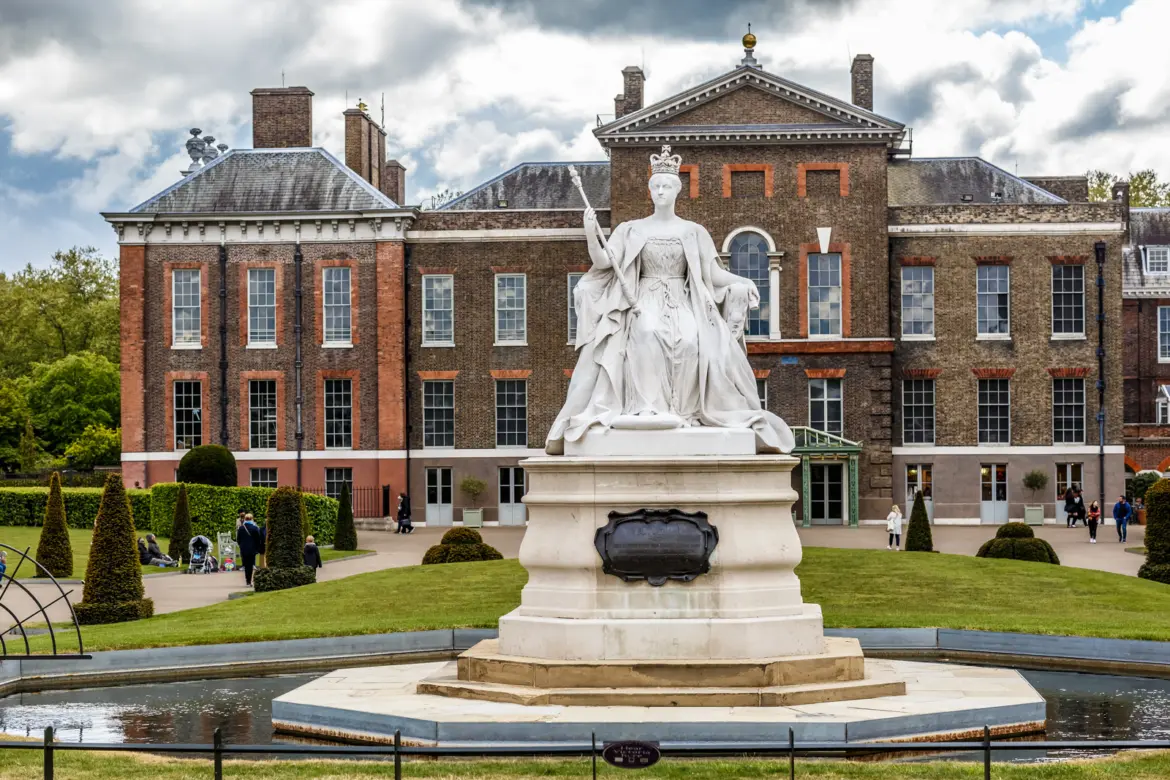
Queen Victoria was born at Kensington Palace on 24 May 1819 and lived there, under a strict and closely watched upbringing, until the June morning in 1837 when she was woken to be told she was queen. She was eighteen. The reign that followed ran until her death in January 1901, sixty-three years that reshaped London so thoroughly that we still name the whole period after her.
On the Broad Walk in front of the palace, facing the Round Pond, there is a marble statue of her as that young queen, crowned and holding the sceptre and orb. I saw it across the water on a short visit to Kensington, and it makes the right place to begin, because the woman came before the era. What her reign left behind is a city of Gothic towers, red-brick museums, iron bridges and grand shops, most of it still standing and much of it still doing its original job.
Victorian London at a Glance
📍 The theme · One reign, 1837–1901, and the Gothic towers, terracotta museums and iron bridges it left standing across London.
👑 Start here · The marble statue of the eighteen-year-old Queen on the Broad Walk at Kensington Palace, carved by her own daughter.
🏛️ The core loop · Kensington Palace → Albert Memorial → Royal Albert Hall → Natural History Museum → V&A, all within one South Kensington walk.
💷 The money · A single summer in Hyde Park in 1851 turned a £186,000 profit that built the museum quarter still nicknamed Albertopolis.
🌉 Farther afield · The Houses of Parliament from across the Thames, Tower Bridge, St Pancras station and Harrods round out the reign.
🎟️ Cost · The V&A, Natural History Museum and Science Museum are free; the statue, memorial and every exterior on this walk cost nothing.
The palace she made a home
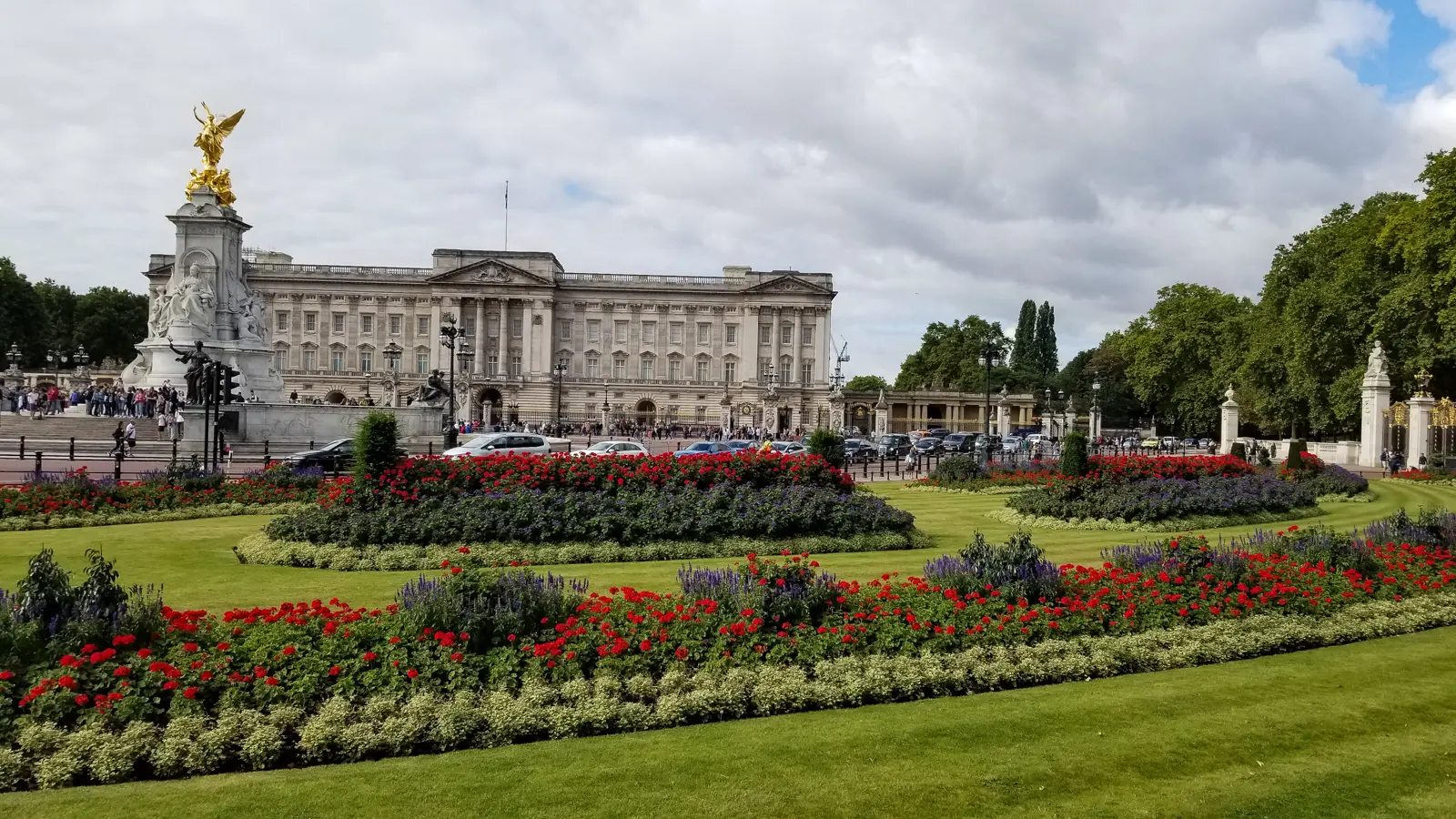
Victoria was the first sovereign to live at Buckingham Palace. She moved in within weeks of her accession in July 1837, and from that point the palace became the monarch’s official London home. Earlier monarchs had preferred St James’s, and the building she inherited was not quite ready for a working court, but she stayed, married Prince Albert in 1840, and had nine children.
Two honest notes about what stands today. The famous front, the one everyone photographs from the Mall, is not hers. Edward Blore closed off the courtyard with an east front in 1847, and that front was refaced in Portland stone by Sir Aston Webb in 1913, well after Victoria’s death. The white marble Victoria Memorial in front of the gates, with its gilded figure of Winged Victory, went up in 1911. So the view is Edwardian dress on a Victorian idea. What is genuinely hers is the balcony: the central one was first used in her reign, and she stepped onto it to greet the crowds at the opening of the Great Exhibition in 1851.
The Palace of Westminster and the new Gothic
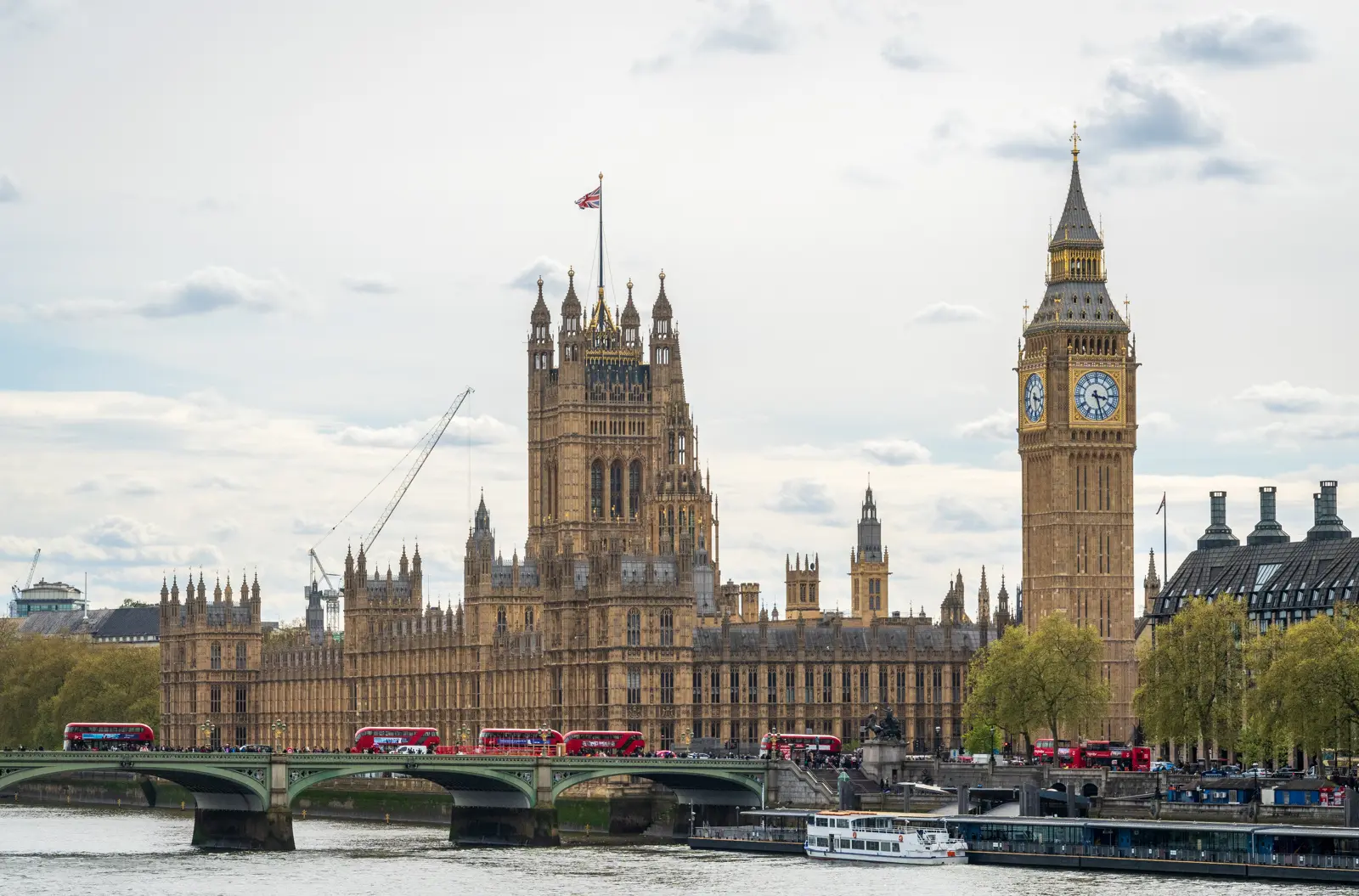
Nothing says Victorian London more plainly than the Houses of Parliament. The old medieval palace burned down on 16 October 1834, three years before Victoria came to the throne, and the competition to replace it was won by Charles Barry, working in a Perpendicular Gothic style with Augustus Pugin, who drew the intricate detail. Construction began in 1840 and ran for about thirty years. The Lords took their new chamber in 1847, the Commons in 1852, and the whole palace was more or less finished by 1870.
The clock tower came late. Work on it began in 1843, and it was completed in 1859. Big Ben, strictly, is the Great Bell inside, which first chimed in July 1859; the tower itself was the Clock Tower until 2012, when it was renamed the Elizabeth Tower. At the other end of the building stands the Victoria Tower, named in the Queen’s honour. I have stood on the far bank of the Thames looking at all of it, and the scale only lands from across the water, where the whole Gothic front lines up along the river.
1851: the Great Exhibition
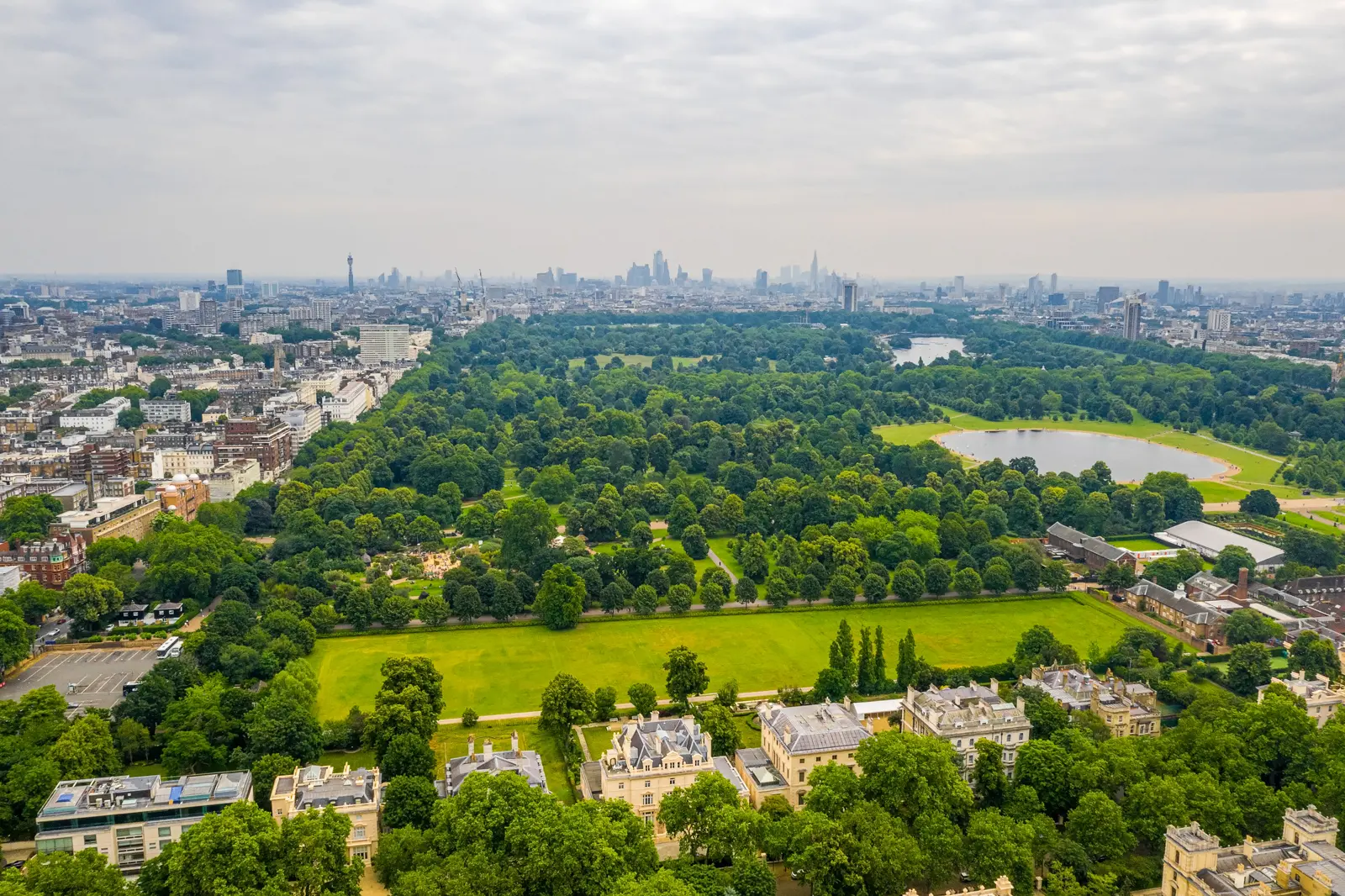
In 1851, Hyde Park held the event that set the tone for the rest of the reign. The Great Exhibition of the Works of Industry of All Nations was Prince Albert’s project, run with the civil servant Henry Cole, and it was housed in a vast structure of iron and glass that the magazine Punch nicknamed the Crystal Palace. Its designer was Joseph Paxton, a gardener by trade, who adapted the greenhouses he had built at Chatsworth. Around six million people came, a third of the population of the country at the time.
The building is long gone. It was taken down and rebuilt at Sydenham in south London, where it burned to the ground in 1936. What matters for the rest of this walk is the money. The exhibition made a profit of about £186,000, and Albert insisted it be spent on a permanent quarter for art and science in South Kensington. That single decision built half the landmarks in this post.
Albertopolis
Albert did not live to see his quarter finished. He died of typhoid in December 1861, at forty-two, and Victoria spent the rest of her life in mourning. The area his exhibition profits paid for, half-jokingly called Albertopolis, became his monument in every sense.
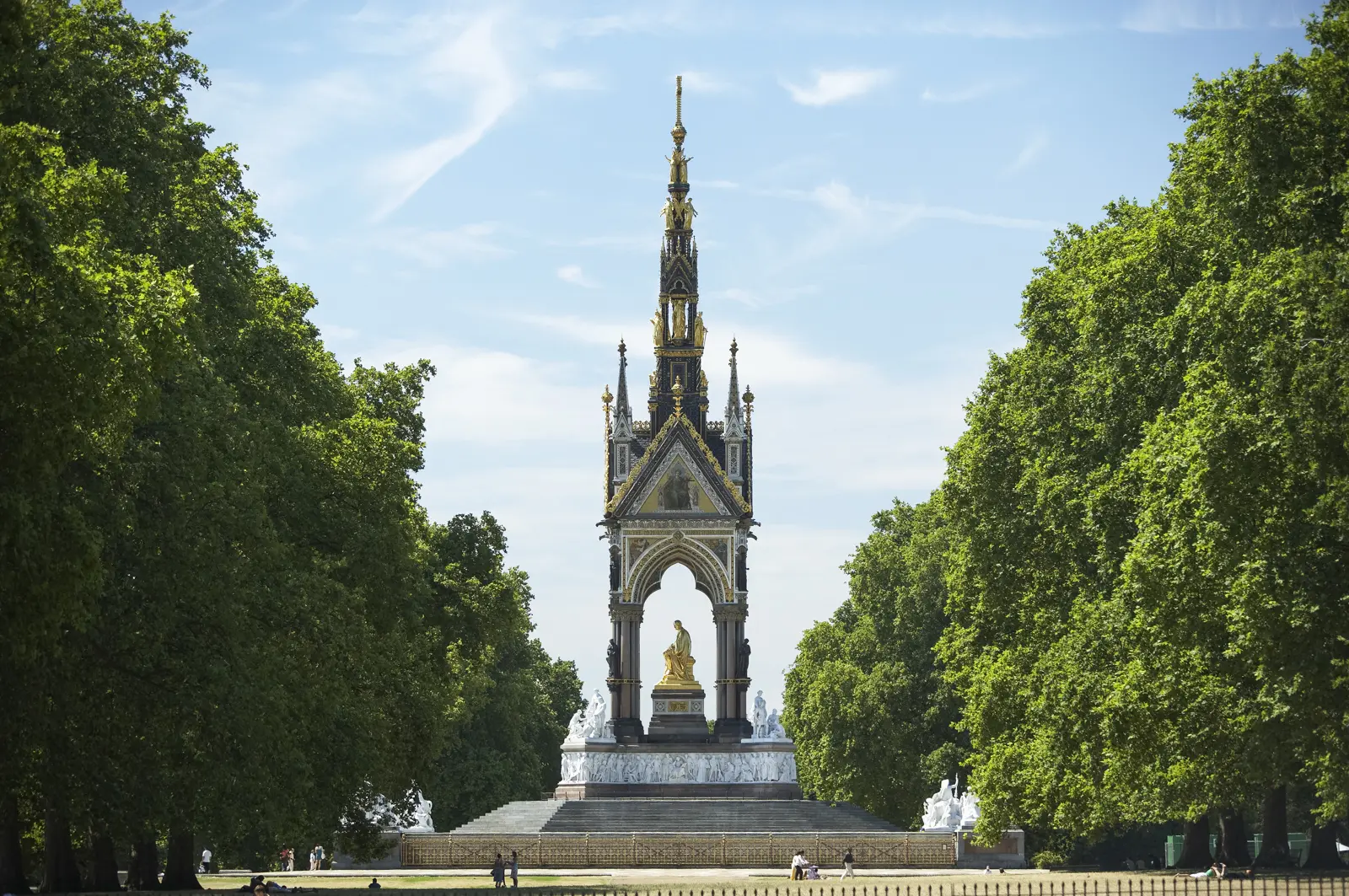
The most literal monument is the Albert Memorial in Kensington Gardens, designed by Sir George Gilbert Scott as a towering Gothic canopy over a gilded, seated figure of the prince. Unlike the museums nearby, it was not built from the exhibition profits: its £120,000 cost was met by public subscription and a grant from Parliament. It stands 176 feet tall and opened in 1872, with the statue of Albert added a few years later. He holds a catalogue of the Great Exhibition and looks south, across the road, towards the hall that carries his name.
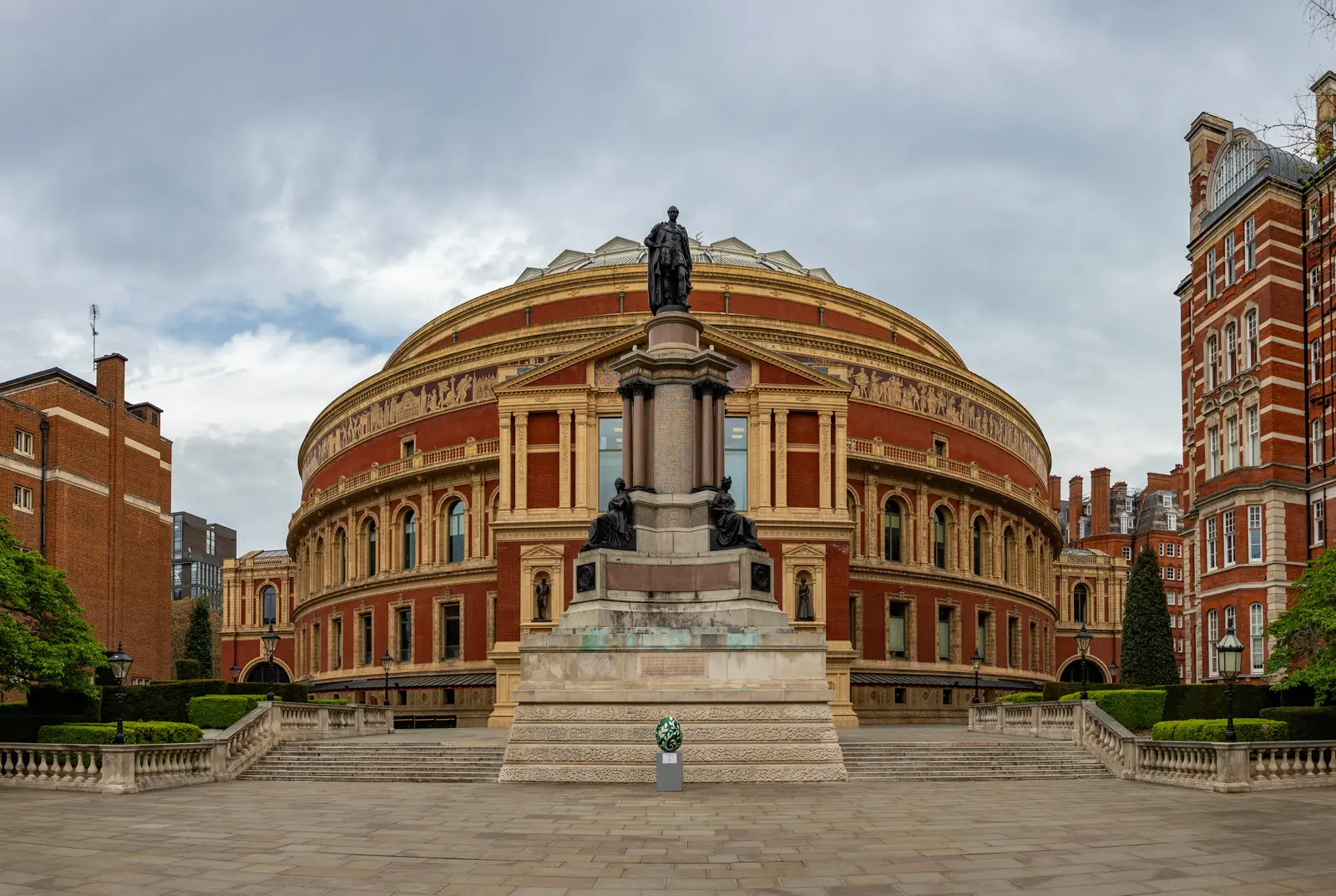
That hall is the Royal Albert Hall, its foundation stone laid by Victoria in 1867 and its doors opened in March 1871. She was reportedly too overcome to speak at the opening, and the Prince of Wales spoke in her place. The tall monument standing in front of its south steps is often mistaken for the Albert Memorial, but it is a separate piece: the Memorial to the Great Exhibition, designed by Joseph Durham and topped by a bronze Prince Albert. It was first meant to be crowned by a figure of Britannia, until Albert’s death changed the plan.
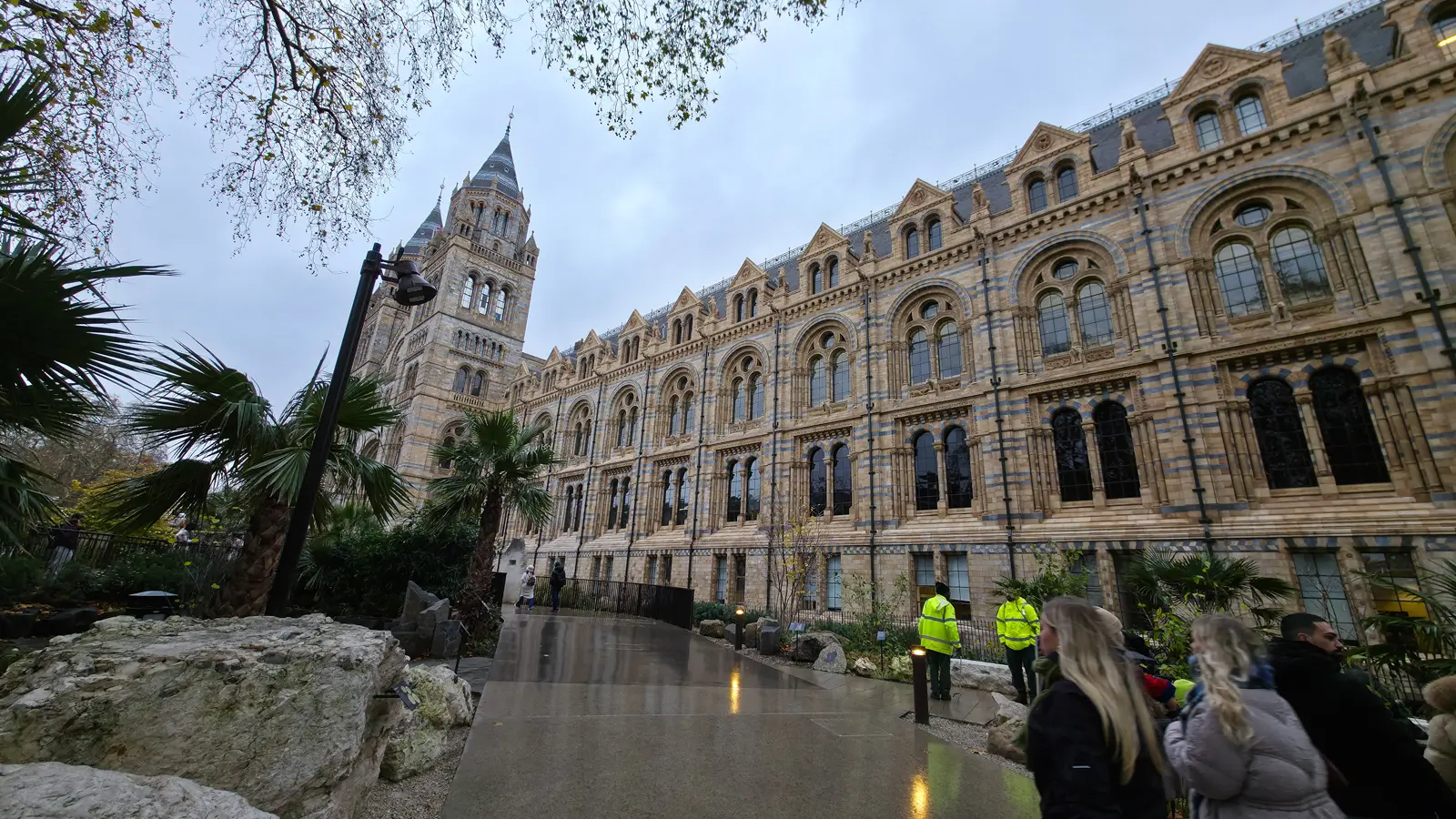
South of the hall, along Exhibition Road and Cromwell Road, stand the museums the exhibition built. The Natural History Museum opened in 1881, designed by Alfred Waterhouse in a terracotta Romanesque style chosen partly because the hard-fired clay would shrug off the soot of Victorian London. Its carvings sort the animal kingdom by belief as much as biology: living species on the west wing, extinct ones on the east. I went on a grey December afternoon, and the building held my attention as much as anything inside it.
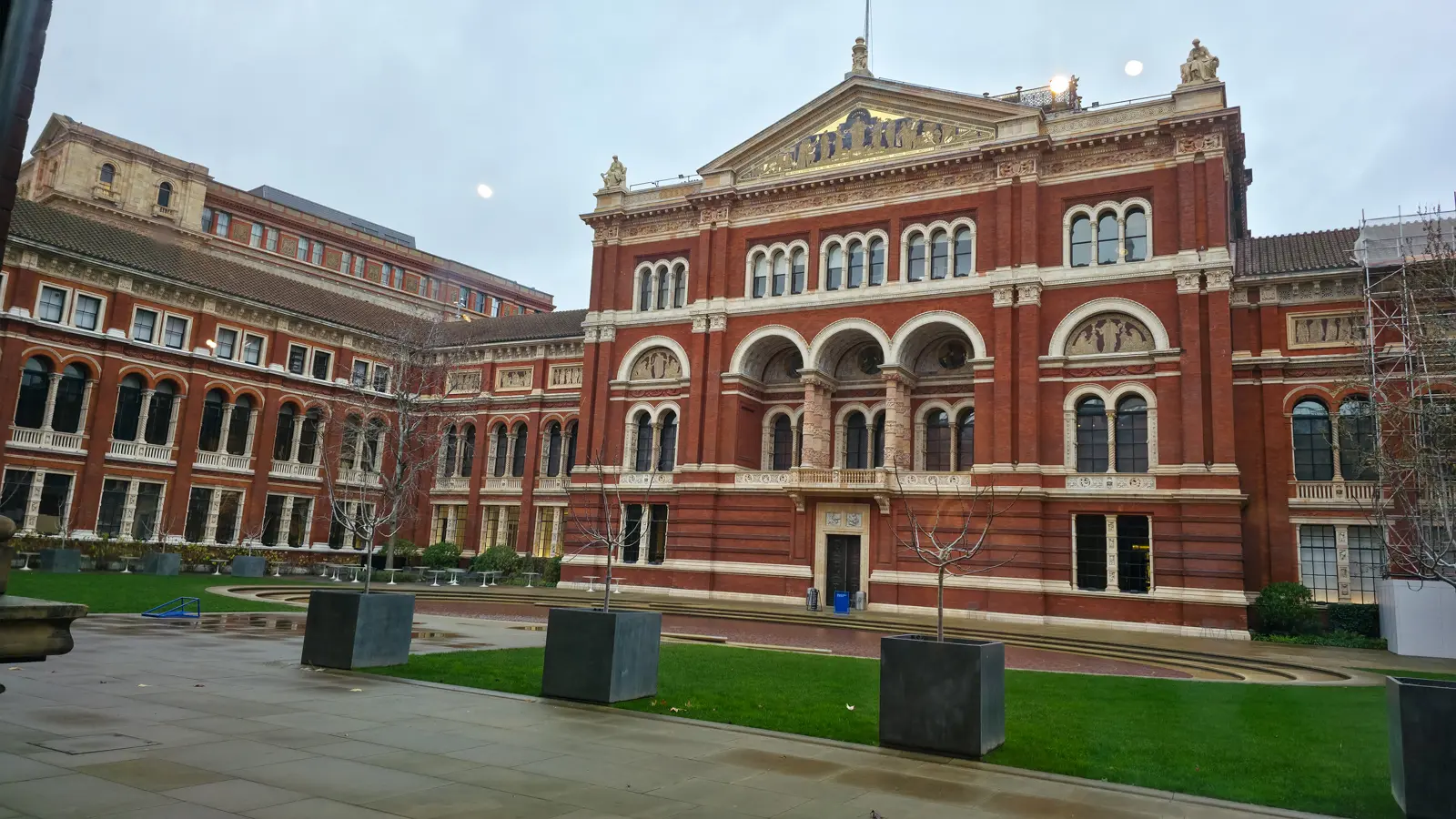
A short walk away is the Victoria and Albert Museum, the one that carries both their names. It was founded in 1852 out of objects left over from the Great Exhibition, moved to South Kensington in 1857, and took its present name in 1899, when Victoria laid the foundation stone of the grand new front. That ceremony was her last major public appearance. I spent a wet afternoon in its central courtyard, which is calmer than the galleries around it.
Iron, steam and shopping
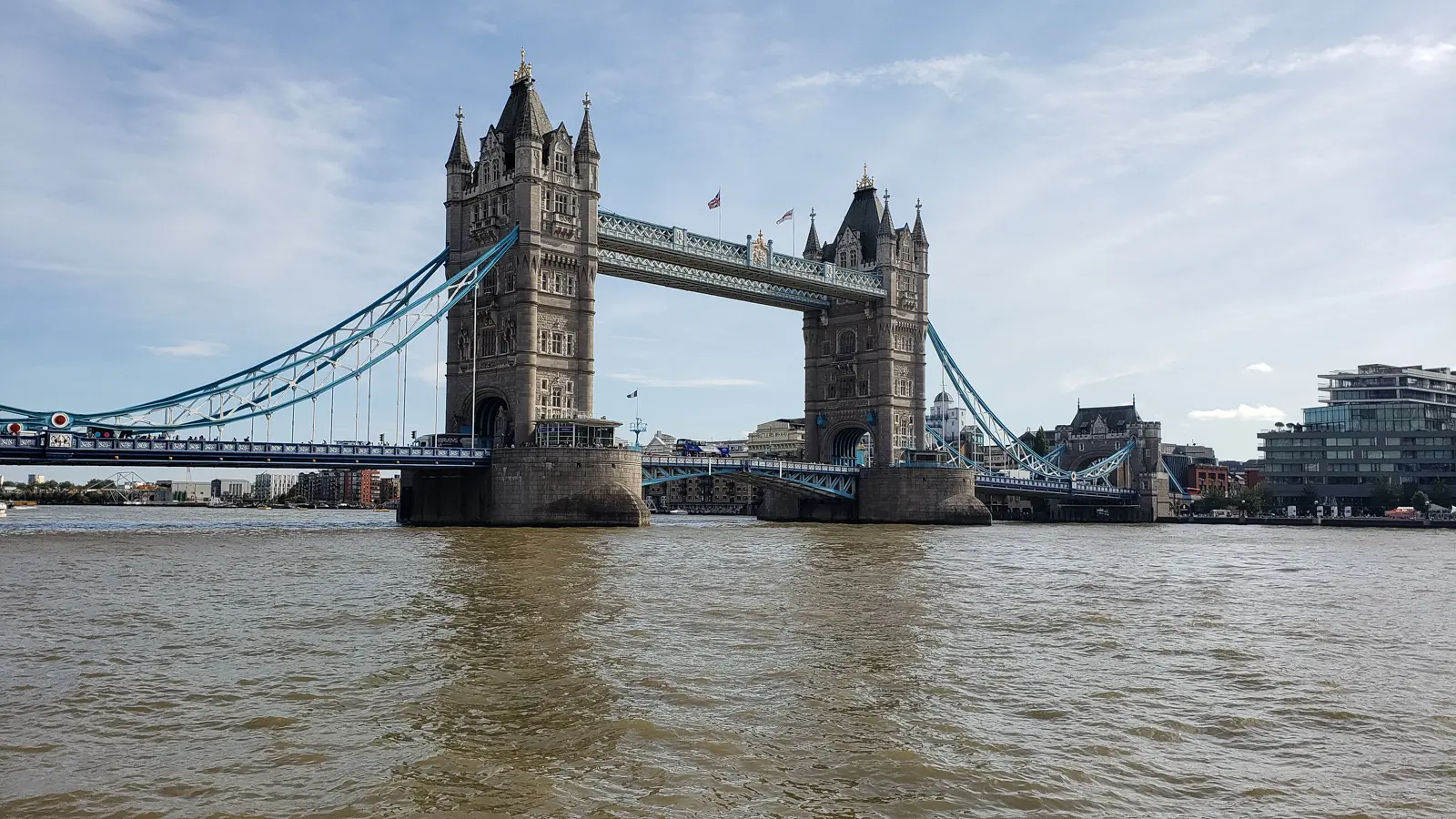
Victorian London was also a city of engineers, and two of its landmarks still carry the traffic they were built for. Tower Bridge went up between 1886 and 1894, a steel skeleton clad in stone to match the Tower of London beside it. Its architect was Horace Jones and its engineer John Wolfe Barry, son of Charles Barry of the Houses of Parliament, so one family helped shape both ends of the Victorian skyline. The Prince of Wales opened it in 1894 on behalf of his mother.
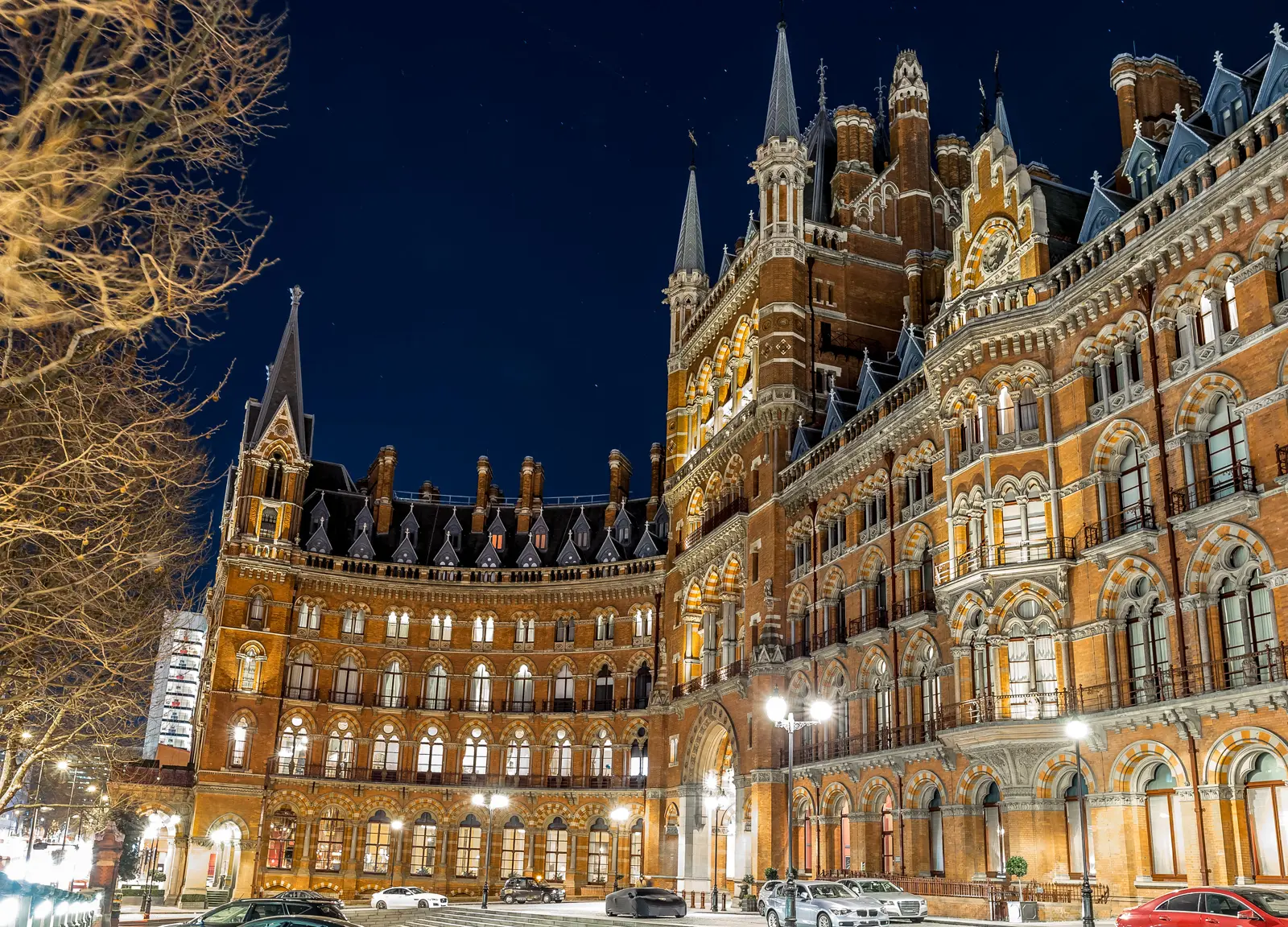
Then there is St Pancras, which I know better than most of these, because I once caught the Eurostar from it to Paris. The train shed behind the frontage was engineered by William Henry Barlow in 1868 and was, at the time, the largest single-span roof in the world. The Gothic hotel across the front, the old Midland Grand, was designed by George Gilbert Scott, the same architect as the Albert Memorial, and opened in 1873. It closed in 1935, was nearly demolished in the 1960s, and was saved in large part by the poet John Betjeman. Restored, it reopened as a hotel in 2011, and the station has been the London home of Eurostar since 2007, still sending trains under Barlow’s roof to the Continent.
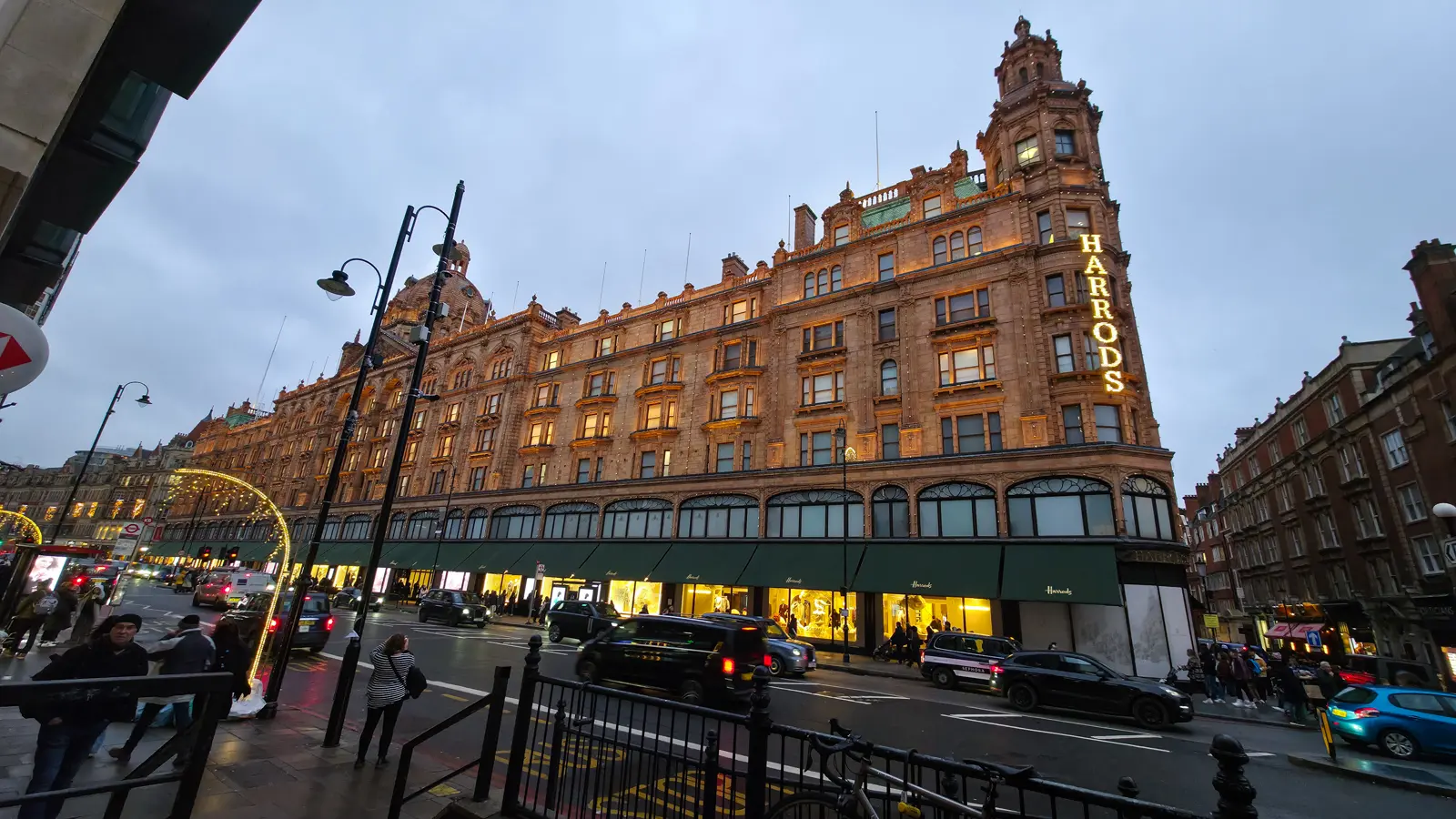
The reign changed how Londoners shopped, too. Harrods began in 1849 as a single-room grocer in Knightsbridge, run by Charles Henry Harrod and then his son, and it grew across the second half of the century into a full department store. One honest note again: the terracotta building on Brompton Road, with its dome and its lit-up name, is not Victorian but Edwardian, designed by C. W. Stephens and opened in 1905. The shop is the Victorian story; the walls are the sequel. I walked past on a December evening with the Christmas lights up, which is the right time to see it.
Bubbly Tips
- Start at Kensington Palace for the Victoria story. The statue on the Broad Walk, the palace where she was born, and the Albert Memorial a short walk south sit close together, so you can cover the personal chapter in one loop.
- South Kensington is a half-day on its own. The V&A, the Natural History Museum and the Science Museum are all free and within a few minutes of each other. Spread them over two visits if you can, because museum fatigue is real.
- See the Albert Memorial and the Royal Albert Hall together. They face each other across Kensington Gore, and the seated-Albert-versus-standing-Albert pairing is easy to miss if you only look at one.
- For Big Ben, cross the river. The fullest view of the Palace of Westminster is from the South Bank or Westminster Bridge, not from directly underneath.
- Time Harrods for the evening in December. The terracotta front is lit after dark, and the Knightsbridge Christmas lights make the walk up from the station worth it.
- Use St Pancras as more than a station. Even without a train to catch, the restored hotel frontage and the Barlow train shed are worth ten minutes, and the Eurostar departures hall sits right underneath.
- Wear proper shoes for the museum mile. The stretch from the Albert Memorial down Exhibition Road to the museums is longer on foot than it looks on a map.
- Check the day before you rely on a free museum. The South Kensington museums are free but have quieter and busier days; midweek mornings are calmest.
Final Thoughts
What holds this walk together is not a style but a person. The Gothic of Parliament, the terracotta of South Kensington, the iron of Tower Bridge and St Pancras look nothing alike, but they all went up in the sixty-three years between that morning at Kensington Palace and the end of the reign. Some carry Victoria’s name, some Albert’s, and several were paid for by a single summer in Hyde Park in 1851.
The good part is how much of it still works. The trains still run under Barlow’s roof, the bridge still lifts, the museums still open their doors for free, and the young queen in marble still sits outside the palace where the whole story began. Start there, and the rest of Victorian London is a walk away.
Until next time!

🌟 Everything You Need to Plan Your Dream Trip in 2026
- 🌟 Luxury Hotels - Find premium stays with Booking.com & Hotels.com
- 🏡 Vacation Rentals - Discover unique properties on VRBO
- 🏞️ Guided Tours - Explore with Viator or GetYourGuide
- 🎫 Attraction Tickets - Skip the lines with Tiqets
- 🚢 Ocean Cruises - Set sail with Cruise Direct
- 📱 International SIMs - Stay connected with Saily
- 🚗 Car Rentals - Budget-friendly options from Discover Cars
- 🌐 Secure VPNs - Browse safely with NordVPN
- 💶 Currency Exchange - Best rates with Wise
- 🗣️ Learn Languages - Master the local language with Babbel and Rosetta Stone