
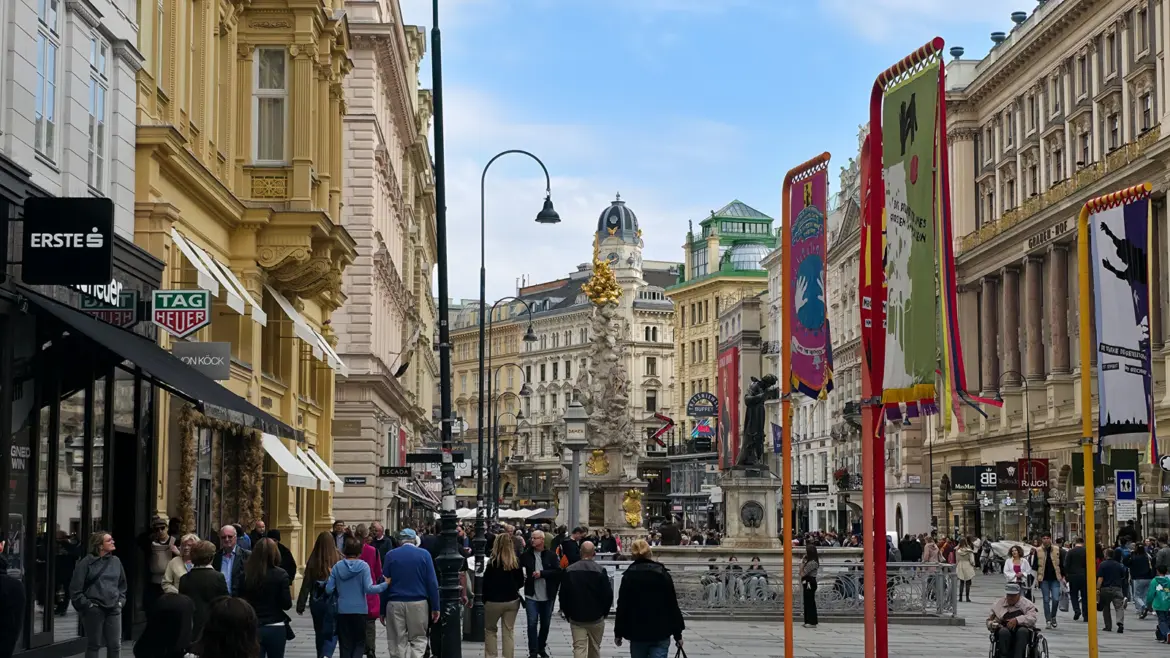
Vienna is a city that reveals itself in layers. At first glance, it is defined by imperial architecture and grand boulevards, but the longer you stay, the more nuanced it becomes – through its cafés, its music, its quieter corners, and the rhythm of daily life that unfolds between landmarks. With three days, it is possible to experience both its iconic highlights and the more subtle moments that make the city feel truly memorable.
This itinerary is designed to balance structure with flexibility, allowing you to explore Vienna in a way that feels immersive rather than rushed. Each day builds on the last, moving from imperial grandeur to historic depth and finally into art, music, and hidden gems. Rather than attempting to see everything, the focus is on experiencing each place with intention, taking the time to notice details, appreciate transitions, and allow the city to unfold naturally.
Vienna in 3 days at a glance
🏛️ Day 1 · Schönbrunn Palace and gardens, lunch at Odysseus, Palm House or Zoo in the afternoon.
⛪ Day 2 · St. Stephen’s Cathedral, Hofburg Palace and Sisi Museum, coffee at Landtmann, Graben in the late afternoon.
🖼️ Day 3 · Belvedere and Klimt, Stadtpark and the Strauss statue, Secession Building, Roman ruins, sausage by the Opera.
🚇 Getting around · Vienna’s U-Bahn, trams, and buses run on one ticket. A 72-hour Wiener Linien pass costs 17,10 EUR and covers everything in the city.
☕ Pace tip · Book Schönbrunn and Belvedere for the first slot of the day and leave afternoons loose for cafés, gardens, and wandering.
Day 1: Imperial Vienna and the Elegance of Schönbrunn
Begin your first day at Schönbrunn Palace, one of Vienna’s most iconic and historically significant landmarks. Arriving early not only helps you avoid the crowds, but also allows you to experience the palace in a quieter, more reflective way. As you move through the rooms, the level of detail becomes striking – from gilded moldings to intricately patterned walls and carefully preserved furnishings that reflect the refined lifestyle of the Habsburg monarchy. Each space feels intentional, offering insight into both the grandeur and the structure of imperial life.
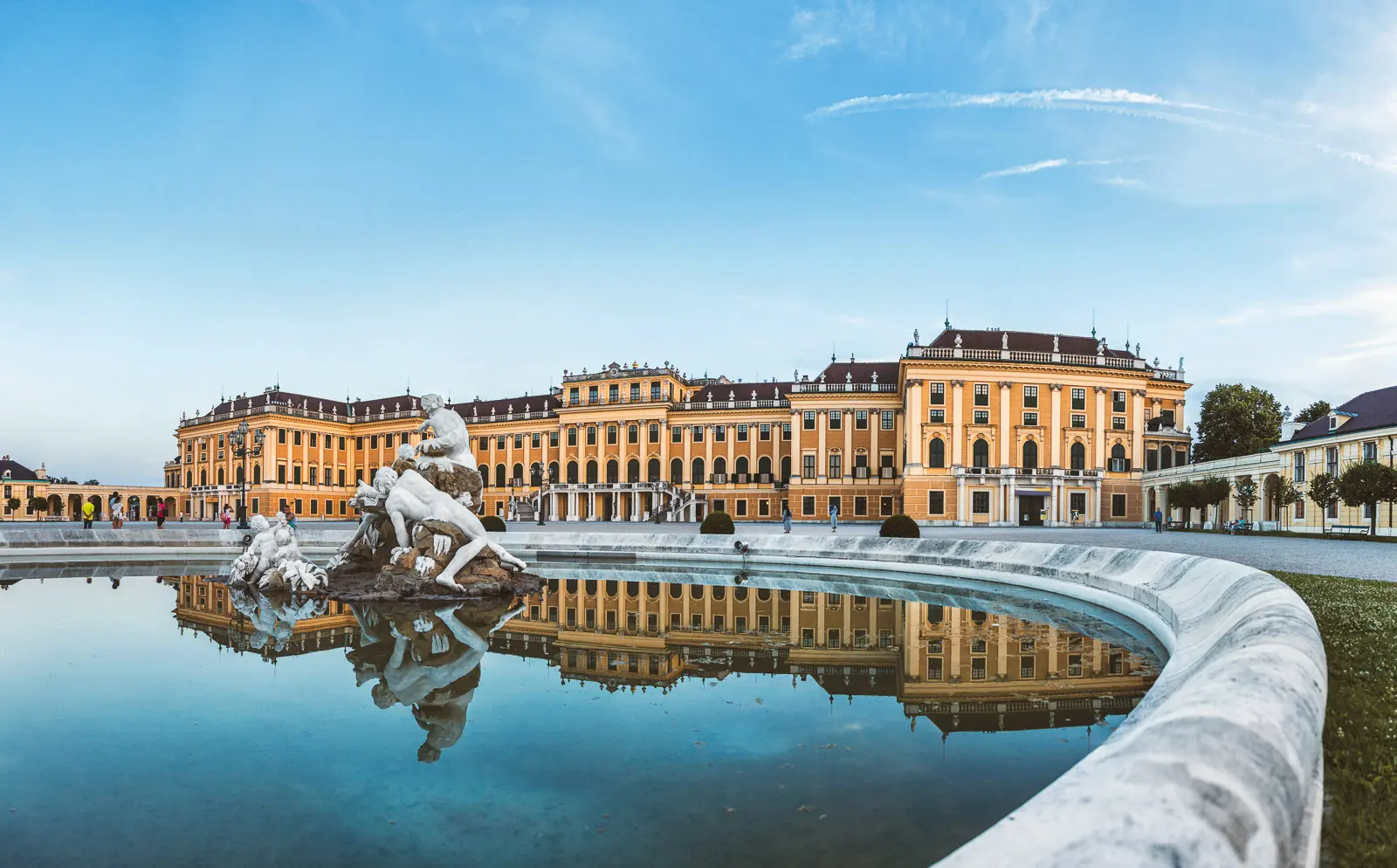
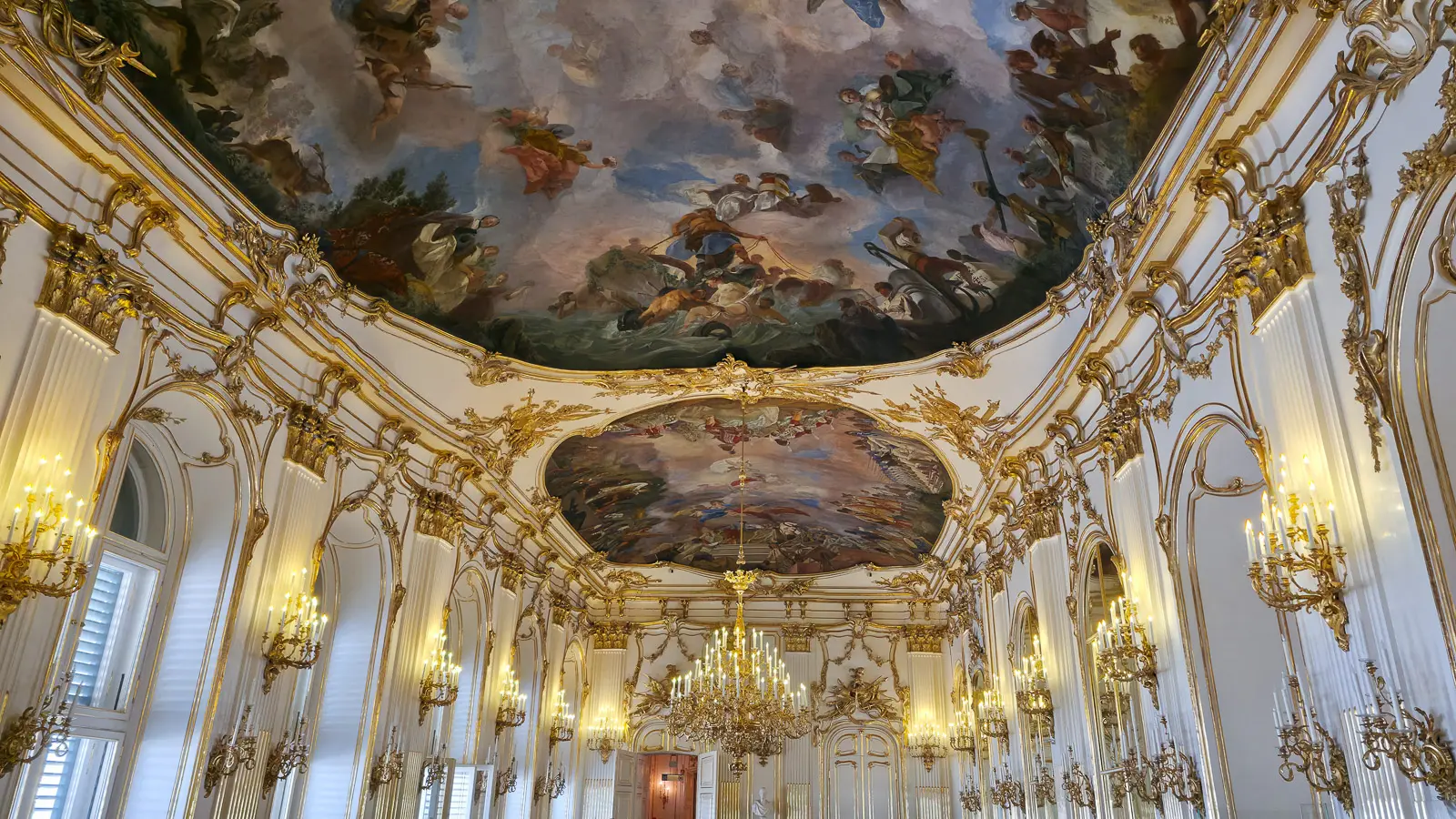
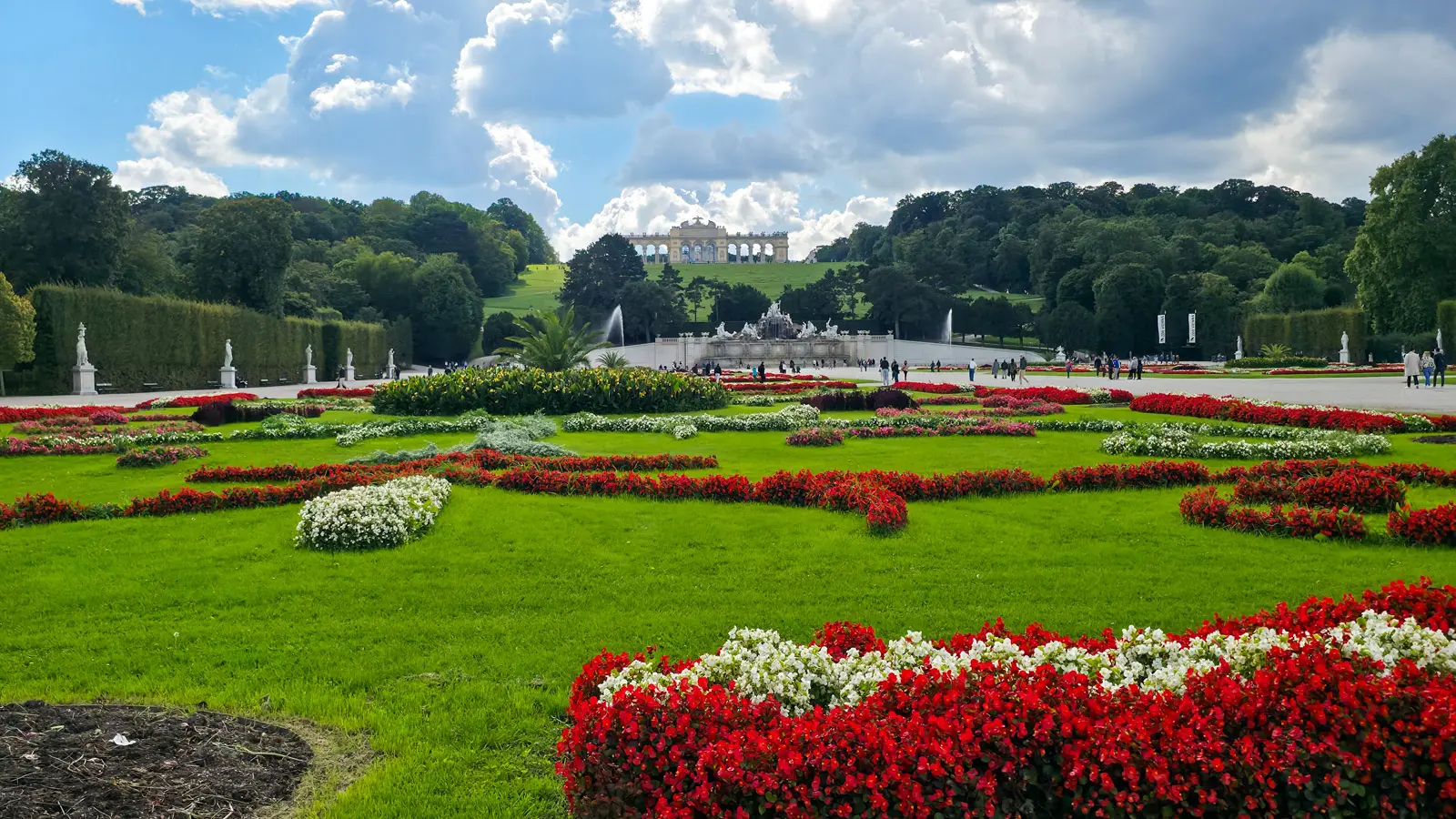
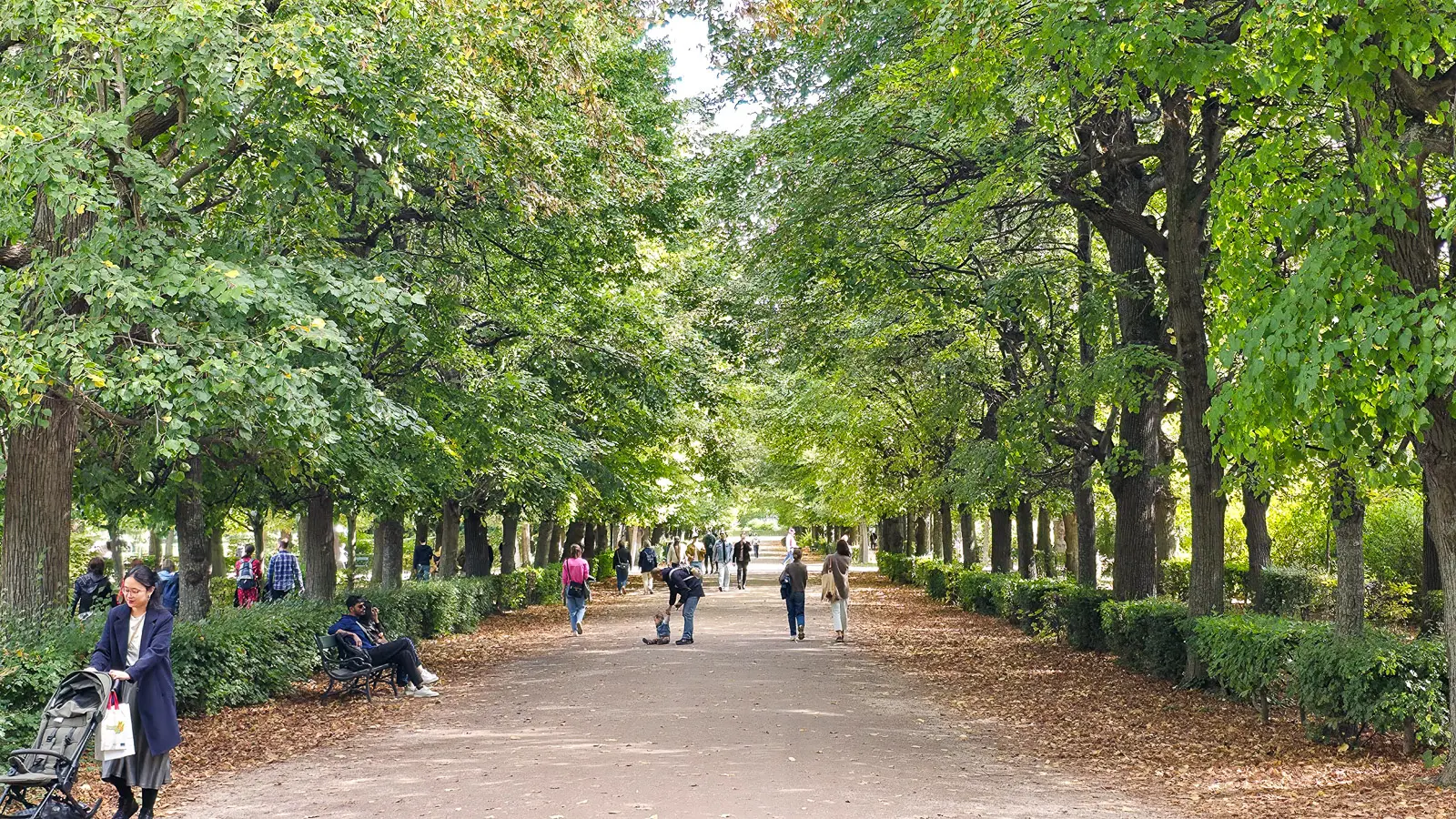
Stepping outside, the gardens extend the experience in a way that feels both expansive and restorative. The symmetry of the pathways, the carefully maintained greenery, and the presence of fountains and sculptures create a landscape that feels as curated as the palace itself. Walking toward the Gloriette, the gradual elevation offers shifting perspectives over Vienna, culminating in a panoramic view that feels both grounding and expansive. It is here that the scale of Schönbrunn becomes fully apparent, not just as a residence, but as a self-contained world.
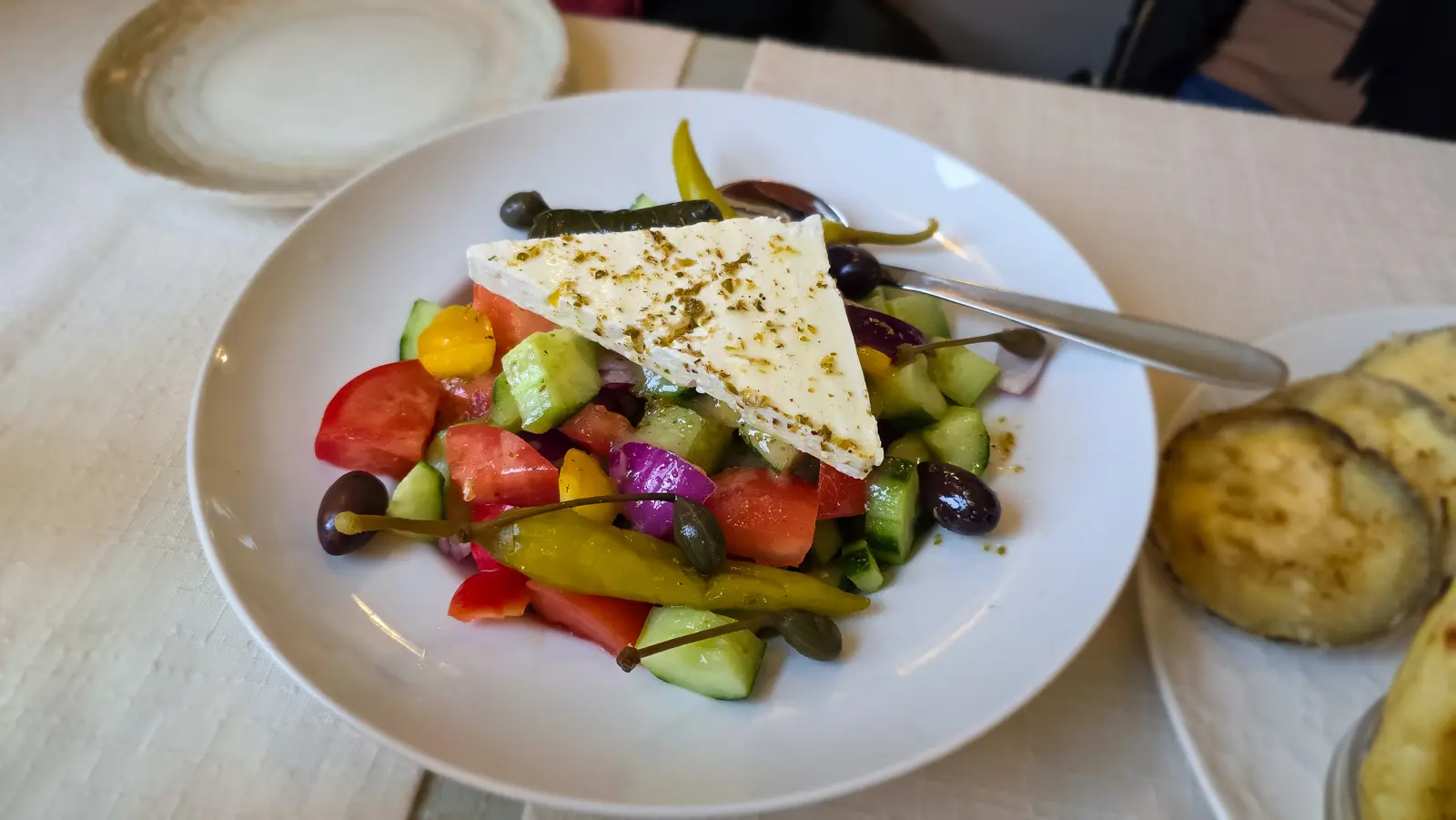
After a morning immersed in imperial history, transition into a more relaxed and sensory experience with a meal at Odysseus. Located just a short distance from Schönbrunn, the restaurant offers a welcome contrast. The atmosphere is warm and inviting, the pace slows, and the focus shifts toward sharing and enjoying the moment. Dishes like mezedes, grilled octopus, and fresh salads create a layered dining experience, where each plate builds on the last. Lingering over Greek coffee and dessert allows the experience to settle, creating a moment of balance within the day.
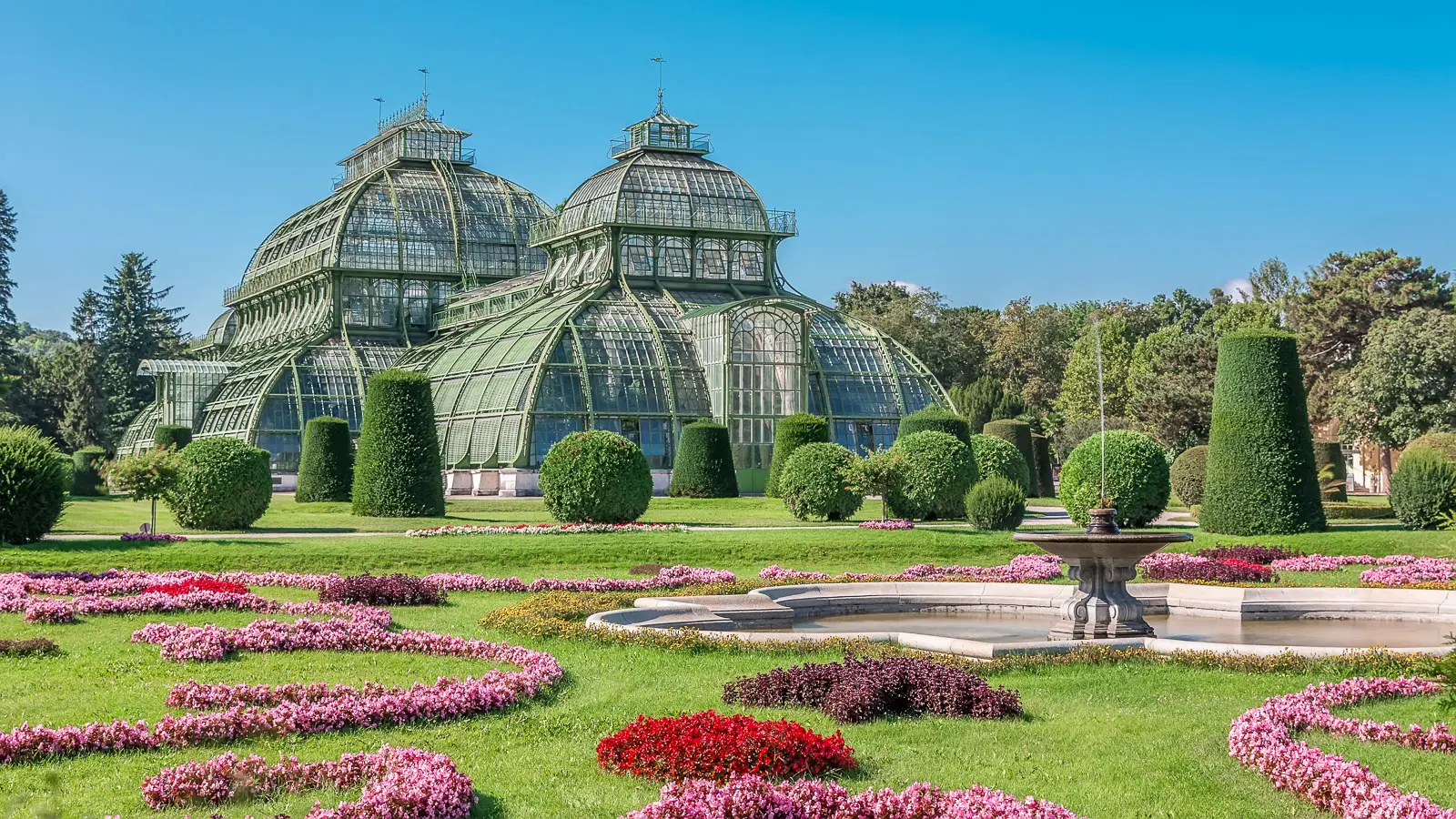
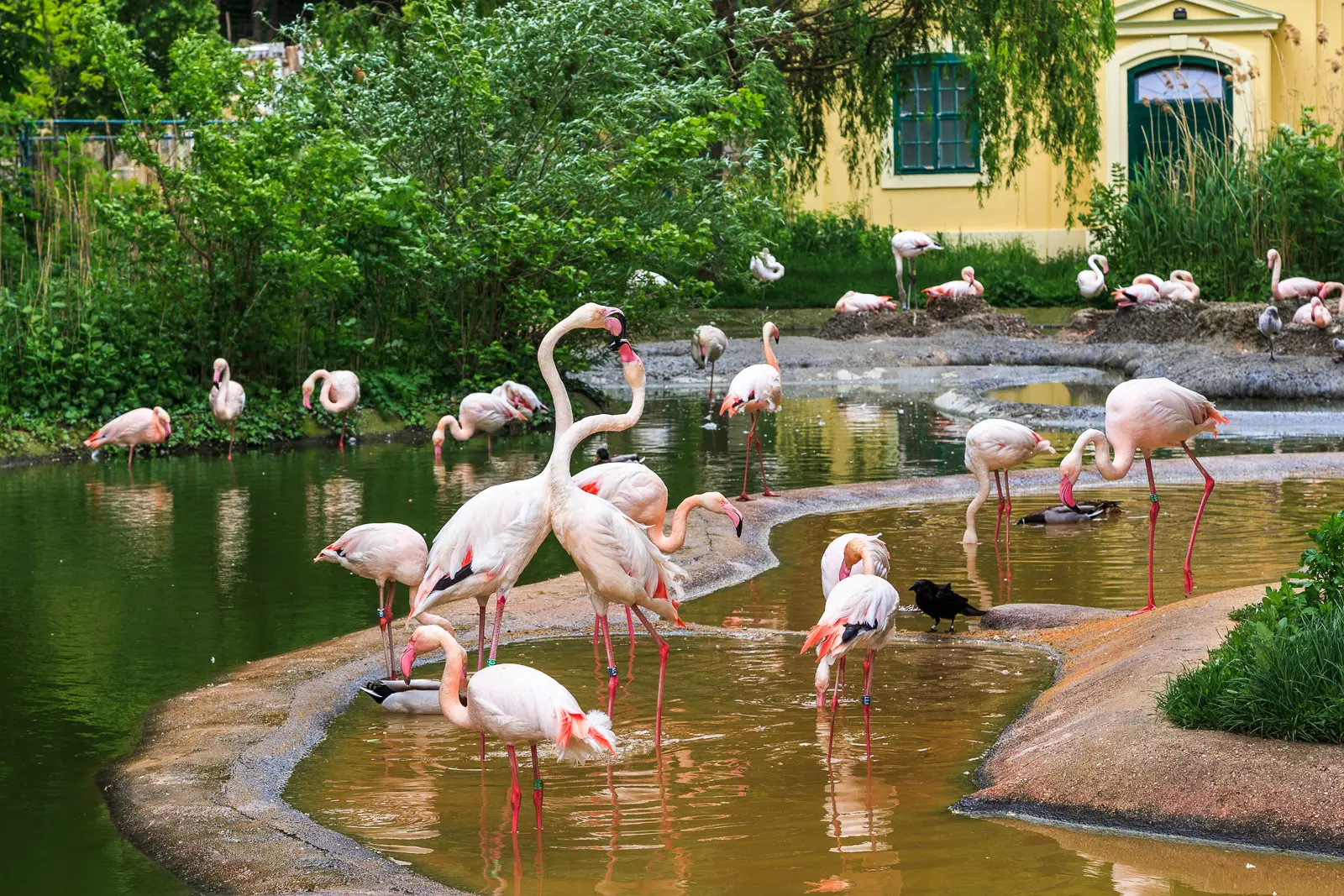
In the afternoon, allow for flexibility. You may choose to return to the city centre, explore additional areas of the Schönbrunn grounds such as the Palm House or Zoo, or simply take time to walk and observe. Vienna reveals itself gradually, and leaving space in your itinerary allows for those quieter, more personal discoveries that often become the most memorable.
Day 2: Historic Core, Imperial Legacy, and Coffee Culture
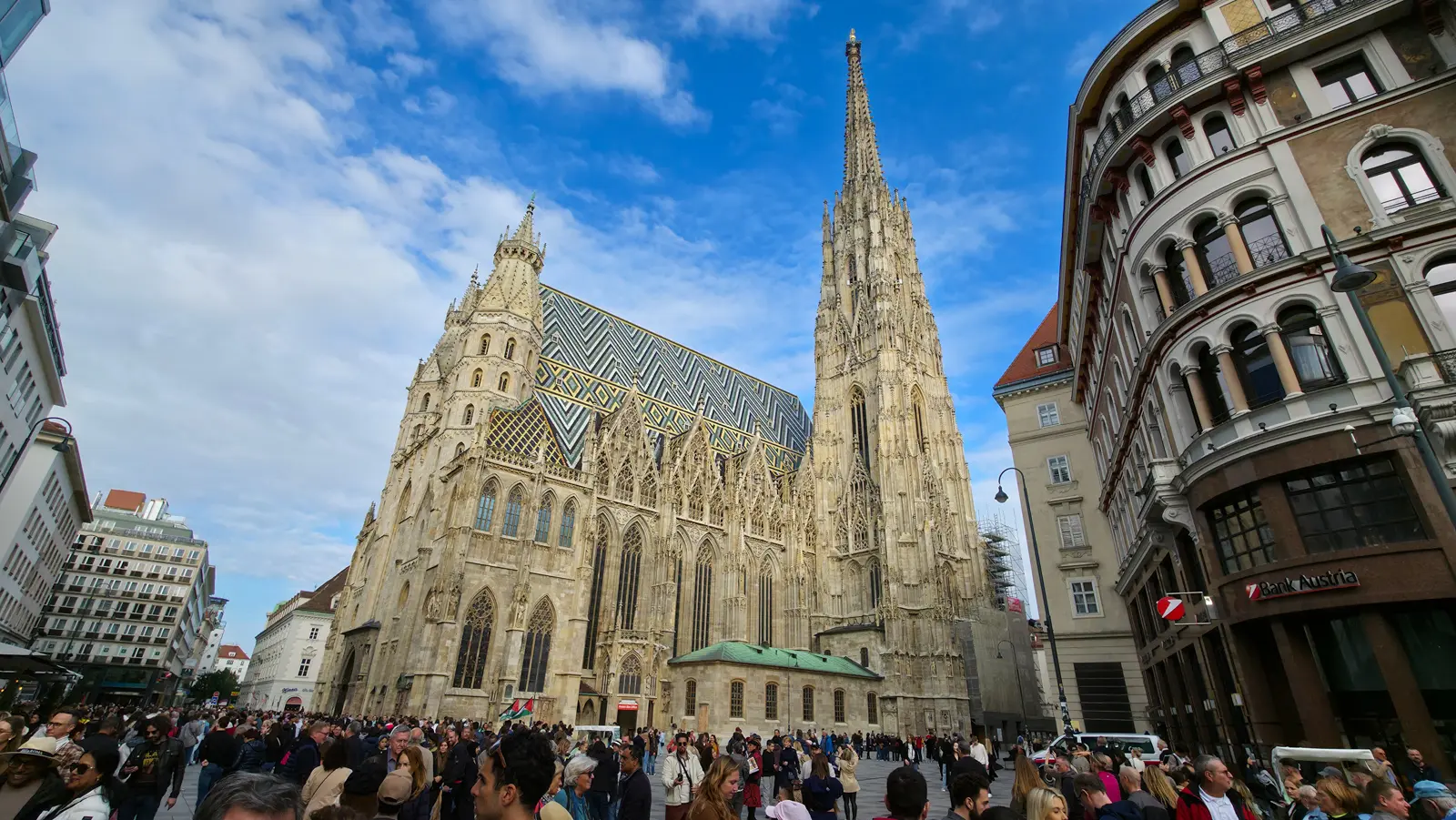
Day two brings you into the heart of Vienna’s historic centre, where layers of history unfold within a relatively compact area. Begin at St. Stephen’s Cathedral, a landmark that immediately captures attention with its intricate Gothic façade and distinctive tiled roof. Standing in Stephansplatz, the contrast between the cathedral and the surrounding modern elements highlights Vienna’s ability to integrate different eras seamlessly. Inside, the atmosphere shifts to something more contemplative, where light filters through stained glass and the scale of the space invites quiet reflection.
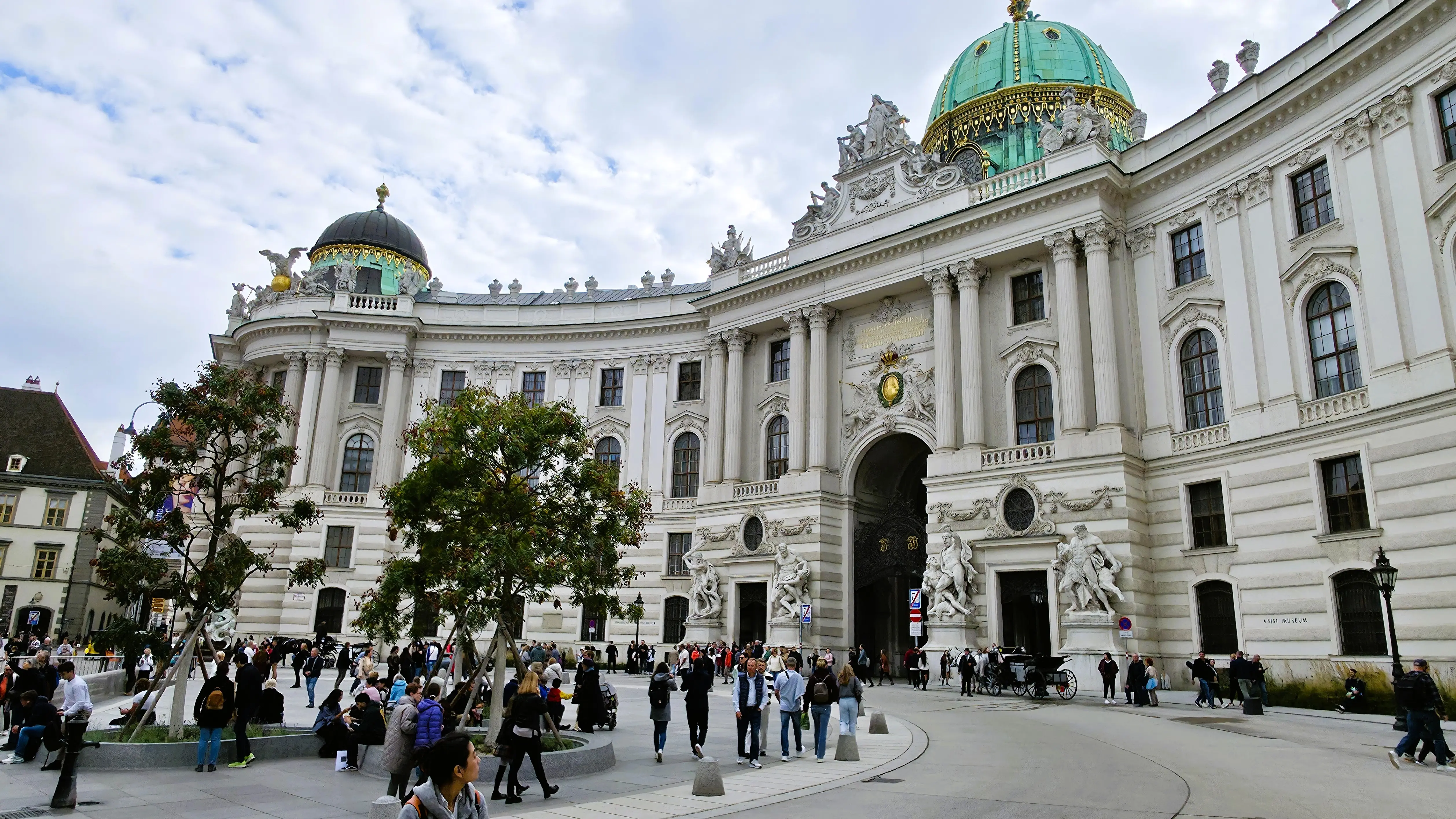
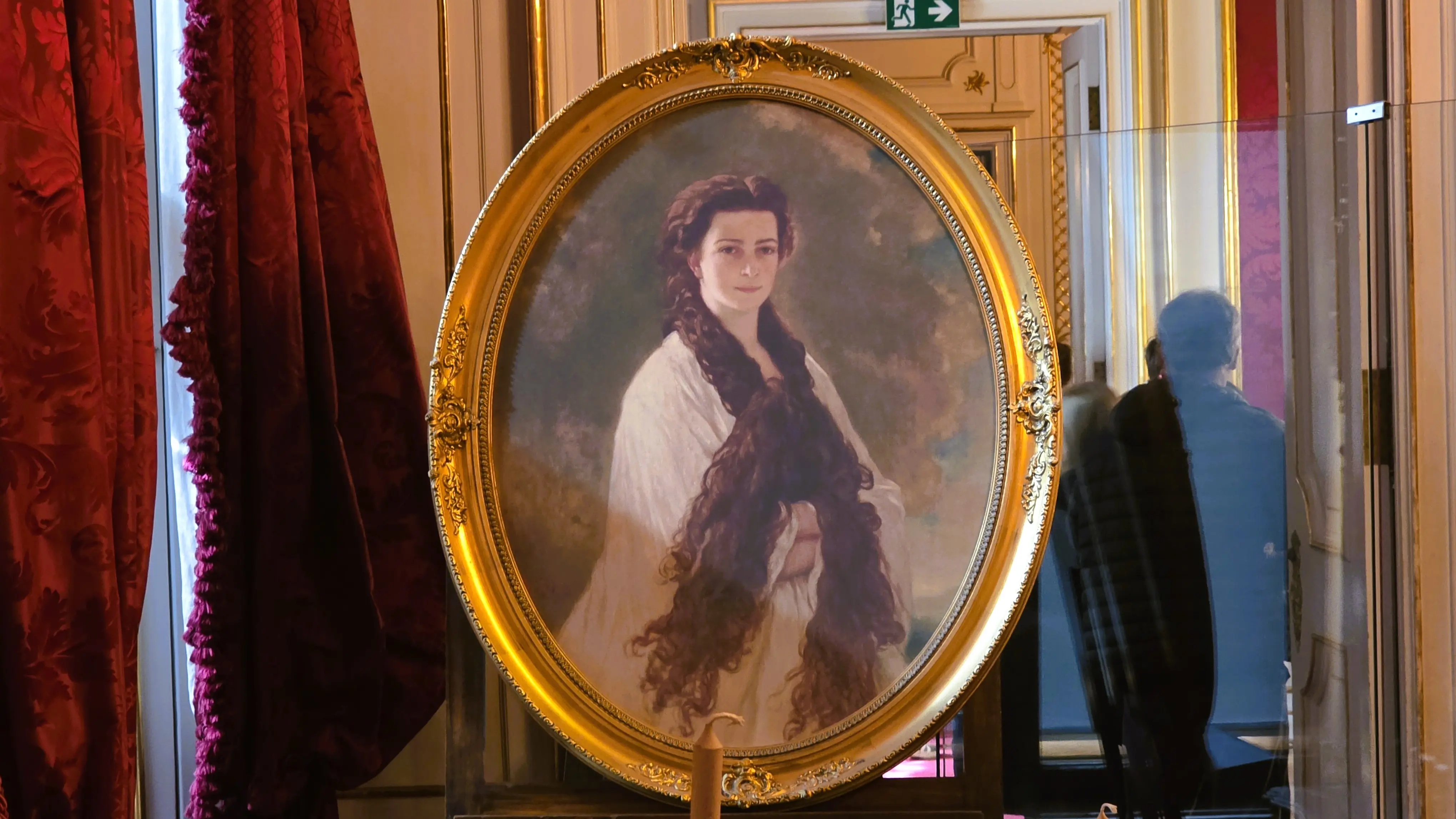
From there, continue toward the Hofburg Palace, a vast complex that once served as the centre of imperial power. Walking through its courtyards and passageways, the sense of history feels tangible, with each section revealing a different aspect of the empire’s legacy. The Sisi Museum within the complex offers a more personal and nuanced perspective, exploring the life of Empress Elisabeth beyond the myths and romanticized narratives. This adds an emotional layer to the day, balancing the grandeur of the setting with a more intimate understanding of its inhabitants.
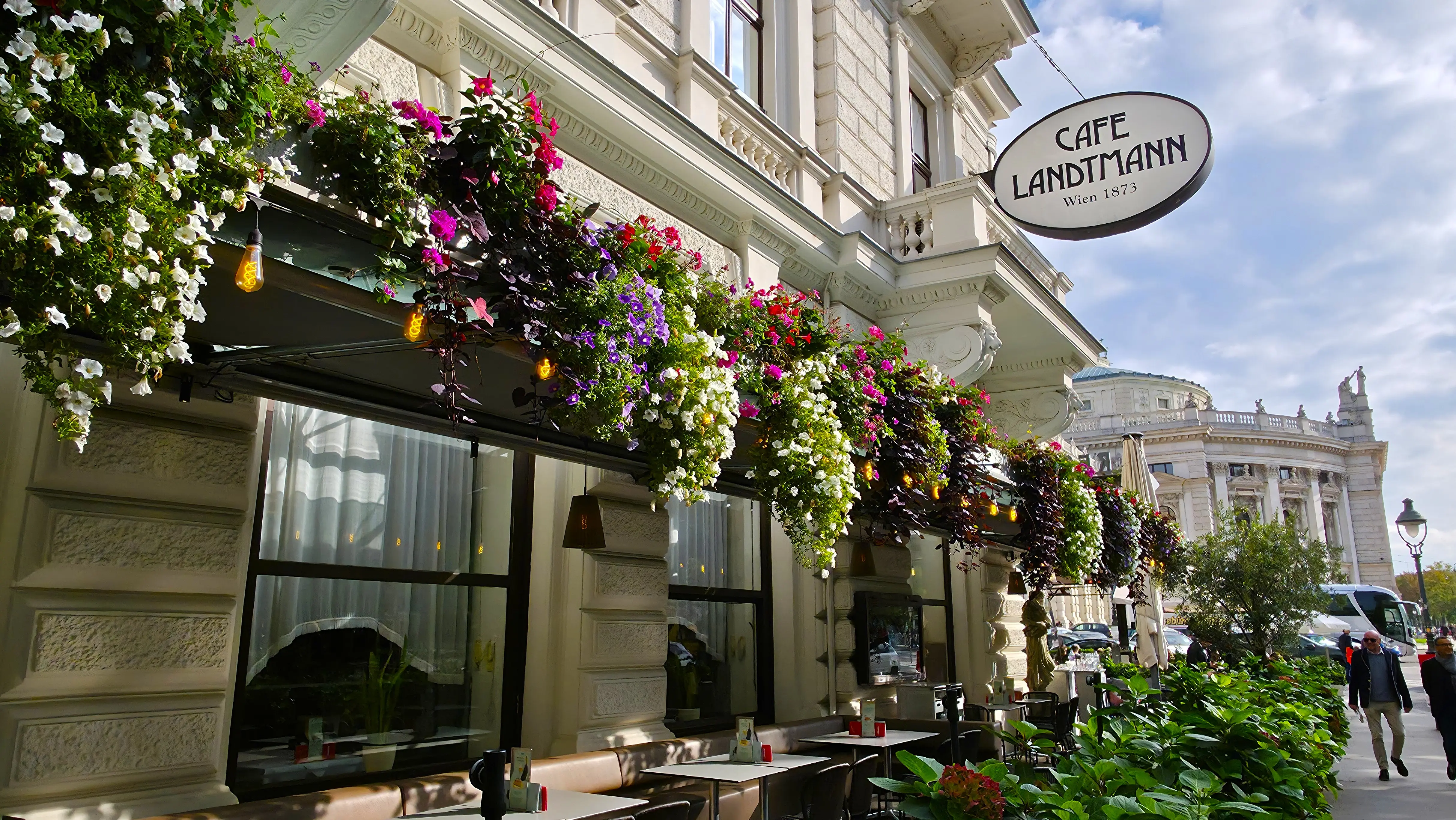
Midday is the perfect moment to pause and immerse yourself in Vienna’s renowned coffee culture. Visiting historic cafés such as Café Central, Café Landtmann, or Café Sperl offers an experience that goes far beyond food. These cafés are spaces where time seems to slow, where the act of sitting, observing, and conversing becomes part of the city’s rhythm. The interiors, often rich with history and character, create an atmosphere that encourages you to linger, making this pause an essential part of the itinerary rather than a simple break.
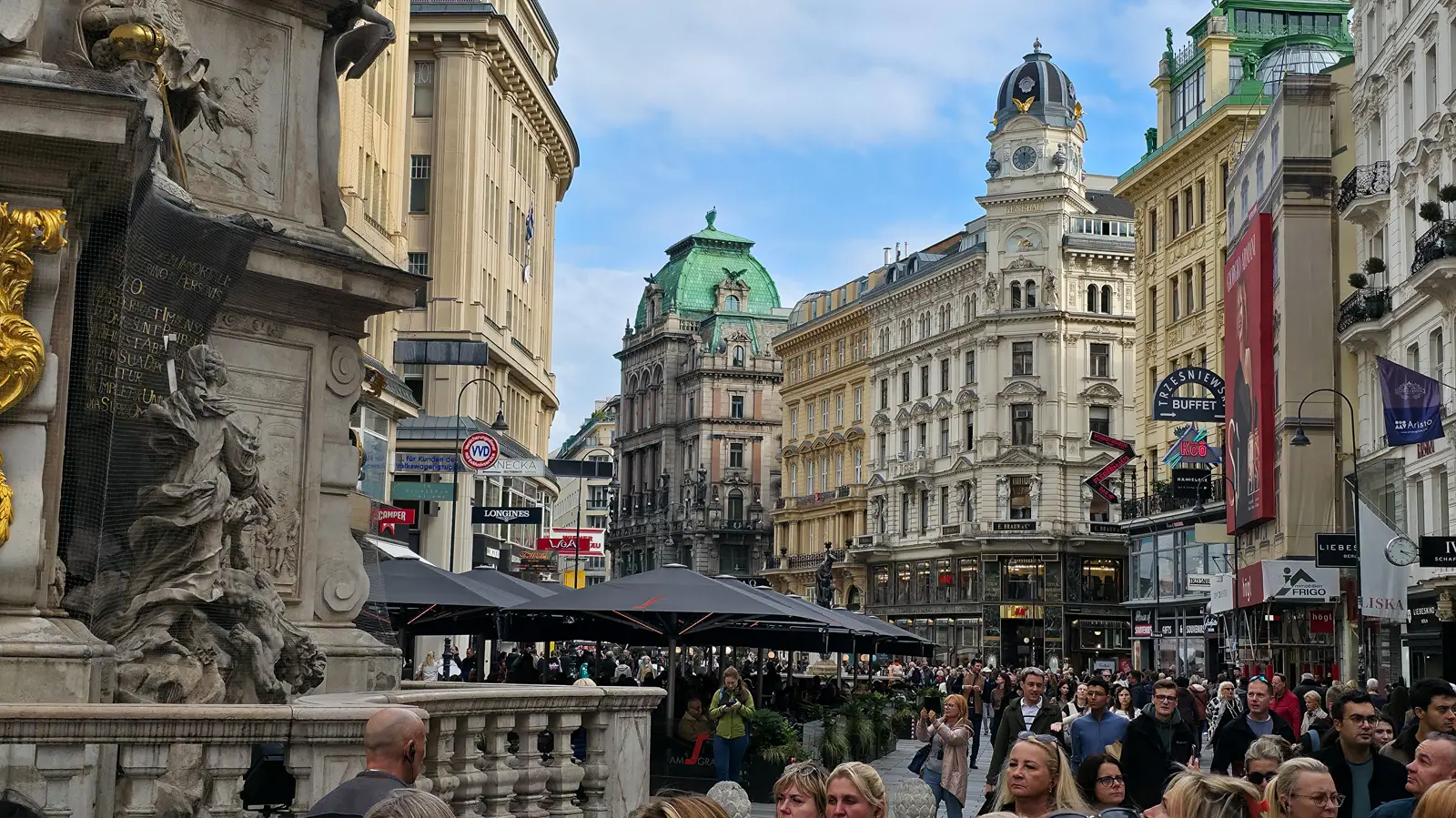
In the afternoon, continue exploring the surrounding streets, like Graben, allowing your route to remain flexible. Vienna’s charm often lies in its details- the architecture, the storefronts, the unexpected courtyards that appear between major landmarks. Moving without a strict plan allows these elements to emerge naturally, creating a more personal and engaging experience.
Day 3: Art, Music, and Hidden Gems
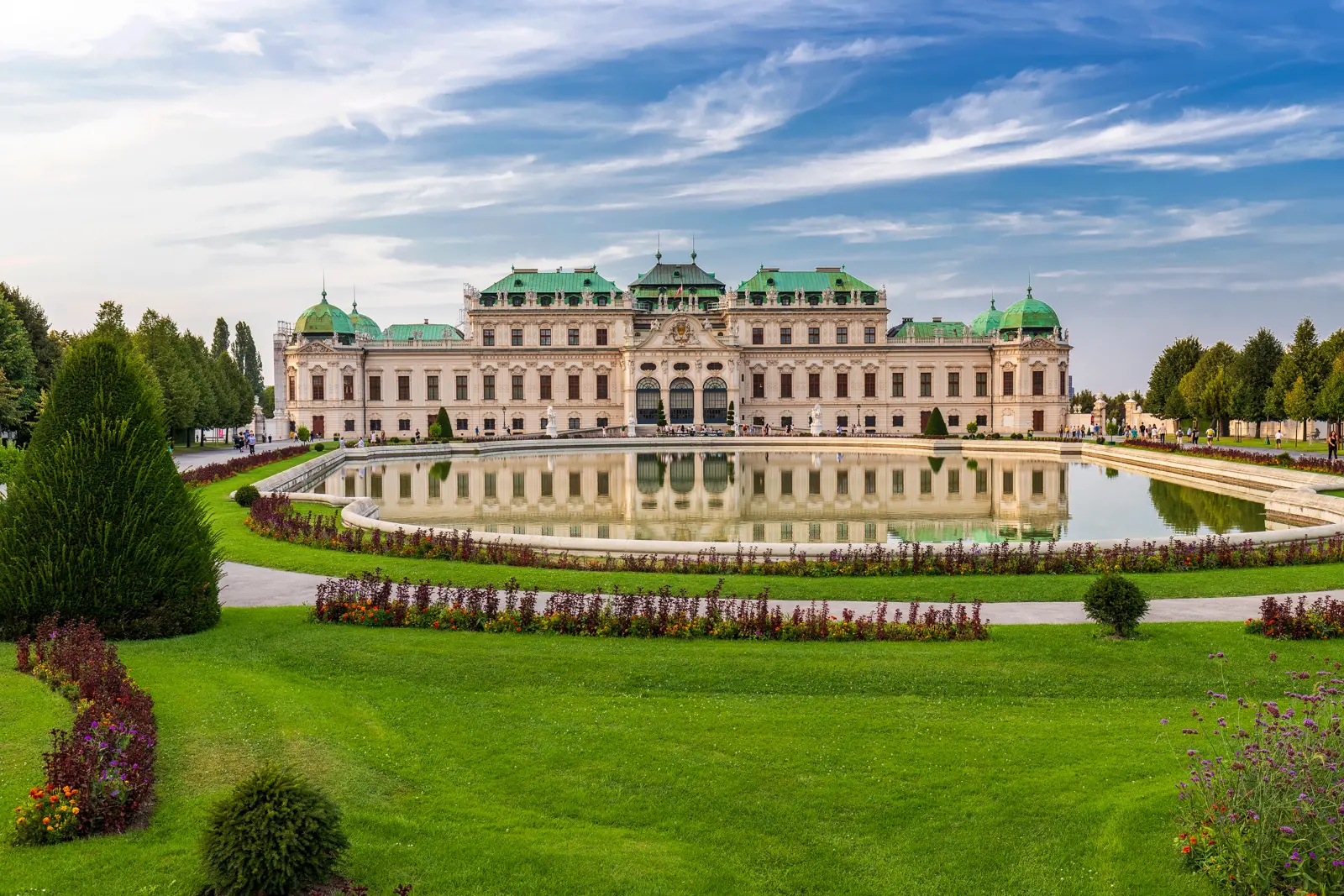
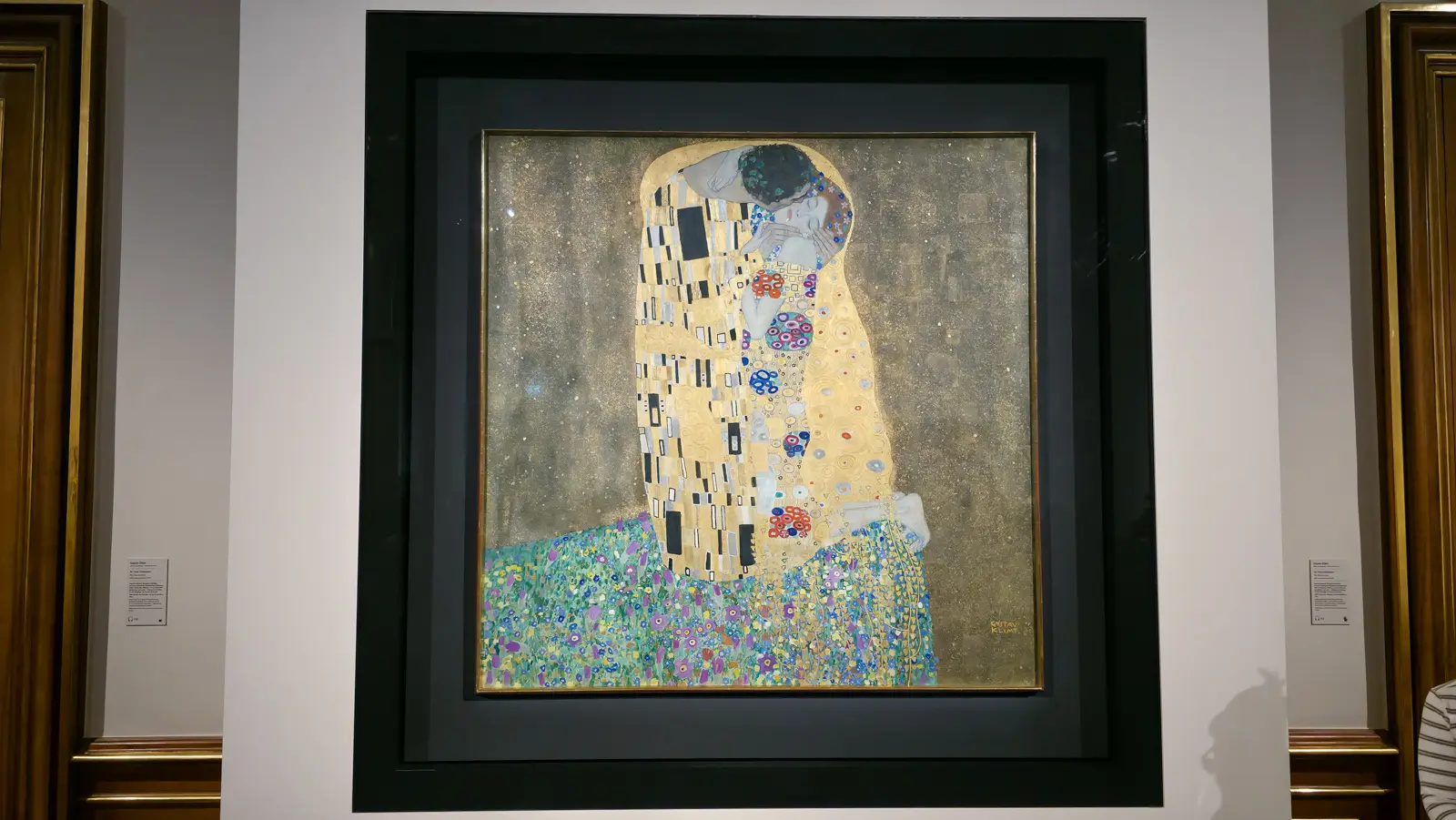
Your final day shifts toward Vienna’s artistic and cultural identity, beginning at Belvedere Palace. The experience here is layered, combining the elegance of Baroque architecture with carefully designed gardens and an impressive art collection. Inside, works by artists such as Gustav Klimt provide a deeper connection to Vienna’s artistic heritage, with pieces like The Kiss offering a moment that feels both intimate and iconic. The surrounding gardens add another dimension, creating a space that feels open, balanced, and visually harmonious.
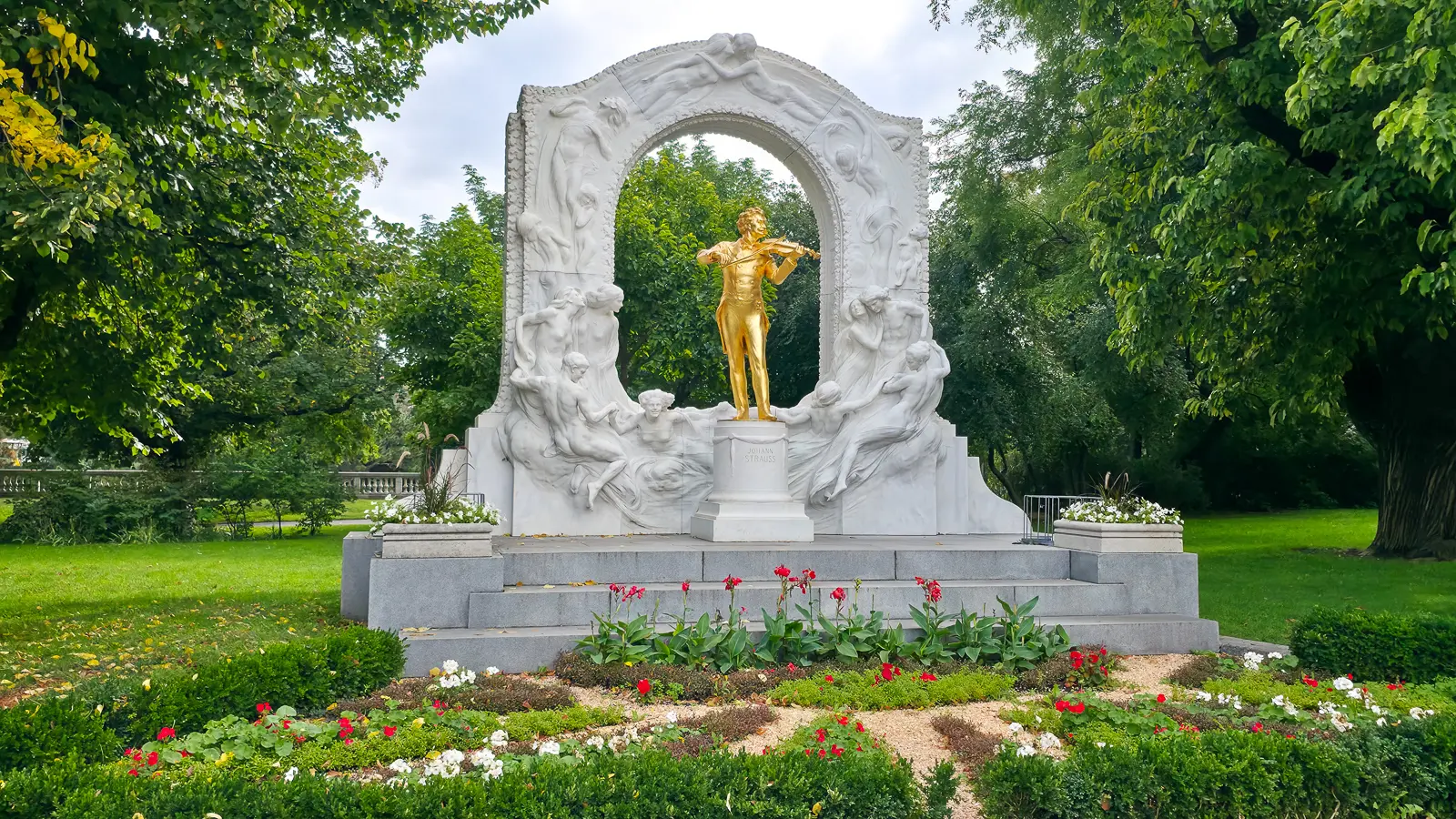
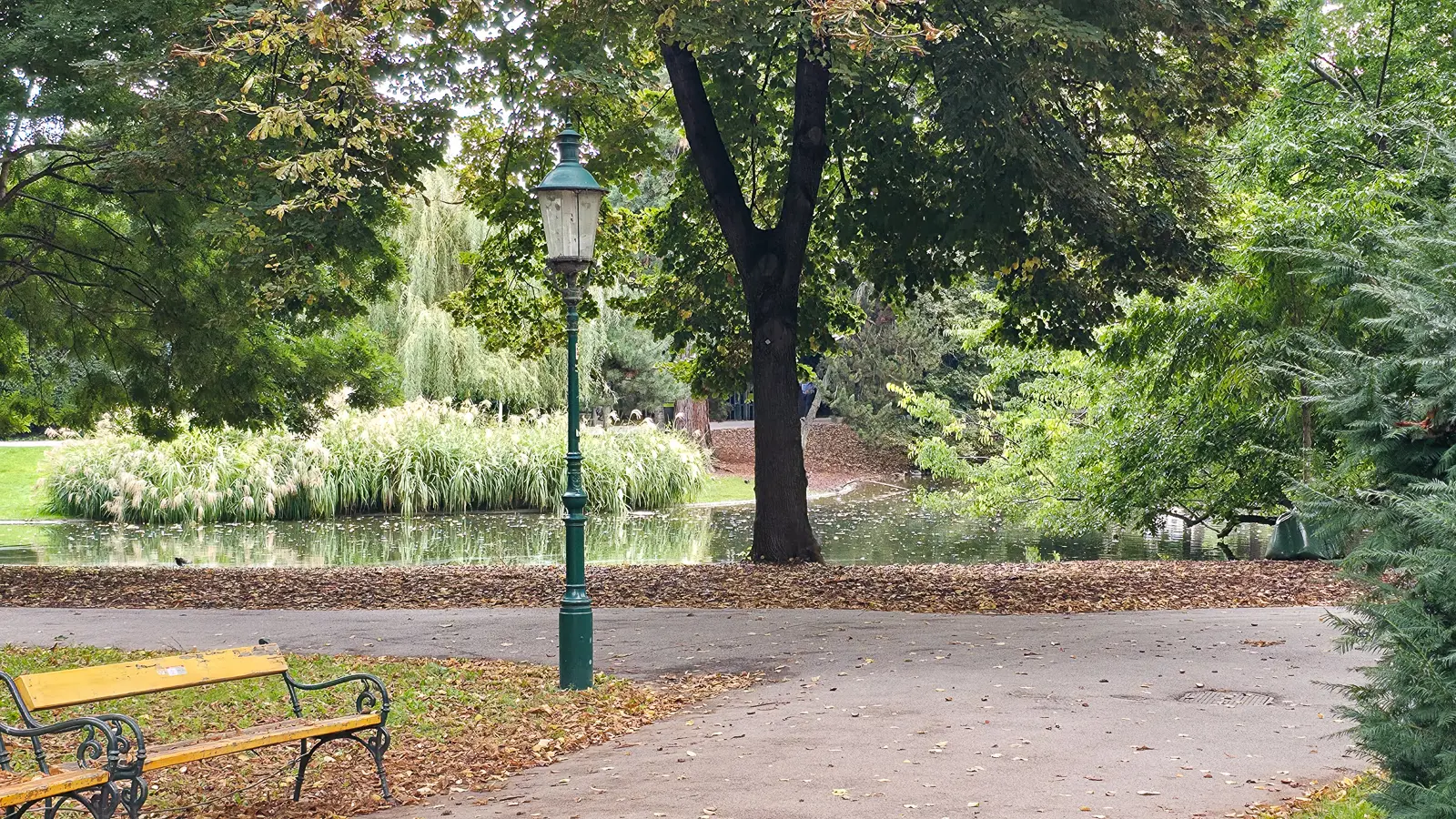
From there, continue to Stadtpark, where the golden statue of Johann Strauss II introduces a lighter and more accessible connection to Vienna’s musical legacy. The park itself feels relaxed and inviting, offering a contrast to the more formal settings of the previous days. It is a place where music feels integrated into the atmosphere, present not only in history but in the way the space is experienced.
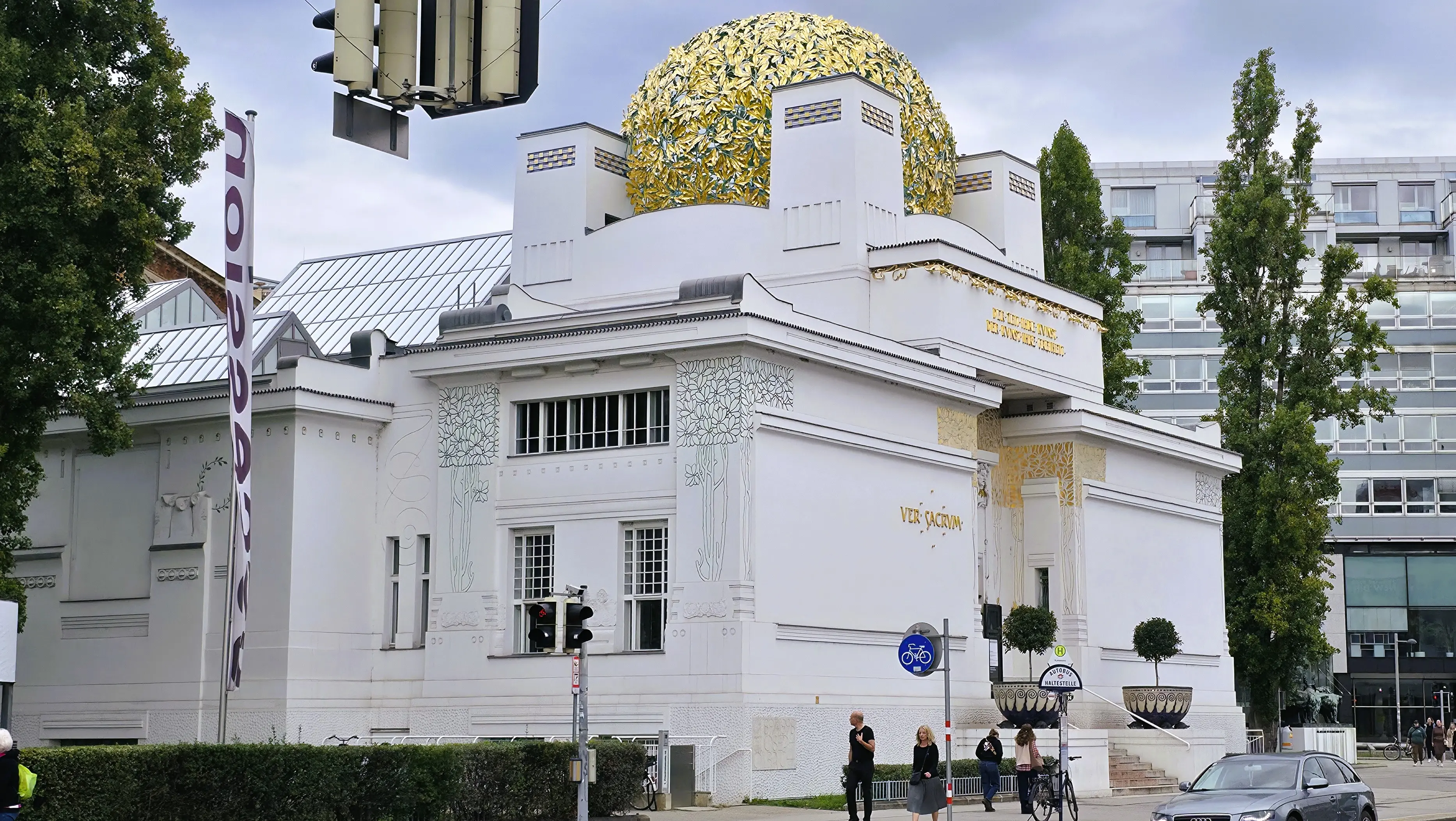
Nearby, the Vienna Secession Building offers a different perspective on the city’s artistic evolution. Its distinctive design reflects a moment when Vienna embraced new ideas and artistic experimentation, adding depth to your understanding of the city’s cultural identity. This contrast between tradition and innovation becomes a recurring theme, highlighting Vienna’s ability to evolve while maintaining its character.
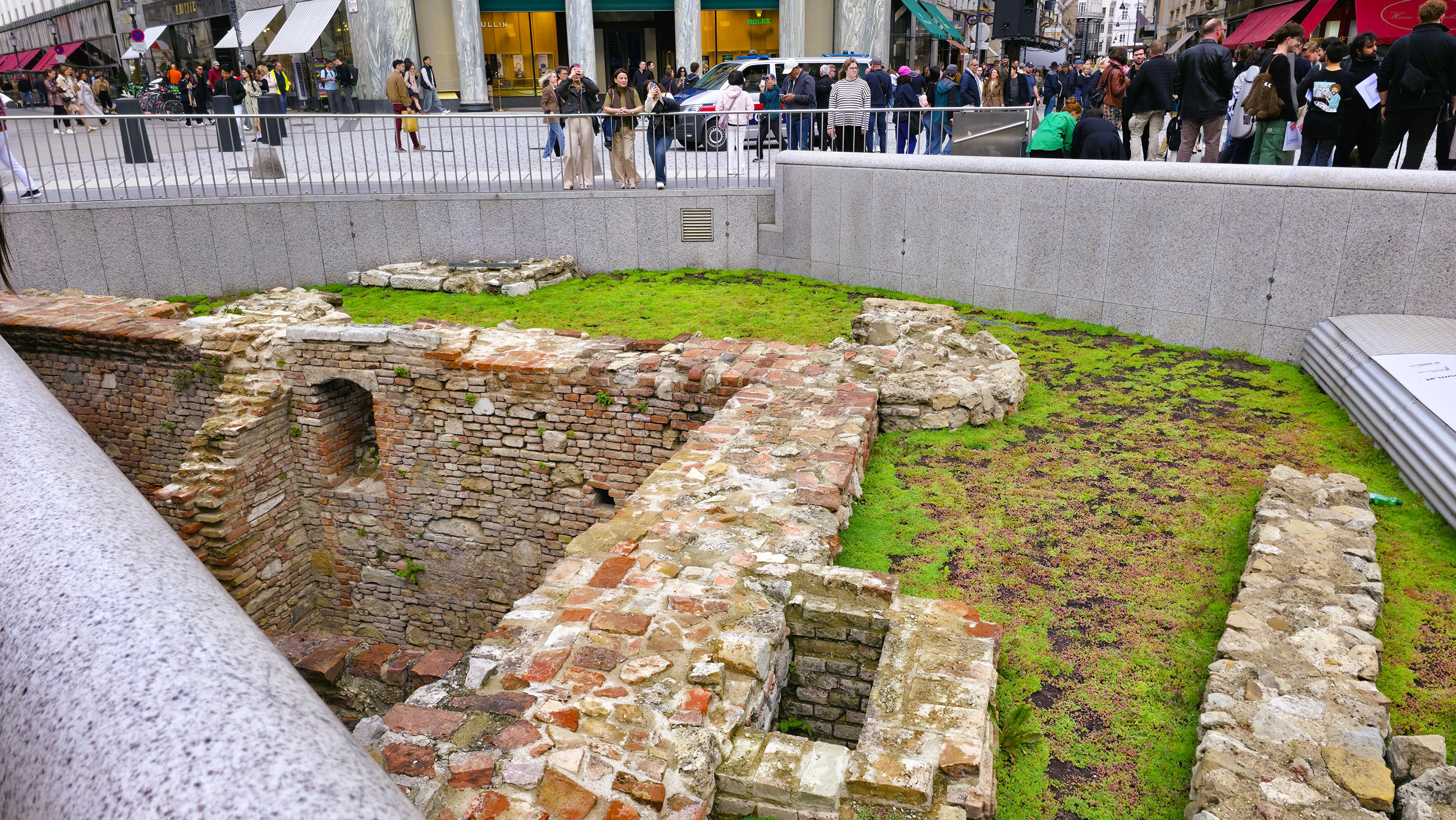
In the afternoon, explore some of Vienna’s hidden gems. Locations such as Albertinaplatz, home to the Monument Against War and Fascism, and the Roman ruins at Michaelerplatz reveal the layers of history that exist beneath the surface. These spaces feel quieter and more reflective, offering moments that encourage you to pause and consider the broader context of the city.
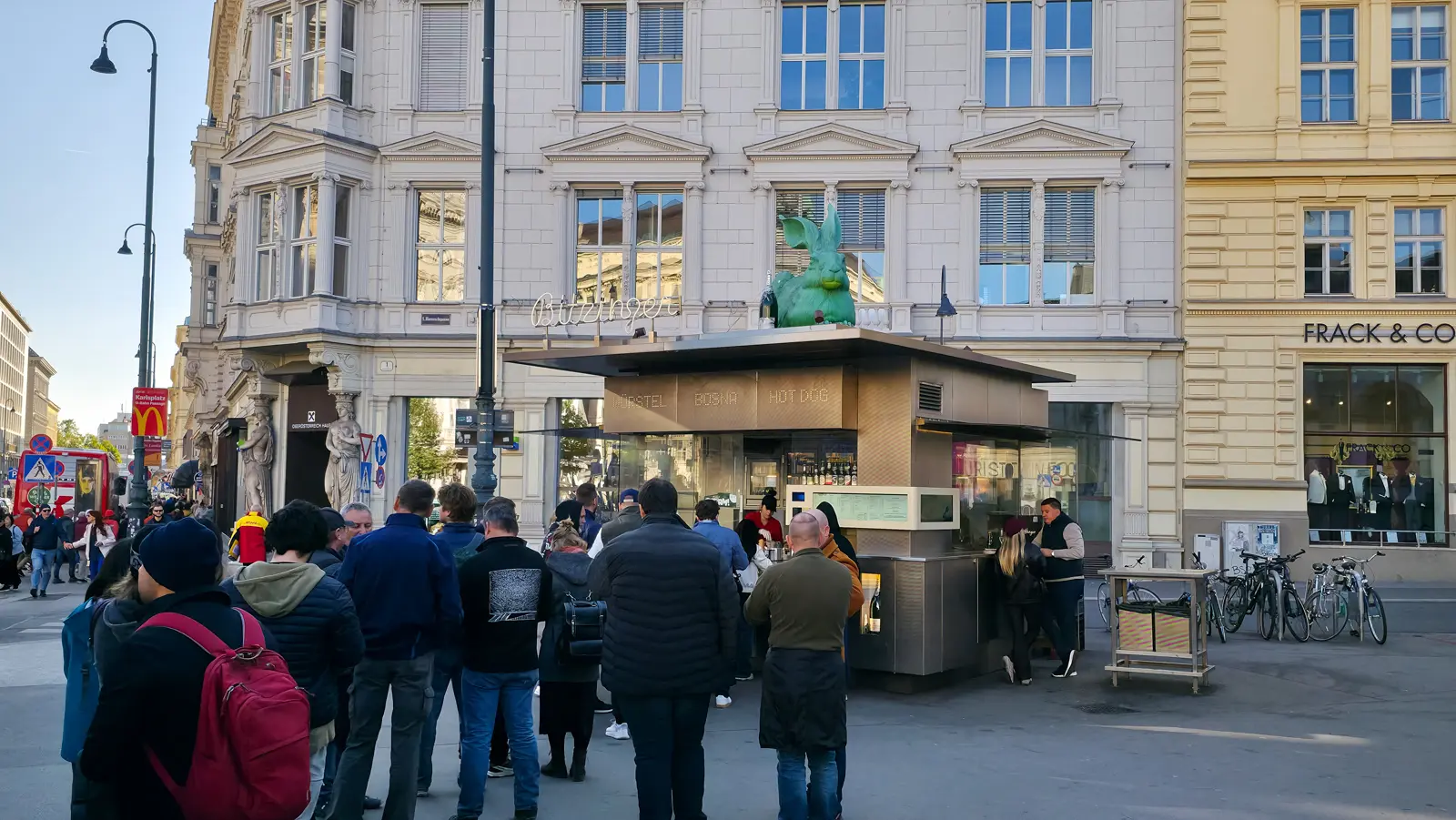
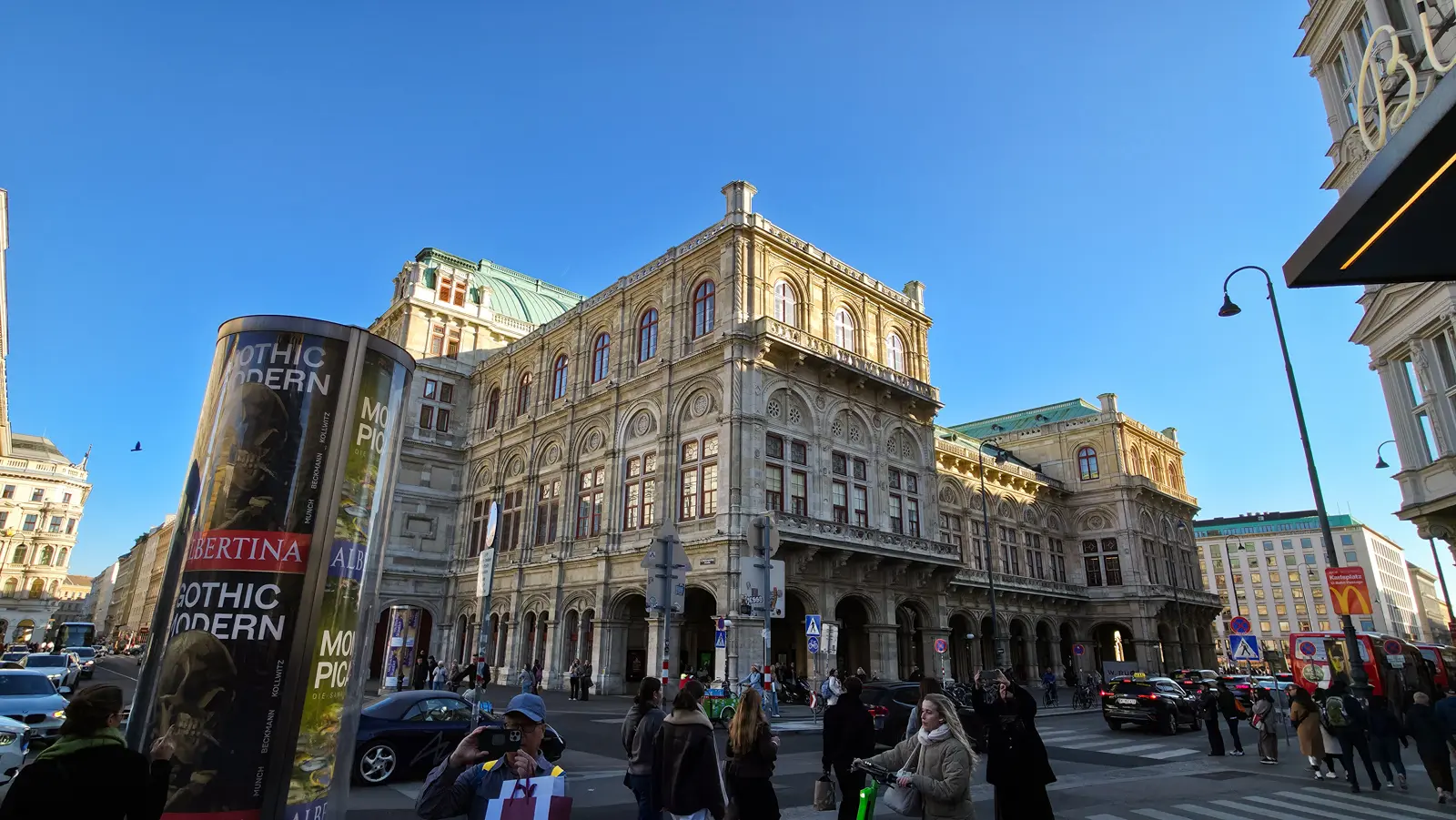
To close your day, and your time in Vienna, consider a stop at Bitzinger Würstelstand. Its casual, unpretentious nature provides a fitting contrast to the elegance of the past days. Standing near the Albertina and the Vienna State Opera, enjoying a simple yet iconic Viennese snack, the experience feels grounded and authentic—a reminder that the essence of a city is often found in its everyday moments.
Bubbly Tips for a 3-Day Vienna Itinerary
- Start your days early when visiting major landmarks: Locations like Schönbrunn Palace and St. Stephen’s Cathedral are best experienced in the morning, when the atmosphere is calmer and the details are easier to appreciate.
- Balance structured visits with unplanned time: While it is important to see key sites, leaving space in your itinerary allows Vienna’s more subtle and unexpected moments to emerge.
- Use public transport efficiently: Vienna’s system is reliable and well-connected, making it easy to move between districts without losing time.
- Incorporate dining into your experience: From traditional cafés to restaurants like Odysseus, meals are an integral part of the city’s culture and should be treated as part of the itinerary.
- Take time to pause and observe: Whether sitting in a café or on a bench in a garden, these quieter moments often become the most memorable.
Final Thoughts
Spending three days in Vienna offers a meaningful introduction to a city that is both elegant and deeply layered. From imperial palaces to intimate cafés, from grand museums to quiet corners, each experience contributes to a broader understanding of what makes Vienna unique.
What stays with you is not only the landmarks, but the atmosphere: the rhythm of the city, the transitions between experiences, and the way each moment connects to the next. Vienna is not a place to rush through, but one to experience gradually, allowing its character to reveal itself over time.
Have you visited Vienna or are you planning your trip? I would love to hear how you would spend your three days in this beautiful city.
Happy travels!

🌟 Everything You Need to Plan Your Dream Trip in 2026
- 🌟 Luxury Hotels - Find premium stays with Booking.com & Hotels.com
- 🏡 Vacation Rentals - Discover unique properties on VRBO
- 🏞️ Guided Tours - Explore with Viator or GetYourGuide
- 🎫 Attraction Tickets - Skip the lines with Tiqets
- 🚢 Ocean Cruises - Set sail with Cruise Direct
- 📱 International SIMs - Stay connected with Saily
- 🚗 Car Rentals - Budget-friendly options from Discover Cars
- 🌐 Secure VPNs - Browse safely with NordVPN
- 💶 Currency Exchange - Best rates with Wise
- 🗣️ Learn Languages - Master the local language with Babbel and Rosetta Stone