
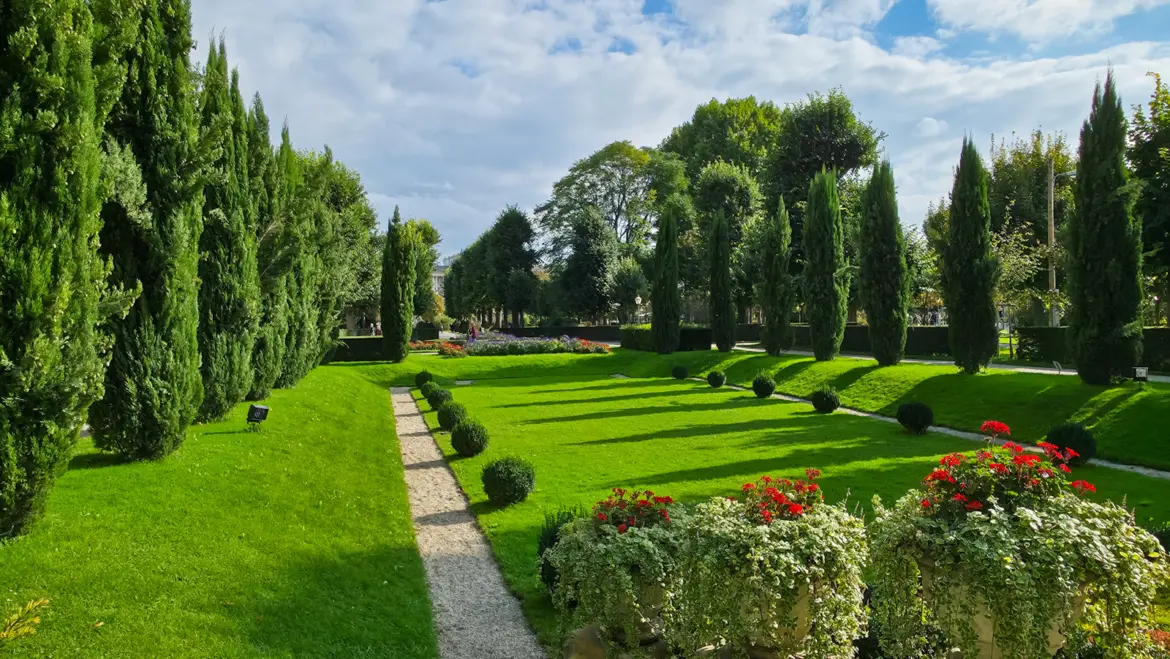
There is a side of Vienna that reveals itself slowly, almost deliberately, as though the city is waiting for you to look beyond the obvious. At first, Vienna presents itself through its grandeur – palaces, museums, and wide boulevards that speak of imperial power and cultural prestige. But as you begin to wander, to turn down quieter streets, to linger just a little longer in certain places, a different rhythm emerges.
This is where Vienna becomes more intimate. The scale softens, the pace slows, and the experience shifts from observation to connection. These hidden gems are not necessarily hidden in the strict sense; many exist in plain sight, just slightly removed from the main flow of the city. They are places where details matter, where atmosphere carries weight, and where the city feels more personal and less curated.
Exploring these spaces changes how you experience Vienna. It becomes less about moving from one landmark to the next, and more about discovering the layers in between: the quiet beauty, the unexpected contrasts, and the moments that feel entirely your own.
Hidden Gems in Vienna at a Glance
🌿 Volksgarten Sisi monument · Hans Bitterlich’s seated marble Sisi, unveiled 4 June 1907 — the last imperial monument raised in Vienna, tucked behind hedges most visitors walk straight past.
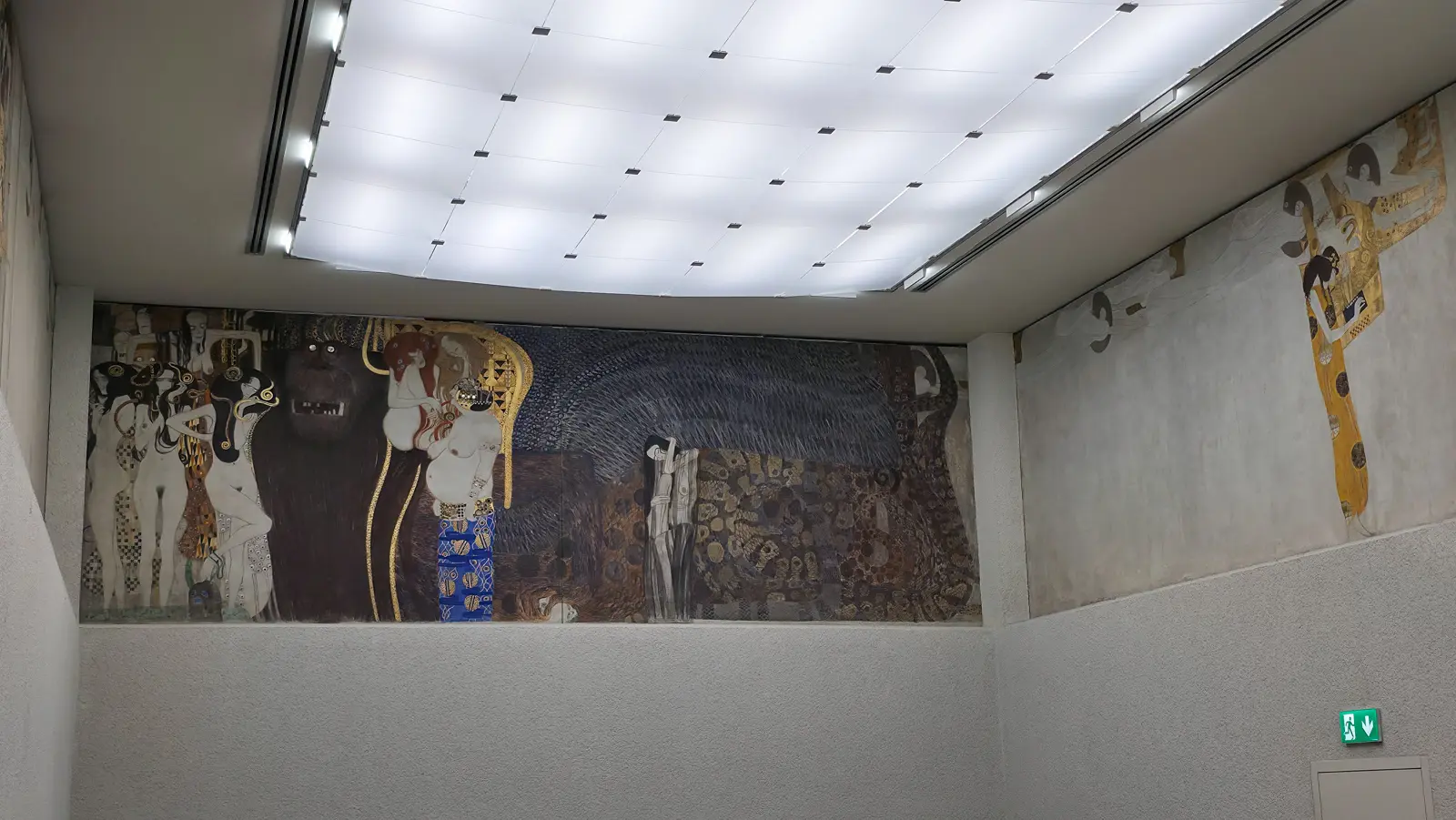
🎨 Beethoven Frieze at the Secession · Gustav Klimt’s 1902 masterwork, originally painted as a temporary mural and rescued from destruction. Permanent display since 1986.
☕ Three UNESCO-recognised coffee houses · Café Sperl (1880), Café Central (1876), Café Landtmann (1873). Each one different in character; all three protected as Intangible Cultural Heritage.
🏛️ Roman ruins at Michaelerplatz · An open-air archaeological window into Vindobona, the Roman camp that became Vienna. No ticket, no museum walls — sits in the middle of the square.
🏠 Pasqualati House · Beethoven’s longest-running Vienna address on the surviving medieval city wall, where he sketched the Fifth, Sixth, and Seventh symphonies, Fidelio, and Für Elise.
🌹 Burggarten · Once the imperial family’s private retreat, opened to the public only in 1919. Now Vienna’s most underrated picnic lawn.
1. Burggarten: A Quiet Escape in the Heart of the City
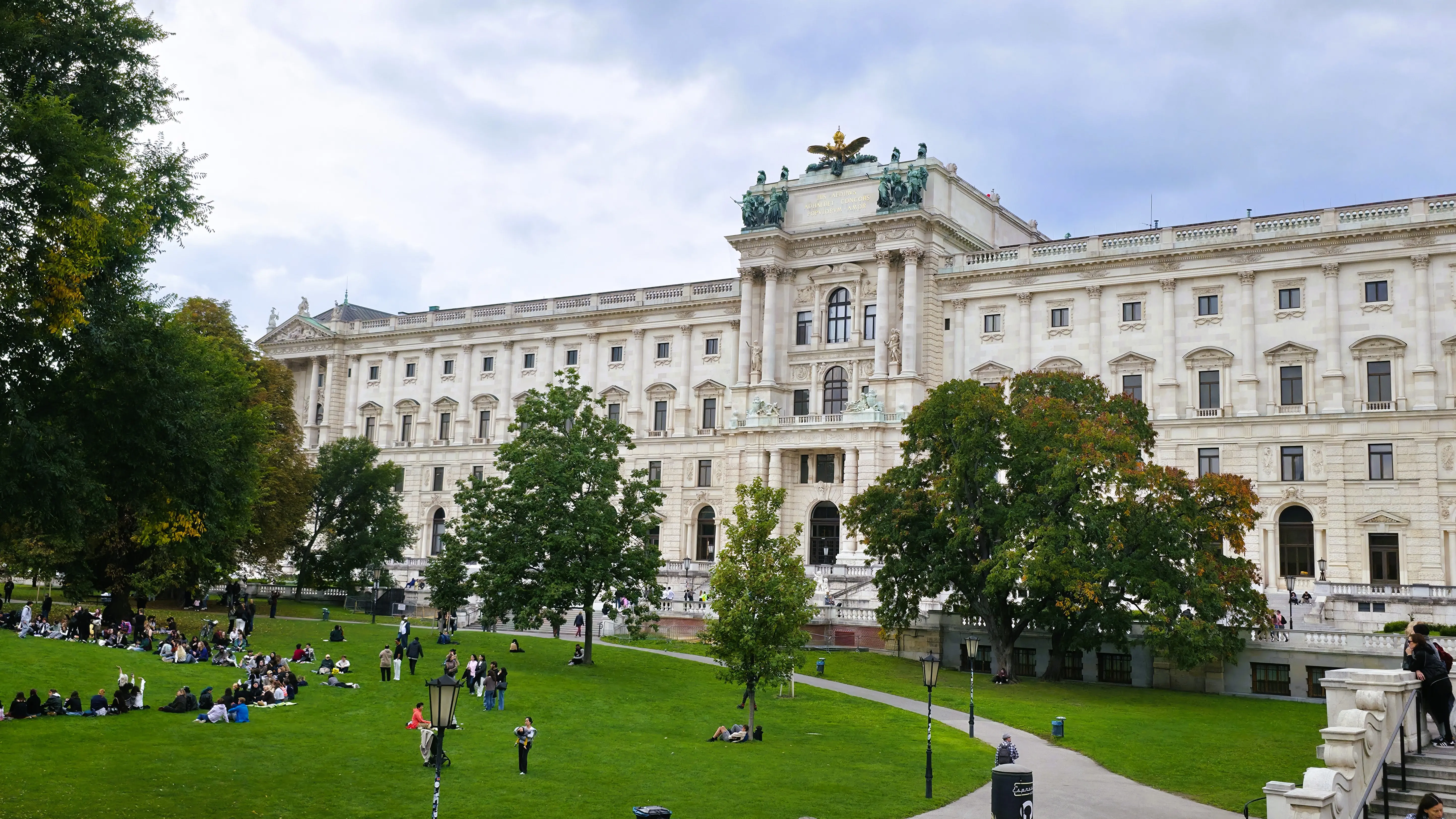
Tucked discreetly behind the Hofburg, Burggarten offers a gentle contrast to the surrounding imperial architecture. While the nearby palace complex feels formal and structured, the garden introduces a sense of openness and ease that immediately shifts your pace. Originally part of the imperial grounds and redesigned in the early 19th century as an English-style landscape garden, Burggarten was once reserved for the private use of the imperial family, which perhaps explains its more intimate atmosphere even today.
The layout is simple but thoughtful. Sweeping lawns, curved pathways, and carefully arranged plantings create a space that feels natural without losing its elegance. There are no grand gestures here, no overwhelming features, just a quiet harmony that invites you to slow down. People sit on the grass, read, talk softly, or simply watch the city move at a distance. There is something particularly rewarding about discovering Burggarten almost unintentionally. It does not demand attention the way Vienna’s major landmarks do, yet it offers one of the most peaceful and restorative experiences in the city. It reminds you that even in a place defined by grandeur, there is space for stillness.
2. Volksgarten: Beauty, Stillness, and the Sisi Monument
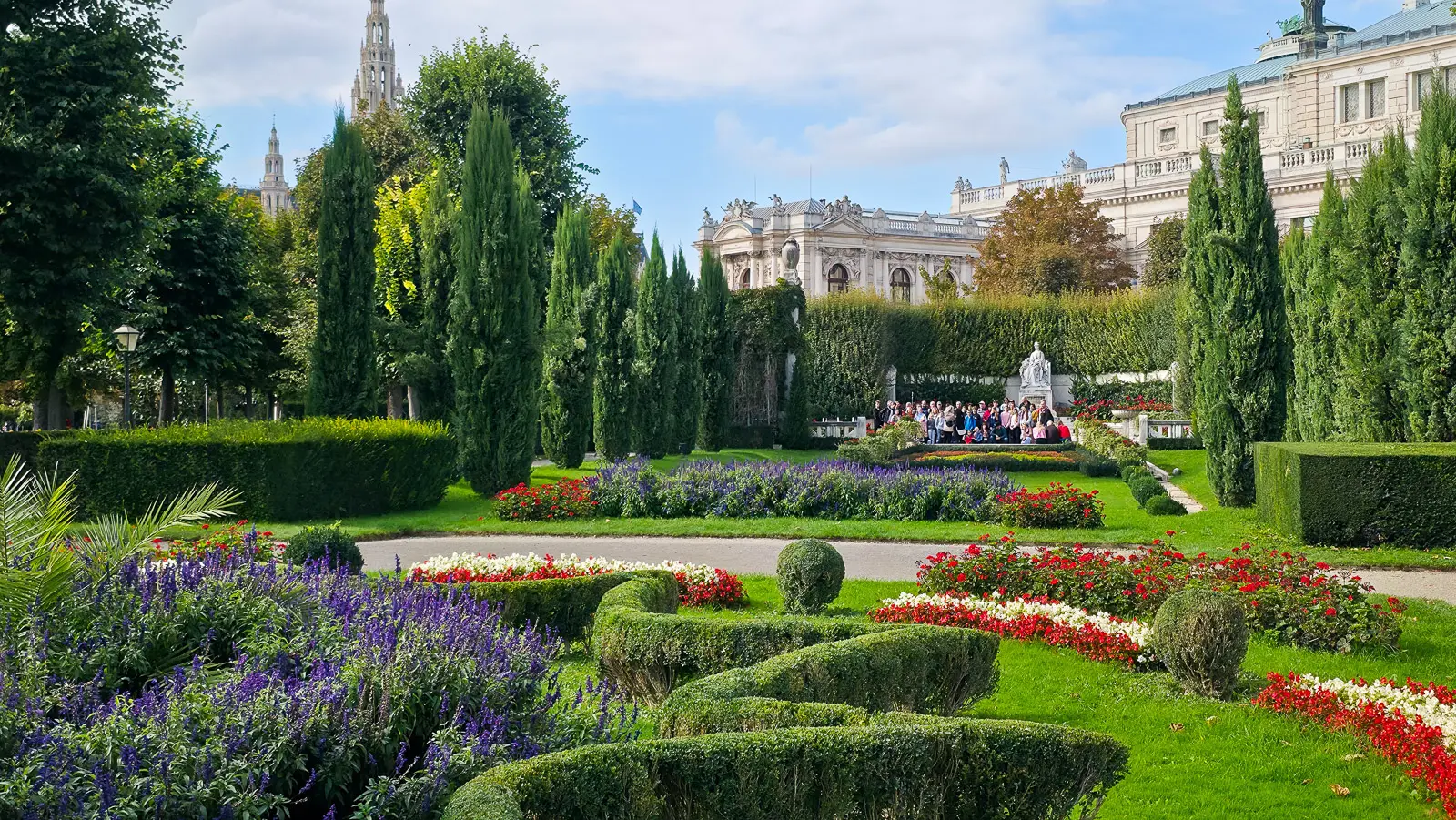
The Volksgarten is often associated with its meticulously maintained rose gardens, which bloom in abundance during the warmer months, creating a space that feels both structured and romantic. Originally part of the Hofburg fortifications and opened to the public in the early 19th century, it carries a sense of history that is woven quietly into its design.
Within this already elegant setting lies a more intimate and emotionally resonant feature: the monument to Empress Elisabeth. Set slightly apart and surrounded by greenery, the statue captures a contemplative moment, depicting Sisi seated and withdrawn, rather than in a formal or triumphant pose. This choice of representation reflects her complex personality and the solitude she often sought.
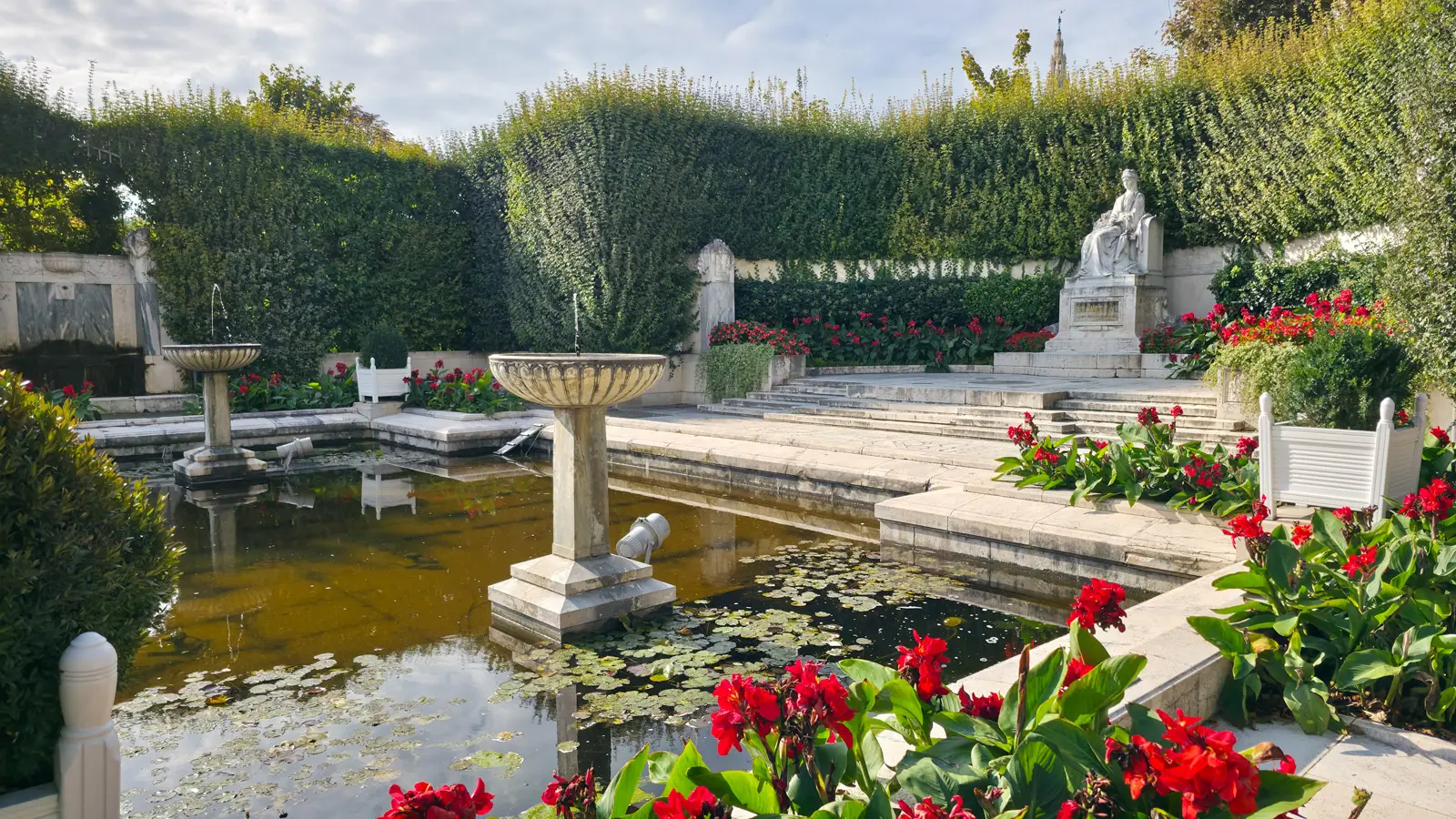
The atmosphere around the monument feels noticeably quieter. Visitors tend to lower their voices, to linger a little longer, as if instinctively responding to the tone of the space. It is here that Vienna’s imperial history feels most human, less about power and more about presence, memory, and introspection.
3. Pasqualati House: Beethoven’s World, Up Close
While Vienna honours its composers through grand concert halls and monuments, the Pasqualati House offers a more personal and introspective perspective. Located along the Mölker Bastei, part of Vienna’s former city fortifications, this residence is where Ludwig van Beethoven lived for several periods between 1804 and 1815, a time during which he composed some of his most important works, including parts of his Fifth and Sixth Symphonies.
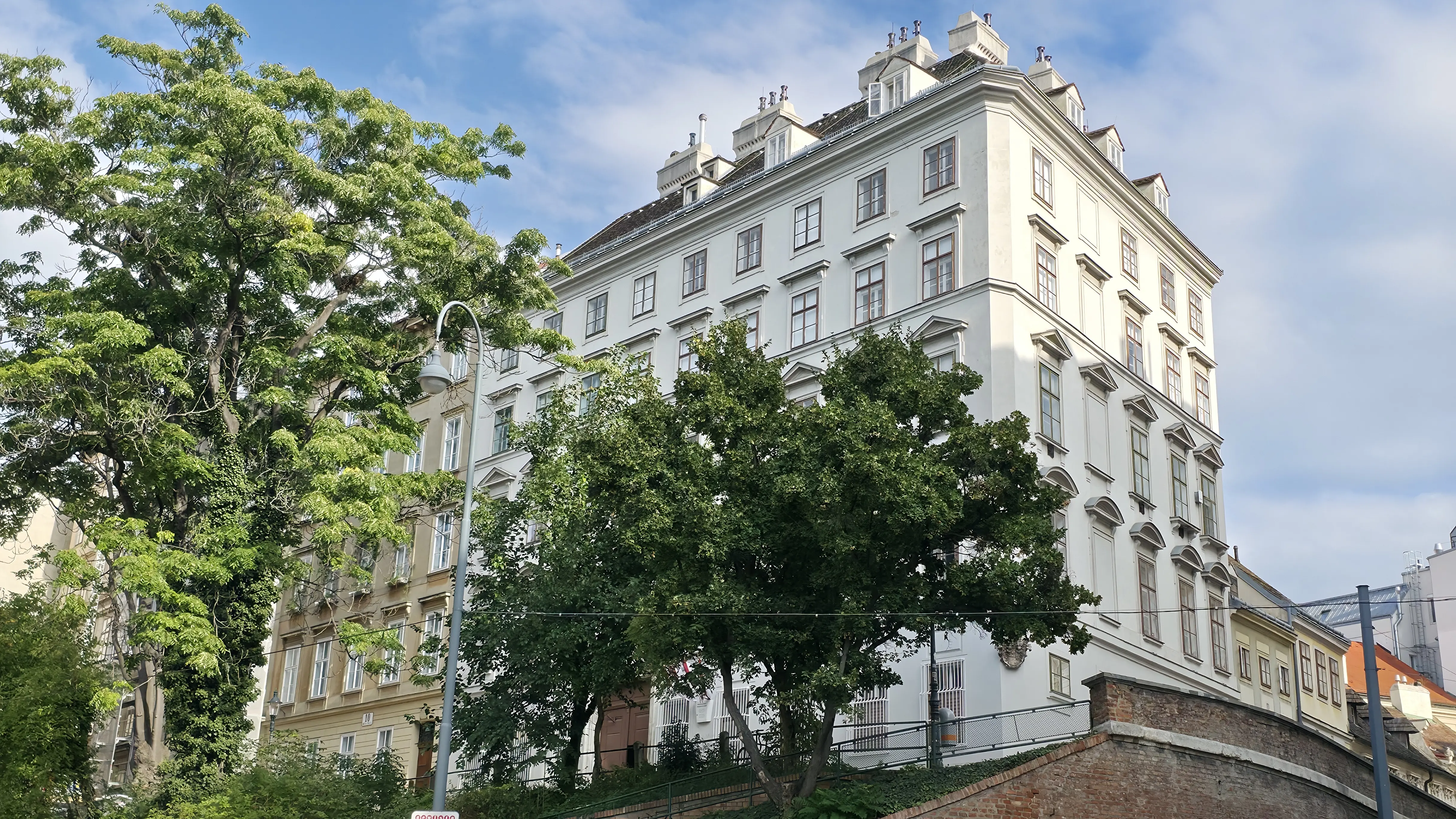
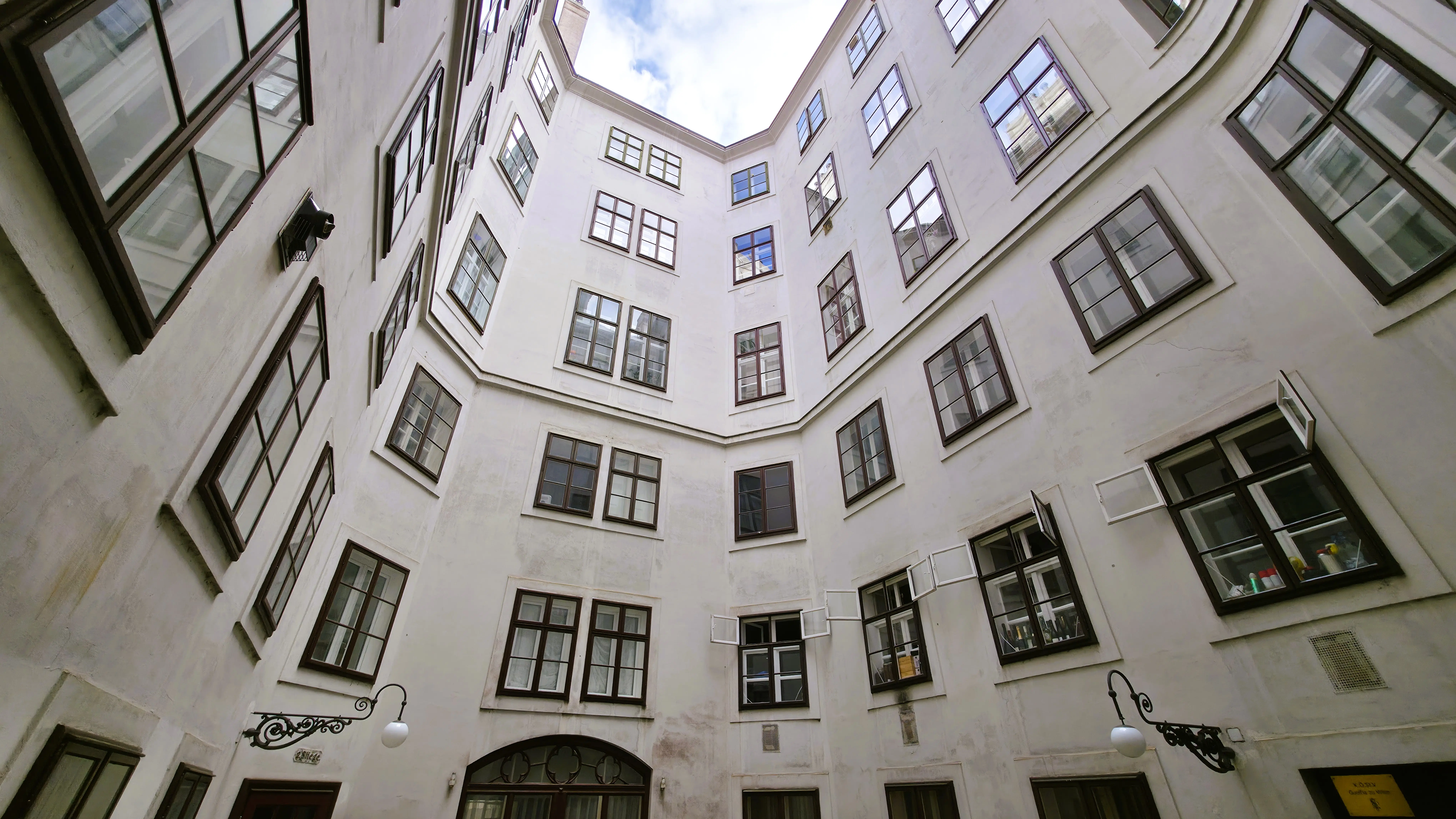
The setting itself is significant. Perched slightly above the city, it offers a quieter vantage point, removed from the intensity of central Vienna while still closely connected to it. This sense of separation mirrors Beethoven’s own experience, particularly as he grappled with the increasing loss of his hearing. Inside, the museum is modest in scale, which adds to its impact. Rather than overwhelming visitors, it creates space for reflection. You begin to imagine not just the music, but the conditions under which it was created – the solitude, the struggle, and the extraordinary creativity that defined Beethoven’s life.
4. Karlsplatz Christmas Market: Creative and Unexpected
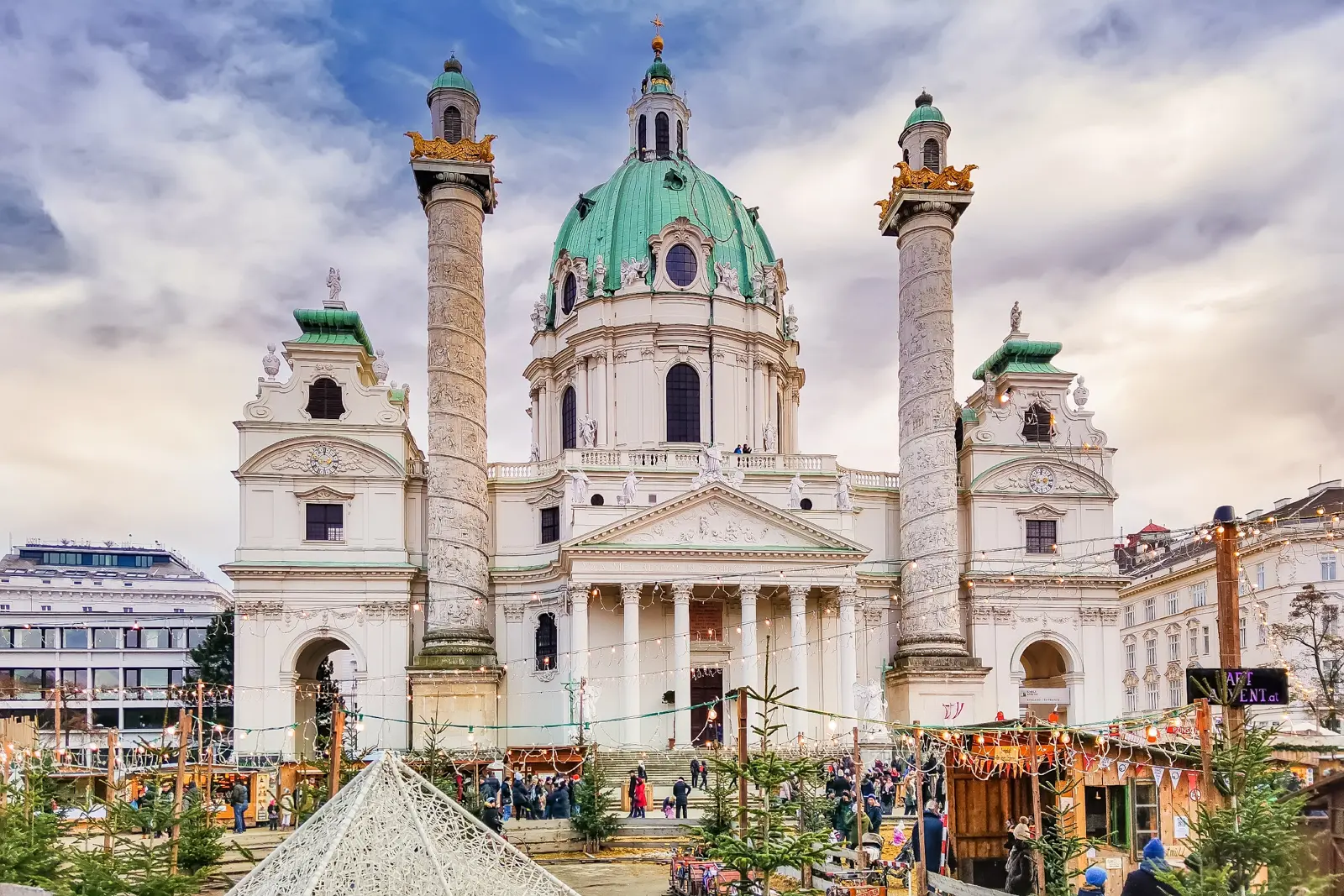
Set against the striking backdrop of Karlskirche, the Karlsplatz Christmas Market offers a refreshing departure from Vienna’s more traditional markets. While many markets focus on scale and spectacle, Karlsplatz distinguishes itself through its emphasis on sustainability, craftsmanship, and artistic expression.
The stalls here often feature handmade goods created by local artisans, with a focus on quality and originality rather than mass production. This gives the market a more curated feel, where each item carries a sense of intention and individuality. It is a place where you are more likely to find something unique, something that feels connected to the maker. The atmosphere reflects this approach. It is lively but not overwhelming, festive yet thoughtful. The presence of Karlskirche adds a dramatic architectural contrast, grounding the market in Vienna’s history while allowing space for contemporary creativity.
5. Vienna’s Coffee Culture: Slowing Down the Viennese Way
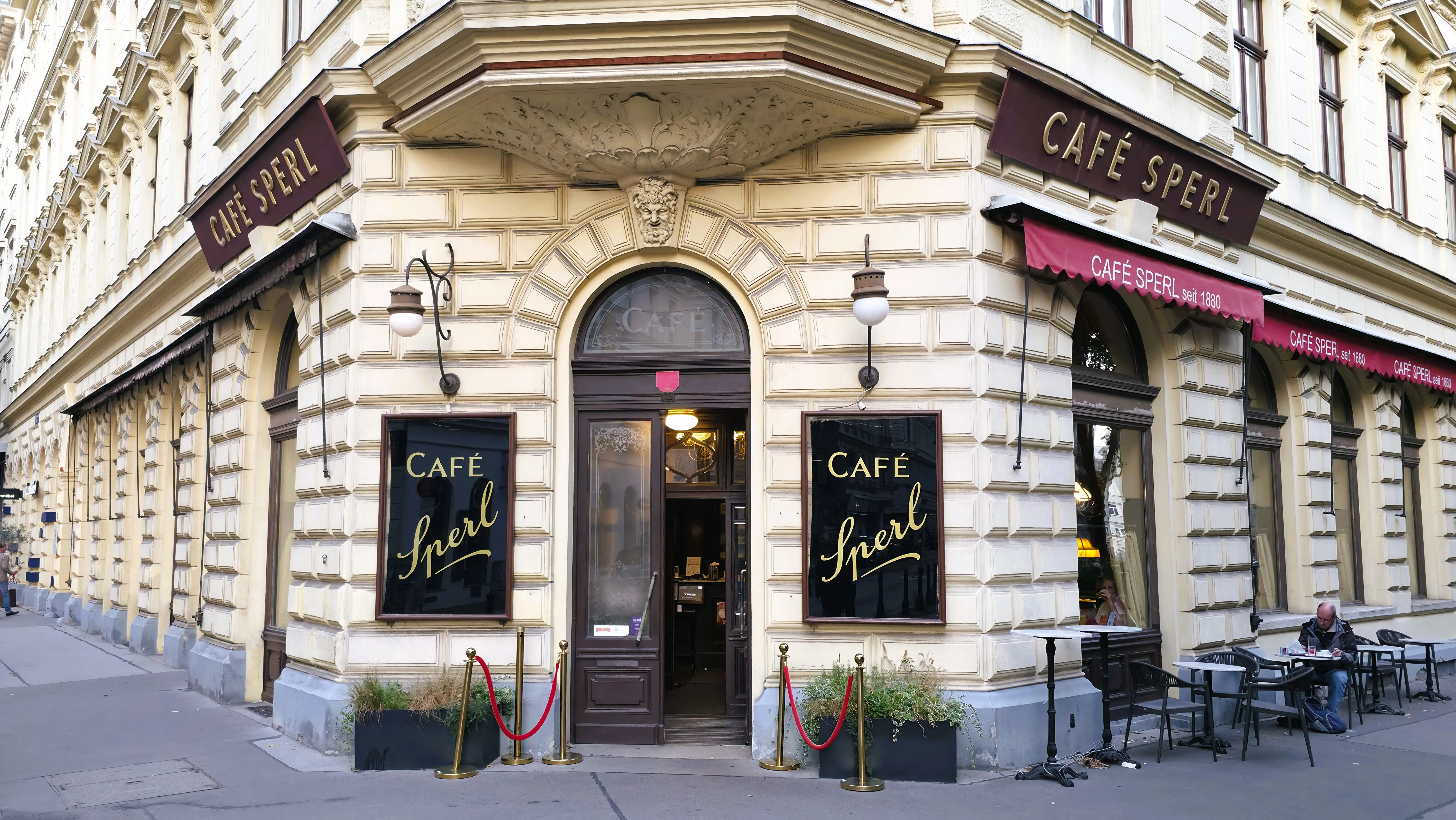
Vienna’s coffee houses are more than just places to drink coffee – they are institutions, recognized by UNESCO as part of the city’s intangible cultural heritage. These spaces have long served as centres of intellectual and social life, where writers, artists, and thinkers gathered to exchange ideas.
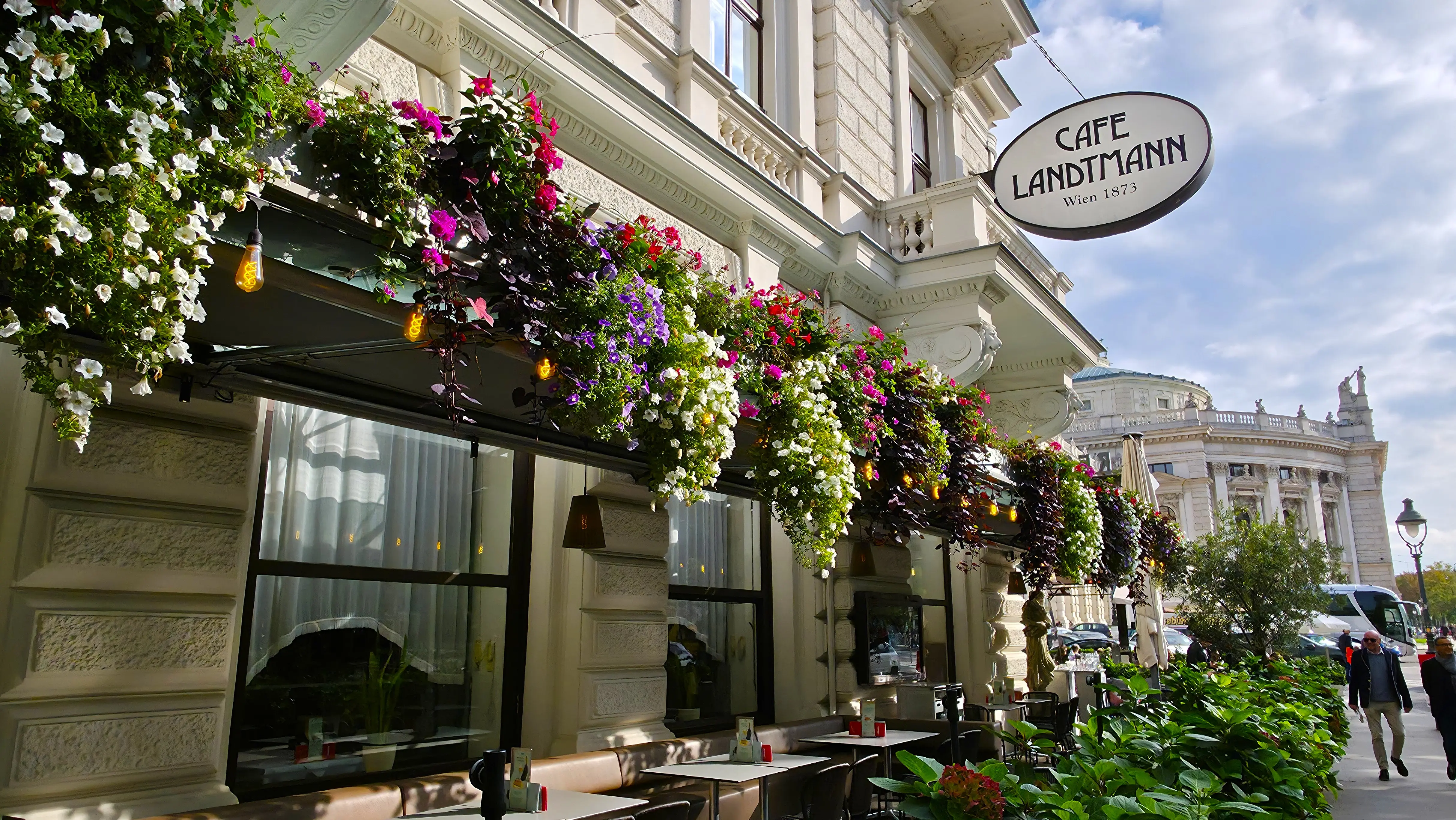
At Café Sperl, the atmosphere feels almost unchanged by time. With its classic furnishings and relaxed pace, it invites you to linger, to sit without urgency. Café Central, by contrast, offers a more grand and historic setting, its high ceilings and ornate details creating a sense of occasion. Meanwhile, Café Landtmann strikes a balance between elegance and accessibility, maintaining tradition while remaining approachable.
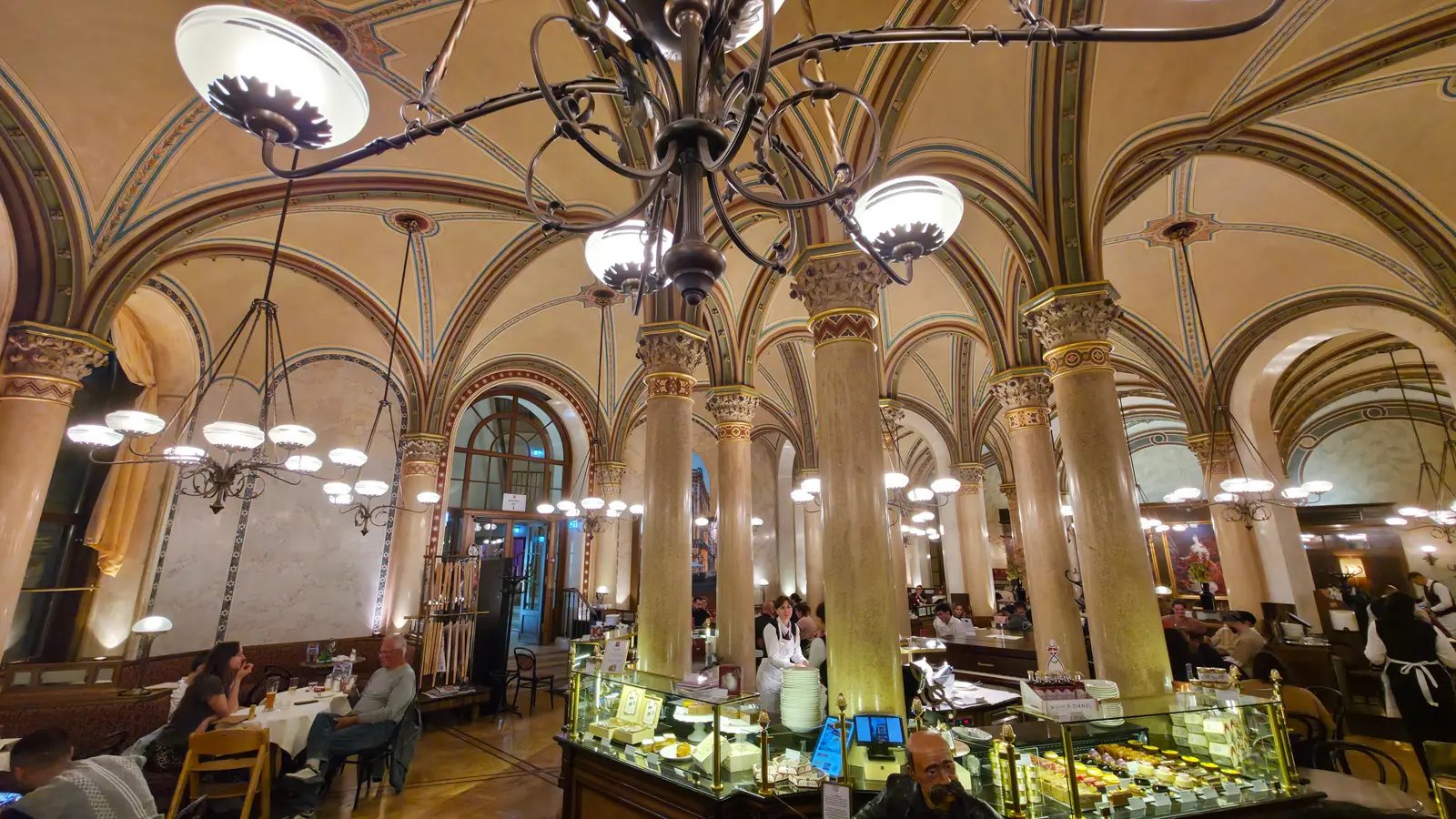
What defines these spaces is not just their design, but their philosophy. You are not expected to rush. A single coffee can last an hour, accompanied by conversation, reading, or simply observation. It is in these moments that you begin to understand Vienna’s rhythm.
6. Vienna Secession Building: Art Beyond Tradition
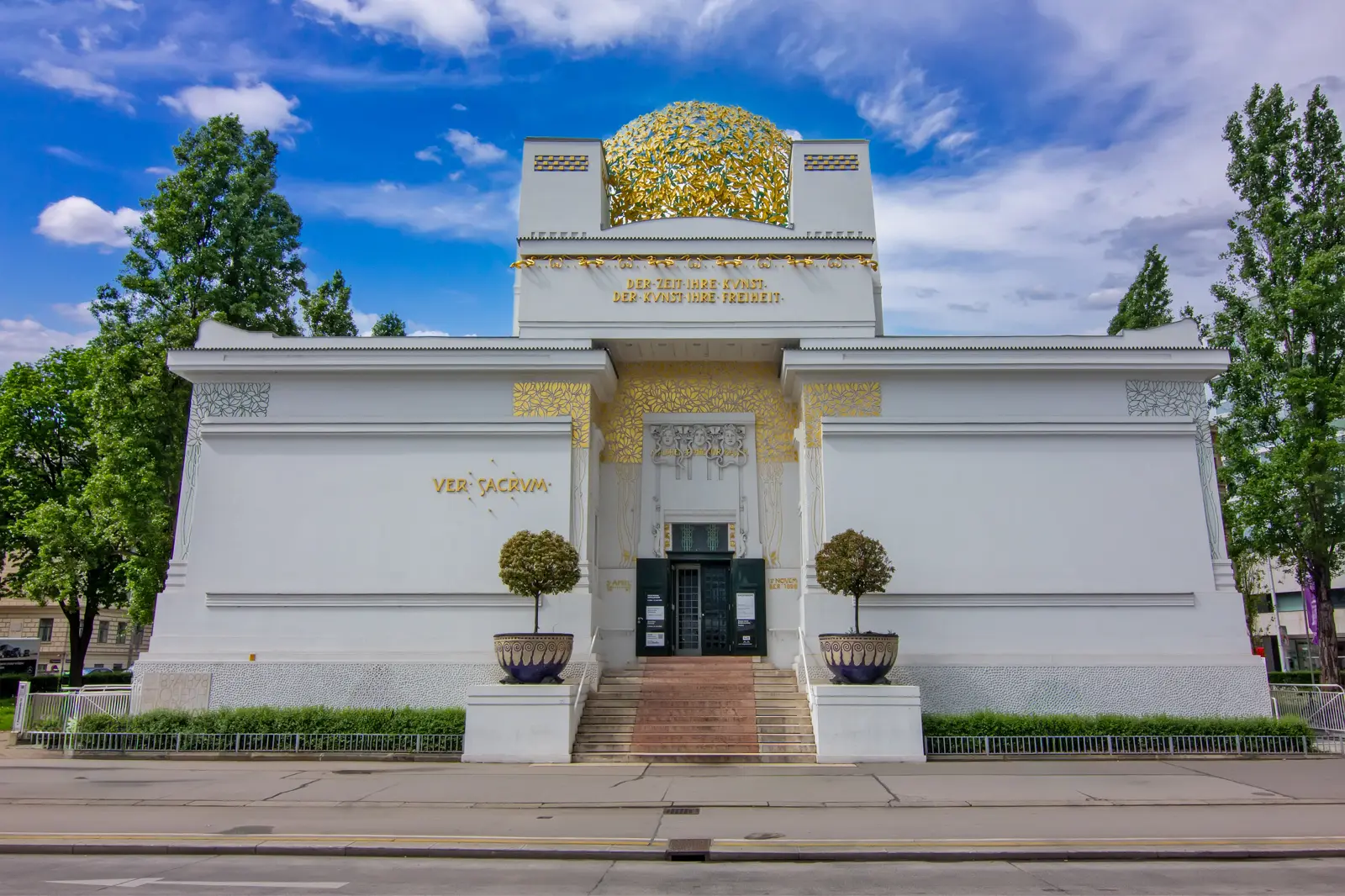
The Secession Building represents a pivotal moment in Vienna’s artistic history. Built in 1898 as an exhibition space for artists who sought to break away from traditional academic styles, it stands as a symbol of innovation and artistic independence. Its design is immediately striking, with its clean lines and distinctive golden dome composed of laurel leaves. The motto above the entrance – “To every age its art, to every art its freedom” – captures the spirit of the movement.
Inside, the Klimt Frieze by Gustav Klimt is the highlight. Created as a tribute to Beethoven, the work is both symbolic and deeply expressive, reflecting themes of struggle, longing, and transcendence. The space itself is intentionally minimal, allowing the artwork to take full focus.
7. Monument Against War and Fascism: A Powerful Reflection
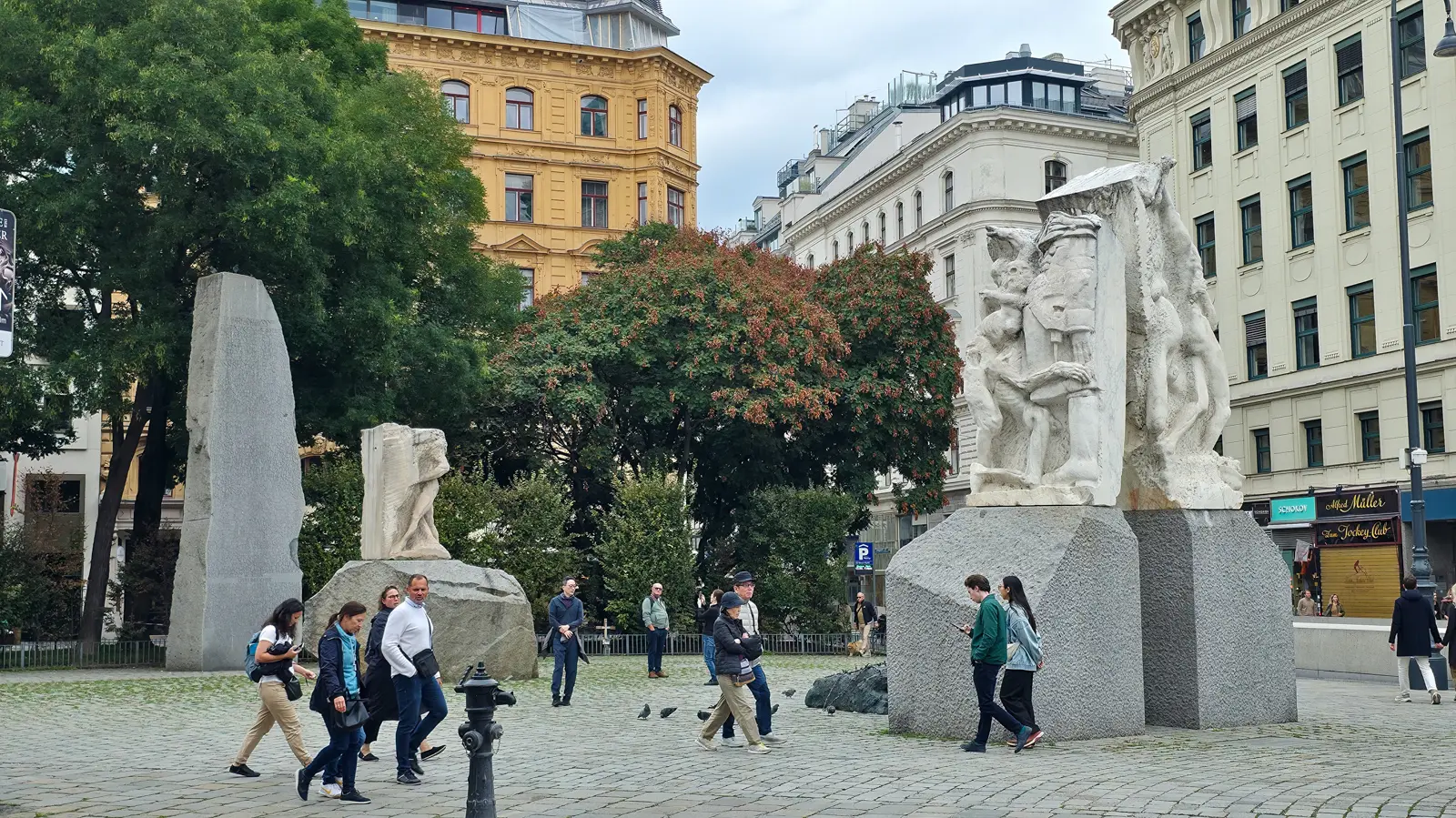
Located in Albertinaplatz, near the Albertina Museum, the Monument Against War and Fascism presents a stark and necessary contrast to Vienna’s elegance. Created in 1988 by artist Alfred Hrdlicka, it addresses the city’s complex history during the Nazi era. The installation is fragmented and intentionally unsettling, composed of several sculptural elements that evoke suffering, loss, and resistance. Unlike traditional monuments, it does not offer a single narrative or clear interpretation. Instead, it challenges the viewer to engage, to reflect, and to confront difficult aspects of history.
Standing here, you feel a shift in tone. It is a reminder that Vienna’s story is not only one of beauty and culture, but also of responsibility and remembrance.
8. Michaelerplatz Roman Ruins: Layers of History Beneath the Surface
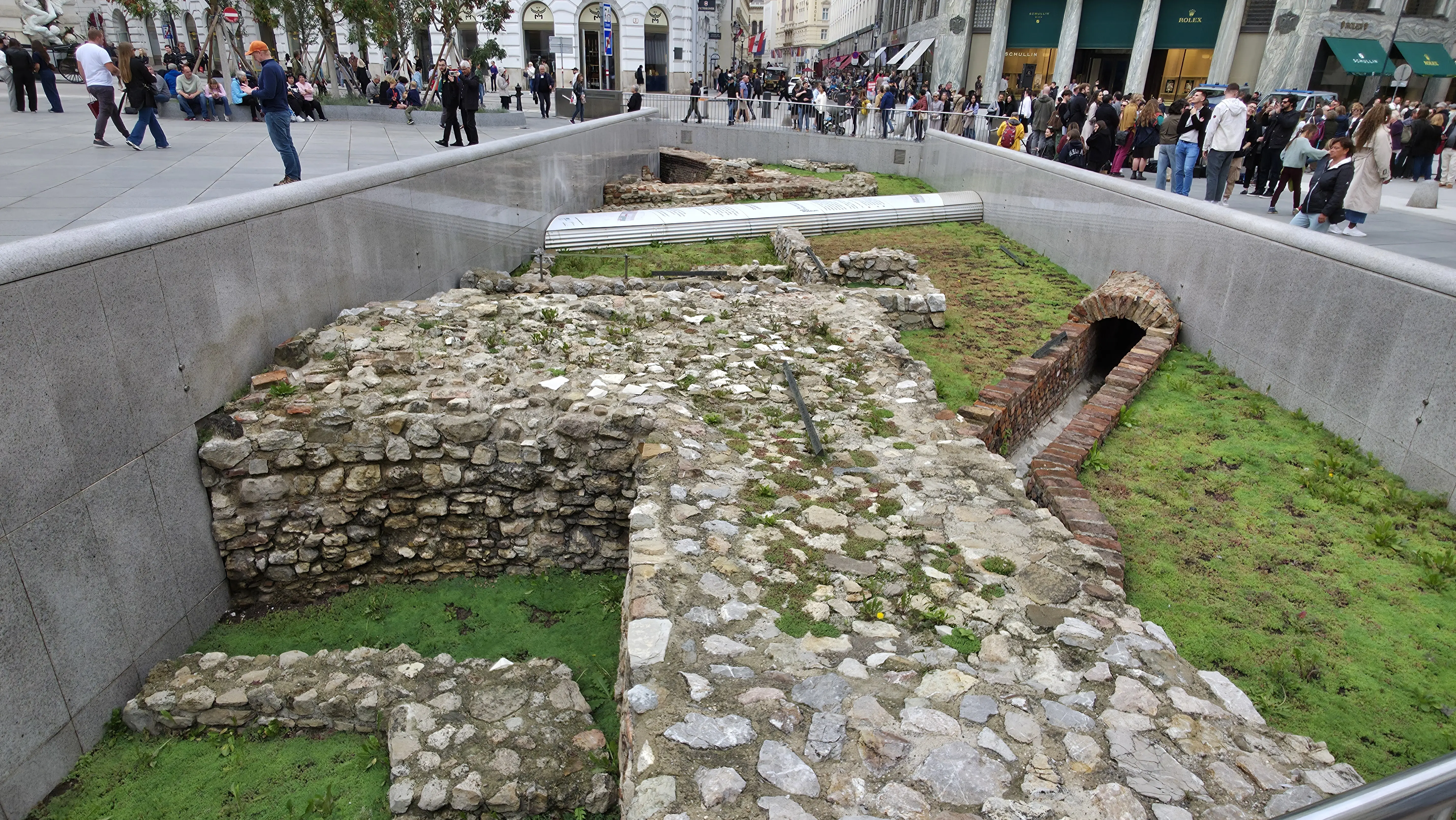
At Michaelerplatz, just steps from the grandeur of the Hofburg, Vienna’s history reveals one of its oldest layers – quietly and almost unexpectedly. Here, in the middle of a busy square where horse-drawn carriages pass and visitors gather, the remains of Vindobona, the Roman military camp that once occupied this area, are visible beneath the surface.
These ruins, dating back to the 1st and 2nd centuries AD, include foundations of Roman buildings, streets, and infrastructure that formed part of the settlement along the Danube frontier. Preserved in an open-air excavation, they create a striking contrast with the surrounding architecture. On one side, the imperial Hofburg; on the other, modern façades – and between them, a window into antiquity.
What makes this site particularly compelling is not just its age, but its accessibility. There is no formal entrance, no transition into a museum space. Instead, history appears directly within the flow of the city, inviting you to pause, to look down, and to reconsider what lies beneath Vienna’s elegant surface. Standing here, you begin to understand the city differently. Vienna is not defined by a single era, it is built in layers. And at Michaelerplatz, those layers are visible all at once, quietly reminding you that long before the palaces and concert halls, there was another story unfolding in the very same place.
9. Prater: A Playful Side of Vienna
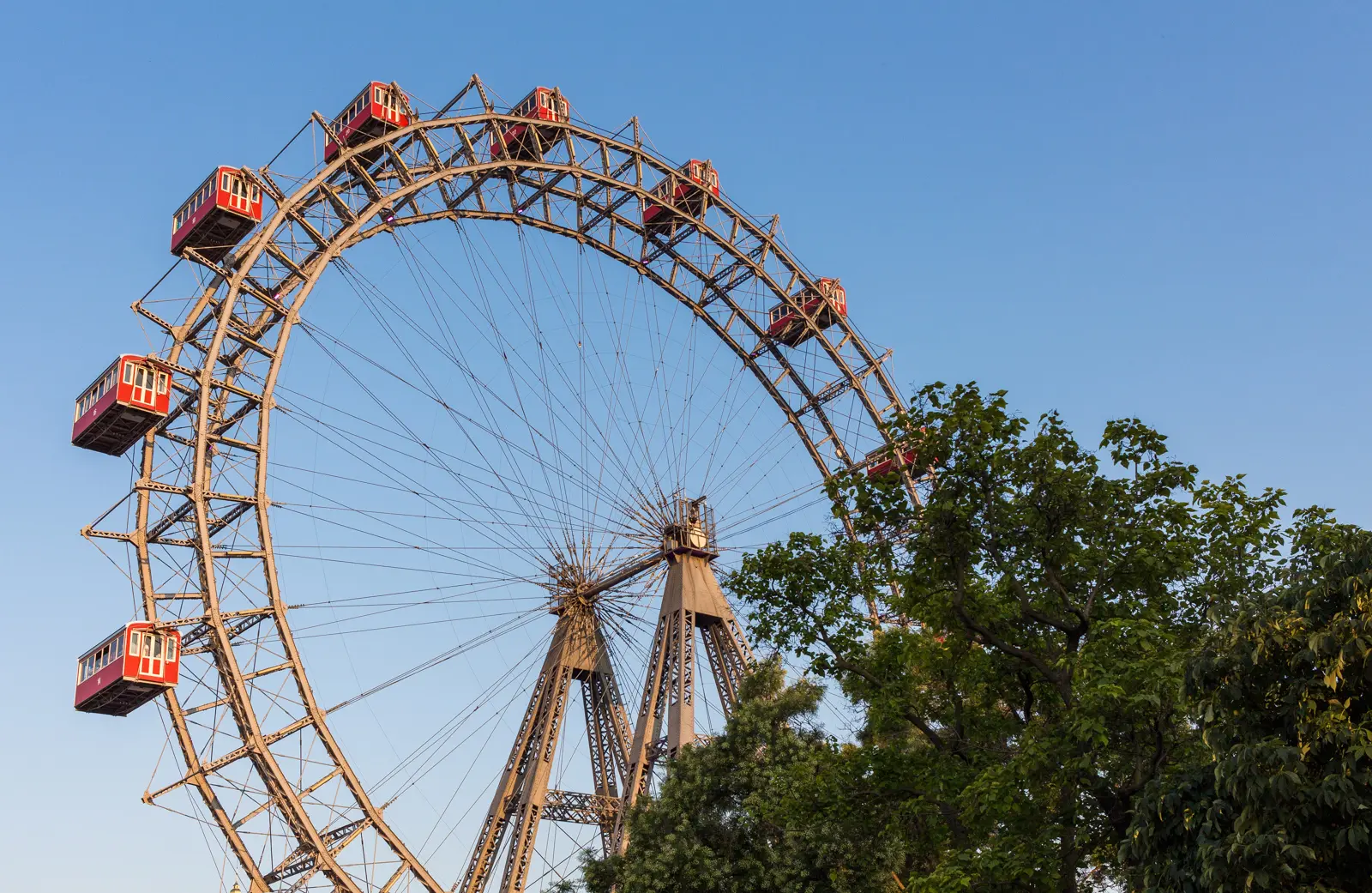
The Prater introduces a completely different dimension of Vienna – one that is open, lively, and unexpectedly playful. Known for the iconic Giant Ferris Wheel, the area combines amusement, green space, and local life in a way that feels refreshingly unstructured.
Historically a hunting ground for the imperial family before being opened to the public in the 18th century, the Prater has long been a place of leisure and recreation. Today, it continues to serve that role, offering a space where the city feels more relaxed and spontaneous. Walking through the Prater, you encounter a different rhythm. It is less formal, more open, and deeply enjoyable in its simplicity. It is a reminder that Vienna’s identity is not defined by a single tone, but by its ability to balance elegance with playfulness.
10. Bitzinger Würstelstand: A Legendary Taste of Vienna
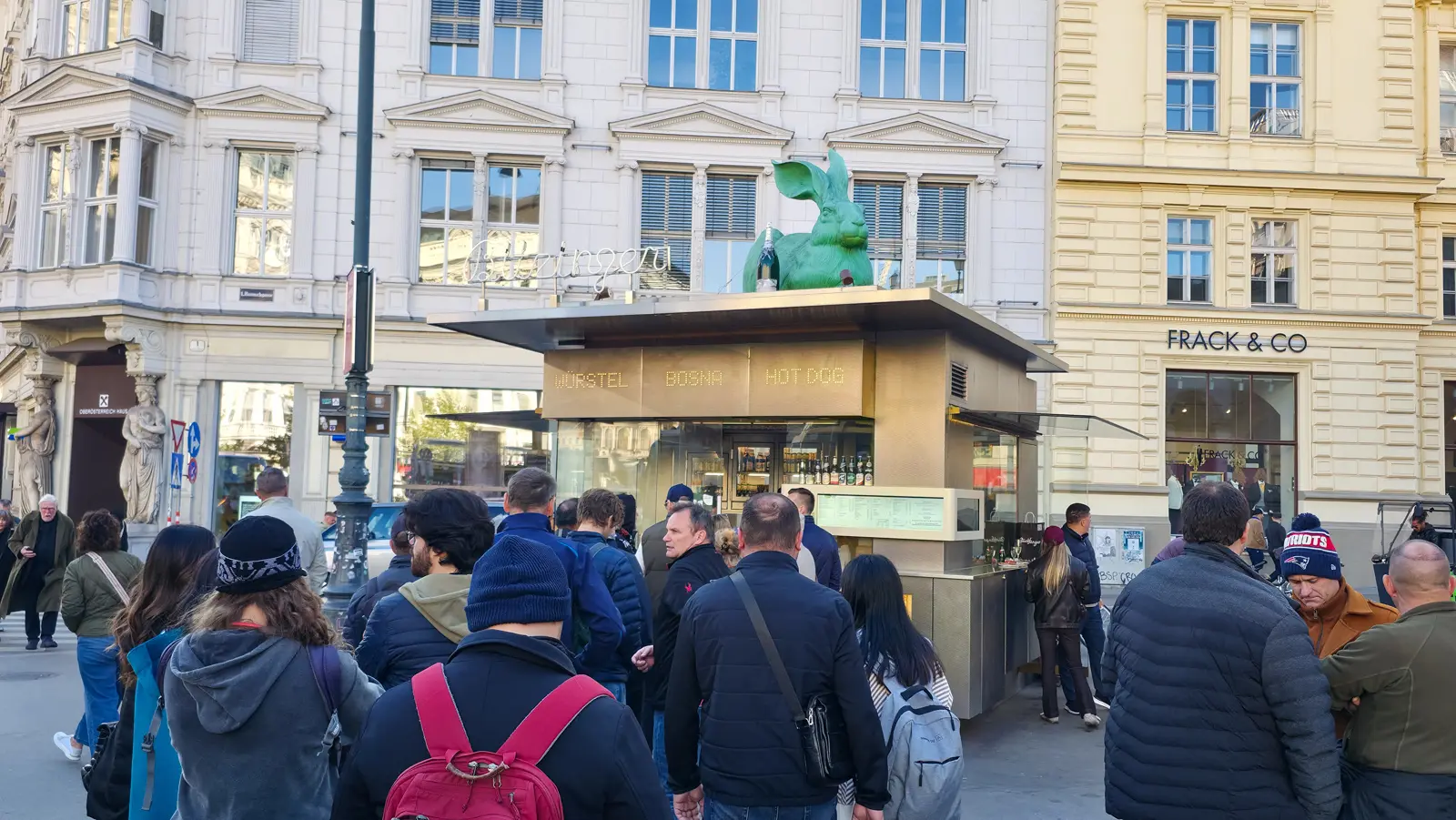
Tucked beside the elegant Albertina Museum and just steps from the grandeur of the Vienna State Opera, Bitzinger Würstelstand offers a completely different, yet equally authentic, experience of Vienna. This iconic sausage stand is a local institution, known for its quality, its simplicity, and its ability to bring people together at all hours of the day. Standing here, you are surrounded by contrasts: imperial architecture, world-class culture, and a humble food stand that feels entirely at ease among them.
What makes Bitzinger so memorable is not just the food, but the atmosphere. There is a sense of informality that feels refreshing after the elegance of Vienna’s museums and palaces. Locals and visitors gather side by side, ordering classic Viennese sausages served with mustard, bread, and often a drink, creating a moment that feels spontaneous and unfiltered. It is a reminder that Vienna’s identity is not only defined by its grandeur, but also by these simple, shared experiences – where history, culture, and everyday life meet in the most unexpected and enjoyable ways.
Bubbly Tips for Discovering Hidden Gems in Vienna
- Take time to step away from main tourist routes to discover quieter areas: Some of Vienna’s most memorable experiences are found just beyond the busiest streets and landmarks.
- Visit gardens and open spaces for a more relaxed perspective of the city: Locations like Burggarten and Volksgarten offer a peaceful contrast to Vienna’s grand architecture.
- Explore cultural spaces that feel more intimate and focused: Smaller museums and historic residences often provide a deeper and more personal connection to Vienna’s history.
- Slow down and embrace Vienna’s café culture: Spending time in traditional coffee houses is an essential part of experiencing the city’s rhythm and lifestyle.
- Balance iconic sights with lesser-known locations for a richer experience: Combining both perspectives allows you to see Vienna as both a destination and a lived-in city.
Final Thoughts
Hidden gems in Vienna are not about discovering what others have missed, they are about experiencing the city differently.
They are found in quiet gardens, reflective spaces, and moments that feel personal rather than performative. They remind you that Vienna is not only defined by its grandeur, but also by its ability to offer calm, beauty, and depth in unexpected ways. And often, it is these quieter moments, the ones you don’t plan for, that stay with you the longest.
Have you discovered any hidden gems in Vienna? I would love to hear about them.
Happy travels!

🌟 Everything You Need to Plan Your Dream Trip in 2026
- 🌟 Luxury Hotels - Find premium stays with Booking.com & Hotels.com
- 🏡 Vacation Rentals - Discover unique properties on VRBO
- 🏞️ Guided Tours - Explore with Viator or GetYourGuide
- 🎫 Attraction Tickets - Skip the lines with Tiqets
- 🚢 Ocean Cruises - Set sail with Cruise Direct
- 📱 International SIMs - Stay connected with Saily
- 🚗 Car Rentals - Budget-friendly options from Discover Cars
- 🌐 Secure VPNs - Browse safely with NordVPN
- 💶 Currency Exchange - Best rates with Wise
- 🗣️ Learn Languages - Master the local language with Babbel and Rosetta Stone