
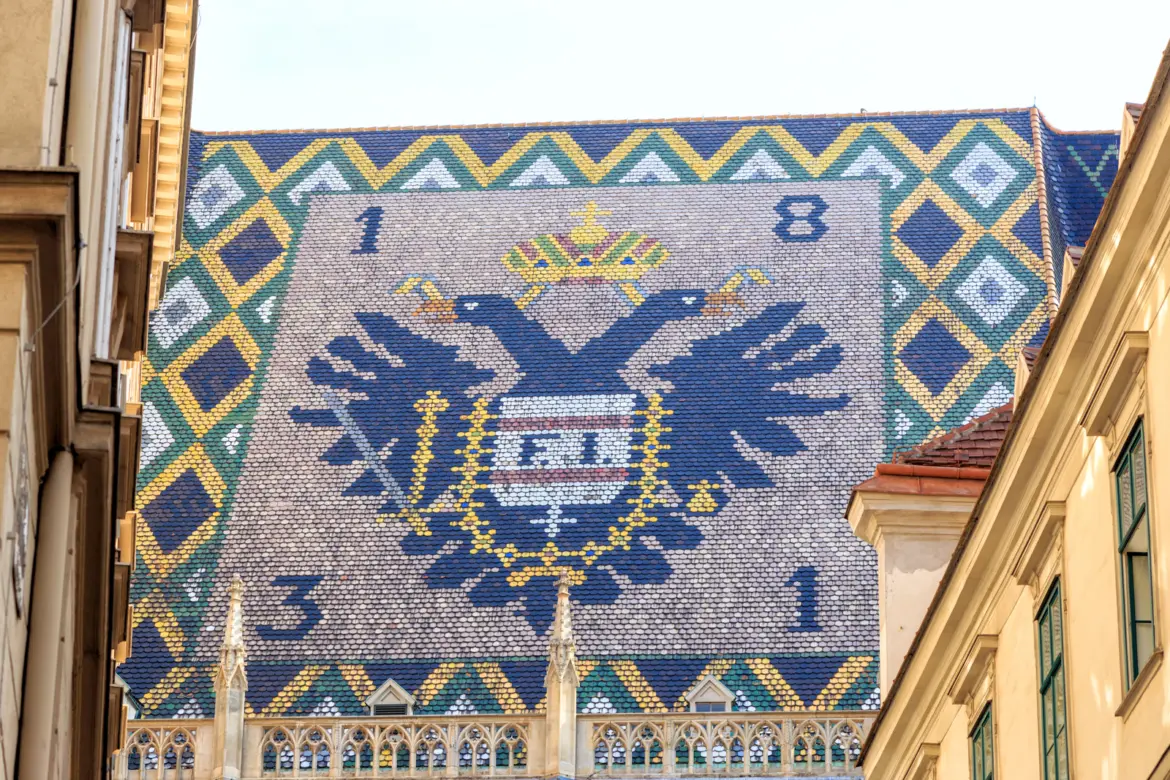
To walk through Vienna is to walk through the legacy of the Habsburgs. Their presence is woven into nearly every part of the city, from imperial palaces and grand boulevards to museums, gardens, cafés, and cultural traditions that continue to define Vienna today. Even centuries later, their influence remains impossible to separate from the identity of the Austrian capital. The city’s architecture, atmosphere, and rhythm all carry traces of a dynasty that helped shape not only Austria, but much of European history itself.
What makes the Habsburg story so compelling is not only the scale of their power, but the way their dynasty transformed Vienna into a cultural and political centre whose influence extended far beyond Austria. Under Habsburg rule, Vienna evolved into one of Europe’s great imperial capitals, a city where politics, diplomacy, music, art, and intellectual life converged. Their reign shaped the city architecturally, artistically, and socially, leaving behind a world that visitors can still experience in remarkably tangible ways.
Yet beyond the grandeur lies a deeply human story – one of ambition, political alliances, reform, tragedy, romance, and decline. Figures such as Maria Theresa, Franz Joseph I, and Empress Elisabeth of Austria continue to fascinate because their lives unfolded not only within palaces and ceremonies, but within emotional realities that still resonate today. Exploring Vienna through the lens of the Habsburg dynasty adds depth to the experience of the city itself. Suddenly, buildings become more than landmarks, gardens become extensions of imperial life, and museums become spaces where history feels unexpectedly alive and personal.
The Habsburg dynasty at a glance
👑 Origins · An 11th-century noble family from modern-day Switzerland that established itself in Austria by the 13th century and ruled until 1918.
🏰 Power centres · The Hofburg Palace was the political seat for more than 600 years; Schönbrunn served as the imperial summer residence.
💍 Famous figures · Maria Theresa, Franz Joseph I, and Empress Elisabeth (Sisi) still define the public image of imperial Vienna.
🎼 Cultural legacy · Habsburg patronage made Vienna a music and art capital — Mozart, Beethoven, Strauss, and later Klimt all flourished here.
📍 End of empire · The Austro-Hungarian Empire dissolved in 1918, yet Habsburg architecture, traditions, and identity still shape Vienna today.
The Rise of the Habsburgs
The Habsburg dynasty began as a noble family whose origins trace back to the 11th century in what is now modern-day Switzerland. Through strategic marriages, political alliances, and military influence, the family gradually expanded its reach across Europe, eventually becoming one of the most powerful dynasties in European history. Their rise was not immediate, but rather the result of centuries of calculated expansion and political positioning that allowed them to build influence steadily over time.
Their approach to power became so closely associated with diplomacy and dynastic marriages that the phrase: “Let others wage war; you, happy Austria, marry” became permanently linked to the Habsburgs. Rather than relying exclusively on military conquest, the dynasty frequently expanded its influence through carefully arranged unions that connected them to royal houses across Europe. These alliances allowed them to gain territories, strengthen political relationships, and extend their reach without always engaging directly in conflict.
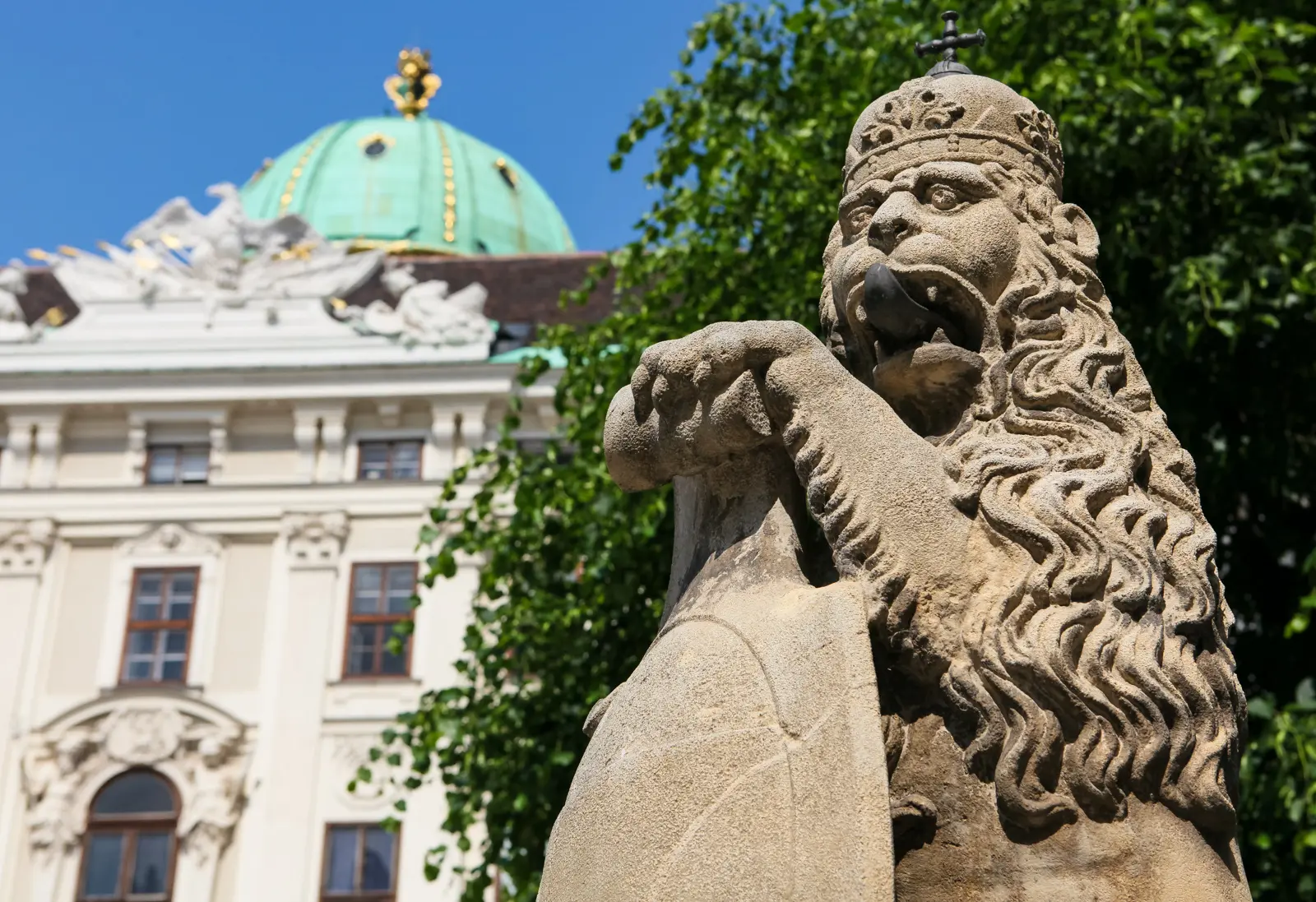
By the 13th century, the Habsburgs had firmly established themselves in Austria, and over time Vienna emerged as the political and cultural centre of their growing empire. As their influence expanded, so too did the importance of the city itself. Vienna evolved from a regional capital into one of Europe’s major imperial centres, shaped directly by the ambitions and priorities of the dynasty. Over the centuries, the Habsburg Empire grew to encompass vast territories across Central Europe, including regions of present-day Austria, Hungary, the Czech Republic, Croatia, and parts of Italy, among others.
This diversity profoundly influenced Vienna. The city became a meeting point of languages, traditions, cuisines, and artistic influences that gave it a cosmopolitan character still visible today. Many of the architectural projects, cultural institutions, and ceremonial traditions associated with Vienna emerged during this period, reinforcing the city’s role as both an imperial capital and a cultural crossroads.
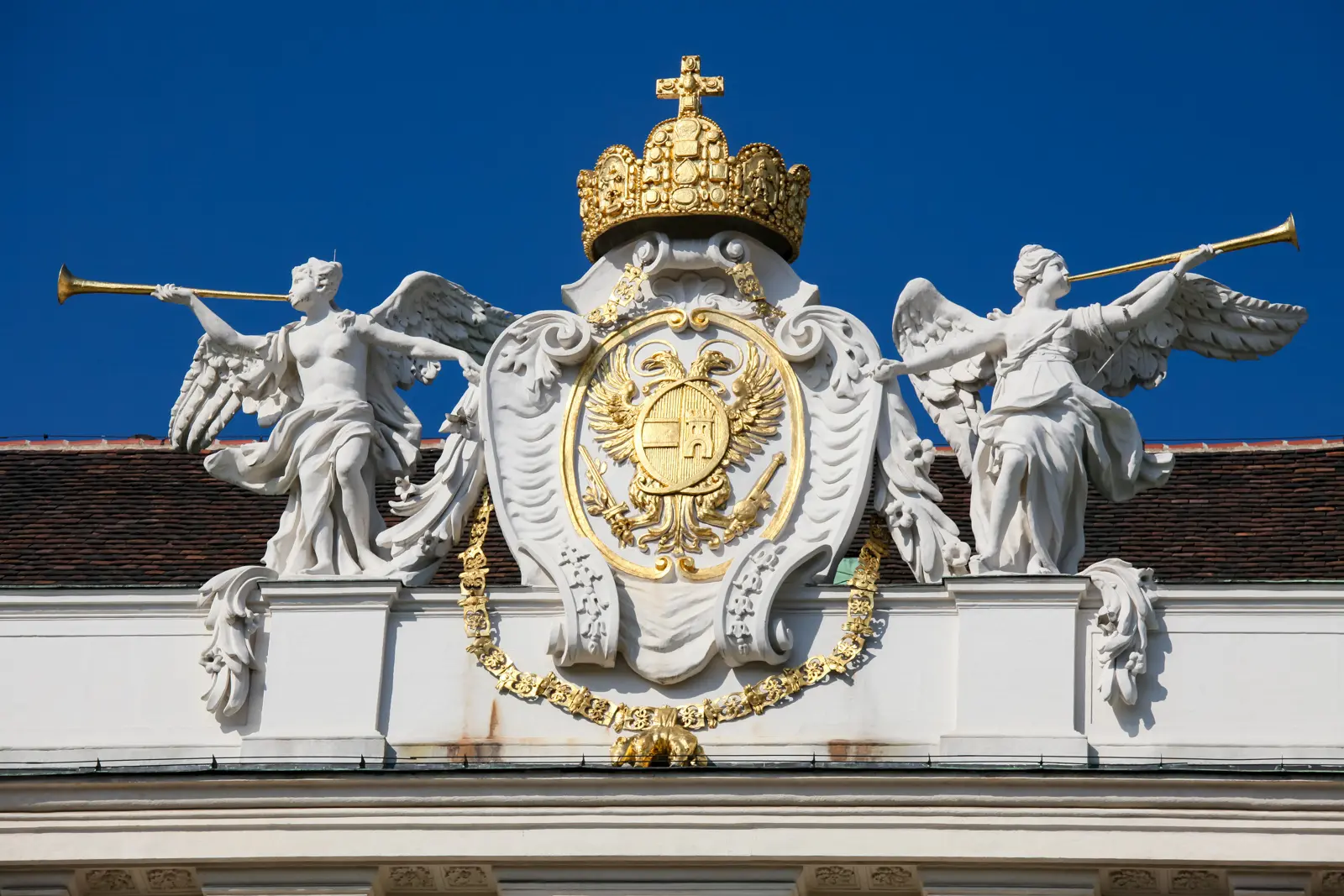
Hofburg Palace: The Centre of Imperial Power
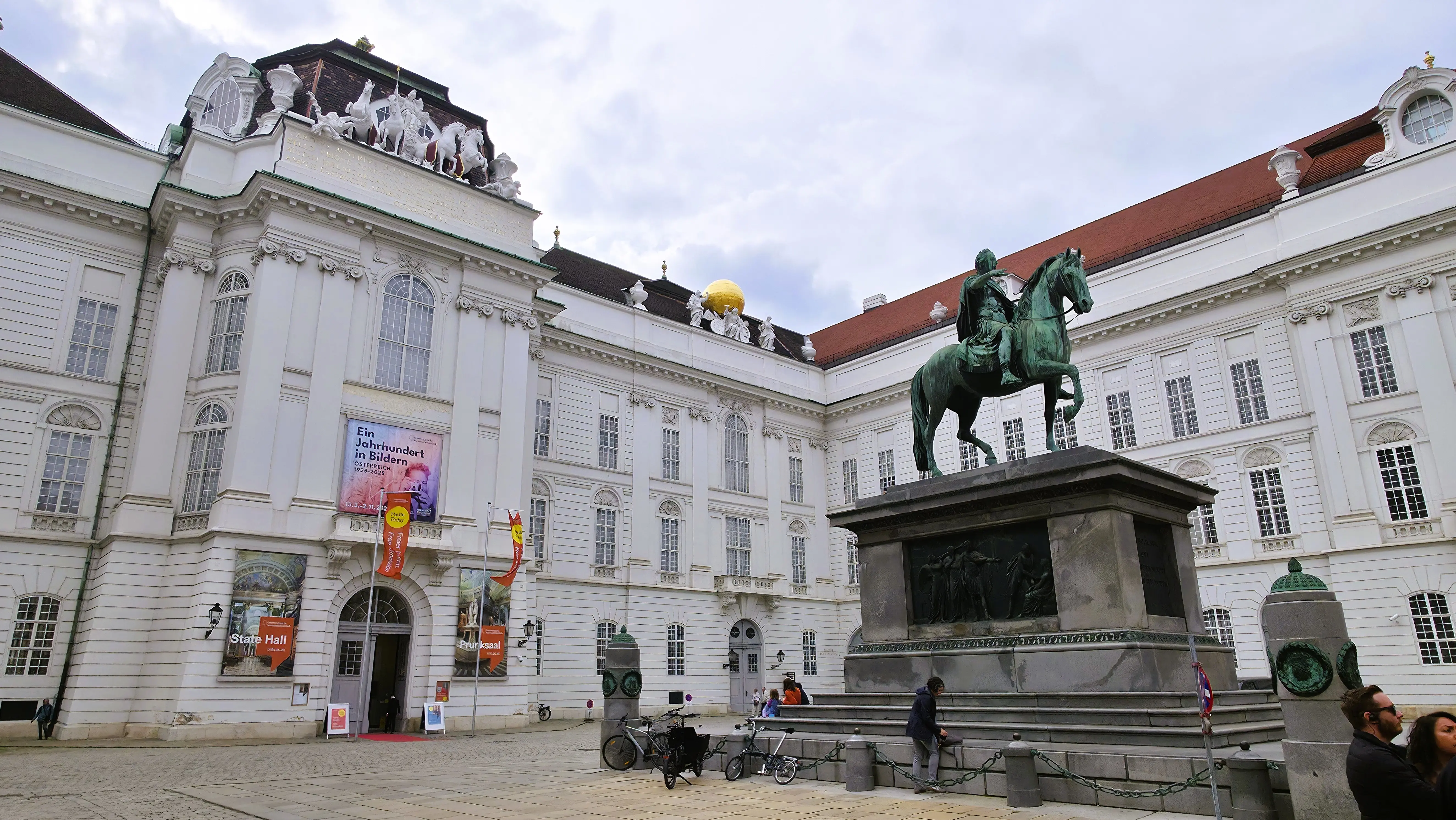
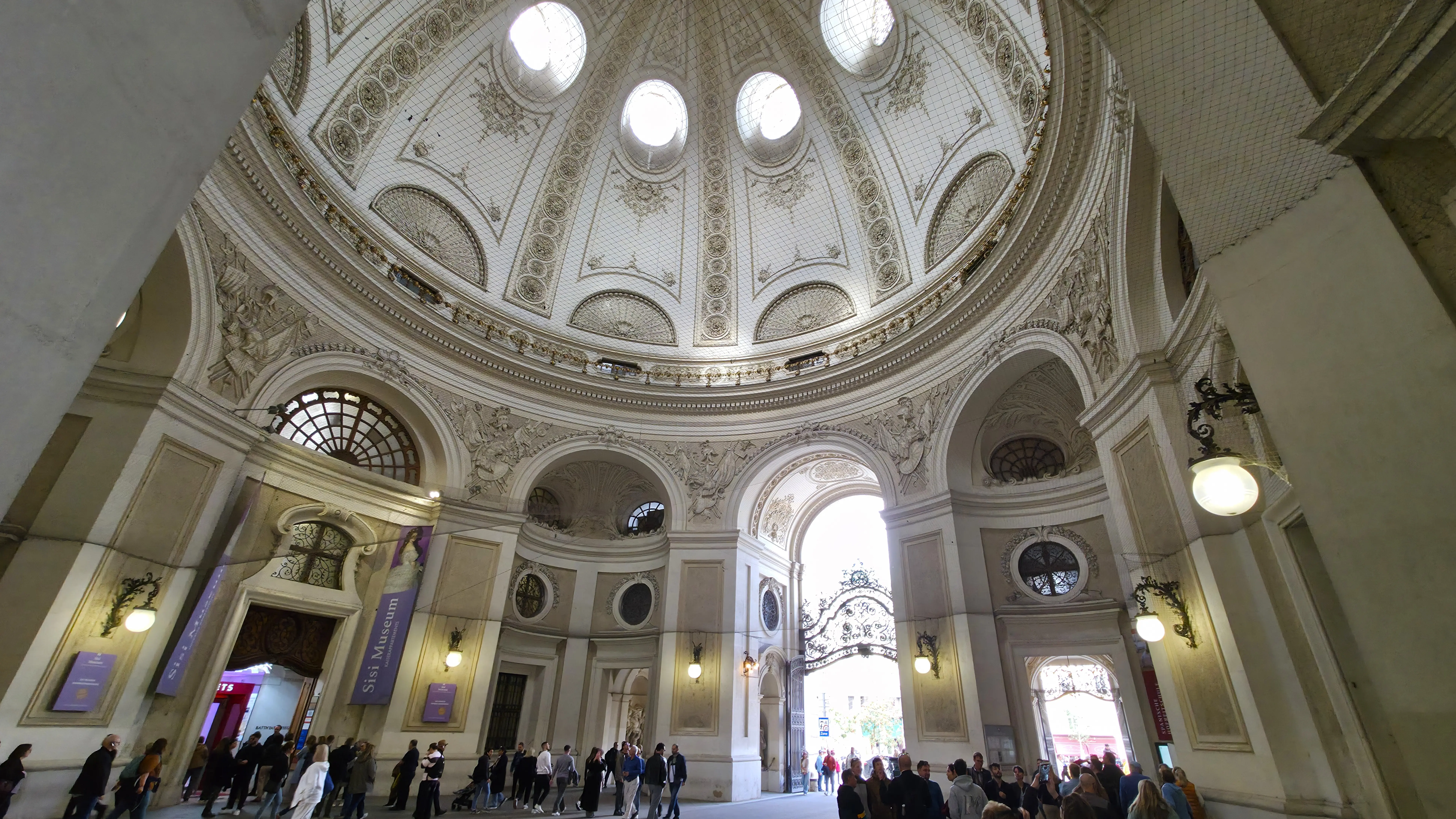
Few places reflect the scale and complexity of Habsburg rule more clearly than the Hofburg Palace. Located in the heart of Vienna, the sprawling complex served as the primary imperial residence for centuries and functioned as the political centre of the empire. Walking through the Hofburg today, it quickly becomes apparent that the palace is not a single structure, but rather an evolving architectural record of imperial ambition and dynastic continuity.
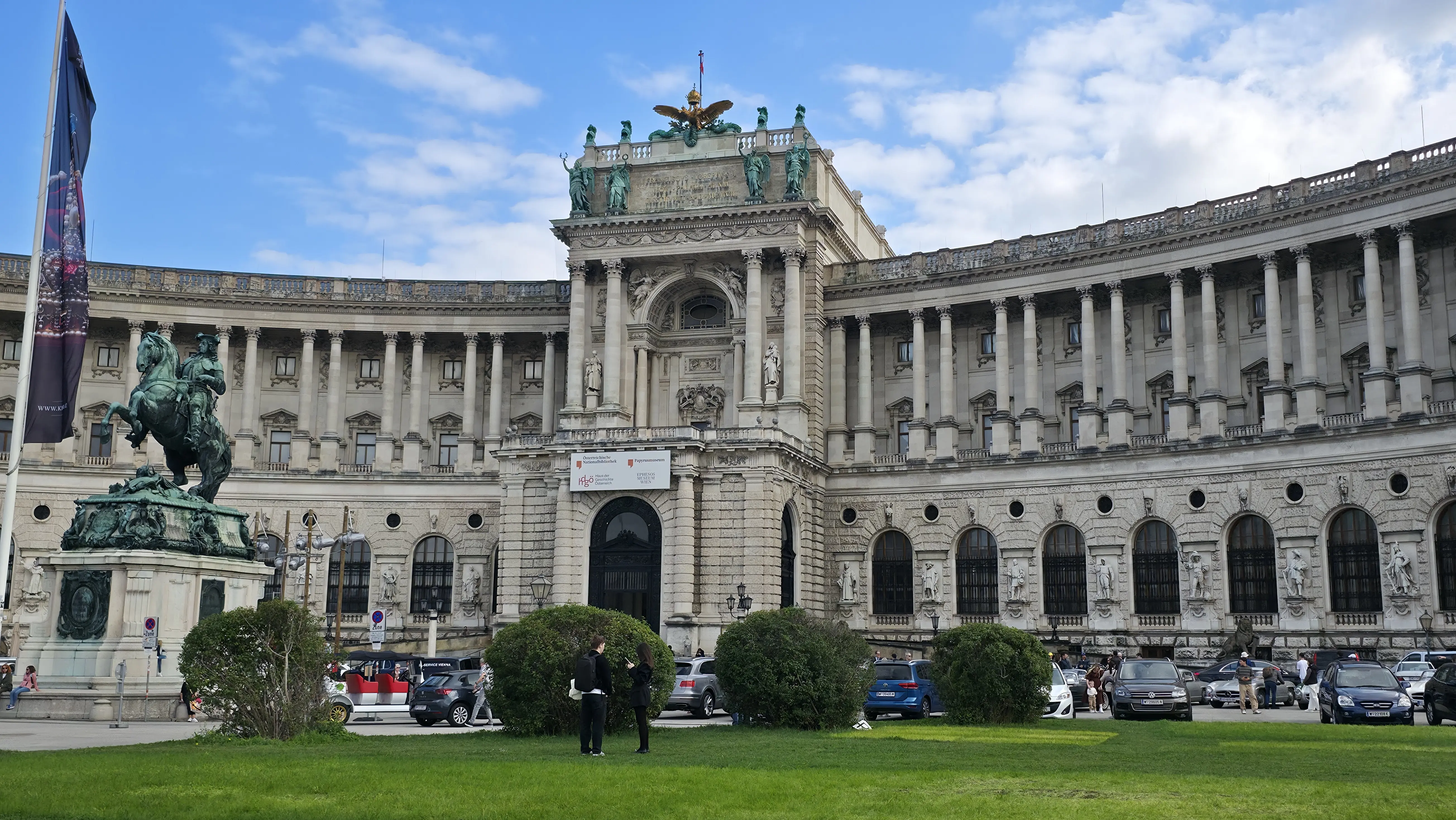
Different wings, courtyards, and façades reflect different eras and rulers, creating a layered environment that mirrors the evolution of the Habsburg dynasty itself. Grand staircases, ceremonial halls, and expansive courtyards communicate authority and prestige, while smaller passageways and residential sections hint at the more private realities of life within the imperial court. This contrast between public grandeur and private existence gives the complex an emotional dimension that extends beyond architecture alone.
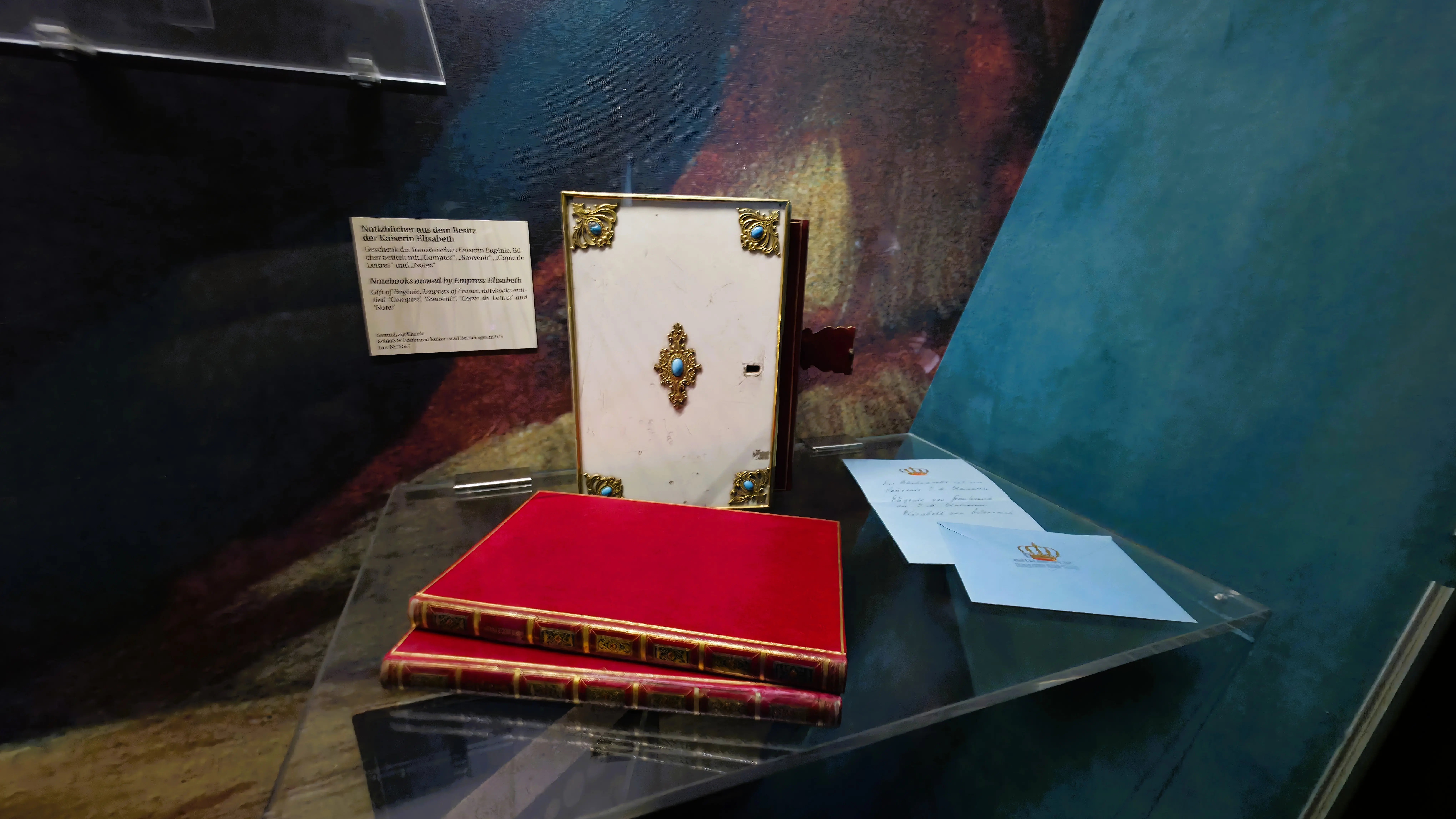
Within the Hofburg lies the Sisi Museum, which explores the life of Empress Elisabeth in greater depth. Rather than presenting only the romanticized image often associated with “Sisi,” the museum reveals a more nuanced figure – intelligent, restless, independent, and often deeply unhappy within the rigid structure of imperial life. Personal belongings, letters, and carefully curated displays create a portrait that feels surprisingly intimate, particularly when contrasted against the monumental scale of the palace itself.
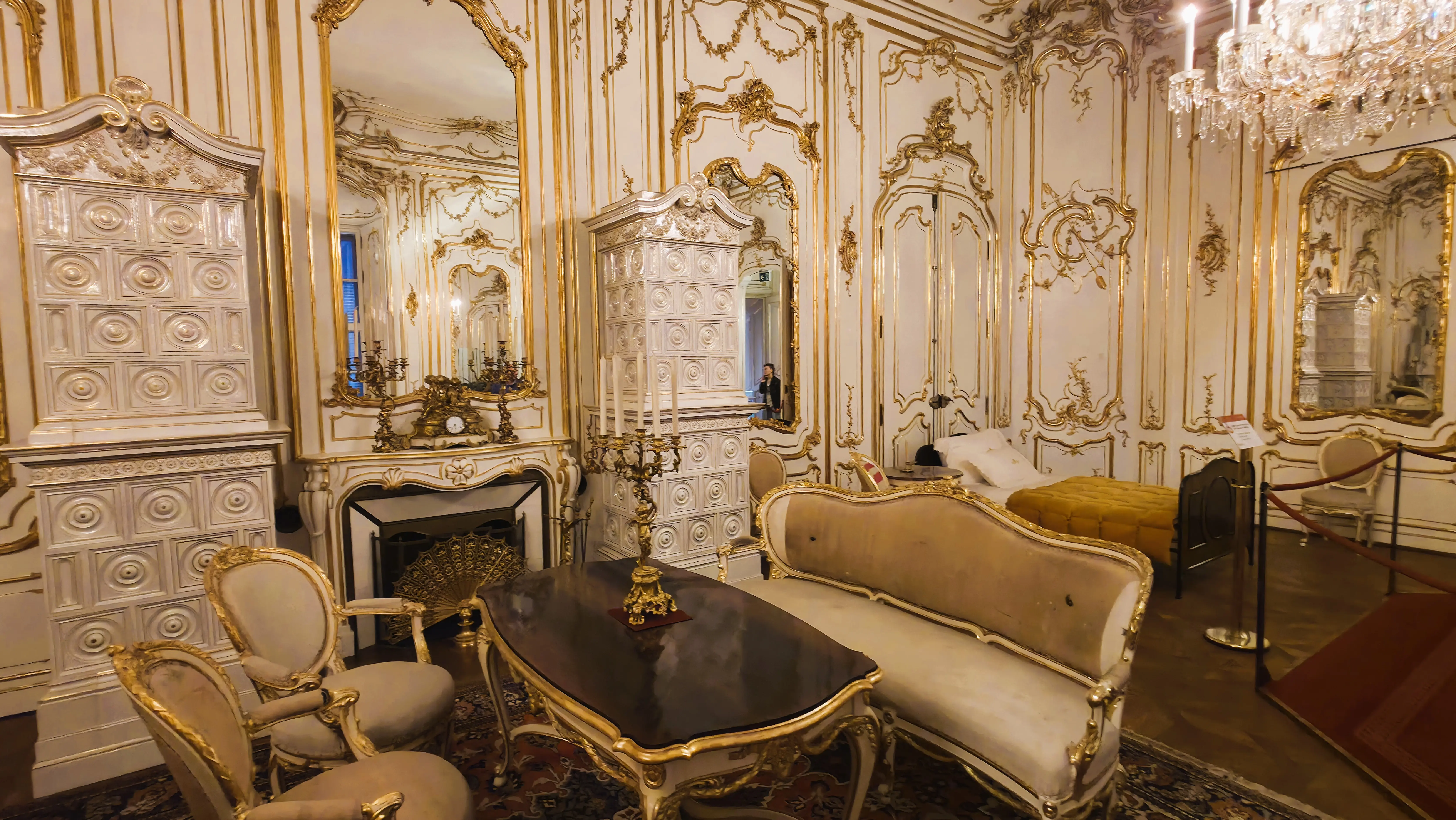
The Imperial Apartments further deepen this experience, allowing visitors to move through spaces once occupied by Franz Joseph and Elisabeth themselves. Standing within these rooms creates a sense of proximity to figures who are so often treated as distant historical symbols. The palace becomes less about abstract imperial power and more about the individuals who lived within it, their routines, responsibilities, and personal struggles unfolding behind layers of ceremony and protocol.
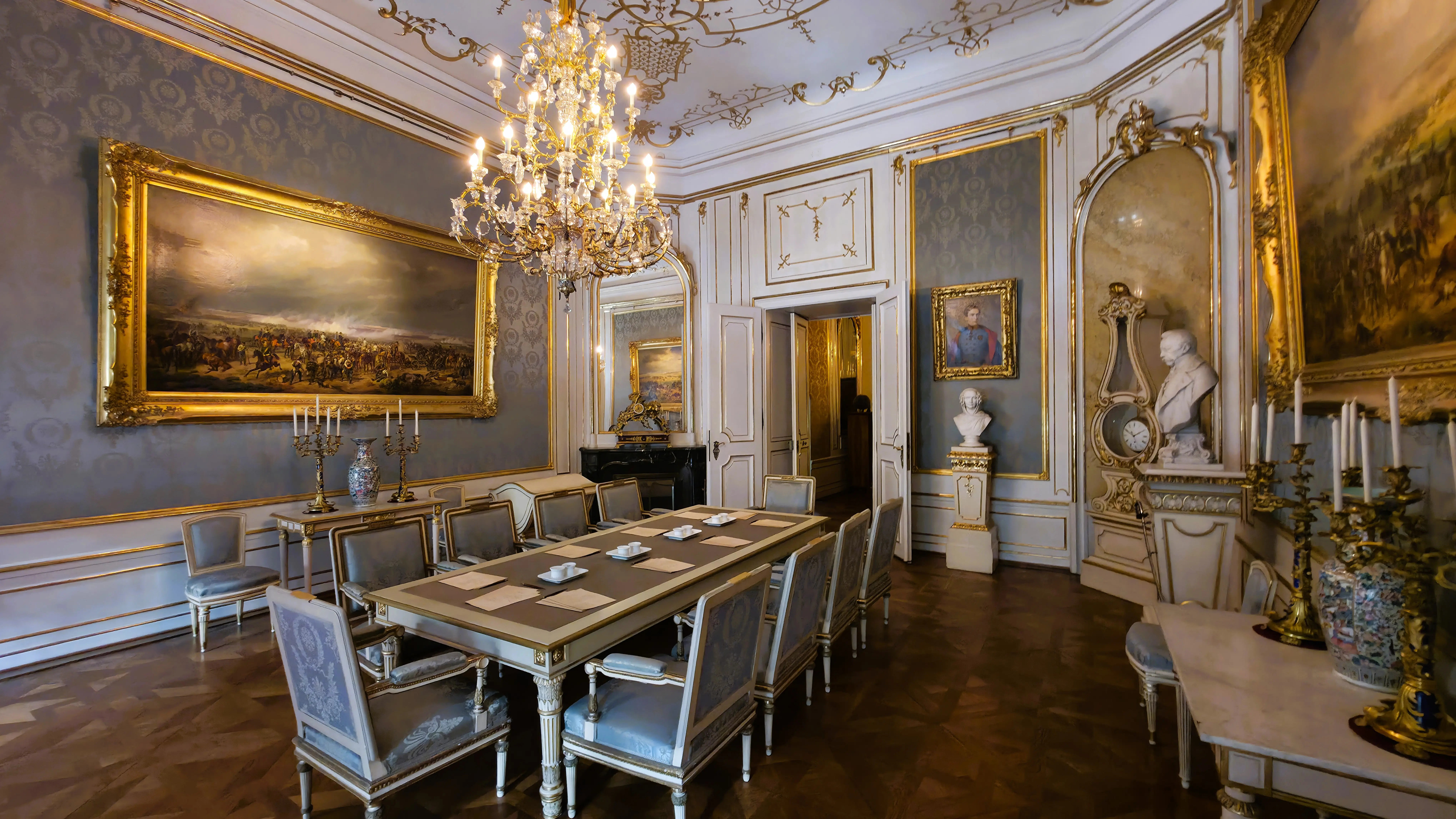
Schönbrunn Palace: Imperial Grandeur and Daily Life
If the Hofburg represented political power, Schönbrunn represented imperial retreat, dynastic continuity, and the more ceremonial side of Habsburg life. Originally conceived as a hunting lodge before evolving into a vast Baroque palace, Schönbrunn eventually became one of the most important residences of the Habsburg family and remains one of Vienna’s most iconic landmarks today.
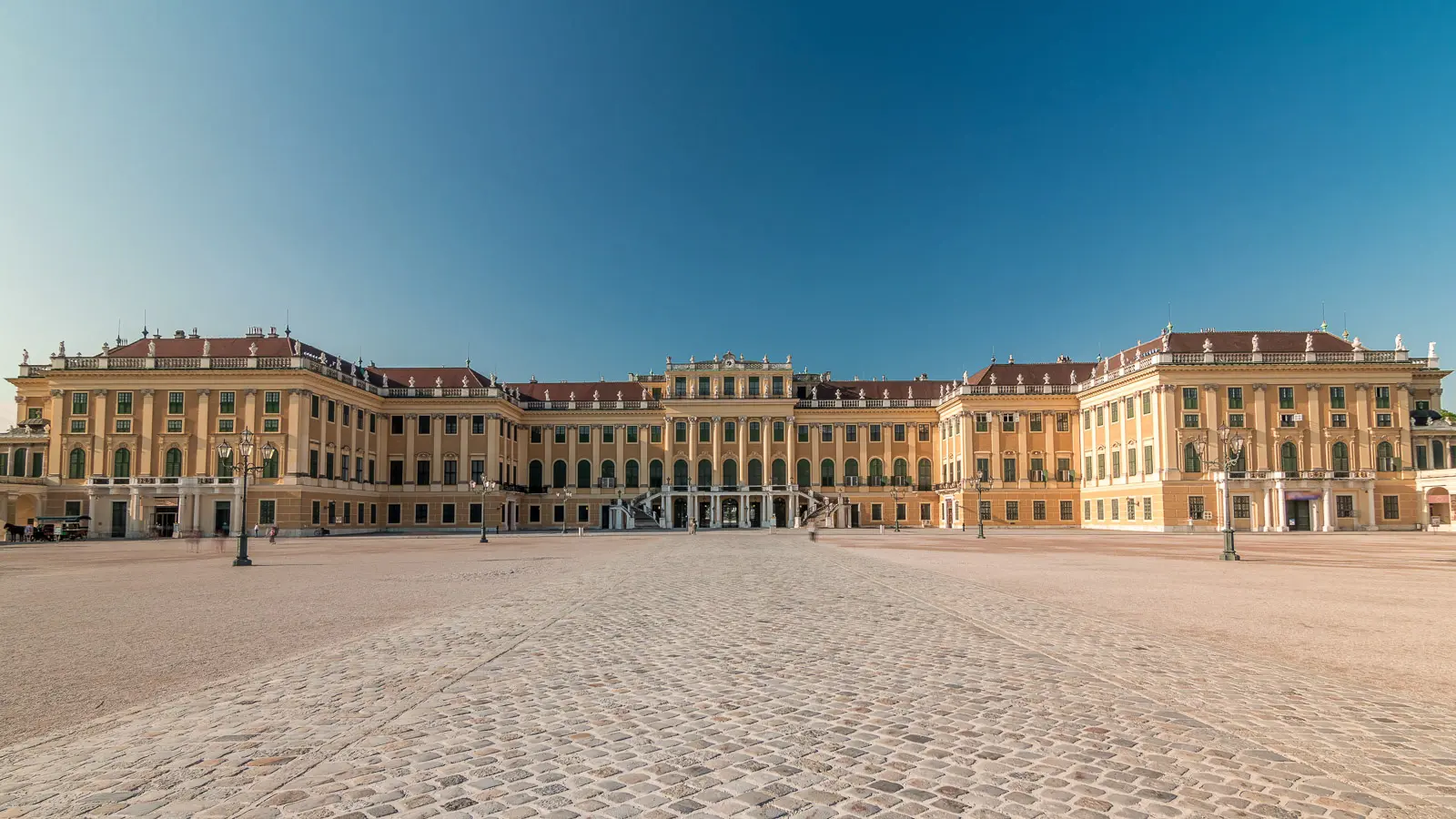
Walking through its lavish interiors offers a vivid glimpse into the formal structure of imperial life. The rooms are ornate yet highly disciplined in their design, reflecting the hierarchy and ceremony that defined the Habsburg court. Gold accents, chandeliers, silk wall coverings, and carefully preserved furnishings create an atmosphere of refinement that feels simultaneously grand and controlled. It becomes clear that Schönbrunn was not merely a residence, but a carefully constructed representation of imperial authority and sophistication.
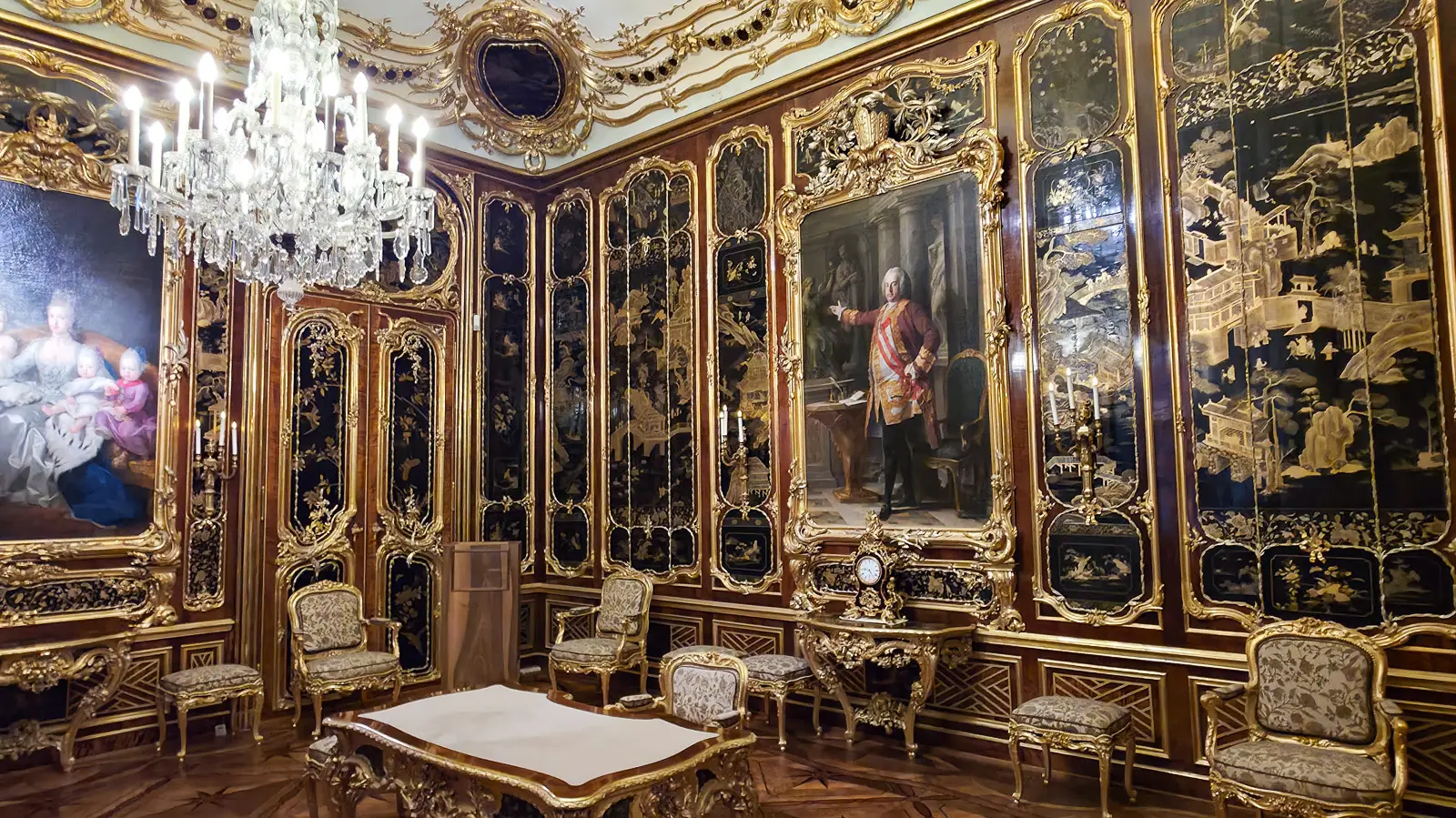
The palace is especially associated with Maria Theresa, one of the dynasty’s most influential rulers. Under her reign, Schönbrunn was transformed into a magnificent imperial residence and cultural centre that reflected the strength and ambitions of the empire. Maria Theresa’s influence extended far beyond architecture. She introduced reforms in education and administration, strengthened the monarchy, and played a central role in shaping the future of the Habsburg Empire during a period of significant political change.
Yet one of the most memorable aspects of Schönbrunn lies beyond the palace walls. The gardens create an experience that feels immersive and expansive, with pathways, fountains, sculptures, and elevated viewpoints unfolding gradually as you explore. Walking toward the Gloriette, the panoramic views over Vienna reinforce the immense scale of the imperial world the Habsburgs created. The gardens do not feel secondary to the palace, they are an essential extension of it, designed to project harmony, beauty, and imperial order onto the surrounding landscape.
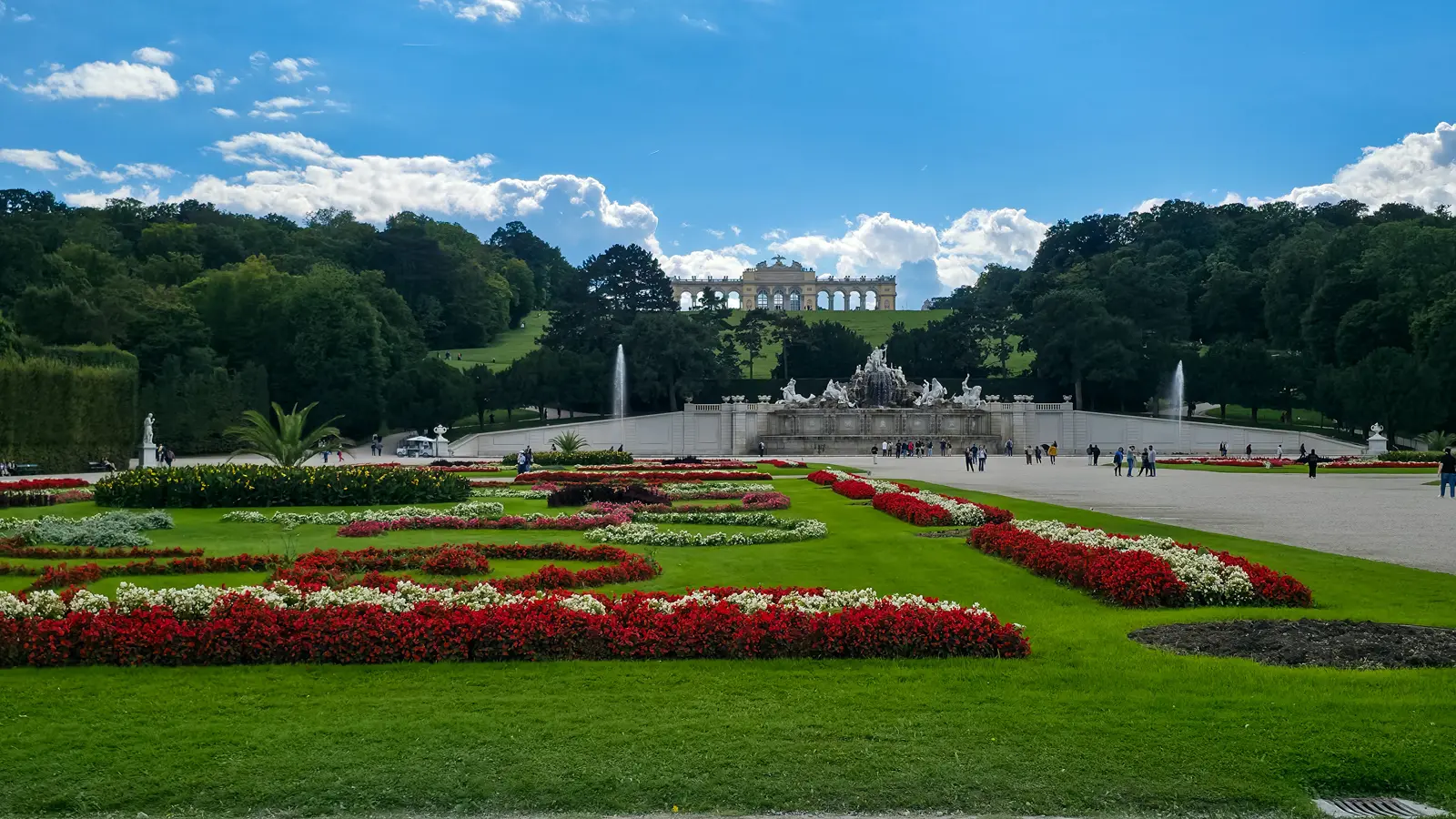
What makes Schönbrunn especially compelling is how alive it still feels. Rather than existing solely as a preserved monument, it remains integrated into the rhythm of Vienna itself, filled with visitors strolling through the gardens, pausing near fountains, or simply taking in the atmosphere. The result is a place where history never feels entirely frozen in time.
Franz Joseph I and Empress Elisabeth of Austria: Love, Duty, and Tragedy
Among all Habsburg figures, few continue to capture public imagination like Franz Joseph and Sisi. Their story combines romance, duty, personal struggle, and tragedy in ways that continue to resonate deeply with visitors to Vienna. Even today, their relationship remains central to the city’s imperial narrative, shaping how many people emotionally connect with Vienna’s history.
Franz Joseph ruled for nearly 68 years, becoming one of the longest-reigning monarchs in European history. He is often remembered as disciplined, reserved, and deeply committed to duty, dedicating much of his life to preserving stability within an increasingly fragile empire. Sisi, by contrast, became known for her beauty, independence, and resistance to the strict expectations of court life. Although romanticized in films and popular culture, her life was often marked by loneliness, grief, and a persistent desire for freedom that conflicted with imperial obligations.
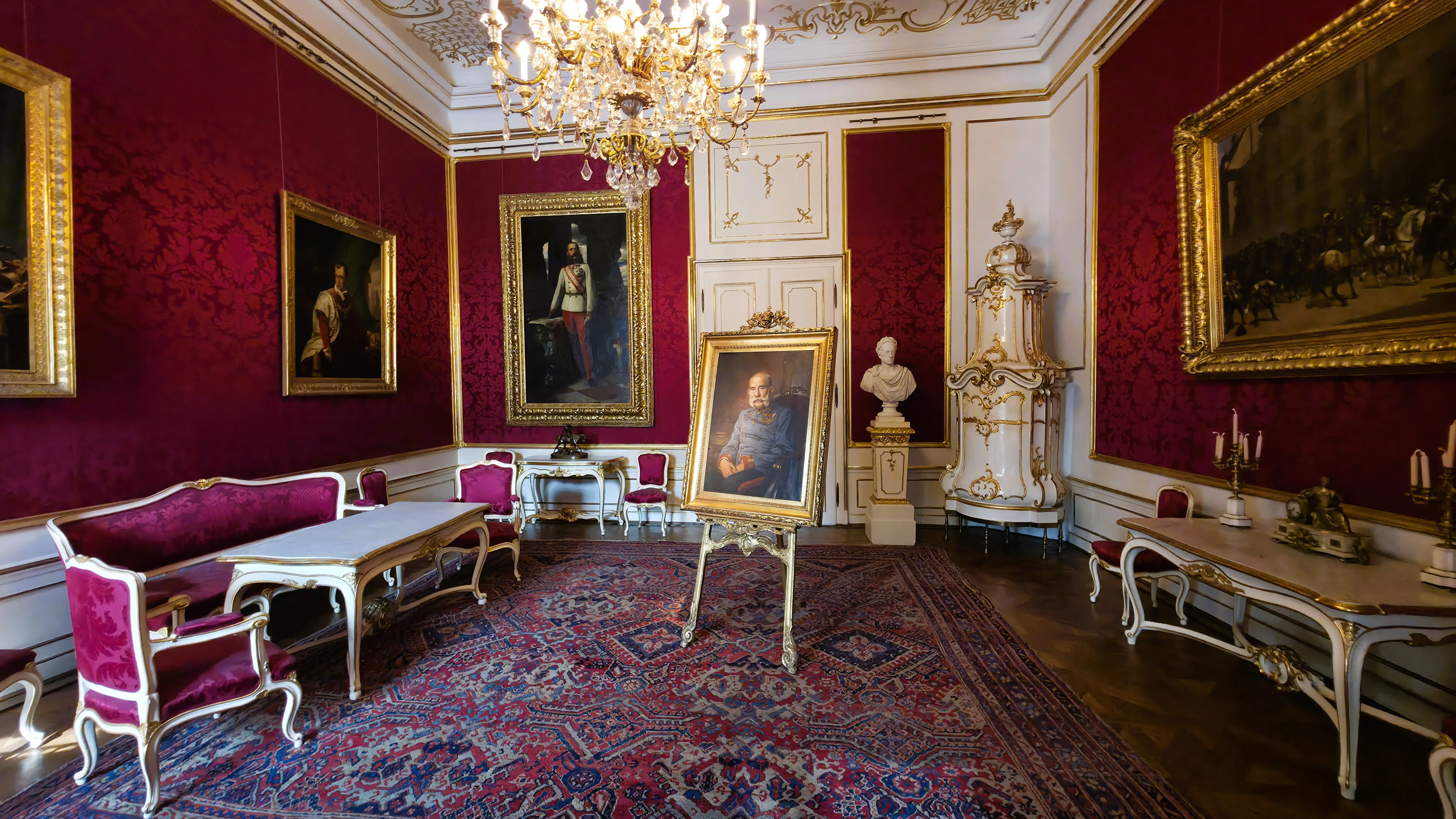
Their relationship reflects many of the tensions that existed within the Habsburg world itself. Franz Joseph embodied continuity, structure, and responsibility, while Sisi resisted confinement and struggled against the rigid expectations imposed upon her. This contrast gives their story a complexity that feels far more compelling than a traditional royal romance.
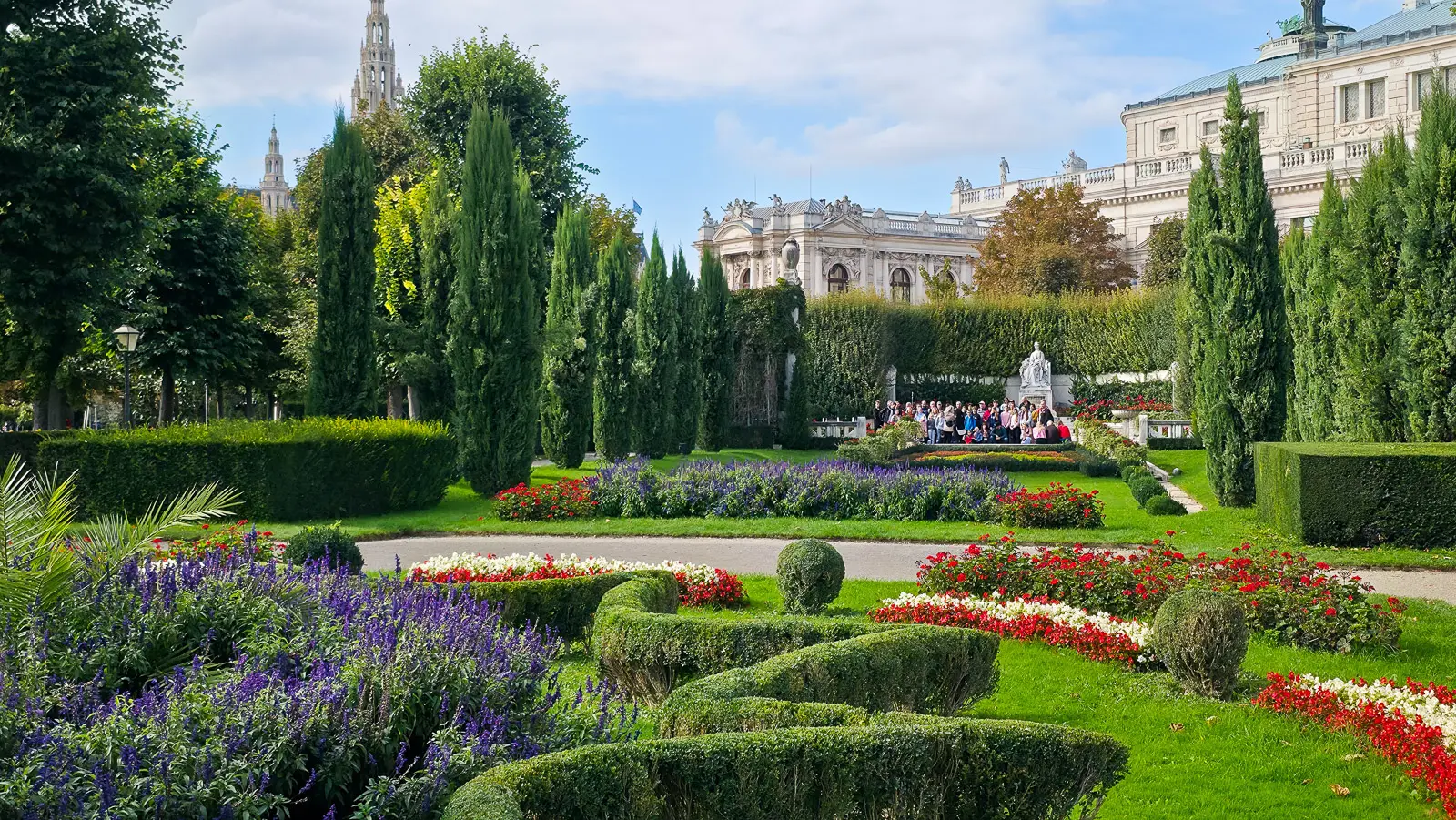
Throughout Vienna, traces of their presence remain visible – in the Hofburg, Schönbrunn, statues, museums, and gardens where their legacy still feels tangible. One particularly moving example is the Sisi Monument in the Volksgarten. Surrounded by flowers and greenery, the monument presents a softer and more reflective image of the empress, contrasting with the grandeur often associated with imperial memorials. The setting feels intimate rather than imposing, encouraging quiet reflection rather than spectacle.
Music, Art, and Cultural Legacy
The Habsburgs shaped Vienna not only through politics and architecture, but through culture itself. Under imperial patronage, the city evolved into one of Europe’s great artistic and intellectual capitals, attracting composers, artists, writers, and thinkers whose influence extended far beyond Austria. Figures such as Wolfgang Amadeus Mozart, Ludwig van Beethoven, and Johann Strauss II became closely associated with Vienna during this period. Music was not simply entertainment within imperial society, it became part of the cultural identity of the city itself. Concert halls, salons, opera houses, and public performances helped establish Vienna as a centre of artistic excellence whose reputation continues today.
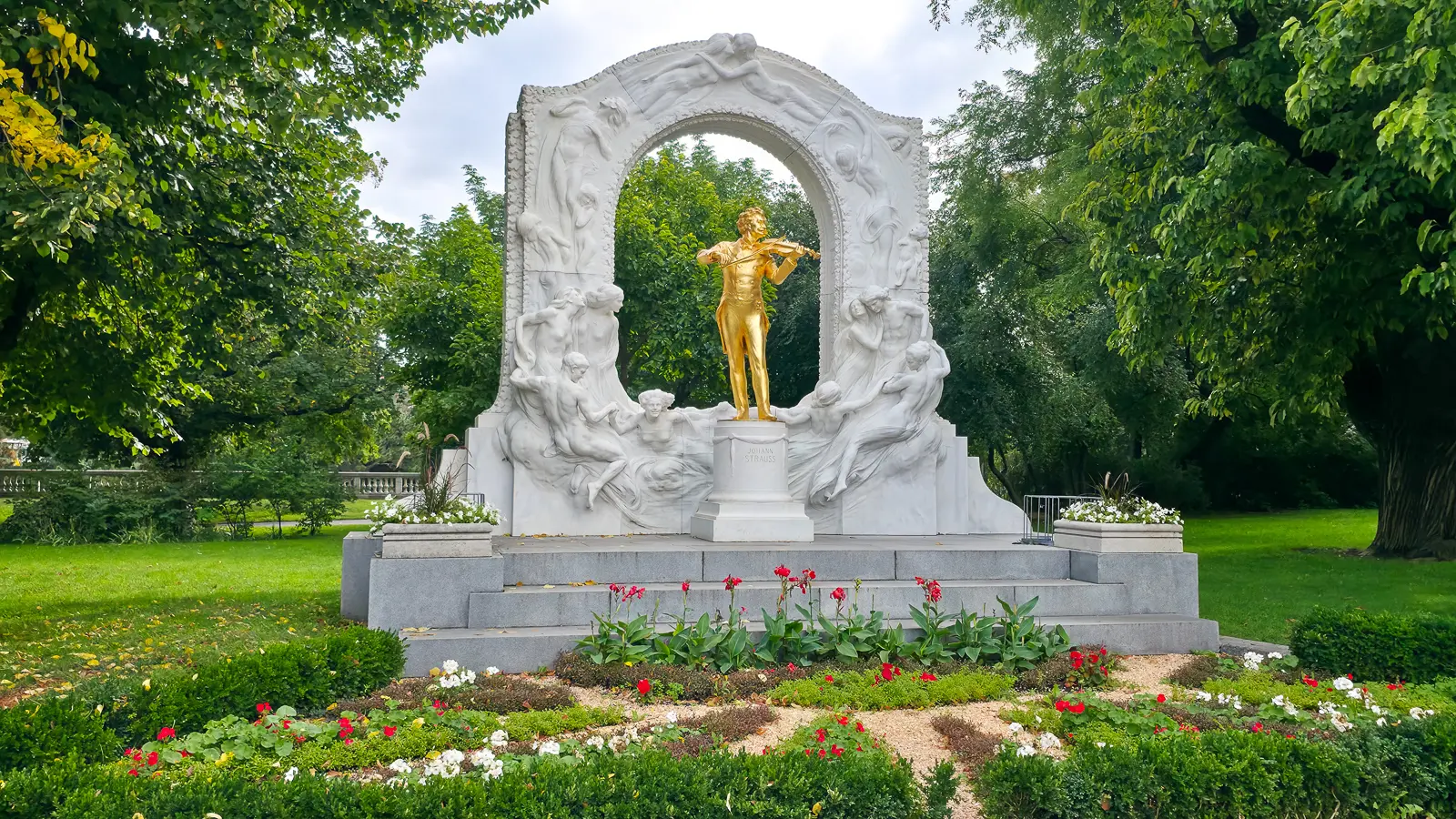
This musical legacy remains deeply woven into Vienna’s atmosphere. In places like Stadtpark, where the golden Strauss monument stands surrounded by greenery, music feels integrated into the urban environment rather than confined to formal institutions. Even today, classical performances, street musicians, and references to Vienna’s composers appear throughout the city, reinforcing the enduring connection between music and place.
The Habsburgs also contributed significantly to Vienna’s artistic development through museums, collections, and architectural patronage. This cultural environment eventually helped pave the way for later movements such as the Vienna Secession led by figures like Gustav Klimt. Even as artistic styles evolved, they emerged within a city whose intellectual and cultural foundations had been shaped over centuries of imperial influence.
The Decline of the Empire
Despite its immense power and longevity, the Habsburg Empire eventually faced mounting political, social, and nationalist pressures that became increasingly difficult to contain. The diversity that once strengthened the empire also created tensions, as different regions and populations sought greater autonomy and national identity. By the late 19th and early 20th centuries, Europe itself was changing rapidly. Industrialization, nationalism, and political reform movements challenged older imperial structures, including the Habsburg monarchy. Although Franz Joseph worked tirelessly to maintain stability, the empire grew increasingly fragile beneath the surface.
The assassination of Archduke Franz Ferdinand in Sarajevo in 1914 triggered the events that led to the First World War, fundamentally reshaping Europe and accelerating the collapse of the empire. By 1918, the Austro-Hungarian Empire had dissolved, bringing centuries of Habsburg rule to an end. Yet even after the monarchy disappeared, the legacy of the dynasty remained deeply embedded within Vienna. The palaces, museums, traditions, and cultural identity they helped create continued to shape the city long after imperial rule ended. In many ways, modern Vienna still exists in dialogue with the Habsburg world that once defined it.
Vienna Today: Walking Through the Habsburg Legacy
What makes the Habsburg story so compelling is that it is not confined to museums or history books; it remains woven into the fabric of Vienna itself. The city does not simply remember the dynasty, it continues to live alongside its legacy in ways that feel immediate and tangible. Walking through Vienna today, imperial history appears constantly, sometimes dramatically and sometimes subtly. It can be found in the grandeur of the Hofburg Palace, the openness of Schönbrunn Palace, the elegance of Ringstrasse architecture, and even in quieter moments – sitting in a historic café, listening to classical music drifting through the streets, or walking through gardens once frequented by emperors and empresses.
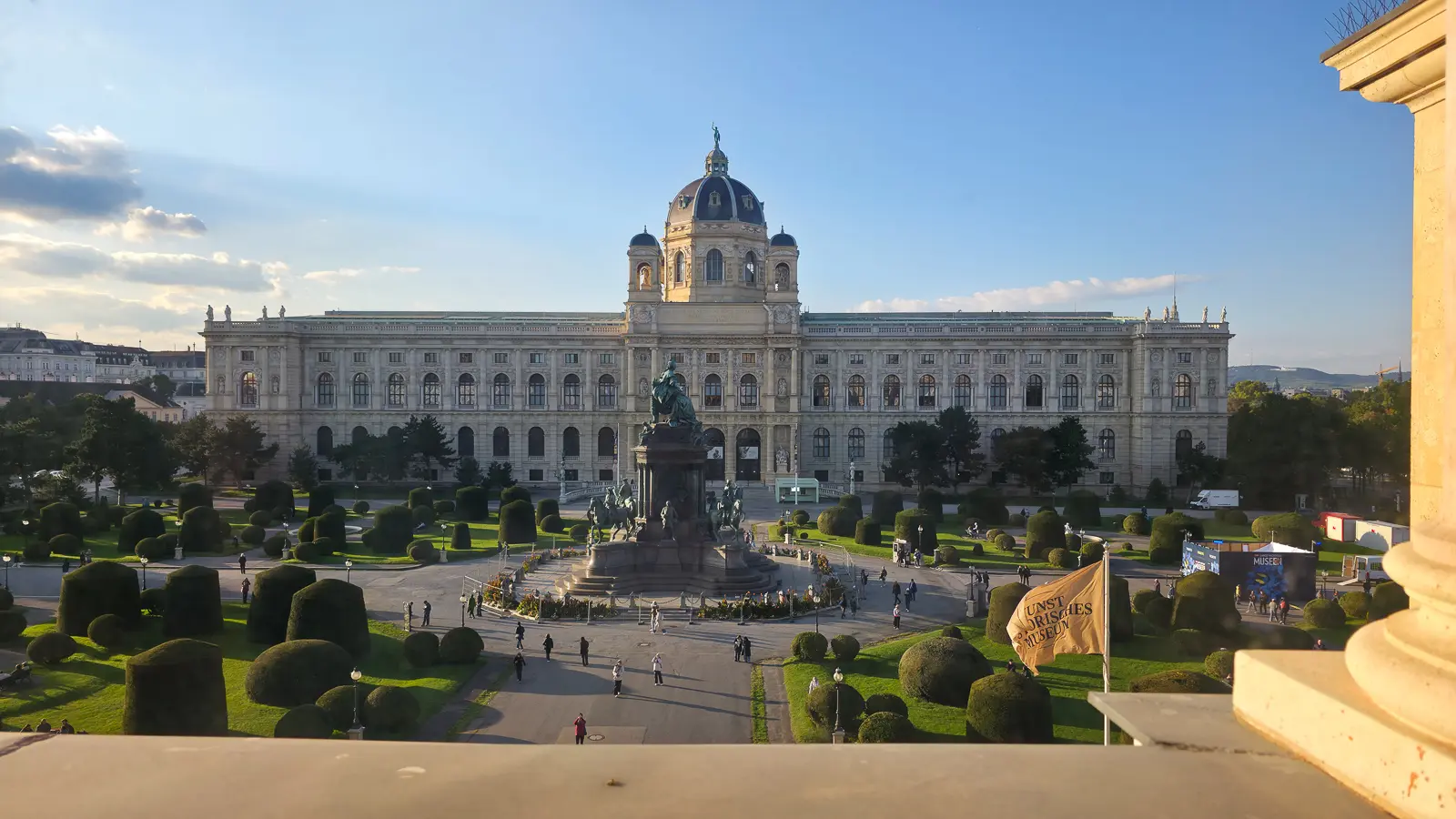
Places such as Maria-Theresien-Platz further reinforce how deeply imperial identity remains embedded within the city. Dominated by the monumental statue of Maria Theresa, the square feels both grand and reflective, surrounded by some of Vienna’s most important cultural institutions. Standing there, the connection between imperial power, art, and the shaping of Vienna itself becomes especially visible, revealing how the Habsburg legacy extended far beyond politics alone.
Even places where the connection is less obvious often carry traces of the past. During my stay at Imperial Riding School, Autograph Collection, I learned that the grounds were once connected to the orchard of Franz Joseph I. Sitting at the Elstar Restaurant, enjoying a dessert inspired by the Elstar apple said to have been his favourite, the connection between past and present felt unexpectedly close. It was a small moment, but one that captured the essence of Vienna itself, a city where history never feels entirely distant, but instead quietly lingers within everyday experiences.
Bubbly Tips for Exploring Habsburg Vienna
- Visit both the Hofburg and Schönbrunn: Together, they provide the most complete understanding of imperial Vienna and the different roles these residences played within Habsburg life.
- Allow time for the gardens: The outdoor spaces are just as important to the experience as the interiors and often provide some of the most memorable moments.
- Explore the Sisi Museum for a more personal perspective: It adds emotional depth and complexity to Vienna’s imperial narrative.
- Pause in Vienna’s cafés: Coffee culture was closely tied to the intellectual and artistic life that flourished under imperial Vienna.
- Look beyond the major landmarks: Some of the most meaningful Habsburg connections appear in quieter corners of the city.
Final Thoughts
The story of the Habsburg dynasty is ultimately the story of Vienna itself. Their influence shaped the city politically, architecturally, artistically, and culturally, leaving behind a legacy that continues to define Vienna centuries later.
Yet what makes this history so fascinating is not only the scale of imperial power, but the humanity within it: the ambitions, contradictions, relationships, and personal struggles that unfolded behind palace walls and ceremonial traditions. These layers are what transform Vienna from a beautiful city into one that feels emotionally and historically immersive.
Exploring Vienna through the lens of the Habsburgs changes the way you experience the city. The palaces become lived spaces, the gardens become extensions of imperial life, and the streets themselves begin to feel connected to a broader historical narrative that still shapes Vienna today.
Have you explored Vienna through its imperial history? I would love to hear which Habsburg landmark or story fascinated you the most.
Happy travels!

🌟 Everything You Need to Plan Your Dream Trip in 2026
- 🌟 Luxury Hotels - Find premium stays with Booking.com & Hotels.com
- 🏡 Vacation Rentals - Discover unique properties on VRBO
- 🏞️ Guided Tours - Explore with Viator or GetYourGuide
- 🎫 Attraction Tickets - Skip the lines with Tiqets
- 🚢 Ocean Cruises - Set sail with Cruise Direct
- 📱 International SIMs - Stay connected with Saily
- 🚗 Car Rentals - Budget-friendly options from Discover Cars
- 🌐 Secure VPNs - Browse safely with NordVPN
- 💶 Currency Exchange - Best rates with Wise
- 🗣️ Learn Languages - Master the local language with Babbel and Rosetta Stone