
Vienna is a city that feels, at first glance, effortlessly romantic. Its palaces shimmer with imperial grandeur, its gardens unfold with quiet elegance, and its streets carry echoes of a past that still feels very much alive. But behind that beauty lies a love story that was far more complex than the fairytale many imagine.
The story of Emperor Franz Joseph I and Empress Elisabeth of Austria, known affectionately as Sisi, is one of contrast, distance, and quiet longing. It is a story that did not unfold in sweeping romantic gestures, but in the tension between duty and freedom, expectation and identity. What makes their story particularly compelling is that it is not confined to history books. It lives on in Vienna itself: in the palaces, the gardens, and the quieter corners of the city where their presence can still be felt. Walking through Vienna, you are not just exploring a destination; you are stepping into a story.
Franz Joseph & Sisi at a Glance
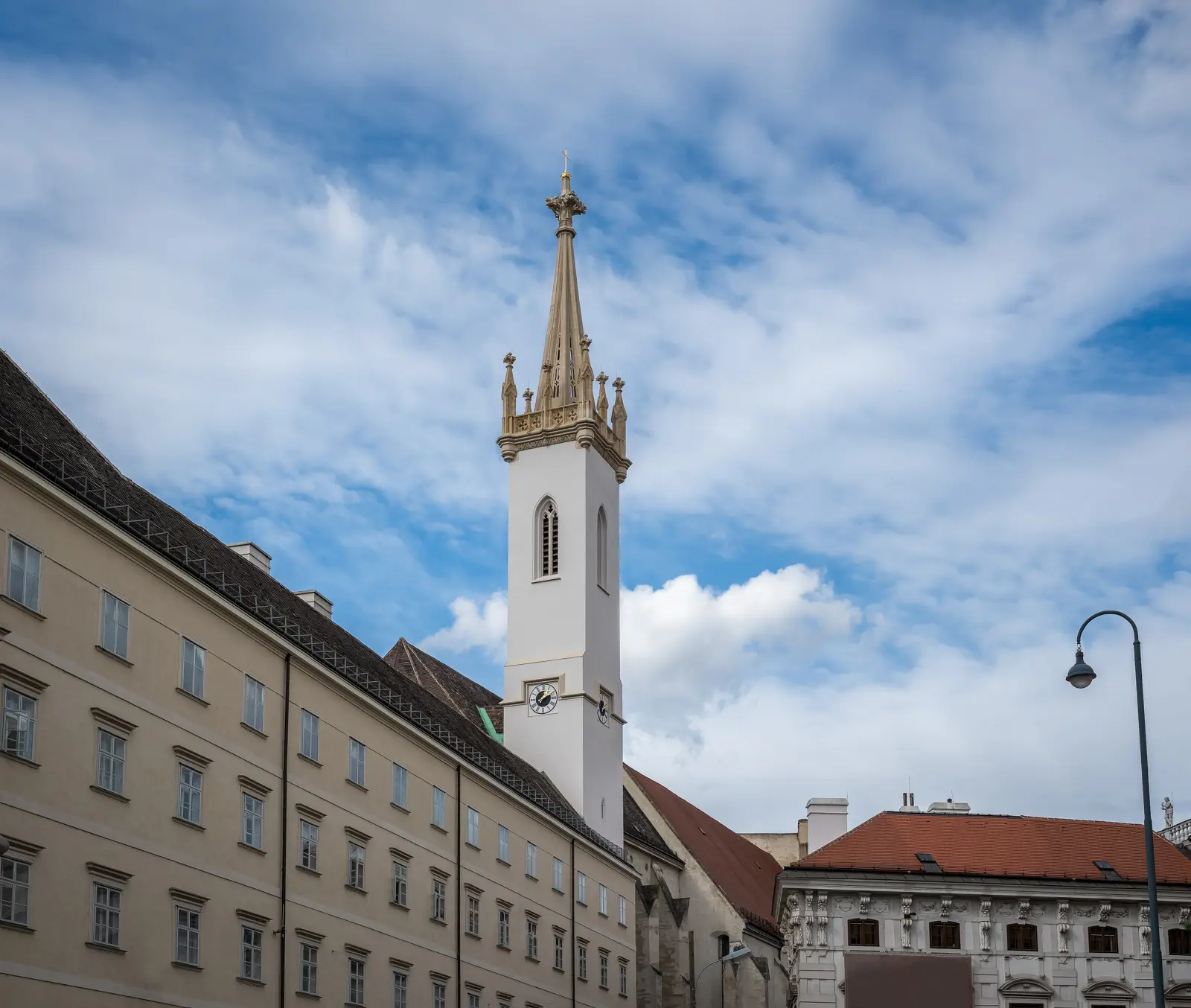
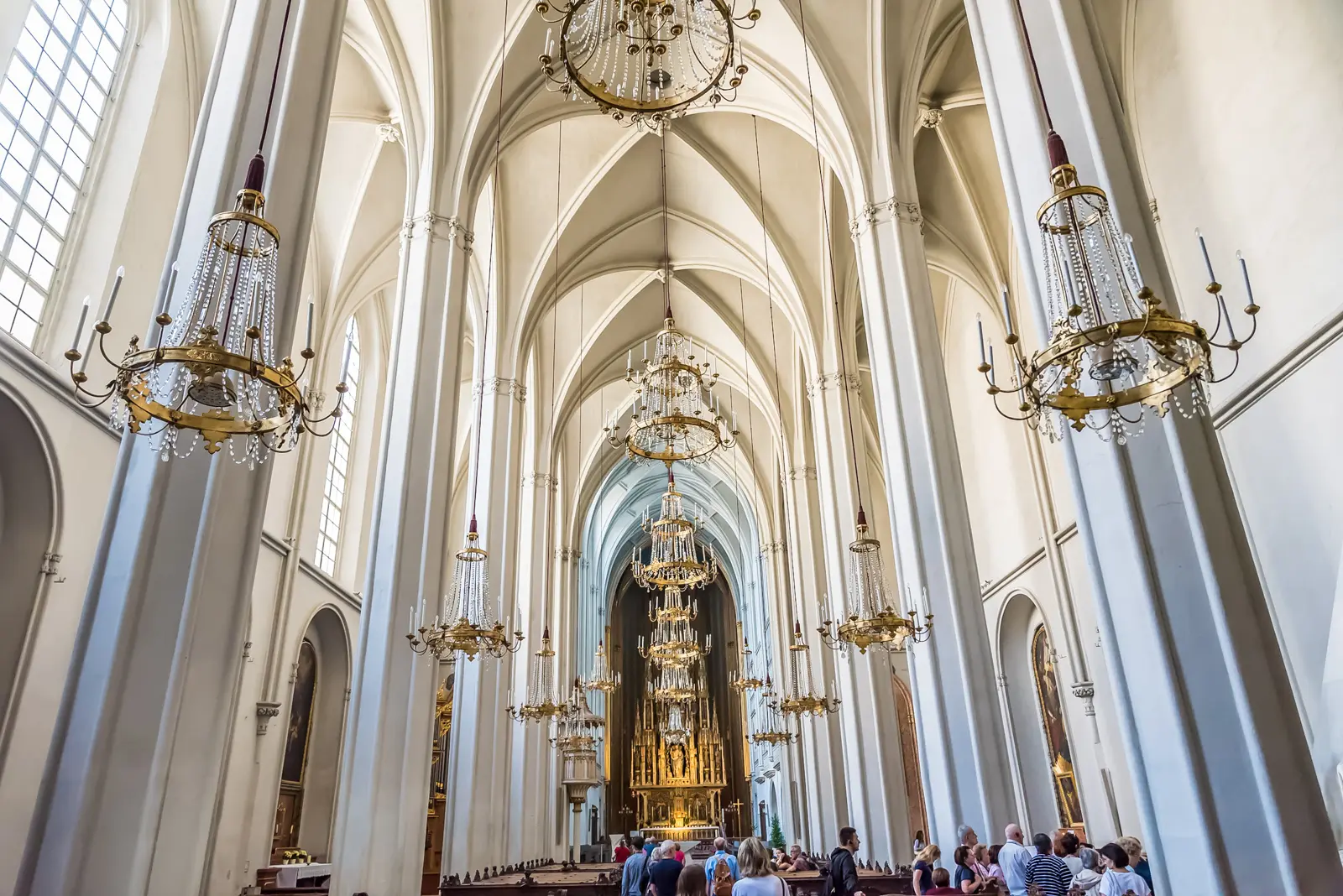
💍 Married · They wed at Vienna’s Augustinerkirche on 24 April 1854, when Sisi was just 16.
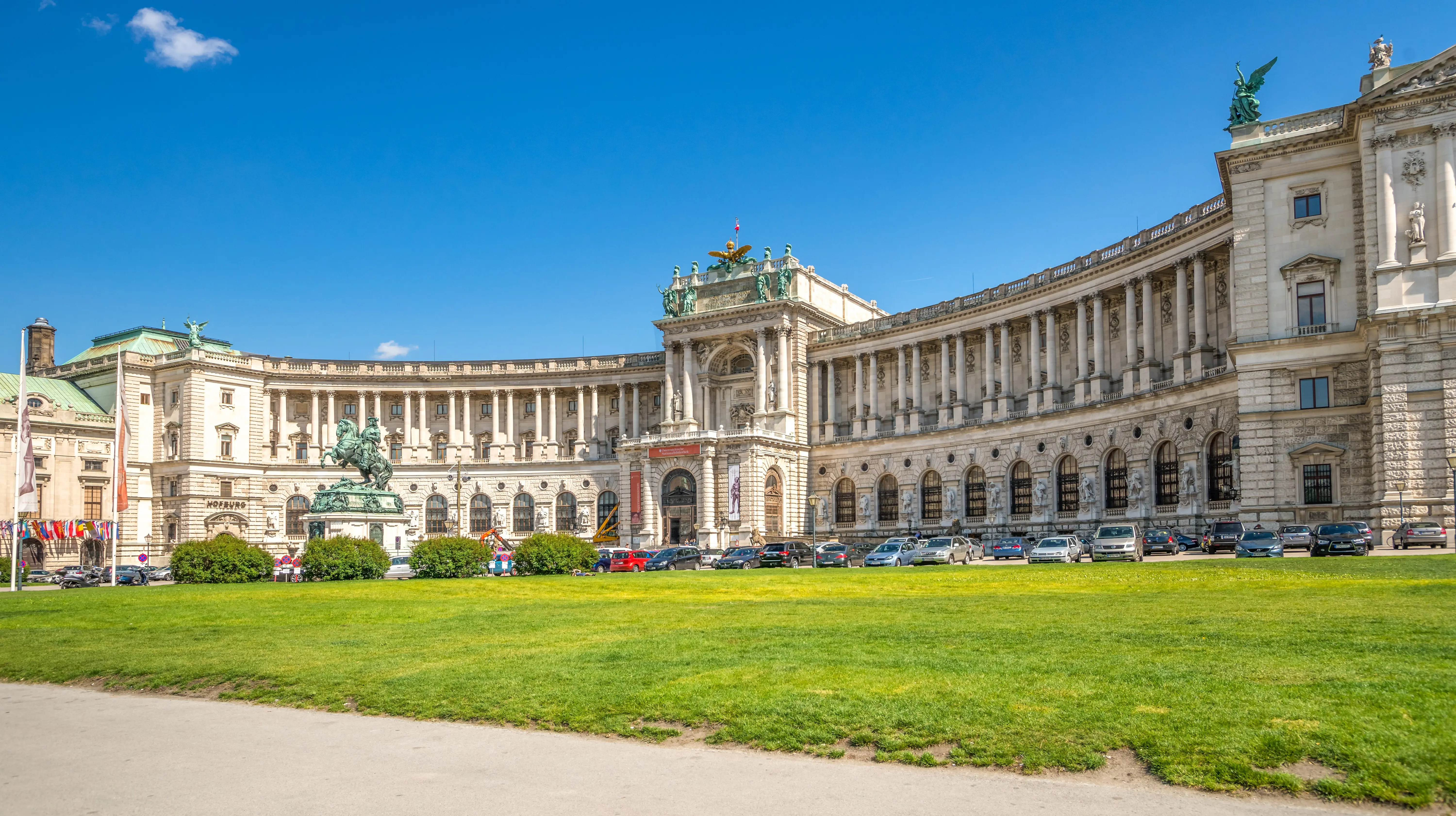
🏰 Two palaces · Hofburg was the Habsburg winter residence. Schönbrunn was the imperial summer escape.
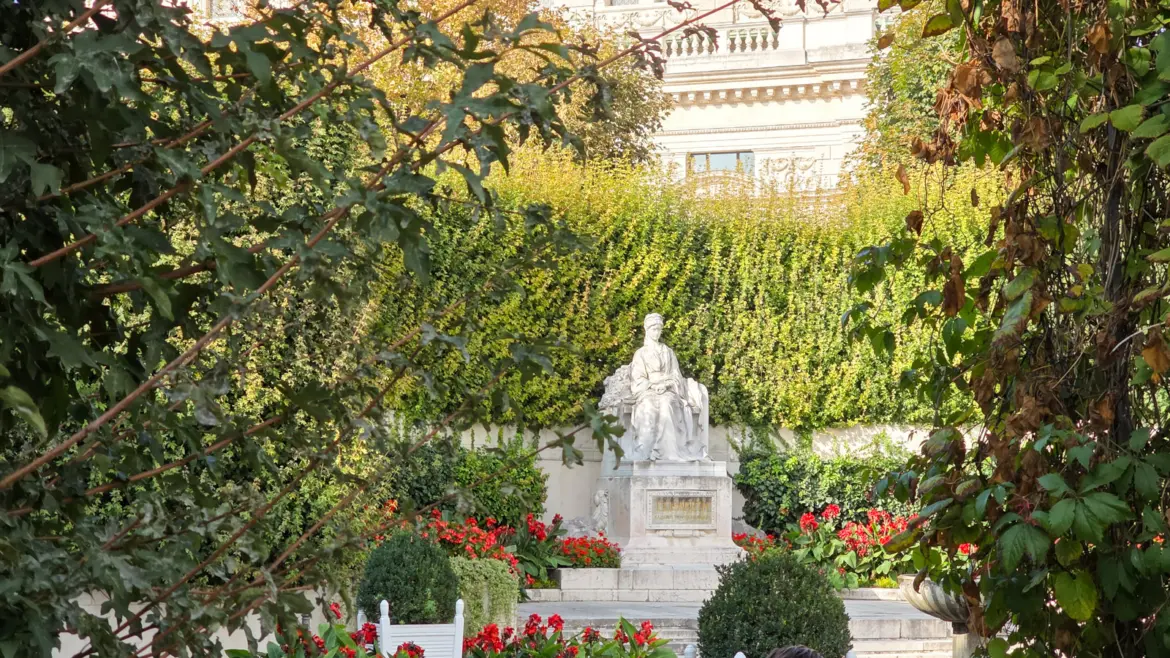
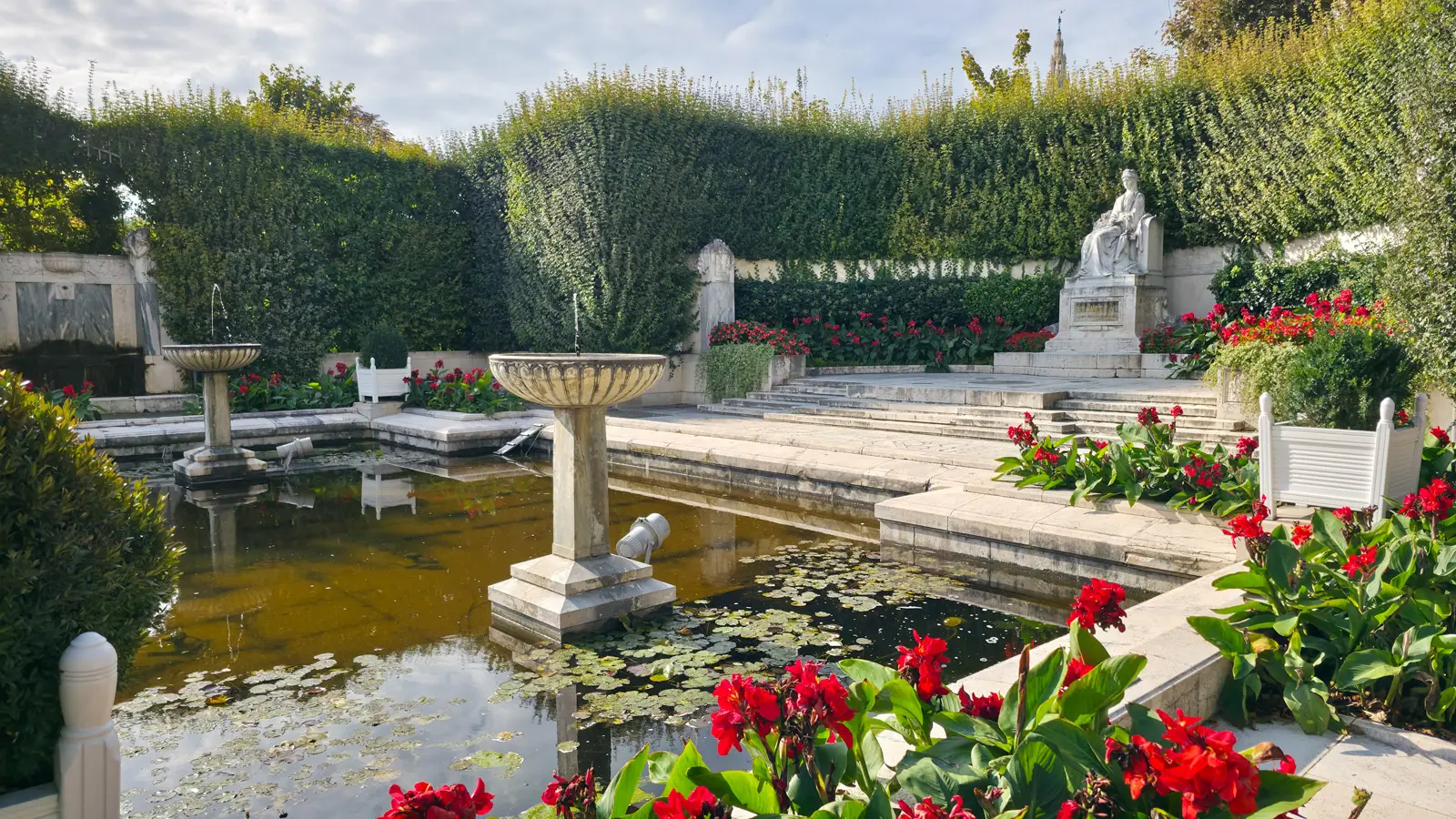
🌹 Volksgarten monument · Designed by court architect Friedrich Ohmann with a 2.5-metre marble statue by Hans Bitterlich. Unveiled in 1907.
👑 Sisi Museum · Inside the Hofburg, with over 300 of her personal items. Opened in 2004.
🍎 Imperial Riding School · Founded by Franz Joseph as a 19th-century military equestrian school. Today its Elstar Restaurant honours his favourite apple.
A Love Story Begins: A Wedding in the Heart of Vienna
Their story began in a way that seemed almost destined for romance. Franz Joseph, young and already emperor, was expected to marry a suitable royal bride. Instead, he fell in love with Elisabeth, the younger sister of the woman originally intended for him. It was unexpected, spontaneous, and by all appearances, deeply genuine.
They were married at the Augustinian Church (Augustinerkirche), a church whose quiet elegance still stands in the heart of the city today. Walking into this space, it is easy to imagine the atmosphere of that day – the anticipation, the grandeur, the sense of a new chapter beginning not just for two individuals, but for an empire. And yet, even in this moment of promise, there was an undercurrent of what was to come. The expectations placed upon Franz Joseph as emperor were immense, and with marriage, those expectations extended to Elisabeth. What began as a love story would soon be shaped by the weight of imperial life.
Two Worlds Collide: Duty and Freedom
Life at the Hofburg Palace quickly revealed the reality of Elisabeth’s new role. The Hofburg, with its vast halls and formal structure, was not simply a residence, it was the centre of imperial power, governed by strict protocol and tradition.
For Franz Joseph, this environment was natural. He was disciplined, deeply committed to his responsibilities, and defined by his role as emperor. His life was structured around duty, and he carried that responsibility with unwavering focus. For Elisabeth, however, the Hofburg represented something entirely different. Free-spirited and introspective, she struggled within the rigid expectations of court life. The very qualities that had made her captivating – her independence, her curiosity, her desire for movement – were at odds with what was expected of an empress.
Walking through the Hofburg today, you can still feel that contrast. The grandeur is undeniable, but so is the formality. It is a place that inspires awe, but also one that hints at the constraints that shaped Elisabeth’s experience. Their love, once spontaneous and full of possibility, began to take on the weight of the world around them.
Searching for Space: Schönbrunn and the Desire for Escape
If the Hofburg symbolized duty, then Schönbrunn Palace offered something closer to escape. At Schönbrunn Palace, the atmosphere shifts almost immediately. Surrounded by expansive gardens, tree-lined paths, and open landscapes, the space feels lighter, more fluid, and far less bound by the rigid structure of court life. These grounds, vast and carefully designed, invite movement and reflection, offering a sense of openness that contrasts sharply with the formality of the imperial residences.
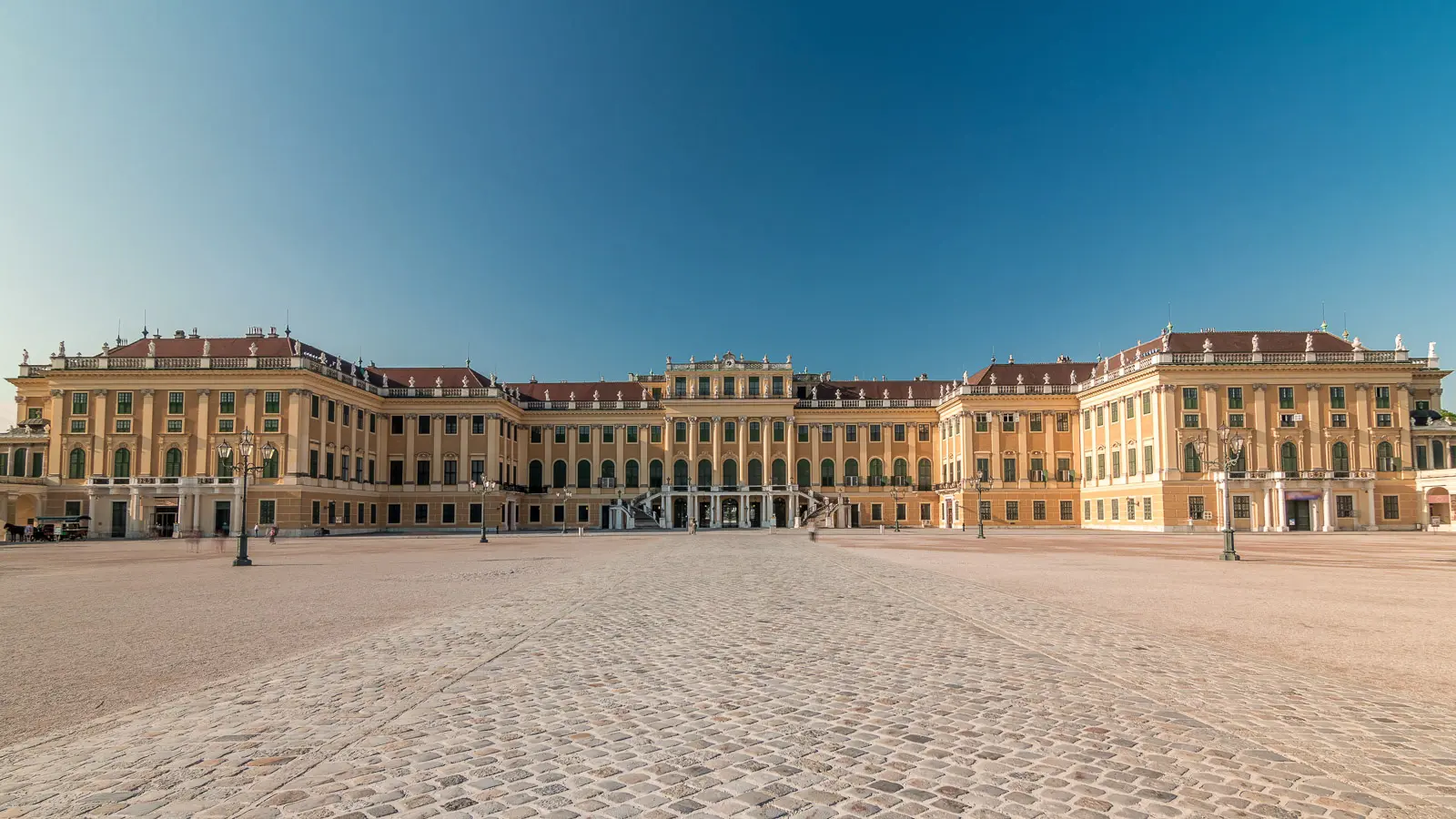
For Elisabeth, who was known for her love of walking and her need for personal freedom, environments like this would have provided rare moments of ease. The gardens, in particular, feel like spaces where one could step away, if only briefly, from expectation, where the rhythm of court life softens and something more personal can emerge.
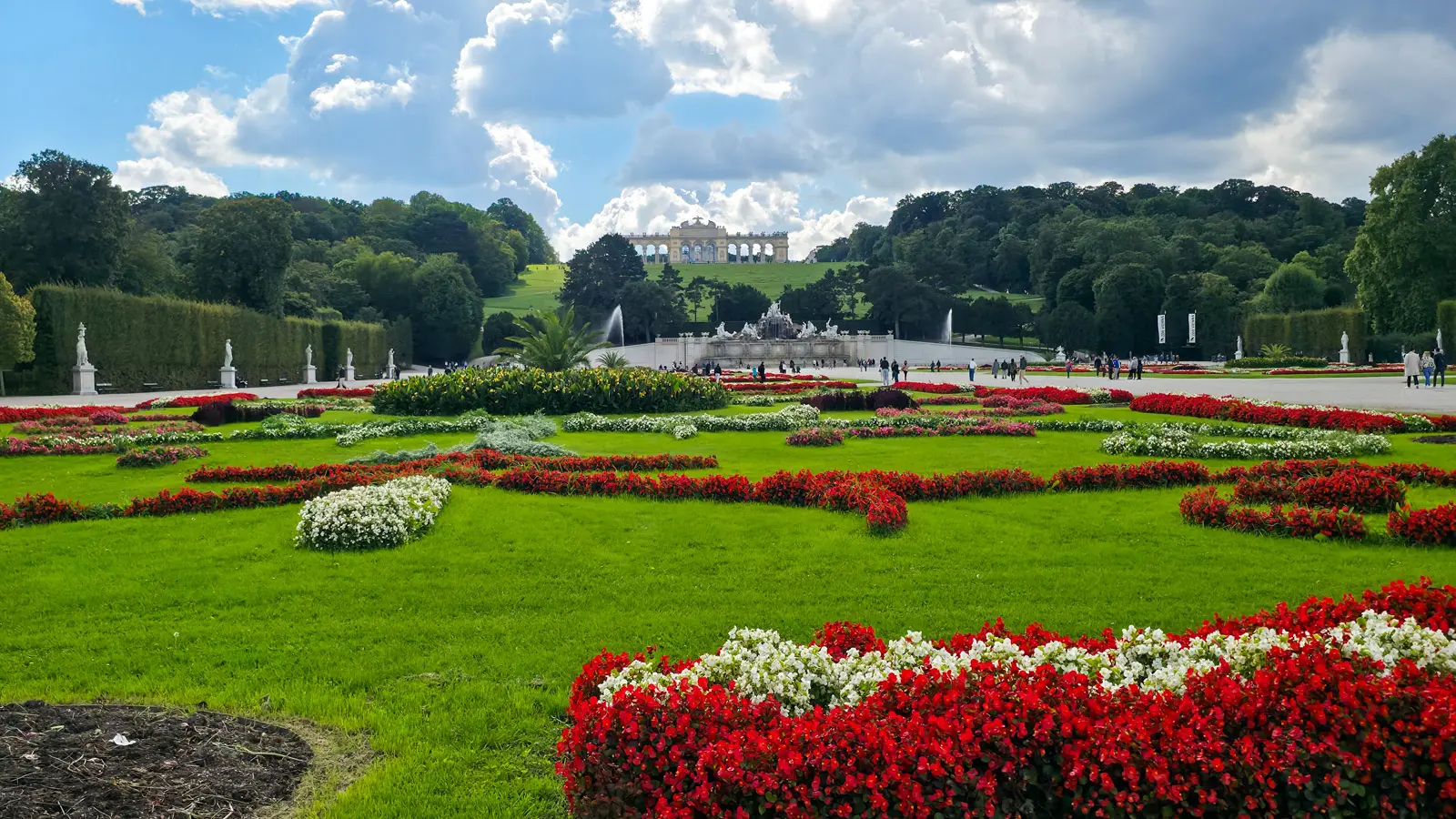
Yet even here, the contrast remained. While Schönbrunn offered moments of relief, it could not fully bridge the gap between who Elisabeth was and who she was expected to be. Franz Joseph remained deeply rooted in his responsibilities, while Elisabeth increasingly sought distance, not just physically, but emotionally. Their lives began to unfold along separate paths, connected by title and history, but often divided in spirit.
A Love That Drifted: Quiet Corners and Unspoken Distance
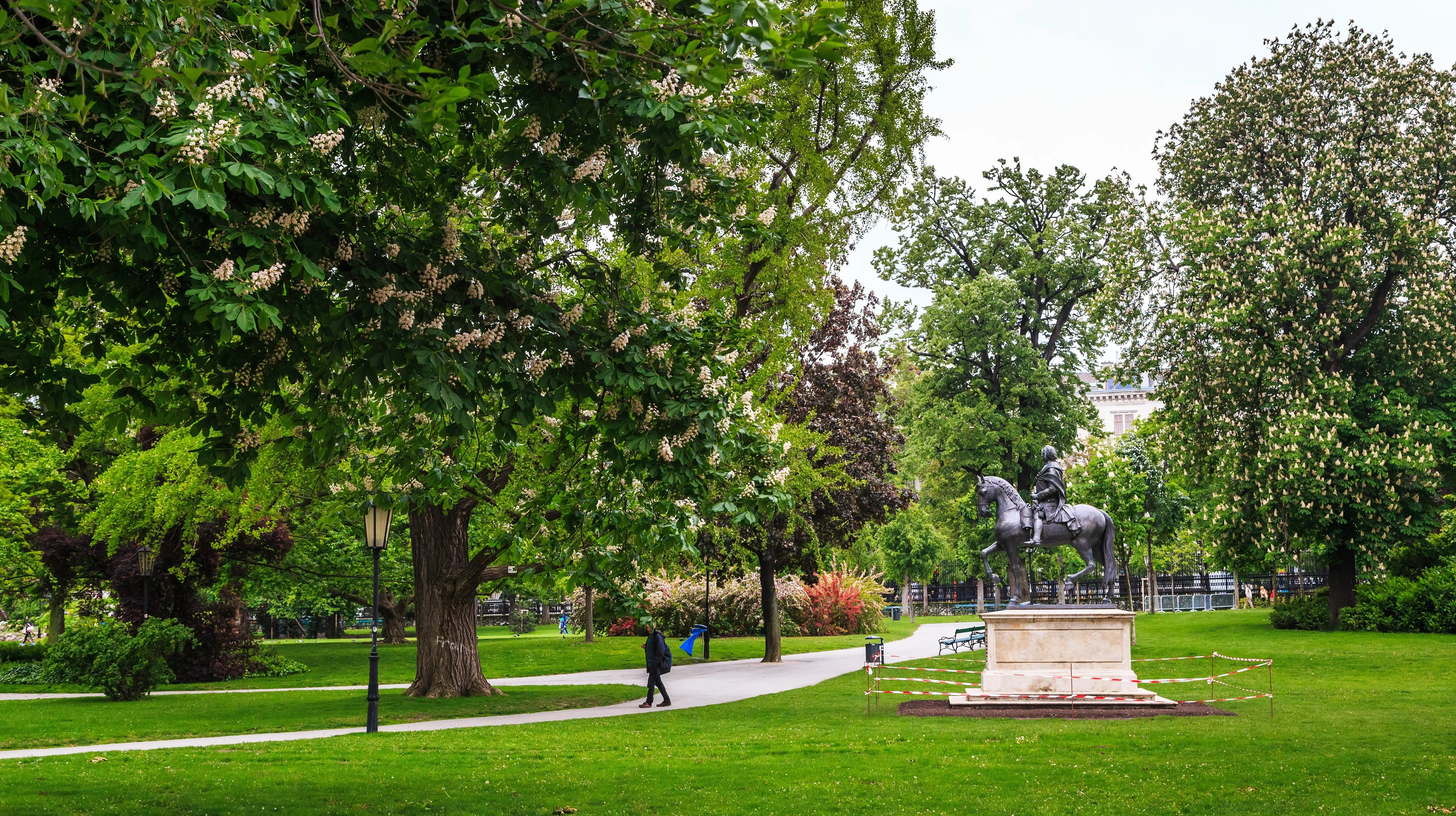
As time passed, the distance between Franz Joseph and Elisabeth became less a moment and more a quiet reality. Their marriage did not end in dramatic rupture, but in a gradual drifting shaped by fundamentally different ways of being. In Vienna, there are places that seem to reflect this quieter, more introspective dimension of their story. The Burggarten, for example, offers a sense of calm that contrasts with the scale of the imperial palaces. It is the kind of place where one might imagine Elisabeth walking alone, seeking a moment of solitude within a life that rarely allowed for it.
Even more intimate is the Monument to Sisi in the Volksgarten. Tucked within the greenery, away from the grandeur of the city’s main landmarks, the sculpture presents her not as an empress in ceremony, but as a woman in reflection. Seated, contemplative, and almost withdrawn, the monument captures a side of Elisabeth that feels deeply human. Standing there, it becomes clear that her story was not one of simple romance, but of complexity, of a woman navigating expectations that did not align with her nature. In these quieter spaces, her presence feels closer, more personal, and perhaps more real.
Vienna Today: Walking Through Their Story
What makes the story of Franz Joseph and Sisi so compelling is that it is still woven into the fabric of Vienna. The city does not simply remember them, it holds traces of their lives in ways that can still be experienced. From the ceremonial grandeur of the Hofburg to the openness of Schönbrunn, from the stillness of the Burggarten to the quiet reflection of the Volksgarten, their story unfolds across the city in layers. Each location offers a different perspective, a different emotion, a different piece of the narrative.
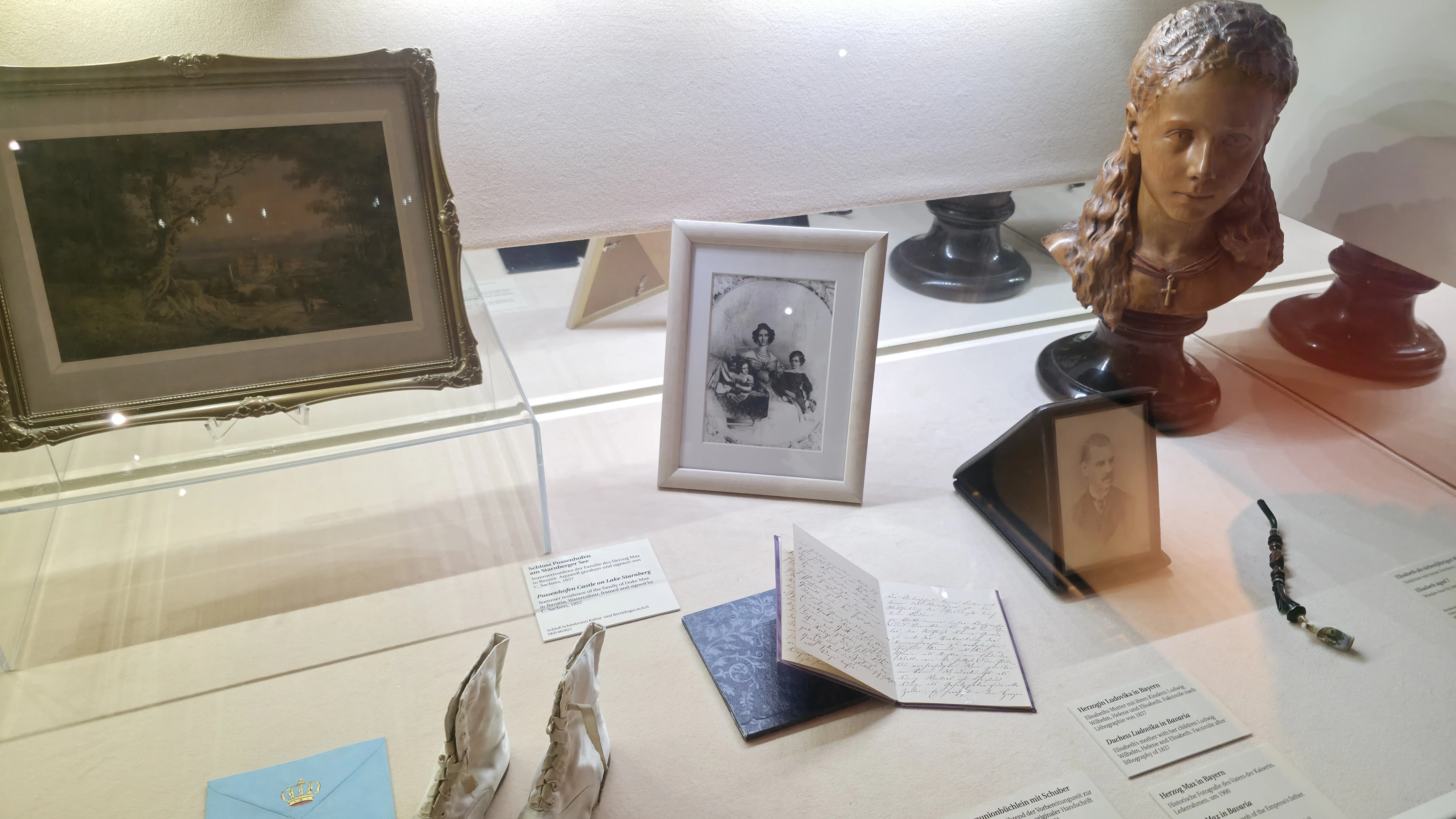
For a more intimate understanding of Elisabeth herself, the Sisi Museum offers a deeper, more personal glimpse into her life. Located within the Hofburg, the museum moves beyond the image of the empress as an icon and instead reveals a more complex and introspective figure. Through personal objects, letters, and carefully curated exhibits, it becomes possible to see the tension between the life she lived and the one she longed for. It is a space that invites reflection, adding emotional depth to the places you explore across the city.
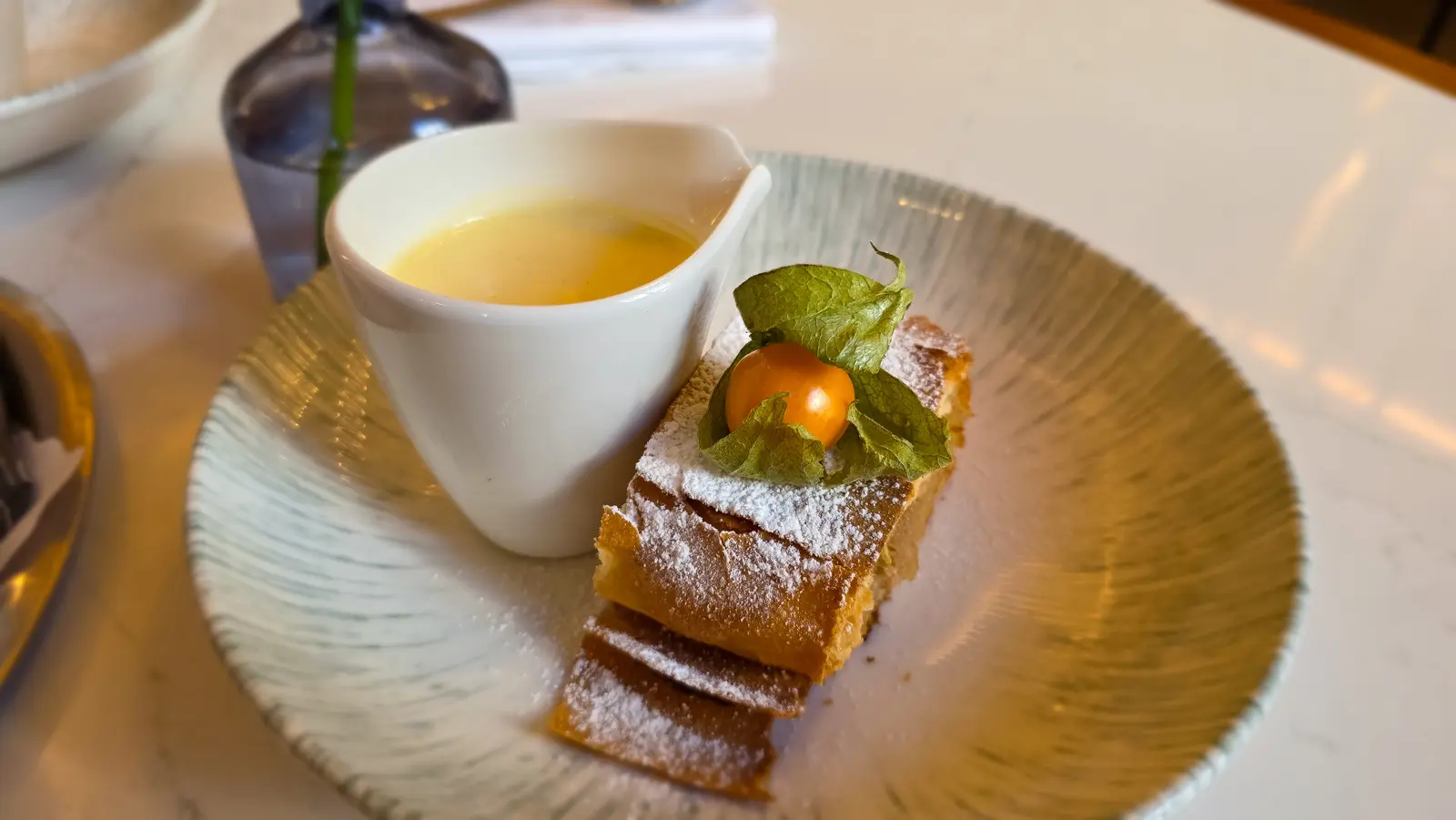
Even in places where their presence is less obvious, the connection remains. During my stay at the Imperial Riding School, Autograph Collection, I learned that the grounds were once connected to the orchard of Emperor Franz Joseph I. Sitting at Elstar Restaurant, enjoying a dessert inspired by the Elstar apple – said to have been his favourite – the past felt unexpectedly close. It was a small moment, but one that captured the essence of Vienna: a city where history is not distant, but quietly present in everyday experiences.
Final Thoughts
Not all love stories are meant to be perfect. Some are shaped by timing, by circumstance, by the tension between who we are and what the world expects of us. The story of Franz Joseph and Sisi is one of those stories: beautiful in its beginning, complex in its unfolding, and quietly poignant in its reality.
And yet, it endures.
It endures in the spaces they inhabited, in the city that still carries their imprint, and in the way their story continues to resonate with those who walk through Vienna today. Exploring these places is not just an act of travel, it is a way of connecting with a past that still lingers, inviting reflection, curiosity, and perhaps even a deeper understanding of the many forms love can take.
Have you ever visited a place where history felt this close, where you could almost step into someone else’s story? I would love to hear about it.
Happy travels!

🌟 Everything You Need to Plan Your Dream Trip in 2026
- 🌟 Luxury Hotels - Find premium stays with Booking.com & Hotels.com
- 🏡 Vacation Rentals - Discover unique properties on VRBO
- 🏞️ Guided Tours - Explore with Viator or GetYourGuide
- 🎫 Attraction Tickets - Skip the lines with Tiqets
- 🚢 Ocean Cruises - Set sail with Cruise Direct
- 📱 International SIMs - Stay connected with Saily
- 🚗 Car Rentals - Budget-friendly options from Discover Cars
- 🌐 Secure VPNs - Browse safely with NordVPN
- 💶 Currency Exchange - Best rates with Wise
- 🗣️ Learn Languages - Master the local language with Babbel and Rosetta Stone