
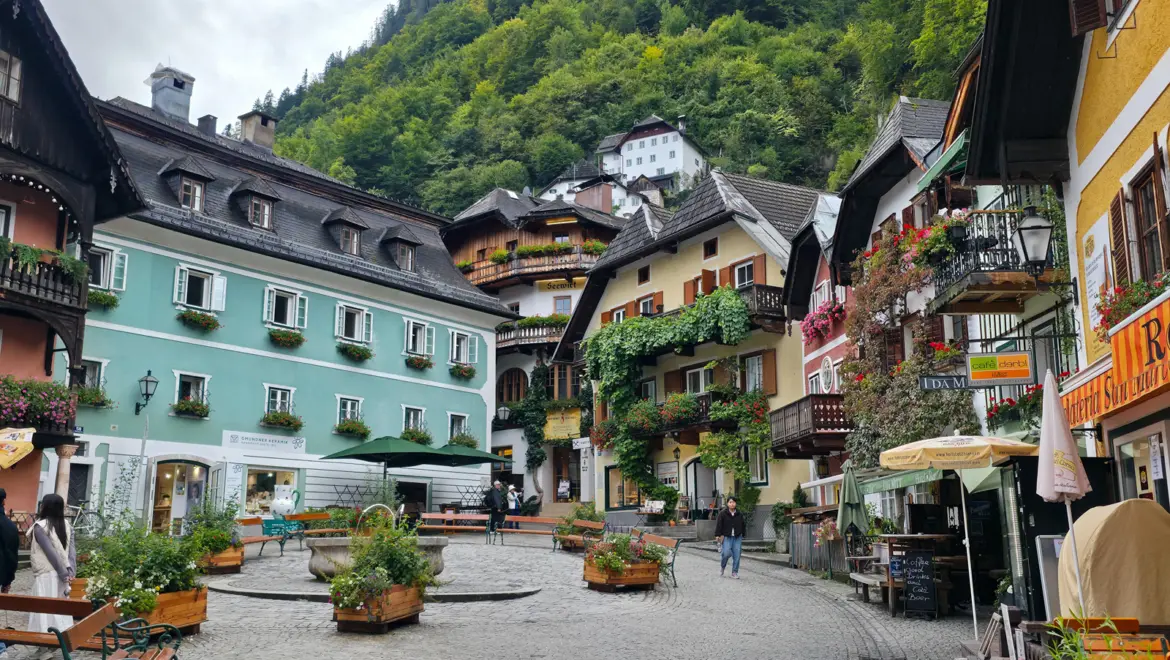
There is something deeply satisfying about using Vienna as a starting point. The city itself offers layers of history, culture, and atmosphere that can easily fill days, even weeks. Yet what makes Vienna even more compelling is what lies just beyond it. Within a relatively short distance, the landscape begins to shift: rolling vineyards replace boulevards, alpine lakes emerge between mountains, and smaller cities reveal their own distinct rhythms and identities.
Exploring beyond Vienna introduces a different dimension to your journey. The experience becomes less structured, more expansive, and often more personal. These day trips are not simply about adding destinations to your itinerary; they are about understanding Austria and its surroundings more fully. Each place offers a contrast to Vienna’s elegance, while still feeling connected to the same cultural and historical thread.
What makes these excursions particularly appealing is their accessibility. Whether by train, car, or guided tour, many of these destinations can be reached within a few hours, allowing you to experience something entirely different without losing the comfort of returning to Vienna by evening. It is this balance, between discovery and ease, that makes day trips from Vienna so rewarding.
Day Trips from Vienna at a Glance
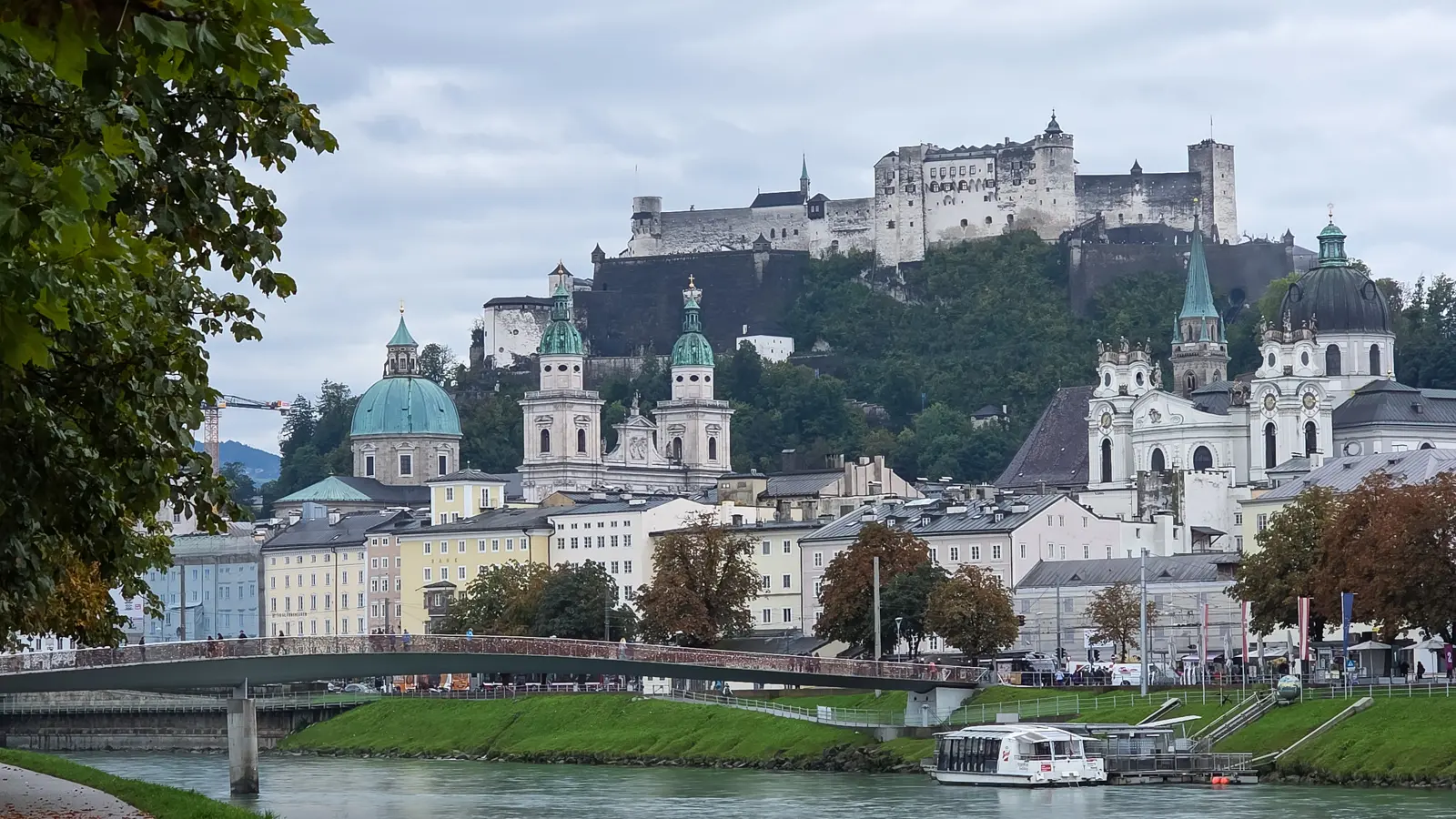
🚆 Salzburg · 2.5h by Railjet. Mozart’s birthplace, UNESCO Old Town, and the Hohensalzburg Fortress crowning the city.
🏔️ Hallstatt · 3.5h by train + ferry. The most-photographed alpine village in Austria, lakeside in the Salzkammergut.
🏰 Bratislava · 1h by RegioJet. The easiest international day trip in Europe; a different country for the price of a single Vienna metro ticket.
🍷 Wachau Valley & Melk Abbey · 1h to Melk, scenic Danube cruises through vineyards from Melk to Krems.
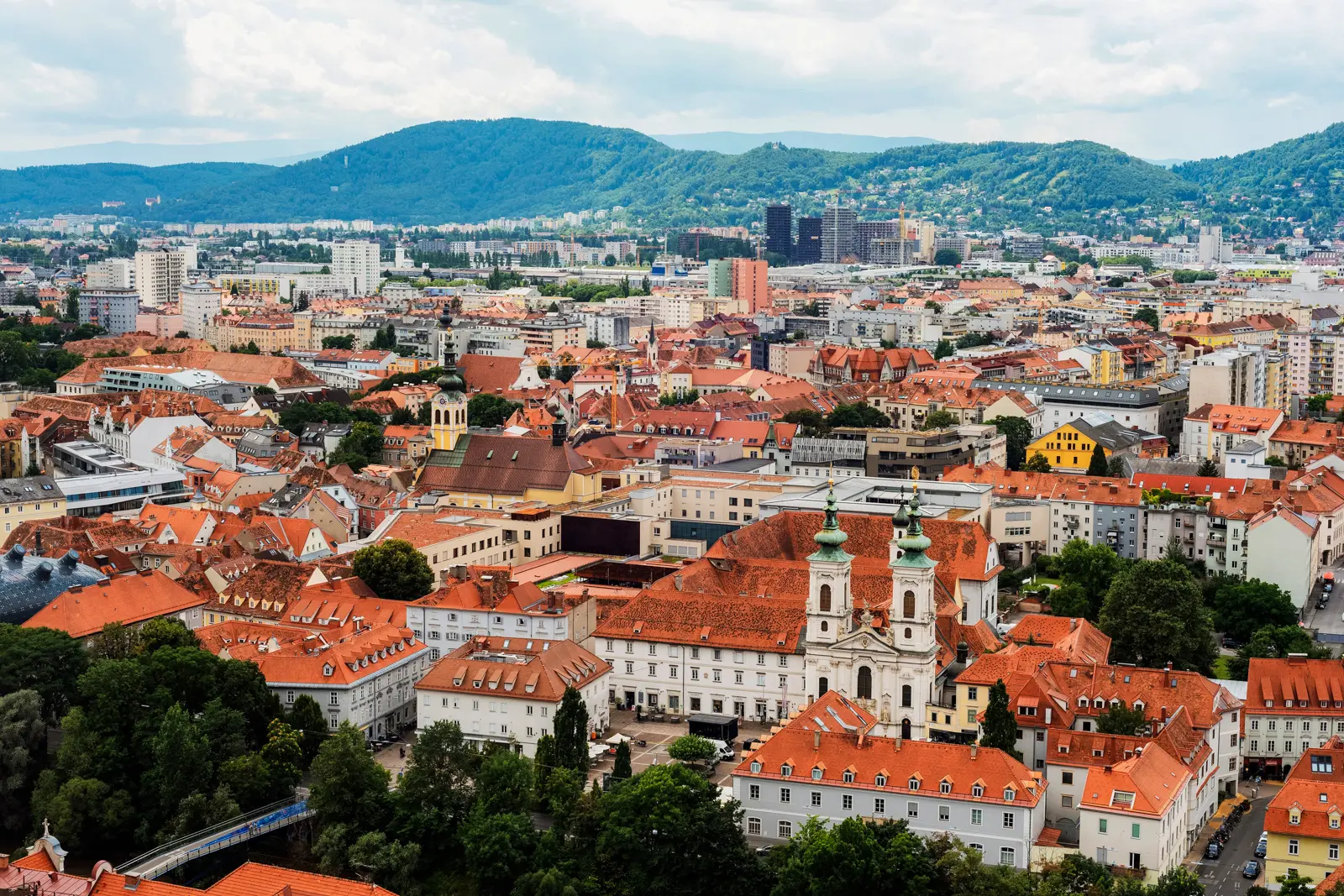
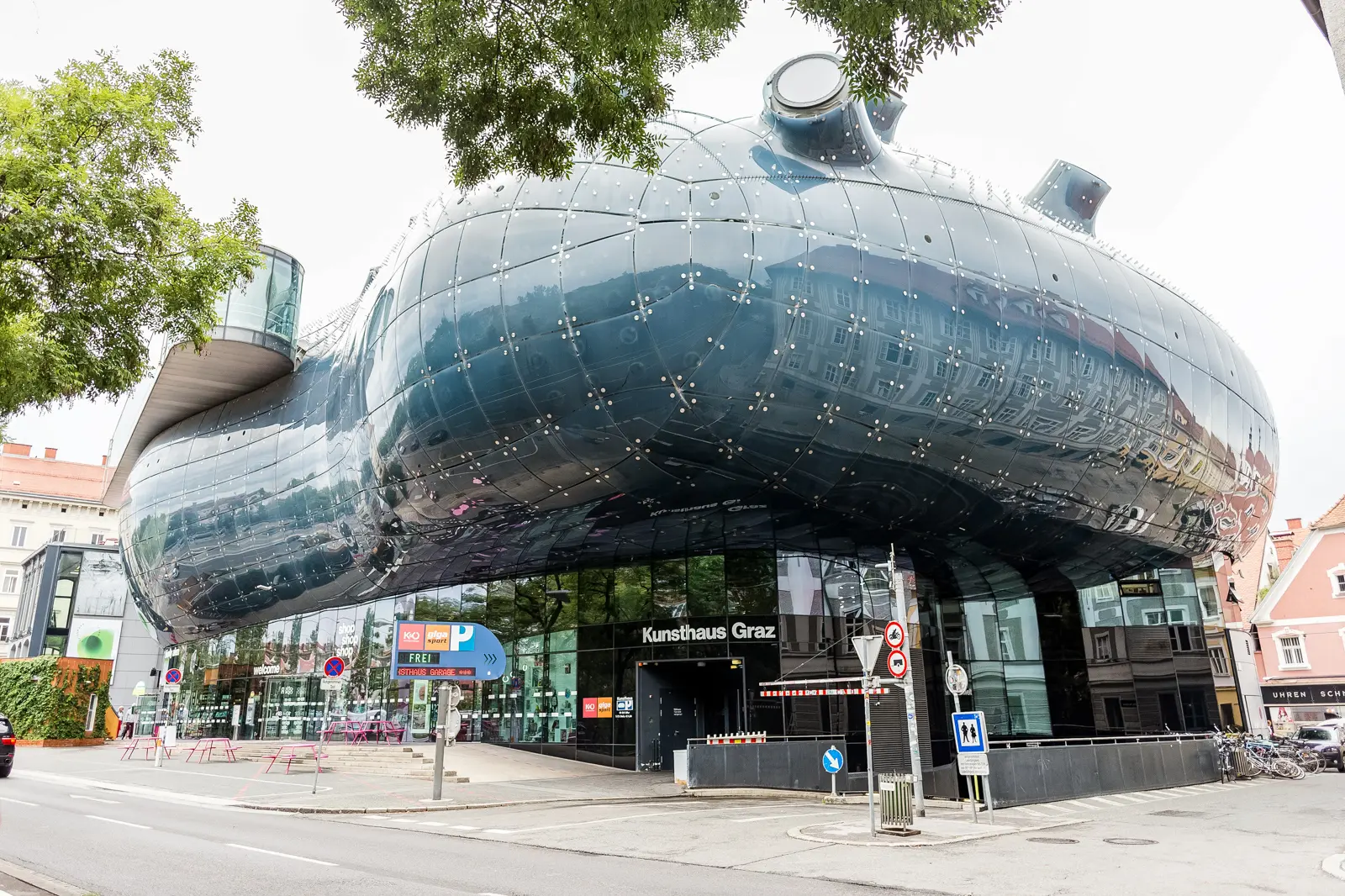
🏛️ Graz · 2.5h by Railjet. UNESCO Old Town next to the Kunsthaus “Friendly Alien.”
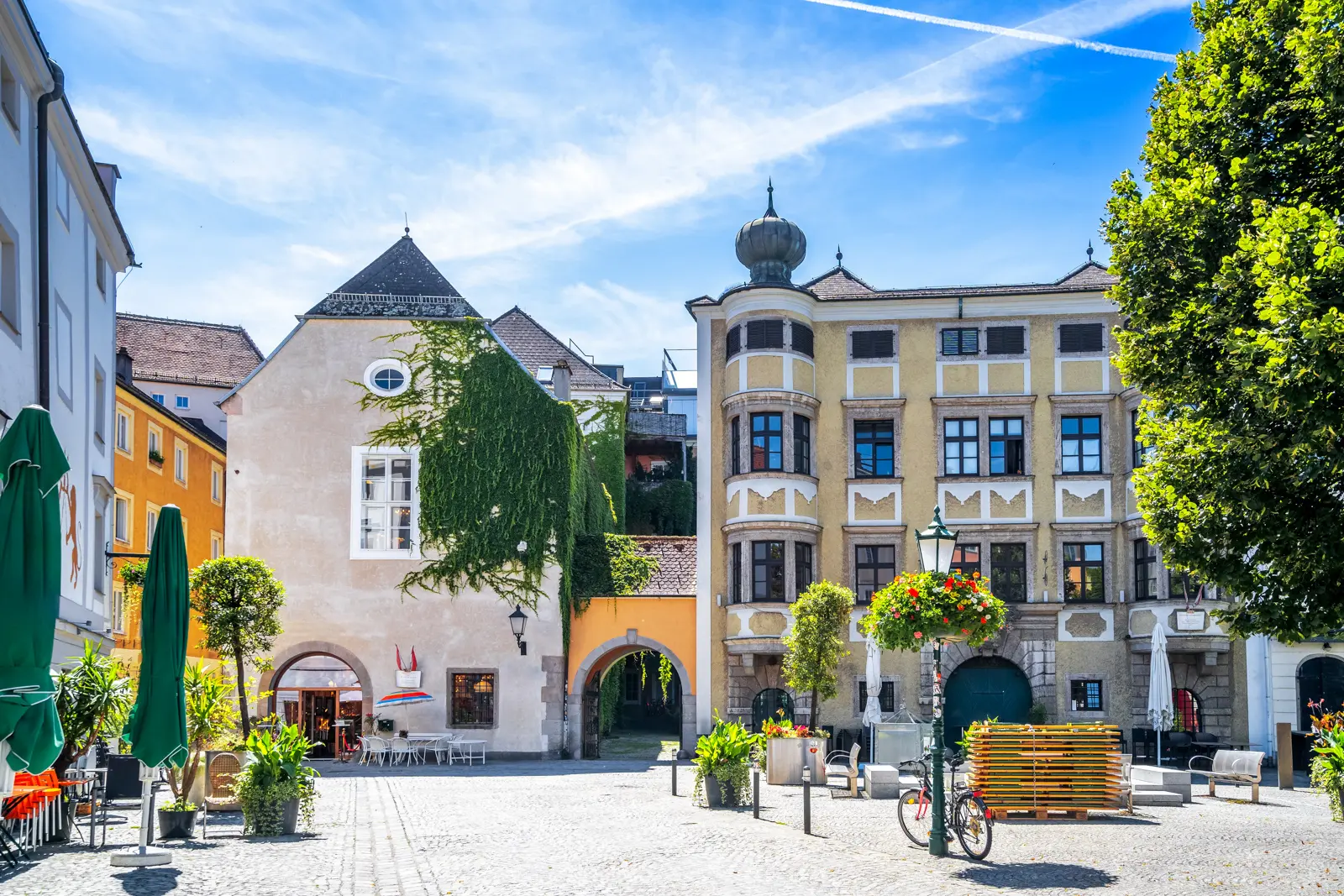
🌊 Linz · 1h 15m by Railjet. Underrated; UNESCO City of Media Arts on the Danube.
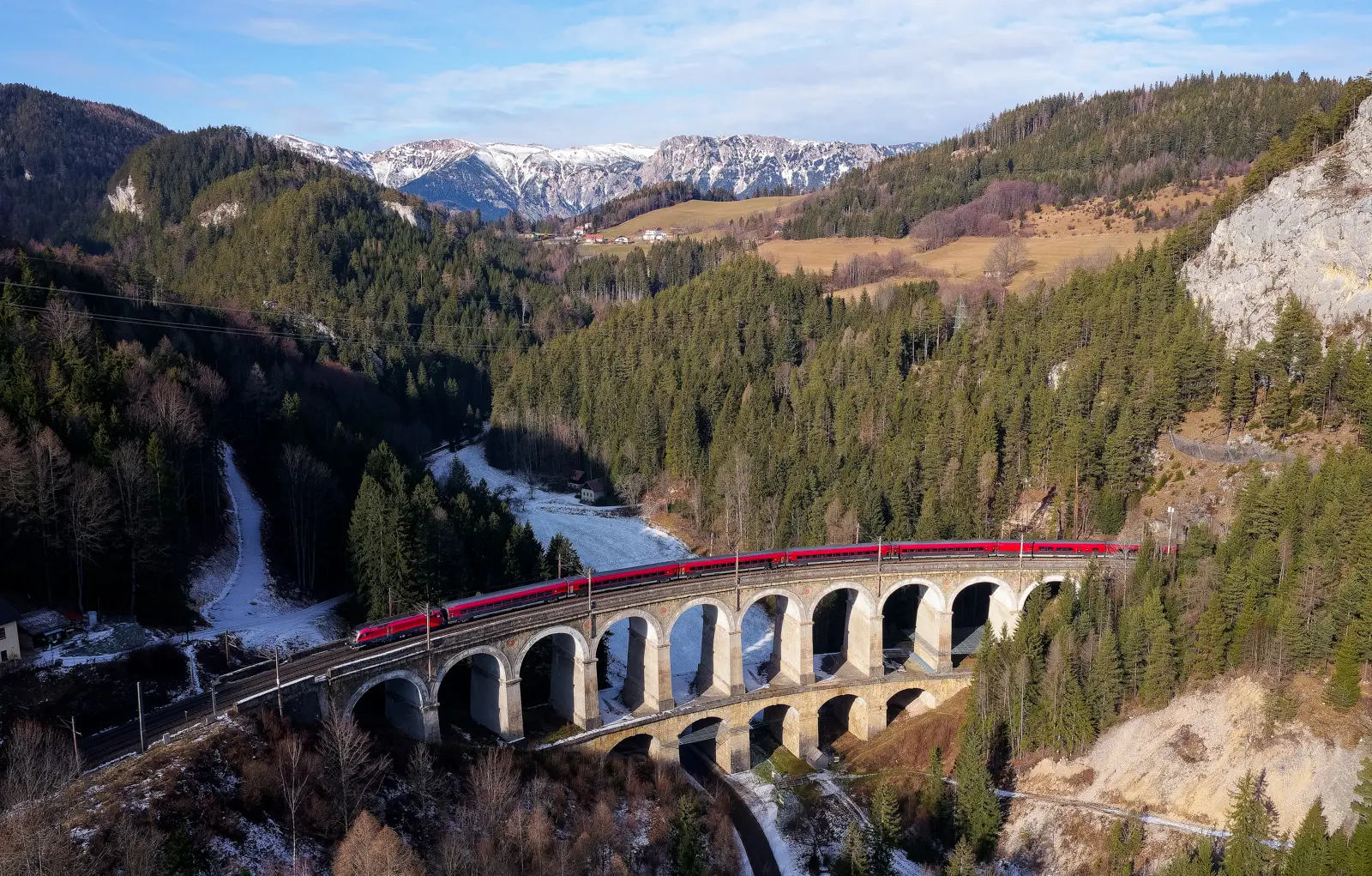
🚂 Semmering · 1h by train. The world’s first true mountain railway, UNESCO 1998, and the closest 2,000-metre peak to Vienna.
Salzburg: Music, History, and Timeless Beauty
Salzburg offers an experience that feels both familiar and distinct. Known as the birthplace of Wolfgang Amadeus Mozart, the city carries a strong musical identity that resonates throughout its streets, squares, and historic buildings. Yet beyond this association, Salzburg reveals itself as a place of remarkable architectural beauty and carefully preserved history.
The Old Town, a UNESCO World Heritage site, is particularly striking. Narrow streets open into elegant squares, Baroque façades line the pathways, and the Hohensalzburg Fortress above the city creates a dramatic backdrop that is visible from almost every angle. Walking through Salzburg feels immersive, as though you are moving through a space where time has been carefully maintained rather than altered.
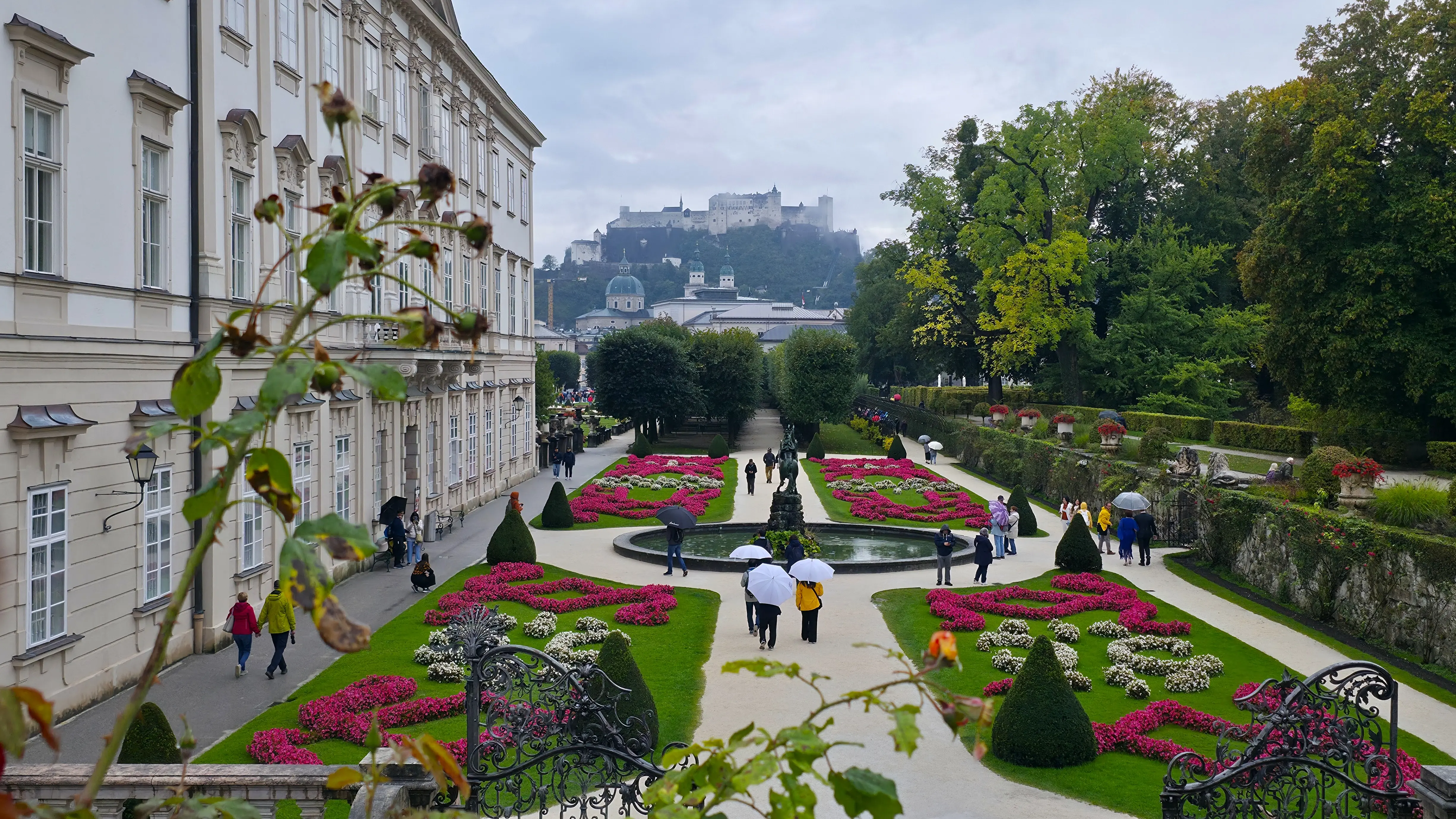
There is also a sense of calm that distinguishes Salzburg from Vienna. While still vibrant and active, the city feels more contained, more intimate. The surrounding mountains add another layer to the experience, grounding the city within its natural landscape. It is this combination – music, architecture, and setting – that makes Salzburg a day trip that feels both complete and memorable.
Hallstatt: A Postcard Come to Life
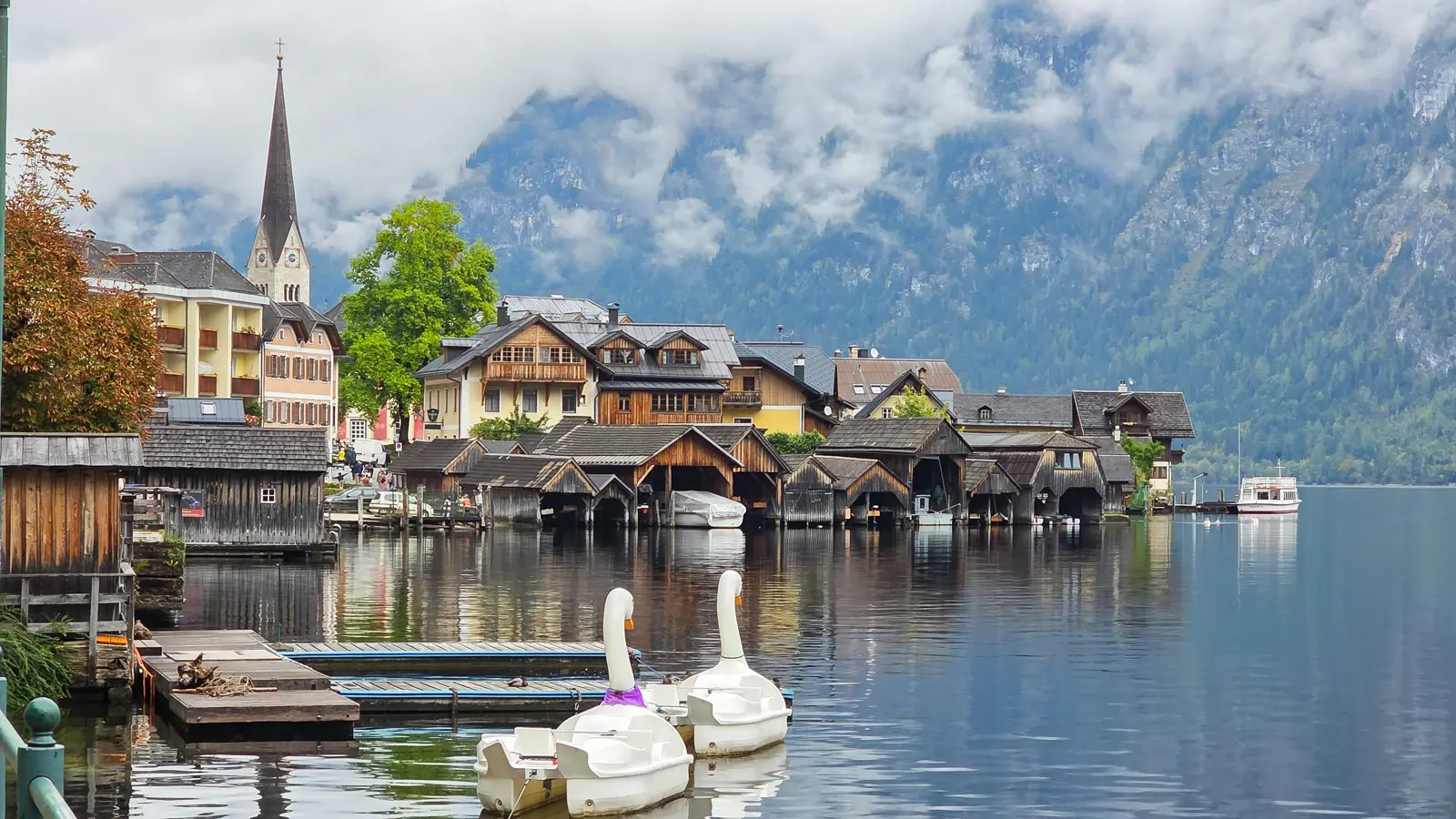
Few places evoke the same immediate sense of wonder as Hallstatt. Set along the edge of a lake and framed by towering mountains, the village feels almost unreal in its beauty. It is often described as one of the most photographed locations in Austria, and arriving there, you quickly understand why. The charm of Hallstatt lies in its scale and setting. The village itself is small, with narrow pathways, traditional houses, and details that invite exploration. Yet it is the surrounding landscape that defines the experience. The stillness of the lake, the reflection of the mountains, and the quiet pace of life create an atmosphere that feels removed from the rest of the world.
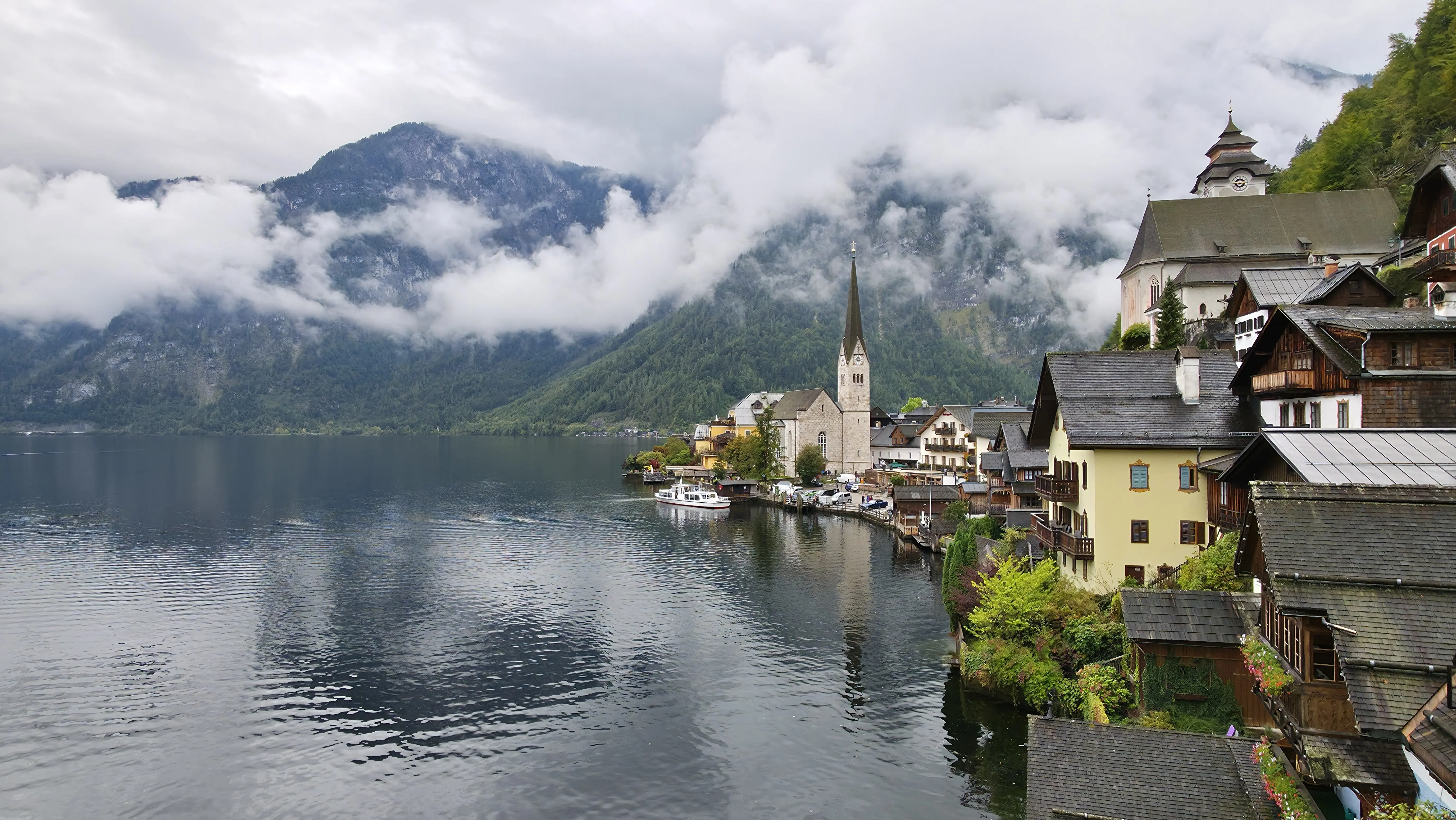
Spending time in Hallstatt is less about activity and more about presence. Walking along the water, pausing to take in the view, and simply absorbing the environment becomes the focus. It is a place that encourages you to slow down completely, offering a contrast to the structure and movement of Vienna that feels both refreshing and unforgettable.
Bratislava: A Change of Perspective
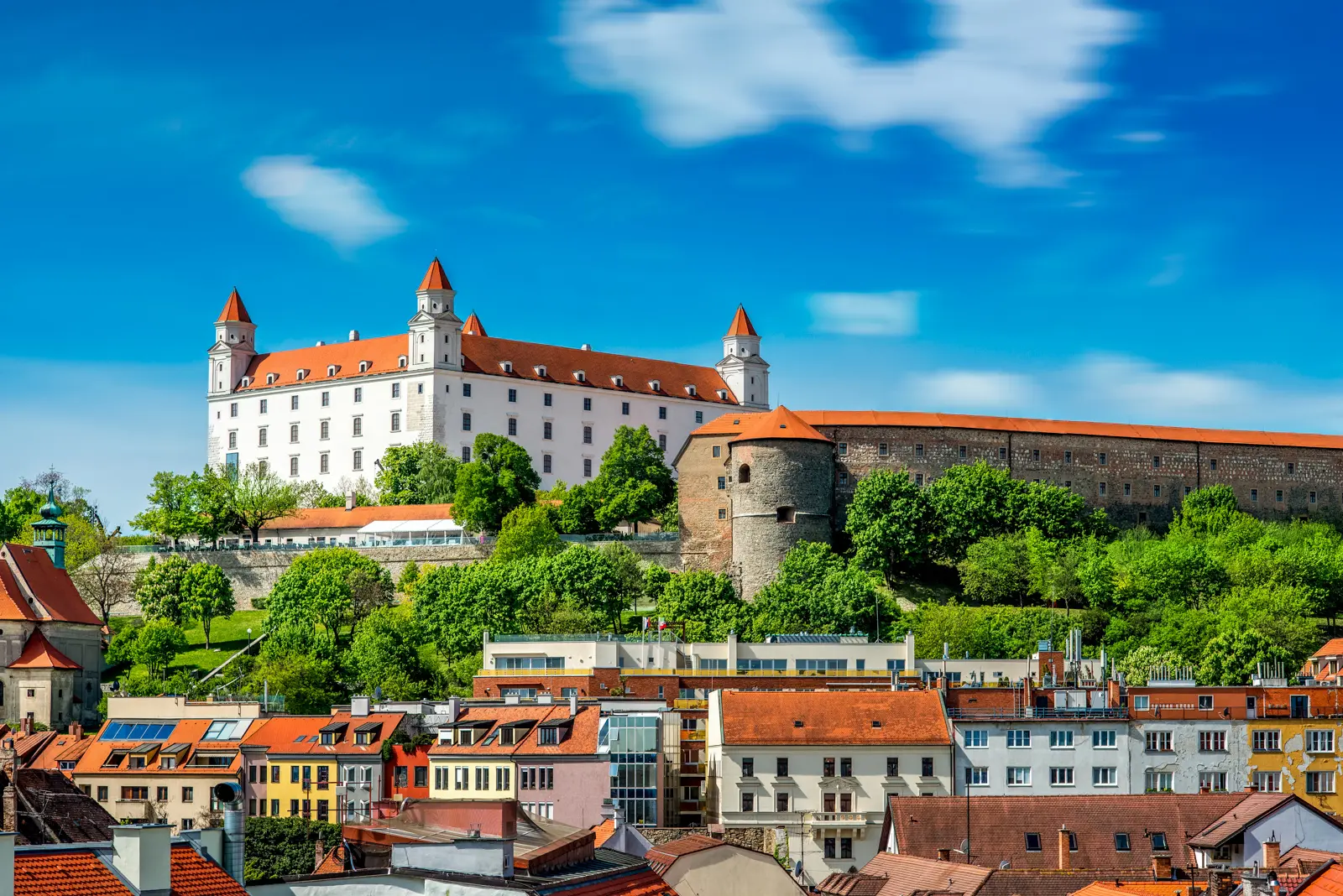
Just over an hour from Vienna, Bratislava offers a completely different cultural experience. Crossing into Slovakia, you immediately notice a shift in atmosphere – subtle, but distinct. The city feels smaller, more relaxed, and slightly less formal, creating an environment that is easy to explore and enjoy at a slower pace.
The Old Town is the heart of the experience, with its cobblestone streets, colourful buildings, and open squares that invite wandering. The architecture reflects a mix of influences, telling a story that is different from Vienna’s imperial narrative. This contrast is what makes Bratislava particularly interesting as a day trip, it offers variety without requiring extensive travel. There is also a sense of accessibility here. Distances are short, the layout is intuitive, and the overall atmosphere feels welcoming. It is a place where you can explore without pressure, allowing the experience to unfold naturally.
Wachau Valley and Melk: Vineyards, Views, and the Danube
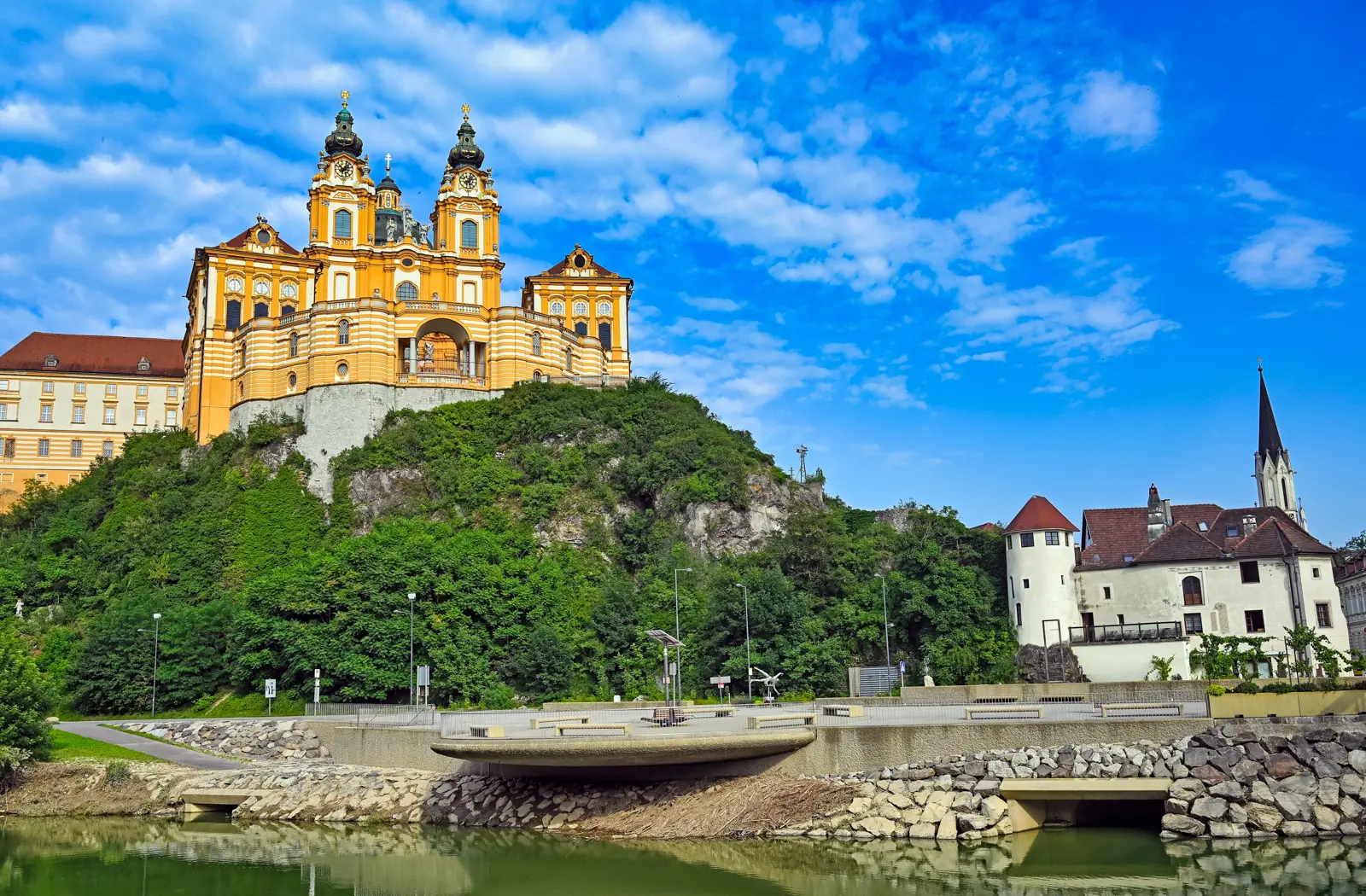
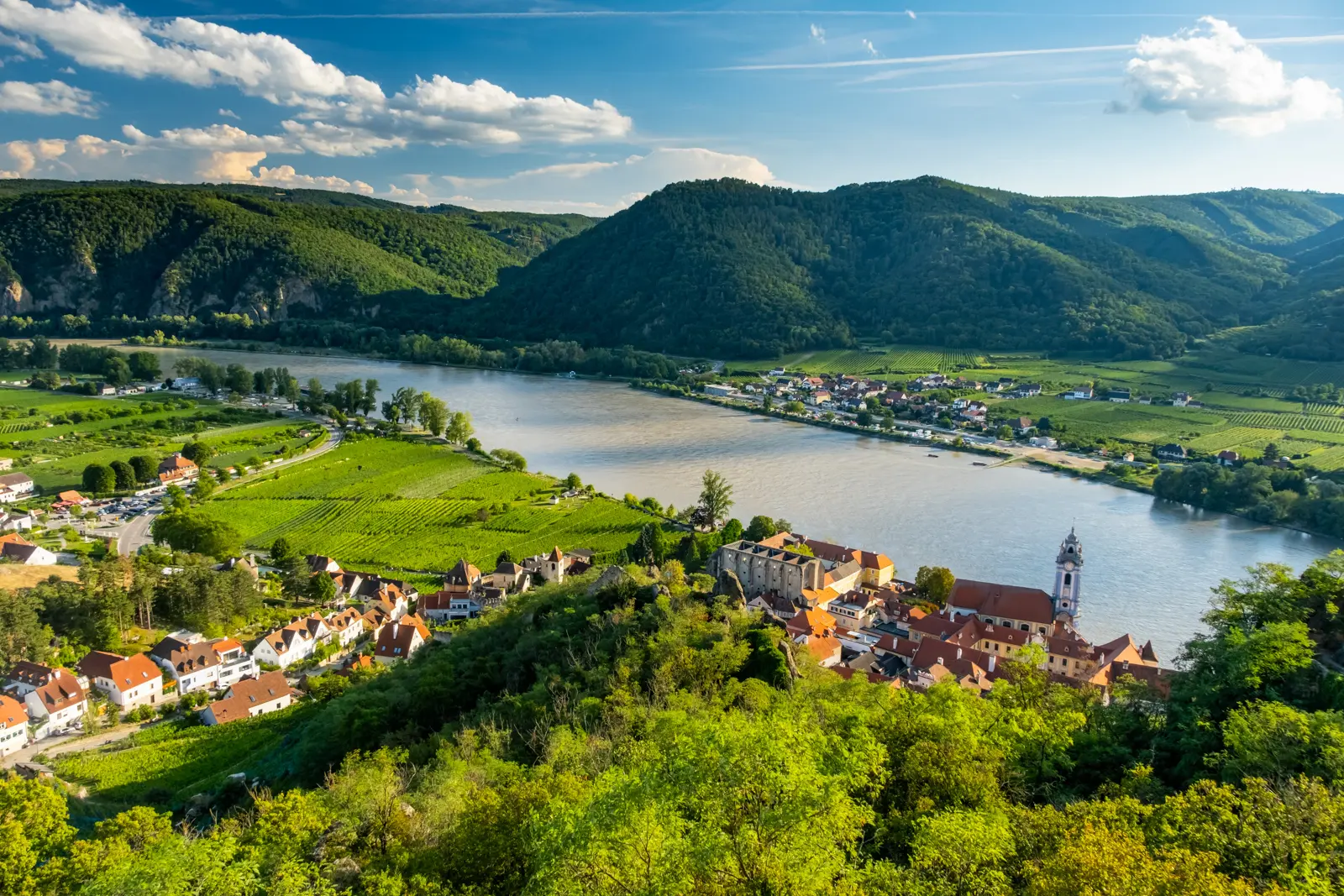
The Wachau Valley introduces a softer, more pastoral side of Austria. Stretching along the Danube River, this region is known for its vineyards, small towns, and scenic beauty. The landscape feels open and expansive, offering a sense of calm that contrasts with the structure of Vienna. At the western end of the valley, the town of Melk is home to the impressive Melk Abbey, a Baroque masterpiece that overlooks the river. The abbey itself is visually striking, with its golden tones and elevated position creating a sense of presence that defines the surrounding area.
Exploring the Wachau Valley is as much about the journey as the destination. Whether traveling by train, boat, or car, the views along the Danube are a central part of the experience. Vineyards stretch across the hills, small villages appear along the riverbanks, and the overall pace encourages you to take your time.
Graz: A Blend of Old and New
Graz offers a different perspective on Austrian cities, combining a remarkably well-preserved historic centre with a modern and creative edge. Its Old Town, a UNESCO World Heritage Site inscribed in 1999, features Renaissance courtyards, narrow streets, and an urban layout that invites exploration, shaped significantly by Italian architects and considered one of the finest preserved Renaissance old towns north of the Alps. Walking through these streets, you begin to notice how seamlessly history has been maintained, not as something static, but as a living part of the city.
What sets Graz apart is its ability to blend tradition with innovation. Nowhere is this more visible than in the Kunsthaus Graz, the contemporary art museum designed by architects Peter Cook and Colin Fournier and opened in 2003. Its biomorphic blue form, affectionately nicknamed the “Friendly Alien” by locals, sits directly alongside historic buildings in the heart of the city, creating a contrast that feels intentional rather than disruptive. This willingness to place the boldly contemporary beside the carefully preserved gives Graz a dynamic quality, where past and present coexist in a way that feels natural rather than forced. The overall atmosphere is relaxed, yet engaging. Graz does not overwhelm with scale or intensity; instead, it offers a balanced experience that rewards curiosity and attention to detail.
Linz: Culture and Creativity Along the Danube
Linz is often overlooked, yet it offers a compelling mix of culture, creativity, and modern identity. Located along the Danube, the city has embraced a forward-looking approach, particularly in its artistic and technological spaces. Walking through Linz, you encounter a different kind of energy. The historic centre provides a foundation, but the city’s contemporary elements – museums, installations, and public spaces – add a layer of innovation that distinguishes it from more traditional destinations. This balance makes Linz an interesting and worthwhile day trip. It feels less polished than Vienna, but more experimental, offering a glimpse into a different aspect of Austrian culture.
Semmering: Nature and Alpine Air
For those seeking a natural escape, Semmering offers a refreshing contrast to urban exploration. Located just over an hour from Vienna by train, making it one of the most accessible day trips from the city, the area is known for its alpine landscapes, scenic hiking trails, and the historic Semmering Railway. Completed in 1854 and later designated a UNESCO World Heritage Site in 1998, it is widely considered the world’s first true mountain railway, an engineering achievement that transformed travel through the region. The journey itself becomes part of the experience, as the train winds through a dramatic mountain pass, crossing elegant viaducts and revealing shifting views of forested slopes and deep valleys.
Beyond its natural beauty, Semmering also carries a fascinating social history. In the late 19th century, it emerged as a fashionable resort destination for Viennese society, where grand hotels and villas were built to accommodate those seeking fresh mountain air and seasonal retreat. Many of these historic structures still line the hillsides today, quietly reflecting an era of elegance and leisure that continues to shape the character of the region. Whether visiting in summer for hiking or in winter for skiing, Semmering offers a sense of space and openness that is difficult to find in Vienna. It is a place to reset, to step away from structure, and to experience a quieter, more grounded side of Austria.
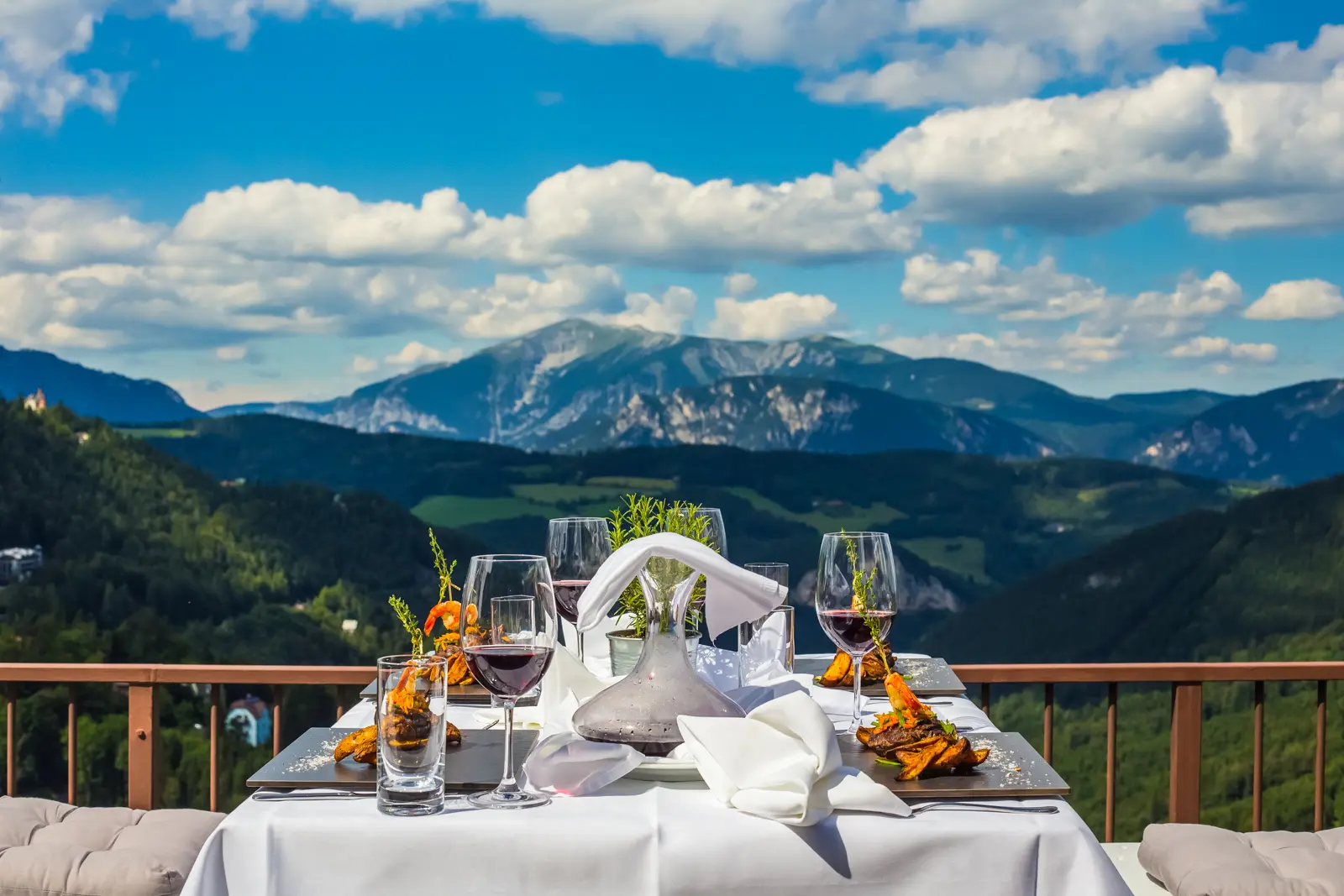
Bubbly Tips for Planning Day Trips from Vienna
- Choose day trips based on the experience you’re looking for: Whether you prefer cultural exploration, natural beauty, or a change of pace, selecting destinations that align with your interests will make the experience more meaningful.
- Plan your transportation in advance to maximize your time: Trains are efficient and reliable, but some destinations may benefit from guided tours or early departures.
- Start early for longer destinations like Hallstatt or Salzburg: This allows you to fully experience the location without feeling rushed.
- Balance ambitious day trips with lighter ones: Pair longer excursions with closer destinations like Bratislava to maintain a comfortable pace.
- Take time to enjoy the journey itself: Scenic routes, especially through the Wachau Valley or alpine regions, are part of the experience and should not be overlooked.
Final Thoughts
Day trips from Vienna expand your understanding of the region in a way that staying within the city alone cannot. They introduce new landscapes, new rhythms, and new perspectives, each one adding depth to your overall journey.
What makes these excursions particularly rewarding is the contrast they offer. Vienna provides elegance, structure, and cultural richness. Beyond it, you find variety – nature, intimacy, creativity, and simplicity. Together, they create a more complete picture of Austria and its surroundings.
Returning to Vienna at the end of the day, you carry those experiences with you. And in doing so, the city itself begins to feel even richer, shaped not only by what it offers, but by what lies just beyond it.
Have you taken a day trip from Vienna, or is one on your list? I would love to hear about it.
Happy travels!

🌟 Everything You Need to Plan Your Dream Trip in 2026
- 🌟 Luxury Hotels - Find premium stays with Booking.com & Hotels.com
- 🏡 Vacation Rentals - Discover unique properties on VRBO
- 🏞️ Guided Tours - Explore with Viator or GetYourGuide
- 🎫 Attraction Tickets - Skip the lines with Tiqets
- 🚢 Ocean Cruises - Set sail with Cruise Direct
- 📱 International SIMs - Stay connected with Saily
- 🚗 Car Rentals - Budget-friendly options from Discover Cars
- 🌐 Secure VPNs - Browse safely with NordVPN
- 💶 Currency Exchange - Best rates with Wise
- 🗣️ Learn Languages - Master the local language with Babbel and Rosetta Stone