
Vienna is not a city that reveals itself all at once. Its beauty unfolds gradually, through imperial palaces and hidden courtyards, through music drifting from open windows, through elegant cafés where time seems to slow, and through moments where history and modern life exist side by side with remarkable ease. While three days offer an excellent introduction to the Austrian capital, five days allow you to experience Vienna more deeply and with greater balance, moving beyond the major landmarks into the atmosphere and rhythm that truly define the city.
This itinerary is designed not simply to help you “see” Vienna, but to experience it in layers. It combines imperial grandeur, artistic evolution, contemporary culture, coffeehouse traditions, and unforgettable day trips into the Austrian countryside. The result is an itinerary that feels immersive rather than rushed, allowing space for both iconic moments and quieter discoveries.
Vienna in 5 days at a glance
🏰 Day 1 · Schönbrunn Palace and gardens, climb to the Gloriette, dinner near the palace.
⛪ Day 2 · St. Stephen’s Cathedral, Hofburg and Sisi Museum, café culture, evening at the Vienna State Opera.
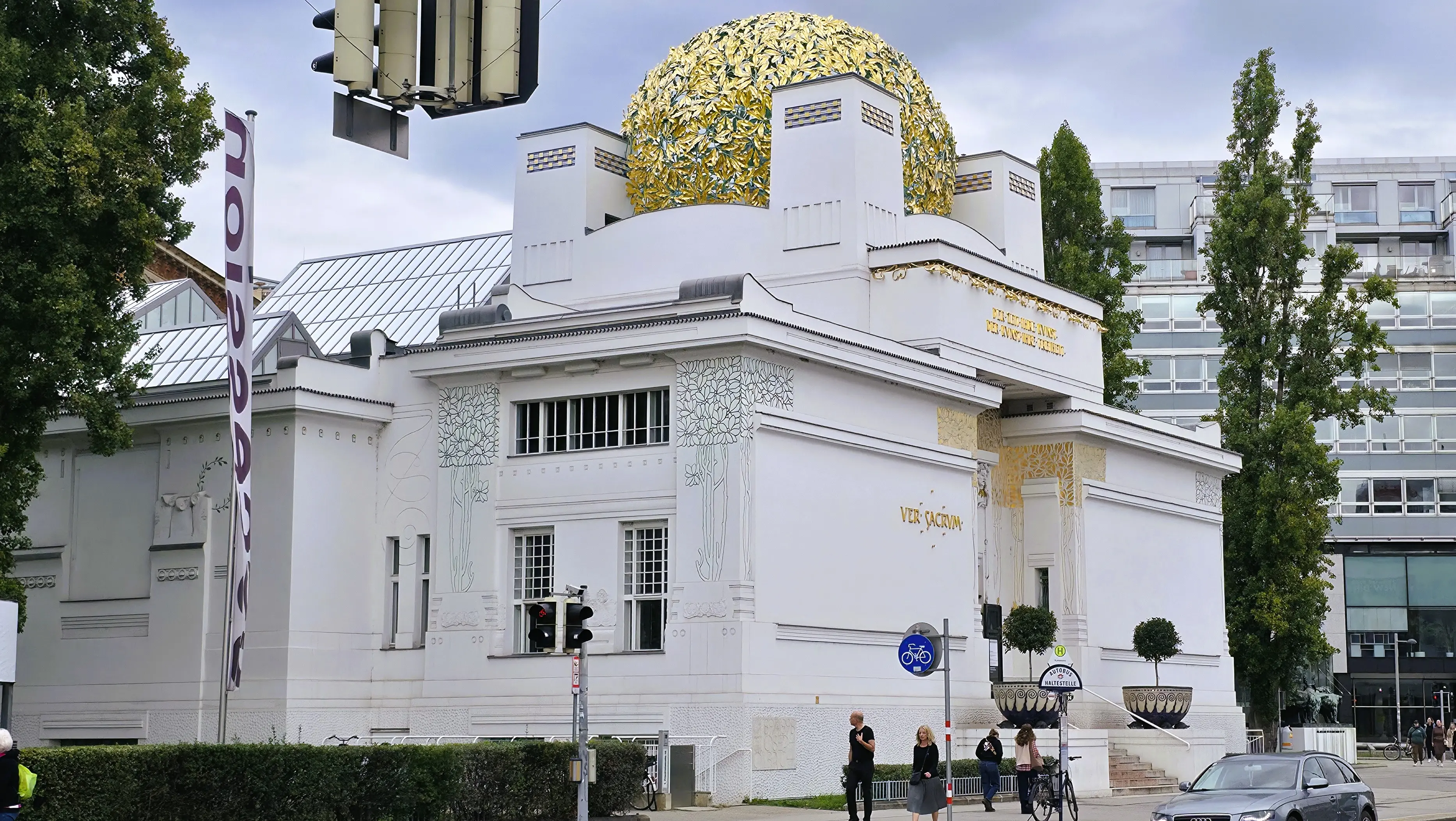
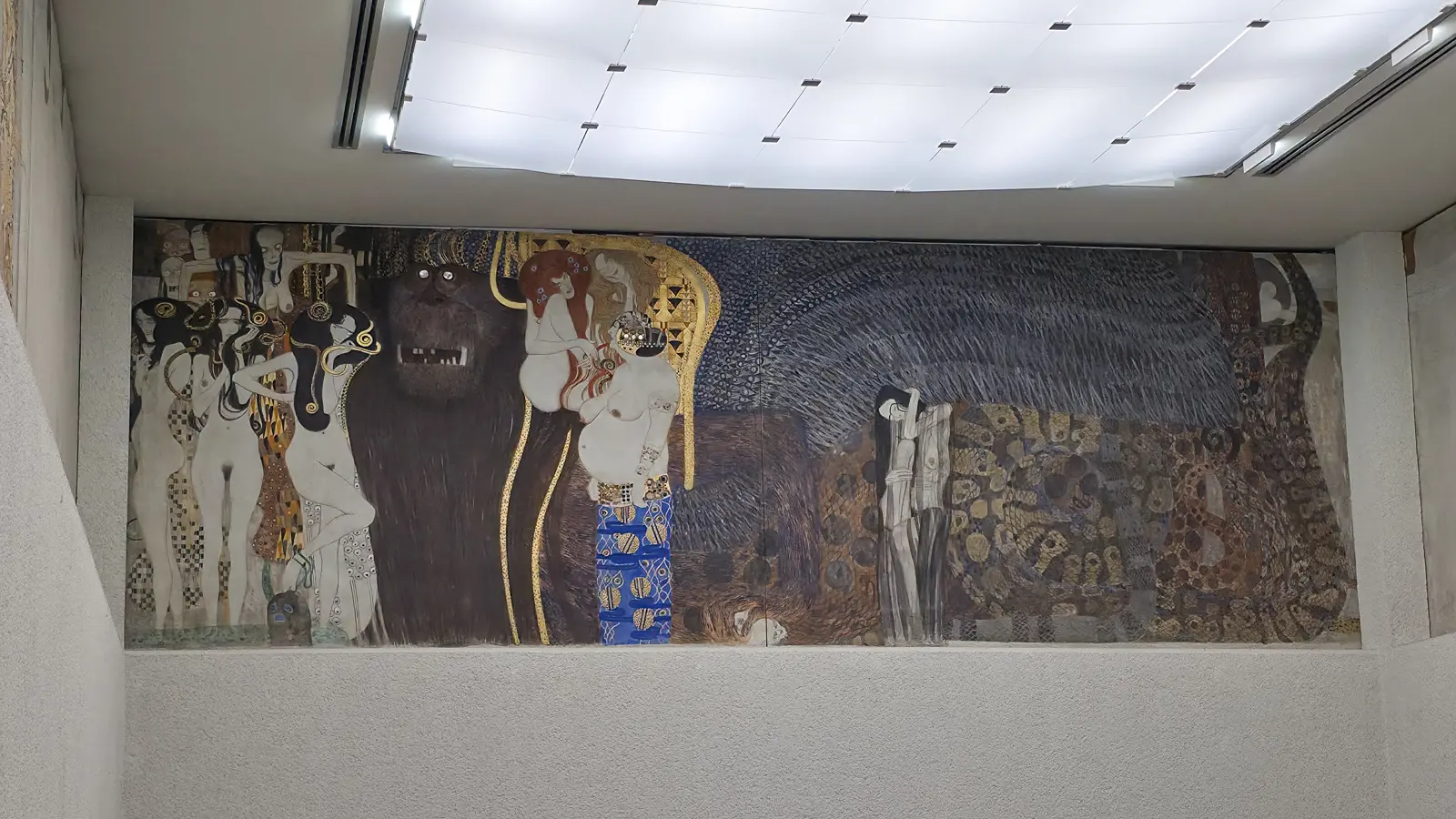
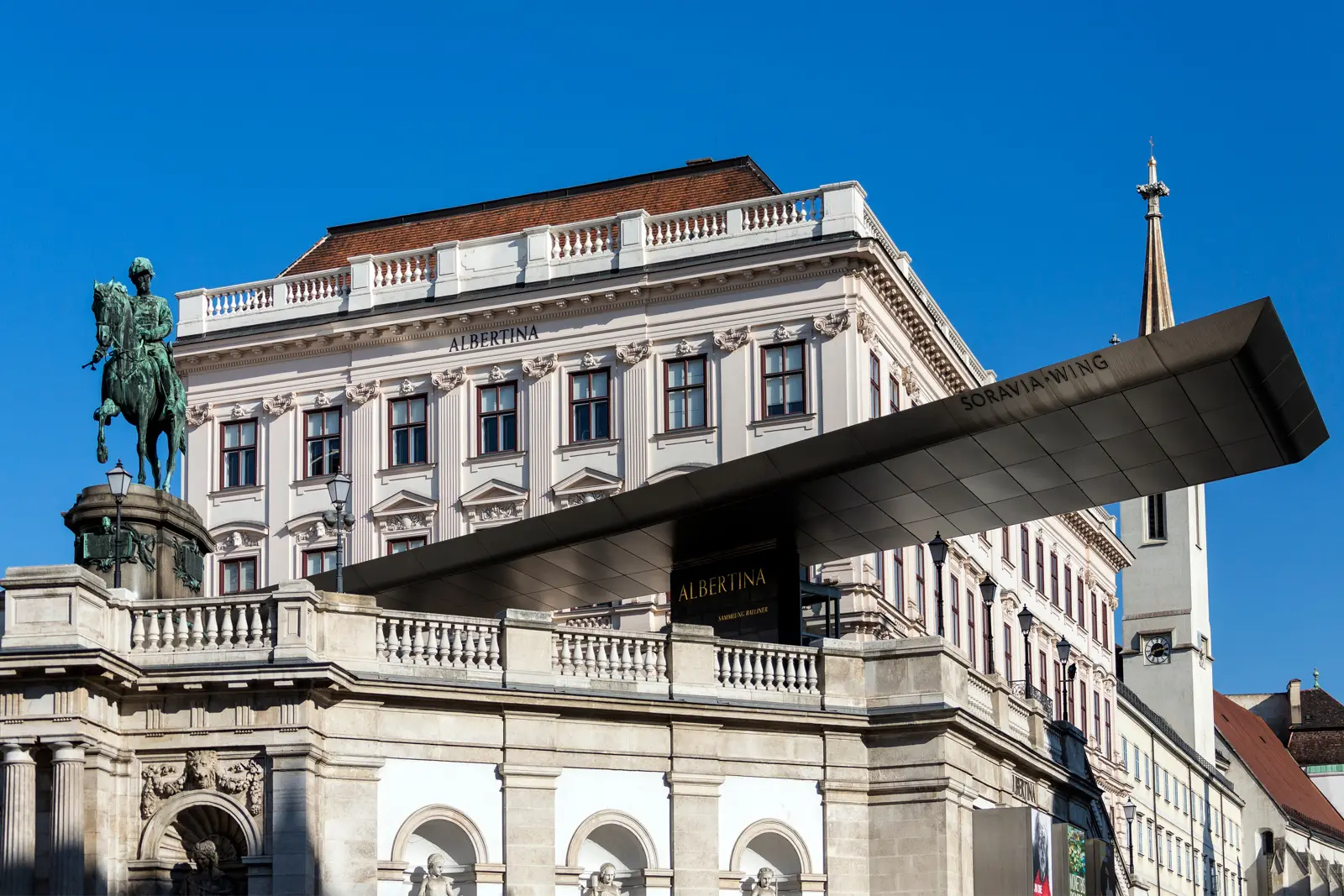
🎨 Day 3 · Maria-Theresien-Platz, Kunsthistorisches Museum, the Secession Building with Klimt’s Beethoven Frieze, the Albertina, dinner at Saigon.
🏔️ Day 4 · Day trip to Hallstatt and Salzburg.
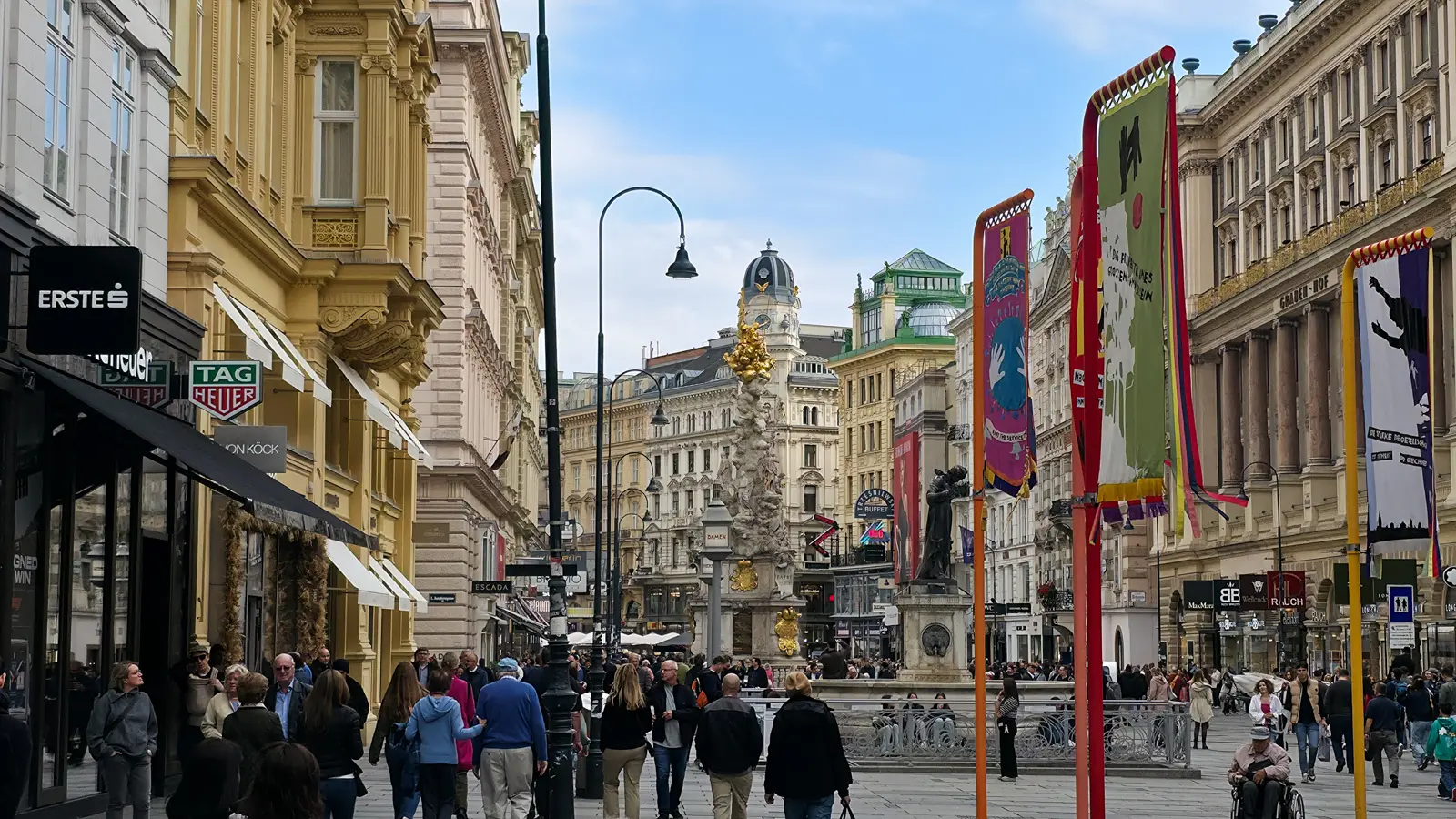
🌹 Day 5 · Volksgarten rose garden, Sisi Monument, Stadtpark, slow afternoon along the Graben.
Day 1: Imperial Vienna and the Grandeur of Schönbrunn
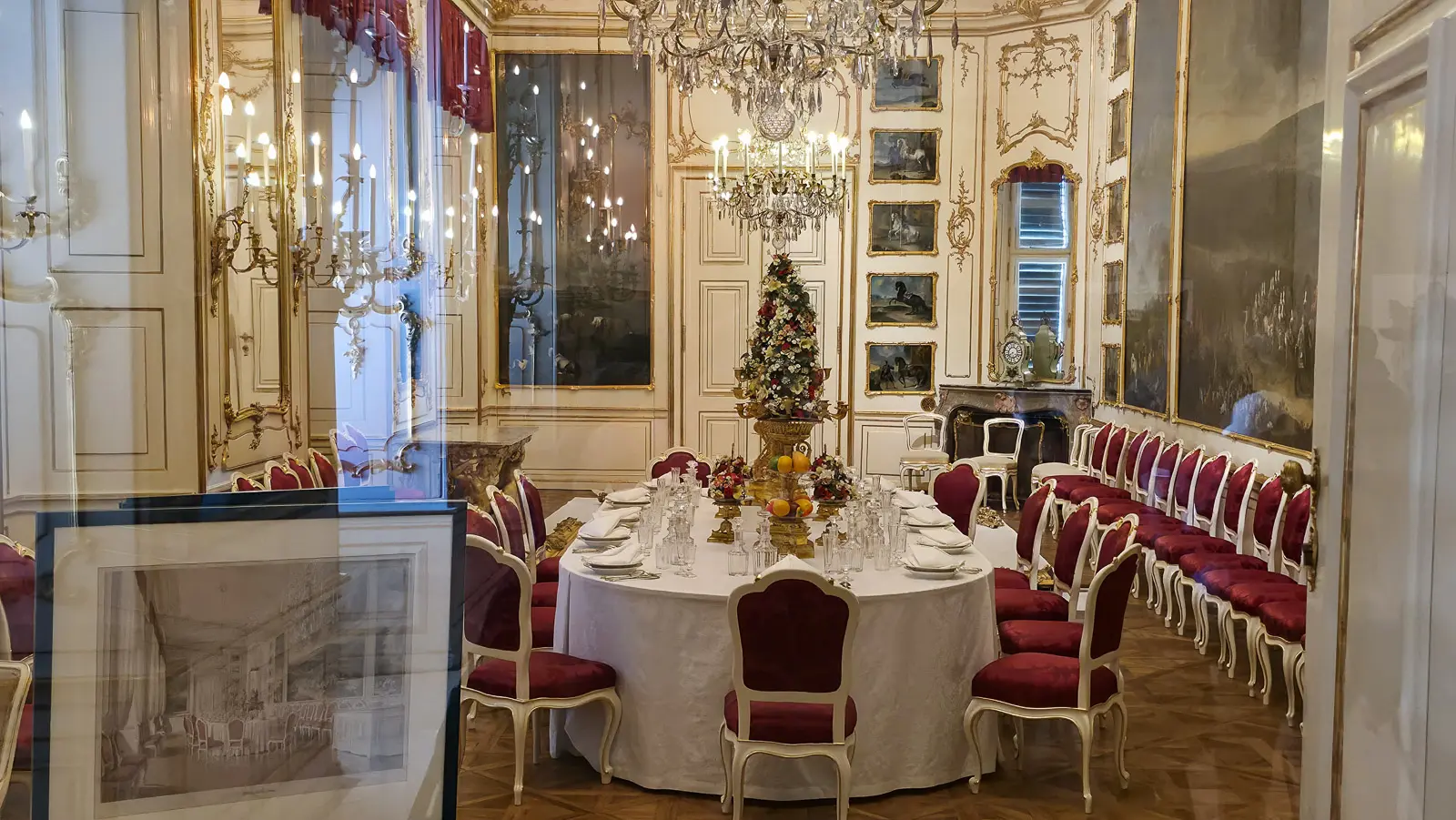
Begin your Vienna experience at Schönbrunn Palace, one of the city’s most iconic and historically significant landmarks. Arriving early allows you to experience the palace before peak crowds, giving the interiors and gardens a calmer, more reflective atmosphere. As you move through the lavish state rooms, the scale of Habsburg imperial life becomes immediately apparent. Ornate chandeliers, gold accents, silk wall coverings, and carefully preserved furnishings create an environment that feels both magnificent and deeply structured, reflecting the ceremonial nature of imperial court life.
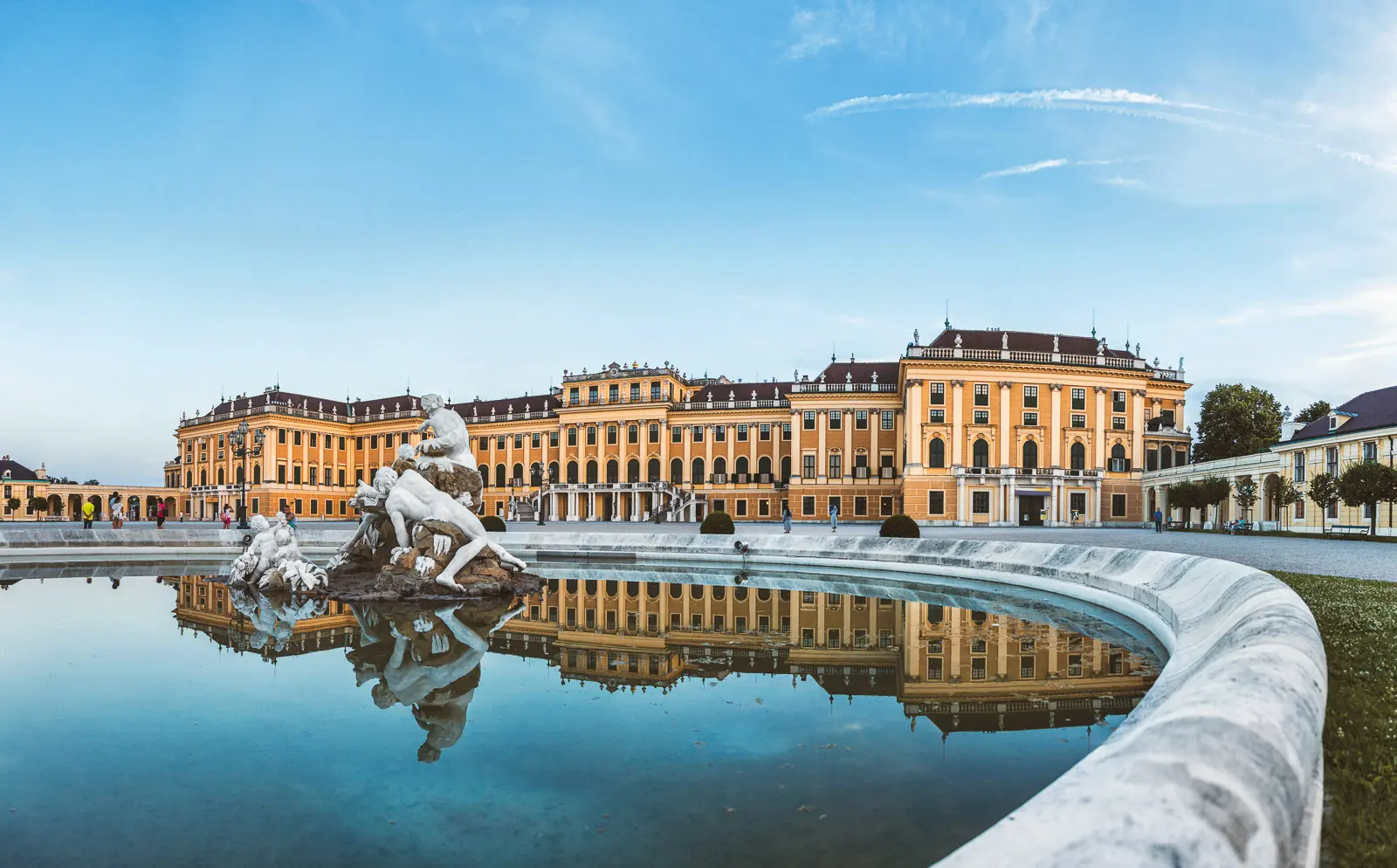
The palace is especially associated with Maria Theresa, whose influence transformed Schönbrunn into a major imperial residence and cultural centre. Understanding her role adds another dimension to the visit, turning the palace from a beautiful building into a living symbol of political and dynastic power.
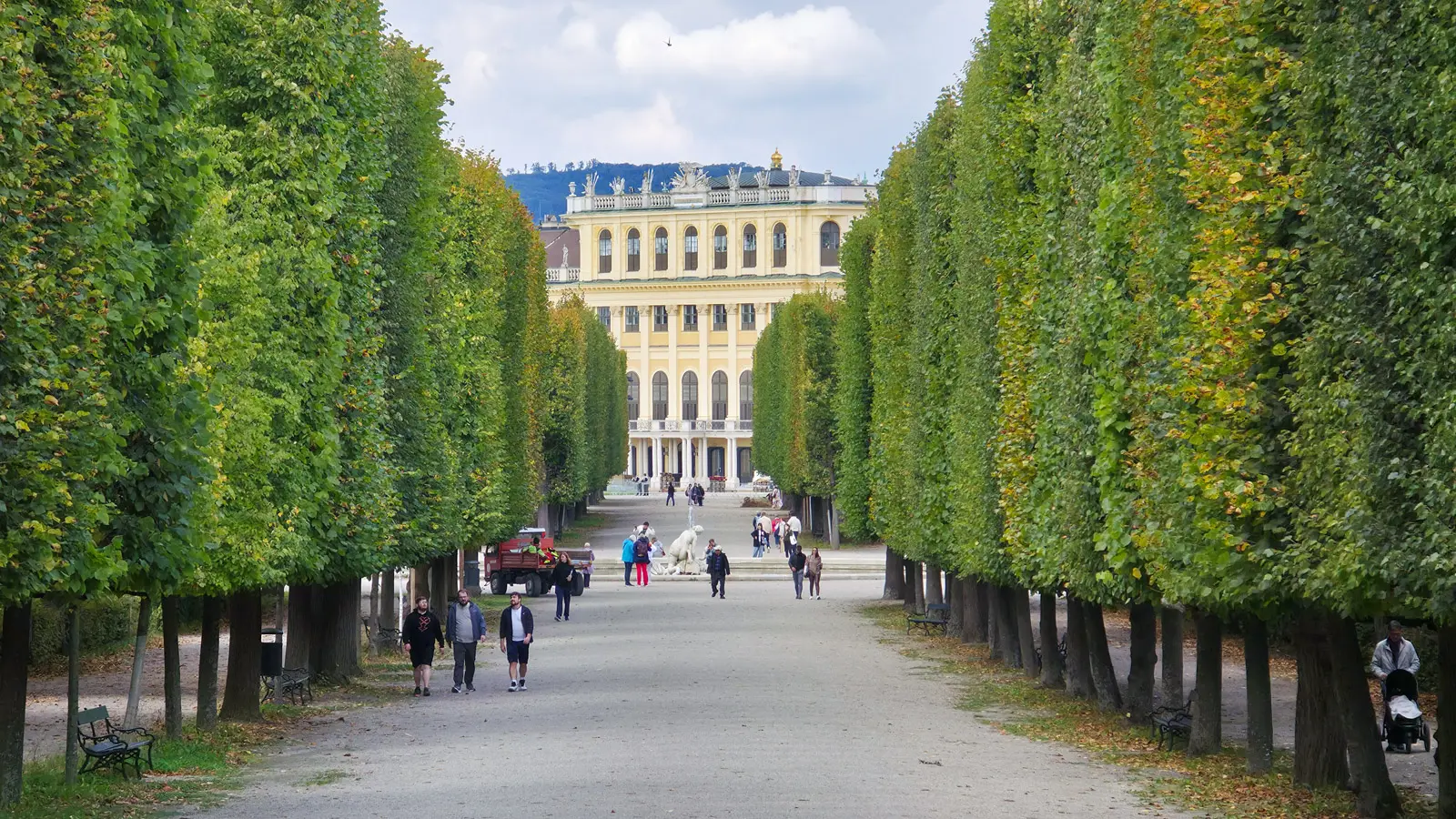
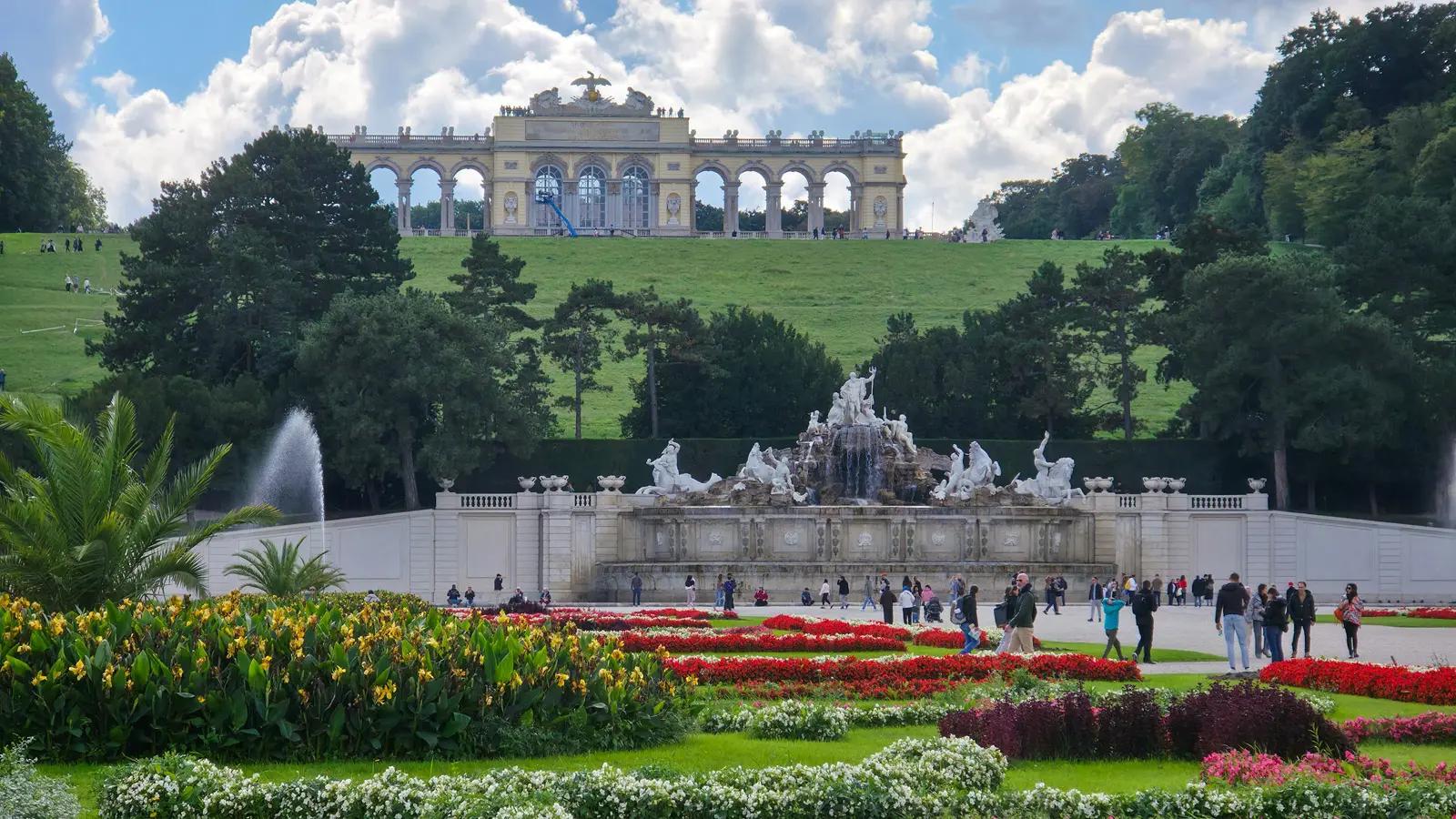
The gardens are equally essential to the experience. Walking through the grounds, you begin to understand how carefully landscape and architecture were used together to project imperial authority and refinement. The pathways, fountains, sculptures, and flowerbeds create a sense of rhythm and openness that encourages slower exploration. Climbing toward the Gloriette rewards you with sweeping panoramic views over Vienna, creating one of the most memorable perspectives in the city.
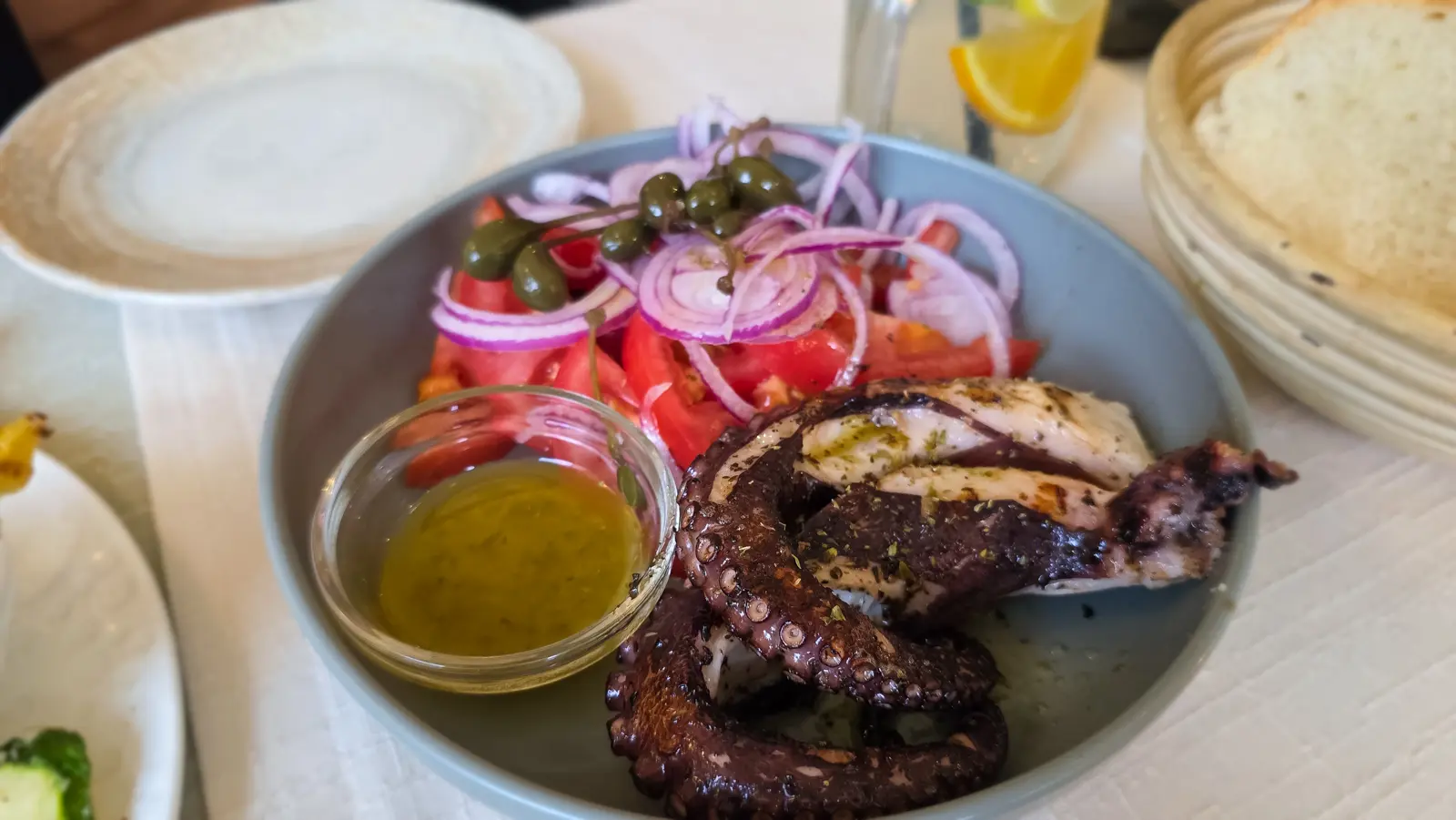
After a morning immersed in imperial grandeur, transition into a more relaxed and sensory experience with dinner at Odysseus near Schönbrunn. The warmth of the restaurant, combined with Greek flavours, contemporary hospitality, and a welcoming atmosphere, creates a beautiful contrast to the formality of the palace. Sharing mezedes, grilled octopus, fresh salads, and Greek coffee after a day of sightseeing creates a slower and more grounded rhythm to the evening, reinforcing the idea that Vienna is best experienced through both its landmarks and its quieter moments.
Day 2: Historic Vienna, Coffeehouse Culture, and the Opera
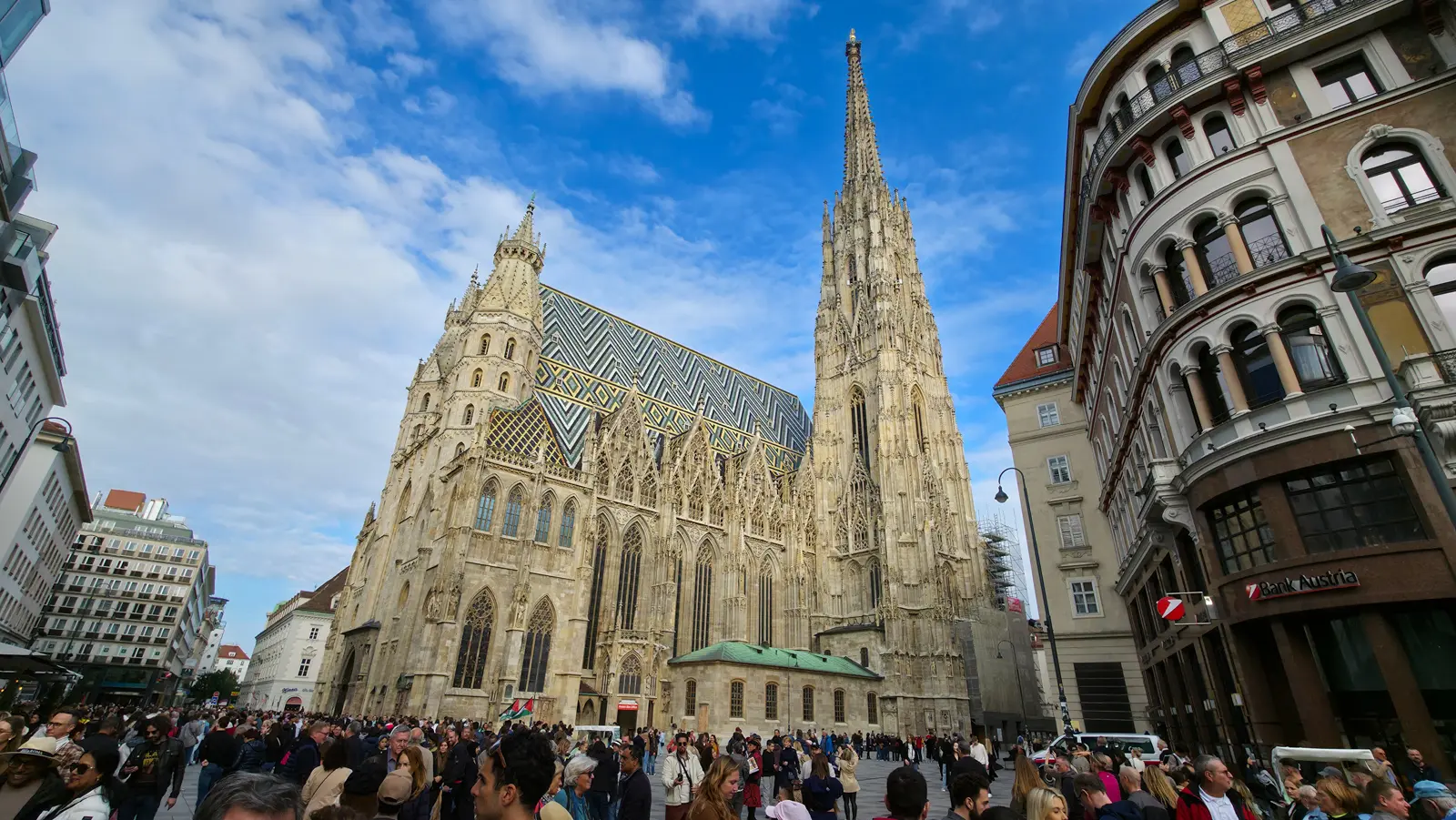
Day two brings you into the heart of Vienna’s historic centre, beginning at St. Stephen’s Cathedral. Rising dramatically above Stephansplatz, the cathedral immediately captures attention with its Gothic façade and distinctive tiled roof featuring the imperial eagle and Habsburg symbolism. Standing beneath its towering structure, surrounded by both historic and contemporary Vienna, the city’s layered identity becomes especially visible.
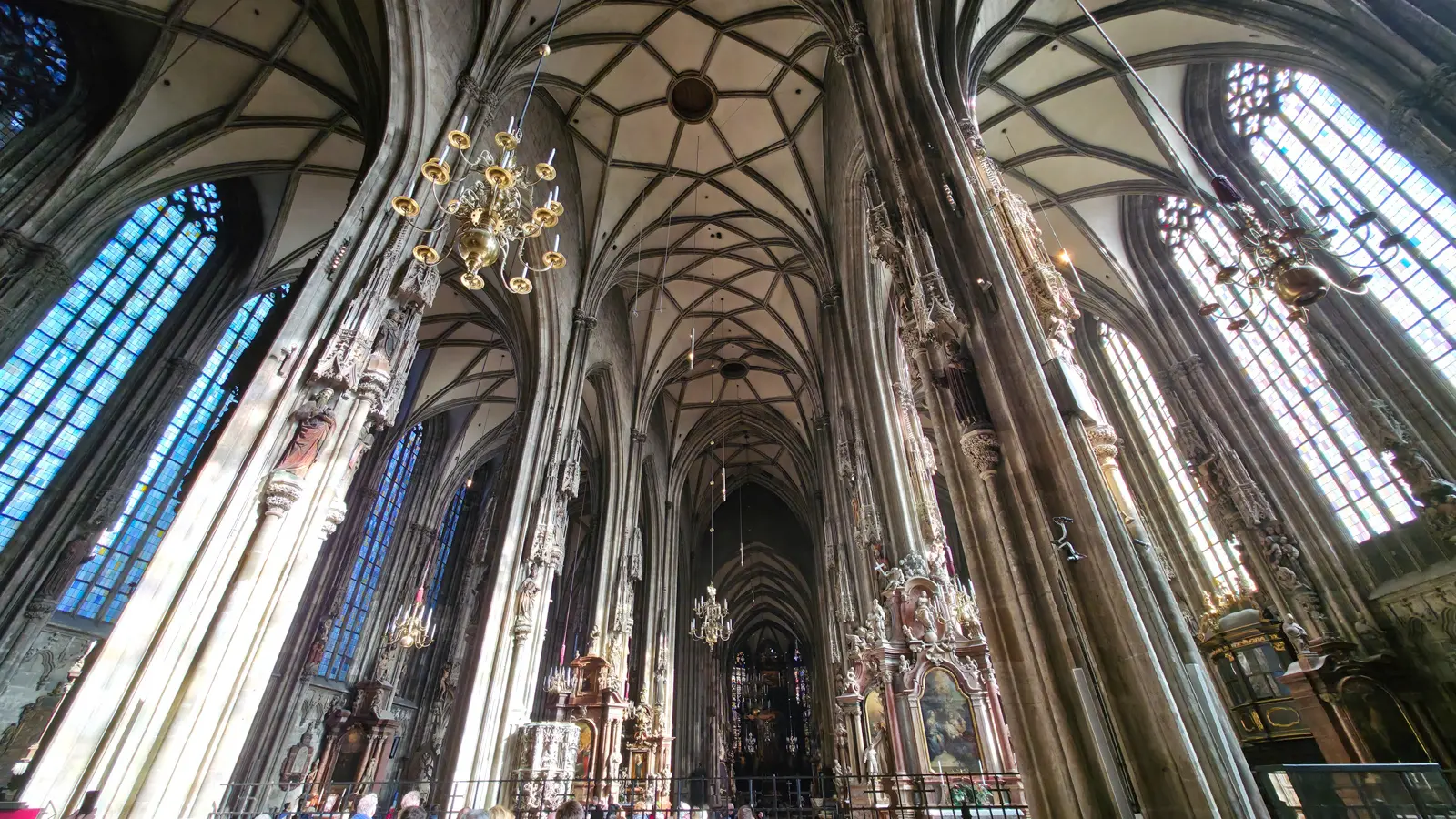
Inside, the atmosphere shifts into something quieter and more contemplative. The filtered light, soaring columns, and centuries of history embedded within the cathedral create a space that feels deeply connected to Vienna’s spiritual and cultural past. Even outside the cathedral, the surrounding streets reveal a fascinating blend of luxury boutiques, traditional façades, cafés, and modern urban life.
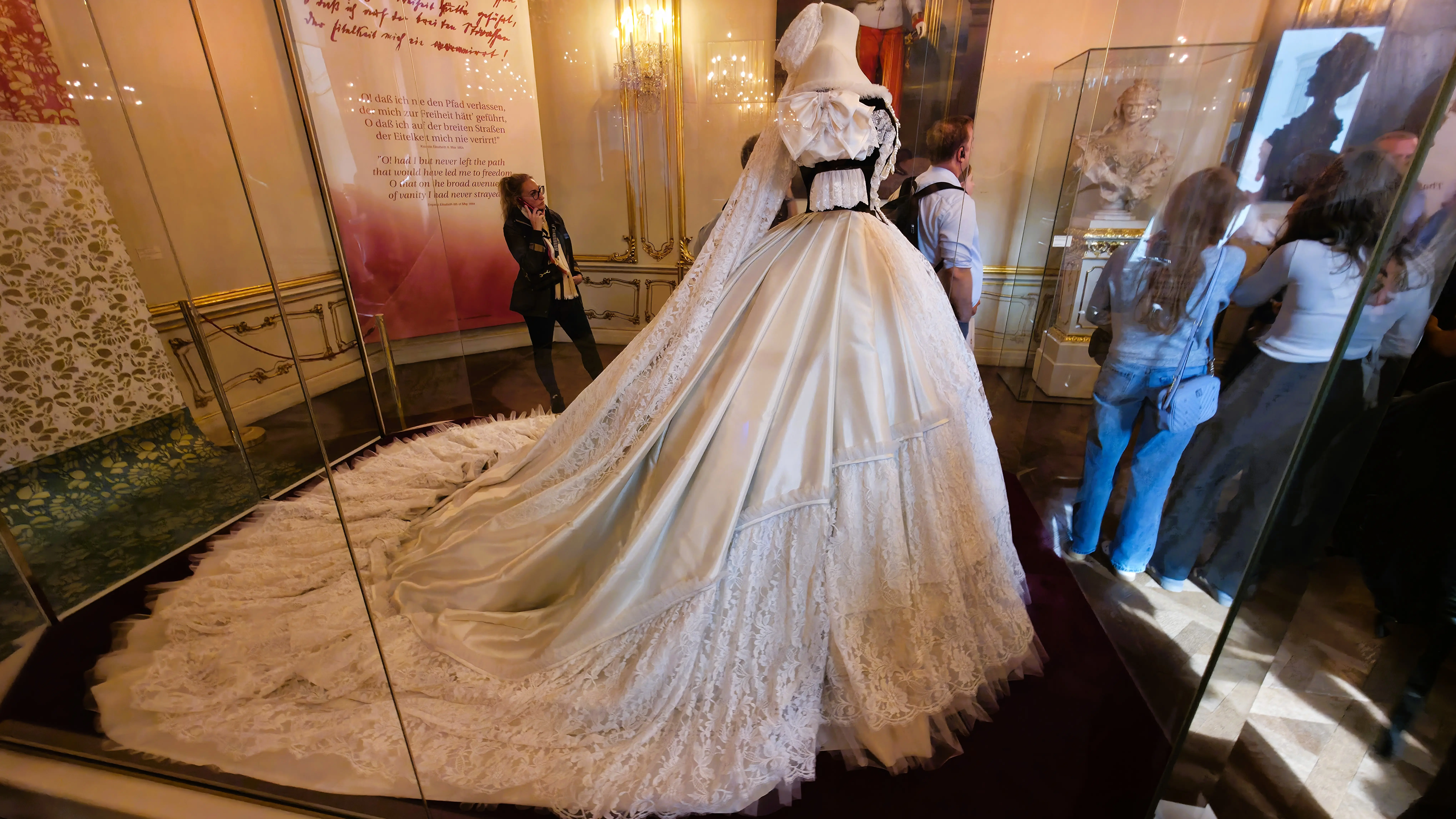
Continue toward the Hofburg Palace, the political centre of the Habsburg Empire for centuries. Exploring the complex reveals not only imperial grandeur, but also the deeply human stories that unfolded within it. The Sisi Museum provides a more personal perspective on the life of Empress Elisabeth of Austria, presenting a nuanced portrait of a woman often romanticized in popular culture.
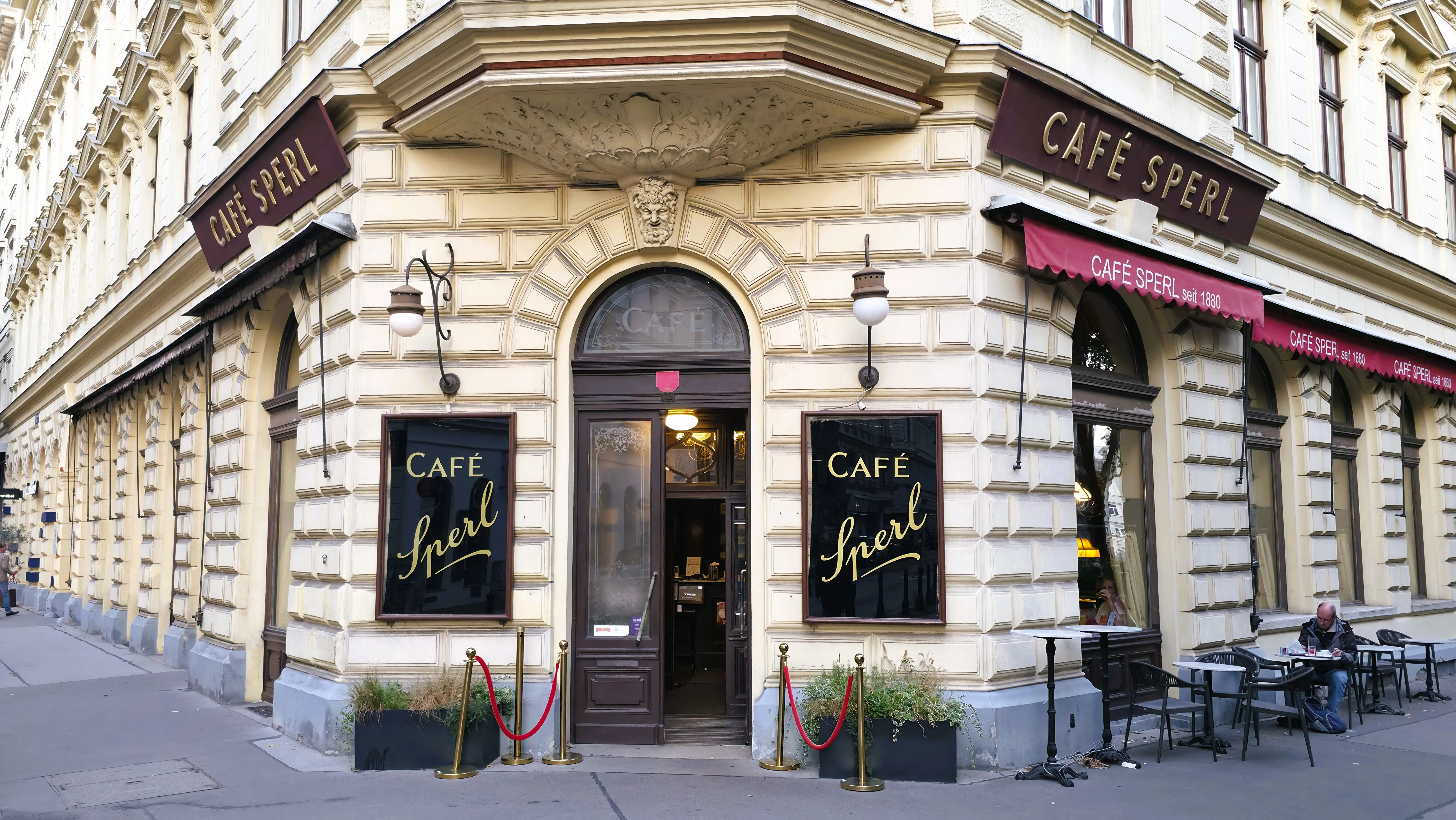
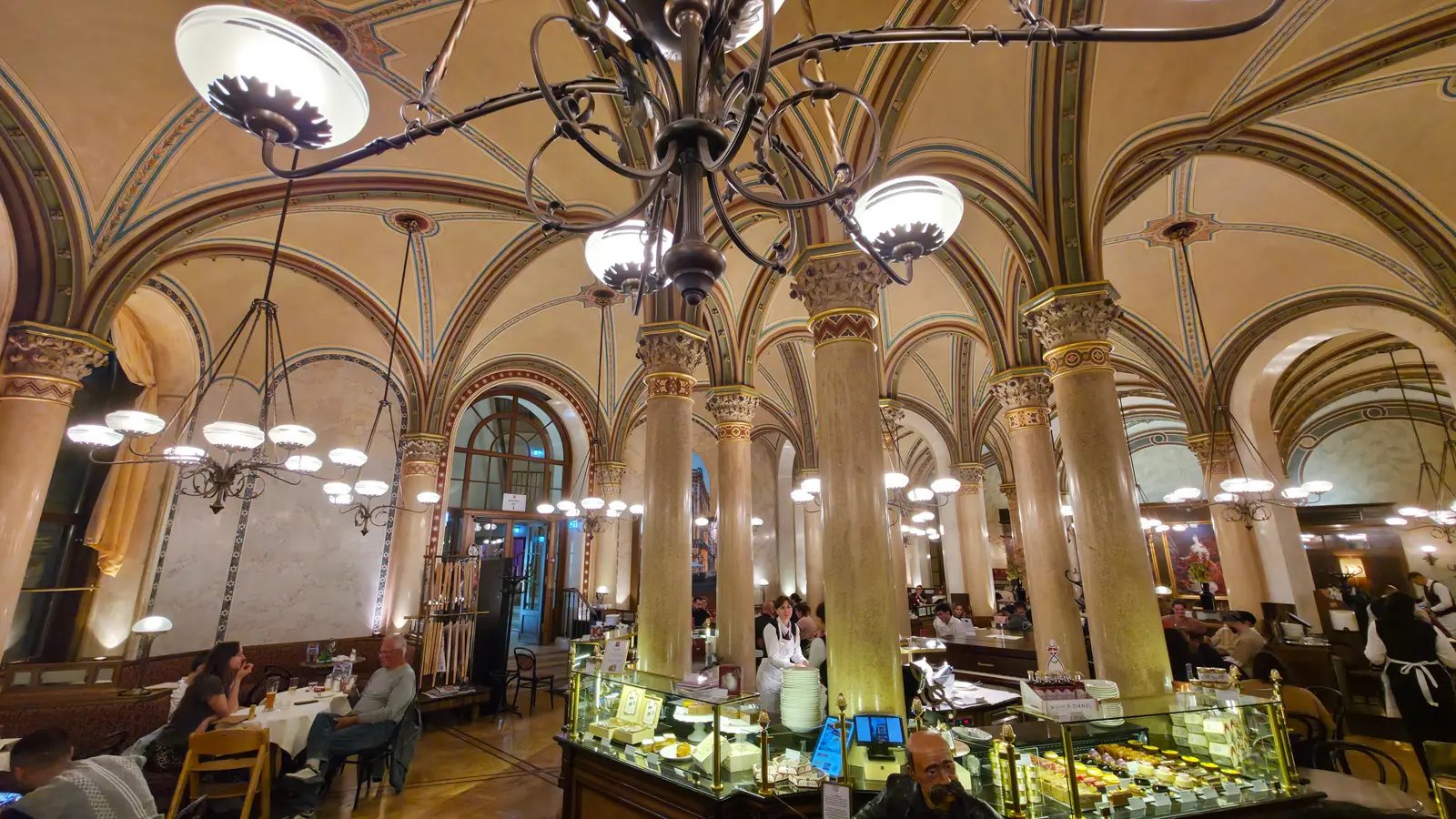
Midday is the perfect moment to slow down and immerse yourself in Vienna’s legendary coffeehouse culture. Historic cafés such as Café Central, Café Landtmann, and Café Sperl are far more than places to grab coffee, they are cultural institutions that reflect Vienna’s intellectual and social identity. Sitting beneath chandeliers with a coffee and pastry while conversations unfold around you becomes part of the city experience itself.
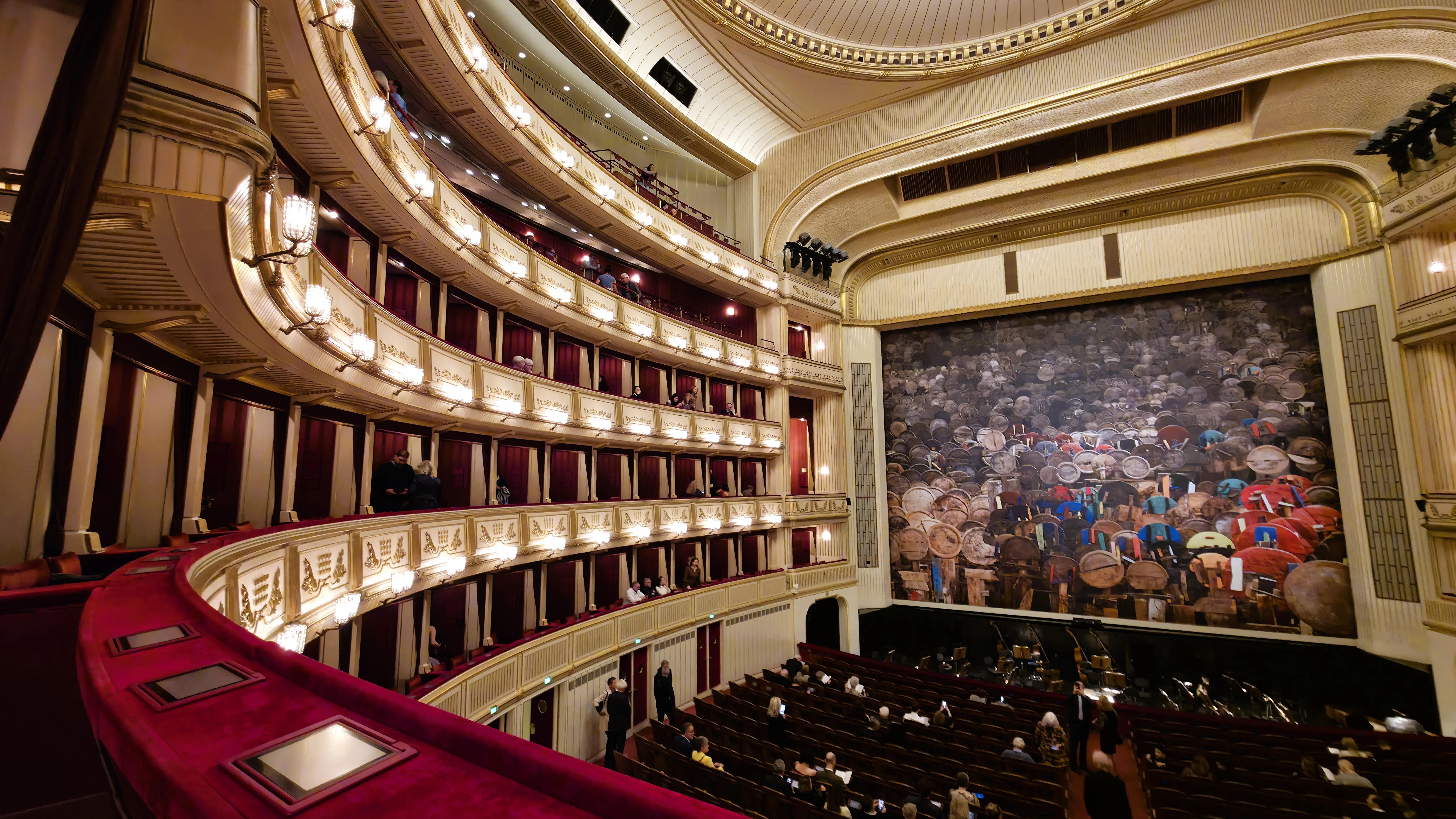
In the evening, make your way toward the magnificent Vienna State Opera. Whether attending a performance or simply admiring the building from outside, the opera house represents one of Vienna’s most enduring cultural symbols. The atmosphere around the opera in the evening feels especially elegant, with illuminated façades, dressed-up concertgoers, and the quiet energy of a city deeply connected to music and performance.
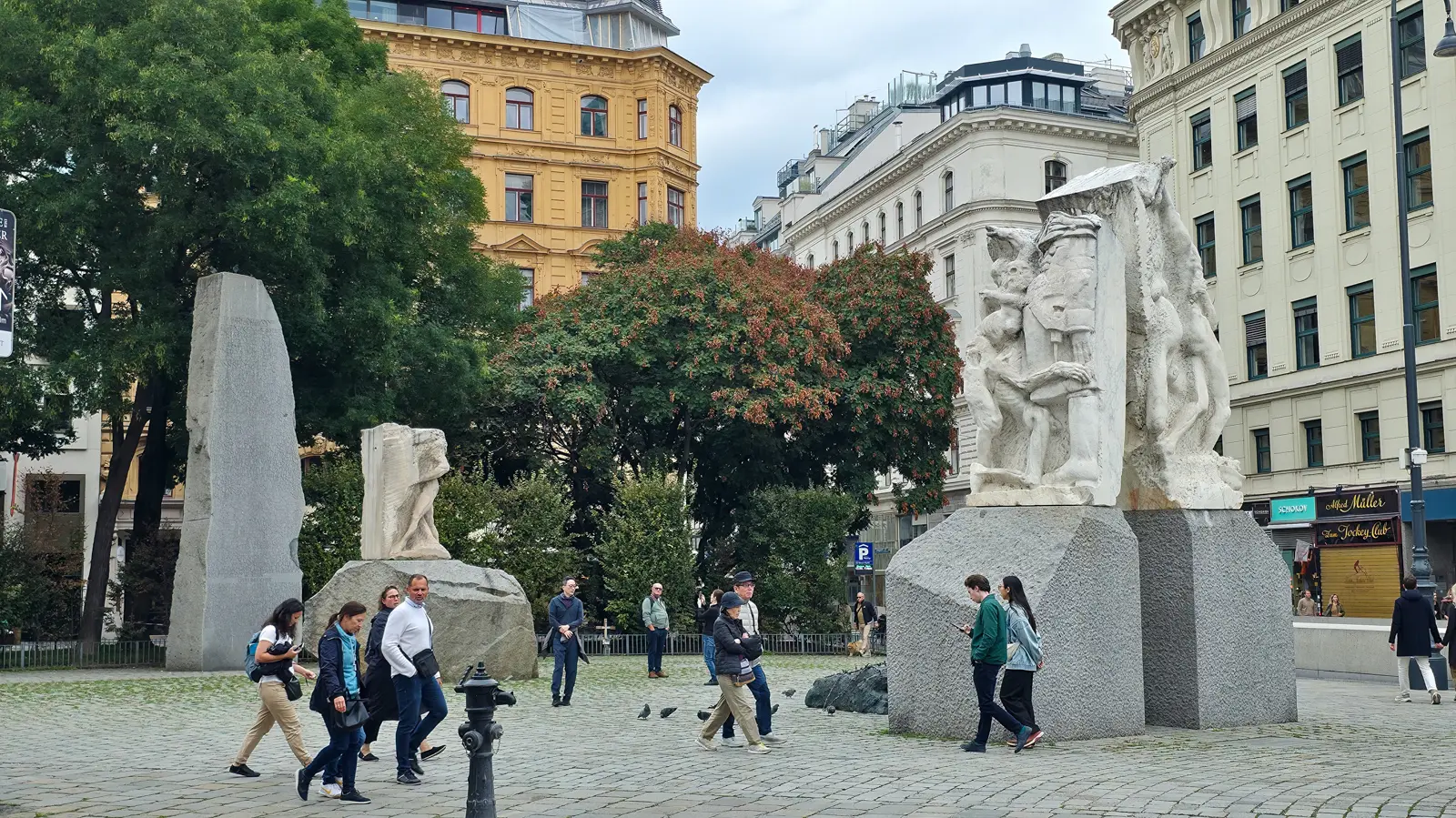
Nearby, take time to walk through Albertinaplatz, where the Monument Against War and Fascism introduces a more reflective and emotionally powerful layer of Vienna’s history. The contrast between imperial elegance and this stark memorial reinforces how multifaceted the city truly is.
Day 3: Klimt, Secession, Museums, and Modern Vienna
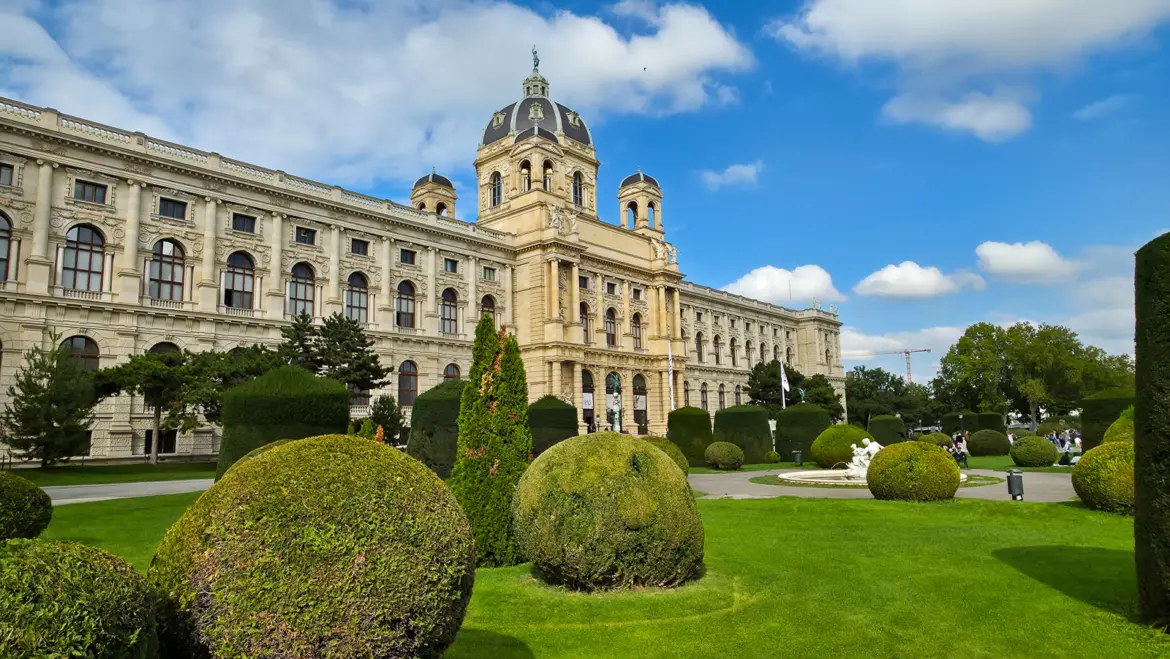
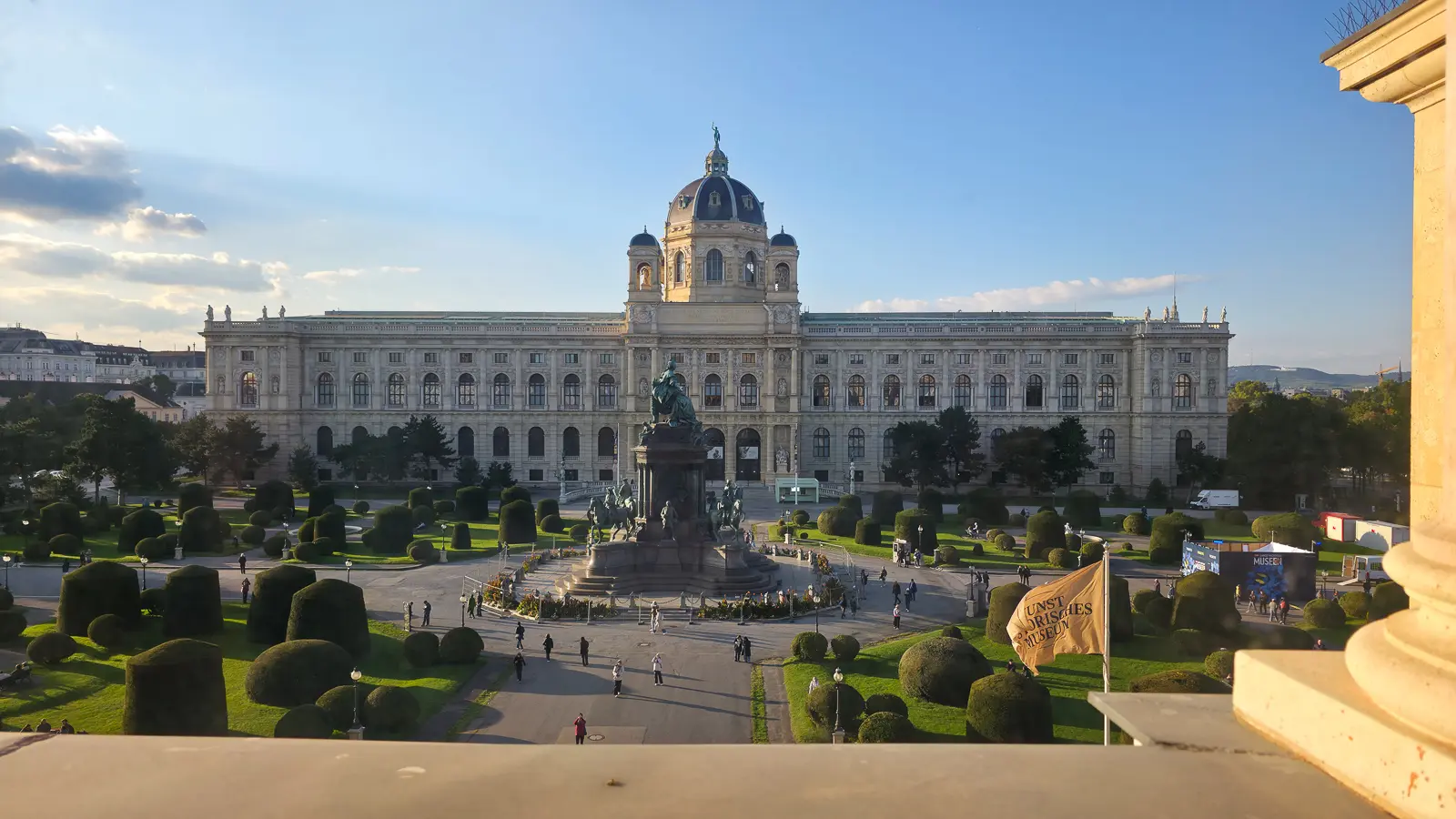
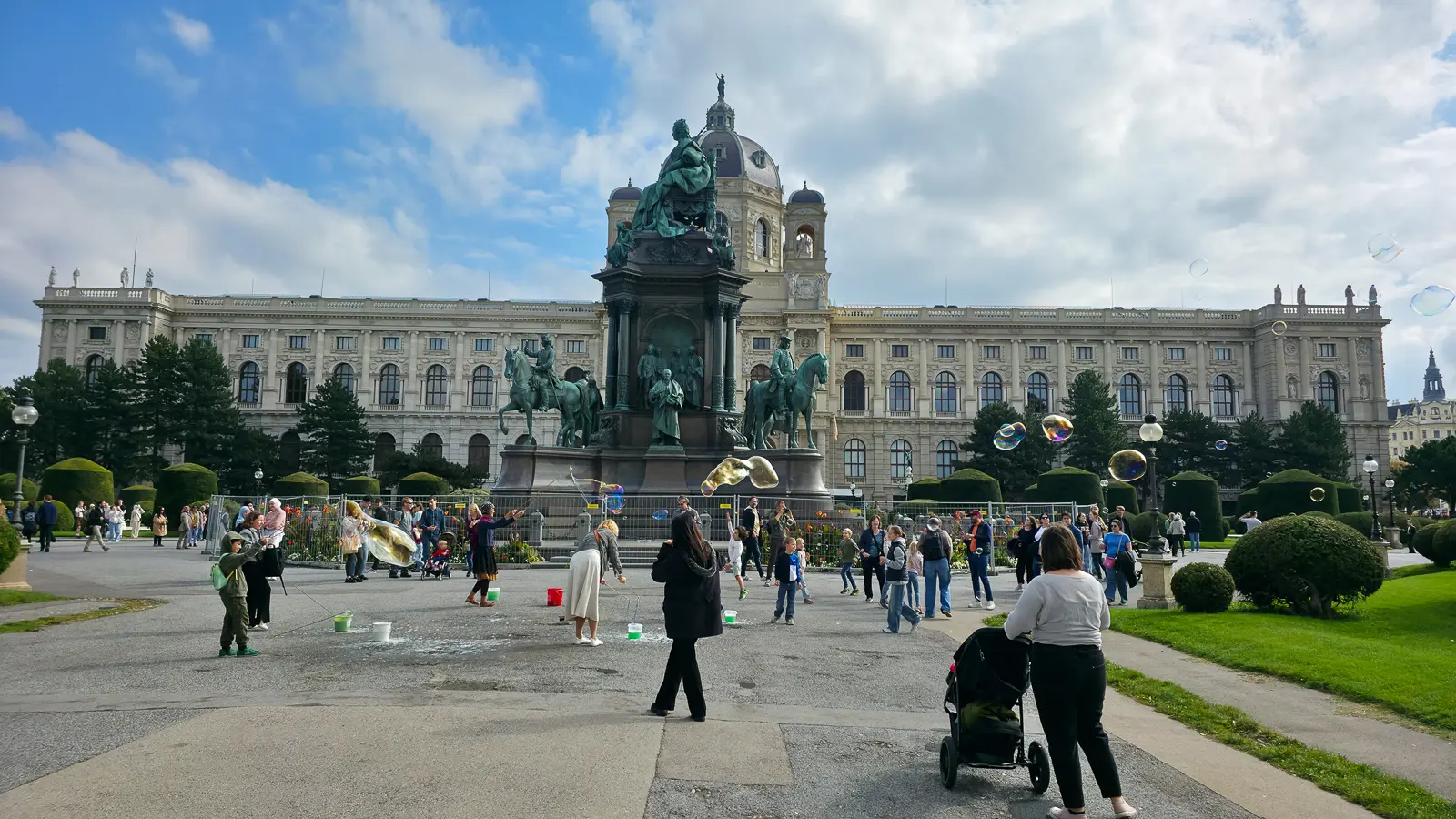
Day three explores Vienna’s artistic evolution, moving from imperial collections into the revolutionary ideas that transformed the city’s cultural landscape at the turn of the 20th century. Begin at Maria-Theresien-Platz, one of Vienna’s grandest urban spaces. Dominated by the monumental statue of Maria Theresa, the square is framed by two extraordinary museums: the Kunsthistorisches Museum and the Natural History Museum Vienna. The symmetry of the architecture, combined with the scale of the square itself, creates an atmosphere that feels unmistakably imperial.
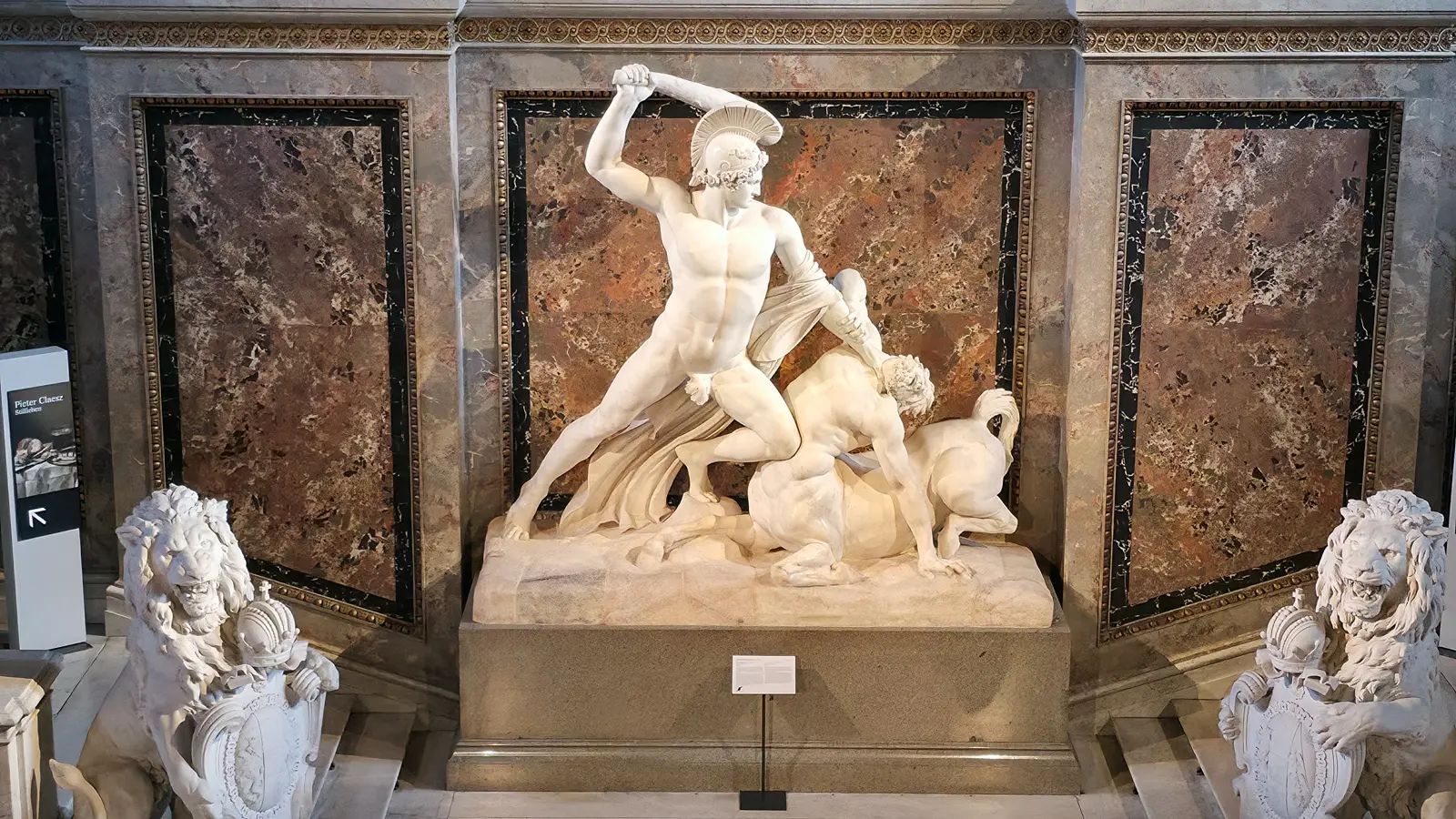
Inside the Kunsthistorisches Museum, the richness of the Habsburg art collections becomes fully apparent. Masterpieces by artists such as Peter Paul Rubens, Diego Velázquez, and Titian reflect centuries of imperial patronage and collecting. The museum itself is as impressive as the works it houses, with grand staircases, marble interiors, and decorative details that transform the visit into an experience beyond the art alone.
In the afternoon, shift toward a different artistic movement at the Vienna Secession Building. The transition feels symbolic. After the grandeur and formality of imperial collections, the Secession Building introduces a more radical and modern artistic vision. Associated with the Vienna Secession movement and artists such as Gustav Klimt, the building represents a deliberate break from traditional artistic conventions.
Inside, the Klimt Frieze offers one of Vienna’s most fascinating artistic experiences. The work feels immersive, symbolic, and emotionally charged, revealing a very different side of Vienna’s cultural identity compared to the imperial art collections of the morning. This contrast between classical grandeur and artistic rebellion creates one of the most intellectually engaging days of the itinerary.
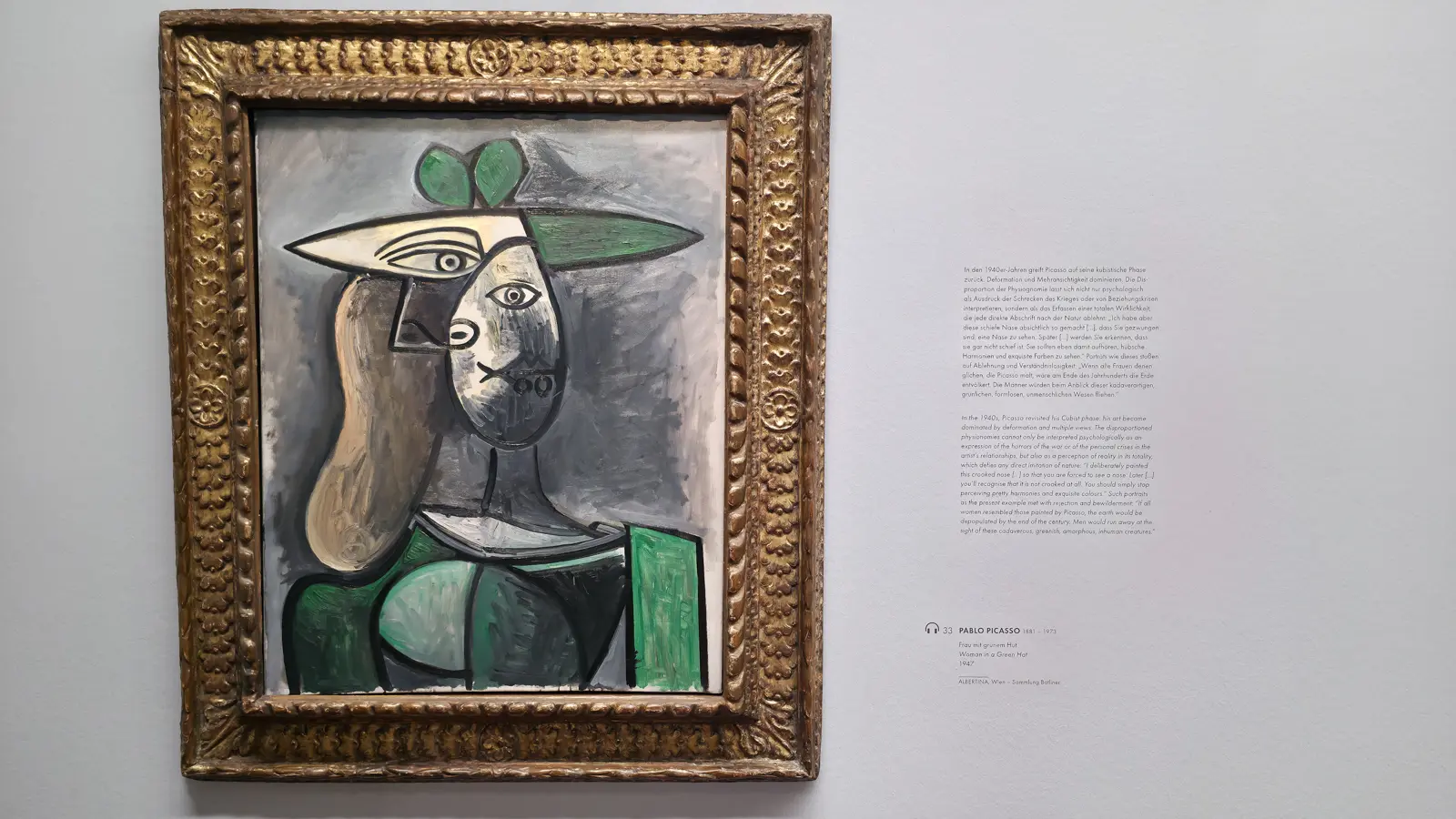
Nearby, the Albertina offers another exceptional cultural stop, combining historic state rooms with important graphic art collections and temporary exhibitions. Together, these locations reveal Vienna not only as a city of imperial preservation, but also as a centre of artistic innovation and transformation.
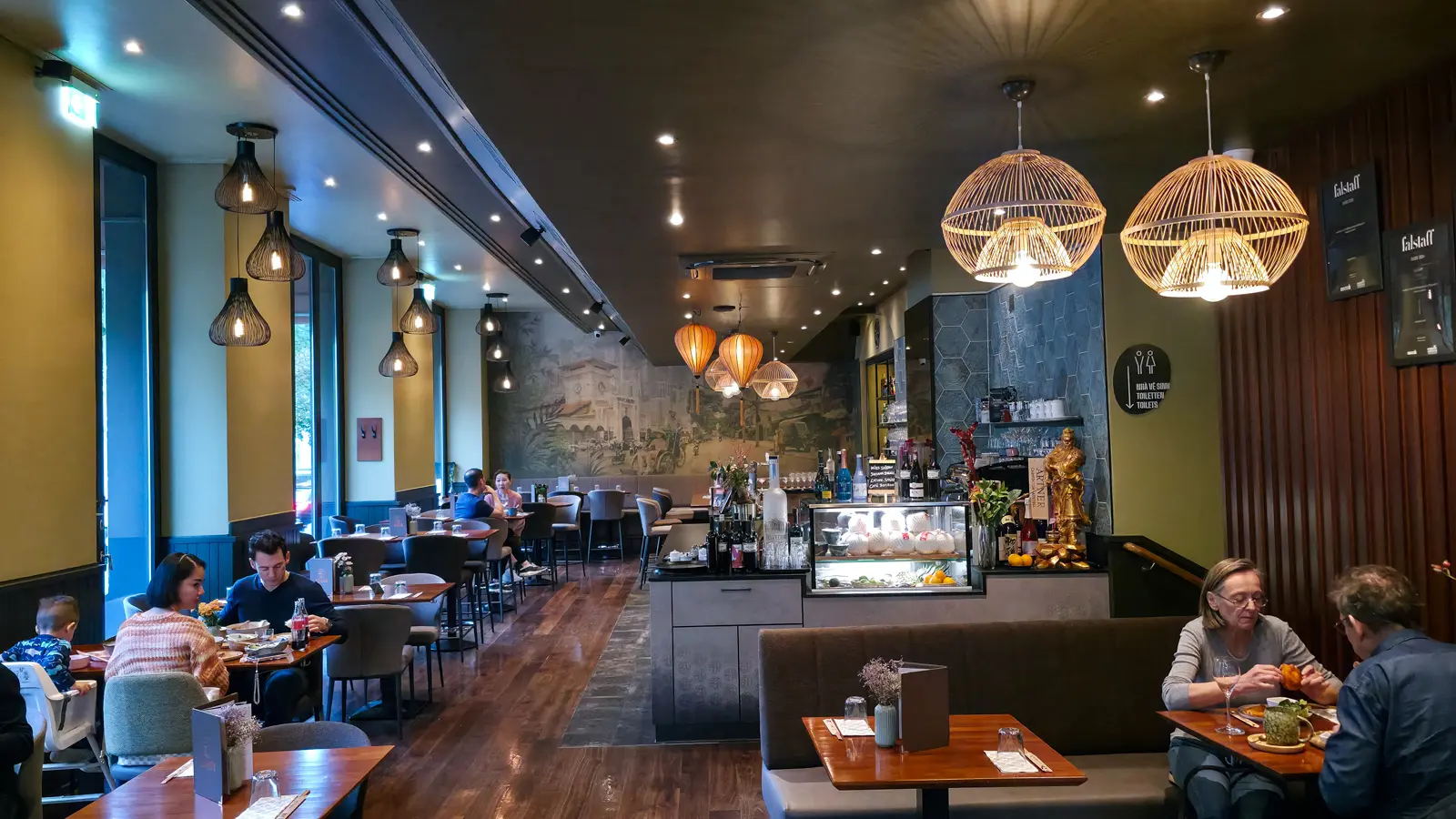
End the evening at Saigon, located near the Secession Building. After a day immersed in Klimt, modernism, and artistic experimentation, the restaurant feels perfectly placed within this part of Vienna. Its contemporary Vietnamese-inspired décor, refined cocktails, warm atmosphere, and layered cuisine reinforce the idea of Vienna as a city that continues to evolve while embracing international influences and modern creativity.
Day 4: Hallstatt and Salzburg – Austria Beyond Vienna
One of the most rewarding aspects of spending additional time in Vienna is the opportunity to explore more of Austria itself. A combined day trip to Hallstatt and Salzburg introduces a completely different side of the country, where alpine scenery, lakeside villages, and Baroque architecture create an atmosphere that feels almost cinematic.
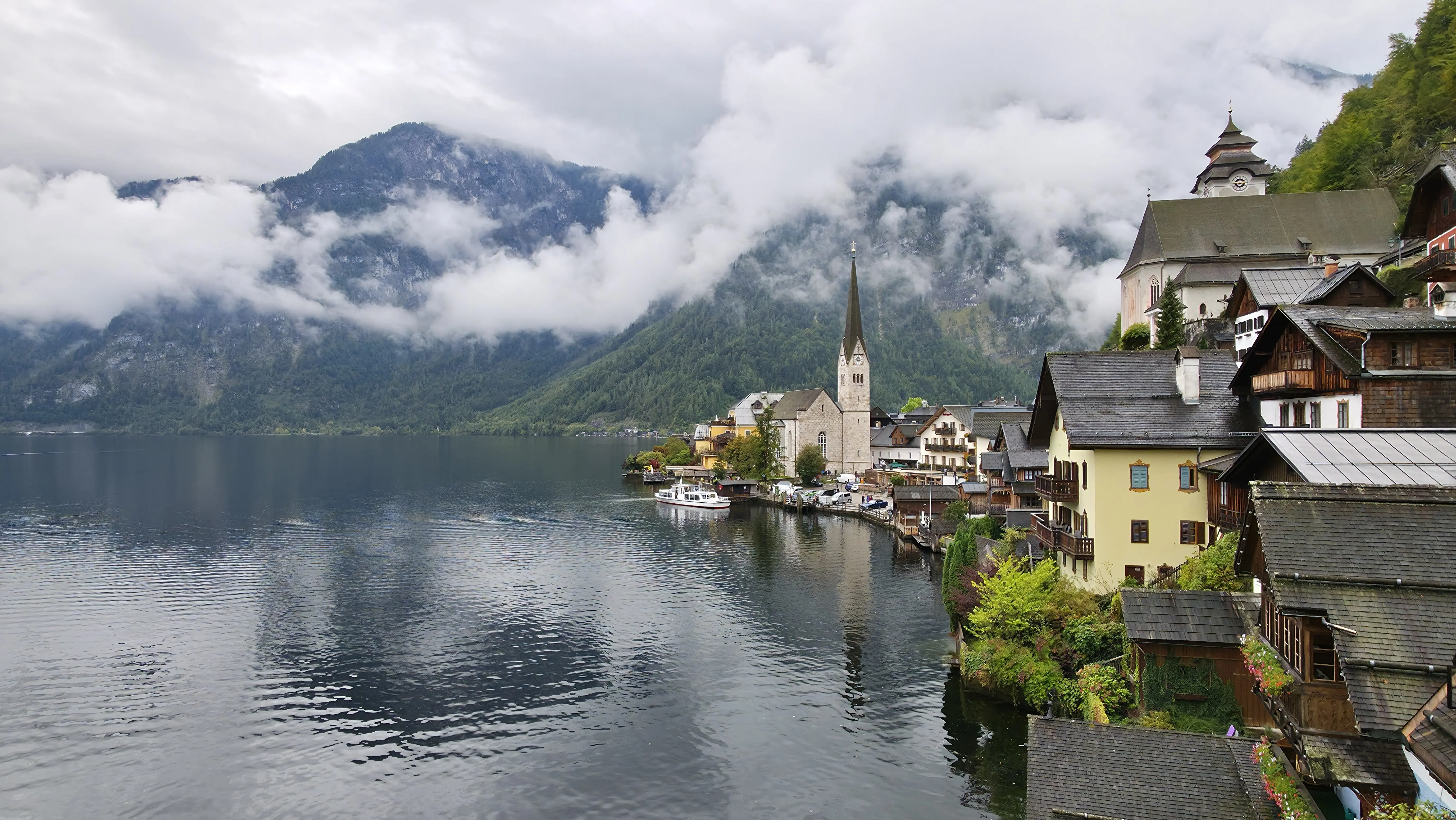
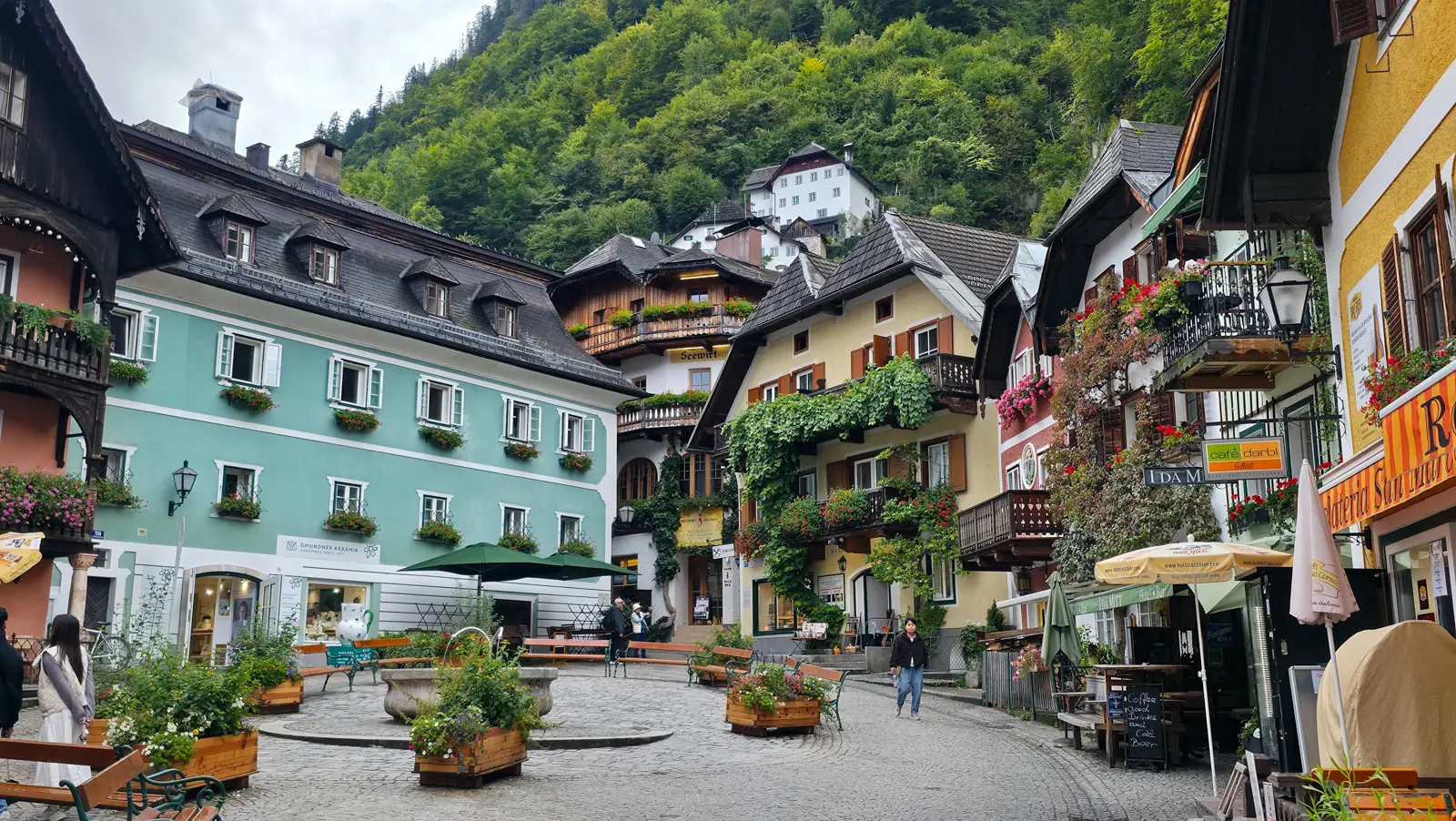
Hallstatt immediately captivates with its dramatic setting between mountains and lake. Walking through the village, the scenery feels almost unreal, with pastel-coloured buildings, reflections on the water, and narrow pathways winding through the town. Despite its international popularity, Hallstatt still retains moments of quiet beauty, particularly when stepping slightly away from the busiest viewpoints.
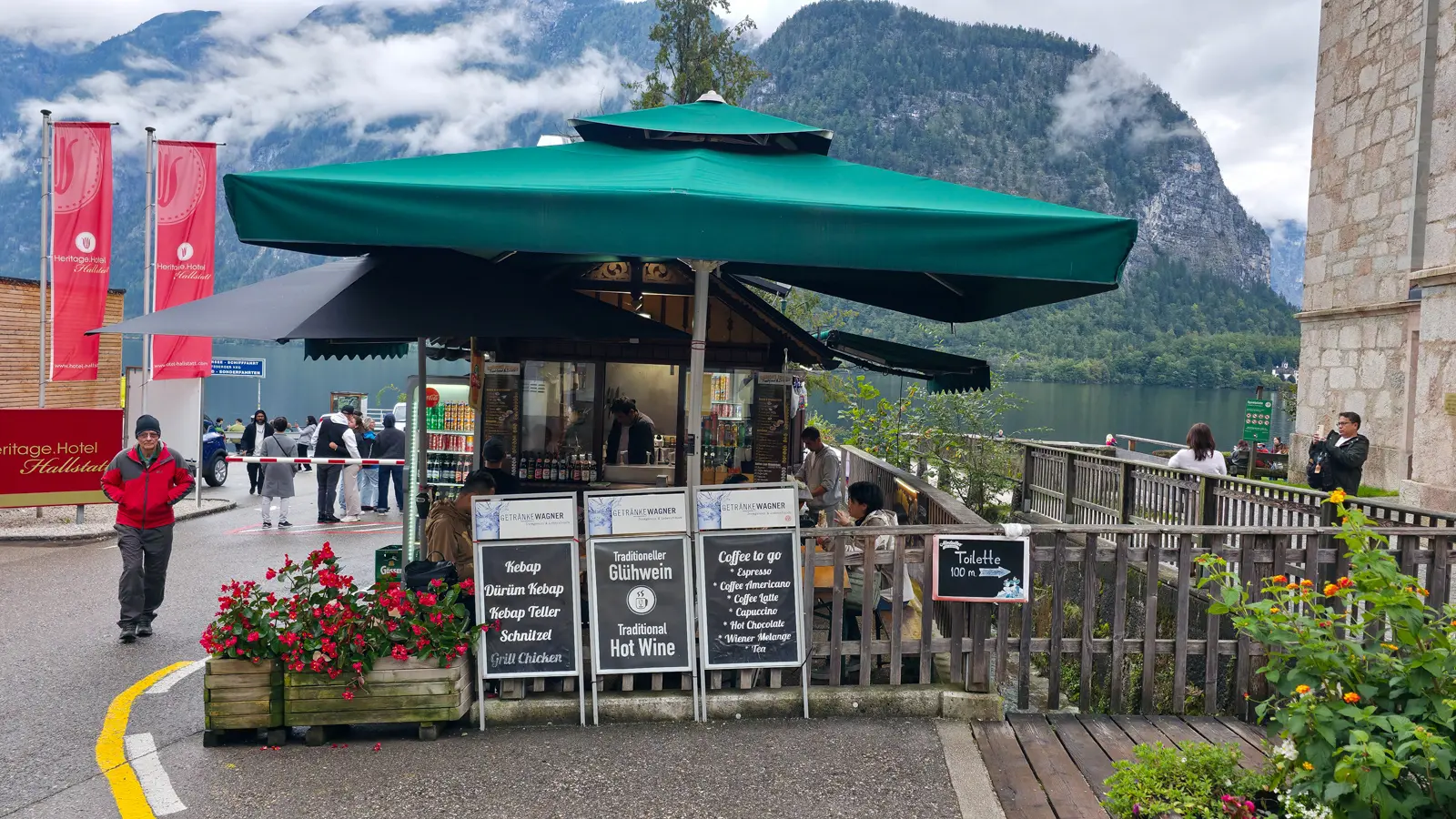
One unexpectedly memorable part of the experience was stopping for kebabs while overlooking the lake, a simple and casual moment that contrasted beautifully with the almost postcard-perfect scenery surrounding us. These smaller, unplanned experiences often become some of the most memorable parts of travel, grounding even the most visually extraordinary destinations in something personal and real.
Later, continue toward Salzburg, the birthplace of Wolfgang Amadeus Mozart and one of Austria’s most elegant cities. The historic centre feels rich with Baroque beauty, from Domplatz and Mirabell Gardens to the imposing Hohensalzburg Fortress overlooking the city. Salzburg carries a slightly different energy from Vienna – smaller in scale, more intimate, yet equally connected to music, culture, and history.
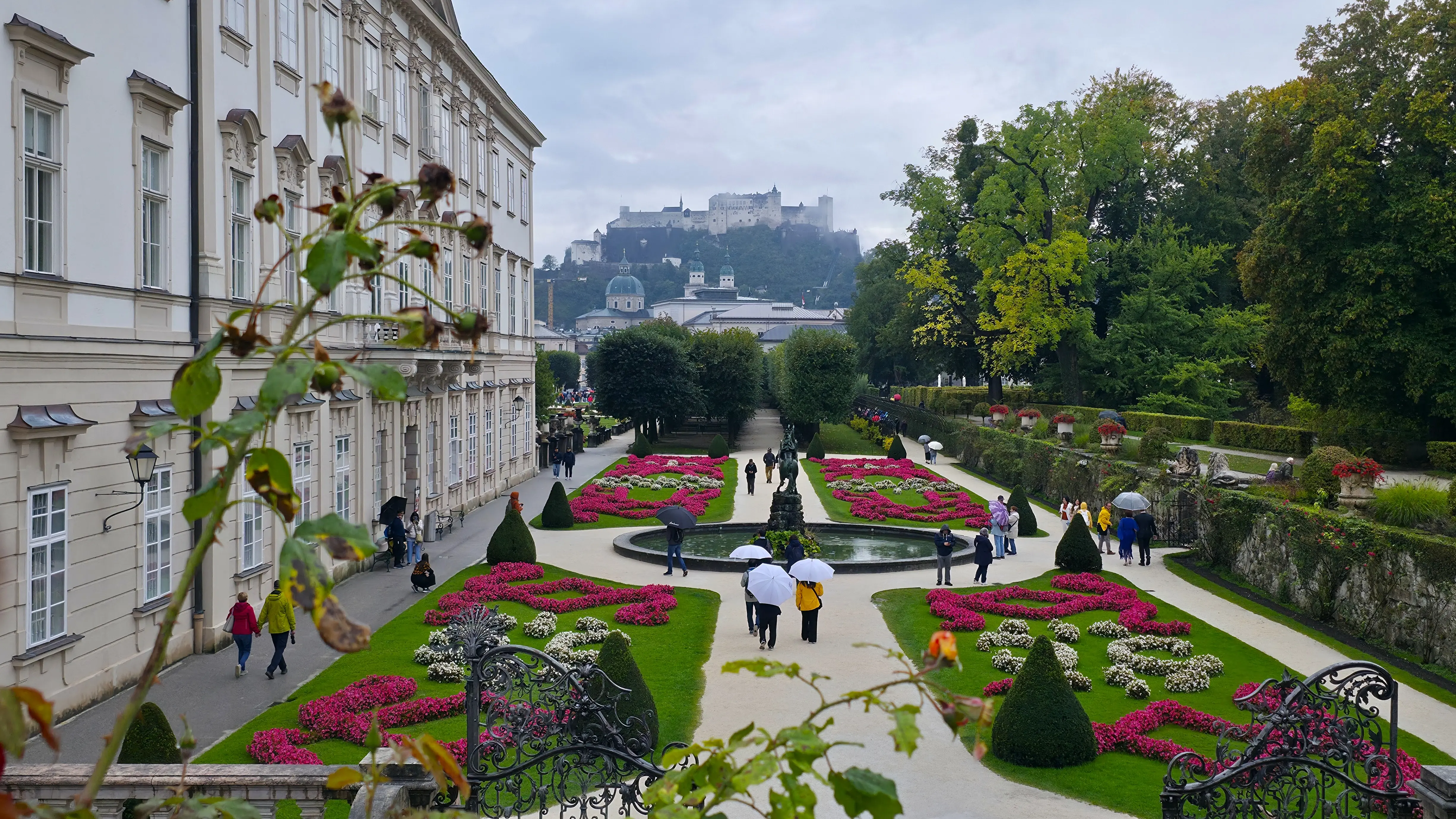
Together, Hallstatt and Salzburg create a day that contrasts beautifully with Vienna itself, expanding the itinerary beyond the imperial capital into the broader landscapes and cultural identity of Austria.
Day 5: Elegant Vienna, Parks, and Slower Discoveries
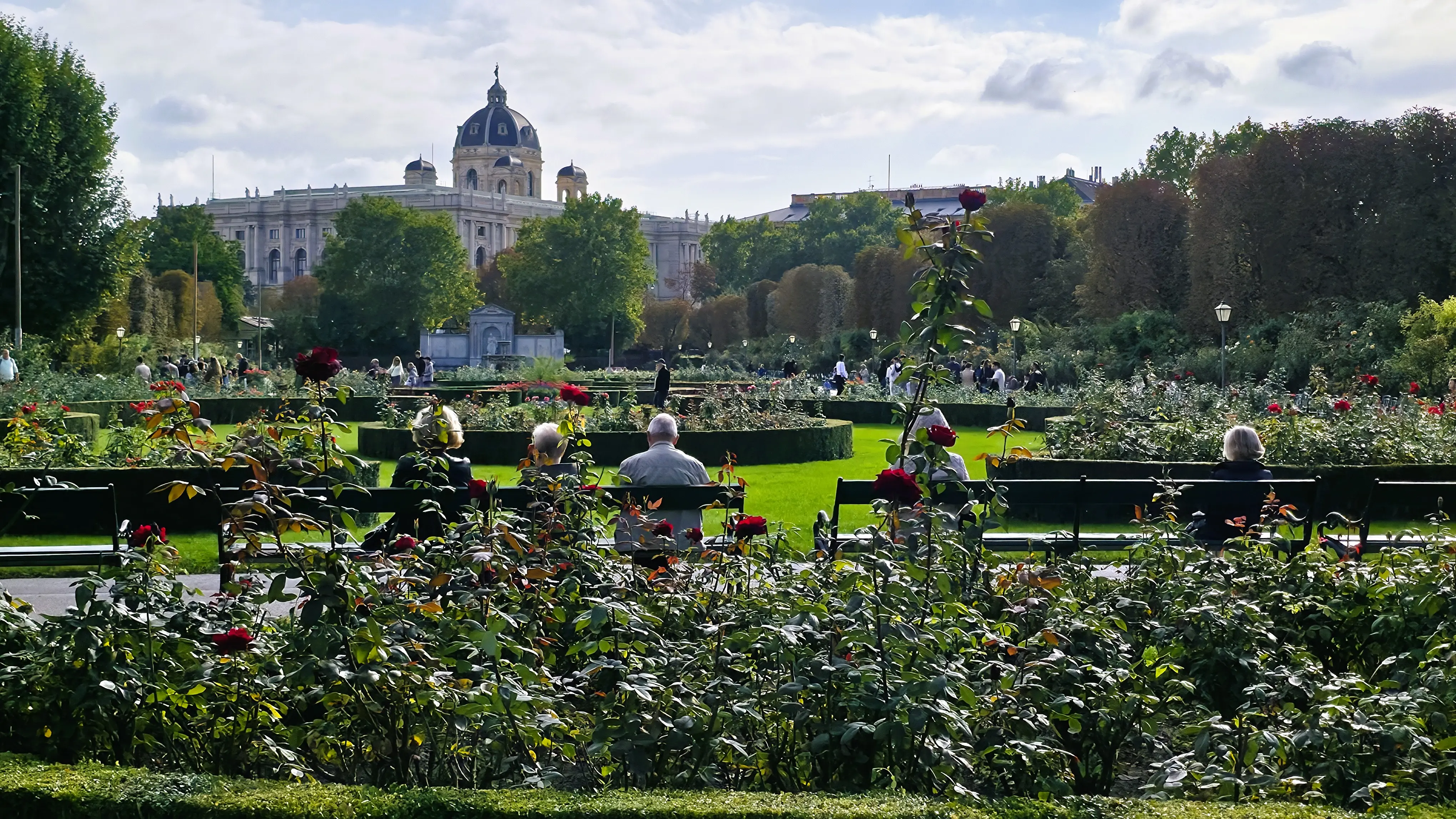
By day five, Vienna begins to feel more familiar, making it the perfect time to slow down and explore the city at a gentler pace. Begin the morning in Volksgarten, one of Vienna’s most elegant green spaces. The rose gardens, pathways, and atmosphere create a peaceful environment that contrasts beautifully with the grandeur of surrounding imperial architecture.
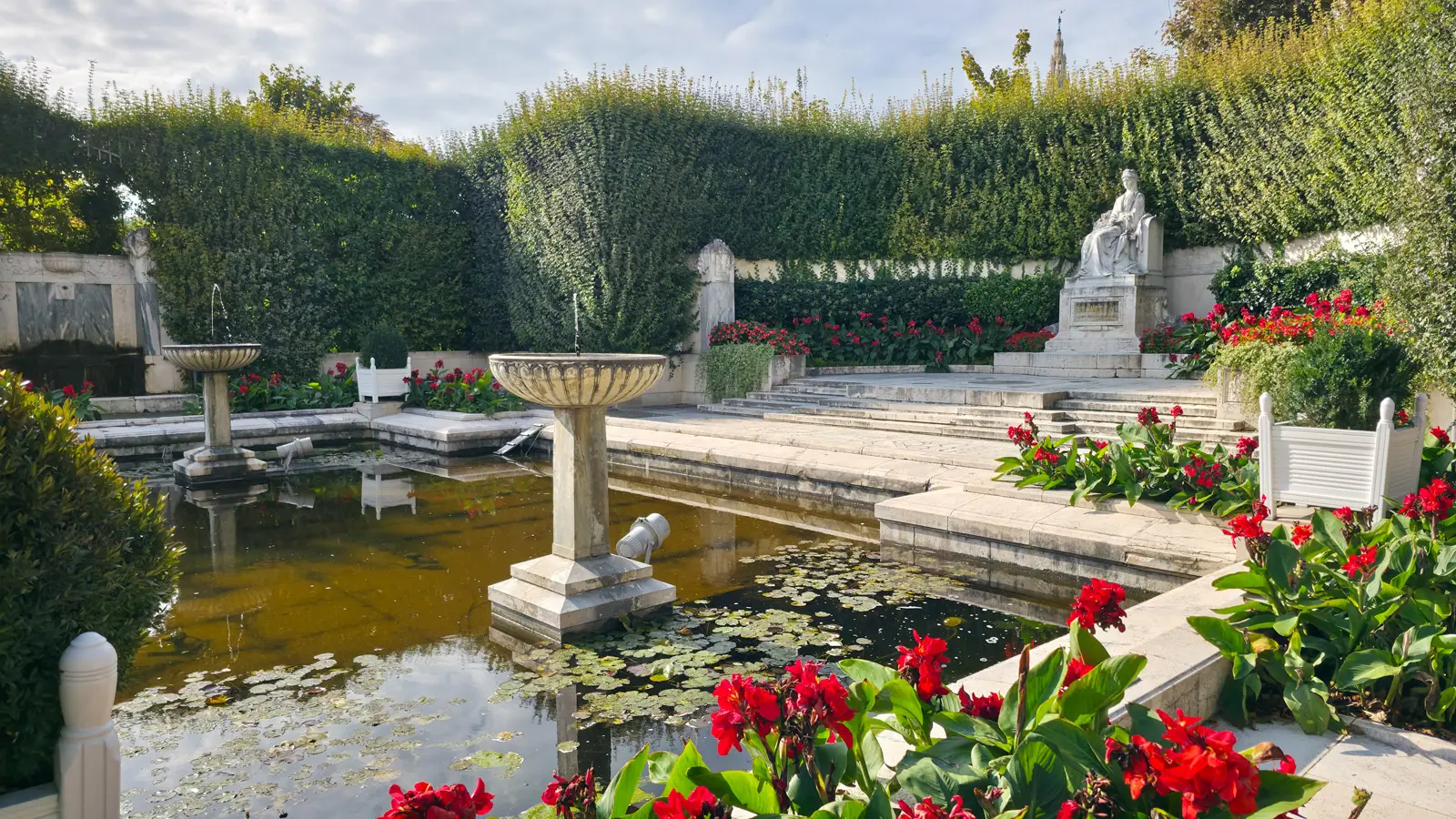
Within the park stands the monument to Empress Elisabeth of Austria, a quieter and more intimate tribute compared to the monumental nature of many imperial statues. Surrounded by greenery and flowers, the memorial reflects the enduring fascination with Sisi and adds emotional depth to Vienna’s imperial narrative.
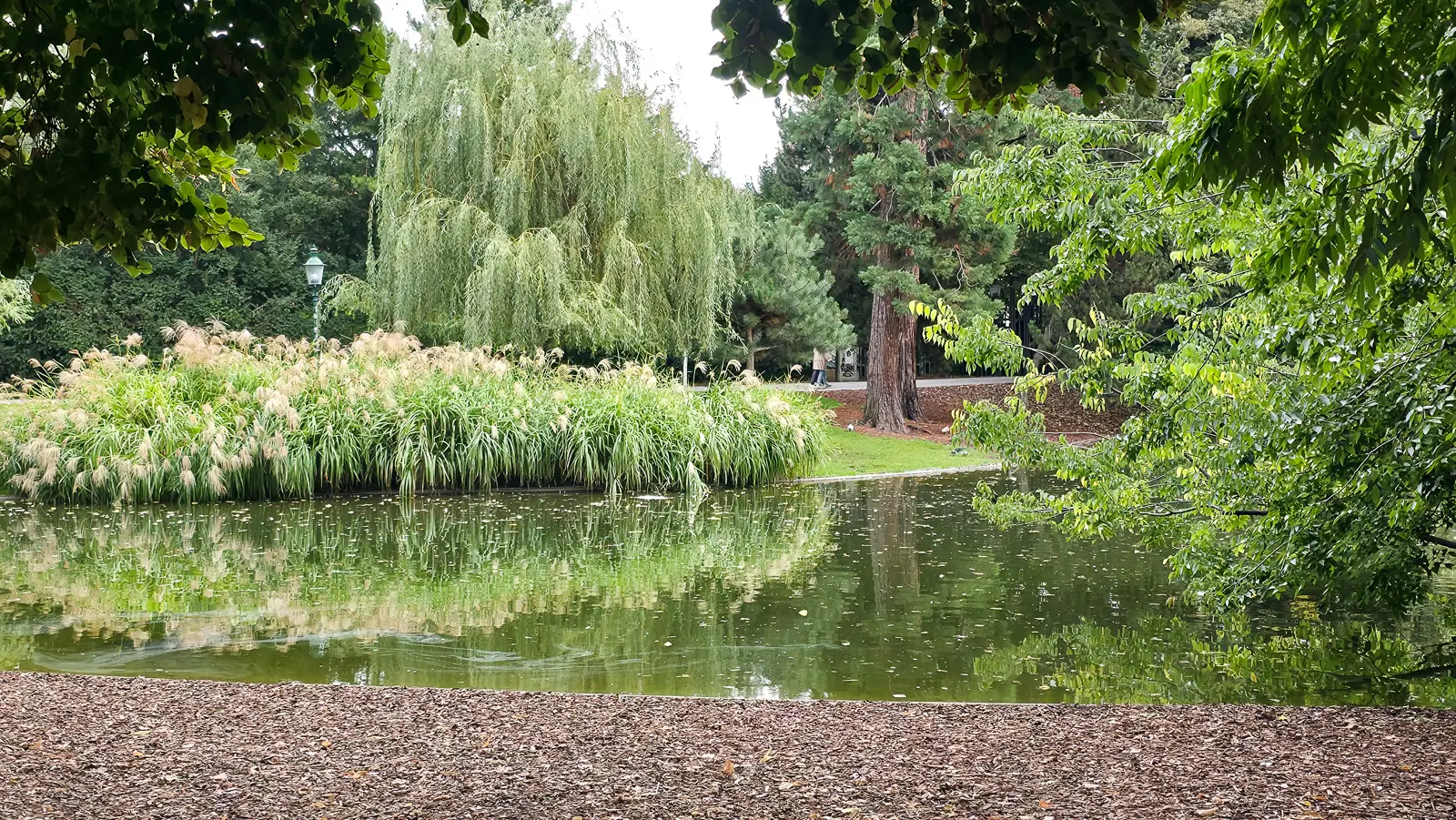
Continue toward Stadtpark, where the famous golden statue of Johann Strauss II reflects Vienna’s enduring connection to music. The atmosphere here feels relaxed and open, creating a pleasant contrast to the more formal museum and palace settings of previous days.
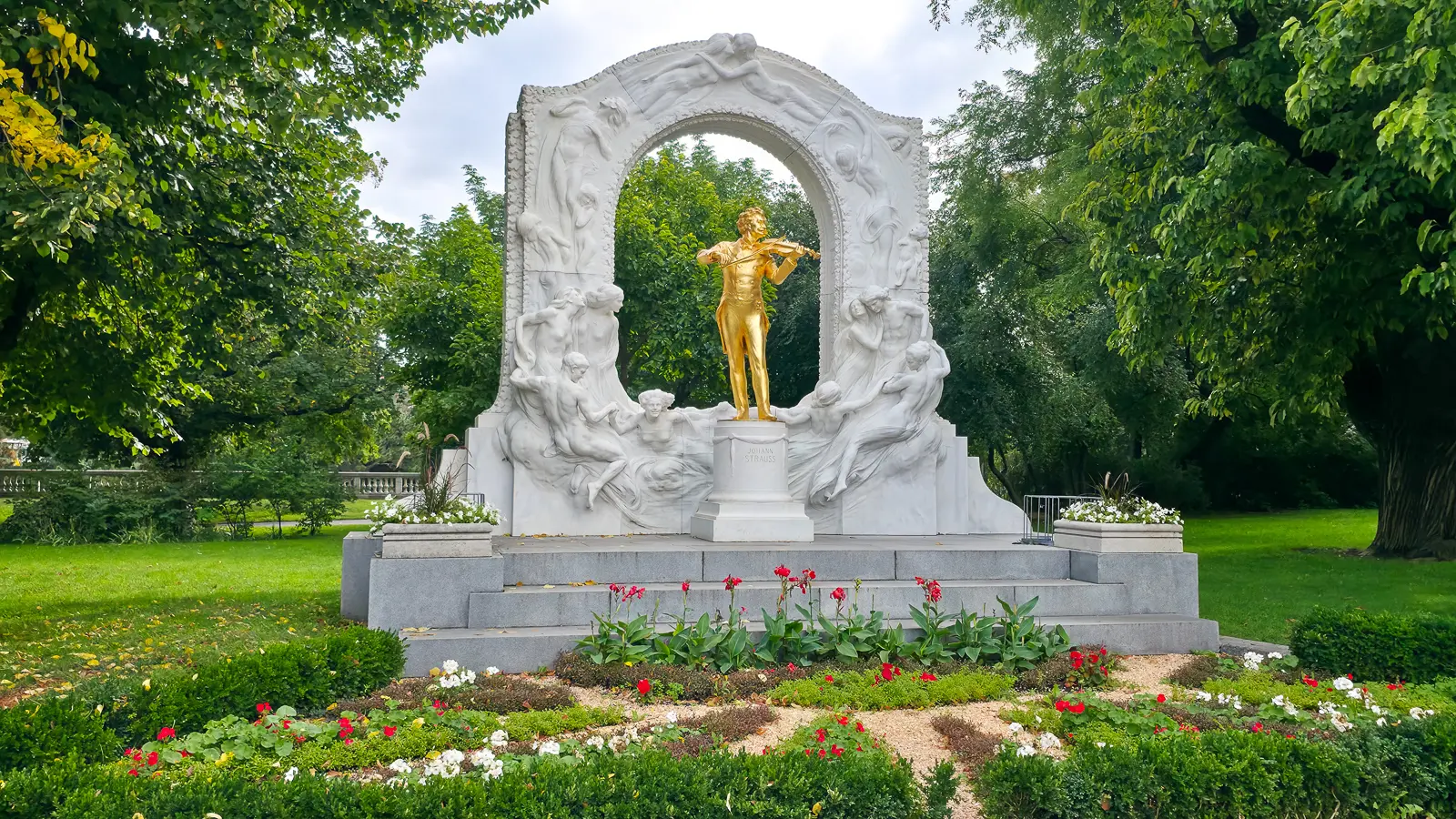
This final day is intentionally less structured. It allows room to revisit favourite cafés, wander through elegant streets, enjoy another museum, shop along Graben, or simply sit and observe the rhythm of the city. Vienna rewards slow exploration, and some of its most meaningful moments emerge not from rushing between attractions, but from allowing the atmosphere of the city to settle around you.
Bubbly Tips for a 5-Day Vienna Itinerary
- Balance major landmarks with slower moments: Vienna is best experienced gradually rather than rushed.
- Use public transportation: The city’s transit system is efficient and makes moving between districts extremely easy.
- Reserve enough time for cafés and meals: Vienna’s dining and coffeehouse culture are essential parts of the experience.
- Include both imperial and modern Vienna: The contrast between historic grandeur and contemporary culture is what makes the city feel so layered and fascinating.
- Dress comfortably for walking: Many of Vienna’s most memorable experiences happen while wandering between major landmarks.
- Consider guided day trips for Hallstatt and Salzburg: Combining both destinations in one day works particularly well through organized excursions.
Final Thoughts
Five days in Vienna allows the city to unfold in a far more meaningful way than a shorter visit ever could. Beyond the palaces and museums lies a city defined equally by atmosphere, rhythm, culture, and contrast. It is a place where imperial history coexists with modern creativity, where elegant cafés sit beside contemporary restaurants, and where every district reveals a slightly different side of Vienna’s identity.
What makes Vienna unforgettable is not only its beauty, but the way the city encourages you to slow down and experience it fully. Whether standing beneath the grandeur of Schönbrunn, admiring Klimt’s work at the Secession Building, lingering in a historic café, or watching the evening lights near the opera, Vienna leaves behind a feeling that is both timeless and deeply personal.
Have you visited Vienna or Austria before? I would love to hear which places or experiences stayed with you the most.
Happy travels!

🌟 Everything You Need to Plan Your Dream Trip in 2026
- 🌟 Luxury Hotels - Find premium stays with Booking.com & Hotels.com
- 🏡 Vacation Rentals - Discover unique properties on VRBO
- 🏞️ Guided Tours - Explore with Viator or GetYourGuide
- 🎫 Attraction Tickets - Skip the lines with Tiqets
- 🚢 Ocean Cruises - Set sail with Cruise Direct
- 📱 International SIMs - Stay connected with Saily
- 🚗 Car Rentals - Budget-friendly options from Discover Cars
- 🌐 Secure VPNs - Browse safely with NordVPN
- 💶 Currency Exchange - Best rates with Wise
- 🗣️ Learn Languages - Master the local language with Babbel and Rosetta Stone