
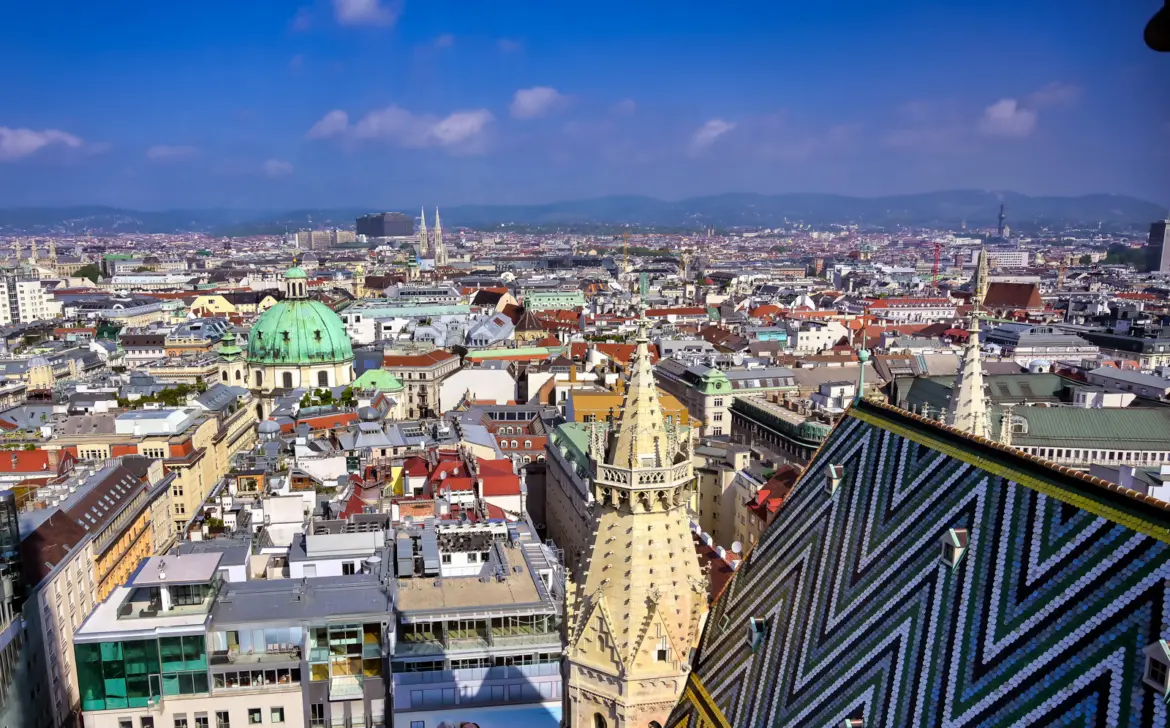
There are cities you visit for a few sights, and then there is Vienna, a city you experience layer by layer. At first glance, Vienna impresses with its grandeur: imperial palaces, sweeping boulevards, and striking architecture that feels both powerful and refined. But as you spend more time here, something begins to shift. The city slows you down. It invites you to look closer, to notice details, to move beyond the obvious.
What makes Vienna so compelling is not just what you see, but how everything connects. History is not confined to museums; it unfolds in the streets, in the parks, in the music that still fills the air. Each place tells part of a larger story, one that blends imperial legacy, artistic expression, and everyday life in a way that feels seamless.
This is not a checklist of landmarks. It is a curated journey through ten experiences that capture the essence of Vienna – its elegance, its culture, and the atmosphere that makes it unforgettable.
Top 10 Vienna at a Glance
🏰 Imperial Vienna · Schönbrunn Palace, the Hofburg complex with the Sisi Museum, and the Belvedere Palace cover the core Habsburg story.
⛪ Stephansdom · The Gothic heart of the Innere Stadt, with 230,000 chevron tiles on the roof and a 343-step climb up the Steffl tower.
🎼 Music venues · Vienna State Opera (1869) and Musikverein (1870), home to the Vienna Philharmonic and the New Year’s Concert.
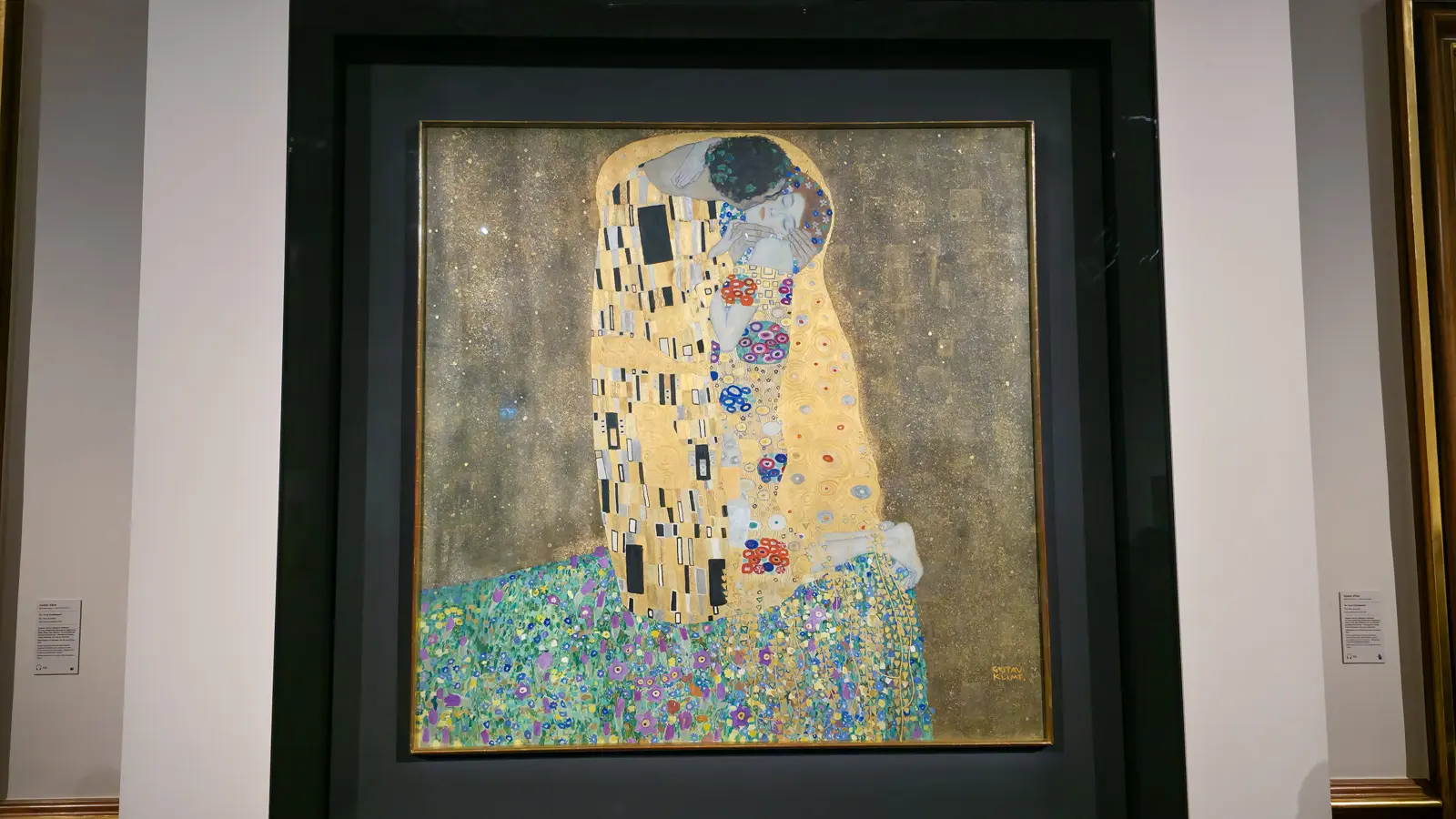
🎨 Klimt at the Belvedere · The Kiss has hung at the Upper Belvedere since 1908, painted in oil and gold leaf during Klimt’s Golden Phase.
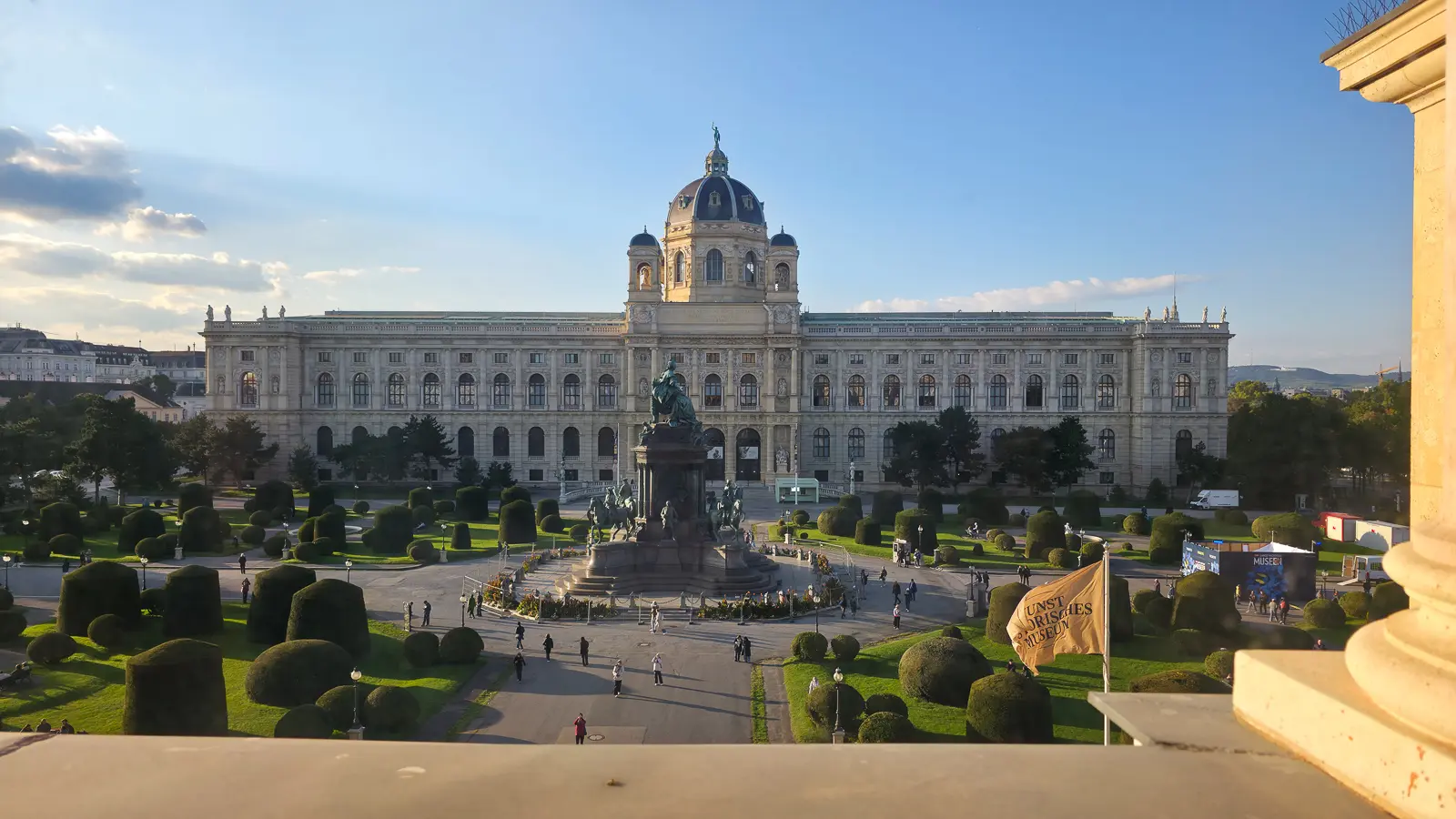
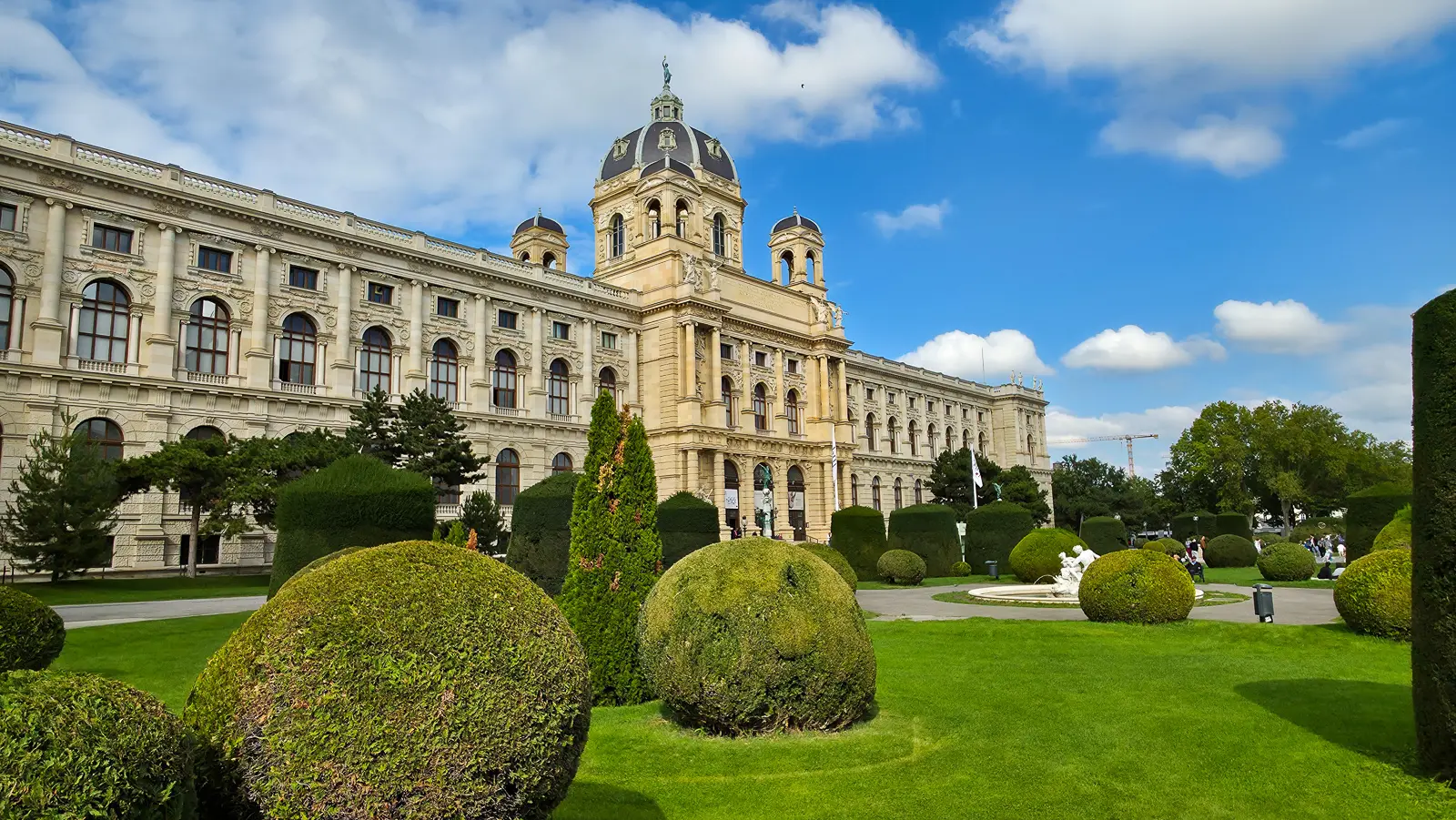
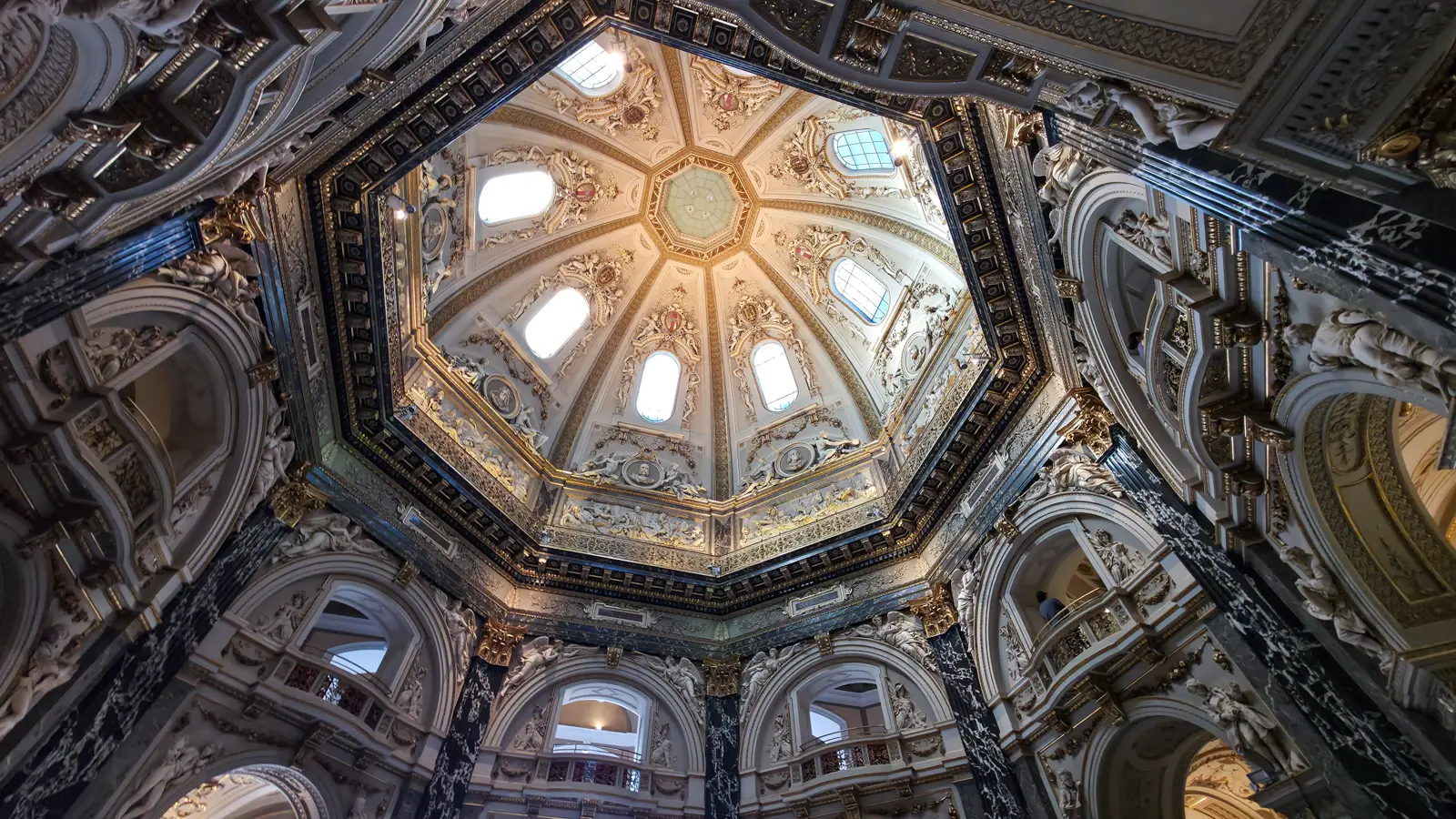
🏛️ Museum quarter · Kunsthistorisches Museum and Naturhistorisches Museum face each other across Maria-Theresien-Platz, twin 1891 Semper-Hasenauer designs.
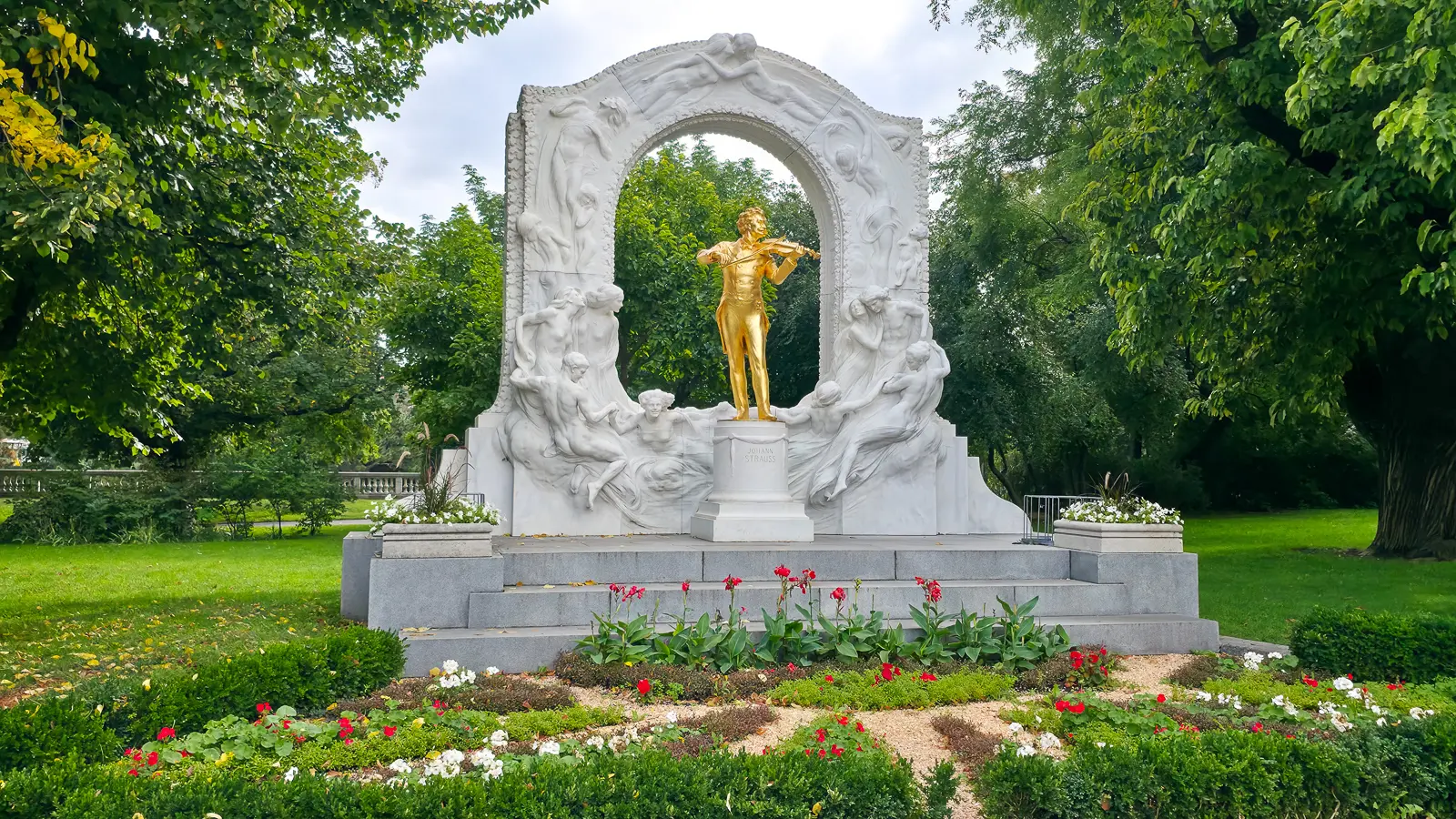
🌹 Stadtpark · Vienna’s first public park, with the gilded Johann Strauss II statue, opened 1862.
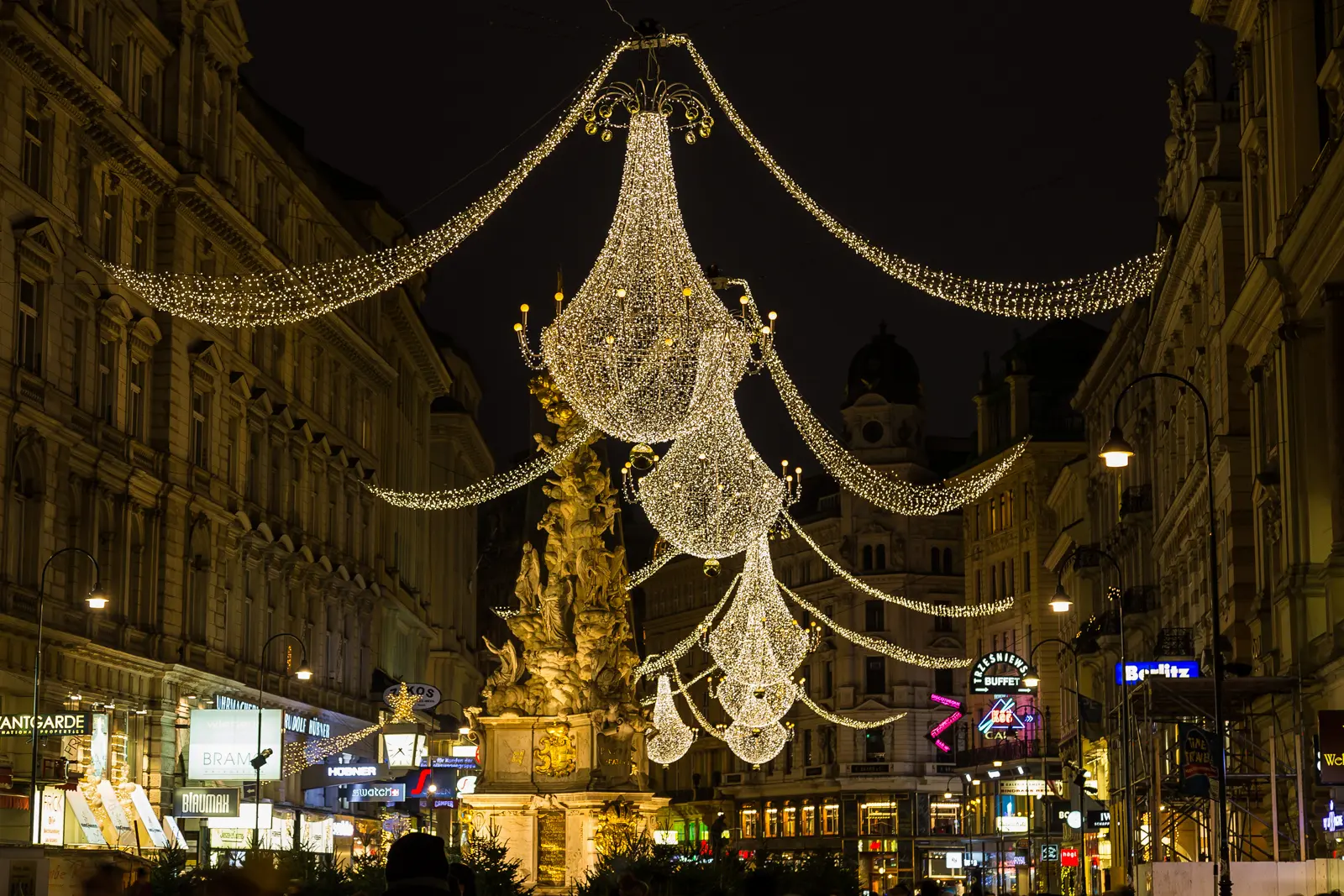
🎄 Vienna at Christmas · Add a December visit for the Wiener Christkindlmarkt at Rathausplatz and the Graben chandeliers.
1. Schönbrunn Palace: Imperial Grandeur and Expansive Beauty
Few places capture the scale and legacy of Vienna’s imperial past as vividly as Schönbrunn Palace. Once the summer residence of the Habsburg dynasty, the palace stands as a symbol of power, refinement, and architectural mastery. Its long, golden façade stretches across the landscape, immediately conveying a sense of grandeur that defines much of Vienna’s identity.
moment that captured the essence of what Schönbrunn represented: not only a royal residence, but a vibrant cultural hub at the heart of European civilization.
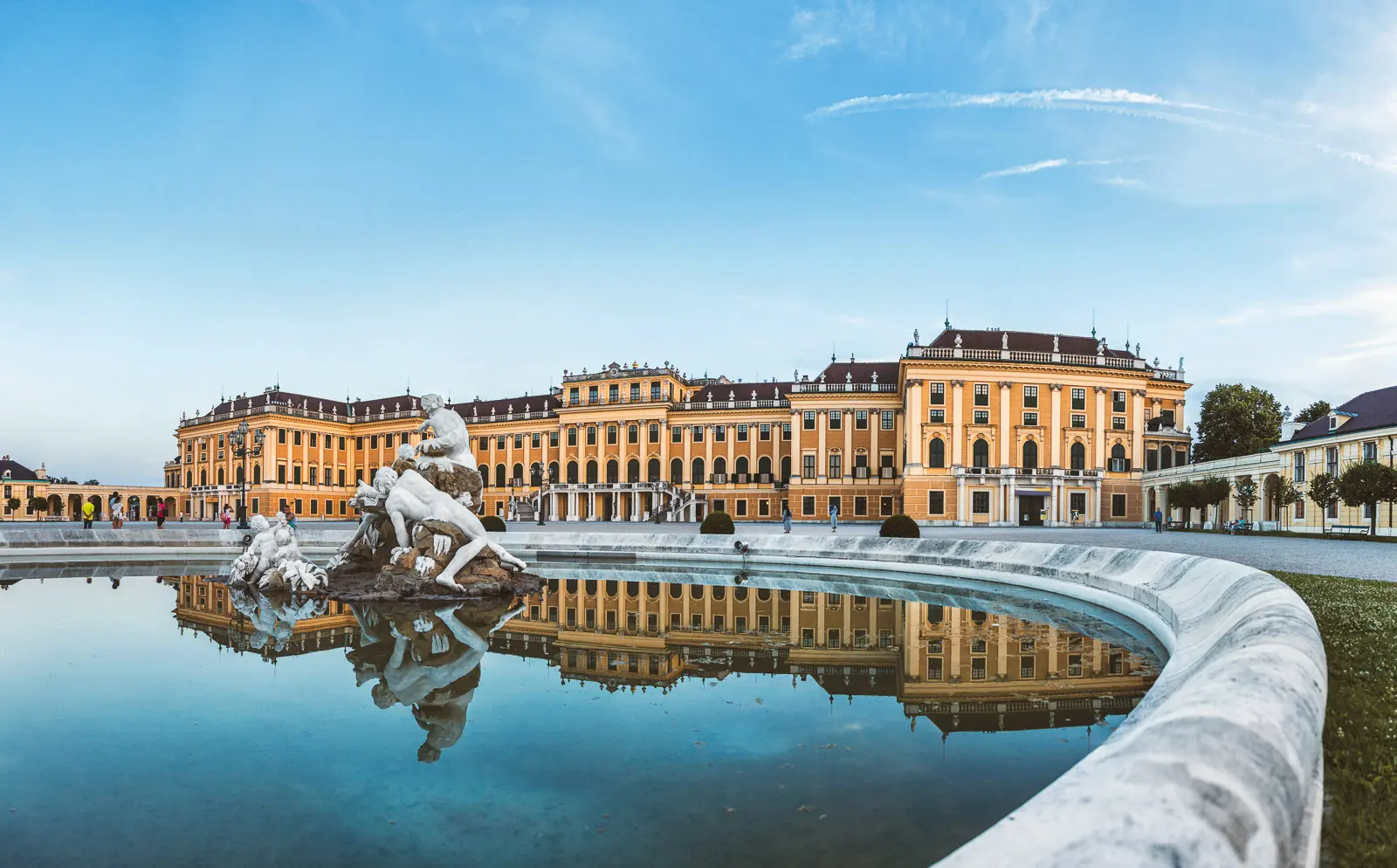
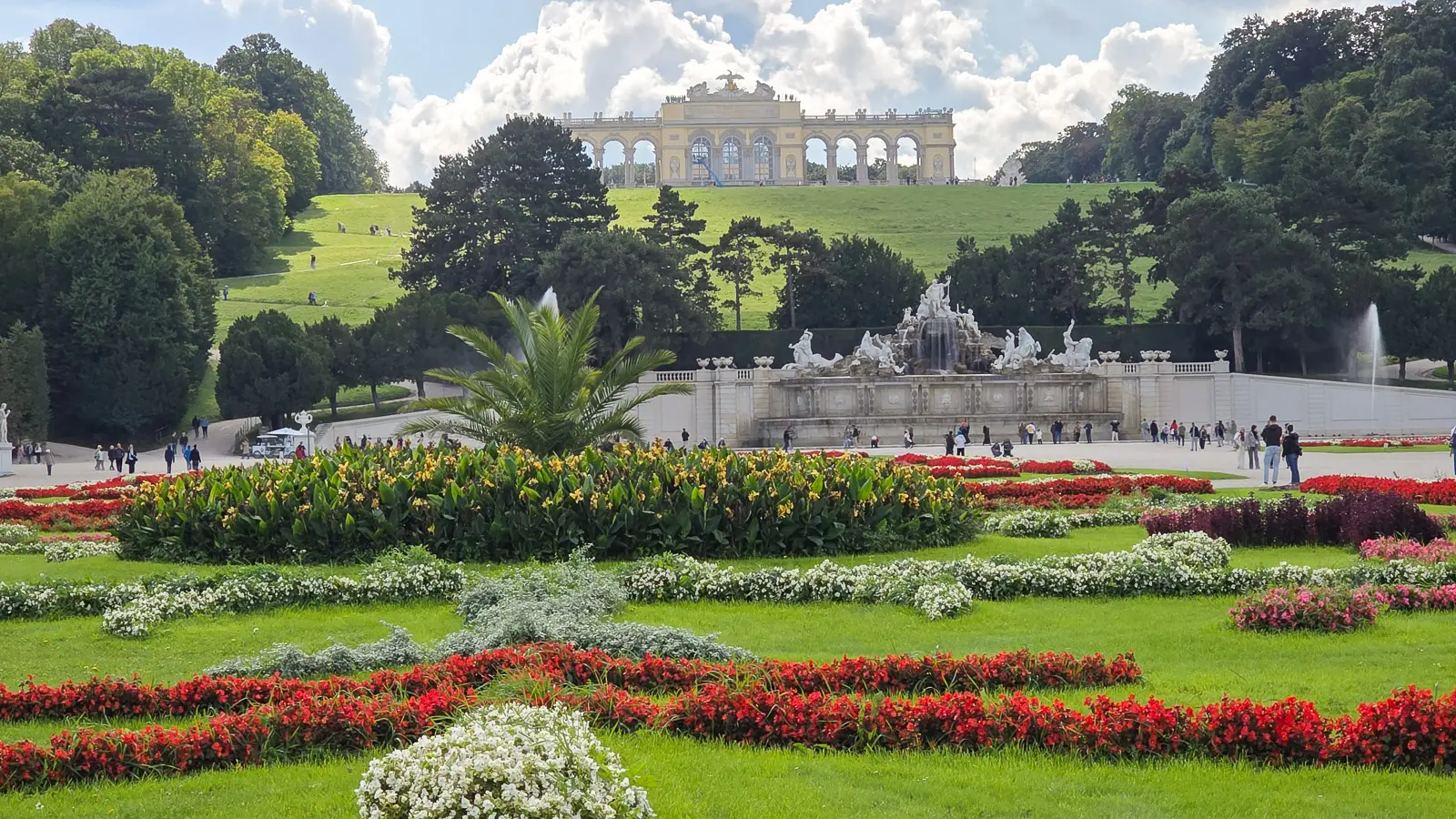
What makes Schönbrunn particularly compelling is the way the experience extends far beyond the palace walls. The surrounding gardens are expansive, carefully designed, and deeply atmospheric. Pathways lead you through manicured landscapes, open green spaces, and elevated viewpoints like the Gloriette, where the perspective shifts and the scale of the estate becomes even more apparent. The balance between structure and openness creates an experience that feels both controlled and liberating.
There is also a strong human element here. The connection to figures like Empress Elisabeth (Sissi) and Emperor Franz Joseph I adds depth, transforming the space from a historical monument into a place where personal stories unfolded. Walking through Schönbrunn, you are not just observing history, you are stepping into it.
2. Hofburg Palace: The Heart of Imperial Vienna
If Schönbrunn represents escape, the Hofburg represents responsibility. Located in the centre of Vienna, this vast and complex structure served as the political and administrative heart of the Habsburg Empire for centuries. Unlike Schönbrunn’s openness, the Hofburg feels dense, layered, and deeply connected to the workings of power.
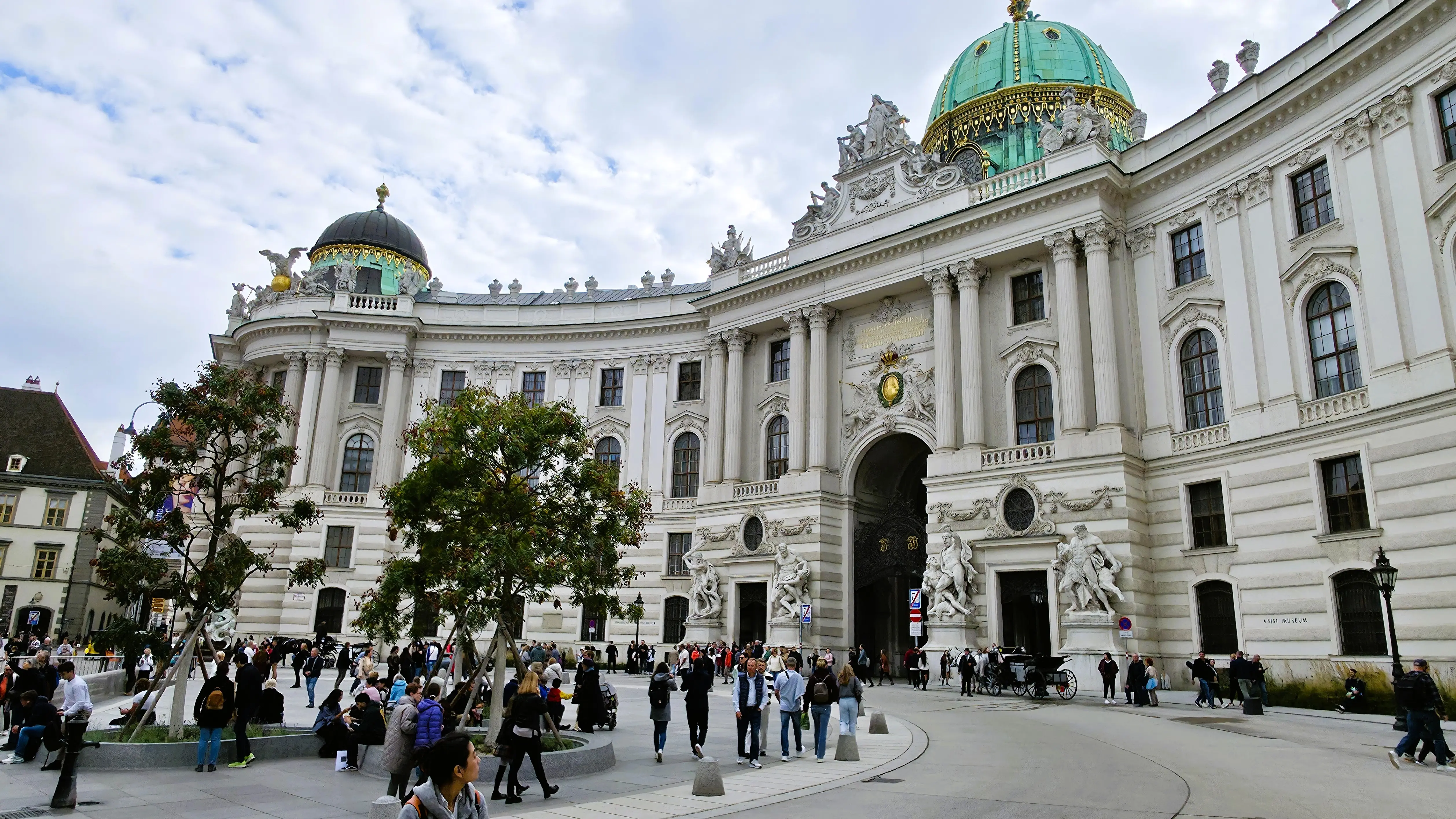
As you move through its courtyards and façades, you begin to see how the palace evolved over time. Different architectural styles reflect different eras, creating a space that feels almost like a timeline of imperial Vienna. There is a sense of continuity here, but also complexity – this is not a single structure, but an entire world shaped by history.
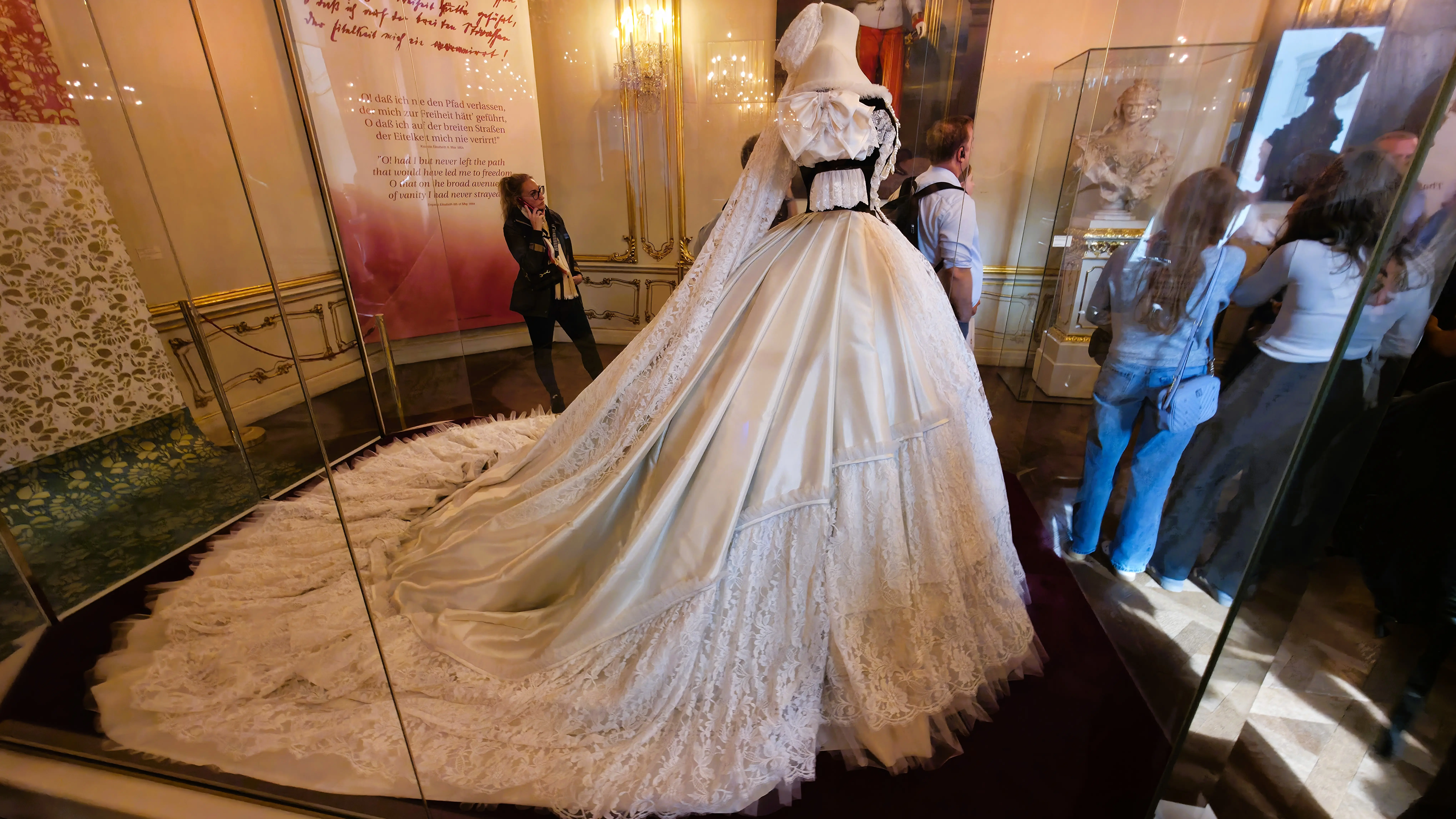
Within the Hofburg, the Sisi Museum offers a more personal perspective, revealing the life of Empress Elisabeth beyond the formal image often associated with her. This contrast, between the grandeur of empire and the intimacy of personal experience, makes the Hofburg one of the most layered and compelling places in Vienna.
3. St. Stephen’s Cathedral: A Defining Landmark
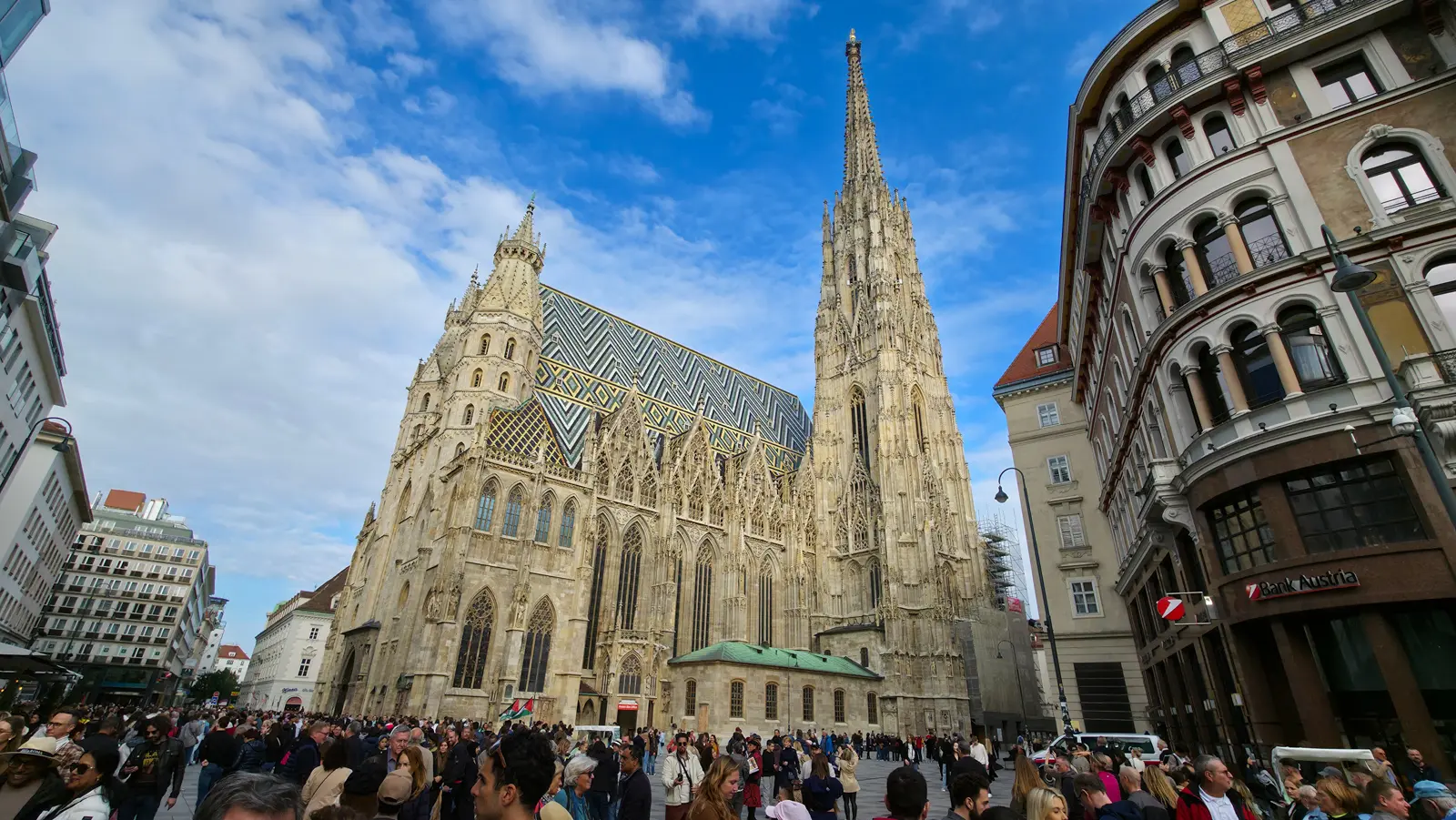
At the centre of Vienna stands St. Stephen’s Cathedral, a structure that defines the city both visually and culturally. Its Gothic architecture, intricate façade, and distinctive tiled roof make it one of the most recognizable landmarks in Austria.
The cathedral’s presence is powerful not only because of its design, but because of its setting. Surrounded by narrow streets, shops, and constant movement, it anchors the city in a way that feels both grounding and dynamic. During the day, it is part of the rhythm of Vienna, alive with activity and energy. At night, when illuminated, it transforms into something more dramatic and contemplative. Standing before it, you feel the weight of centuries, but also the continuity of life around it. It is not isolated from the city, it is embedded within it, making it one of Vienna’s most meaningful and enduring symbols.
4. Belvedere Palace: Art, Symmetry, and Elegance
The Belvedere offers a refined and visually balanced experience of Vienna’s imperial past. Comprising two palaces connected by formal gardens, it is a space where architecture, art, and landscape come together in perfect harmony.
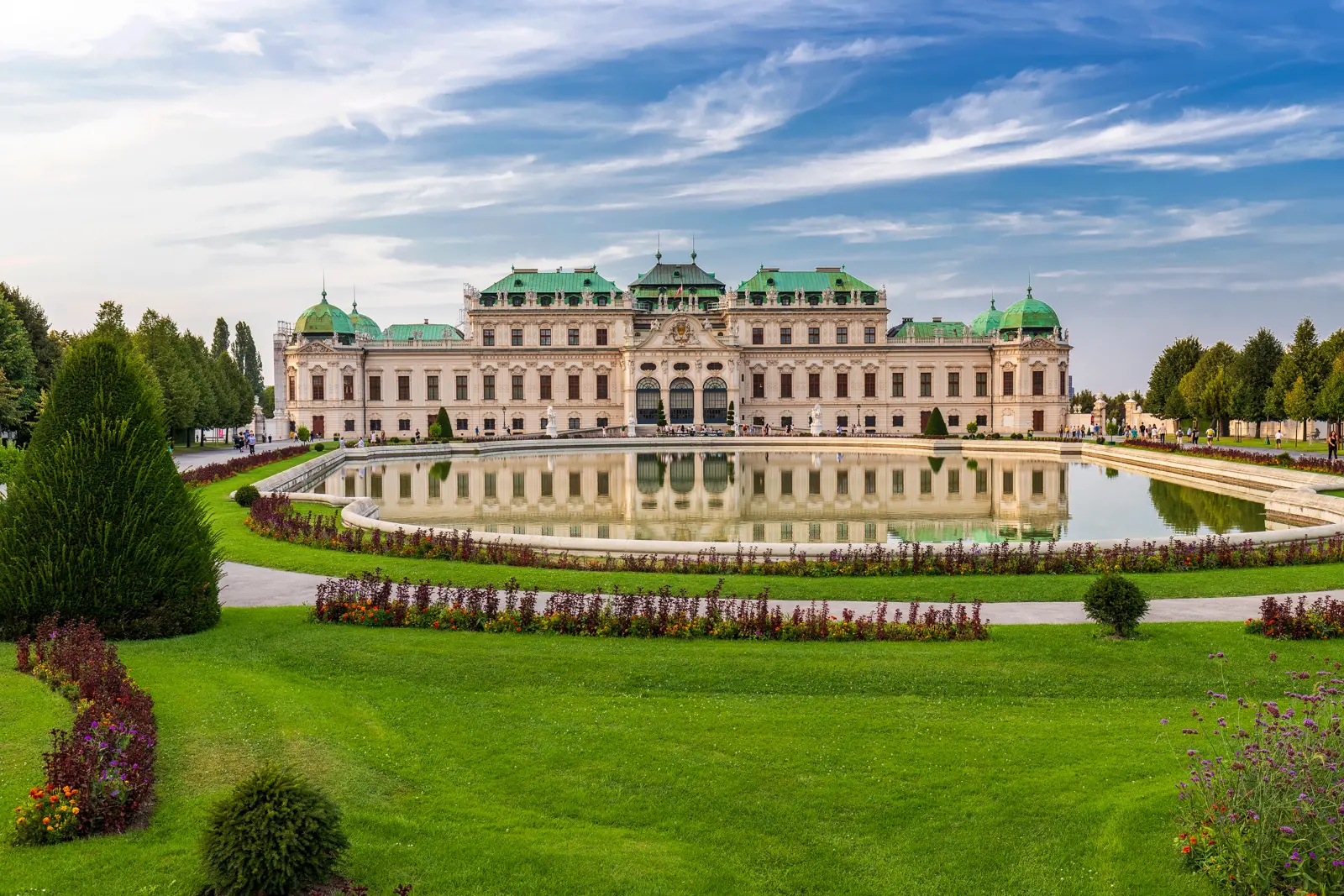
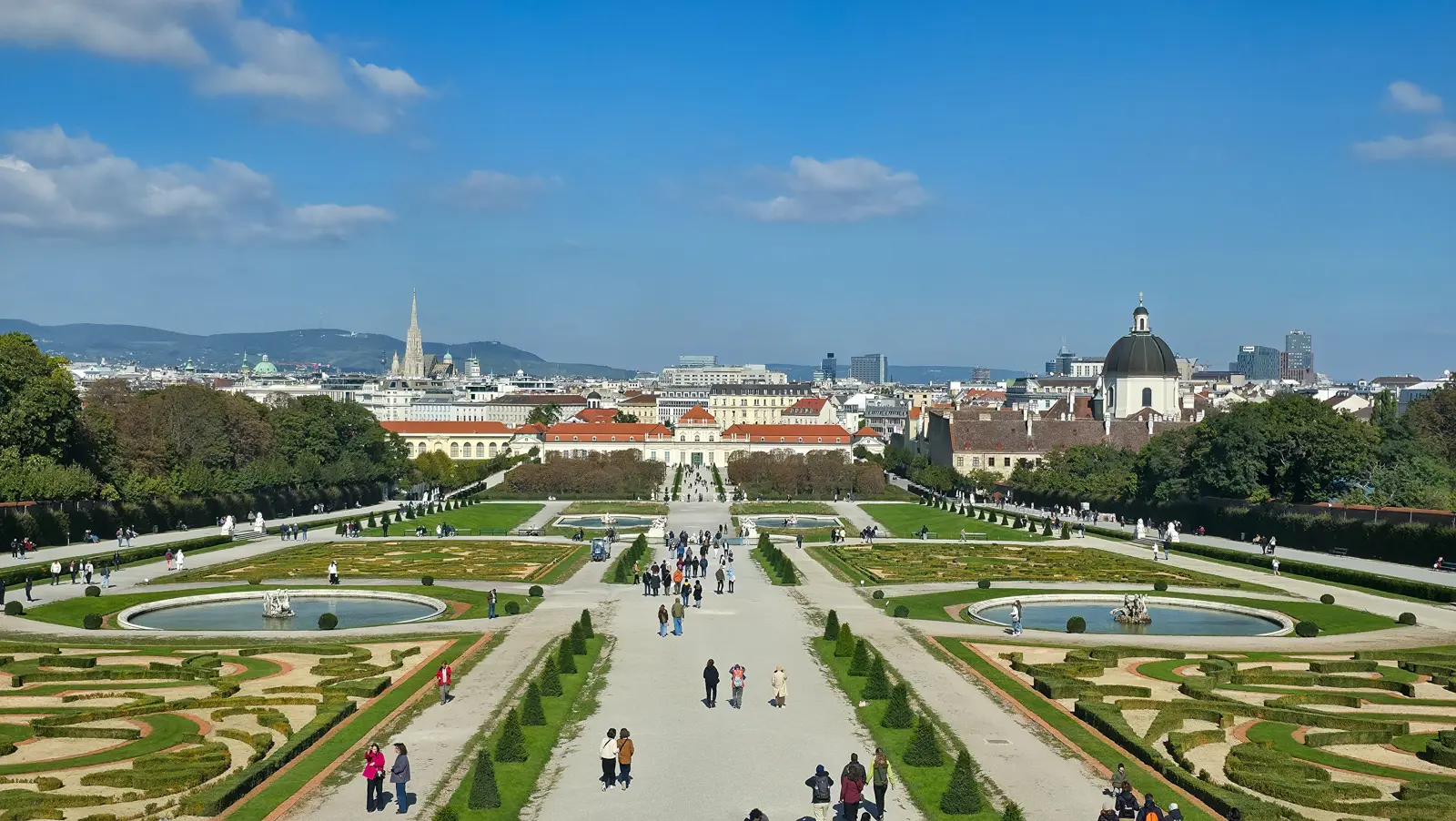
The gardens are central to the experience. Designed with symmetry and perspective in mind, they guide your movement through the space, encouraging you to pause and take in the surroundings. The alignment between the Upper and Lower Belvedere creates a sense of order and calm that contrasts with the more dynamic energy of the city centre.
Inside, the palace houses an important art collection, including works that further enrich the cultural significance of the site. Among them are masterpieces by Gustav Klimt, whose iconic paintings, most notably The Kiss, draw visitors from around the world and anchor the Belvedere firmly within Vienna’s artistic legacy. Moving through the galleries, the experience becomes more than visual; it is a journey through artistic expression that complements the palace’s architectural beauty. This combination of visual elegance and artistic depth makes the Belvedere feel both immersive and refined, a place where Vienna’s aesthetic sensibility is fully expressed.
5. Vienna State Opera: The Grandeur of Performance
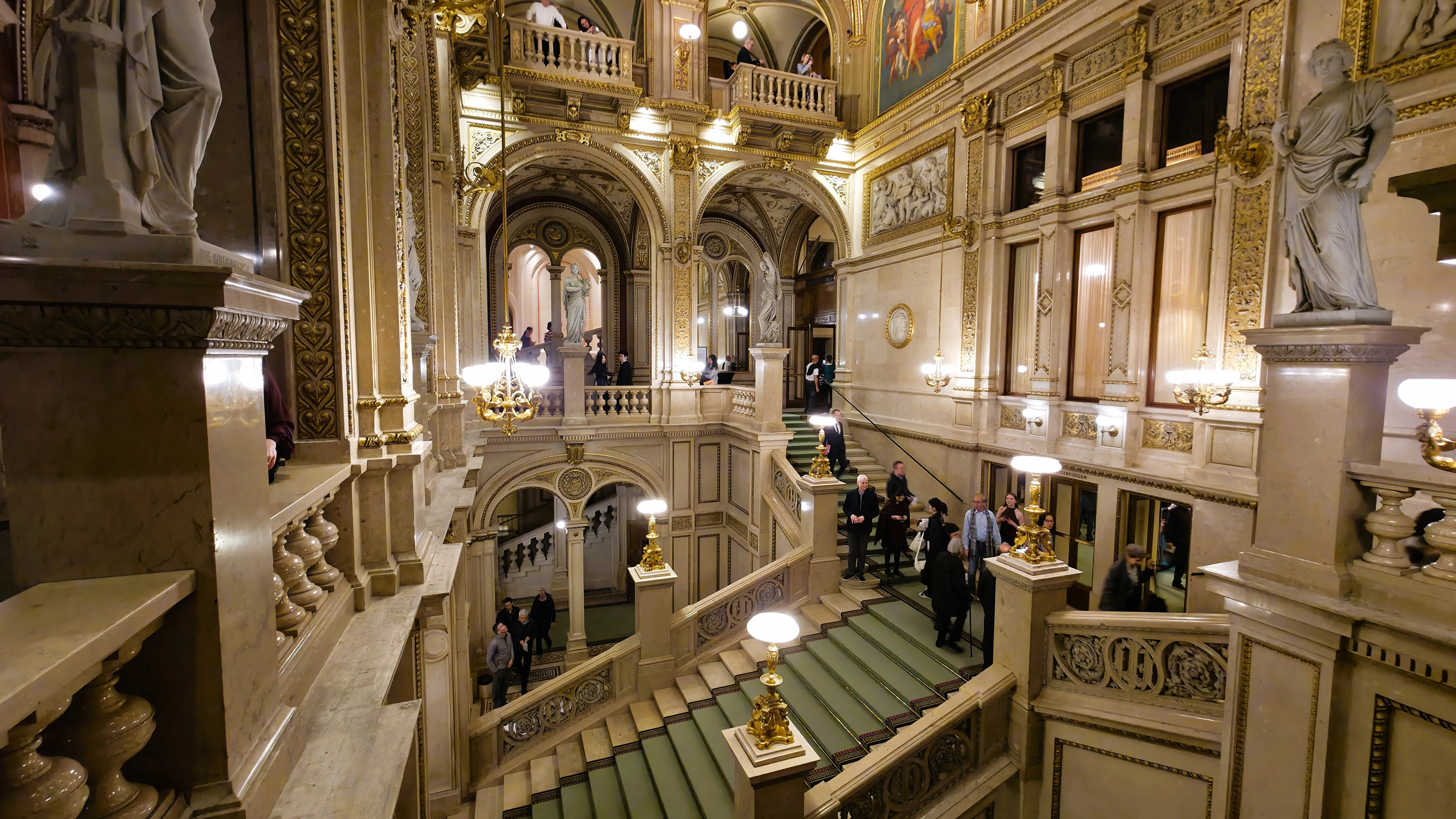
The Vienna State Opera stands as one of the most important cultural institutions in the city, representing Vienna’s enduring relationship with music and performance. Its architecture reflects a dedication to artistry, with detailed façades and grand proportions that signal its importance even before you enter.
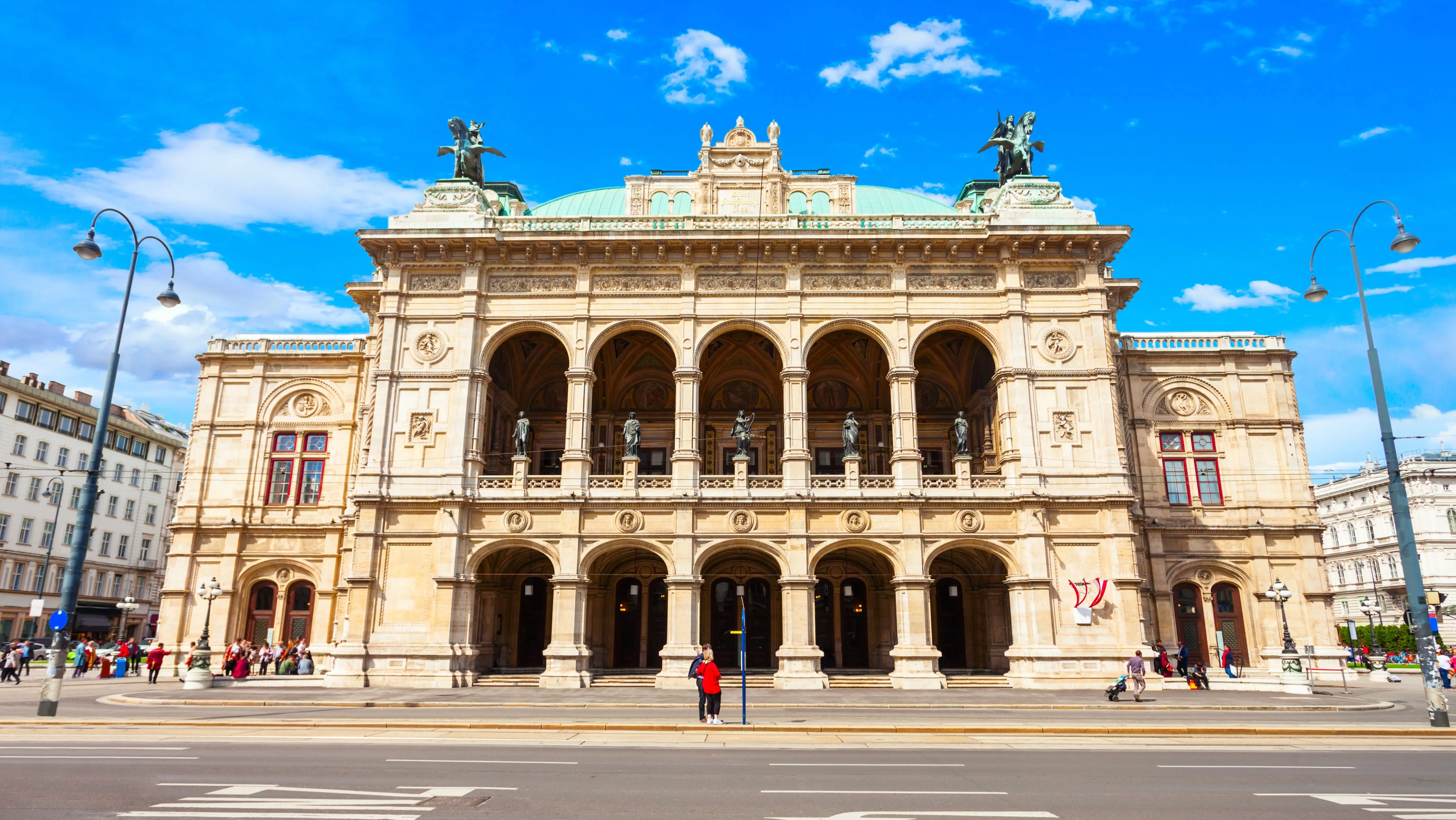
The Opera is not just a venue, it is an experience. Attending a performance here connects you to a tradition that has been maintained and refined over generations. Even for those who do not step inside, the presence of the building itself contributes to the atmosphere of Vienna. Standing before it, you sense the continuity of culture, the idea that music here is not something of the past, but something that continues to evolve and be celebrated at the highest level.
6. Musikverein: Refined Musical Perfection
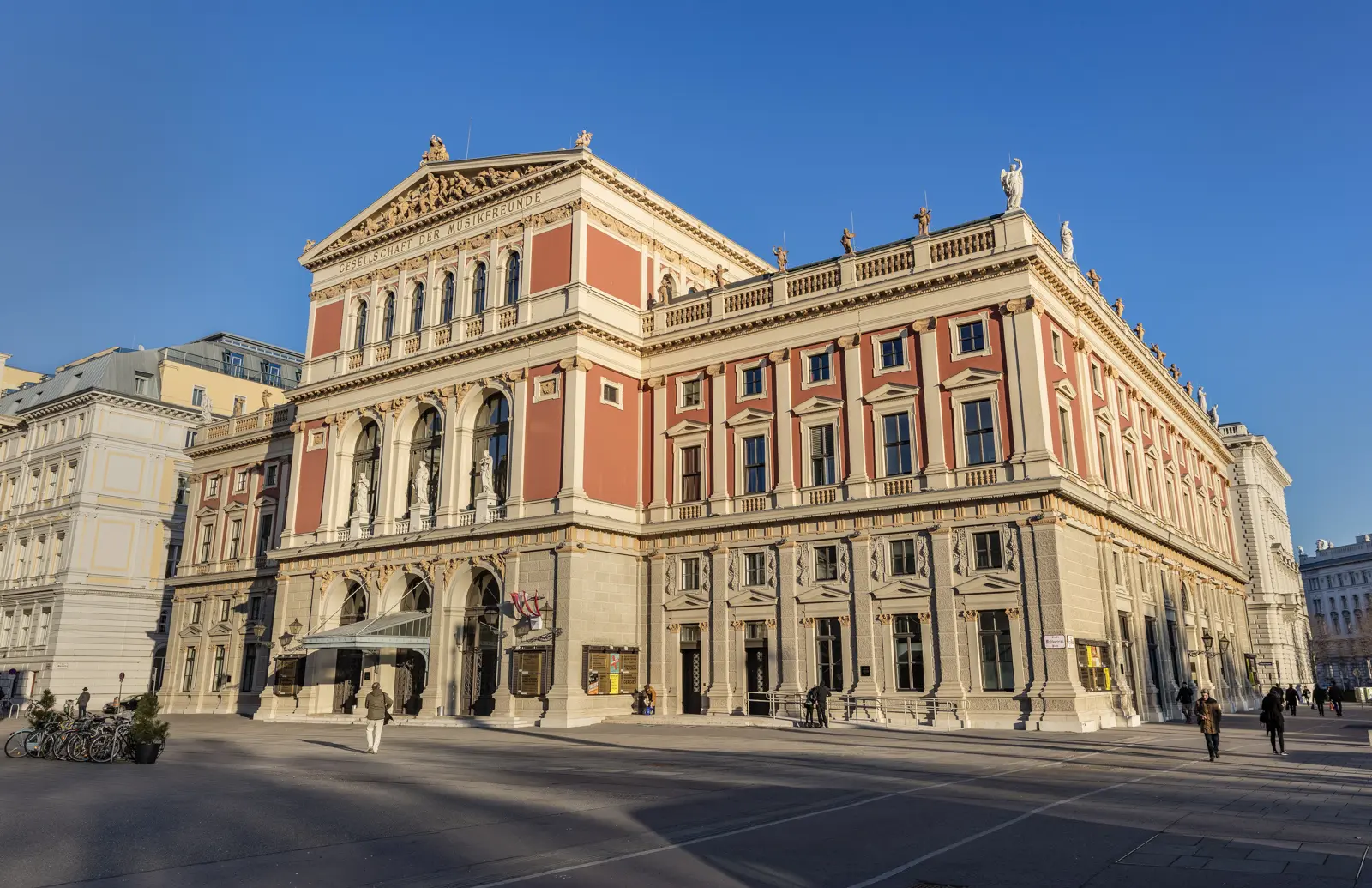
If the Opera embodies grandeur, the Musikverein represents refinement. Known worldwide for its Golden Hall, it is celebrated not only for its visual elegance but also for its exceptional acoustics, considered among the best in the world. The building itself is understated yet sophisticated, with classical detailing that reflects Vienna’s appreciation for balance and proportion. Inside, the experience is defined by sound: clear, precise, and immersive in a way that elevates every performance.
The Musikverein reinforces Vienna’s identity as a global centre of classical music. It is a place where tradition is not preserved passively, but actively maintained through ongoing performances that continue to shape the city’s cultural landscape.
7. Stadtpark: A Lighter Side of Vienna
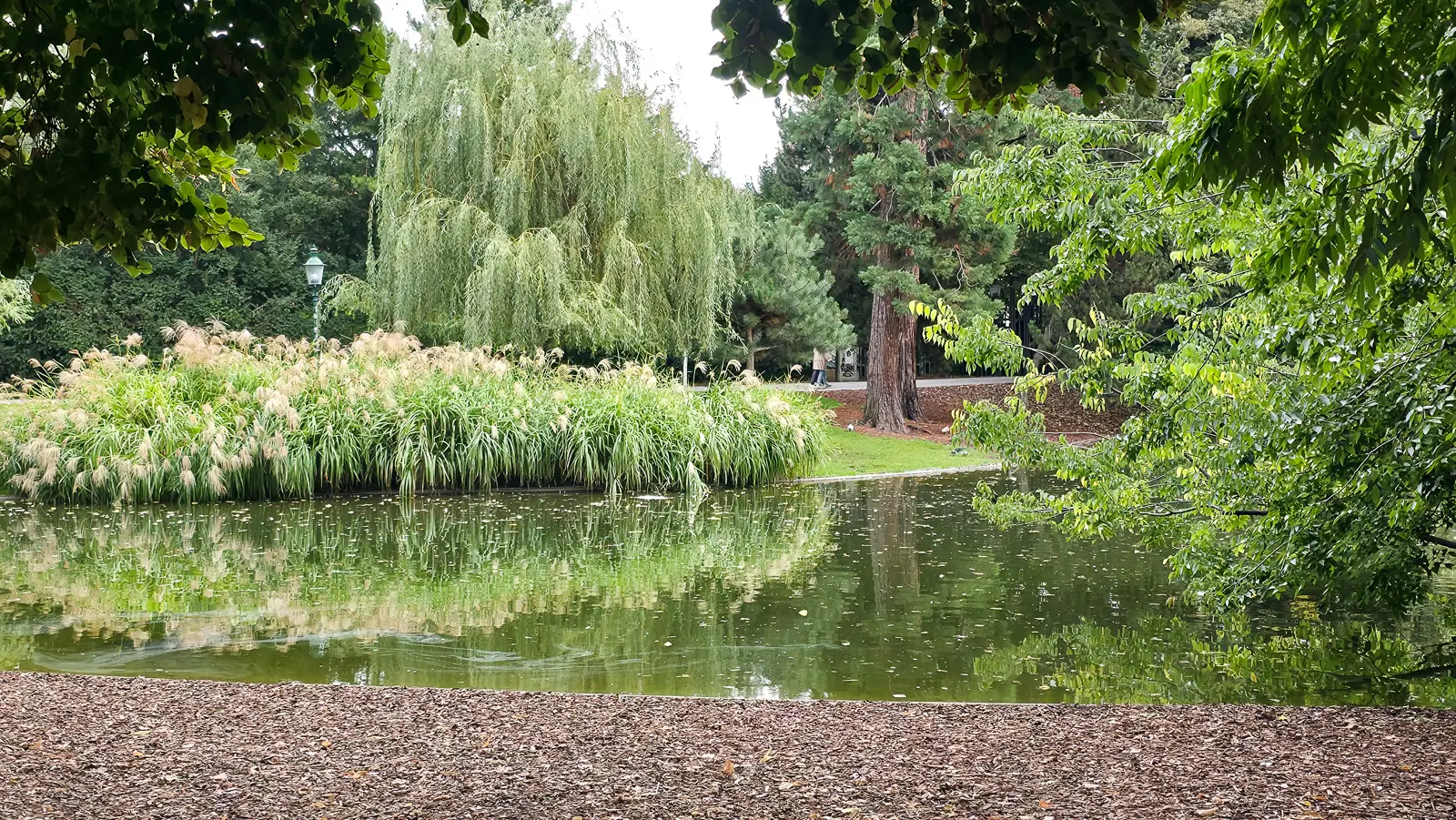
Stadtpark offers a welcome contrast to Vienna’s grand landmarks, providing a space where the city feels more relaxed and accessible. This green area invites you to slow down, to step away from structured sightseeing, and to experience Vienna in a more natural and unhurried way.
The park is home to the iconic statue of Johann Strauss II, which reflects Vienna’s musical heritage in a setting that feels open and inviting. Unlike concert halls, where music is formal and structured, here it becomes part of the environment, something you encounter organically. Walking through Stadtpark, you begin to appreciate a different rhythm of the city. It is quieter, more personal, and deeply enjoyable in its simplicity.
8. Maria-Theresien-Platz: Architectural Balance and Atmosphere
Maria-Theresien-Platz is defined by symmetry and architectural harmony. Positioned between two major museums, it creates a space that feels both grand and composed, offering a different perspective on Vienna’s urban design.
During the day, the square is active and engaging, with visitors moving between the museums and surrounding areas. At night, however, the atmosphere shifts. The lights highlight the architectural details, and the space becomes quieter, more reflective, and deeply atmospheric. This duality – movement by day, calm by night – makes Maria-Theresien-Platz a place worth experiencing at different times. It is not just a passage between attractions, but a destination in its own right.
9. Kunsthistorisches Museum Vienna: A Cultural Masterpiece
For a deeper understanding of Vienna’s cultural richness, the Kunsthistorisches Museum offers an experience that goes beyond architecture and into the realm of artistic legacy. Housed in one of the grandest museum buildings in the city, it reflects the Habsburgs’ dedication to collecting and preserving art.
The interior itself is remarkable, with ornate ceilings, marble staircases, and carefully designed galleries that elevate the experience of viewing art. The collection spans centuries, offering insight into different periods, styles, and cultural influences. Visiting this museum adds another dimension to your understanding of Vienna. It is not only a city of grand buildings, but also a centre of intellectual and artistic achievement.
10. Vienna at Christmas: A Seasonal Transformation
During the Christmas season, Vienna takes on a completely different atmosphere. Markets appear throughout the city, lights illuminate historic buildings, and the entire environment becomes warm and inviting despite the winter cold. The transformation is both visual and sensory. The scent of seasonal foods fills the air, music becomes more prominent, and the pace of the city shifts slightly. It feels festive without being overwhelming, maintaining the elegance that defines Vienna.
Experiencing Vienna at Christmas adds a layer of magic that enhances everything else. It is a reminder of how the city evolves while remaining true to its character.
Bubbly Tips for Visiting Vienna
- Explore Vienna on foot to fully appreciate its layout and atmosphere: Many of the city’s most important landmarks are within walking distance, allowing you to experience the transition between spaces in a natural and immersive way.
- Visit major landmarks at different times of day for varied experiences: Locations like St. Stephen’s Cathedral or Maria-Theresien-Platz feel entirely different in the morning, afternoon, and evening.
- Balance structured sightseeing with slower, unplanned moments: Vienna reveals itself most clearly when you allow time to wander and observe.
- Incorporate music into your itinerary for a deeper cultural experience: Whether attending a concert or simply listening to street performers, music is an essential part of the city’s identity.
- Take advantage of seasonal experiences, especially during Christmas: Vienna’s festive atmosphere adds another layer of depth to an already rich destination.
Final Thoughts
Vienna is not a city that reveals itself all at once. It is experienced gradually, through its landmarks, its atmosphere, and the connections between them. Each place offers a different perspective, and together, they create a destination that feels both cohesive and deeply layered.
These ten experiences provide a strong foundation, but they are only the beginning. Vienna invites you to look closer, to explore further, and to discover the details that make it truly unforgettable.
Have you explored Vienna, or is it on your list? I would love to hear your thoughts.
Happy travels!

🌟 Everything You Need to Plan Your Dream Trip in 2026
- 🌟 Luxury Hotels - Find premium stays with Booking.com & Hotels.com
- 🏡 Vacation Rentals - Discover unique properties on VRBO
- 🏞️ Guided Tours - Explore with Viator or GetYourGuide
- 🎫 Attraction Tickets - Skip the lines with Tiqets
- 🚢 Ocean Cruises - Set sail with Cruise Direct
- 📱 International SIMs - Stay connected with Saily
- 🚗 Car Rentals - Budget-friendly options from Discover Cars
- 🌐 Secure VPNs - Browse safely with NordVPN
- 💶 Currency Exchange - Best rates with Wise
- 🗣️ Learn Languages - Master the local language with Babbel and Rosetta Stone