
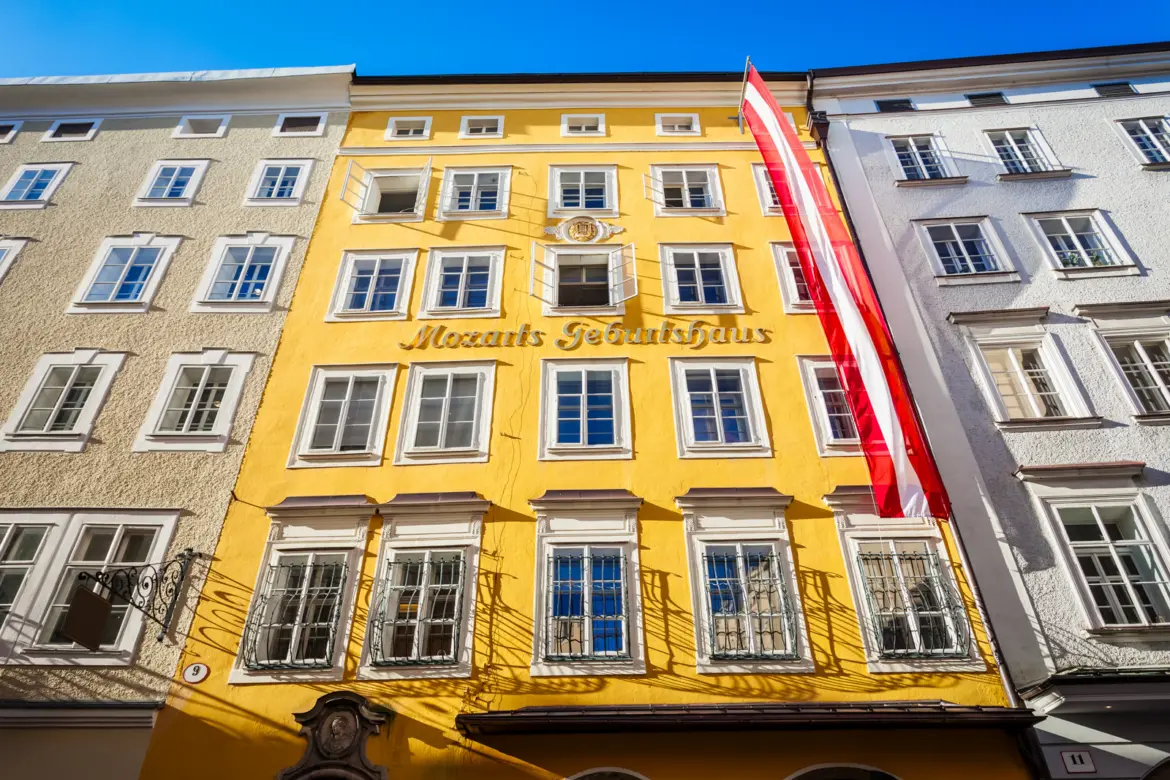
There are places that impress, and then there are places that quietly stay with you. Mozart’s Birthplace in Salzburg is not defined by grandeur or scale, but by something far more subtle, a sense of origin. Tucked along Getreidegasse, this historic house invites you into a space where one of the world’s most celebrated composers first experienced life, long before the music that would shape generations began to take form.
What makes this place so compelling is precisely its simplicity. It does not overwhelm with spectacle, but draws you in through intimacy, through the quiet awareness that within these rooms, something extraordinary once began in entirely ordinary surroundings. The experience is less about observing a historical site, and more about connecting with the idea of beginnings, where potential exists before it is realized. There is a shift in perspective as you enter: the story becomes less about legacy and more about environment – about how space, family, and daily life can shape something far greater than themselves.
Mozart’s Birthplace at a Glance
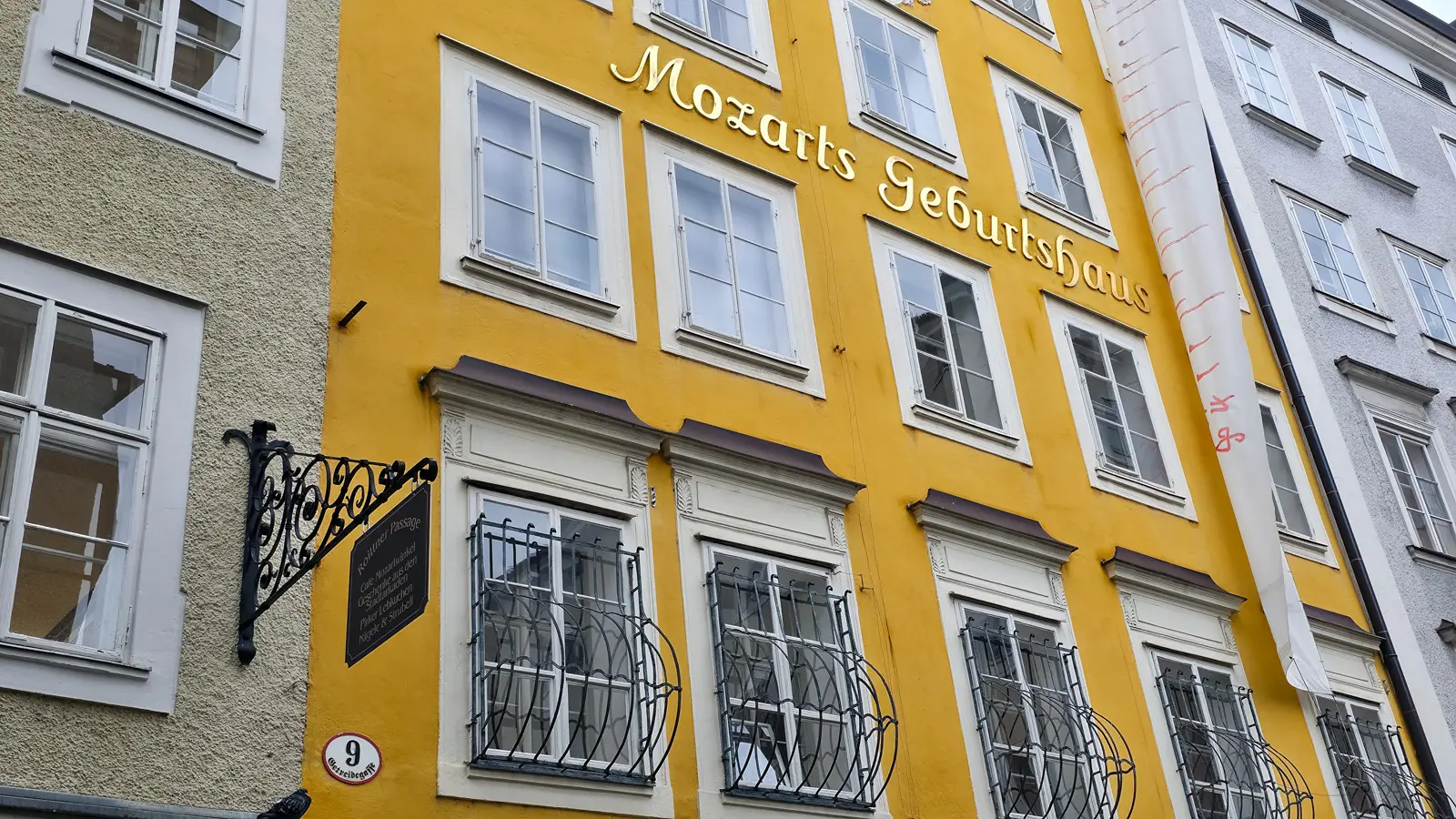
🏠 The address · Getreidegasse 9 — the Hagenauerhaus, named after the Mozart family’s friend and landlord Johann Lorenz Hagenauer. They rented the third-floor apartment from 1747 to 1773.
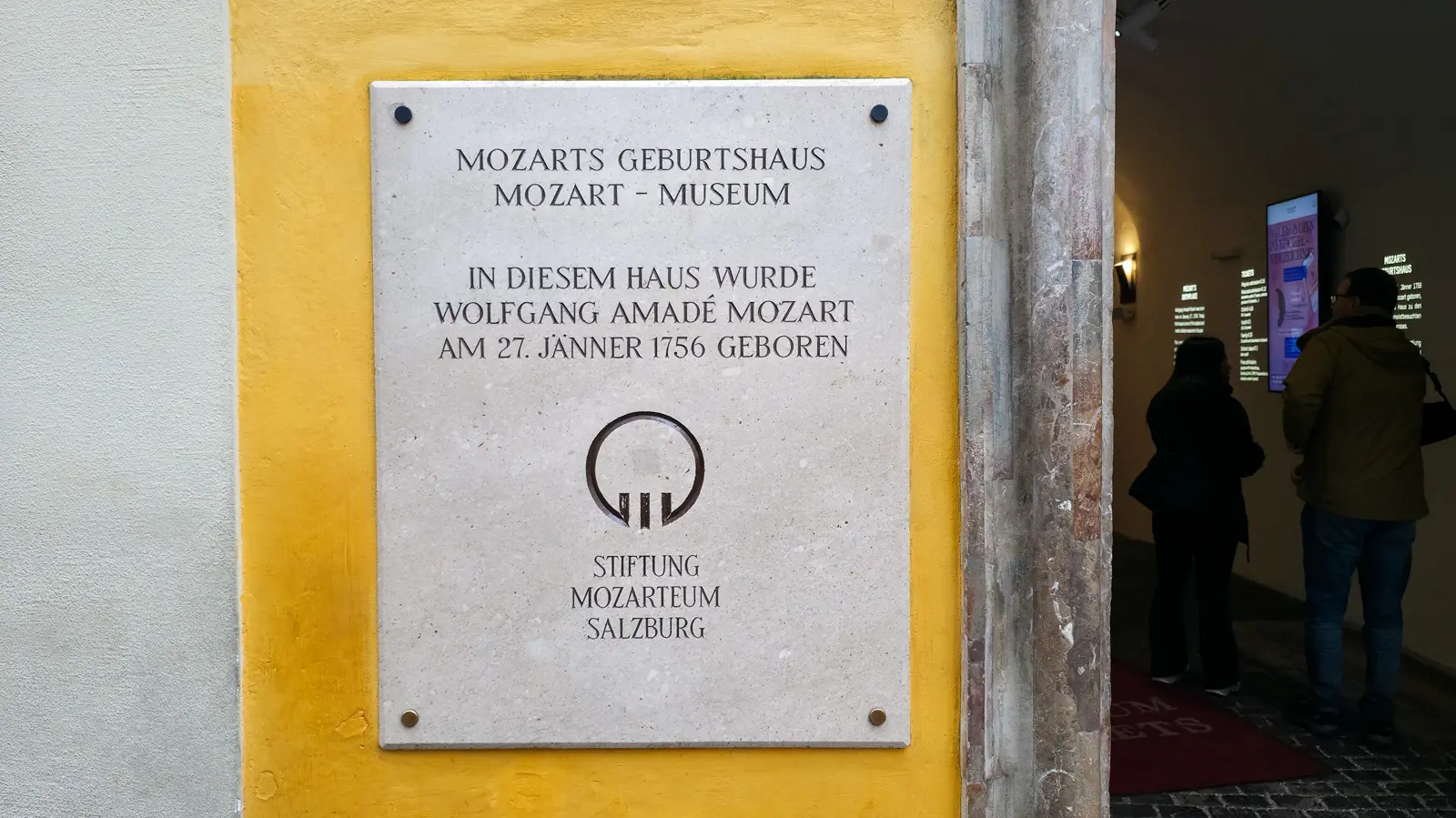
🎂 Mozart’s birth · Wolfgang Amadeus Mozart was born here on 27 January 1756. He was the seventh Mozart child, but only he and his sister Maria Anna (“Nannerl”) survived infancy.
🎻 The family trade · Leopold Mozart published his Versuch einer gründlichen Violinschule the same year Wolfgang was born — one of the foundational 18th-century violin treatises.
🏛️ The museum · Opened by the Internationale Stiftung Mozarteum on 15 June 1880. One of the oldest composer museums in the world.
🎹 What’s inside · Mozart’s childhood violin, the clavichord on which he reportedly composed The Magic Flute, reconstructed period rooms, the family kitchen, original letters, and family portraits.
⏰ Hours · Daily 9 AM to 5:30 PM. Extended hours during the Salzburg Festival (July–August). Last admission 30 minutes before closing.
💶 Admission · €15 for adults. €23 combined ticket with Mozart’s Residence (Wohnhaus) across the Salzach. Salzburg Card includes free entry.
⏱️ Time needed · Plan for 60 to 90 minutes. The museum is compact but rewards a slow pace.
A House with History: The Hagenauerhaus
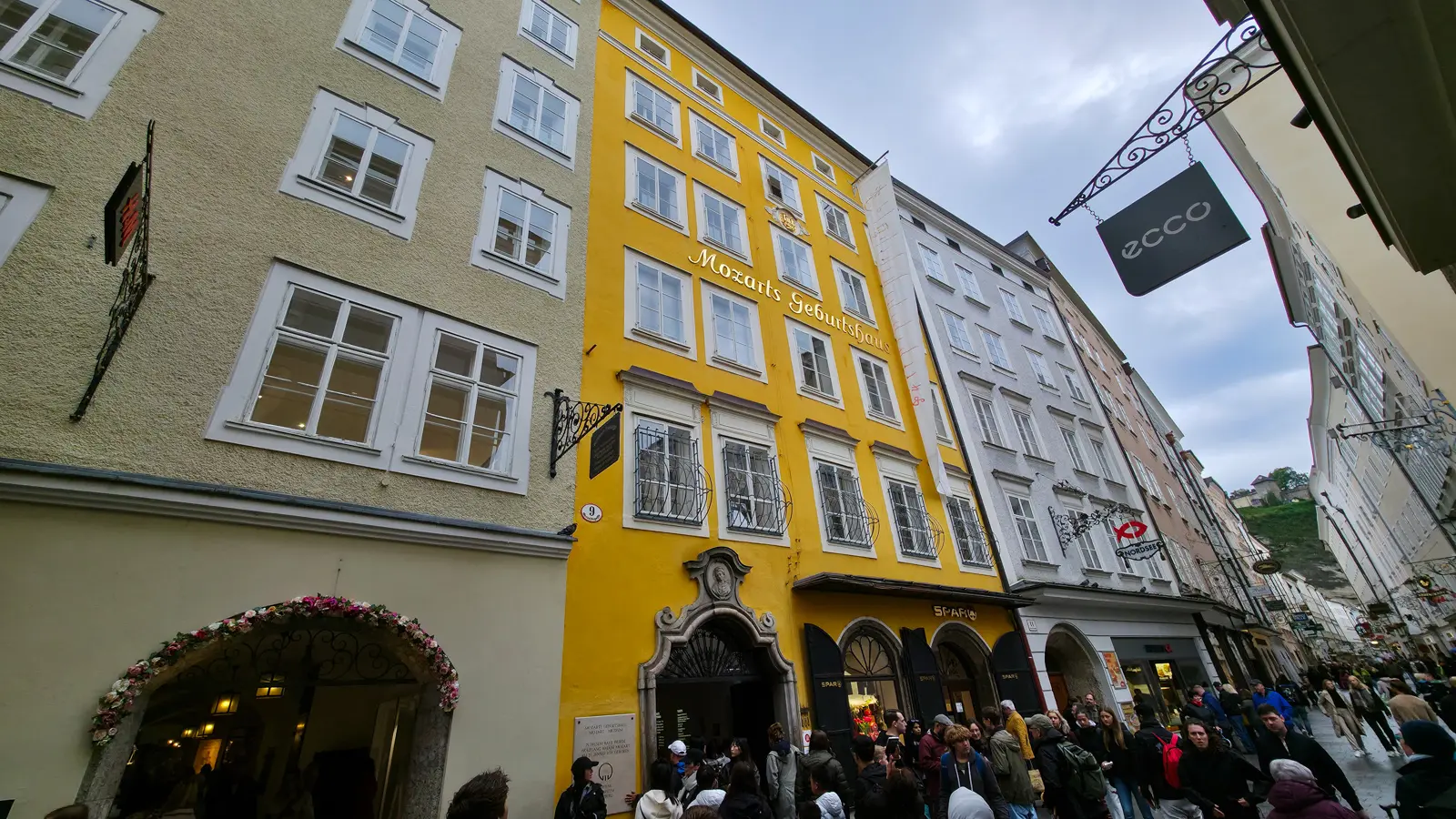
Mozart’s Birthplace is located within the Hagenauerhaus, a building whose origins trace back to the medieval period and which reflects the layered architectural history of Salzburg’s Old Town. Like many structures along Getreidegasse, it has been reshaped across generations, incorporating early foundations, later Baroque influences, and ongoing restorations that have preserved its structure while adapting it to new uses. The distinctive yellow façade that faces the street makes it immediately recognizable, catching the light in a way that draws the eye without disrupting the continuity of the surrounding architecture.
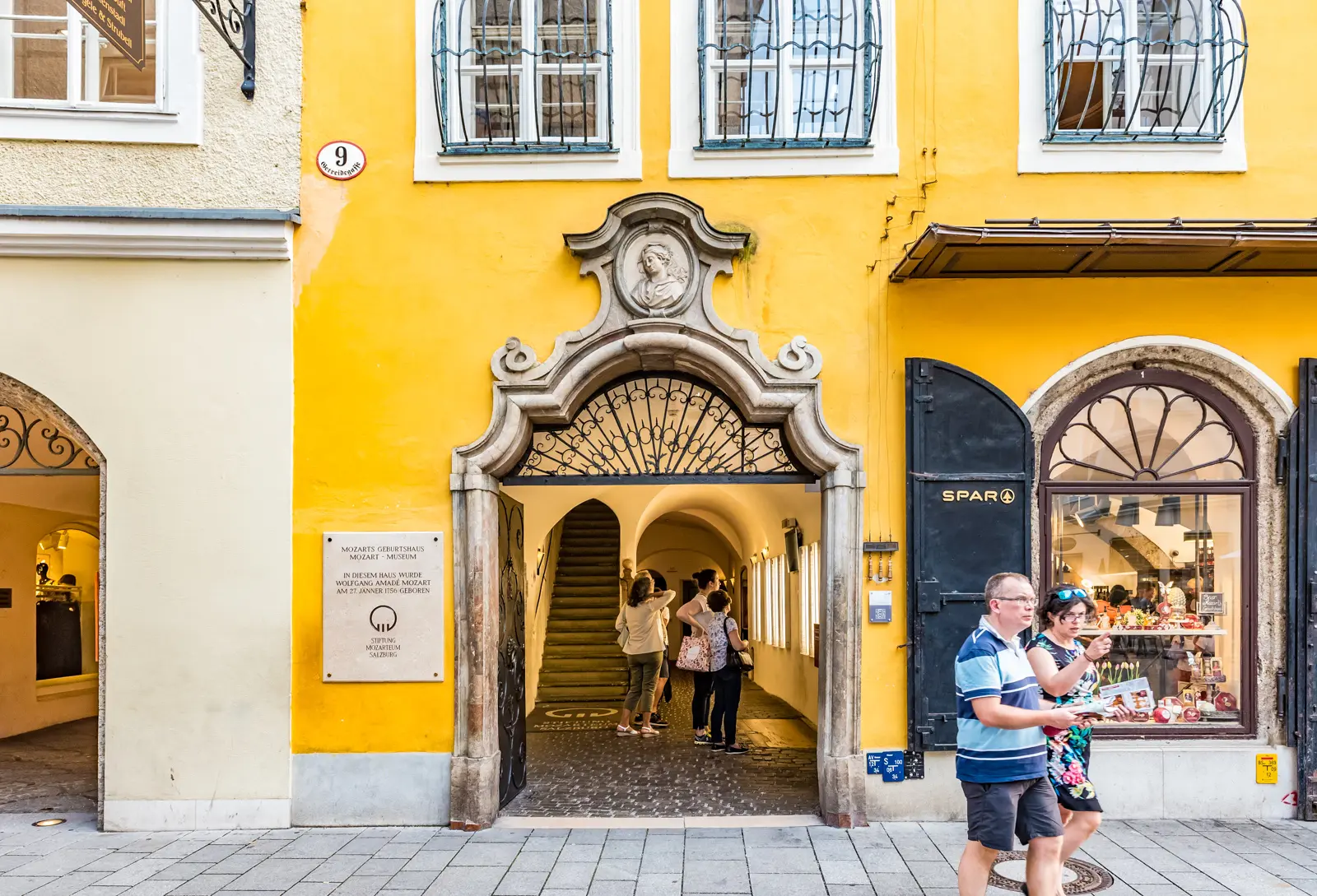
The Mozart family moved into an apartment on the third floor in 1747, and it was here, on 27 January 1756, that Wolfgang Amadeus Mozart was born. The apartment itself was modest in scale, composed of a series of functional living spaces arranged around the needs of daily life rather than display. The family remained here until 1773, and since 1880 the building has housed a museum dedicated to Mozart’s early life. This contrast between the scale of the environment and the magnitude of Mozart’s later influence creates a powerful tension, a reminder that extraordinary lives often begin in spaces defined by routine, discipline, and simplicity. Even before entering, there is a quiet awareness that the significance of the place lies not in its grandeur, but in its continuity.
Family and Influence: The Early Years
To understand the significance of this space, it is impossible to separate Wolfgang Amadeus Mozart from his family, particularly his father, Leopold Mozart. A respected composer, violinist, and teacher, Leopold brought a strong sense of structure and discipline into the household, shaping an environment where music was not only present, but central to daily life. His pedagogical thinking was serious and rigorous. In 1756, the very year of Mozart’s birth, he published his Versuch einer gründlichen Violinschule, a treatise on violin playing that became one of the most important instructional works of the 18th century and established him as a significant musical thinker in his own right. His approach to teaching was methodical and demanding, yet it created a foundation that allowed Mozart’s talent to emerge and develop at an early age.
Mozart’s sister, Maria Anna Mozart, known as Nannerl, was also a gifted musician, and together they practiced, performed, and traveled under their father’s guidance, gaining recognition across the courts of Europe from a young age. Yet while Wolfgang’s career continued to flourish, Nannerl’s performing life was gradually curtailed as she reached marriageable age, in line with the social expectations placed on women at the time. Her story adds a layer of complexity to the household’s musical life, a reminder that talent alone did not determine whose voice would carry forward.
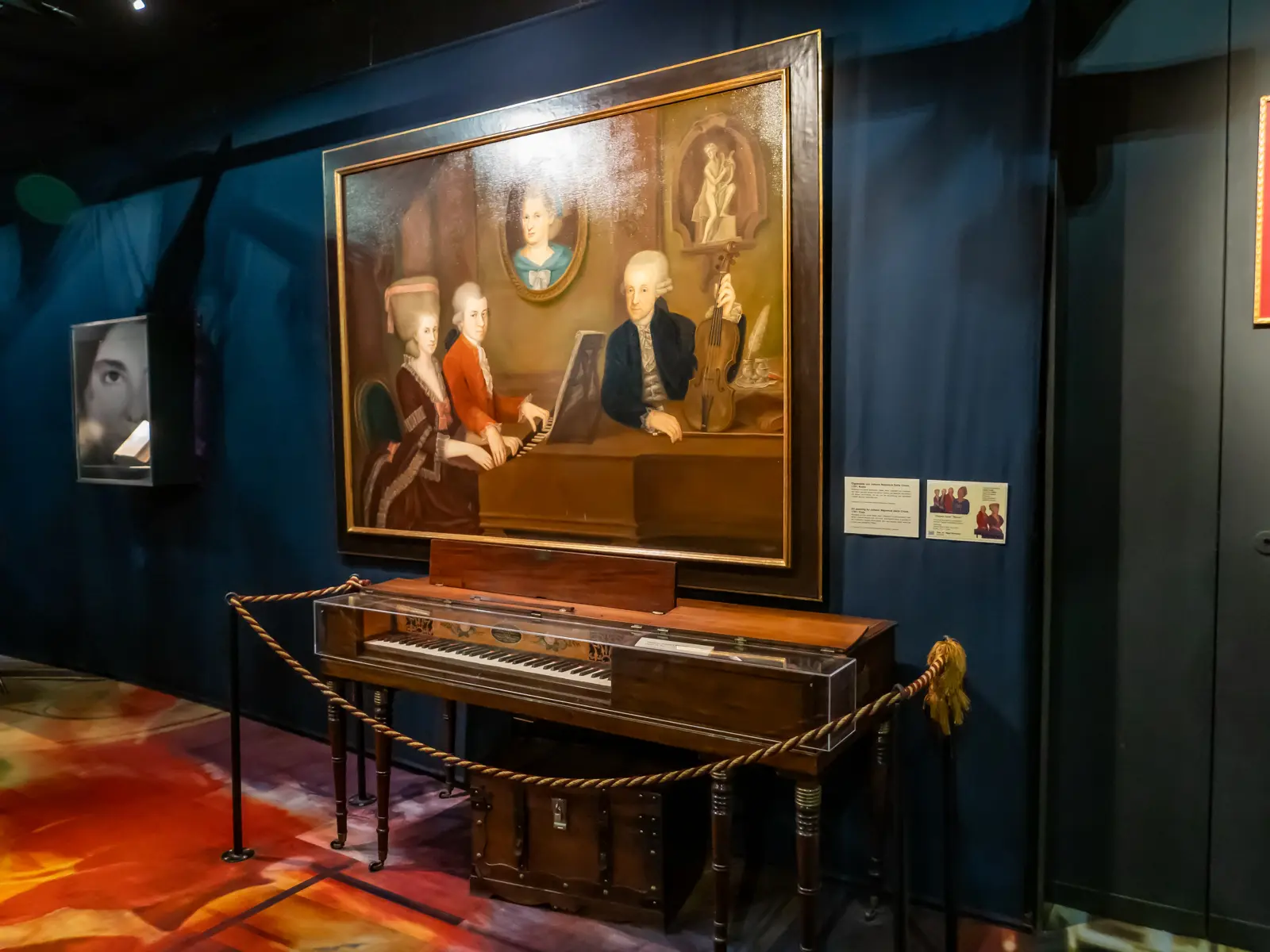
Within these rooms, music was not yet performance in the public sense, but repetition, experimentation, and gradual refinement. The space becomes meaningful not because of what was achieved here, but because of what was formed: habits, discipline, and creative curiosity. It is this sense of process that defines the early years, grounding Mozart’s later brilliance in a context of effort and environment rather than myth.
Inside the Museum: Objects, Rooms, and Memory
Today, the building functions as a museum, offering a carefully curated yet atmospheric glimpse into Mozart’s early life and the cultural context in which he grew up. The rooms have been arranged to reflect both the domestic environment of the 18th century and the broader narrative of Mozart’s development, combining historical reconstruction with interpretive displays. Portraits, letters, instruments, and period furnishings create tangible points of connection, allowing visitors to move beyond abstraction and engage directly with the material traces of the past.
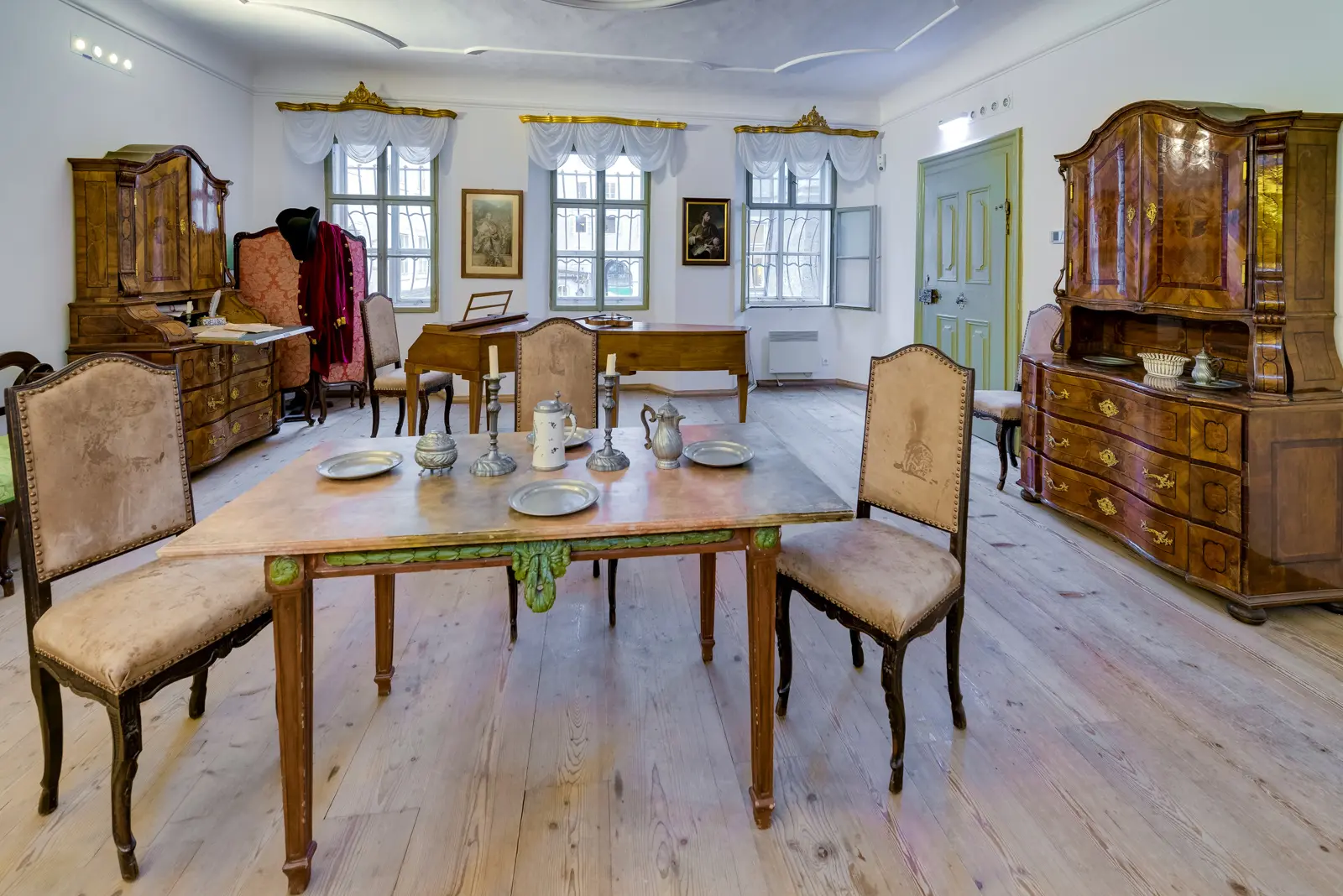
What stands out most is the scale and intimacy of the space. The rooms are relatively compact, their proportions shaped by practical living rather than aesthetic display, and the transitions between them feel continuous rather than dramatic. This creates a sense of immersion that is subtle but effective, drawing your attention to details – textures, light, spatial relationships – that might otherwise go unnoticed. The experience is less about moving from one highlight to another, and more about absorbing the atmosphere of a lived environment, where memory is preserved not only through objects, but through space itself.
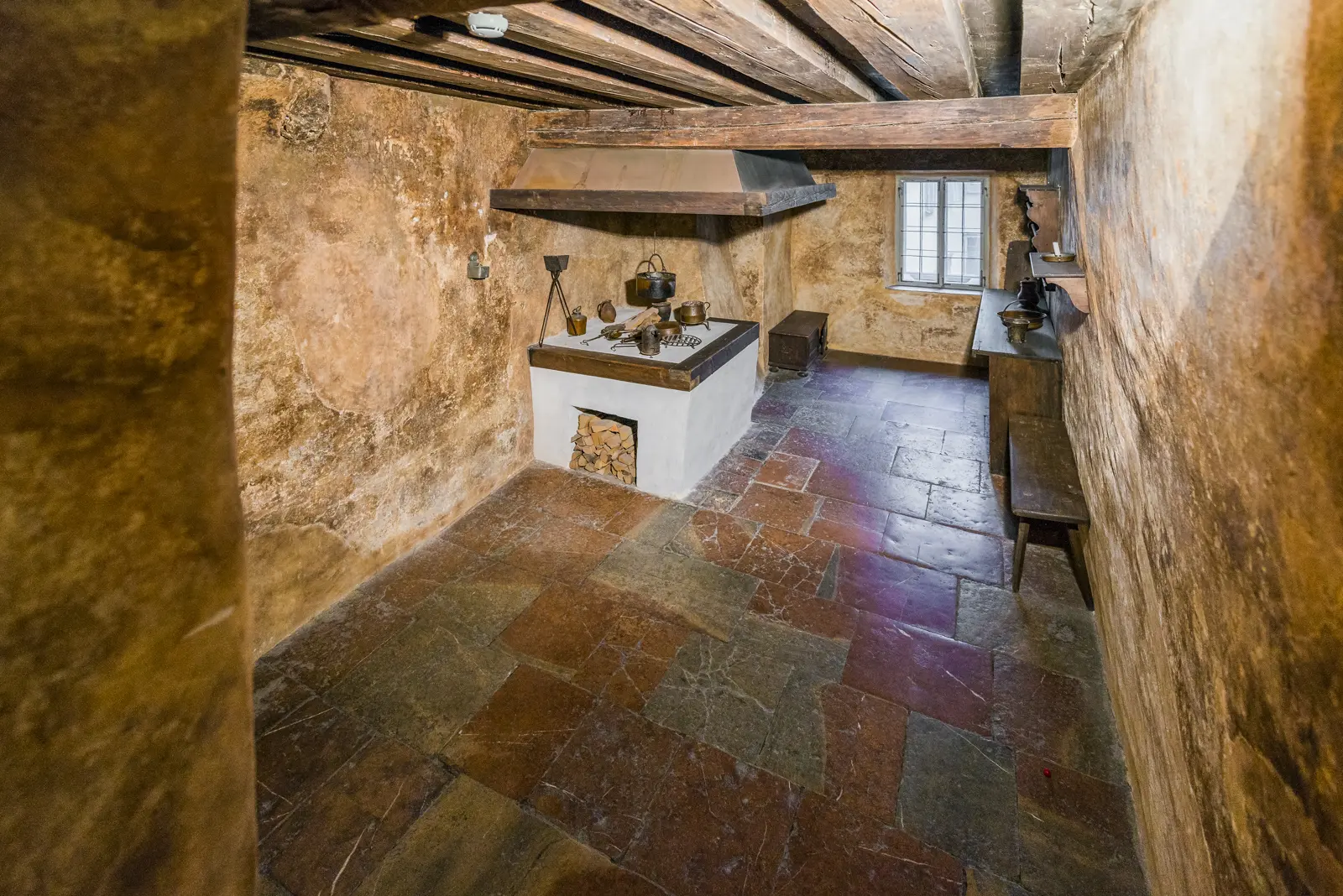
Music and Meaning: The Idea of Origin
There is something uniquely powerful about standing in a place where a life of such significance began. Not because the space itself is extraordinary, but because it invites you to consider how something extraordinary can emerge from the ordinary. The birthplace becomes less about Mozart as a fully realized figure, and more about the conditions that allowed his talent to take shape: family influence, discipline, exposure to music, and an environment that encouraged exploration.
This perspective shifts the experience from admiration to reflection. It encourages you to think not only about Mozart, but about the broader idea of origin – how creativity is formed, how environments influence development, and how early experiences can shape future expression. In this way, the space becomes both specific and universal. It tells a particular story, yet resonates more broadly as a reminder that every creative journey begins somewhere, often in spaces that appear unremarkable at first glance.
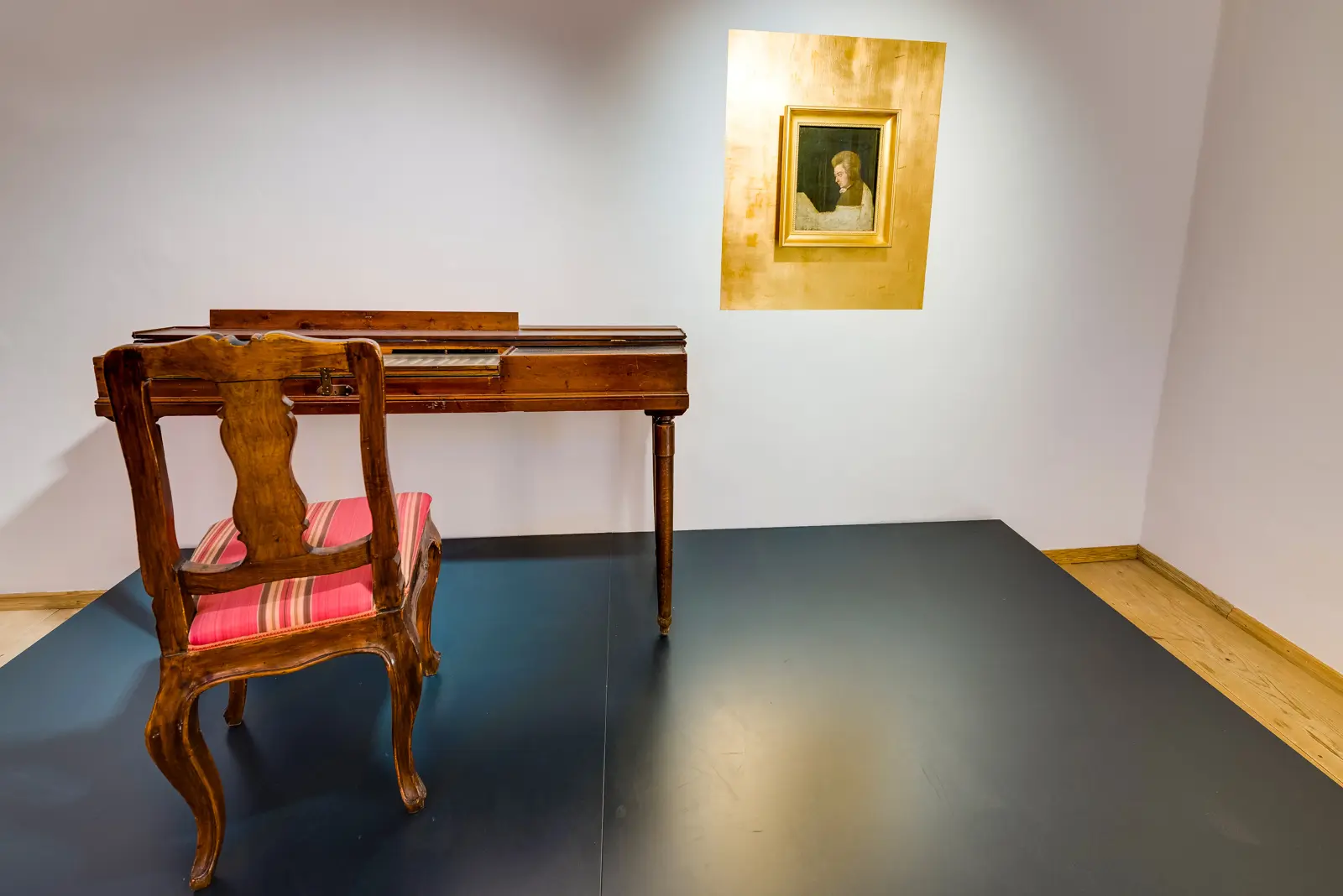
A Living Connection: Part of the Street
What makes Mozart’s Birthplace particularly compelling is how seamlessly it integrates into the life of Getreidegasse. It is not isolated or monumentalized in a way that separates it from its surroundings, but exists as part of the street’s continuous rhythm: one façade among many, one story within a larger urban narrative. Visitors enter and exit the building, while outside, the movement of the street continues uninterrupted, reinforcing the coexistence of past and present.
This integration creates a layered experience. You are aware of the historical significance of the site, yet at the same time, you remain connected to the everyday life unfolding around it. The birthplace becomes a point of intersection between memory and movement, where cultural heritage is not removed from the present, but embedded within it. This relationship adds depth to the visit, allowing you to engage with history while remaining fully aware of the living city beyond the walls.
The Experience: Quiet, Reflective, Enduring
The experience of visiting Mozart’s Birthplace is not defined by spectacle or singular highlights, but by a gradual unfolding of impressions. It is a space that encourages a slower pace, where movement through the rooms feels continuous and reflective rather than directed or hurried. Each space offers a slightly different perspective, contributing to an overall sense of immersion that builds quietly over time.
What remains with you are often the subtler elements: the scale of the rooms, the softness of the light filtering through windows, the sense of proximity to a life that once unfolded within these walls. These details create a connection that extends beyond the visit itself, allowing the experience to linger as a feeling rather than a fixed memory. It is this quiet, reflective quality that defines the space, making it less about observation and more about presence.
Bubbly Tips for Visiting Mozart’s Birthplace
- Location: Located on Getreidegasse in Salzburg’s Old Town, within walking distance of major landmarks and the Salzach River.
- What to expect: A museum set within Mozart’s actual birthplace, featuring period rooms, historical artifacts, and curated exhibits focused on his early life and family environment.
- Best time to visit Mozart’s Birthplace Salzburg: Early morning or late afternoon allows for a quieter and more contemplative experience.
- Don’t miss: Original living spaces, family-related exhibits, historical documents, and displays that provide insight into Mozart’s upbringing and early development.
- Time to explore: Plan for approximately 1 to 1.5 hours to move through the museum at a comfortable and reflective pace.
- Pair your visit: Combine with a walk along Getreidegasse and nearby Old Town landmarks to fully experience the cultural and architectural context.
- Distance from Vienna: Salzburg is approximately 300 km west of Vienna, with a scenic train journey of around 2.5 to 3 hours.
Final Thoughts
Mozart’s Birthplace is not a place that overwhelms with grandeur, but one that resonates through its quiet significance. It offers a different kind of experience, one rooted in reflection rather than spectacle, and one that shifts your perspective from achievement to origin. Within its walls, the story of Mozart begins not as legend, but as lived experience, shaped by family, environment, and daily life.
What stays with you is not simply the knowledge of who Mozart became, but the awareness of where he began. In a city defined by beauty, music, and history, this intimate space offers something uniquely meaningful, a reminder that even the most extraordinary journeys emerge from the most ordinary beginnings.
Does visiting a place like this change how you think about creativity and where it begins? I’d love to hear your thoughts in the comments section below.
Happy travels!

🌟 Everything You Need to Plan Your Dream Trip in 2026
- 🌟 Luxury Hotels - Find premium stays with Booking.com & Hotels.com
- 🏡 Vacation Rentals - Discover unique properties on VRBO
- 🏞️ Guided Tours - Explore with Viator or GetYourGuide
- 🎫 Attraction Tickets - Skip the lines with Tiqets
- 🚢 Ocean Cruises - Set sail with Cruise Direct
- 📱 International SIMs - Stay connected with Saily
- 🚗 Car Rentals - Budget-friendly options from Discover Cars
- 🌐 Secure VPNs - Browse safely with NordVPN
- 💶 Currency Exchange - Best rates with Wise
- 🗣️ Learn Languages - Master the local language with Babbel and Rosetta Stone