
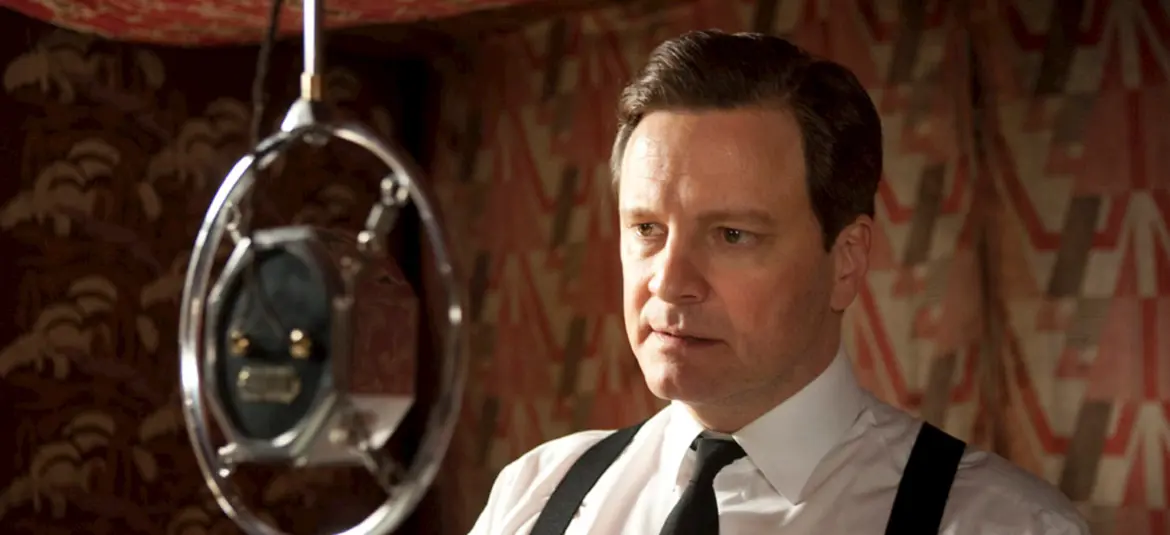
I love The King’s Speech. I have gone back to it more than once, for the plot, for the cast, and above all for Colin Firth as George VI, the performance that won him the Best Actor Oscar. At heart it is a film about two men in a room: a reluctant king and Lionel Logue, the Australian speech therapist played by Geoffrey Rush, and the friendship that helps the king find his voice in time for the wartime broadcast of 1939. It took four Oscars in all, including Best Picture.
What draws me back is the man at its centre. George VI was a second son who never expected the throne, who lived with a stammer, and who took the crown anyway in 1936 when his brother walked away from it. He was, by every account, a shy and modest man who made the most of a job he did not choose, and did it for the country. There is something quietly moving in that, and Firth catches it without ever overplaying it.
What I did not appreciate until I started matching scenes to streets is how much of real London the film moves through, and how much of it I had already photographed without knowing the connection. Here is the city the film puts on screen, and, honestly, where each scene was actually shot, because the two are not always the same place.
The King’s Speech at a Glance
🎬 The film · Tom Hooper’s 2010 drama; four Oscars including Best Picture and Best Actor for Colin Firth as George VI.
🏛️ The trick · Almost every London interior is a stand-in: Lancaster House as the palace, Ely Cathedral as the Abbey, Drapers’ Hall as St James’s.
📍 The one real one · The sandbag-lined drive was genuinely shot at the Old Royal Naval College in Greenwich, free to walk.
🩺 The heart · Lionel Logue’s real rooms were at 146 Harley Street, marked today with a Westminster green plaque.
🌳 The falling-out · The park quarrel was filmed in the Avenue Gardens, the Italianate corner of Regent’s Park.
💷 Cost · Nearly every stop on this walk — palace exteriors, the gate, the college, the park — is free.
Buckingham Palace
The film’s Buckingham Palace is the real one on the outside and somewhere else entirely on the inside. Those grand corridors and state rooms were not filmed in the palace at all. The production rented Lancaster House, a government-owned mansion just off the Mall, for the interiors, at a reported twenty thousand pounds a day. The real palace is where George VI moved after his coronation, and where the crowds gather at the film’s climax to hear the speech.
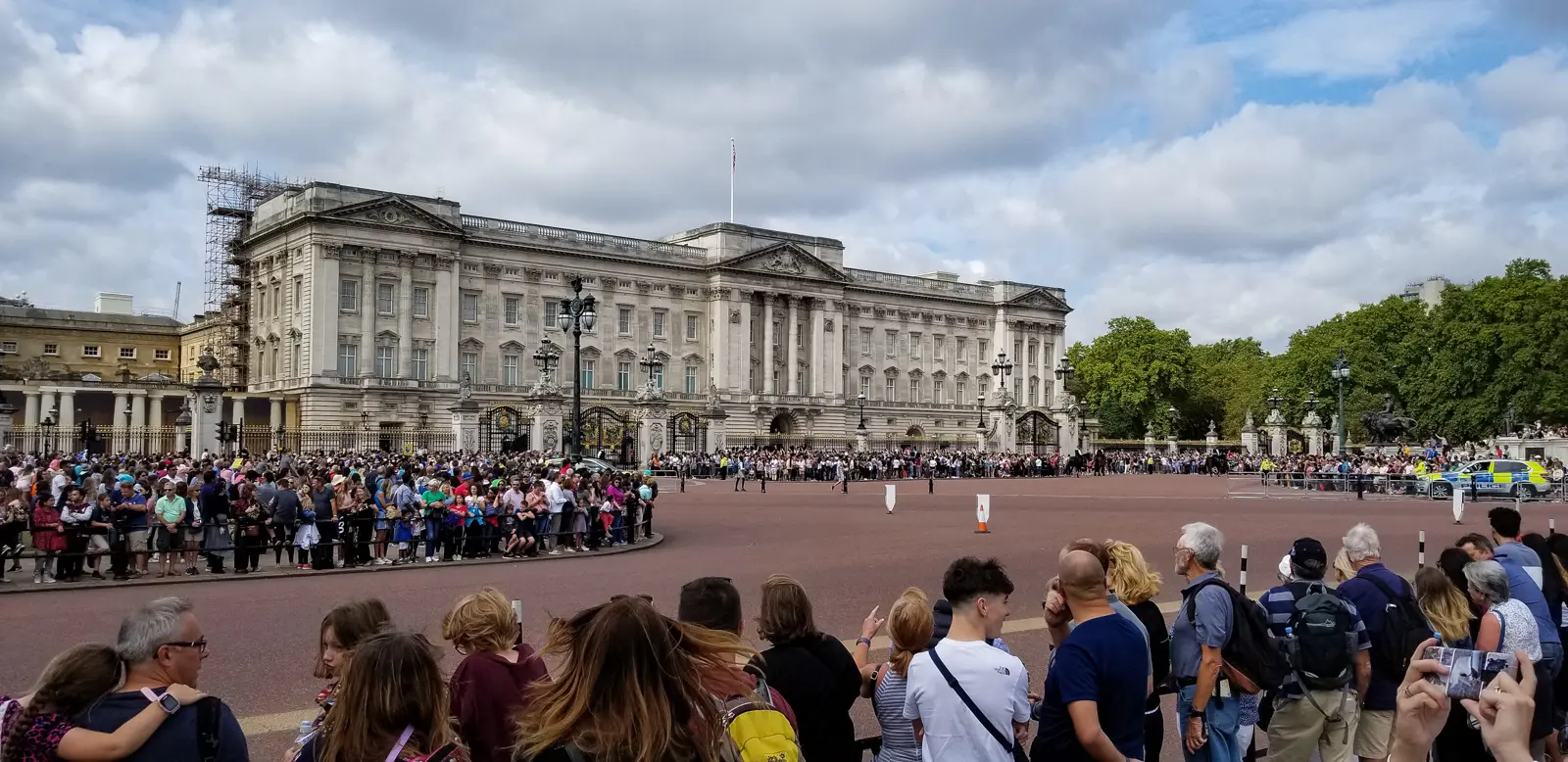
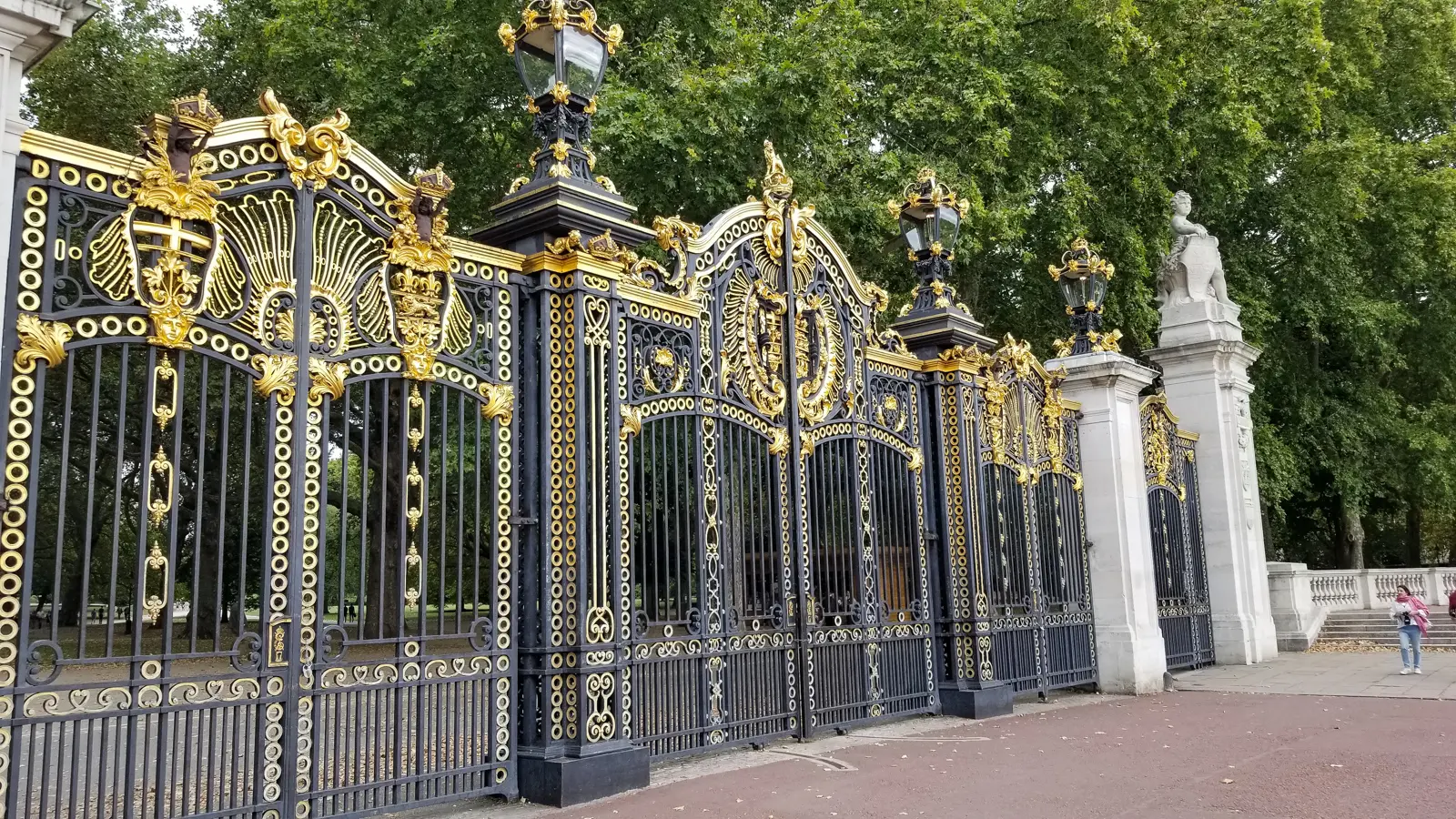
The crowd scene, with people packed against the railings waiting for the broadcast, was filmed a little to the side, at Canada Gate.
Westminster Abbey
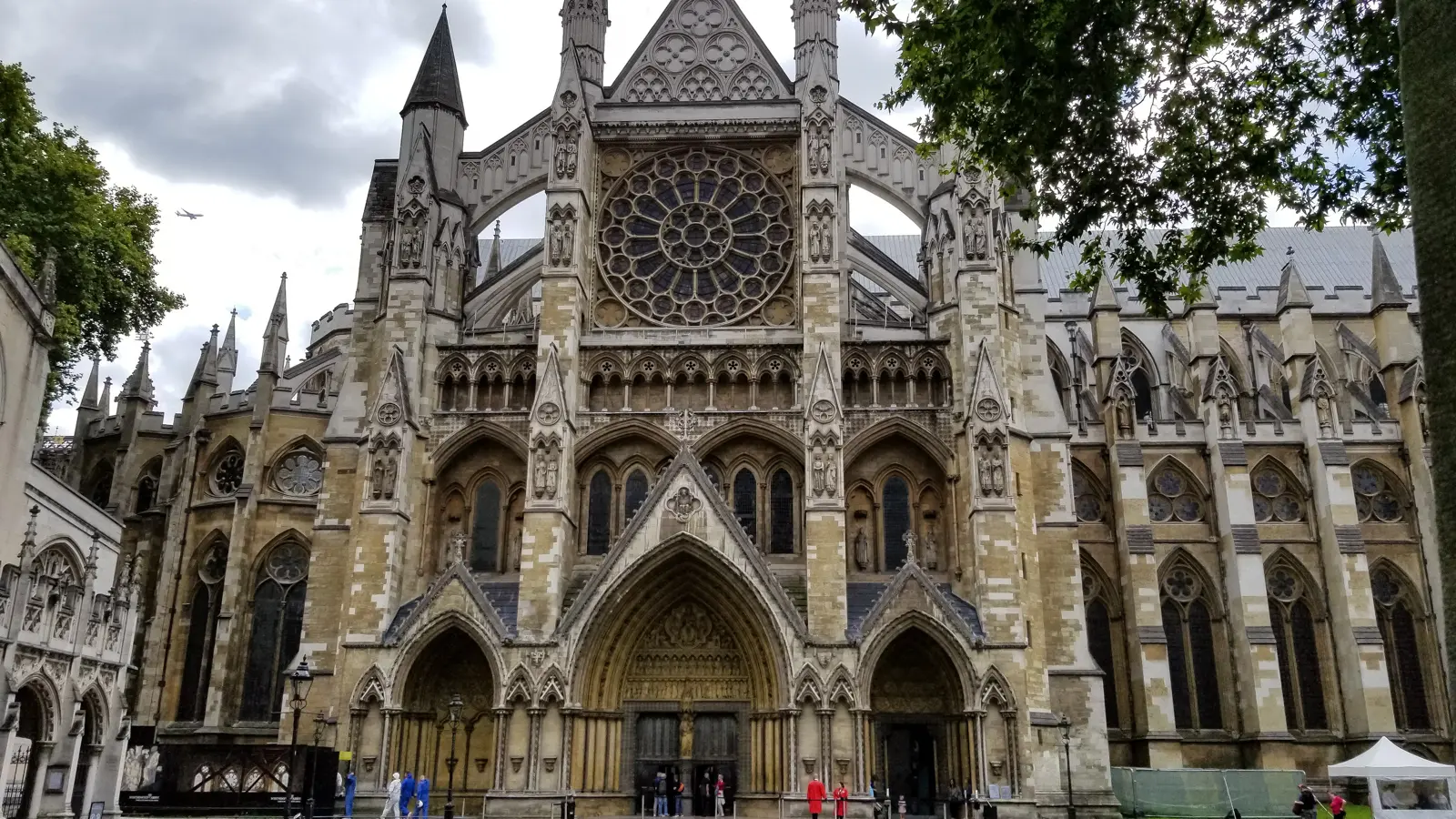
The coronation is the film’s grandest set piece, the moment the whole story builds towards, and it was not filmed in Westminster Abbey. The production asked and was turned down, because the abbey could not close to visitors for that long. So they went to Ely Cathedral in Cambridgeshire instead, which was big enough to build not just the coronation but all the nervous preparation around it. The real abbey is the setting the story honours, not the place the cameras rolled.
St James’s Palace
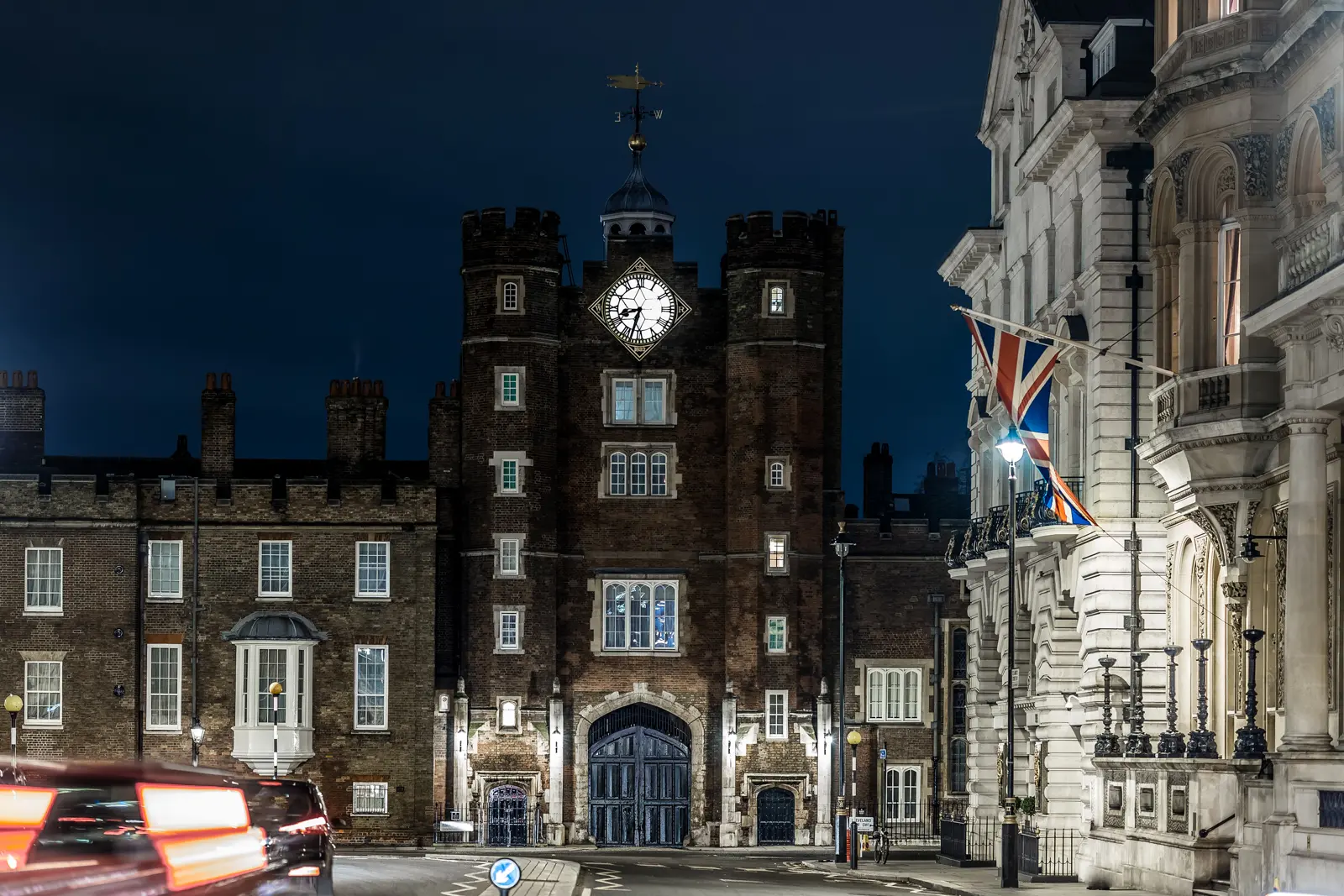
When the newly proclaimed king is presented to the Accession Council, the film places the scene at St James’s Palace, the working royal palace whose Tudor gatehouse still stands on Pall Mall. The interior, the intimidating hall lined with portraits of former monarchs, was filmed in the Livery Hall of Drapers’ Hall in the City of London. Those royal portraits behind the anxious new king are real.
The Old Royal Naval College, Greenwich
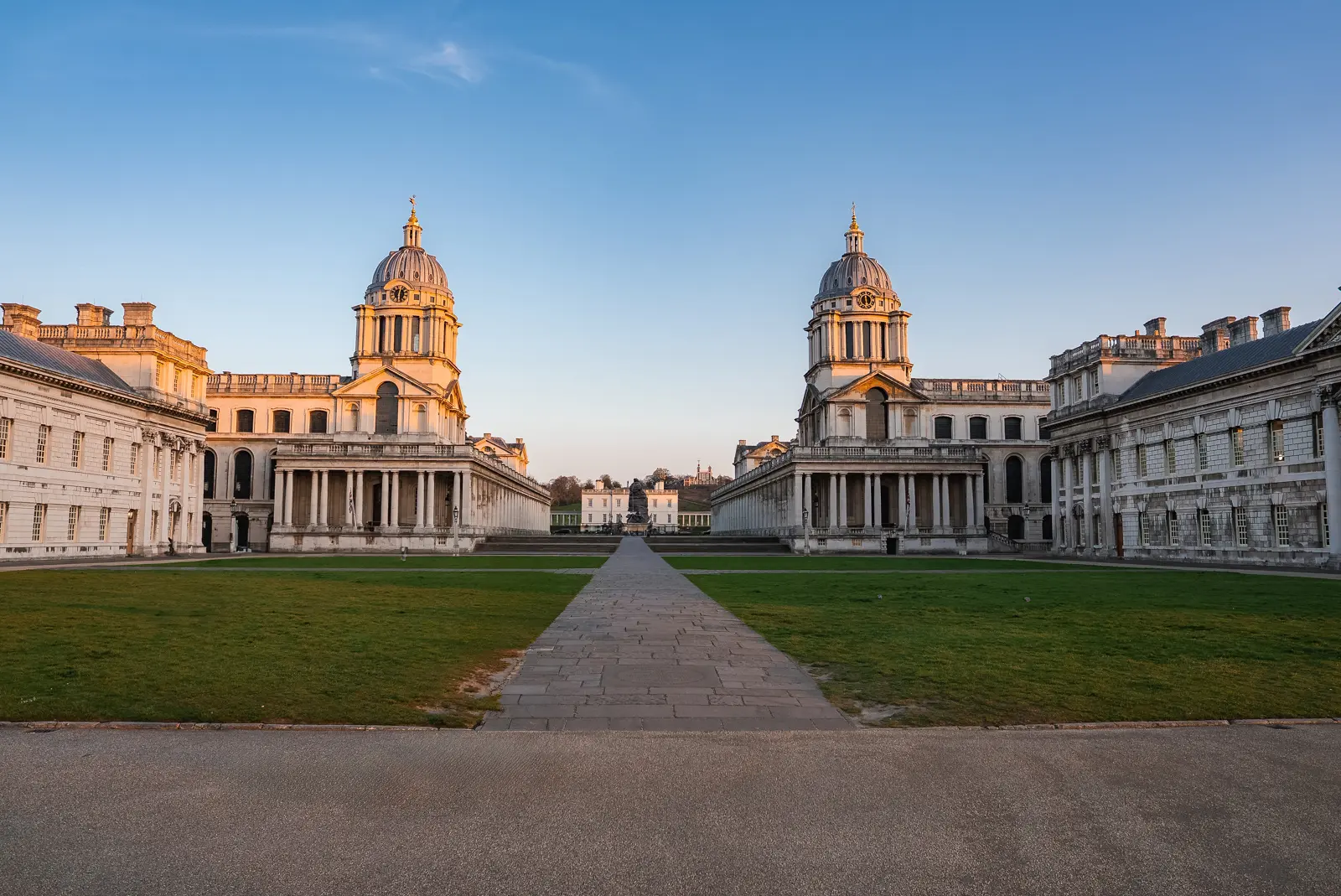
Of all the London places in the film, this is the one where the cameras genuinely rolled on site. Late in the story, with the pre-war speech looming, Logue is driven to the palace through a street lined with sandbags, and that street is the great colonnade at the Old Royal Naval College in Greenwich, standing in for wartime London. It is one of the most filmed spots in the city, and it is free to walk through.
Harley Street, and the real Lionel Logue
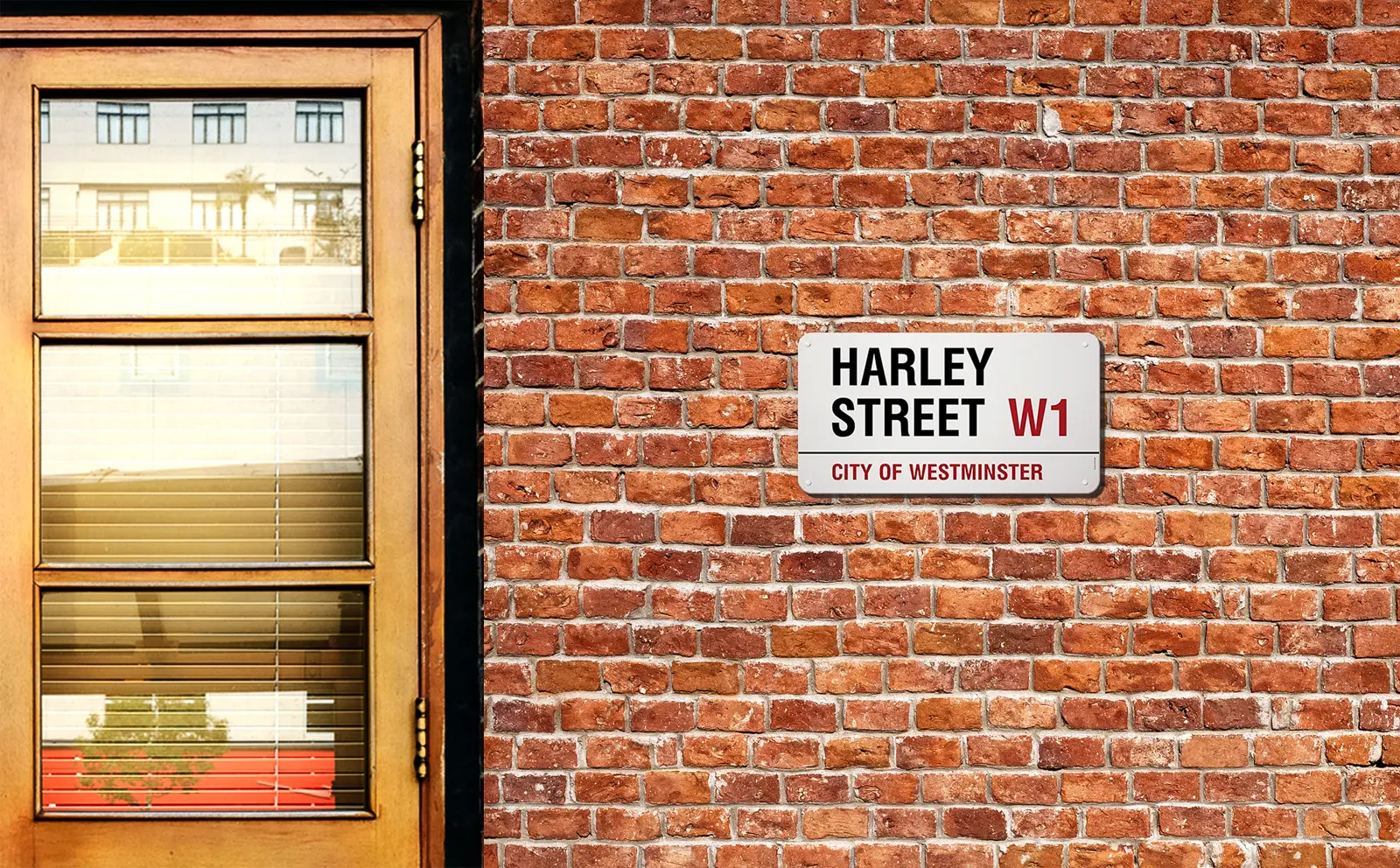
The heart of the film is the friendship, and the friendship lives on Harley Street. The real Lionel Logue practised at 146 Harley Street, and there is a green plaque to him there today, placed by Westminster Council. The film used the real street for the scene where the Duchess takes a cab to find him, disguising the modern touches with a wall of period fog. His famous consulting room, with the tall window and the peeling wallpaper, was not filmed on Harley Street though. That interior was built inside a Georgian house at 33 Portland Place, a few streets away, which also played the Yorks’ family home. Their actual home, 145 Piccadilly, was destroyed by a bomb in 1940.
Regent’s Park
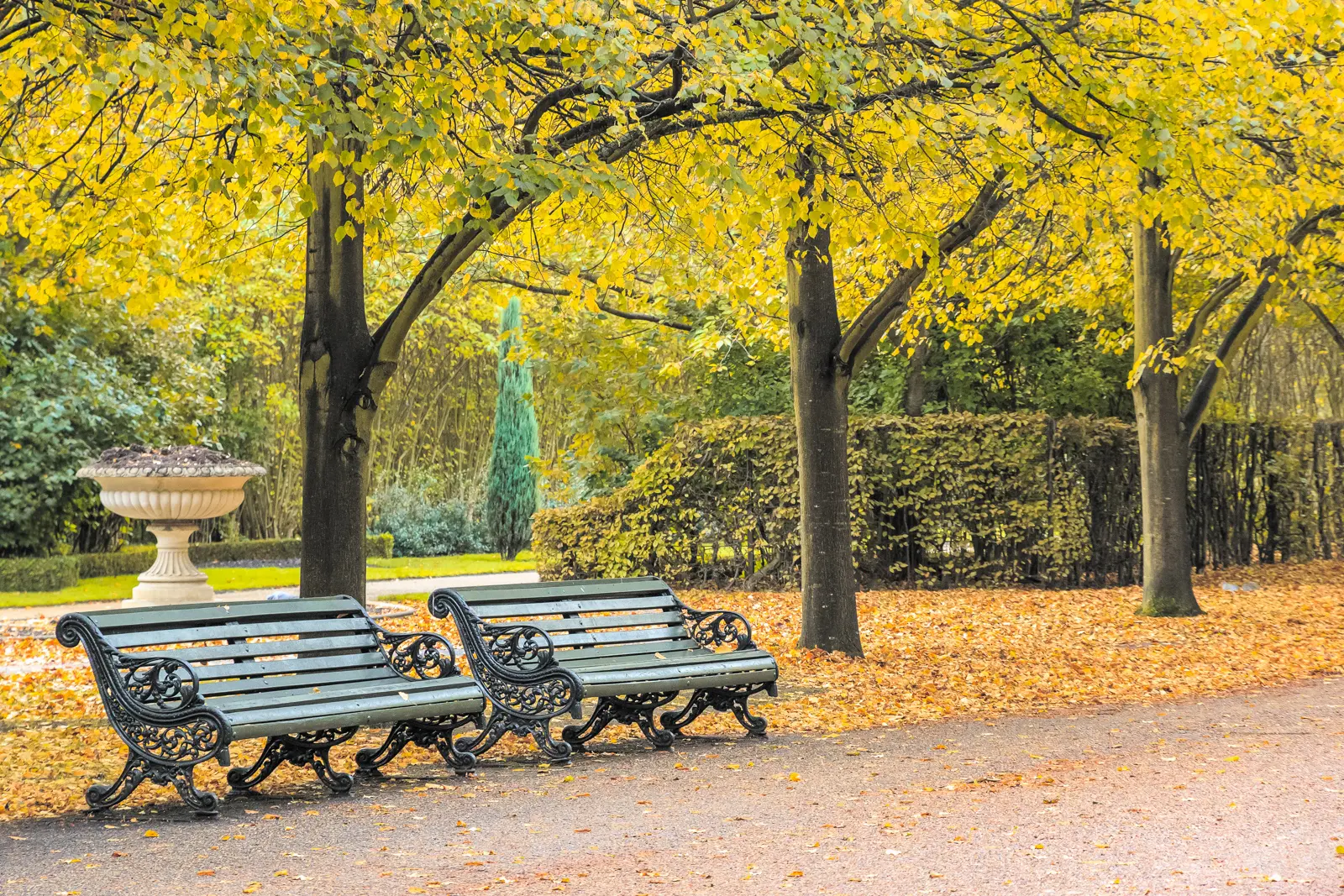
The park scene is the friendship’s lowest point. After a breakthrough session, where the future king swears his way to a kind of freedom, the two men take a walk, and Logue oversteps. He presses Bertie on the succession, all but telling him he could be a great king, and Bertie hears it as treason and turns on him. It is the moment the two fall out, before the film brings them back together for the broadcast.
The walk was filmed in the Avenue Gardens, in the south-east corner of Regent’s Park. The park was laid out from 1811 by John Nash for the Prince Regent, the future George IV, which is how it took its name. The formal gardens came later: in the early 1860s the Victorian designer William Andrews Nesfield reshaped this stretch into an Italianate garden of clipped beds, stone urns and fountains. It is public, free, and at its best in autumn.
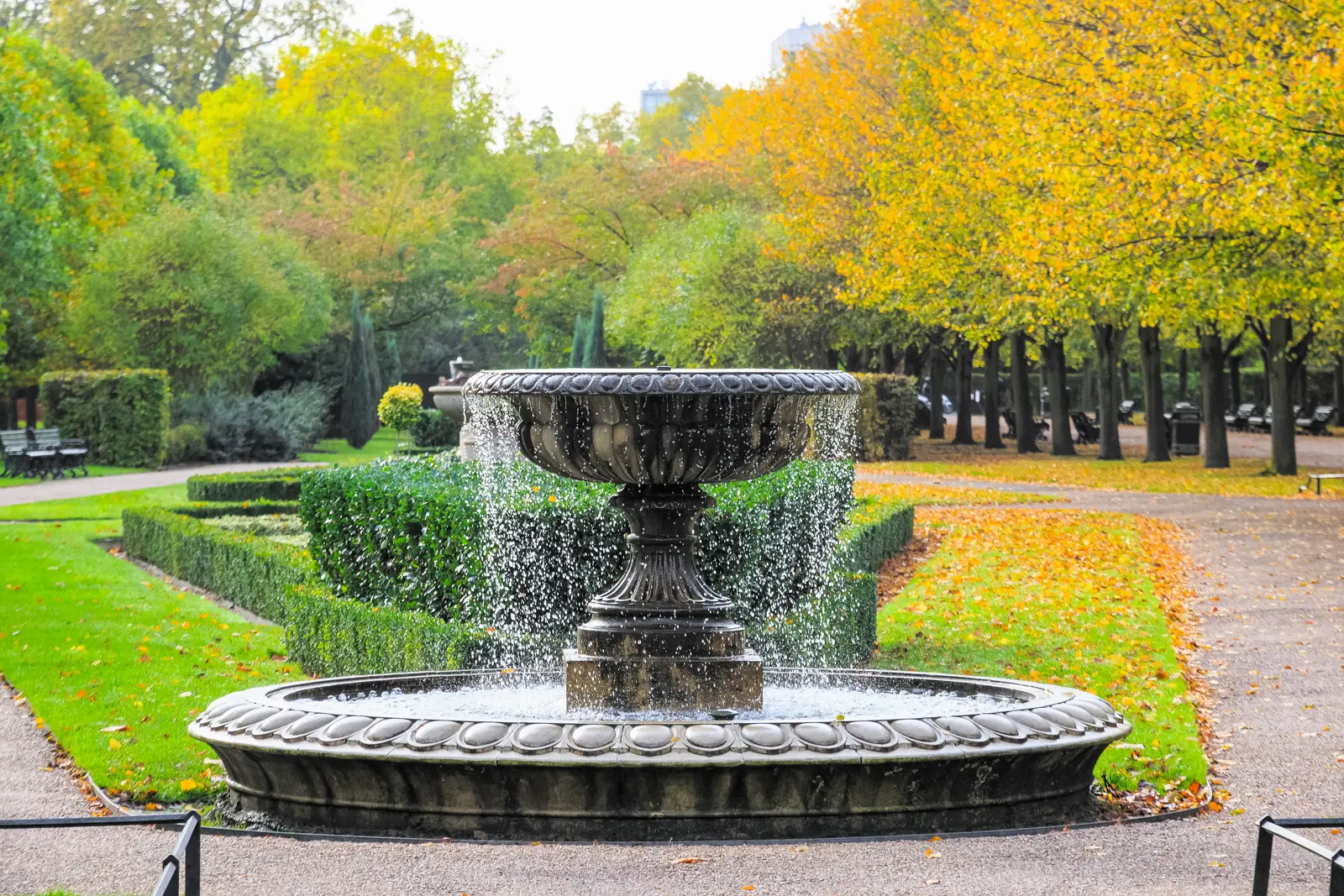
Battered in the war and left to decline, the whole garden was recast to Nesfield’s original designs in a restoration finished in 1996.
Battersea Power Station
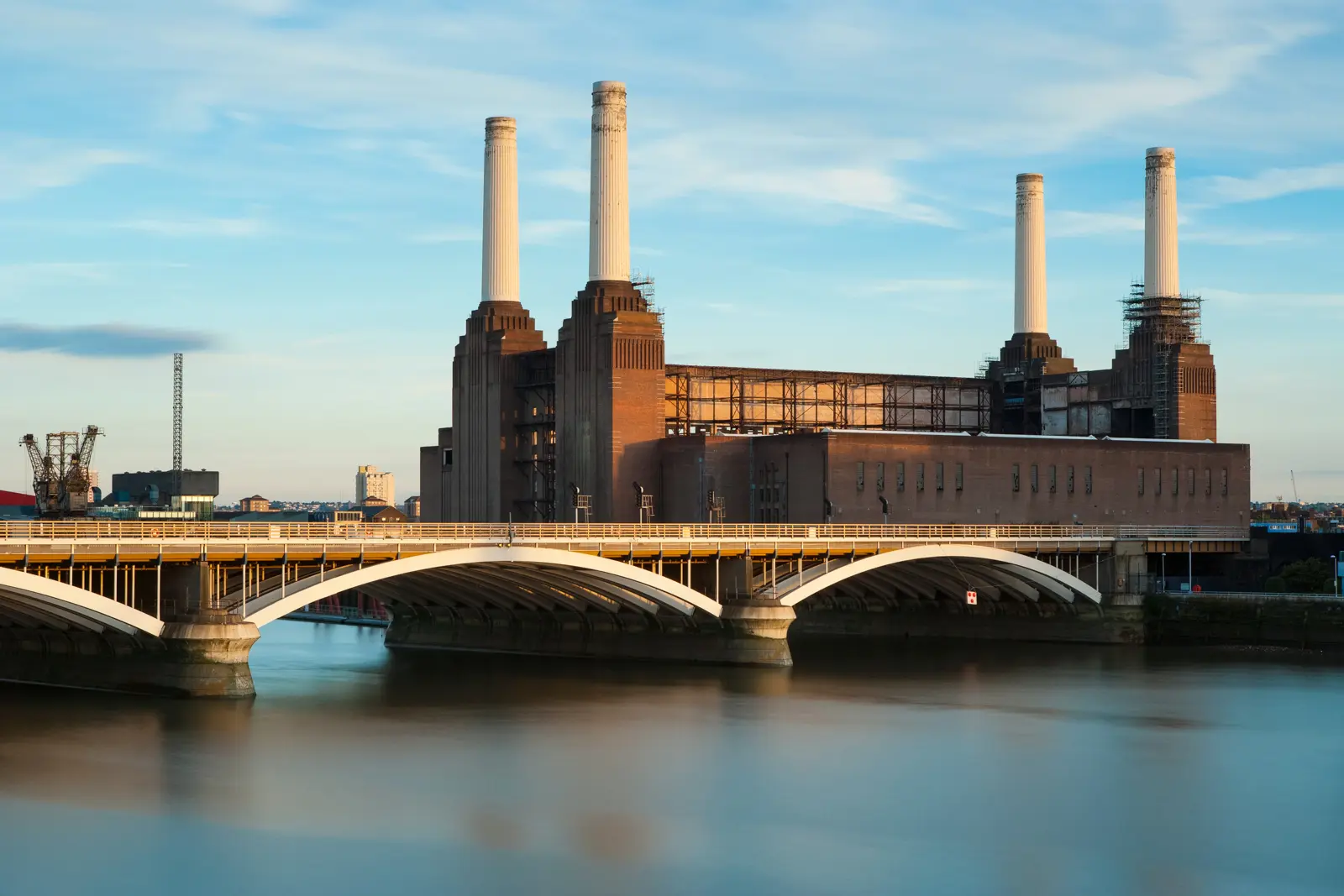
When the 1939 speech finally goes out to the country, the film sets the broadcast control room inside Battersea Power Station. When they shot it, the building was a derelict shell. It has changed completely since: after decades standing empty, it reopened in 2022 as a riverside district of shops, restaurants and flats, with a lift up one of the four white chimneys.
Bubbly Tips
- Most of it is free. Buckingham Palace from the outside, Canada Gate, Westminster Abbey’s exterior, St James’s Palace’s gatehouse, the Old Royal Naval College and Regent’s Park all cost nothing to see. You can build a whole day around them without a ticket.
- Do the Logue streets as one Marylebone loop. Harley Street and Portland Place are a few minutes apart, so the human heart of the film is a single short walk. Look for the green plaque at 146 Harley Street.
- See the real abbey, but know the coronation is Ely. If you want the actual room the film’s coronation shows, that is Ely Cathedral in Cambridgeshire, a day trip north. Westminster Abbey is the real setting the story honours.
- St James’s Palace is exterior only. It is a working royal palace, so the Tudor gatehouse on Pall Mall is as close as visitors get. It photographs beautifully at dusk.
- Make a half-day of Greenwich. The Old Royal Naval College sits beside the National Maritime Museum, the Cutty Sark and the Royal Observatory, so the one true filming location pairs into a full riverside afternoon.
- Battersea is a destination again. Unlike in the film, the power station is now full of shops and places to eat, and you can go up a chimney for the view. Easy to combine with a walk along the south bank.
- Go early for the palace. The forecourt and Canada Gate get busy from mid-morning, especially on Changing the Guard days, so an early start gives you room to photograph.
Final Thoughts
The film ranges right across London, and the surprise is how much of it turns out to be a stand-in: the palace interiors at Lancaster House, the coronation at Ely, St James’s Palace at Drapers’ Hall. That gap between what is on screen and where it was shot is half the fun of walking it. The other half is standing at the real places the story honours, and thinking about the man at the centre of it.
That is what stays with me. The writer, David Seidler, had a stammer himself, and he waited to make the film until the King’s widow, the Queen Mother, had died in 2002. When it was finished, Queen Elizabeth II was sent a copy, and was said to be moved by the portrayal of her father. A quiet, reluctant king, doing a job he never wanted for the good of the country, remembered kindly by his daughter and by a writer who understood that struggle to speak from the inside. The film is worth watching, and the London it moves through is worth the walk. Both repay the time.
Until next time!

🌟 Everything You Need to Plan Your Dream Trip in 2026
- 🌟 Luxury Hotels - Find premium stays with Booking.com & Hotels.com
- 🏡 Vacation Rentals - Discover unique properties on VRBO
- 🏞️ Guided Tours - Explore with Viator or GetYourGuide
- 🎫 Attraction Tickets - Skip the lines with Tiqets
- 🚢 Ocean Cruises - Set sail with Cruise Direct
- 📱 International SIMs - Stay connected with Saily
- 🚗 Car Rentals - Budget-friendly options from Discover Cars
- 🌐 Secure VPNs - Browse safely with NordVPN
- 💶 Currency Exchange - Best rates with Wise
- 🗣️ Learn Languages - Master the local language with Babbel and Rosetta Stone