
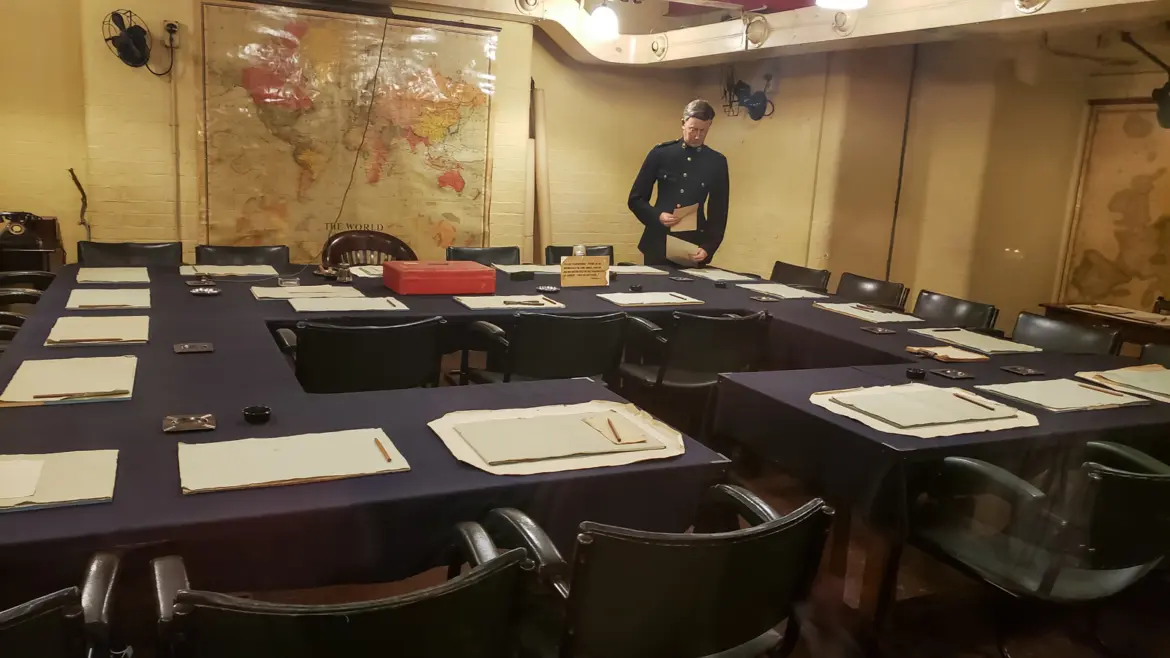
A few steps below the pavements of Whitehall, behind a plain door near Downing Street, there is a basement where Britain ran the Second World War. The Churchill War Rooms are not a reconstruction. They are the actual rooms, left largely as they were on the day the staff walked out in 1945, and standing in them is the closest thing I have found to time travel in London. You go down a short flight of stairs from a bright September street and come up, a couple of hours later, having stood in the room where a war was steered through its darkest stretch. I came for the history and left a little quiet.
Churchill War Rooms at a Glance
📍 Location · Clive Steps, King Charles Street, Westminster, beneath the Treasury. Nearest tubes: Westminster and St James’s Park, both a short walk.
🛡️ What it is · Two attractions in one: the preserved underground Cabinet War Rooms, left much as they were in 1945, and the modern Churchill Museum about the man himself. Run by the Imperial War Museums.
🗺️ Don’t miss · The Map Room, staffed around the clock for six years and where Churchill spent the whole of D-Day. The lights were switched off here for the first time on 16 August 1945.
☎️ Best story · The Transatlantic Telephone Room, a converted broom closet holding the secure line to Roosevelt, with its door disguised by a sign reading “toilet”.
🎟️ Tickets · Timed entry, booked online in advance and cheaper than at the door. Prices have climbed over the years, so check the official IWM site for the current cost.
🎧 Audio guide · Included, and essential: the preserved rooms carry no labels, so the guide is what brings them to life.
⏰ Hours · Open daily from 9:30, usually to around 18:00, with last entry an hour before closing.
⏱️ Time needed · Ninety minutes to two hours. It is two attractions, so do not rush either.
💡 Tip · Go early or late: the middle of the day is busiest, and the corridors are narrow. Photography is allowed without flash, but the light is low, so brace against a wall.
What it actually is
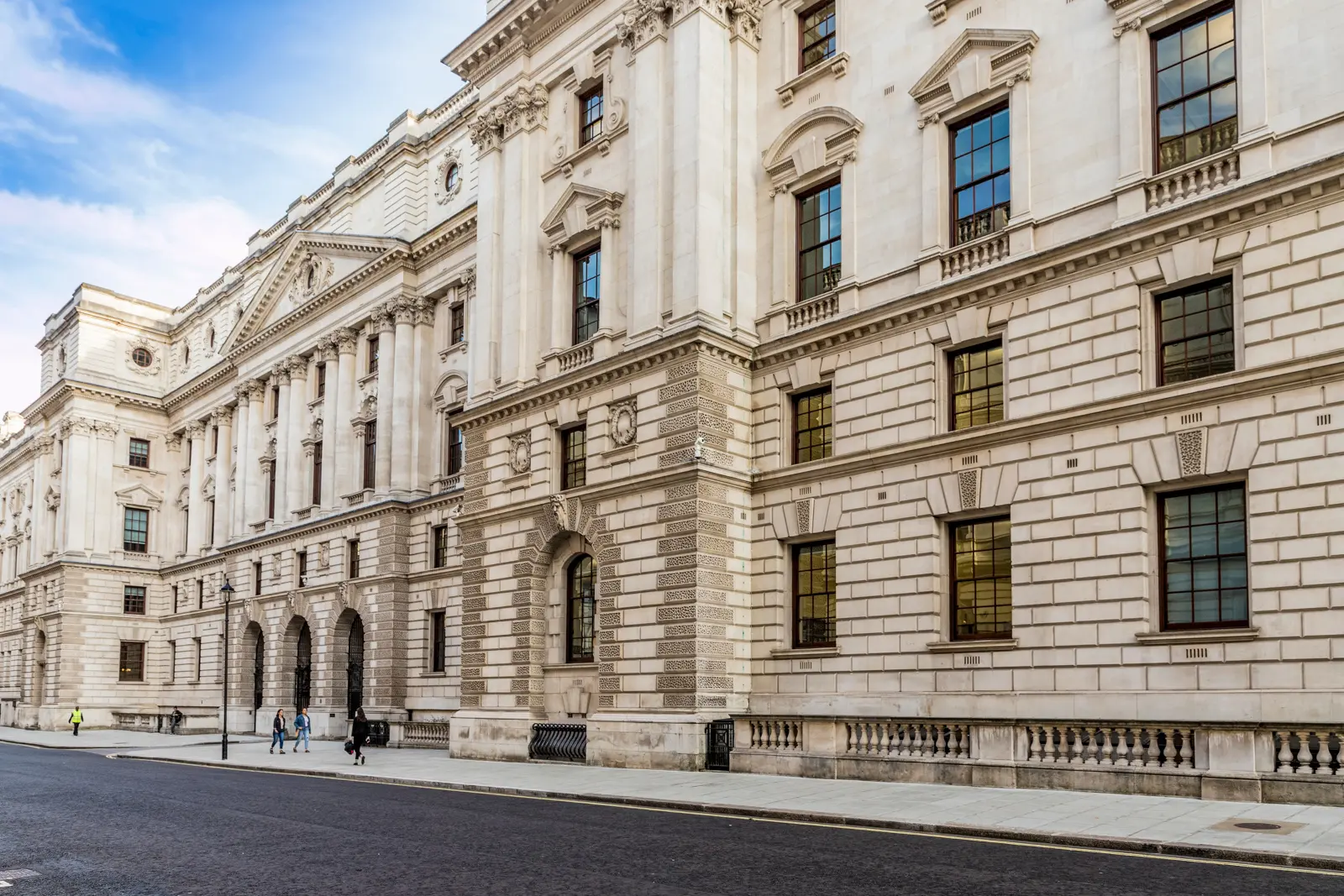
The War Rooms began as a fear. After the First World War, planners were terrified that bombing would flatten London, so in 1938 they chose the strong-framed basement of the New Public Offices in Whitehall, beneath what is now the Treasury, as an emergency command centre. It became fully operational on 27 August 1939, one week before Britain declared war on Germany. From then it ran 24 hours a day until 16 August 1945, when the lights were switched off in the Map Room for the first time in six years and the doors were locked.
The complex sat preserved and half-forgotten for decades before the Imperial War Museums opened it to the public in 1984. The staff and Churchill’s own accommodation rooms were restored and opened in 2003, and in 2005 the Queen opened the Churchill Museum alongside. So a visit is really two things at once: the preserved wartime bunker, and a modern biographical museum about Churchill himself.
The Map Room
If one room is the heart of the place, it is the Map Room.
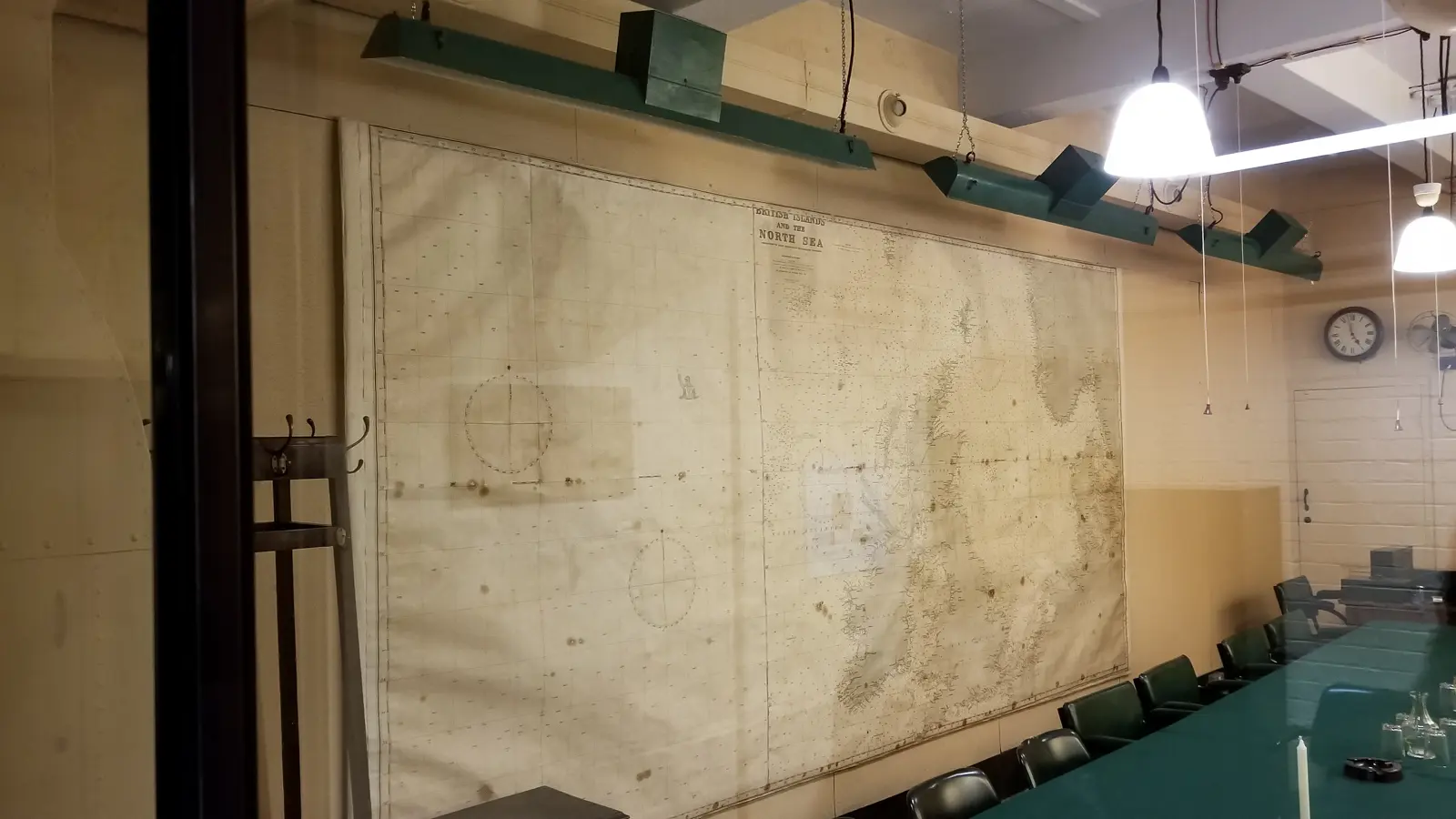
This is where the war was tracked, hour by hour, on walls of maps stuck with thousands of pinholes. It was staffed without a break, day and night, for the entire war, and Churchill spent the whole of D-Day in it. The detail that stayed with me is small and human: when the museum took the site over in the 1980s, they found three sugar cubes tucked in a Map Room desk drawer, left behind by an officer in 1945. Sugar was rationed, so even a few cubes were treasure. The room is so untouched that the cubes had simply waited there for forty years.
Living underground
Below the working rooms, people ate, slept and waited out the bombing in conditions that were genuinely grim.
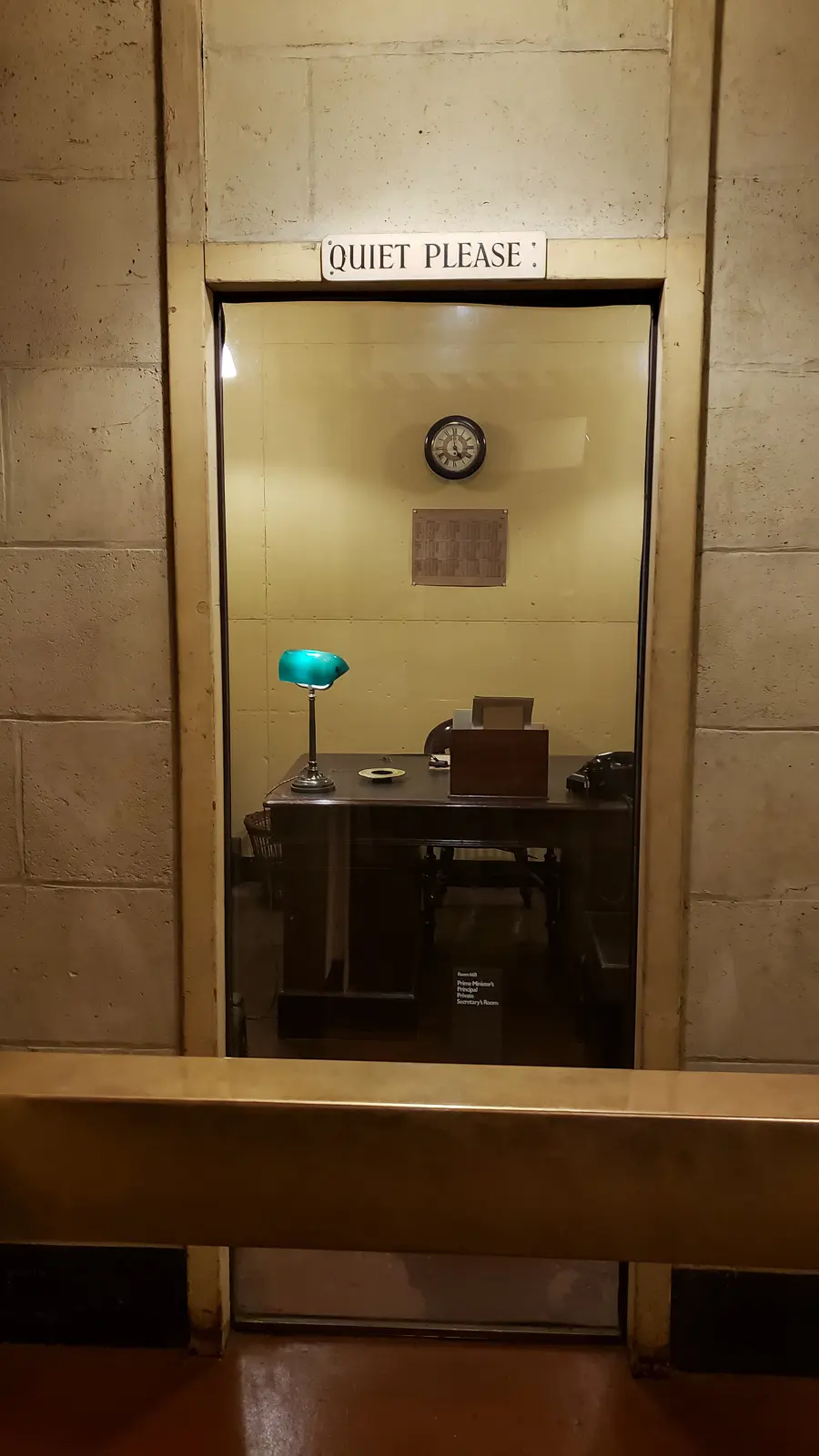
Low ceilings, chemical toilets, mice and the constant drone of the ventilation made the sub-basement sleeping quarters miserable, and many staff preferred to take their chances above ground. The “Quiet Please” signs, still hanging, give you the feel of it: a tense, sleepless, buttoned-down place.
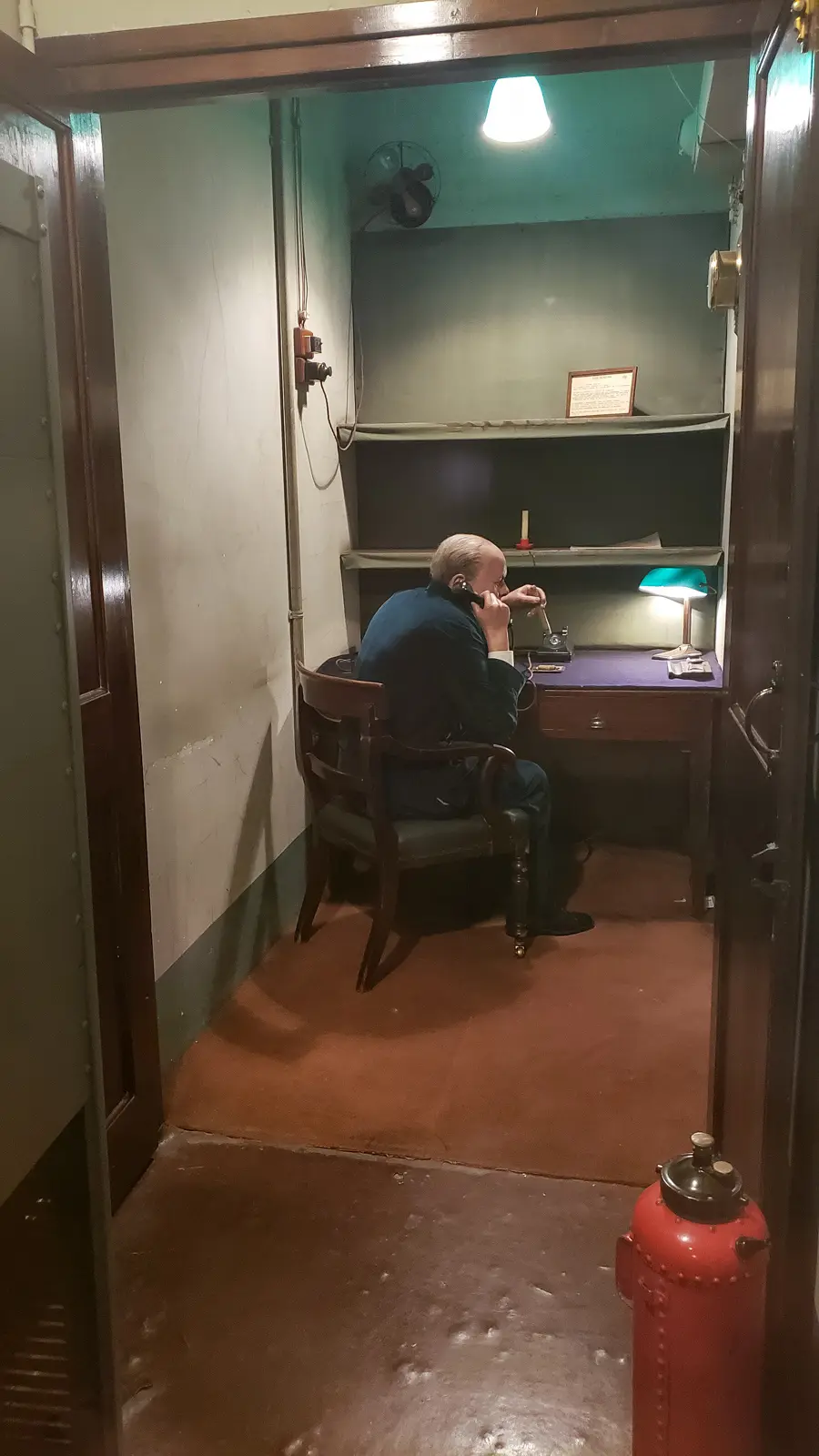
Churchill had his own room down here, where he slept when the raids were heaviest and broadcast some of his speeches to the country. Nearby is one of the best stories in the place: the Transatlantic Telephone Room, a converted broom closet holding the secure line he used to talk to President Roosevelt in Washington. To keep curious staff out, the door was simply marked “toilet”, and most people working in the bunker never knew it was there.
The museum, and the man
Walk on and the bunker gives way to the Churchill Museum, which tells the story of the man whose voice ran through all of it.
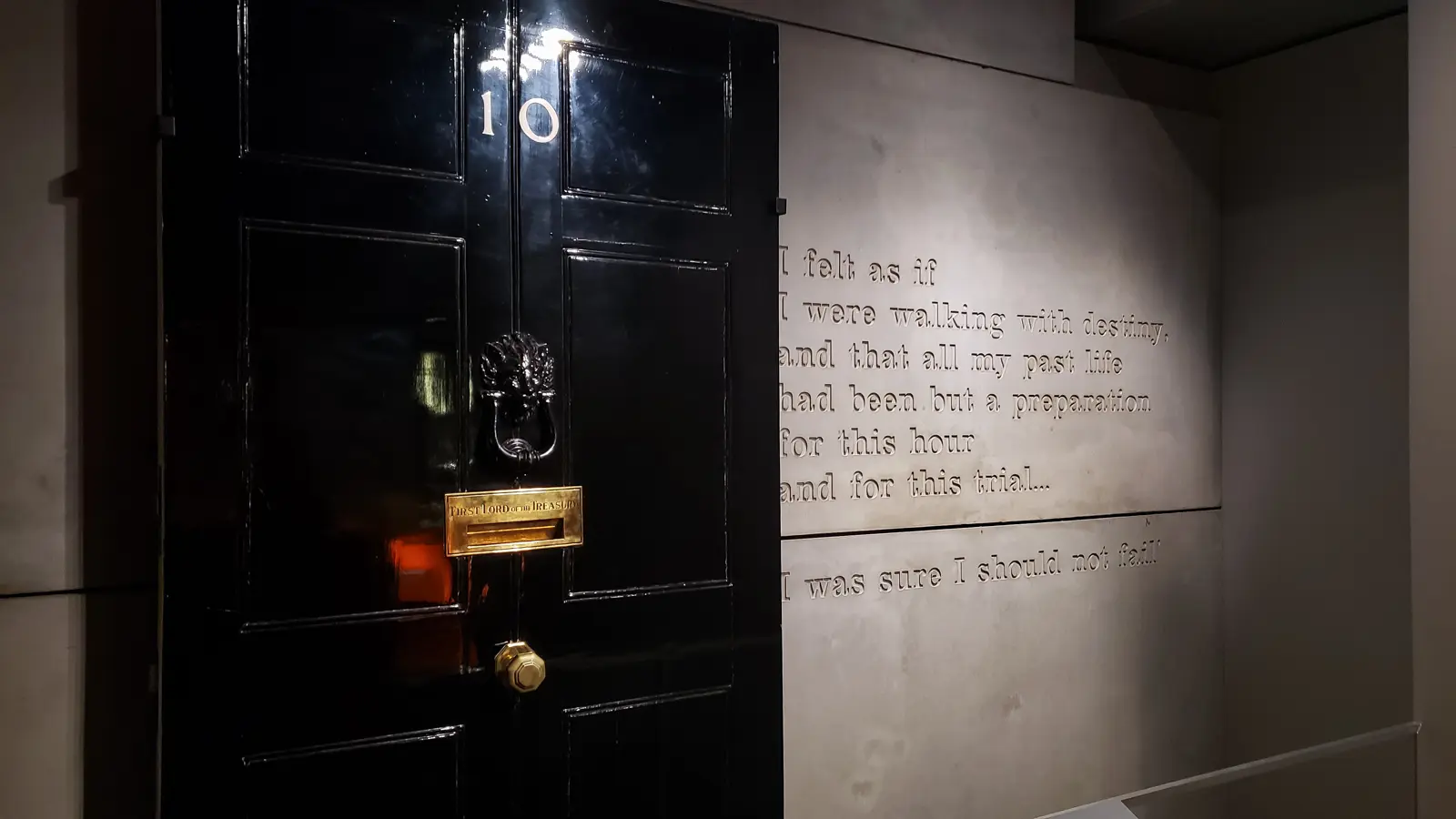
He became Prime Minister on 10 May 1940, as Germany swept across Western Europe and Britain’s position looked close to hopeless. The wall by the replica No. 10 door carries his own memory of that night, that he felt as though he were “walking with destiny”. It is a grand line, and standing a few steps from the bunker where he made good on it, it does not feel like an exaggeration.
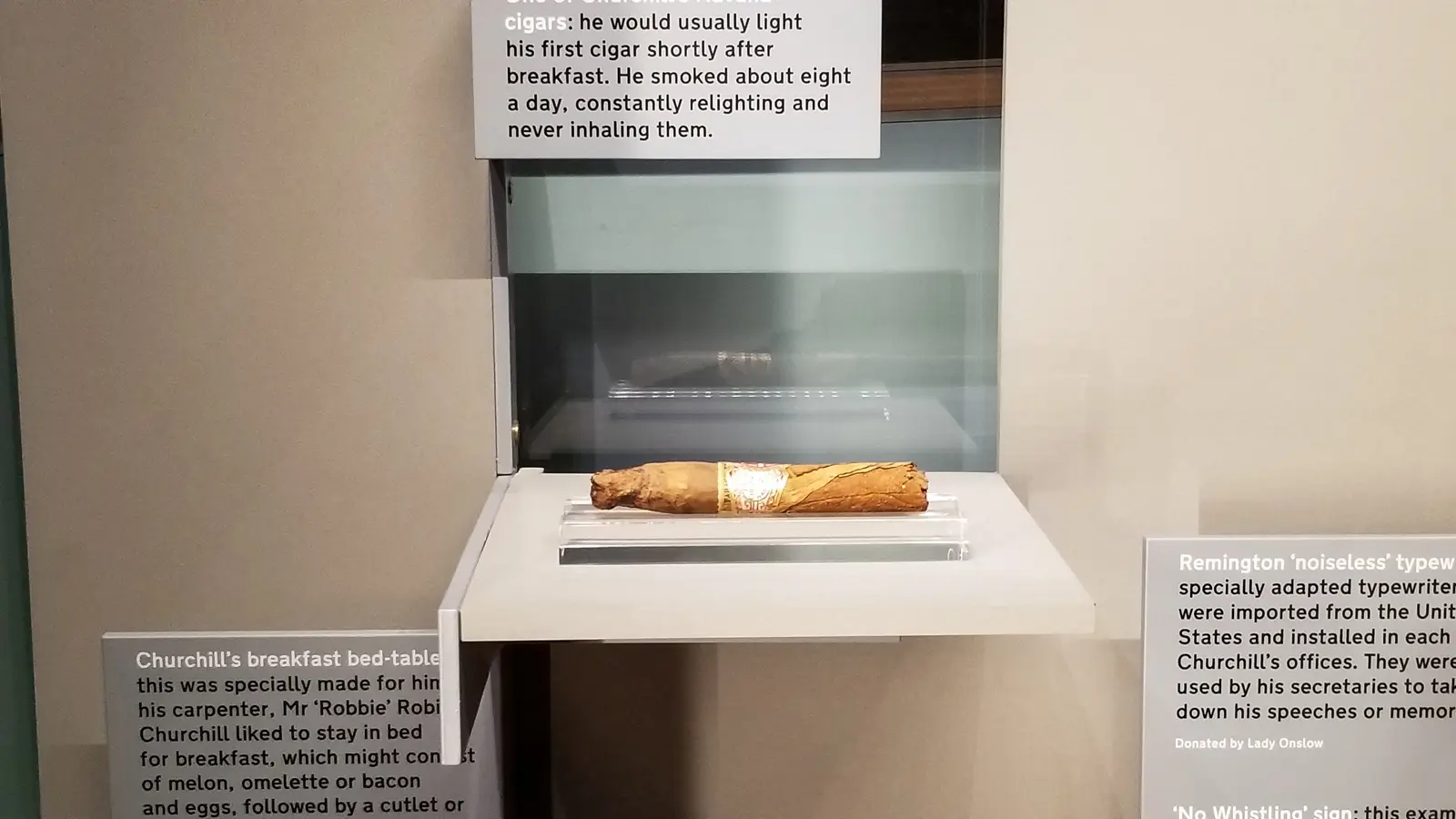
The museum is good on the smaller, stranger details: the cigars he lit after breakfast and rarely actually smoked, the breakfast bed-table his carpenter built for him, his habit of working from bed. Standing in front of one of his actual cigars in its little case, I finally understood why he is almost never pictured without one. It was his signature, as much a part of the image as the V-for-victory sign, the single prop that turned a politician into a figure you can recognise in silhouette.
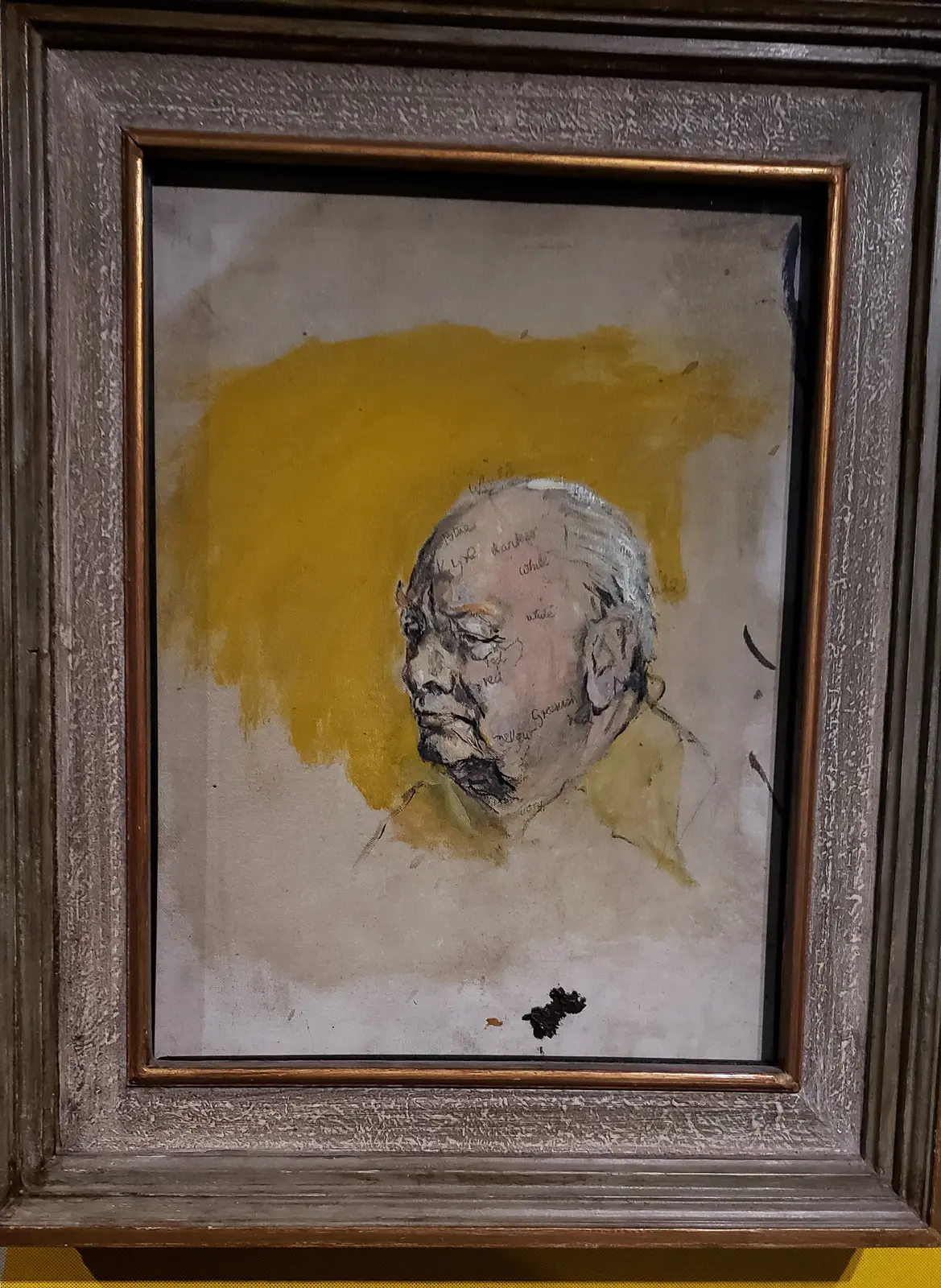
Churchill is revered for his wartime leadership and criticized for plenty else, his views on empire and India among them, and the museum gives you the towering figure without entirely sanding off the edges. Churchill could also be prickly about his own image, and the most famous example never made it onto a wall like this one: the full-length portrait Graham Sutherland painted for his 80th birthday so appalled him that his wife Clementine had it secretly destroyed. I had heard the story before, and seen it dramatized in The Crown, where the sting is that Sutherland’s portrait showed Churchill old and frail, the very thing he hated it for. He needn’t have worried. What you take away from these rooms is not the frail old man of that painting, but the legend!
The pivotal role
This is the part I kept turning over afterwards. It is easy to forget how close Britain came to losing the war, especially in the desperate months of 1940, and how much of what turned it around was decided by a small group of people in this basement and in rooms like it.
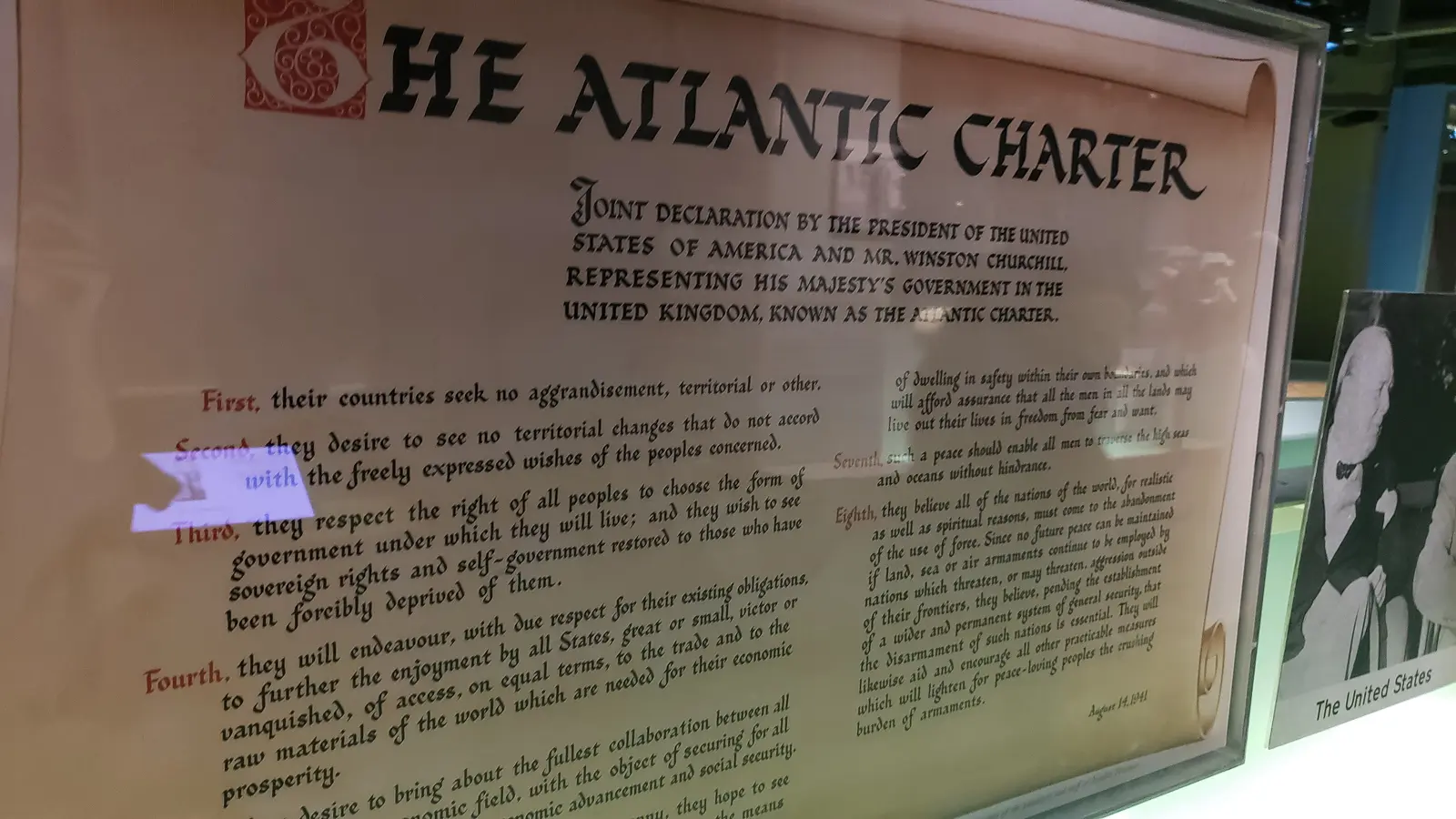
One display stopped me: the Atlantic Charter, the joint declaration Churchill and Roosevelt agreed in August 1941, months before America was even in the war. It set out a shared vision for the world after Nazism, and its principles went on to shape the United Nations. It is a reminder that what happened in rooms like these was not only about surviving the next air raid, but about deciding what kind of peace would follow.
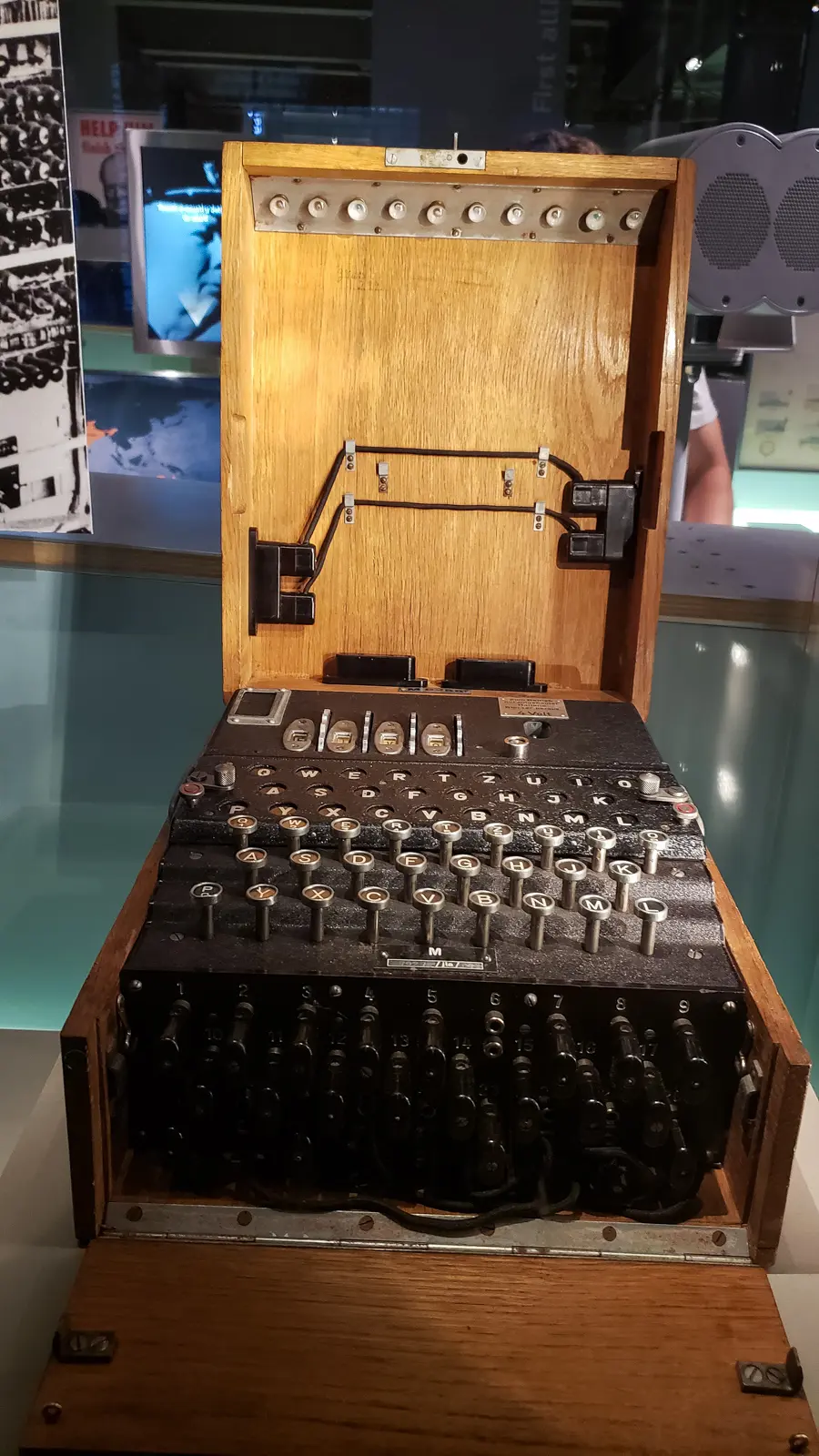
The Enigma machine on display points to the other secret war, the one fought over codes. The breaking of Enigma at Bletchley Park fed Churchill a stream of intelligence that helped turn the conflict, and he protected those codebreakers fiercely, calling them the geese that laid the golden eggs and never cackled. I will admit I lingered here. I had seen The Imitation Game and thought I knew the story, but knowing it and standing in front of the actual machine are not the same thing. I kept thinking about how many people I will never hear of gave years of their lives to work like this, much of it in secret they could never speak of, and how much of the freedom we take for granted was won quietly, by them, in rooms like these.
Visiting
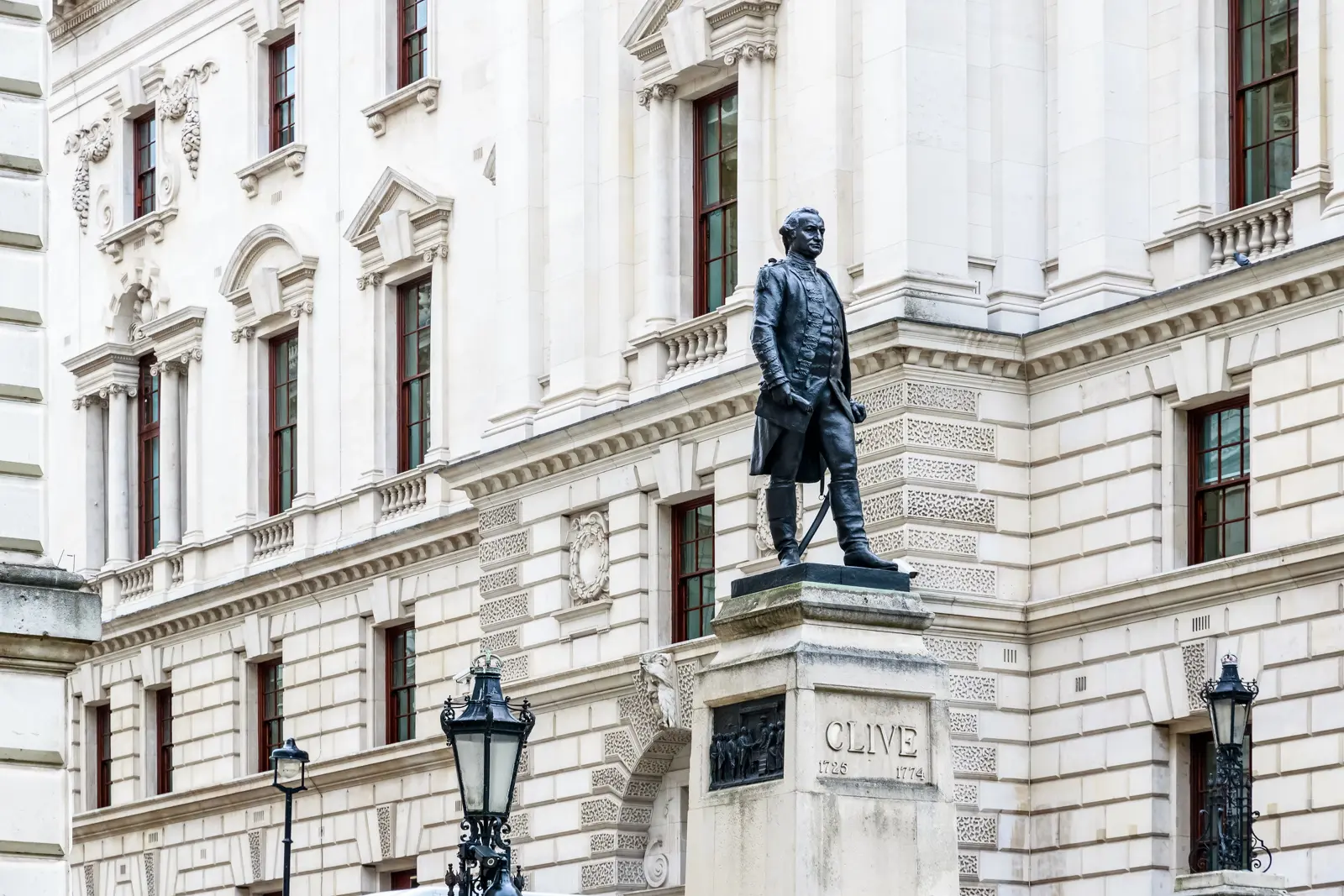
The entrance is on Clive Steps, off King Charles Street, tucked beneath the government buildings between Parliament and St James’s Park. The nearest tubes are Westminster and St James’s Park, both a short walk away. It is run by the Imperial War Museums, with timed tickets you book online in advance, and the entry price has climbed over the years, so check the current cost before you go. An audio guide is included and well worth using, since the rooms themselves carry no labels. Give yourself a good ninety minutes to two hours.
Bubbly Tips
- Book a timed slot: Tickets are timed and sell out at busy times. Booking online ahead is cheaper and saves a wait.
- Use the audio guide: It’s included, and the preserved rooms have almost no signs, so the guide is what brings them to life.
- Allow two hours: It’s two attractions in one, the bunker and the museum, and rushing either is a shame.
- Go early or late: The middle of the day is busiest, and the corridors are narrow, so the quieter slots are more atmospheric.
- Find the entrance: Look for Clive Steps off King Charles Street, by the Clive statue, beneath the grand government building. Nearest tubes are Westminster and St James’s Park.
- Pair it with Westminster: It sits minutes from Parliament Square, the Churchill statue and St James’s Park, so it slots easily into a Westminster day.
- Photography: Allowed without flash. The light is low underground, so steady your hands or brace against a wall.
FAQ
How long does a visit take? Most people spend ninety minutes to two hours. Allow longer if you want to read everything in the Churchill Museum, which is detailed.
Is it suitable for children? Yes, older children especially. The bunker is atmospheric and the museum is interactive, though some of the wartime context is heavy, and the underground corridors are narrow and dim.
Is it the same place as the Cabinet War Rooms? Yes. The Cabinet War Rooms are the original wartime bunker; the site was renamed Churchill War Rooms after the Churchill Museum was added in 2005.
Final thoughts
I came up the stairs into the daylight a little quiet. It is one thing to read that Britain nearly lost in 1940, and another to stand in the actual room where the decisions were made, where the maps still hang and the lights once burned around the clock for six years. For a long stretch of that war the situation looked close to hopeless, and a small number of people in this cramped basement helped turn it. Walking through it, I kept thinking about how much hung on what happened in these few rooms, and how rare it is to stand somewhere a war genuinely turned. I did not see all of it, and I already know I will be back.
Until next time!

🌟 Everything You Need to Plan Your Dream Trip in 2026
- 🌟 Luxury Hotels - Find premium stays with Booking.com & Hotels.com
- 🏡 Vacation Rentals - Discover unique properties on VRBO
- 🏞️ Guided Tours - Explore with Viator or GetYourGuide
- 🎫 Attraction Tickets - Skip the lines with Tiqets
- 🚢 Ocean Cruises - Set sail with Cruise Direct
- 📱 International SIMs - Stay connected with Saily
- 🚗 Car Rentals - Budget-friendly options from Discover Cars
- 🌐 Secure VPNs - Browse safely with NordVPN
- 💶 Currency Exchange - Best rates with Wise
- 🗣️ Learn Languages - Master the local language with Babbel and Rosetta Stone