
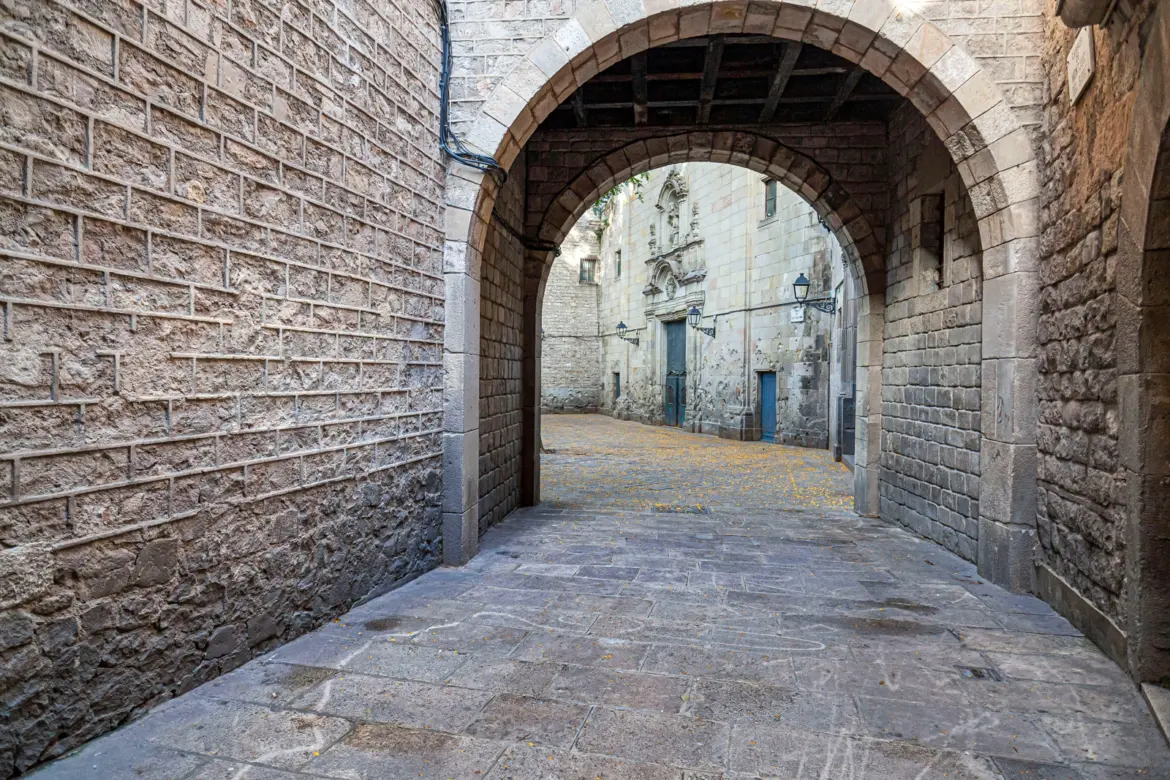
Hola, fellow travelers! 🌿 Barcelona dazzles with color: Gaudí’s mosaics, the golden light over Montjuïc, the hum of La Rambla. Yet beneath the beauty lies another layer of the city – one of resilience, struggle, and remembrance. The Spanish Civil War (1936–1939) left deep scars here. It divided families, destroyed landmarks, and changed the course of Spain’s history. But like the roses that bloom again in the Parc de la Ciutadella, Barcelona rebuilt itself – proud, creative, and free.
This isn’t a story of war; it’s a story of what endures. So, come with me on a quiet walk through five places where Barcelona still remembers – softly, beautifully, and bravely.
Barcelona Civil War Memory Walk — At a Glance
💔 Plaça de Sant Felip Neri — Gothic Quarter. Church façade bears shrapnel scars from the January 30, 1938 bombing by the Italian Legionary Air Force that killed 42 people, most of them children sheltering in the basement
🏰 Montjuïc Castle — Fortress and former prison where Catalan President Lluís Companys was executed on October 15, 1940, after being extradited from Nazi-occupied France by the Gestapo
🏘️ Gothic Quarter & El Born — The alleys where resistance lived; underground shelters protected civilians during the bombings of Barcelona (1937–1939)
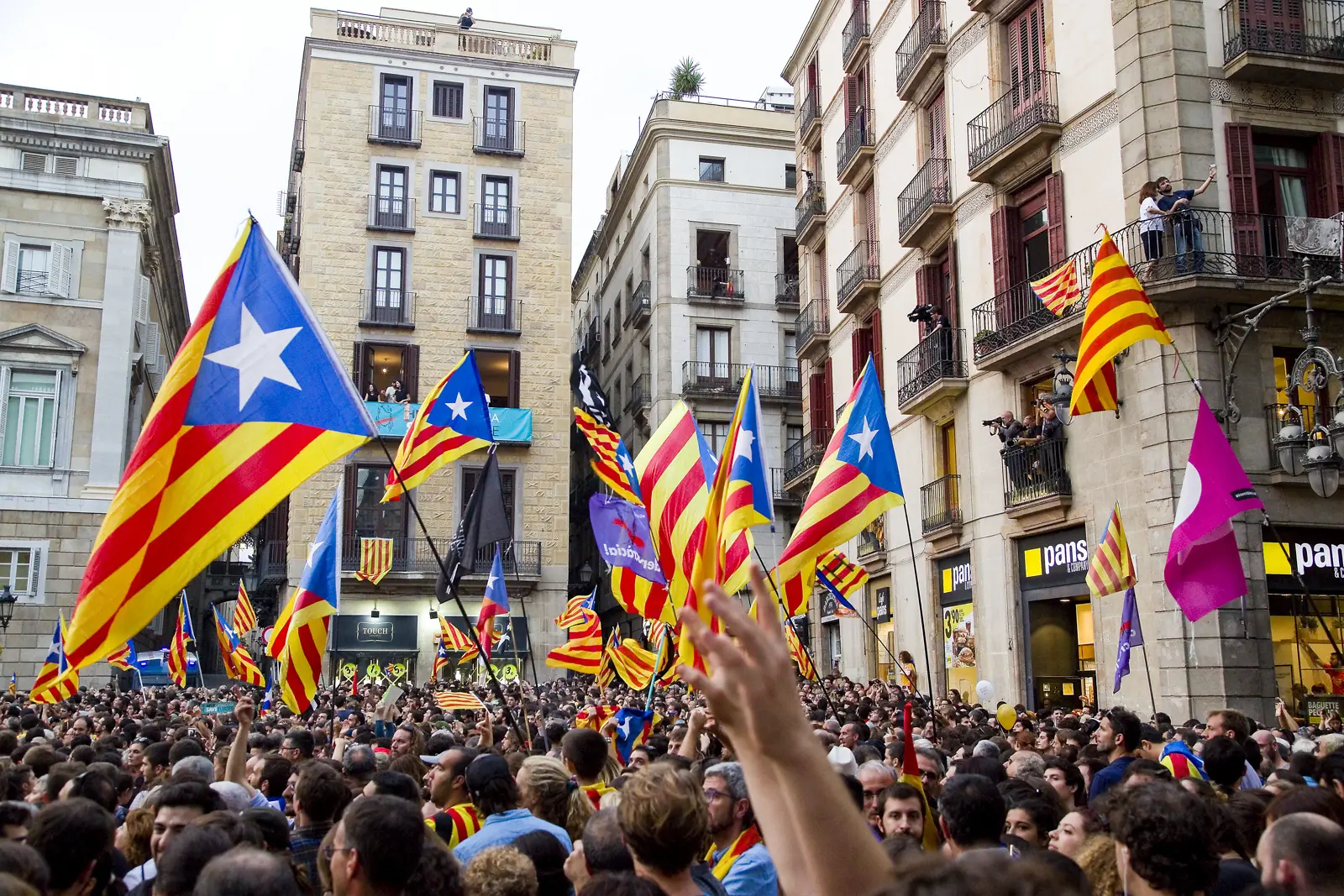
🏛️ Plaça de Sant Jaume — Home to Barcelona City Hall and the Generalitat; a Stolpersteine memorial stone for Companys was placed here in 2020
🏛️ Museu d’Història de Catalunya — Port Vell. Intimate Civil War exhibits with personal artifacts, photographs, and letters
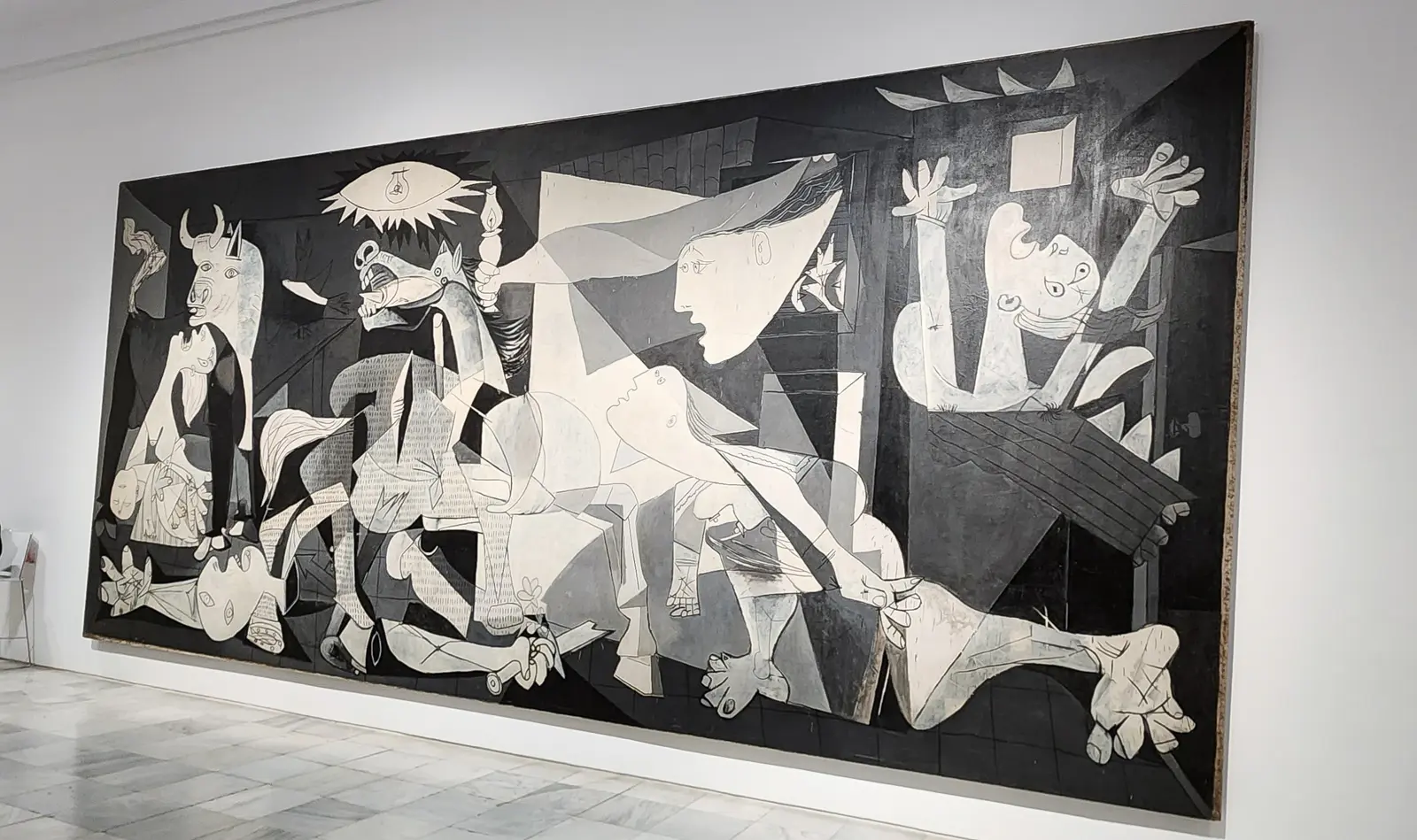
🎨 Museu Picasso — Five medieval palaces in El Born tracing Picasso’s Barcelona formation. His anti-war masterpiece Guernica (1937) hangs at Reina Sofía in Madrid; Picasso refused to return to Spain while Franco ruled
📅 War dates: July 1936 – April 1939 (Barcelona fell January 26, 1939)
🕐 Best time to visit Plaça de Sant Felip Neri: Early morning or late afternoon (avoid weekday 10:30–11:30 when the square closes for the Escola Sant Felip Neri’s recess)
1. Plaça de Sant Felip Neri – Whispers on Stone
In the heart of the Gothic Quarter, tucked behind narrow alleys, lies Plaça de Sant Felip Neri, one of the most hauntingly beautiful squares in Barcelona. Children now play around its central fountain, their laughter echoing off the church walls. But if you look closely, the stones bear scars, pockmarks left by a bombing in 1938 that killed dozens of civilians, many of them children hiding in the basement of the church. The façade was never repaired. It remains raw and real, a quiet act of remembrance.
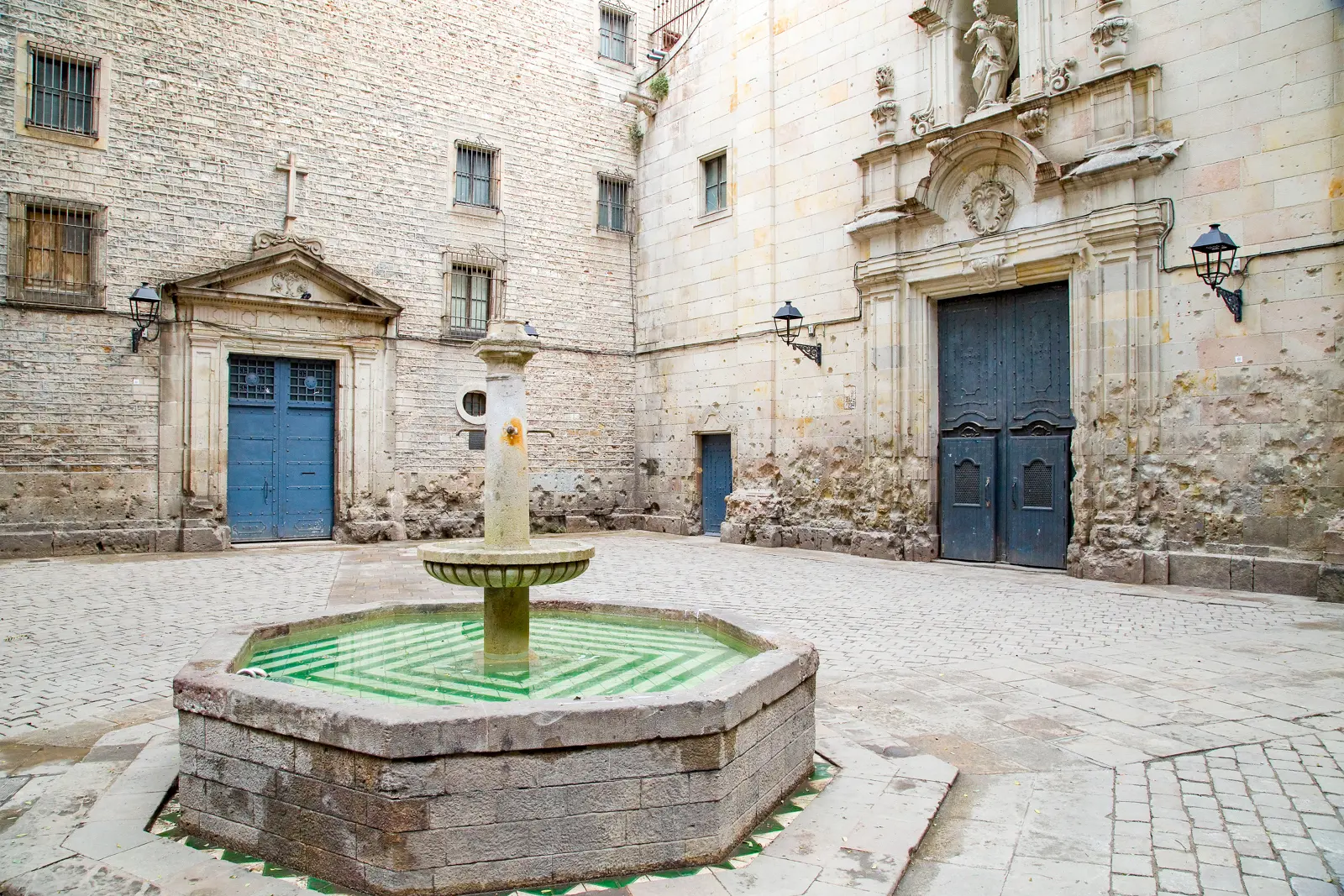
Standing there, I felt time blur. The air was still, the sound of footsteps soft. It’s impossible not to feel moved, not just by the pain, but by the courage to keep living, to let beauty and memory coexist.
Bubbly Tip: Visit early morning or late afternoon, when the square is empty and the light reveals the texture of the stone. It’s one of Barcelona’s most emotional places – peaceful, not sorrowful.
2. Montjuïc Castle – The Hill That Watched Everything
From the sea, Montjuïc looks like a hill crowned with history – gardens, cable cars, and panoramic views. But its castle carries a heavier past. During the Civil War and the early years of Franco’s dictatorship, Montjuïc Castle served as a prison and site of executions, including that of Catalan President Lluís Companys in 1940. The stone walls here have seen both tyranny and triumph.
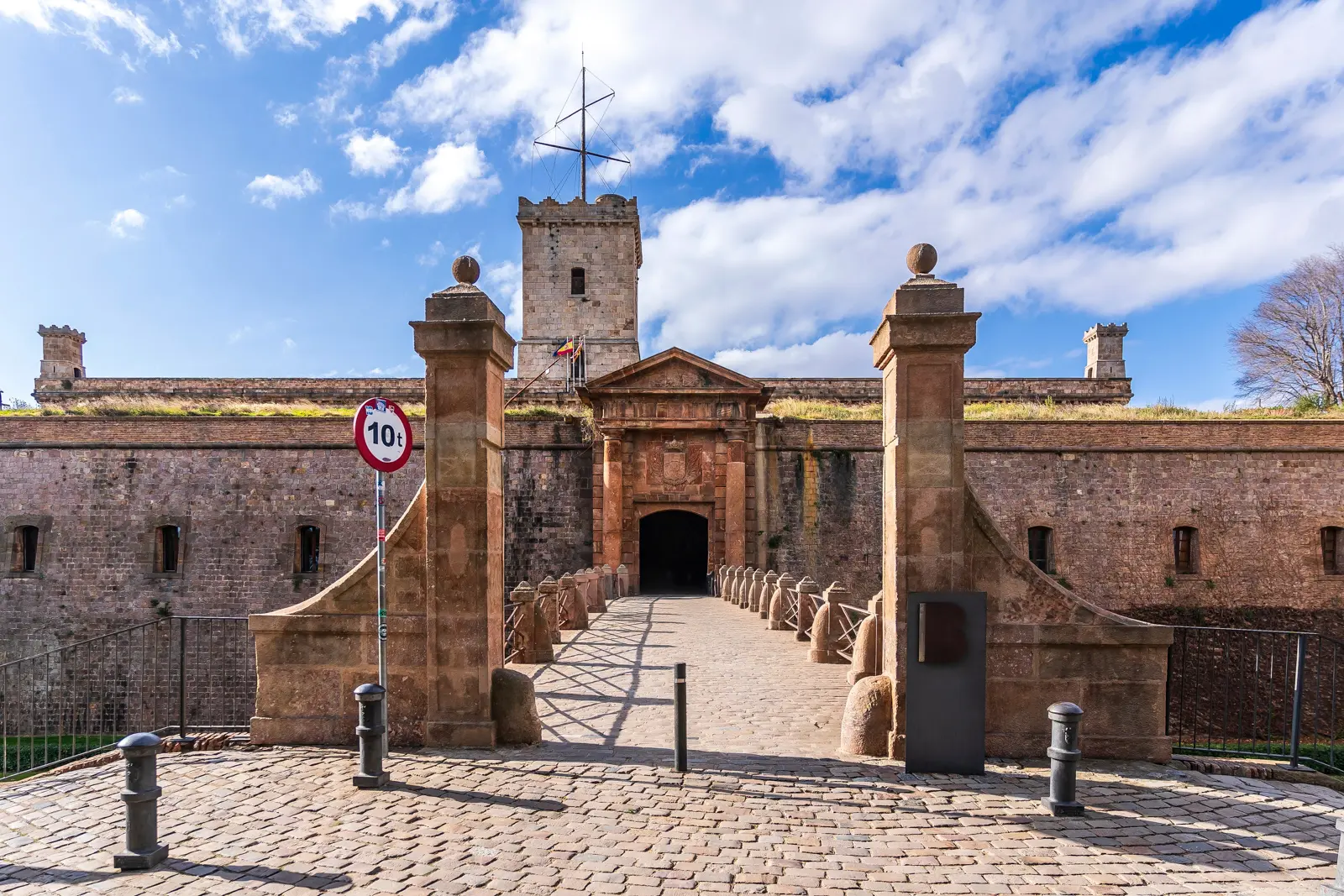
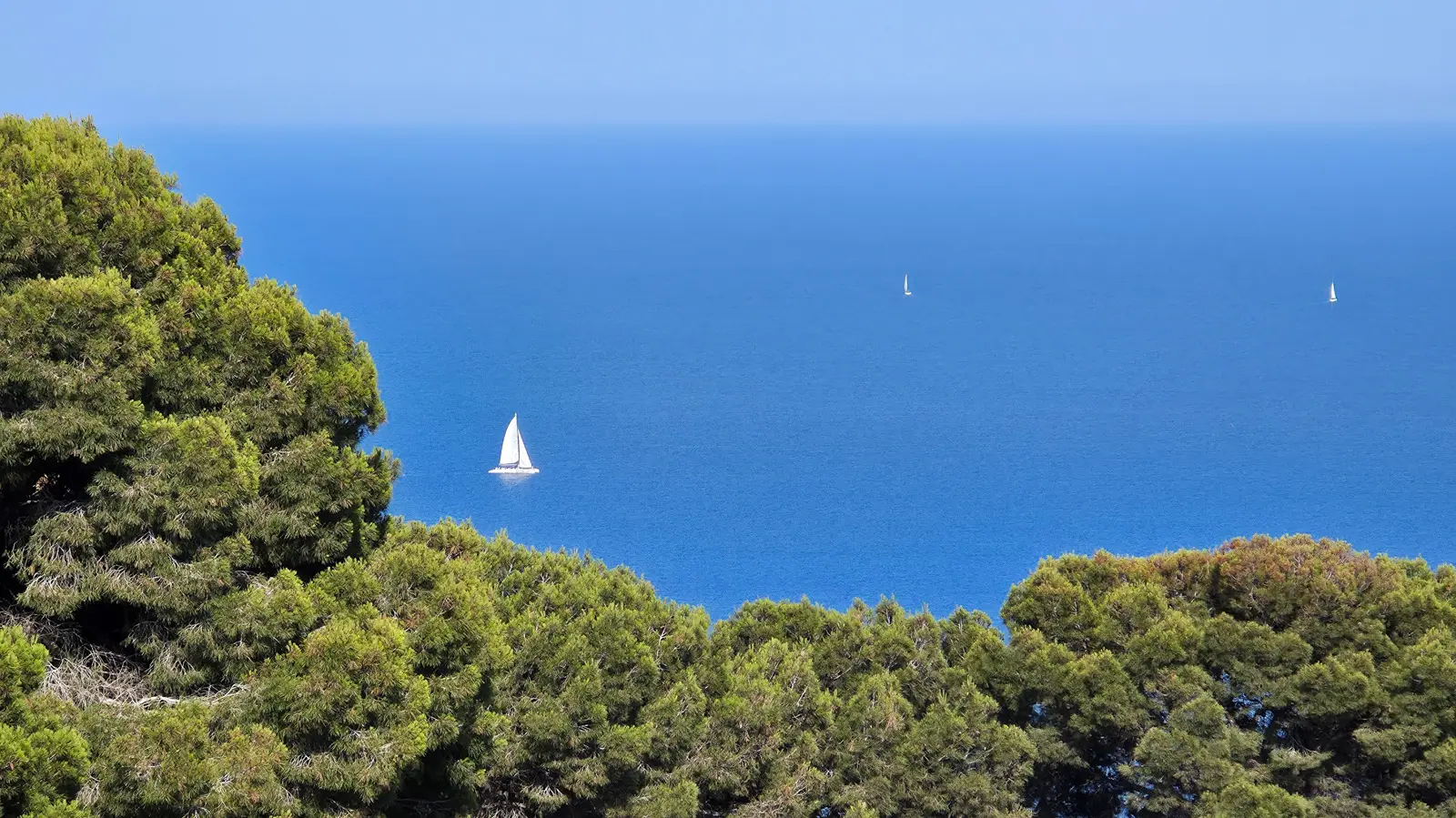
Today, the fortress stands open to visitors. Inside, exhibitions recount its history; outside, the gardens whisper renewal. Standing on the ramparts, I watched the sun dip over the harbor and thought of how time transforms even places of pain into places of peace.
Bubbly Tip: Pair your visit with a walk through Jardí d’Aclimatació, home to the AIDS Memorial, another quiet space of remembrance where olive trees and light symbolize resilience.
3. El Born & the Gothic Quarter – Where Resistance Lived
Barcelona’s Gothic Quarter and El Born were the beating heart of resistance during the Civil War. These streets witnessed anarchist revolution, workers seizing factories, and later – as Franco’s forces closed in – desperate acts of defiance. Ordinary people risked everything: underground shelters protected civilians during bombings, and the spirit of freedom lived on even as dictatorship descended. Today, cafés hum where barricades once stood. Yet if you pause beneath the balconies, you can still sense the defiance that shaped Barcelona’s identity, a city that has always refused silence!
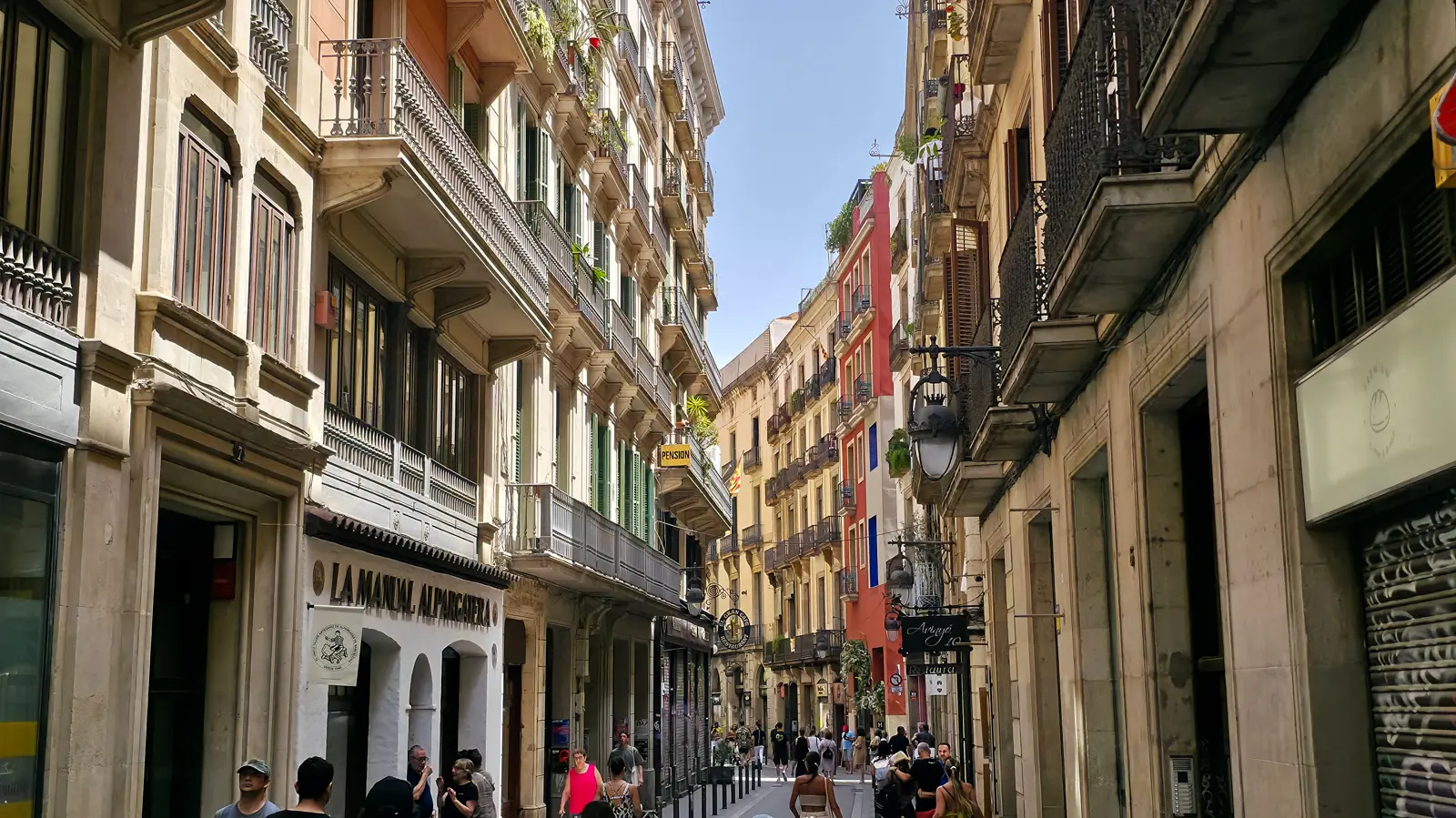
Bubbly Tip: Stop by the Plaça de Sant Jaume, where pro-democracy demonstrations have continued for decades. Then wander toward Carrer Avinyó or Carrer dels Banys Nous, two of the oldest streets in the city, where layers of history linger in every arch and stone.
4. Museu d’Història de Catalunya – Memory Preserved
Inside a restored warehouse by Port Vell, the Museu d’Història de Catalunya (Museum of this History of Catalonia) tells the story of the region’s past, from medieval trade to modern independence. Its Civil War exhibits are particularly moving, filled with photographs, diaries, and personal artifacts that give voice to those who lived through the chaos. It’s not a grand or overwhelming display; it’s intimate, human, and honest. I found myself pausing in front of a pair of worn shoes, a letter home, a faded photograph. Small things that survived when so much did not.
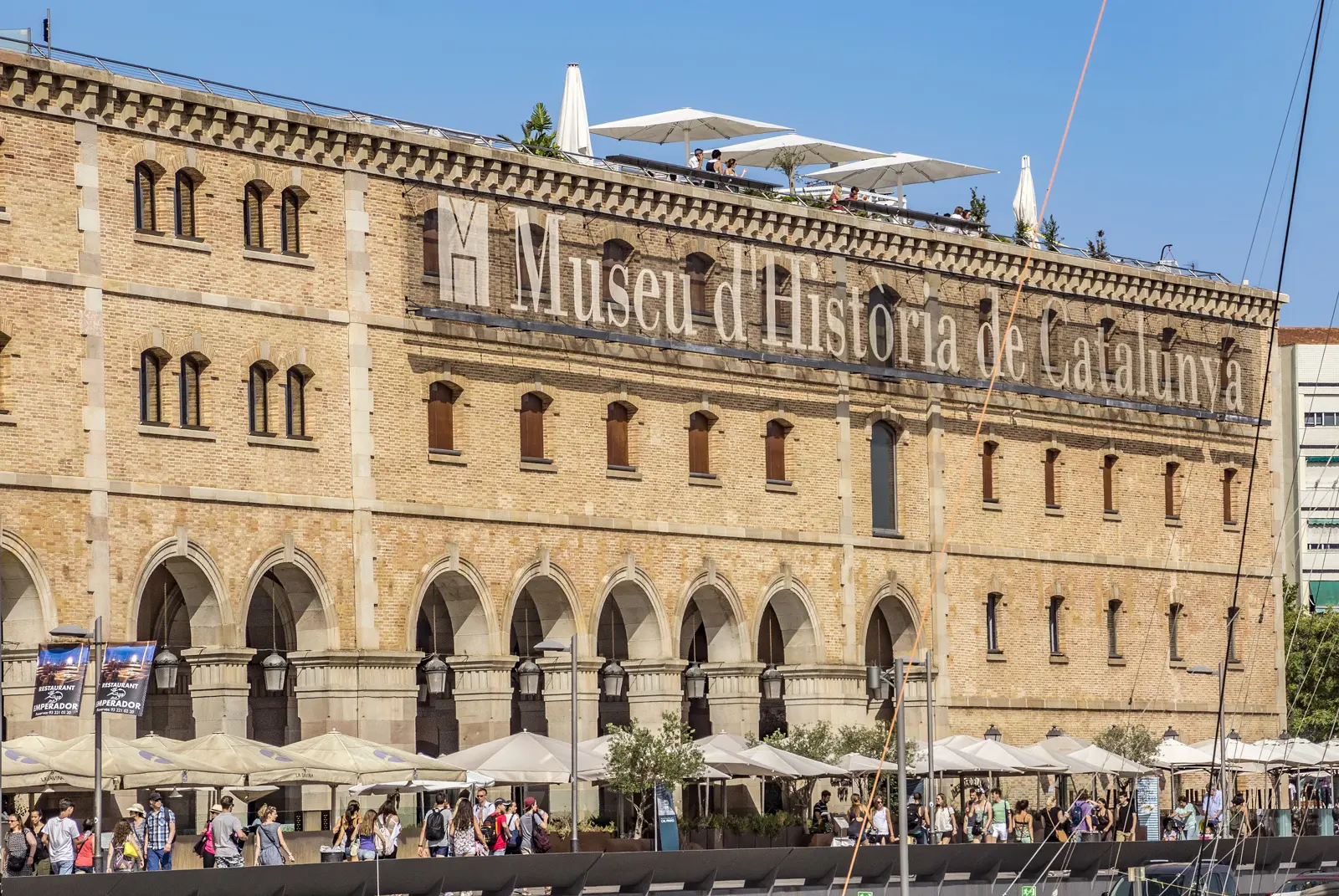
Bubbly Tip: Visit on a weekday morning for quiet reflection, then head to the rooftop café. The view over the harbor is a gentle reminder that life goes on.
5. Art, Memory & Picasso’s Barcelona
Art has always carried memory, and in Barcelona, few names echo louder than Pablo Picasso. Though his most famous anti-war painting, Guernica (1937), now hangs in Museo Reina Sofía in Madrid, its emotional roots reach back to Barcelona, the city that shaped him.
It was here, in El Born and the Gothic Quarter, that a young Picasso lived, studied, and painted his first masterpieces. The Museu Picasso, housed in five medieval palaces, tells this story, not of fame, but of formation. Its rooms trace his transformation from a classically trained prodigy to an artist who used abstraction to express emotion, rebellion, and loss.
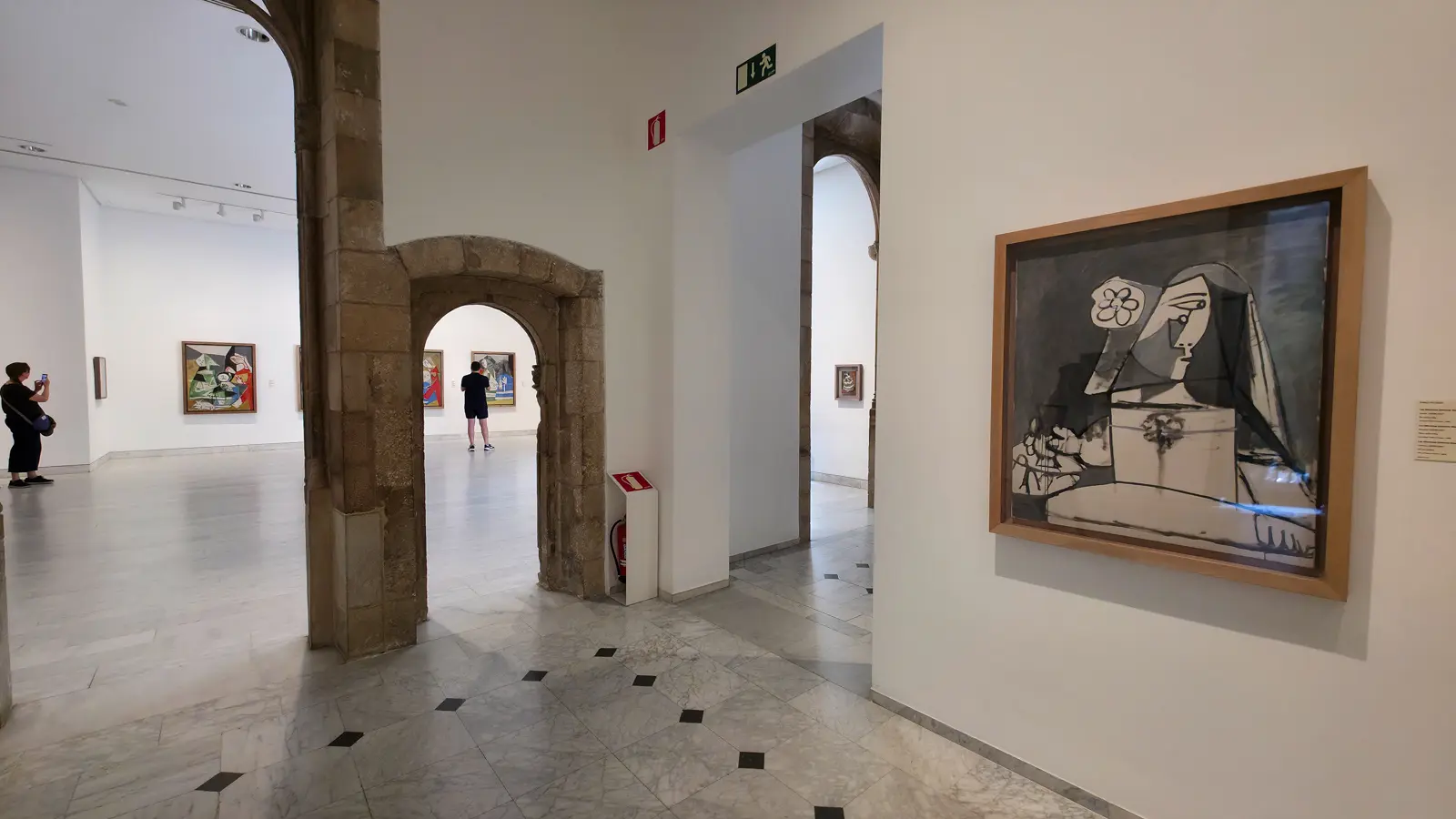
During the Civil War, Picasso lived in Paris, but he remained deeply connected to Barcelona. He refused to return to Spain while Franco ruled, and his friendship with Catalan intellectuals – many of whom suffered exile or persecution – marked him for life. Walking through the museum, you sense it, how this city gave Picasso not just a palette, but a conscience. His later works of protest and sorrow were born from the same creative fire that first burned in these streets.
Bubbly Tip: Visit the museum early in the day, then wander toward Carrer Avinyó, where Picasso’s friends once inspired Les Demoiselles d’Avignon. You’ll feel history, art, and emotion blend into one quiet, timeless rhythm.
A Quiet Reflection
As I left Plaça de Sant Felip Neri and wandered through the shaded streets of the Gothic Quarter, the city seemed to breathe differently. The afternoon light filtered through the balconies, casting soft gold on the cobblestones. Somewhere nearby, a guitarist played, his notes mingling with the sound of footsteps and laughter. Life had returned here – tenderly, quietly, beautifully.
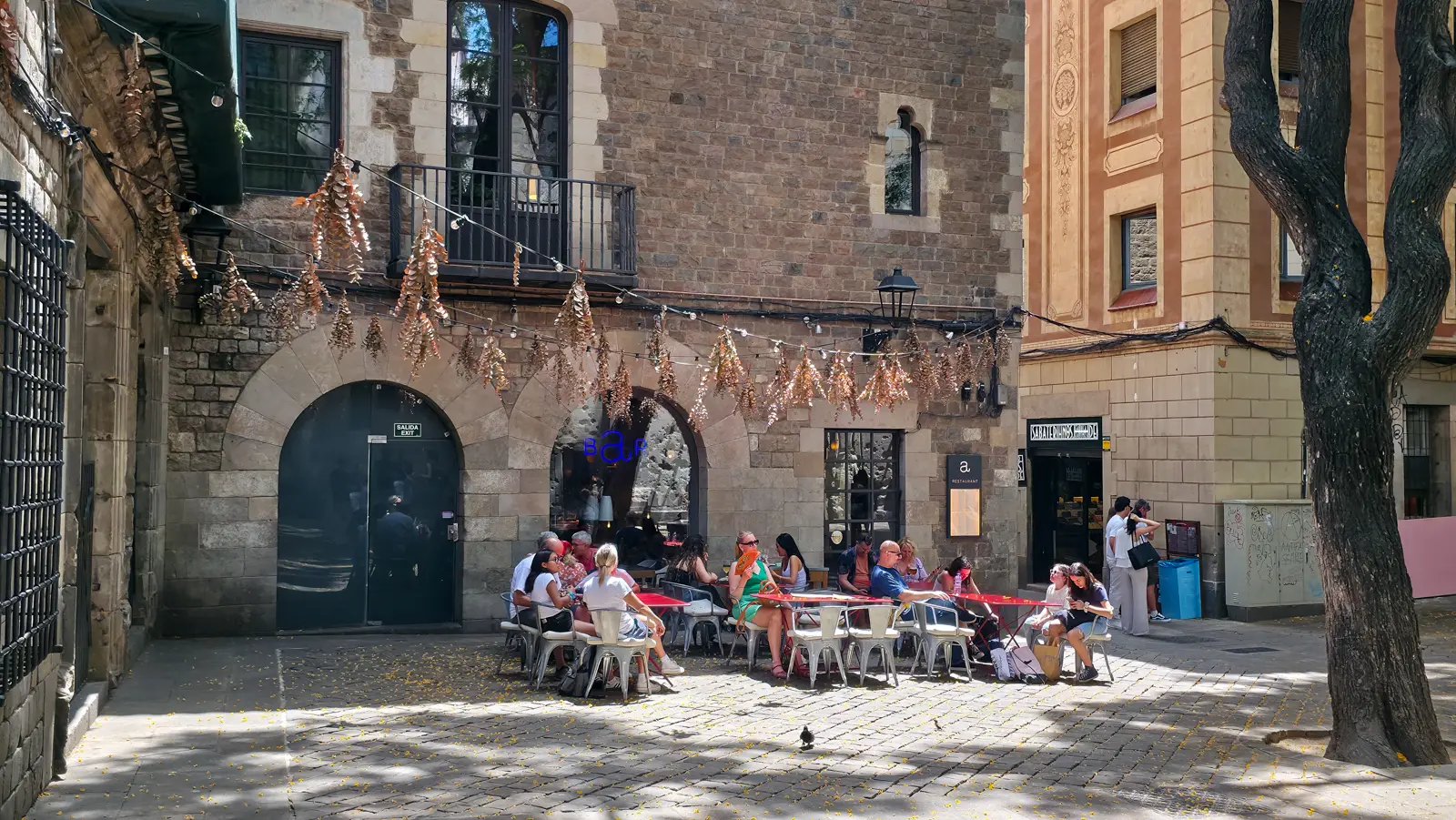
I paused often, not out of sadness, but gratitude. To walk through a city that remembers is to feel both its pain and its resilience, two emotions intertwined, like ivy climbing the walls of time. Barcelona doesn’t hide its scars; it lets them coexist with its art, its music, and its warmth. That honesty makes it even more beautiful.
Travel reminds me again and again that places aren’t just backdrops, they’re living souls, shaped by everything they’ve endured. And sometimes, understanding that makes us travelers not just of geography, but of humanity.
Final Thoughts
The Spanish Civil War may belong to history books, but in Barcelona, it’s part of the air – gentle, unspoken, but never forgotten. It’s in the worn stones of the Gothic Quarter and El Born, the wind atop Montjuïc, the art that cries out for peace.
To travel here is to see more than beauty; it’s to feel the strength of a city that has lived through loss and still sings.
Have you ever visited a place that made you reflect on its past as deeply as its beauty? I’d love to hear your thoughts below.

🌟 Everything You Need to Plan Your Dream Trip in 2026
- 🌟 Luxury Hotels - Find premium stays with Booking.com & Hotels.com
- 🏡 Vacation Rentals - Discover unique properties on VRBO
- 🏞️ Guided Tours - Explore with Viator or GetYourGuide
- 🎫 Attraction Tickets - Skip the lines with Tiqets
- 🚢 Ocean Cruises - Set sail with Cruise Direct
- 📱 International SIMs - Stay connected with Saily
- 🚗 Car Rentals - Budget-friendly options from Discover Cars
- 🌐 Secure VPNs - Browse safely with NordVPN
- 💶 Currency Exchange - Best rates with Wise
- 🗣️ Learn Languages - Master the local language with Babbel and Rosetta Stone