
Five days is the first itinerary length where Paris stops being a race. There’s time for the big museums on separate days, for long café stops, and for the two day trips I’d recommend to anyone: Versailles and Giverny.
Versailles matters most here. On my visit I left after only a few hours, and not staying the full day is still my one real Paris regret. Five days finally gives it the whole day it deserves. This plan is everything I’d do again, in the order I’d do it.
5 Days in Paris at a Glance
📅 Five days, no rush · Time for the big museums on separate days, two day trips, and long café stops.
🏰 Versailles, all day · The one that needs the whole day — palace, gardens, the fountain show and the Trianon estate.
🌸 Giverny · Monet’s house and water-lily pond, open 1 April to 1 November; seeing it first makes the Orangerie click.
🎭 Moulin Rouge · Dinner at 7, show at 9, running since 1889 — book well ahead and dress smart.
🗓️ Start on a Thursday · It threads the closing days and lands Versailles on a fountain-show Saturday.
🎟️ Two tickets to prebook · The €35 Versailles Passport and the €20 combined Orsay + Orangerie ticket.
Which Day to Begin
A few closing days shape this plan. The Louvre and the Orangerie close on Tuesdays, while the Musée d’Orsay and the Palace of Versailles close on Mondays. The Versailles fountain show runs on weekends from April to 1 November.
A Thursday start fits everything neatly. Days 1 and 2 fall on Thursday and Friday, Versailles lands on Saturday for the fountain show, the Orangerie and the Orsay fall on Sunday, and Day 5 ends the trip on Monday. Check the Palais Garnier‘s schedule before booking, since performances and rehearsals sometimes close the auditorium to visitors.
Day 1: The Islands and the Louvre
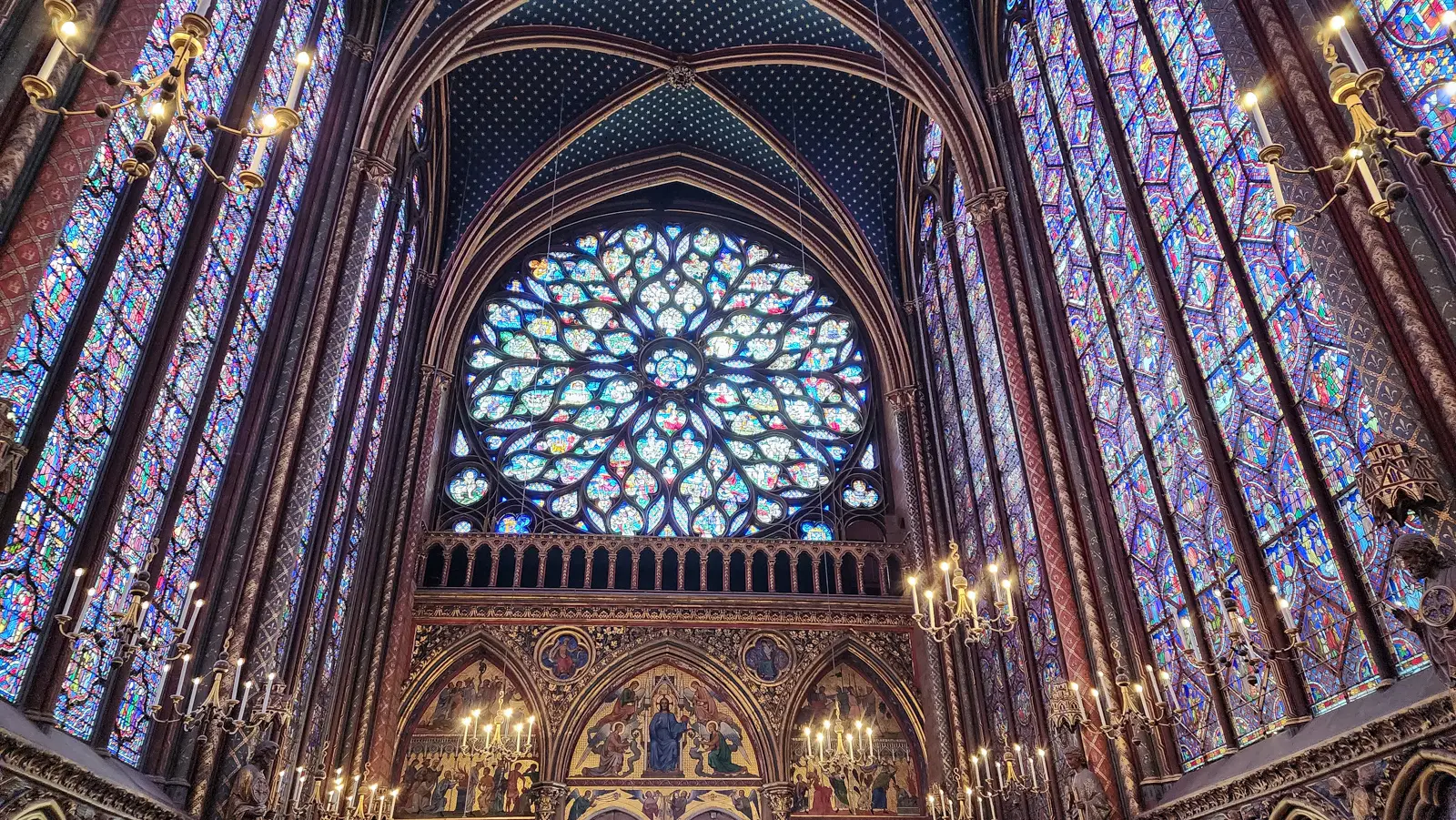
Start at Sainte-Chapelle with the first entry slot of the day. Its upper chapel is lined with stained glass on every side, and it’s the best stained glass I have ever seen. I visited on a grey morning, and the colour still glowed.
Notre-Dame is a short walk away. It reopened in December 2024 after the 2019 fire, and entry is free. From there, cross to the Right Bank and walk west along the Seine. Walking by the river never disappoints, and the Conciergerie, across the water, is at its most majestic from this side.
The Louvre is about 15 minutes away on foot. The Louvre’s courtyard fills up fast, so book a timed ticket for late morning, pick up a highlights map at the information desk, and see the big three first: the Mona Lisa, the Winged Victory of Samothrace and the Venus de Milo. Leave the rest for another trip.
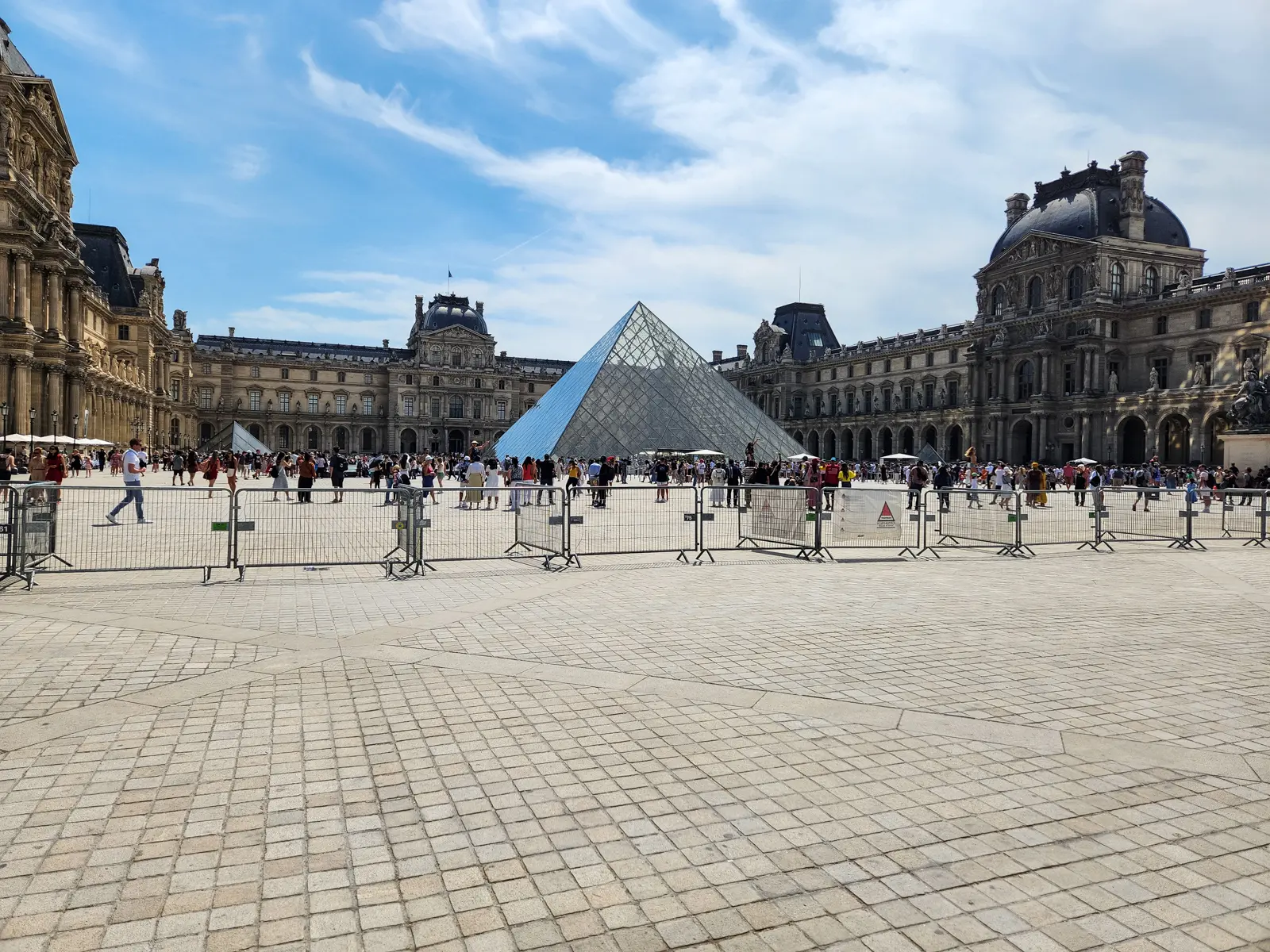
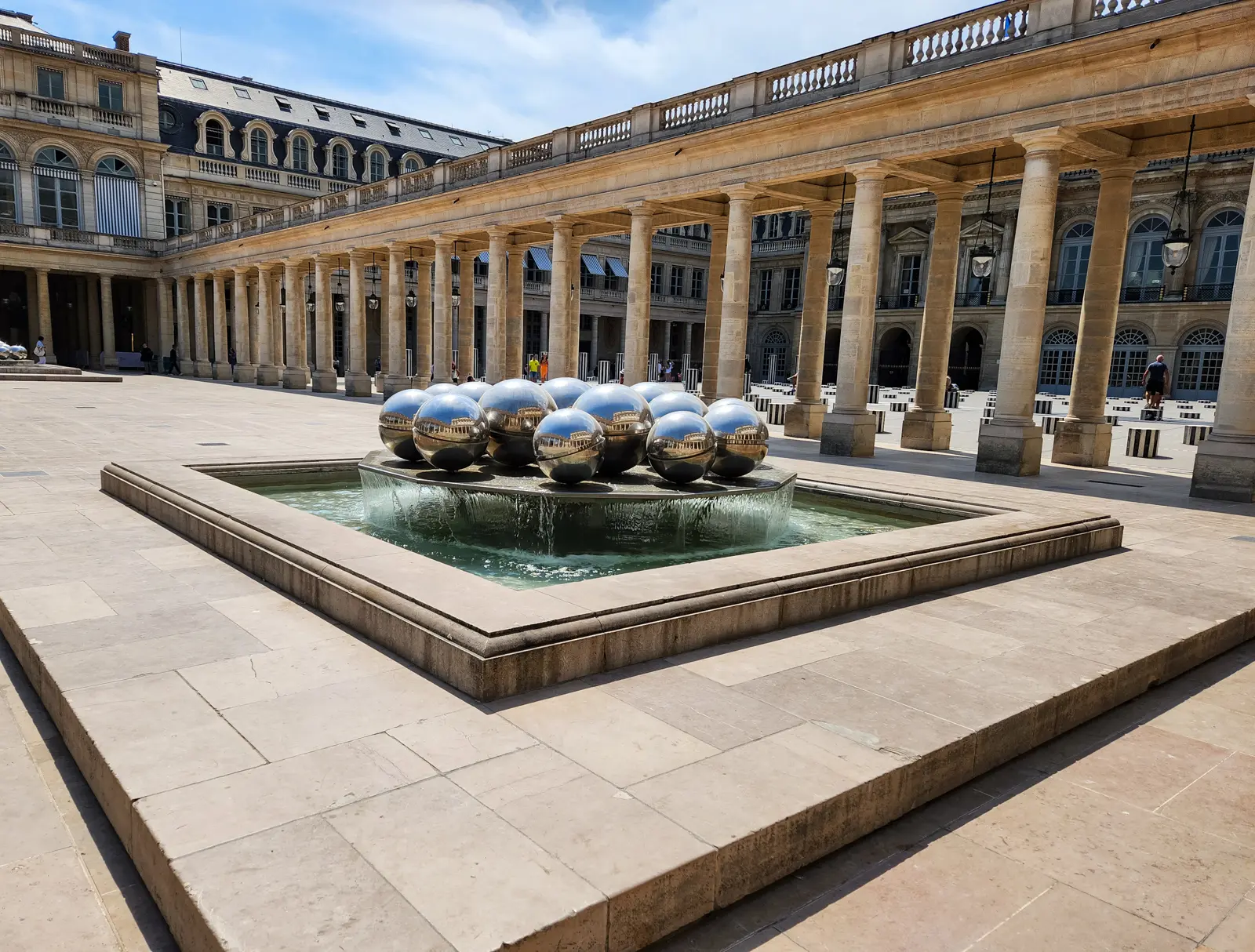
For a late lunch, Café Marly sits under the Louvre’s arcades with its terrace facing the pyramid. It’s pricey, and the price is for the setting, but with limited time in Paris it’s worth indulging. Then walk a few minutes north to the Palais-Royal, a beautiful hidden garden with colonnades and contemporary art, including Daniel Buren’s striped columns and a fountain of polished steel spheres.
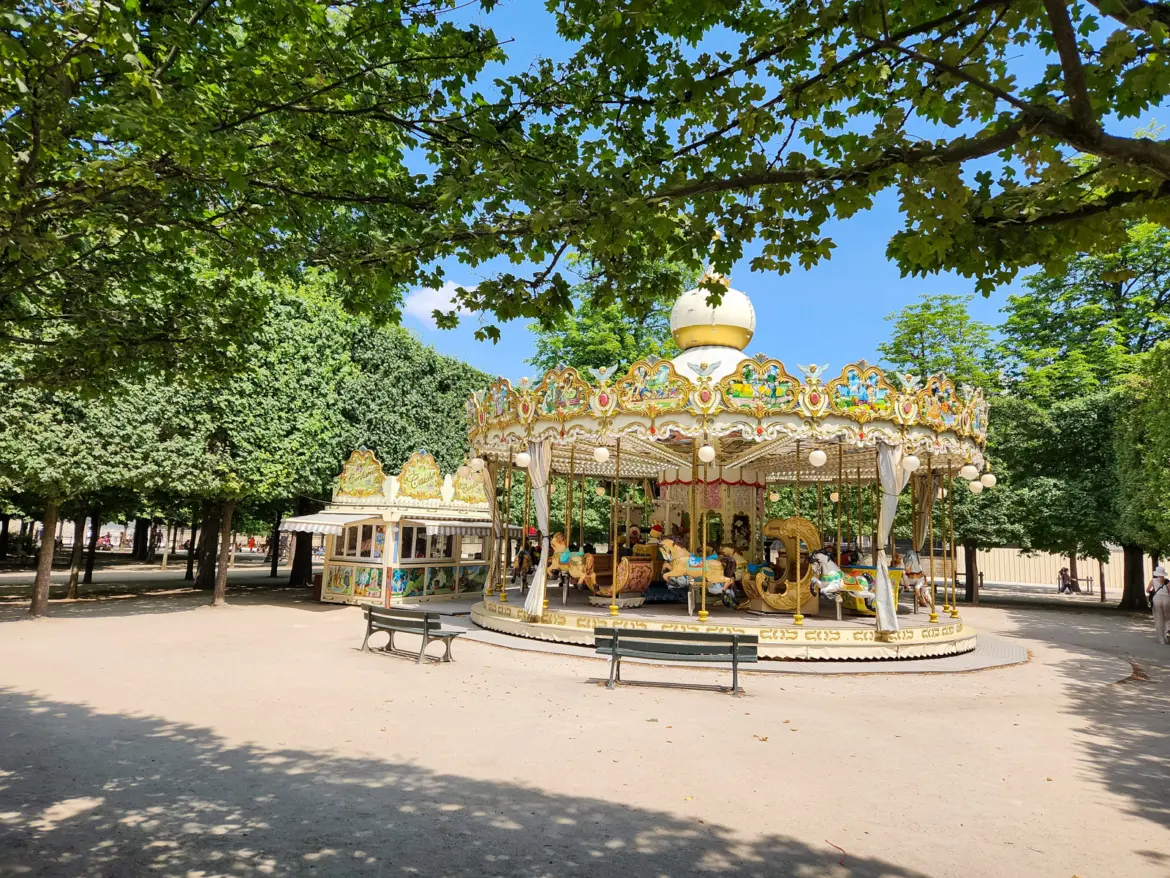
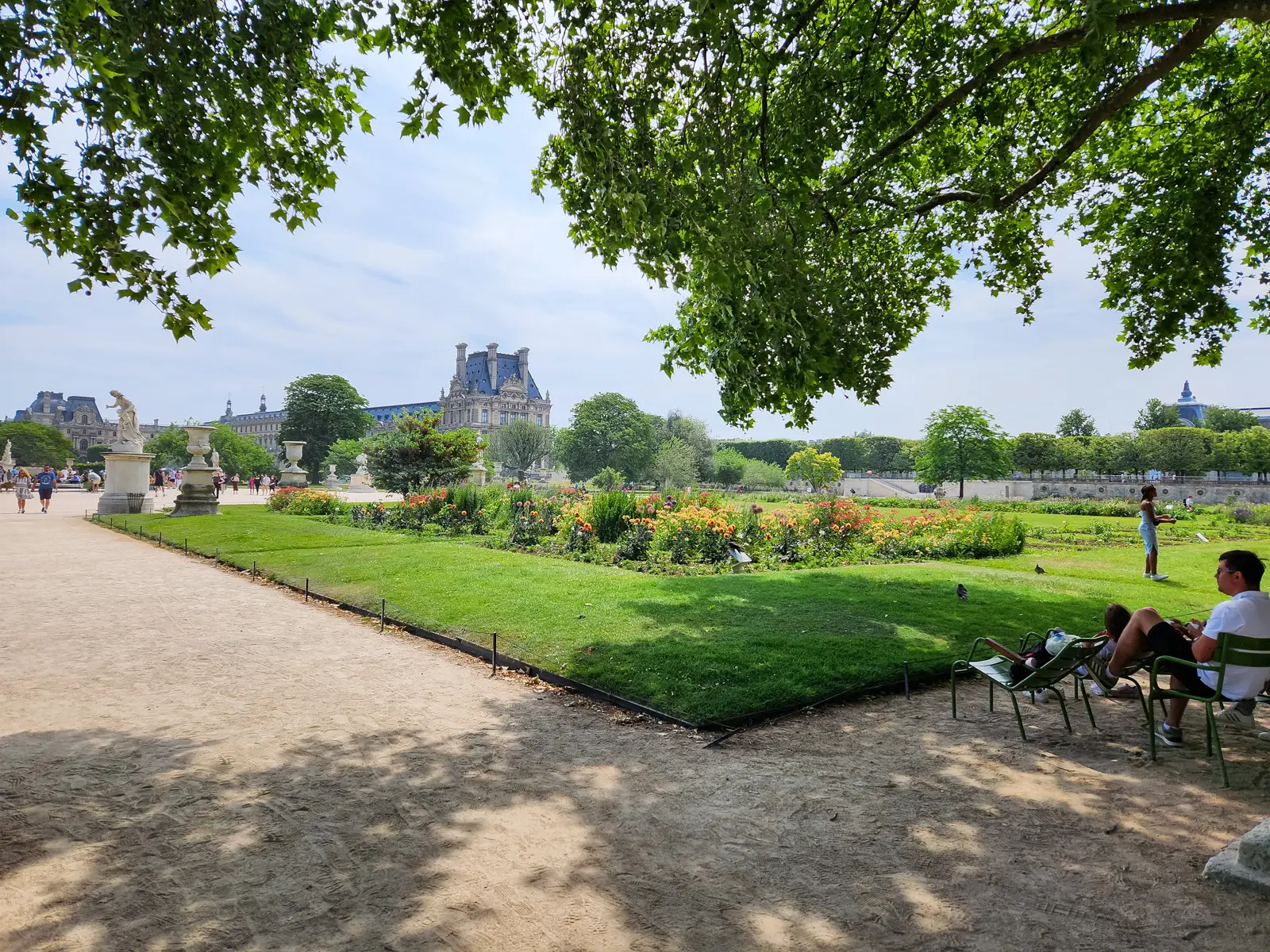
End the day in the Tuileries Garden, which stretches west from the Louvre toward the Place de la Concorde. Catherine de’ Medici laid out the first garden here in 1564, and André Le Nôtre redesigned it a century later in the formal French style. When I walked through, people were relaxing in the green metal chairs in the shade, a carousel stood among the trees, and the flowerbeds near the Louvre were in full bloom.
Day 2: Giverny and Montmartre
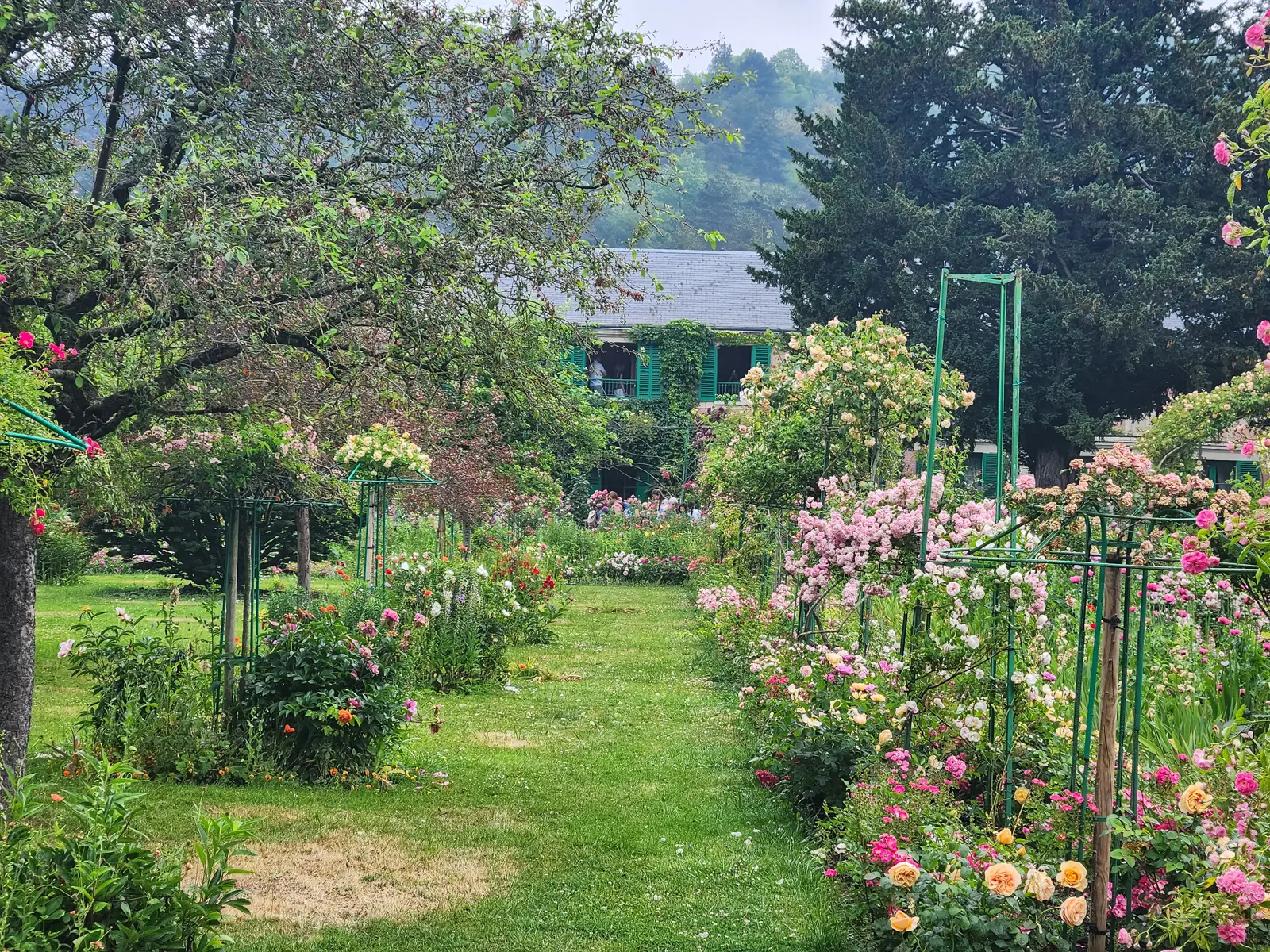
Spend the morning at Giverny, at Claude Monet‘s house and gardens. We went on a small-group tour in an air-conditioned van, which made the trip easy. Monet lived here from 1883 until his death in 1926, and the gardens open every day from 1 April to 1 November.
When I visited, the roses were in flower on the arches over the main path, and pink water lilies were open on the pond. Seeing the real pond first is what made the Orangerie click for me later, which is why Giverny comes before the Water Lilies in this plan.
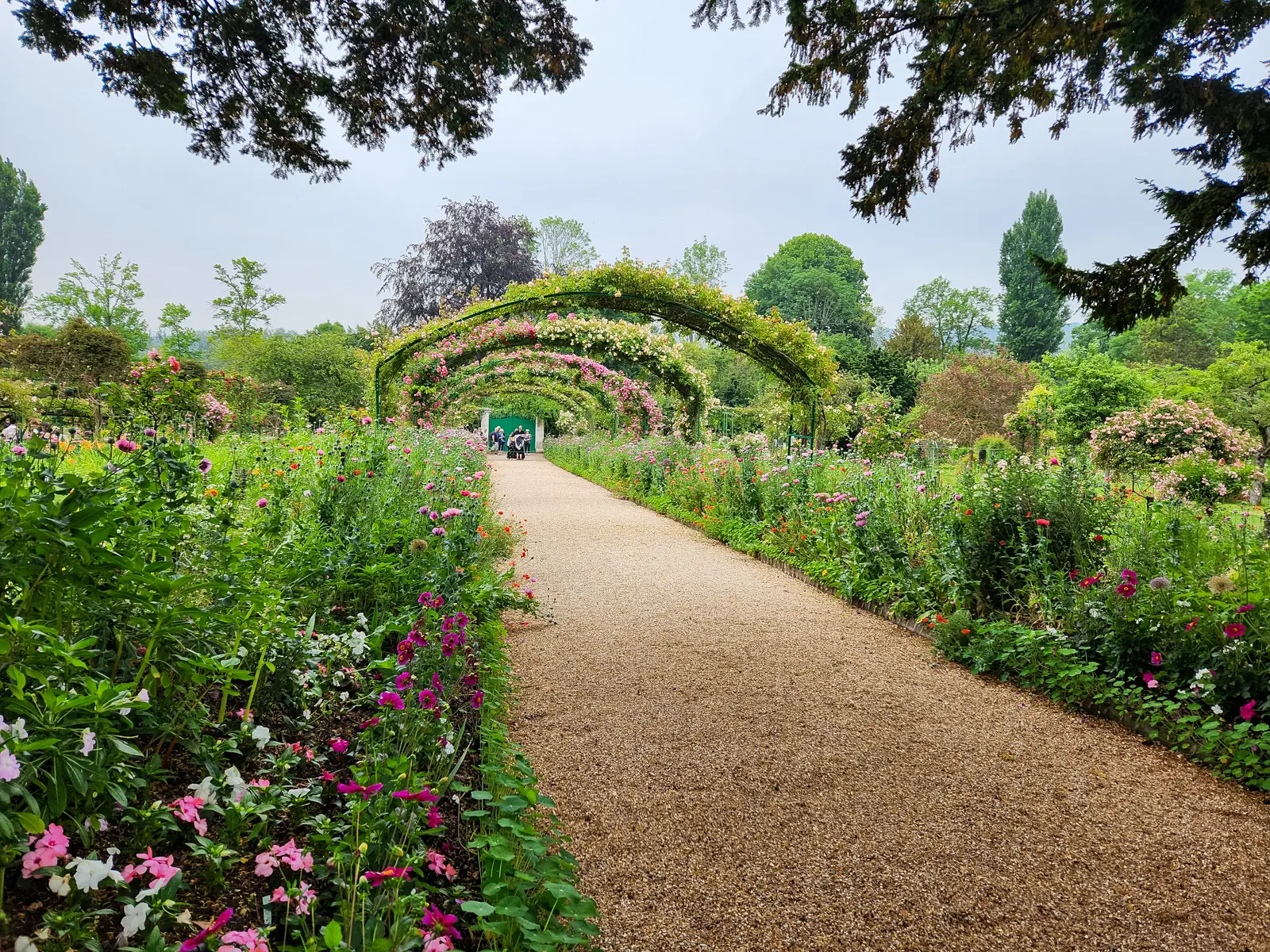
The Clos Normand, the flower garden in front of the house, is only half of it. The water garden, with its lily pond and Japanese bridge, sits across the road and is reached through a tunnel underneath it.
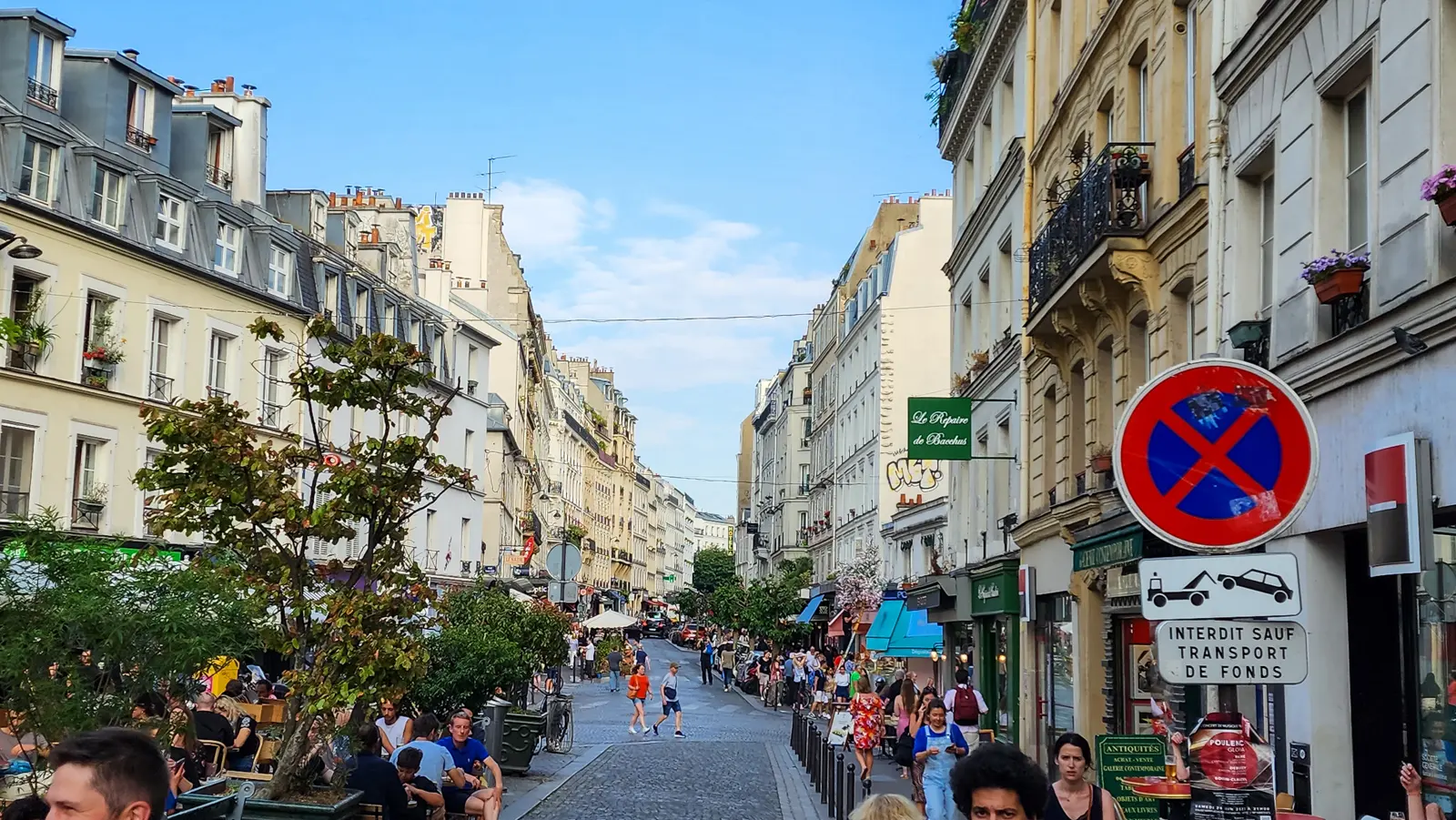
Back in Paris, head up to Montmartre for the late afternoon. Take Line 2 to Anvers, then climb the steps to Sacré-Cœur or ride the funicular, which costs a single metro ticket. Entry to the basilica is free.
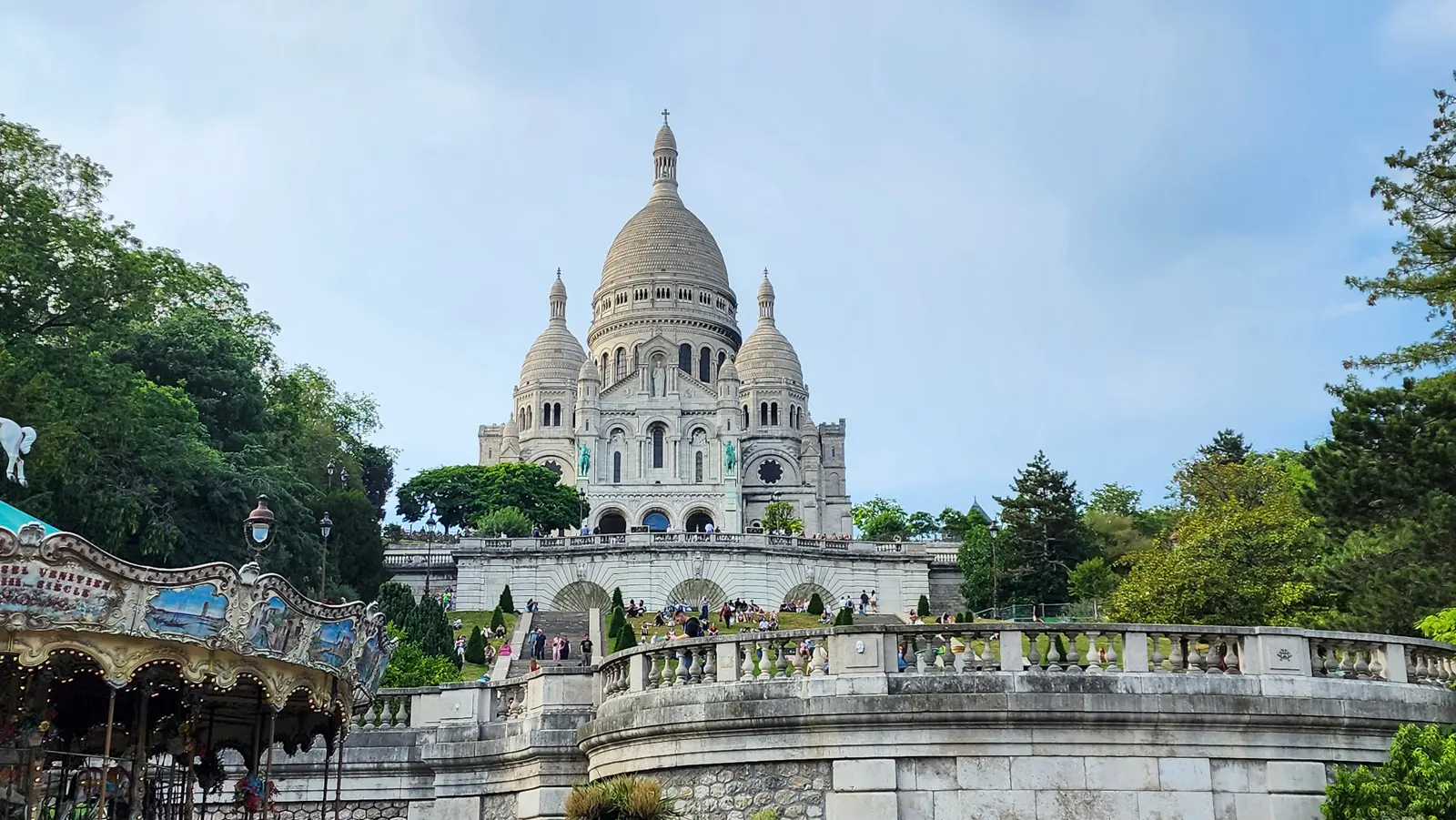
Montmartre is such a creative part of town. It’s laid back and family-friendly, and the food scene is amazing. For the evening, book dinner at the Moulin Rouge, at the foot of the hill. Dinner is served at 7 p.m., followed by the show at 9 p.m., and the cabaret has been running since 1889. Before and after our dinner there, I wandered the streets of Montmartre.
In winter: Giverny closes from November to March. Swap the morning for the Jardin du Luxembourg and a long café stop, then follow the same Montmartre evening.
Day 3: Versailles, the Whole Day
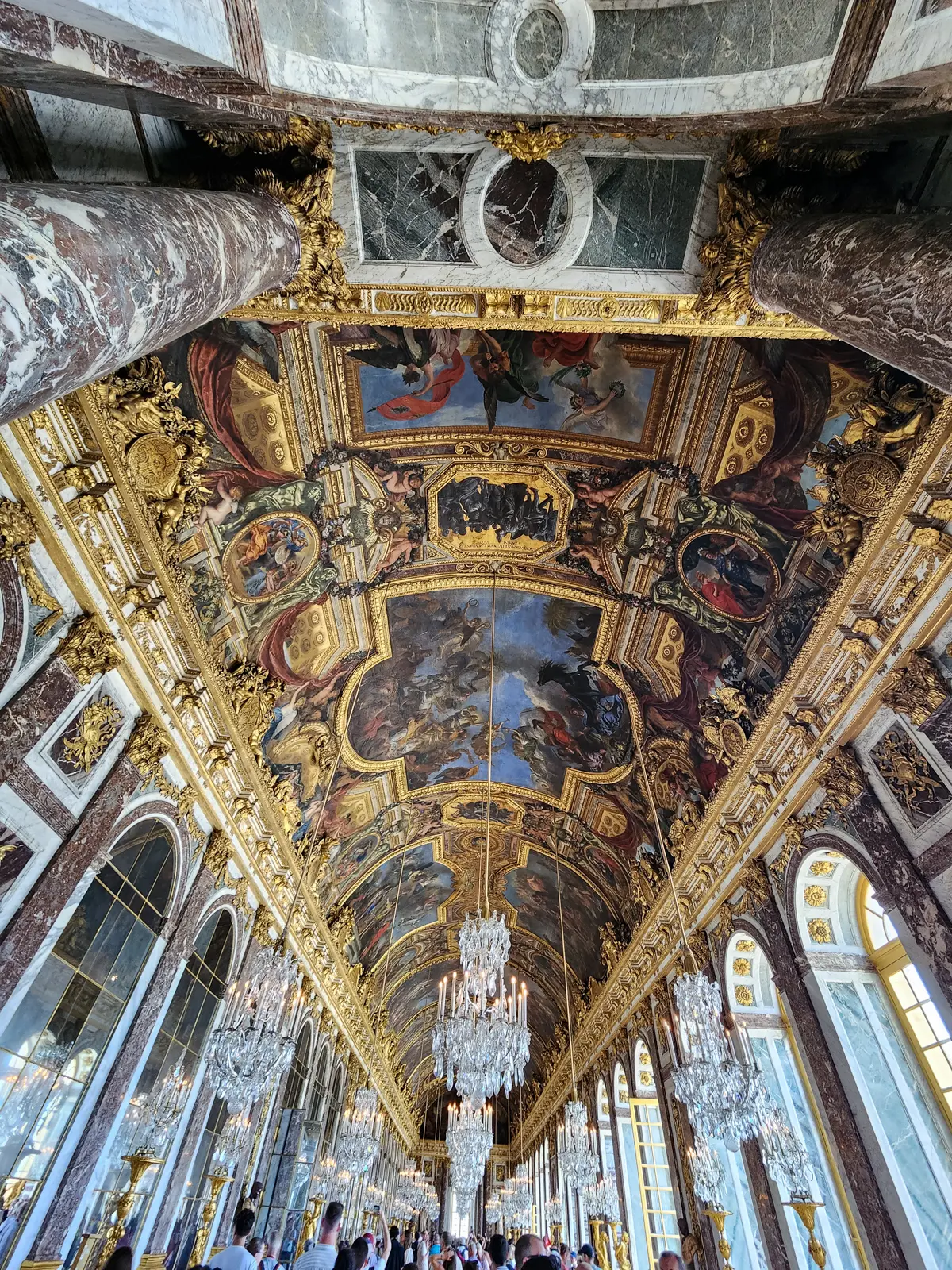
This is the day I wish I’d had. Versailles is less than 20 kilometres from central Paris, and the RER C reaches Versailles Château Rive Gauche in about 40 minutes. Our guided tour included the transport, and for a first visit I highly recommend a guide inside the palace. It’s every bit as opulent as its reputation, especially in the Hall of Mirrors.
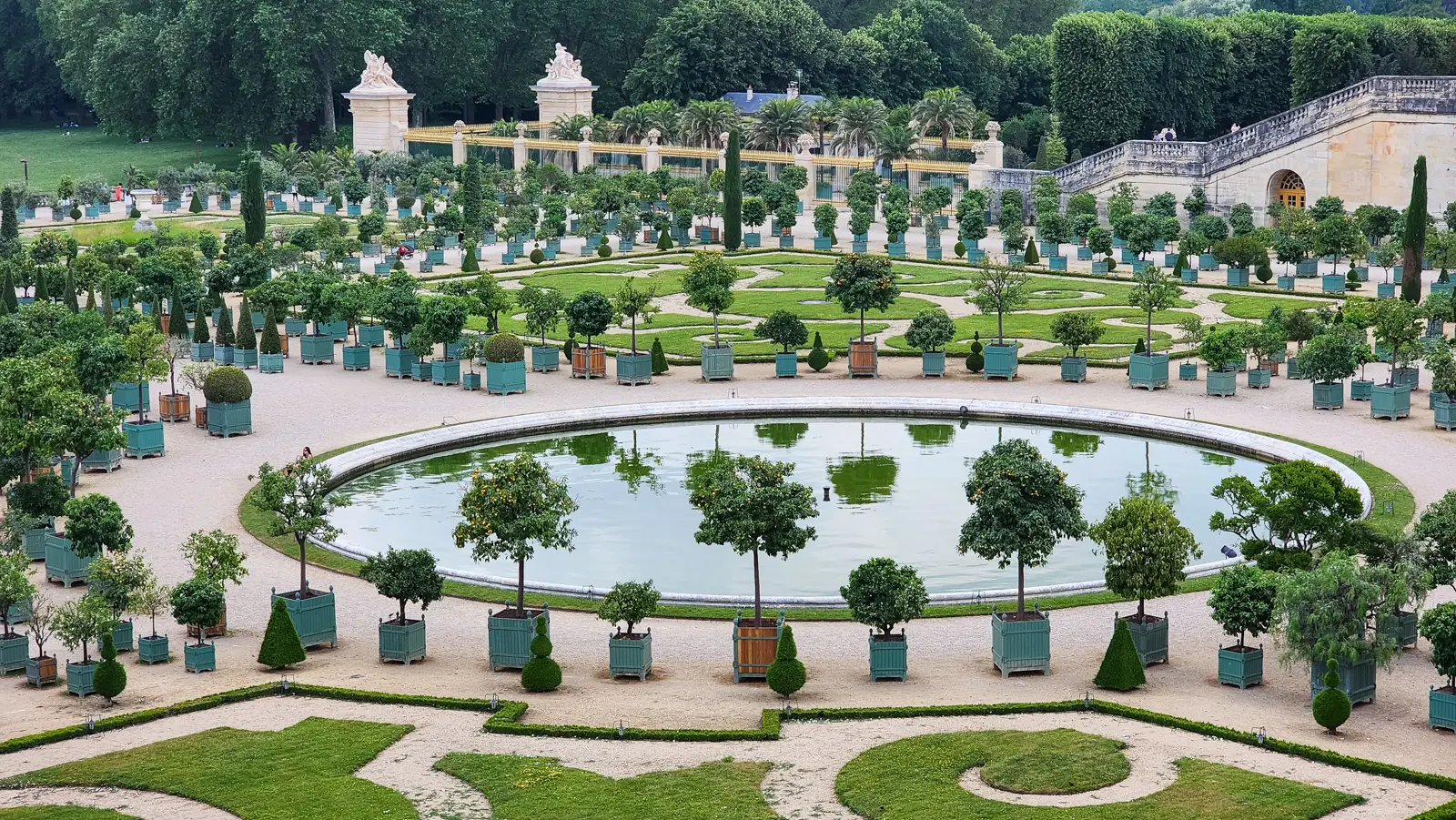
Give the gardens the afternoon. They’re perfectly manicured, even today, and the view from the terrace runs all the way to the horizon. What surprised me most was the Orangerie, where potted orange trees were in fruit and in flower at the same time.
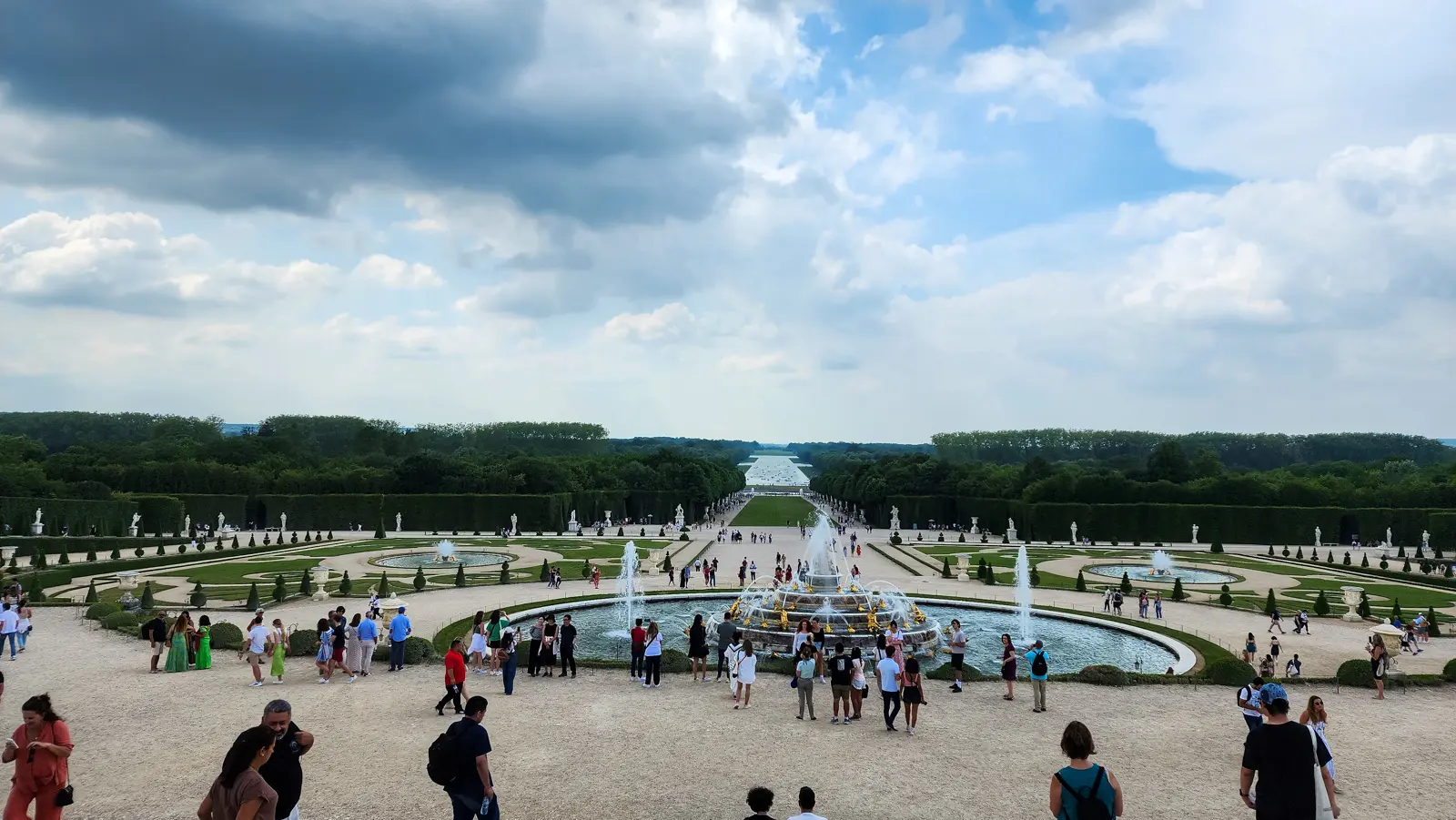
On weekends from April to 1 November, the Musical Fountains Show brings the fountains and groves to life to Baroque music. The Latona Fountain and the Grand Canal are worth the walk on any day, and rowing boats can be hired on the canal. Save the end of the afternoon for Marie Antoinette‘s estate, with the Petit Trianon and the Queen’s Hamlet. I only walked through it briefly, and that’s the part I’m going back for.
Day 4: Monet, the Orsay, Napoleon and the Eiffel Tower
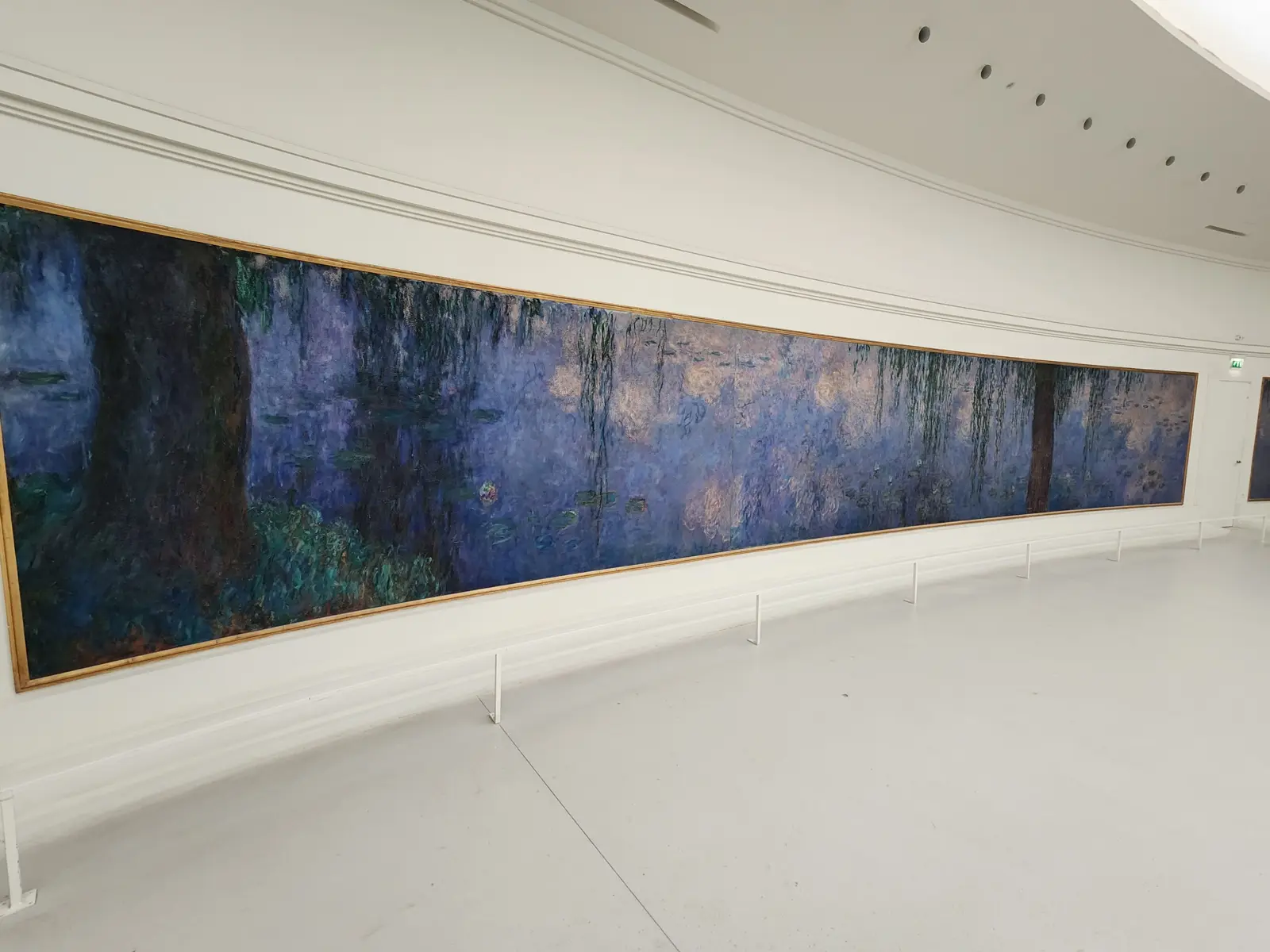
Be at the Musée de l’Orangerie when it opens. After Giverny, Monet’s Water Lilies make complete sense: eight huge panels curving around two oval rooms, lit by natural light from above. Our guide told us about Monet’s vision problems late in life, and how they help explain the colours in some of the panels. There are benches in the middle of each room, so take a seat and contemplate the water lilies that surround the room.
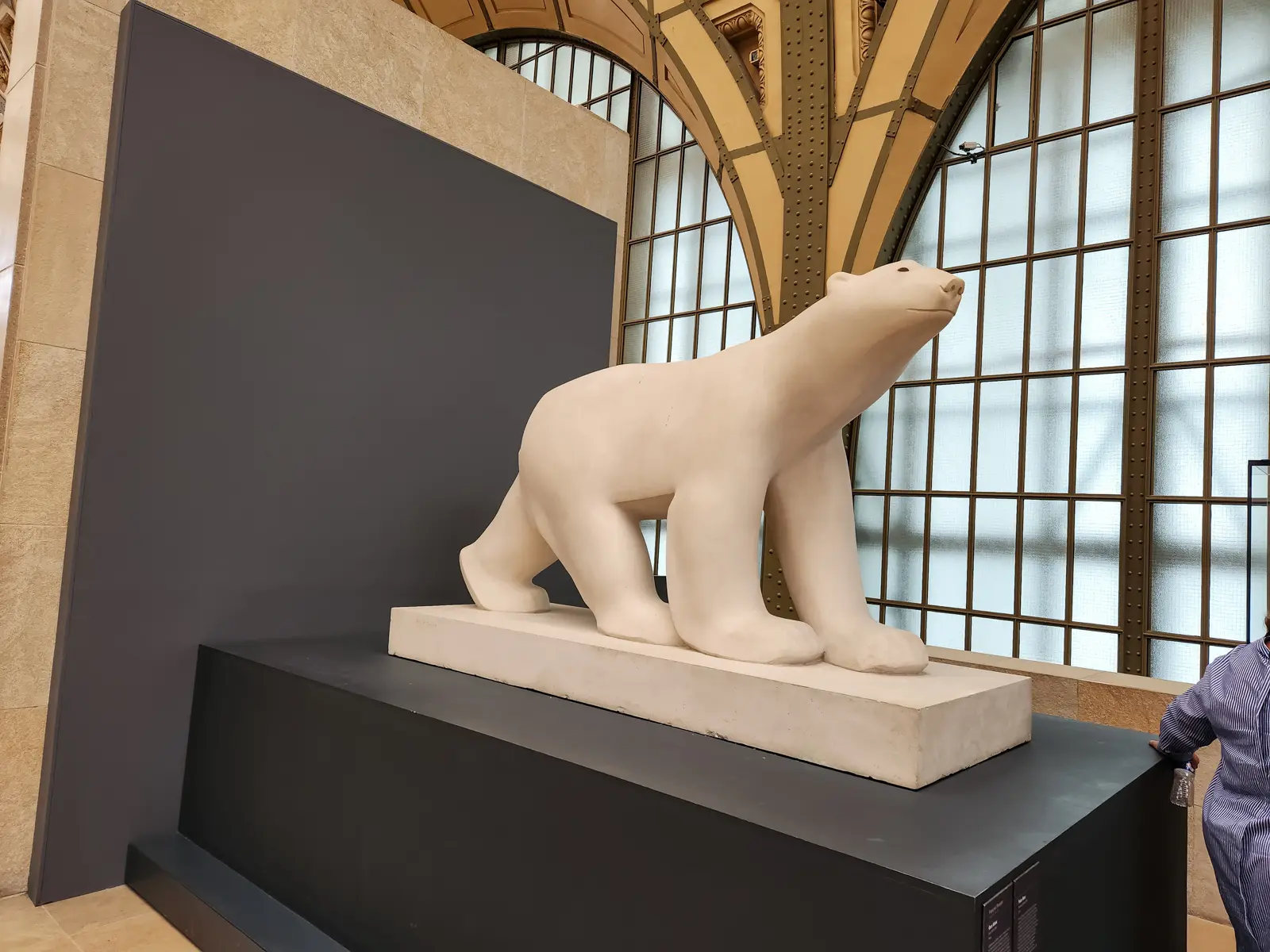
From the Orangerie, cross the Passerelle Léopold-Sédar-Senghor to the Musée d’Orsay. From the footbridge, the view runs downstream to the glass roof of the Grand Palais. At the Orsay, Van Gogh‘s Starry Night Over the Rhône was the painting I most wanted to see, because I grew up with a replica of it at home. But the work that really caught my attention was François Pompon’s polar bear, a huge white stone bear more than two and a half metres long.
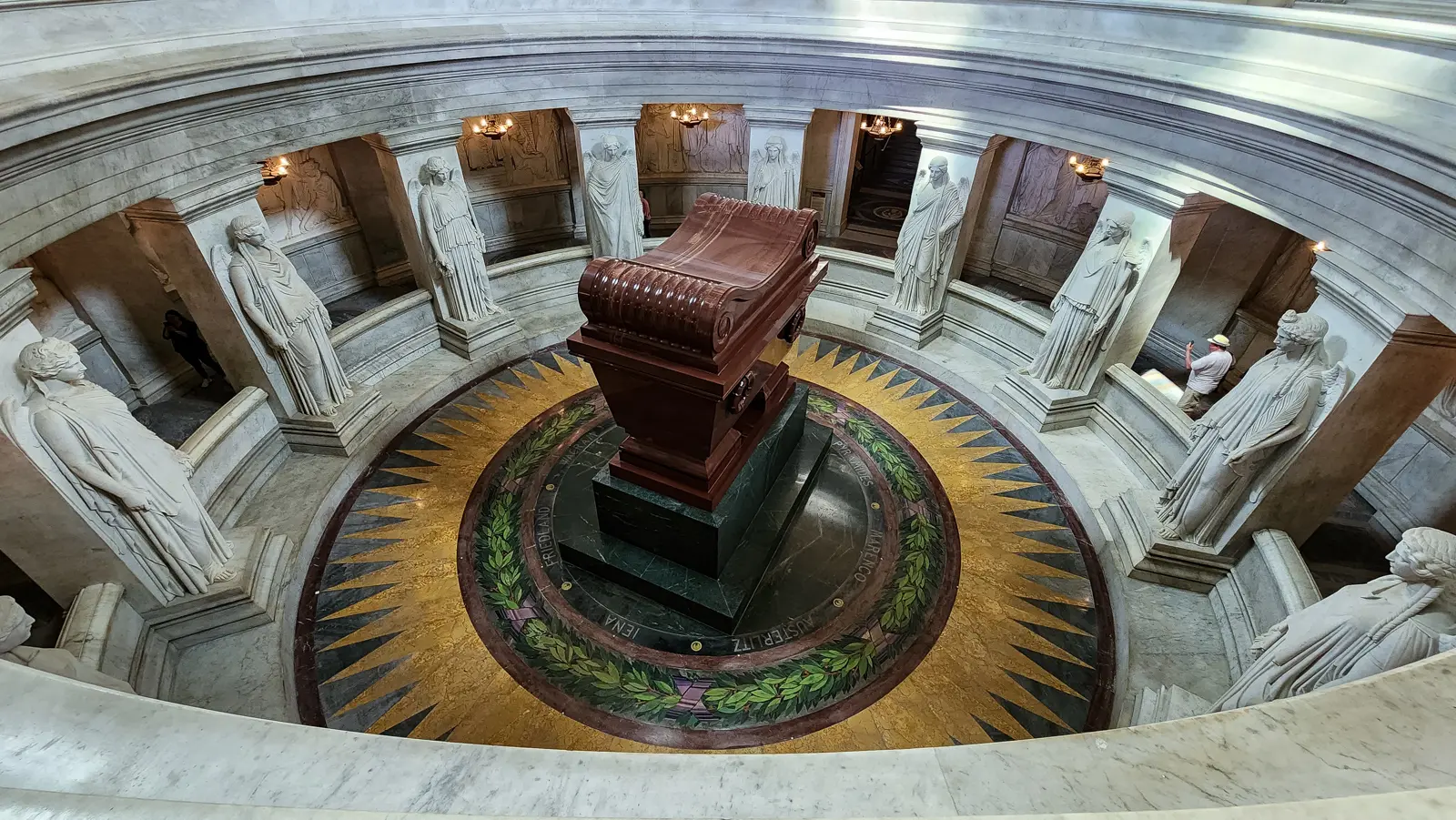
In the afternoon, walk west along the Left Bank to Les Invalides, which Louis XIV founded in 1670 for wounded and elderly soldiers. Napoleon‘s remains came back to Paris in 1840 and now lie in a tomb beneath the golden dome. Napoleon’s tomb, and Les Invalides in general, have a sense of grandeur and opulence to them, just as Napoleon would have wanted. Lupin fans will recognise the Musée de l’Armée too, from one of the funniest scenes in Part 4.
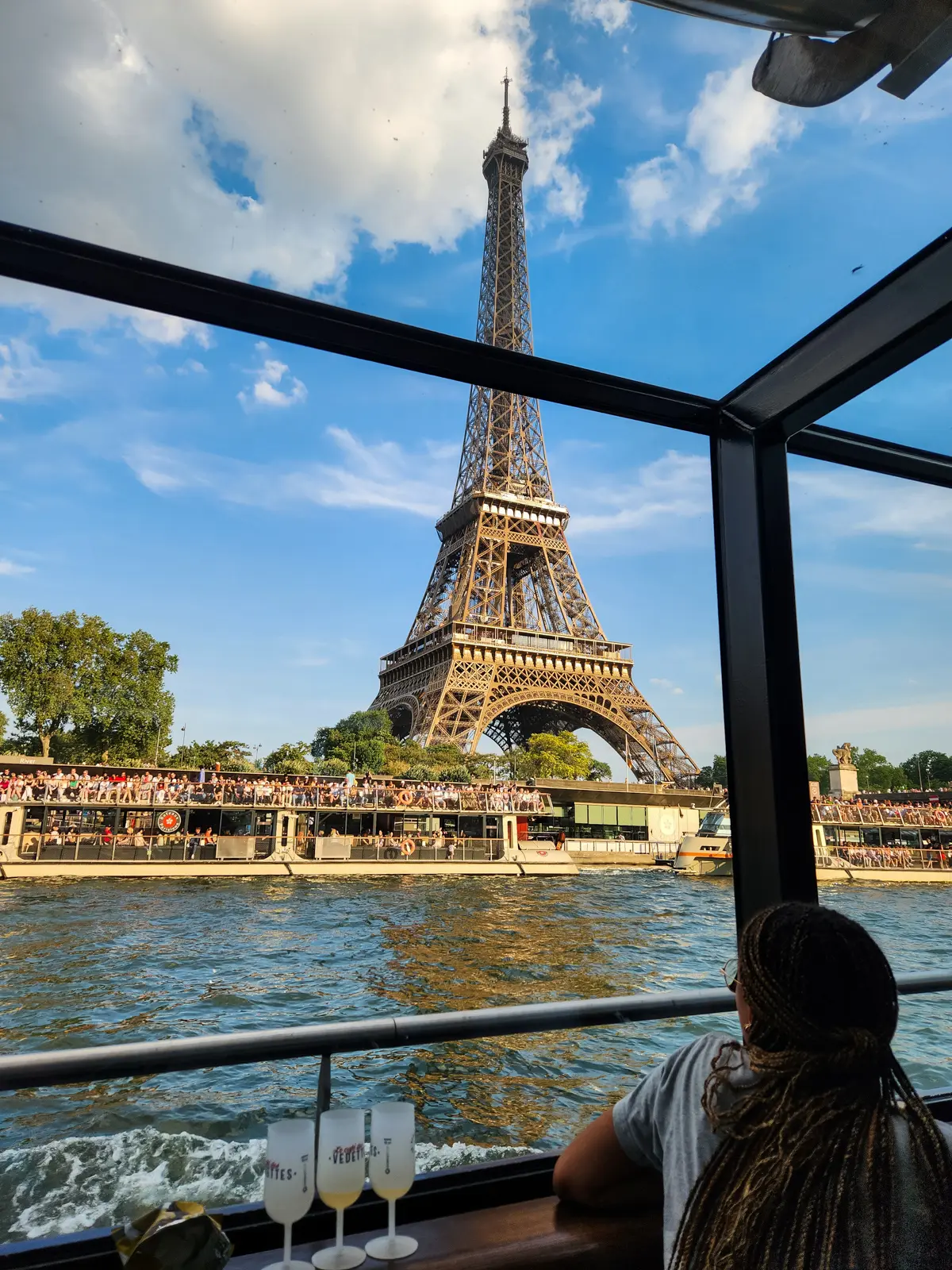
End the day at the Eiffel Tower. Take a Seine cruise from the foot of the tower in the early evening, then go up to the second floor for sunset. It’s high enough to see the whole city and low enough to pick out the landmarks. Back on the ground, stay for the sparkle after dark.
Day 5: The Opéra, Place Vendôme and the Champs-Élysées
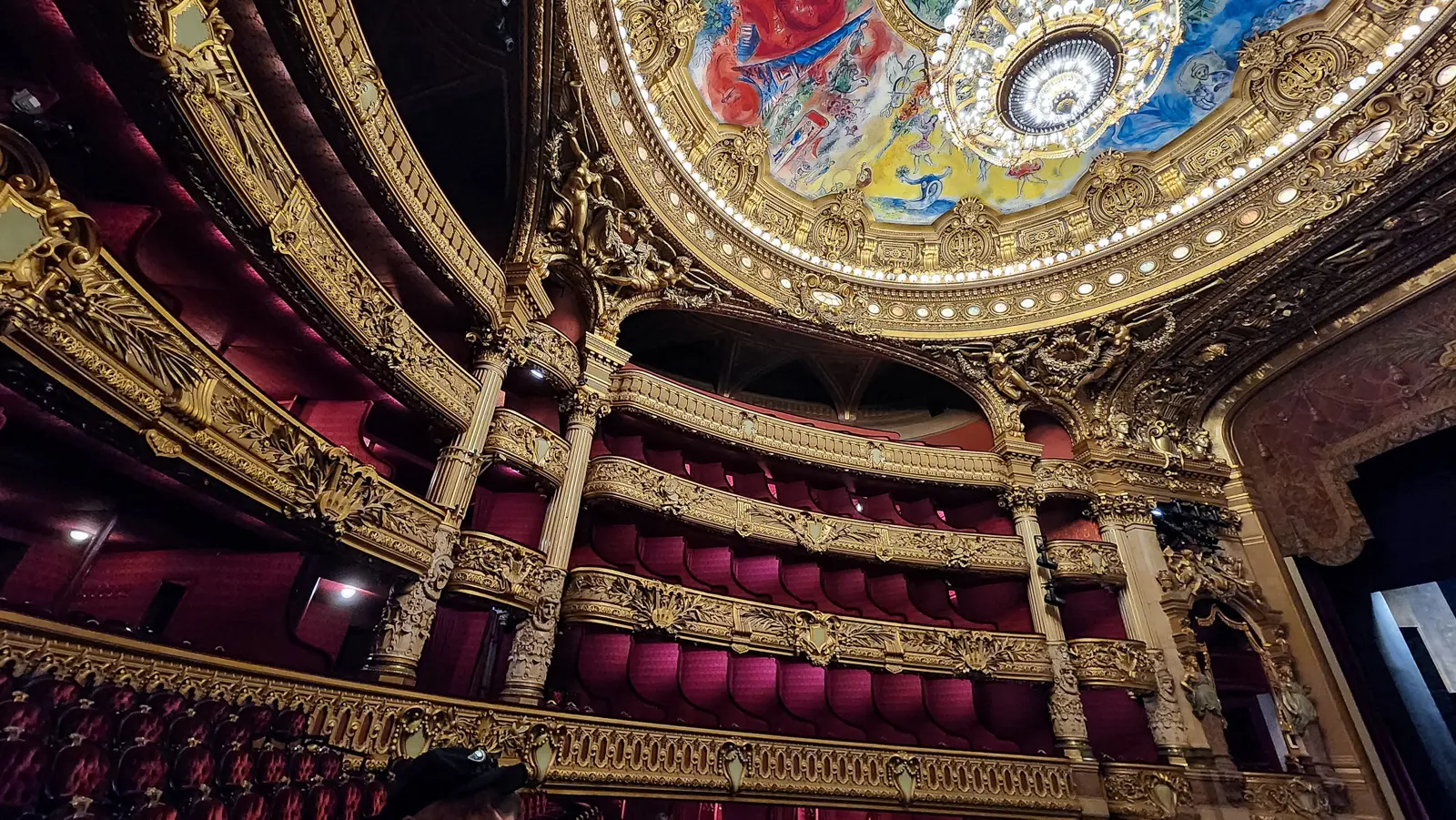
Start with a guided tour of the Palais Garnier, or save it for an after-hours tour like the one we took. Either way, it’s worth it. The guide told the story of Box 5, the box reserved for the Phantom, and then we looked up at Marc Chagall’s ceiling and the great chandelier. Afterward, ride up to the free rooftop terrace of Galeries Lafayette, almost directly across the street, for the best view of the opera house from above.
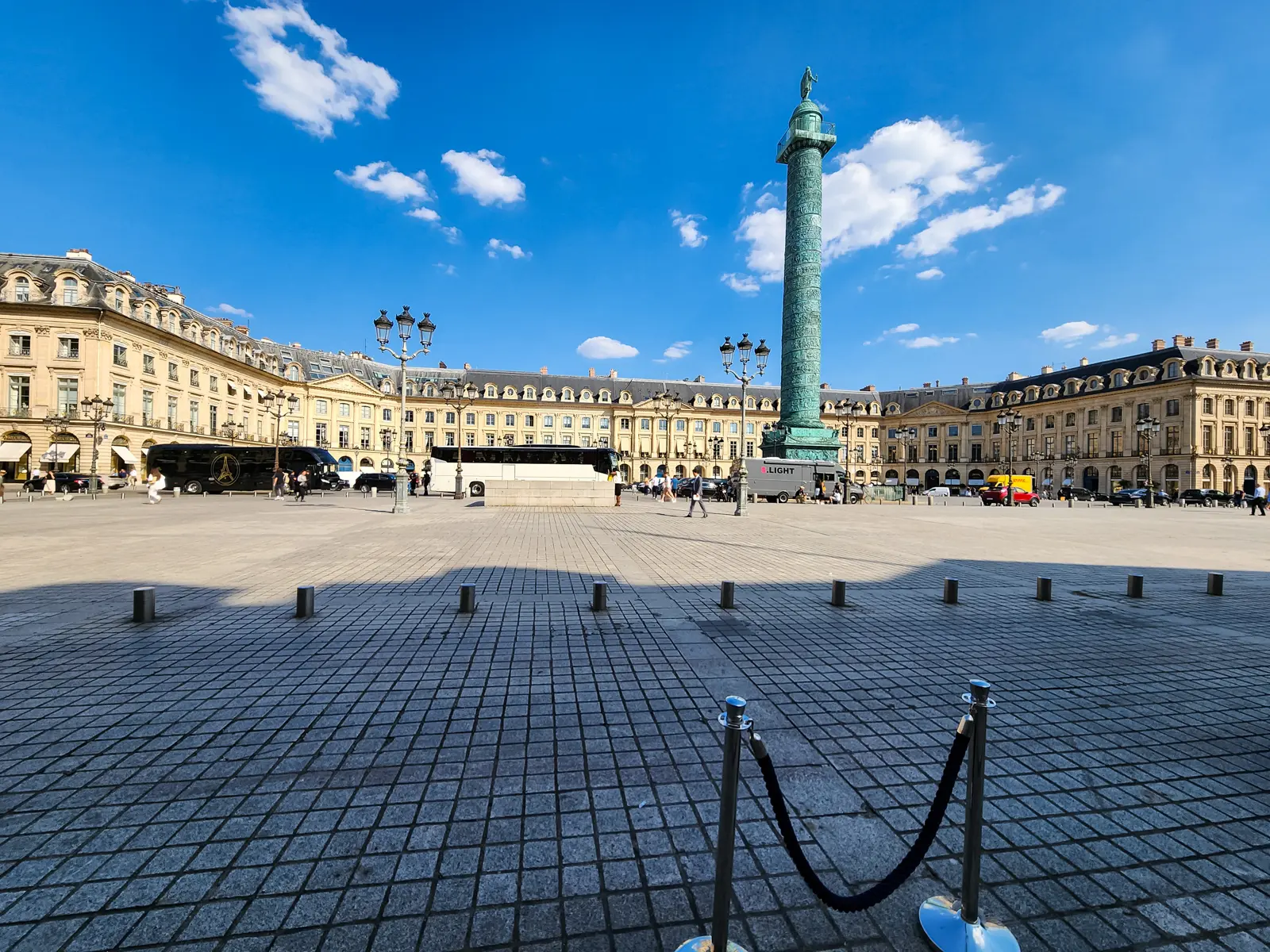
From the Opéra, walk down to Place Vendôme, home of the legendary Ritz, of jewellers and of high society in general. What struck me most was the sheer number of luxury houses, and how much security there was all around them.
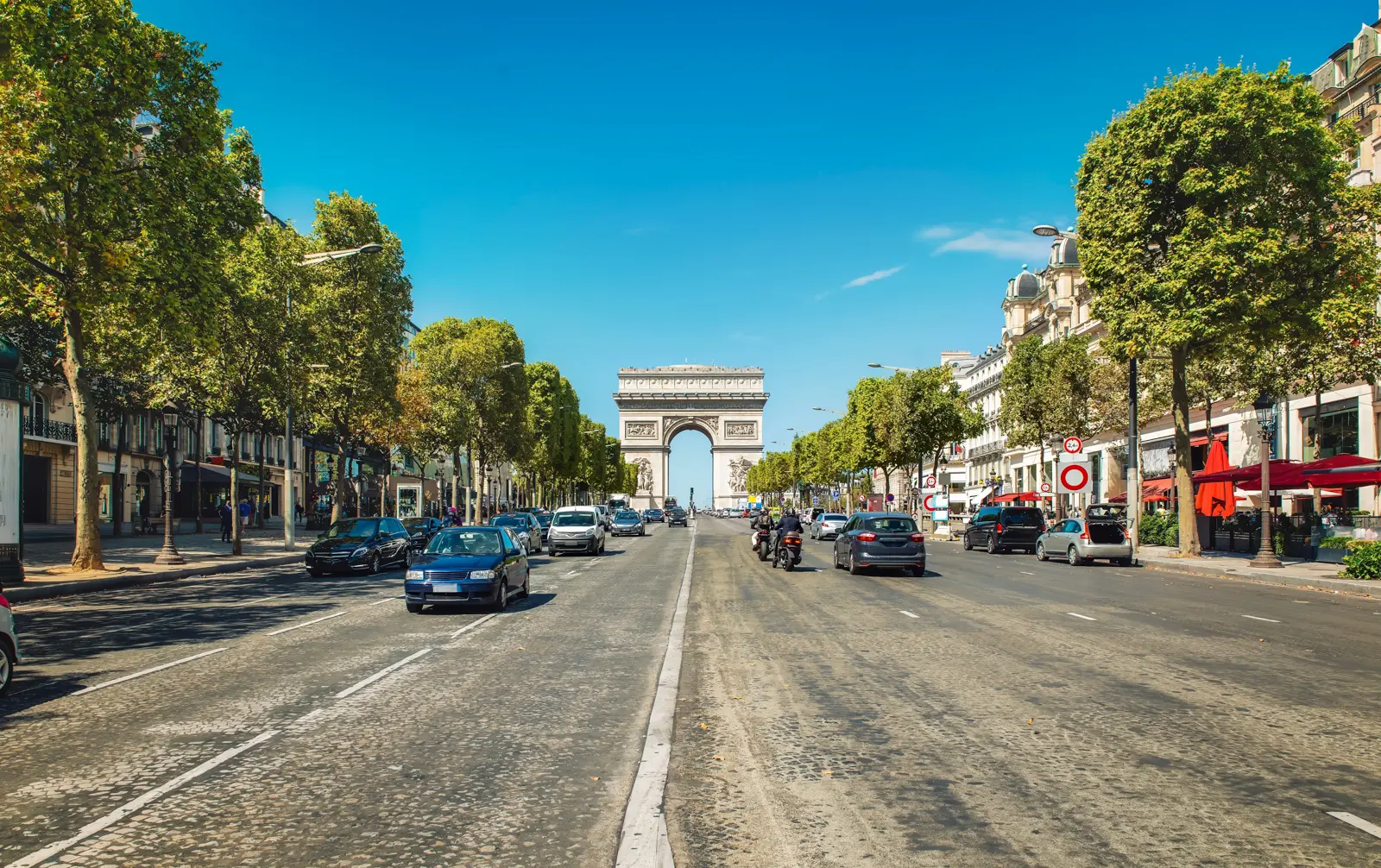
End the trip on the Champs-Élysées. The avenue is beautiful, and it culminates at the Arc de Triomphe.
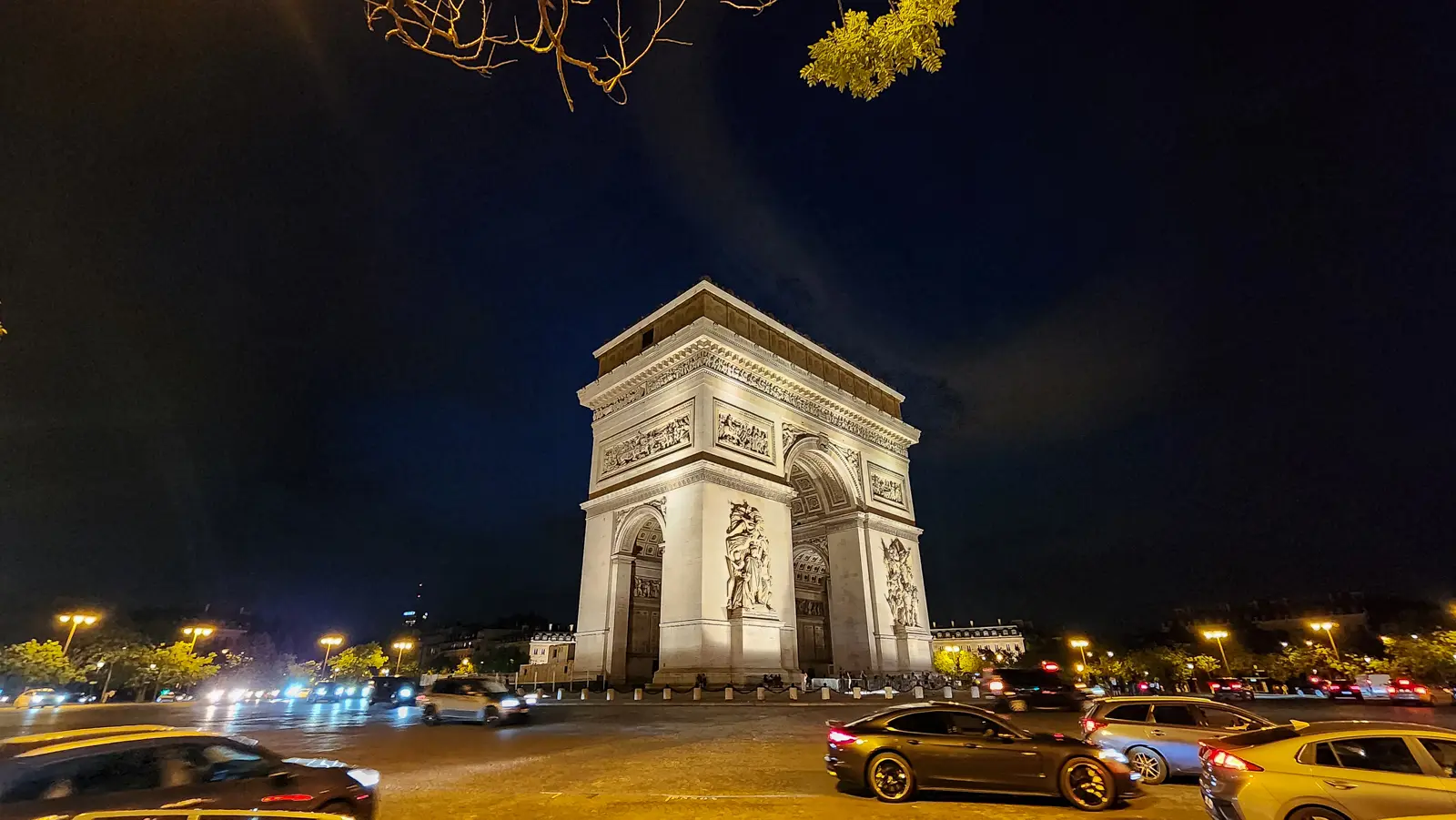
The arch is even more majestic from across the street, standing in the heart of the intersection. Climb to the top at dusk for one last view down the avenues.
Where to Stay
Stay central. We split our stay between the Hôtel du Louvre and Hôtel La Tamise, which faces the Tuileries Garden, and from both we walked to most of the sights in this plan.
Getting Around
Walk whenever possible. It’s the best way to discover the city’s corners. For longer hops, like Montmartre or the Eiffel Tower, the metro is fast and easy, and I was surprised by how good it is. Load a Navigo Easy card or the metro app, and buy day passes on the busiest days. The weekly Navigo pass runs from Monday to Sunday, so it doesn’t suit a trip that starts on a Thursday. Versailles is on the RER C, and for Giverny, a small-group tour like ours takes care of the transport.
Bubbly Tips
- Book these before you fly. Sainte-Chapelle and the Louvre both sell timed entry slots, Giverny tickets are booked online in advance, and the Moulin Rouge sells out well ahead, especially at weekends.
- Buy the Versailles Passport. In high season it costs €35 and covers the palace, the gardens on show days and the Trianon estate.
- Take the combined Orsay and Orangerie ticket. It costs €20 and covers both museums, which fall on the same day in this plan.
- Dress up for the Moulin Rouge. The dress code is smart, and shorts, sneakers and flip-flops aren’t allowed.
- Know that the Moulin Rouge show is for grown-ups. The revue includes topless dancers, so Montmartre by day is the better family outing.
- Use the Passage Richelieu at the Louvre. With a booked ticket, it’s a quicker way in than the pyramid.
- Leave passports in the room safe. Pickpockets work the busiest sights and tour groups, so carry as little as possible and keep phones out of sight.
- Save the Arc de Triomphe for the last evening. The view down the Champs-Élysées at night makes a fitting goodbye to Paris.
Final Thoughts
Five days gives Paris room to breathe. Two great day trips, the Louvre, the Orsay and the Orangerie at an easy pace, a dinner at the Moulin Rouge and a whole day at Versailles, without the rush of a shorter trip.
I’m going back to Paris this December, and I already know the parts I’ll take my time over. There is always something to do in Paris, and always a reason to return.
Until next time!

🌟 Everything You Need to Plan Your Dream Trip in 2026
- 🌟 Luxury Hotels - Find premium stays with Booking.com & Hotels.com
- 🏡 Vacation Rentals - Discover unique properties on VRBO
- 🏞️ Guided Tours - Explore with Viator or GetYourGuide
- 🎫 Attraction Tickets - Skip the lines with Tiqets
- 🚢 Ocean Cruises - Set sail with Cruise Direct
- 📱 International SIMs - Stay connected with Saily
- 🚗 Car Rentals - Budget-friendly options from Discover Cars
- 🌐 Secure VPNs - Browse safely with NordVPN
- 💶 Currency Exchange - Best rates with Wise
- 🗣️ Learn Languages - Master the local language with Babbel and Rosetta Stone