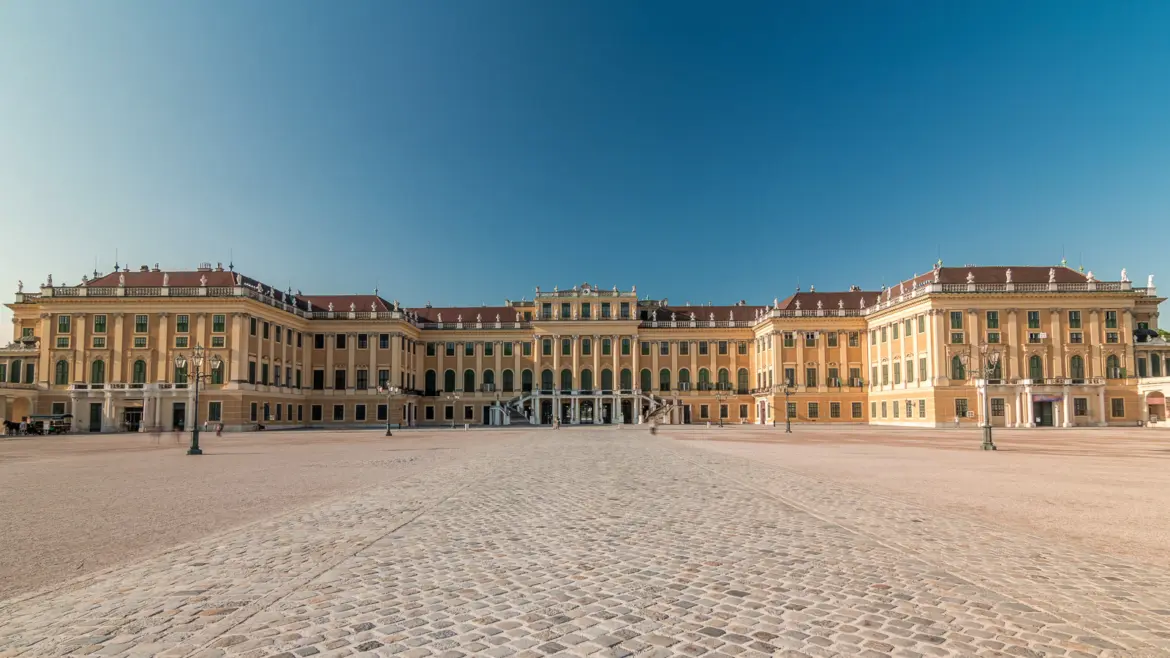
Hello fellow explorers! Some places feel like stepping into a story, and Schönbrunn Palace is certainly one of them. Set on the western edge of Vienna, this magnificent palace was once the summer residence of the powerful Habsburg dynasty, whose rule shaped much of Central Europe for centuries. Today, Schönbrunn is one of Austria’s most treasured cultural landmarks and a designated Schönbrunn Palace UNESCO World Heritage Site. Its golden façade, sweeping gardens, and richly decorated imperial rooms tell a story of power, artistry, and royal life that defined an entire era.
Walking through Schönbrunn feels like entering the world of emperors, empresses, and grand European history. Yet beyond its royal prestige, the palace also offers something quieter and more personal: beautifully landscaped gardens, peaceful pathways, and panoramic views that invite visitors to slow down and simply enjoy the elegance of Vienna.
Schönbrunn Palace at a Glance
📍 Location: Schönbrunner Schloßstraße 47, 1130 Vienna, Austria
🏛️ What It Is: Former summer residence of the Habsburg dynasty, UNESCO World Heritage Site since 1996
👑 Key Figures: Leopold I (commissioned), Maria Theresa (transformed), Empress Sisi, Mozart (performed here)
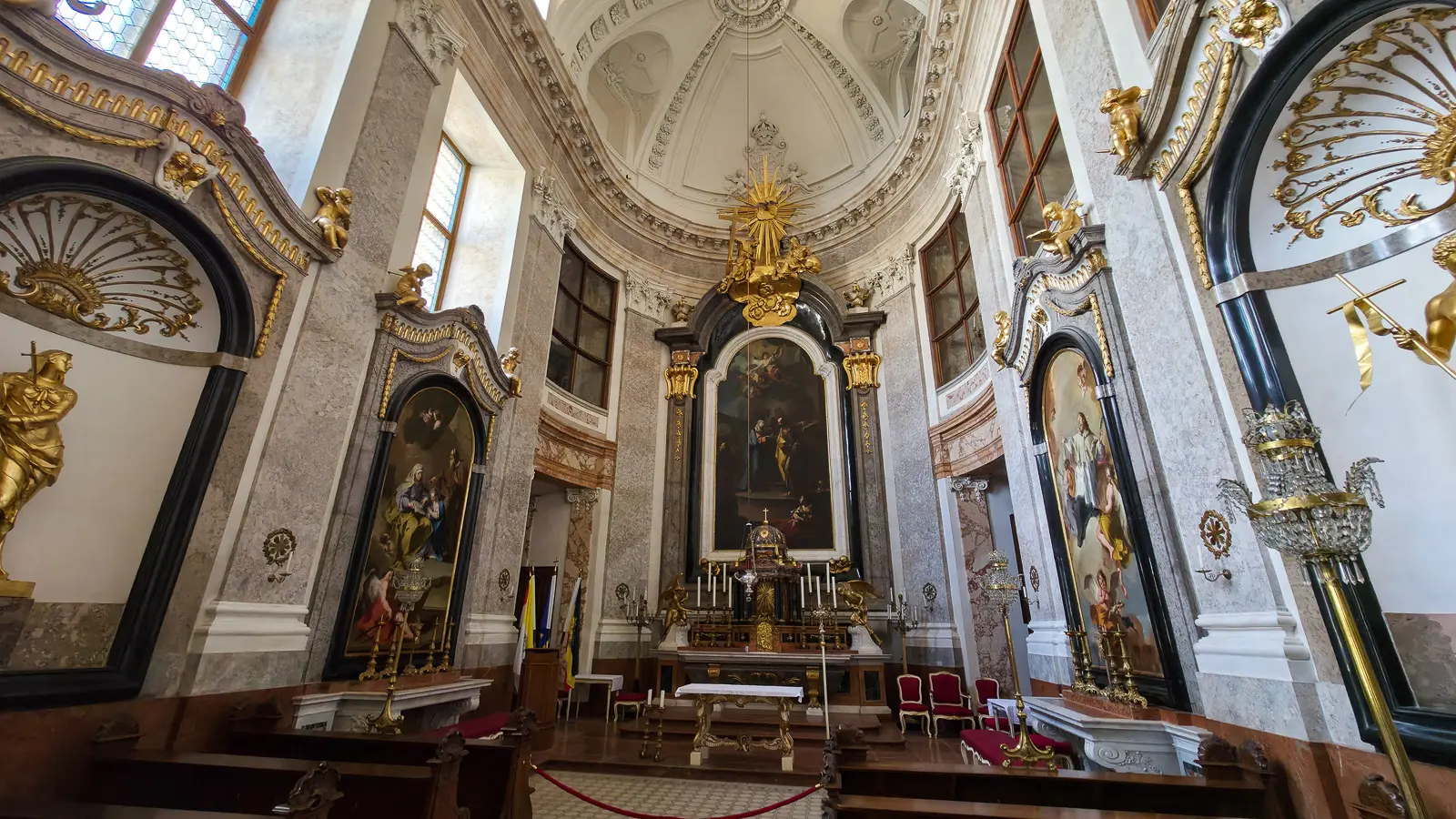
🎨 Highlights: Great Gallery (40m ballroom), lavish imperial rooms, Schlosskapelle chapel
🌿 Gardens: Great Parterre, Neptune Fountain, Gloriette hilltop (panoramic views + café), tree-lined avenues
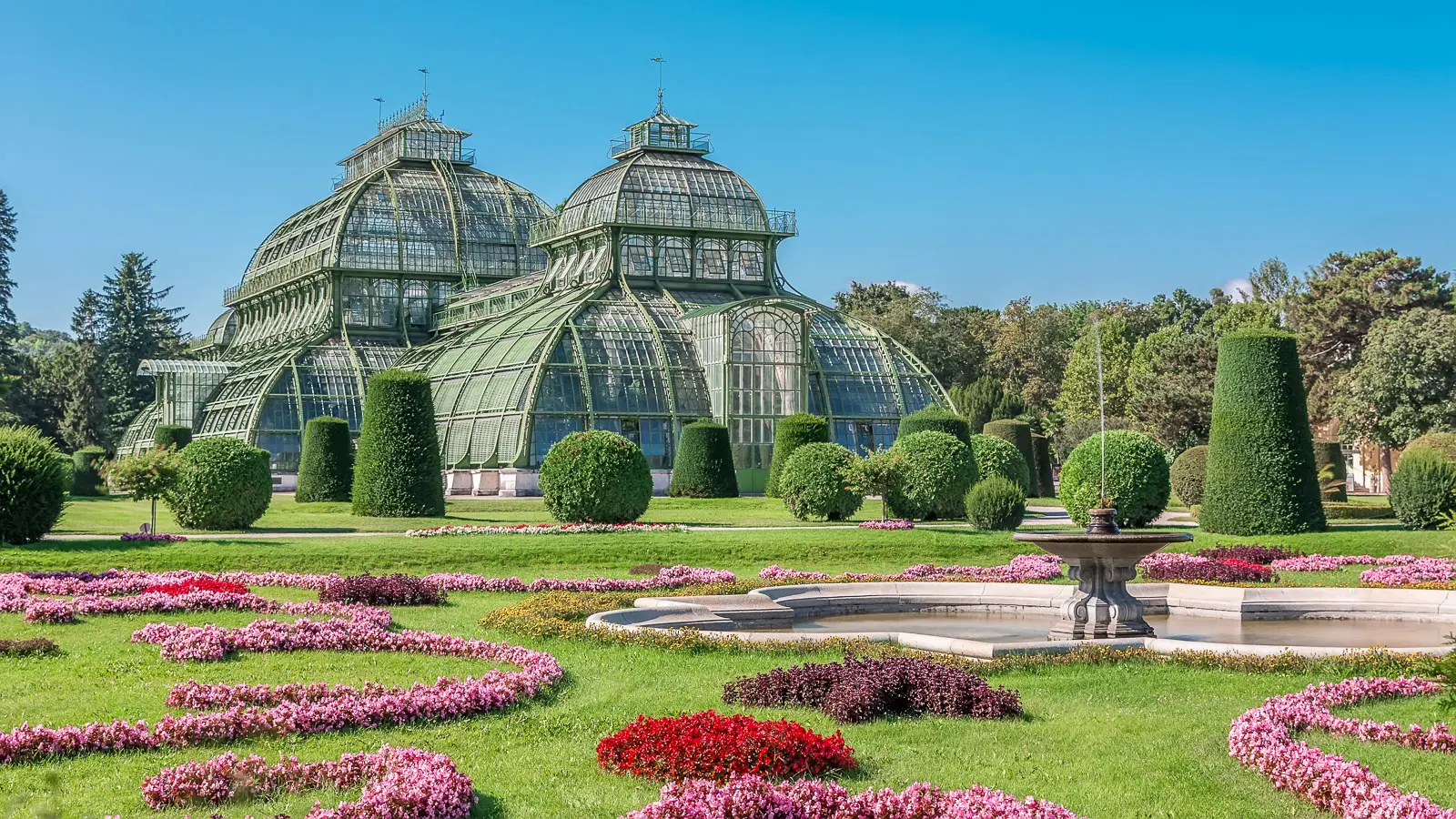
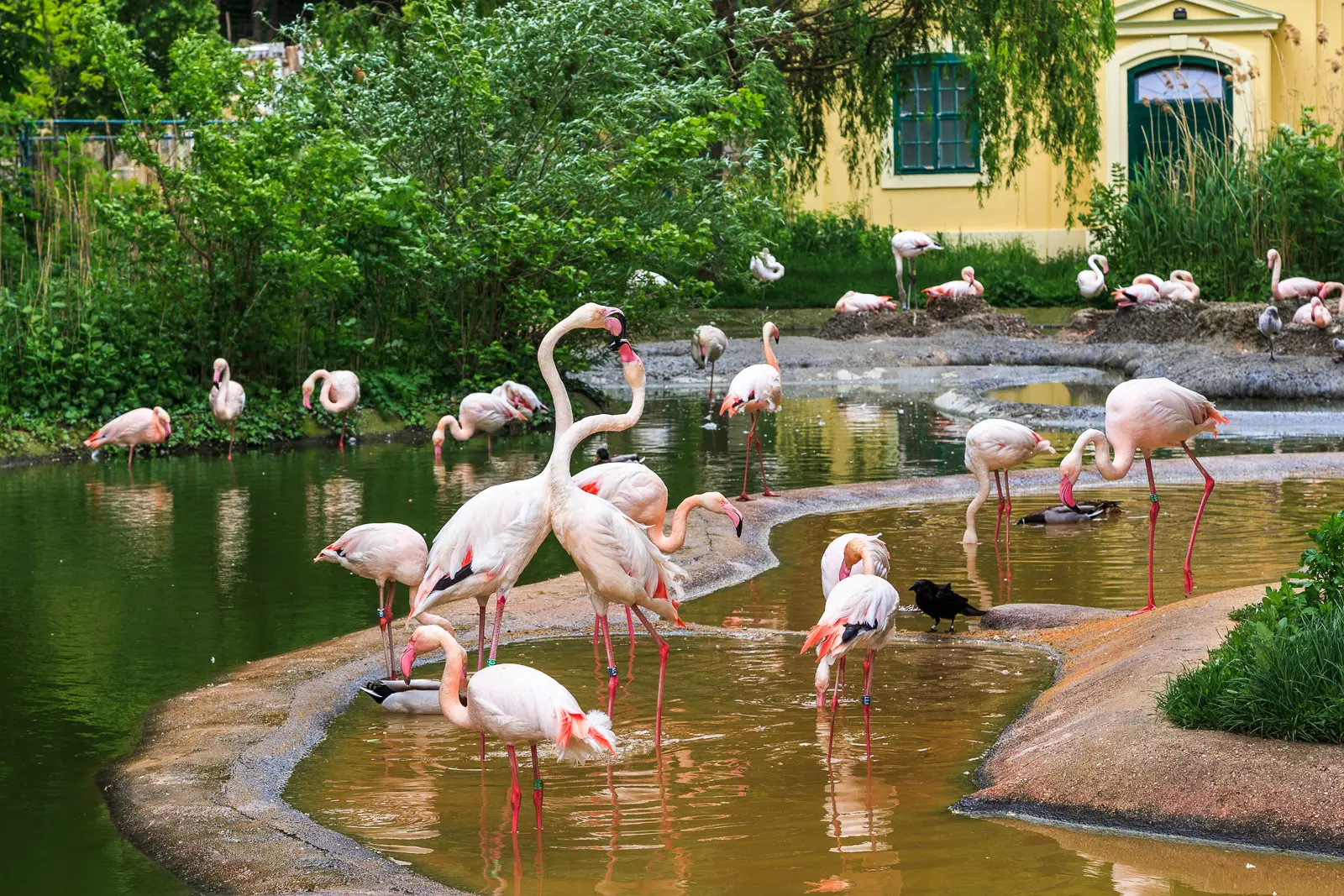
🏡 Hidden Gems: Palm House (one of Europe’s largest historic greenhouses), Tiergarten Schönbrunn (world’s oldest zoo, est. 1752)
🎟️ Tickets: Multiple tour options — Imperial Tour (22 rooms) or Grand Tour (40 rooms); garden entry is free
⏱️ Time Needed: Half day minimum (palace + gardens + Gloriette)
💡 Tip: Arrive early, walk up to the Gloriette for the best view in Vienna, wear comfortable shoes
A Palace Shaped by Imperial Ambition
The origins of Schönbrunn Palace date back to the late 17th century, when Leopold I, Holy Roman Emperor commissioned a grand summer residence intended to reflect the growing prestige of the Habsburg court and stand among the great royal residences of Europe. That original vision evolved over time as Vienna recovered from the upheavals of the late seventeenth century and imperial priorities shifted. It was not until the reign of Maria Theresa, who came to power in 1740, that Schönbrunn was transformed into the dazzling imperial residence we recognize today. Working with architect Nikolaus Pacassi, Maria Theresa remodeled and expanded the palace into a refined symbol of Habsburg power and dynastic sophistication.
Under Maria Theresa’s direction, the palace became the center of court life during the warmer months. Diplomats, artists, and musicians gathered here, creating an atmosphere where politics, culture, and elegance intertwined. Among the many historical figures who walked these halls was the young Wolfgang Amadeus Mozart, who performed for the imperial court in 1762 at just six years of age – a moment that captured the essence of what Schönbrunn represented: not only a royal residence, but a vibrant cultural hub at the heart of European civilization.
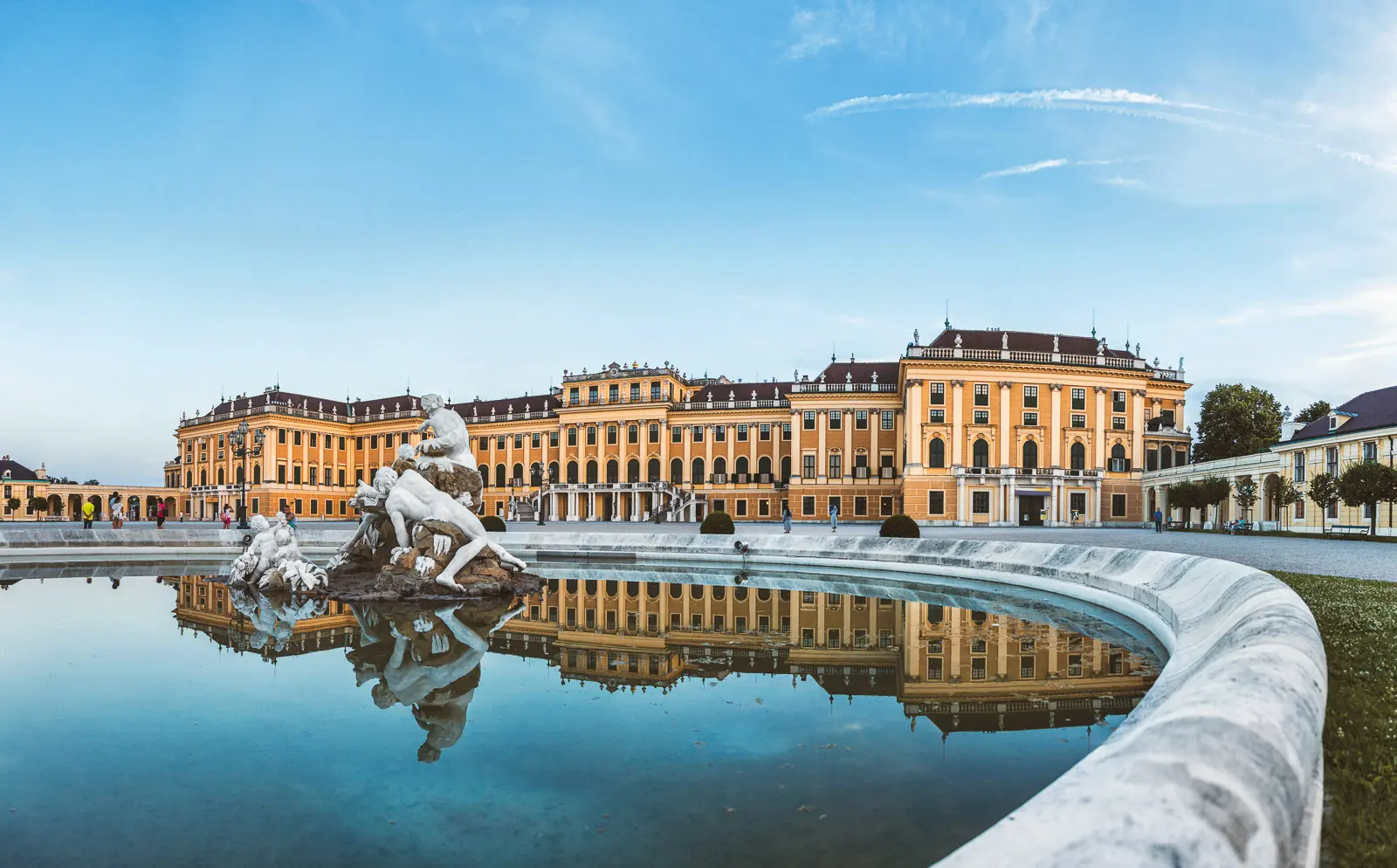
Inside the Palace: Rooms of Royal Life
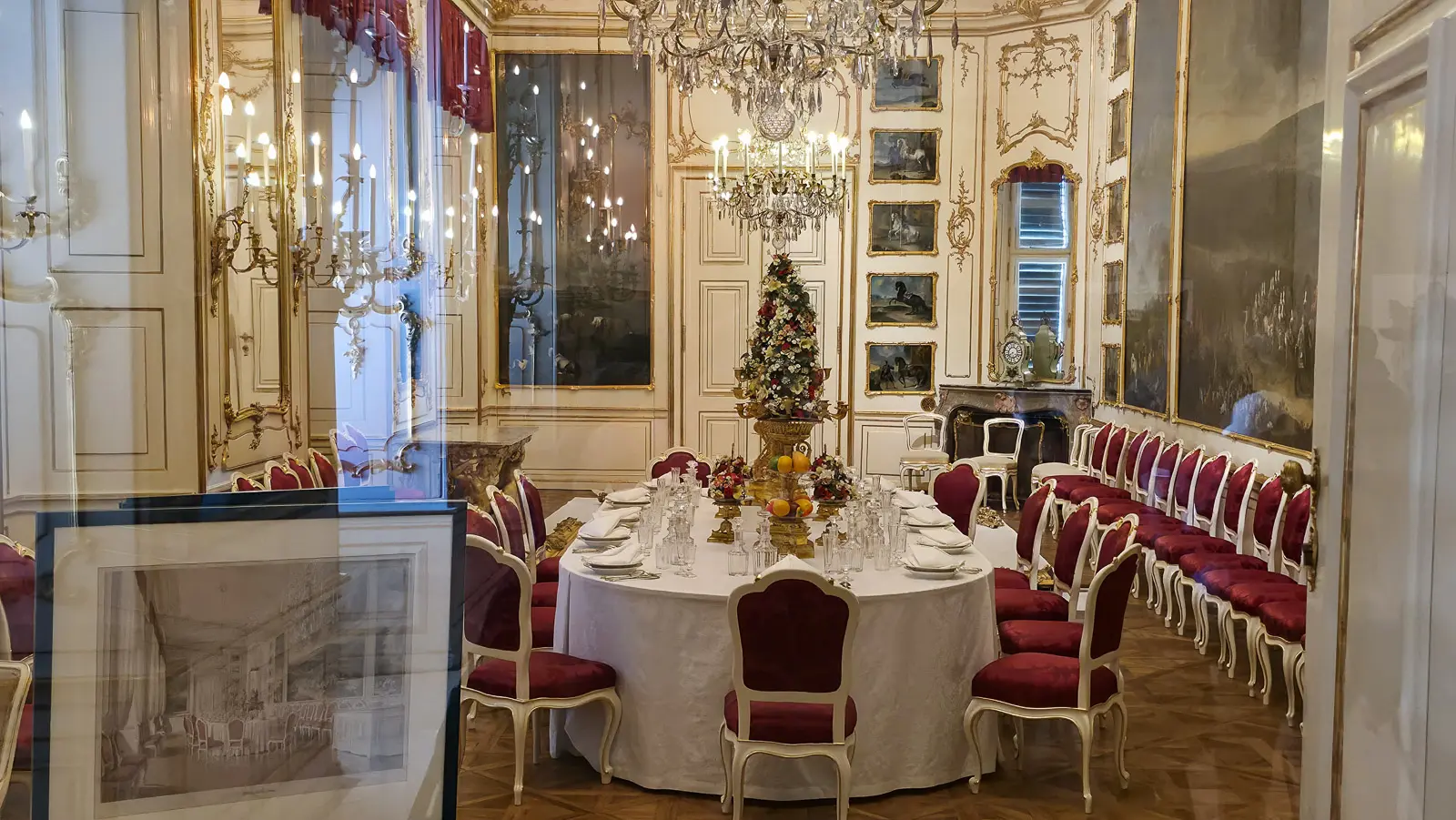
Stepping inside Schönbrunn Palace reveals a world of lavish imperial interiors that reflect the tastes and traditions of the Habsburg court. Ornate ceilings, gilded decorations, delicate porcelain stoves, and intricate frescoes decorate the palace’s many rooms, each offering a glimpse into the private and public lives of Austria’s rulers. The décor throughout reflects the elegance of the Rococo style, which flourished across Europe during the 18th century and found one of its finest expressions here under Maria Theresa.
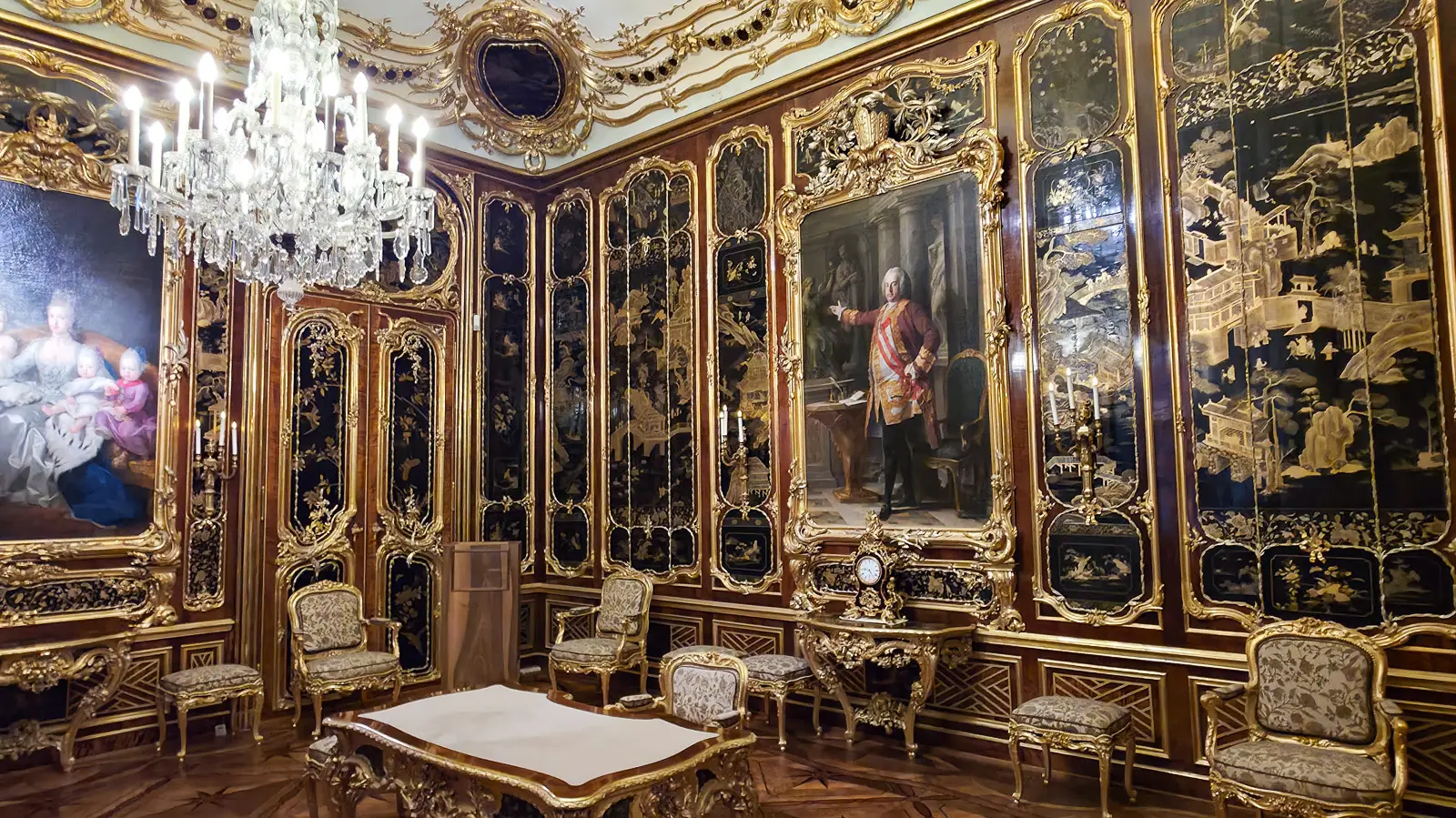
Among the most spectacular spaces is the Great Gallery, a magnificent ballroom stretching 40 metres long, its ceiling covered in elaborate frescoes and lit by glittering crystal chandeliers. This was the heart of imperial entertaining, used for state banquets and grand receptions, and later occupied by Napoleon himself when he made Schönbrunn his headquarters. Standing in it today, the scale and ambition of the Habsburg court becomes immediately tangible.
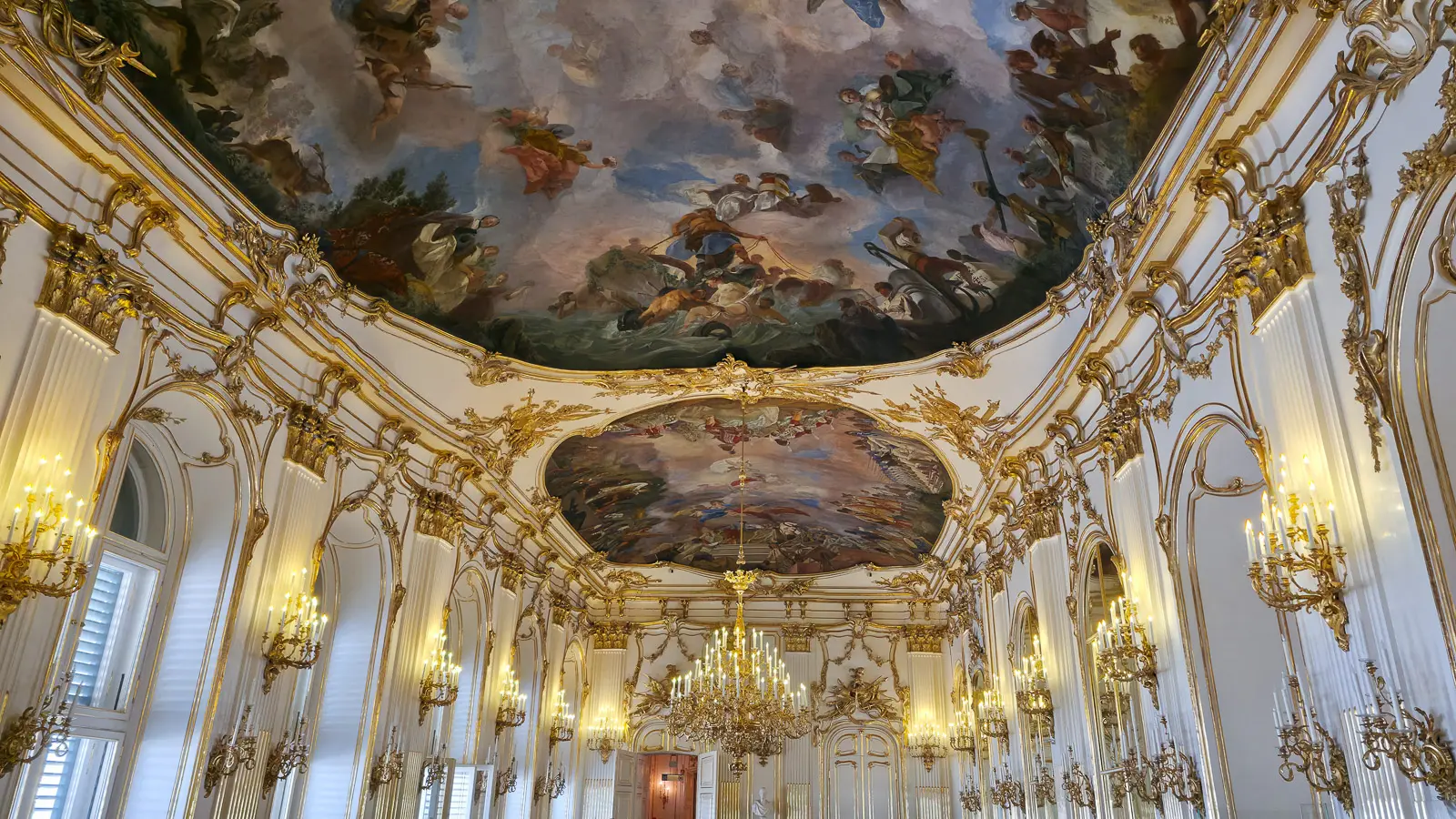
Beyond the grand ceremonial rooms, visitors pass through audience chambers, intimate salons, and private apartments that bring imperial life into sharper human focus. Perhaps the most emotionally resonant of these is the connection to Empress Elisabeth of Austria, affectionately known as Sisi. Her life – marked by beauty, tragedy, and a restless independent spirit that chafed against the rigid formality of court life – continues to fascinate visitors today. Sisi famously spent as little time at Schönbrunn as possible, preferring travel and freedom to the constraints of imperial routine, and yet her presence here remains deeply felt.
The Gardens of Schönbrunn: A Landscape of Beauty
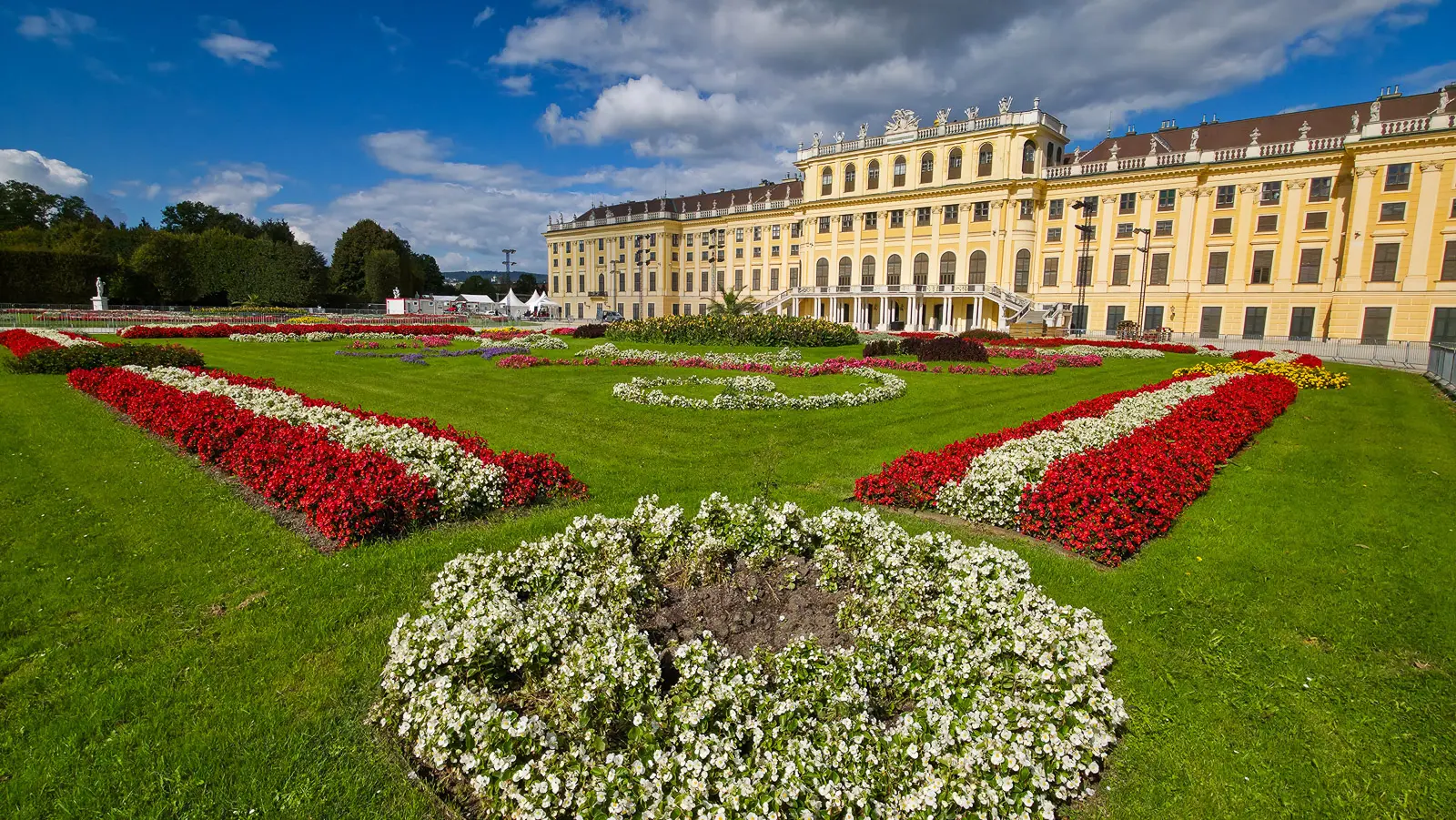
While the palace itself is magnificent, many visitors find that the gardens of Schönbrunn Palace are equally captivating. First laid out in 1695 by landscape architect Jean Trehet, working in the grand tradition of André Le Nôtre, the vast grounds extend behind the palace in a series of perfectly symmetrical terraces, fountains, and pathways that reflect the formal elegance of French Baroque design. Covering roughly 435 acres and free to enter year-round from early morning, the gardens are one of Vienna’s most generous public treasures and form part of the Schönbrunn Palace UNESCO World Heritage Site.
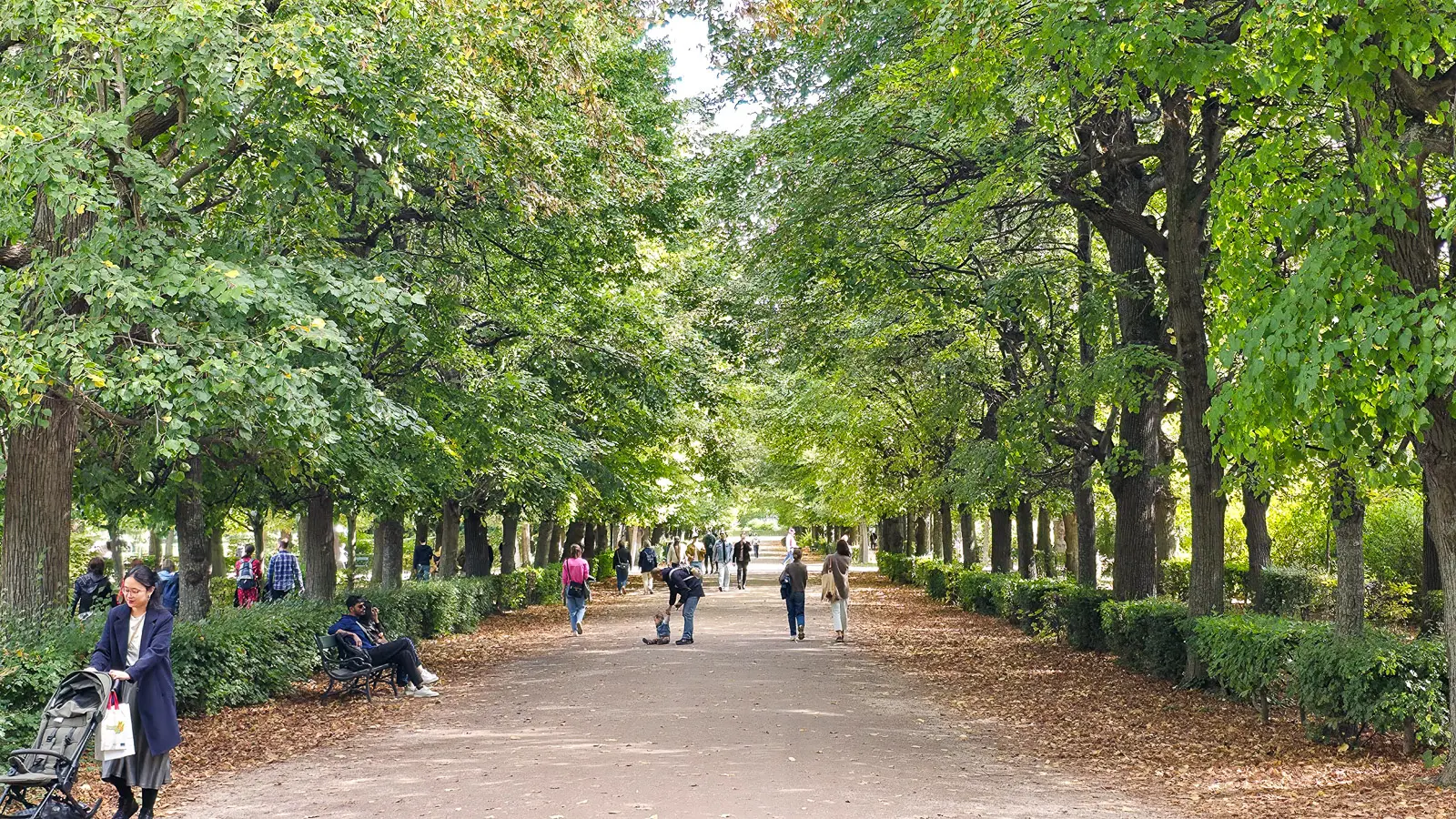
Wide gravel avenues lined with trees guide visitors through carefully designed garden spaces, where statues, flowerbeds, and hidden corners reveal themselves gradually as you wander. The gardens offer a peaceful contrast to the formal grandeur of the palace, inviting visitors to slow down and appreciate the beauty of nature shaped by artistic intention.
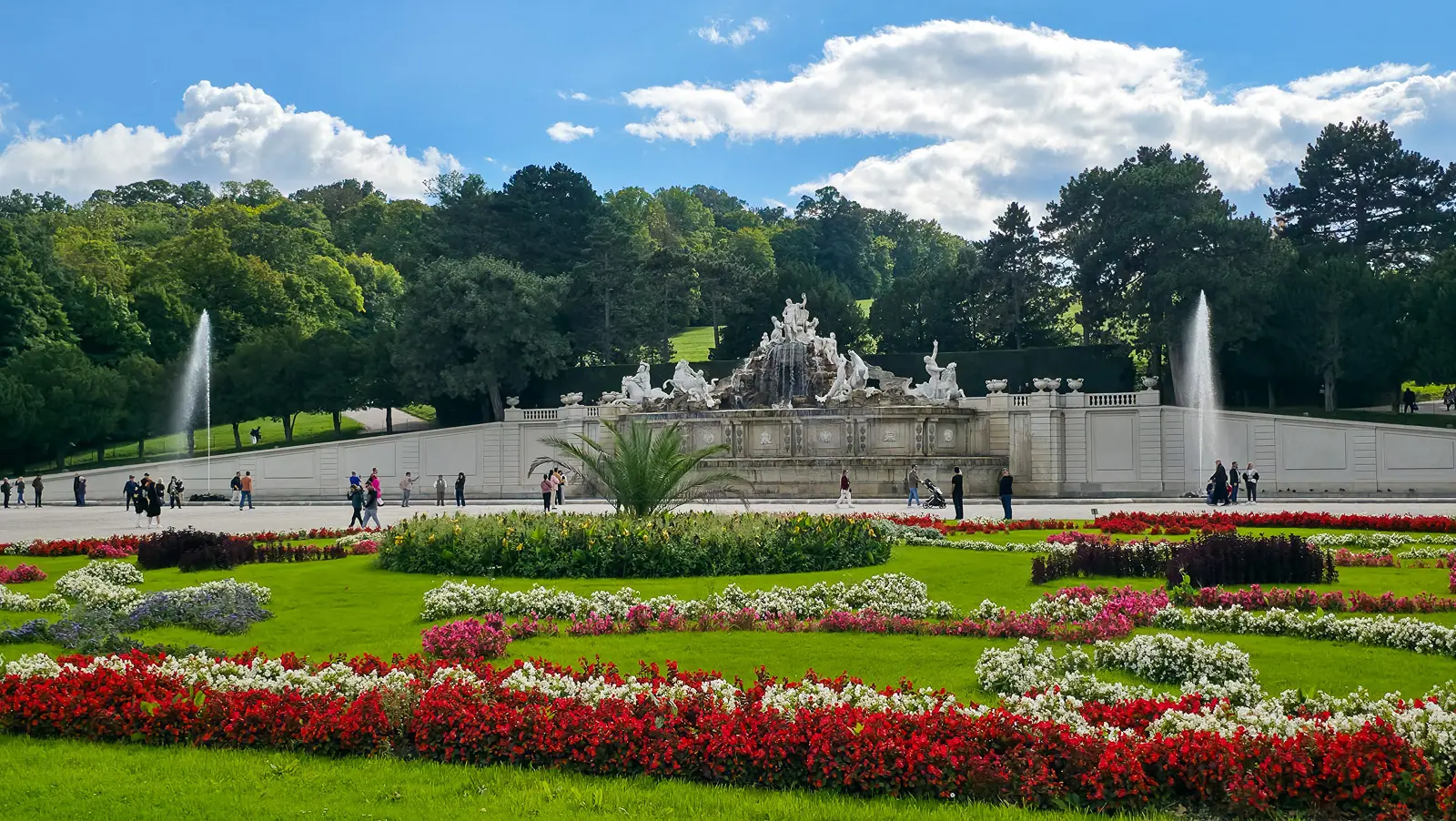
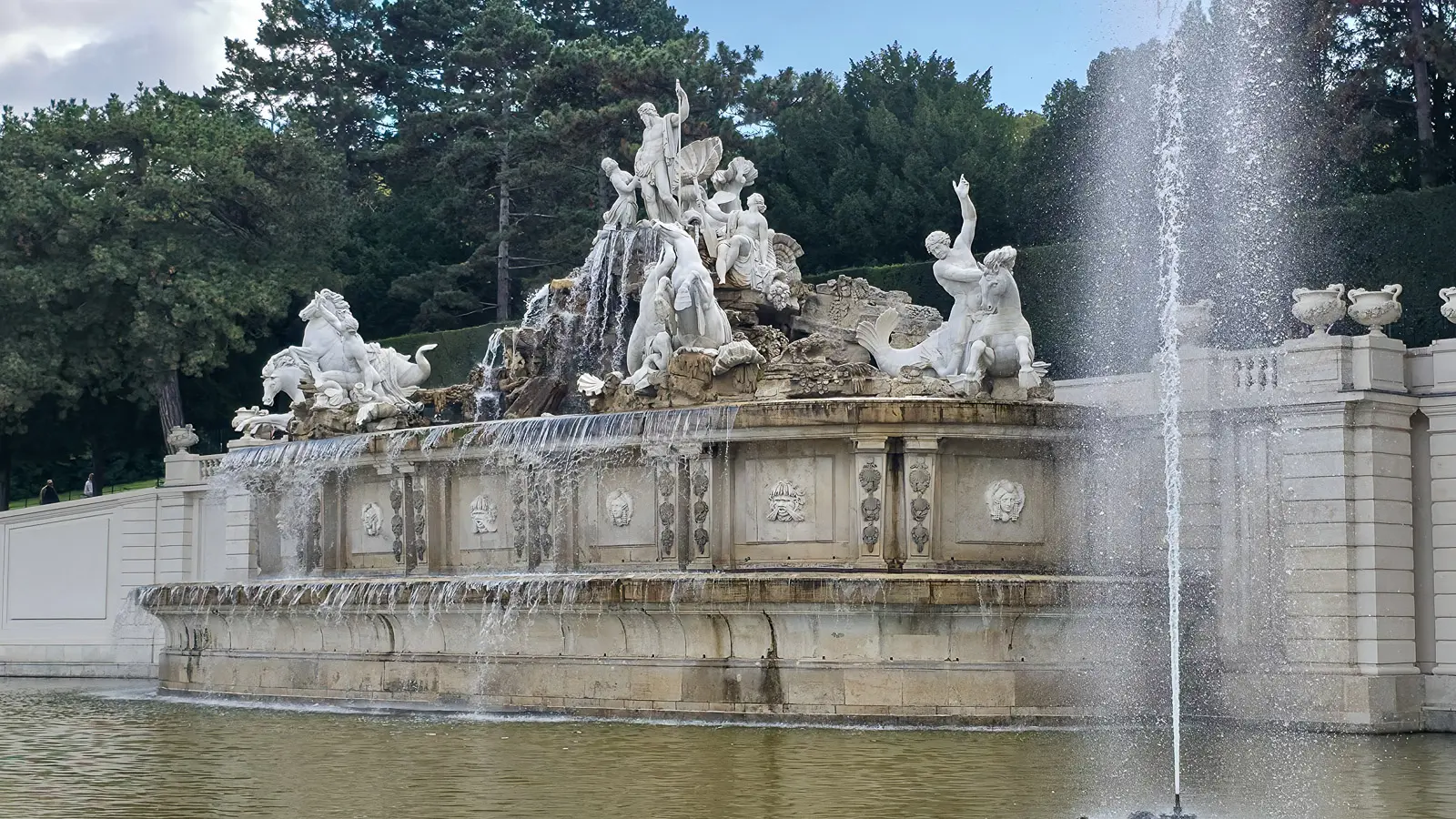
At the far end of the Great Parterre stands the magnificent Neptune Fountain, a dramatic sculptural centerpiece that anchors the landscape with theatrical grandeur. Neptune himself stands atop a rocky grotto in a shell-shaped chariot, trident in hand, while the sea-goddess Thetis kneels beside him, a mythological scene that adds a sense of movement and storytelling to the heart of the imperial garden.
The Gloriette: Vienna’s Most Elegant View
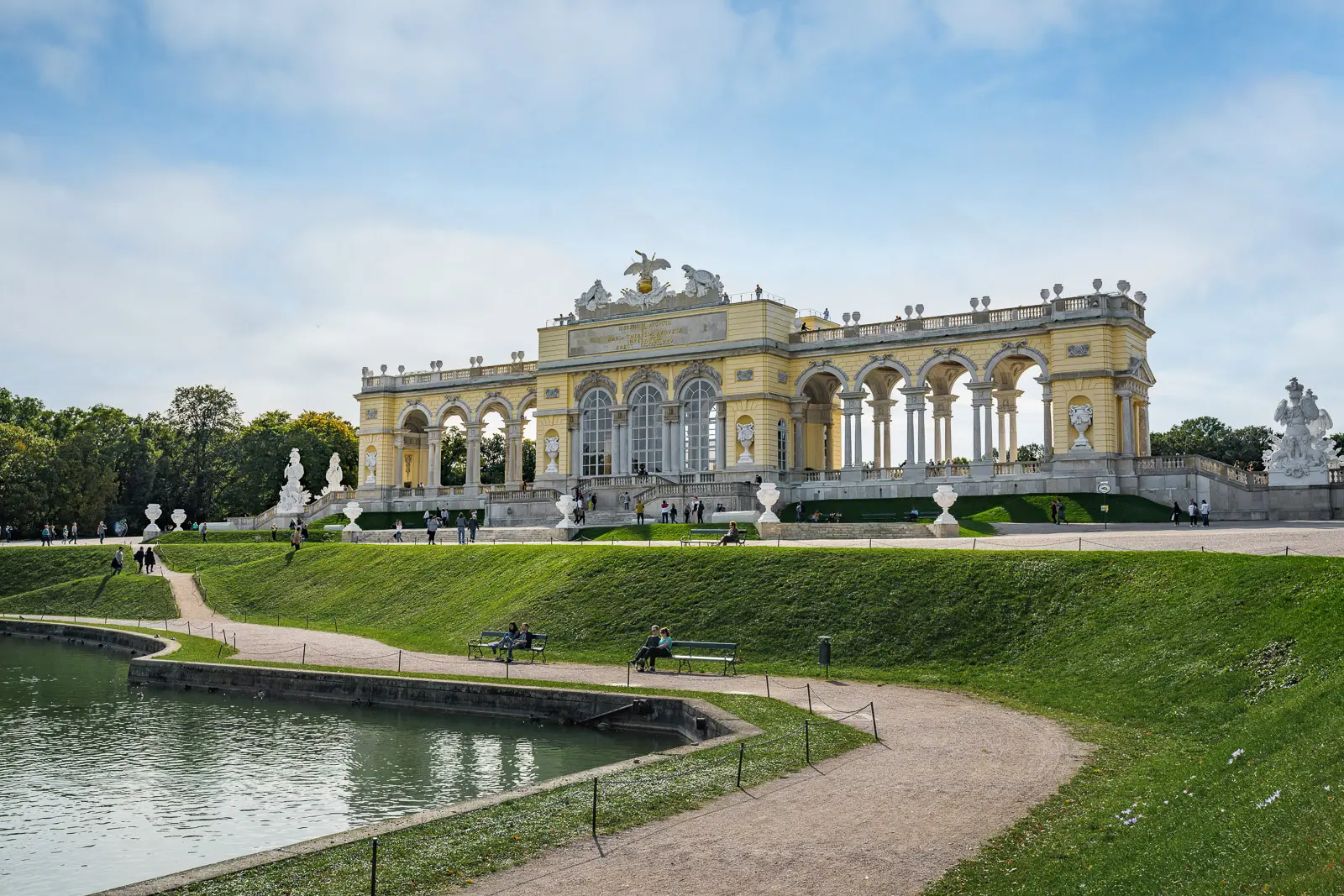
At the top of the hill overlooking the gardens rises one of Schönbrunn Palace’s most iconic structures: the elegant Gloriette. Built in 1775 to the designs of architect Johann Ferdinand Hetzendorf von Hohenberg, the Gloriette was conceived as a neoclassical monument celebrating Habsburg power and the concept of a just and victorious empire. Its central arch is flanked by graceful colonnades and crowned by a sculpted imperial eagle – from a distance, the composition appears almost like a crown resting above the palace grounds. Maria Theresa reportedly ordered parts of the structure built using materials salvaged from Neugebäude Palace, an unfinished Renaissance palace begun under Emperor Maximilian II in 1568, a quietly poetic act of imperial reuse.
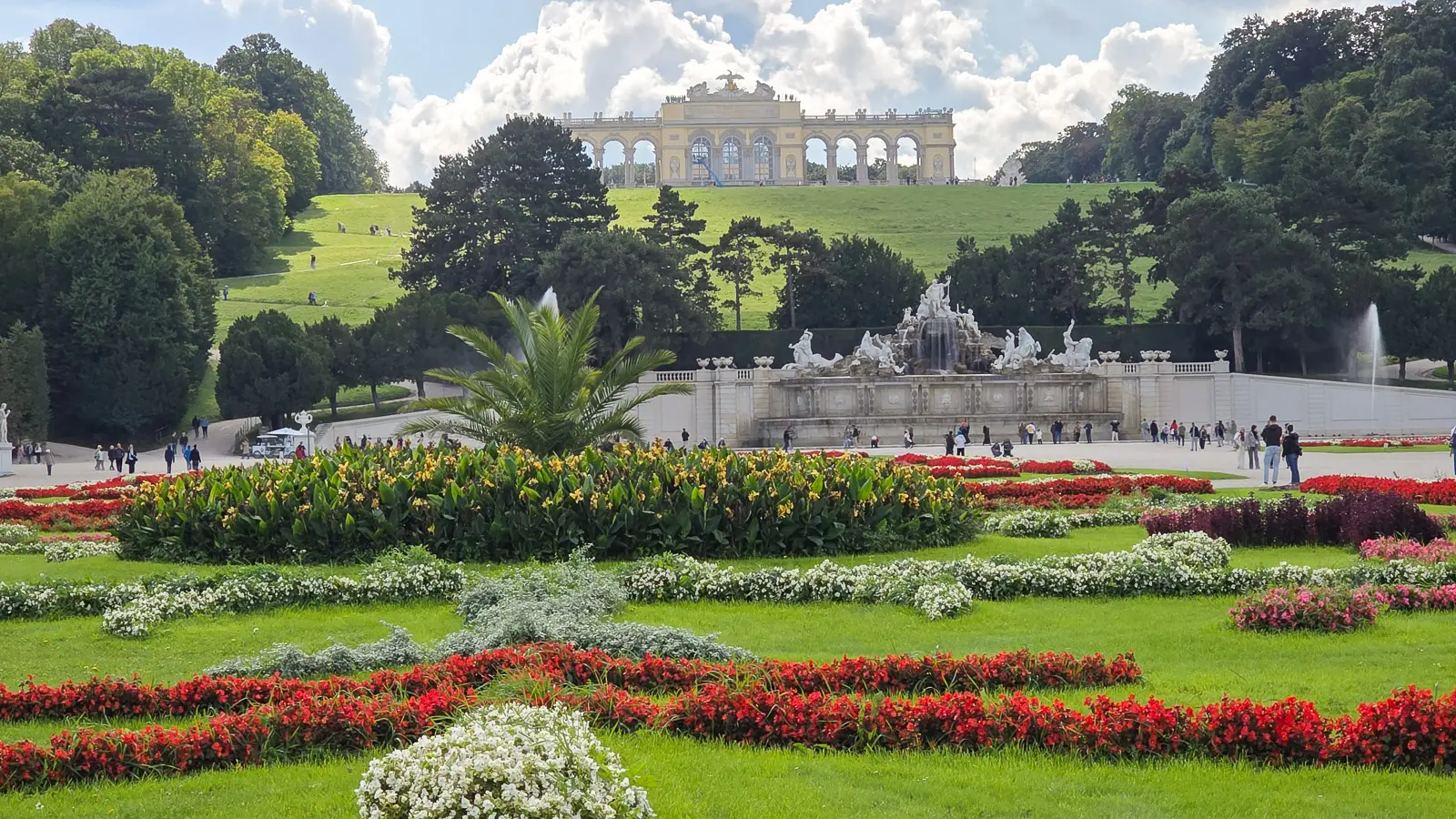
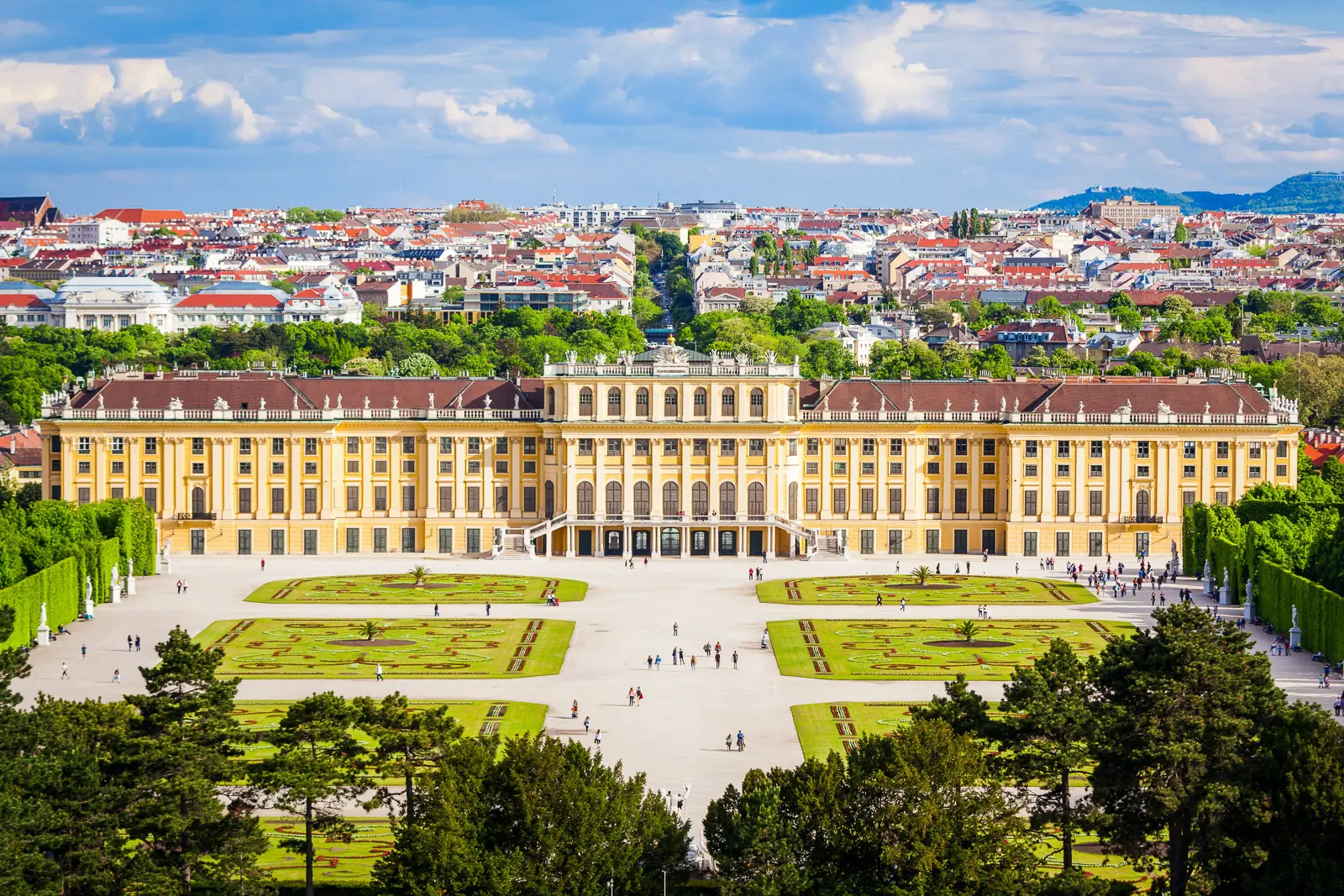
Climbing the gentle hill toward the Gloriette rewards visitors with one of the most spectacular views in Vienna. From this vantage point, the palace unfolds below, framed by gardens that stretch toward the distant city skyline – a perspective that perfectly captures the harmony between architecture, landscape, and imperial vision.
The Gloriette also carries a surprisingly intimate chapter of imperial life. It served as a breakfast room for Franz Joseph I of Austria and as a dining hall for the court until the end of the Habsburg monarchy. Today it houses Café Gloriette, one of Vienna’s most atmospheric coffeehouses, making it the perfect place to pause, enjoy a coffee and cake, and reflect on the centuries of history that once unfolded beneath this remarkable view.
Hidden Corners of the Schönbrunn Estate
Beyond the palace and main gardens, the grounds of Schönbrunn Palace contain several fascinating corners waiting to be discovered. Visitors who wander deeper into the estate will encounter historic pavilions, charming pathways, and lesser-known attractions that reveal yet another side of the imperial property.
Among these is the remarkable Palm House Schönbrunn, one of the largest historic greenhouses in Europe. Opened in 1882, the vast glass structure is divided into three climate zones ranging from cool Mediterranean conditions to tropical warmth, housing rare and exotic plants from around the world. Among its living treasures is a 350-year-old olive tree from Spain, a quietly extraordinary presence in the heart of Vienna.
Nearby, the Tiergarten Schönbrunn holds the distinction of being the oldest continuously operating zoo in the world. Founded in 1752 by Francis I, Holy Roman Emperor during the reign of Maria Theresa, what began as an imperial menagerie has evolved into a world-class zoological garden while retaining its historic character and charm.
Together these hidden corners add real depth to the Schönbrunn experience, transforming it from a single palace visit into an entire landscape of discovery.
Visiting Schönbrunn Palace Today
Today, Schönbrunn welcomes millions of visitors each year who come to experience its remarkable blend of history, architecture, and gardens. The palace offers several tour options that allow visitors to explore the imperial rooms and learn more about the Habsburg dynasty through guided commentary. The gardens, meanwhile, remain open to the public and are free to explore, making them one of the most beloved green spaces in Vienna. Locals and travelers alike come here to walk, relax, and enjoy the peaceful beauty of the grounds. Whether you spend a few hours exploring the palace interiors or an entire afternoon wandering the gardens, Schönbrunn offers a memorable glimpse into Vienna’s imperial past.
Bubbly Tips for Visiting Schönbrunn Palace
- Arrive early in the morning to enjoy the palace grounds before the largest crowds arrive.
- Allow at least half a day to explore Schönbrunn – the palace interiors, gardens, and hilltop Gloriette deserve time.
- Walk up to the Gloriette for one of the most beautiful panoramic views in Vienna.
- The best time to visit Schönbrunn Palace is early morning or late afternoon, when the gardens are quieter and the light is especially beautiful.
- Wear comfortable shoes – the Schönbrunn estate is vast and best explored slowly on foot.
Final Thoughts: Vienna’s Imperial Jewel
Schönbrunn Palace is more than a historic residence – it is a place where centuries of European history, art, and culture come together in one extraordinary setting.
Standing before the palace, wandering through its gardens, or gazing over Vienna from the Gloriette, it becomes clear why Schönbrunn continues to captivate visitors from around the world. It is a reminder that travel is not only about seeing new places, but about stepping into stories that have shaped the world we know today.
If you’ve visited Schönbrunn Palace or are dreaming of exploring Vienna one day, I would love to hear your thoughts in the comments below.
Until next time!
xoxo,
Bubbly🎈
🌟 Everything You Need to Plan Your Dream Trip in 2026
- 🌟 Luxury Hotels - Find premium stays with Booking.com & Hotels.com
- 🏡 Vacation Rentals - Discover unique properties on VRBO
- 🏞️ Guided Tours - Explore with Viator or GetYourGuide
- 🎫 Attraction Tickets - Skip the lines with Tiqets
- 🚢 Ocean Cruises - Set sail with Cruise Direct
- 📱 International SIMs - Stay connected with Saily
- 🚗 Car Rentals - Budget-friendly options from Discover Cars
- 🌐 Secure VPNs - Browse safely with NordVPN
- 💶 Currency Exchange - Best rates with Wise
- 🗣️ Learn Languages - Master the local language with Babbel and Rosetta Stone