
Hello, lovers of history and hidden stories! Vienna is a city that knows how to celebrate its emperors and empresses. Their images are polished, romanticized, and immortalized in portraits, statues, and souvenirs. But there is one place where the legend softens and the woman behind the crown finally emerges. That place is the Sisi Museum. Visiting the Sisi Museum is not about admiring imperial splendor alone. It is about understanding Empress Elisabeth (Sisi) of Austria – not as a fairytale figure, but as a complex, restless, and often misunderstood woman navigating life inside one of Europe’s most rigid courts.
Sisi Museum at a Glance
📍 Location: Inside the Hofburg Palace, entered via Michaelertor, Vienna 1st district
🏛️ Includes: Imperial Apartments + Sisi Museum (combined ticket)
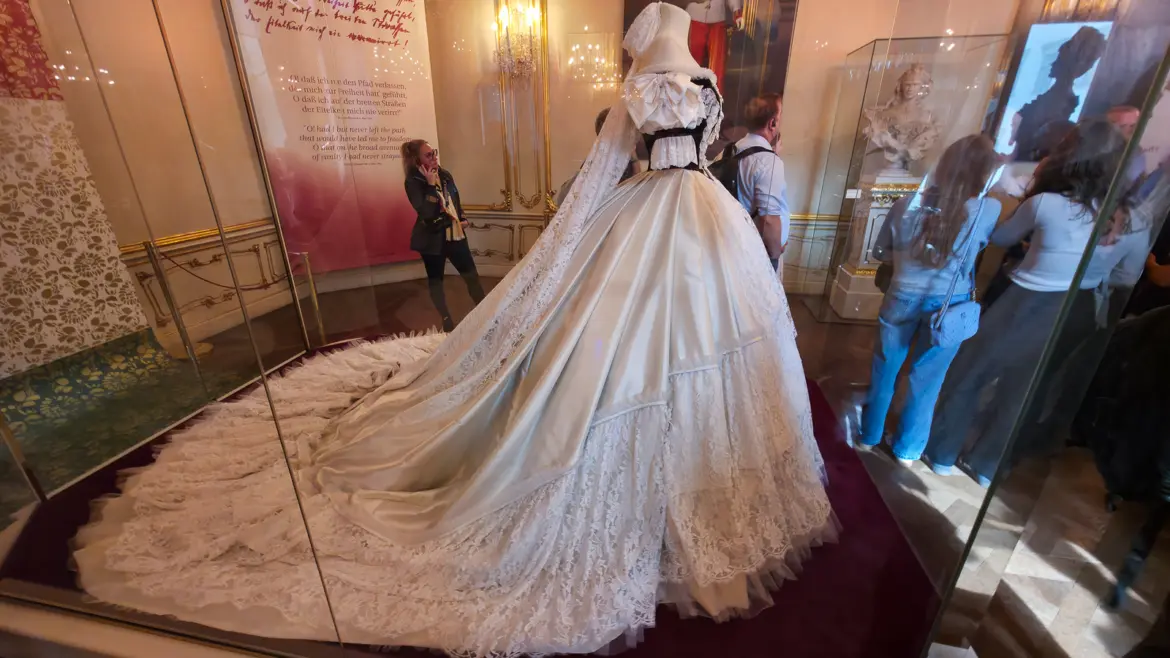
👗 Highlights: Empress Elisabeth’s dresses, jewelry, personal notebooks, family photographs, and a dried rose from her coffin
🛏️ Don’t Miss: Franz Joseph’s iron bedstead, Sisi’s exercise room, the Emperor’s Staircase, the Audience Chamber
⏱️ Time Needed: 2–3 hours (slow, reflective visit recommended)
💡 Tip: Visit the Imperial Apartments first for context, then enter the Sisi Museum — experience the public world before the private one
The Hofburg & the Imperial Apartments: A World of Ceremony
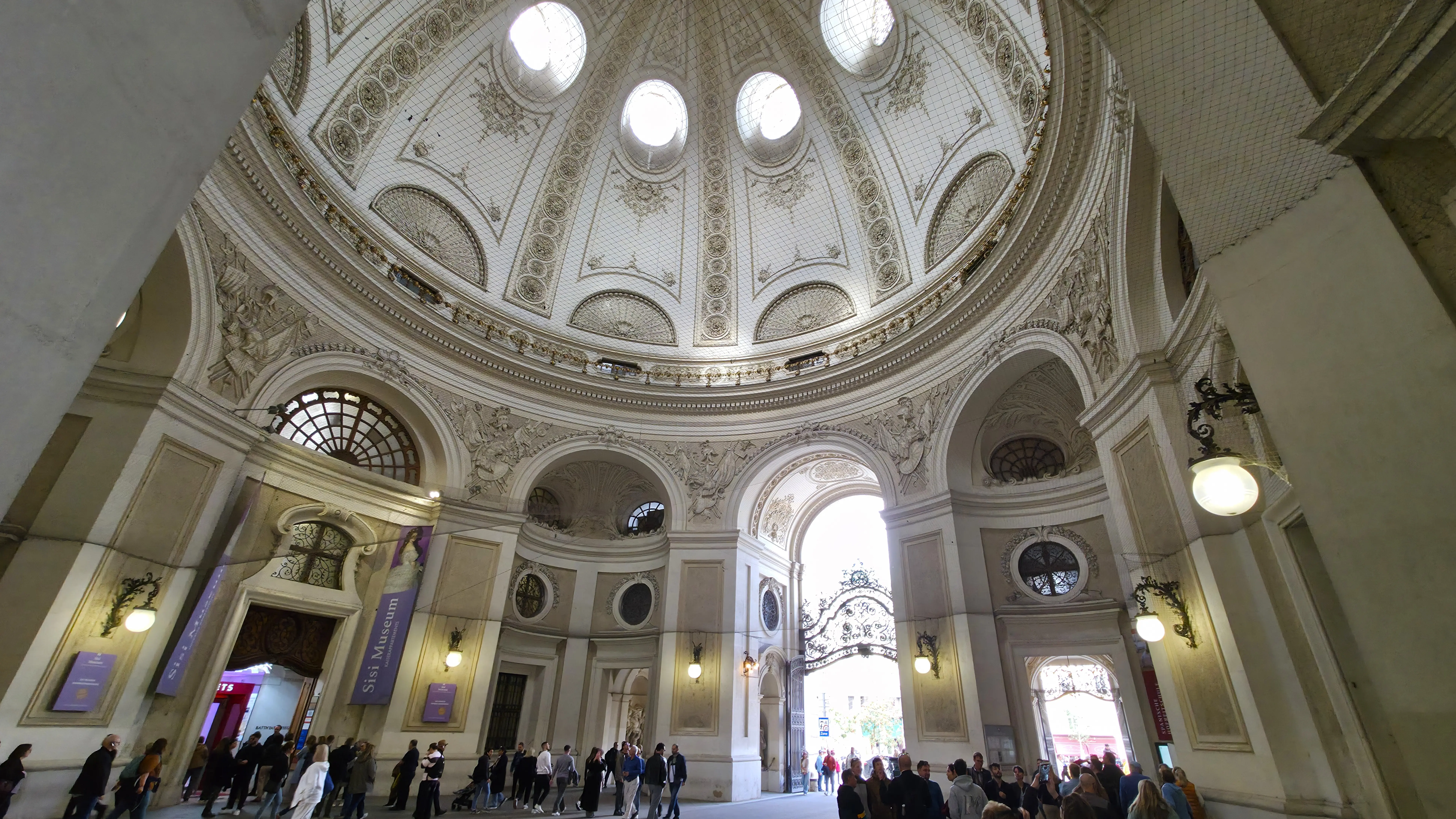
Your journey begins inside the Hofburg Palace, the epicenter of Habsburg power for more than six centuries. Entering through the Michaelertor (St. Michael’s Gate), with its monumental columns and soaring dome, immediately sets the tone. This is not a subtle introduction, it is an announcement of authority. Walking through the Imperial Apartments feels like stepping into the carefully choreographed machinery of empire, where space itself was designed to communicate hierarchy, duty, and control.
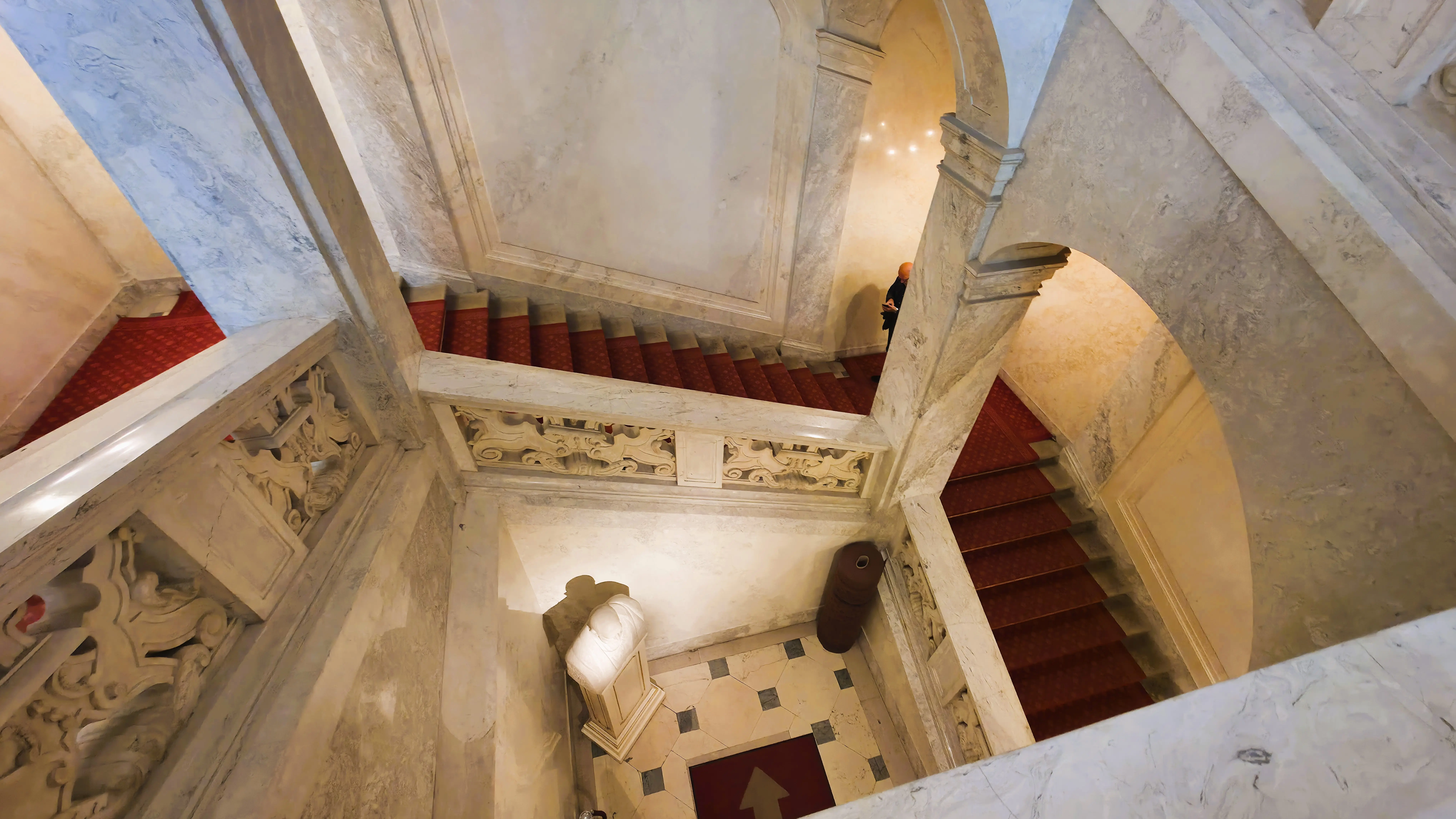
Ascending the Emperor’s Staircase, the weight of formality becomes unmistakable. This was never meant to be a simple transition between floors, but a ceremonial ascent where every step reinforced status and order. From there, the audience waiting room and audience chamber unfold as spaces of controlled anticipation. Visitors waited here in silence, conscious of rank and protocol, before being summoned – a reminder that access to power was carefully regulated and never casual.
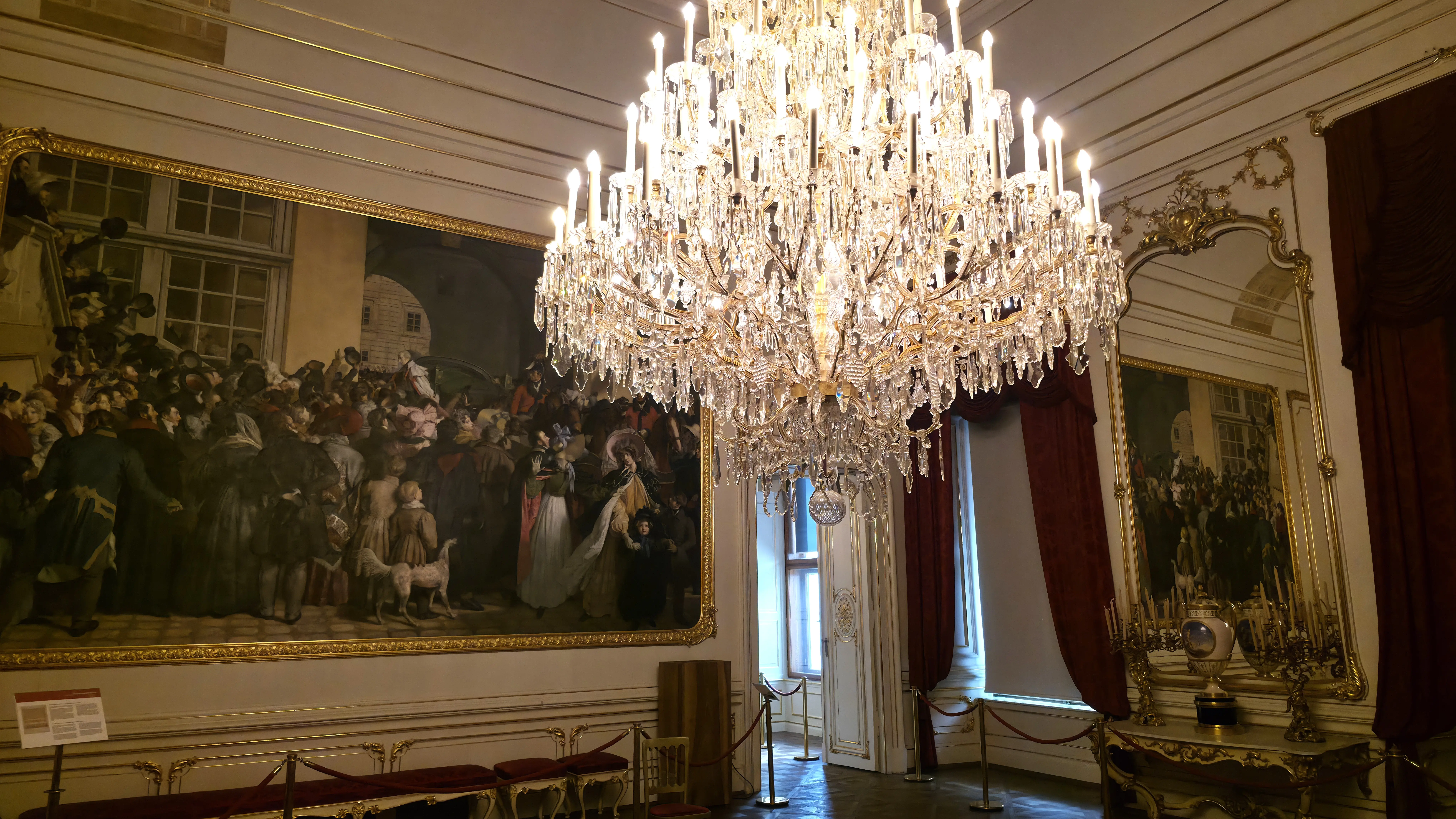
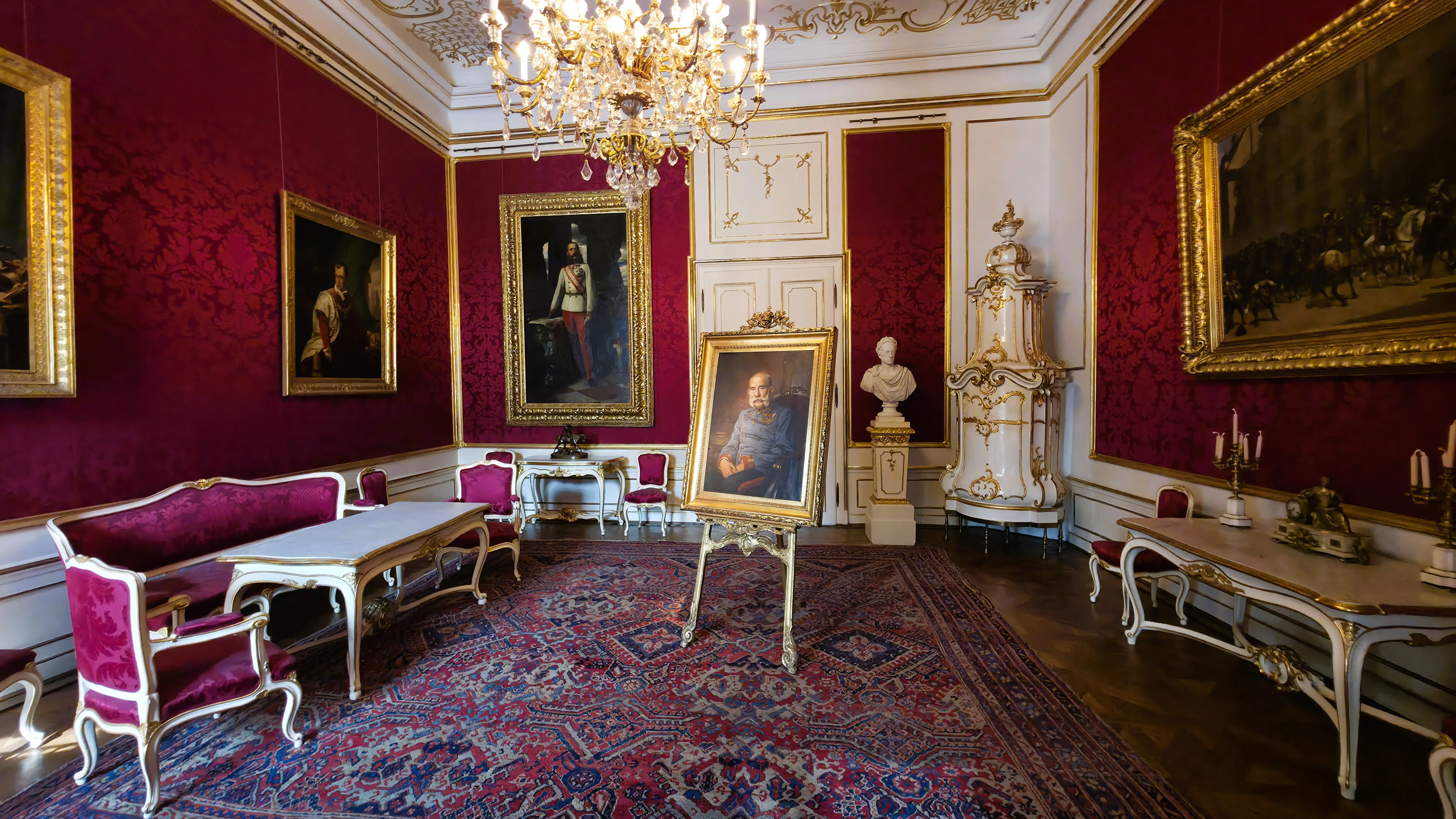
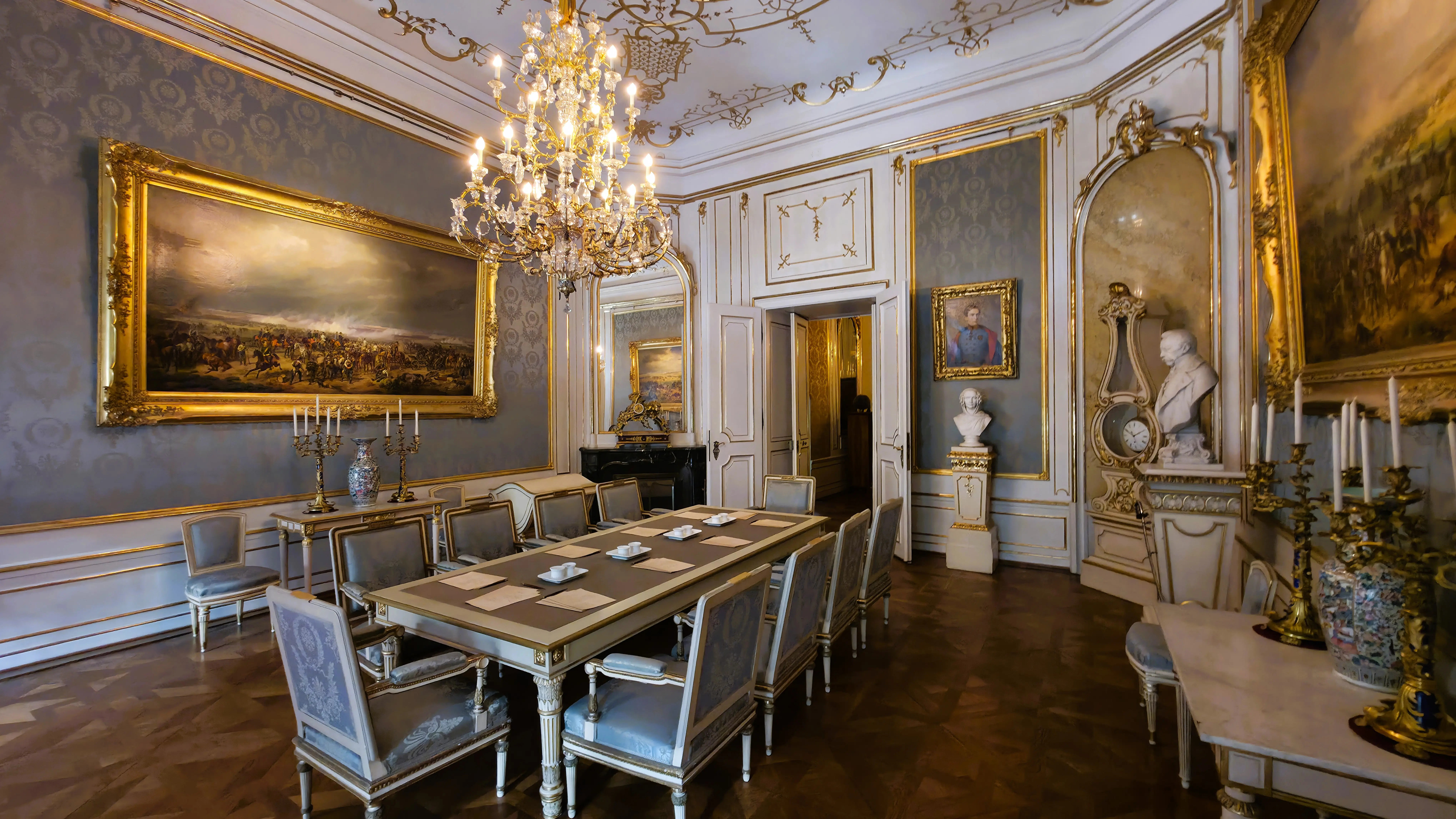
The conference room and the emperor’s study speak to governance and responsibility, places where decisions shaping an empire were discussed behind closed doors. These rooms feel purposeful rather than lavish, emphasizing function over comfort. The emperor’s bedroom, similarly austere and restrained, reflects Franz Joseph I’s unwavering sense of duty and discipline. In its simplicity, it offers a striking contrast to the emotional complexity and inner restlessness that defined Elisabeth’s experience of imperial life.
Elisabeth’s Private Spaces: Beauty, Discipline, and Isolation
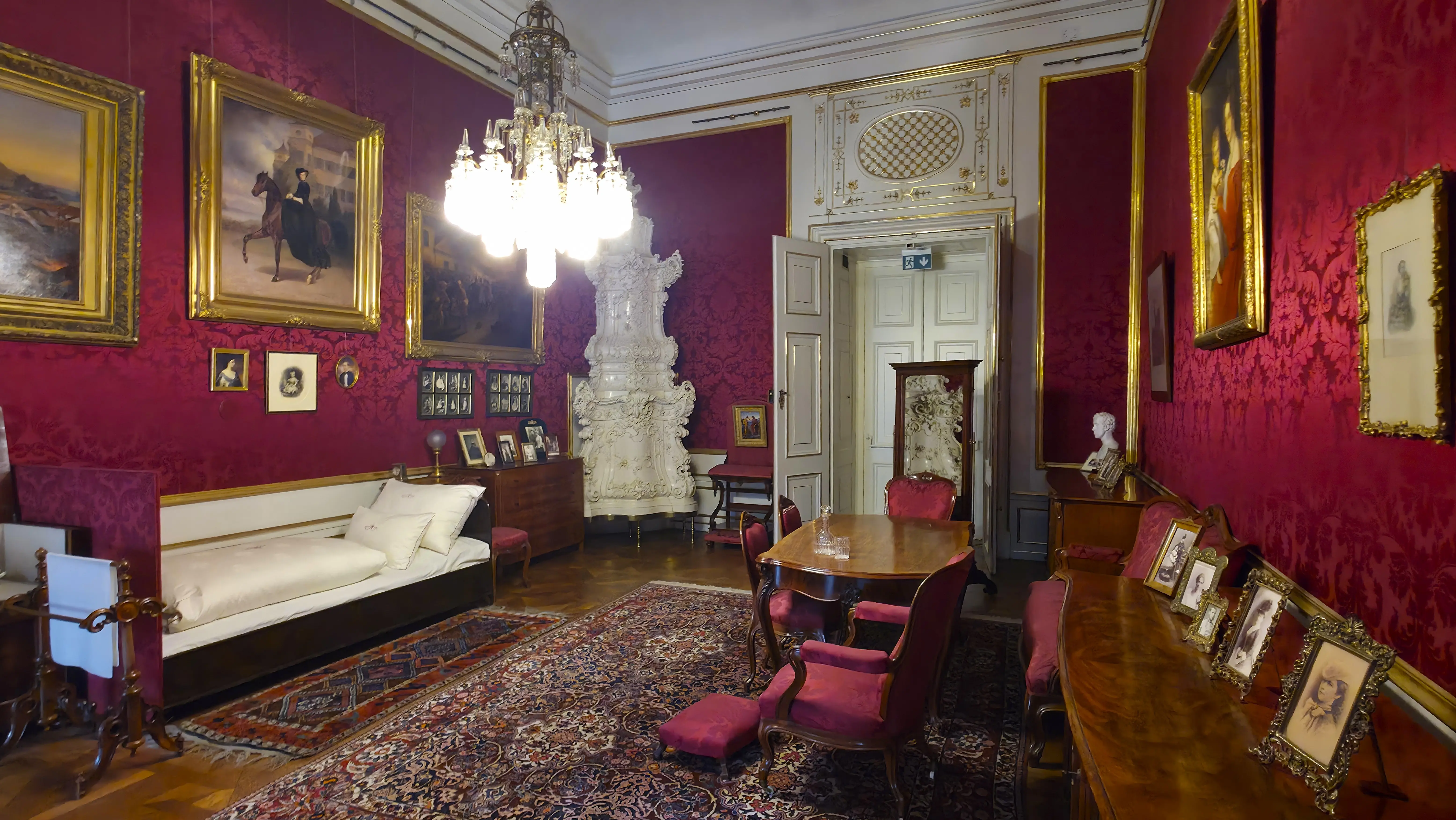
Moving into the empress’s rooms feels like entering a different emotional landscape. Elisabeth’s bedroom and drawing room reveal a quieter, more personal side of imperial life, yet they also hint at confinement. Despite the elegance, these were not spaces of freedom but of routine and expectation.
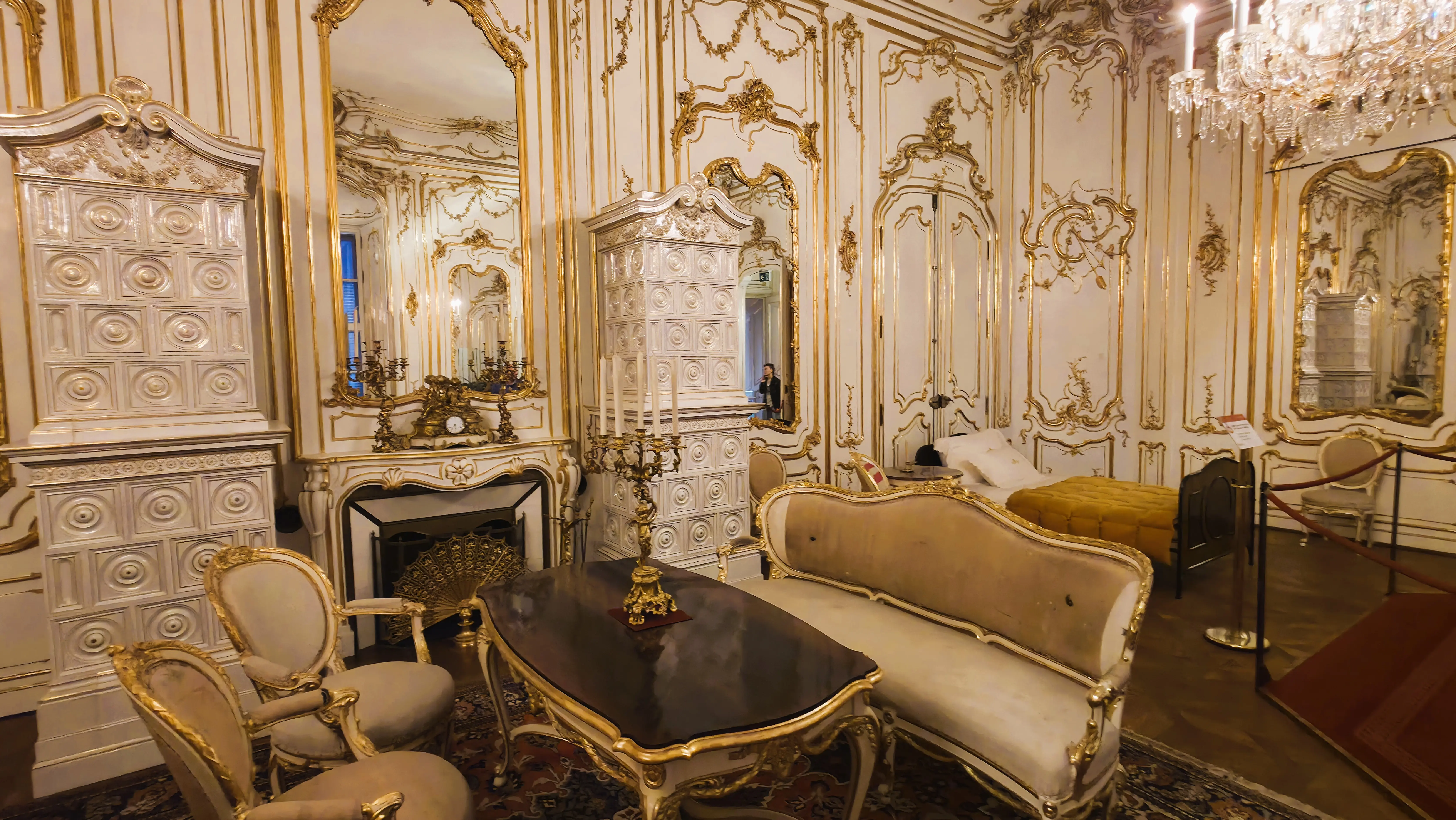
Her dressing and exercise room offers one of the most revealing insights into Elisabeth’s inner world. Known for her extraordinary beauty and relentless self-discipline, Sisi devoted enormous energy to maintaining her physical appearance. Exercise, strict diets, and elaborate beauty rituals were not indulgences, they were forms of control in a life where so much was dictated by others.
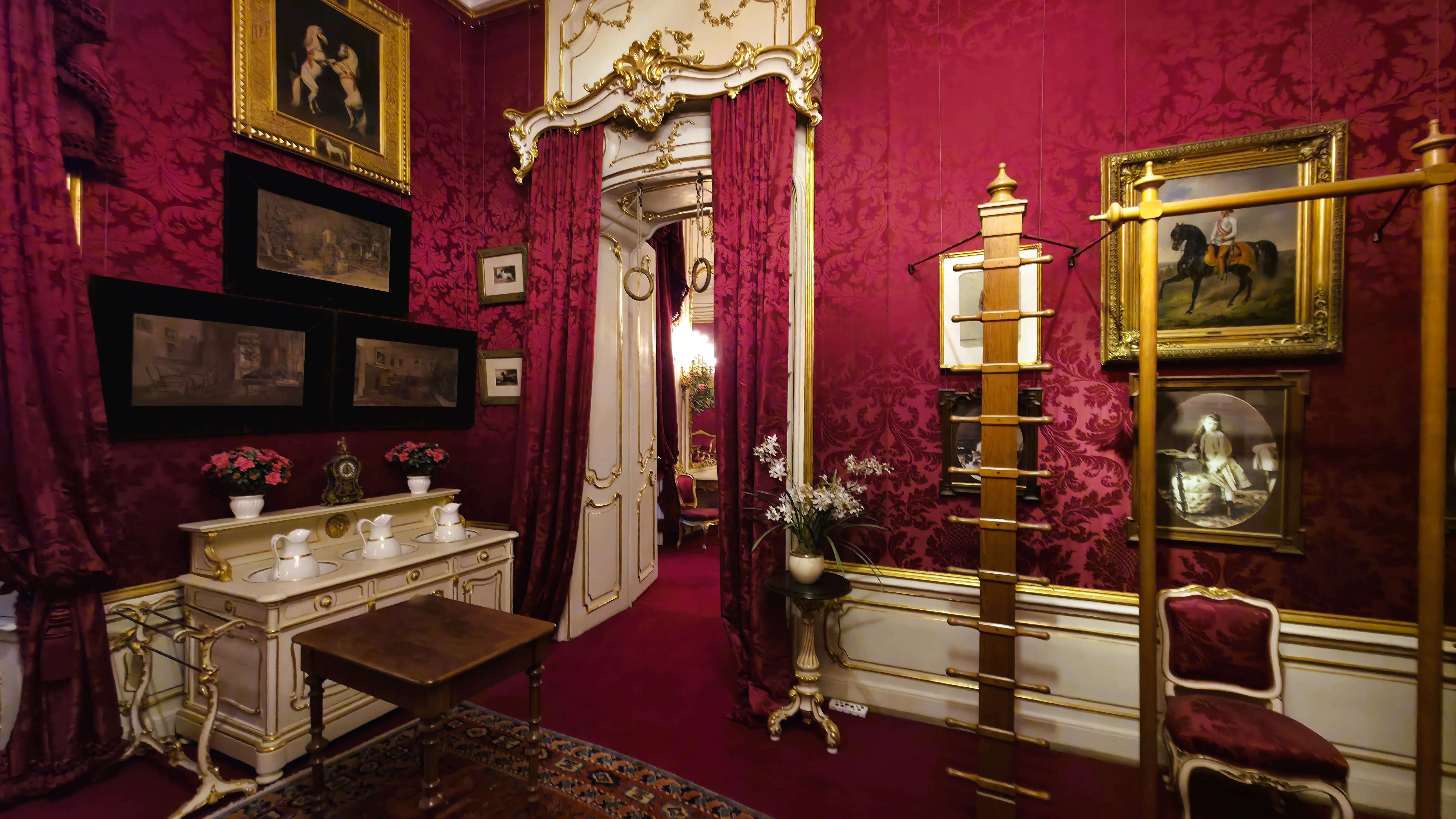
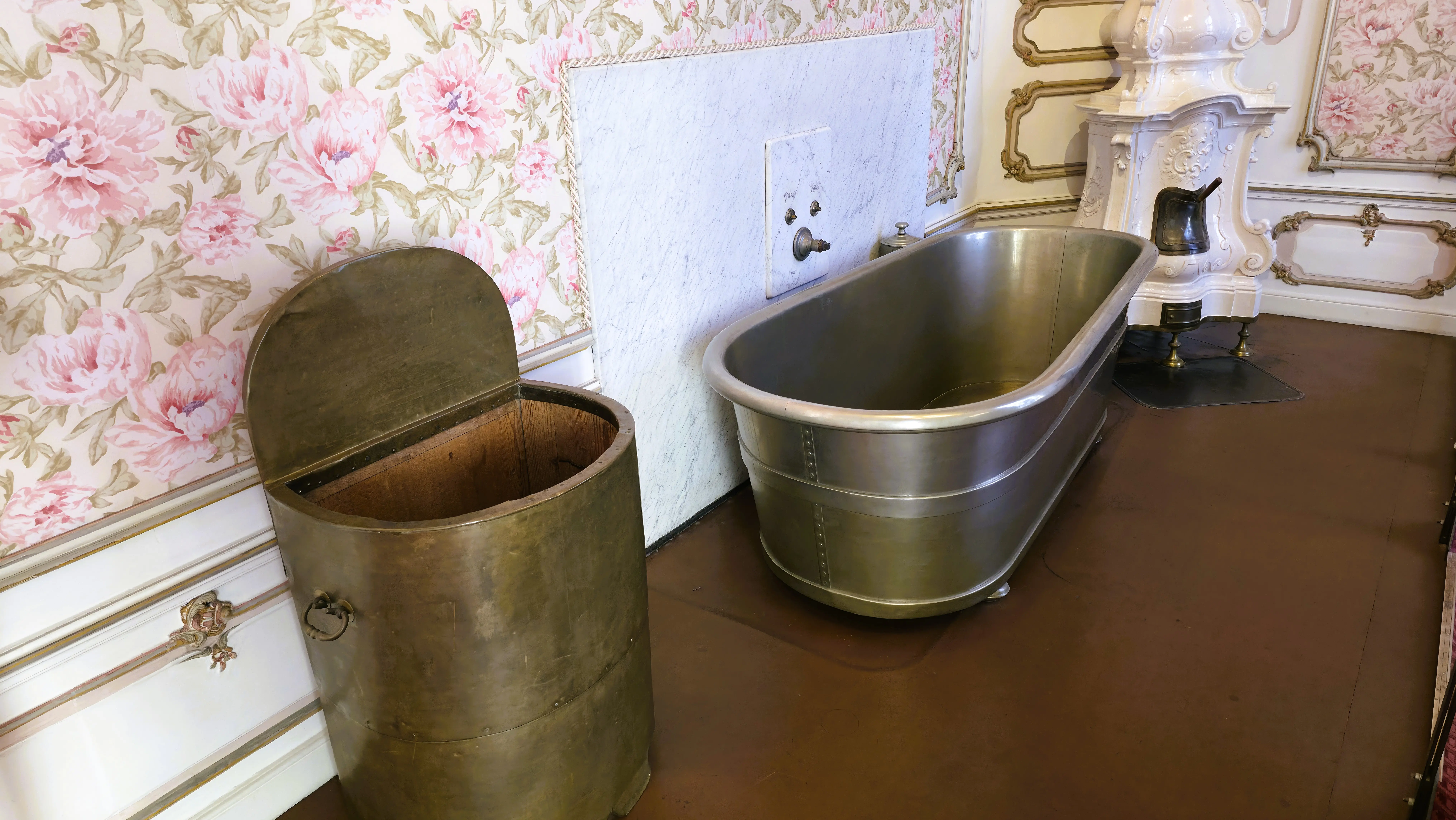
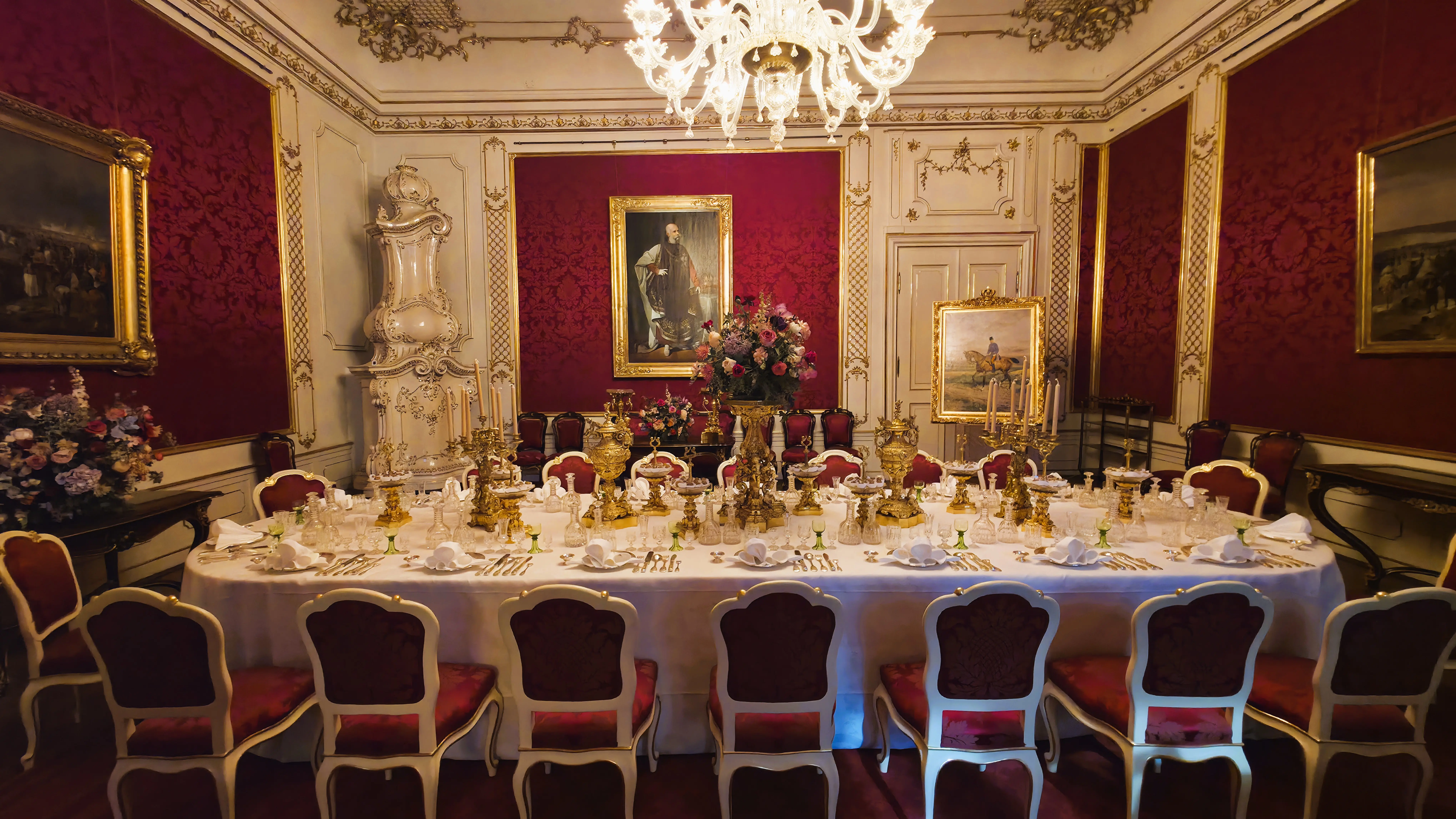
The bathroom and lavatory further humanize the empress. These intimate spaces remind visitors that behind the titles and gowns was a woman with physical routines, vulnerabilities, and private struggles. Even the dining room reinforces this tension, as meals were often governed by Elisabeth’s strict dietary rules and personal anxieties rather than pleasure.
The Sisi Museum: A Deeper Insight into Elisabeth’s Life
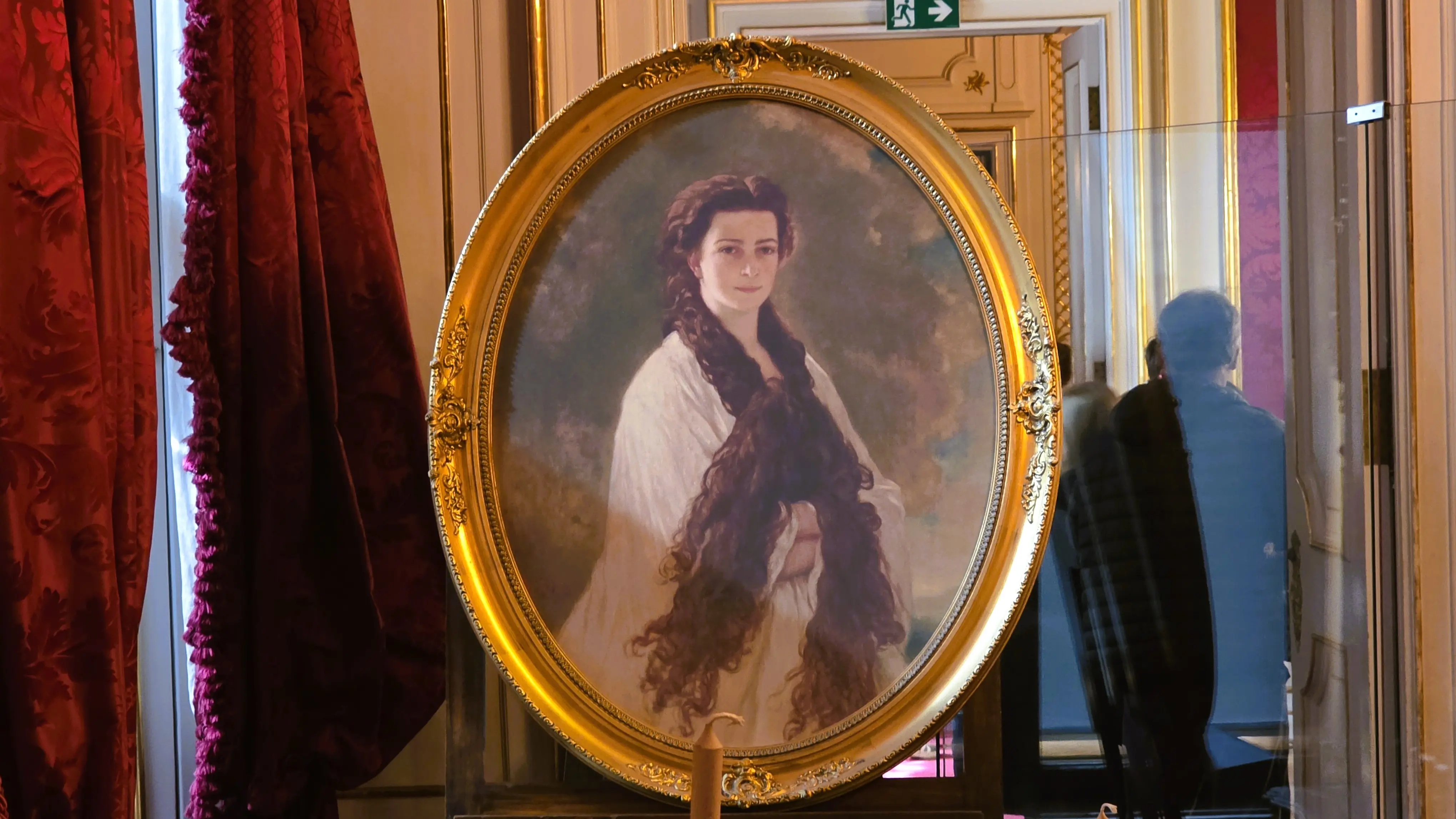
Since 2004, the Sisi Museum has been housed in the Stephan Apartments, named after Archduke Stephan Viktor. This location is intentional and symbolic, placing Elisabeth’s story within the imperial residence rather than separating her into myth. What makes this museum exceptional is its purpose. Rather than glorifying Sisi, it seeks to deconstruct the legend. The exhibition design, created by renowned set designer Rolf Langenfass, is inspired by Elisabeth’s own poetry. The result is a museum that feels introspective, emotional, and deeply personal. The atmosphere is subdued, reflective, and almost theatrical – inviting visitors to step into Elisabeth’s inner world rather than admire her from a distance.
Personal Objects That Tell the Truth
Among the approximately 300 objects on display, it is Elisabeth’s personal possessions that quietly unravel the myth surrounding her. The dresses exhibited in the museum are among the most striking. Carefully preserved and displayed, they reflect not only imperial elegance but also the immense pressure placed on Elisabeth’s appearance. These garments were more than expressions of fashion, they were part of a carefully constructed public image that followed her relentlessly. The narrow silhouettes, refined fabrics, and meticulous craftsmanship hint at both discipline and constraint, reminding visitors that beauty, for Elisabeth, was never effortless or free.
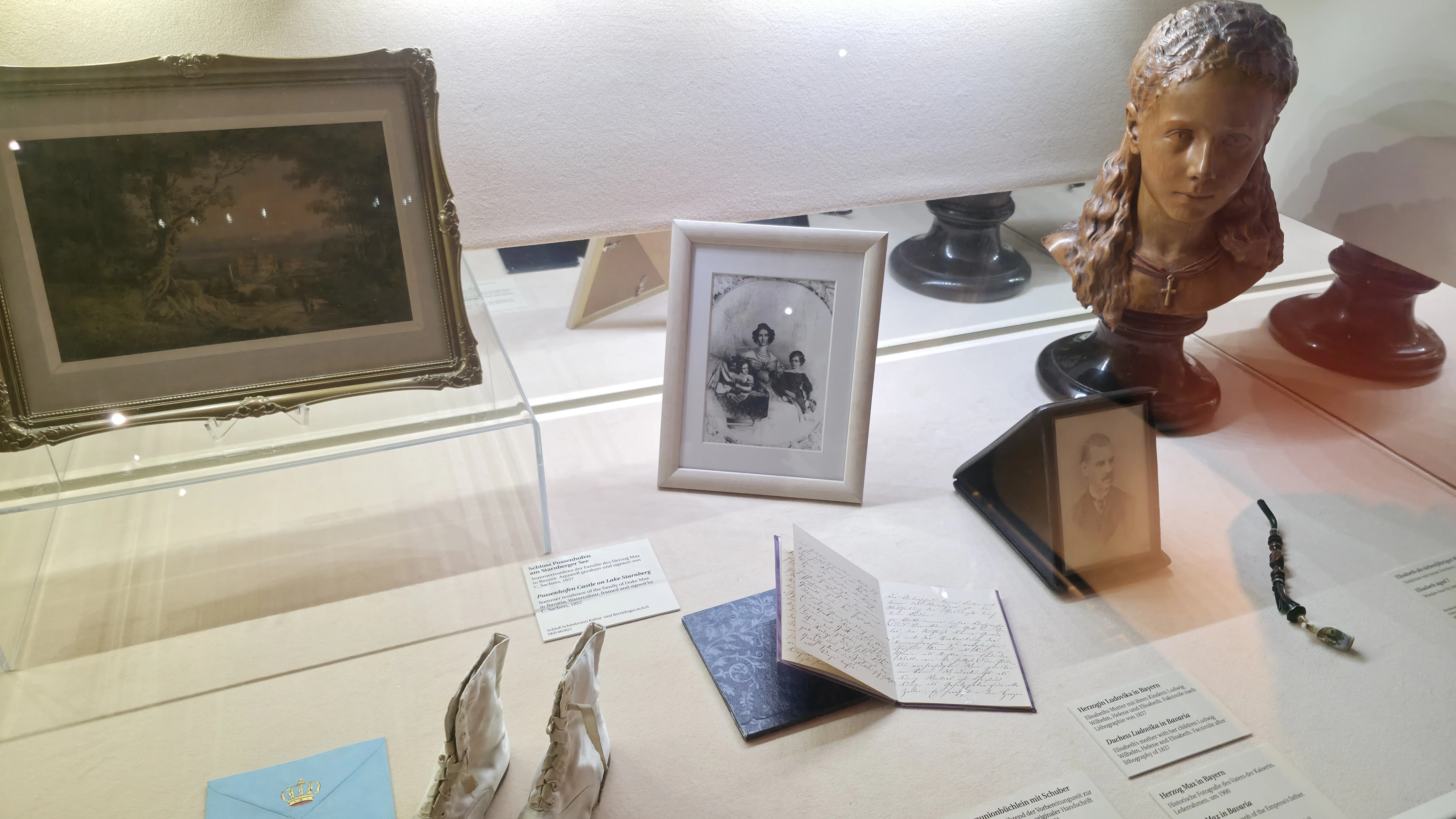
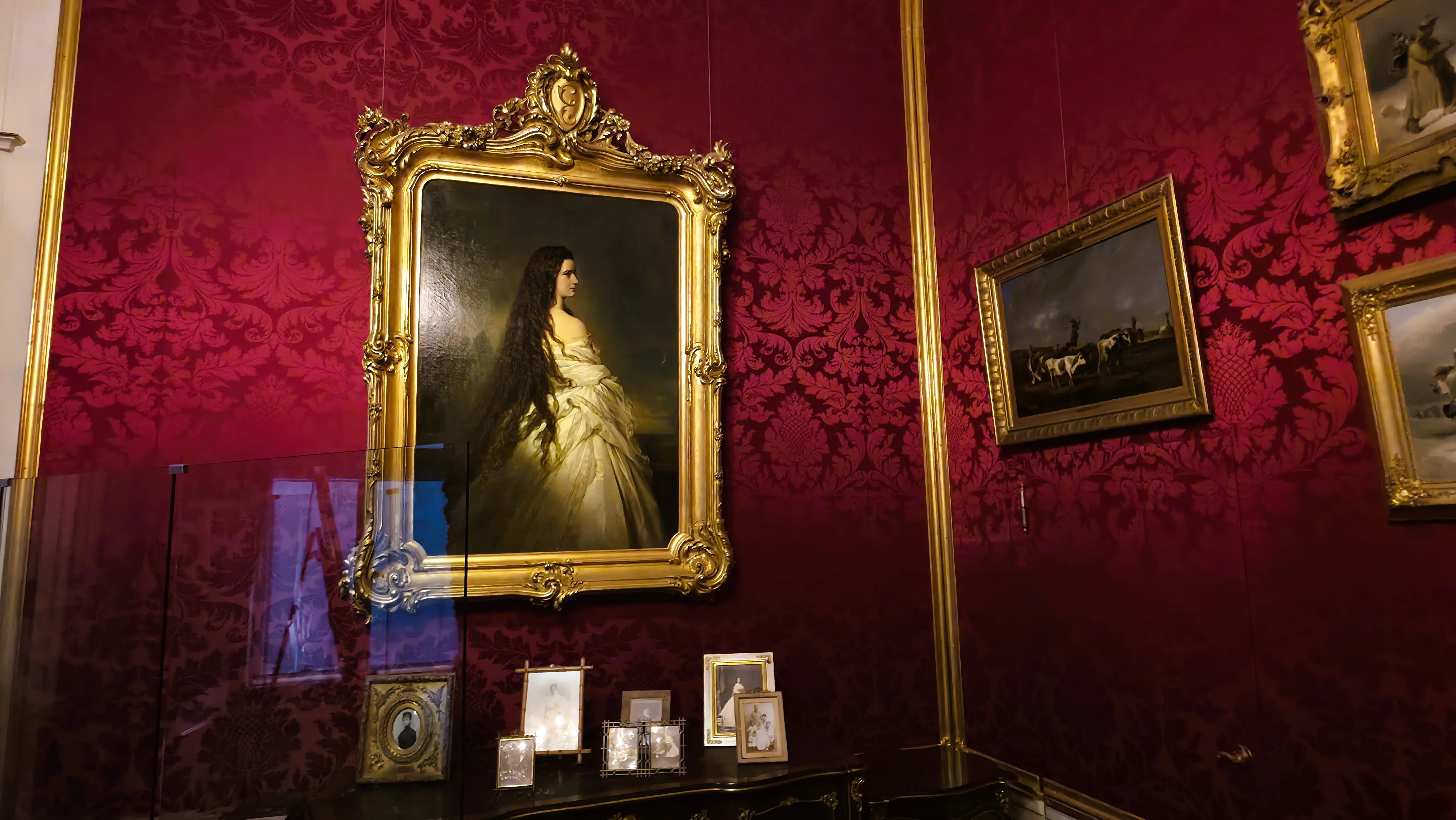
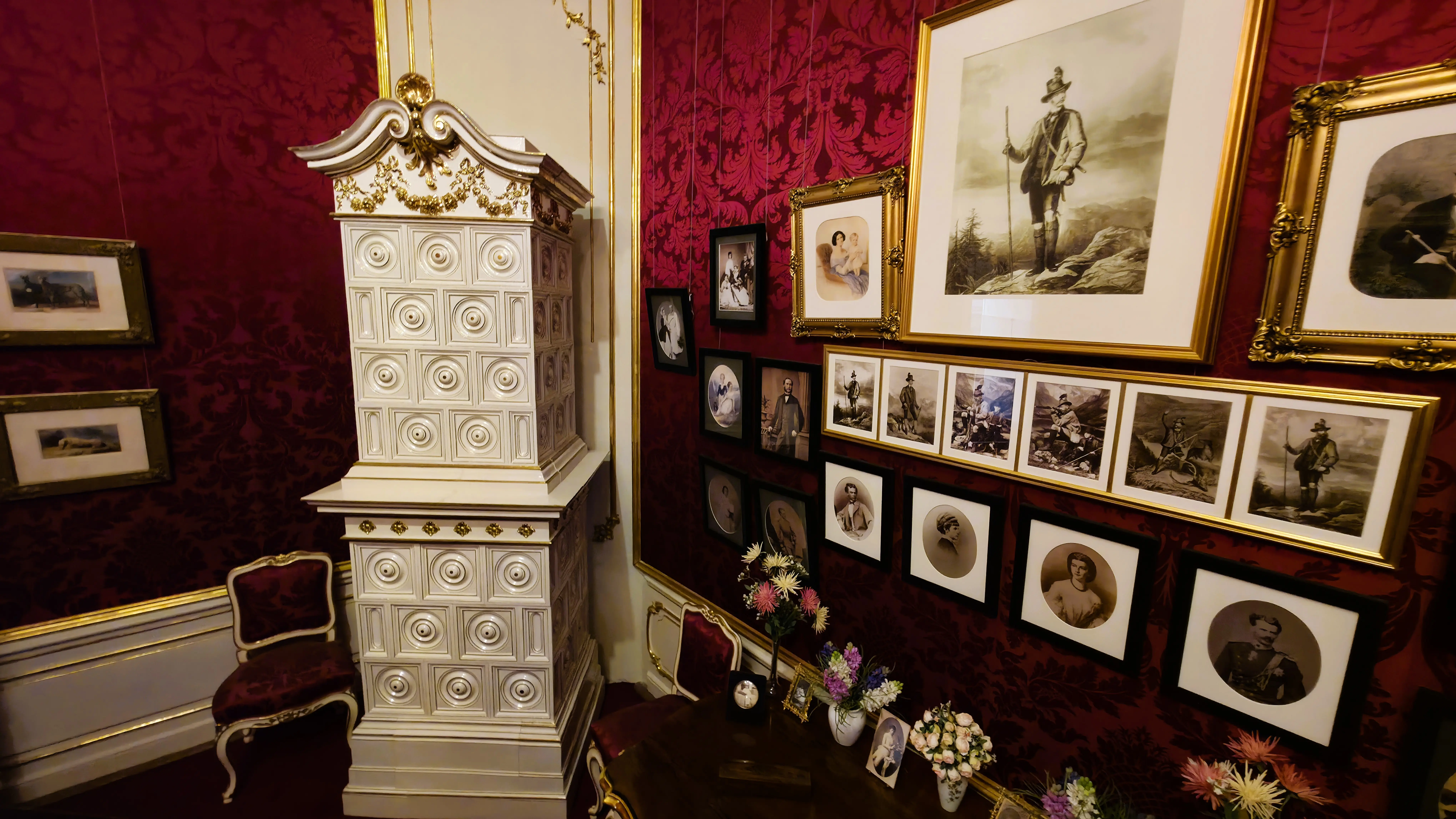
Equally moving are the photographs and portraits of her children and family. These images introduce a softer, more vulnerable dimension of Elisabeth’s life – one marked by affection, distance, and profound grief. The museum does not frame her solely as an empress or icon, but as a mother navigating loss and emotional separation within the rigid structure of court life. These family images feel intimate and restrained, offering fleeting glimpses into relationships that were often overshadowed by duty and expectation.
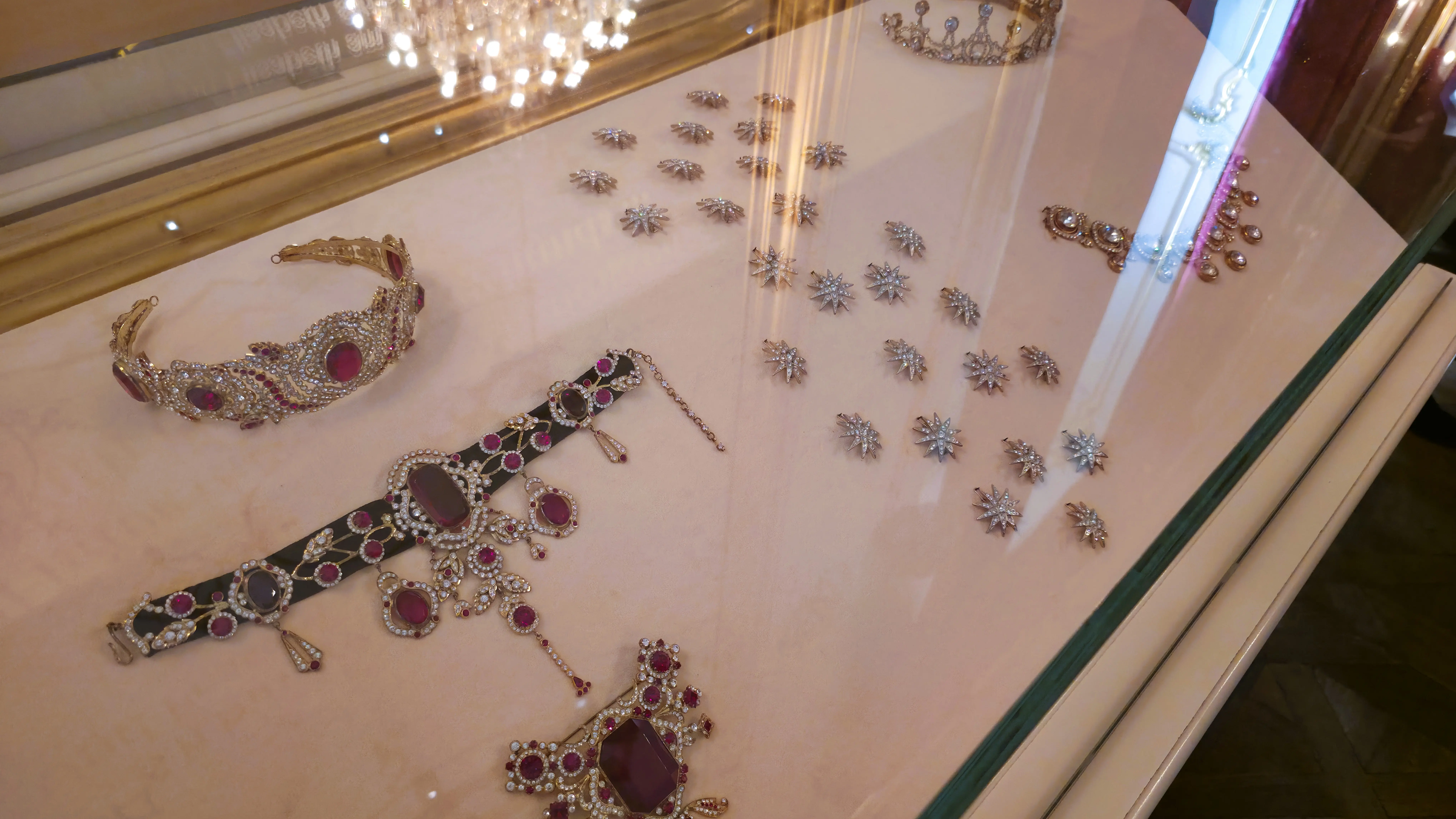
Jewelry displayed throughout the museum adds yet another layer to her story. These pieces are exquisite, yet understated – symbols of rank and status, but also deeply personal adornments worn within a world that constantly scrutinized her. Unlike crowns or regalia, these jewels feel closer to the body, closer to the self. They reflect the paradox of Elisabeth’s life: surrounded by luxury, yet often longing for simplicity and escape.
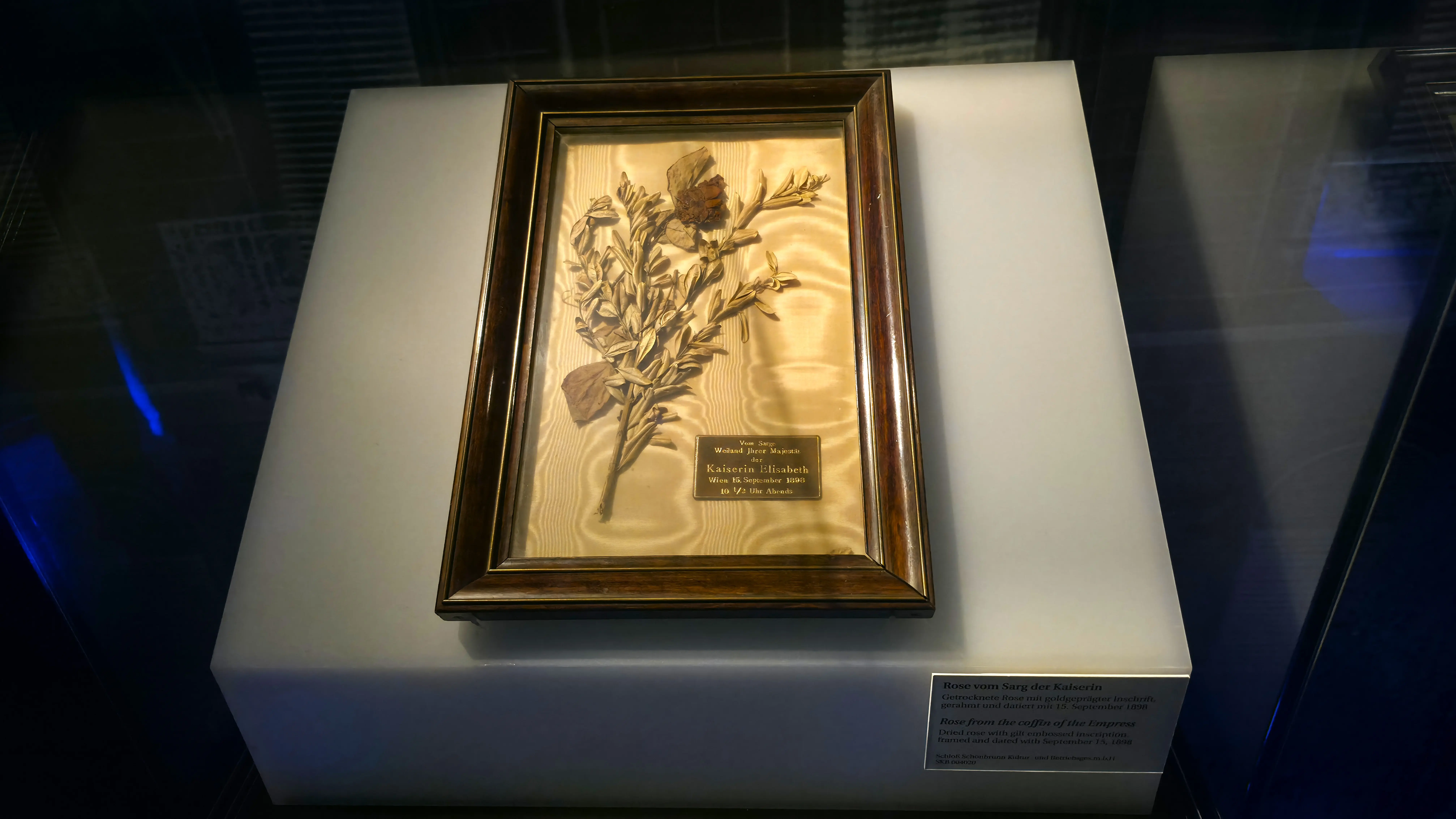
Perhaps the most haunting object in the museum is the dried rose taken from Elisabeth’s coffin, dated September 15, 1898. This small, fragile remnant carries immense emotional weight. Unlike the dresses or jewelry, it was never meant to be seen or preserved. It exists as a quiet trace of mourning – a reminder that Elisabeth’s life ended violently and abruptly, far from Vienna, and that grief lingered long after her death. Standing before it, the distance between legend and loss dissolves.
Together, these objects do not glorify Elisabeth – they humanize her. They reveal a woman shaped by beauty, burdened by expectation, anchored by love, and ultimately defined by longing. The museum does not ask visitors to admire her from afar, but to sit with the complexity of her life and the silence she left behind.
Poetry, Movement, and Misunderstanding
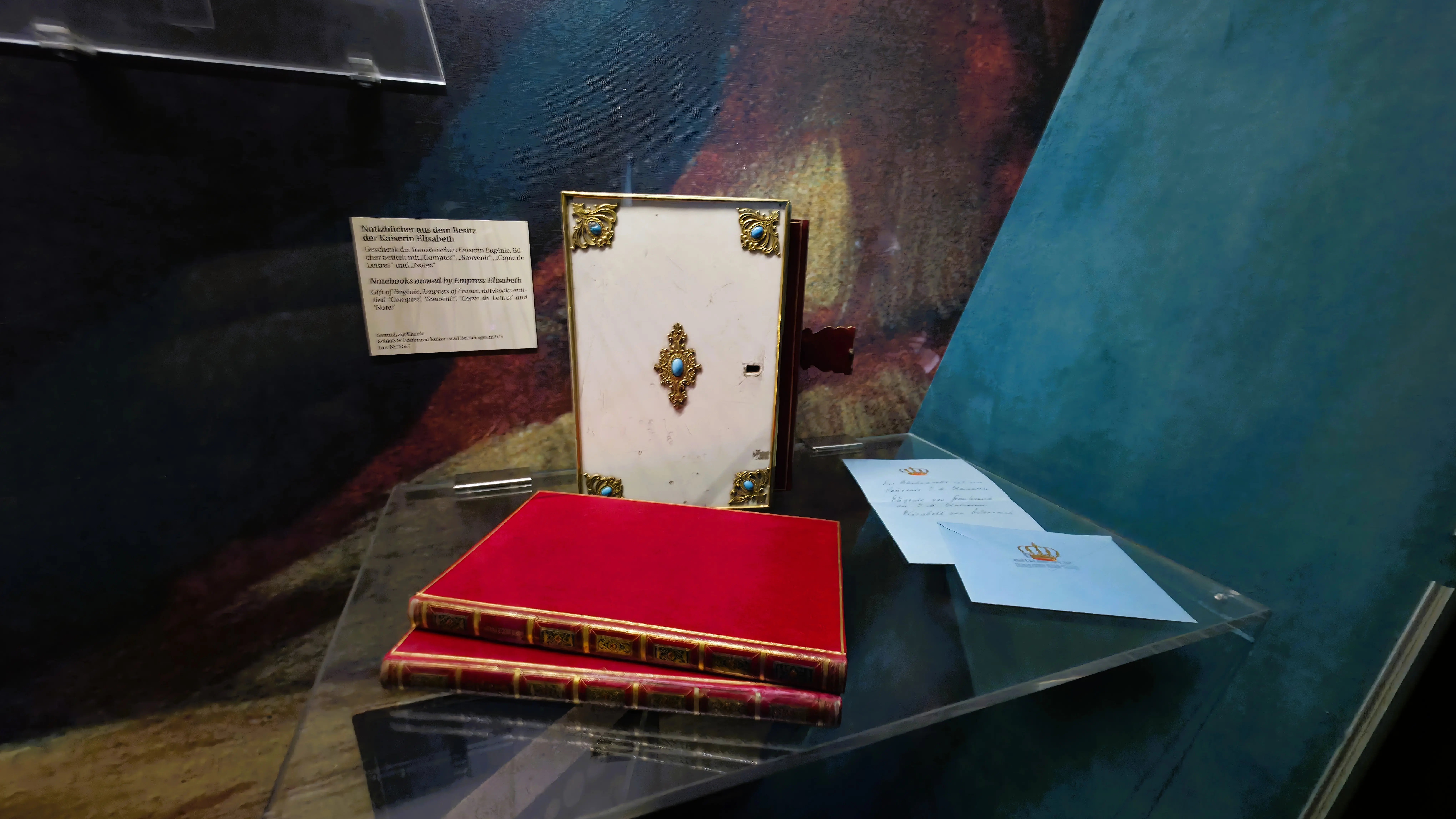
Throughout the museum, Elisabeth’s poetry and handwritten writings weave quietly through the exhibits. Original notebooks and excerpts from her personal texts reveal a woman who felt profoundly trapped by court life, burdened by expectation, and intensely introspective. These writings were never intended for public admiration; they were private expressions of thought, frustration, and longing, preserved today as rare windows into her inner world.
In her verses and notes, Elisabeth repeatedly returned to themes of movement, the sea, and freedom. Travel, distance, and escape became both literal and symbolic necessities for her – ways of coping with a life defined by rigid protocol and constant scrutiny. Her words reveal a sharp, searching intellect, one that questioned the roles imposed upon her and resisted being reduced to an image.
This literary voice fundamentally challenges the popular portrayal of Empress Elisabeth of Austria as merely beautiful and tragic. Instead, she emerges as intellectually curious, emotionally complex, and deeply conflicted – a woman aware of her contradictions and unafraid to confront them privately. The Sisi Museum does not ask visitors to admire her uncritically; it invites them to read, reflect, and understand the tension between who she was expected to be and who she struggled to remain.
Why the Sisi Museum Matters
The Sisi Museum matters because it tells the story that portraits cannot. It reminds us that imperial privilege does not guarantee happiness, and that visibility can be its own form of confinement. By placing Elisabeth’s personal struggles alongside the grandeur of the Imperial Apartments, the museum invites visitors to reconsider what power truly means. This is not just a museum about an empress. It is a meditation on identity, expectation, and the cost of living under constant scrutiny.
Bubbly Tips for Visiting the Sisi Museum
- Plan enough time: Allow at least 2-3 hours for the combined visit to the Imperial Apartments and the Sisi Museum. This is not a museum to rush through; the emotional and historical layers deserve unhurried attention.
- Visit in sequence: Start with the Imperial Apartments before entering the Sisi Museum. Experiencing the public, ceremonial world of the Hofburg first provides essential context for understanding Elisabeth’s private life and inner struggles.
- Read slowly: Many exhibits feature excerpts from Elisabeth’s poetry, handwritten writings, and notebooks. These texts are central to the museum’s narrative and are worth lingering over rather than skimming.
- Know the practical details: The Sisi Museum is part of the Hofburg complex and is typically accessed with a combined ticket that includes the Imperial Apartments. Hours vary seasonally, so checking official opening times in advance is recommended, especially during peak travel months.
- Pair thoughtfully: After your visit, take a quiet walk through Burggarten, located just behind the Hofburg. It’s the perfect place to decompress and reflect after such an emotionally resonant experience.
- Be prepared emotionally: This museum offers insight, not fantasy. It challenges the fairytale image of Sisi and leaves many visitors thoughtful, moved, and contemplative long after they exit.
Final Thoughts
The Sisi Museum changed the way I see Empress Elisabeth. Not as a symbol, not as a fairytale, but as a woman trying to carve out a sense of self within an unforgiving system. Walking through her rooms and seeing her personal objects felt intimate, sobering, and quietly powerful.
If you want to understand Vienna beyond its polished surfaces – and if you want to understand Sisi beyond the legend – this museum is essential!
Have you visited the Sisi Museum or the Imperial Apartments? I’d love to hear your impressions. Feel free to share them in the comments below.

🌟 Everything You Need to Plan Your Dream Trip in 2026
- 🌟 Luxury Hotels - Find premium stays with Booking.com & Hotels.com
- 🏡 Vacation Rentals - Discover unique properties on VRBO
- 🏞️ Guided Tours - Explore with Viator or GetYourGuide
- 🎫 Attraction Tickets - Skip the lines with Tiqets
- 🚢 Ocean Cruises - Set sail with Cruise Direct
- 📱 International SIMs - Stay connected with Saily
- 🚗 Car Rentals - Budget-friendly options from Discover Cars
- 🌐 Secure VPNs - Browse safely with NordVPN
- 💶 Currency Exchange - Best rates with Wise
- 🗣️ Learn Languages - Master the local language with Babbel and Rosetta Stone