
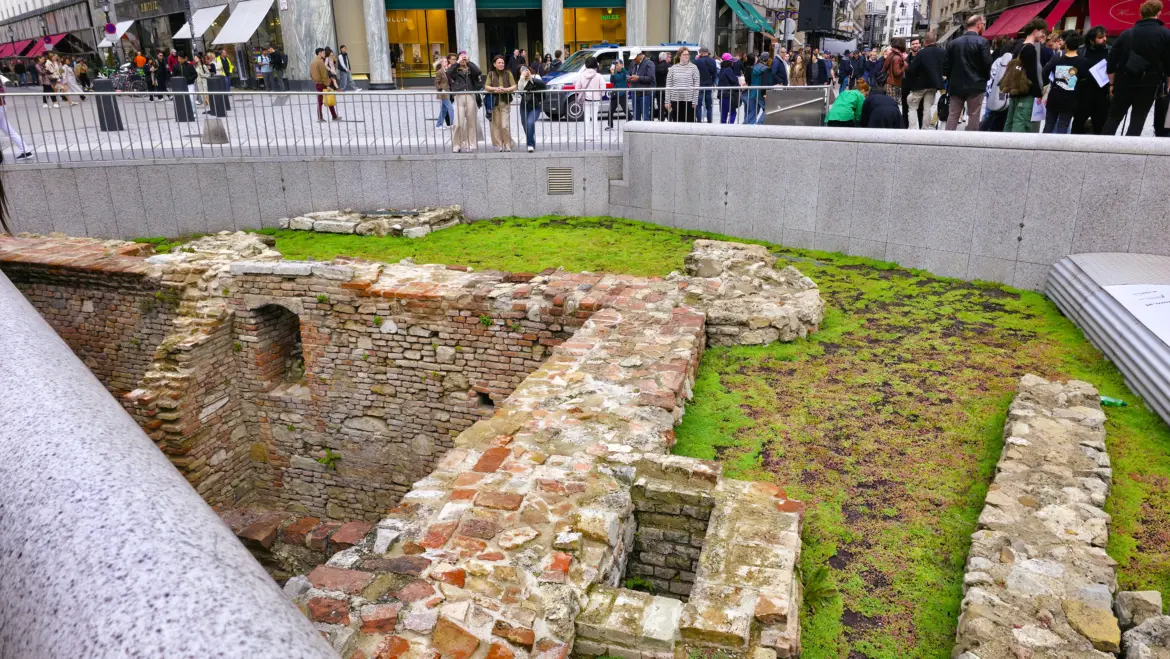
Hello, my friends! Vienna is often associated with imperial palaces, Baroque façades, and Habsburg grandeur. But beneath its polished surface lies a much older story – one that predates emperors, courts, and cafés. Long before Vienna became Vienna, it was Vindobona, a Roman military camp and civilian settlement guarding the northern frontier of the empire. What makes Vienna’s Roman past especially compelling is not just that it exists, but how it exists: partially uncovered, partially hidden, and constantly woven into modern life.
In this post, I want to explore the contrast between authentic Roman ruins, discovered and preserved where history actually happened, and intentional ruins, built centuries later to evoke memory, beauty, and reflection. Both matter. Both tell stories. But they do so in very different ways.
Vienna’s Roman Ruins at a Glance
📍 Vindobona (Authentic): Michaelerplatz, Vienna 1st district — free, open 24/7
🏛️ Roman Ruin (Imagined): Schönbrunn Palace gardens — 18th-century architectural folly designed 1778
🗓️ Vindobona Founded: 1st century AD, Roman military camp on the Danube Limes
🎨 Schönbrunn Ruin Designer: Built during the co-regency of Maria Theresa and Joseph II
🏛️ Also Visit: Roman Museum at Hoher Markt for domestic Roman artifacts
💡 Tip: Experience both sites — one asks you to look down into reality, the other invites you to look up into imagination
Vindobona at Michaelerplatz: Rome Beneath Your Feet
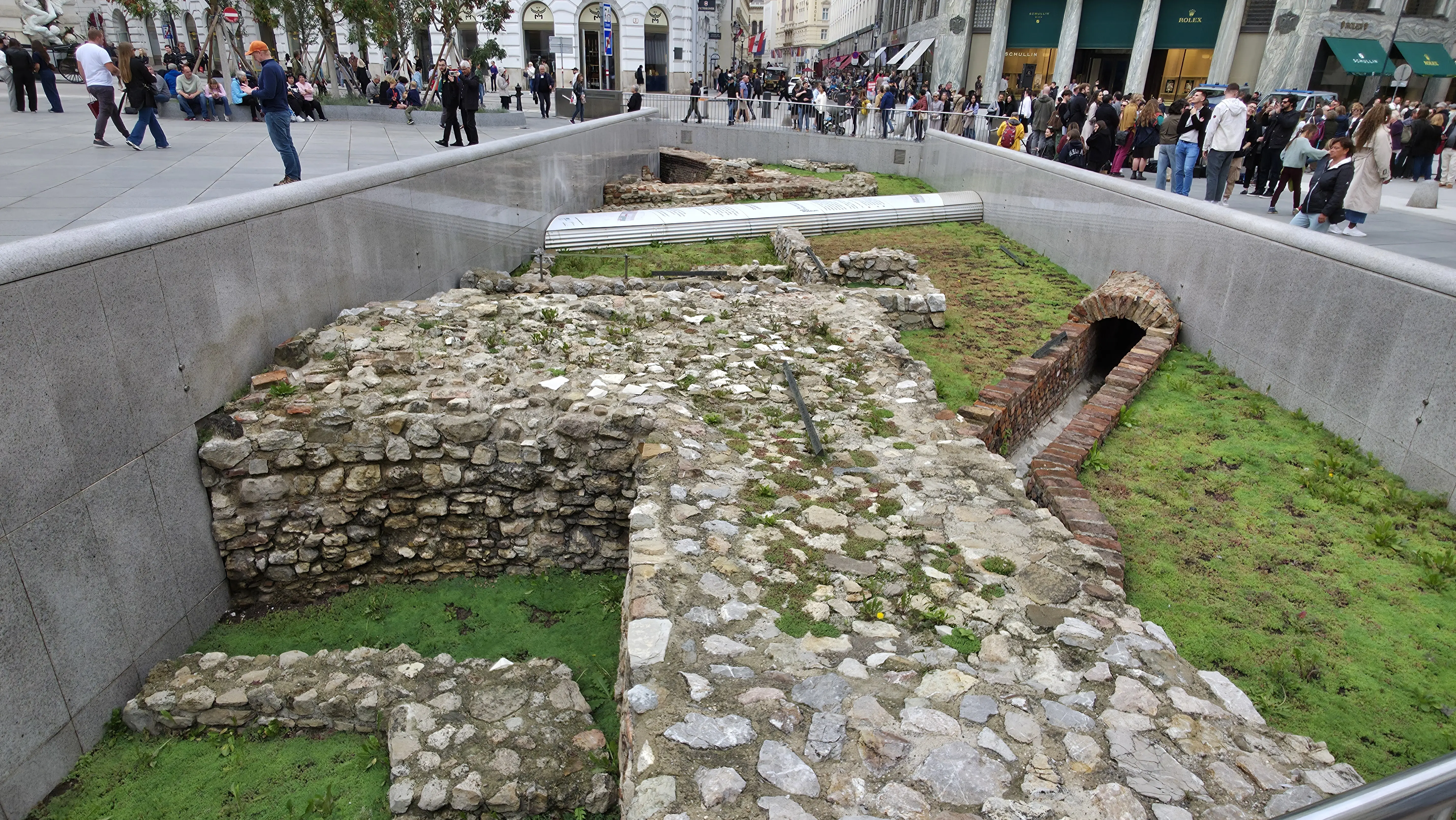
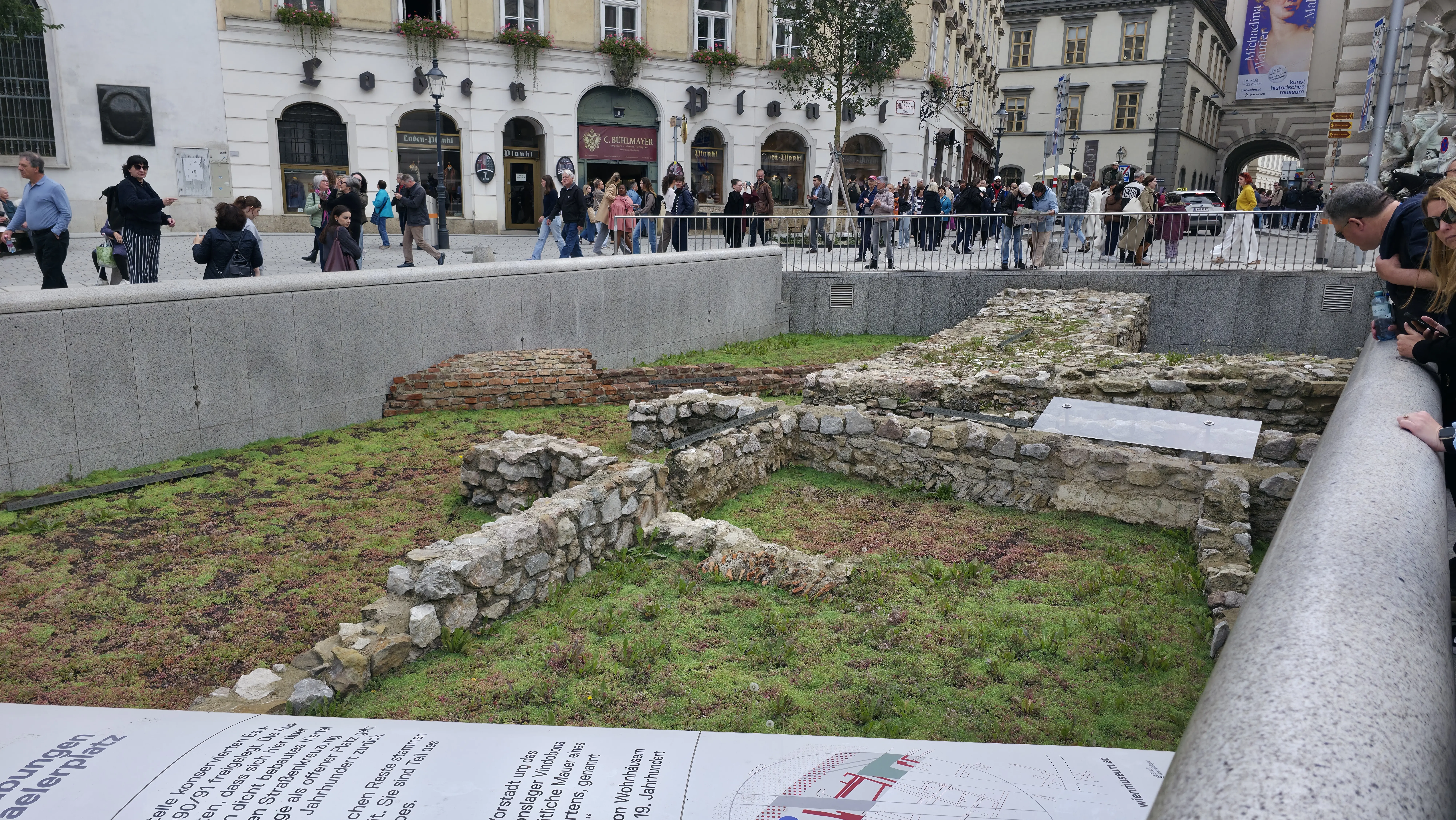
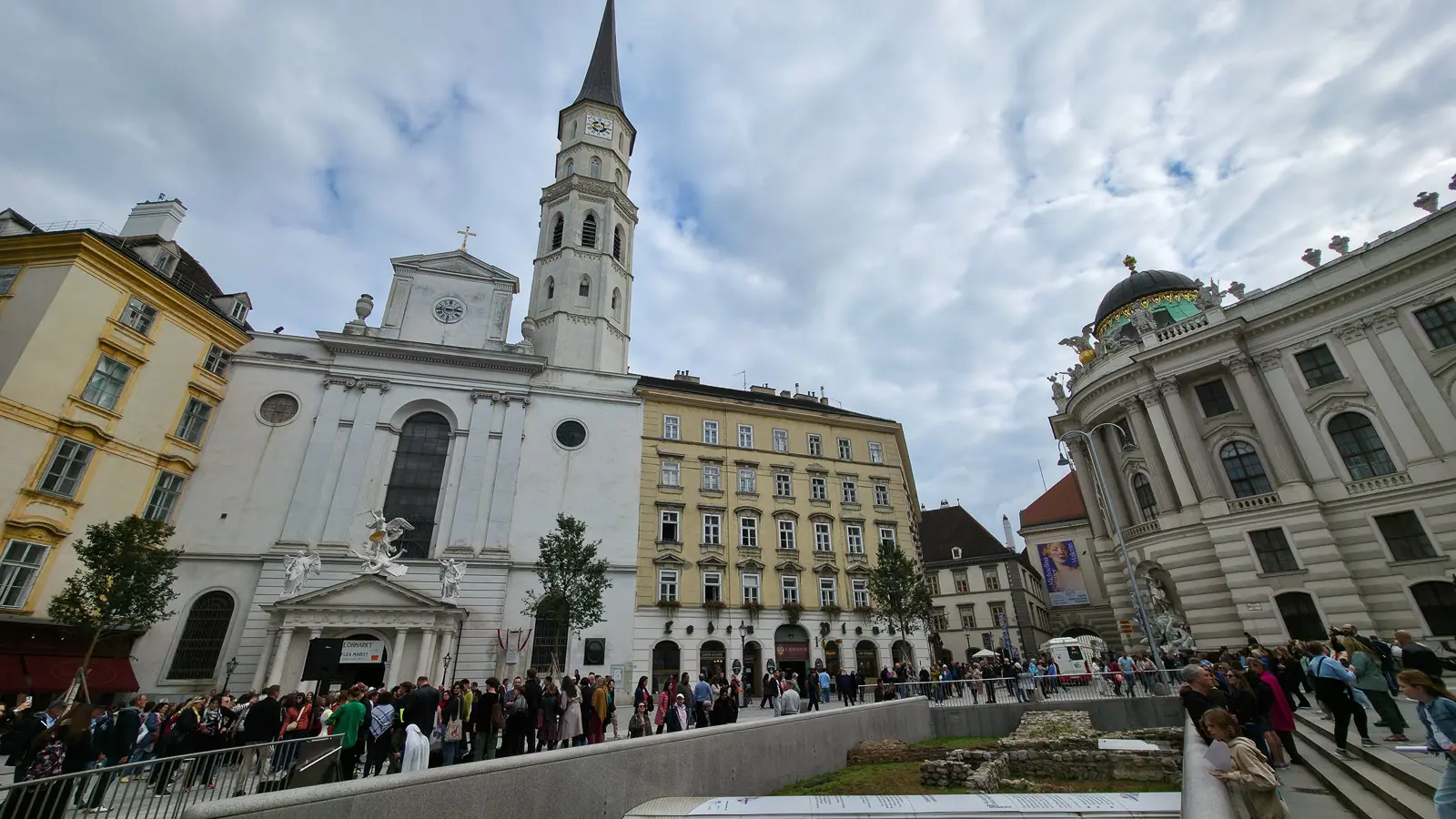
One of the most extraordinary places to encounter Roman Vienna is right in front of the Hofburg, at Michaelerplatz. Here, beneath glass panels set into the square, lie the remains of Vindobona: fragments of Roman houses, foundations, and streets dating back to the 1st and 2nd centuries AD. These are not reconstructions. They are not staged. They are the real remnants of daily Roman life, exposed exactly where they once stood.
Vindobona began as a military camp along the Danube frontier, part of Rome’s defensive line known as the Limes. Over time, a civilian settlement developed around the camp, complete with homes, shops, and infrastructure. What we see today are traces of that civilian life – modest, functional, and deeply human. There is something profoundly moving about standing in a busy square, surrounded by imperial architecture and modern movement, while Roman foundations quietly endure below.
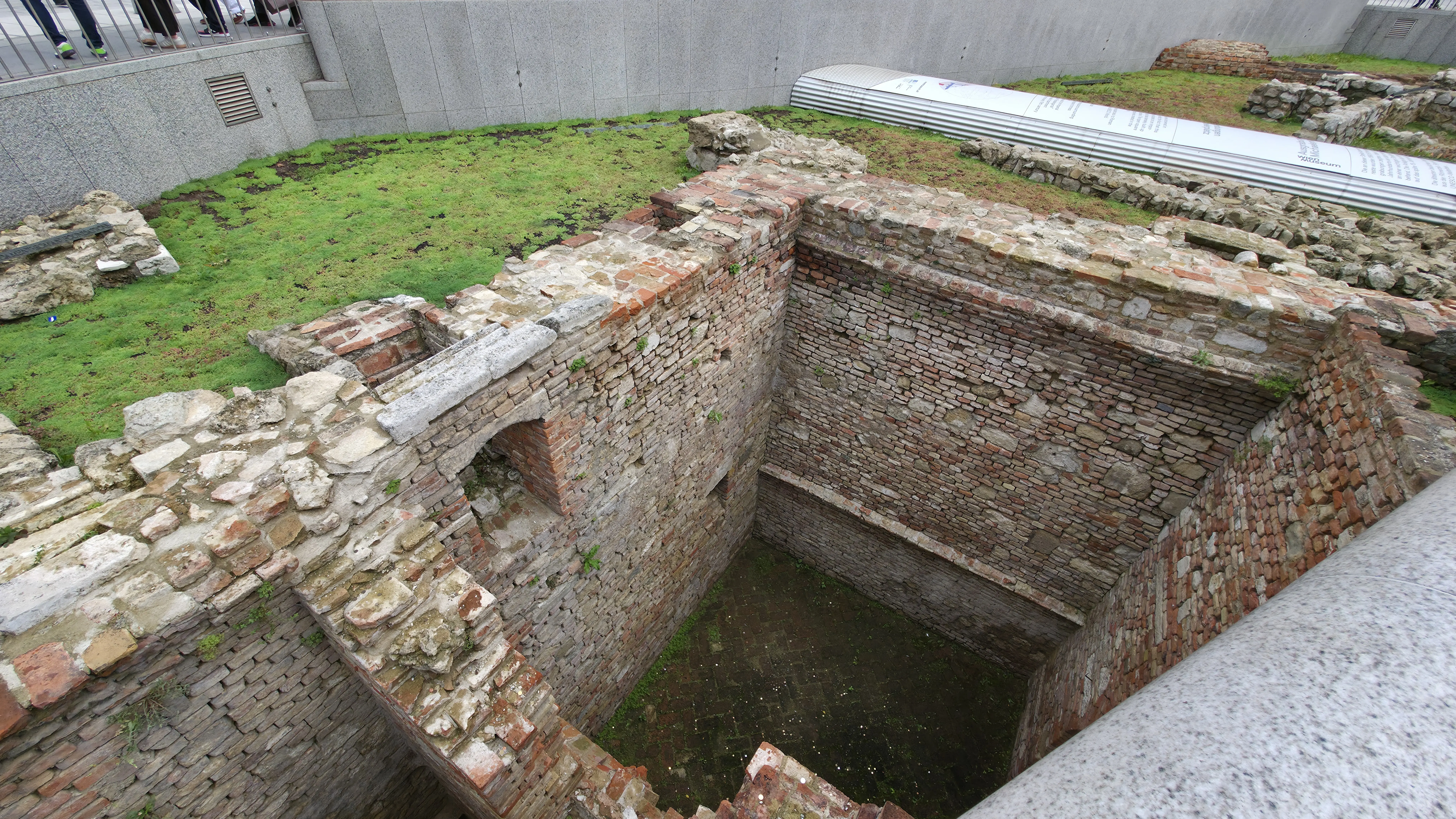
These ruins were not preserved because they were beautiful or dramatic. They survived because Vienna grew on top of them. Medieval walls, Renaissance buildings, Baroque palaces – all layered themselves over Roman ground. Vindobona remained buried, forgotten, and then rediscovered, reminding us that cities are not built in chapters, but accumulated over centuries.
Living With Ruins: When History Isn’t Set Apart
What makes Vindobona so powerful is its lack of spectacle. There are no sweeping arches or towering columns. Instead, there is proximity. People walk across Michaelerplatz every day, often unaware that Roman life once unfolded beneath their feet. This coexistence between ancient remains and contemporary life gives the ruins a quiet authority. Vindobona does not demand attention – it waits for it. And when you stop, lean in, and truly look, the experience feels intimate rather than monumental. This is history that hasn’t been isolated behind walls or ticket counters. It’s history that exists within the city’s rhythm, reminding us that the present is always layered over the past.
Schönbrunn’s Roman Ruins: Beauty by Design
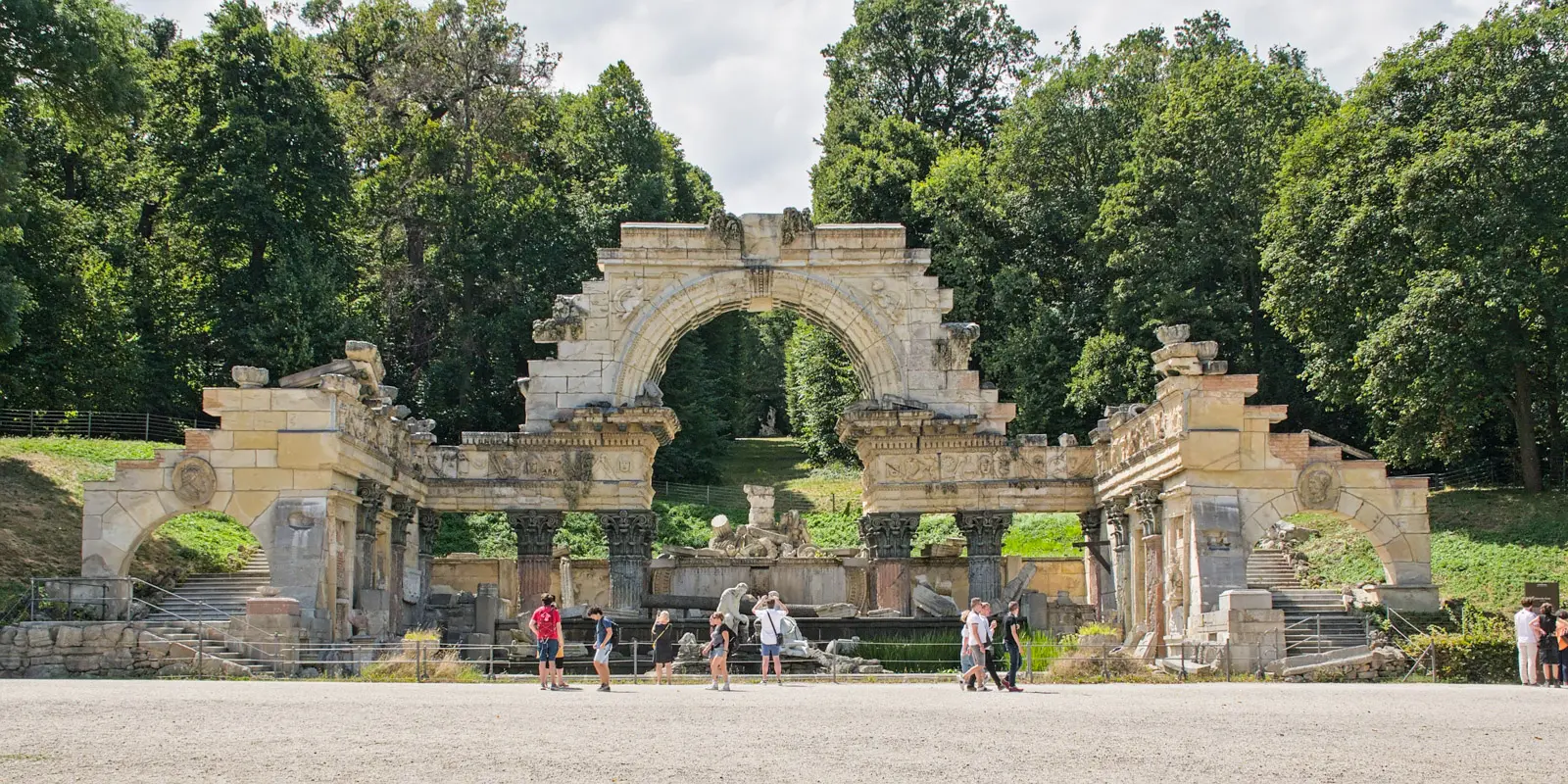
Now contrast that experience with the Roman Ruin at Schönbrunn Palace. At first glance, it appears ancient – broken arches, collapsed columns, and stone fragments arranged with theatrical elegance. But this ruin is not Roman at all. Commissioned during the reign of Maria Theresa and completed in 1778, at a time when Joseph II was already co-ruling, Schönbrunn’s Roman Ruin was deliberately designed as a folly. Its purpose was never to deceive, but to evoke. In the Enlightenment era, ruins symbolized reflection, impermanence, and the passage of time. They were meant to inspire emotion, contemplation, and aesthetic pleasure rather than historical accuracy.
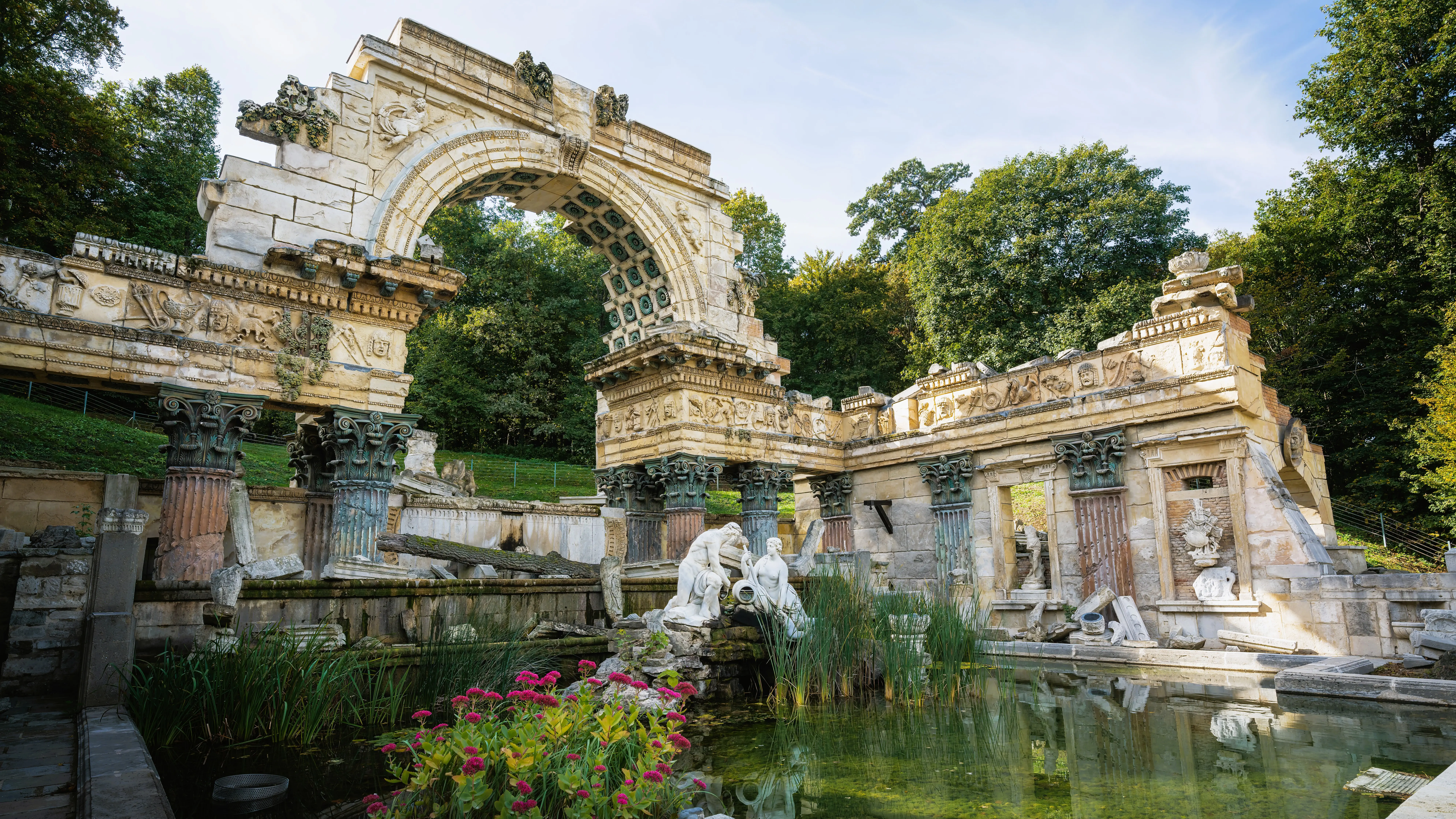
This ruin was carefully planned, composed, and positioned within the garden landscape. Every fracture and fallen column was intentional. It was history imagined rather than uncovered – a romantic gesture toward antiquity rather than a literal survival of it.

Authentic vs. Intentional: Why Both Matter
It would be a mistake to dismiss Schönbrunn’s Roman Ruin as “lesser” simply because it is not archaeologically authentic. Its value lies in intention. Where Vindobona tells us how people once lived, Schönbrunn’s ruin reveals how later generations thought about the past. One offers material evidence; the other offers cultural expression.
Vindobona confronts us with reality – modest, fragmented, and incomplete. Schönbrunn invites us into imagination, where beauty is shaped by philosophy, art, and symbolism rather than historical survival. Together, they reveal something essential about history itself: it exists not only as fact, but also as interpretation. Understanding Vienna means appreciating both forms of memory.
Why This Contrast Changes How We Travel
Travel often encourages us to seek out what is grand, obvious, and instantly recognizable – places designed to be photographed, shared, and quickly consumed. But Vienna’s Roman ruins ask something different of us. They reward patience, curiosity, and stillness, inviting us to slow down and look beneath the surface rather than rush toward spectacle.
Experiencing both Vindobona and Schönbrunn shifts how we move through cities. It reminds us that meaningful travel is not only about what is oldest or most impressive, but about understanding why places exist the way they do. When we learn to notice what is quiet, layered, or intentionally symbolic, we begin to travel with greater depth – not just through Vienna, but through history itself.
Bubbly Tips for Experiencing Vienna’s Roman Past
- Start at Michaelerplatz: The Vindobona ruins are free to view and accessible at all hours – pause, look down, and imagine Roman life beneath modern Vienna.
- Pair thoughtfully: Combine Vindobona with a visit to the Hofburg and a walk through Burggarten to experience Vienna’s historical layers in sequence.
- Visit Schönbrunn with context: Knowing that the Roman Ruin is an intentional folly deepens appreciation rather than diminishing it.
- Go beyond the obvious: If time allows, visit the Roman Museum Hoher Markt for a more intimate look at domestic Roman life.
- Slow down: These sites reward reflection more than speed – give them time.
Final Thoughts
Vienna’s Roman past does not shout. It whispers – from beneath glass panels, behind garden arches, and through centuries of layered meaning. Whether uncovered by archaeology or created through imagination, these ruins remind us that history is not just something we visit. It’s something we live alongside.
If you’ve visited Vindobona or Schönbrunn’s Roman Ruin – or if one resonated with you more than the other – I’d love for you to share your thoughts in the comments below.

🌟 Everything You Need to Plan Your Dream Trip in 2026
- 🌟 Luxury Hotels - Find premium stays with Booking.com & Hotels.com
- 🏡 Vacation Rentals - Discover unique properties on VRBO
- 🏞️ Guided Tours - Explore with Viator or GetYourGuide
- 🎫 Attraction Tickets - Skip the lines with Tiqets
- 🚢 Ocean Cruises - Set sail with Cruise Direct
- 📱 International SIMs - Stay connected with Saily
- 🚗 Car Rentals - Budget-friendly options from Discover Cars
- 🌐 Secure VPNs - Browse safely with NordVPN
- 💶 Currency Exchange - Best rates with Wise
- 🗣️ Learn Languages - Master the local language with Babbel and Rosetta Stone