
Hello my friend! Few figures are as closely associated with the cultural identity of Vienna as Wolfgang Amadeus Mozart. Although he was born in Salzburg, it was in Vienna that Mozart reached the height of his artistic brilliance, creating some of the most beloved works in classical music. Walking through Vienna today, visitors encounter Mozart everywhere – in statues, concert halls, museums, and historic streets that still echo with the legacy of his music. The city embraced him as both a prodigy and a revolutionary artist, and his presence continues to shape Vienna’s reputation as one of the great musical capitals of the world.
For travelers exploring Vienna, tracing Mozart’s footsteps offers a remarkable journey through history, culture, and creativity. From the places where he lived and performed to the monuments that honor his legacy, the city reveals countless reminders of the composer whose music continues to captivate audiences centuries after his death.
Mozart in Vienna at a Glance
👤 Born: January 27, 1756 — Getreidegasse 9, Salzburg
⚰️ Died: December 5, 1791 — Vienna, age 35
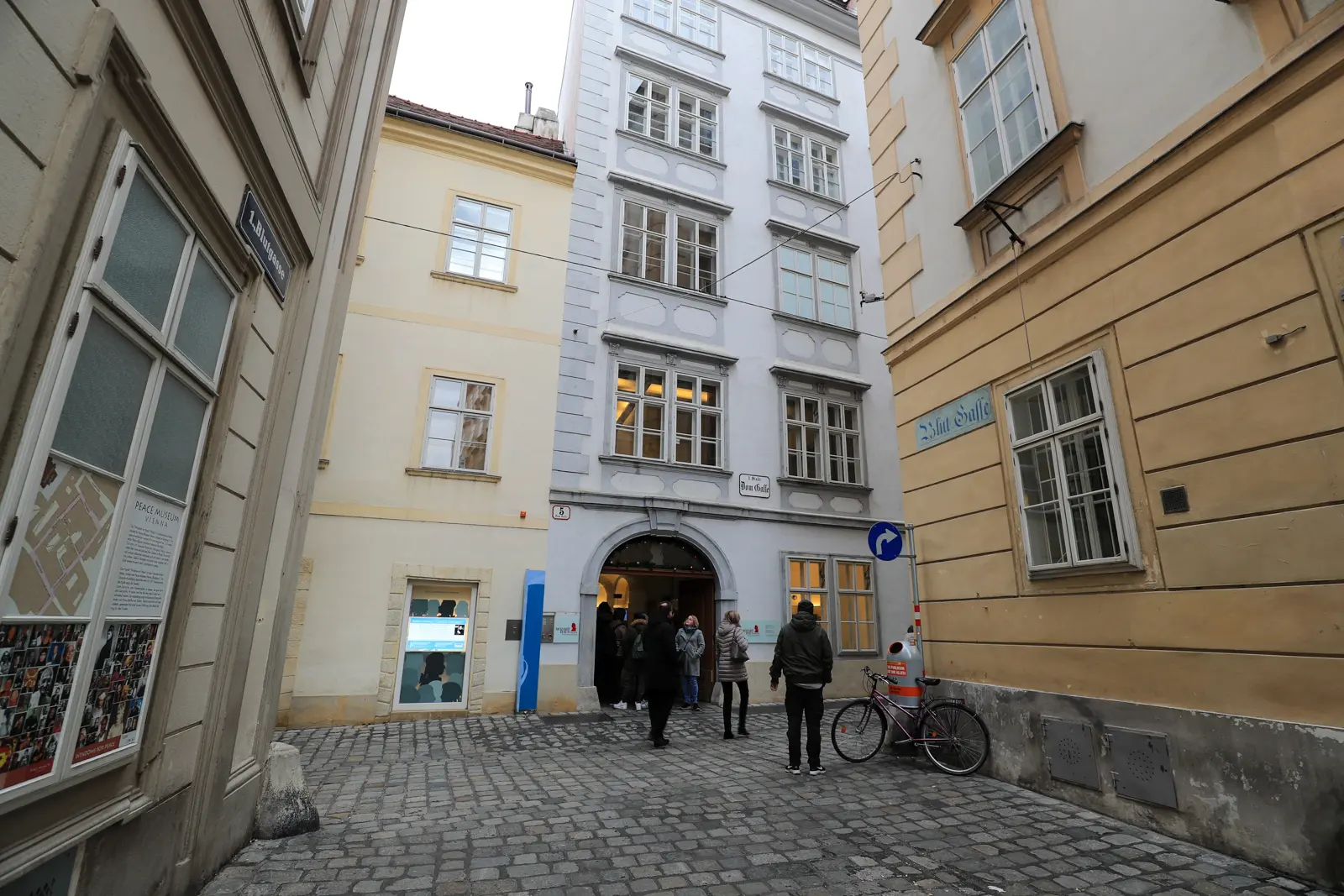
🏠 Only surviving Vienna residence: Mozarthaus Vienna (near St. Stephen’s Cathedral)
🎭 Key Vienna works: The Marriage of Figaro, Don Giovanni, The Magic Flute
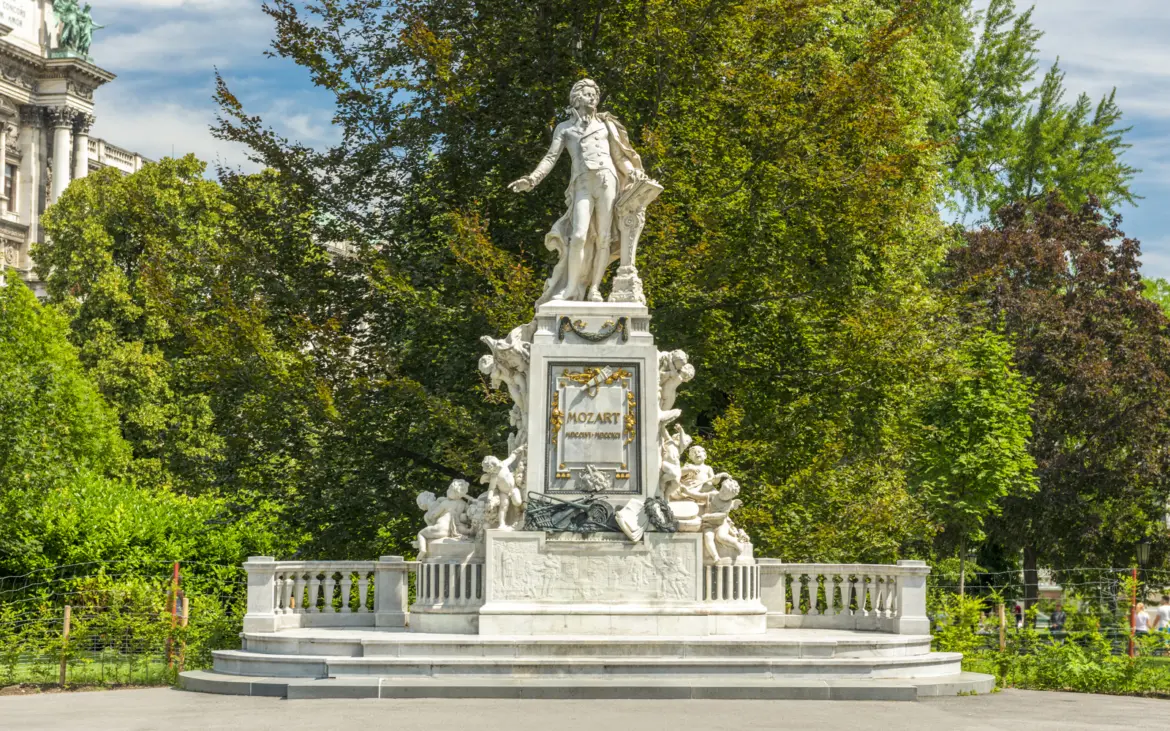
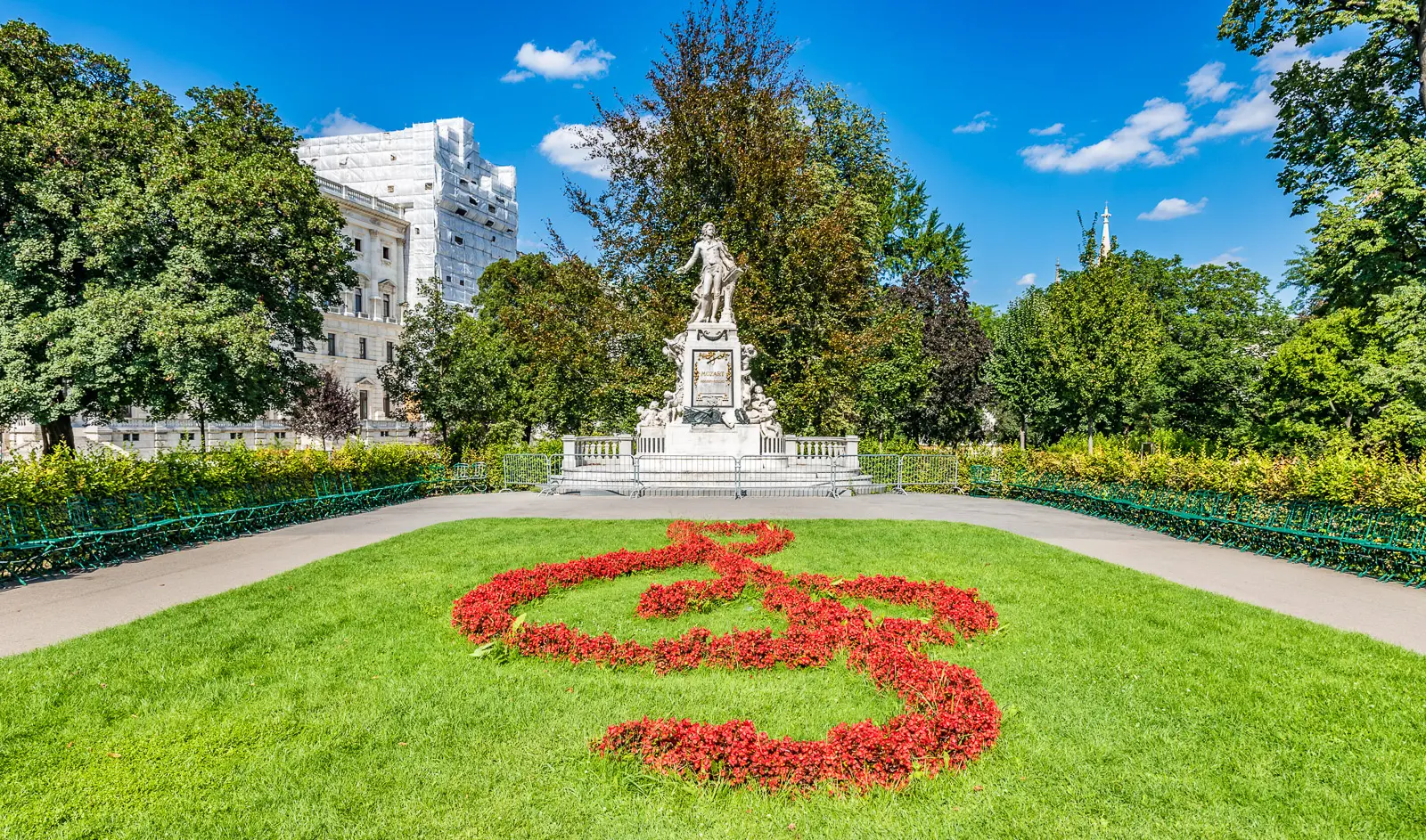
🏛️ Monument: Burggarten, behind the Hofburg — marble with treble-clef flowerbed
⚰️ Burial: Communal grave, St. Marx Cemetery (exact location unknown)
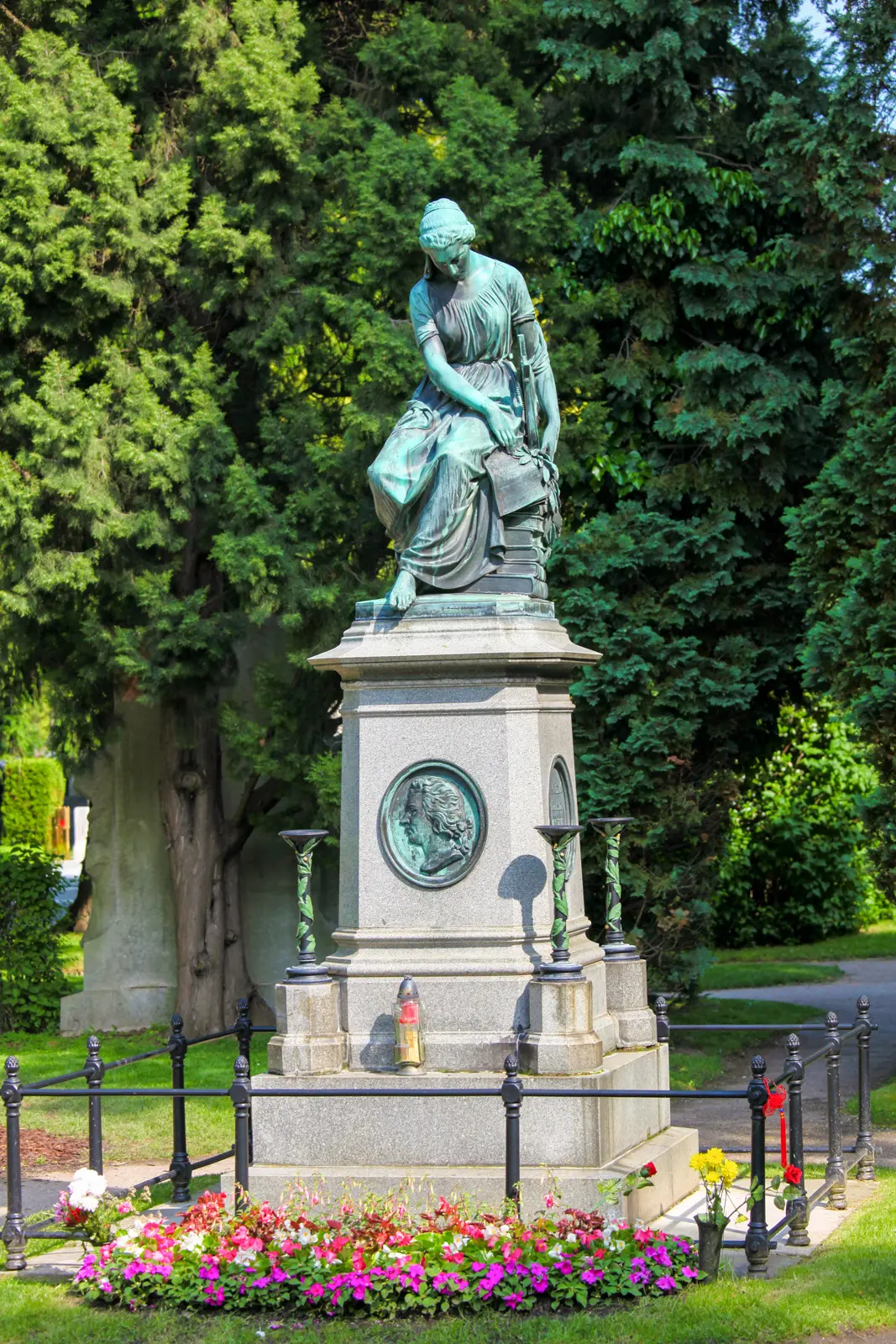
🪦 Cenotaph: Zentralfriedhof, among Beethoven, Schubert, and Brahms
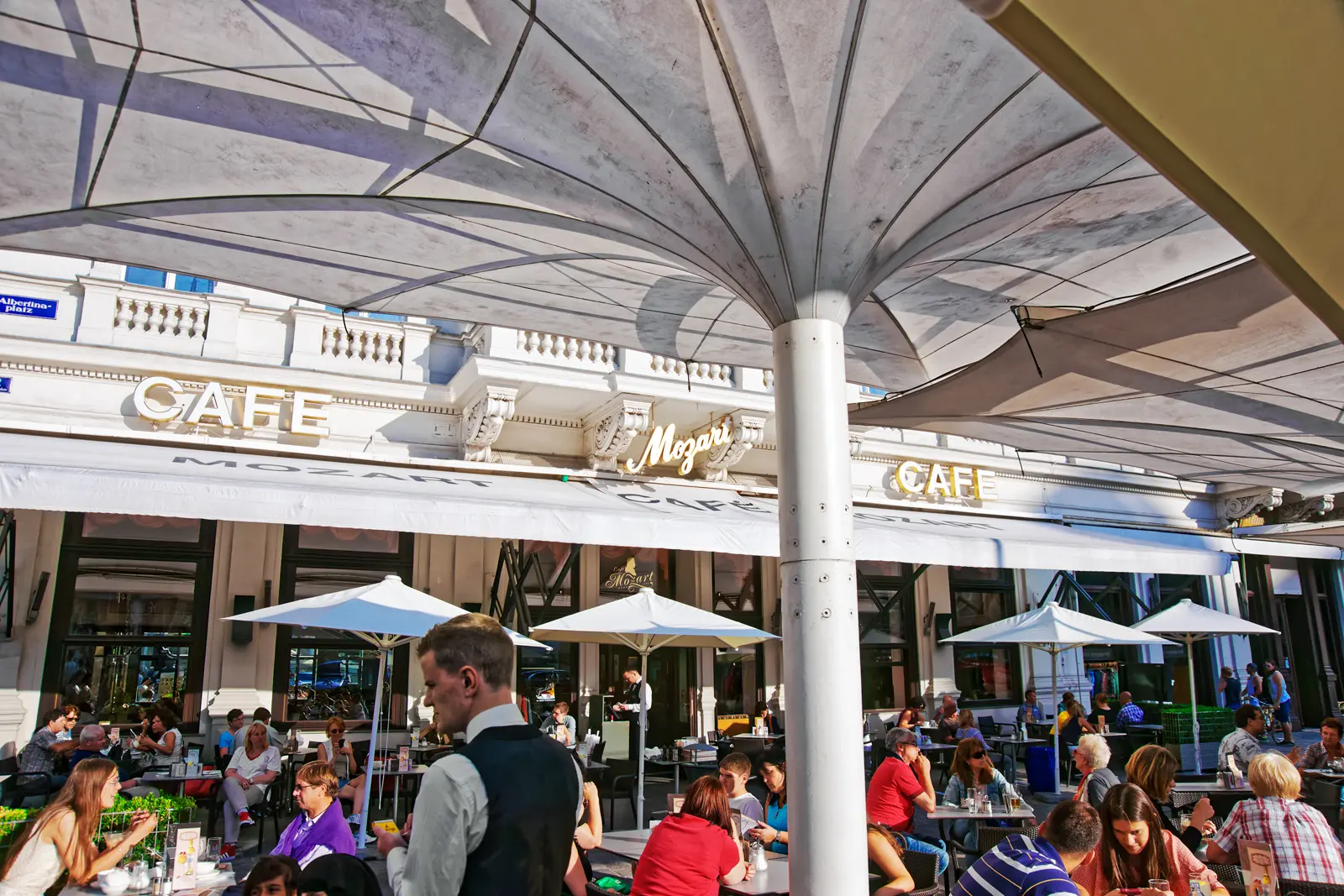
☕ Café Mozart: Albertinaplatz — historic café named after the composer
🎵 Vienna State Opera: Still performs Mozart’s operas regularly
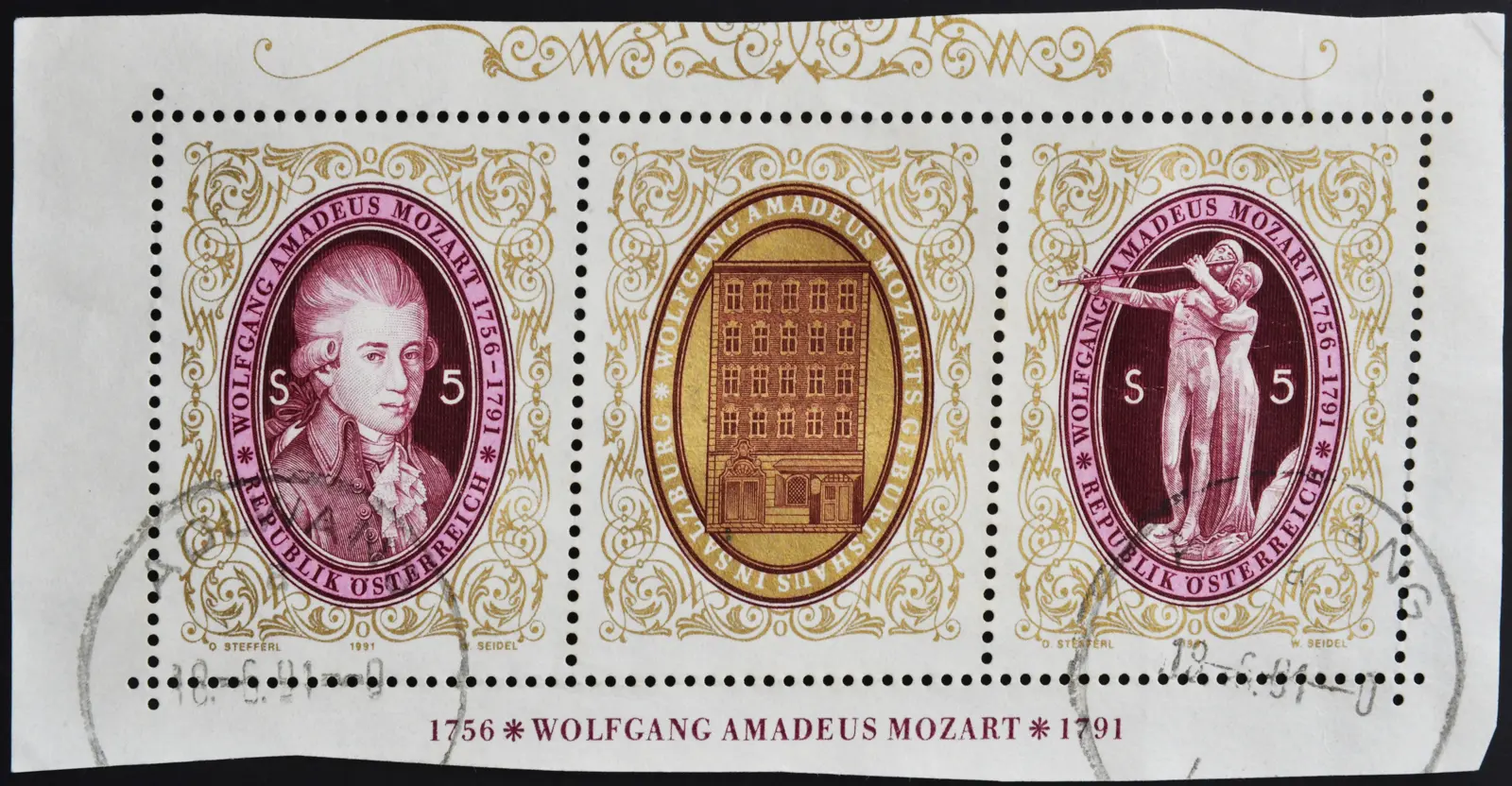
📮 Cultural icon: Featured on Austrian postage stamps (1991 and others)
Mozart’s Arrival in Vienna
Mozart first arrived in Vienna in 1781 under circumstances that would change the course of his life. At the time, he was employed as a court musician in Salzburg under the authority of Prince-Archbishop Hieronymus Colloredo. The relationship between Mozart and his employer had grown increasingly strained, as the young composer longed for artistic independence and the opportunity to create music beyond the constraints of court service.
The breaking point came during a visit to Vienna, where tensions between Mozart and the Archbishop’s household escalated. Mozart sought permission to perform independently and build connections with Vienna’s aristocratic patrons, but these ambitions were firmly discouraged. The situation eventually culminated in one of the most famous dismissals in musical history. After repeatedly requesting release from his position, Mozart was finally dismissed from service by the Archbishop’s steward, Count Arco – an event Mozart later described in a letter as being accompanied by a humiliating kick.
The situation was made even more painful by the fact that Mozart’s own father initially sided against him, writing urgent letters urging his son to reconcile with Colloredo and warning of the dangers of abandoning the security of court employment. Mozart refused. Freed from the restrictions of court service, he chose to remain in Vienna and establish himself as a freelance composer and performer – a bold and genuinely risky decision for a musician of the eighteenth century.
Vienna at the time was a city alive with artistic experimentation and intellectual curiosity. Under the reign of Emperor Joseph II, Holy Roman Emperor, the imperial capital fostered an environment in which opera, theater, and instrumental music flourished. For Mozart, Vienna offered both opportunity and challenge, a place where genius could shine but success ultimately depended on public reception and patronage.
The Years of Genius and Creativity
Mozart’s Vienna years proved to be the most productive and influential period of his career. During the 1780s he composed an astonishing range of masterpieces that transformed the musical landscape of Europe. Among them were the celebrated operas The Marriage of Figaro, Don Giovanni, and The Magic Flute, works that blended dramatic storytelling with musical innovation in ways that continue to inspire audiences today.
In addition to opera, Mozart composed symphonies, piano concertos, chamber music, and sacred works that revealed the remarkable breadth of his talent. His piano concertos in particular pushed the boundaries of the genre, creating a dialogue between soloist and orchestra that felt both sophisticated and emotionally expressive.
Vienna’s concert culture played an important role in Mozart’s success. Public concerts allowed composers to showcase their work directly to audiences, and Mozart frequently performed his own compositions as a virtuoso pianist. These performances helped build his reputation as one of the greatest musicians of his generation, admired not only for his compositions but also for his extraordinary technical skill.
Yet despite these achievements, Mozart’s life in Vienna was not without hardship. Financial instability and shifting patronage meant that success could be unpredictable, and the composer often struggled to maintain the lifestyle expected within Viennese society. Nevertheless, the music he created during these years secured his place among history’s greatest composers.
Mozart’s Vienna Today
Visitors exploring Vienna today will discover that Mozart’s legacy is woven throughout the city’s cultural landscape. One of the most significant places associated with the composer is the Mozarthaus Vienna, the only surviving apartment in which Mozart lived. Located near St. Stephen’s Cathedral, the residence offers a fascinating glimpse into the composer’s daily life and the environment in which he created some of his most celebrated works.
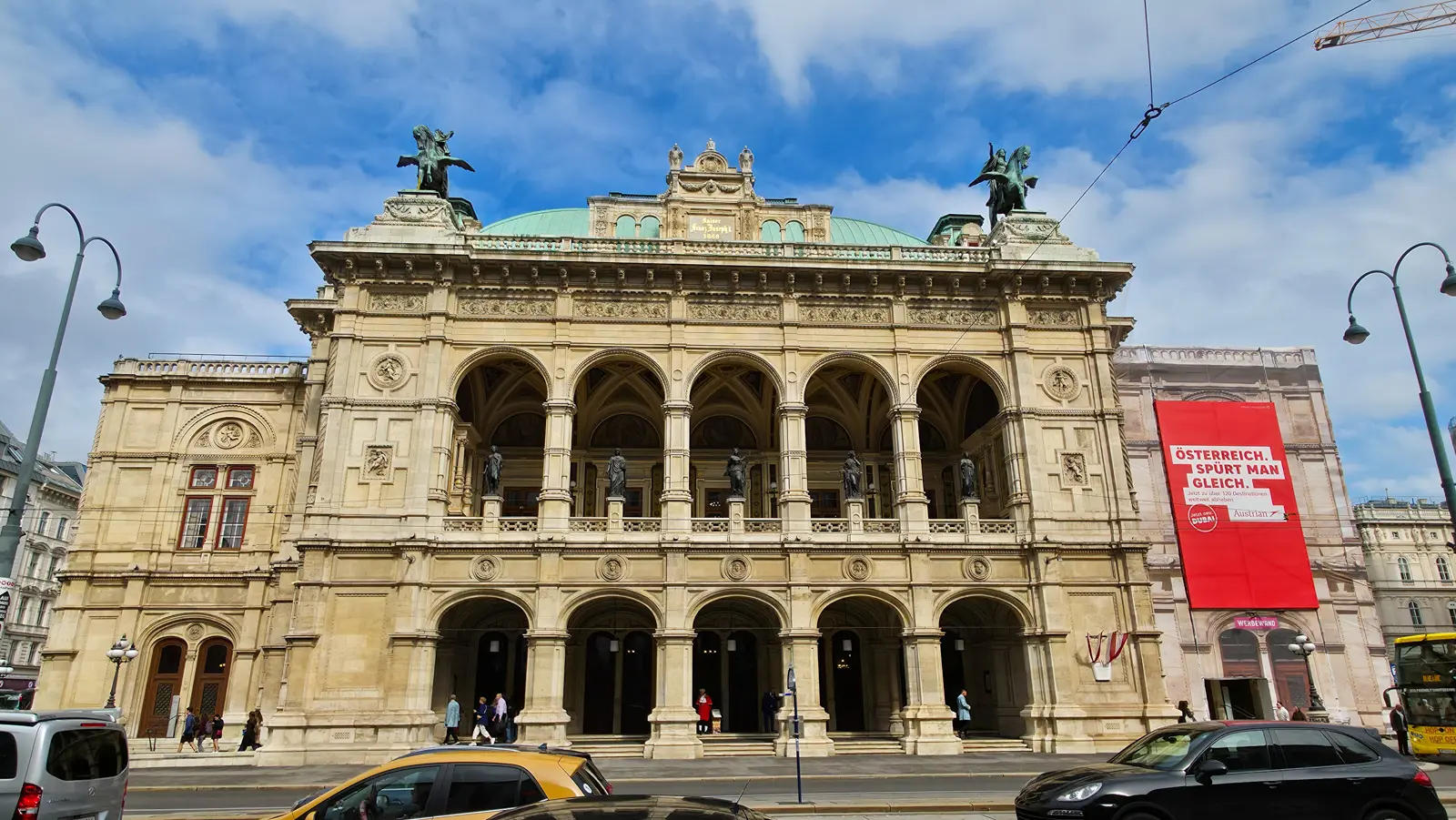
Mozart’s presence is also felt in Vienna’s great musical institutions. The magnificent Vienna State Opera regularly stages performances of his operas, ensuring that his music remains a living part of the city’s artistic tradition. Throughout the year, concert halls and churches across Vienna continue to host performances of Mozart’s compositions, allowing visitors to experience the composer’s genius in the very city where much of his music was written.
One of the most recognizable tributes to Mozart stands in the elegant Burggarten, where a graceful monument portrays the composer surrounded by musical symbols and decorative flourishes. Visitors often pause here to admire the statue and reflect on the extraordinary influence Mozart continues to have on Vienna’s cultural identity.
The Mystery of Mozart’s Death
Mozart’s life came to an unexpectedly early end in 1791 at the age of just thirty-five. His death has long been surrounded by mystery and speculation, giving rise to numerous theories about illness, exhaustion, and even poisoning. While historians generally agree that the composer likely died of a severe infection, the circumstances surrounding his final days continue to fascinate scholars and music lovers alike.
Mozart was buried in a communal grave at the St. Marx Cemetery, a common practice in Vienna at the time rather than an indication of poverty or neglect. What makes the burial particularly poignant is that nobody knows the exact location. The memorial that stands at St. Marx today was placed in the general area where he was believed to have been buried, identified only decades after his death. The original monument, designed by Hanns Gasser, was later moved to Vienna’s Zentralfriedhof in 1891, where it stands today in the company of Beethoven, Schubert, and Brahms – a fitting gathering of musical giants. Visitors to Vienna with a deeper interest in the city’s musical legacy will find the Zentralfriedhof well worth the journey.
Despite his untimely death, Mozart’s influence only grew stronger in the decades that followed. His music became central to the classical repertoire, and composers across generations drew inspiration from his remarkable ability to combine technical brilliance with emotional depth.
Salzburg: The Beginning of Mozart’s Story
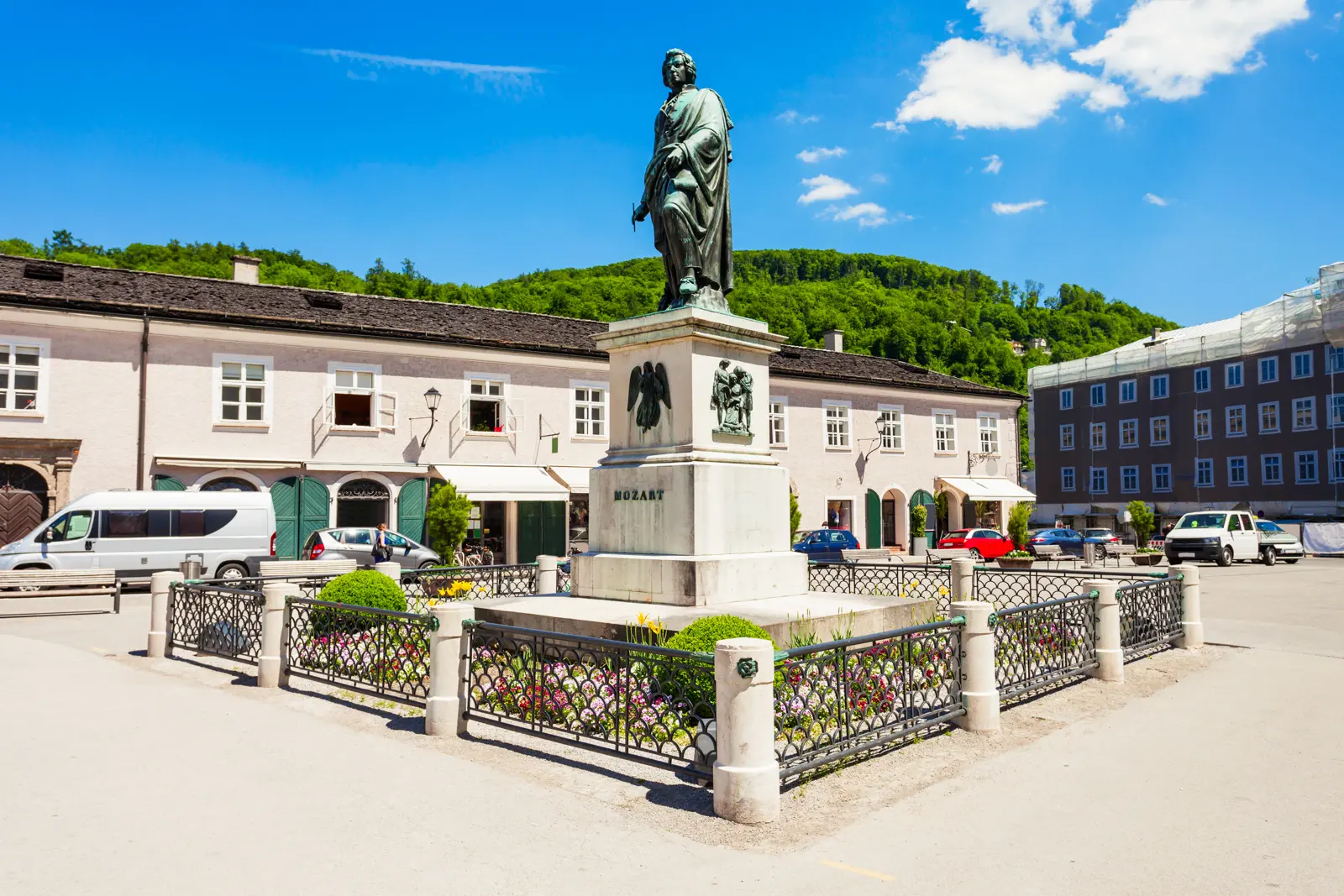
While Vienna was the city where Mozart reached artistic maturity, his story begins in the picturesque alpine city of Salzburg. It was here, in a modest yellow house along the Getreidegasse, that Mozart was born in 1756. Today the building is preserved as the Mozart’s birthplace, offering visitors an intimate glimpse into the early years of the musical prodigy.
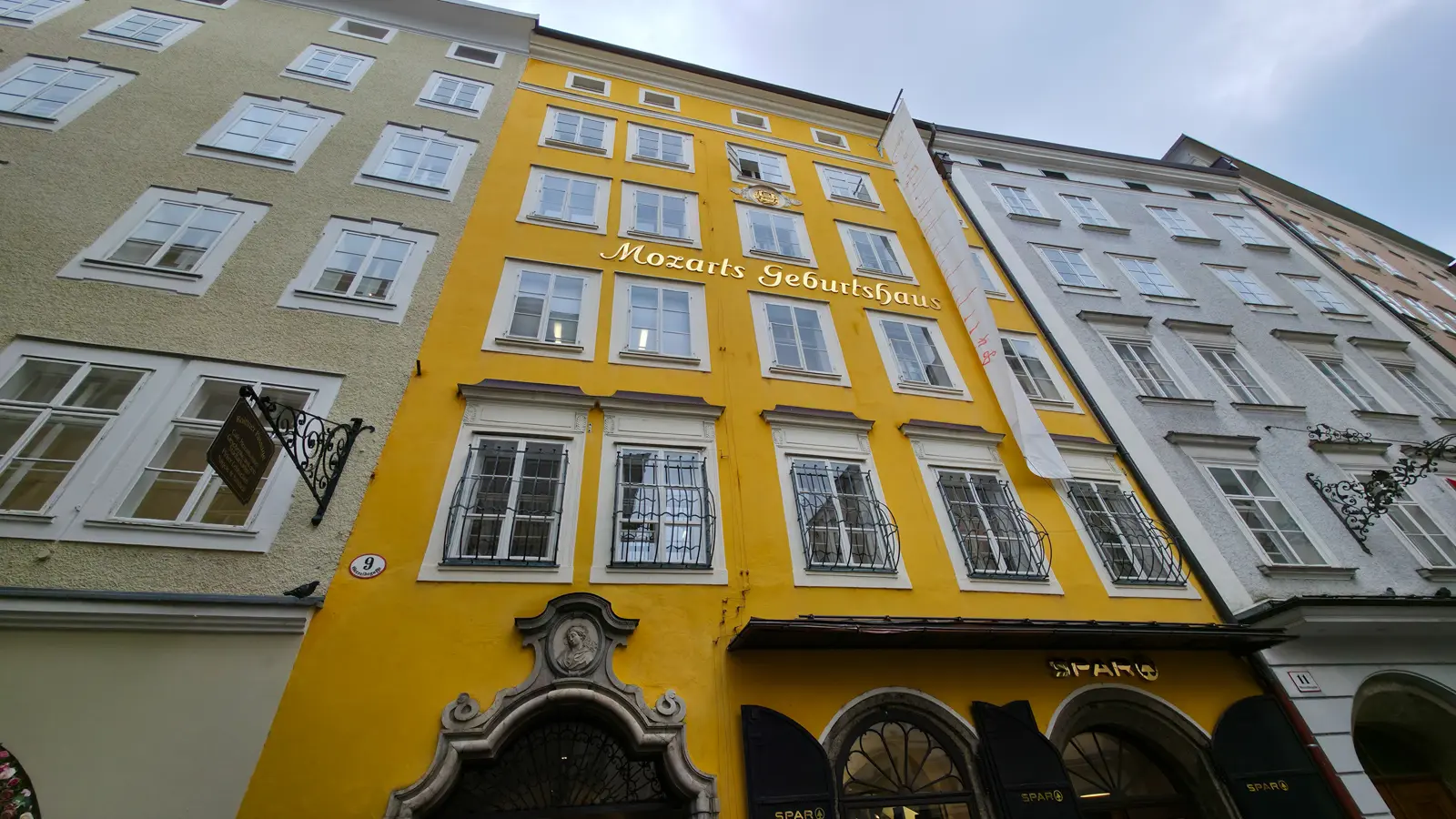
Salzburg remains deeply connected to Mozart’s legacy. The city celebrates its most famous son through festivals, concerts, and museums that highlight his extraordinary life and career. Each summer, the renowned Salzburg Festival draws performers and audiences from around the world, continuing a tradition of musical excellence that began with Mozart himself. For travelers exploring Austria, visiting both Salzburg and Vienna offers a fascinating perspective on the composer’s life. Salzburg reveals the beginnings of Mozart’s remarkable talent, while Vienna showcases the city where that talent blossomed into genius.
Experiencing Mozart’s Legacy Today
More than two centuries after his death, Mozart’s presence remains deeply embedded in the cultural life of Vienna. His music continues to fill concert halls, inspire new generations of musicians, and enchant audiences around the world. Whether encountered in a grand opera house, a historic church, a historic café, or a quiet park monument, Mozart’s legacy feels very much alive in the city that shaped his greatest achievements. For visitors walking through Vienna today, discovering the places connected to Mozart is more than a historical exercise. It is an opportunity to experience the enduring power of music and to glimpse the creative spirit that helped transform Vienna into one of the world’s great cultural capitals.
Final Thoughts
The story of Mozart in Vienna is ultimately a story of artistic freedom, creativity, and legacy. Within the streets, concert halls, and gardens of the city, the echoes of his music still resonate across centuries. To follow Mozart’s footsteps through Vienna is to discover not only the life of a remarkable composer but also the vibrant cultural heritage that continues to define the city today.
Have you encountered Mozart’s legacy while visiting Vienna or Salzburg? I would love to hear about your experience and favorite musical moments in the comments below.

🌟 Everything You Need to Plan Your Dream Trip in 2026
- 🌟 Luxury Hotels - Find premium stays with Booking.com & Hotels.com
- 🏡 Vacation Rentals - Discover unique properties on VRBO
- 🏞️ Guided Tours - Explore with Viator or GetYourGuide
- 🎫 Attraction Tickets - Skip the lines with Tiqets
- 🚢 Ocean Cruises - Set sail with Cruise Direct
- 📱 International SIMs - Stay connected with Saily
- 🚗 Car Rentals - Budget-friendly options from Discover Cars
- 🌐 Secure VPNs - Browse safely with NordVPN
- 💶 Currency Exchange - Best rates with Wise
- 🗣️ Learn Languages - Master the local language with Babbel and Rosetta Stone