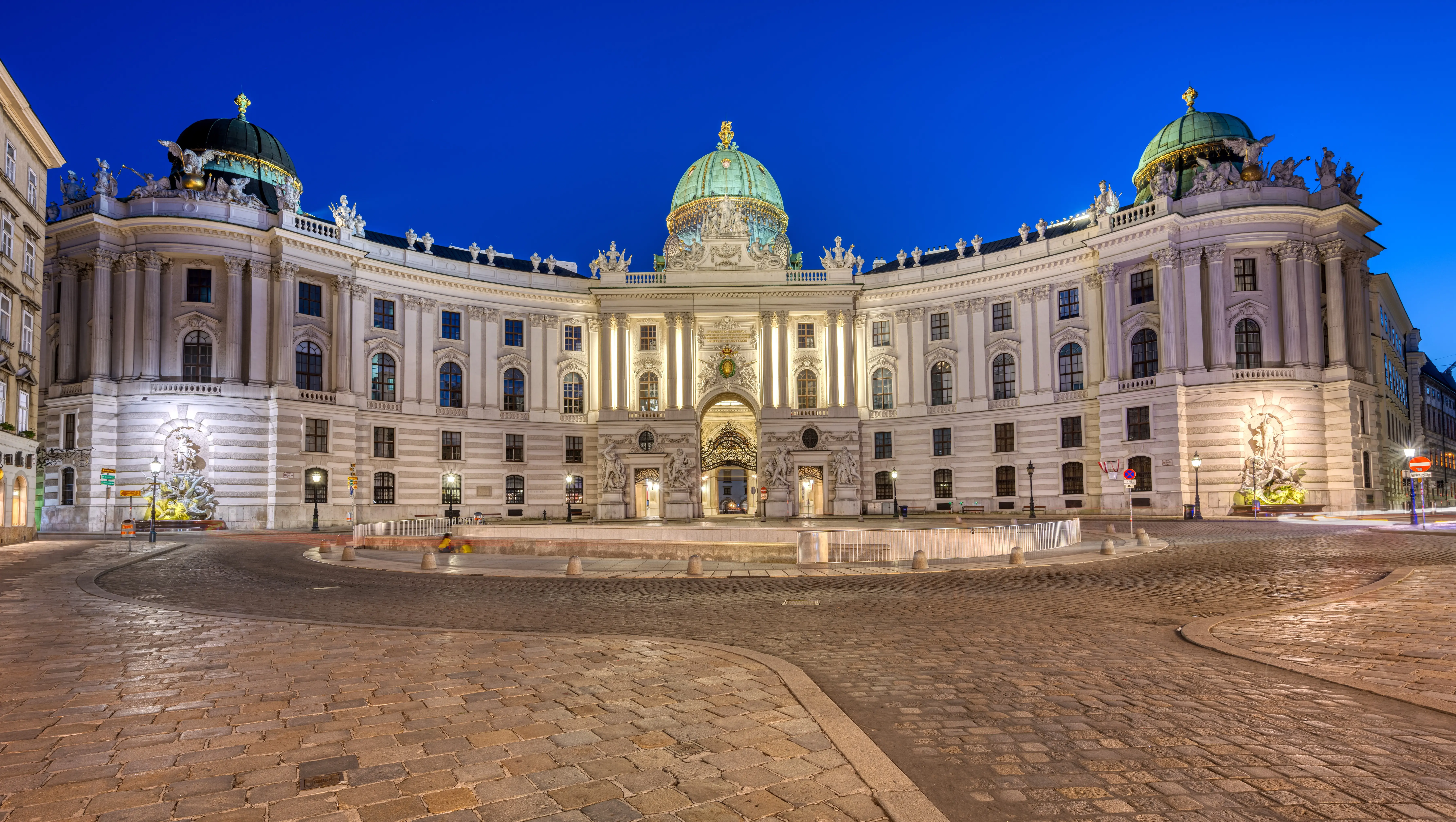
Hello, curious travelers! Some places in Vienna impress with symmetry and grandeur, while others invite you to slow down and admire beauty. Michaelerplatz does something different. It asks you to think. To look carefully. To notice what doesn’t quite align, and to understand why that matters. Standing in Michaelerplatz, you are quite literally surrounded by layers of time. Roman foundations lie beneath your feet. Medieval faith rises beside you. Imperial authority towers ahead. And modernist defiance stares back without apology. Few places in Europe present history so openly, without smoothing over its contradictions. This is not a square that tells a single story – it tells many, all at once.
Michaelerplatz at a Glance
📍 Location: Vienna’s 1st district, at the entrance to the Hofburg Palace
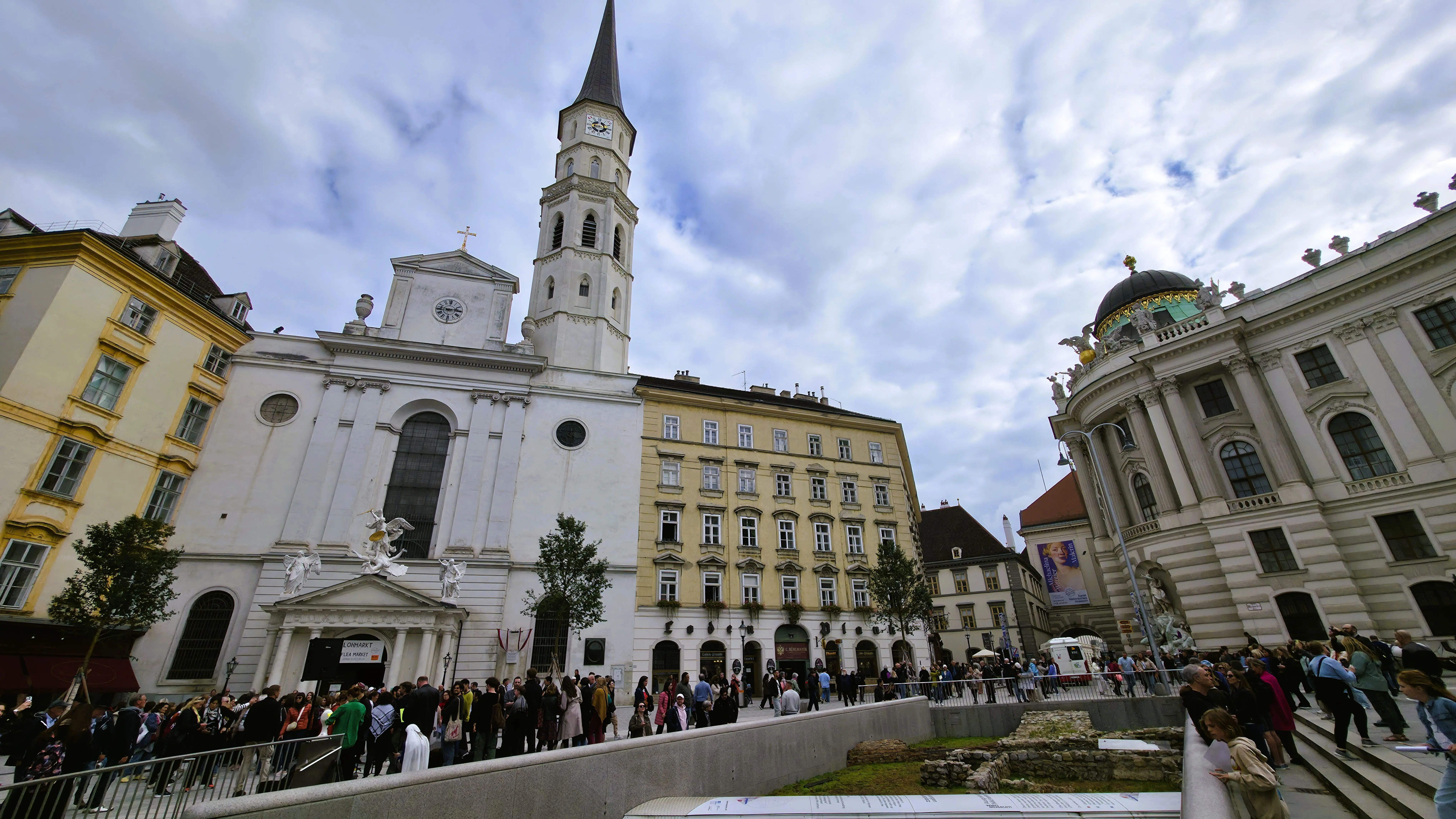
🏛️ Four Layers of History: Roman ruins (1st century AD), St. Michael’s Church (1220), Hofburg’s Michaelertor, Adolf Loos’s Looshaus (1912)
⛪ St. Michael’s Church: One of Vienna’s oldest, with a crypt containing mummified remains from the 17th–18th centuries
🏗️ Looshaus: Adolf Loos’s modernist landmark — the building that once scandalized imperial Vienna
🎟️ Entrance: Free and open at all times
💡 Tip: Stand in the center and turn in a full circle — Roman ruins, medieval church, imperial gate, and modernist façade all visible at once
Michaelerplatz: Vienna’s Historic Crossroads
Michaelerplatz occupies one of the most strategically important locations in Vienna’s historic core. It sits at the junction between the medieval old town and the vast imperial complex of the Hofburg Palace, acting as both a gateway and a threshold. For centuries, this space functioned as a point of arrival, where the everyday life of the city met the ceremonial world of the Habsburgs.
Unlike more decorative Viennese squares, Michaelerplatz was shaped by function as much as form. Roads converged here, traffic passed through, and history accumulated rather than being curated. Its circular layout reflects this sense of movement and transition, reinforcing the idea that this was never a static place, but one constantly in flux. From here, Vienna radiates outward – toward the Graben and Kohlmarkt, into the Hofburg courtyards, and back through centuries of urban development.
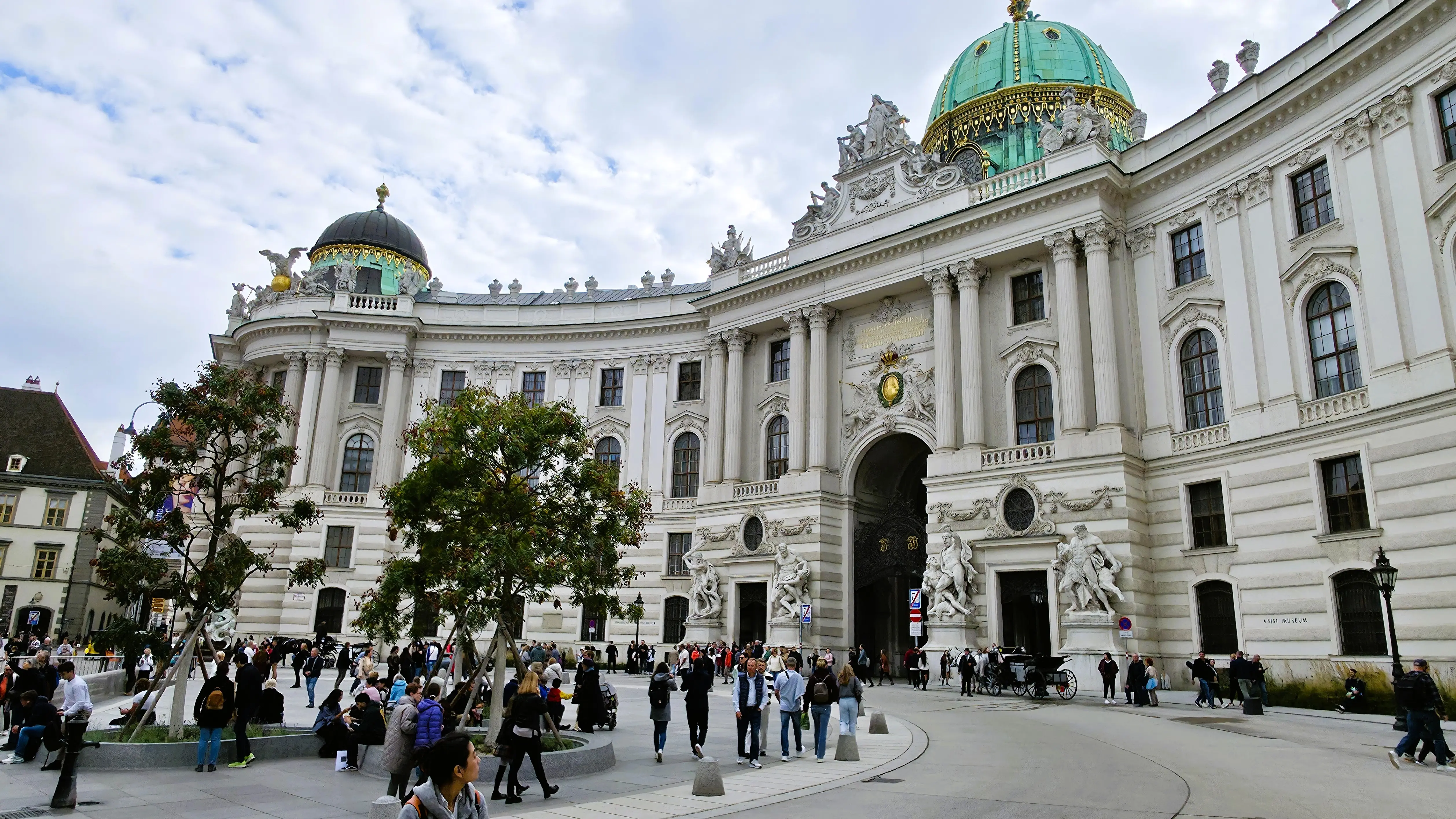
Vindobona Revealed: Roman Vienna Beneath the Square
Perhaps the most astonishing aspect of Michaelerplatz lies below ground. Through exposed excavations, visitors can see the remains of Vindobona, the Roman military camp established in the 1st century AD along the Danube frontier of the Roman Empire. The Roman ruins at Michaelerplatz reveal fragments of foundations of Roman houses from the civilian settlement (canabae), street alignments, and drainage systems. These remains speak to a time when Vienna was not yet Vienna, but a strategic outpost guarding the empire’s northern border. Soldiers lived, trained, and died here, long before cathedrals or palaces rose above them.
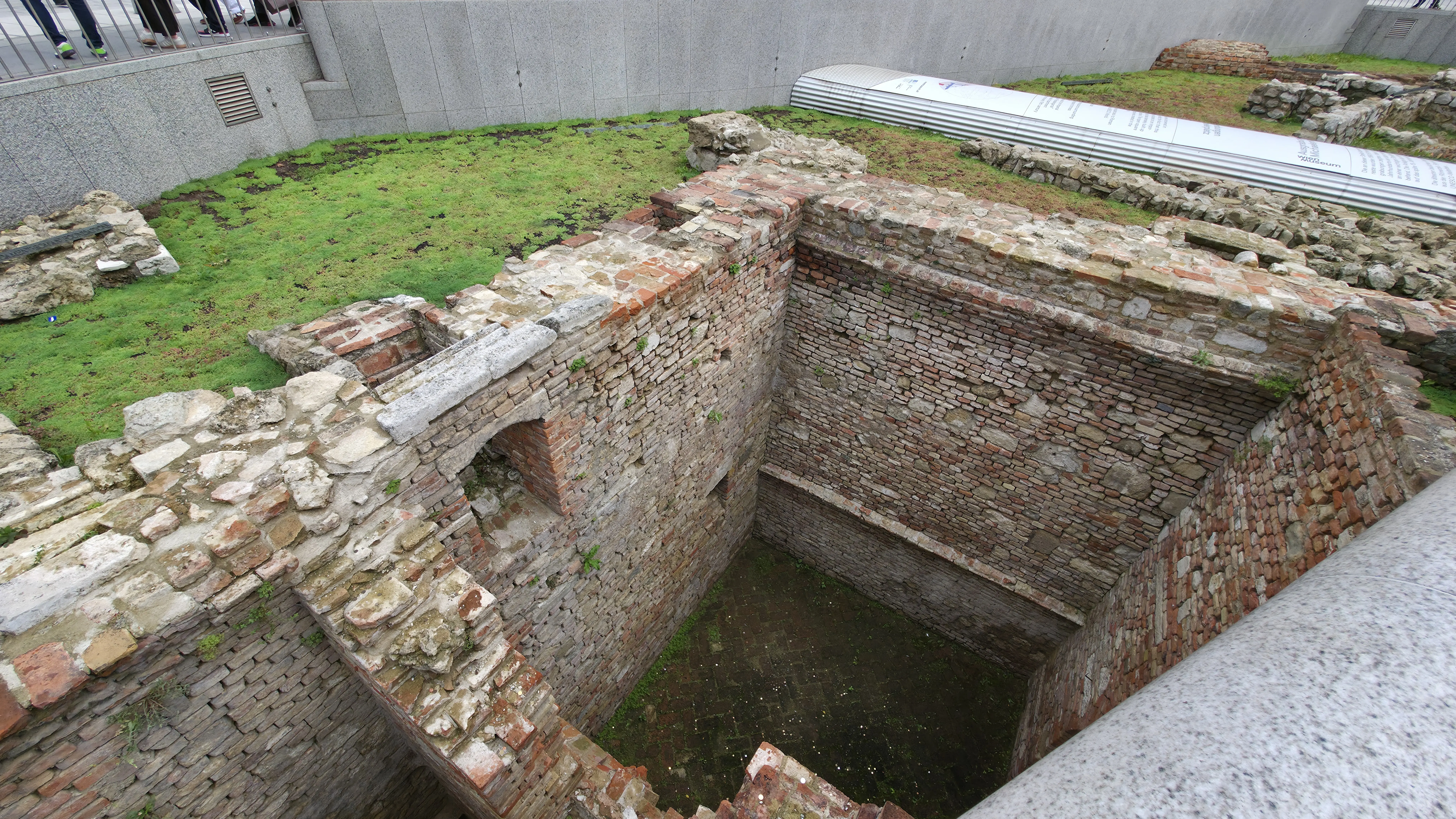
What makes this site especially powerful is its openness. These ruins are not hidden away behind museum walls. They sit exposed in the middle of a busy square, reminding passersby that Vienna’s origins are pragmatic, military, and ancient. Standing here, you are not observing history, you are standing directly on top of it!
St. Michael’s Church: Faith, Death, and Continuity
Overlooking the square is St Michael’s Church, one of Vienna’s oldest surviving churches. Founded around 1220, St Michael’s Church has witnessed nearly every major chapter of the city’s development. Its exterior reflects centuries of change, blending Gothic origins with Baroque modifications that mirror shifting artistic and spiritual priorities.
Inside, the church feels both solemn and layered. Beneath it lies the Michael Crypt, created in the 16th and 17th centuries, where mummified remains of parishioners from burials conducted between 1631 and 1784 are preserved – a stark, humbling reminder of mortality and belief in early modern Vienna. Above ground, the interior remains a place of active worship, connecting past devotion with present practice.
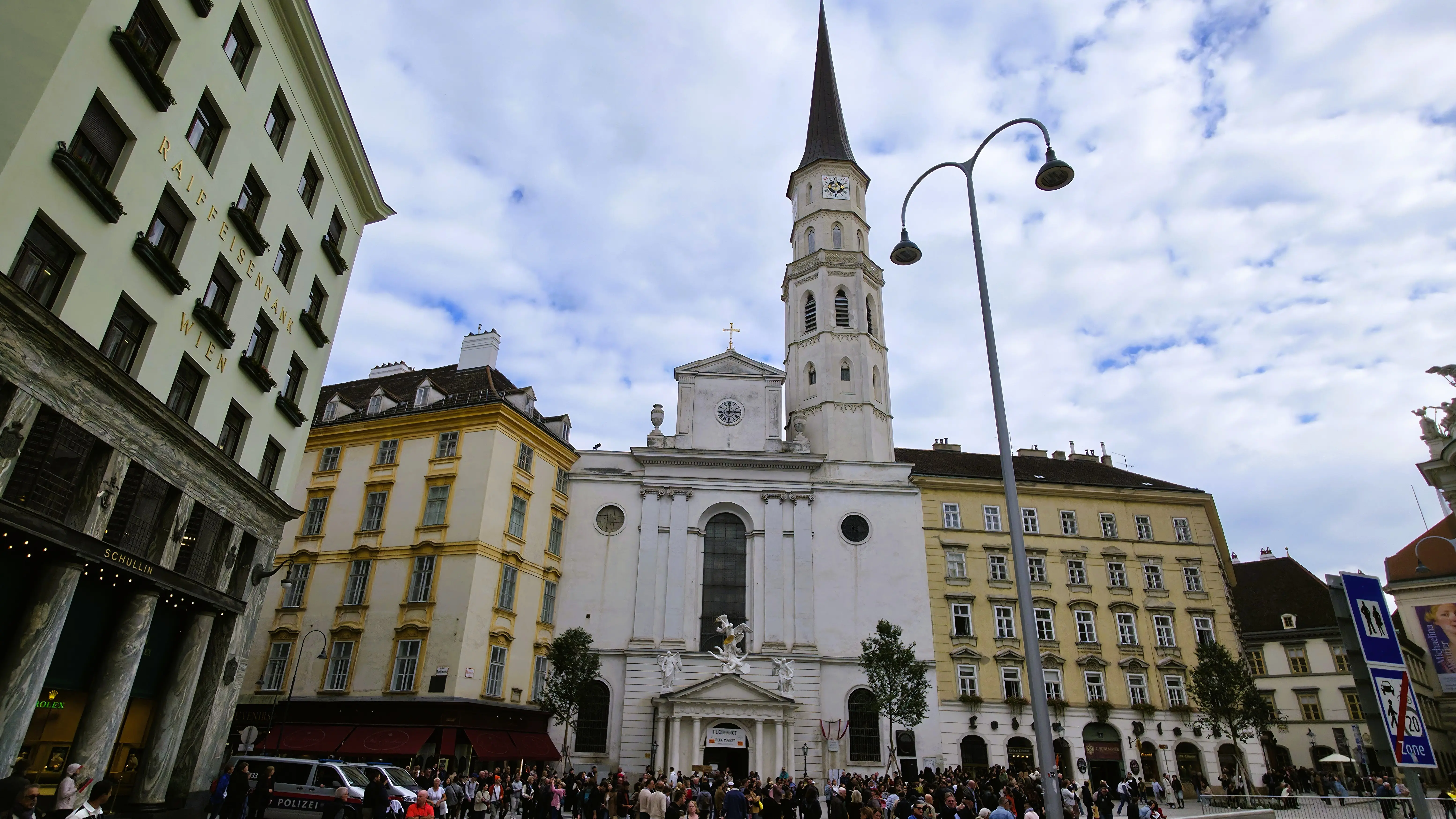
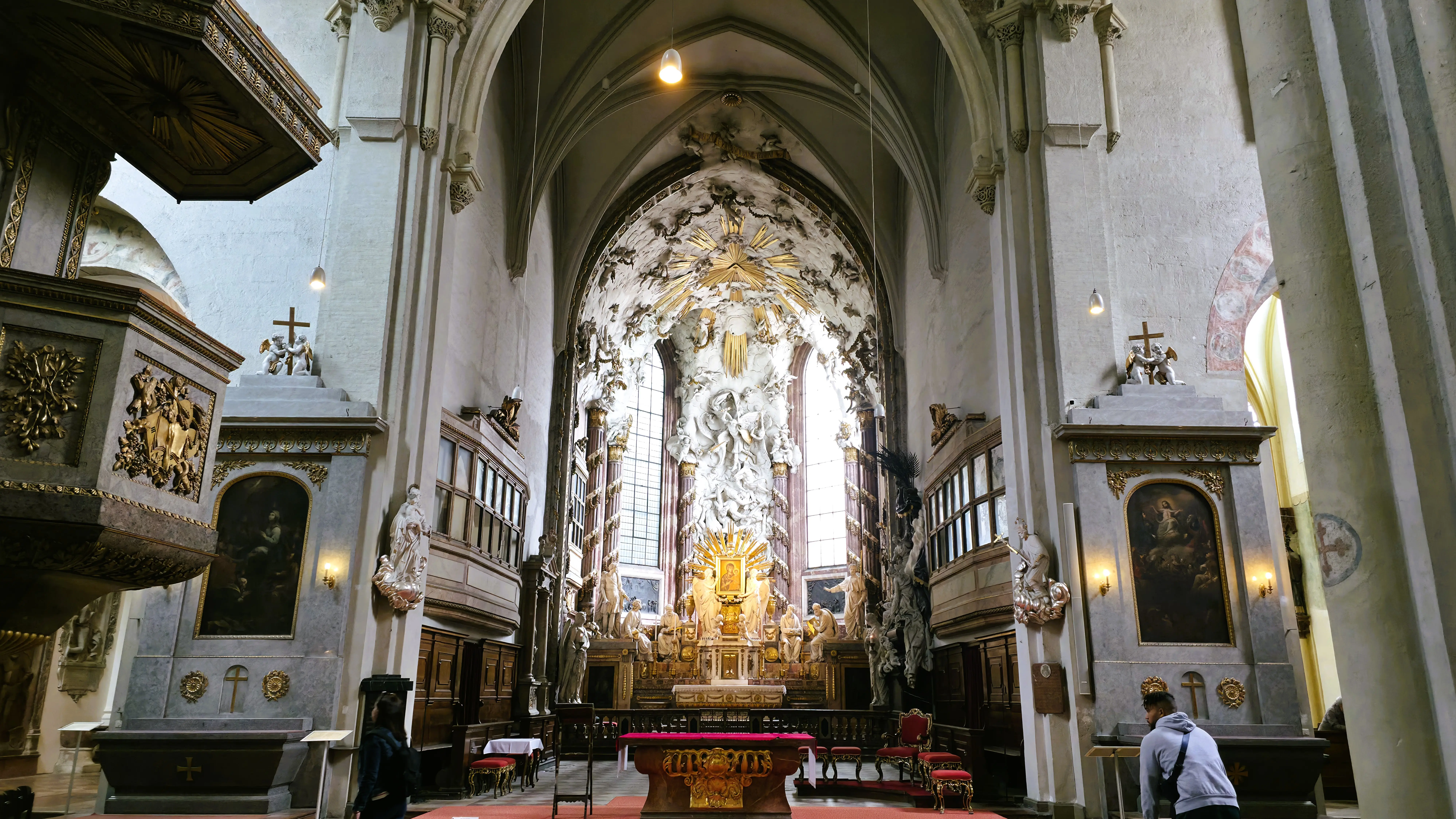
St. Michael’s Church anchors Michaelerplatz spiritually. While empires rose and fell around it, the church endured, quietly reinforcing the continuity of faith in a city defined by constant transformation.
The Hofburg & Michaeler Gate: Architecture of Authority
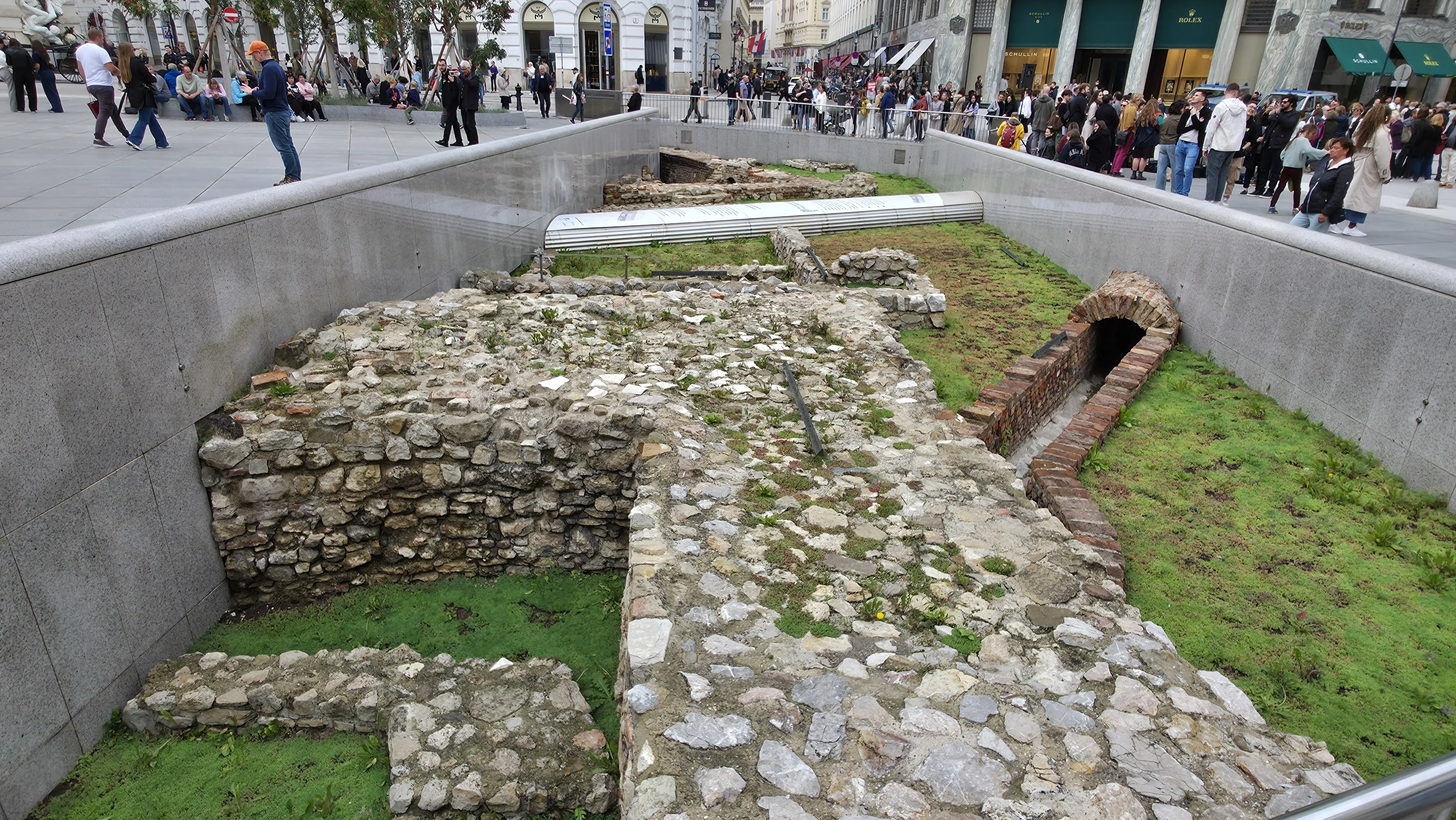
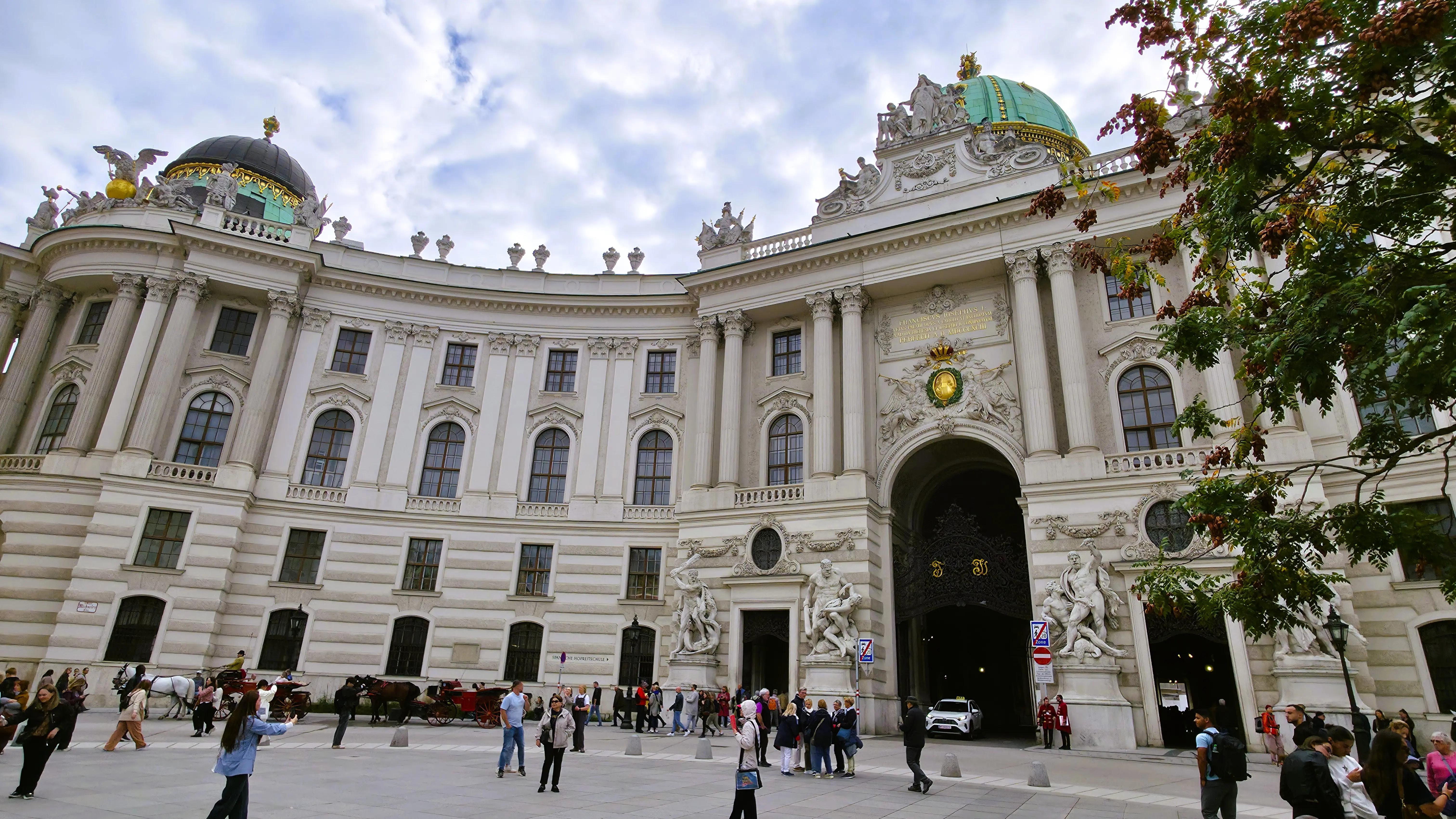
Directly opposite the church stands the Michaelertrakt (St. Michael’s Wing), culminating in the imposing Michaelertor (St. Michael’s Gate), one of the most monumental entrances to the Hofburg Palace. Originally designed in the 1720s but not completed until 1893 during Emperor Franz Joseph’s reign, the gate was designed to impress and intimidate in equal measure. Its massive columns, sculptural reliefs depicting virtues like justice, wisdom, and strength, and triumphal proportions communicate imperial confidence at its height. This was the ceremonial threshold through which emperors, dignitaries, and foreign envoys passed before entering the heart of Habsburg power. The gate was never meant to blend in – it was meant to dominate.
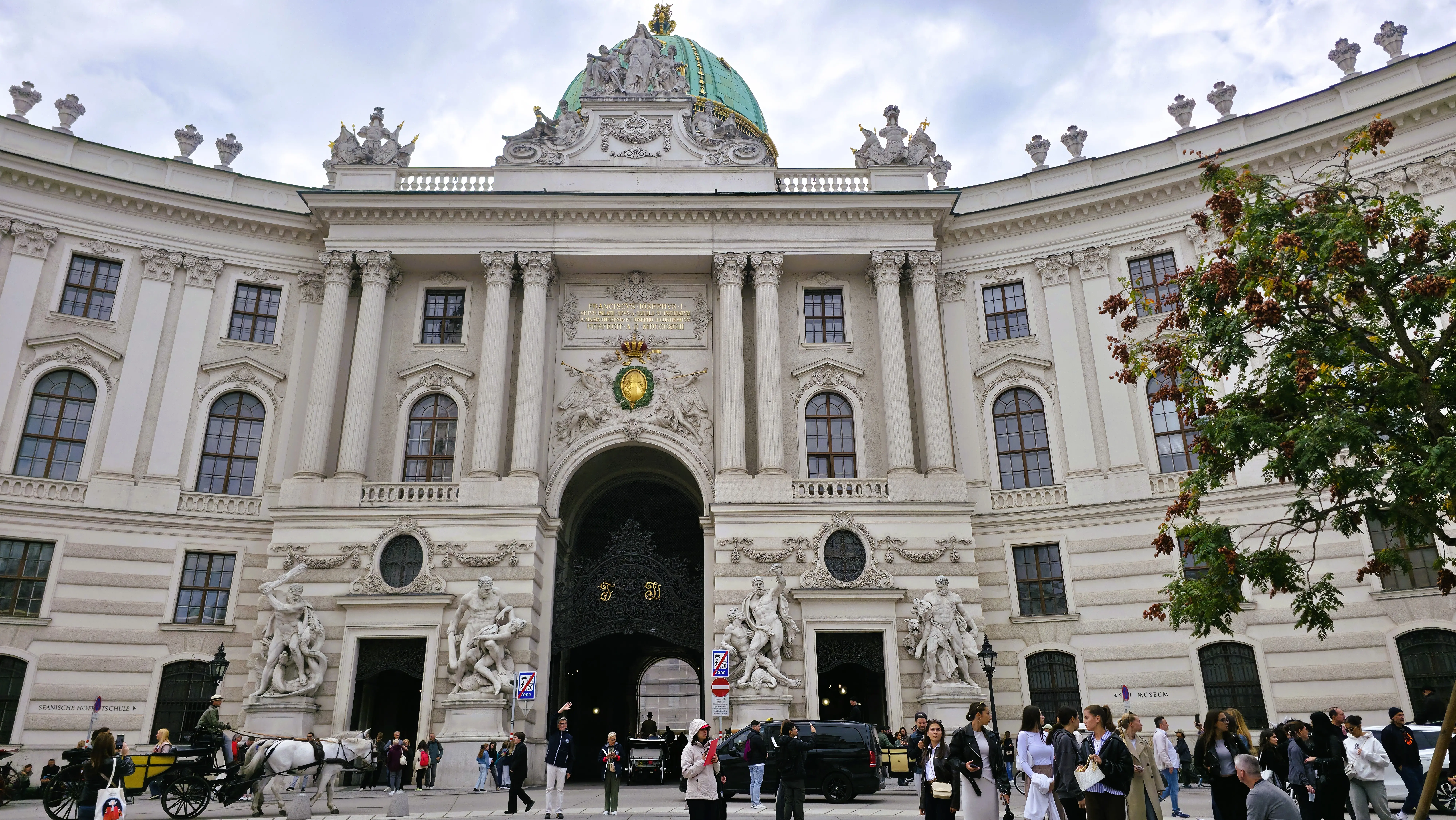
Standing in Michaelerplatz and facing the Hofburg, you feel the scale of imperial ambition. The palace does not retreat from the city here; it asserts itself directly into public space.
Looshaus: When Modernity Challenged the Empire
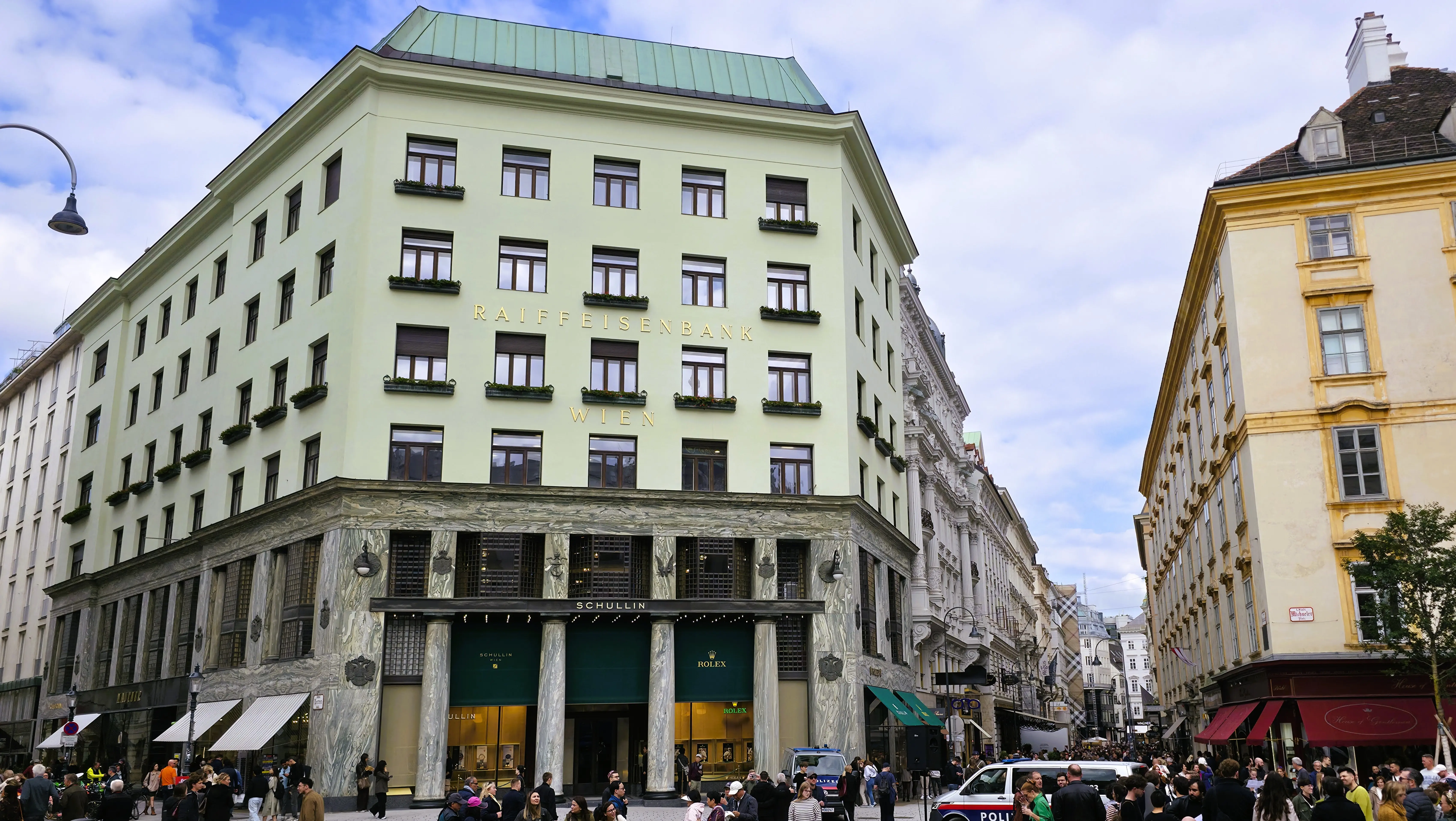
Facing the Hofburg across the square is a building that once caused outrage: the Looshaus, designed by architect Adolf Loos and completed in 1912. At the time, Vienna was steeped in ornamentation, historicism, and decorative excess. Loos rejected all of it. His building featured smooth façades, clean lines, and an almost radical absence of decoration. The reaction was immediate and fierce. Emperor Franz Joseph reportedly disliked the building so much that he avoided passing by it.
Today, the Looshaus is considered a foundational work of modern architecture, symbolizing a philosophical shift toward function, honesty, and restraint. Its presence in Michaelerplatz creates a visual and ideological confrontation – tradition versus progress, empire versus modern thought. Few squares in Europe display such an unapologetic architectural debate.
Why Michaelerplatz Still Matters
Michaelerplatz matters because it refuses to simplify Vienna’s story. It does not present history as polished, linear, or harmonious. Instead, it lays contradictions bare – military origins beside sacred spaces, imperial authority facing modern rebellion, and ancient Roman ruins resting beneath the rhythm of everyday life.
What makes this square so compelling is its honesty. Nothing here has been erased or neatly resolved. Each era remains visible, confronting the next rather than replacing it. Michaelerplatz reminds us that cities are not built in chapters, but in layers – accumulated through conflict, belief, ambition, and change. To understand Vienna, you don’t need to rush through its landmarks. You need to stand still here long enough to let those layers speak to one another.
Bubbly Tips for Visiting Michaelerplatz
- Explore above and below ground: Take time to notice both the Roman excavations beneath the square and the surrounding architecture above. The contrast between ancient foundations and imperial façades is what makes Michaelerplatz so unique.
- Step inside St. Michael’s Church: Visiting St. Michael’s Church adds an essential spiritual and historical layer to your experience. If time allows, the crypt offers a sobering glimpse into Vienna’s past beliefs around death and devotion.
- Visit early or at dusk: Early mornings and evenings are ideal for experiencing Michaelerplatz with fewer crowds. The softer light also highlights architectural details and enhances the atmosphere of the square.
- Pause and take it all in: Stand in the center of the square and slowly turn in a full circle. This simple moment allows you to fully absorb the Roman ruins, medieval church, imperial gate, and modernist Looshaus all at once.
- Know that access is free: Michaelerplatz is open and accessible at all times, making it an easy and rewarding stop while exploring Vienna’s historic center — no tickets or planning required.
- Pair it thoughtfully: Combine Michaelerplatz with a walk through the Hofburg courtyards, Graben, and Kohlmarkt to better understand how Vienna’s political, commercial, and cultural histories intersect.
Final Thoughts
Michaelerplatz is not designed to impress at first glance – it reveals itself slowly, to those willing to look closer. It challenges the idea that history must be neat or beautiful to be meaningful. Here, Vienna shows its complexity, its contradictions, and its intellectual courage.
If you want to understand the city beyond its palaces and cafés, this is where you pause, observe, and let centuries speak at once.
Thank you for exploring Michaelerplatz with me. I’d love to hear your impressions – feel free to share them in the comments below.
xoxo,
Bubbly💗
🌟 Everything You Need to Plan Your Dream Trip in 2026
- 🌟 Luxury Hotels - Find premium stays with Booking.com & Hotels.com
- 🏡 Vacation Rentals - Discover unique properties on VRBO
- 🏞️ Guided Tours - Explore with Viator or GetYourGuide
- 🎫 Attraction Tickets - Skip the lines with Tiqets
- 🚢 Ocean Cruises - Set sail with Cruise Direct
- 📱 International SIMs - Stay connected with Saily
- 🚗 Car Rentals - Budget-friendly options from Discover Cars
- 🌐 Secure VPNs - Browse safely with NordVPN
- 💶 Currency Exchange - Best rates with Wise
- 🗣️ Learn Languages - Master the local language with Babbel and Rosetta Stone