
Hello, fellow travelers! Vienna has a way of revealing its beauty in layers. There is the grandeur – the palaces, the Ringstrasse, the imperial façades that stop you in your tracks. And then there is the quieter Vienna, the one you discover when you slow down, step away from the crowds, and wander into spaces that feel almost personal. The Burggarten is exactly that kind of place.
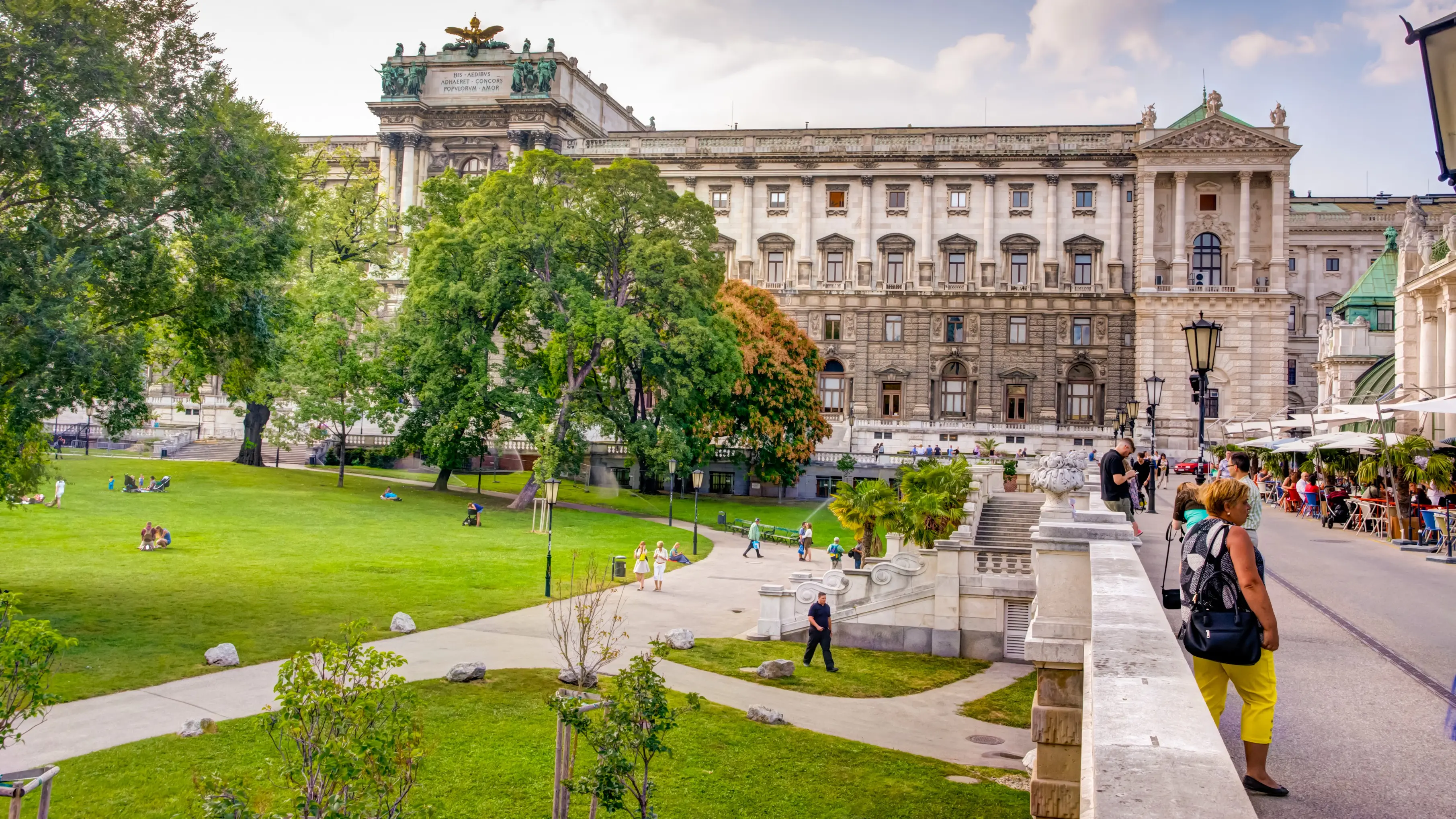
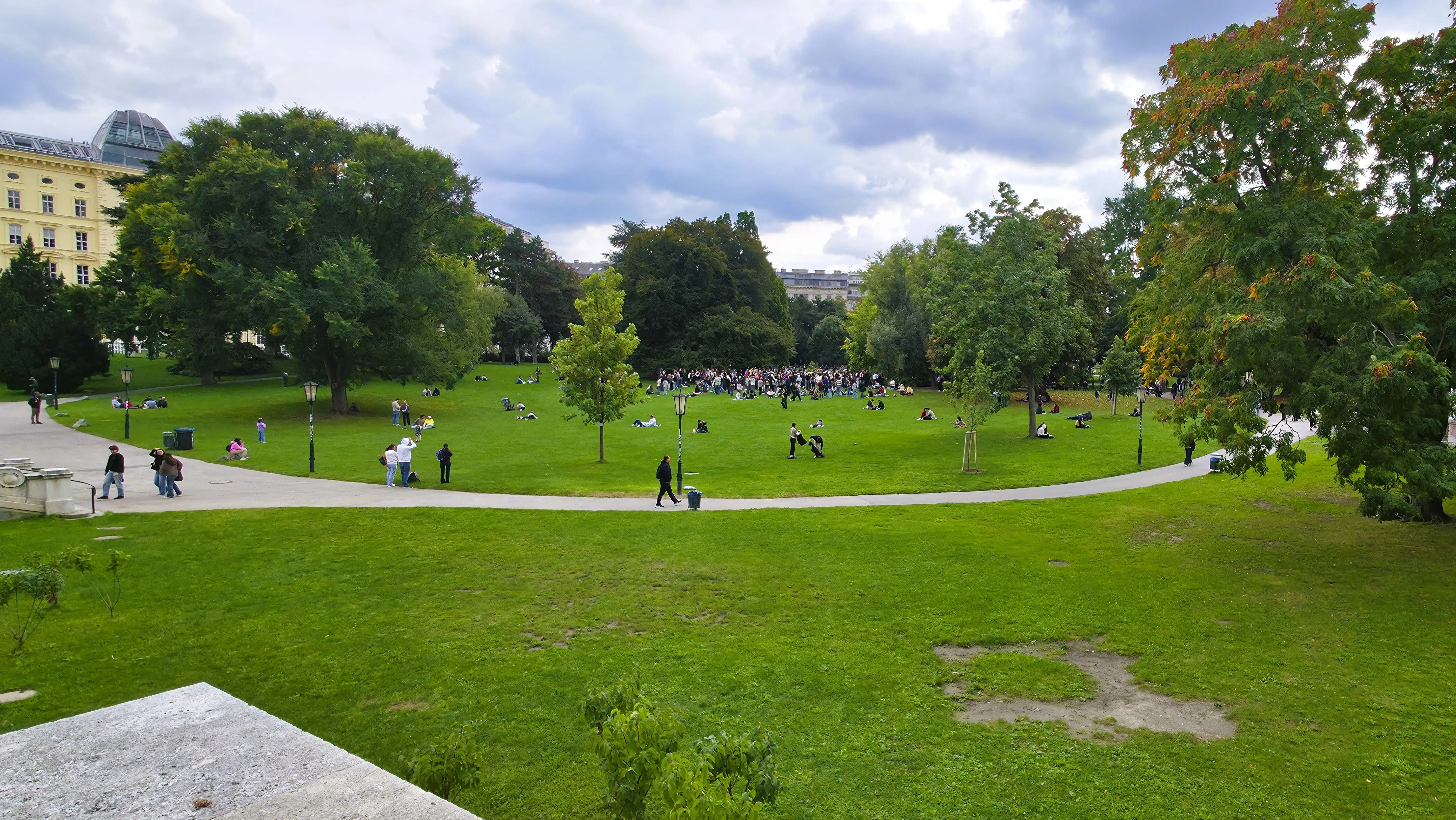
Tucked discreetly behind the Hofburg Palace, Burggarten doesn’t announce itself loudly. It whispers. It invites you in gently, offering manicured lawns, shaded paths, and a sense of calm that feels almost surprising given how central it is. This is not a garden built for spectacle, it is a garden built for pause.
Burggarten at a Glance
📍 Location: Behind the Hofburg Palace, central Vienna (1st district)
🌿 What It Is: A quiet imperial garden, originally created in 1817–1819 as a private Habsburg retreat
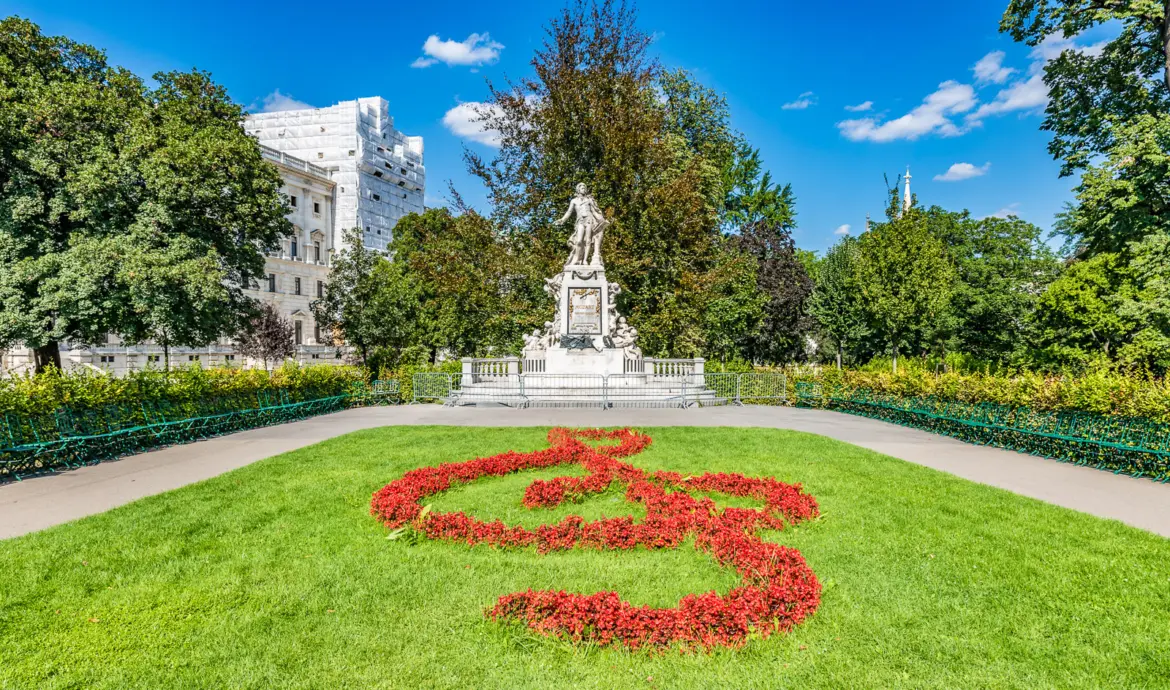
🎵 Highlight: The Mozart statue with its famous floral treble clef
🏛️ Structures: Palmenhaus (Palm House with café terrace), Schmetterlinghaus (Butterfly House)
🎟️ Entrance: Free (Butterfly House has separate admission)
⏱️ Time Needed: 30–60 minutes for a peaceful visit
💡 Tip: Pair Burggarten with the Hofburg, Albertina Museum, or a walk along the Ringstrasse for a balanced cultural stroll
From Imperial Grounds to Public Haven
Burggarten’s origins are inseparable from Vienna’s imperial history and the evolution of the Hofburg Palace itself. The garden was created in the early 19th century, following the destruction of Vienna’s old city fortifications during the Napoleonic Wars. As the city transformed from a fortified stronghold into a more open and elegant capital, this area was reshaped into a private palace garden for the Habsburg court.
Designed between 1817 and 1819 under Emperor Francis I of Austria, Burggarten was conceived as a strictly private imperial garden, accessible only to members of the royal household. Unlike public parks intended for leisure and social gathering, Burggarten reflected the values of imperial Vienna. Its layout followed the English landscape style – with winding paths, naturalistic plantings, and picturesque scenery – yet still emphasized controlled, cultivated nature rather than wild beauty, a reflection of how power and refinement were visually expressed during the Habsburg era.
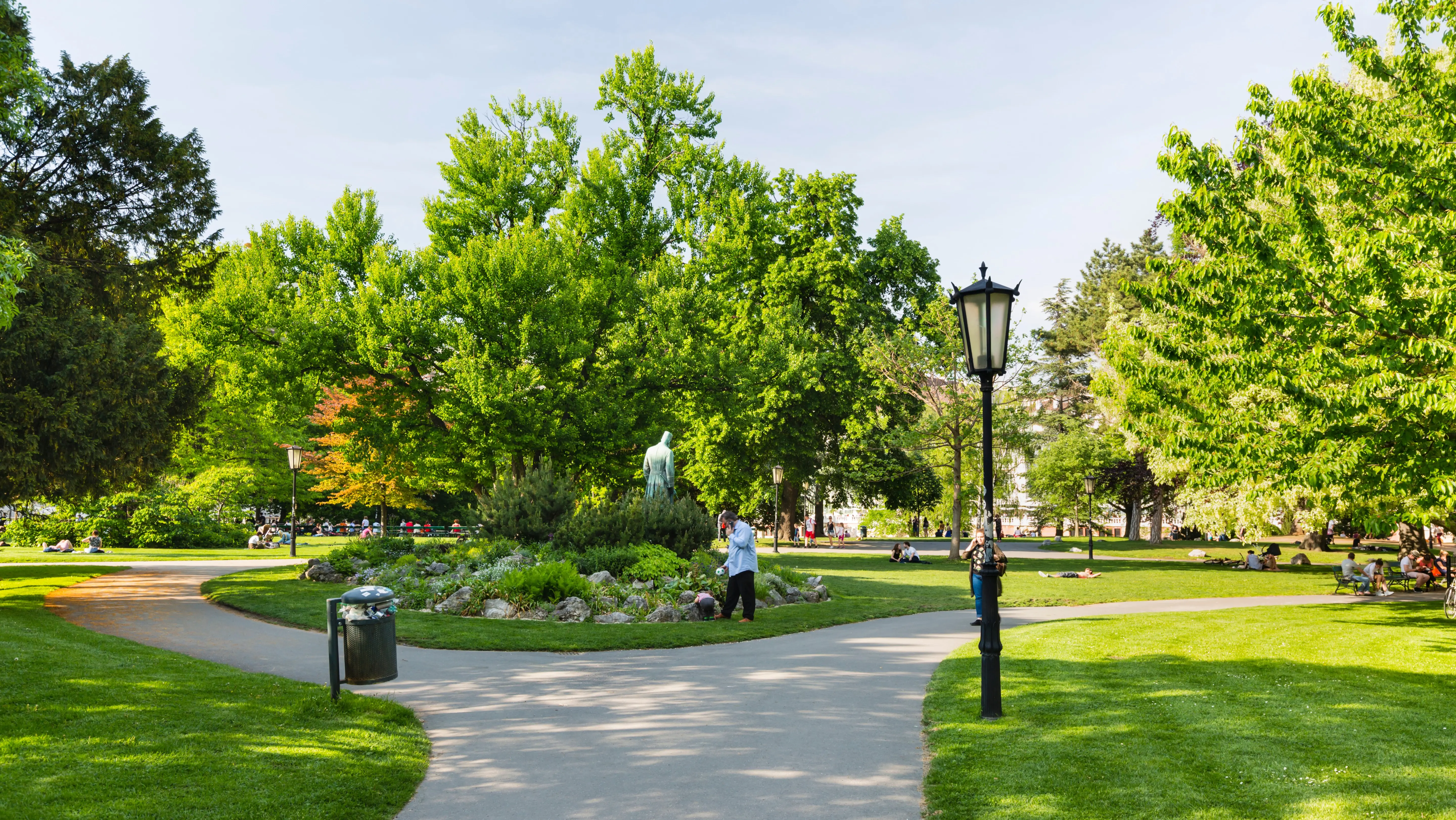
For much of the 19th century, Burggarten remained a secluded retreat directly connected to the Hofburg Palace, offering the imperial family a carefully curated green space shielded from public life. It functioned not as a place of display, but as a quiet extension of courtly routine – a space where walks were measured, movement was intentional, and privacy was paramount. The garden’s transformation into a public space came later, following the collapse of the Austro-Hungarian Empire after World War I. In 1919, Burggarten was officially opened to the public, marking a symbolic shift in Vienna’s identity. What had once been reserved exclusively for emperors and courtiers became accessible to everyday citizens, reflecting a broader democratization of space in post-imperial Austria.
Yet even after opening its gates, Burggarten retained its composed and understated character. Unlike Vienna’s larger parks, it was never redesigned for crowds or spectacle. Its scale, pathways, and atmosphere remained intentionally restrained, preserving the contemplative quality that defined its imperial origins.
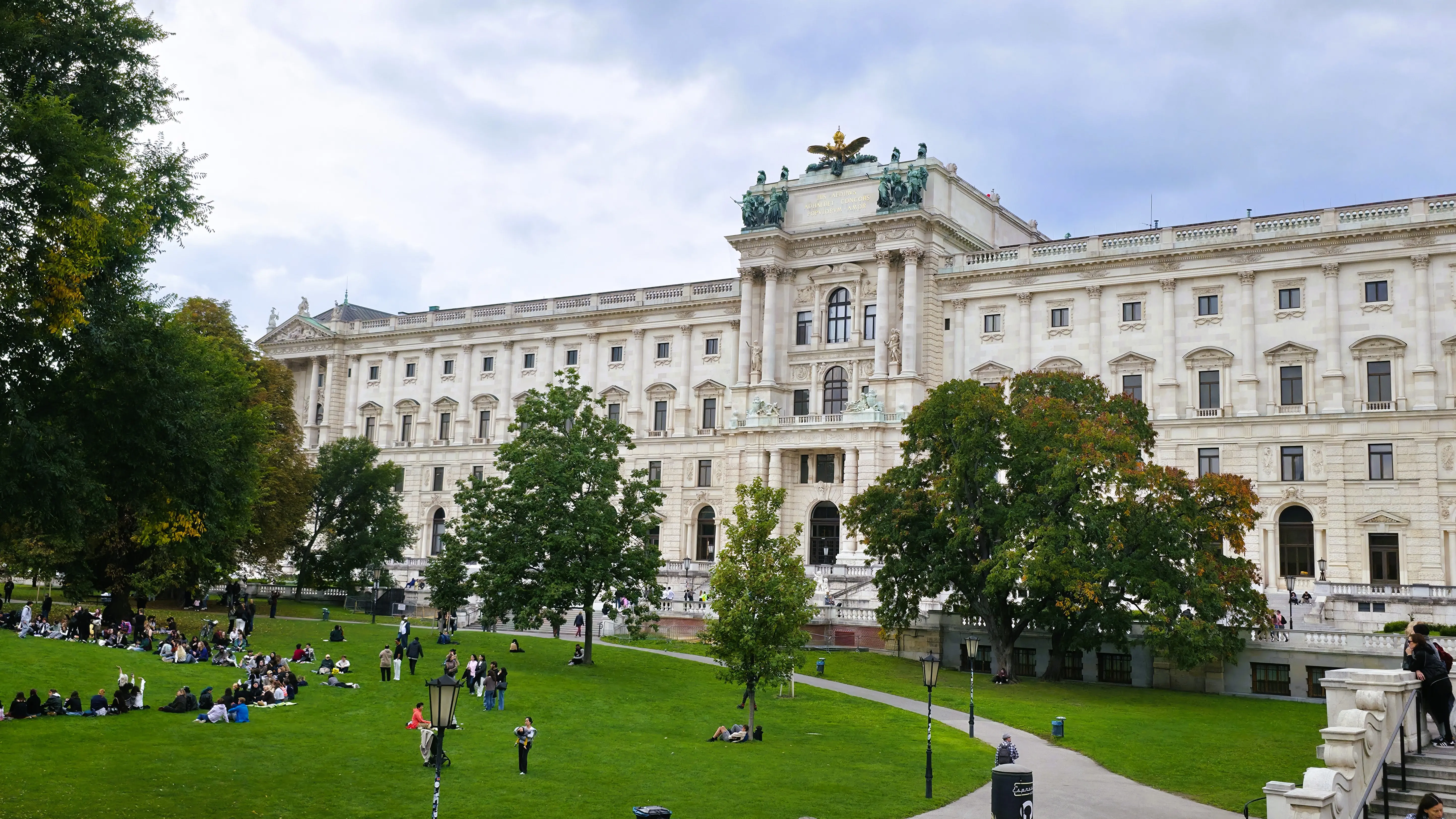
Walking through Burggarten today, the past feels remarkably close. The winding paths, the silence, and the proximity to the Hofburg make it easy to imagine members of the imperial court strolling along these same routes two centuries ago. History here doesn’t overwhelm – it lingers gently, woven into the greenery, inviting reflection rather than reverence.
A Garden That Feels Like a Secret
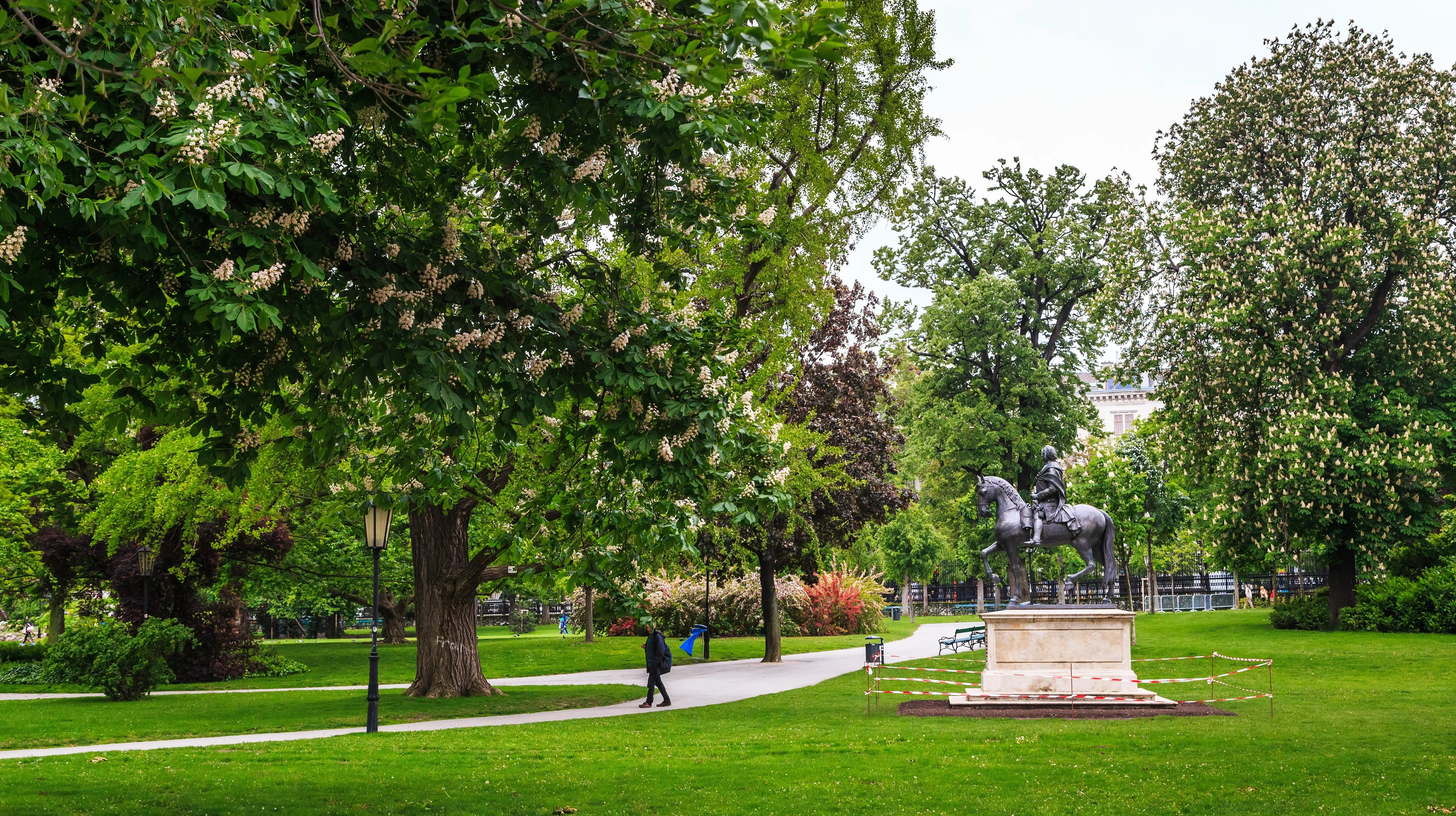
One of the things I loved most about Burggarten is how easy it is to miss. You can walk Vienna’s grand avenues and never realize that, just steps away, lies this serene green space. And yet, once inside, the city seems to soften. The noise fades, the pace slows, and suddenly Vienna feels intimate. Burggarten feels less like a tourist attraction and more like a moment of stillness offered to those willing to notice it. Locals sit quietly on benches, travelers wander without urgency, and the garden seems to encourage a kind of respectful calm. It’s the sort of place where you instinctively lower your voice, not because you have to, but because it feels right.
Burggarten, the Hofburg & Imperial Vienna
Burggarten’s close connection to the Hofburg Palace gives it an added layer of meaning. This was not just any garden, it was part of the living landscape of imperial life. While the Hofburg represented power, ceremony, and public duty, Burggarten offered a softer counterpoint: a place for reflection and reprieve. This contrast is what makes Burggarten so compelling. It exists in quiet dialogue with the palace behind it, reminding us that even in worlds defined by protocol and authority, there was still a need for calm, nature, and solitude. Standing in the garden, with the Hofburg so close yet visually softened by trees and flowers, that balance becomes beautifully tangible.
The Mozart Statue: Art, Memory & Stillness
One of Burggarten’s most recognizable features is the statue of Wolfgang Amadeus Mozart, set gracefully within the garden. Unlike monuments that dominate their surroundings, this statue feels integrated into the landscape – music and nature existing together in harmony. Mozart’s presence here feels fitting. His compositions were complex yet emotional, disciplined yet expressive – much like Vienna itself. The floral arrangement surrounding the statue often forms a musical motif, a subtle tribute that blends art and environment rather than separating them.
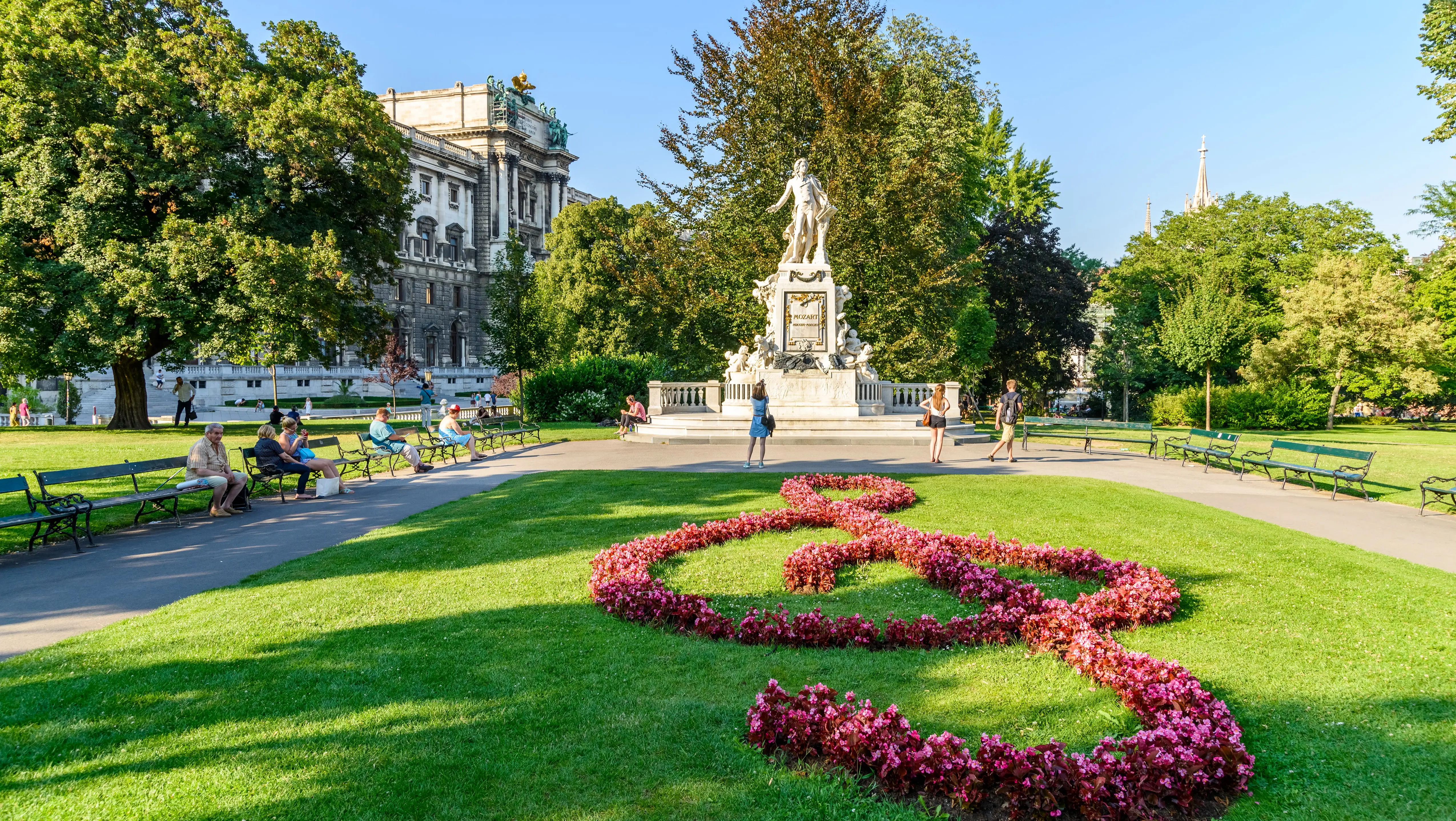
Spending time near the statue feels contemplative. It’s a place to sit, to listen to the imagined echoes of music, and to reflect on how deeply art is woven into Vienna’s identity. Even without sound, the space feels musical.
The Palm House & Butterfly House: Architecture, Light, and Living Beauty
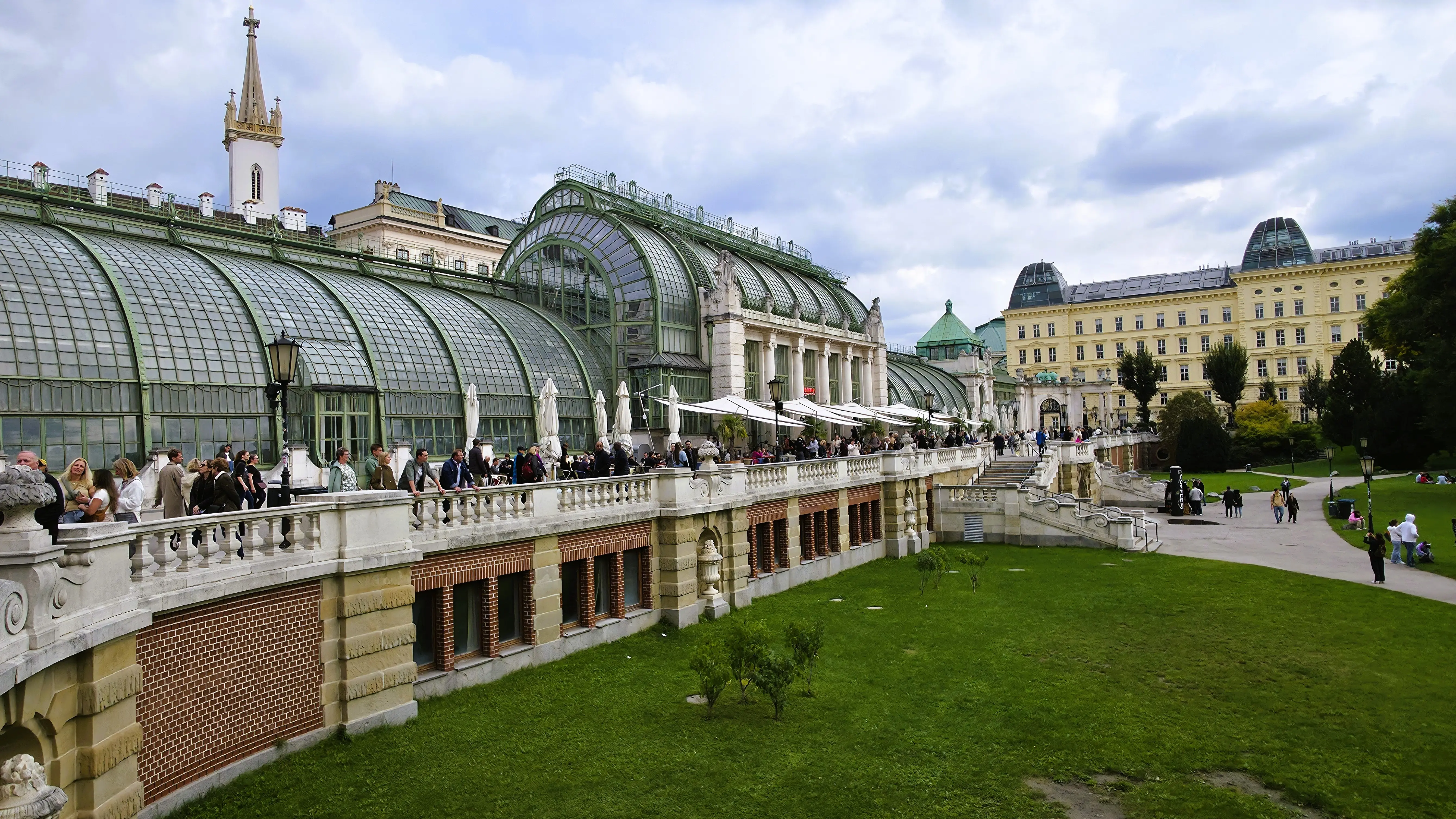
At the edge of Burggarten stand two elegant structures that perfectly embody Vienna’s love for beauty, nature, and design: the Palm House and the Vienna Butterfly House. Built at the turn of the 20th century, these neighboring glass-and-iron buildings reflect the city’s embrace of Art Nouveau architecture and its fascination with light-filled, botanical spaces.
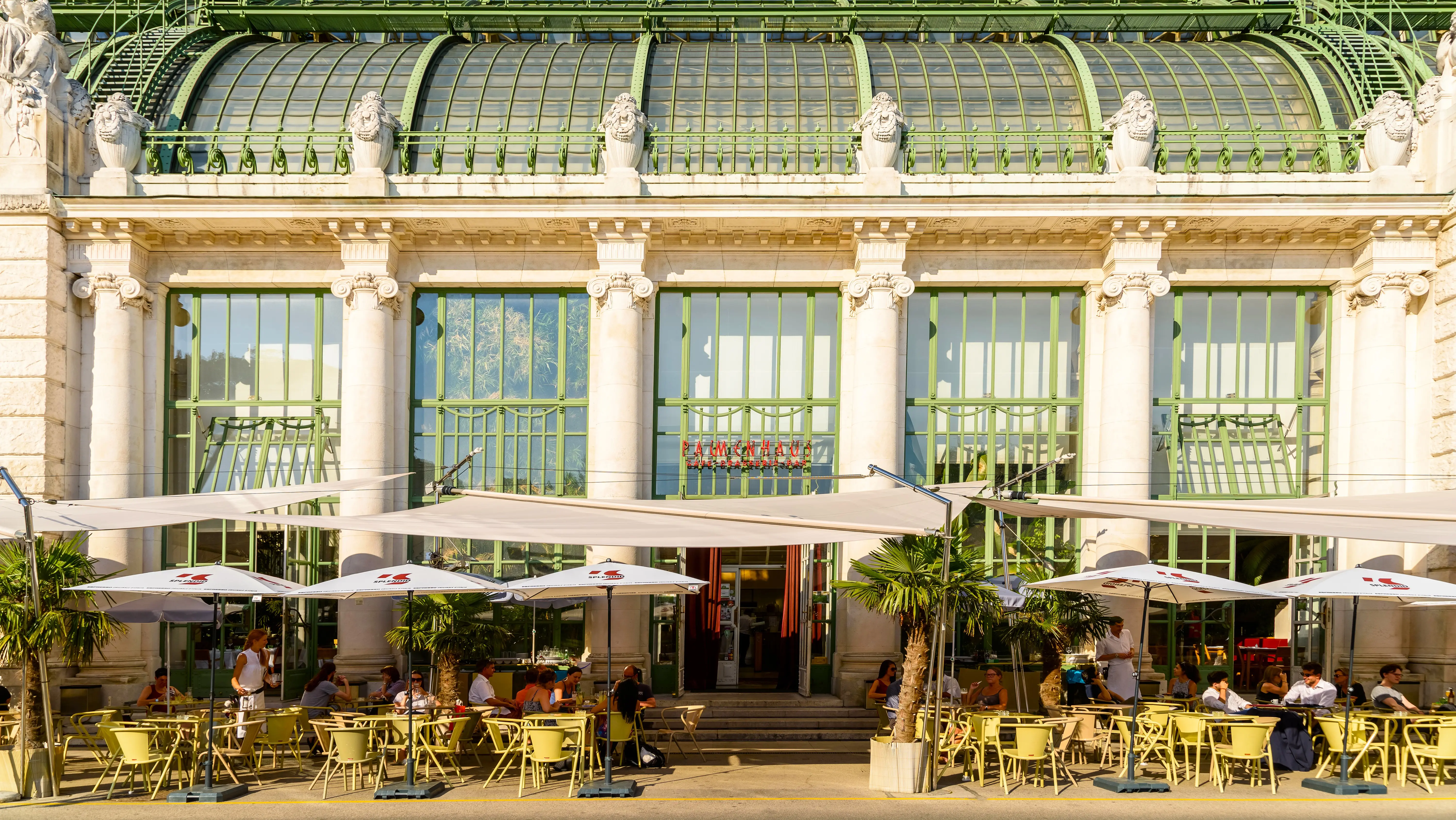
The Palm House (Palmenhaus) was designed as a refined greenhouse, created to shelter exotic plants and bring warmth-loving species into Vienna’s cooler climate. Its transparent structure allows natural light to pour in, creating a seamless transition between architecture and garden. Even when admired from the outside, the Palm House feels light and harmonious – never imposing, always complementary to the surrounding greenery.
Just next door, the Schmetterlinghaus (Butterfly House) adds a quietly magical dimension to Burggarten. Originally constructed in 1901 as a palm house, the building was later transformed into a tropical butterfly habitat. Inside, a warm, humid environment supports hundreds of free-flying butterflies, along with lush tropical plants and small water features. Stepping into the Butterfly House feels like entering a different world – one where time slows, colors soften, and delicate wings flutter through the air. Butterflies move freely around visitors, settling briefly on leaves or drifting past, creating moments of unexpected connection and wonder. It’s an experience that feels intimate rather than theatrical, perfectly aligned with Burggarten’s gentle spirit.
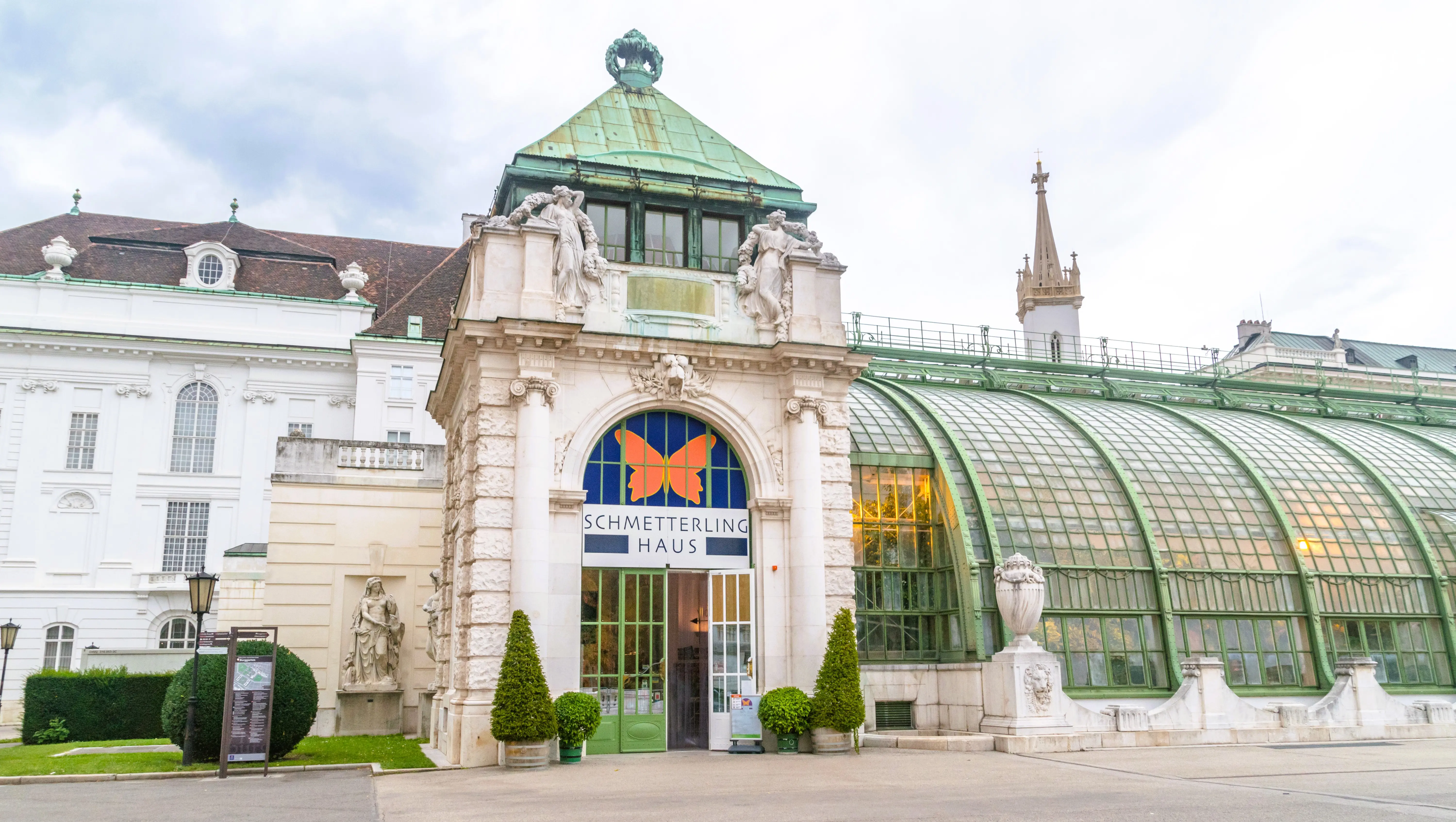
Together, these structures offer a beautiful pause within the garden. Whether you stop for a quiet coffee near the Palm House, admire the architecture from a shaded bench, or step inside the Butterfly House to experience its living beauty, this corner of Burggarten invites you to linger. Watching light dance across glass, leaves, and wings becomes one of those small, unplanned travel moments – subtle, calming, and deeply memorable.
Why Burggarten Still Matters Today
In a city celebrated for its grandeur, Burggarten reminds us that beauty doesn’t always need to be loud. Its relevance today lies in its ability to offer something increasingly rare: quiet space in the middle of a vibrant capital. Burggarten invites you to slow down. To sit without scrolling. To observe without rushing. It’s a reminder that travel doesn’t always have to be about seeing more – sometimes it’s about feeling more. For me, Burggarten embodied the Vienna I fell in love with: elegant, reflective, and deeply human.
Bubbly Tips for Visiting Burggarten
- Best time to visit: Early morning or late afternoon offers the most peaceful atmosphere and soft, flattering light, making it ideal for slow walks, reflection, and photography.
- Entrance is free: Burggarten is open to the public at no cost, making it an easy and rewarding stop while exploring central Vienna or moving between major sights near the Hofburg.
- Pair it thoughtfully: Combine Burggarten with a visit to the Hofburg Palace, the Albertina Museum, or a leisurely stroll along the Ringstrasse to create a well-balanced cultural walk.
- Seasonal beauty: Spring and early autumn are especially lovely, when flowers bloom or leaves turn golden, but even summer offers shaded paths and a welcome sense of calm.
- Respect the calm: Burggarten has a quieter tone than many of Vienna’s larger parks. It’s best enjoyed slowly and mindfully, allowing space for others to relax and unwind.
- Take a pause: Bring a book, a notebook, or simply sit and observe. This is a garden that rewards stillness and invites you to slow down.
- Easy to reach: Burggarten is centrally located near the Hofburg and Ringstrasse, making it simple to include in a walking itinerary through Vienna’s historic core.
Final Thoughts from Bubbly
Burggarten may not demand your attention, but once you step inside, it gently holds it. It is a garden shaped by imperial history, softened by time, and kept alive by those who seek quiet moments in the heart of Vienna.
If you’re looking for a place to breathe, to reflect, or simply to experience Vienna beyond its grand gestures, Burggarten offers exactly that – a reminder that sometimes, the most memorable travel moments are the quietest ones.
Thank you for wandering through Burggarten with me. I’d love to hear your thoughts or experiences. Feel free to share them in the comments below!

🌟 Everything You Need to Plan Your Dream Trip in 2026
- 🌟 Luxury Hotels - Find premium stays with Booking.com & Hotels.com
- 🏡 Vacation Rentals - Discover unique properties on VRBO
- 🏞️ Guided Tours - Explore with Viator or GetYourGuide
- 🎫 Attraction Tickets - Skip the lines with Tiqets
- 🚢 Ocean Cruises - Set sail with Cruise Direct
- 📱 International SIMs - Stay connected with Saily
- 🚗 Car Rentals - Budget-friendly options from Discover Cars
- 🌐 Secure VPNs - Browse safely with NordVPN
- 💶 Currency Exchange - Best rates with Wise
- 🗣️ Learn Languages - Master the local language with Babbel and Rosetta Stone