
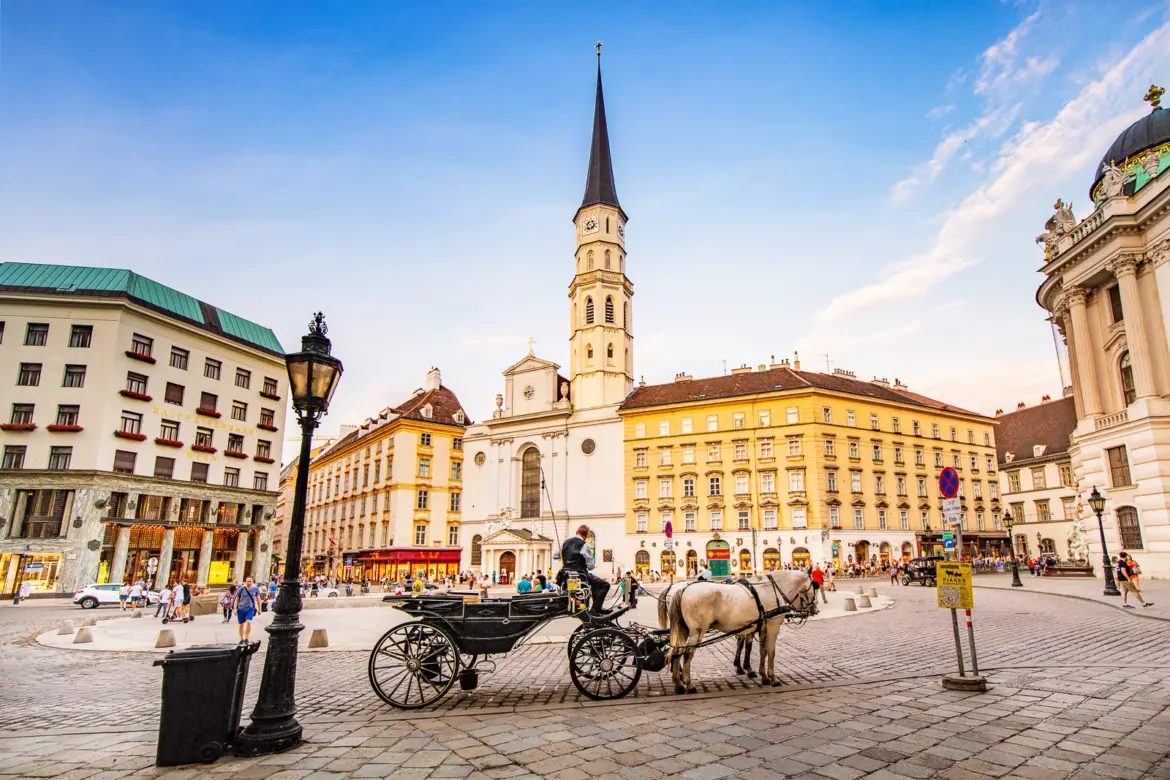
Hello world explorers! Vienna is a city where history rarely stands alone. Every square, every façade, every stone seems to carry echoes of something older beneath it. And while many visitors pause at Michaelerplatz to admire the grandeur of the Hofburg or the exposed Roman ruins of Vindobona, fewer step quietly inside the building that has watched over this corner of the city for centuries: St. Michael’s Church – known locally as Michaelerkirche.
Today, we’re slowing down and stepping inside one of Vienna’s oldest churches, exploring its layered history, evolving architecture, atmospheric interior, and the hidden stories discovered within its walls. Because St. Michael’s is more than a church, it is a witness to the city’s transformation from medieval stronghold to imperial capital to modern European metropolis.
St. Michael’s Church at a Glance
📍 Location: Michaelerplatz 1, Vienna 1st district — directly opposite the Hofburg
⛪ Founded: Around 1220, one of Vienna’s oldest surviving churches
🎨 Highlights: Fall of the Angels High Altar (1782), Maria Candia icon (Cretan School), Lorenzo Mattielli’s St. Michael sculpture (1725), medieval wall paintings
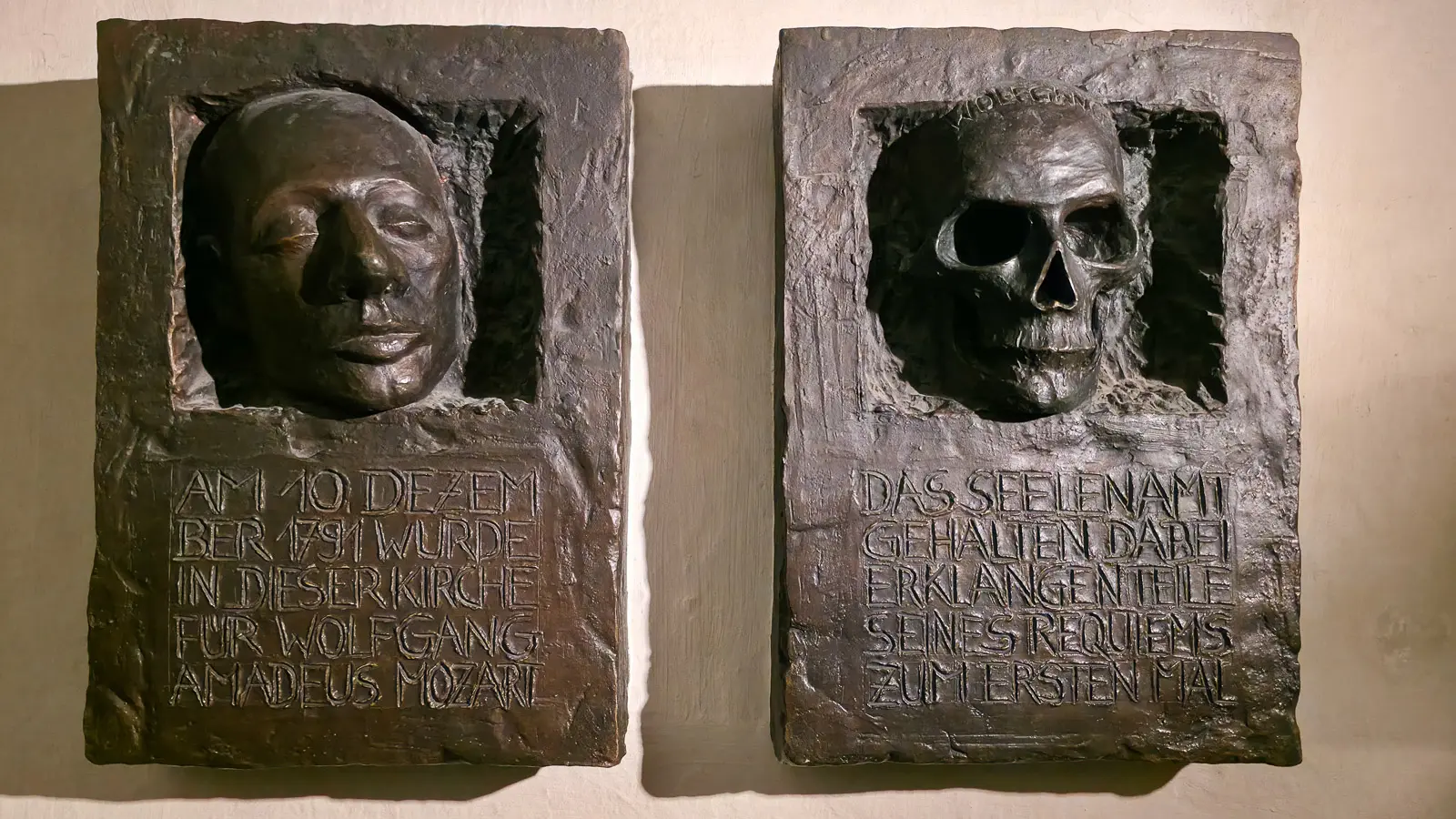
🎵 Mozart Connection: Parts of his Requiem were first performed here in 1791
💀 Crypt: ~4,000 burials (1560–1784) with remarkably preserved remains
🎟️ Entrance: Free (crypt may require separate ticket/guided tour)
💡 Tip: Pair with Michaelerplatz, Vindobona ruins, and the Hofburg courtyards for a deeply layered historical walk
A Church at the Heart of Imperial Vienna
Standing directly opposite the monumental Michaelertrakt (St. Michael’s Wing) of the Hofburg Palace, St. Michael’s Church occupies one of the most symbolically charged locations in Vienna. For centuries, this was the spiritual church of the imperial court. Emperors, courtiers, soldiers, and ordinary citizens all crossed its threshold, making it both a place of devotion and a quiet observer of power.
Its origins date back to the early 13th century, when Vienna was still developing into a major medieval center. Originally built in a late Romanesque style, the church predates many of the grand Baroque structures that later came to define Vienna’s skyline. Over time, as the city grew and tastes changed, the church evolved. Gothic elements were added, chapels expanded, and Baroque embellishments softened the interior, creating the layered architectural dialogue we see today. Rather than erasing its past, St. Michael’s absorbed each era, becoming a living record of Vienna’s spiritual and artistic evolution.
The Exterior: Quiet Strength Beside Imperial Grandeur
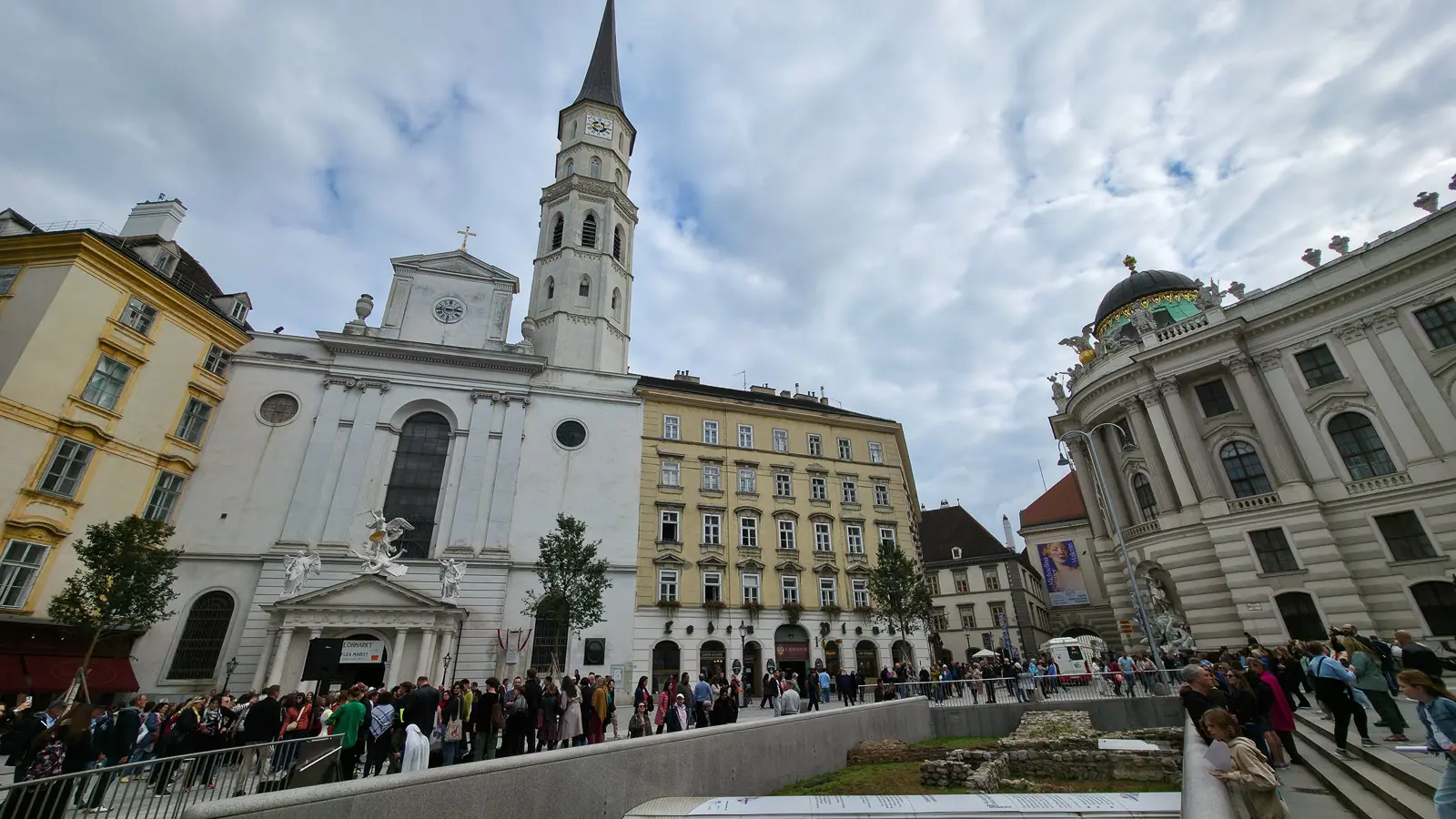
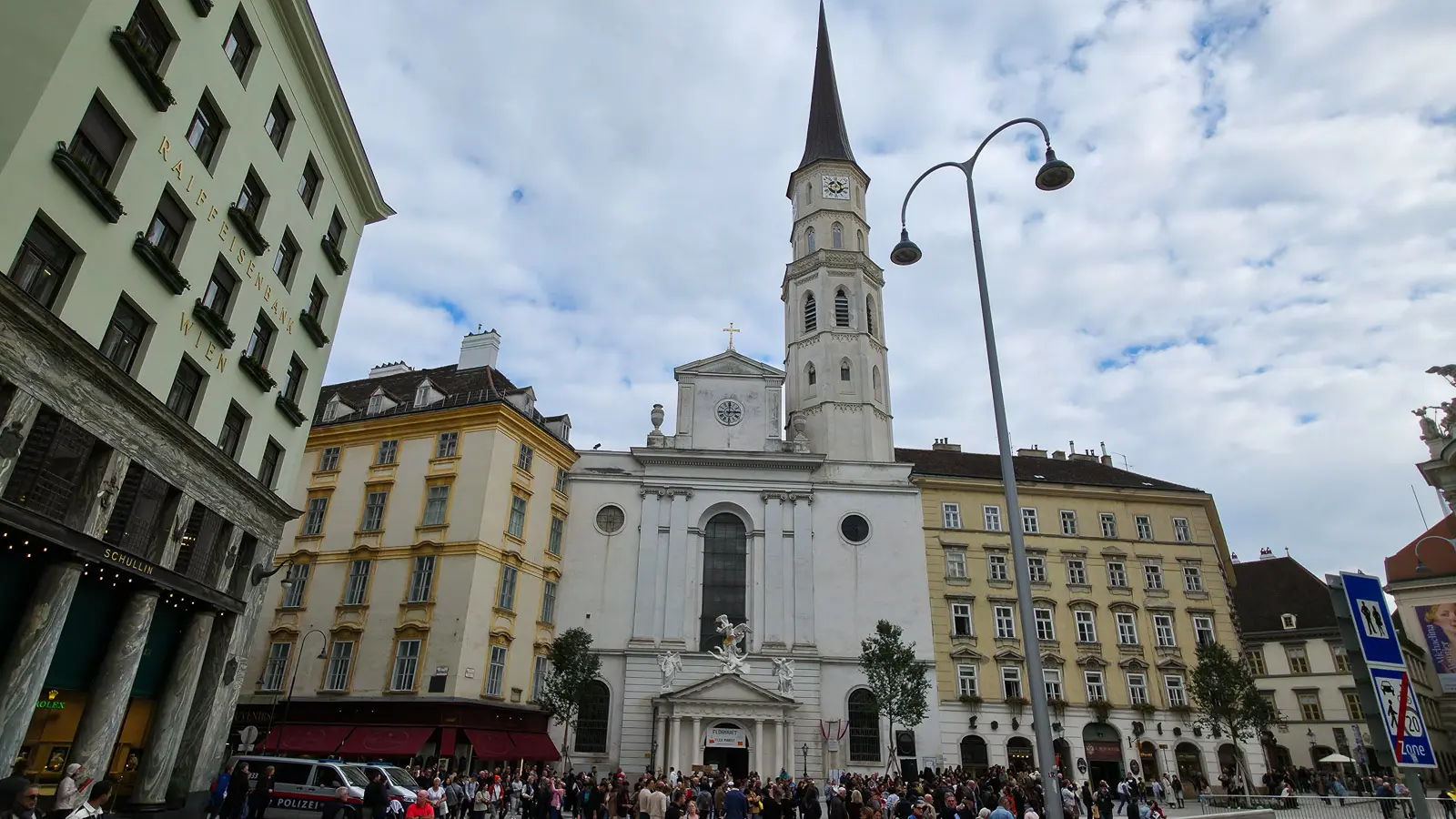
Compared with the monumental scale of the nearby Hofburg, St. Michael’s exterior feels almost restrained – yet that contrast is precisely what makes it compelling. The church has Romanesque and Gothic origins, but the façade visitors see today was rebuilt in 1792 in a Neoclassical style, creating a structure that feels grounded and enduring rather than theatrical. Above the entrance, resting on Doric columns designed by Antonio Beduzzi, a dramatic sculptural group crowns the pediment: winged angels surrounding St. Michael slaying Lucifer, created in 1725 by the Italian sculptor Lorenzo Mattielli. The composition adds movement and symbolism to an otherwise restrained façade, reminding visitors of the church’s spiritual purpose even within an increasingly imperial setting. Mattielli’s work also connects the church visually to the nearby Hofburg, where he sculpted the famous Hercules figures at the palace entrance just across the square.
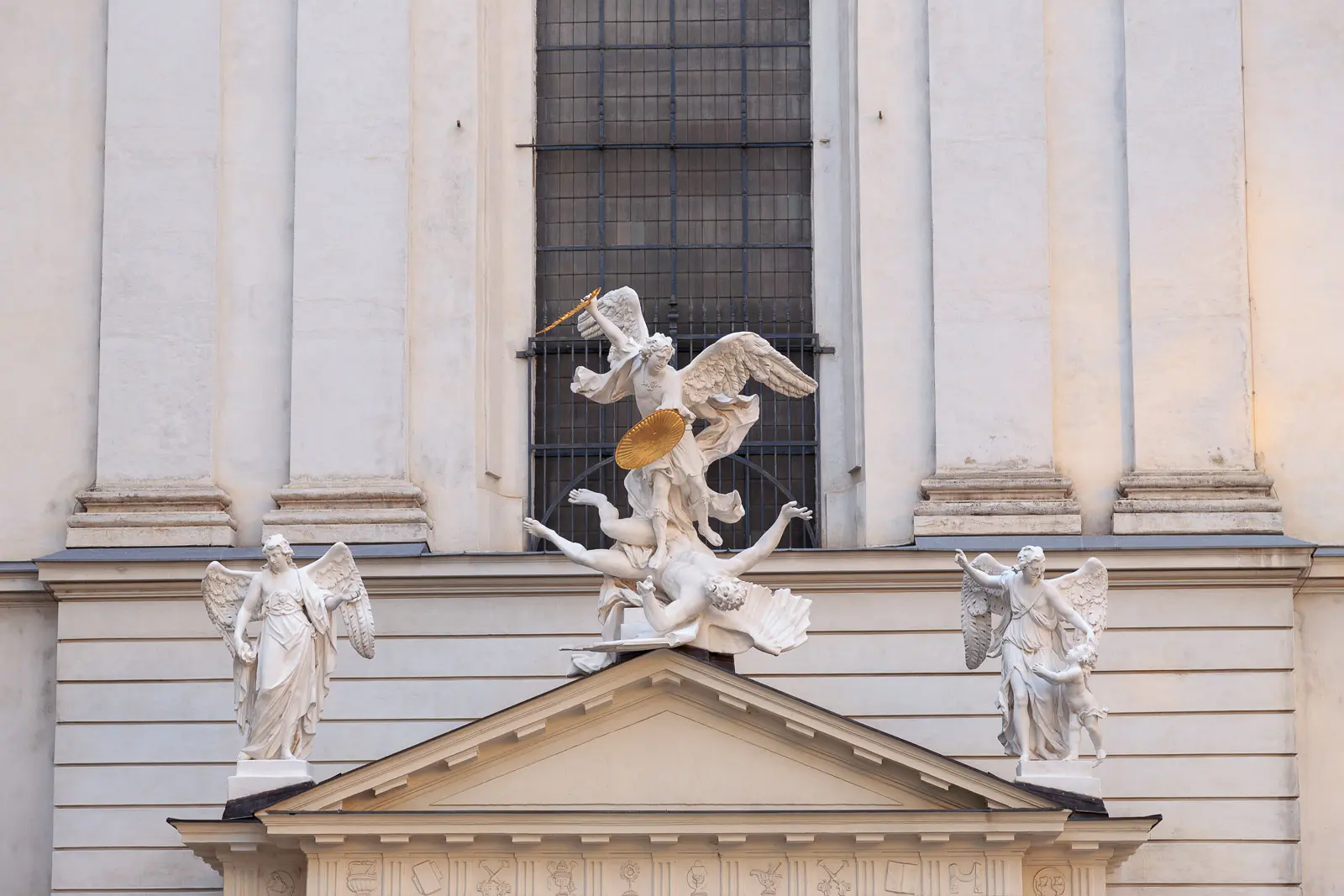
Its asymmetry reveals centuries of adaptation. Additions were made as needs changed, resulting in a building that feels organic rather than perfectly planned. Rising above the structure, the high polygonal Gothic bell tower – dating from the 14th century – has become one of the recognizable silhouettes of Vienna’s Inner City, quietly asserting the church’s medieval origins amid later architectural grandeur. The church’s modest presence reminds us that faith once shaped the daily rhythm of Vienna long before imperial spectacle dominated the square. Standing outside, it’s easy to imagine medieval Vienna – narrower streets, smaller buildings, and this church already anchoring the space.
Layers Beneath the Surface: Discoveries on the Walls
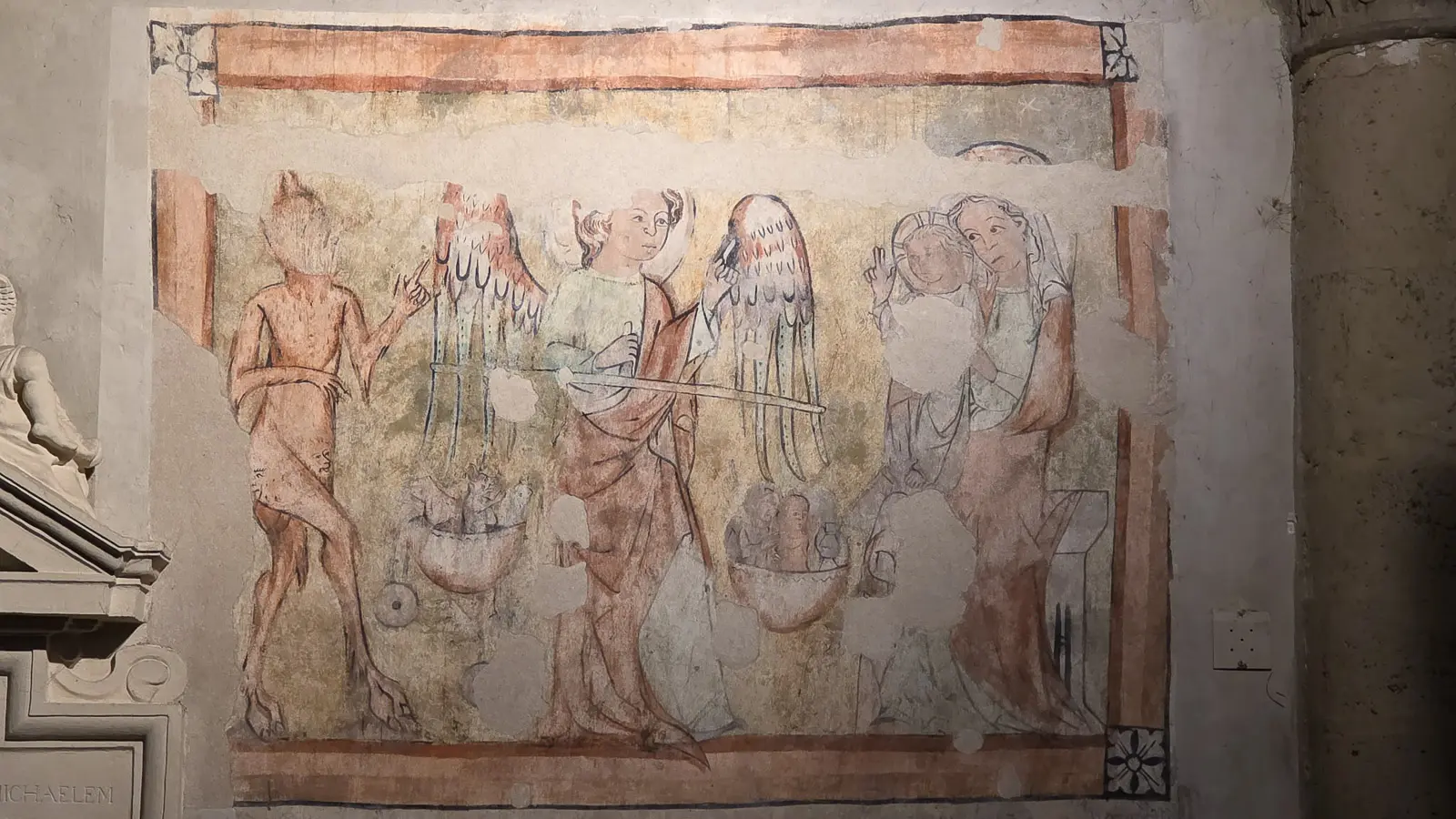
One of the most fascinating aspects of St. Michael’s is that it continues to reveal its history. During restoration and conservation work, experts uncovered traces of earlier decorative phases hidden beneath later layers, including fragments of medieval wall paintings and older architectural details. These discoveries remind us that churches were never static spaces. Interiors were updated, repainted, and reinterpreted according to the artistic tastes and theological priorities of each era. What visitors see today is therefore not a single moment in time, but a conversation between centuries. The walls themselves carry memory – evidence of changing styles, shifting devotions, and the long life of a building constantly adapted yet never abandoned.
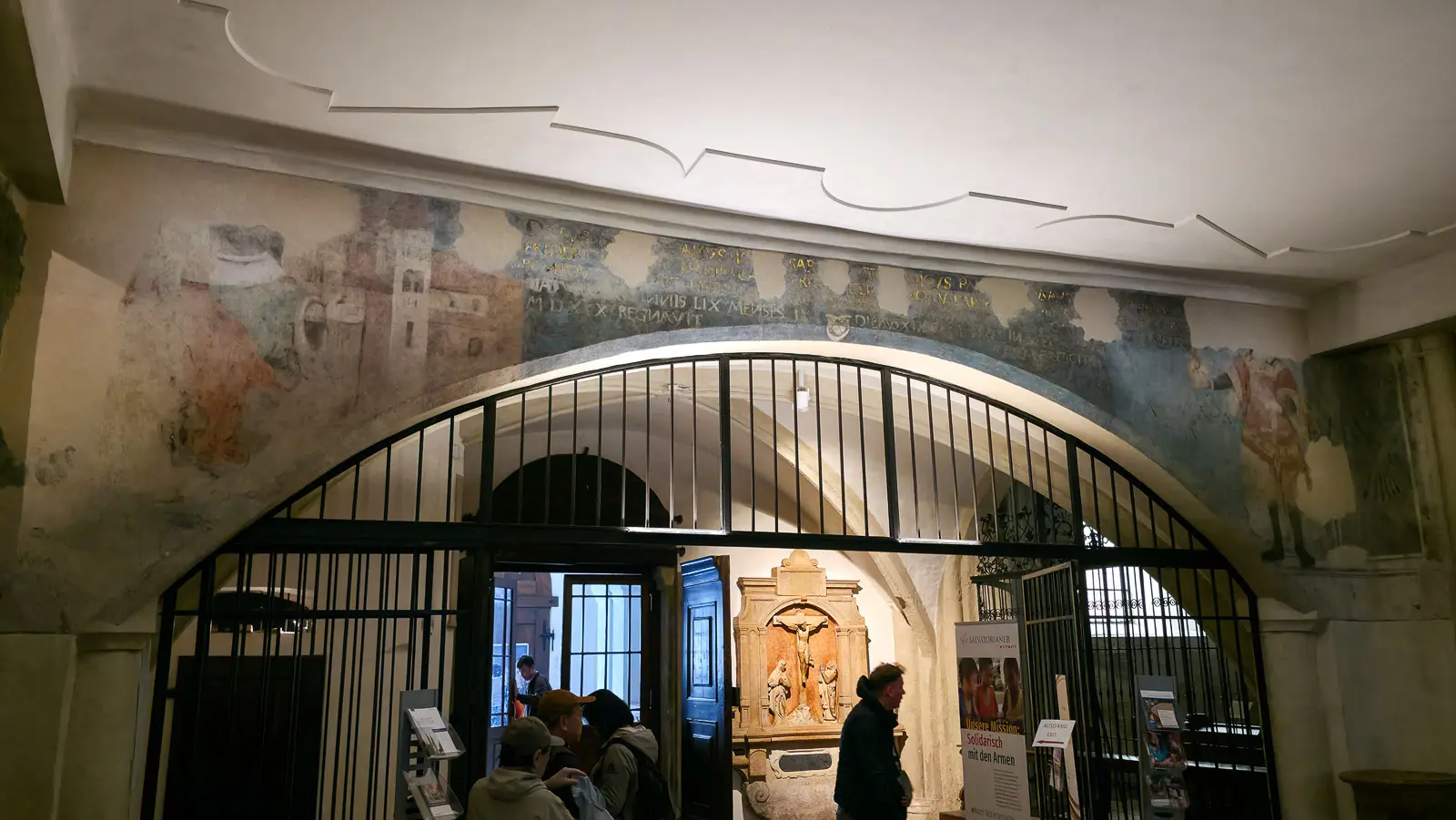
Stepping Inside: Atmosphere and Interior Experience
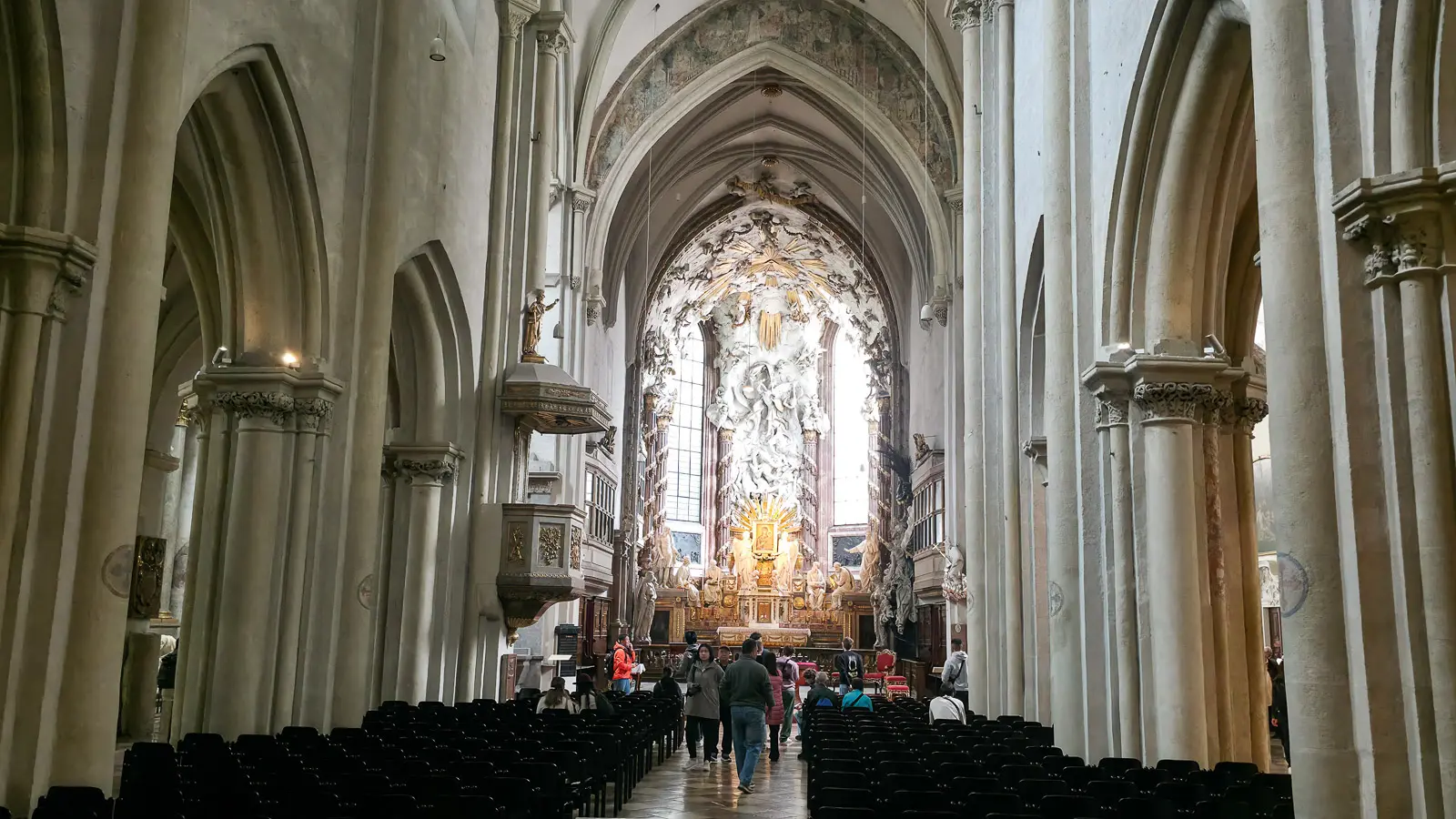
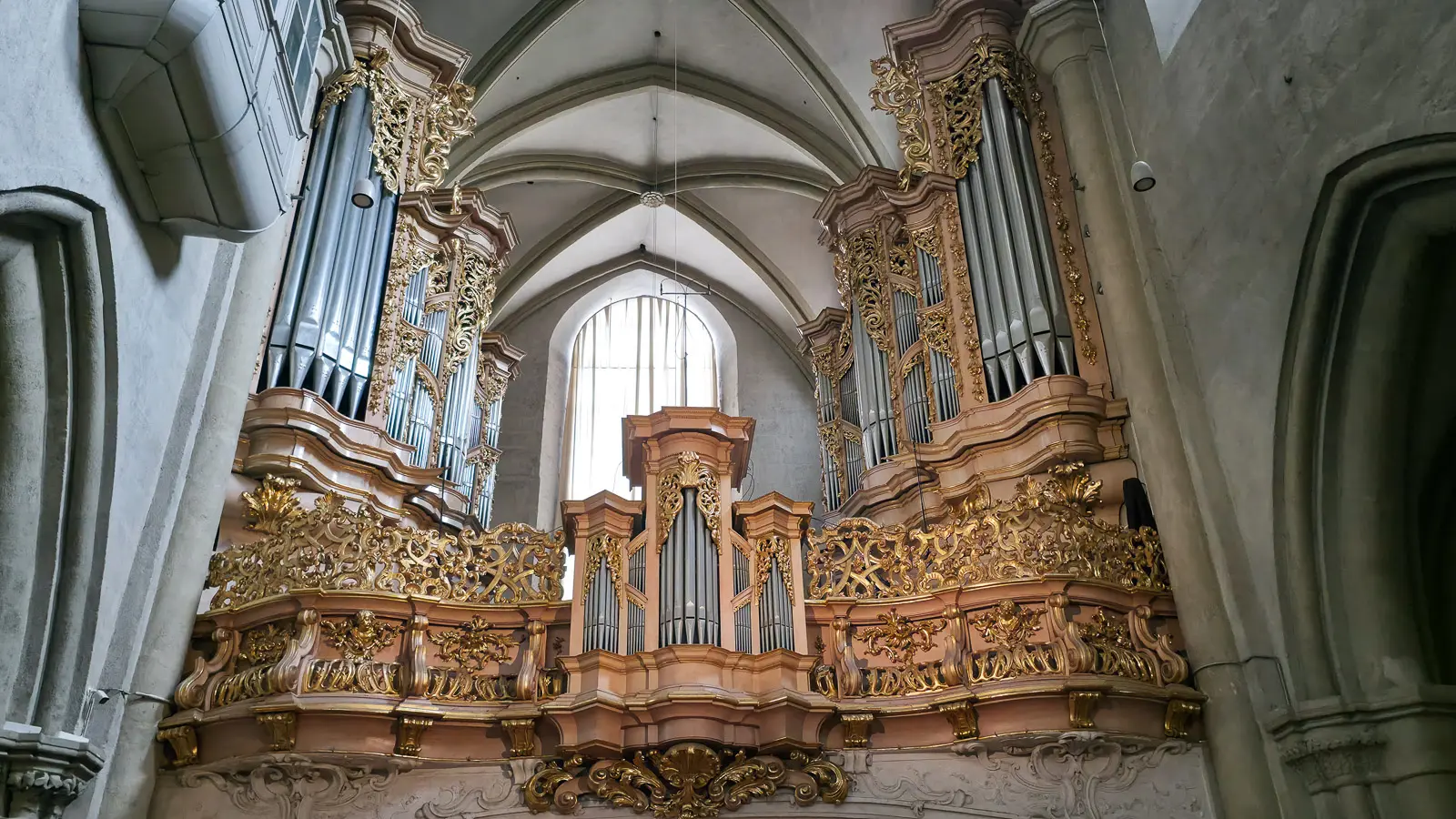
Crossing the threshold into St. Michael’s feels like stepping into a quieter, more intimate Vienna. The light softens, the noise of Michaelerplatz fades, and the atmosphere becomes contemplative. Unlike some of Vienna’s grander churches, where scale overwhelms, St. Michael’s invites closeness. The interior reflects a blend of Gothic structure and Baroque ornamentation. Vaulted ceilings draw the eye upward, while chapels and side altars create smaller spaces for personal reflection. There is a sense of continuity here – the feeling that countless generations have stood in the same place, lighting candles, whispering prayers, or simply seeking stillness amid the movement of the city outside.
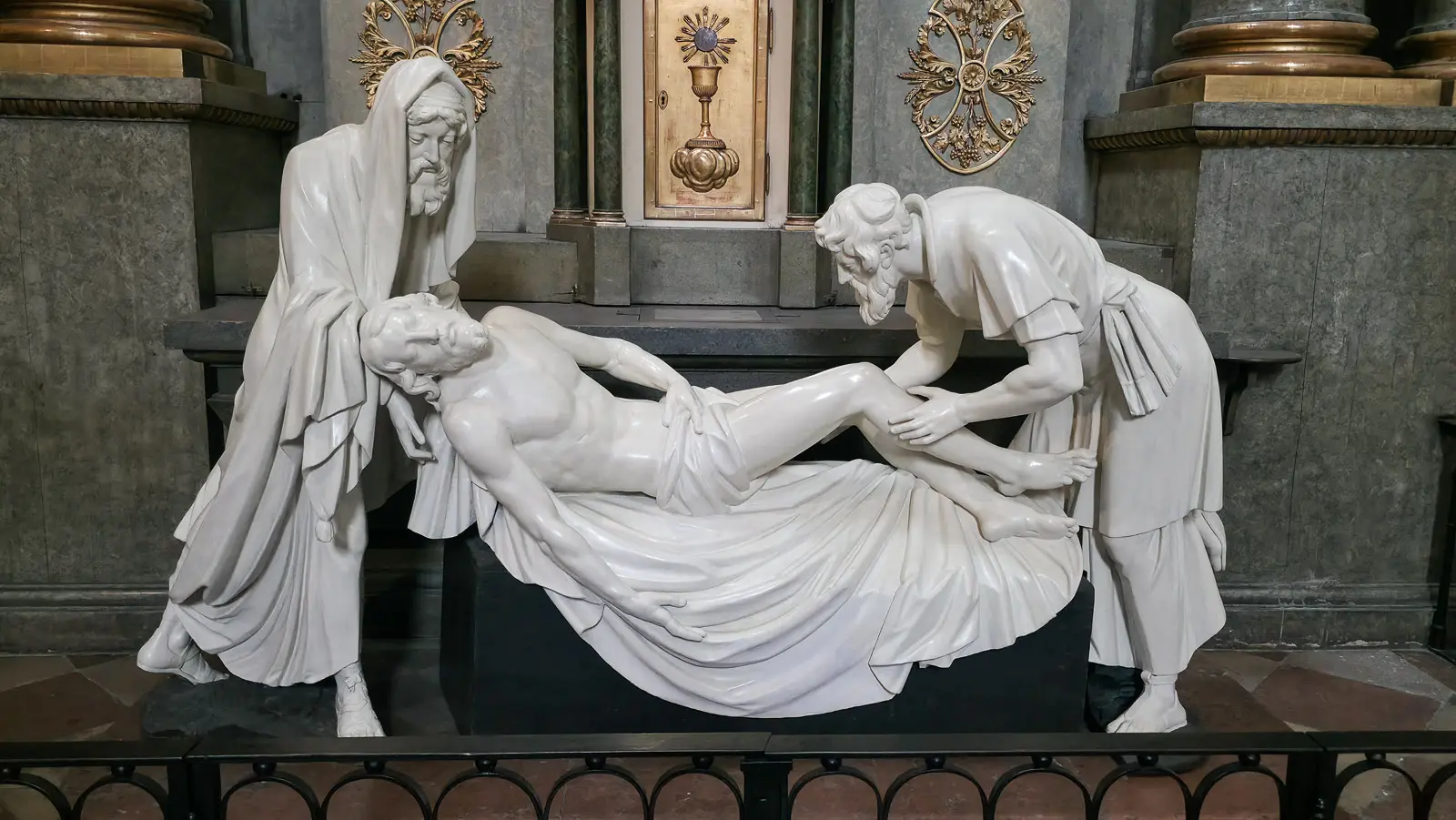
Beyond the architectural grandeur, smaller devotional works reveal the church’s emotional depth. A striking marble Deposition of Christ captures the moment Christ is lowered from the cross, rendered with remarkable tenderness and restraint. The sculpture invites quiet reflection, reminding visitors that St. Michael’s is not only a historical monument but also a living space of faith.
The High Altar and the Maria Candia Icon
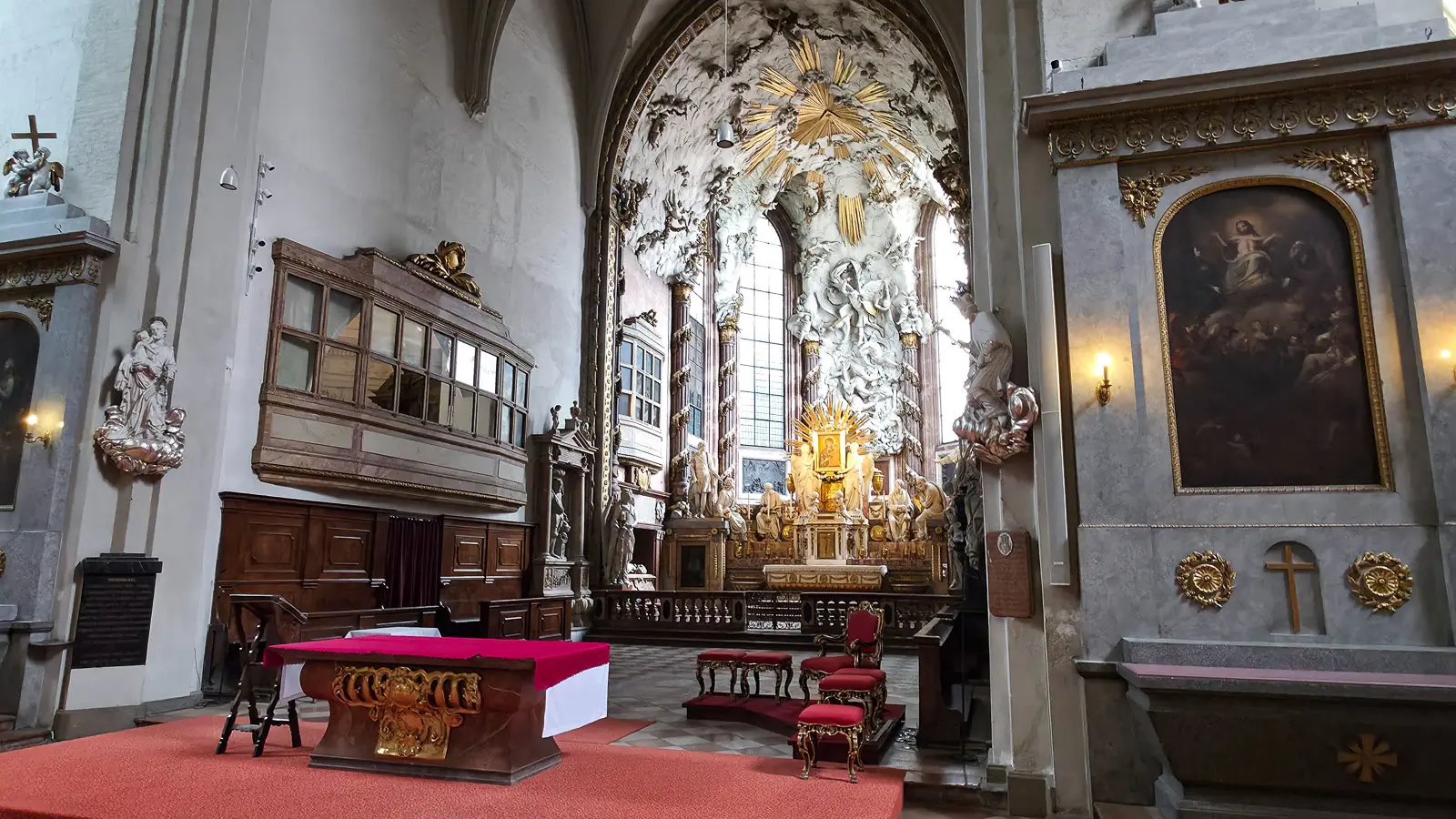
One of the most striking features inside the church is the dramatic High Altar, designed by Jean-Baptiste d’Avrange in 1782 and crowned by a powerful depiction of the Fall of the Angels. The dynamic sculptural group – created the same year by Karl Georg Merville in stucco alabaster – is considered one of the last major Rococo works completed in Vienna. The movement and emotion of the composition reflect an artistry intended not merely to decorate, but to inspire awe and spiritual reflection, drawing the eye upward in a dramatic expression of celestial struggle.
Nearby, the revered Maria Candia icon holds deep devotional significance. This Byzantine icon of the Virgin Mary belongs to the Cretan School of hagiography, named after the former capital of Crete – today’s Heraklion. In the image, the Virgin is depicted being carried by two archangels, lending the work an almost otherworldly presence that has drawn worshippers for centuries. Visitors come not for spectacle but for quiet reverence, and the icon remains a living center of faith within an artistically rich space.
Beneath the Church: The St. Michael’s Crypt
Beneath the nave of St. Michael’s Church lies one of Vienna’s lesser-known but deeply affecting spaces: the Michaelergruft, or St. Michael’s Crypt. Between approximately 1560 and 1784, around 4,000 individuals were buried here – members of Vienna’s middle class, aristocracy, clergy, and prominent citizens. Unlike the grand Imperial Crypt of the Capuchins, this was not a dynastic burial place of emperors, but a cross-section of Viennese society, offering a more intimate glimpse into the city’s past.
What makes the crypt particularly remarkable is its natural preservation. The unique microclimate – dry air circulation and stable conditions – allowed many coffins, garments, and even human remains to survive in exceptional condition. The atmosphere below ground is at once sobering and quietly astonishing. It is not theatrical. It is human. Walking through the space feels less like encountering spectacle and more like confronting the tangible reality of history.
The crypt, like the church above it, reflects Vienna’s layered identity – faith, art, society, and mortality interwoven in one place. Together, these elements reveal St. Michael’s dual nature: artistic achievement intertwined with living spiritual tradition, and a quiet but profound depth that rewards those willing to look beyond the façade.
Why St. Michael’s Church Still Matters
In a city filled with monumental landmarks, St. Michael’s reminds us that significance does not always announce itself loudly. Its beauty lies in endurance – in the way it has absorbed centuries without losing its identity. Here, history feels layered rather than curated. Medieval foundations coexist with Baroque drama, restoration reveals forgotten details, and modern visitors walk the same floor once crossed by emperors and ordinary citizens alike. St. Michael’s teaches us that understanding Vienna requires slowing down, stepping inside, and allowing quieter places to speak.
Bubbly Tips for Visiting St. Michael’s Church
- Visit early or late in the day: The atmosphere feels especially peaceful when Michaelerplatz is quieter, allowing you to appreciate the church’s medieval character without the rush of crowds.
- Entry & cost: Entrance to the church is generally free, though donations are appreciated to support preservation. Special areas such as the crypt may require a separate ticket or guided visit.
- Opening hours: The church is typically open daily (often from morning until evening), but hours can vary depending on liturgical services or events – always check the official website before visiting.
- Step inside even briefly: The contrast between the lively square and the calm, dimly lit interior is part of the experience – it feels like stepping into another century.
- Look up and around: Architectural details reveal the fascinating blend of Romanesque foundations, Gothic verticality, and later Baroque additions layered over time.
- Consider the crypt: If open, the crypt offers a rare glimpse into Vienna’s social history, with remarkably preserved burials that tell a quieter, more human story of the city.
- Pair your visit: Combine St. Michael’s Church with Michaelerplatz, the Roman ruins of Vindobona, and the Hofburg courtyards for a deeply layered historical walk through Vienna’s past.
Final Thoughts
St. Michael’s Church may not shout for attention, but that is precisely its power. It stands quietly at one of Vienna’s busiest crossroads, carrying centuries of faith, art, and human stories within its walls.
If you find yourself in Michaelerplatz, take a moment to step inside. Pause. Let the silence settle. Sometimes the most meaningful places are the ones that ask us to slow down enough to truly notice them.
And if you’ve visited St. Michael’s Church – or discovered a hidden corner of Vienna that surprised you – I’d love to hear about it. Share your thoughts in the comment section below!

🌟 Everything You Need to Plan Your Dream Trip in 2026
- 🌟 Luxury Hotels - Find premium stays with Booking.com & Hotels.com
- 🏡 Vacation Rentals - Discover unique properties on VRBO
- 🏞️ Guided Tours - Explore with Viator or GetYourGuide
- 🎫 Attraction Tickets - Skip the lines with Tiqets
- 🚢 Ocean Cruises - Set sail with Cruise Direct
- 📱 International SIMs - Stay connected with Saily
- 🚗 Car Rentals - Budget-friendly options from Discover Cars
- 🌐 Secure VPNs - Browse safely with NordVPN
- 💶 Currency Exchange - Best rates with Wise
- 🗣️ Learn Languages - Master the local language with Babbel and Rosetta Stone