
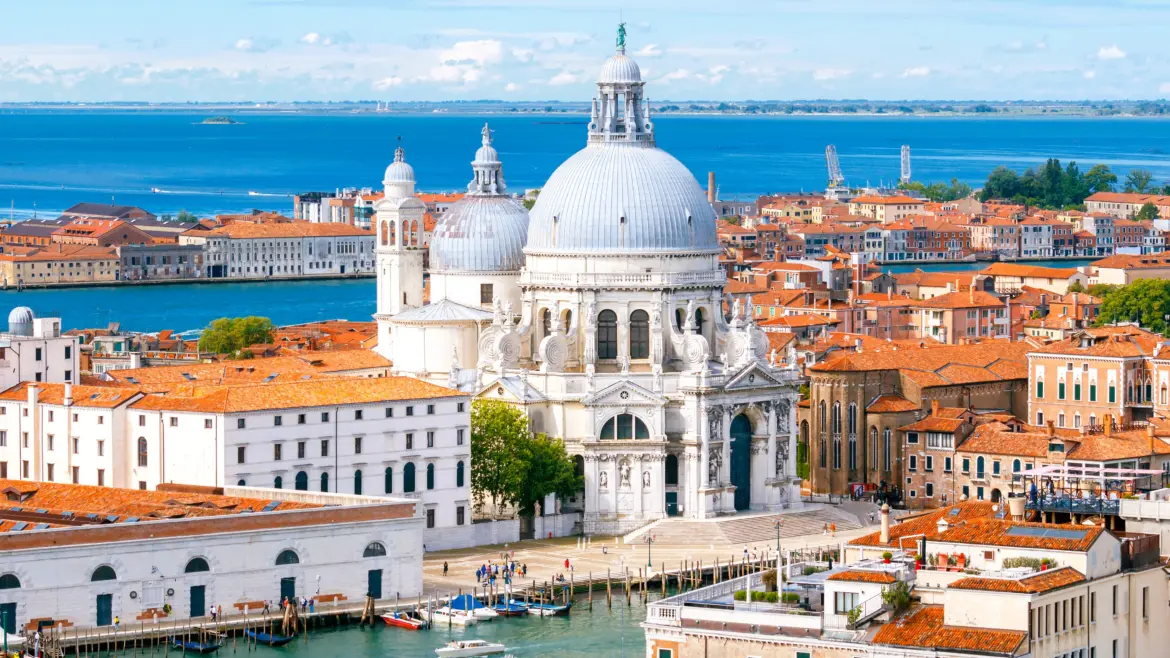
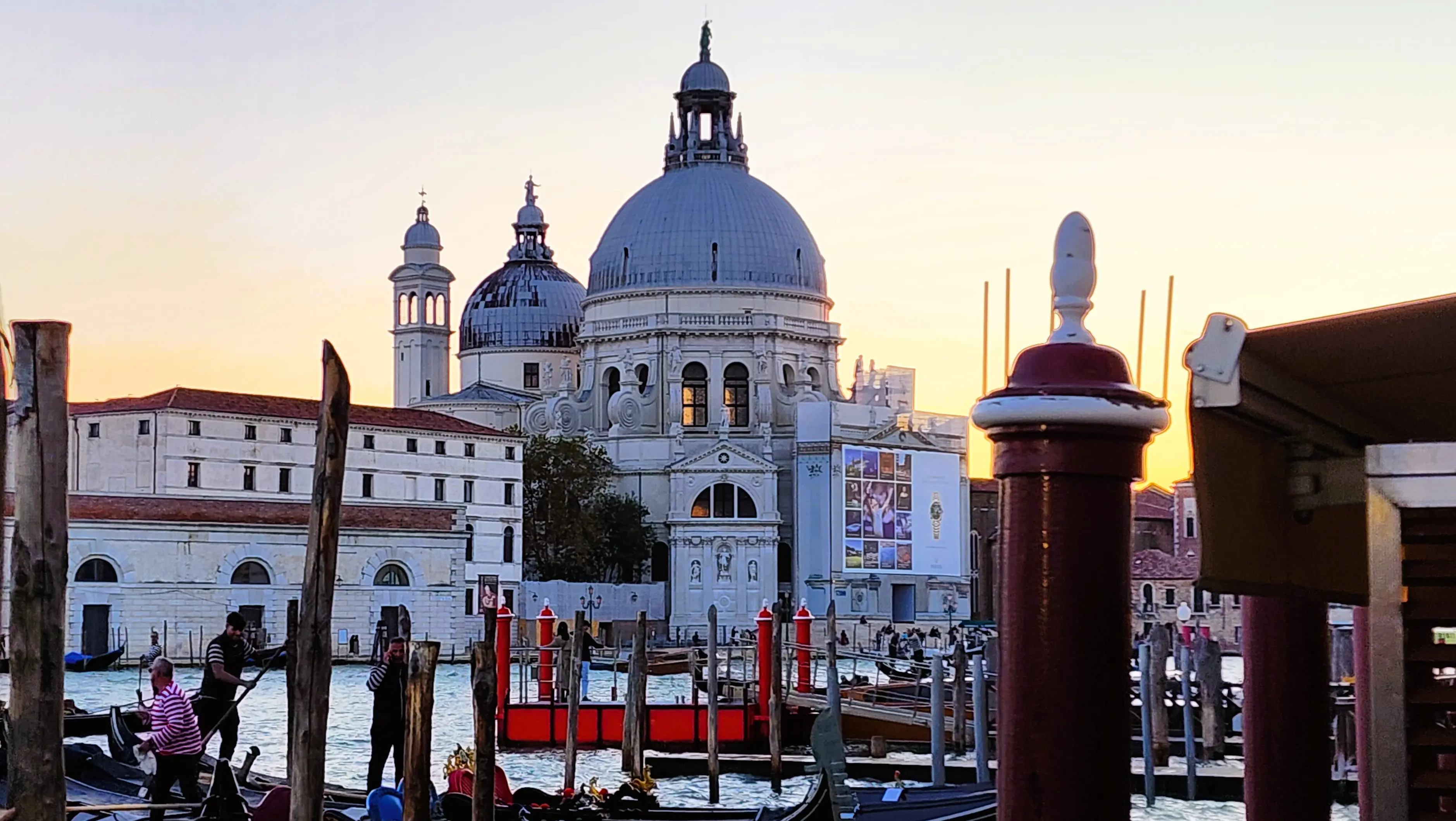
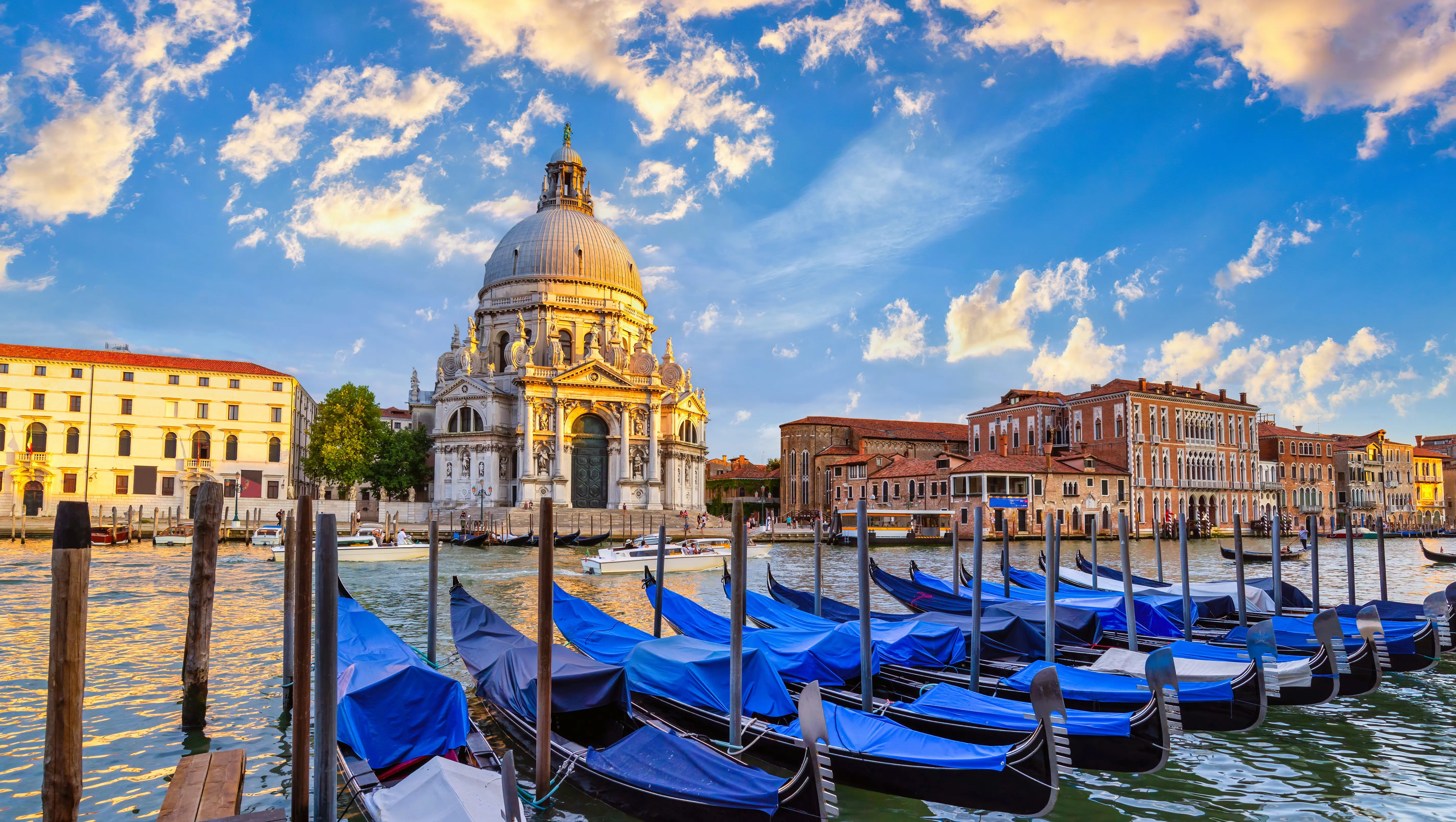
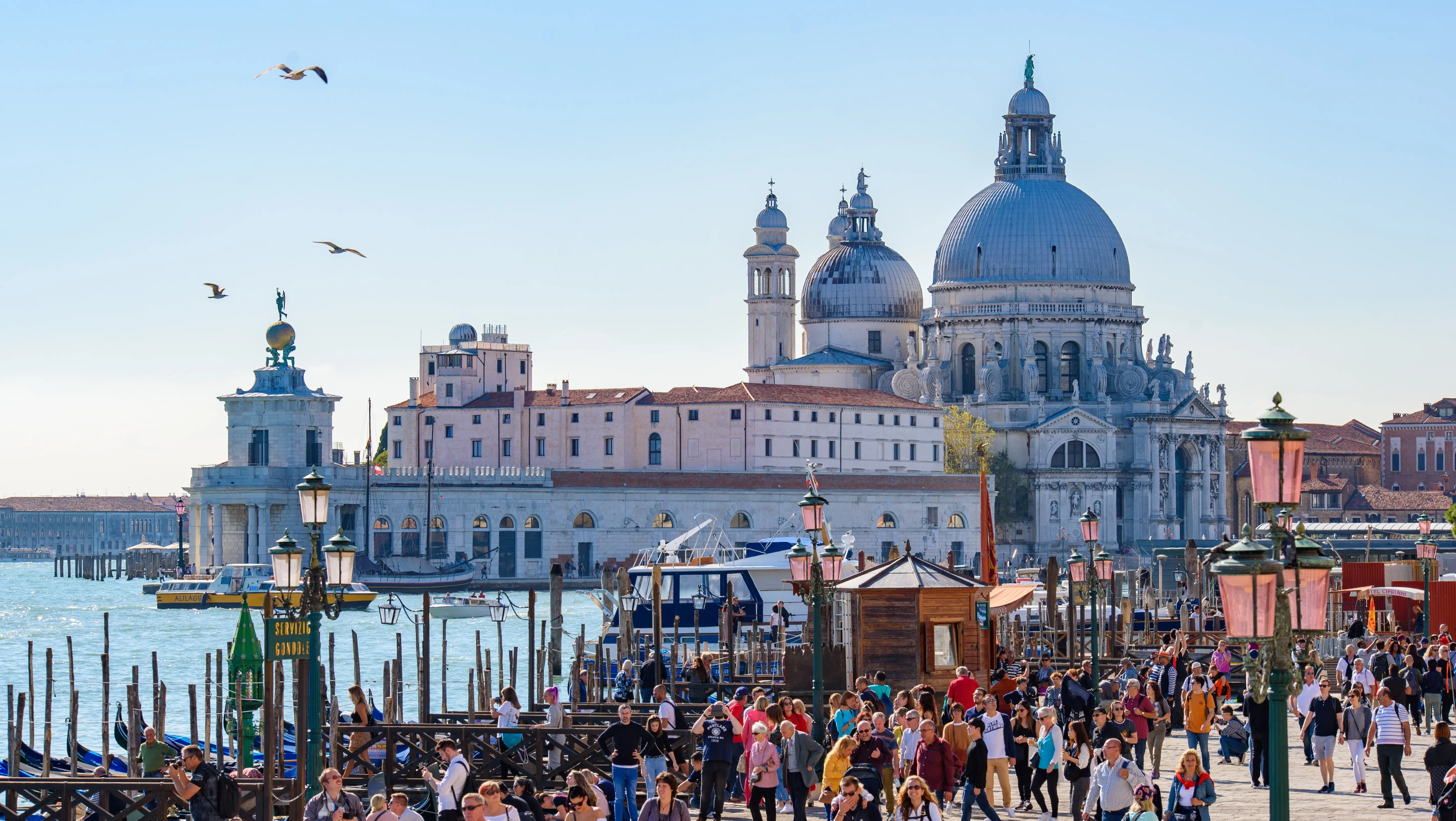
Hello, fellow travelers! Some places in Venice announce themselves immediately – gilded, dramatic, impossible to miss. Others reveal their power more gently. Santa Maria della Salute belongs firmly to the second category. You notice it first from across the water. Two pale domes rising gracefully at the edge of the Grand Canal, catching the light no matter the hour. There is something calm about it. Steady. As if it’s been waiting patiently for centuries, which, in many ways, it has. This isn’t just one of Venice’s most beautiful churches. It’s one of its most meaningful.
What Is Santa Maria della Salute?
Santa Maria della Salute (commonly called La Salute) is Venice’s iconic Baroque basilica built between 1631-1687 after a devastating plague killed nearly a third of the city’s population. Designed by 26-year-old architect Baldassare Longhena, it features an octagonal floor plan symbolizing rebirth, massive domes resting on wooden piles, and important Titian paintings. Located at Punta della Dogana on the Grand Canal in Dorsoduro, the church offers free entry with a €4-5 fee for the Titian-filled sacristy.
A Basilica Born from Crisis and Hope: The 1630 Plague
Santa Maria della Salute exists because Venice nearly didn’t survive. In 1630-1631, the city was devastated by a plague that claimed nearly a third of its population. Faced with overwhelming loss, the Venetian Senate made a solemn vow to the Virgin Mary in October 1630: if Venice were spared, a great church would be built in her honor as an act of gratitude and remembrance.
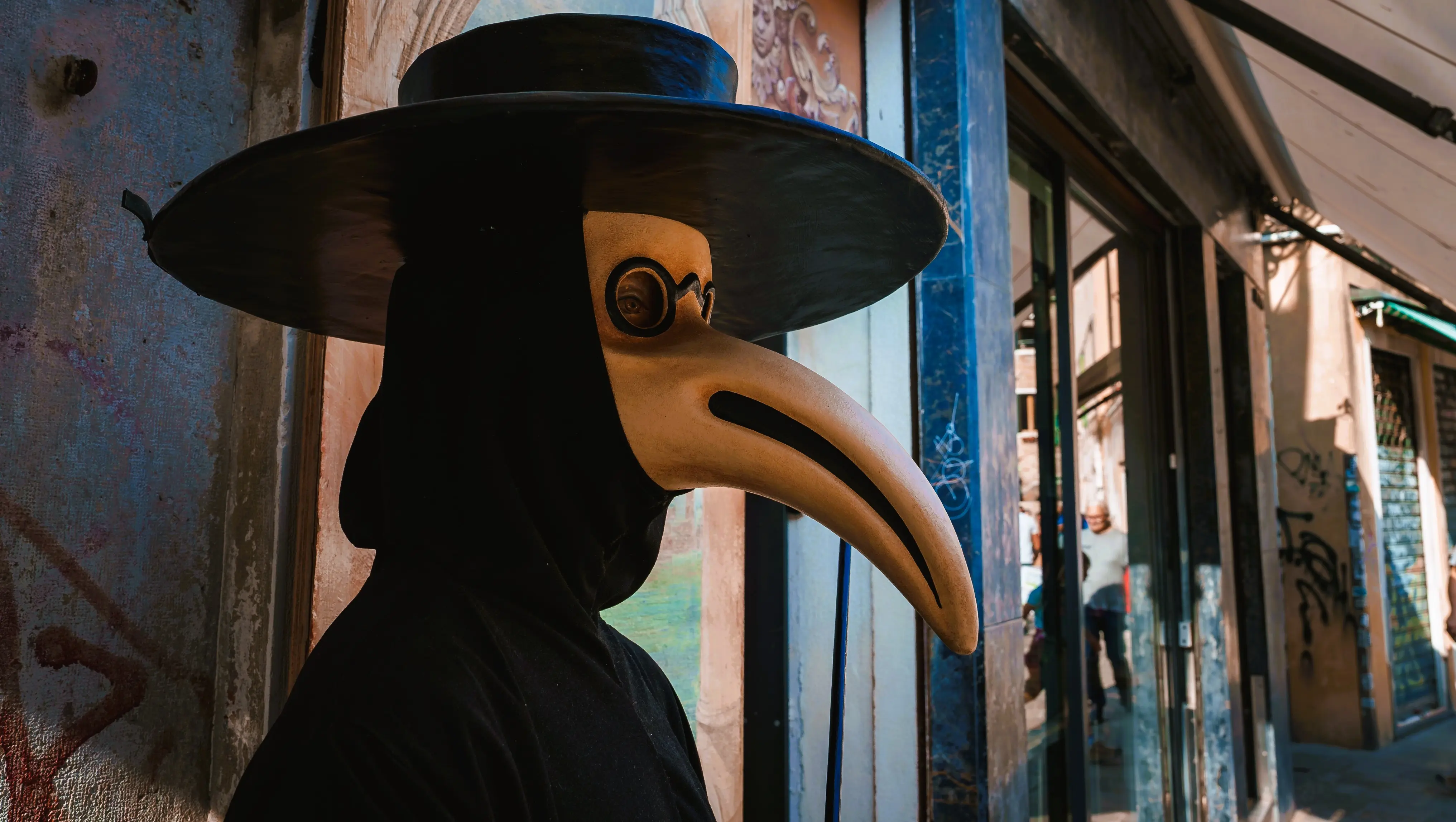
When the plague finally receded, the promise was kept. The foundation stone was laid in April 1631, led by the young architect Baldassare Longhena, who was just 26 years old. Construction continued for more than fifty years. The result was not just a religious structure, but a civic statement – a monument to survival, resilience, and collective memory. Santa Maria della Salute was consecrated in 1687, standing as a reminder that Venice has always rebuilt itself with intention rather than haste.
Architecture That Feels Like Movement and Light
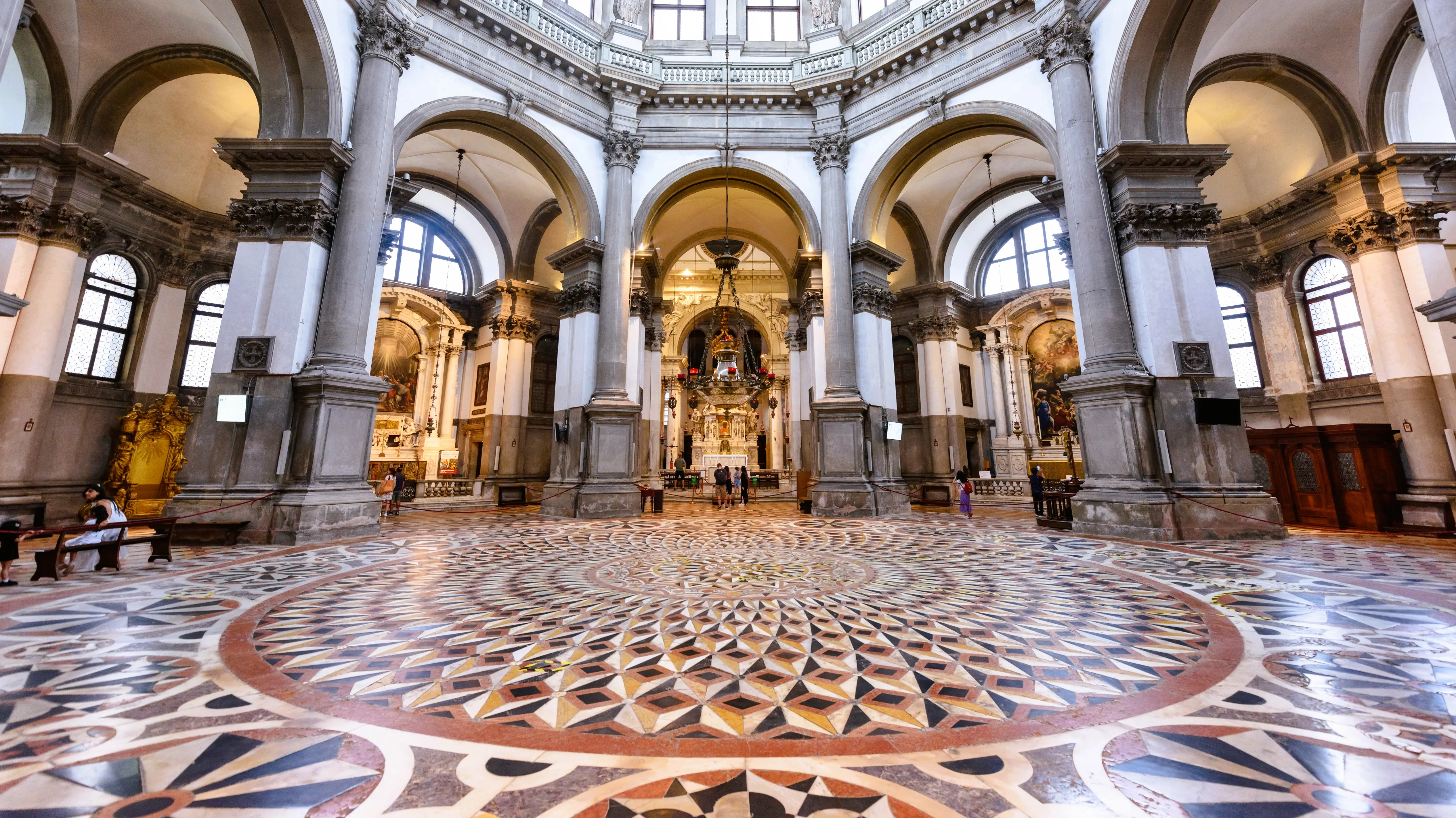
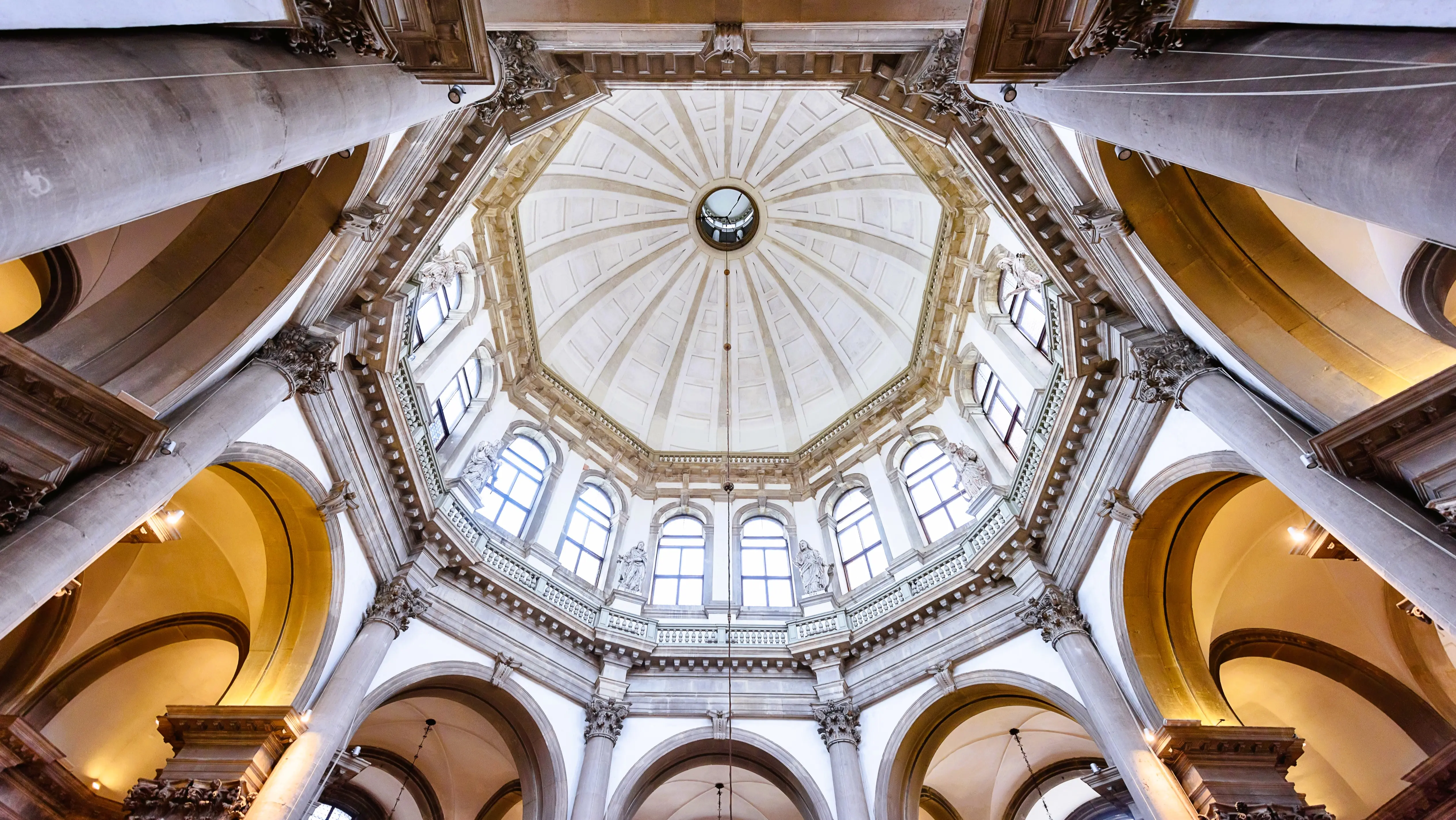
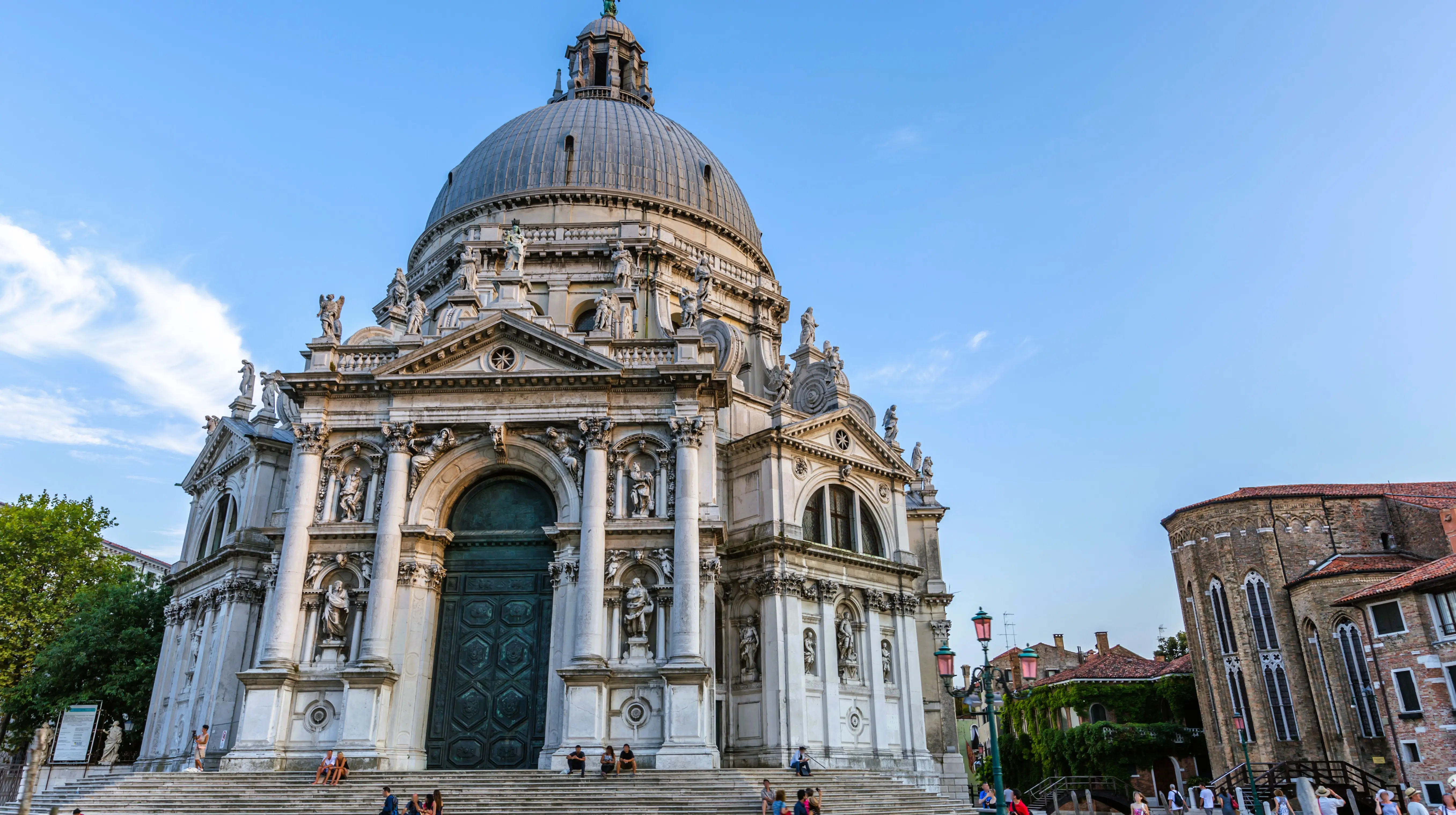
Unlike many Venetian churches that feel enclosed or shadowed, Santa Maria della Salute feels open and luminous. Its octagonal floor plan was symbolic, representing rebirth and renewal, while the massive domes were engineered to rest on thousands of wooden piles driven deep into the lagoon floor, a quiet marvel of Venetian ingenuity. Inside, light moves constantly. It enters from multiple angles, gliding across pale stone, circling the central space, softening every edge. The effect is almost meditative. There is grandeur here, yes – but also air, balance, and calm. Rather than overwhelming the visitor, the architecture invites stillness.
Art and Devotion: Titian Paintings in the Sacristy
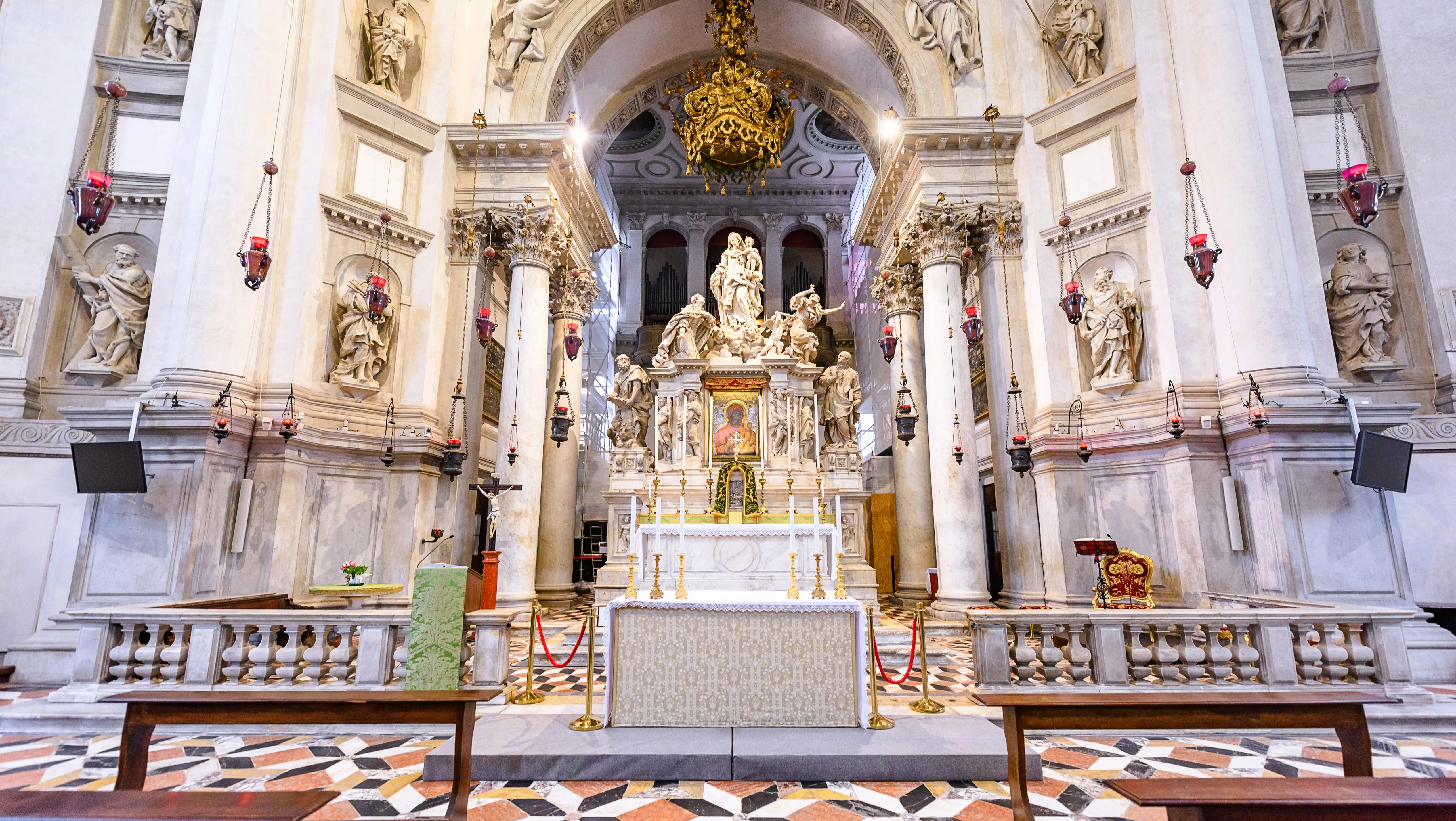
The church houses several important works by Titian in its sacristy, including the dramatic ceiling paintings Cain and Abel, The Sacrifice of Isaac, and David and Goliath, as well as his late altarpiece St. Mark Enthroned with Saints. Their presence feels especially poignant here, not staged or theatrical, but quietly integrated into the rhythm of the sacred space.
At the high altar stands an evocative sculptural group by Giusto Le Court, depicting Venice personified as a woman kneeling before the Virgin Mary, pleading for deliverance from the plague. Beneath them, the allegorical figure of the plague is pushed away – a visual narrative of suffering, faith, and hope carved directly into stone. It’s a powerful reminder that this basilica is not abstract history, but a response to real fear, real loss, and real gratitude.
Festa della Salute: Venice’s Living November 21 Tradition
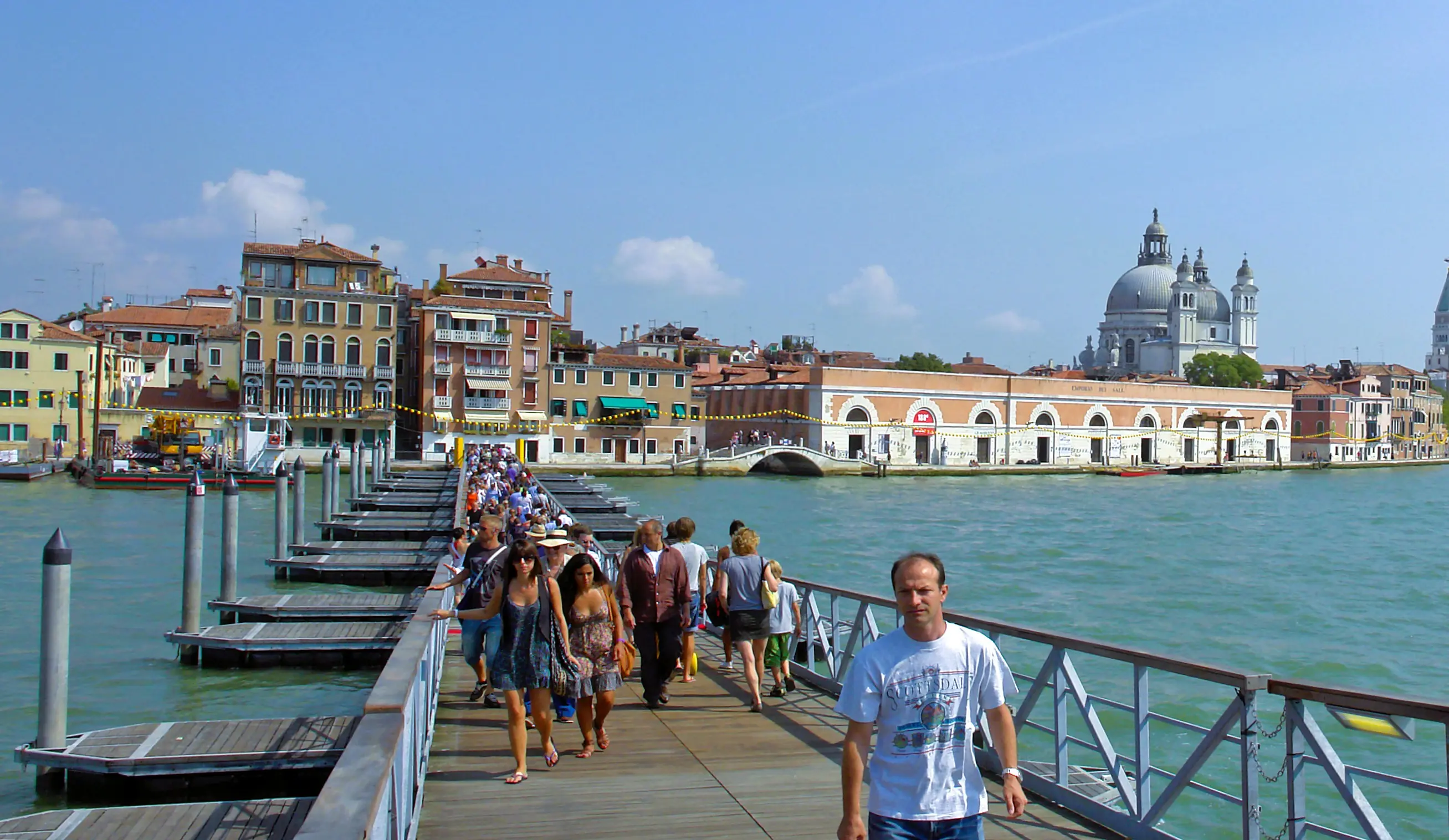
Every year on November 21, Venice honors this history with the Festa della Salute, one of the city’s most enduring traditions. A temporary floating bridge is constructed across the Grand Canal, connecting San Marco to Dorsoduro, allowing Venetians to walk to the church in pilgrimage. Locals light candles, offer prayers, and move quietly through the basilica – not as tourists, but as participants in a ritual that has continued for nearly four centuries. It’s one of the rare moments when Venice feels entirely inward-facing, rooted in memory rather than performance. If you happen to be in Venice at this time, witnessing the Festa della Salute offers a glimpse into the city’s emotional core.
Why Santa Maria della Salute Stays with You
Santa Maria della Salute stays with you because it doesn’t demand attention – it earns it. There’s no single moment that announces its importance. Instead, it reveals itself gradually, through light shifting across the floor, through the hush that settles even when others are present, through the feeling that this is a place meant to steady rather than impress. You remember how time seemed to slow once inside. How people moved more quietly, almost instinctively. How the space felt open yet protective, expansive yet intimate. In a city built on water and motion, this church feels grounded. Anchored. Assured.
It reminds you that Venice isn’t only about beauty or spectacle. It’s about endurance. About gratitude carried forward across generations. About the quiet ways a city remembers what it has survived, and continues, gently but deliberately, to stand.
Visiting Santa Maria della Salute: Bubbly Tips
- Location: Dorsoduro, at the entrance of the Grand Canal near Punta della Dogana
- Admission: Free (donations welcome); small fee (€4-5) for the sacristy with Titian paintings
- Best time to visit: Morning or late afternoon for the most beautiful natural light
- Pair it with: A walk through Dorsoduro, Punta della Dogana, or a vaporetto ride along the Grand Canal
- Dress code: Modest dress required (shoulders and knees covered), as with most Italian churches
- Don’t rush: This is a place for sitting, not just seeing
Frequently Asked Questions About Santa Maria della Salute
Is Santa Maria della Salute free to enter?
Yes, entry to the main basilica is free. There is a small fee of €4-5 to visit the sacristy, which houses important Titian paintings including ceiling frescoes and altarpieces.
How long does it take to visit Santa Maria della Salute?
Plan 30-45 minutes for a meaningful visit to La Salute. This allows time to absorb the architecture, sit quietly in the main space, and visit the Titian-filled sacristy. If you’re a photography enthusiast or art lover, allow up to an hour.
What is the Festa della Salute?
The Festa della Salute is Venice’s annual tradition held every November 21 to commemorate the city’s deliverance from the 1630 plague. A temporary floating pontoon bridge is built across the Grand Canal, allowing Venetians to walk from San Marco to the church in pilgrimage. This tradition has continued for nearly 400 years.
Who built Santa Maria della Salute?
The church was designed by Baldassare Longhena, who was only 26 years old when commissioned in 1631. Construction took over 50 years, and the church was consecrated in 1687, five years after Longhena’s death.
Can you take photos inside Santa Maria della Salute?
Yes, photography is generally permitted inside the church for personal use. However, flash photography may be restricted, and some areas like the sacristy may have photography limitations. Always be respectful of worshippers and ceremonies.
What does “Salute” mean in Santa Maria della Salute?
“Salute” means “health” in Italian. The church is dedicated to “Saint Mary of Health” (Santa Maria della Salute), built as a thanksgiving offering for the end of the plague that devastated Venice in 1630-1631.
How do I get to Santa Maria della Salute?
La Salute is located in Dorsoduro at Punta della Dogana. Take vaporetto line 1 to the “Salute” stop, which drops you right at the church. You can also walk from Accademia Bridge (10-15 minutes) or take stunning photos from across the Grand Canal at Piazzetta San Marco.
What are the best churches to visit in Venice?
Beyond Santa Maria della Salute, Venice’s must-see churches include St. Mark’s Basilica (Byzantine mosaics), Santa Maria Gloriosa dei Frari (Titian’s Assumption), San Giorgio Maggiore (Palladio architecture with bell tower views), and Santi Giovanni e Paolo (burial place of Doges).
Final Thoughts
Santa Maria della Salute isn’t a church you rush through. It’s a place you absorb slowly – through light, silence, and story. It reminds you that even in a city defined by elegance, resilience may be its greatest strength.
If Venice has a place where gratitude lives quietly in stone, this is it.
Have you visited Santa Maria della Salute, or would you add it to your Venice itinerary? I’d love to hear in the comments section below.

🌟 Everything You Need to Plan Your Dream Trip in 2026
- 🌟 Luxury Hotels - Find premium stays with Booking.com & Hotels.com
- 🏡 Vacation Rentals - Discover unique properties on VRBO
- 🏞️ Guided Tours - Explore with Viator or GetYourGuide
- 🎫 Attraction Tickets - Skip the lines with Tiqets
- 🚢 Ocean Cruises - Set sail with Cruise Direct
- 📱 International SIMs - Stay connected with Saily
- 🚗 Car Rentals - Budget-friendly options from Discover Cars
- 🌐 Secure VPNs - Browse safely with NordVPN
- 💶 Currency Exchange - Best rates with Wise
- 🗣️ Learn Languages - Master the local language with Babbel and Rosetta Stone