
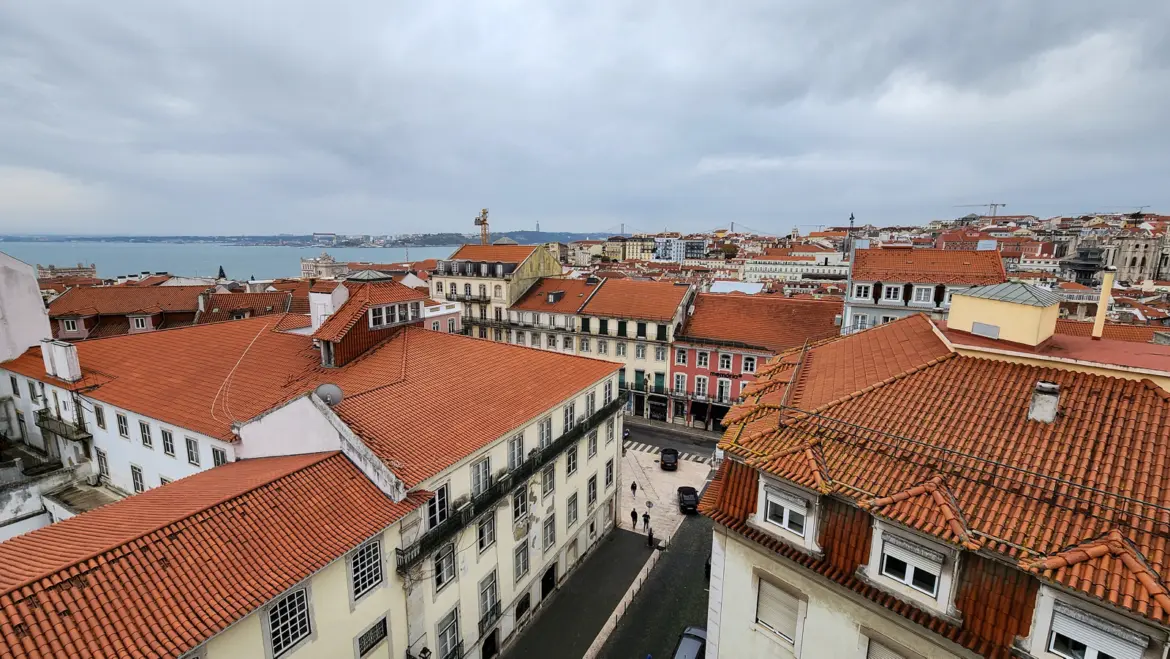
Olá, dear travelers! If you’ve wandered through Lisbon’s Baixa district – those elegant, orderly streets with uniform façades, wrought-iron balconies, and golden light – you’ve already met one of Portugal’s most remarkable achievements: Pombaline architecture. This is not just a style. It is a story of rebirth, resilience, and vision. A city literally redesigned after tragedy, with ideas so advanced that Lisbon became one of the first examples of modern earthquake-resistant urban planning. Come with me through these streets as we explore how Lisbon rose from the ashes of 1755 and became the beautifully structured capital we adore today.
Pombaline Architecture at a Glance
🏗️ What it is: The architectural style that rebuilt Lisbon’s Baixa district after the devastating earthquake of November 1, 1755
📐 The grid: Rational street layout with uniform façades, widened avenues, and a cohesive urban plan rooted in Enlightenment ideals
🪵 Gaiola pombalina: A hidden wooden cage inside the walls — a flexible skeleton designed to absorb earthquake tremors, one of the world’s first anti-seismic building systems
🧪 Tested by soldiers: The wooden platform structures were reportedly tested by having soldiers march to simulate seismic vibrations
👤 Marquis of Pombal: Sebastião José de Carvalho e Melo — the minister who directed the rebuilding with rational planning and bold vision
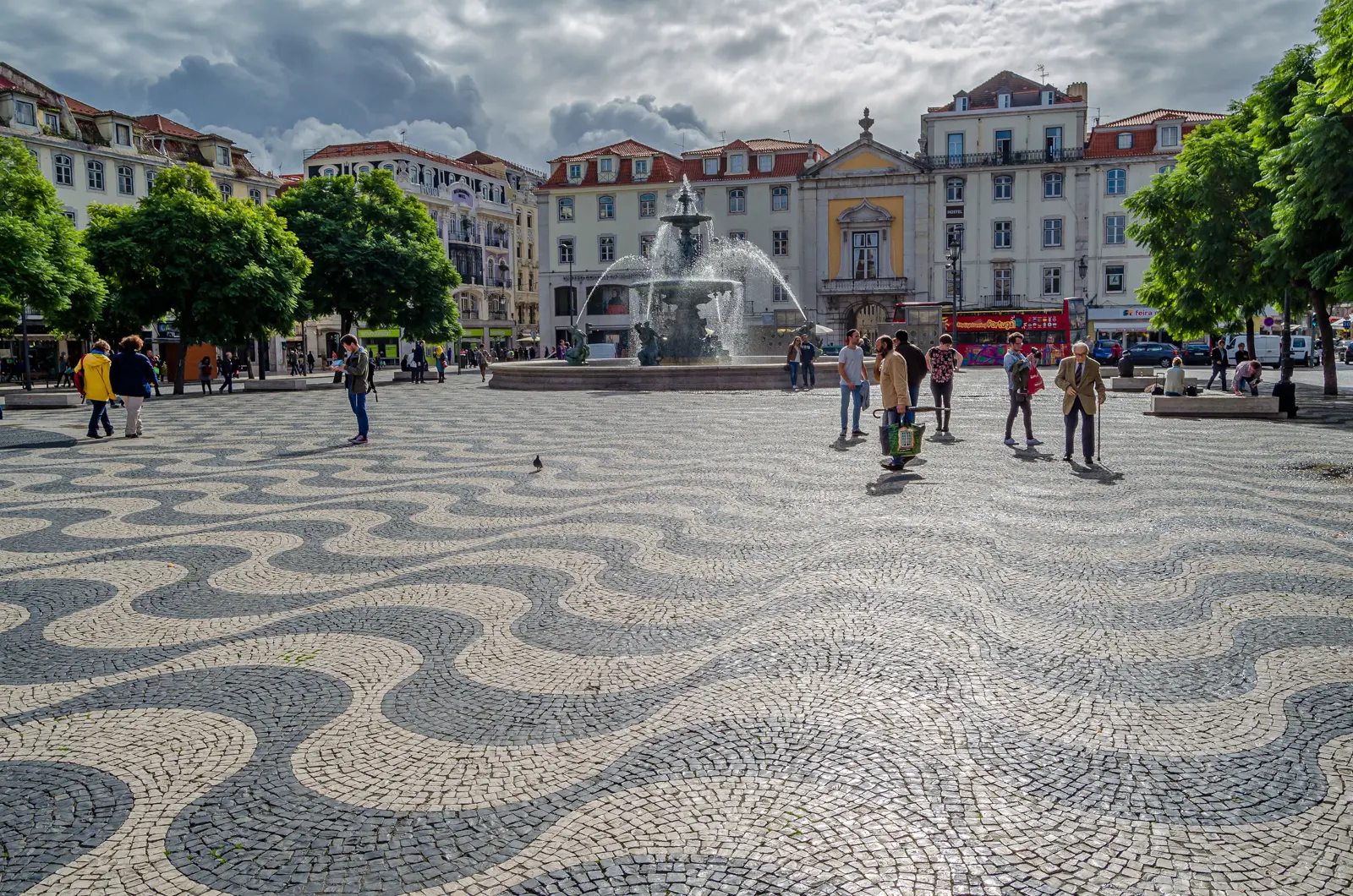
📍 Where to see it: Walk the Baixa from Rossio Square to Praça do Comércio along Rua Augusta — the entire grid is the architecture
🆓 Entry: Free — Pombaline architecture is the district itself, experienced by walking through it
💡 Tip: Look up at the façades, then imagine the wooden cage hidden behind the plaster. The beauty is on the surface; the genius is inside the walls.
A City Destroyed – And Reimagined with Genius
On November 1, 1755, Lisbon was devastated by a massive earthquake, followed by a tsunami and widespread fires. Much of the Baixa – then the heart of commerce, trade, and everyday life – was reduced to rubble. But instead of rebuilding haphazardly, Portugal turned to the brilliant and determined Marquis of Pombal, who famously declared: “Bury the dead and feed the living”. Under his direction, Lisbon became the site of an extraordinary urban experiment. Streets were widened and organized into a rational grid. Building heights were standardized. Public squares were enlarged for safety and airflow. The goal? A safer, healthier, more elegant Lisbon that balanced beauty with pragmatism. What emerged was a district unlike any other in Europe, one that feels modern even today.
What Defines Pombaline Architecture
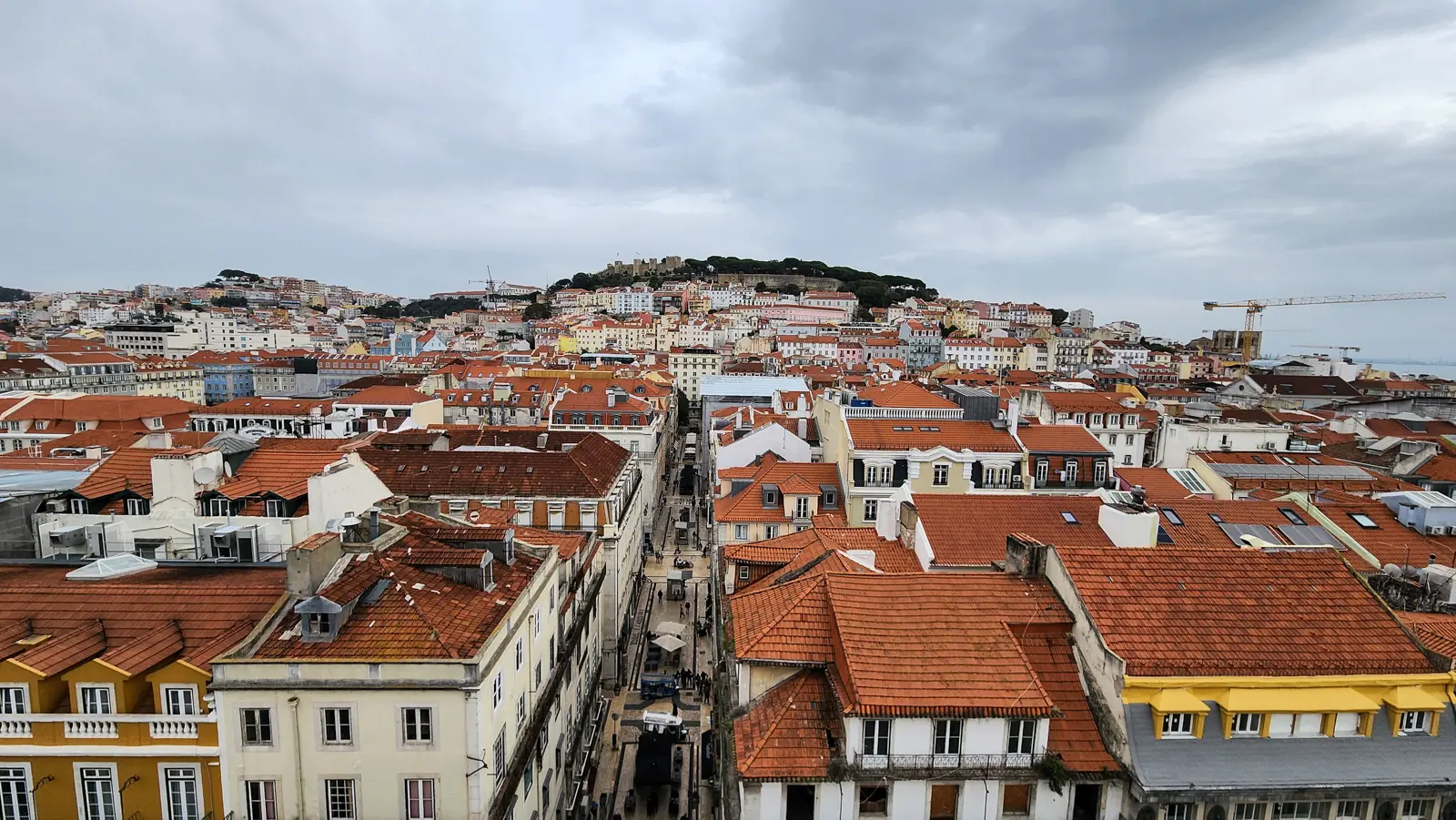
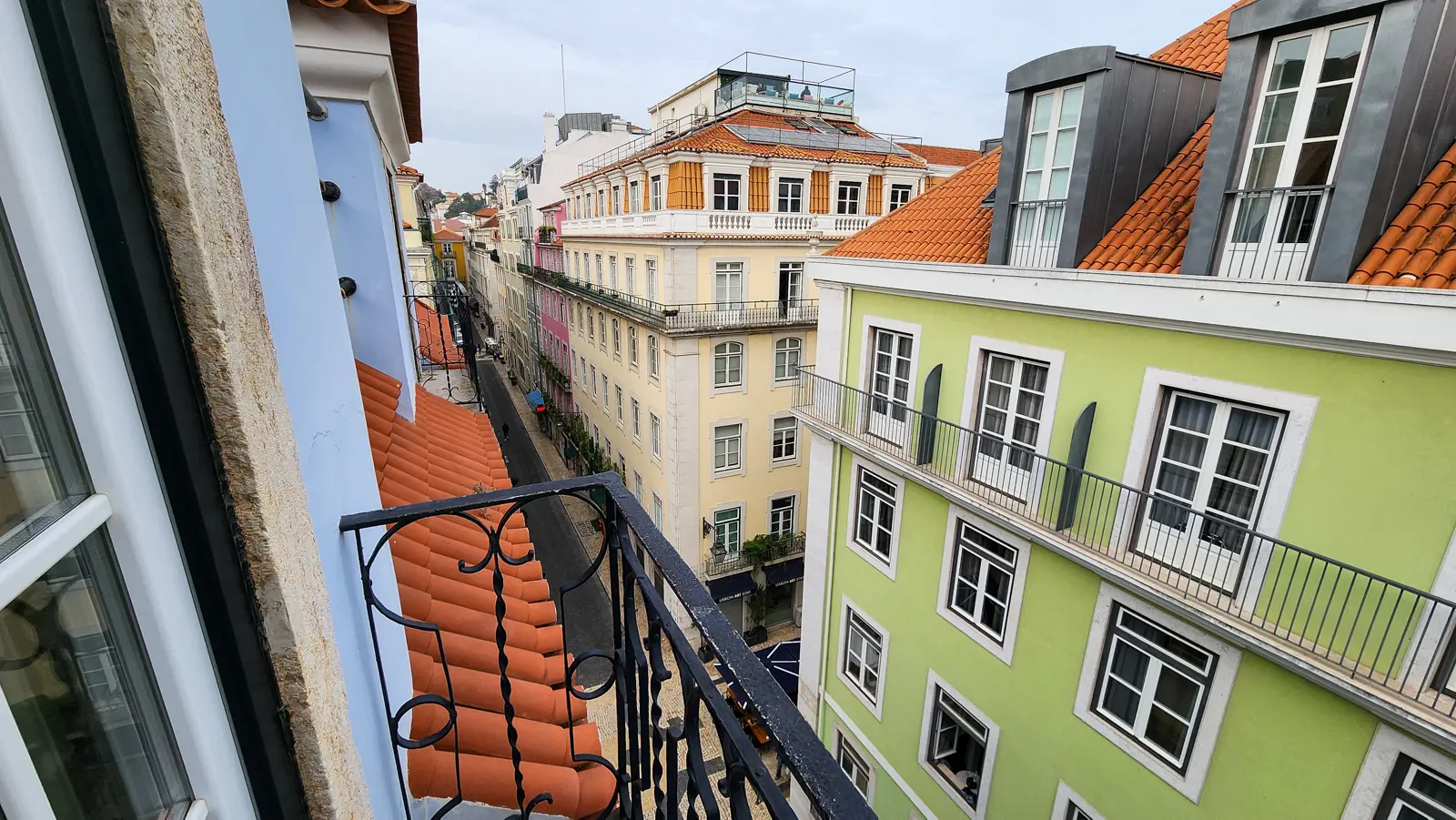
Walk through Baixa and you’ll notice a graceful uniformity that ties the entire neighborhood together. Pombaline buildings are immediately recognizable: sober yet harmonious façades, clean geometric lines, repetitive windows, and understated ornamentation that avoids excess. They embody a philosophy of elegance without extravagance, a reflection of the Enlightenment ideals that shaped the rebuilding. Behind the façades lies innovation. Buildings were modular and prefabricated, an astonishing idea for the 18th century. Materials were standardized to accelerate reconstruction. Even the floorplans were framed with efficiency in mind, blending shops on the ground level with residential spaces above. These were not just buildings, they were the foundations of a new, modern Lisbon.
Groundbreaking Engineering – Lisbon’s Earthquake-Proof Innovation
Here is where Lisbon truly astonishes: Pombaline buildings were among the first seismic-resistant constructions in the world. Inside their walls lies a wooden structural system known as the “gaiola pombalina” (Pombaline cage). Picture a flexible wooden skeleton woven into the masonry, allowing the building to sway rather than collapse during earthquakes. Remarkably, historical accounts say these structures were tested using marching soldiers to simulate tremors, a surprisingly forward-thinking experiment for the 1700s. This blend of wood, stone, and engineering genius created a city that could endure future quakes, and the results speak for themselves: centuries later, the buildings remain wonderfully stable.
A Visual Language of Order and Elegance
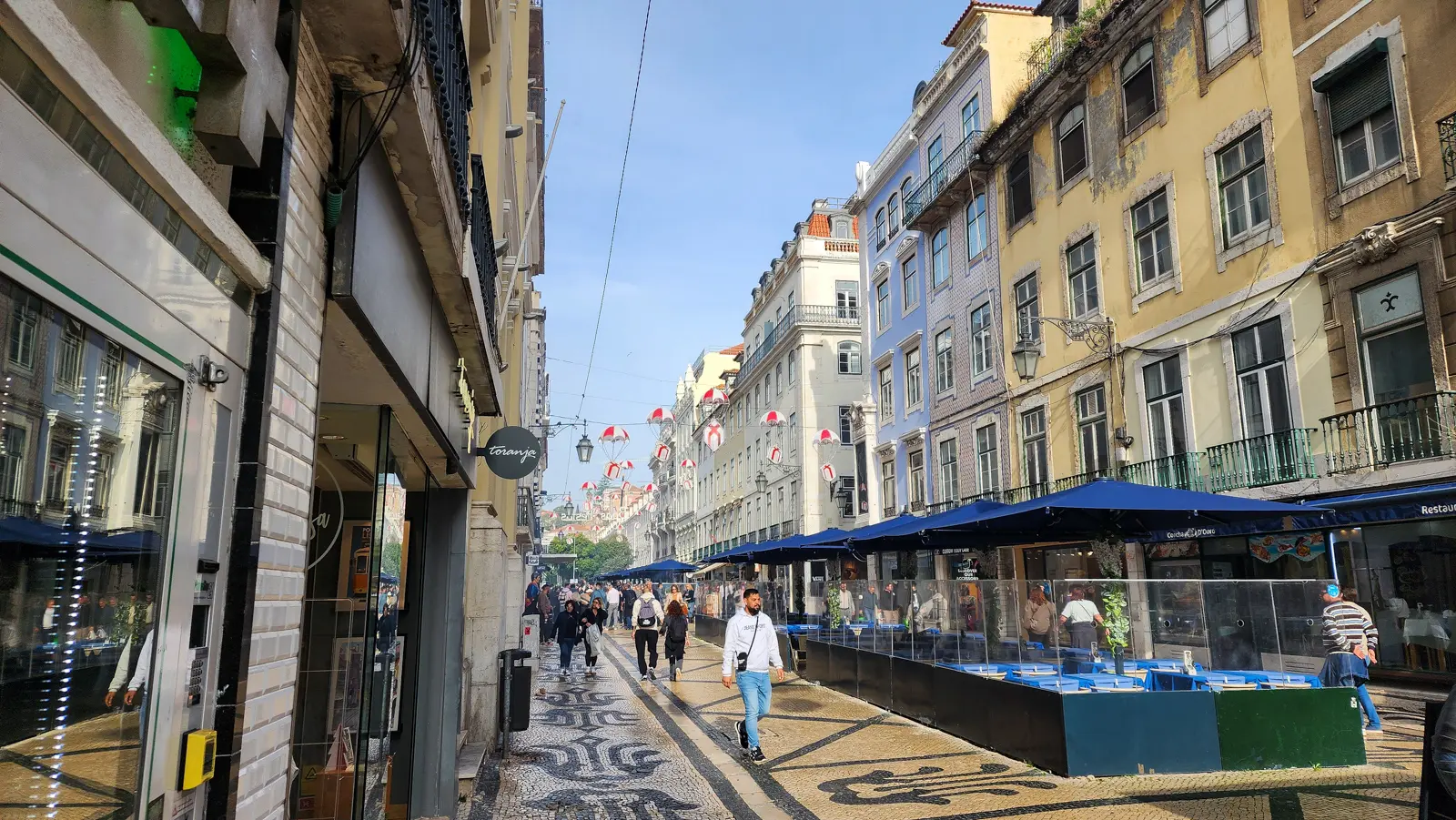
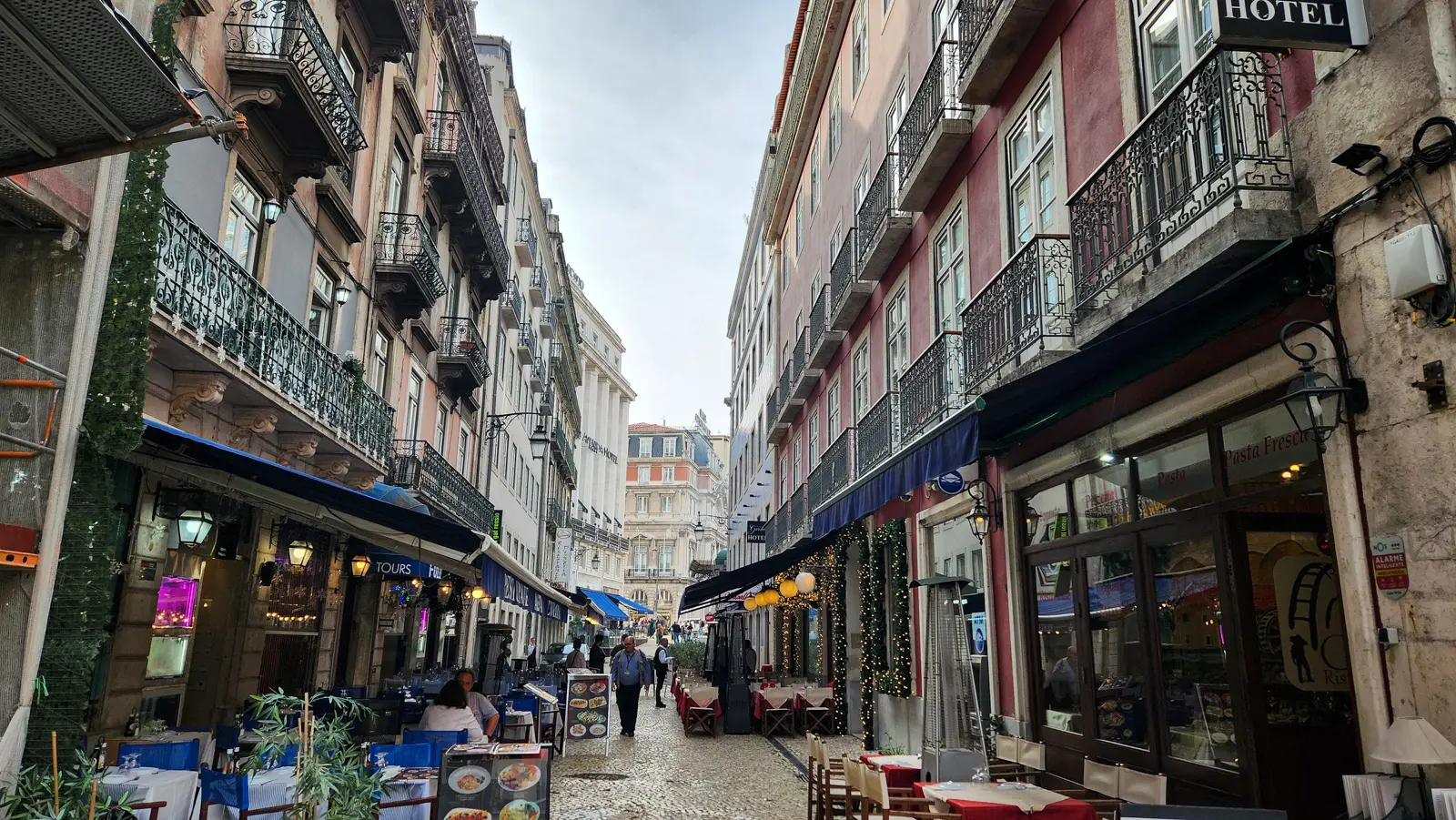
Beyond safety, Pombaline design gives Lisbon its unmistakable aesthetic. The grid layout creates long, breezy avenues leading toward the river, while façades are painted in soft pastel hues that glow beautifully beneath Lisbon’s golden light. Arcaded walkways frame the major squares, adding openness and rhythm to the streetscape. Delicate wrought-iron balconies soften the geometry, giving buildings a subtle romantic flair that balances their structural strength.
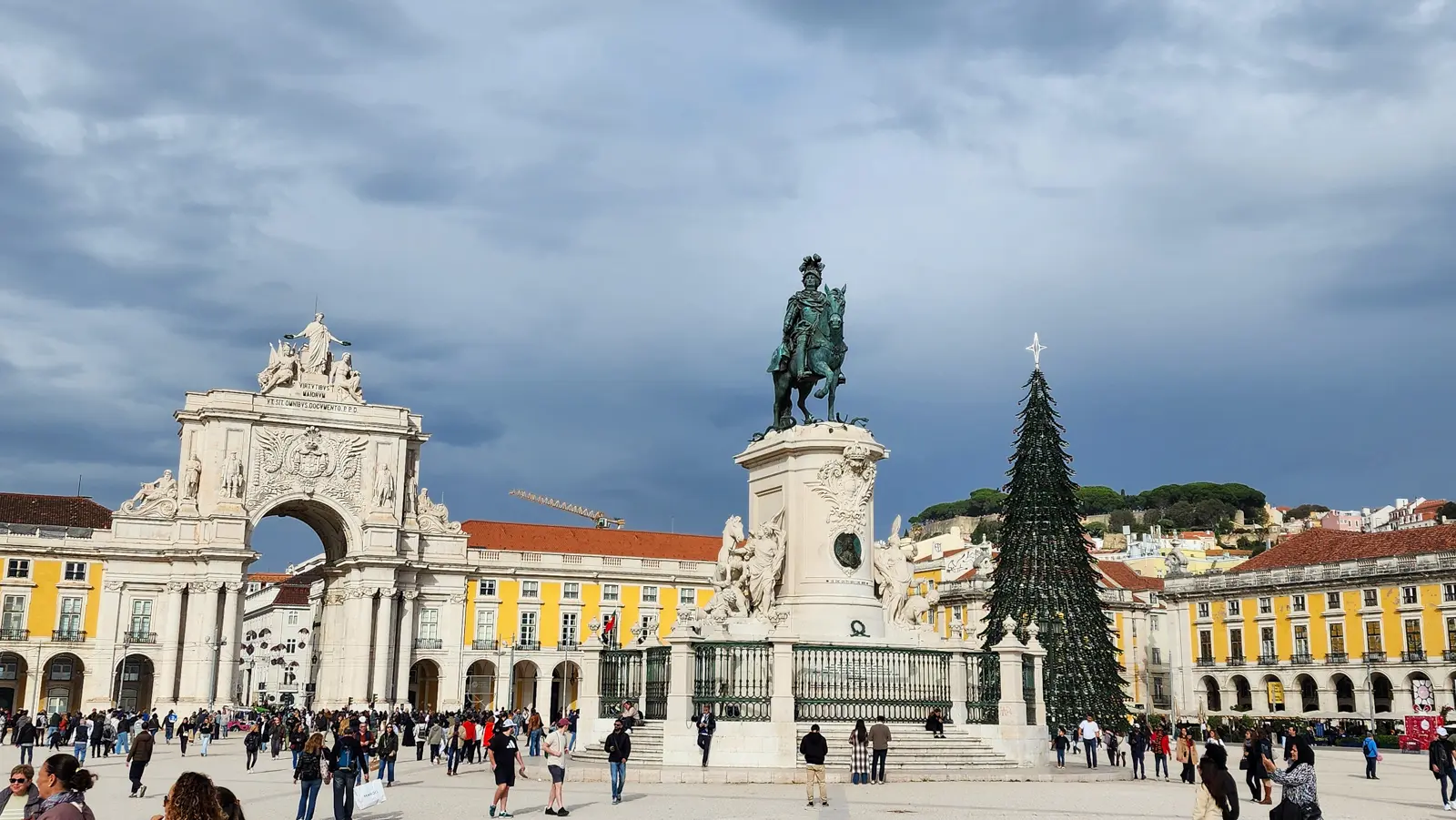
This district is also home to some of Lisbon’s most iconic spaces – Praça do Comércio, Rua Augusta, and Rossio Square – all shaped by the Pombaline vision of order, light, and balance. Even today, as you walk through Baixa, you can sense how this architectural approach created not just a safer city, but a harmonious one. Every corner feels intentional, every vista opens gracefully, and the blend of engineering and beauty makes central Lisbon unlike anywhere else in Europe.
Why Pombaline Lisbon Feels So Beautiful Today
There’s a feeling in Baixa that’s hard to describe – a sense of openness, clarity, and thoughtful urban harmony. Maybe it’s the sunlight reflecting off the river and bouncing gently across façades. Maybe it’s the balance of geometry, symmetry, and space. Maybe it’s the quiet dignity of buildings that have stood for centuries yet still feel contemporary. What makes Pombaline Lisbon remarkable is its blend of resilience and beauty. It tells the story of a city that suffered enormously but chose to rebuild with intelligence and optimism. And you feel that spirit in the air as you walk through it.
Bubbly Tips
- Best area to explore: Baixa – especially Rua Augusta, Rossio, Rua da Prata & Praça do Comércio
- Look closely: peek into arcades and courtyards to see the Pombaline cage structure in cross-sections
- When to visit: early morning for soft light on façades; golden hour for dreamy pastel tones
- For architecture lovers: combine Baixa with Chiado and the riverfront for a full historical perspective
Final Thoughts
Pombaline architecture is more than a style, it’s a testament to Lisbon’s resilience, ingenuity, and grace. Walking through Baixa today feels like stepping into a living chapter of history, where every street and façade reflects the city’s rebirth after unimaginable loss. It’s elegant, thoughtful, and profoundly human.
If you’ve explored Pombaline Lisbon, I’d love to hear your impressions. What corner, street, or moment captured your heart? Share your thoughts below!

🌟 Everything You Need to Plan Your Dream Trip in 2026
- 🌟 Luxury Hotels - Find premium stays with Booking.com & Hotels.com
- 🏡 Vacation Rentals - Discover unique properties on VRBO
- 🏞️ Guided Tours - Explore with Viator or GetYourGuide
- 🎫 Attraction Tickets - Skip the lines with Tiqets
- 🚢 Ocean Cruises - Set sail with Cruise Direct
- 📱 International SIMs - Stay connected with Saily
- 🚗 Car Rentals - Budget-friendly options from Discover Cars
- 🌐 Secure VPNs - Browse safely with NordVPN
- 💶 Currency Exchange - Best rates with Wise
- 🗣️ Learn Languages - Master the local language with Babbel and Rosetta Stone