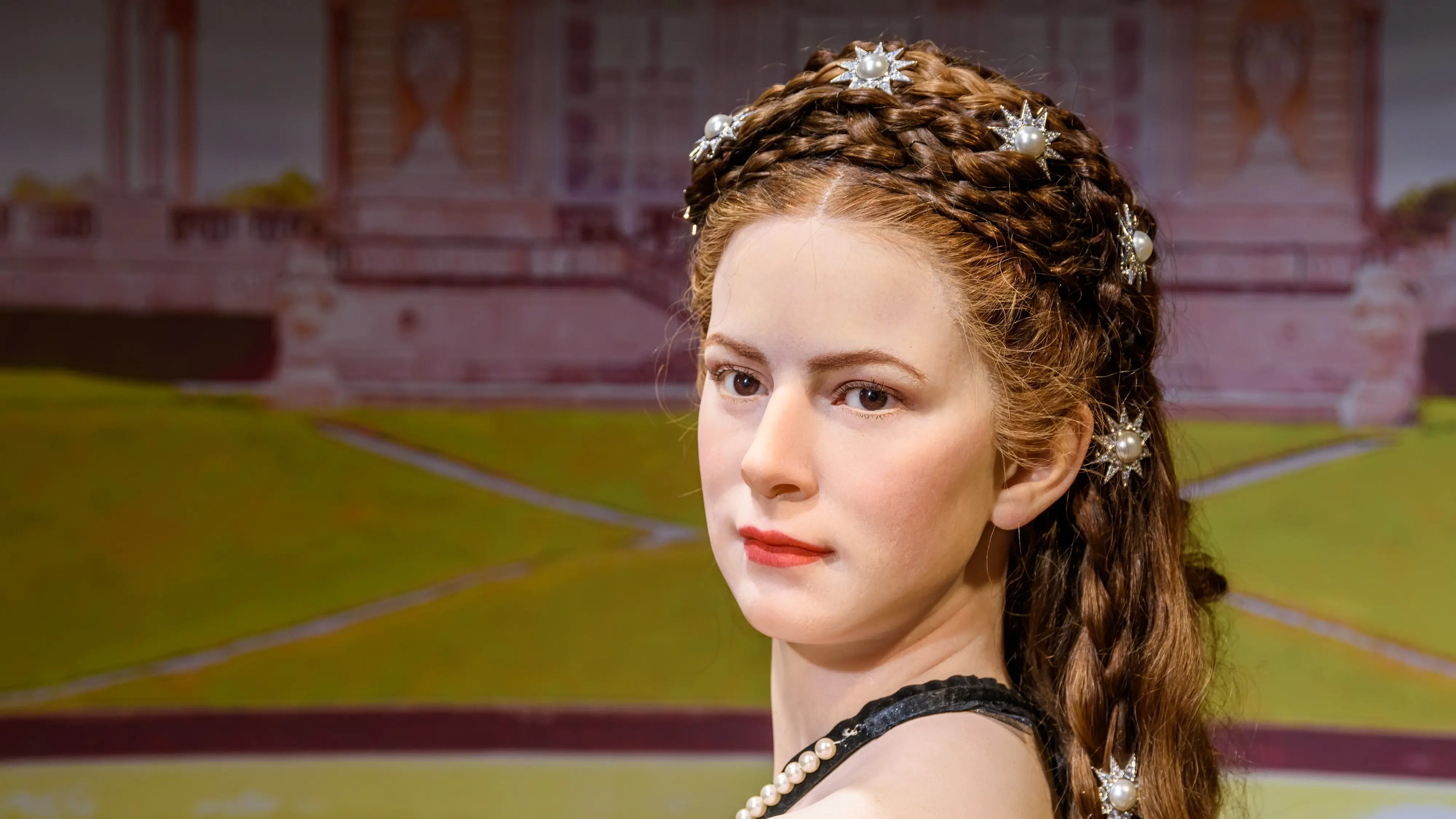
Hello world travelers! Vienna is a city that reveals itself slowly. At first glance, it dazzles with imperial grandeur – palaces glowing in soft stone hues, gardens arranged with mathematical precision, and cafés where time seems to pause. But the longer you stay, the more you begin to sense something quieter beneath the elegance. A certain emotional depth. A story that isn’t shouted from monuments, but whispered through gardens and museum corridors. That story belongs to Empress Elisabeth of Austria, affectionately known as Sisi. She was an empress who never fully embraced her crown, a woman celebrated for her beauty yet deeply uncomfortable with the life that came with it. Exploring Vienna through Sisi’s story adds a profoundly human layer to the city – one that feels introspective, emotional, and unexpectedly modern.
Empress Elisabeth (Sisi) in Vienna at a Glance
👑 Born: 1837, Bavaria — married Emperor Franz Joseph I at age 16
📍 Key Vienna Sites: Sisi Museum (Hofburg), Elisabeth Monument (Volksgarten), Imperial Crypt (Capuchin Church), Schönbrunn Palace
🌍 Beyond Vienna: Budapest (beloved as Queen of Hungary), Geneva (site of her assassination in 1898)
🏛️ Sisi Museum: Inside the Hofburg — personal artifacts, notebooks, portraits, and an honest portrayal of her struggles
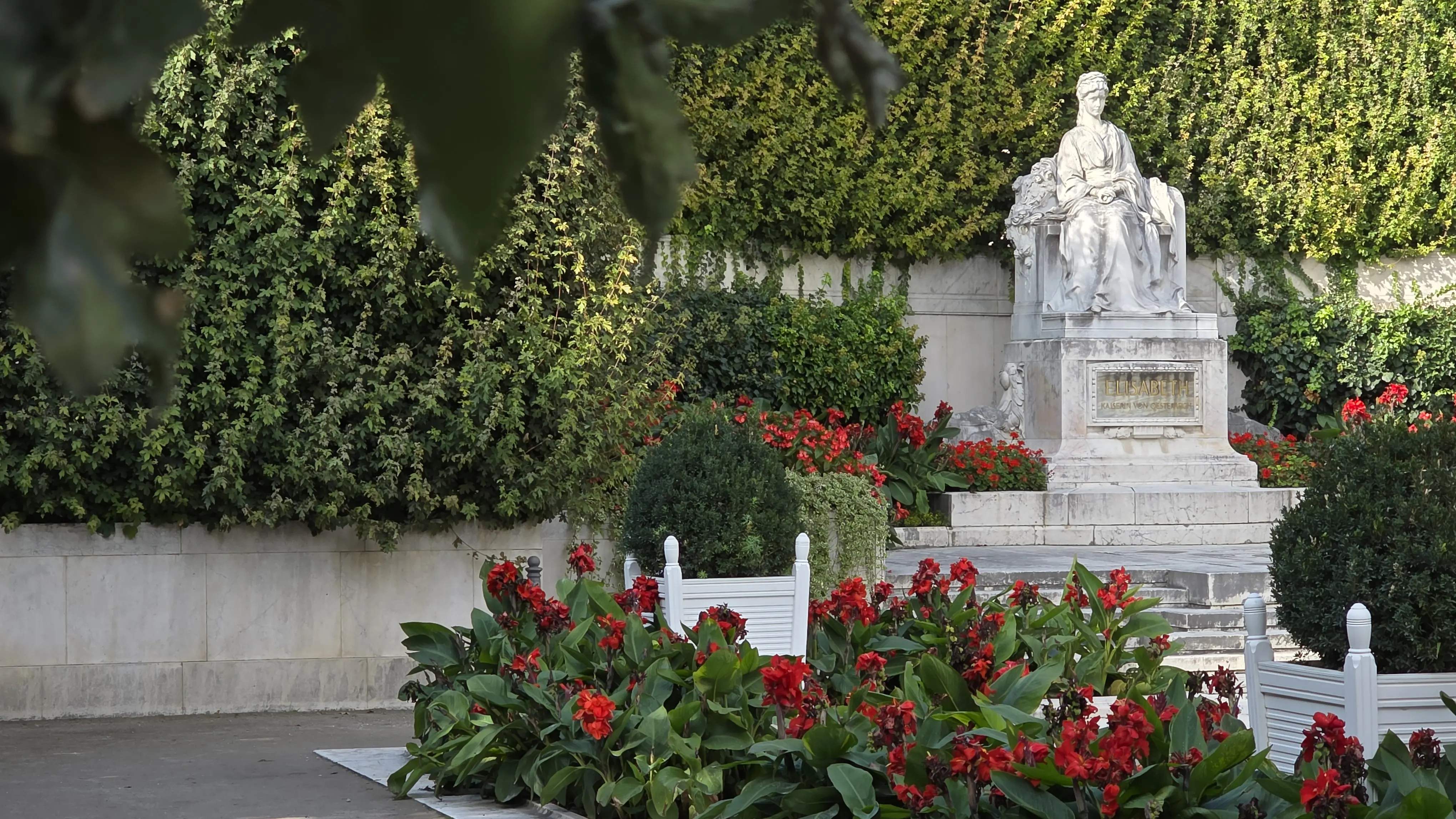
🌿 Most Moving Site: The Elisabeth Monument in the Volksgarten — tucked into nature, intentionally quiet
💡 Tip: Combine the Sisi Museum, Volksgarten monument, and Hofburg courtyards into one themed walking route
Who Was Empress Elisabeth (Sisi)?
Empress Elisabeth was born in 1837 as Elisabeth of Bavaria, raised in a relatively relaxed and nature-loving environment far removed from the rigid discipline of the Habsburg court. Her early years were marked by freedom, outdoor life, and an upbringing that encouraged curiosity rather than protocol. That freedom would make her later life at court feel all the more confining.
At just sixteen years old, Sisi married Emperor Franz Joseph I of Austria and was thrust into one of Europe’s most powerful and scrutinized imperial roles. Vienna expected perfection from its empress – flawless appearances, obedience to court etiquette, and unwavering composure. But Sisi struggled almost immediately. She found court life oppressive, the rules relentless, and her lack of agency deeply unsettling.
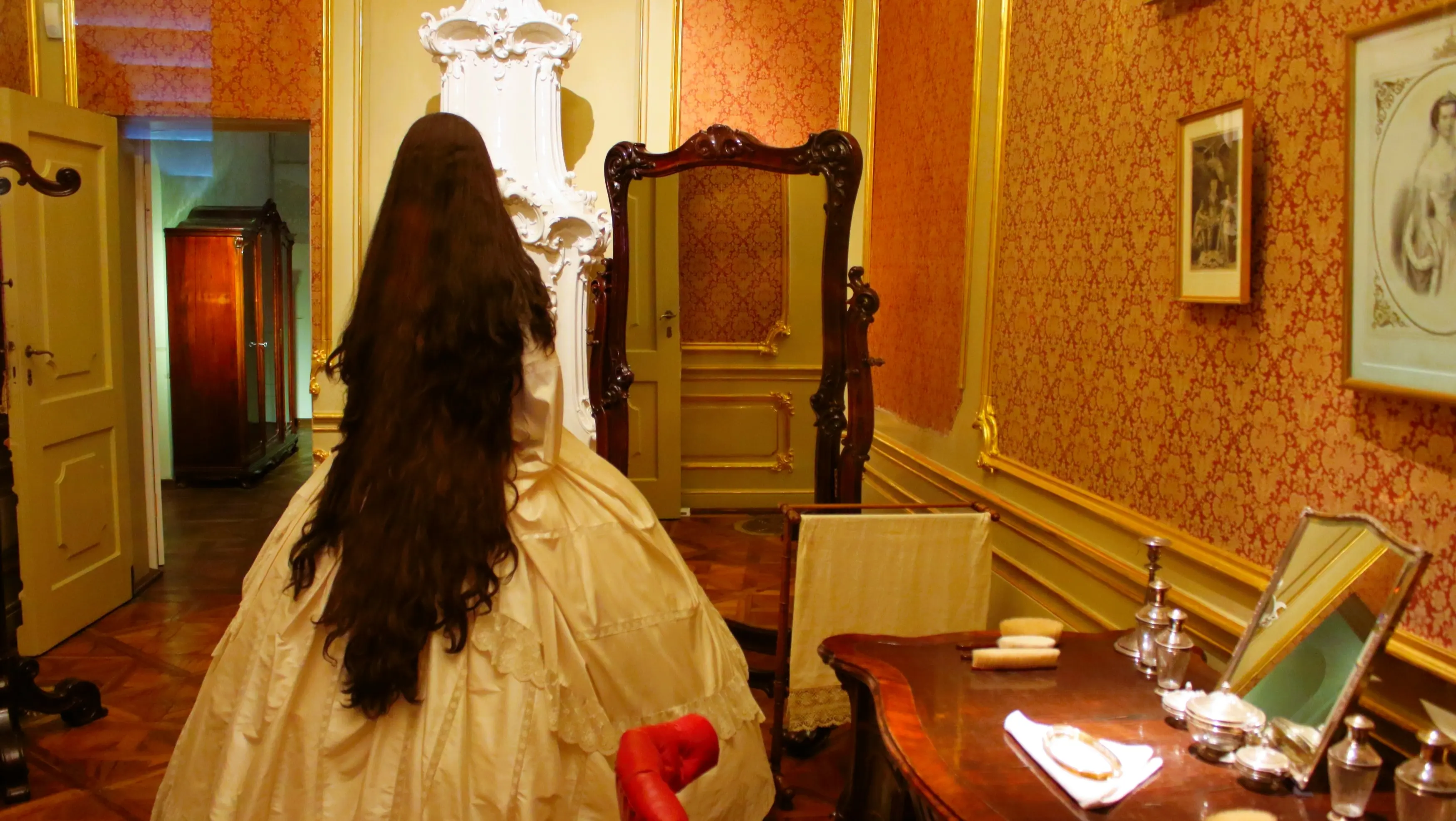
Behind the celebrated image of a beautiful empress was a woman grappling with profound loneliness, grief, and anxiety. She resisted expectations placed upon her body, her time, and her voice, often retreating inward. Sisi read obsessively, wrote poetry filled with longing and melancholy, and sought escape wherever she could find it. Her story is not one of effortless power, but of quiet resistance and emotional survival.
Sisi in Vienna Today: Where Her Presence Still Lingers
Vienna remembers Sisi not with triumphal monuments or heroic statues, but with an intimacy that mirrors her personality. Her legacy here feels contemplative rather than celebratory, inviting visitors to understand her rather than simply admire her.
Tucked within the sprawling imperial complex of the Hofburg lies the Sisi Museum, a museum that offers one of the most honest portrayals of a historical figure I’ve encountered. Rather than glorifying imperial power, the museum focuses on Sisi’s inner world. As you move through its rooms, you encounter her personal belongings, handwritten poetry, beauty regimens, and intimate details of her daily life. The exhibits explore her fixation on physical fitness, her strict beauty rituals, and her constant battle with self-image – themes that feel startlingly contemporary.
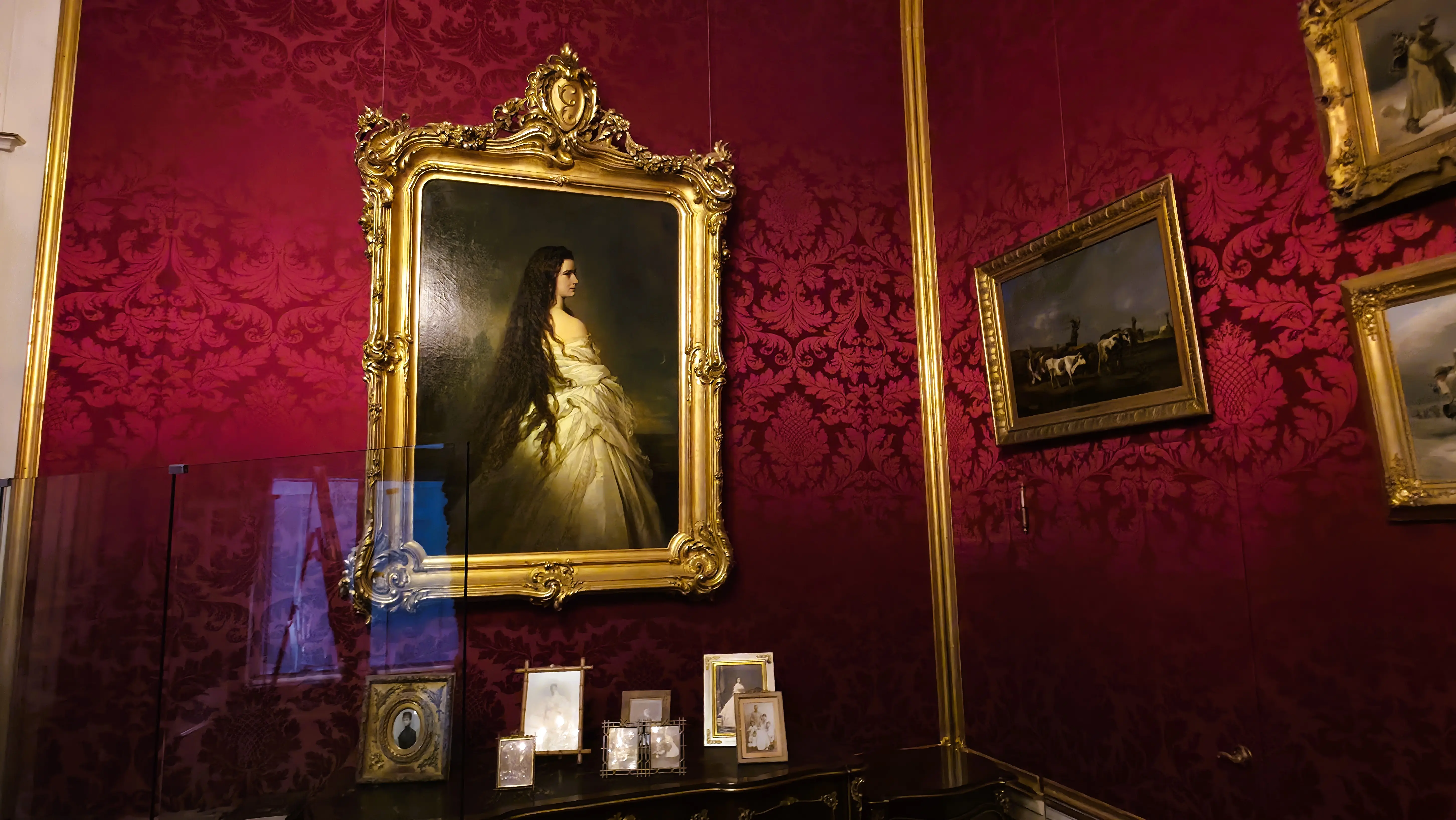
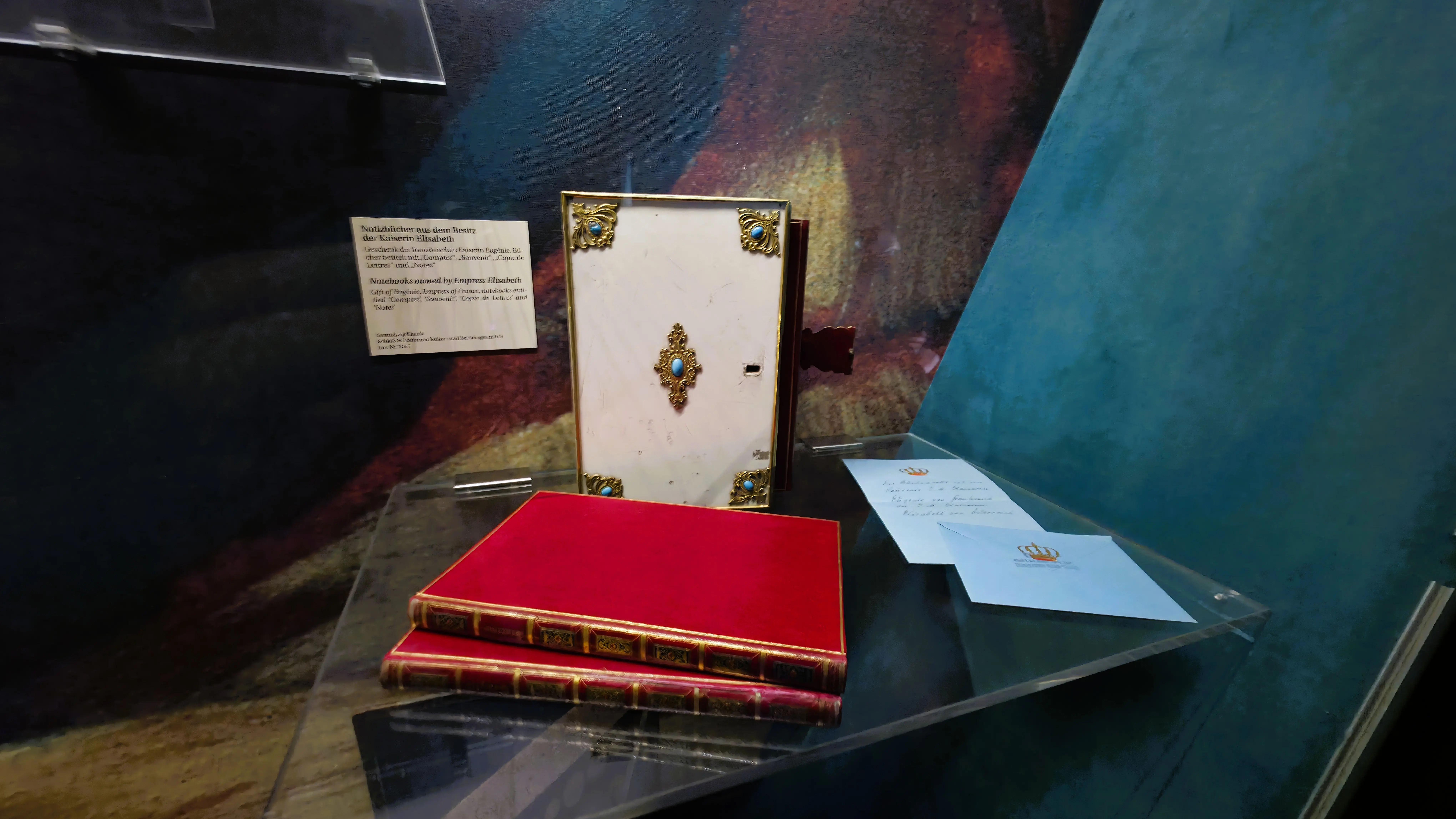
What makes this museum so powerful is its refusal to simplify her story. It openly addresses her mental health struggles, her withdrawal from public life, and the emotional toll of loss and expectation. Walking through the Sisi Museum feels less like learning history and more like being invited into the private thoughts of a woman who never quite fit the role she was given.
The Elisabeth Monument in the Volksgarten
One of the most moving places to connect with Sisi in Vienna is not inside a palace, but in nature. The Elisabeth Monument, located in the Volksgarten, feels intentionally hidden, as though respecting her lifelong desire for privacy. Surrounded by rose gardens and shaded pathways, the monument depicts Sisi in quiet contemplation rather than imperial authority. There is no grand pedestal or commanding stance. Instead, the setting encourages stillness. Sitting nearby, you can hear footsteps on gravel, leaves rustling, and the soft rhythm of the city continuing at a distance.
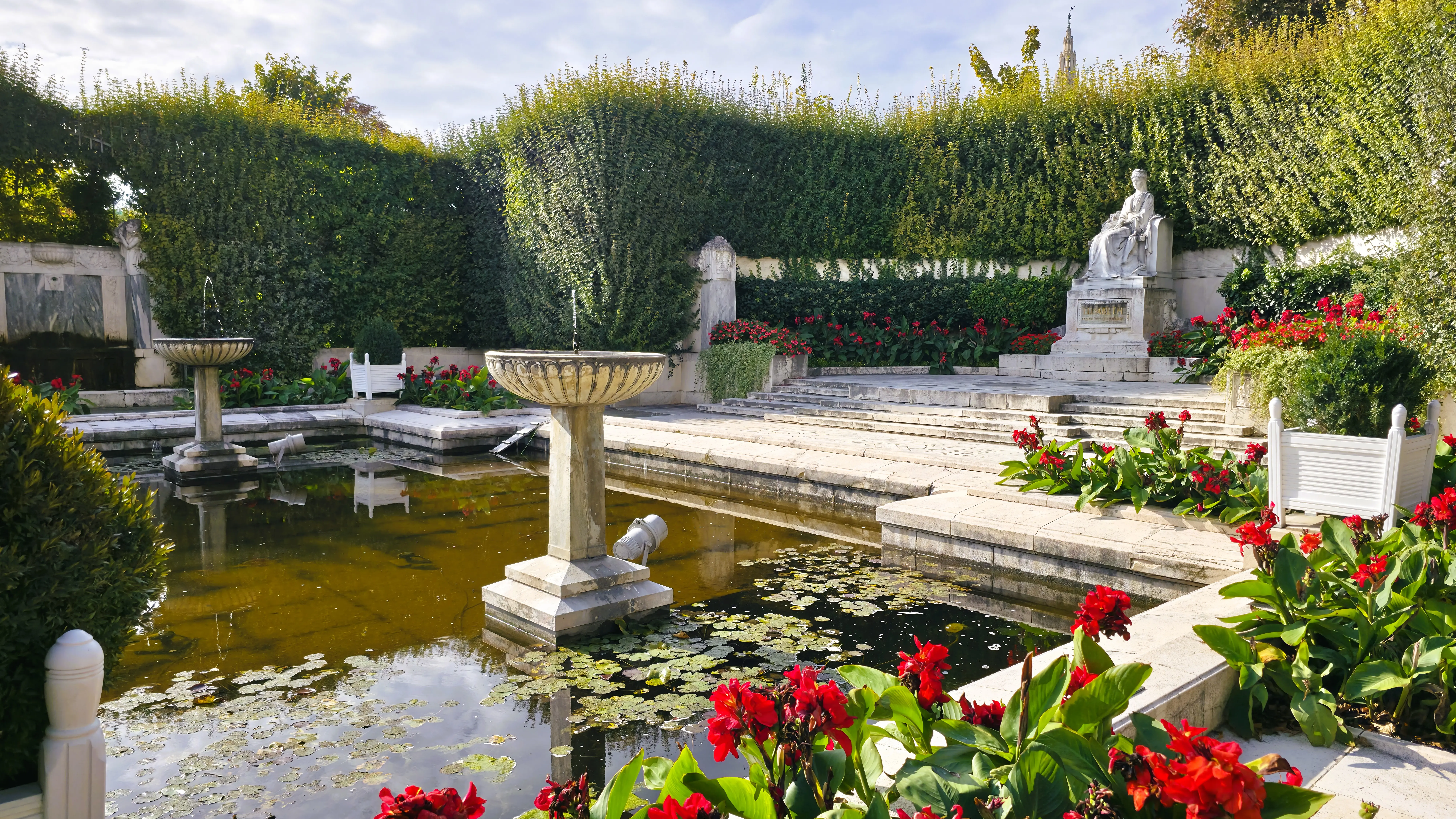
This space feels like an emotional pause in Vienna’s otherwise grand narrative. It is reflective, serene, and deeply symbolic of a woman who preferred solitude over ceremony. Visiting the monument feels less like sightseeing and more like paying quiet respect.
Sisi the Traveler: A Soul in Motion
If there was one thing that sustained Sisi throughout her life, it was movement. Travel was not a luxury for her, it was a necessity. The more confined she felt by court life, the more she sought refuge elsewhere. She spent long periods away from Vienna, living in Hungary, traveling through Italy, Switzerland, Greece, and coastal regions where she could walk freely and feel anonymous. These journeys were her escape from protocol, scrutiny, and expectation. She found solace in the sea, in long solitary walks, and in the anonymity of foreign places.
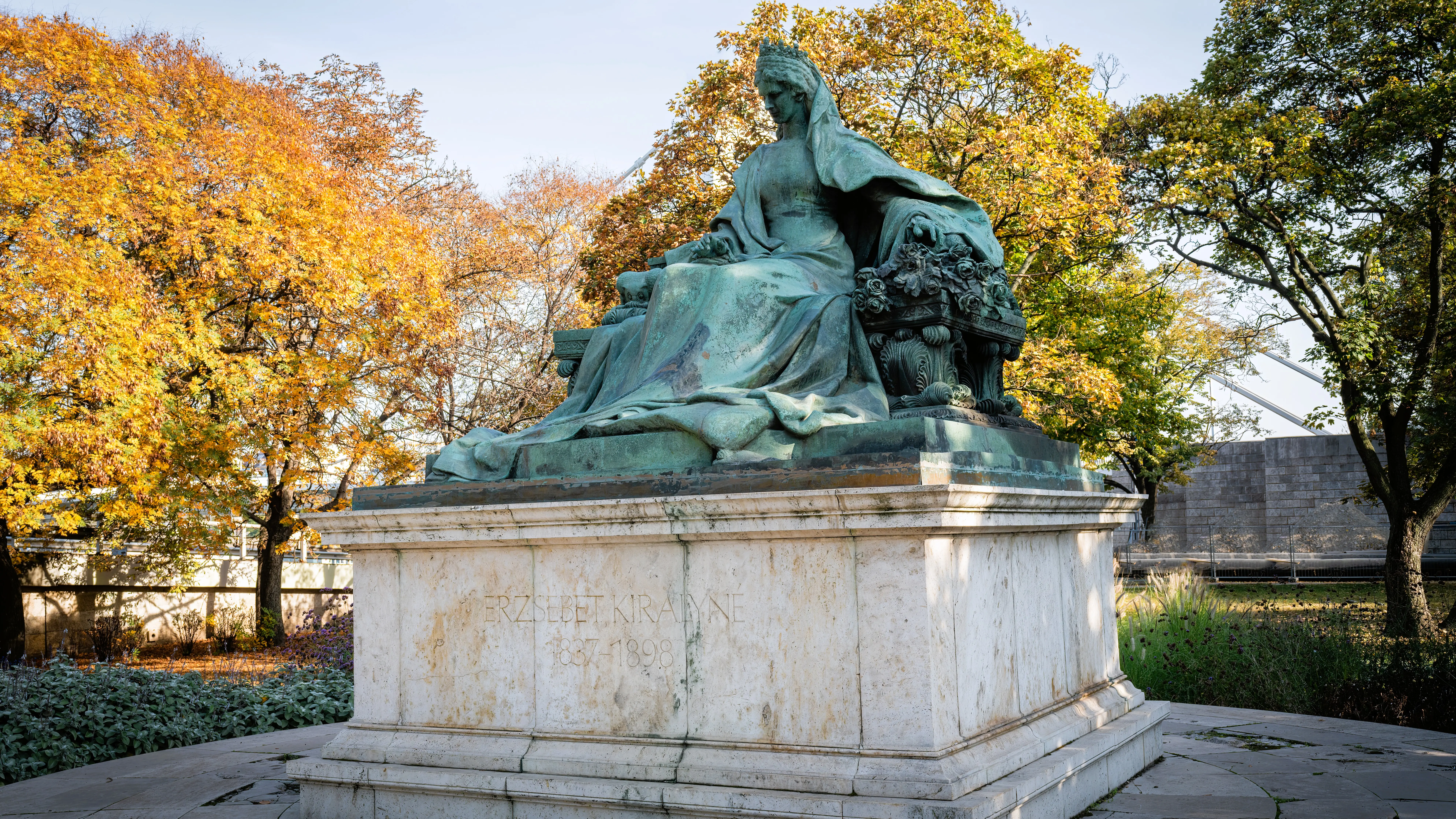
This aspect of Sisi’s life resonates deeply with the heart of BubblyLiving. Her travels were not about collecting destinations, but about reclaiming herself. She understood that sometimes, changing your surroundings is the only way to survive emotionally. In that sense, she was far ahead of her time – a woman who instinctively knew the healing power of travel.
Tragedy, Loss & the Making of a Myth
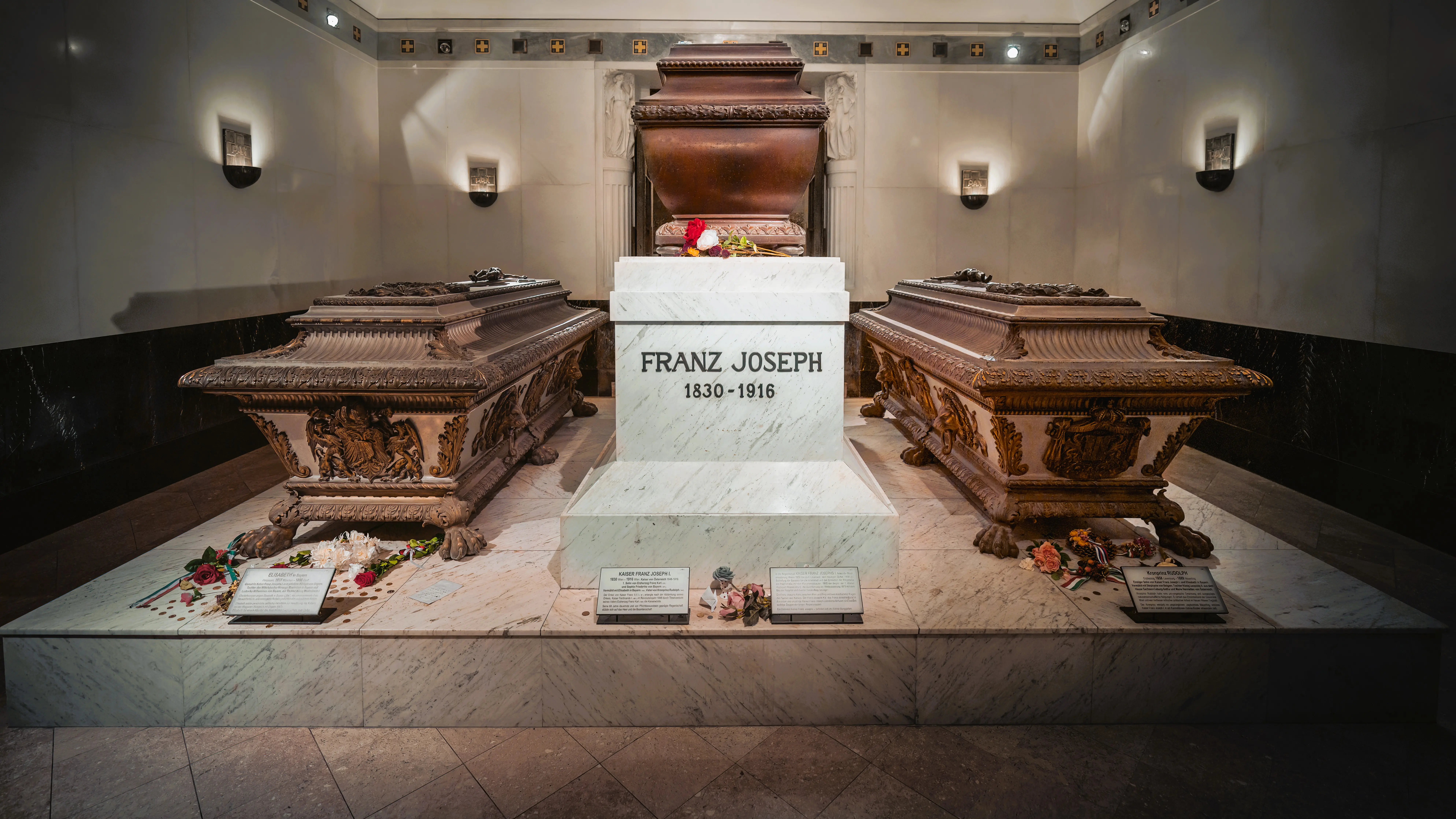
Sisi’s life was shadowed by tragedy, and each loss pushed her further inward. The most devastating was the death of her son, Crown Prince Rudolf, an event that profoundly altered her emotional world. After his passing, Sisi withdrew almost completely from public life, dressed predominantly in black, and distanced herself from Vienna’s social expectations.
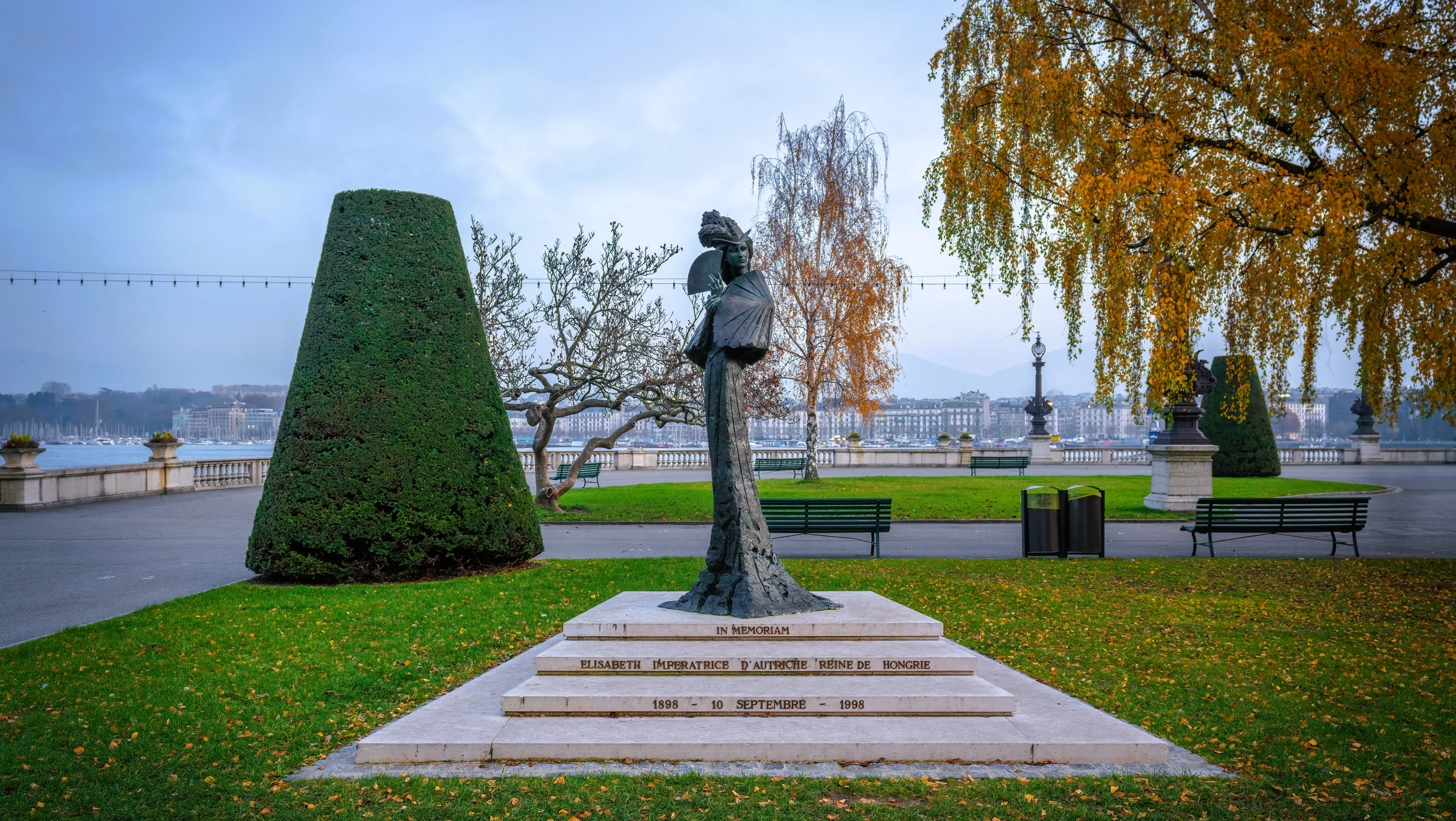
In 1898, she was assassinated in Geneva, a sudden and senseless act that shocked Europe. Her death froze her image in time – eternally young, eternally beautiful, eternally tragic. From that moment on, Sisi became less a historical figure and more a legend. Films, portraits, and stories transformed her into a romantic symbol, often stripping away the complexity of her suffering. Yet behind the myth was a woman who spent much of her life feeling misunderstood, constrained, and searching for peace.
Why Empress Elisabeth Still Matters Today
Sisi’s story continues to resonate because it feels achingly relevant. She embodies the tension between appearance and reality, between societal expectations and personal truth. Her struggles with mental health, identity, and autonomy mirror challenges that many still face today. She reminds us that beauty does not equal happiness, that status does not guarantee fulfillment, and that silence often hides deep emotional battles. Sisi’s quiet defiance – her refusal to fully conform, her insistence on movement, solitude, and self-expression – makes her a timeless figure. In Vienna, her presence feels less like history and more like a conversation that continues across generations.
Bubbly Tips for Exploring Sisi’s Vienna
- Plan enough time for the Sisi Museum: The Sisi Museum is emotionally rich and deeply personal, offering insight into Empress Elisabeth’s private life beyond the imperial image. It’s best experienced slowly, allowing time to read, reflect, and absorb the quieter details that make her story so powerful.
- Pair history with a garden walk: After visiting the museum, take a leisurely walk through the Hofburg courtyards and continue into the Volksgarten. This transition from palace interiors to open green space mirrors Sisi’s own longing for freedom and makes the experience feel more immersive and meaningful.
- Bring a notebook or allow moments of stillness: Even if you don’t write anything down, taking time to pause can be powerful. Sisi’s life story often stirs personal reflections about freedom, identity, and emotional resilience – themes that linger long after you leave Vienna.
- Combine Sisi sites into one themed route: For a cohesive experience, consider visiting the Sisi Museum, Volksgarten monument, and Hofburg Palace on the same day. Experiencing these sites together creates a narrative journey through Sisi’s public life, private struggles, and lasting legacy in Vienna.
- Visit during spring or early autumn: Vienna’s gardens are especially beautiful during these seasons, enhancing the emotional and visual impact of Sisi-related sites. Blooming flowers or autumn light add a poetic layer to an already reflective experience.
Final Thoughts
Vienna is filled with emperors, generals, and grand victories carved into stone. But Sisi’s story lives somewhere else – in the quiet corners, the gardens, and the moments where the city softens. She reminds us that history is not only shaped by power, but by emotion. That freedom can be an act of courage. And that sometimes, the most enduring legacy is simply being human in a world that demands perfection.
As you wander Vienna, let Sisi’s story accompany you – gently, thoughtfully, and without spectacle. It may just change the way you see the city.
Thank you for exploring Vienna’s most enigmatic empress with me. I’d love to hear your thoughts – feel free to share them in the comments below.
Until the next adventure…
xoxo,
Bubbly💗
🌟 Everything You Need to Plan Your Dream Trip in 2026
- 🌟 Luxury Hotels - Find premium stays with Booking.com & Hotels.com
- 🏡 Vacation Rentals - Discover unique properties on VRBO
- 🏞️ Guided Tours - Explore with Viator or GetYourGuide
- 🎫 Attraction Tickets - Skip the lines with Tiqets
- 🚢 Ocean Cruises - Set sail with Cruise Direct
- 📱 International SIMs - Stay connected with Saily
- 🚗 Car Rentals - Budget-friendly options from Discover Cars
- 🌐 Secure VPNs - Browse safely with NordVPN
- 💶 Currency Exchange - Best rates with Wise
- 🗣️ Learn Languages - Master the local language with Babbel and Rosetta Stone