
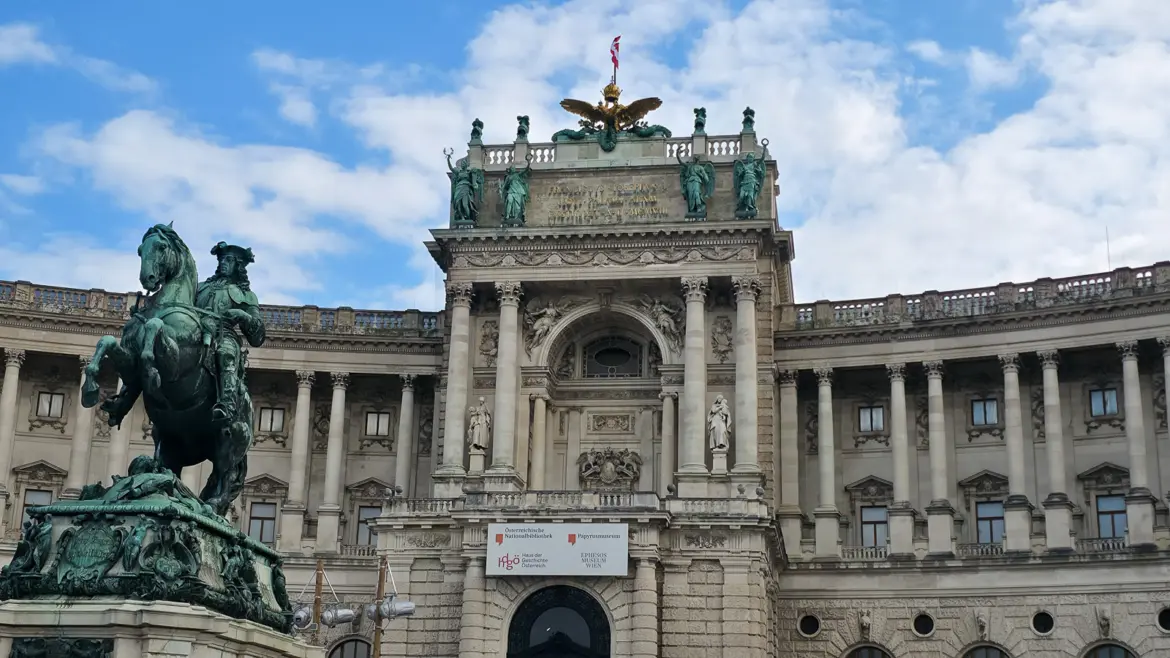
Hello my wonderful readers! Vienna is a city that enchants visitors with imperial palaces, elegant boulevards, grand concert halls, and centuries of artistic achievement. Walking through its streets, it is easy to feel transported into a world shaped by emperors, composers, and architectural beauty.Yet like many European cities, Vienna also carries a more difficult chapter of history. Beneath the elegance of its façades lie memories of the turbulent years surrounding the Second World War, a period that profoundly changed the city and the lives of its inhabitants.
Understanding this history adds another layer to experiencing Vienna. It reminds us that cities are not only shaped by their triumphs and cultural achievements, but also by the moments that challenge them the most.
Vienna WWII History at a Glance
📅 Anschluss: March 12, 1938 — Nazi Germany annexes Austria
🏛️ Heldenplatz speech: March 15, 1938 — Hitler addresses crowds from the Neue Burg balcony (closed to public today)
✡️ Jewish community: Vibrant pre-war community devastated; ~65,000 Austrian Jews killed during the Holocaust
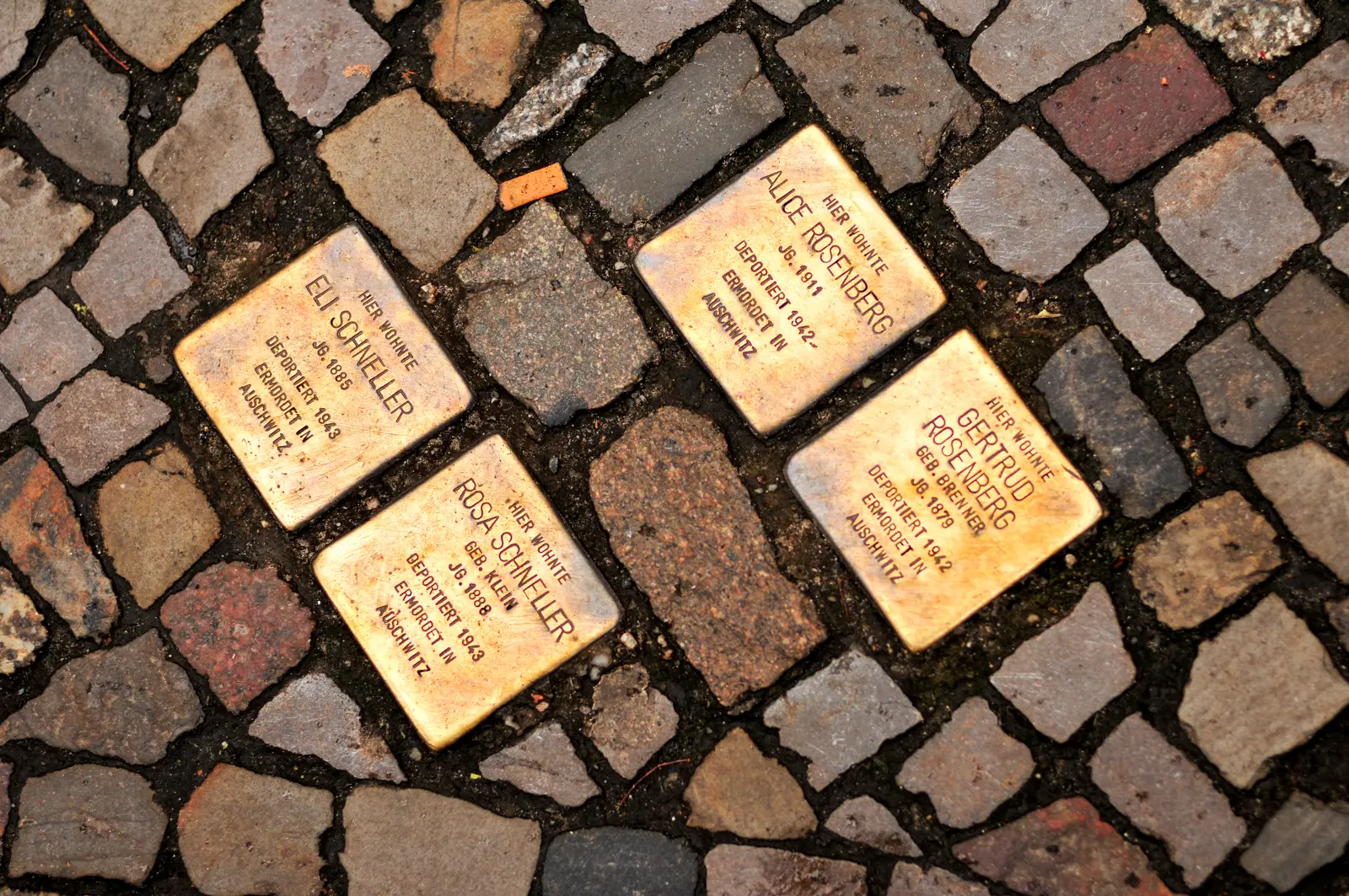
🟫 Stolpersteine: Brass memorial stones across Vienna marking last addresses of persecution victims
💣 Battle of Vienna: April 1945 — Soviet forces enter the city; significant damage to buildings including Stephansdom
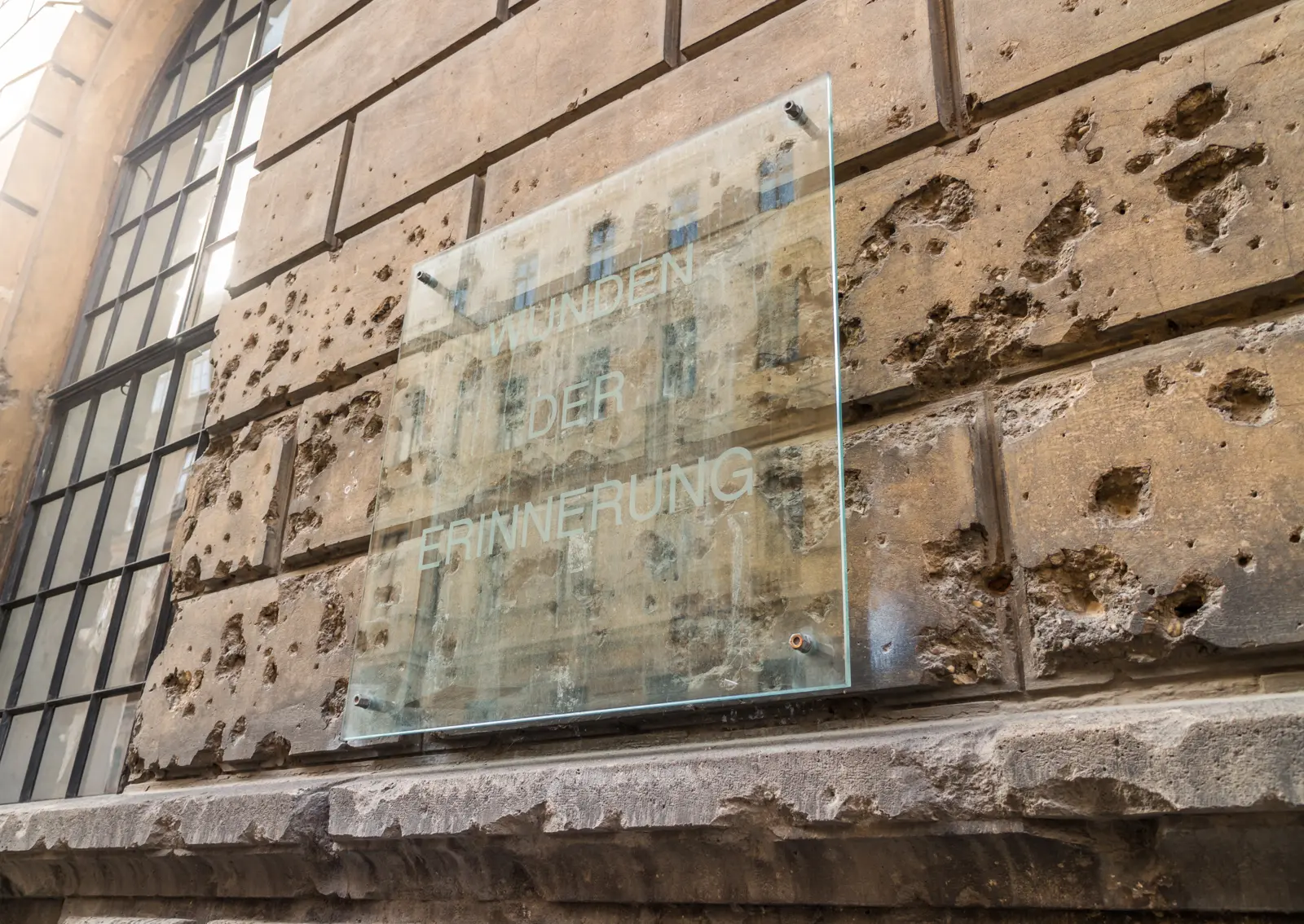
🔫 Wunden der Erinnerung: Bullet holes preserved near Academy of Fine Arts, marked by glass memorial plaque
📖 Judenplatz Holocaust Memorial: Unveiled 25 October 2000, designed by Rachel Whiteread — concrete “inside-out library” above a medieval synagogue destroyed in the 1421 Vienna Gesera
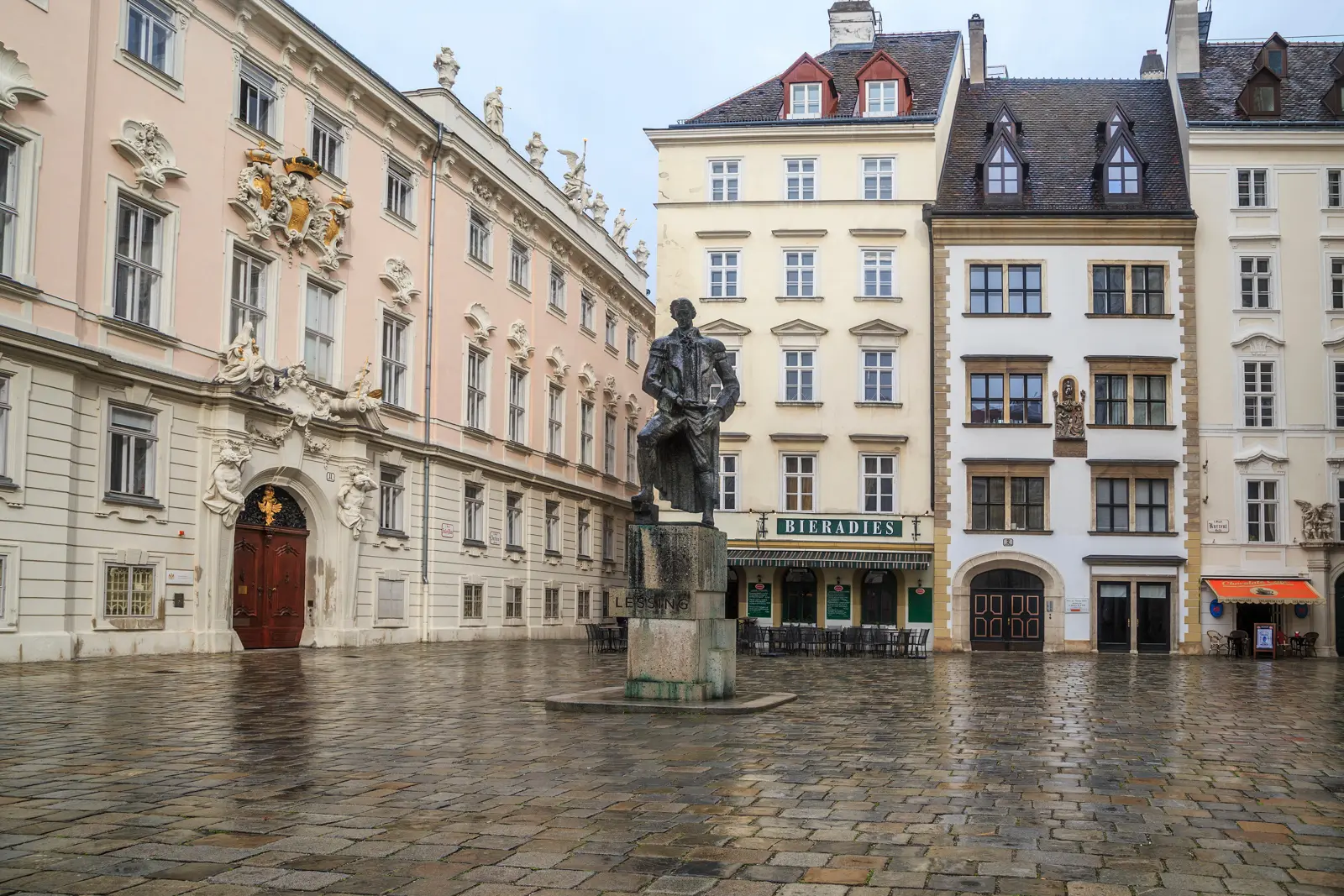
✍️ Lessing Monument: Gotthold Ephraim Lessing statue at Judenplatz — Enlightenment writer who championed tolerance
🏛️ Postwar: Austria divided into Allied occupation zones; Vienna jointly occupied until independence restored 1955
Vienna Before the War: A Cultural Capital
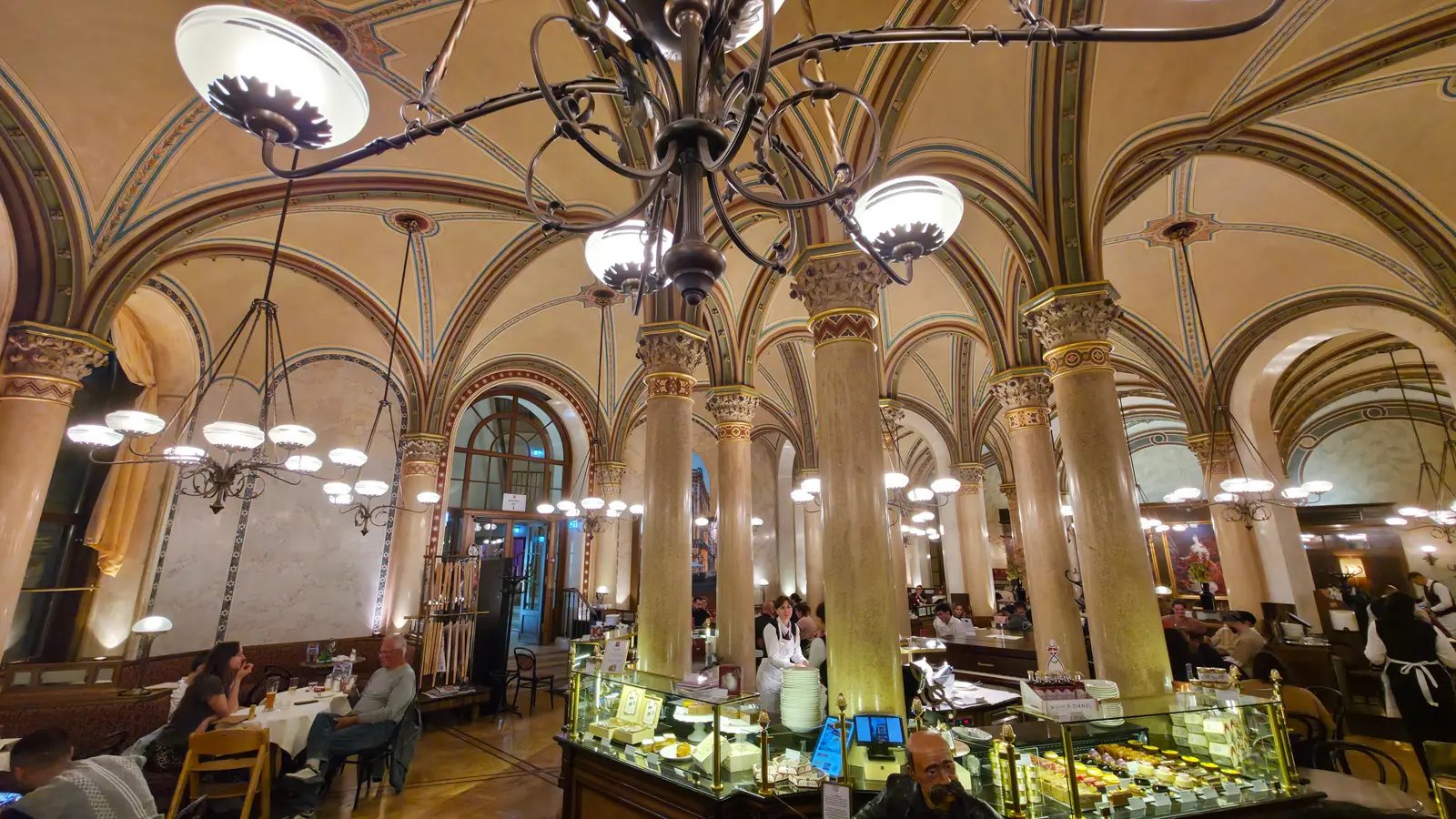
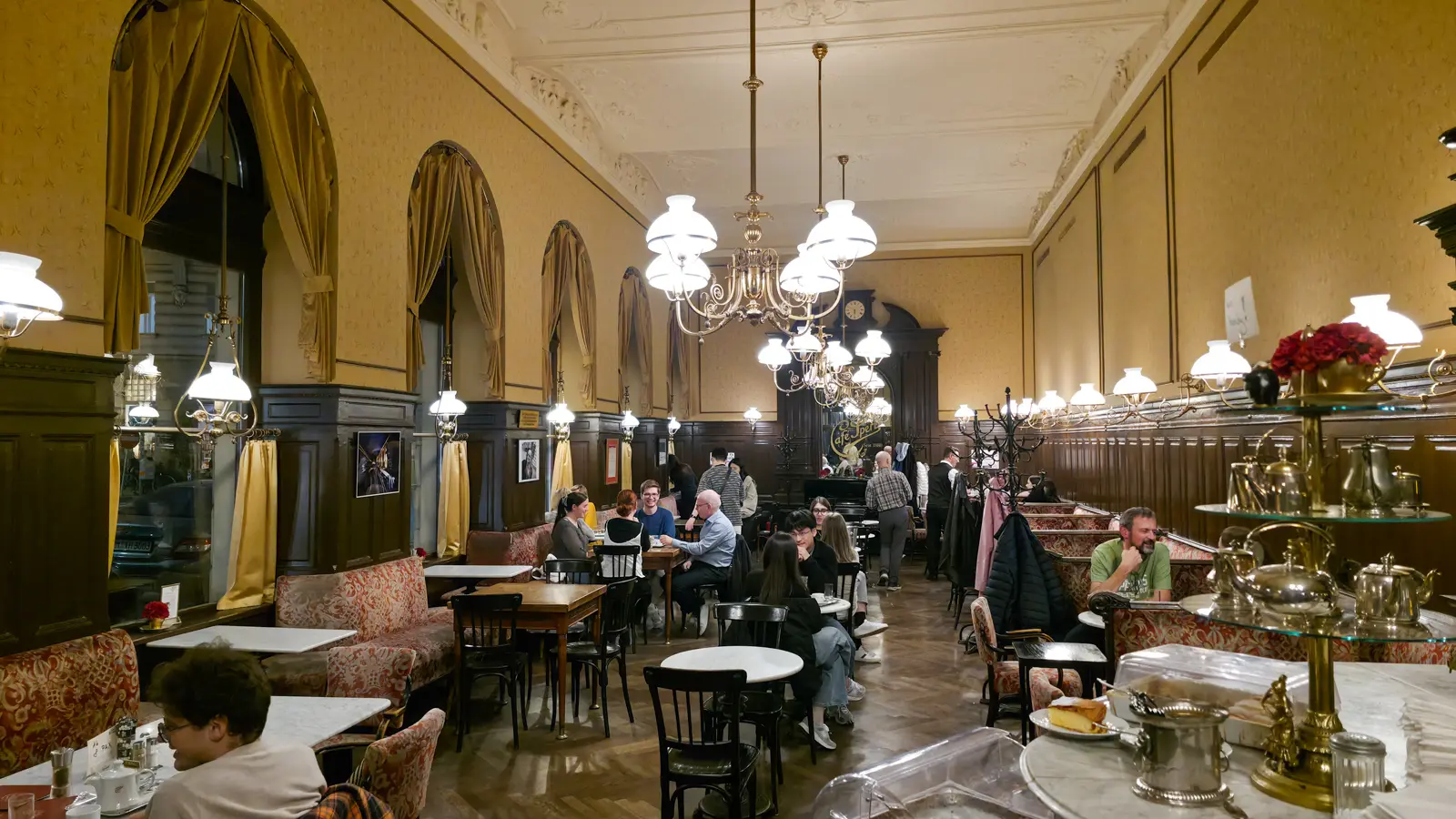
Before the upheavals of the twentieth century, Vienna was one of Europe’s great cultural capitals. The city had long been the center of the Habsburg Empire and a meeting point of languages, traditions, and ideas. Music flourished here through the works of composers such as Wolfgang Amadeus Mozart, Ludwig van Beethoven, and Johann Strauss II. Intellectual life was vibrant, cafés served as gathering places for artists, writers, and philosophers, and Vienna’s architecture reflected centuries of imperial ambition. In elegant coffeehouses such as Café Central and Café Sperl, conversations about politics, literature, and music often unfolded over cups of coffee and slices of cake, creating a unique café culture that became inseparable from the city’s identity.
The city was also home to a large and influential Jewish community whose contributions shaped Vienna’s cultural, scientific, and economic life. By the early twentieth century, Vienna had become a cosmopolitan center where tradition and modernity coexisted. Universities, theaters, and cultural institutions attracted thinkers and artists from across Europe, helping the city maintain its reputation as a hub of creativity and intellectual exchange. However, the political landscape of Europe was shifting rapidly, and the collapse of the Austro-Hungarian Empire after World War I left Austria in a fragile and uncertain position.
The Anschluss: Austria Annexed by Nazi Germany
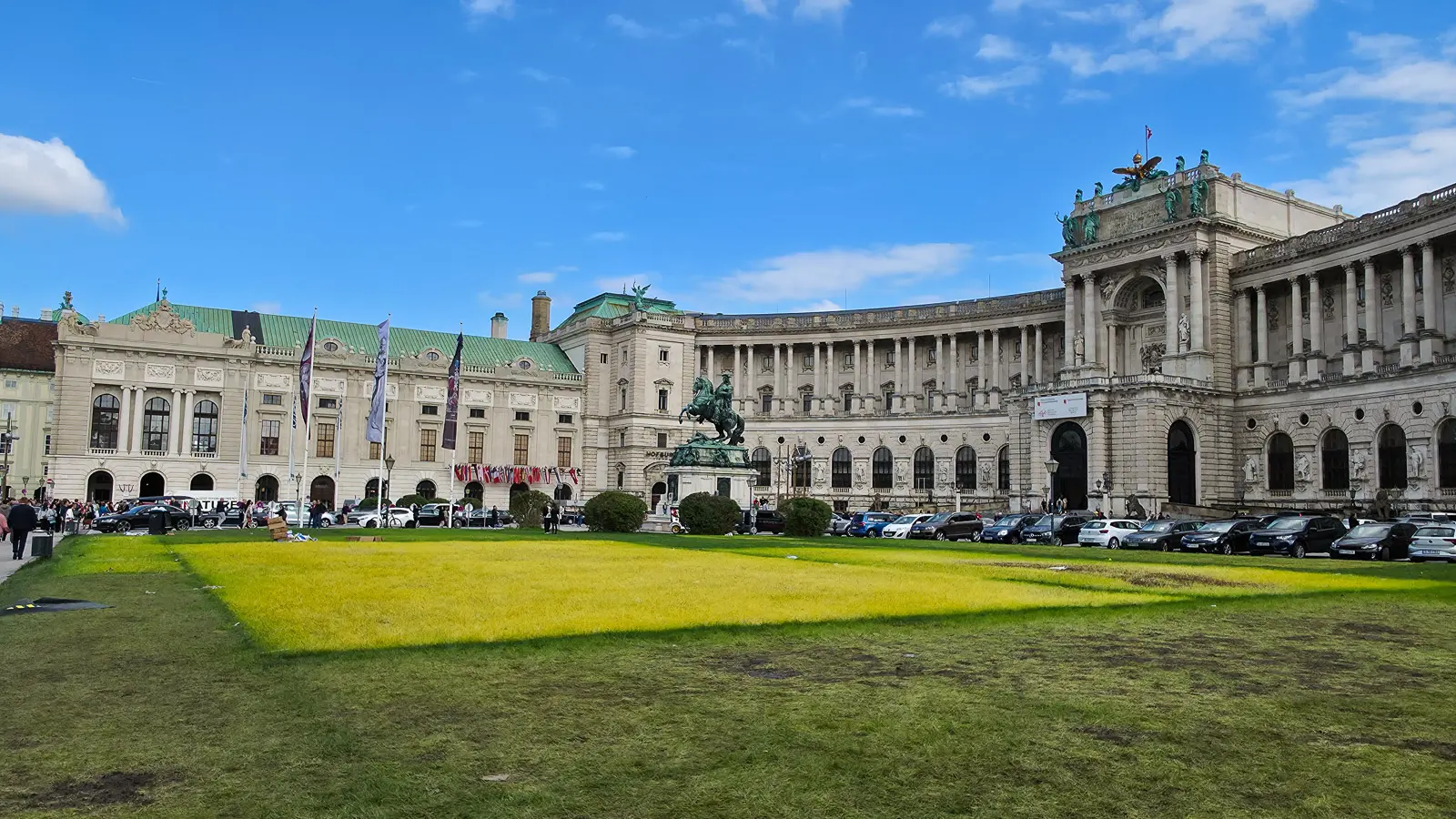
One of the most dramatic moments in Vienna’s modern history occurred on March 12, 1938, when Nazi Germany annexed Austria in an event known as the Anschluss. German troops crossed the Austrian border that morning and were met in many places by large crowds, marking the beginning of Austria’s incorporation into the German Reich. Shortly afterward, Adolf Hitler arrived in Vienna and addressed a massive crowd from the balcony of the Hofburg Palace overlooking Heldenplatz. The square filled with hundreds of thousands of people gathered to witness the moment that officially incorporated Austria into Nazi Germany.
For many observers, the event symbolized a turning point in the country’s history and the end of Austria’s political independence. The annexation brought Austria under Nazi rule and initiated policies that would profoundly reshape the social and political fabric of the nation. Within days, the new regime began implementing measures that targeted political opponents and members of the Jewish community, dramatically altering daily life in the city. Today, standing in Heldenplatz – a vast open square surrounded by the monumental architecture of the Habsburg era – it is difficult to imagine the charged atmosphere of that historic moment. Yet the site remains one of the most significant locations associated with the events that unfolded in Vienna during the late 1930s.
Vienna Under Nazi Rule
During the years that followed, Vienna became integrated into the administrative structure of Nazi Germany. The city experienced dramatic changes as political control tightened and discriminatory policies were enforced. One of the most tragic consequences of this period was the persecution of Vienna’s Jewish population. Many families were stripped of their rights, their businesses and homes confiscated, and thousands were deported to concentration camps across occupied Europe.
The once vibrant Jewish community that had played such a vital role in Vienna’s cultural life suffered immense losses during the war. Synagogues were destroyed, institutions dismantled, and entire neighborhoods transformed by the events of those years. Throughout the city today, and across Europe, memorial plaques and small brass Stolpersteine, or “stumbling stones,” embedded in the pavement mark the former homes of victims. These quiet markers serve as powerful reminders of the lives that were disrupted and lost.
War, Bombing, and the End of the Conflict
As World War II intensified, Vienna eventually became a target of Allied bombing raids. Industrial sites, railway infrastructure, and military facilities were attacked, but the historic city also suffered damage. Buildings were destroyed or severely damaged, including parts of some of Vienna’s most recognizable landmarks. Civilian life became increasingly difficult as shortages and air raids disrupted daily routines, forcing many residents to seek shelter during frequent bombing alerts.
In April 1945, Soviet forces entered Vienna after fierce fighting in and around the city. The battle marked the end of Nazi rule in Austria but left Vienna heavily damaged and facing an uncertain future. After the war, Austria was divided into occupation zones controlled by the Allied powers. Vienna itself, like Berlin, was also divided into sectors administered by different countries until Austria regained full sovereignty in 1955, marking the beginning of the country’s gradual recovery and rebuilding.
Memory and Remembrance in Vienna Today
Modern Vienna does not attempt to hide this difficult chapter of its history. Instead, the city has created spaces of remembrance that invite reflection and learning. One of the most striking is the Judenplatz Holocaust Memorial, unveiled on 25 October 2000 after years of political debate. Designed by British artist Rachel Whiteread and created following the initiative of Simon Wiesenthal – who had long argued that Vienna lacked meaningful public recognition of the Holocaust – the monument commemorates the more than 65,000 Austrian Jews murdered by the Nazis between 1938 and 1945.
The memorial is sometimes called the “Nameless Library”. It resembles a library turned inside out – its books’ pages facing outward while their spines face inward, making them unreadable and anonymous. The names are gone. The stories are sealed away. The stark concrete structure stands in quiet contrast to the historic buildings surrounding the square, creating a space that encourages visitors to pause and reflect on what was lost.
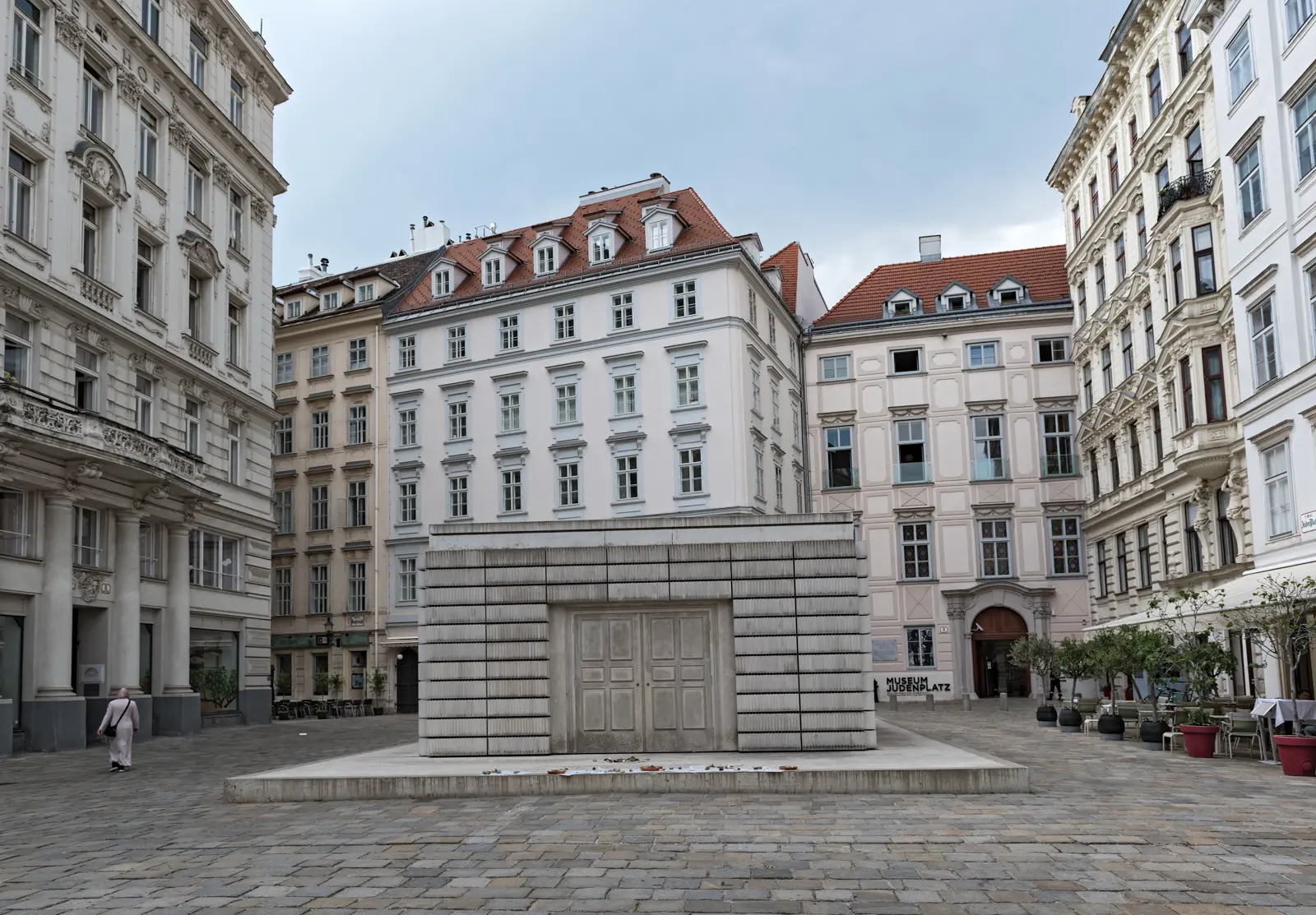
Judenplatz itself carries extraordinary layers of history. For centuries it was the center of Vienna’s medieval Jewish community, and beneath the memorial lie the excavated remains of a synagogue destroyed during the Vienna Gesera of 1421, a devastating pogrom that wiped out the city’s medieval Jewish community. Nearby stands the Lessing Monument honoring Enlightenment writer Gotthold Ephraim Lessing, whose writings championed religious tolerance and human dignity. Together, the memorial and the surrounding historical markers remind visitors that Vienna’s story includes both extraordinary cultural achievement and moments of profound tragedy.
Walking Through History
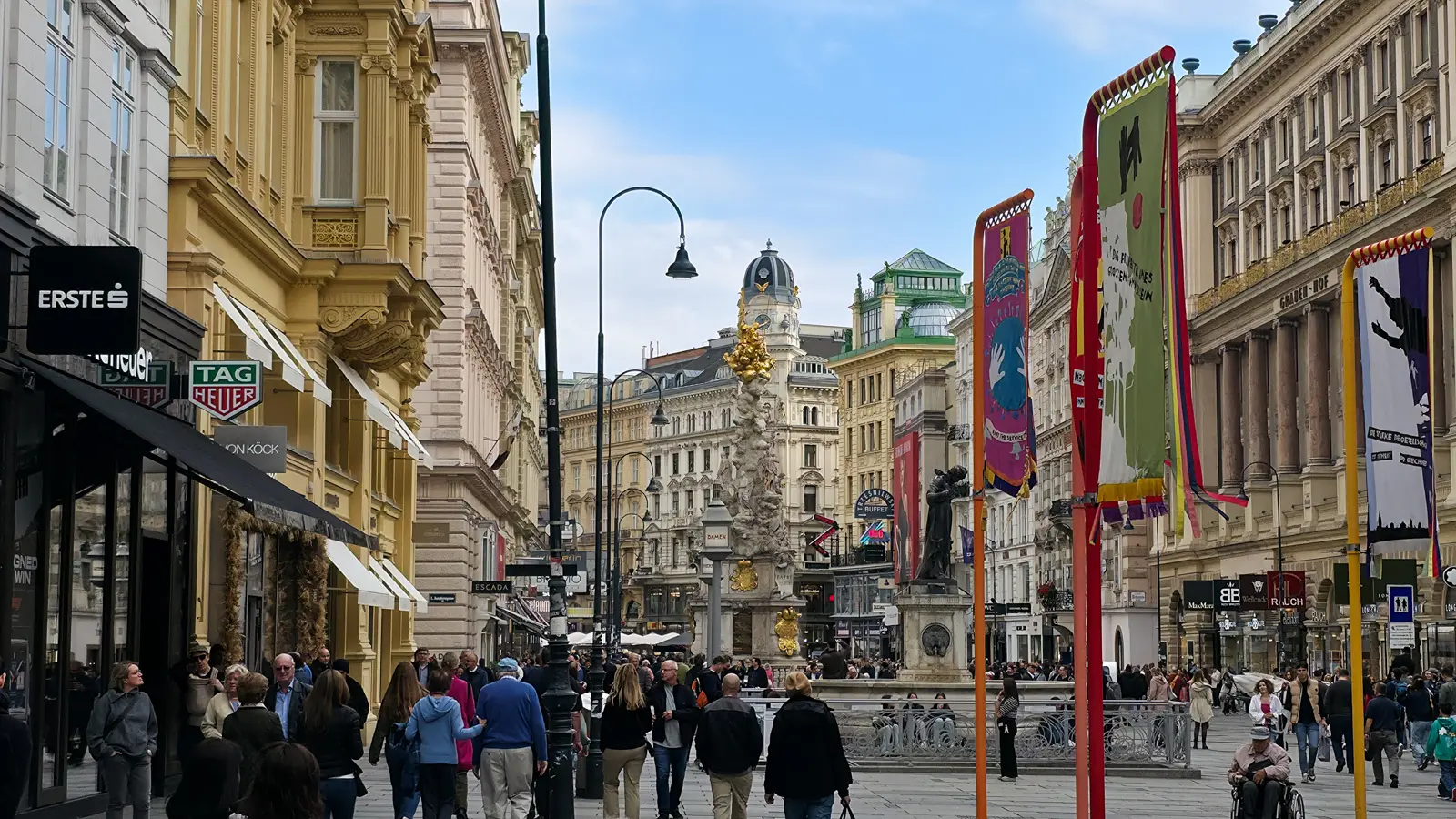
Visitors exploring Vienna today may encounter these sites while wandering through the city’s historic center. Squares, streets, and buildings that appear timeless have witnessed dramatic events across many centuries, from imperial celebrations to the upheavals of the twentieth century. Understanding these layers of history enriches the experience of walking through Vienna, transforming familiar landmarks into places that carry deeper meaning. It allows travelers to appreciate not only the beauty of the city but also the resilience of the people who rebuilt it after the devastation of war. Vienna today is a vibrant and welcoming capital where music, art, and culture once again flourish – a testament to the city’s remarkable ability to renew itself while continuing to remember the lessons of its past.
Final Thoughts
Travel often invites us to admire beauty, architecture, and culture. Yet it can also encourage us to reflect on the deeper histories that shape the places we visit. Vienna’s story is not defined solely by imperial grandeur or artistic brilliance. It also includes moments of hardship that remind us of the importance of memory, reflection, and understanding.
Walking through Vienna today, one encounters both the elegance of its past and the quiet reminders of its more difficult chapters. Together, these layers create a city whose history is as complex as it is fascinating.
Have you encountered historical sites in Vienna that left a lasting impression on you? I would love to hear your thoughts in the comments.

🌟 Everything You Need to Plan Your Dream Trip in 2026
- 🌟 Luxury Hotels - Find premium stays with Booking.com & Hotels.com
- 🏡 Vacation Rentals - Discover unique properties on VRBO
- 🏞️ Guided Tours - Explore with Viator or GetYourGuide
- 🎫 Attraction Tickets - Skip the lines with Tiqets
- 🚢 Ocean Cruises - Set sail with Cruise Direct
- 📱 International SIMs - Stay connected with Saily
- 🚗 Car Rentals - Budget-friendly options from Discover Cars
- 🌐 Secure VPNs - Browse safely with NordVPN
- 💶 Currency Exchange - Best rates with Wise
- 🗣️ Learn Languages - Master the local language with Babbel and Rosetta Stone