
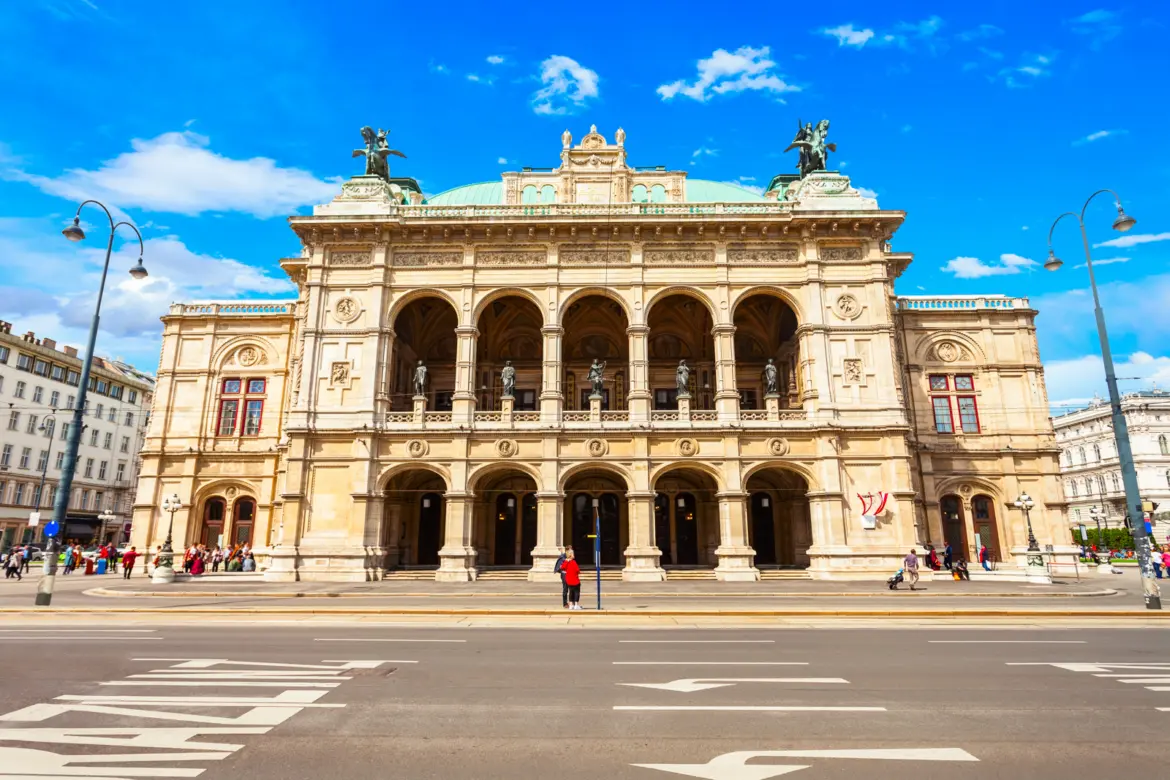
Hello, fellow explorers! Some buildings impress you at first glance. Others reveal themselves slowly, through presence rather than spectacle. The Vienna State Opera (Wiener Staatsoper in German) belongs firmly to the latter. Anchoring the Ringstrasse with quiet authority, it doesn’t demand attention – it earns it, through history, proportion, and an enduring devotion to music. Approaching the opera house feels ceremonial without being intimidating. Trams glide past, pedestrians move easily around it, and the building remains fully integrated into the rhythm of the city. This is not a monument removed from daily life. It is part of Vienna’s living fabric.
Vienna State Opera at a Glance
📍 Location: Opernring 2, Vienna 1st District (on the Ringstrasse)
🎭 Known For: World-class opera and ballet, Neo-Renaissance architecture, 300+ performances annually
🎵 What to Expect: Attentive audiences, exceptional acoustics, ceremonial atmosphere
👔 Dress Code: No strict requirement; elegant dress is common but not mandatory
⏱️ Performance Length: Typically 2.5-3.5 hours including intermissions
💡 Tip: Arrive early to appreciate the grand staircase and interior before taking your seat
A House Built for Music – and Resilience
The Vienna State Opera opened in 1869 with a performance of Mozart‘s Don Giovanni, marking the beginning of what would become one of the world’s most important opera institutions. Designed in a Neo-Renaissance style by architects August Sicard von Sicardsburg and Eduard van der Nüll, the building was conceived as a cultural cornerstone of the newly developed Ringstrasse – refined, dignified, and civic in spirit. Tragically, neither architect lived to see opening night.
Its history, however, is not without hardship. On March 12, 1945, Allied bombs destroyed the auditorium and stage, though the grand staircase and façade survived. The opera house was painstakingly restored and reopened on November 5, 1955 with Beethoven‘s Fidelio, a choice rich in symbolism – an opera about freedom and perseverance. The performance was Austria’s first-ever television broadcast. The rebuilding was not merely architectural; it was cultural. Vienna reaffirmed its belief that music was essential to its identity, even after profound loss. That commitment still resonates today, with over 300 performances staged annually.
Architecture That Serves the Art
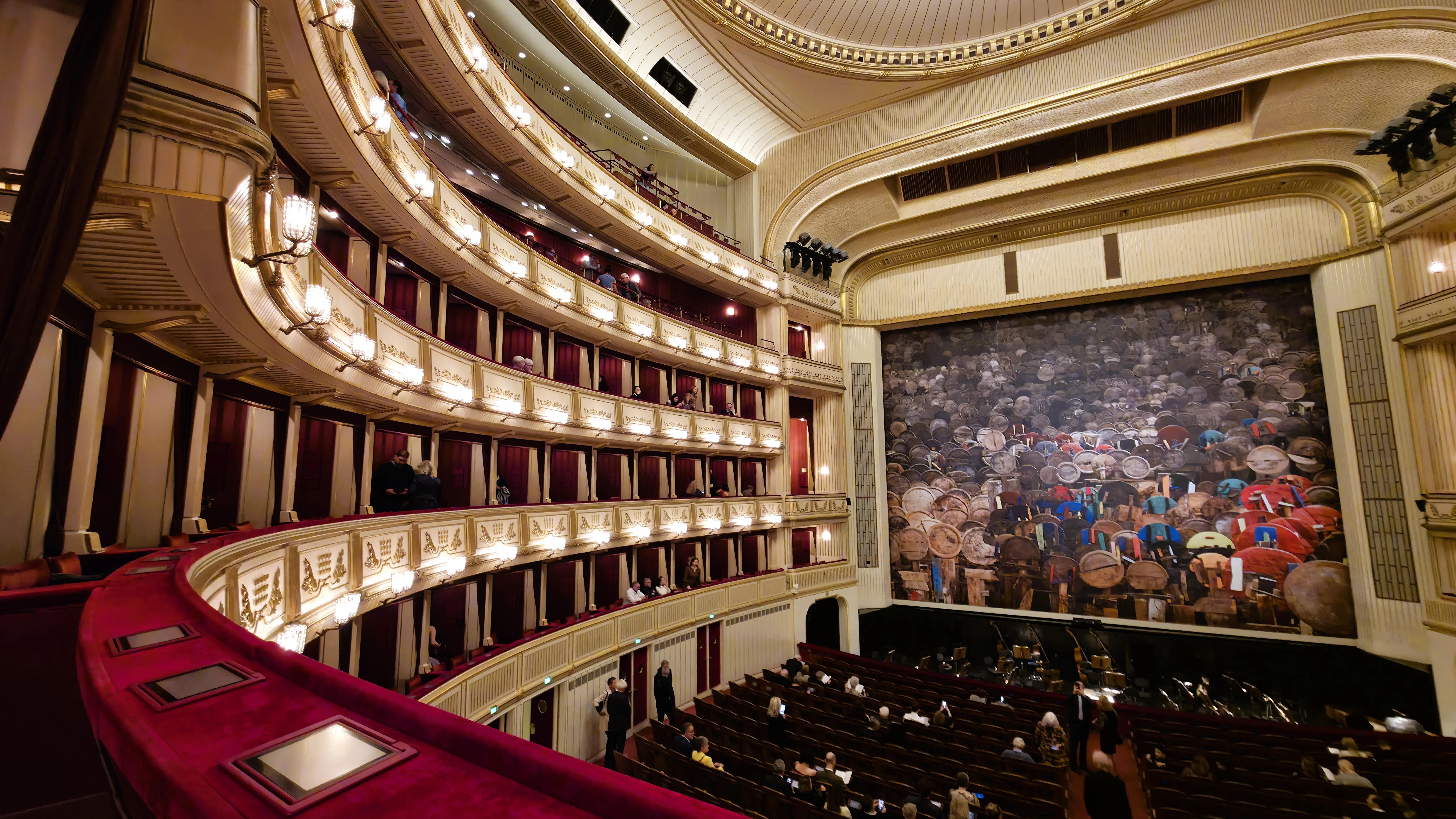
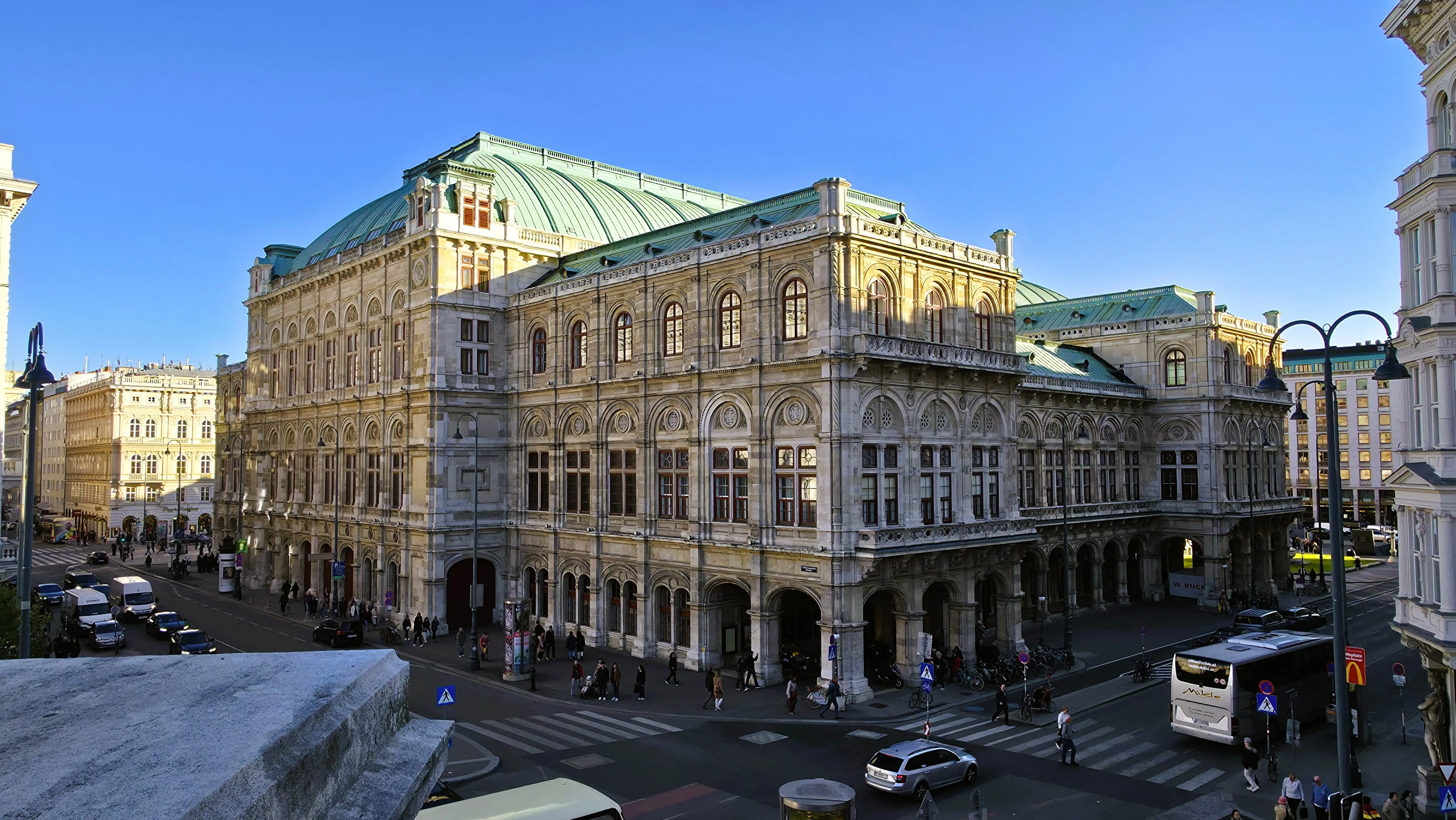
From the outside, the Vienna State Opera presents symmetry and restraint rather than excess. Designed in the Neo-Renaissance style, its arched loggias, arcaded façade, and carefully proportioned elevations reflect the ideals of harmony and balance that defined Vienna’s 19th-century cultural ambitions. Sculptural details and reliefs are present, but never overpowering. The building does not seek to dazzle through ornament alone. Instead, its architecture establishes a sense of order and permanence, signaling that the art within is meant to endure rather than impress fleetingly.
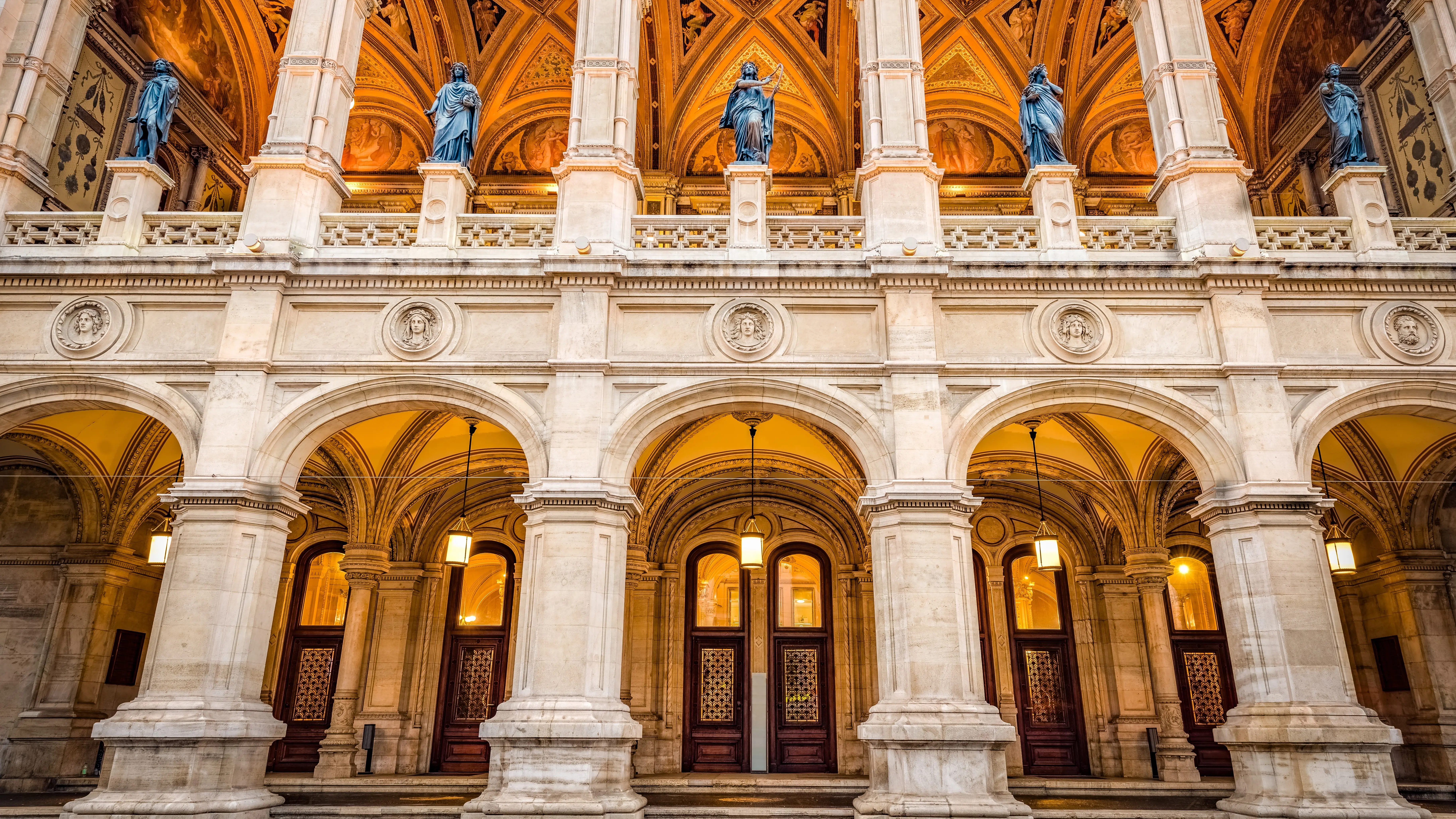
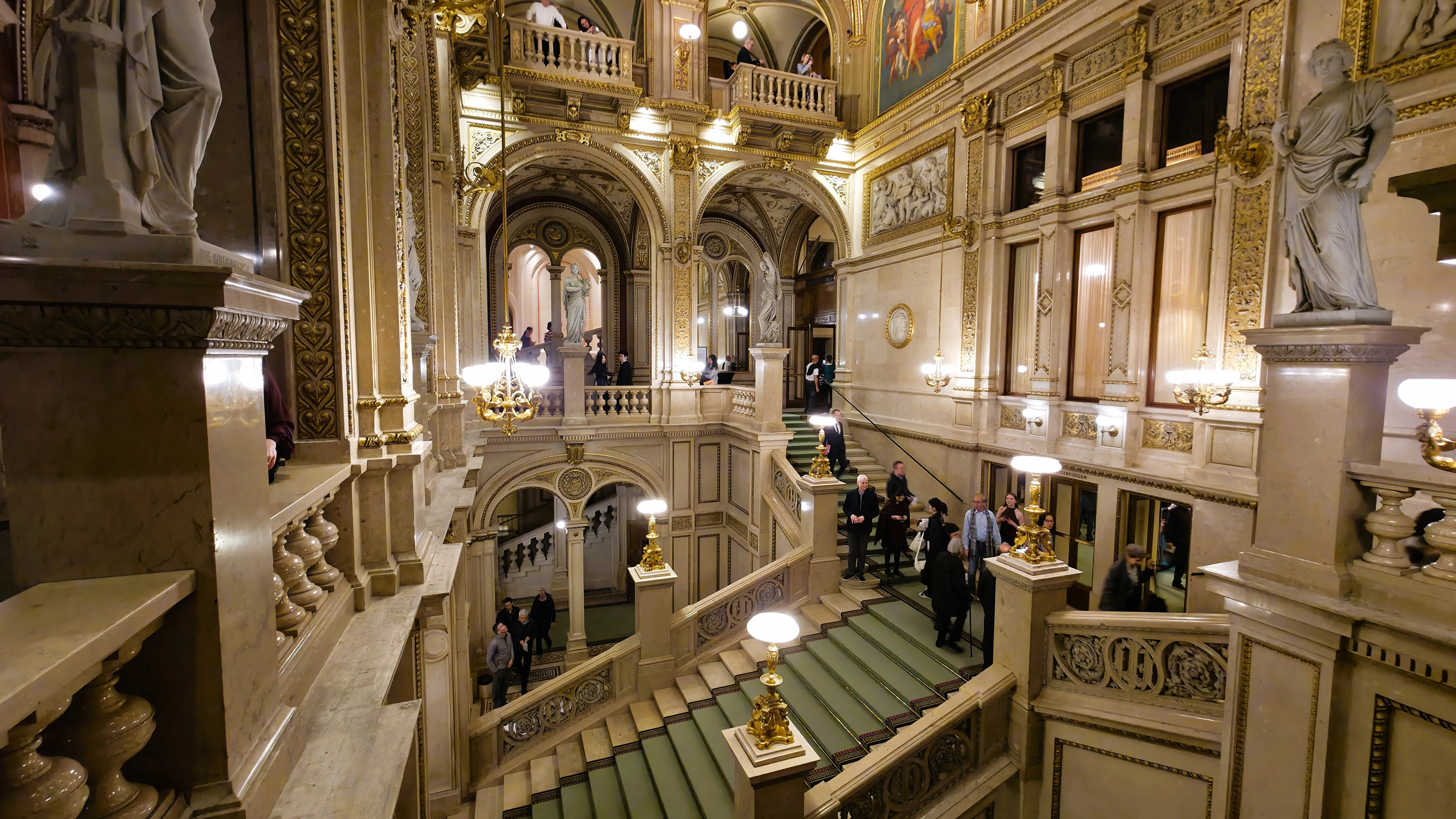
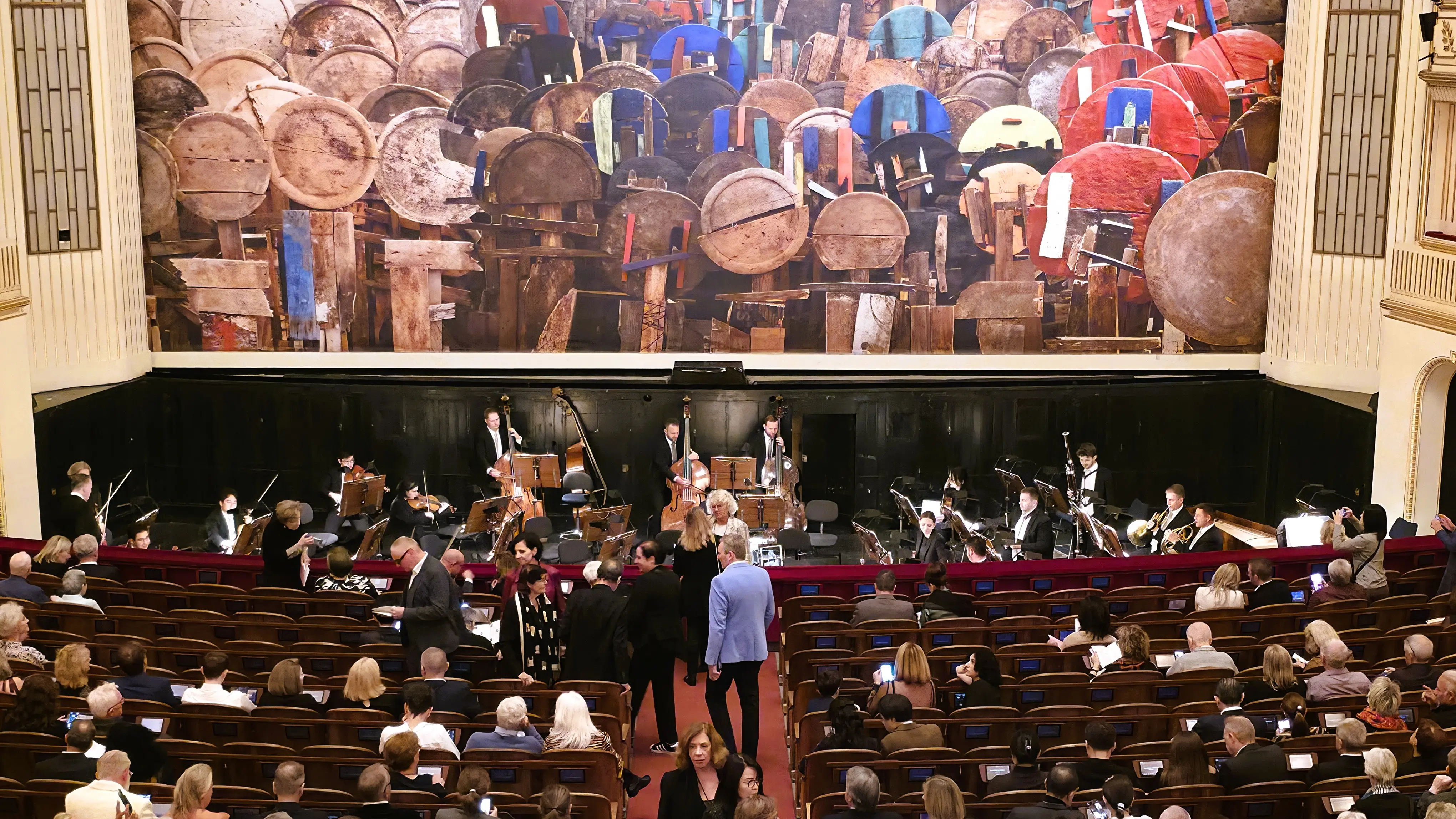
Inside, the experience deepens with quiet confidence. Broad staircases unfold gracefully, guiding visitors upward in a measured, almost ceremonial progression. Chandeliers cast a warm, dignified light that softens the grandeur without diminishing it, while rememberable details – gilded accents, red velvet, polished surfaces – reinforce the feeling of entering a space designed for attention and reverence. The auditorium itself, shaped in a traditional horseshoe form, is engineered as much for acoustics as for beauty, ensuring clarity and balance of sound from every seat. Nothing feels accidental. Every architectural choice exists in service of listening, reminding you that here, music is not accompanied by spectacle – it is supported by it.
An Evening at the Opera: The Barber of Seville
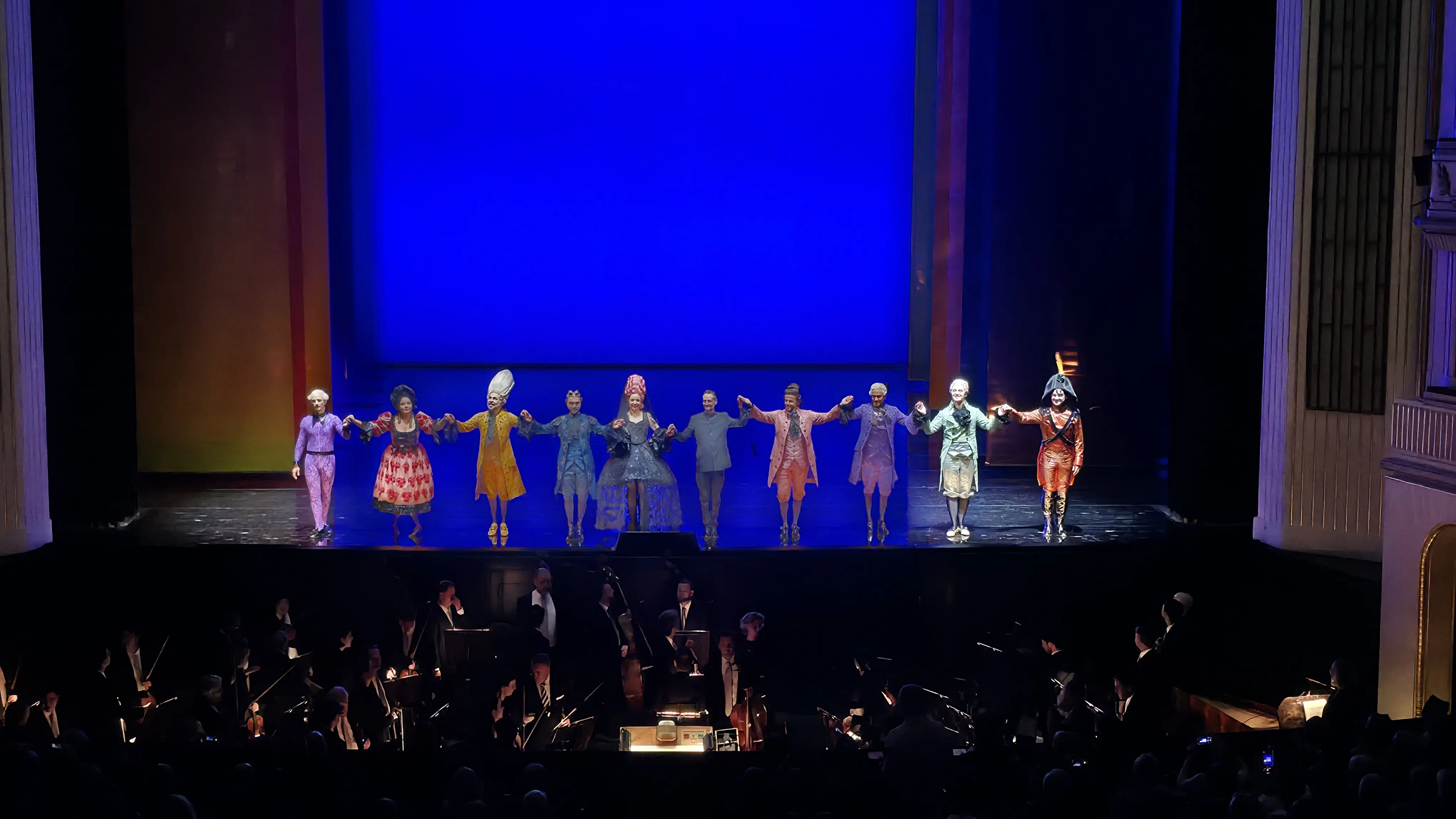
Attending a performance at the Vienna State Opera feels less like an event and more like a shared ritual. As the audience gathers, conversations soften and anticipation builds without urgency, creating a sense of collective focus even before the curtain rises. Seeing The Barber of Seville here felt particularly fitting. Rossini’s opera, lively and witty, balances humor with musical precision – qualities that mirror Vienna itself. The performance unfolded with elegance and energy, drawing laughter and attention without ever breaking the room’s concentration. What stood out most was the audience’s engagement. This wasn’t passive consumption, but active participation: attentive, appreciative, and deeply respectful of the art form.
Opera as Part of Everyday Culture
One of the most striking aspects of the Vienna State Opera is how accessible it feels, despite its prestige. Locals attend alongside visitors, and the audience reflects a broad cross-section of the city. Some arrive dressed formally, others more simply, often coming straight from work or an evening walk along the Ringstrasse. The atmosphere remains composed, welcoming, and inclusive, shaped more by shared respect for the music than by outward formality.
Opera in Vienna is not treated as an elite indulgence reserved for special occasions. It is understood as part of everyday cultural life – something to be experienced, revisited, and lived with over time. This philosophy is embedded not only in the opera house’s extensive programming, but also in the way the building exists within the city itself: open, central, and fully integrated into Vienna’s daily rhythm rather than set apart from it.
Planning Your Visit to the Vienna State Opera
Is the Vienna State Opera worth visiting?
Absolutely – whether you attend a performance or admire the building itself. Located in Vienna, Austria, the Vienna State Opera offers insight into the city’s deep relationship with music, tradition, and public space.
Do you need to be an opera expert to attend?
Not at all. Performances welcome both seasoned opera-goers and newcomers alike. The atmosphere encourages appreciation and attentiveness rather than prior knowledge or expertise.
Is there a dress code?
While many choose to dress elegantly, there is no strict requirement. The focus remains on respect for the performance and the shared experience, not on formality.
Where is it located?
The opera house sits prominently along the Ringstrasse in Vienna’s historic city center, within easy walking distance of major cultural landmarks and seamlessly integrated into the daily life of the city.
Why the Vienna State Opera Stays With You
The Vienna State Opera stays with you because it embodies balance. It honors tradition without feeling rigid. It carries history without being weighed down by it. And it invites participation without demanding performance.
In a city where music shapes streets, cafés, and daily rhythm, the opera house feels less like a destination and more like a constant, a reminder that art, when cared for, becomes part of how a city breathes.
Have you attended an opera while traveling, or is it something you’d like to experience one day? And if you’ve been to the Vienna State Opera, did it surprise you in the way it surprised me? I’d love to hear your thoughts.
Until our next adventure,

🌟 Everything You Need to Plan Your Dream Trip in 2026
- 🌟 Luxury Hotels - Find premium stays with Booking.com & Hotels.com
- 🏡 Vacation Rentals - Discover unique properties on VRBO
- 🏞️ Guided Tours - Explore with Viator or GetYourGuide
- 🎫 Attraction Tickets - Skip the lines with Tiqets
- 🚢 Ocean Cruises - Set sail with Cruise Direct
- 📱 International SIMs - Stay connected with Saily
- 🚗 Car Rentals - Budget-friendly options from Discover Cars
- 🌐 Secure VPNs - Browse safely with NordVPN
- 💶 Currency Exchange - Best rates with Wise
- 🗣️ Learn Languages - Master the local language with Babbel and Rosetta Stone