
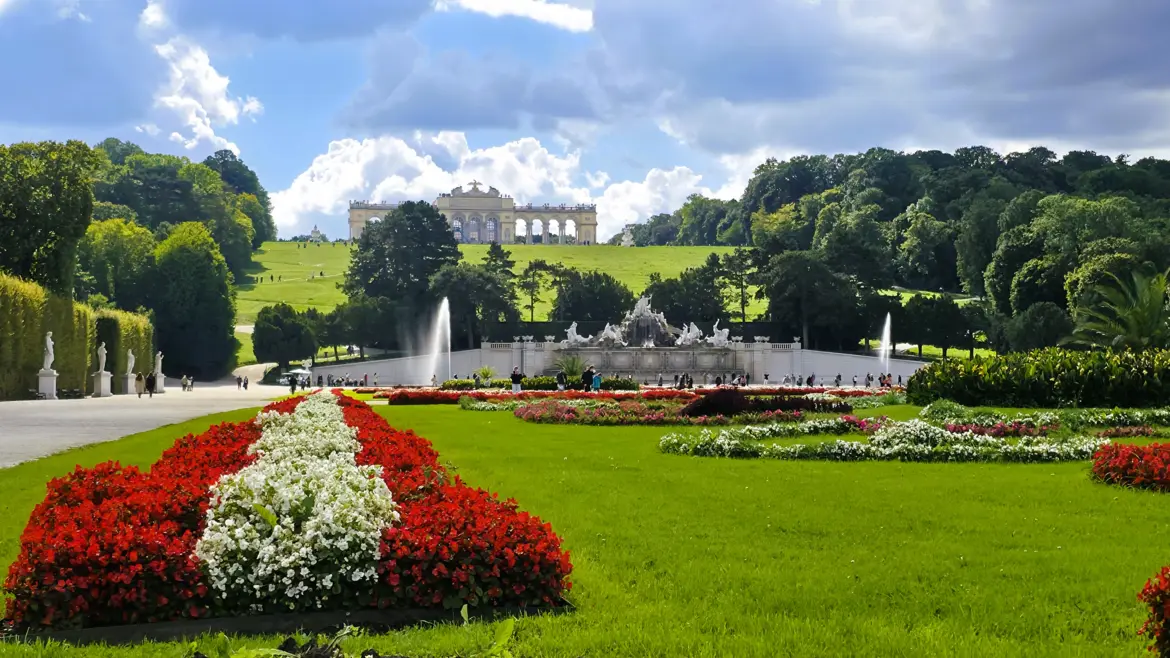
Hello, world travelers! Vienna is not a city that announces itself loudly. It doesn’t compete for attention or overwhelm with spectacle. Instead, it invites you in gently – through rhythm, ritual, and restraint. This is a city where history hums softly beneath daily life, where grandeur is balanced by intimacy, and where beauty reveals itself slowly, often when you least expect it.
Visiting Vienna in October felt especially meaningful. The city was wrapped in warm autumn light. Gardens softened into gold and amber. Cafés felt cozier, conversations lingered longer, and the pace encouraged reflection rather than urgency. Vienna didn’t ask to be conquered in a weekend, it asked to be understood.
Vienna at a Glance
🏰 Empire: Six centuries as the heart of the Habsburg Empire
🎵 Music: City of Mozart, Beethoven, Schubert, Strauss, and Mahler
🌳 Gardens: Schönbrunn, Belvedere, Volksgarten — beauty as restoration
☕ Coffeehouse culture: Café Central, Café Sperl, Café Landtmann — UNESCO-recognized tradition
🚶 Walkability: One of Europe’s most walkable capitals — compact, legible, designed for movement on foot
📍 Ringstrasse: 19th-century boulevard built on former city walls, lined with museums, palaces, and public institutions
🗓️ Best time: Autumn (October) for golden light, fewer crowds, and reflective pace
💡 Tip: Three to four days lets you experience Vienna’s rhythm without rushing
A City Shaped by Empire – and Still at Ease With It
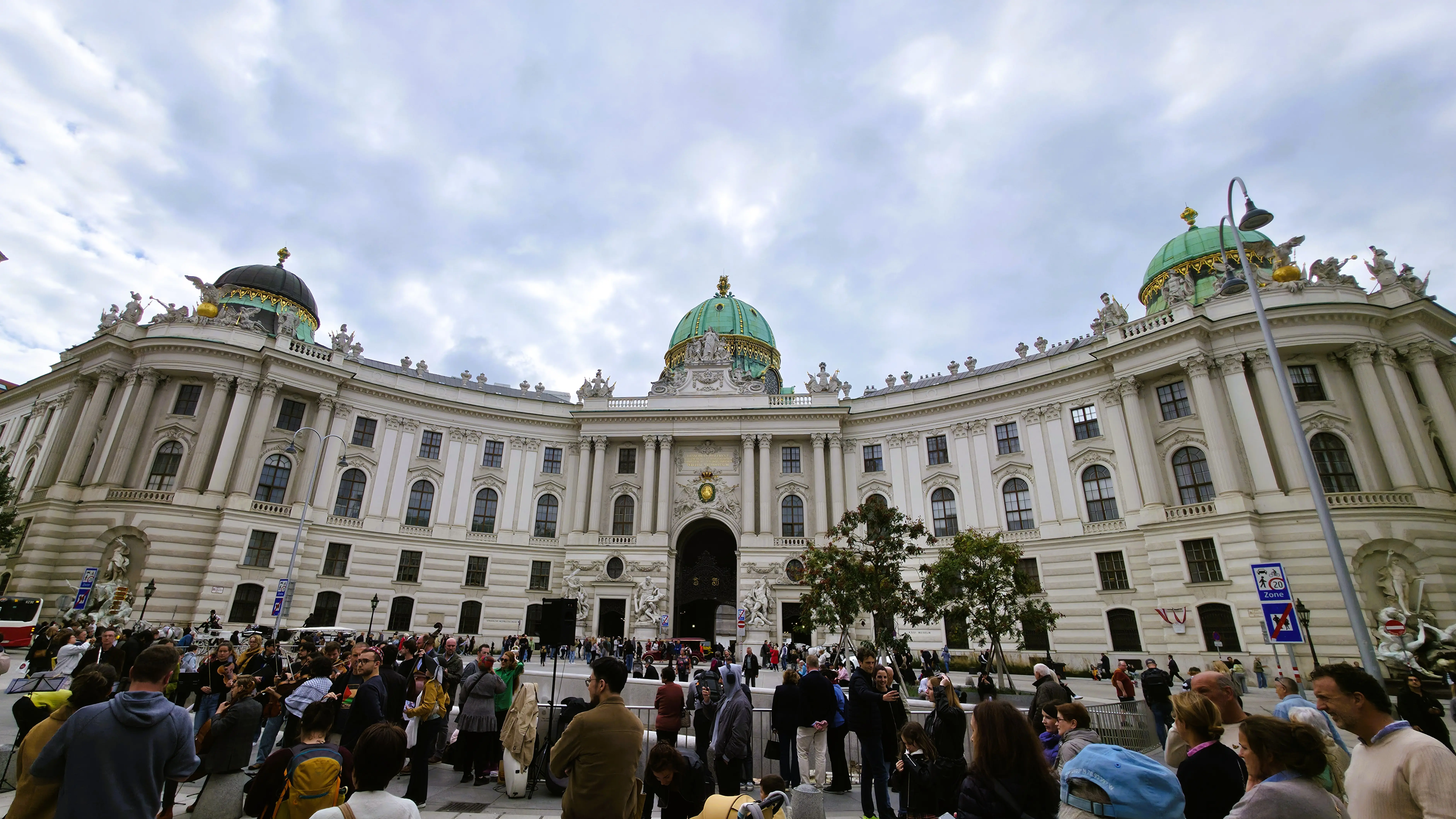
Vienna’s identity is inseparable from its imperial past. For over six centuries, it stood at the heart of the Habsburg Empire, serving as the political and cultural center of a vast, multi-ethnic realm that once stretched from Central Europe deep into the Balkans and beyond. That legacy remains visible everywhere – not as nostalgia, but as structure.
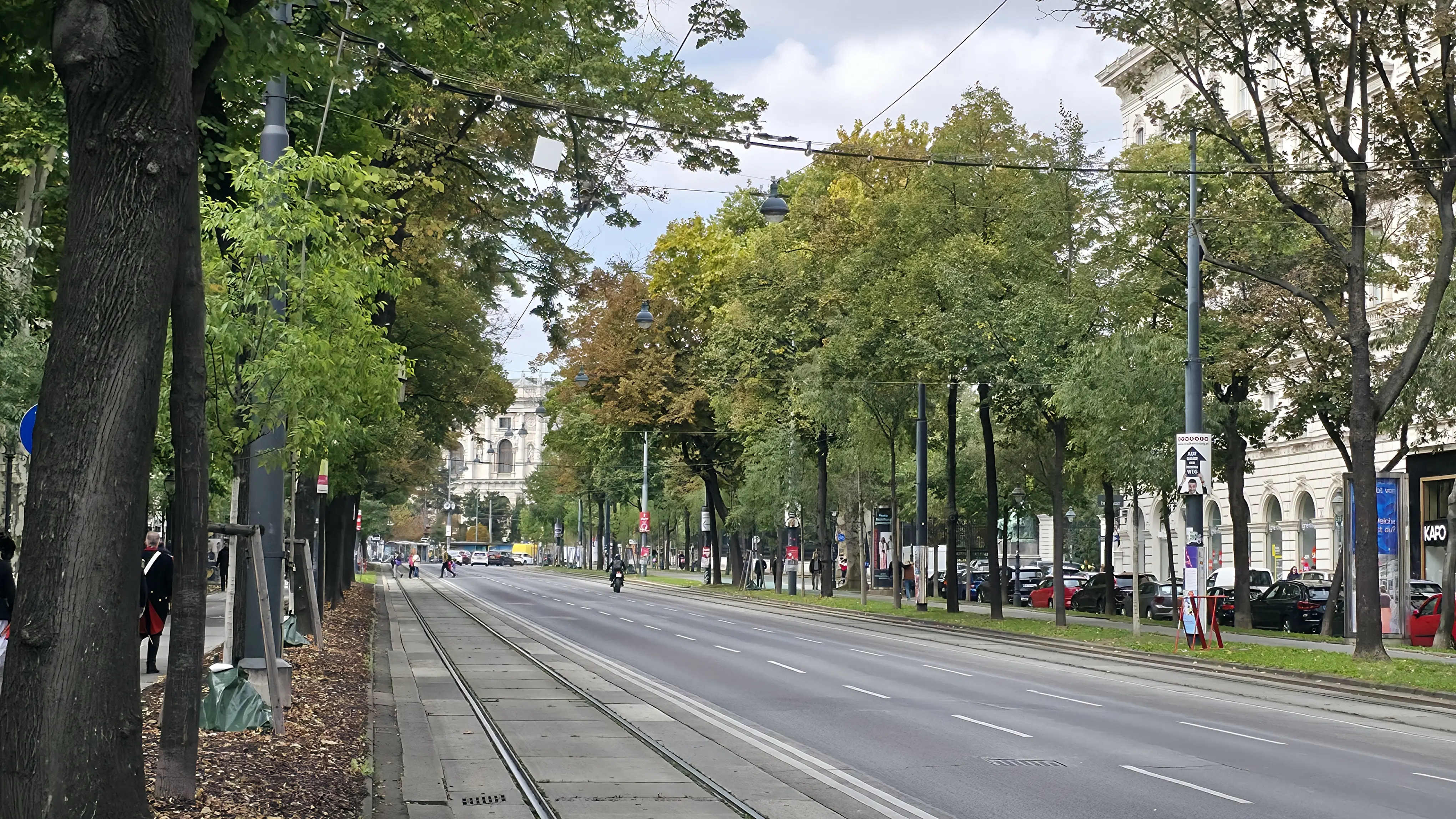
Palaces line broad avenues shaped by imperial planning, particularly along the Ringstrasse (Vienna Ring Road), developed in the 19th century to reflect power, order, and civic pride. Museums feel purposeful rather than performative, many originally conceived as public institutions meant to educate rather than impress. Architecture emphasizes proportion, symmetry, and dignity – values carefully cultivated by an empire that saw stability as a virtue.
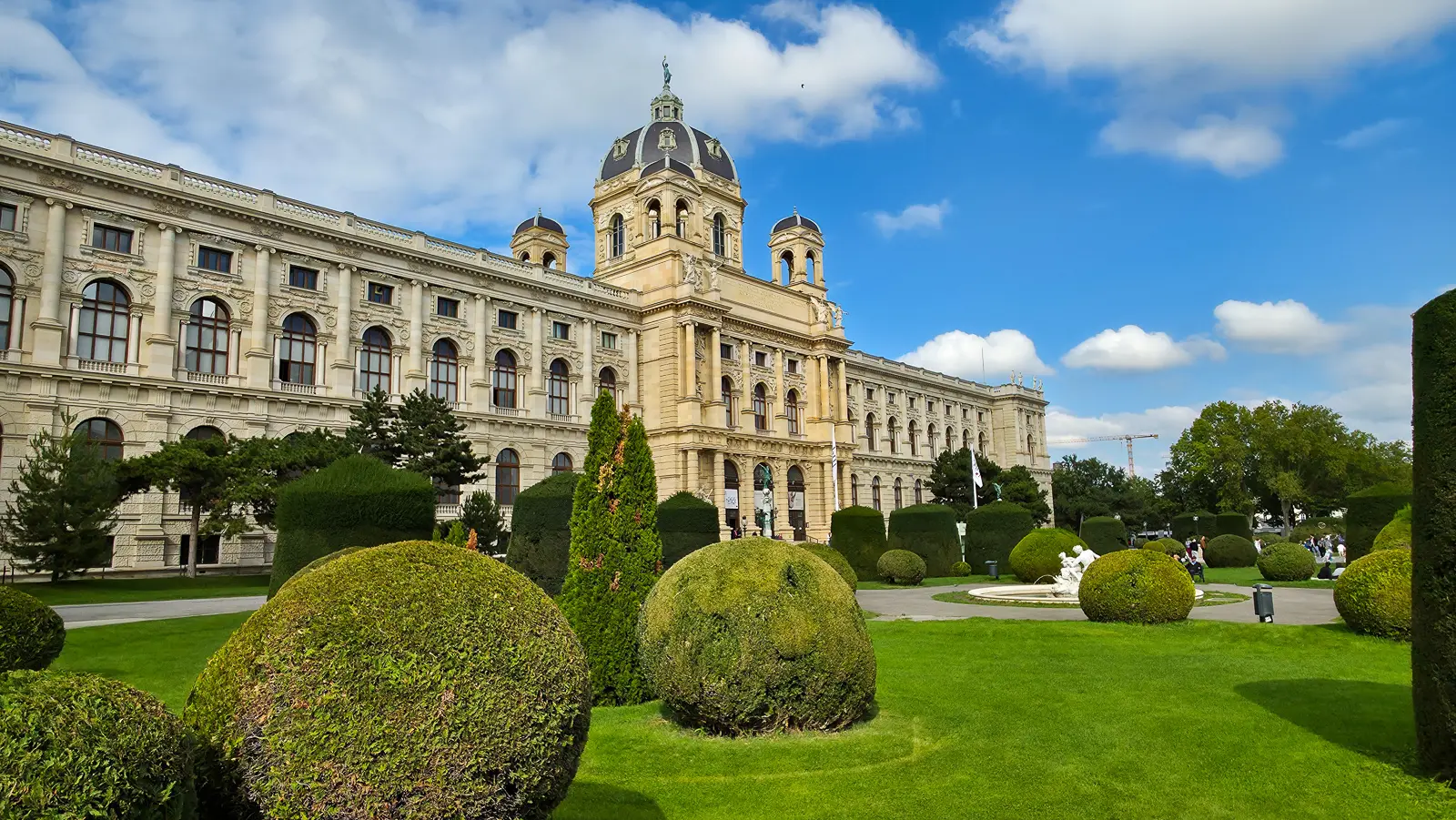
Yet what’s striking is how comfortably Vienna lives alongside this history. These spaces are not frozen monuments. They are part of daily movement – crossed on commutes, passed on afternoon walks, admired without ceremony. There is confidence here. Vienna knows what it has been, and it doesn’t need to prove it.
Music as a Living Presence
In Vienna, music isn’t an attraction, it’s an inheritance. It’s something the city carries rather than displays, woven into daily life with the same restraint and care found in its architecture and public spaces. This is the city of Mozart, Beethoven, Schubert, Strauss, and Mahler, but their presence isn’t confined to statues, plaques, or concert programs. It lives in Vienna’s cadence – in the quiet formality of public spaces, in the way evenings unfold, and in the collective respect for pause, silence, and listening. Music here is not rushed or repackaged. It’s allowed to breathe.
You feel it walking through historic neighborhoods, where the city seems tuned to a slower rhythm. You feel it sitting in a café, where time stretches naturally and conversations don’t compete with noise. And you feel it most clearly in performance spaces like the Vienna State Opera, where listening remains a shared, almost ceremonial experience – attentive, reverent, and deeply communal.
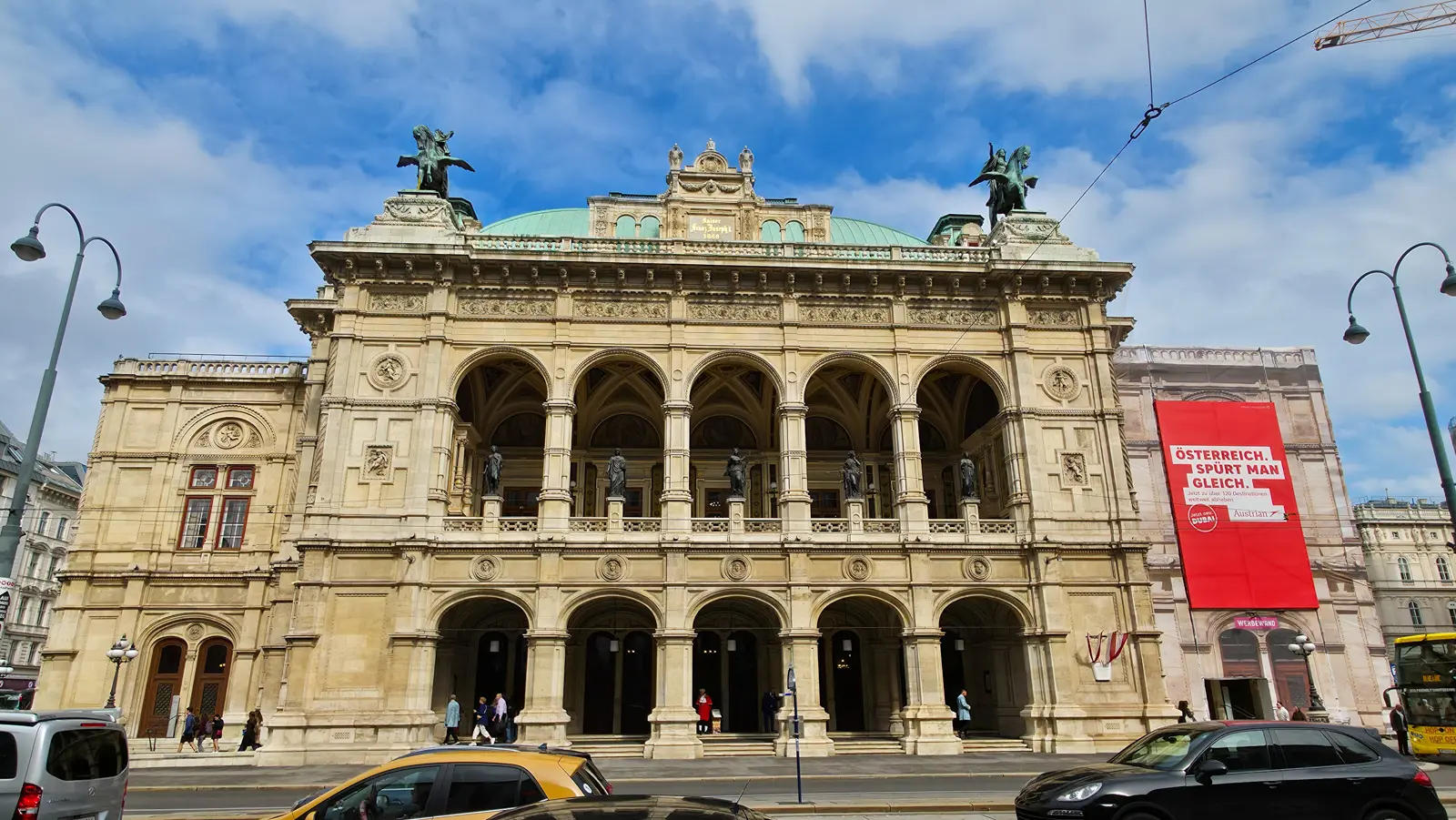
This sensibility extends beyond formal venues. It shapes how Vienna moves, gathers, and rests. Music is not something you seek out here – it’s something that quietly accompanies you, reinforcing the city’s balance between discipline and emotion. That sensibility shapes the entire city.
Gardens as an Extension of the City’s Soul
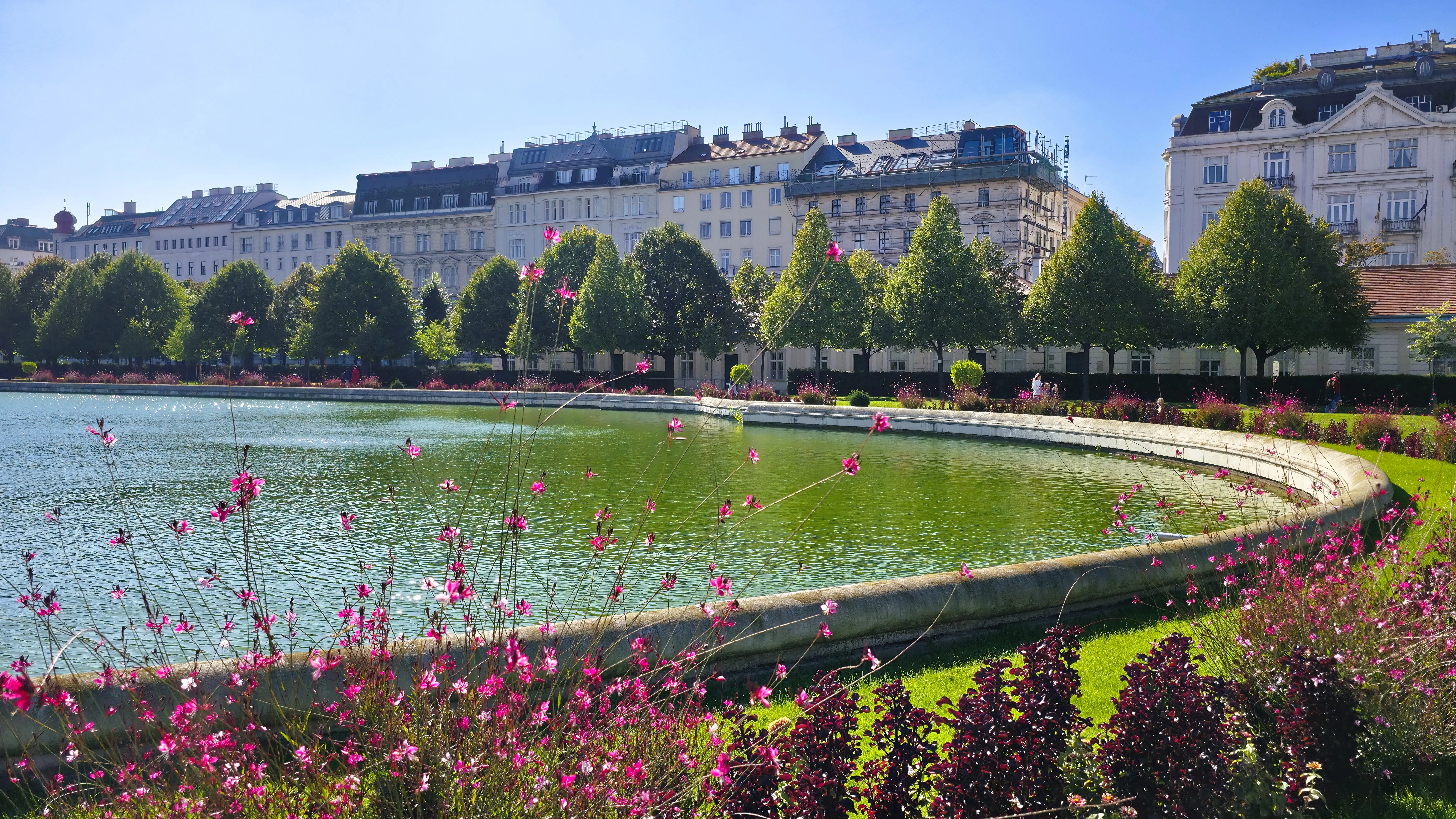
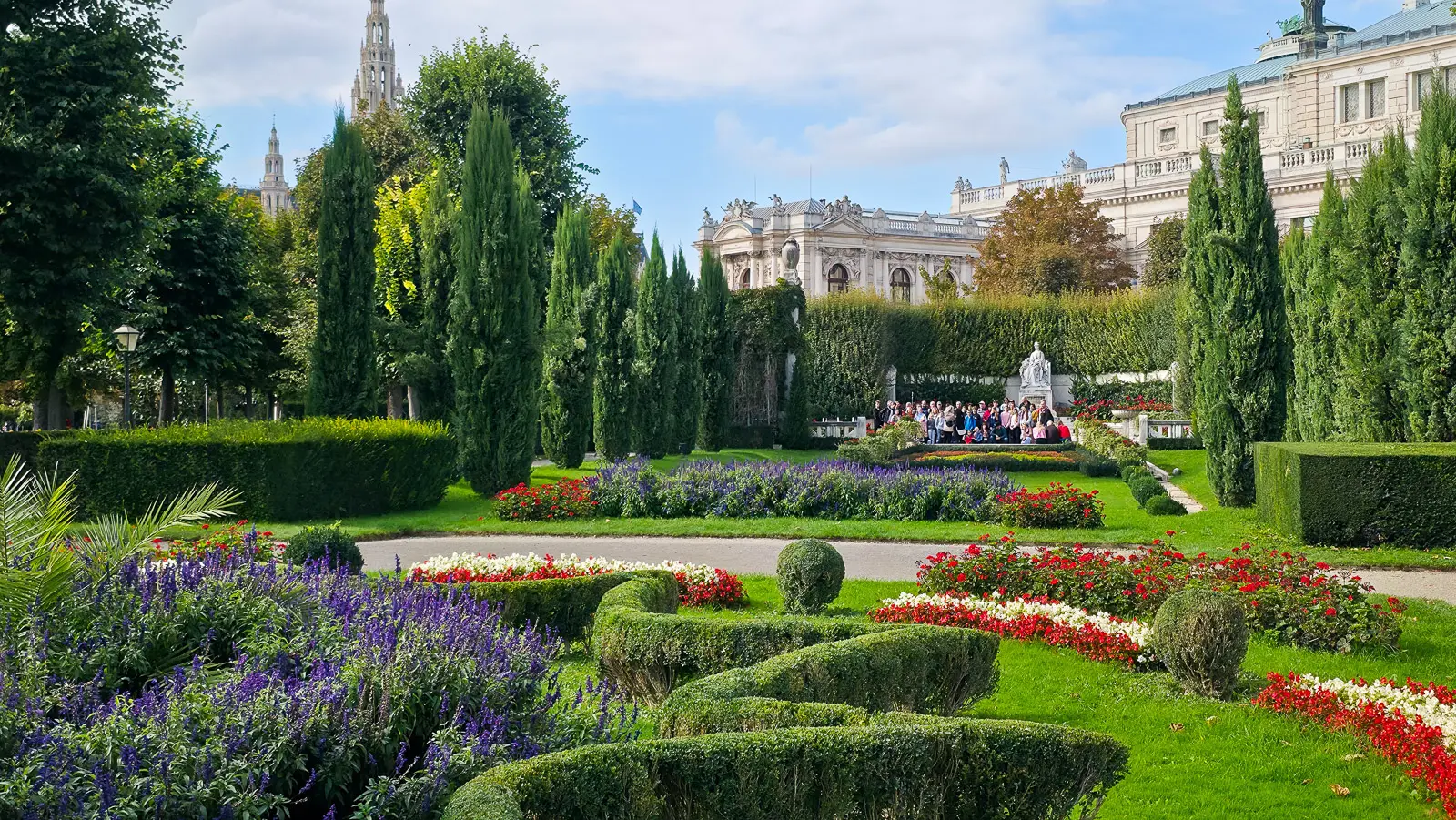
Vienna’s gardens are not ornamental extras, they are essential to how the city functions and feels. In October, they were especially beautiful. Leaves turned soft shades of copper and gold. Gravel paths crunched underfoot. Benches invited stillness rather than scrolling. These green spaces offered balance to the city’s architectural discipline, reminding you that Vienna values air, light, and space as much as structure.
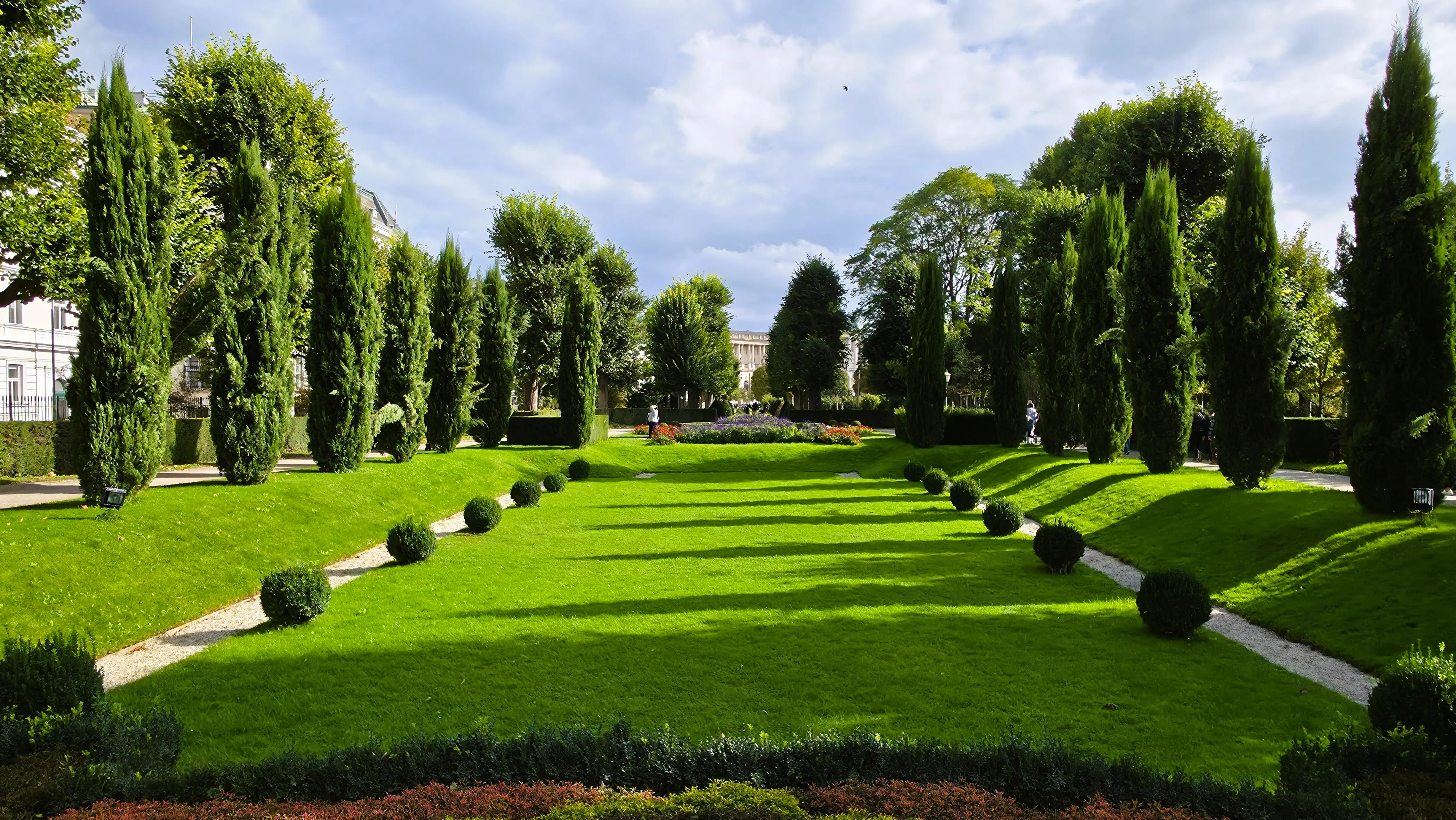
The Schönbrunn Palace Gardens stretch outward with deliberate symmetry, reflecting imperial order softened by nature. The Belvedere Gardens, cascading gently between palaces, blend art, landscape, and perspective into one cohesive experience. Even smaller parks feel intentional – places designed for walking, thinking, and simply being. Vienna understands that beauty must also be restorative.
Coffeehouses: Where Time Changes Meaning
Vienna’s café culture is not about caffeine, it’s about permission. Permission to linger without explanation, to read without interruption, to write slowly, or to sit alone with your thoughts for as long as you like. Coffeehouses here function almost like public living rooms, guided by unspoken etiquette and a shared respect for quiet occupation rather than constant turnover.
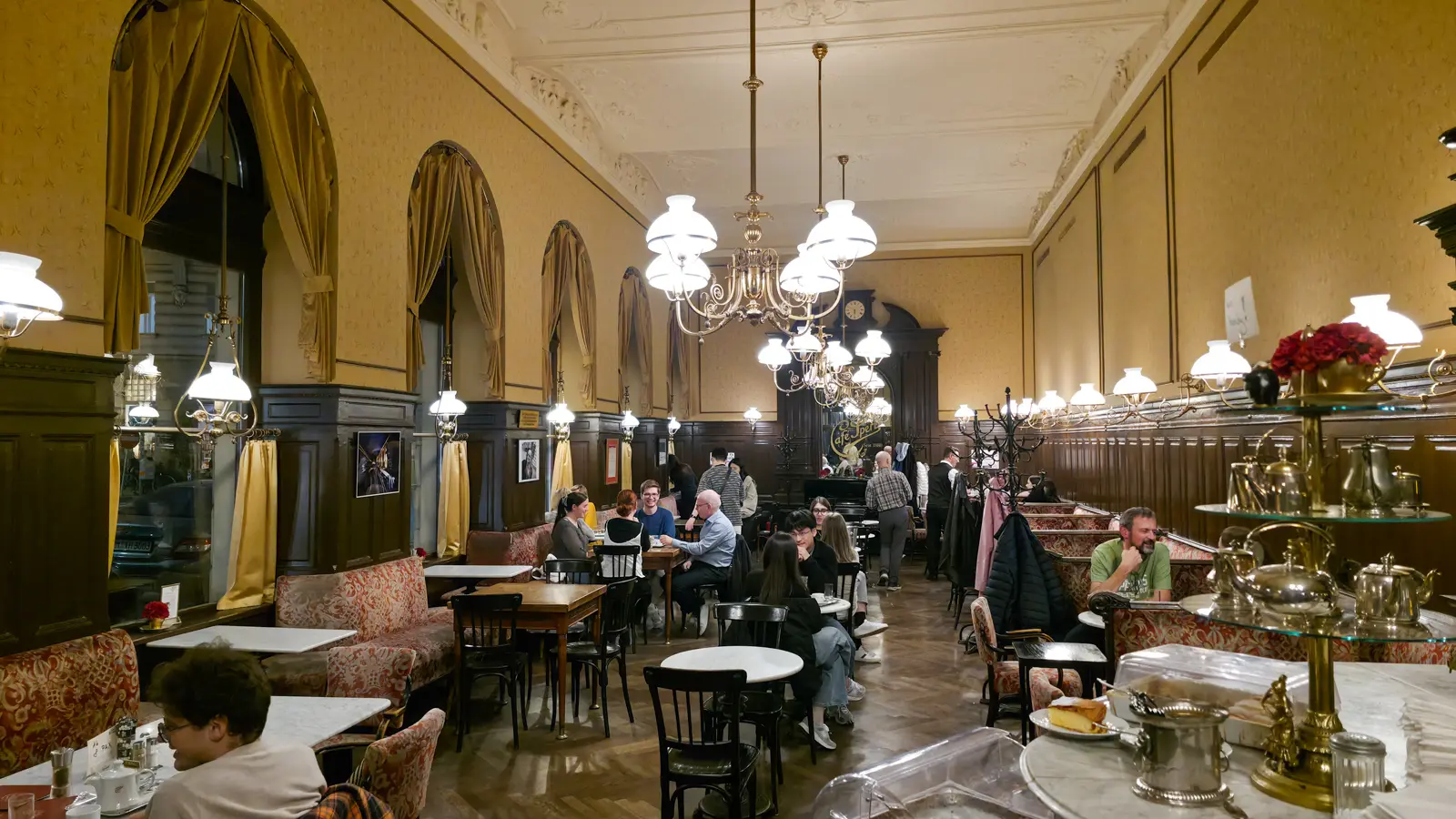
This tradition is deeply ingrained in the city’s identity and is embodied in historic cafés such as Café Central, Café Landtmann, and Café Sperl. These spaces are not preserved as nostalgia; they remain active parts of daily life, welcoming locals and visitors alike to slow down and participate in a rhythm that values presence over productivity.
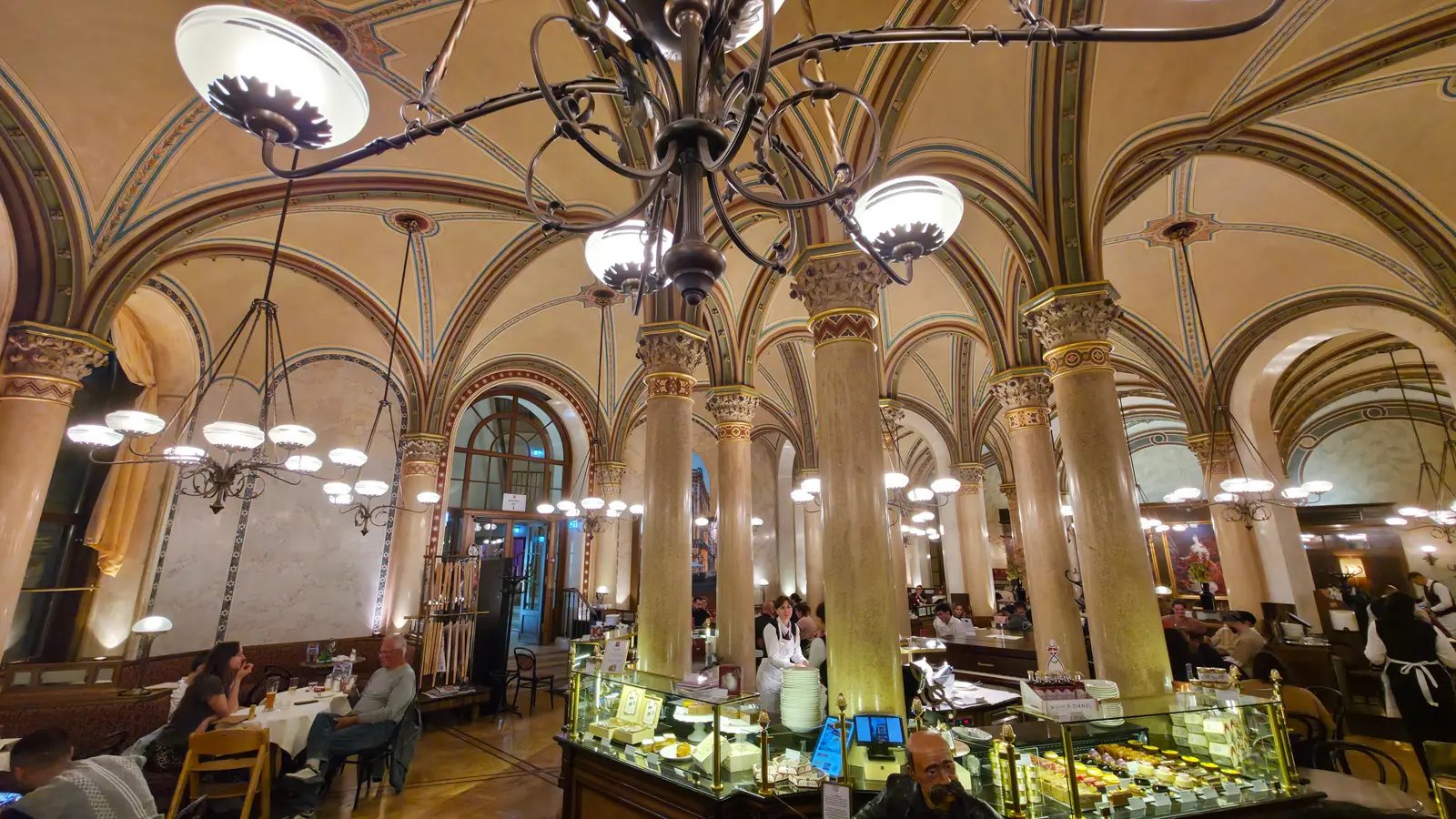
In October, these cafés felt especially inviting. Warm interiors offered refuge from the crisp autumn air, marble tables held newspapers and notebooks rather than urgency, and conversations stayed deliberately low. Time seemed elastic. No one rushed you along, and no one expected you to justify your stay. In Vienna, spending time is not indulgent. It’s normal!
Walking Vienna: A City Built for Observation
Vienna rewards walking – not wandering aimlessly, but moving with awareness. It’s a city that encourages attentiveness rather than haste, inviting you to notice what’s around you instead of pushing you forward. Wide boulevards transition naturally into more intimate streets, and neighborhoods shift in tone without drama or disruption. As you walk, details begin to surface: elegant façades, quiet courtyards, carefully framed doorways. Vienna allows the mental space to observe because it never overwhelms your senses or demands constant recalibration.
Unlike cities that require defensive navigation or continuous crowd management, Vienna offers legibility. You almost always feel oriented and grounded, able to move at your own pace without urgency. The city unfolds logically, revealing itself gradually rather than all at once. That clarity extends beyond geography. Vienna makes sense – emotionally as well as spatially – and in doing so, it creates a rare sense of ease. Walking here isn’t just a way to get somewhere. It’s part of how the city communicates itself.
Beyond Vienna: A Natural Gateway
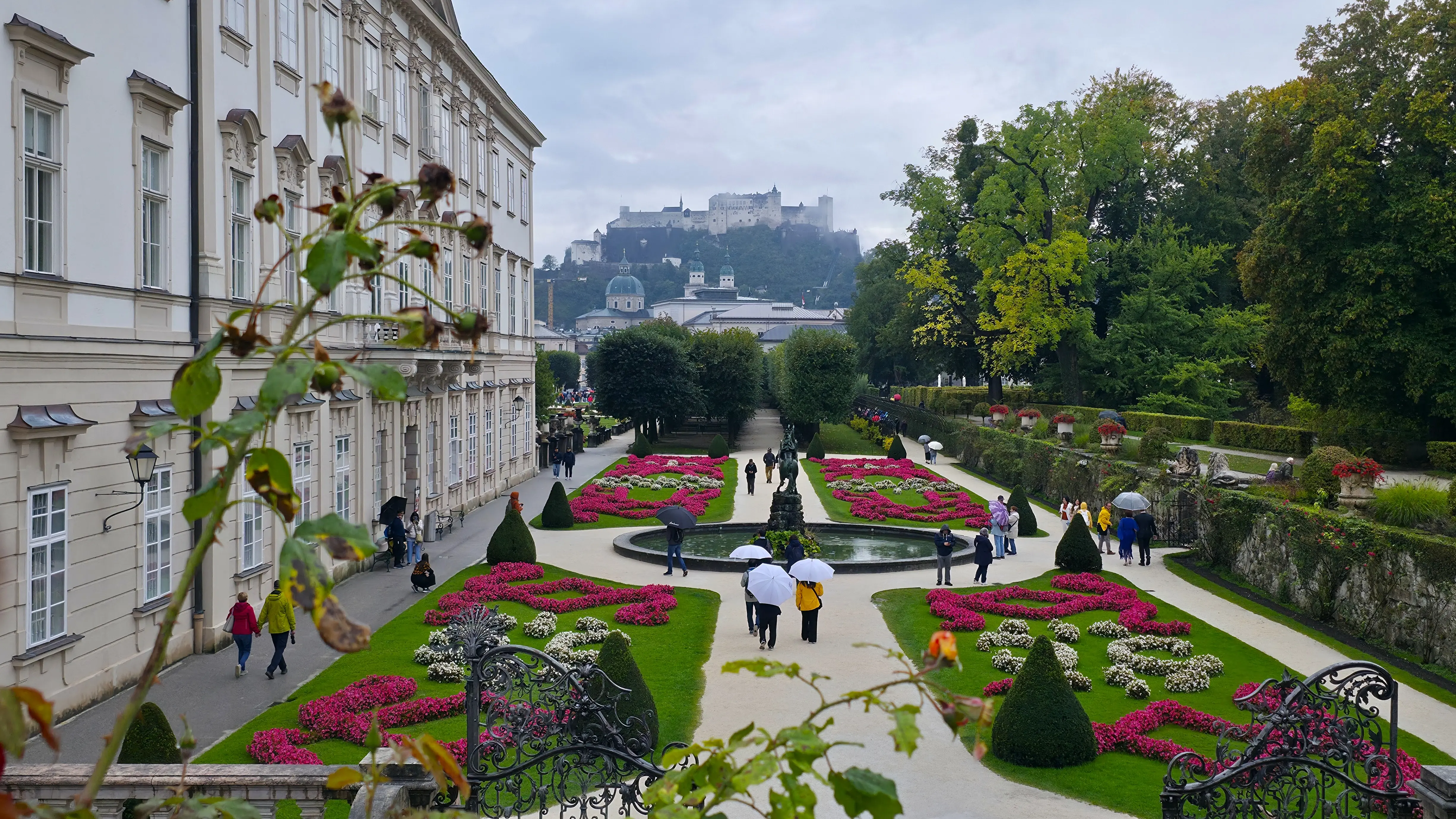
Vienna also feels like a beginning. Not in the sense of urgency or departure, but as a quiet point of orientation, a place that grounds you before you move outward. Its position, both geographically and culturally, makes it a natural anchor for exploring Austria more deeply. From Vienna, journeys to places like Hallstatt and Salzburg feel less like leaving and more like continuing the story. The landscapes change, the pace shifts, but the sense of order, beauty, and cultural continuity remains intact.
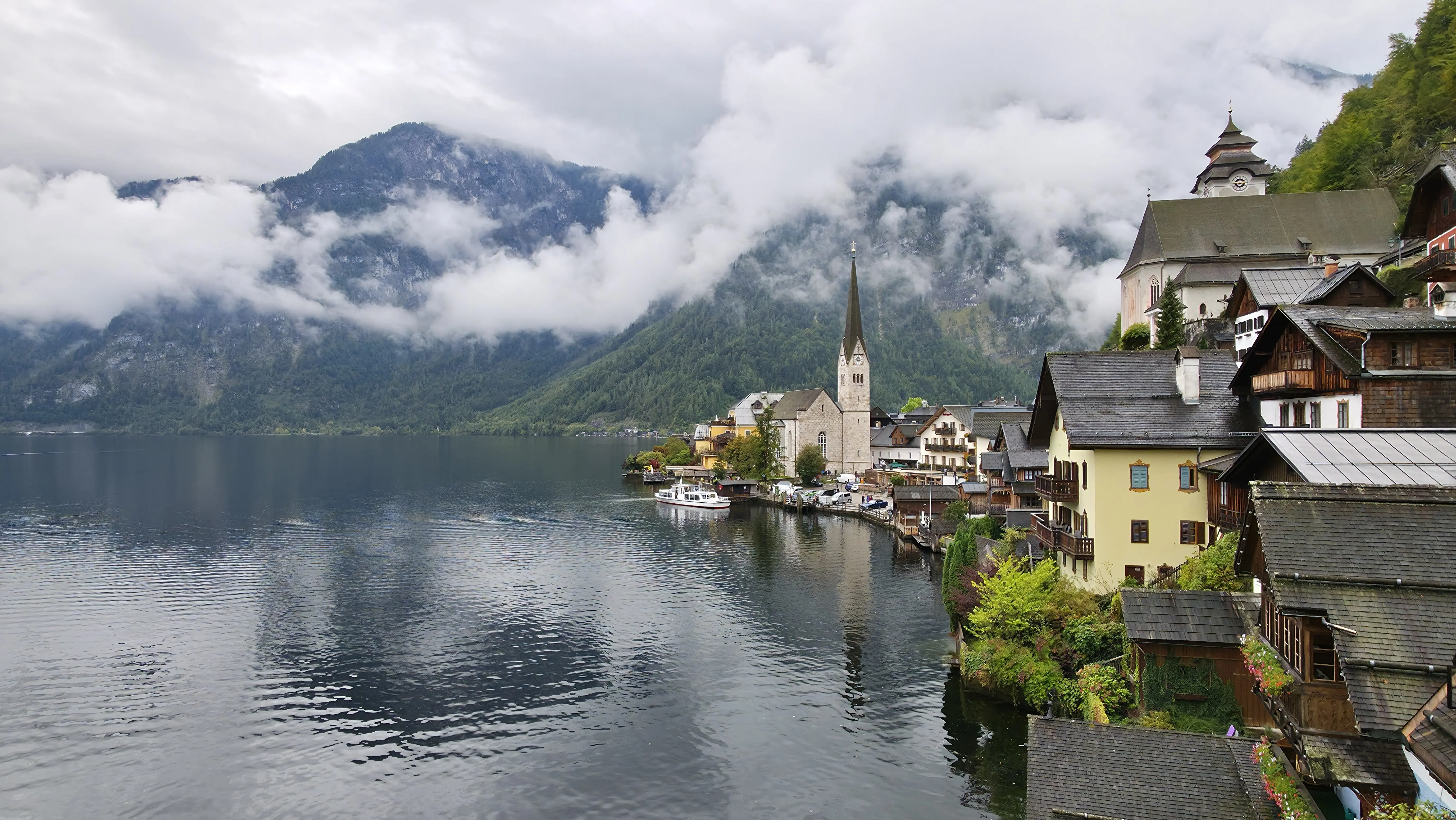
Vienna provides context. It introduces you to Austria’s relationship with history, art, and daily life before you encounter it in different forms elsewhere – in alpine villages, lakeside towns, or music-filled cities. Having spent time here, you recognize familiar rhythms even as the scenery transforms. Vienna doesn’t compete with what comes next. It prepares you for it!
Why Vienna Stays With You
Vienna stays with you because it doesn’t exhaust you. It never demands constant attention or performance. Instead, it offers balance – between grandeur and intimacy, structure and softness, history and daily life – allowing you to move through the city with ease rather than urgency.
What lingers most is how easy it felt to be present. Moments of pause arrived naturally, without intention or effort. The city respected your attention instead of competing for it, creating space for reflection in a way that feels increasingly rare. Being in Vienna didn’t feel like keeping up; it felt like settling in.
Vienna teaches you that beauty doesn’t need urgency, and that culture doesn’t need to be consumed to be meaningful. Here, refinement exists alongside warmth, and elegance is lived rather than displayed. The city carries its history lightly, confident enough to let it speak softly. Vienna doesn’t ask to be remembered. It simply is, and that is why it lingers!
Planning a Visit to Vienna: Essential Questions
Is Vienna worth visiting?
Vienna is worth visiting if you value cities that reward presence rather than speed. It’s not a destination built around constant spectacle, but one that reveals its depth through architecture, music, gardens, and everyday rituals. If you enjoy walking, lingering in cafés, and absorbing culture without pressure, Vienna offers a deeply satisfying experience.
How many days do you need in Vienna?
Three to four days allows enough time to experience Vienna’s essential rhythm without rushing. This gives space for museums, gardens, long café pauses, and unplanned walks – which are often where the city leaves its strongest impression. Longer stays simply deepen that connection.
What is the best time to visit Vienna?
Vienna is beautiful year-round, but autumn offers a particularly reflective atmosphere. Cooler temperatures, fewer crowds, and golden light make October an ideal time to explore the city at a slower pace, when gardens soften and cafés feel especially inviting.
Is Vienna easy to walk?
Vienna is one of Europe’s most walkable capital cities. Its historic center is compact, well-oriented, and designed for movement on foot, with wide boulevards, clear transitions between neighborhoods, and excellent public transport for longer distances.
Final Thoughts
Vienna is not about doing more; it’s about noticing more. The city invites you to slow down and pay attention – to gardens that ease your steps, cafés that stretch time, music that shapes silence, and streets that allow space for thought. Rather than demanding a checklist or constant movement, Vienna offers presence, asking you to engage with it gently and deliberately.
Whether you visit for a few days or stay longer, Vienna meets you exactly where you are. It doesn’t overwhelm or compete for your attention. Instead, it encourages reflection, balance, and a deeper appreciation for moments that unfold quietly but linger long after you leave.
Have you been to Vienna, or is it on your travel wish list? If you’ve visited, did it surprise you the way it surprised me? I’d love to hear your thoughts!
Until our next adventure,

🌟 Everything You Need to Plan Your Dream Trip in 2026
- 🌟 Luxury Hotels - Find premium stays with Booking.com & Hotels.com
- 🏡 Vacation Rentals - Discover unique properties on VRBO
- 🏞️ Guided Tours - Explore with Viator or GetYourGuide
- 🎫 Attraction Tickets - Skip the lines with Tiqets
- 🚢 Ocean Cruises - Set sail with Cruise Direct
- 📱 International SIMs - Stay connected with Saily
- 🚗 Car Rentals - Budget-friendly options from Discover Cars
- 🌐 Secure VPNs - Browse safely with NordVPN
- 💶 Currency Exchange - Best rates with Wise
- 🗣️ Learn Languages - Master the local language with Babbel and Rosetta Stone