
Hello, lovely travelers! Venice is often introduced through its icons – sweeping piazzas, gilded basilicas, monumental palaces, and canals that feel cinematic at first glance. But once the initial awe settles, something else begins to surface. A softer Venice. A lived-in Venice. A city that reveals itself not through grandeur alone, but through rhythm, habit, and continuity.
This guide is for those moments when you want to step slightly aside from the main flow. These hidden gems are not obscure for the sake of being secret, they are meaningful because they show Venice as it is lived, not just as it is admired. They invite you to slow your pace, sharpen your observation, and understand how this city functions beneath its beauty. Let’s wander a little deeper!
Venice Hidden Gems at a Glance:
Beyond Venice’s famous landmarks lies a quieter city of gondola workshops, spiral staircases, local pastry shops, and residential neighborhoods. These 10 hidden gems reveal Venice as locals experience it: San Giorgio Maggiore’s panoramic bell tower, Scala Contarini del Bovolo’s secret spiral, historic Pasticceria Rosa Salva, the whimsical Libreria Acqua Alta bookstore, peaceful Royal Gardens, former cathedral San Pietro di Castello, evening aperitivo along Fondamenta della Misericordia, working Squero di San Trovaso gondola workshop, intimate Vivaldi concerts, and the residential Castello district. Together, they show Venice shaped by continuity rather than performance.
1. San Giorgio Maggiore: Venice’s Most Peaceful Panorama
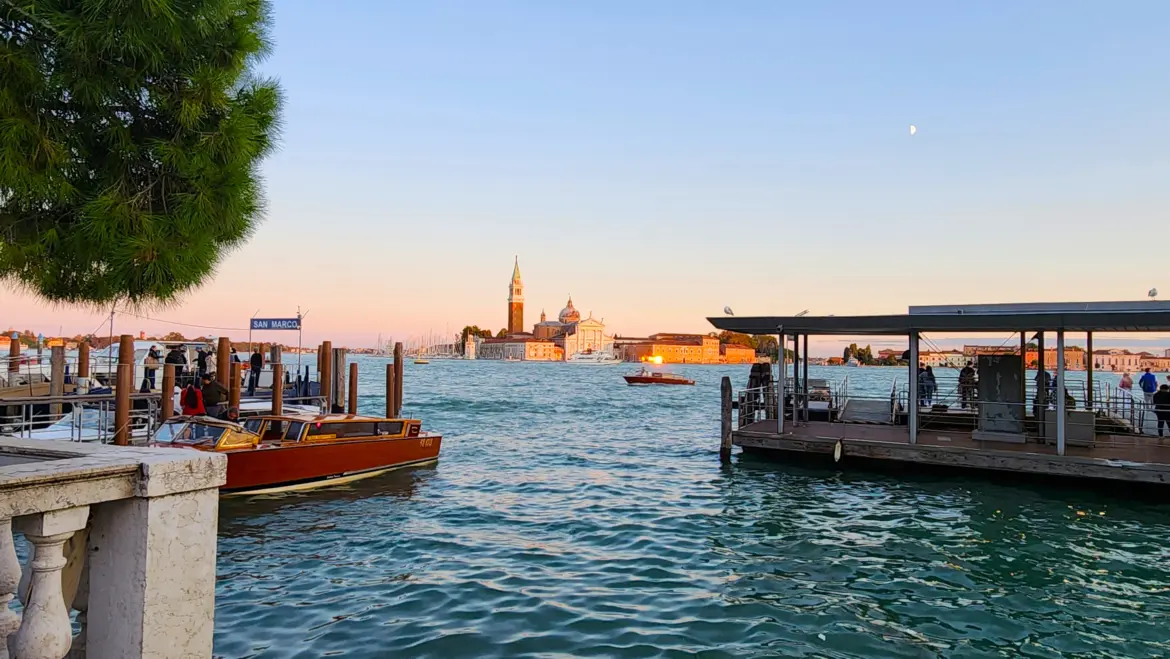
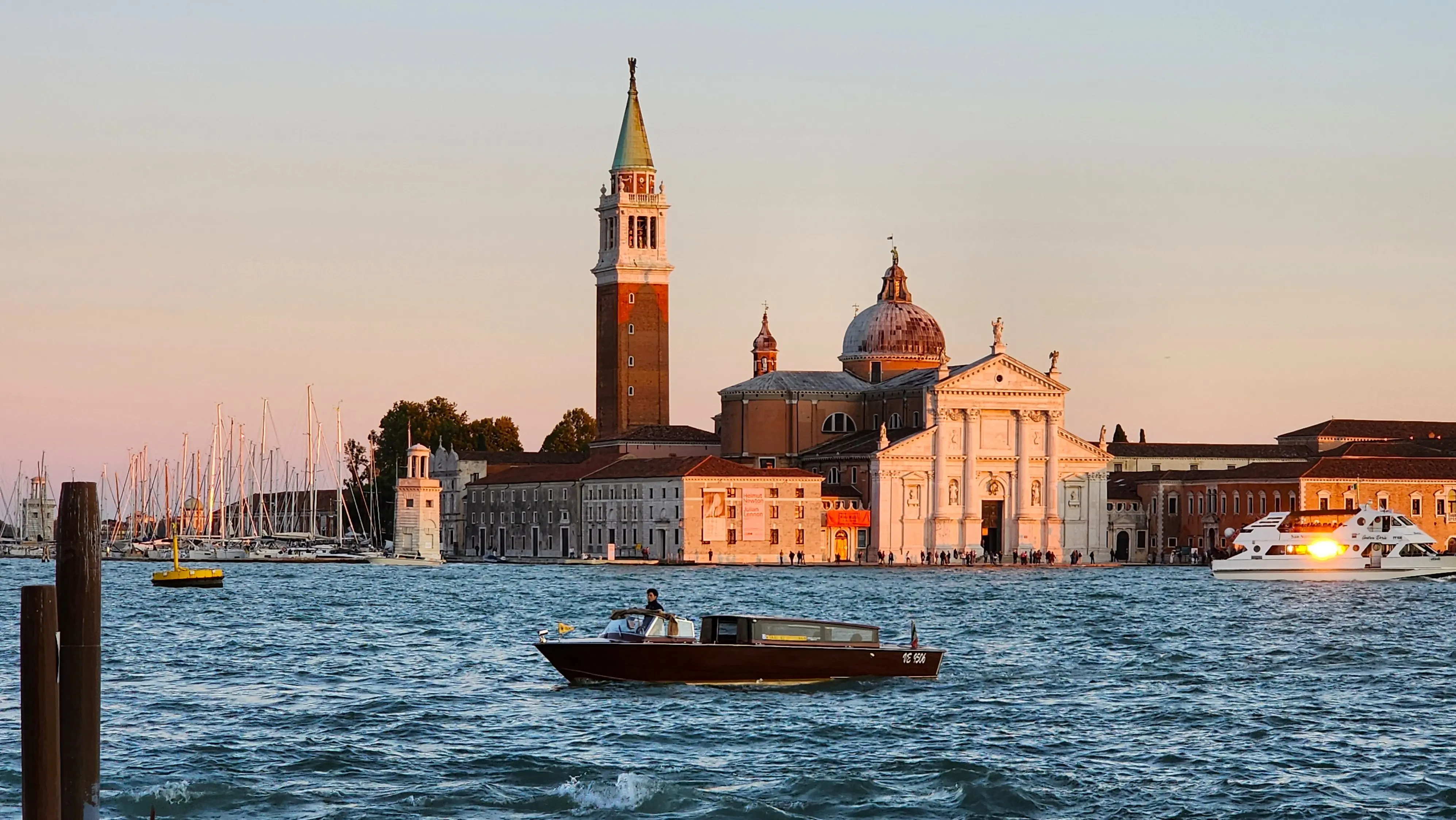
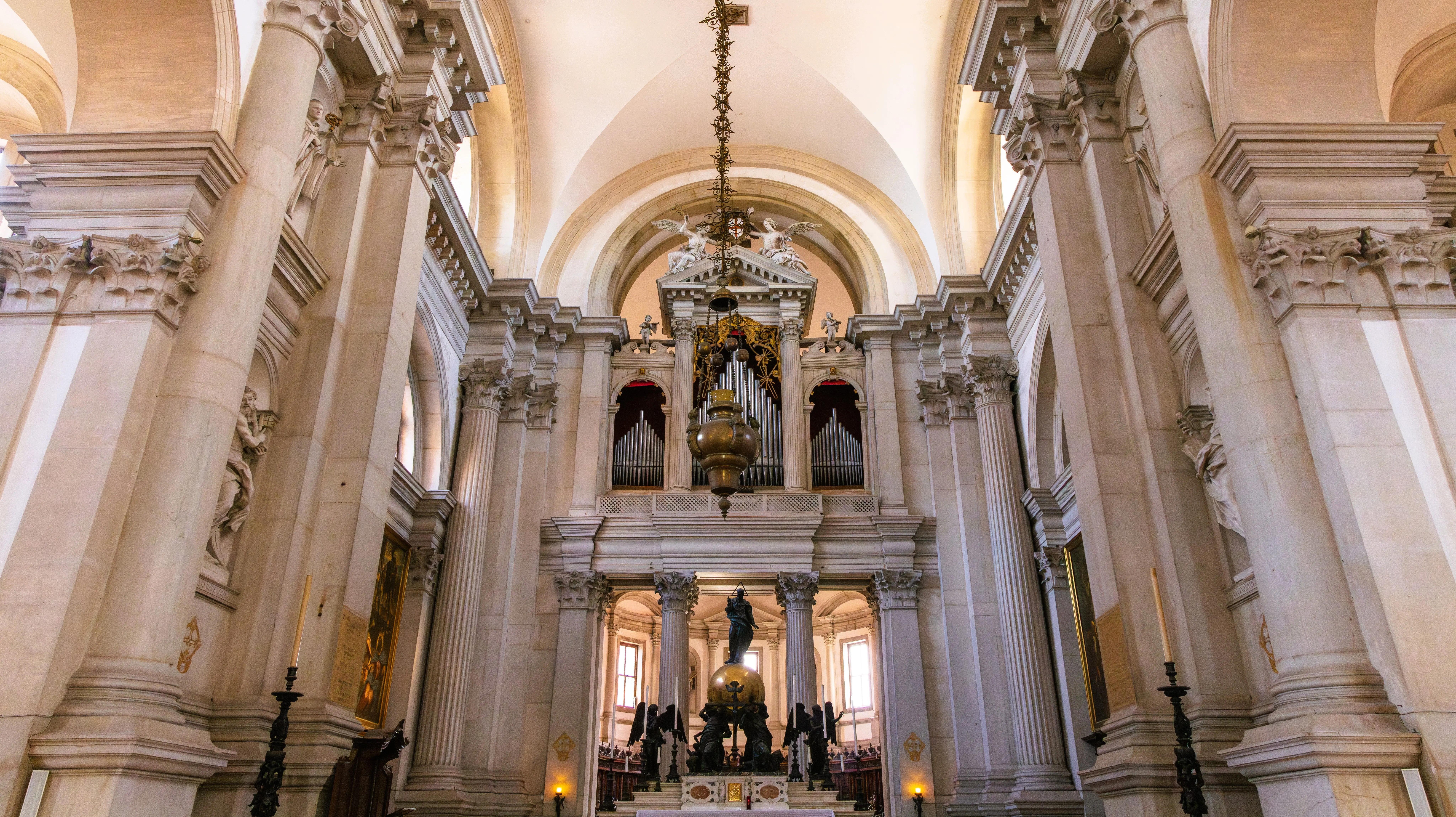
Seen from Piazza San Marco, the San Giorgio Maggiore church feels familiar – its white Palladian façade anchoring the lagoon view with quiet authority. But stepping onto the island changes everything. Designed by Andrea Palladio in the 16th century, the basilica’s interior is luminous and restrained, offering a calm counterpoint to Venice’s ornate churches. Light moves gently across pale stone, creating an atmosphere that feels intentional rather than decorative.
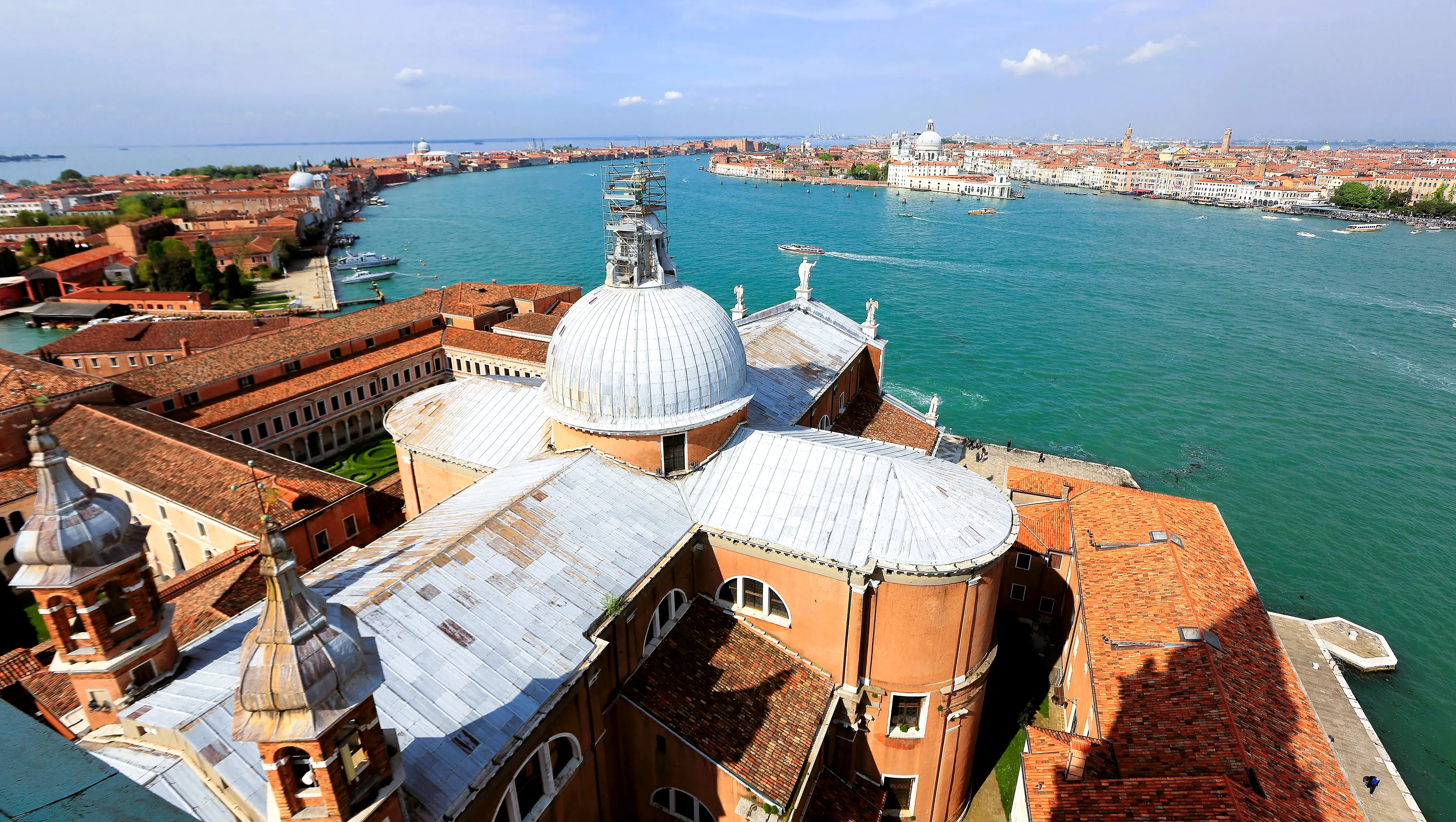
Climbing the bell tower here is one of Venice’s most grounding experiences. Unlike busier viewpoints, the ascent is peaceful, and the reward is a panorama that feels complete rather than overwhelming. From above, Venice reads as a coherent whole – domes, campanili, rooftops, and water aligned into balance. It’s a perspective that invites understanding rather than spectacle.
Why it’s hidden: Many admire it from afar; few take the short boat ride to experience it from within.
2. Scala Contarini del Bovolo: Venice’s Secret Spiral Staircase
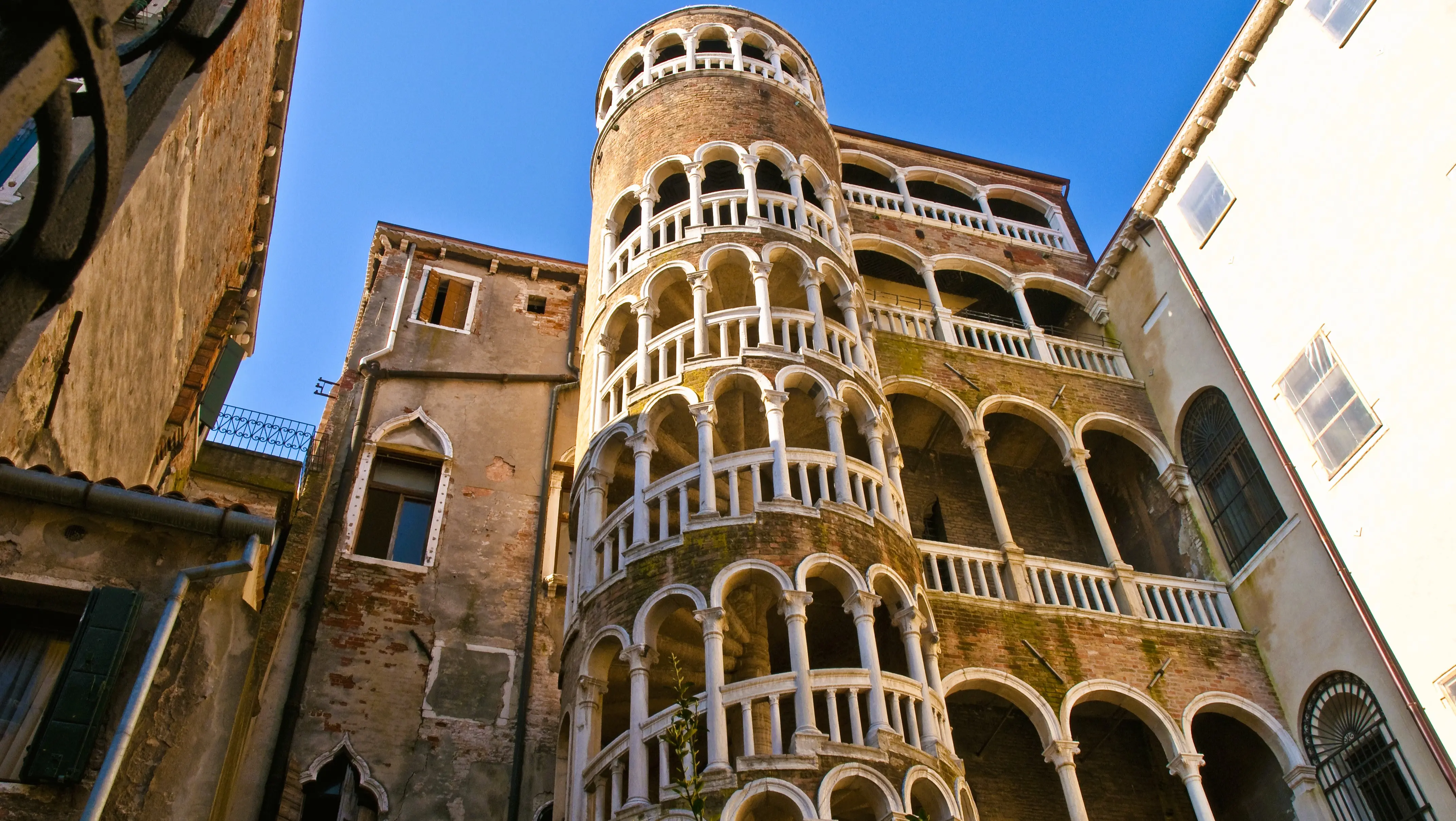
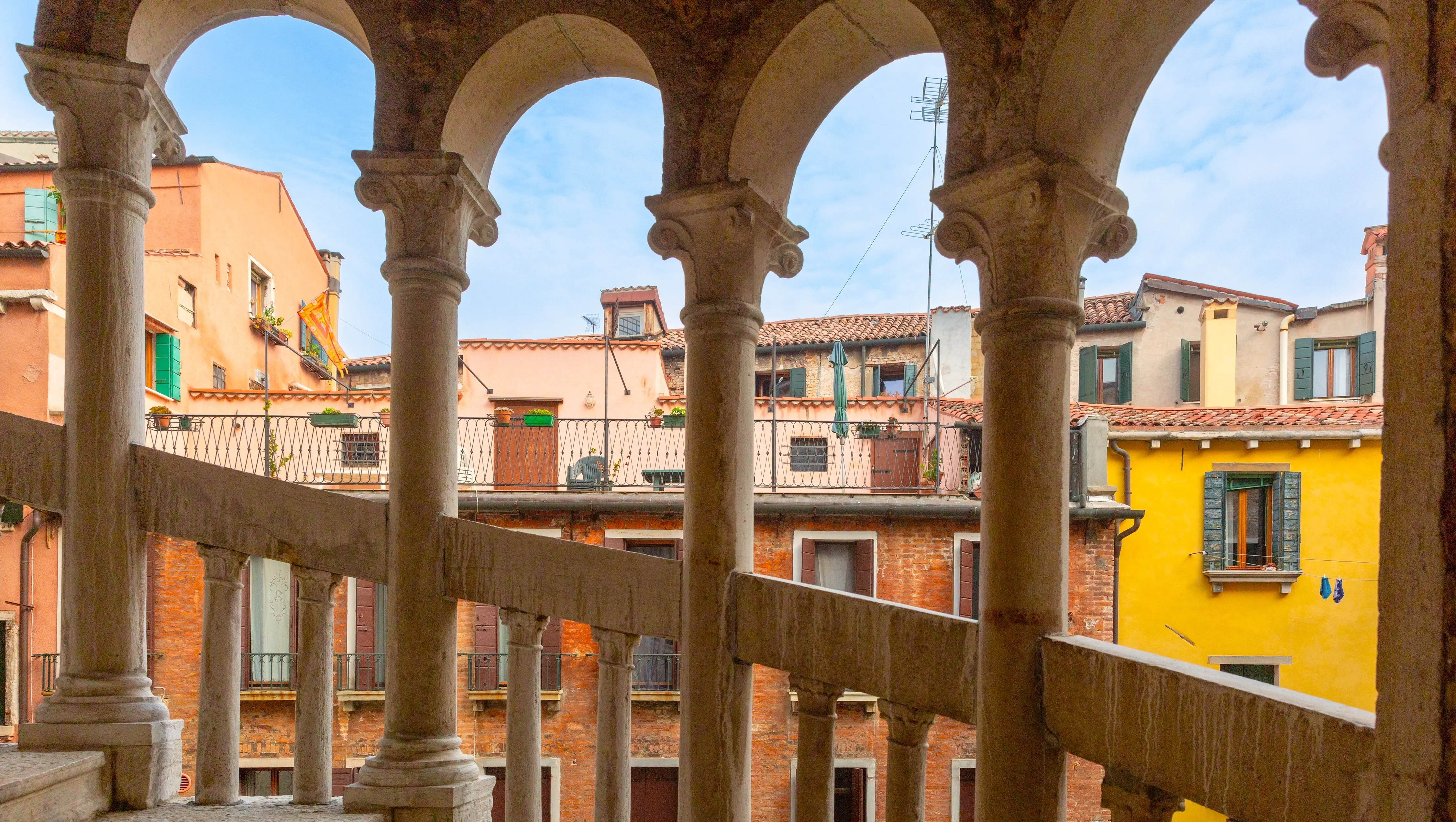
Hidden behind unassuming passageways near Campo Manin, the Scala Contarini del Bovolo is one of Venice’s most poetic architectural details. Built in the late 15th century, the staircase winds upward in a delicate spiral, blending Gothic, Renaissance, and Venetian influences into a single elegant form. The name bovolo, meaning “snail” in Venetian dialect, feels perfectly suited to its slow, deliberate ascent.
Climbing the staircase is an intimate experience – each step revealing new angles of courtyards, rooftops, and chimneys. At the top, Venice stretches outward not as a grand stage, but as a dense, lived-in city. This is a view defined by proximity and texture, reminding you that Venice’s beauty often lies in its details rather than its scale.
Why it’s hidden: Its entrance is discreet, and its reward comes only to those willing to look closely.
3. Pasticceria Rosa Salva: Where Venetians Get Their Coffee
Located in Campo Santi Giovanni e Paolo, Venice’s quiet historical heart, Pasticceria Rosa Salva has been part of Venetian daily life since the 1870s, and stepping inside feels less like visiting a café and more like stepping into a rhythm that hasn’t been interrupted by time. Venetians stop here in the morning for espresso and pastries, standing at the bar, exchanging brief greetings, and continuing on with their day. The pastries are classic rather than flashy – frittelle during Carnival season, custard-filled treats, simple biscotti. What makes Rosa Salva special isn’t reinvention, but continuity. The recipes, the gestures, the pace all reflect a Venice that still moves according to its own habits, not tourist expectations.
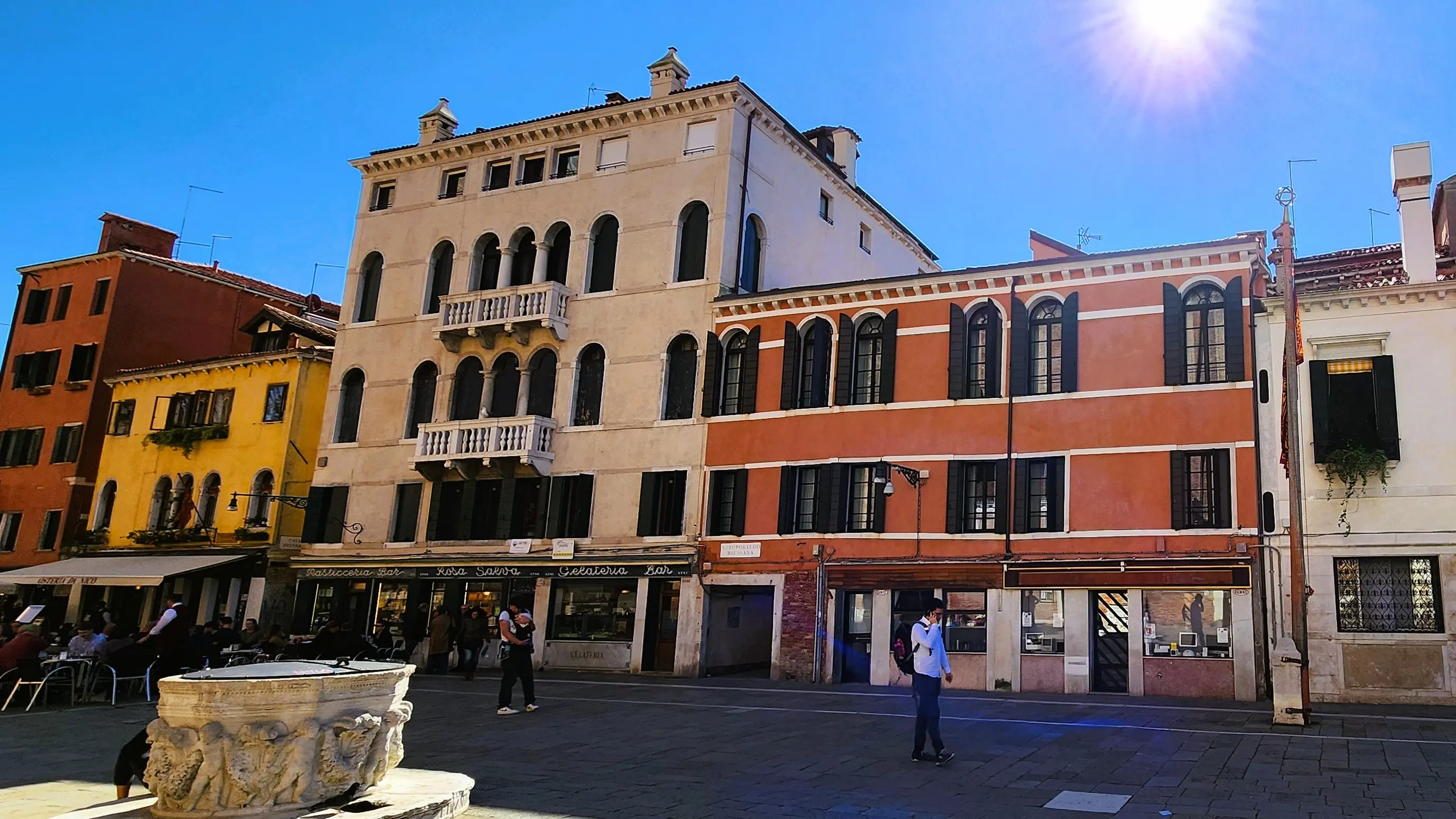
Why it’s hidden: It remains a local institution first and a destination second, quietly woven into daily Venetian life beside the elegant Palazzo Cristo.
4. Libreria Acqua Alta: Venice’s Most Creative Bookstore
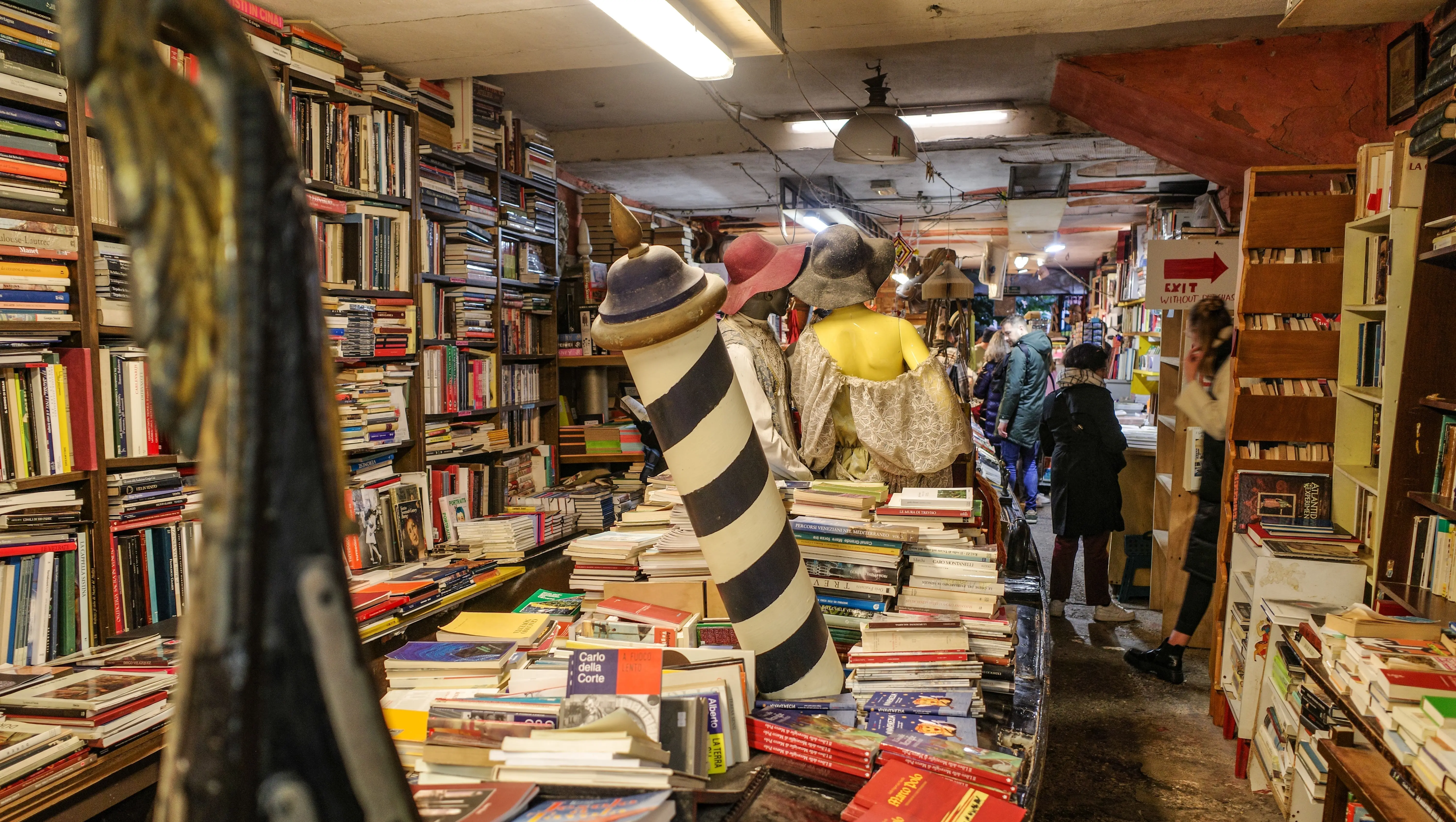
At first glance, Libreria Acqua Alta feels whimsical – books stacked in bathtubs, barrels, gondolas, and boats, cats lounging between novels, staircases made from old encyclopedias. But beneath the playfulness lies a deeply Venetian response to water and survival. The store adapts to flooding rather than resisting it, embracing the city’s reality with creativity and humor.
Wandering through the shop feels exploratory, almost improvisational. Every corner reveals another unexpected arrangement, another quiet acknowledgment that Venice is a city shaped by adaptation. The small courtyard view over a canal reinforces this idea: life continues, even when conditions are unpredictable.
Why it’s hidden: It feels lighthearted, but its story runs deep.
5. Royal Gardens of Venice: Green Oasis Near San Marco
Just steps from the intensity of Piazza San Marco, the Royal Gardens of Venice (Giardini Reali) offer an unexpected sense of openness. Recently restored, these gardens provide shaded paths, benches, and lagoon views that invite pause rather than movement. The presence of greenery here feels intentional, a reminder that even Venice’s ceremonial heart includes moments of rest. Sitting here, you notice how the city softens. Boats pass quietly on the Grand Canal. Bells echo faintly. Conversations lower. It’s a place to recalibrate before or after the spectacle of San Marco, offering balance rather than contrast.
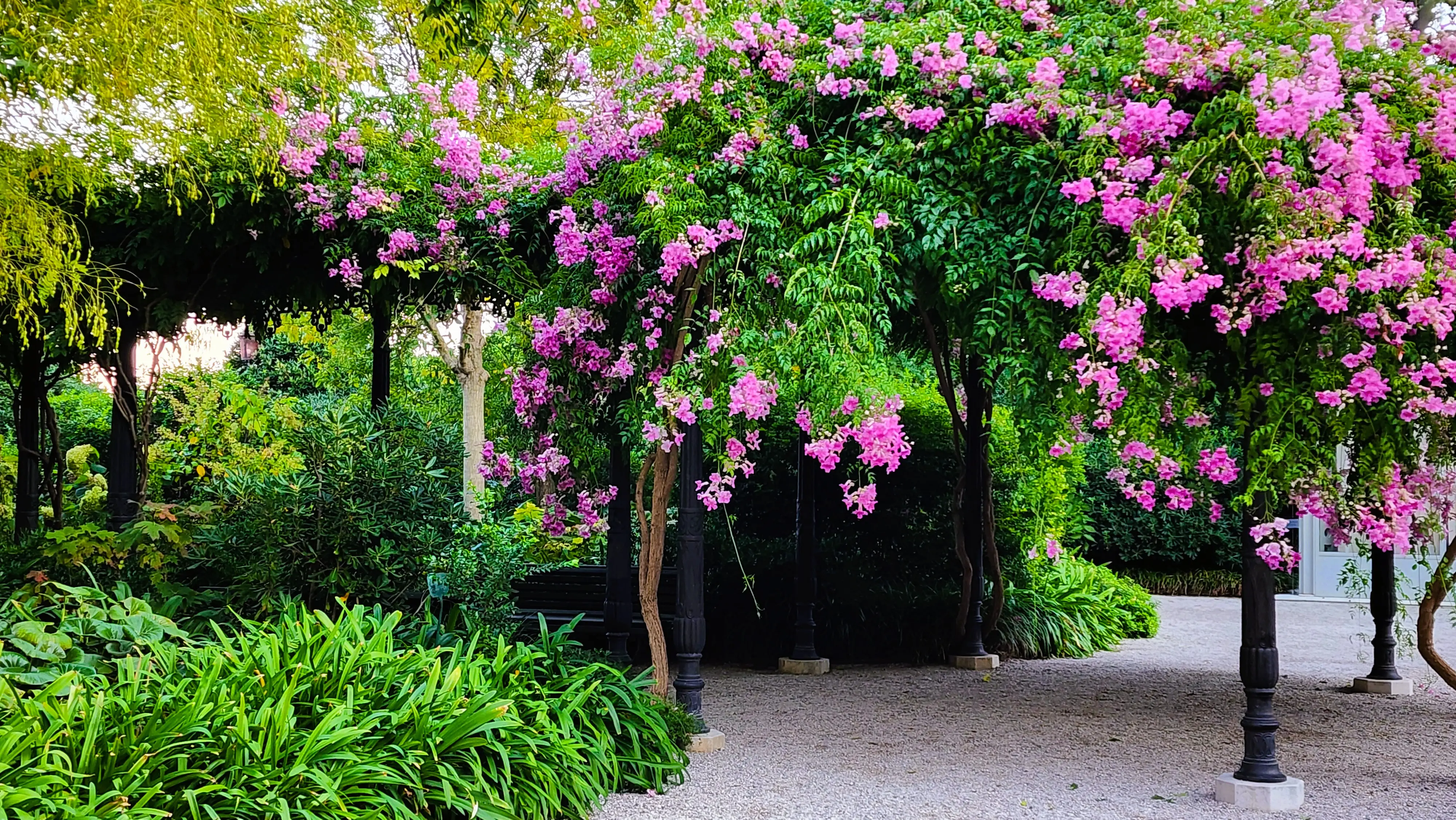
Why it’s hidden: Their proximity disguises their tranquility.
6. San Pietro di Castello: Venice’s Former Cathedral
Once Venice’s official cathedral (from 1451 until 1807, when San Marco assumed that role), San Pietro di Castello feels open, airy, and profoundly human. Located far from the city’s main tourist routes, the basilica, rebuilt by Andrea Palladio in the 16th century, invites reflection rather than admiration. The interior is spacious and calm, encouraging slow movement and quiet attention. The surrounding neighborhood reinforces this feeling. Life here unfolds without urgency – residents passing through, children playing, boats moving without ceremony. It’s Venice without performance, rooted in continuity rather than display.
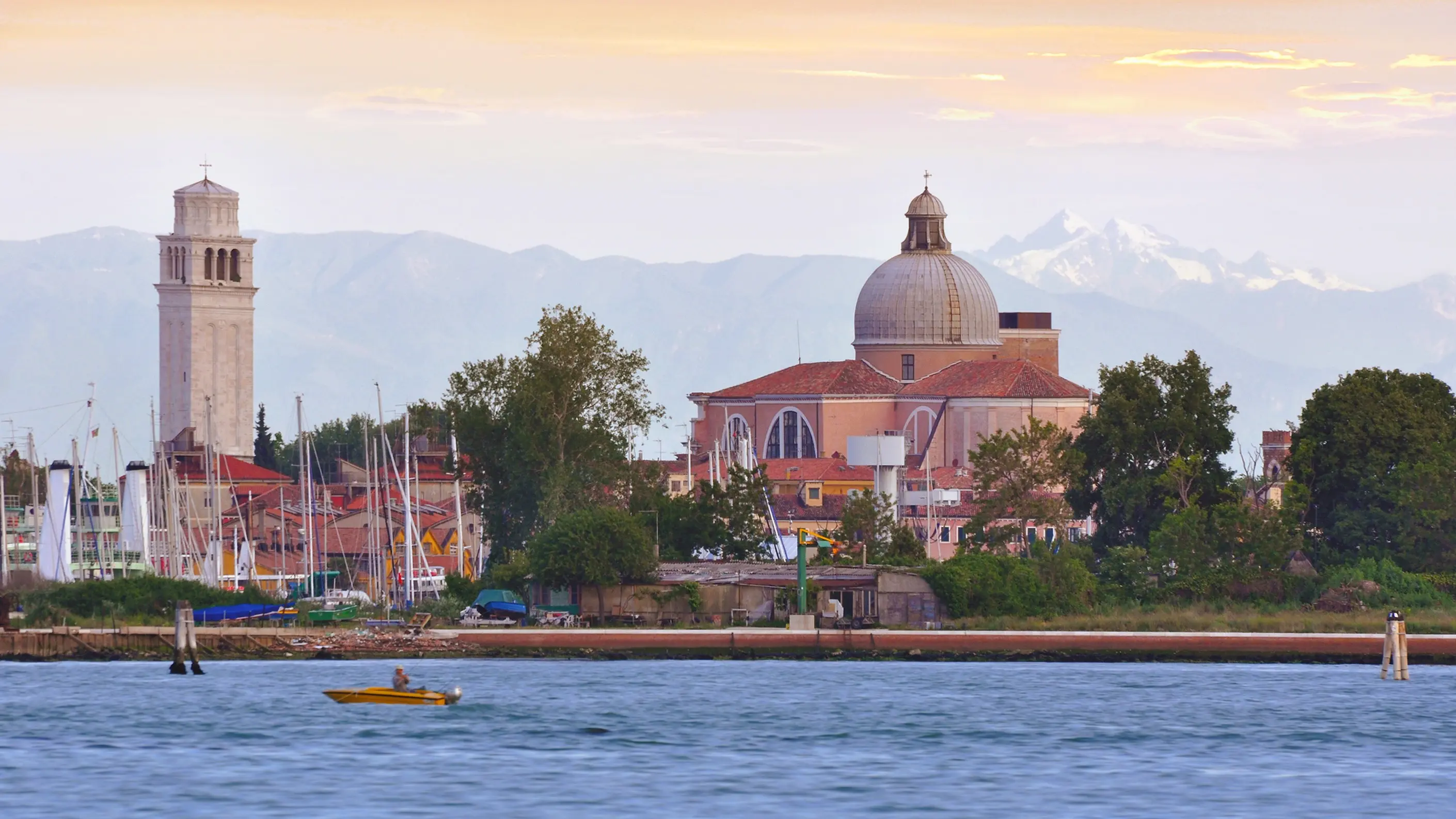
Why it’s hidden: Distance from the center preserves its stillness.
7. Fondamenta della Misericordia: Evening Aperitivo in Cannaregio
As daylight fades, Fondamenta della Misericordia in Cannaregio becomes one of Venice’s most authentic social spaces. Running along the Rio della Misericordia, this canal-side stretch fills with locals gathering for aperitivo, conversations stretching naturally into evening, and an atmosphere that feels communal rather than curated. There’s no focal monument here – just water, light, and people sharing space. Glasses clink softly, reflections ripple across the canal, and the city’s pace slows to something intimate and familiar. This is Venice as it lives, not as it performs.
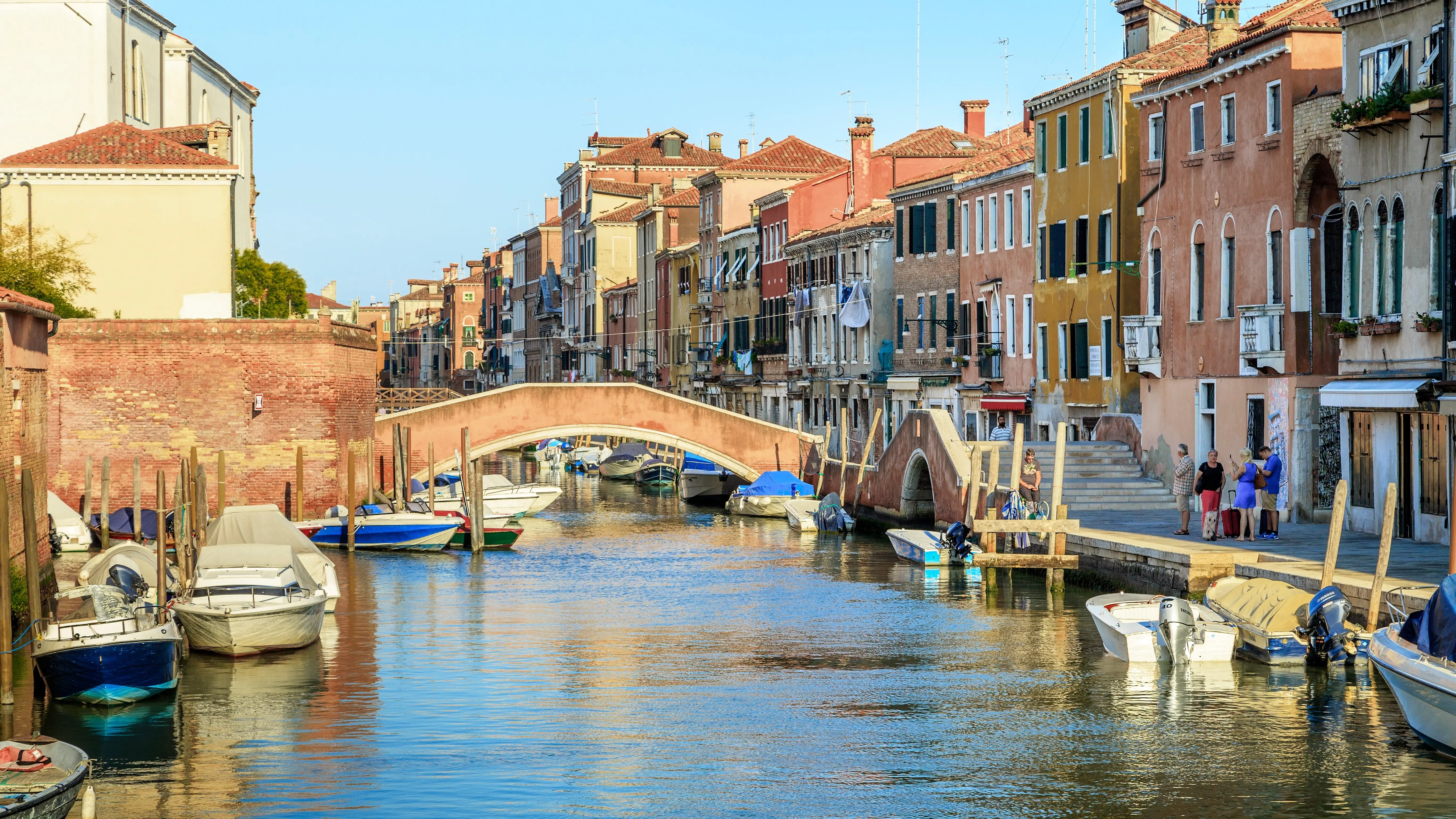
Why it’s hidden: It rewards time, not itineraries.
8. Squero di San Trovaso: Working Gondola Workshop
One of the last remaining gondola workshops in Venice, the Squero di San Trovaso quietly maintains the city’s most iconic vessels. From across the canal, you can observe gondolas being repaired, reshaped, and prepared – a reminder that these boats are not symbols alone, but working tools requiring constant care. Watching this process emphasizes continuity. Gondolas remain part of Venice’s present not because they are romanticized, but because they are maintained with discipline and respect.
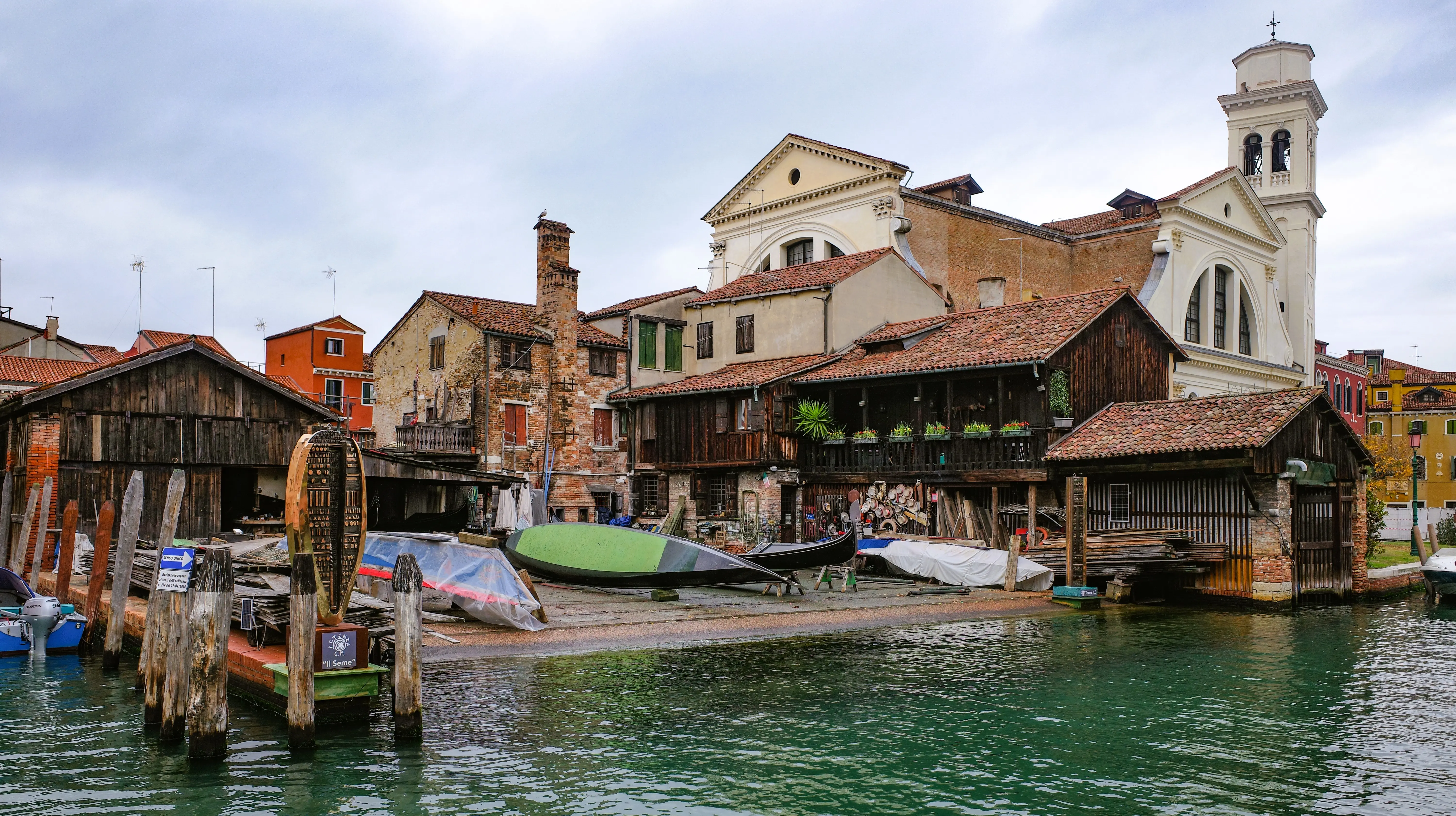
Why it’s hidden: Observation replaces access, and patience replaces performance.
9. Interpreti Veneziani: Vivaldi in Historic Churches
Experiencing Baroque music in Venice feels especially resonant when performed in intimate historic spaces. Interpreti Veneziani bring composers like Vivaldi to life in settings that allow sound to envelop rather than echo. The result feels immediate, emotional, and deeply connected to place. The experience highlights Venice’s living cultural legacy – music here is not confined to museums or history books. It remains present, practiced, and felt.
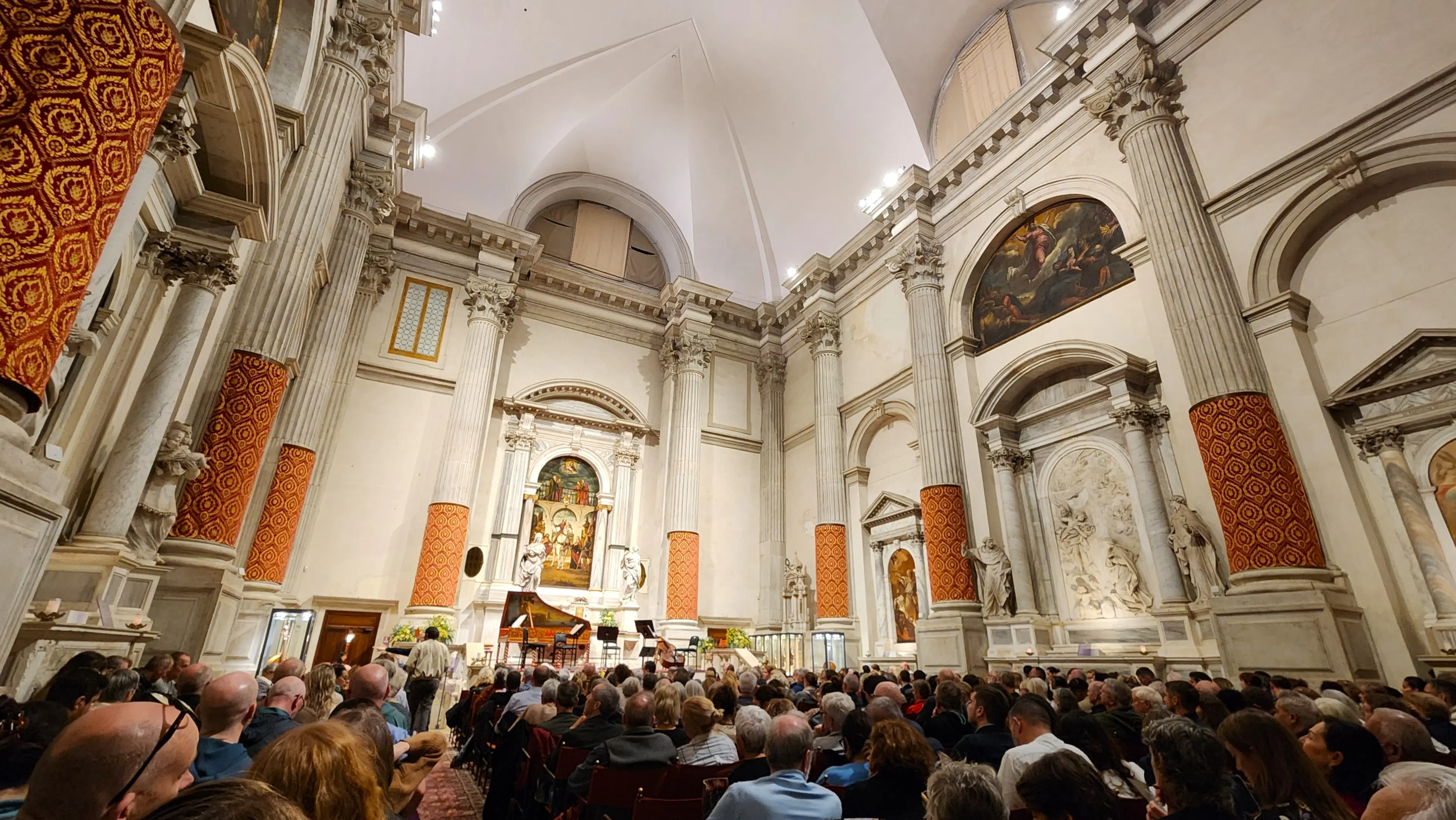
Why it’s hidden: It prioritizes experience over monumentality.
10. Castello district: Residential Venice
Stretching east from San Marco, Castello offers a Venice defined by residential life. Laundry lines, neighborhood bakeries, quiet squares, and long waterfront walks replace souvenir shops and crowds. The lagoon feels closer here, the pace more measured. Walking through Castello, Venice feels grounded. This is a district where the city continues to exist as a place of intention rather than attraction – a reminder that Venice is not only preserved, but inhabited.
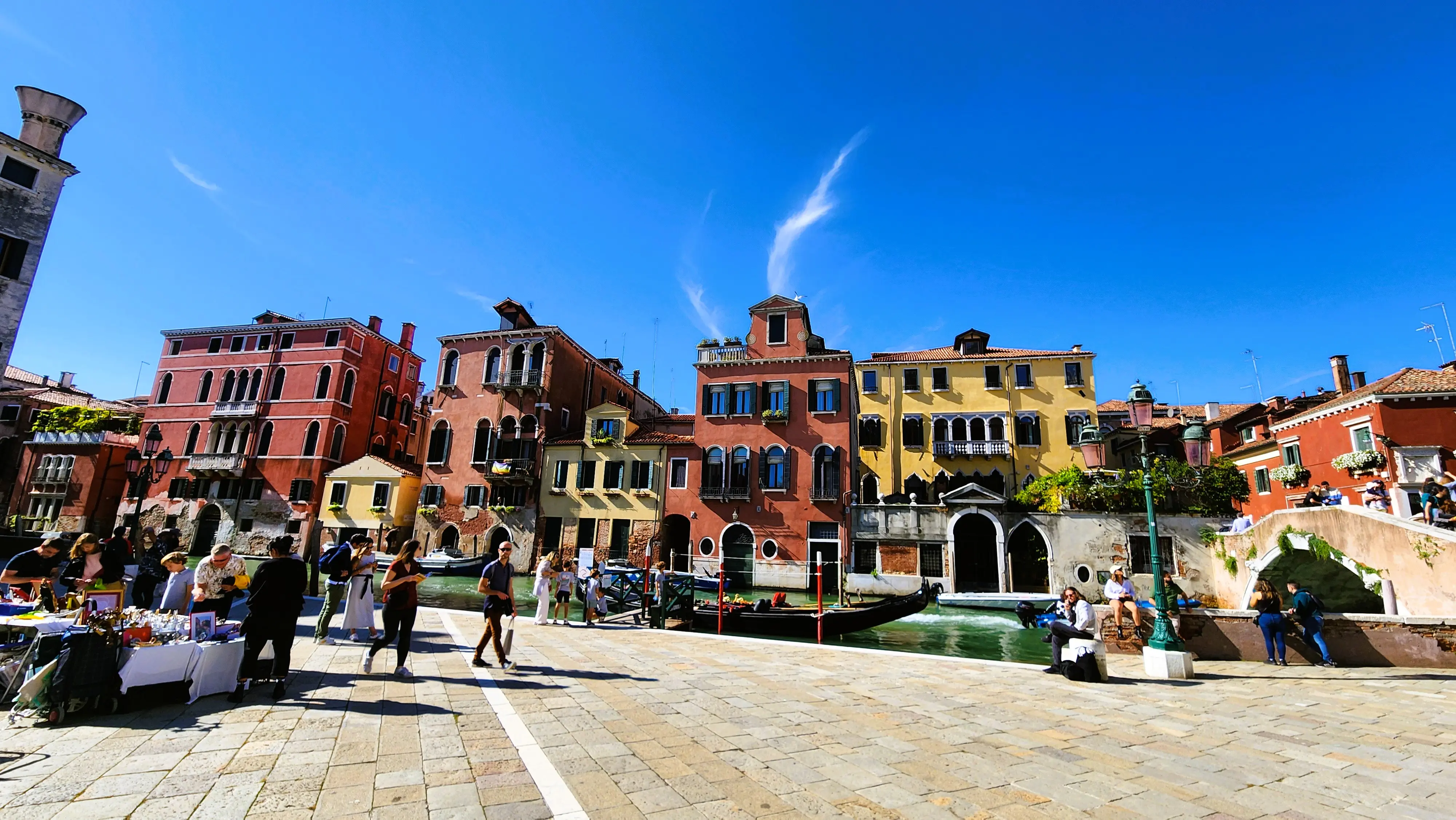
Why it’s hidden: It asks nothing of you but attention.
Why These Hidden Gems Matter
Together, these places reveal a Venice shaped by continuity rather than performance. They show a city that still functions for those who live there – where routines persist, traditions adapt, and beauty exists without needing an audience. In these quieter corners, Venice feels less like a stage set and more like a lived-in place, layered with memory and intention.
These hidden gems offer context to the city’s famous landmarks. They explain why Venice looks the way it does, how it has endured, and what daily life feels like beyond the main routes. You begin to notice details you might otherwise miss – the rhythm of neighborhood life, the way light moves along lesser-known canals, the subtle balance between preservation and evolution.
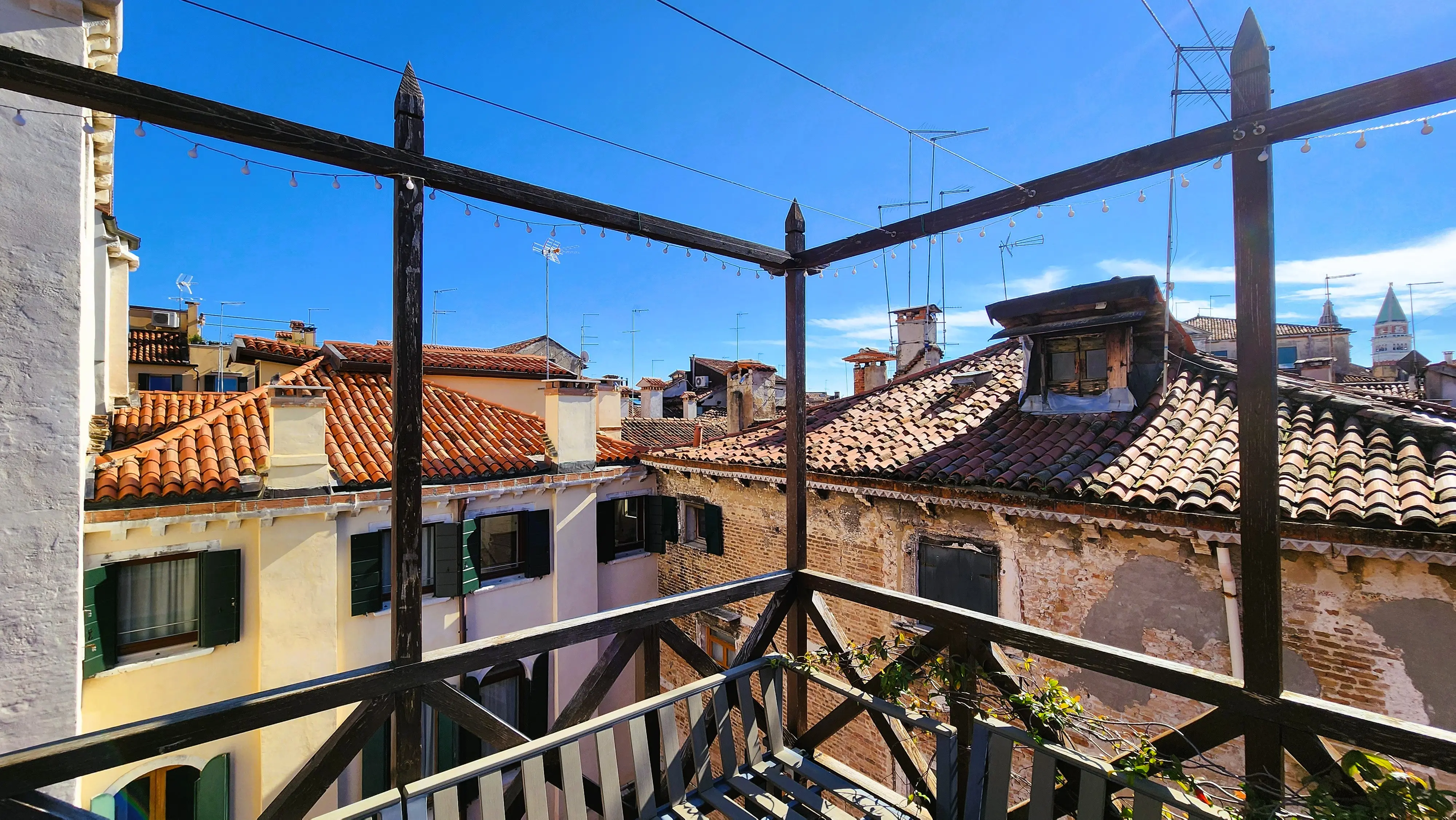
Most importantly, these places slow you down. They invite observation instead of consumption. They remind you that Venice’s true magic often appears between monuments, in moments of quiet discovery rather than grand spectacle. These hidden gems do not replace Venice’s icons – they deepen them, transforming the city from a collection of highlights into a coherent, living narrative.
Final Thoughts
Venice does not reveal itself all at once. It unfolds gradually, rewarding curiosity, patience, and presence. These hidden gems invite you to move more slowly, look more closely, and experience the city not as a spectacle, but as a living narrative written across centuries.
If Venice has ever surprised you with a quiet moment, a small discovery, or a place that stayed with you longer than expected, I’d love to hear about it!
Until next time,

🌟 Everything You Need to Plan Your Dream Trip in 2026
- 🌟 Luxury Hotels - Find premium stays with Booking.com & Hotels.com
- 🏡 Vacation Rentals - Discover unique properties on VRBO
- 🏞️ Guided Tours - Explore with Viator or GetYourGuide
- 🎫 Attraction Tickets - Skip the lines with Tiqets
- 🚢 Ocean Cruises - Set sail with Cruise Direct
- 📱 International SIMs - Stay connected with Saily
- 🚗 Car Rentals - Budget-friendly options from Discover Cars
- 🌐 Secure VPNs - Browse safely with NordVPN
- 💶 Currency Exchange - Best rates with Wise
- 🗣️ Learn Languages - Master the local language with Babbel and Rosetta Stone