
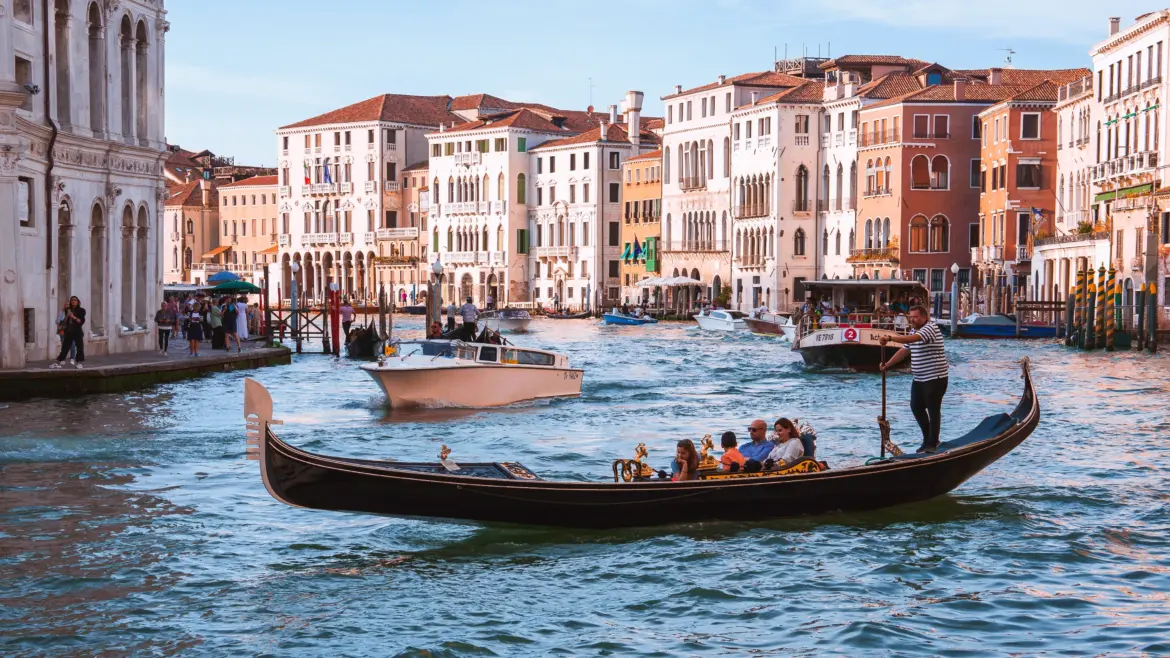
Hello, dear travelers! Few images are as instantly associated with Venice as a gondola gliding slowly through a narrow canal. Long, slender, painted deep black, guided by a single standing rower – it’s a scene that has been photographed, painted, and imagined for centuries. And yet, despite its familiarity, the gondola is often misunderstood.
It’s easy to see gondolas as romantic symbols created for visitors, floating icons designed for photographs and fleeting moments. But that perspective barely scratches the surface. Gondolas are not decorative additions to Venice, they are the result of centuries of adaptation, necessity, and refined craftsmanship. They exist because Venice exists the way it does: without roads, without solid ground beneath it, shaped entirely by water and ingenuity. To understand Venice not just as a destination, but as a living system, you have to understand the gondola.
What Are Venice Gondolas?
Venice gondolas are traditional flat-bottomed boats that have served as the city’s primary transportation for over 1,000 years. Today, approximately 400 licensed gondolas operate in Venice, crafted from eight types of wood with deliberate asymmetry to compensate for single-oar rowing. Gondola rides cost €80 (daytime) or €100 (evening) for 30-40 minutes accommodating up to six passengers. These iconic black boats represent centuries of Venetian engineering, craft, and adaptation to life on water.
Before Gondolas Were Romantic, They Were Essential
Long before gondolas became associated with leisure, they were indispensable. For centuries, they functioned as Venice’s primary form of transportation, moving people and goods through daily life in a city built entirely on canals. Merchants traveled to market, nobles crossed neighborhoods, families attended celebrations, and officials conducted civic business – all by gondola.
At their height, thousands of gondolas navigated the canals at once, forming a complex and efficient network that mirrored the city’s social and economic rhythms. Each household of status owned at least one. Gondolas were tailored to specific needs, routes, and owners, evolving gradually as Venice itself evolved. What we see today is not a novelty invention, but the distilled form of a vessel perfected over centuries – refined until only what worked remained.
Why Gondolas Look the Way They Do
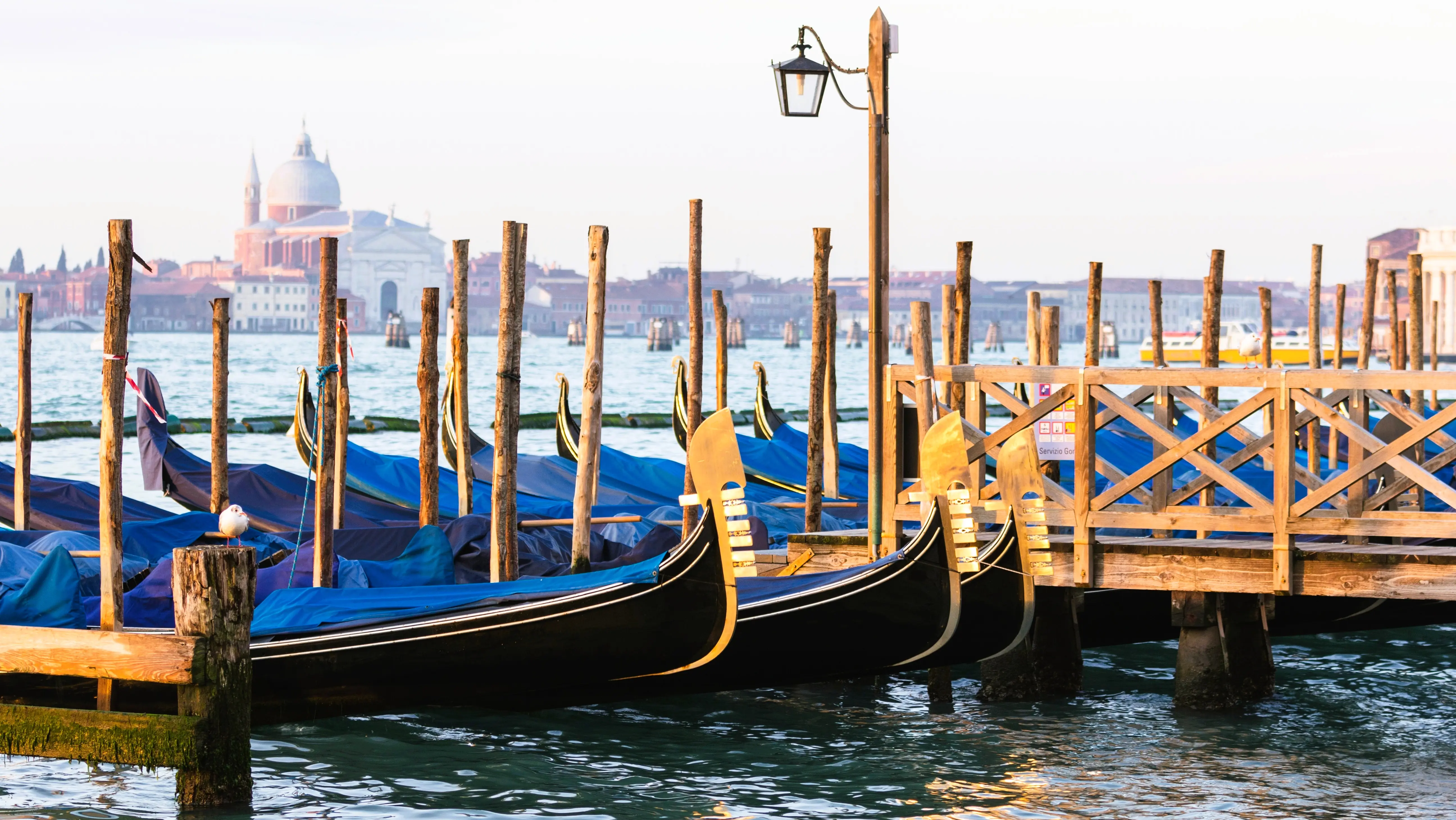
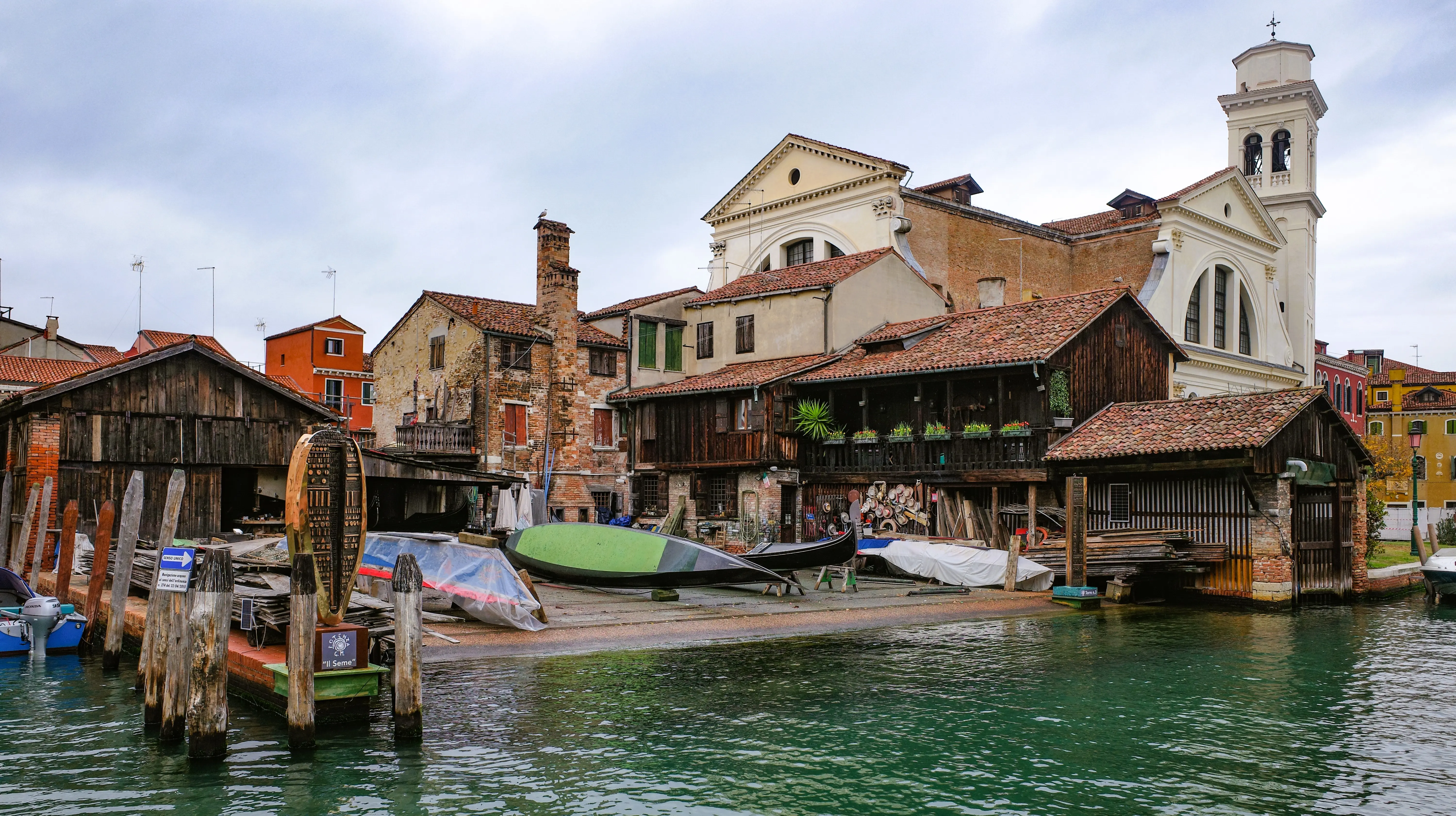
At first glance, gondolas appear elegant in their simplicity. In reality, they are among the most carefully engineered boats in the world. Each gondola is deliberately asymmetrical, built slightly longer on one side to compensate for the gondolier’s position and one-sided rowing technique. This imbalance allows the boat to move forward in a straight, controlled line despite being propelled by a single oar. It’s a subtle detail, invisible to most riders, yet fundamental to the gondola’s performance.
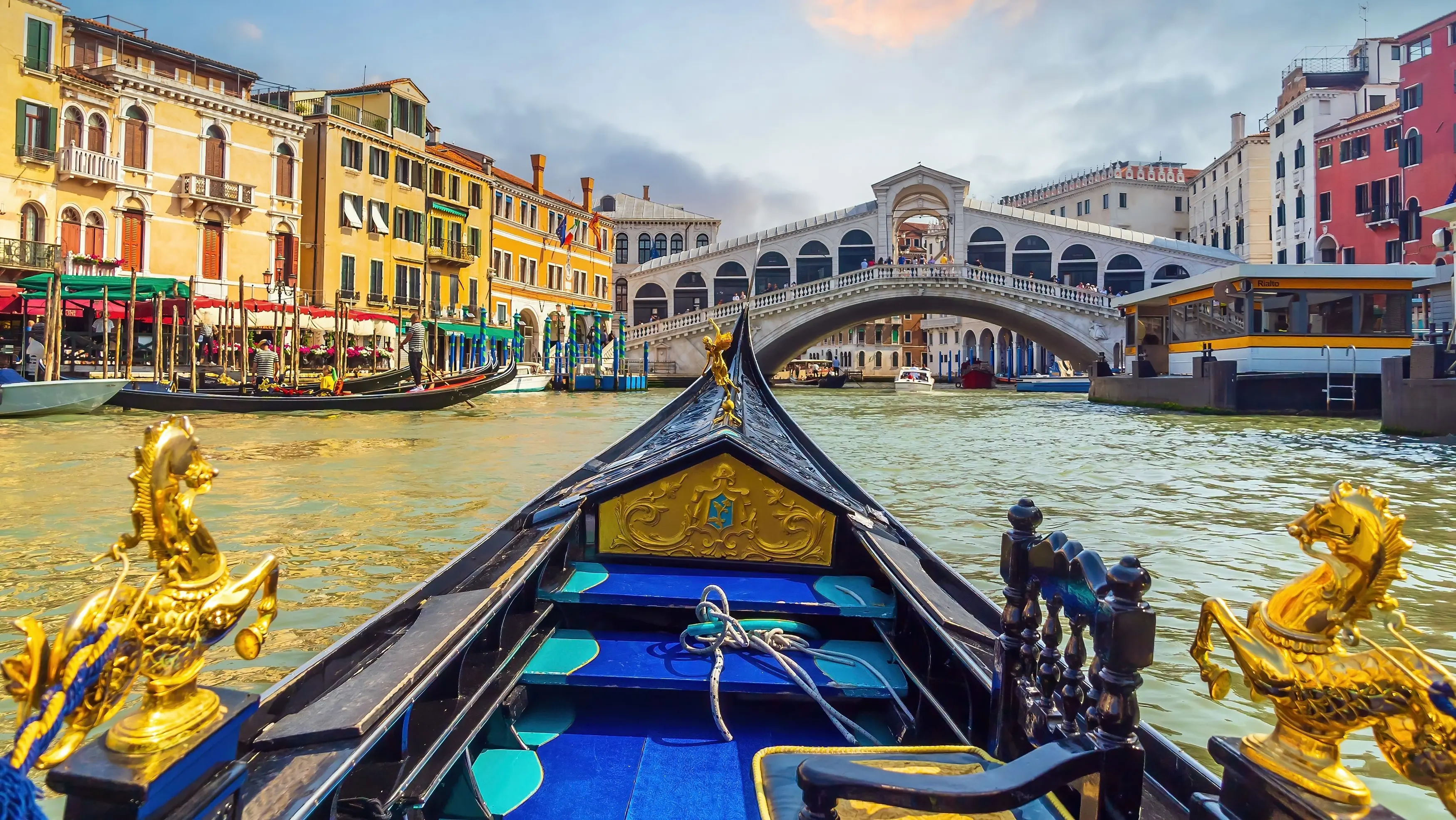
Construction is equally precise. A traditional gondola is built from eight different types of wood, each selected for a specific purpose: flexibility, resistance to water, durability, or lightness. The hull is shaped gradually, millimeter by millimeter, to achieve the perfect balance between glide and stability.
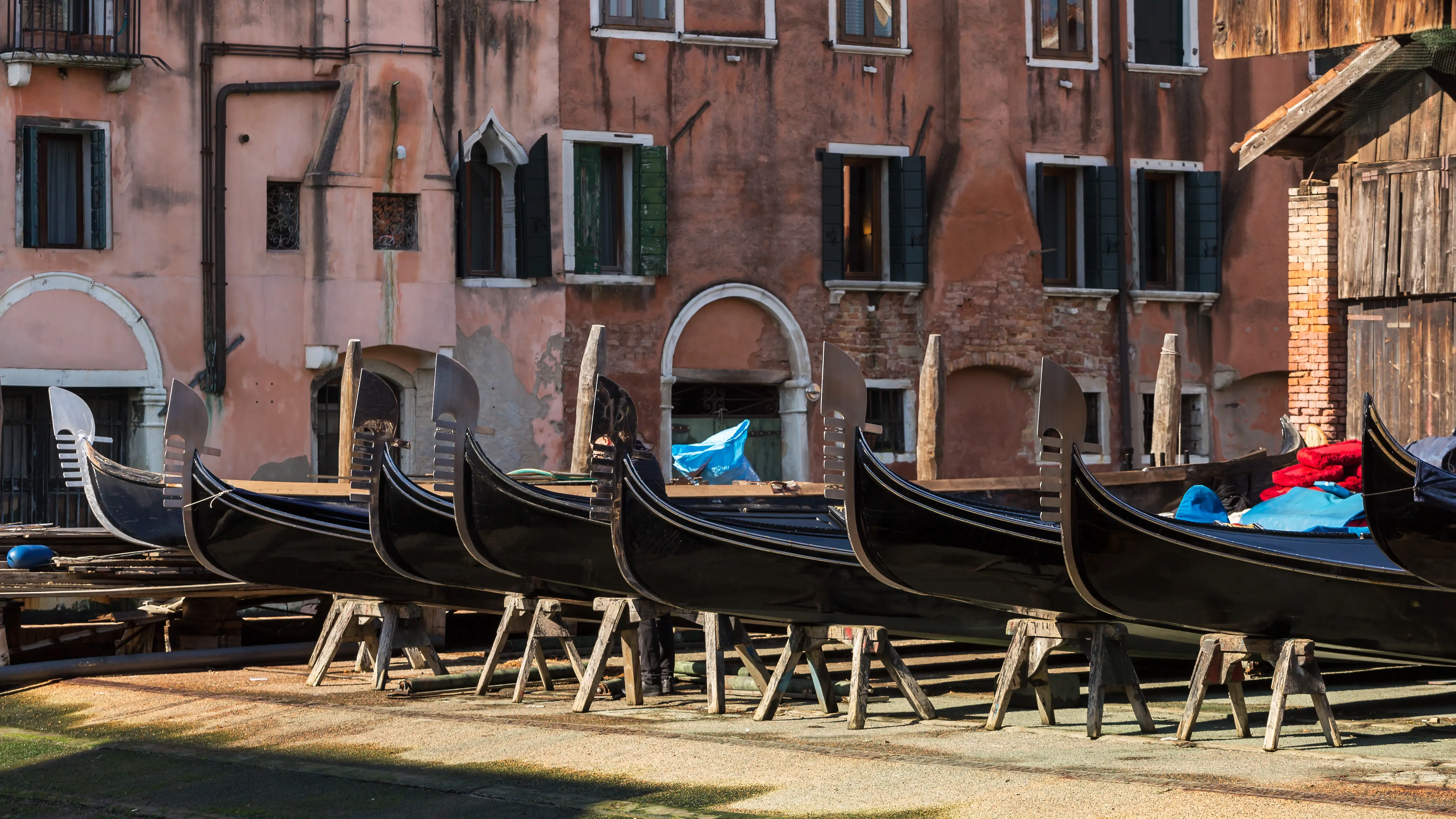
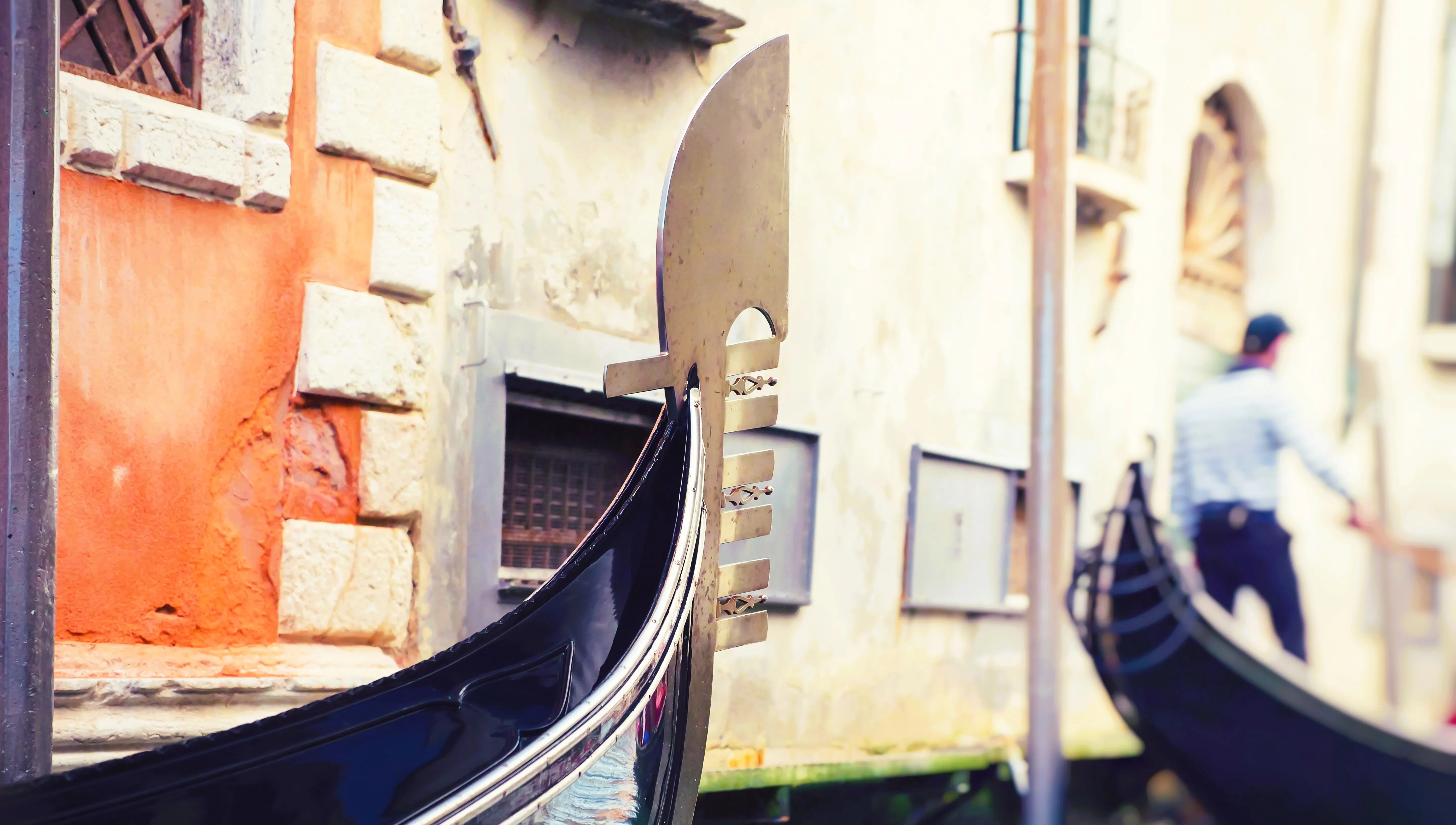
And then there is the ferro, the sculpted metal prow that defines the gondola’s silhouette. It serves as a counterweight, balancing the gondolier at the back, but it is also deeply symbolic. Its six forward-facing prongs represent Venice’s six historic districts (sestieri), while the single backward-facing prong honors Giudecca island. The curved top echoes the shape of the Doge’s cap, and even its subtle S-shape mirrors the curve of the Grand Canal itself. Nothing about a gondola is accidental. Every line exists for a reason!
Why Gondolas Are Black
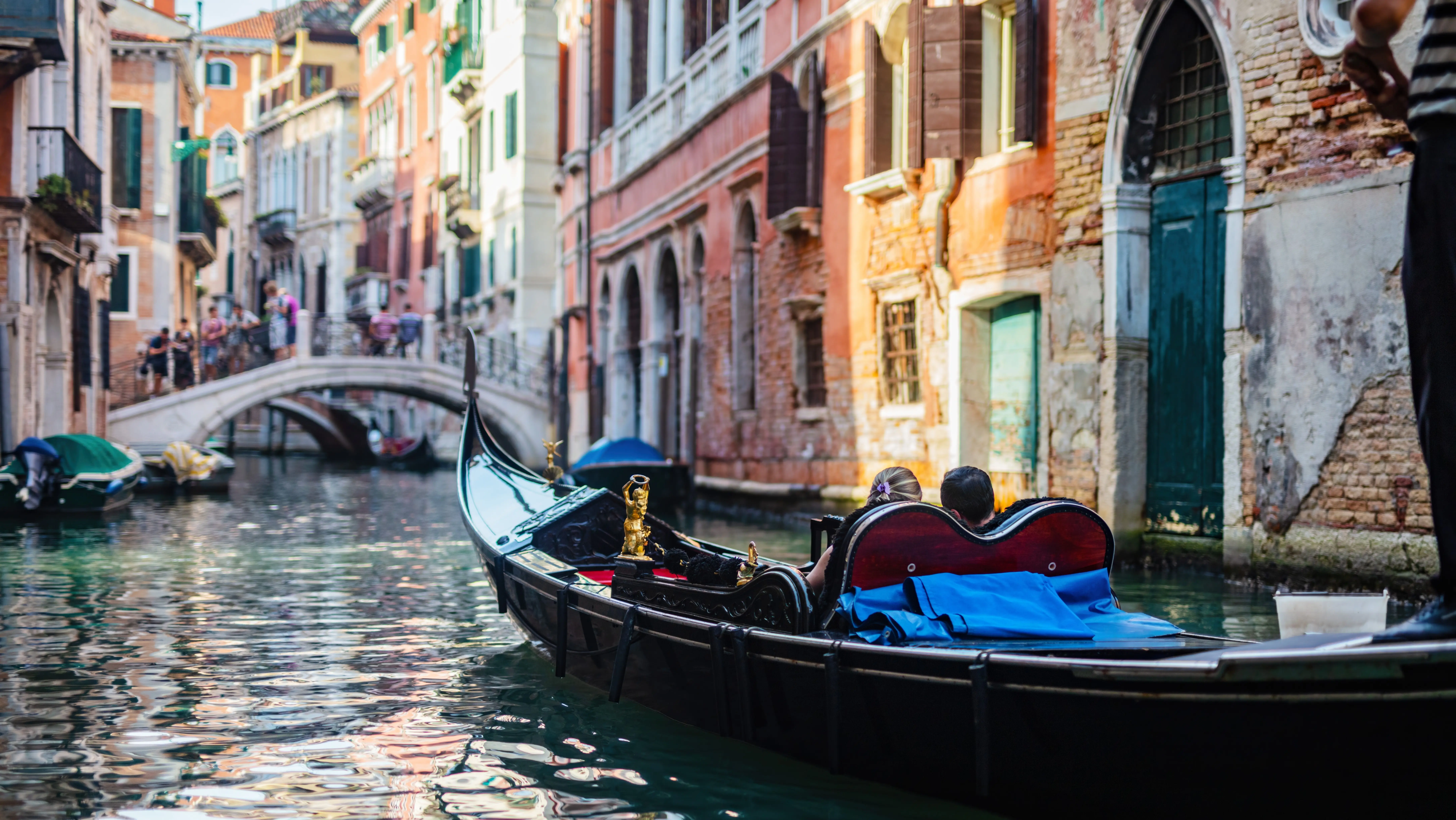
The gondola’s iconic black color is not merely aesthetic – it is the result of law, restraint, and civic identity. In earlier centuries, Venetian nobles competed fiercely in displays of wealth, adorning their gondolas with elaborate decorations, fabrics, and gilded details. To curb excess and reinforce equality among citizens, Venetian authorities issued decrees requiring gondolas to be painted black, eliminating visual competition.
Over time, this regulation became tradition. The deep black lacquer, applied in multiple layers, gives gondolas their understated elegance, shifting attention away from ornamentation and toward form, movement, and craftsmanship. What began as a restriction ultimately became one of Venice’s most recognizable visual signatures.
The Gondolieri: Tradition, Training, and Pride
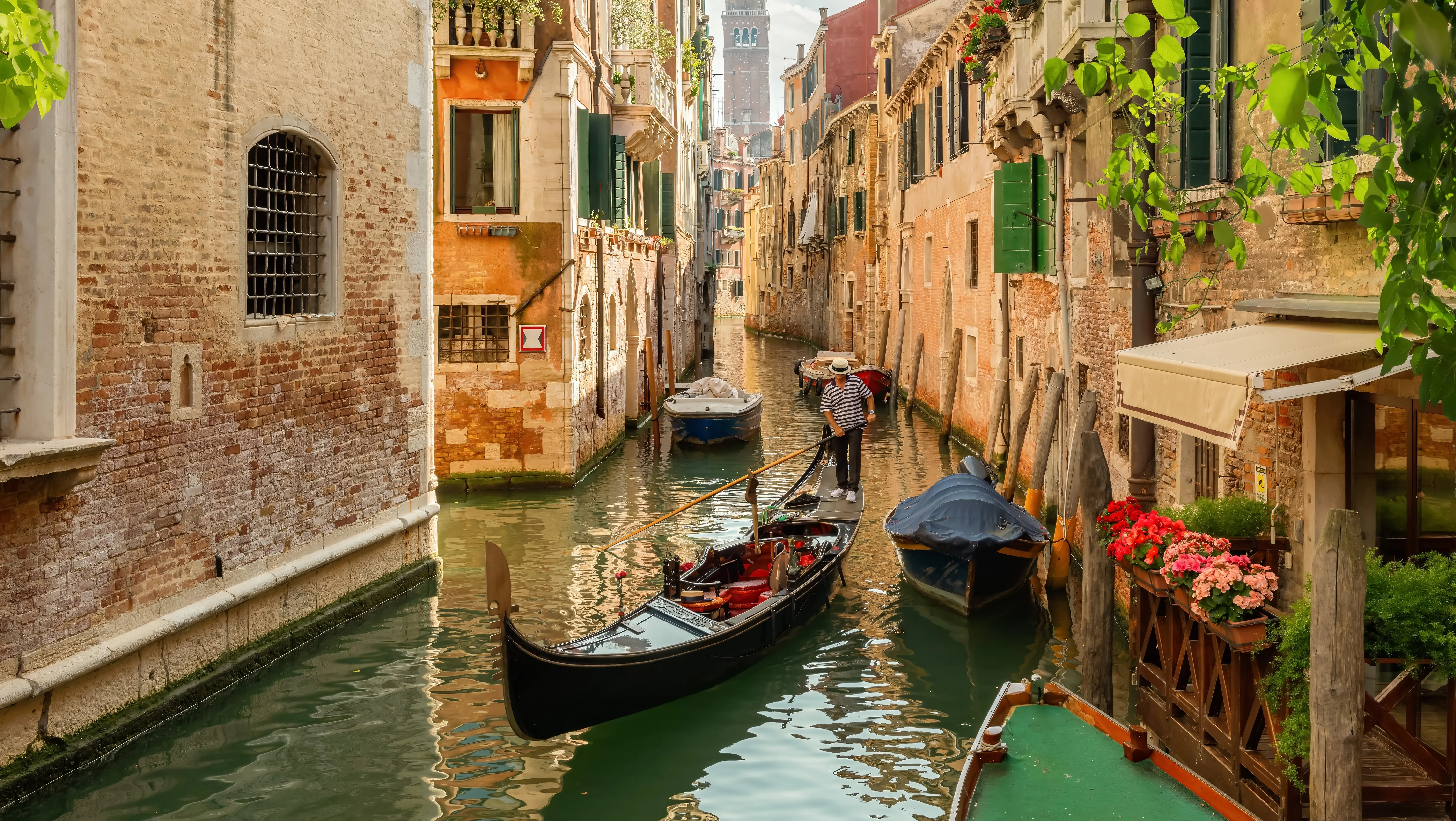
Gondoliers are not actors in costume, they are highly trained professionals entrusted with one of Venice’s most enduring traditions. Becoming a gondolier requires years of apprenticeship, mastery of the city’s waterways, and success in rigorous examinations that test navigation, rowing technique, and knowledge of Venice’s complex canal system. Licenses are limited and tightly regulated, making the profession both competitive and deeply respected.
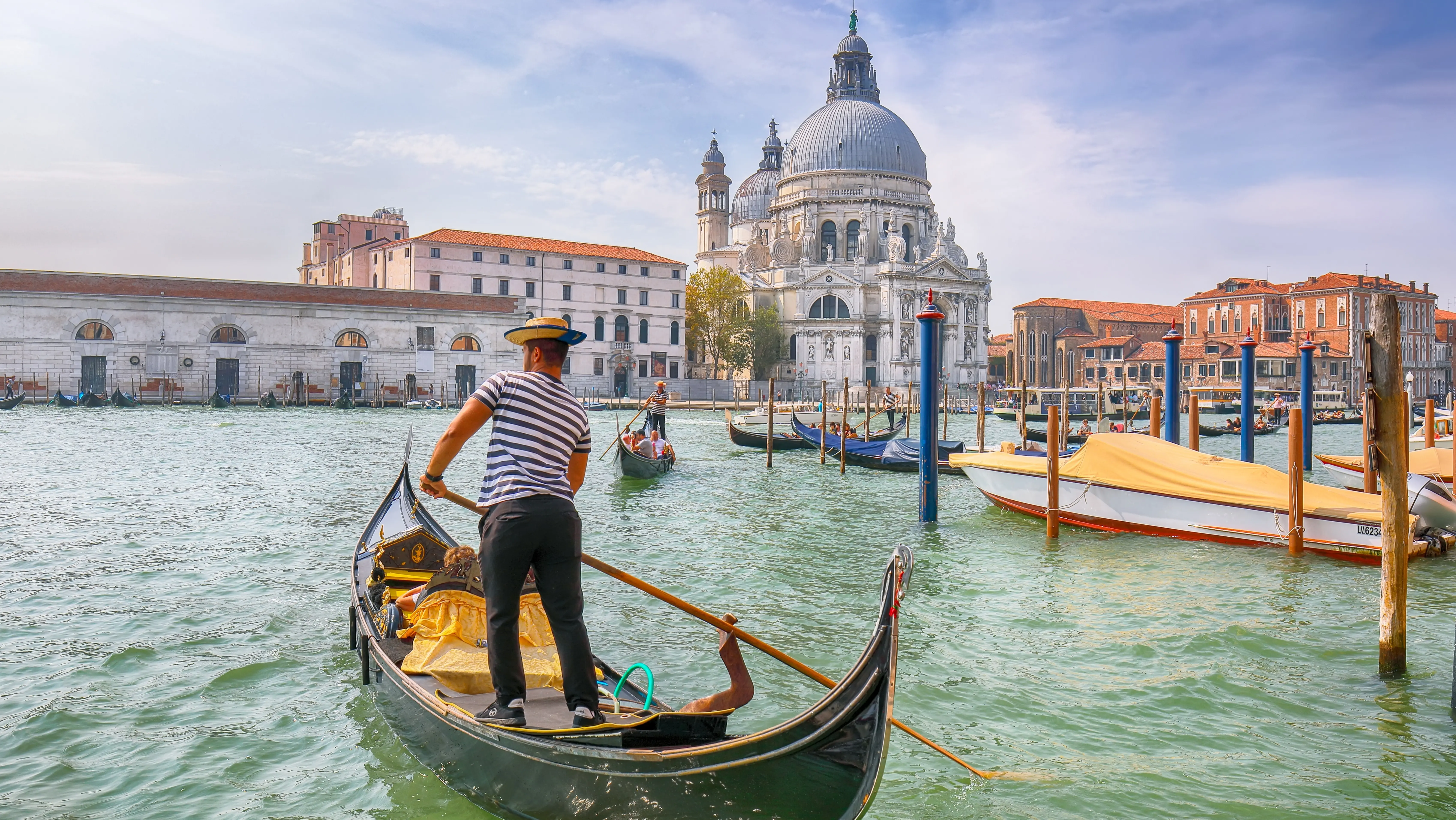
For generations, gondoliering was passed down through families, creating lineages of expertise and pride. While the profession was historically male-dominated, women have increasingly joined the ranks in recent decades, reshaping the tradition while preserving its standards. The gondolier’s stance – standing upright at the stern – allows for visibility through narrow canals and precise control of the vessel. The single oar rests in a carved wooden forcola, uniquely shaped to support multiple rowing positions. Even the familiar striped shirts and straw hats, now iconic, originate in practical working attire rather than performance. What you witness is not theater, it is skill honed through discipline and time.
The Gondola Ride: A Different Venice
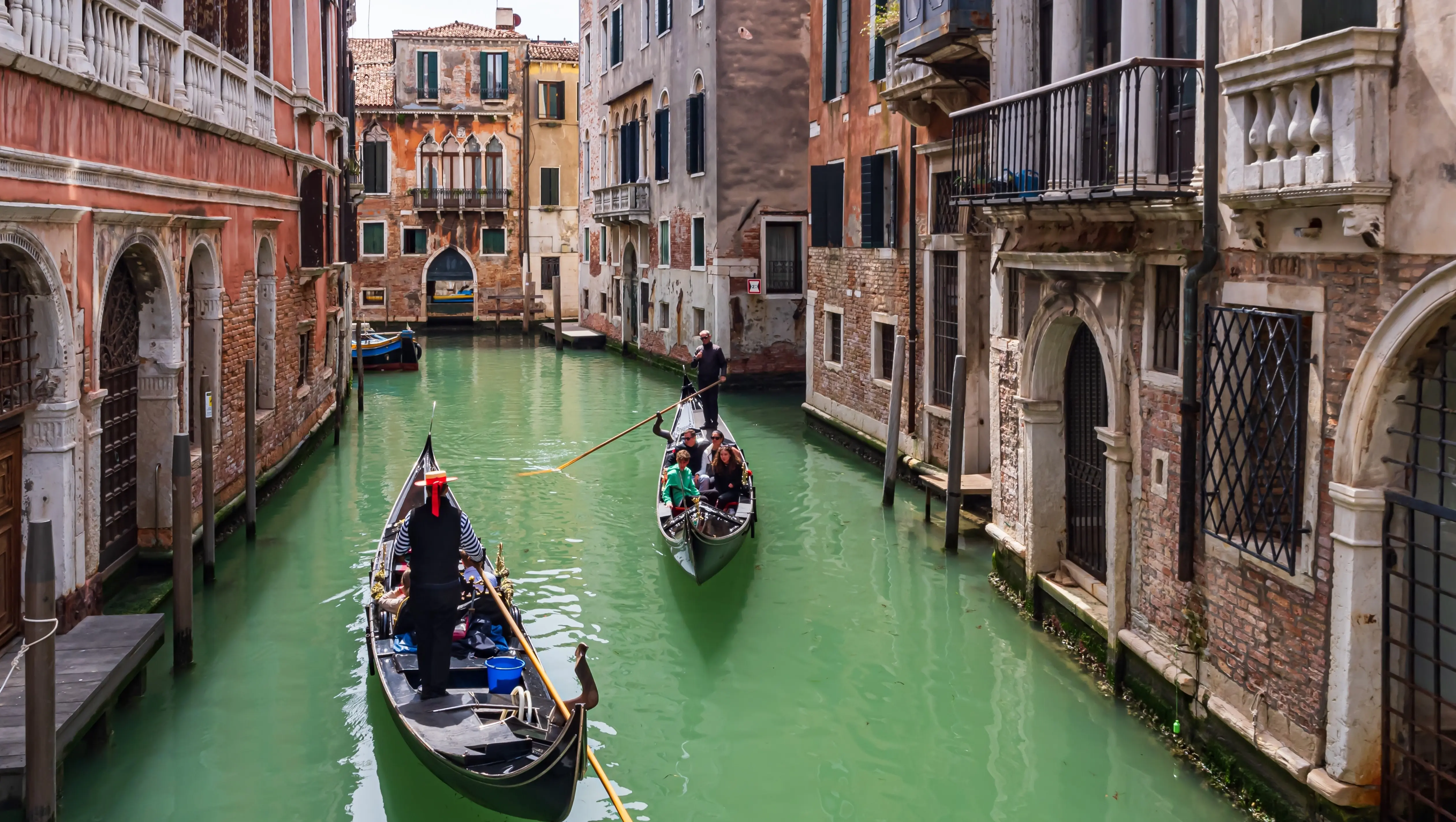
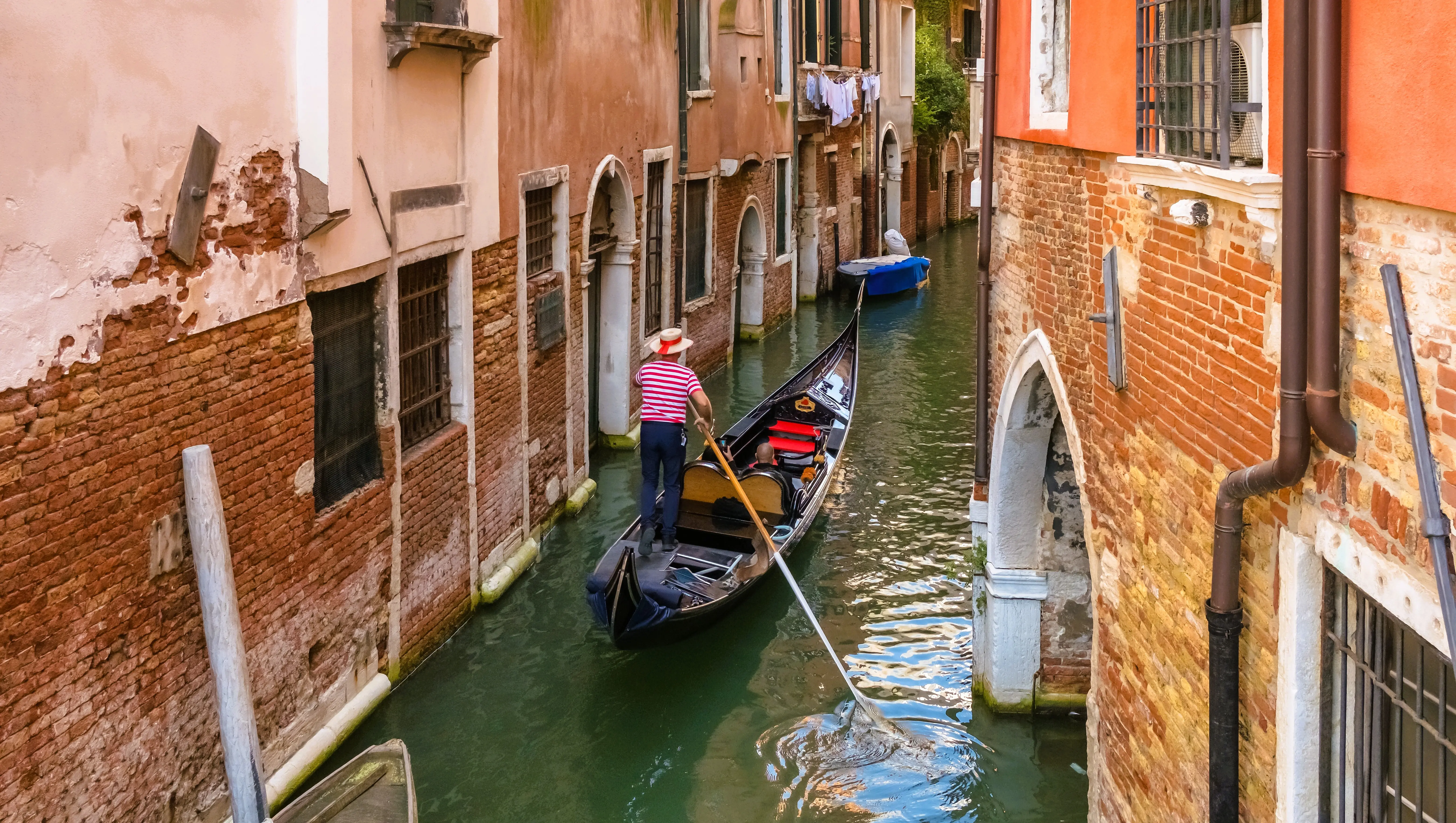
Experiencing Venice from canal level offers a perspective unlike any other. From a gondola, the city feels intimate. Buildings rise directly from the water, their foundations worn smooth by centuries of tides. Doorways open onto canals. Reflections ripple beneath balconies. Sound behaves differently here – footsteps fade, voices soften, and the gentle movement of water becomes a constant presence.
The pace is unhurried. The gondola glides rather than cuts through the canal, allowing details to emerge gradually. You may pass beneath low bridges, slip through quiet residential waterways, or briefly enter the Grand Canal before retreating again into stillness. It’s not a panoramic experience, it’s a close one. And that proximity changes how Venice feels.
Are Gondolas “Worth It”?
This question deserves an honest answer. Gondola rides are expensive. They are not necessary. Venice can be deeply moving without ever stepping into one. But gondolas offer something no other experience quite replicates: context. They show you how Venice once worked – not as a museum, but as a living city shaped by water. They place you inside the logic of its design rather than above it. Whether that feels worthwhile depends on what you value: efficiency, or understanding. For some, observing gondolas from a bridge is enough. For others, stepping aboard completes the picture. Both choices are valid.
Why Gondolas Still Matter
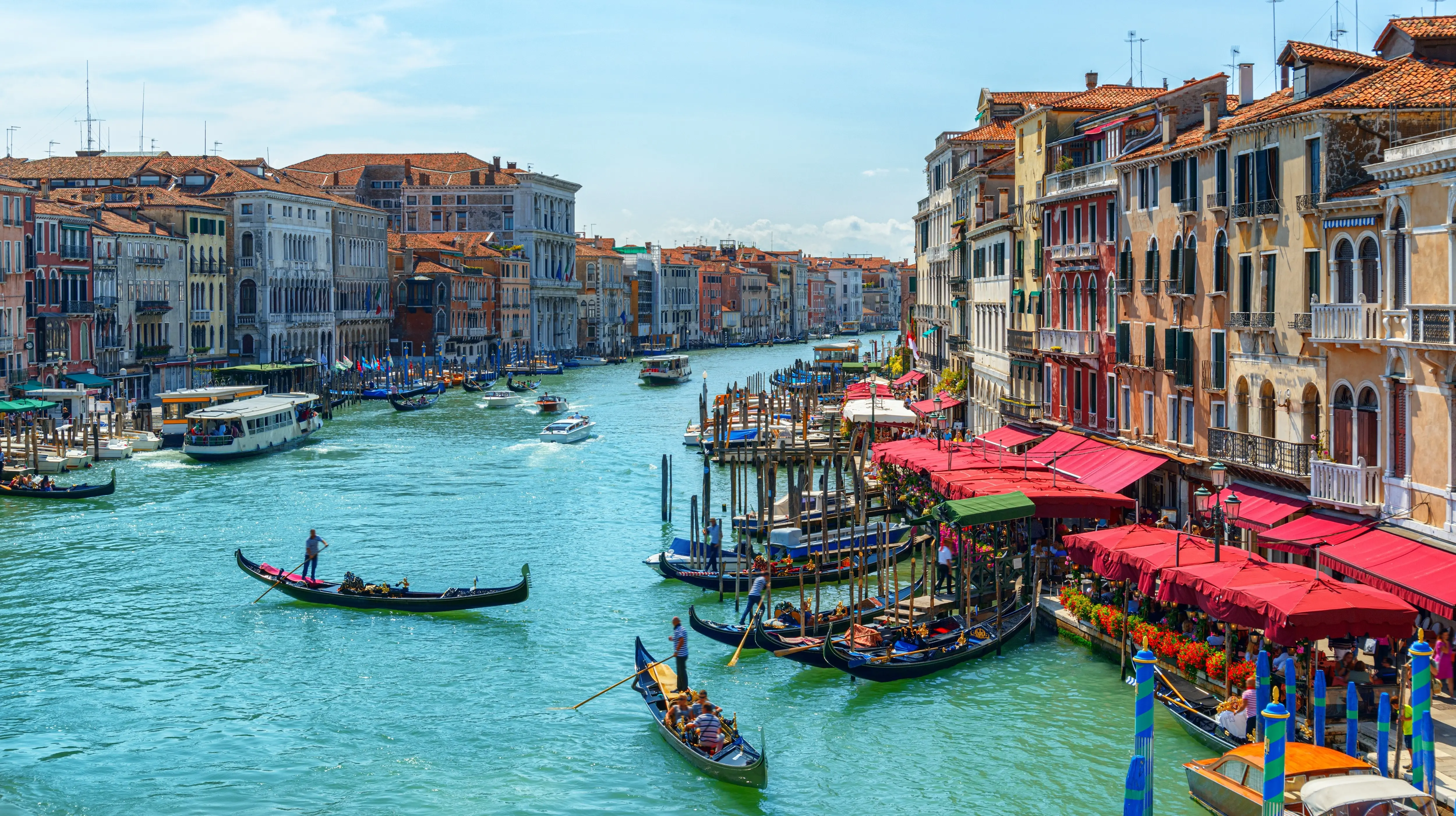
Gondolas endure because they are not frozen in time – they are carefully maintained, regulated, and respected as living artifacts of Venetian life. Every detail, from their construction to their use on the canals, reflects a city that has chosen continuity over convenience and craft over replacement.
They represent Venice’s rare ability to marry function with beauty, discipline with elegance. In a city constantly balancing preservation and change, gondolas remain a quiet constant, not because they are romantic symbols for visitors, but because they still work. Practically. Symbolically. Culturally. They continue to move through the same waterways that shaped Venice centuries ago, reminding us that some traditions survive not by resisting time, but by adapting thoughtfully within it.
Bubbly Tips
- Best time to ride: Early morning or late afternoon for calmer canals and softer light
- Know before you go: Gondola prices are regulated and fixed by the city. A standard ride costs €80 during the day and €100 in the evening, covering up to five passengers for approximately 30 minutes.
- Typical ride length: Standard gondola rides last about 30 minutes
- About singing: Gondoliers don’t usually sing unless requested, often for an added fee
- Where to ride: Quiet back canals feel more intimate than the busy Grand Canal
- Alternative experience: Traghetto crossings on the Grand Canal offer a brief, authentic gondola ride at a much lower cost
- Slow travel option: Watching gondolas from a quiet bridge can be just as revealing
Final Thoughts
Gondolas are not souvenirs. They are expressions of how Venice learned to live with water – carefully, creatively, and intentionally. Whether you ride one or simply watch them glide past, they invite you to look beyond the surface and see the city as a system shaped by necessity and grace.
And once you understand that, Venice reveals itself differently.
Have you experienced a gondola ride in Venice, or do you prefer to admire them from the water’s edge? I’d love to hear!

🌟 Everything You Need to Plan Your Dream Trip in 2026
- 🌟 Luxury Hotels - Find premium stays with Booking.com & Hotels.com
- 🏡 Vacation Rentals - Discover unique properties on VRBO
- 🏞️ Guided Tours - Explore with Viator or GetYourGuide
- 🎫 Attraction Tickets - Skip the lines with Tiqets
- 🚢 Ocean Cruises - Set sail with Cruise Direct
- 📱 International SIMs - Stay connected with Saily
- 🚗 Car Rentals - Budget-friendly options from Discover Cars
- 🌐 Secure VPNs - Browse safely with NordVPN
- 💶 Currency Exchange - Best rates with Wise
- 🗣️ Learn Languages - Master the local language with Babbel and Rosetta Stone