
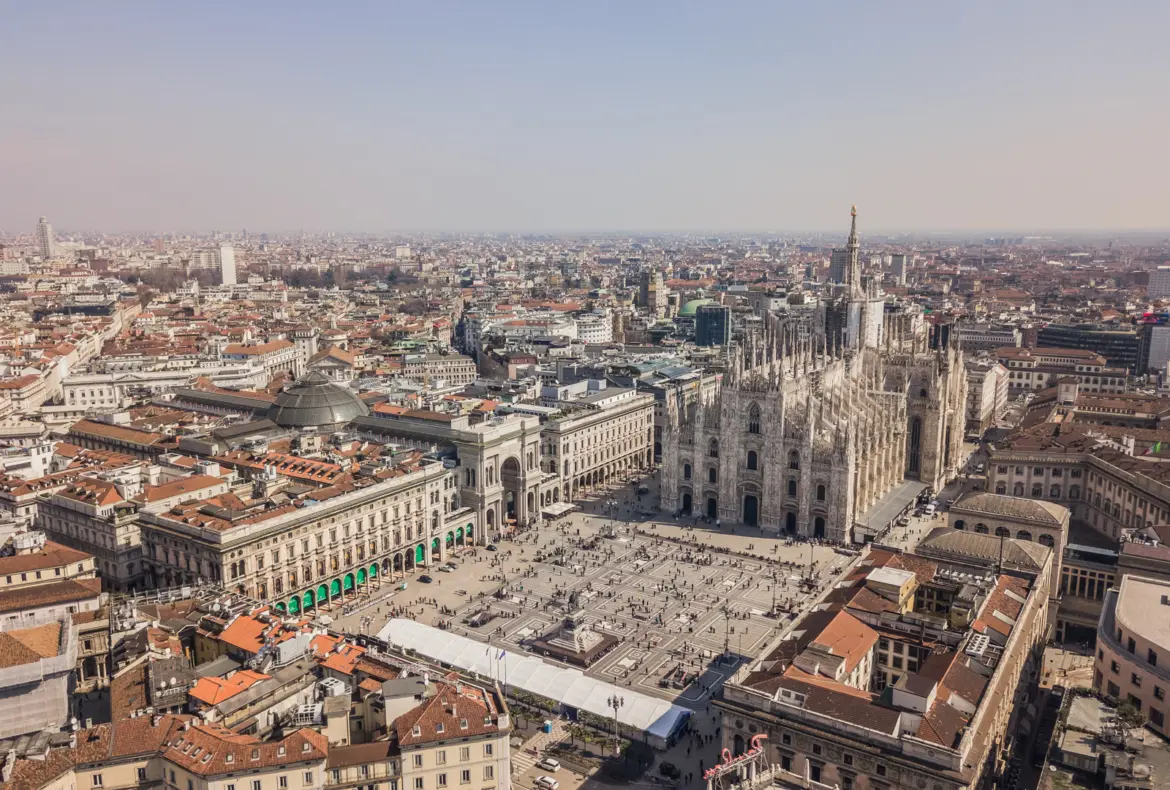
Hello, travel enthusiasts! As Milan welcomes the world during the 2026 Winter Olympics, the city reveals something it has always possessed: an effortless elegance rooted in history, design, and cultural depth. Milan is not a city that performs for visitors. It doesn’t announce itself loudly or rely on postcard clichés. Instead, it unfolds gradually – through architecture that rewards attention, neighborhoods shaped by centuries of reinvention, and moments of beauty woven into everyday life.
This is a city of layers: Roman foundations, Renaissance genius, industrial innovation, fashion, finance, and contemporary creativity, all coexisting with remarkable balance. Whether you are visiting for the first time or returning with deeper curiosity, these top ten must-see places offer a meaningful introduction to Milan’s character.
Milan at a Glance
📍 Location: Lombardy, Northern Italy
🏛️ Known For: Fashion, design, architecture, opera, Renaissance art, and Italian aperitivo culture
🎭 Top 10 Highlights: Duomo di Milano, Galleria Vittorio Emanuele II, La Scala, The Last Supper, Castello Sforzesco, Brera, Navigli canals, Via Montenapoleone, Starbucks Reserve Roastery, hidden courtyards
🗓️ Timely: Host city for the 2026 Winter Olympics
⏱️ Suggested Duration: 2–3 days for essential highlights
💡 Tip: Book Last Supper tickets well in advance — entry is limited and time slots sell out quickly
1. Duomo di Milano – The Heart of the City
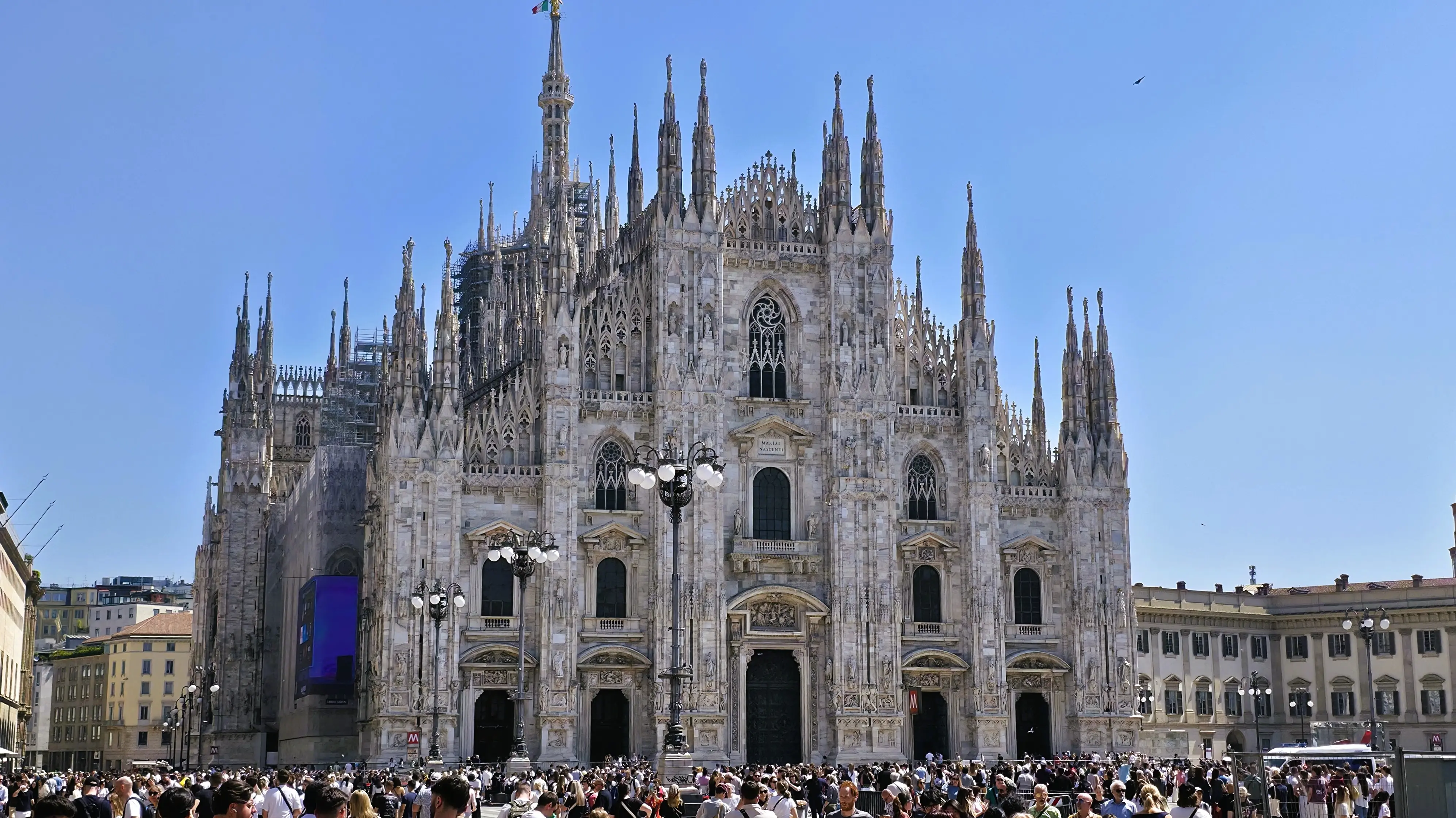
The Duomo di Milano is not just Milan’s most recognizable landmark, it is its emotional and architectural center. Rising dramatically at the heart of the city, the cathedral’s white marble façade is adorned with thousands of spires, statues, and intricate details that reward close observation. Construction spanned centuries, and the result reflects a city that values patience, craftsmanship, and ambition.
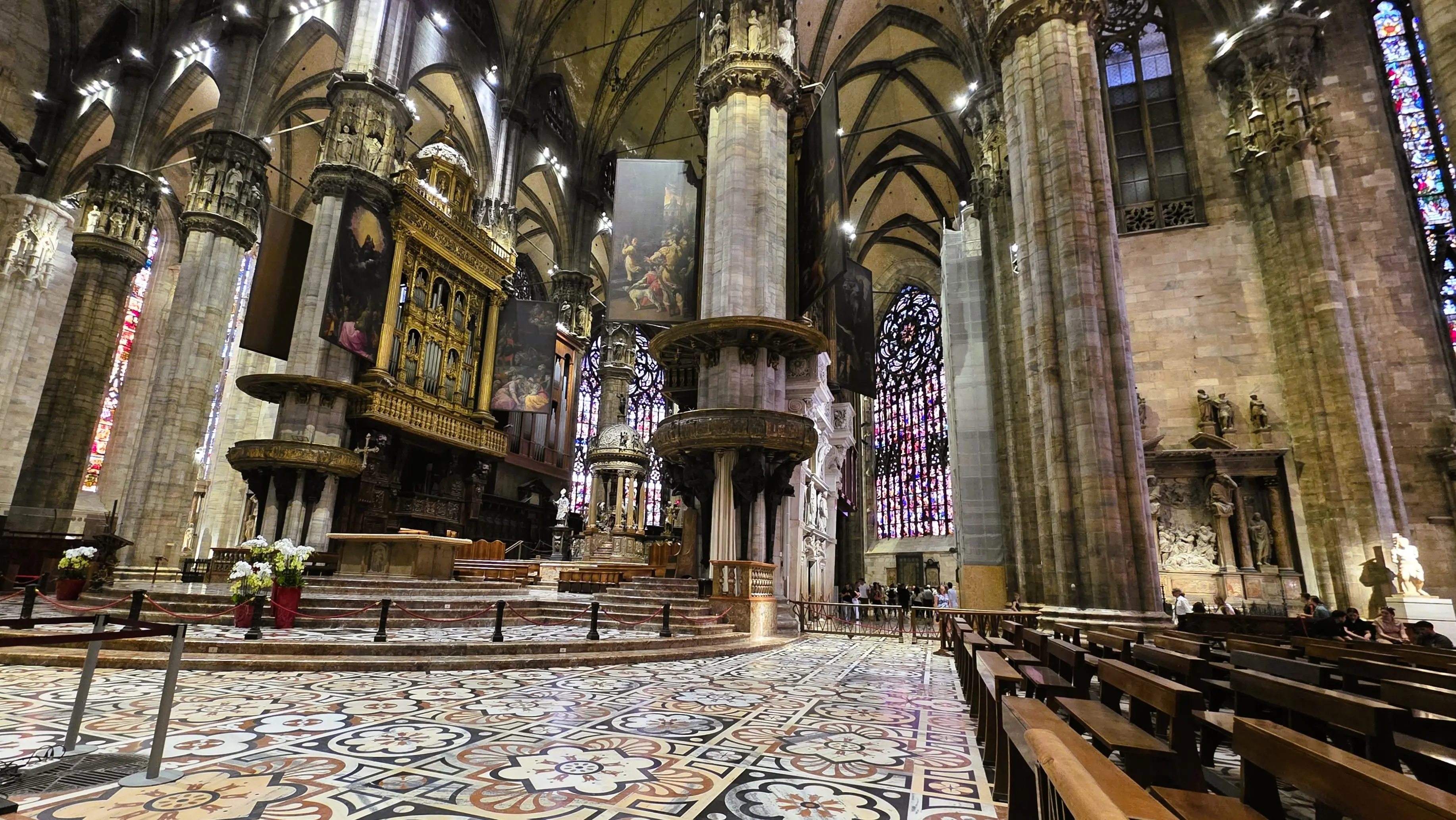
Inside, the Duomo feels vast yet composed, with light filtering through stained glass windows that soften its scale. Above all, the rooftop terraces offer one of Milan’s most extraordinary experiences. Walking among the spires, with the city stretching outward in every direction, you understand Milan not as a single moment in history, but as a living continuum.
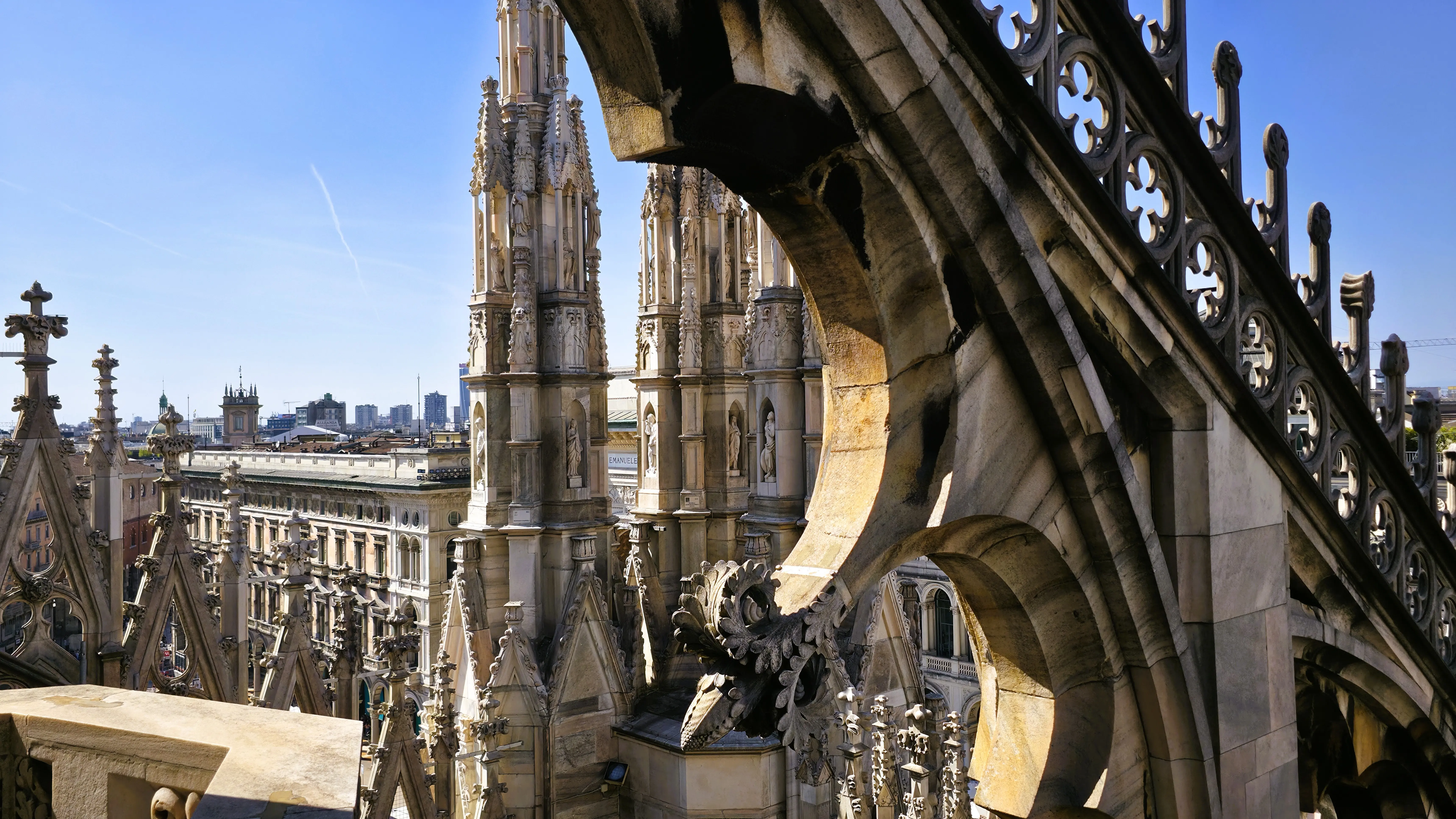
Bubbly Tip: Visit early in the morning or close to sunset. The rooftop terraces feel calmer then, and the city reveals itself slowly between marble spires and sky.
2. Galleria Vittorio Emanuele II – Architecture as Ritual
Adjacent to the Duomo, the Galleria Vittorio Emanuele II feels less like a shopping arcade and more like a civic salon. Built in the 19th century, its soaring glass dome and mosaic floors create an atmosphere of theatrical elegance, a place where architecture itself becomes an experience. Locals and visitors alike pause here, not necessarily to shop, but to admire, meet, linger, and pass through. The Galleria embodies Milan’s belief that beauty belongs in daily life, not behind velvet ropes. Even a brief walk through feels ceremonial.
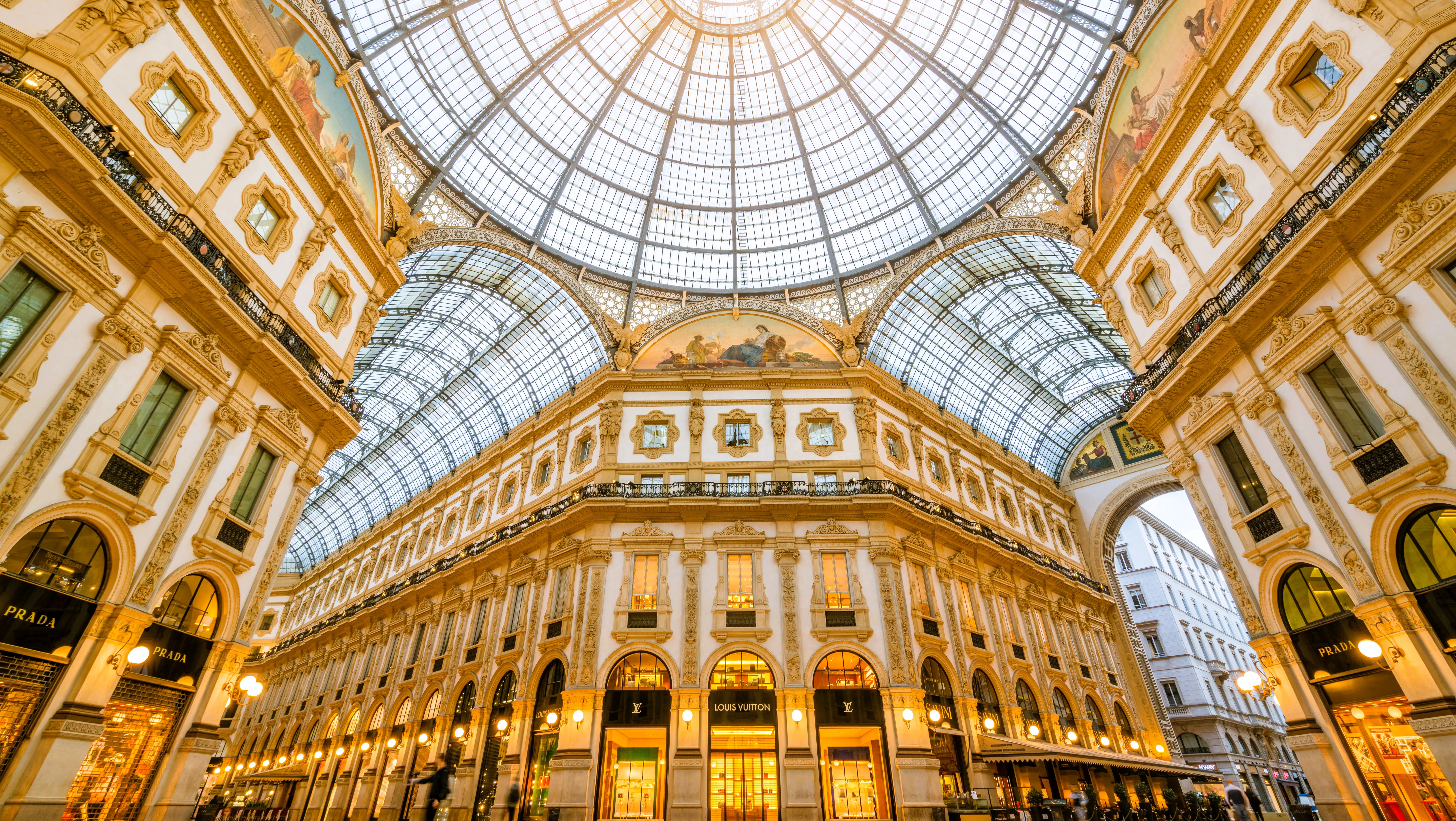
Bubbly Tip: Pause in the center beneath the glass dome and look up. The Galleria isn’t meant to be rushed, it’s a place to observe Milan’s daily rhythm unfold around you!
3. Teatro alla Scala – Music, Discipline, and Legacy
The Teatro alla Scala is one of the world’s most revered opera houses, and its significance goes far beyond performance. La Scala represents Milan’s devotion to excellence, discipline, and artistic rigor. Attending a performance, or even visiting the museum, reveals how deeply music is woven into the city’s identity. The exterior is restrained, almost understated, but inside, the theater opens into red velvet, gold detailing, and impeccable acoustics. Here, art is not spectacle; it is craft, tradition, and responsibility.
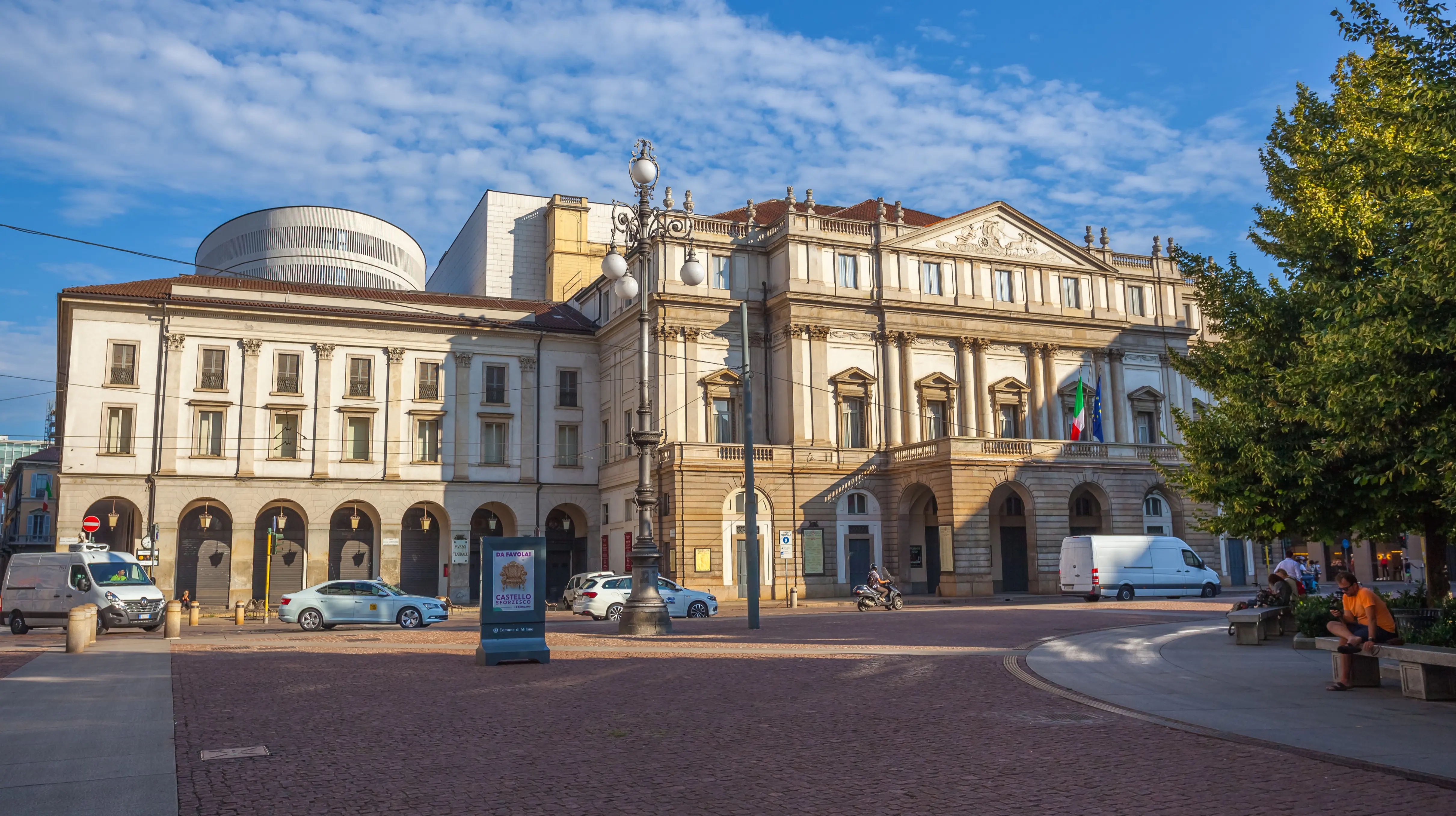
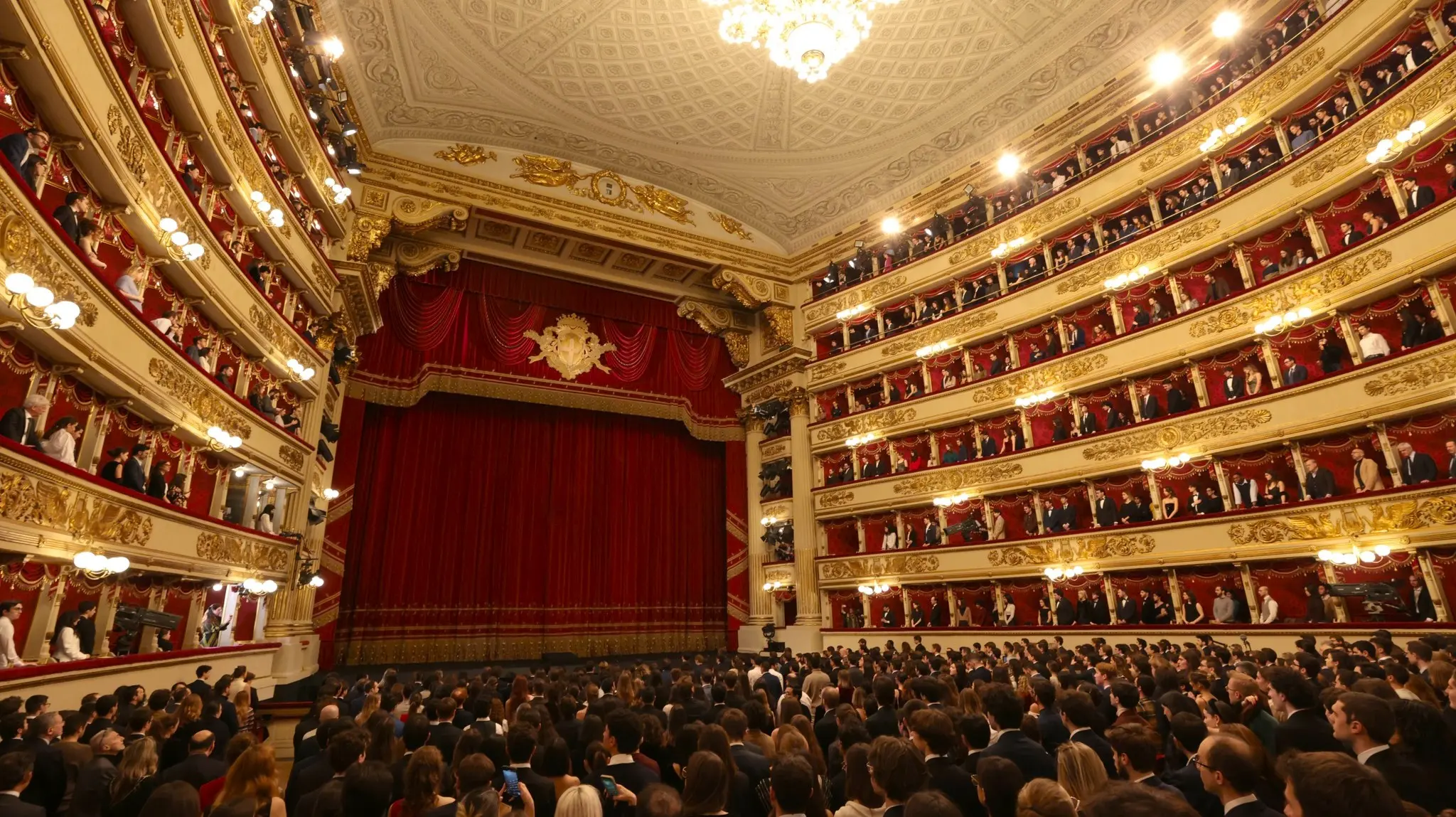
Bubbly Tip: Even if you don’t attend a performance, step inside the museum or linger outside in the early evening. The atmosphere alone offers insight into Milan’s deep respect for music and discipline
4. Santa Maria delle Grazie – Where Time Holds Its Breath
Santa Maria delle Grazie is best known as the home of The Last Supper by Leonardo da Vinci, yet its significance extends far beyond the famous fresco. The church and adjoining refectory embody Renaissance ideals of proportion, harmony, and contemplation, creating a setting where art, faith, and intellect converge. Visiting this space, whether or not you view the painting itself, offers insight into Milan’s humanist tradition and artistic legacy. It serves as a quiet reminder that some of the world’s most influential works were created not in isolation, but within lived, spiritual environments shaped by daily devotion and thought.
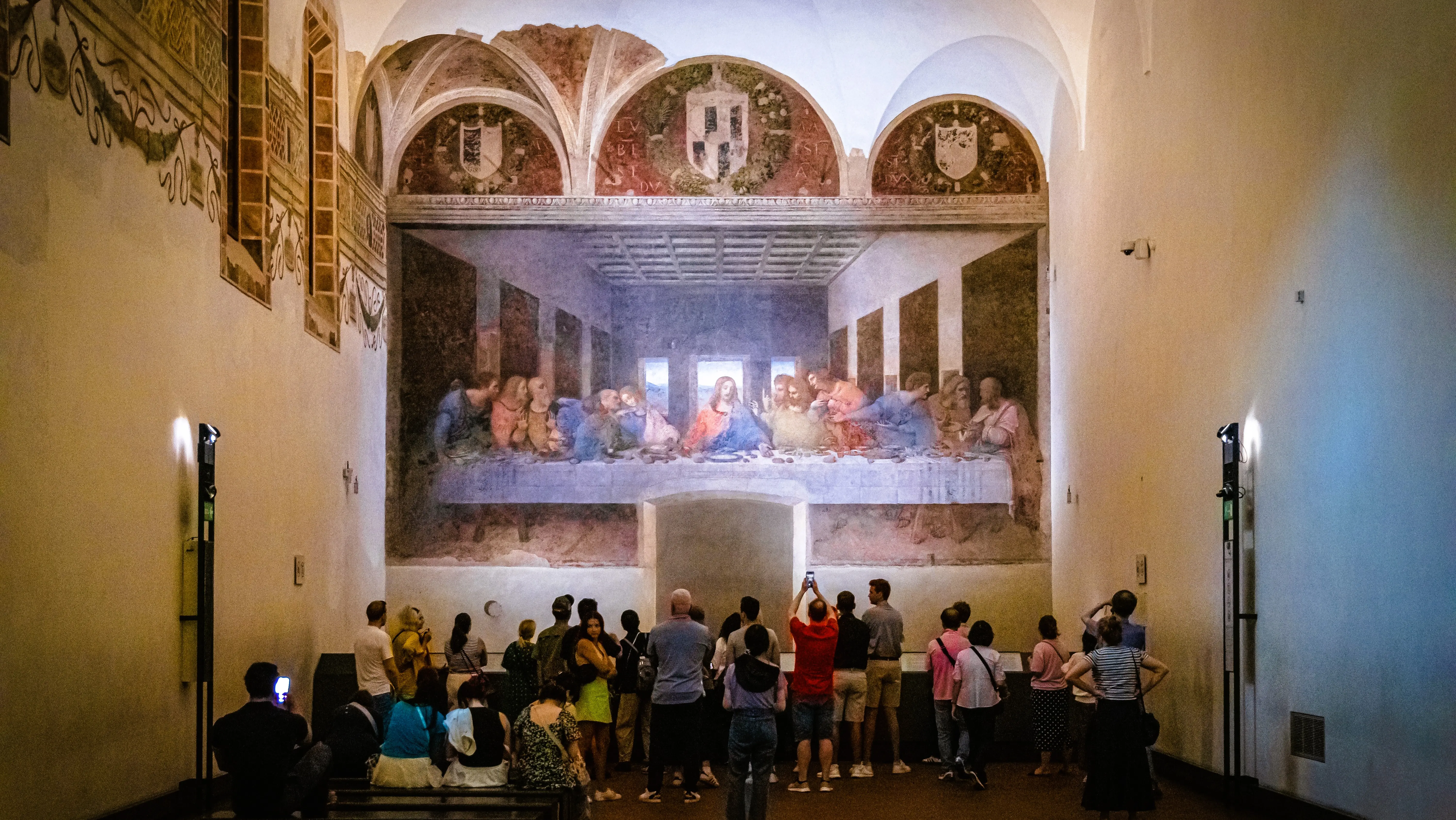
Bubbly Tip: Tickets to view The Last Supper at Santa Maria delle Grazie are limited and must be reserved in advance. Book early and plan ahead – the controlled entry ensures a quieter, more contemplative experience, but availability fills quickly
5. Castello Sforzesco – Power Reimagined
Once a fortress and seat of ducal power, Castello Sforzesco (Sforza Castle) now feels open and civic in nature. The castle’s transformation into a cultural complex housing museums and collections reflects Milan’s ability to reinterpret its past rather than erase it. Walking through its courtyards and galleries, you sense how authority gave way to art, and defense to creativity. Beyond the castle, Parco Sempione stretches outward, reinforcing Milan’s commitment to space, balance, and public life.
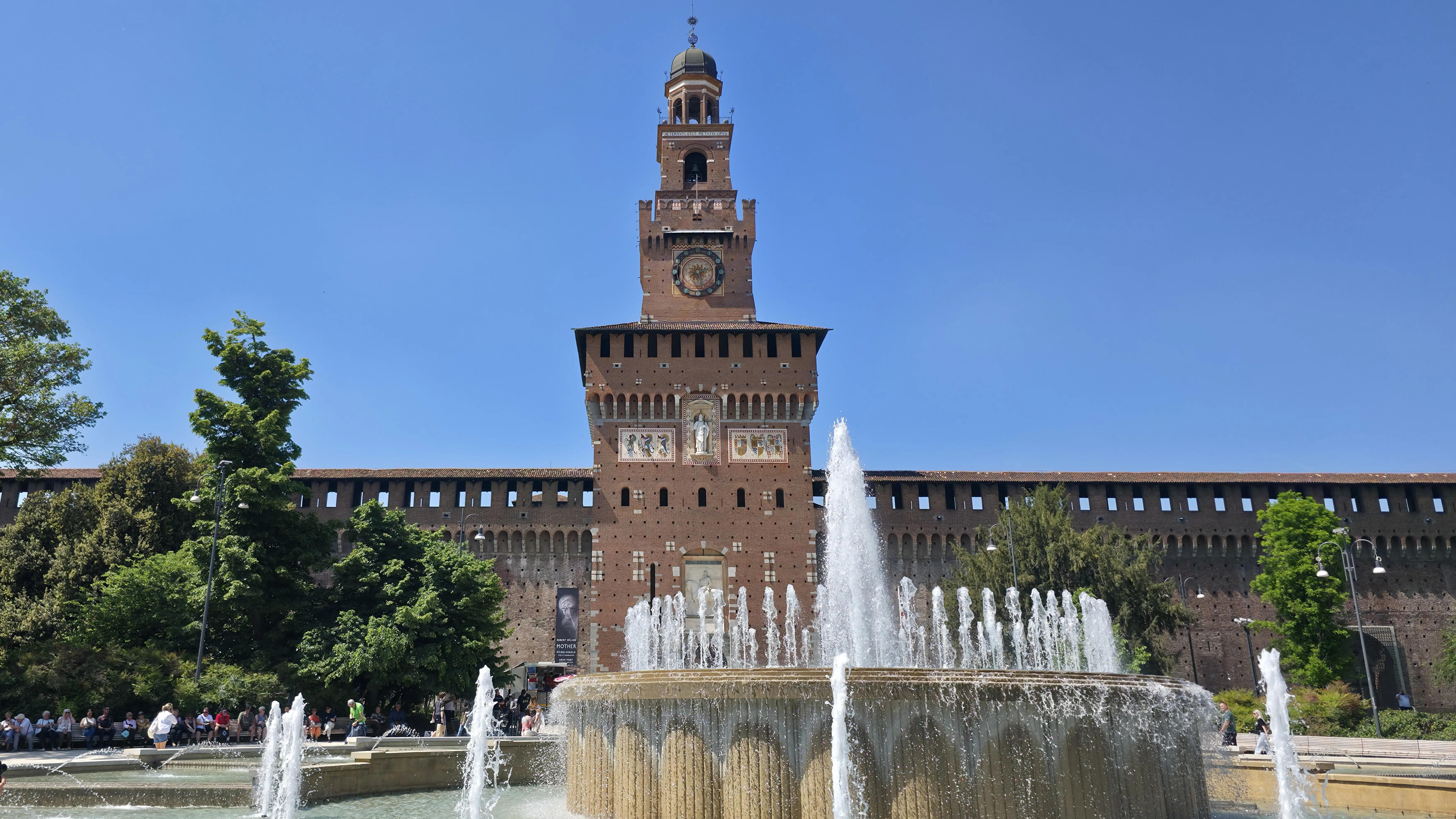
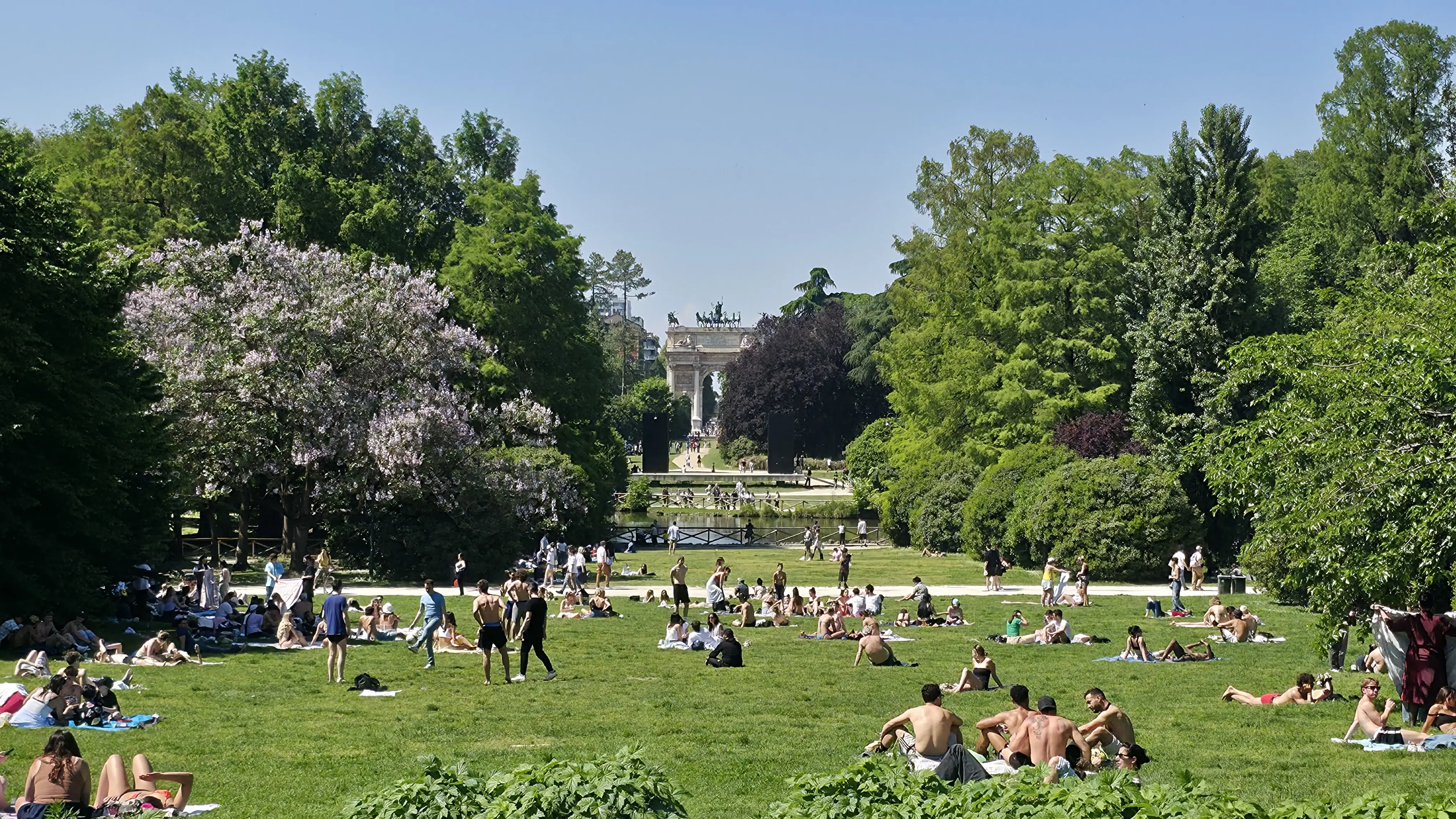
Bubbly Tip: Walk through the castle rather than around it. Moving from courtyard to courtyard helps you feel how Milan transformed power into shared cultural space.
6. Brera District – Intellect and Intimacy
The Brera district captures Milan at its most intimate. Narrow streets, historic buildings, and quiet courtyards create an atmosphere shaped by thought rather than spectacle. Home to the Brera Academy and Pinacoteca, the neighborhood feels cultured without being formal. Cafés and restaurants spill onto cobblestones. Conversations linger. Art and daily life coexist naturally. Brera invites wandering without agenda, one of Milan’s most understated pleasures.
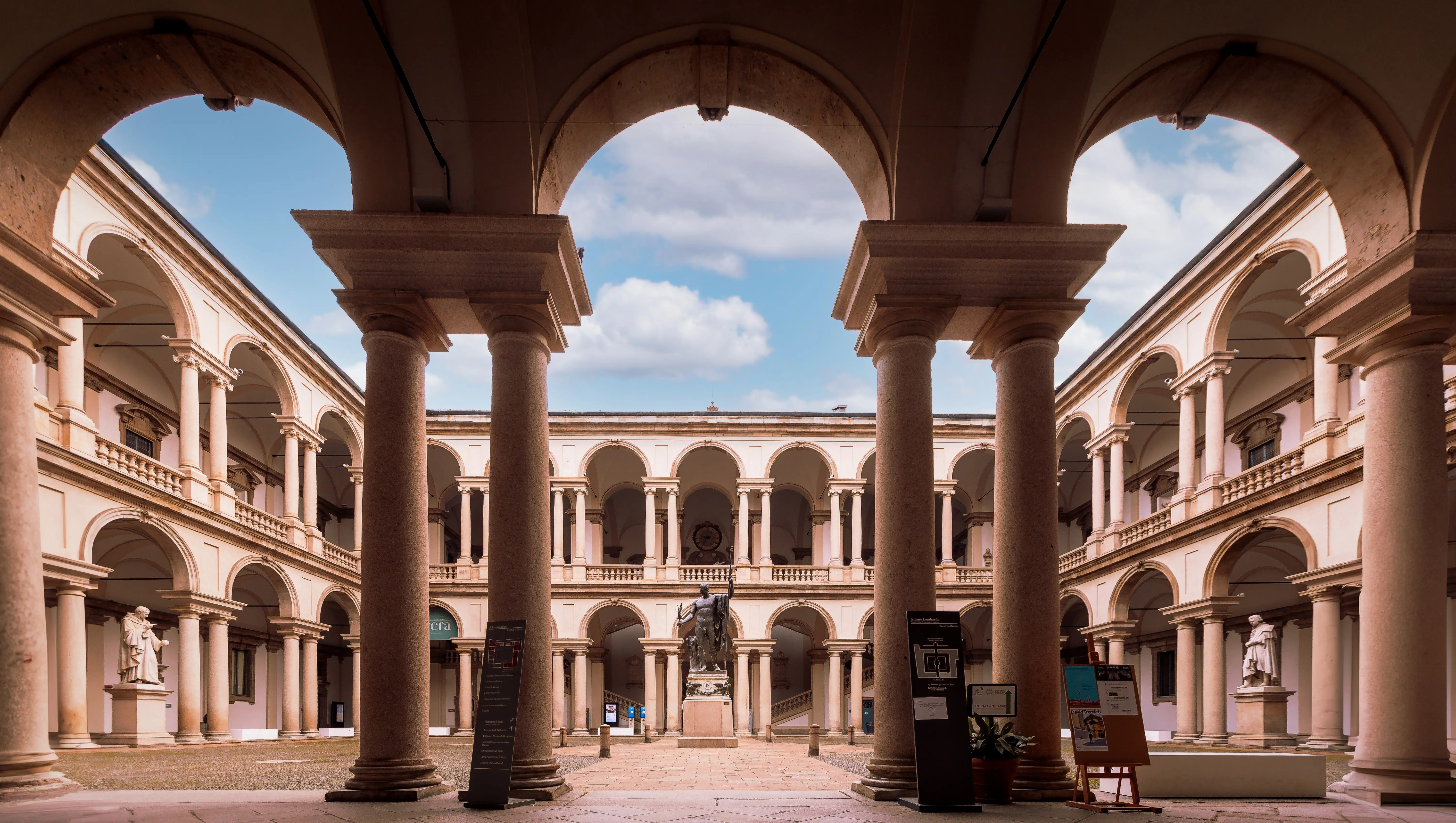
Bubbly Tip: Come without a strict plan. Brera rewards slow wandering, side streets, and unplanned café stops more than structured sightseeing.
7. Navigli – Water, Light, and Evening Ritual
Milan surprises many with its canals, and nowhere is this more apparent than in the Navigli district, shaped around historic waterways such as the Naviglio Grande. Originally developed to support trade and transport, and later refined with hydraulic improvements associated with Leonardo da Vinci, the canals now reflect a gentler side of the city. Buildings, lights, and passing conversations ripple across the water, creating a rhythm that feels almost cinematic as evening approaches.
Aperitivo in the Navigli is not a performance, but a ritual, an unhurried pause between work and night. Locals and visitors gather along the canal edges, lingering without agenda. In these moments, Milan reveals its social warmth and its quieter, more reflective character, where water slows time and everyday life feels briefly suspended.
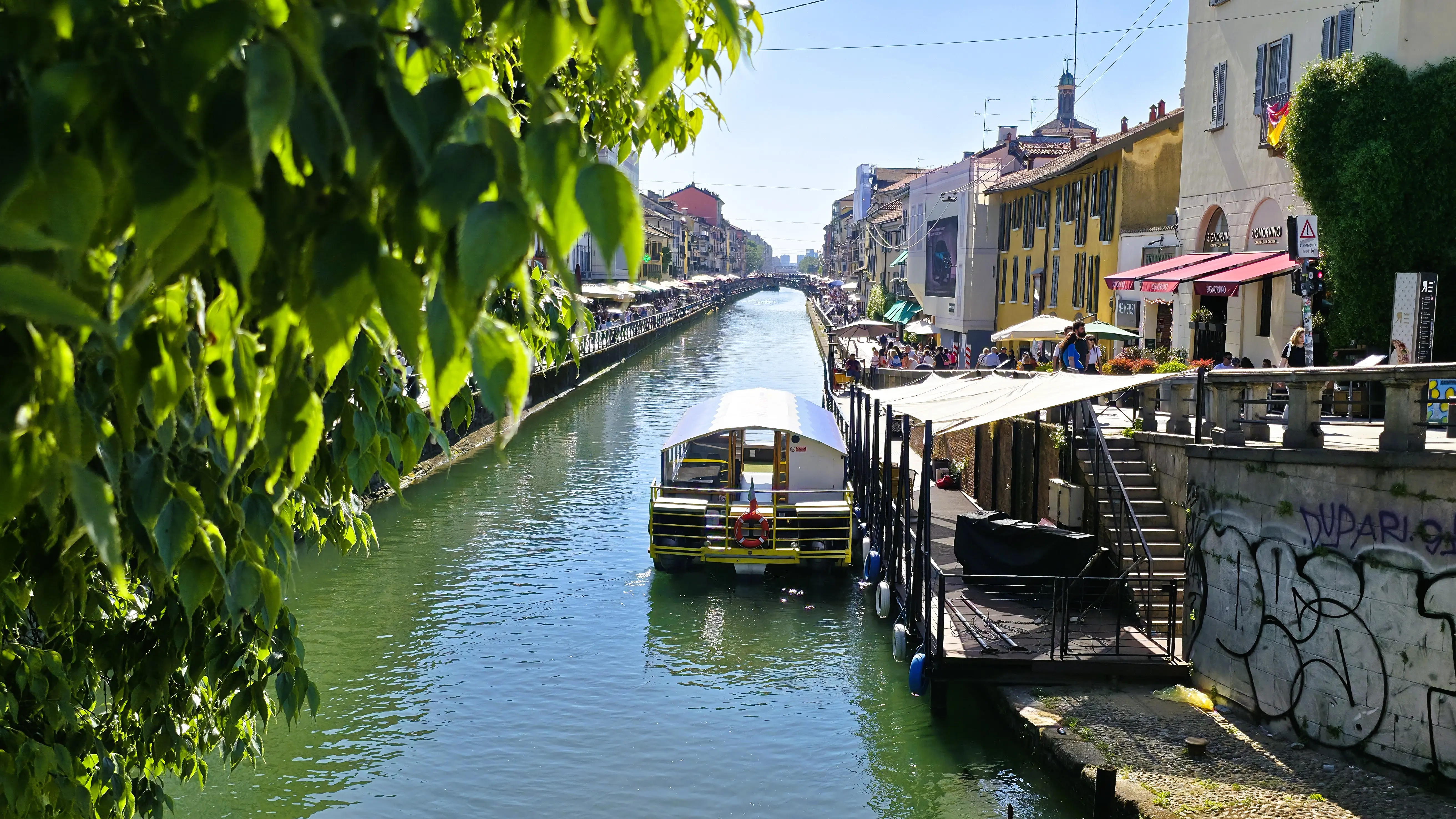
Bubbly Tip: Arrive just before sunset and walk along the Naviglio Grande before settling in for aperitivo. Watching the light shift across the water is part of the experience, not something to rush past.
8. Quadrilatero della Moda – Design as Identity
Fashion in Milan is not novelty; it is structure. The Quadrilatero della Moda, anchored by streets such as Via Montenapoleone and Via della Spiga, showcases this philosophy through elegant avenues lined with historic palazzi and flagship boutiques. Even if you don’t shop, walking these streets offers insight into Milan’s design language: refined, intentional, and enduring. Architecture, materials, and proportion matter here as much as clothing. Style is not about excess. It is about precision, continuity, and quiet confidence.
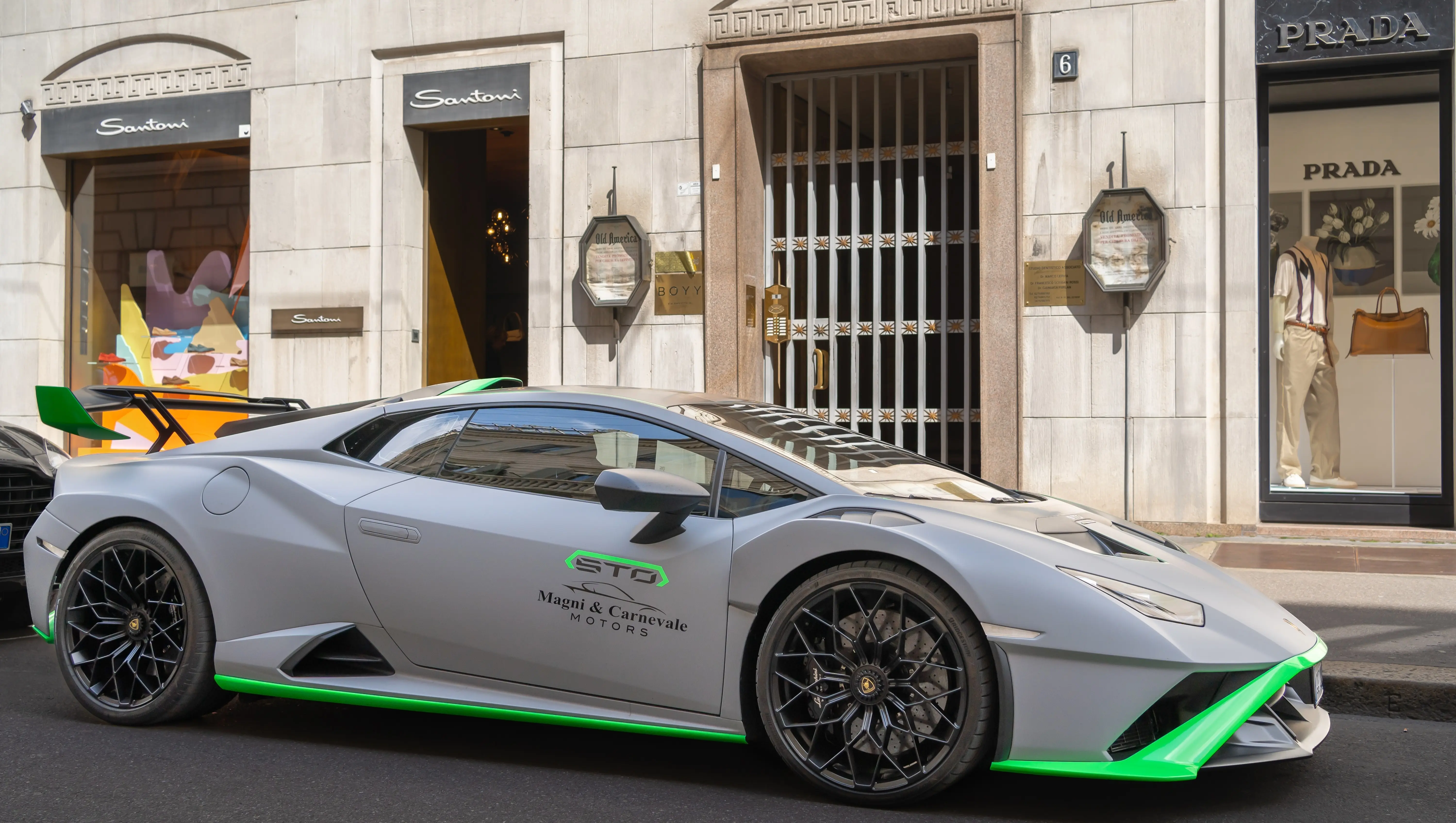
Bubbly Tip: Walk the Quadrilatero early in the morning, before the crowds arrive. The streets feel calmer then, allowing the architecture and rhythm of the neighborhood to take center stage.
9. Starbucks Reserve Roastery – Tradition Meets Modernity
The Starbucks Reserve Roastery Milano is unlike any Starbucks you’ve seen. Housed in a former post office near Piazza Cordusio, the Milan Reserve is a celebration of craftsmanship: marble counters, copper roasting equipment, and Italian-inspired offerings. This space works because it respects context. It doesn’t replace Italian café culture; it responds to it. Even skeptics often find themselves impressed by the attention to detail and sense of place.
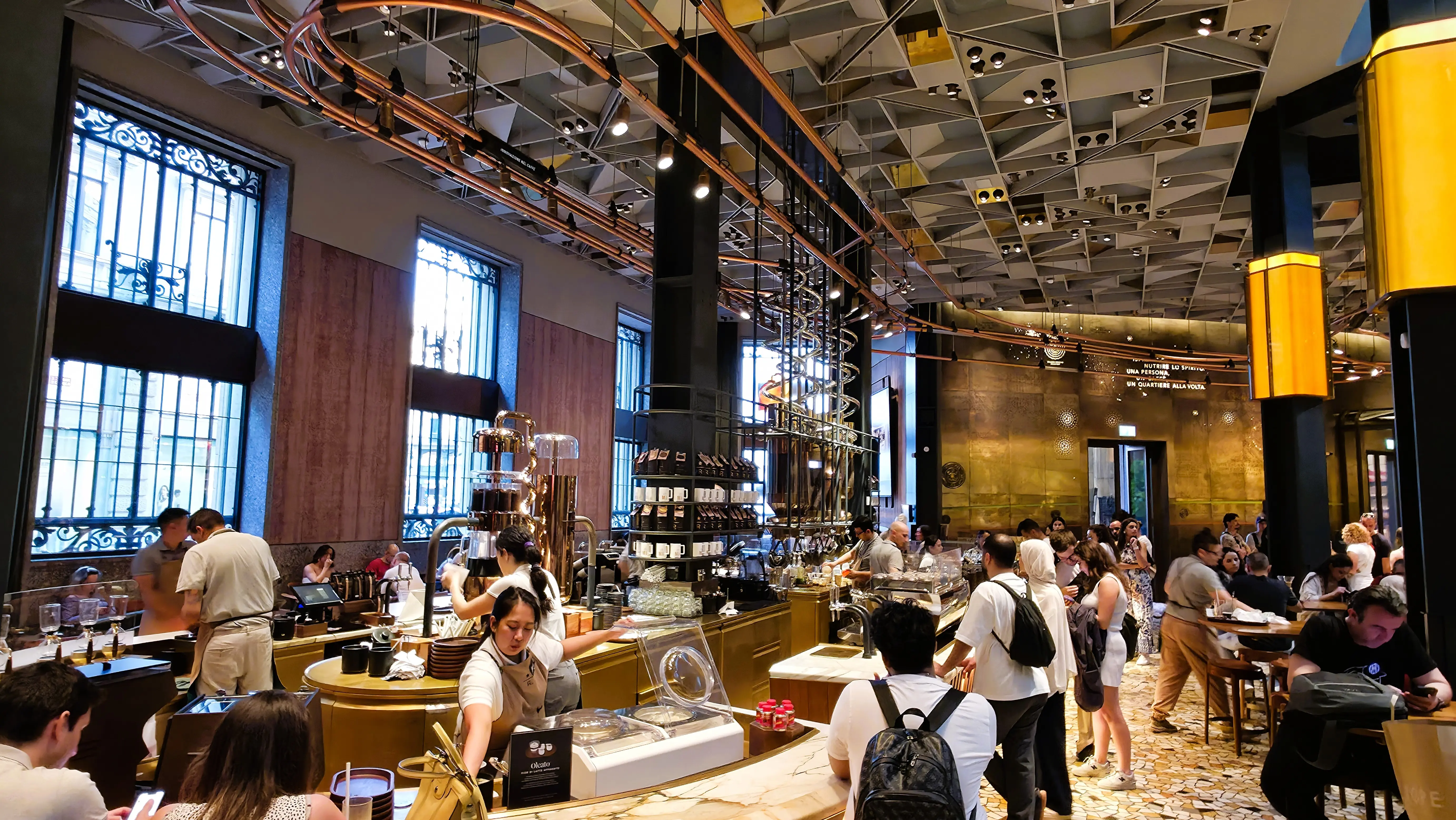
Bubbly Tip: Treat this stop as a cultural experience rather than a coffee run. Take time to notice the materials, movement, and craftsmanship built into the space.
10. Hidden Courtyards and Quiet Churches – Milan Between the Lines
Some of Milan’s most meaningful moments are unplanned. A courtyard glimpsed through an open gate. A small church tucked between modern buildings. A pause in a square where daily life continues without urgency. These moments define Milan just as much as its landmarks. They reveal a city that doesn’t demand attention – it rewards it!
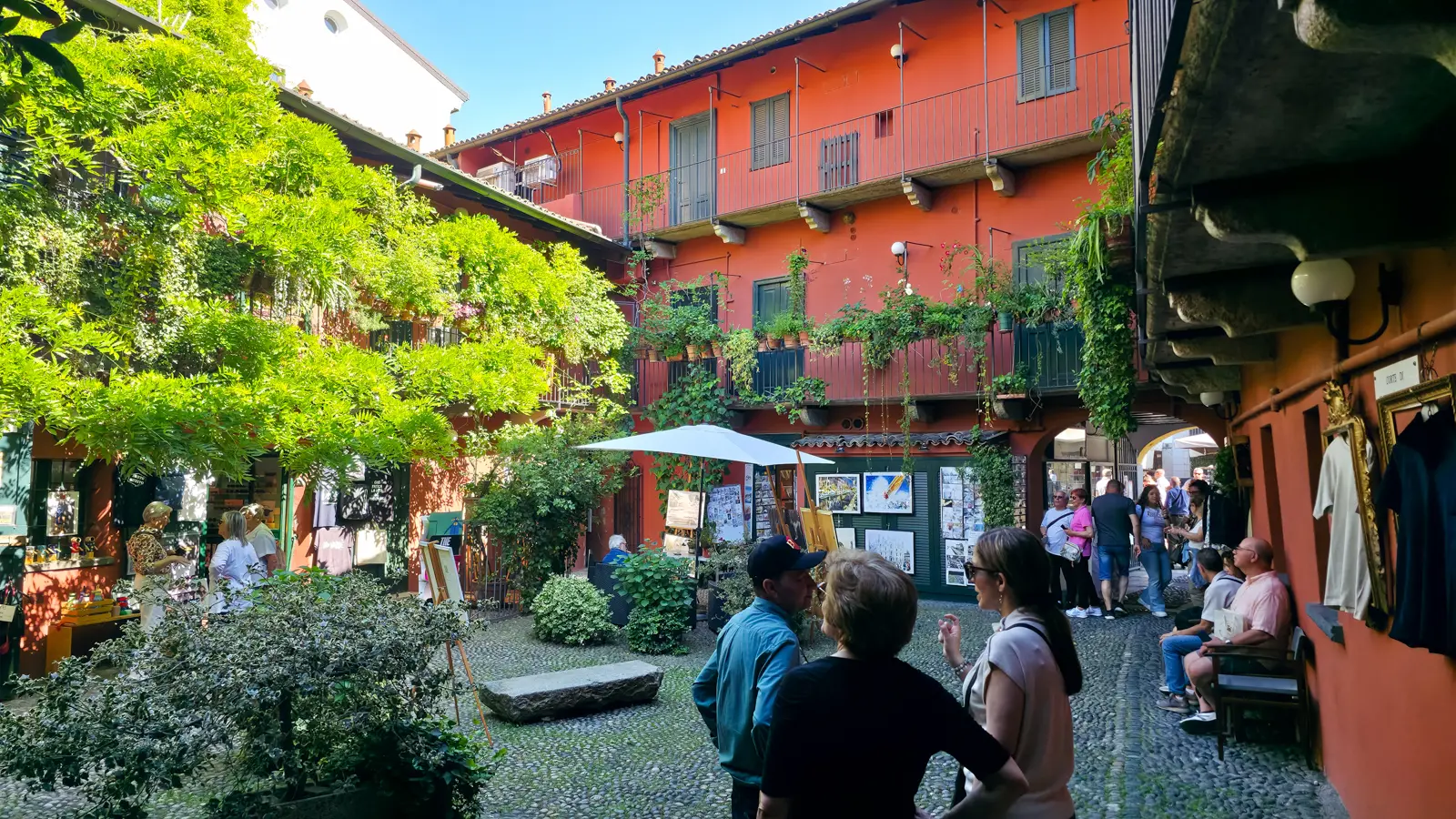
Bubbly Tip: Watch for open gates and inner courtyards as you walk. Some of Milan’s most memorable moments are found just a few steps off the main streets.
Final Thoughts: Why Milan Stays With You
Milan stays with you because it respects your intelligence. It doesn’t overwhelm with spectacle or rush you from highlight to highlight. Instead, it offers structure, beauty, and depth – and trusts you to notice.
In the context of the 2026 Winter Olympics, Milan reminds us that cities are not defined by events alone, but by how they live every day. Here, culture is integrated. Design is purposeful. History is present without being heavy.
Milan doesn’t ask to be admired. It simply is, and that’s why it lingers.
Have you been to Milan, or is it on your travel wish list? If you’ve visited, which place stayed with you the most: the Duomo, the canals, a quiet courtyard, or something entirely unexpected? I’d love to hear your thoughts!
Until our next adventure,

🌟 Everything You Need to Plan Your Dream Trip in 2026
- 🌟 Luxury Hotels - Find premium stays with Booking.com & Hotels.com
- 🏡 Vacation Rentals - Discover unique properties on VRBO
- 🏞️ Guided Tours - Explore with Viator or GetYourGuide
- 🎫 Attraction Tickets - Skip the lines with Tiqets
- 🚢 Ocean Cruises - Set sail with Cruise Direct
- 📱 International SIMs - Stay connected with Saily
- 🚗 Car Rentals - Budget-friendly options from Discover Cars
- 🌐 Secure VPNs - Browse safely with NordVPN
- 💶 Currency Exchange - Best rates with Wise
- 🗣️ Learn Languages - Master the local language with Babbel and Rosetta Stone