
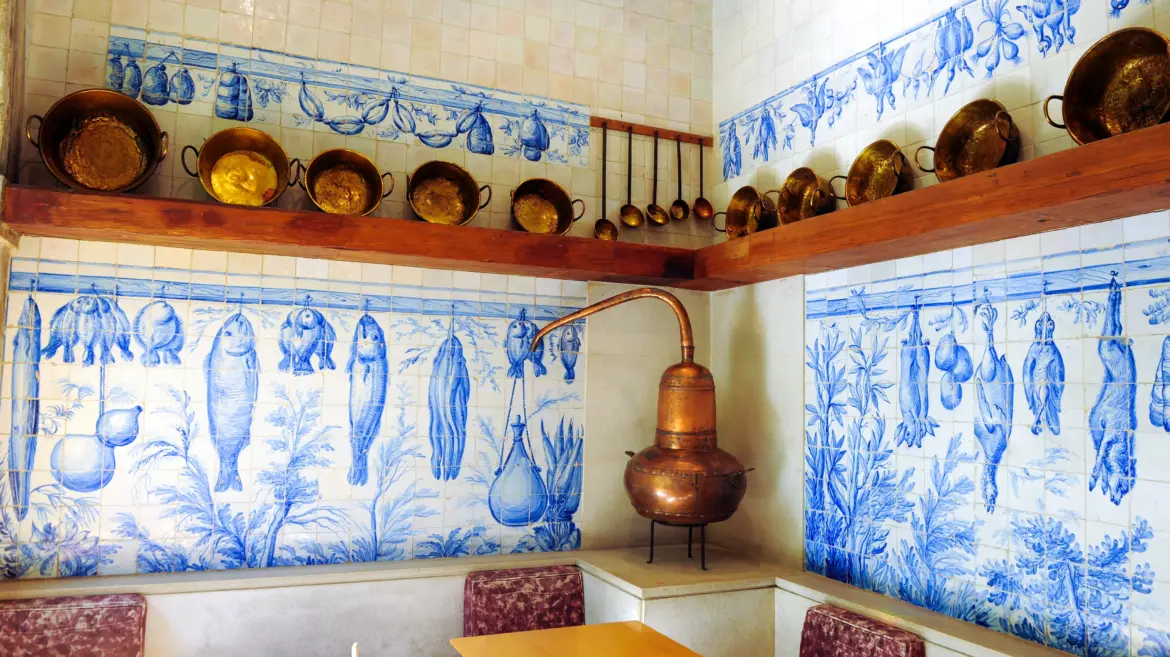
Olá, dear travelers! If there is one artistic tradition that captures the soul of Lisbon, it’s azulejos – the iconic Portuguese tiles that adorn palaces, metro stations, churches, fountains, and even the façades of everyday homes. During my time in Lisbon, I found myself stopping constantly to admire these blue-and-white masterpieces, each one a small window into the city’s history, beauty, and craftsmanship. Azulejos are more than decoration, they are Lisbon’s visual poetry, woven into walls throughout the city, changing with light, weather, and time. Let’s dive into the magic behind them!
A Legacy Written in Glazed Clay
Azulejos have been part of Portuguese culture since the 13th century, first introduced by the Moors and later transformed into the distinctive blue-and-white style Portugal is now famous for. By the 15th and 16th centuries, Portuguese royalty embraced these decorative tiles, and gradually Lisbon adopted them wholeheartedly, turning much of the city into a living museum.
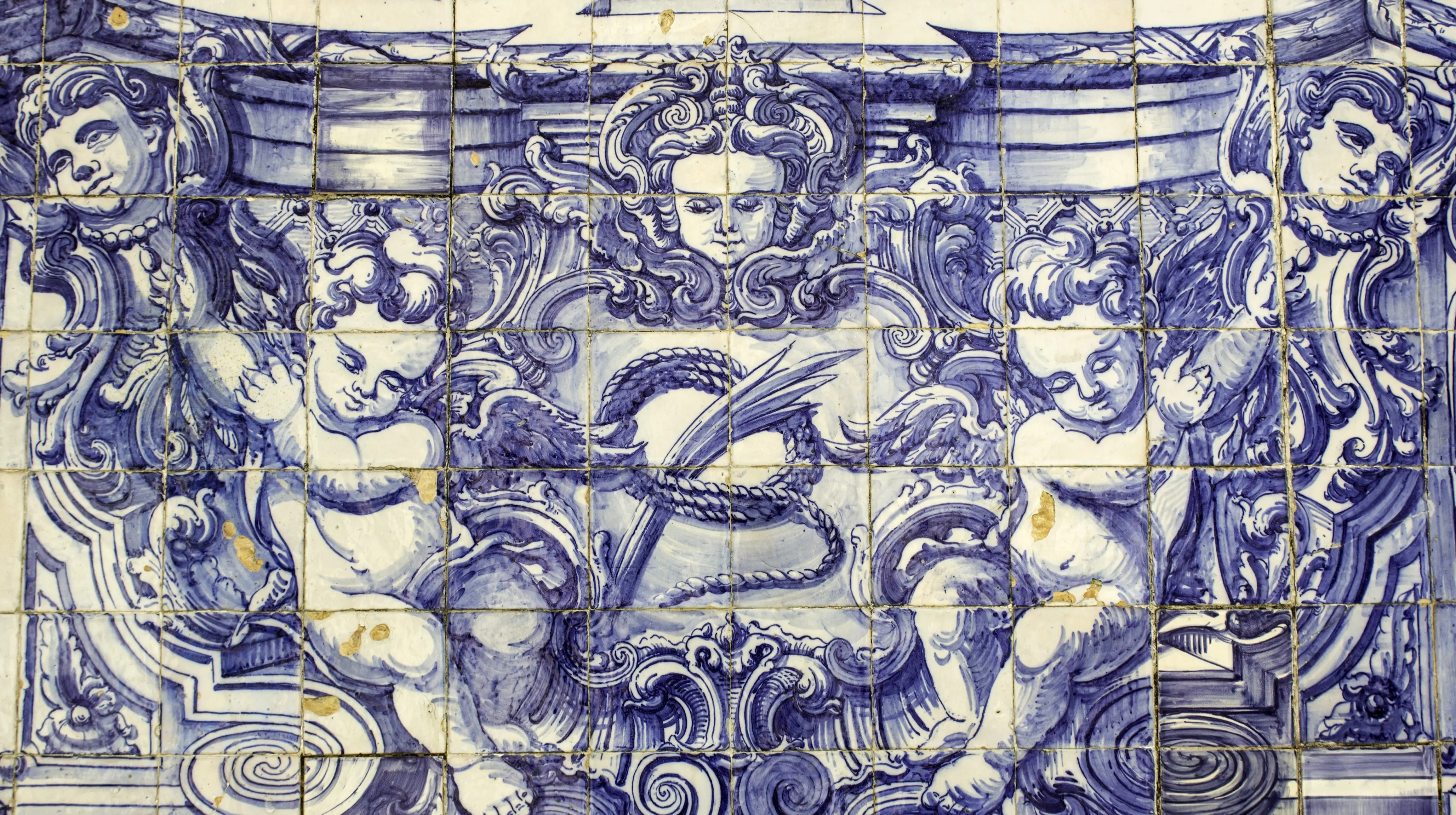
What makes them so special is their range: some panels depict historical battles or royal weddings; others tell religious stories from the Bible; many celebrate daily life, maritime adventures, or pure geometric beauty. As you wander, you start realizing that Lisbon’s tiles aren’t passive art, they speak. They share centuries of Portuguese identity: resilience, faith, exploration, and an ever-present love of beauty.
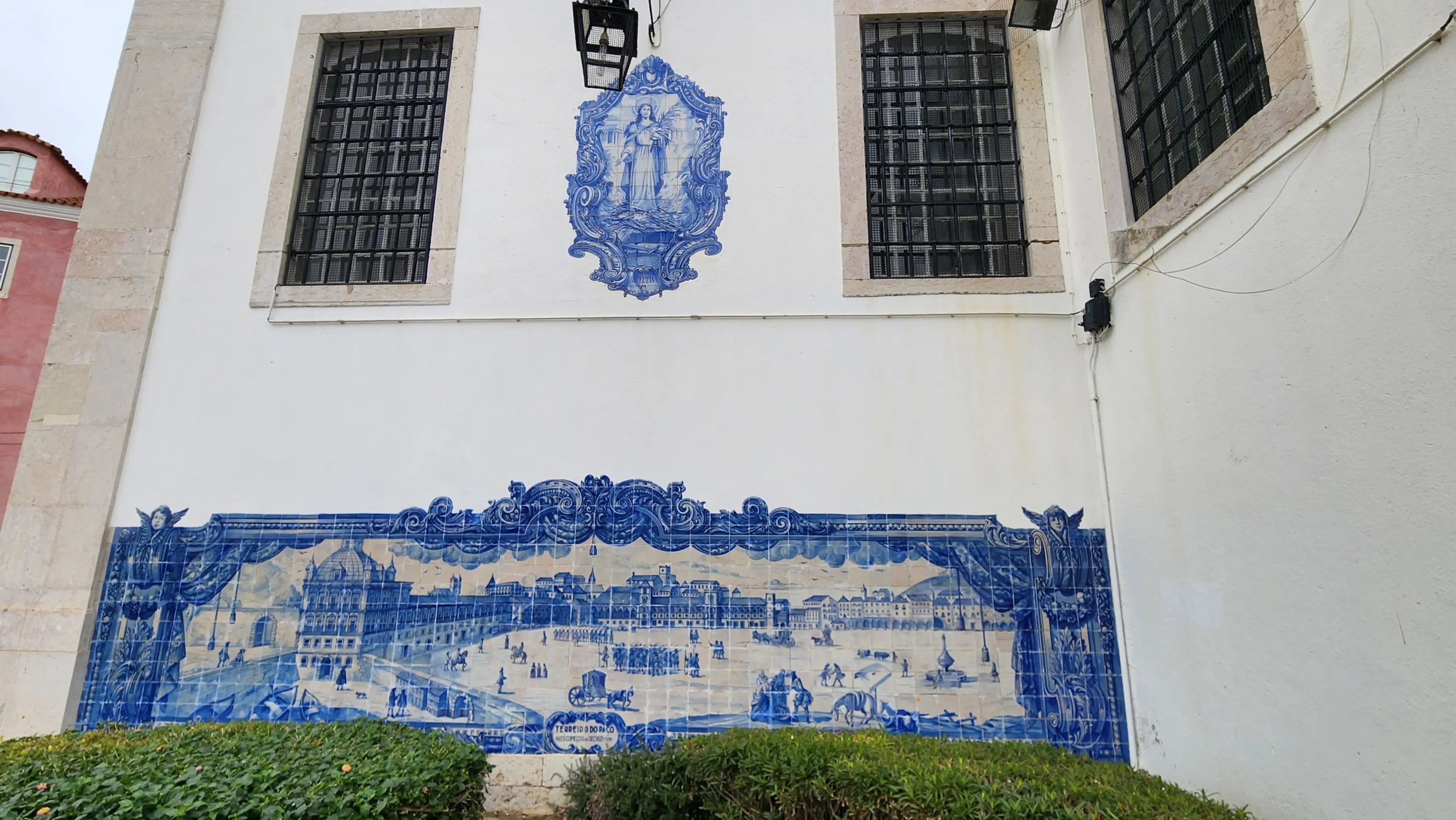
When the 1755 earthquake devastated Lisbon, azulejos played an essential role in reconstruction, decorating newly built palaces and churches. They proved relatively durable and more cost-effective than materials like stone or marble. Over time, entire façades were wrapped in tiles, giving Lisbon its shimmering, timeless charm.
Where to Experience the Best Azulejos in Lisbon
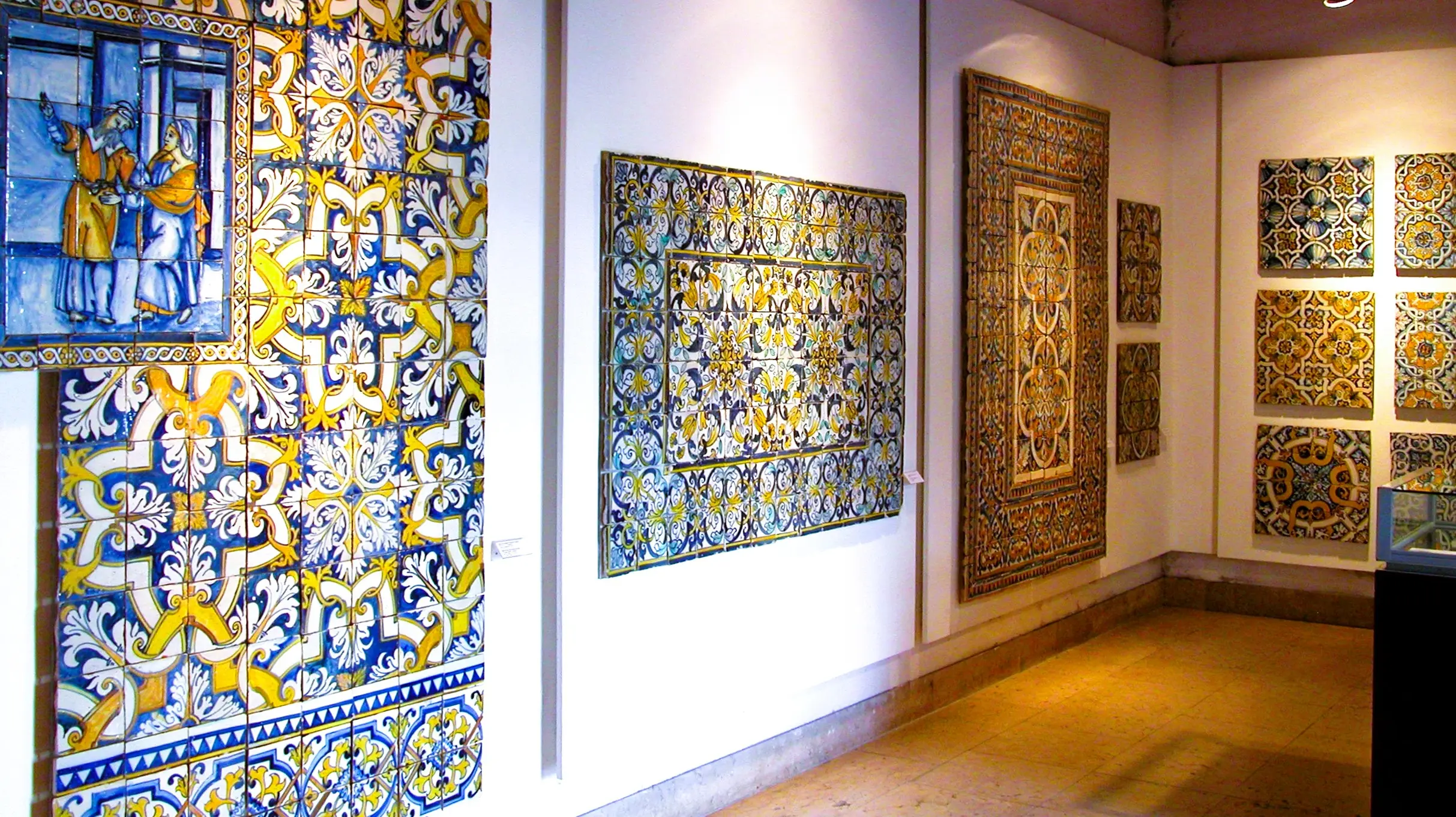
Lisbon is covered in tiles, but some places truly take your breath away. At the National Tile Museum (Museu Nacional do Azulejo), one of Lisbon’s greatest artistic treasures, you walk through the full story of azulejos, from handcrafted Moorish geometric designs to vast, theatrical Baroque panels that feel almost operatic in scale. The highlight is the extraordinary 23-meter panorama of Lisbon created before the 1755 earthquake, a blue-and-white masterpiece so intricate that you can stand before it for minutes, discovering new details with every glance.
Lisbon’s metro system offers its own modern tribute to the tradition. At stations like Cais do Sodré and Rossio, contemporary artists reinterpret classic motifs with bold colors, playful patterns, and sleek lines. It’s one of the few cities where your commute feels like a curated gallery experience, a reminder that Lisbon’s artistic soul is woven into everyday life.
And of course, nothing compares to wandering through Alfama, the city’s oldest neighborhood and one of its most charming open-air museums. Here, azulejos spill across narrow alleys, staircases, balconies, and centuries-old façades. Some are weathered and cracked, others newly restored, but all shimmer when the sun hits them. The light in Alfama bounces gently off the tiles, giving the whole neighborhood a warm, nostalgic glow that feels timeless and utterly unique to Lisbon.
The Colors, Craftsmanship & Meaning Behind the Tiles
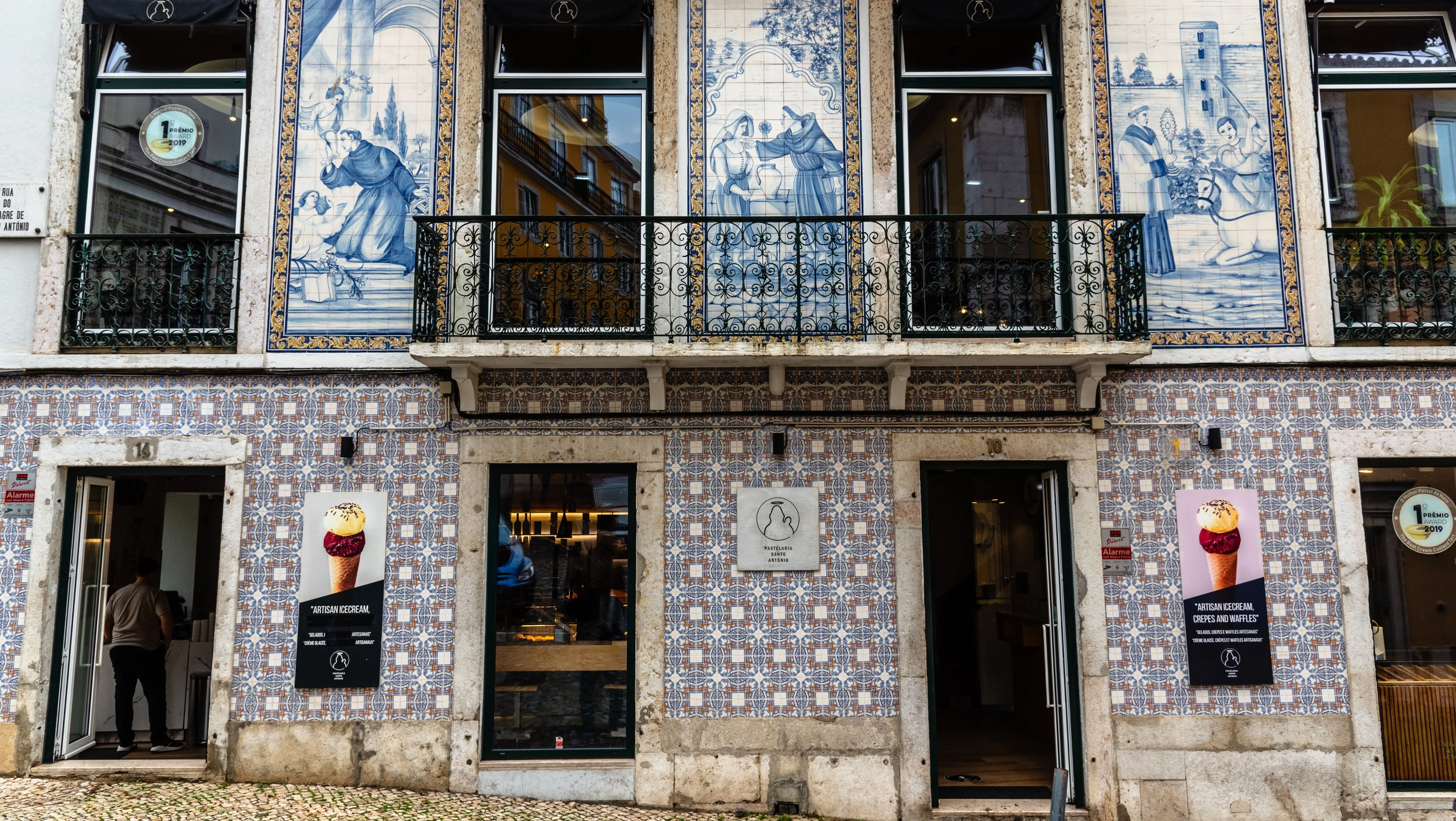
Part of the beauty of azulejos lies in the craftsmanship. Each tile is hand-painted, glazed, and fired, making every panel subtly unique. Traditional blue-and-white tiles were inspired by Chinese porcelain, but Lisbon’s palette grew over time: warm yellows, forest greens, terracotta reds, and cobalt blues now dance across façades in mesmerizing patterns.
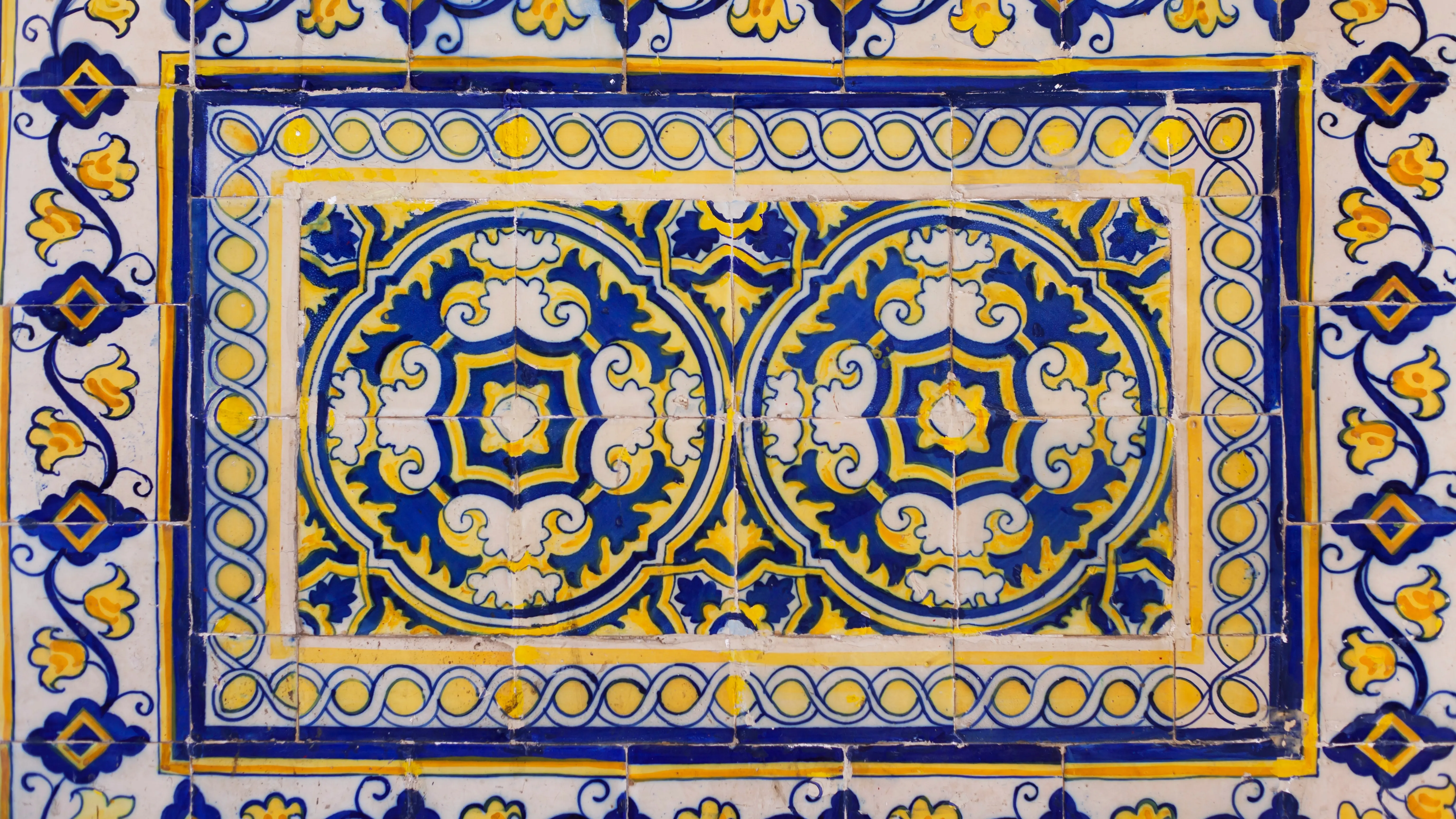
Some panels evoke Portuguese maritime history; others celebrate poetry, mythology, or domestic life. You’ll also find tiles used as house numbers, street signs, and even protective charms. In a city as old as Lisbon, azulejos act as storytellers bridging past and present. Their durability matters too: the tiles protect buildings from humidity and heat, making them both beautiful and practical. It’s a perfect marriage of art and architecture, something Lisbon does so well.
Moments That Stay With You
Some of my most cherished Lisbon memories are tied to moments where azulejos quietly framed the experience. I still remember wandering through Alfama in the late afternoon, when the stairways softened under golden light and the blue tiles seemed to glow as if lit from within. Every corner revealed something unexpected – a tiny shrine, a weathered fountain, a façade shimmering like a mosaic under the sun.
Another moment that stayed with me was sitting inside Fábrica da Nata in Baixa, enjoying a warm pastel de nata and a velvety coffee while admiring the beautiful azulejo panels lining the walls. Between the aroma of cinnamon, the hum of the city outside, and the artistry surrounding me, it felt like the perfect Lisbon pause – simple, sweet, and beautifully local.
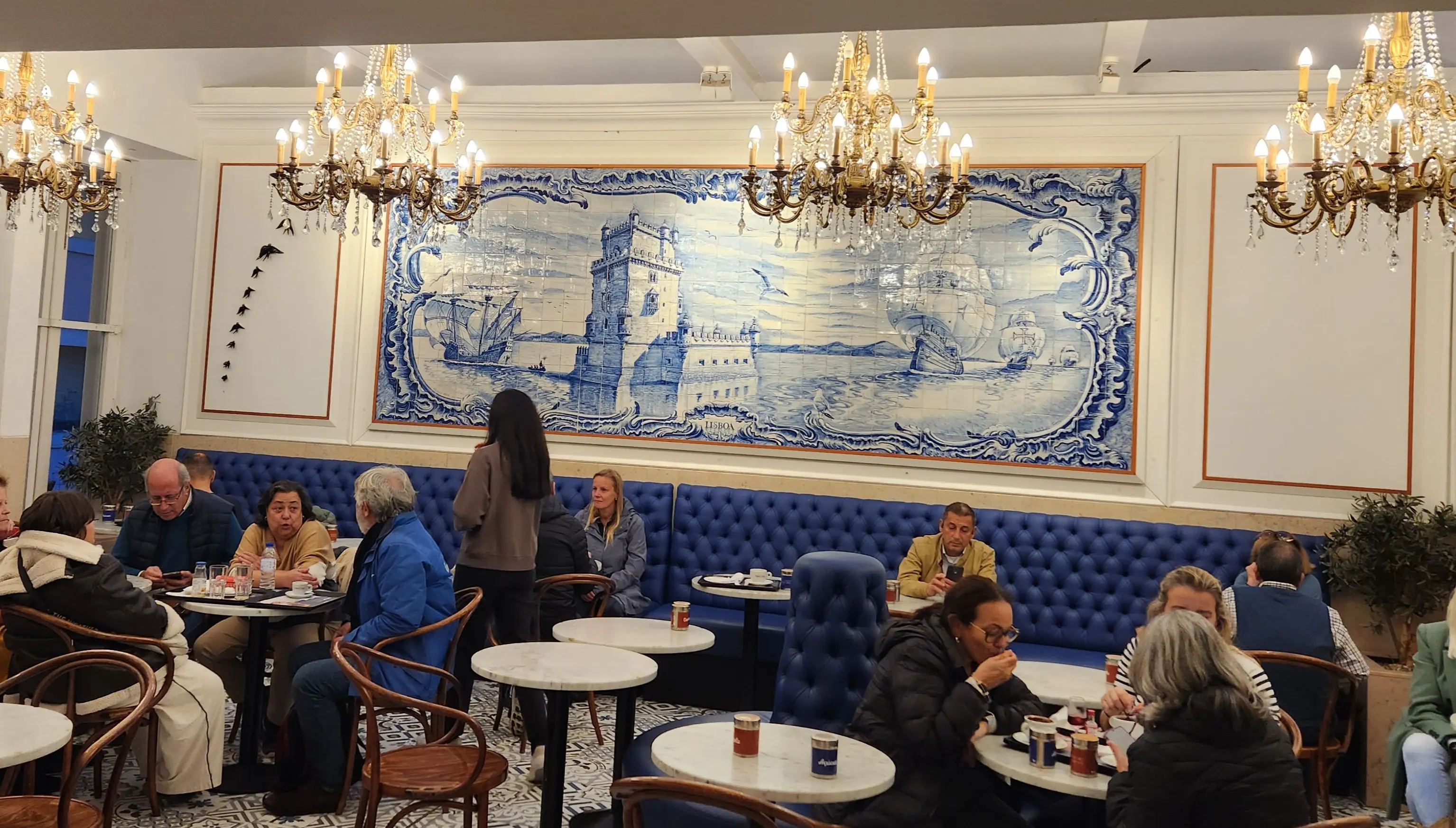
There’s something deeply grounding about being in a place where history isn’t hidden, it’s displayed openly on the walls. Each tile feels like part of Lisbon’s heartbeat, a reminder that beauty can be both everyday and extraordinary.
Bubbly Tips
- Best places to see azulejos: National Tile Museum, Alfama, Chiado, Rossio Station, Cais do Sodré, Igreja de São Vicente de Fora, Fronteira Palace
- When to photograph them: Early morning & late afternoon for the most beautiful light
- What to look for: Blue-and-white storytelling panels, geometric Moorish motifs, 18th-century Baroque scenes, and modern artistic interpretations
- Souvenir idea: Many local artisans sell handmade tiles, Choose one crafted in Portugal, not a mass-produced copy!
Final Thoughts
Azulejos are more than an artistic tradition, they are Lisbon’s memory, identity, and unmistakable charm. Whether you discover them on a palace façade, inside a historic church, across a metro station wall, or hidden along a quiet Alfama stairway, they transform the city into a living, luminous gallery where every surface has a story to tell. They reflect centuries of cultural influence, resilience after the 1755 earthquake, and a creative spirit that continues today through modern reinterpretations.
For me, Lisbon’s tiles are moments as much as they are art, that warm glow in late afternoon light, the soft sheen of blue and white beside a café doorway, or the joy of sipping a pastel de nata at Fábrica da Nata in Baixa while admiring the beautifully patterned walls. In Lisbon, tiles are woven into daily life, making every street feel special and every walk unforgettable.
If you’ve wandered Lisbon’s tiled streets, I’d love to know: which azulejo panel captured your heart? Share your thoughts below!

🌟 Everything You Need to Plan Your Dream Trip in 2026
- 🌟 Luxury Hotels - Find premium stays with Booking.com & Hotels.com
- 🏡 Vacation Rentals - Discover unique properties on VRBO
- 🏞️ Guided Tours - Explore with Viator or GetYourGuide
- 🎫 Attraction Tickets - Skip the lines with Tiqets
- 🚢 Ocean Cruises - Set sail with Cruise Direct
- 📱 International SIMs - Stay connected with Saily
- 🚗 Car Rentals - Budget-friendly options from Discover Cars
- 🌐 Secure VPNs - Browse safely with NordVPN
- 💶 Currency Exchange - Best rates with Wise
- 🗣️ Learn Languages - Master the local language with Babbel and Rosetta Stone