
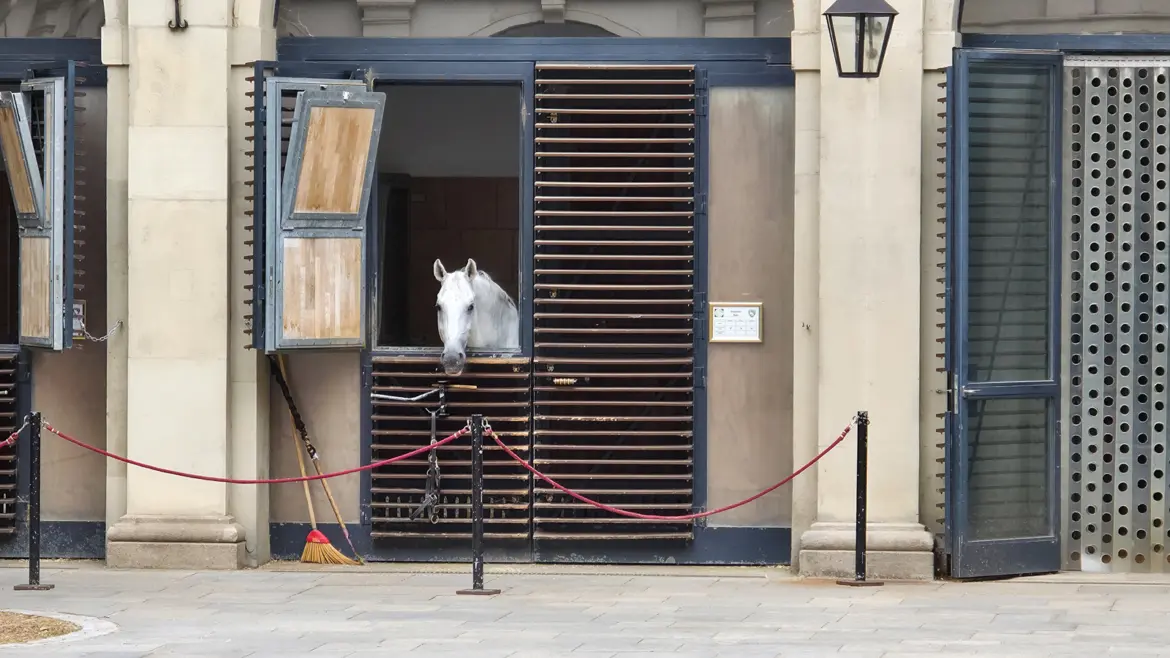
Hello fellow travelers! While exploring the grand courtyards of Vienna’s historic imperial center, it is easy to stumble upon one of the city’s most remarkable traditions – the world-famous Spanish Riding School. Located within the vast complex of the Hofburg Palace, this historic institution preserves a centuries-old equestrian tradition that has become one of the most distinctive cultural symbols of Austria.
Even without attending one of the famous performances, simply encountering the stables and the elegant Lipizzaner horses offers a glimpse into a living tradition that has endured for more than four hundred years. Walking through the Hofburg complex, seeing the horses quietly resting in their stalls, and observing the calm rhythm of the stables feels like stepping into a world where imperial ceremony and classical artistry still coexist with modern Vienna.
Few places in Europe maintain such a continuous connection between past and present. The Spanish Riding School is not simply a tourist attraction, it is a living institution that preserves one of the most refined forms of classical horsemanship in the world.
Spanish Riding School at a Glance
🐴 Founded: 1572 — one of the world’s oldest riding schools still in operation
🏛️ Location: Stallburg, within the Hofburg Palace complex, Vienna
🎭 Winter Riding School: Baroque hall completed 1735 under Emperor Charles VI
🐎 Lipizzaner breed: Born dark, gradually turn white between ages 6–10; bred at the Piber Federal Stud in Styria
⏳ Training: Up to 8 years before a horse can perform in official demonstrations
🌍 UNESCO: Recognized as intangible cultural heritage
🎟️ Free viewing: Stallburg courtyard viewing areas are publicly accessible
💡 Tip: Morning training sessions are easier to attend than formal performances
A Tradition Born in the Habsburg Court
The origins of the Spanish Riding School date back to the late sixteenth century, when the Habsburg rulers sought to cultivate the art of classical riding as part of court culture. References to equestrian training at the imperial court appear as early as 1572 during the reign of Maximilian II, Holy Roman Emperor. The nearby Stallburg later became the home of the imperial stables, establishing Vienna as a center of classical horsemanship and making the institution one of the oldest riding schools still operating anywhere in the world. Today the Spanish Riding School is recognized by UNESCO as part of the world’s intangible cultural heritage.
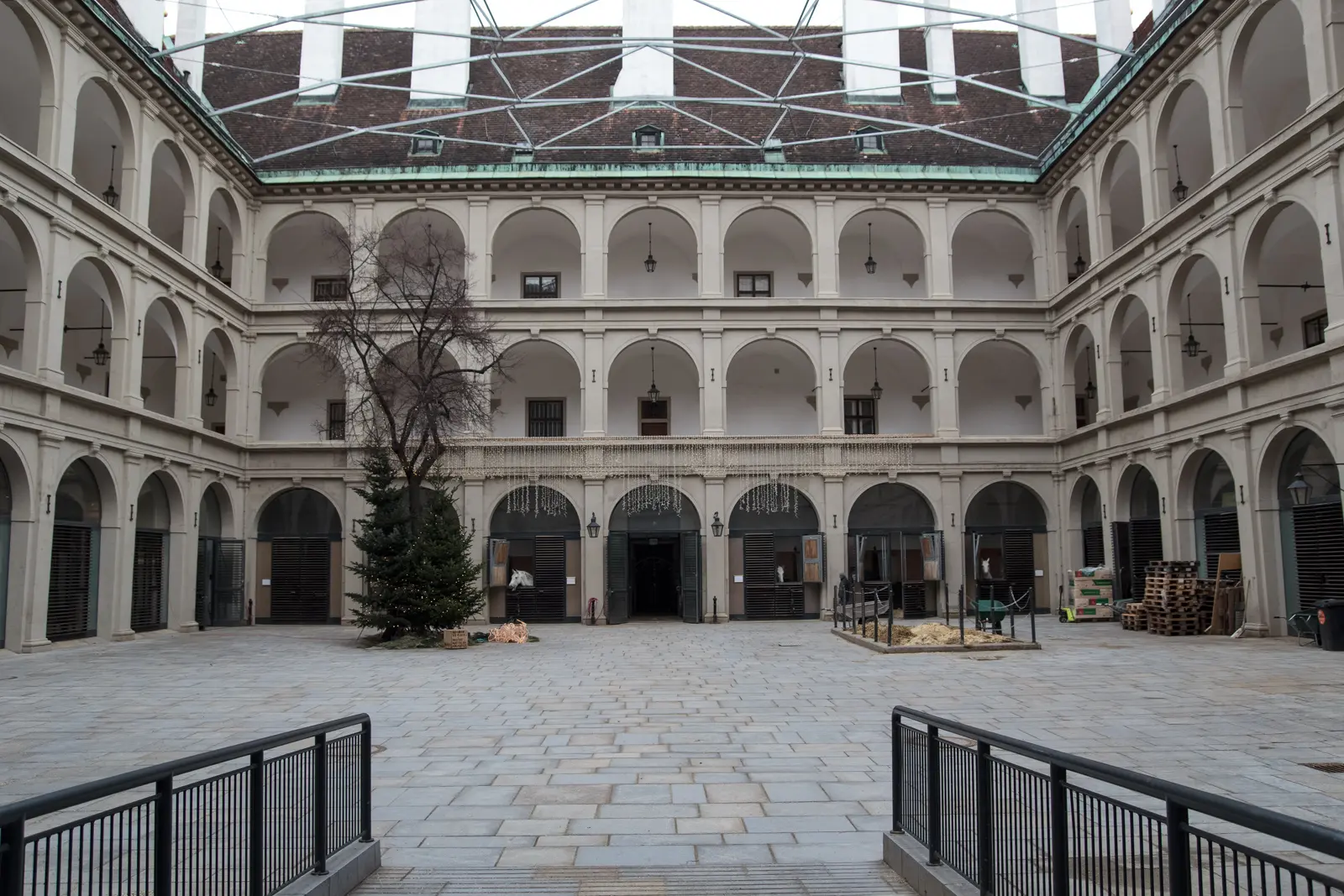
At the time, horsemanship played a crucial role in aristocratic education. Members of the imperial court were expected to master the elegant and disciplined techniques of classical riding, which were considered both an art form and a symbol of noble refinement. Riding academies throughout Europe developed similar traditions, but Vienna’s school gradually became the most famous.
The name “Spanish Riding School” reflects the origin of the horses themselves. The Habsburg dynasty imported Spanish horses – prized for their strength, agility, and beauty – to develop a specialized breed capable of performing the precise movements required for classical dressage. Over time, these horses contributed to the development of the distinctive Lipizzaner breed that still defines the school today.
The Legendary Lipizzaner Horses
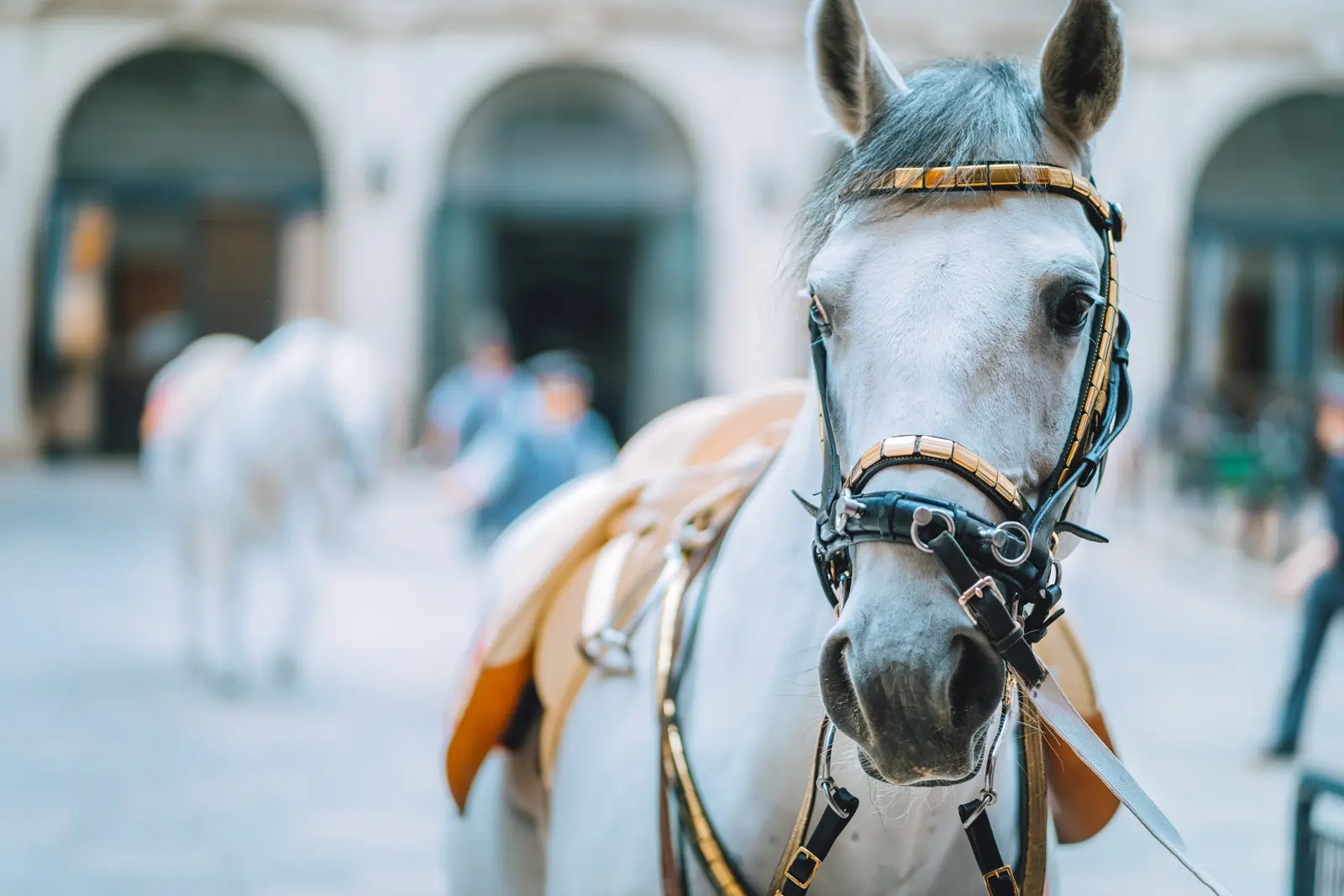
At the heart of the Spanish Riding School are the magnificent Lipizzaner horses. These elegant animals are famous not only for their graceful movements but also for their striking appearance and remarkable intelligence.
One of the most fascinating characteristics of Lipizzaners is that they are rarely born white. Most begin life with dark coats – usually bay or black – and gradually turn the brilliant white color associated with the breed as they mature, a transformation that typically completes between the ages of six and ten. There is one charming exception to the school’s sea of white: by long-standing tradition, at least one bay Lipizzaner stallion is always kept in residence, a reminder of the breed’s darker origins.
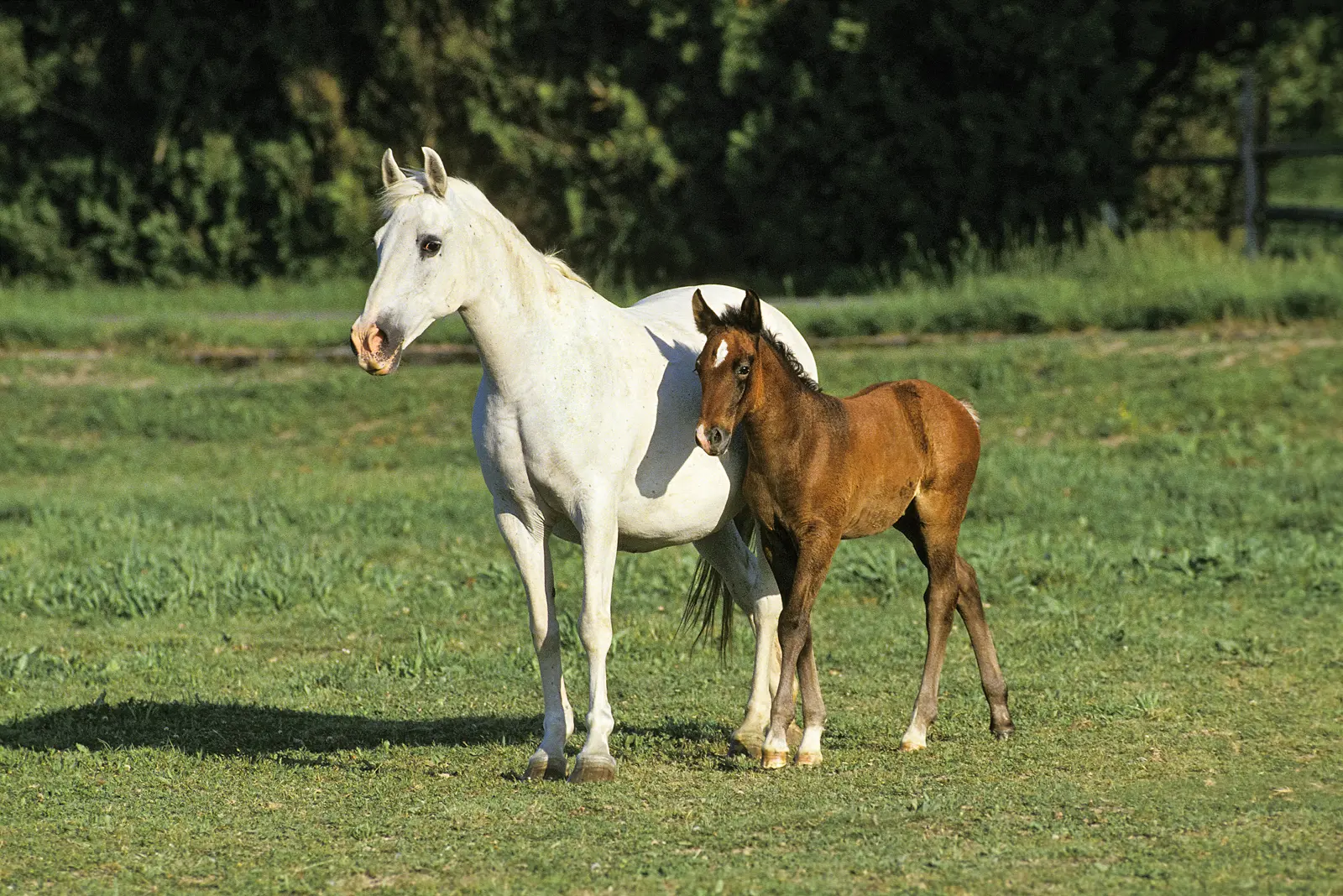
The horses are bred at the Piber Federal Stud in Styria, about 200 kilometers (roughly 125 miles) southwest of Vienna, where approximately 40 foals are born each year. Only the very best young stallions are selected for training in Vienna – a rigorous selection that marks just the beginning of a long journey. Once chosen, it can take up to eight years of training for a horse to reach the level required to perform in the school’s famous demonstrations, so demanding are the highly controlled movements of classical dressage.
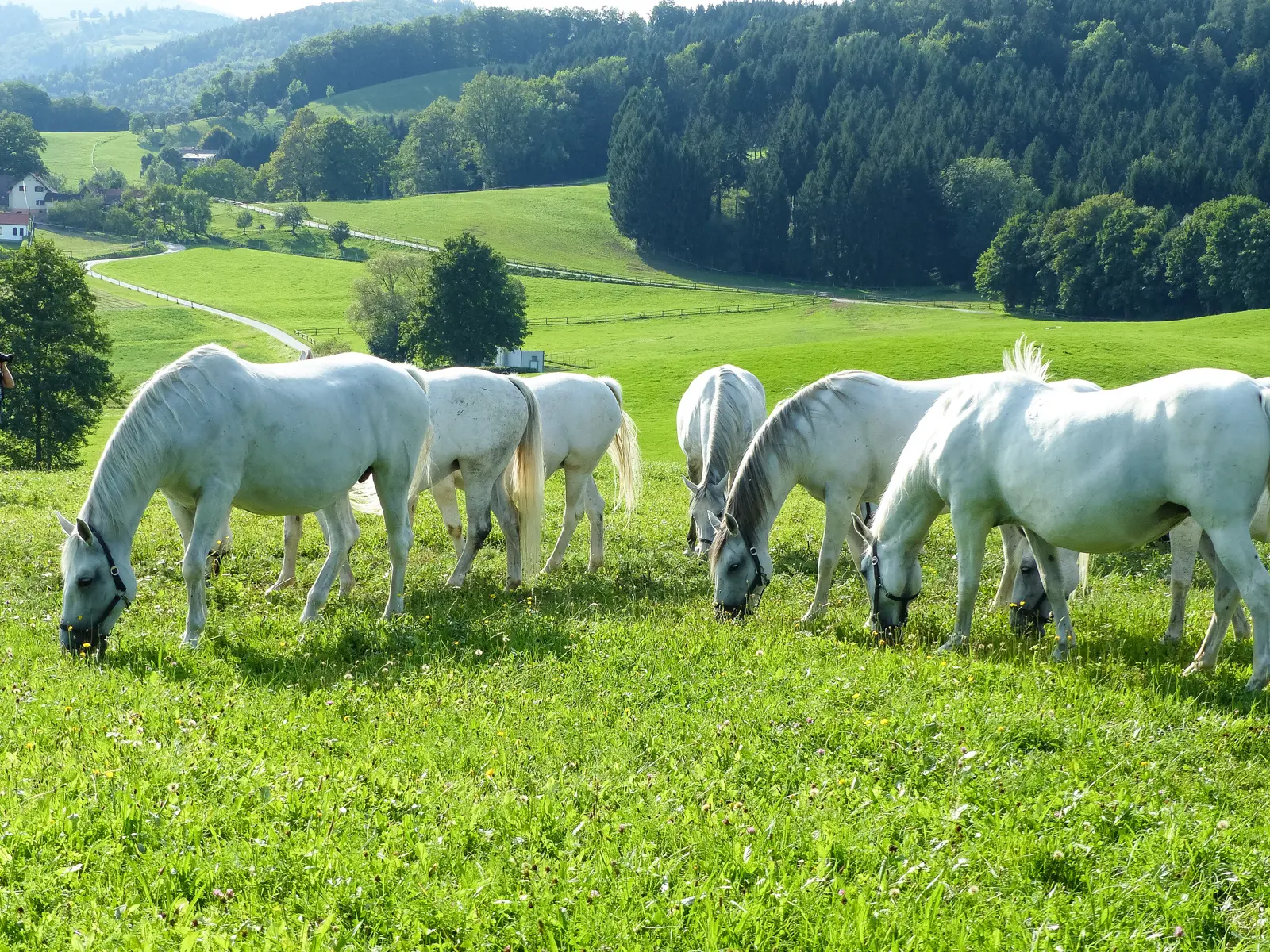
Watching these horses up close, even quietly in their stables, it becomes clear why they are so revered. Their calm presence and powerful yet graceful build reflect centuries of careful breeding and a training tradition that has remained largely unchanged since the sixteenth century.
The Magnificent Winter Riding School
One of the architectural treasures of the Spanish Riding School is the stunning indoor arena known as the Winter Riding School. This magnificent baroque hall, completed in 1735 under the reign of Emperor Charles VI, is considered one of the most beautiful equestrian performance spaces in the world. The hall itself is breathtaking in its simplicity and elegance. Tall white columns support a grand gallery where spectators gather to watch performances, while large windows allow soft natural light to illuminate the arena. Above the central balcony stands a portrait of Emperor Charles VI, symbolically observing the performances that take place below.
When the Lipizzaner horses perform within this setting, the effect is almost theatrical. The graceful movements of the horses against the pristine white architecture create an atmosphere that feels both timeless and ceremonial, as if the traditions of the Habsburg court continue to unfold within these walls.
A Living Tradition of Classical Dressage
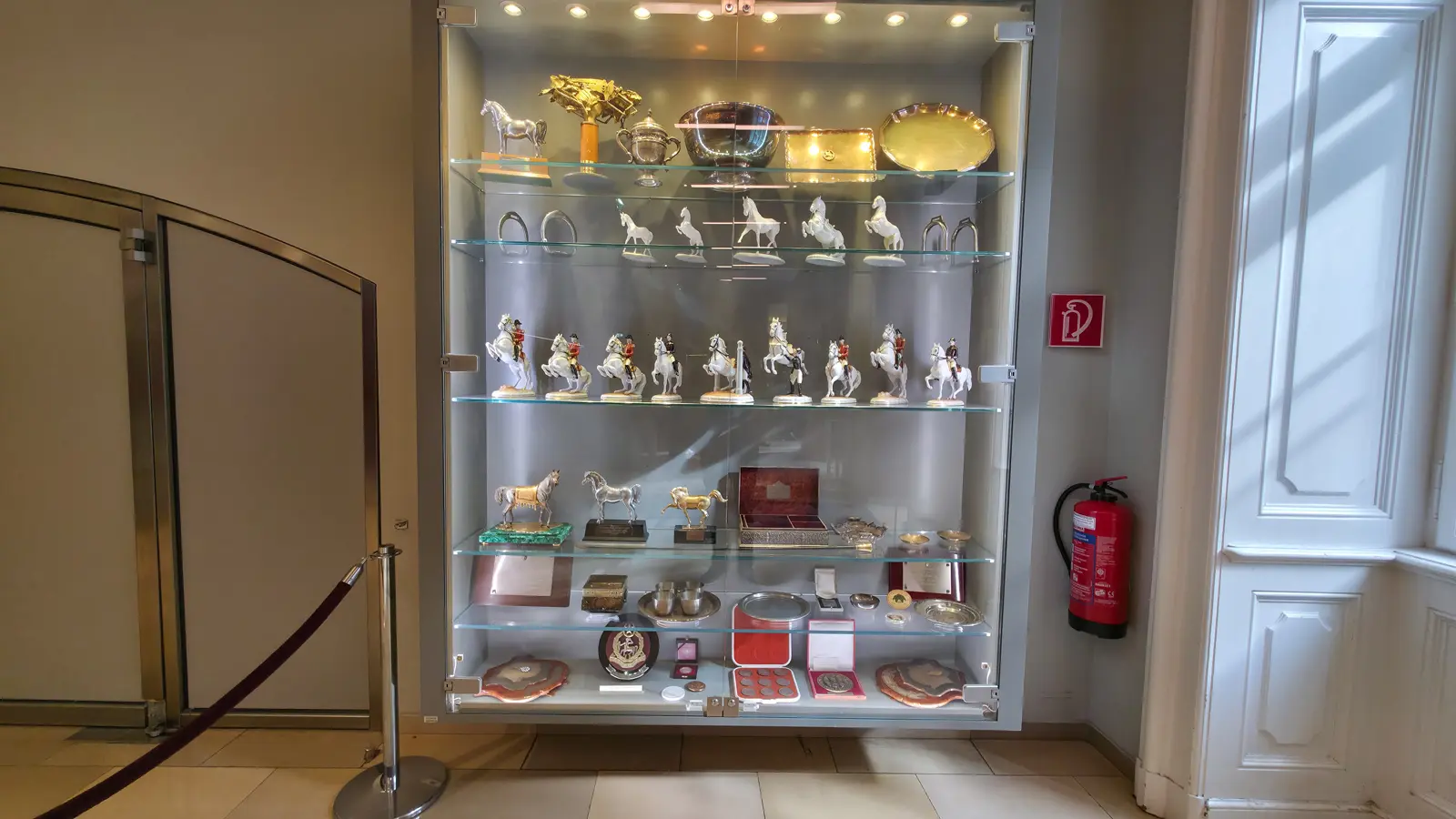
The performances of the Spanish Riding School showcase a refined discipline known as classical dressage. This form of riding emphasizes harmony between horse and rider, with movements executed through subtle cues rather than force. The training process follows a centuries-old system that progresses gradually through multiple stages. Young horses begin with basic exercises that develop balance and responsiveness. Over time they learn increasingly complex movements that require extraordinary coordination.
Among the most famous demonstrations are the dramatic “airs above the ground”, in which the horses perform powerful leaps and elevated movements that once had practical military applications. Today these displays are admired as expressions of beauty, control, and the deep partnership between horse and rider. The dedication required to maintain this tradition is remarkable. Both horses and riders train for many years before participating in official performances, ensuring that each demonstration reflects the highest standards of classical horsemanship.
Visiting the Stables at the Hofburg
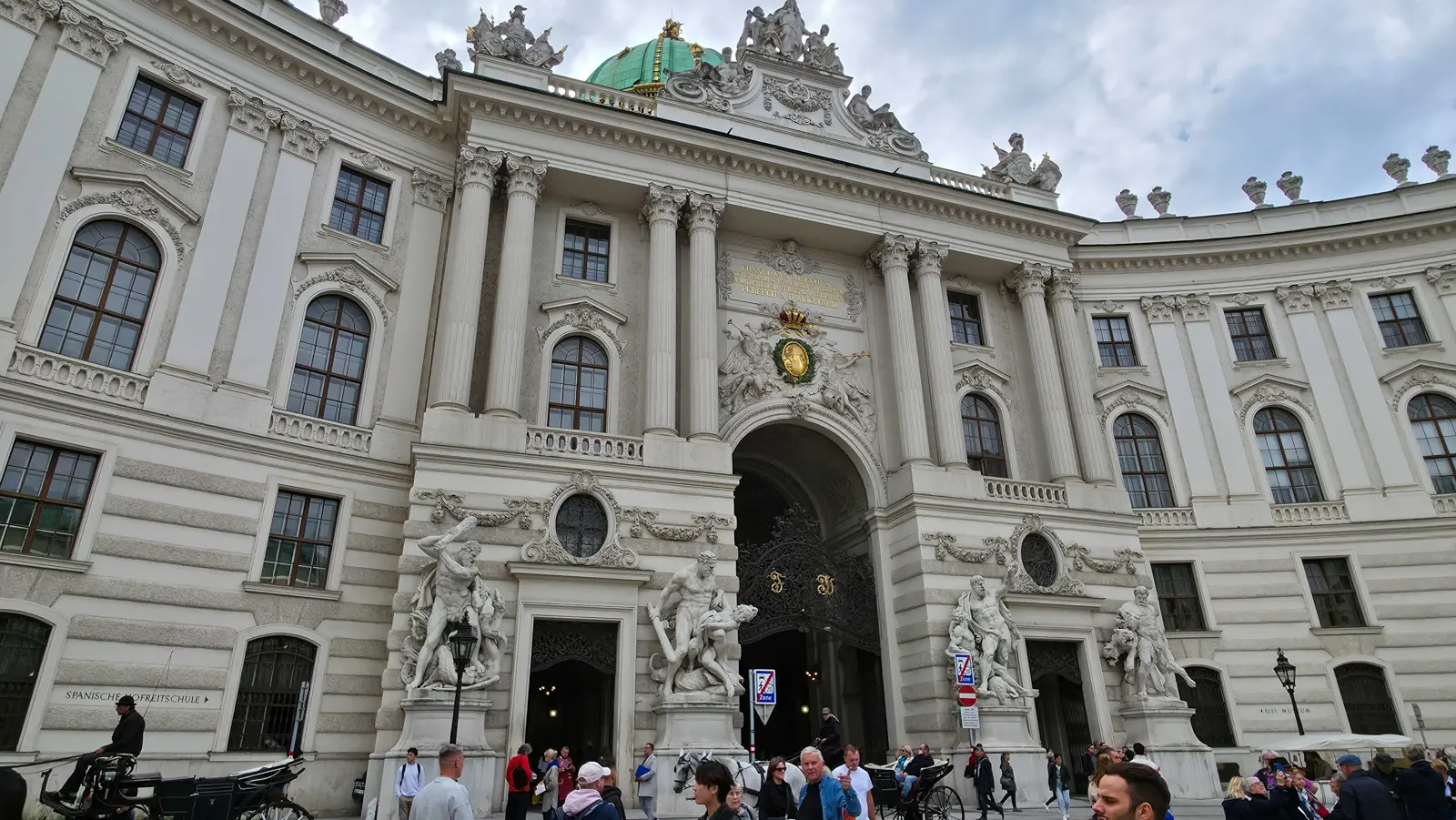
Even without attending a full performance, visiting the stables offers a fascinating glimpse into this historic institution. Located within the Hofburg Palace complex, the historic Stallburg stables house the Lipizzaner horses in a calm and carefully maintained environment. Walking through the Stallburg courtyard, visitors can often see the horses through the stable openings and windows, quietly standing in their stalls or being gently groomed by their caretakers. The atmosphere is surprisingly peaceful despite the central location in one of Vienna’s busiest historic districts. The sound of hooves on stone and the quiet rhythm of the stable create a striking contrast with the lively streets just beyond the palace gates.
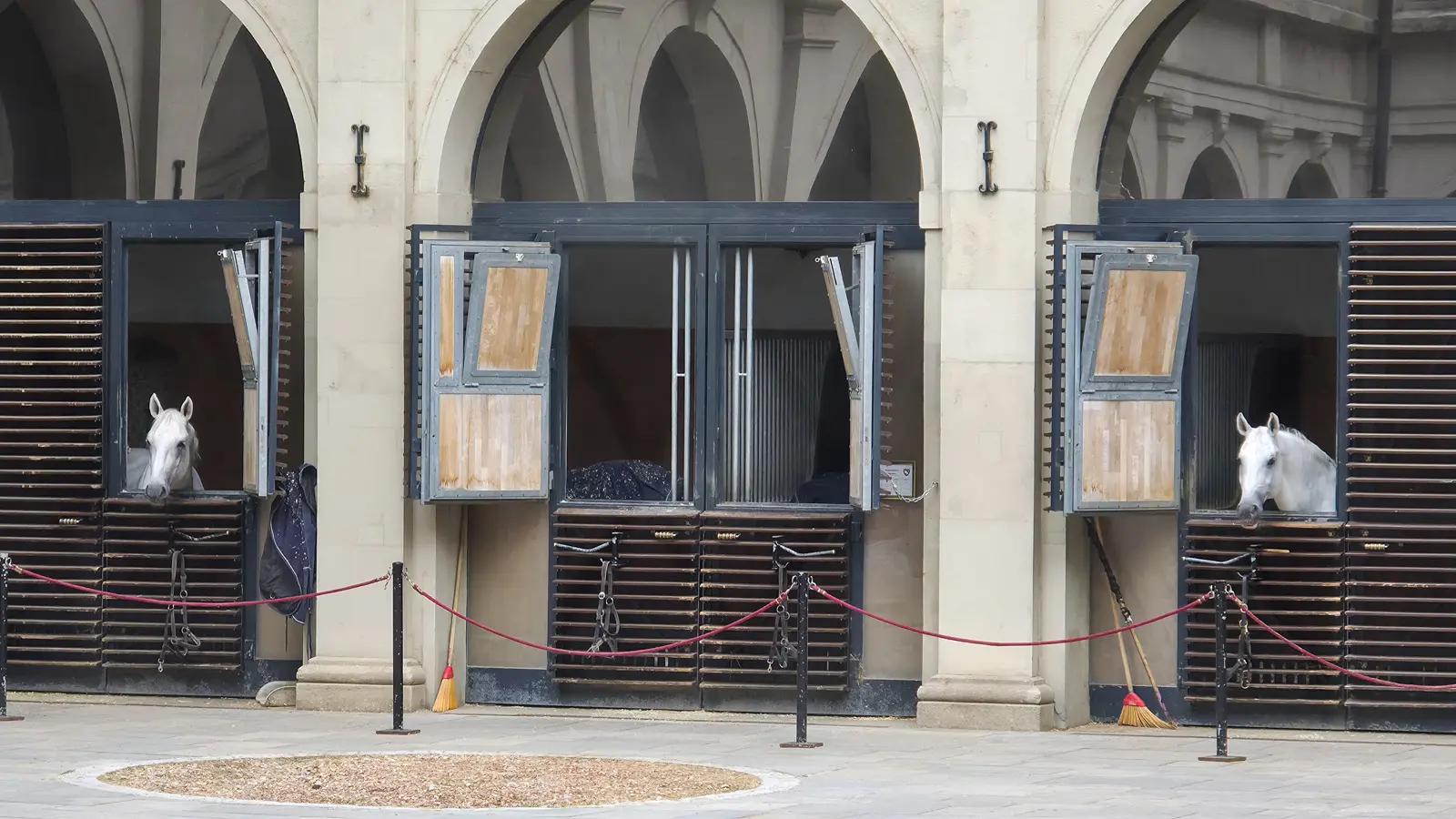
Seeing the horses up close allows visitors to appreciate the discipline and care that go into maintaining this centuries-old tradition. From the courtyard vantage points, it is possible to observe the Lipizzaner stallions resting between training sessions, their calm demeanor reflecting the careful handling and long training they receive. The experience feels far more intimate than a large performance, offering a quiet moment to observe these remarkable animals and the dedicated work that surrounds them. For many visitors, this peaceful encounter with the horses becomes one of the most memorable moments of exploring Vienna’s imperial center.
Imperial Horses and the Culture of Vienna
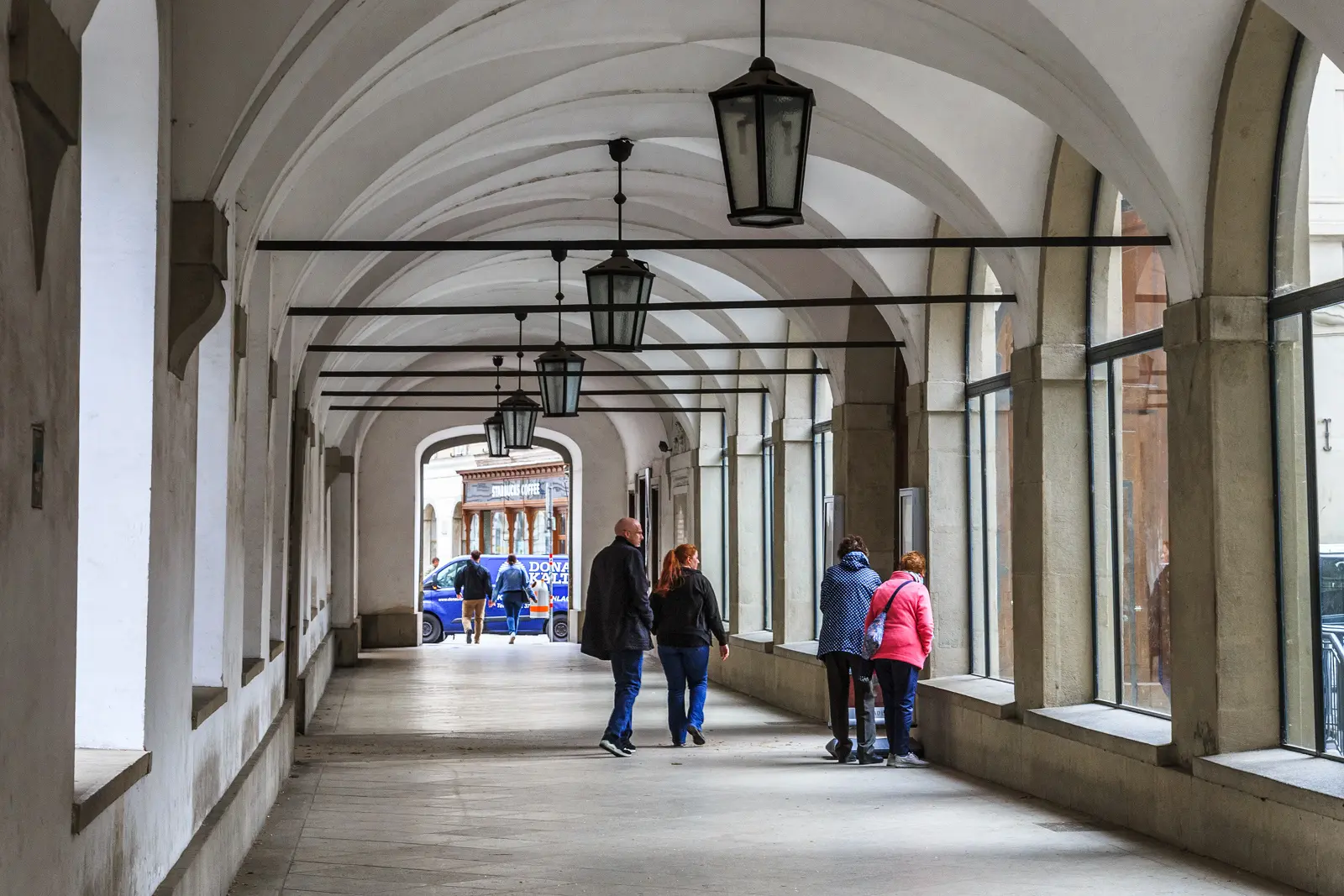
For centuries, horses played a central role in the life of the Habsburg court. They were essential not only for transportation and military purposes but also for ceremonial events that demonstrated the prestige of the empire. The Spanish Riding School became one of the most visible expressions of this equestrian culture. Its performances symbolized the elegance, discipline, and power associated with the imperial court. Even today, the Lipizzaner horses remain closely tied to Austria’s cultural identity.
Standing within the Hofburg complex and observing the horses reminds visitors that Vienna’s imperial traditions are not confined to museums or monuments. They continue to live on through institutions like the Spanish Riding School, where history is preserved not in stone but in motion.
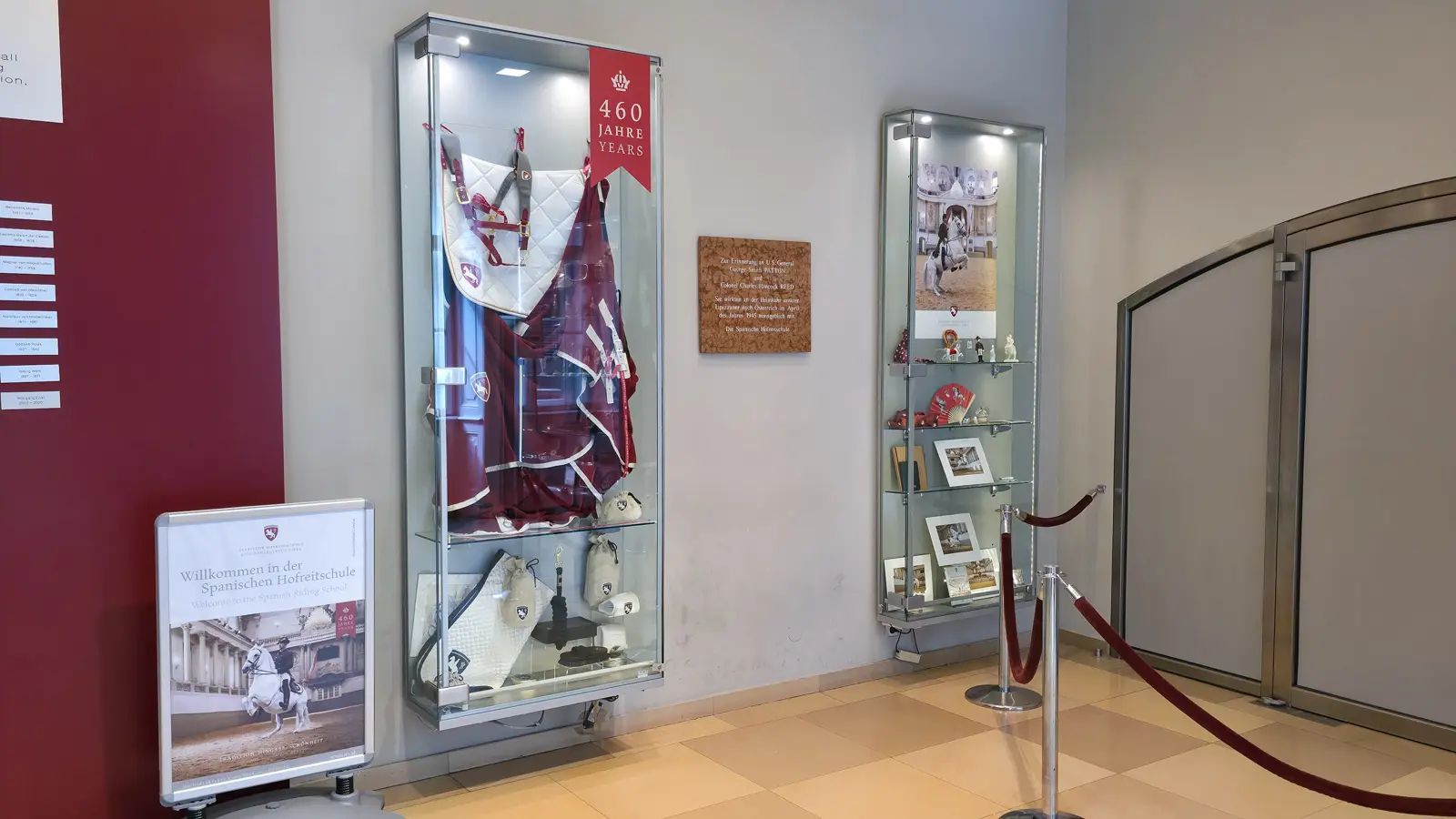
Bubbly Tips for Visiting the Spanish Riding School
- Visit the stables: Even if you cannot attend a performance, the stables offer a wonderful opportunity to see the Lipizzaner horses up close from the publicly accessible viewing areas around the Stallburg courtyard.
- Morning training sessions: The morning exercise sessions are often easier to attend than the formal performances and still showcase the elegance of the horses as they practice classical dressage movements.
- Explore the Hofburg: The riding school is located within the vast Hofburg Palace complex, making it easy to combine your visit with other historic sites in Vienna’s imperial center.
- Arrive early for performances: Tickets for the famous demonstrations can sell out quickly, particularly during peak travel seasons.
- Some experiences are free: While performances and guided tours require tickets, visitors can still see the Lipizzaner horses from certain viewing areas around the Stallburg stables without purchasing a ticket.
- Take time in the courtyard: The surrounding courtyards of the Hofburg provide beautiful vantage points for appreciating the historic setting of the riding school.
Final Thoughts
Few traditions in Europe have survived with such continuity and elegance as the Spanish Riding School of Vienna. For more than four centuries, the Lipizzaner horses and their riders have preserved a unique art form that blends athletic skill, discipline, and cultural heritage.
Even a brief visit to the stables offers a meaningful connection to Vienna’s imperial past. Standing in the Hofburg courtyard and watching these remarkable horses quietly resting between training sessions reminds us that some traditions endure not only because they are preserved, but because they continue to inspire admiration generation after generation.
Have you ever seen the Lipizzaner horses or visited the Spanish Riding School in Vienna? I would love to hear about your experience in the comments.

🌟 Everything You Need to Plan Your Dream Trip in 2026
- 🌟 Luxury Hotels - Find premium stays with Booking.com & Hotels.com
- 🏡 Vacation Rentals - Discover unique properties on VRBO
- 🏞️ Guided Tours - Explore with Viator or GetYourGuide
- 🎫 Attraction Tickets - Skip the lines with Tiqets
- 🚢 Ocean Cruises - Set sail with Cruise Direct
- 📱 International SIMs - Stay connected with Saily
- 🚗 Car Rentals - Budget-friendly options from Discover Cars
- 🌐 Secure VPNs - Browse safely with NordVPN
- 💶 Currency Exchange - Best rates with Wise
- 🗣️ Learn Languages - Master the local language with Babbel and Rosetta Stone