
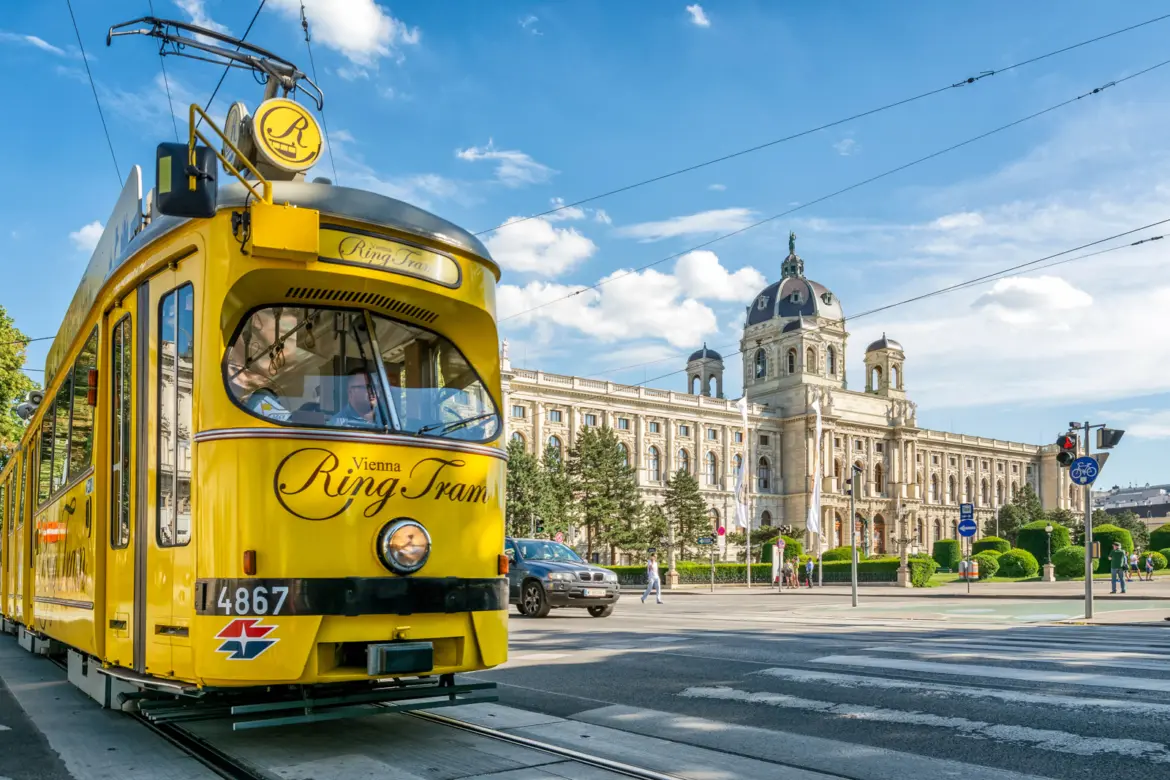
Hello, my friends! Some cities are understood through landmarks. Vienna is understood through movement, and nowhere is that clearer than along the Ringstrasse. Encircling the historic heart of Vienna, the Ringstrasse (Ring Road) is not simply a road. It is a rhythm, a frame, and a quiet lesson in how a city chooses to present itself. Built in the 19th century on the site of the former city walls, this grand circular boulevard was designed to showcase imperial confidence. Today, it does something more subtle: it invites you to walk, notice, and settle into Vienna’s particular balance of history and daily life.
Ringstrasse at a Glance
🛣️ Built: 1858–1865, replacing Vienna’s medieval fortifications with a grand boulevard
📐 Length: Approximately 5.3 km (3.3 miles) encircling the Inner City
🏛️ Key landmarks on the Ring: Vienna State Opera, Austrian Parliament, Rathaus (City Hall), Burgtheater, University of Vienna, Kunsthistorisches Museum, Natural History Museum, Hofburg Palace
🚋 Getting around: The Vienna Ring Tram circles the entire boulevard — a moving introduction to the city’s architecture
🌳 Green spaces: Volksgarten, Burggarten, Stadtpark, and Rathauspark all border the Ring
👑 Why it was built: Emperor Franz Joseph ordered the city walls demolished to create an open, modern boulevard — transforming Vienna from a fortified city into a European capital
🏗️ Architectural styles: Neo-Renaissance (Opera), Neo-Gothic (Rathaus), Greek Revival (Parliament), Baroque (Hofburg) — each building deliberately designed in the style that best expressed its civic function
🚶 Tip: Walk the full Ring once before diving into individual buildings — the experience of the boulevard as a whole is as important as any single landmark
📍 Best starting point: The Vienna State Opera, then walk clockwise past Hofburg, Parliament, Rathaus, and back
What the Ringstrasse Is – and Why It Matters
The Ringstrasse forms a 5.3-kilometre circular boulevard around Vienna’s historic city centre. Conceived in the mid-19th century during the height of the Habsburg Empire, it replaced medieval fortifications with openness, symmetry, and civic order. Rather than concealing power behind walls, Vienna chose to place it on display – accessible, legible, and woven into everyday movement.
The Ringstrasse was planned not merely as a road, but as a statement of stability and refinement. Along its length rose cultural institutions, government buildings, museums, gardens, and residences, arranged deliberately along a single continuous axis. Architecture here was meant to express permanence and confidence, while remaining integrated into the life of the city.
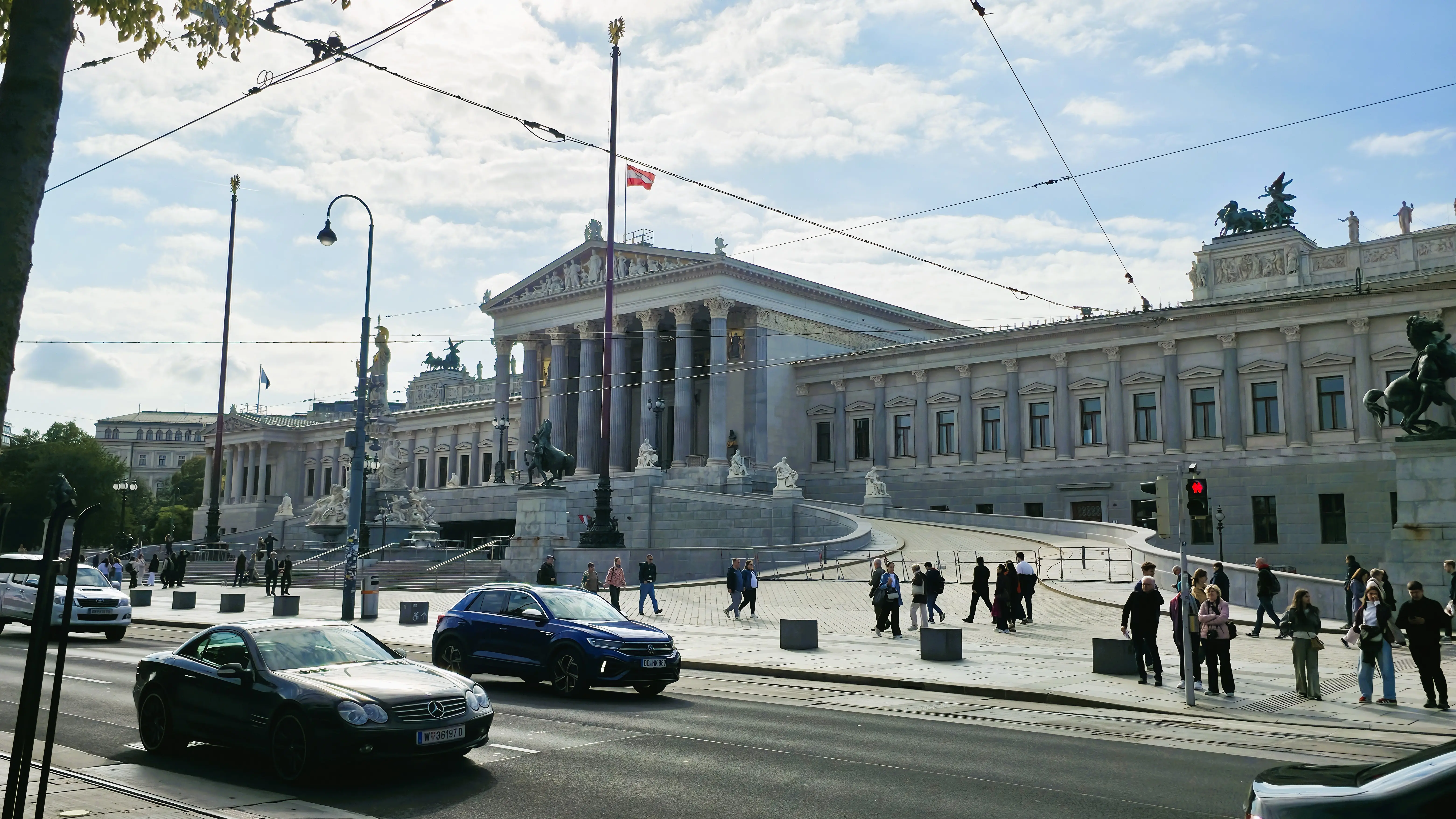
Today, this vision remains remarkably intact. The Ringstrasse forms part of Vienna’s Historic Centre, a designated UNESCO World Heritage Site, recognized for its exceptional urban planning and architectural coherence. Even now, the boulevard feels composed rather than overwhelming – monumental, yet calm – demonstrating how imperial ambition was translated into a civic space meant to be lived in, not merely admired.
Empire Turned Into Everyday Space
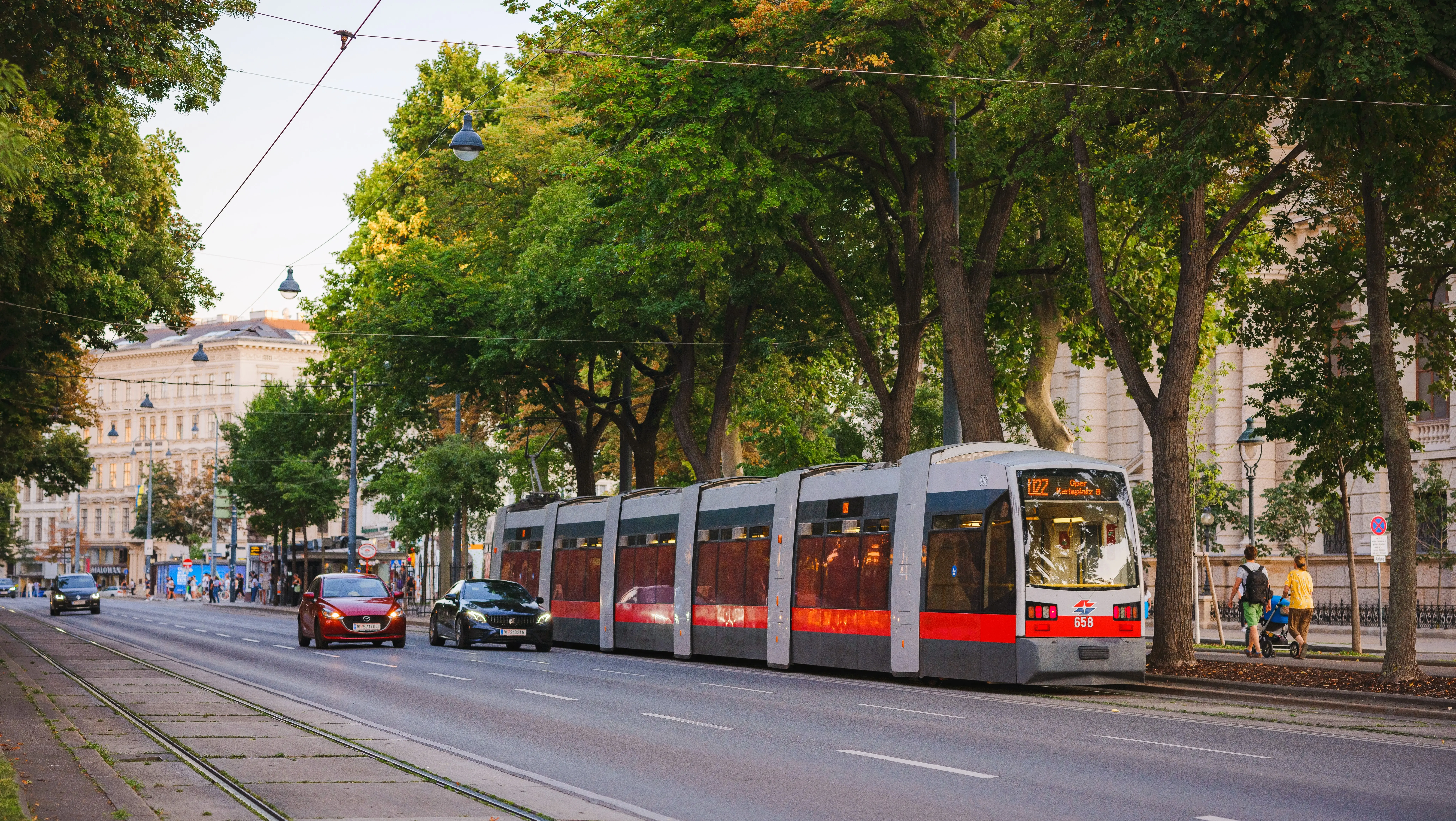
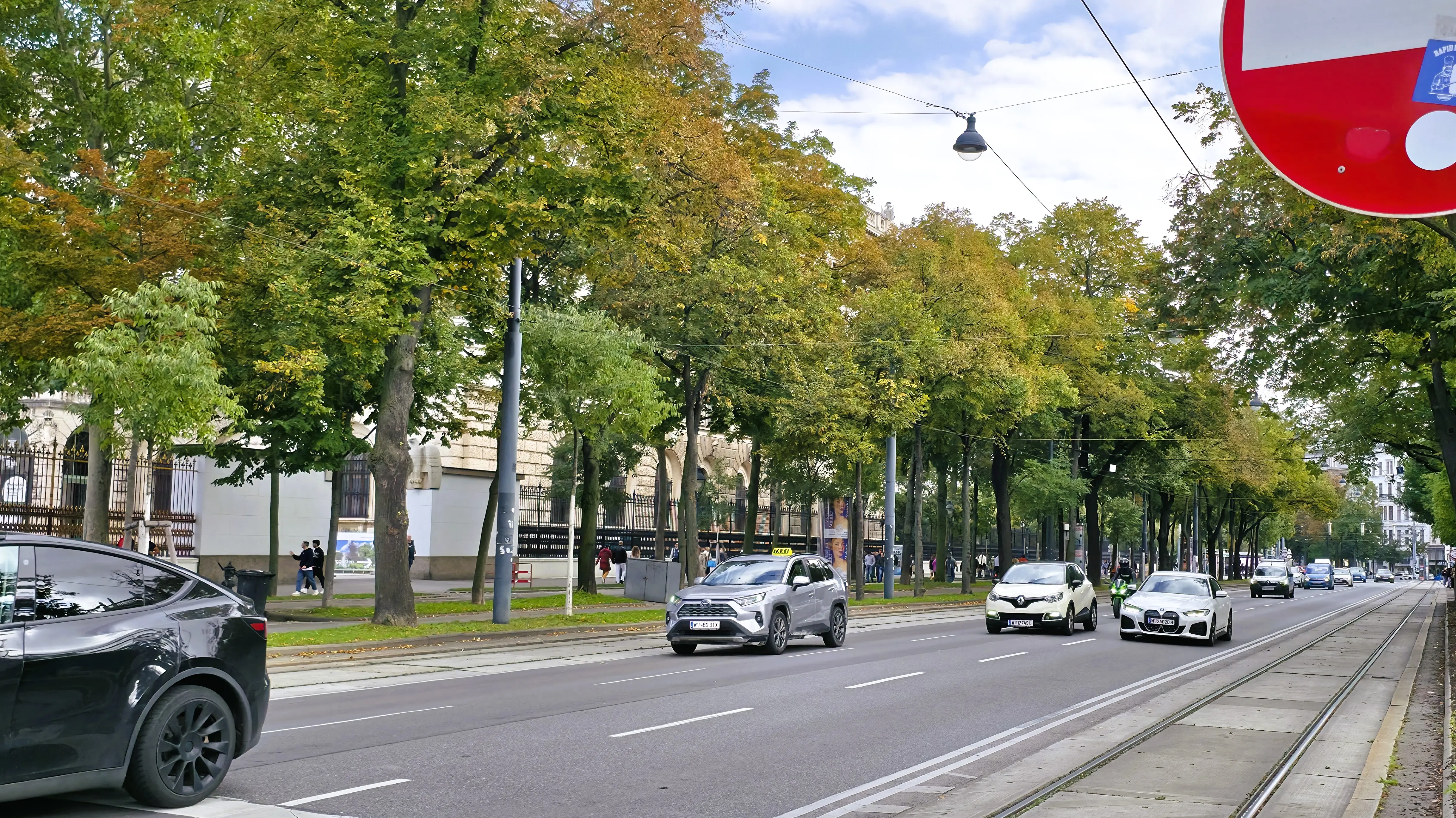
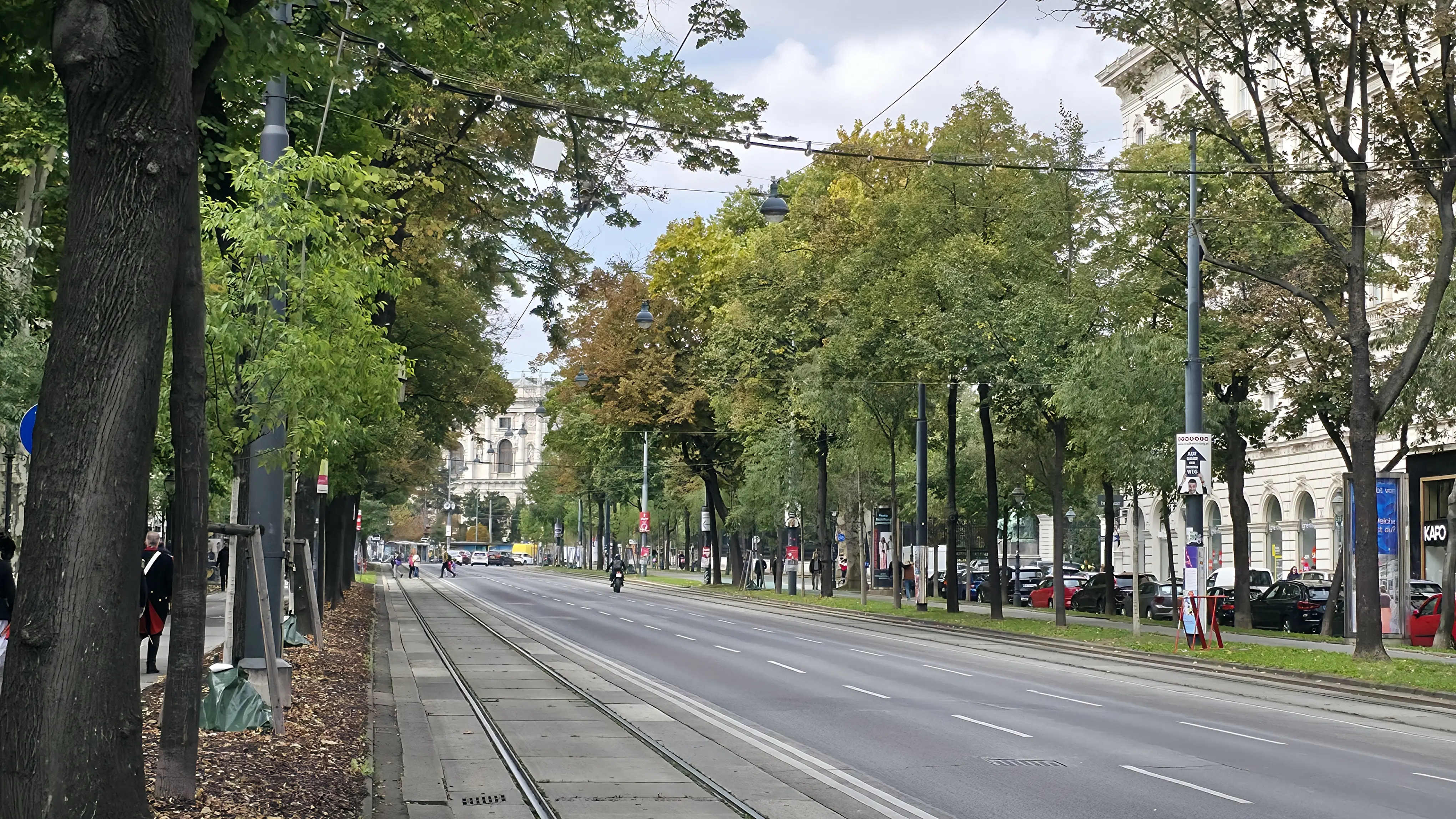
Walking the Ringstrasse reveals how Vienna lives alongside its imperial past without dramatizing it. Grand buildings rise with confidence, yet they never dominate the experience; instead, they are crossed daily by commuters, traced by tram lines, and softened by rows of trees and carefully placed green spaces that blur the line between ceremony and routine. Here, empire does not feel frozen in time but fully integrated into the city’s rhythm, where history is present without being intrusive. The Ringstrasse doesn’t demand that you stop and stare at every turn – it allows you to pass, glance, and absorb, moving at your own pace as Vienna quietly demonstrates how monumentality and everyday life can coexist with remarkable ease.
Landmarks That Don’t Compete for Attention
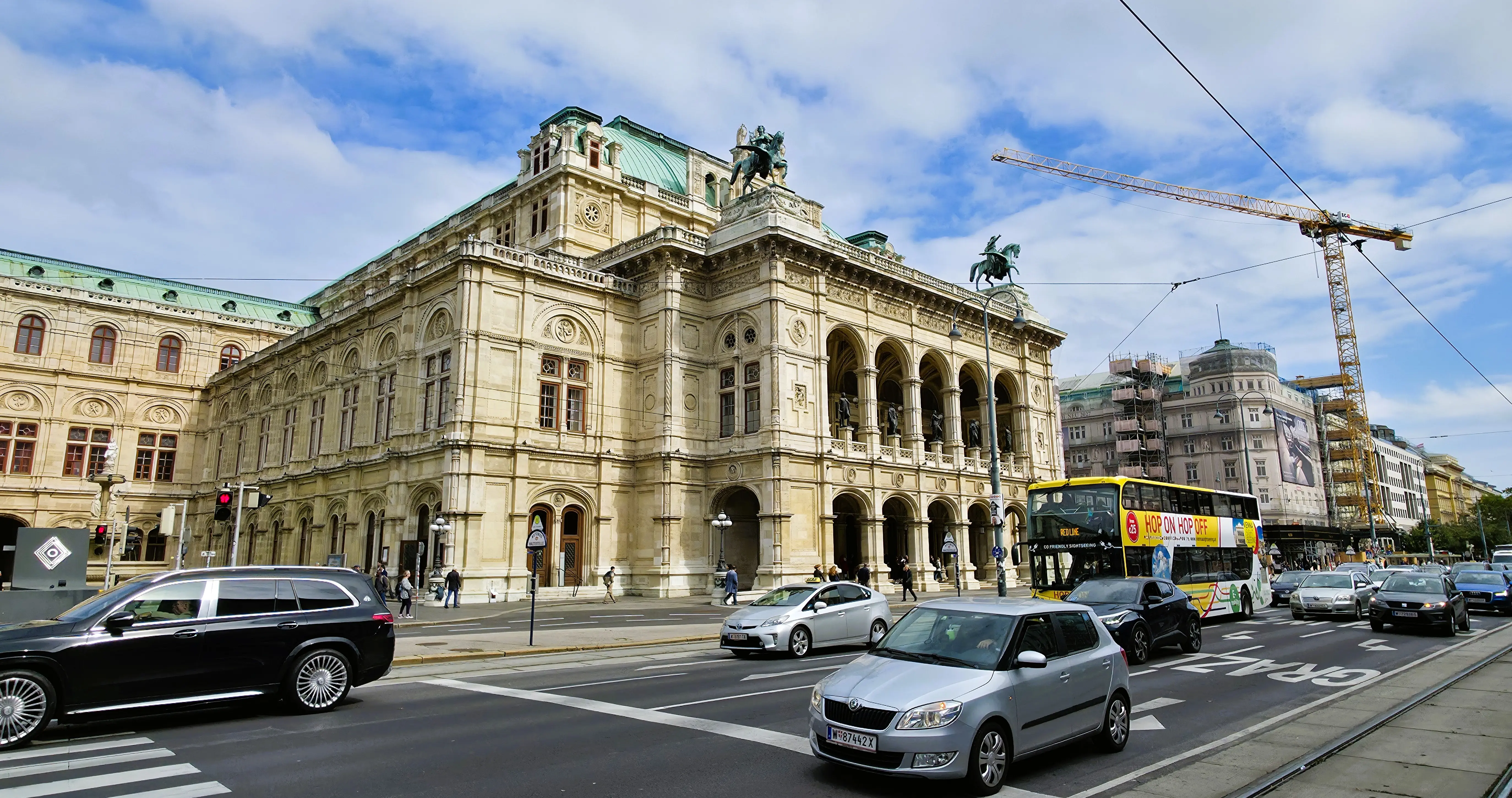
Some of Vienna’s most important institutions line the Ringstrasse, yet none demand urgency. You pass the Vienna State Opera not as a spectacle set apart from daily life, but as part of the city’s natural flow – crossed on the way to work, glimpsed from a tram window, integrated into the rhythm of the street. Its presence feels assured rather than performative, a reminder that music here belongs to the city as much as it belongs to the stage.
Nearby, the Hofburg unfolds in layers rather than declarations. Once the seat of Habsburg power, it now feels softened by the openness of surrounding squares and steady foot traffic. History is visible, but never fenced off; the former center of empire has been absorbed into everyday movement, allowing the past to exist without spectacle.
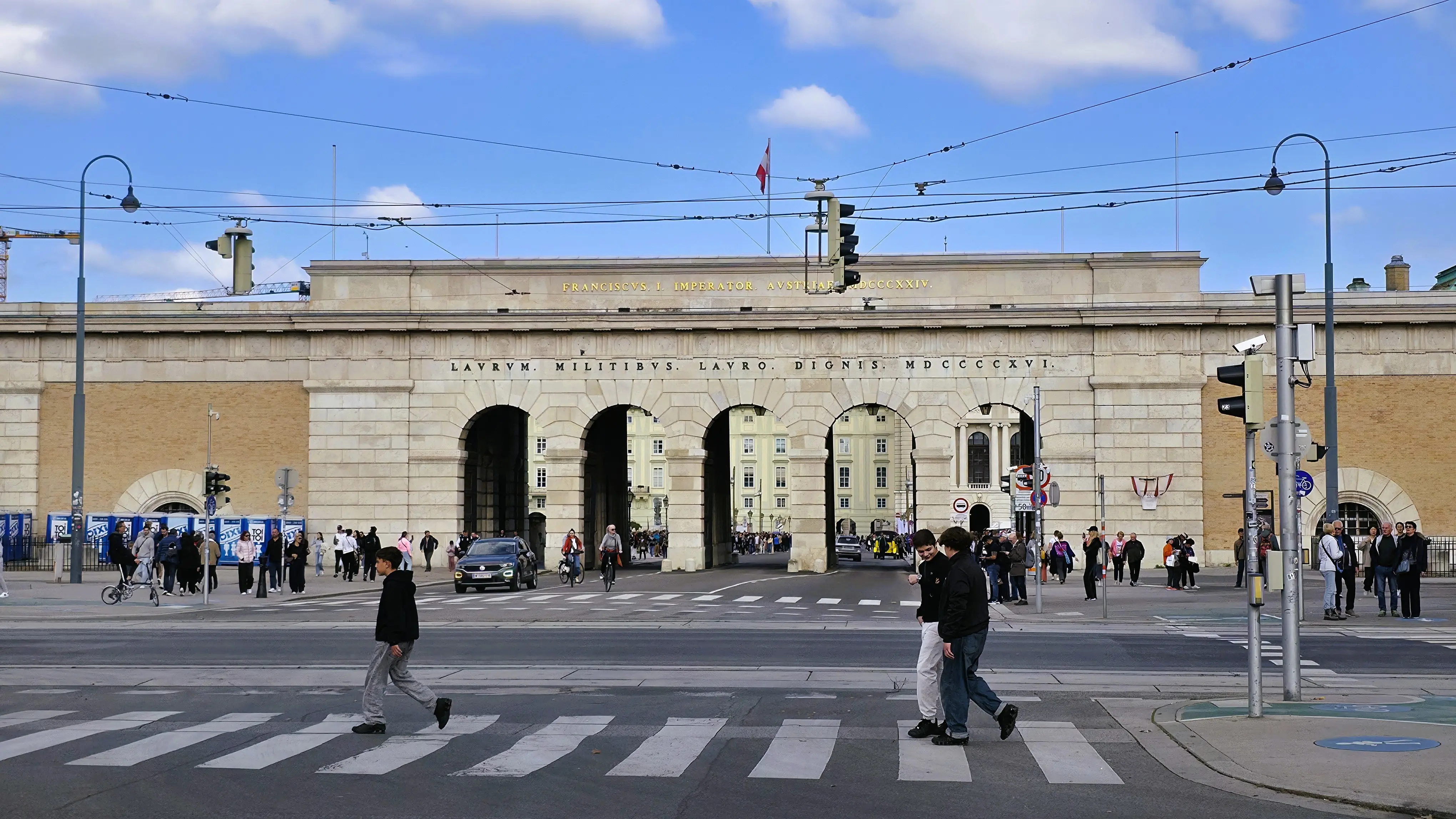
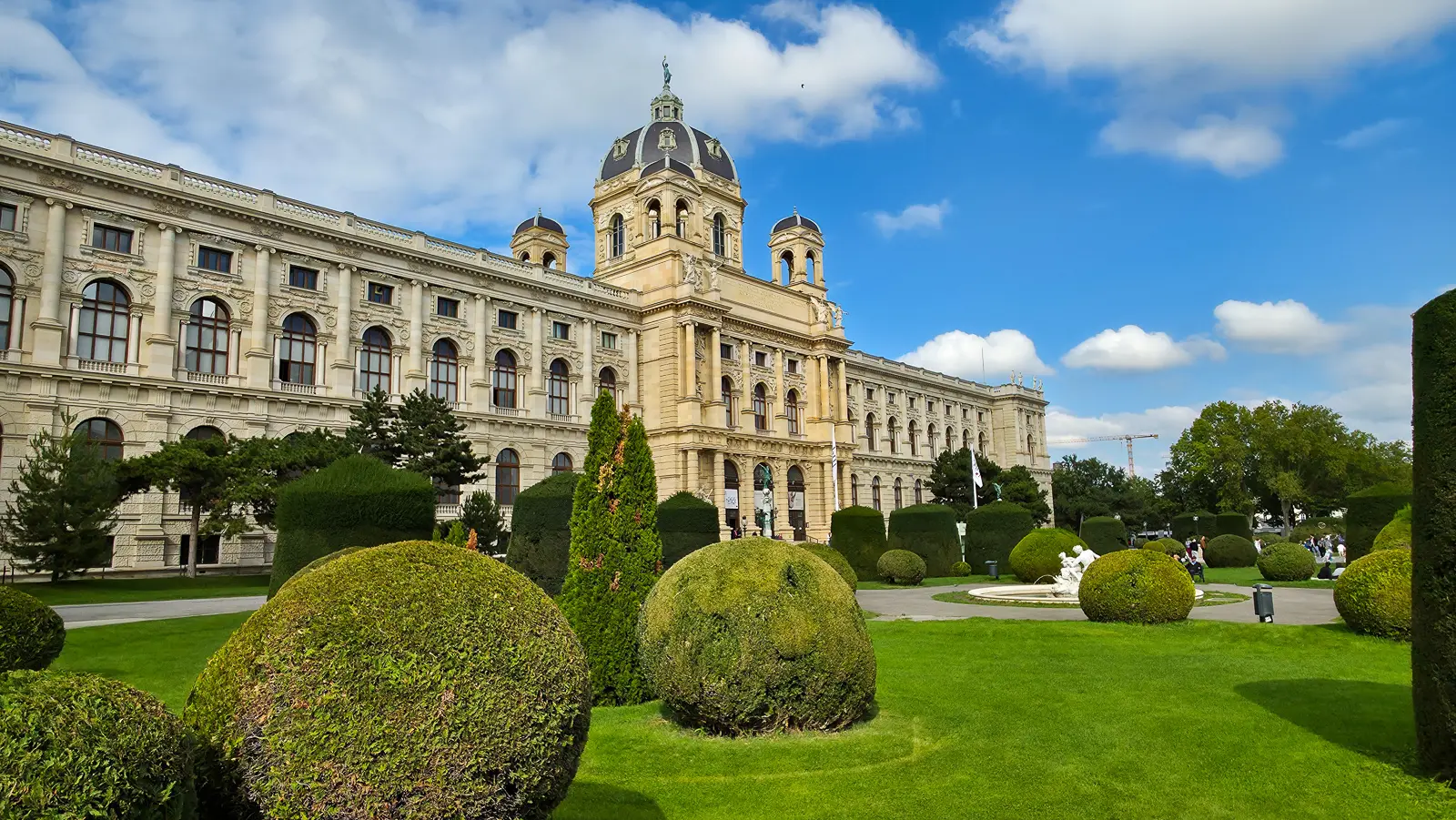
Further along, the Kunsthistorisches Museum stands with quiet authority. Designed not merely as a repository of art, but as a civic institution meant to educate and endure, it reflects Vienna’s belief that culture should be permanent and accessible rather than fleeting. Across the way, green spaces like the Volksgarten offer pause and contrast, reinforcing the city’s instinct to balance monumentality with openness, air, and light.
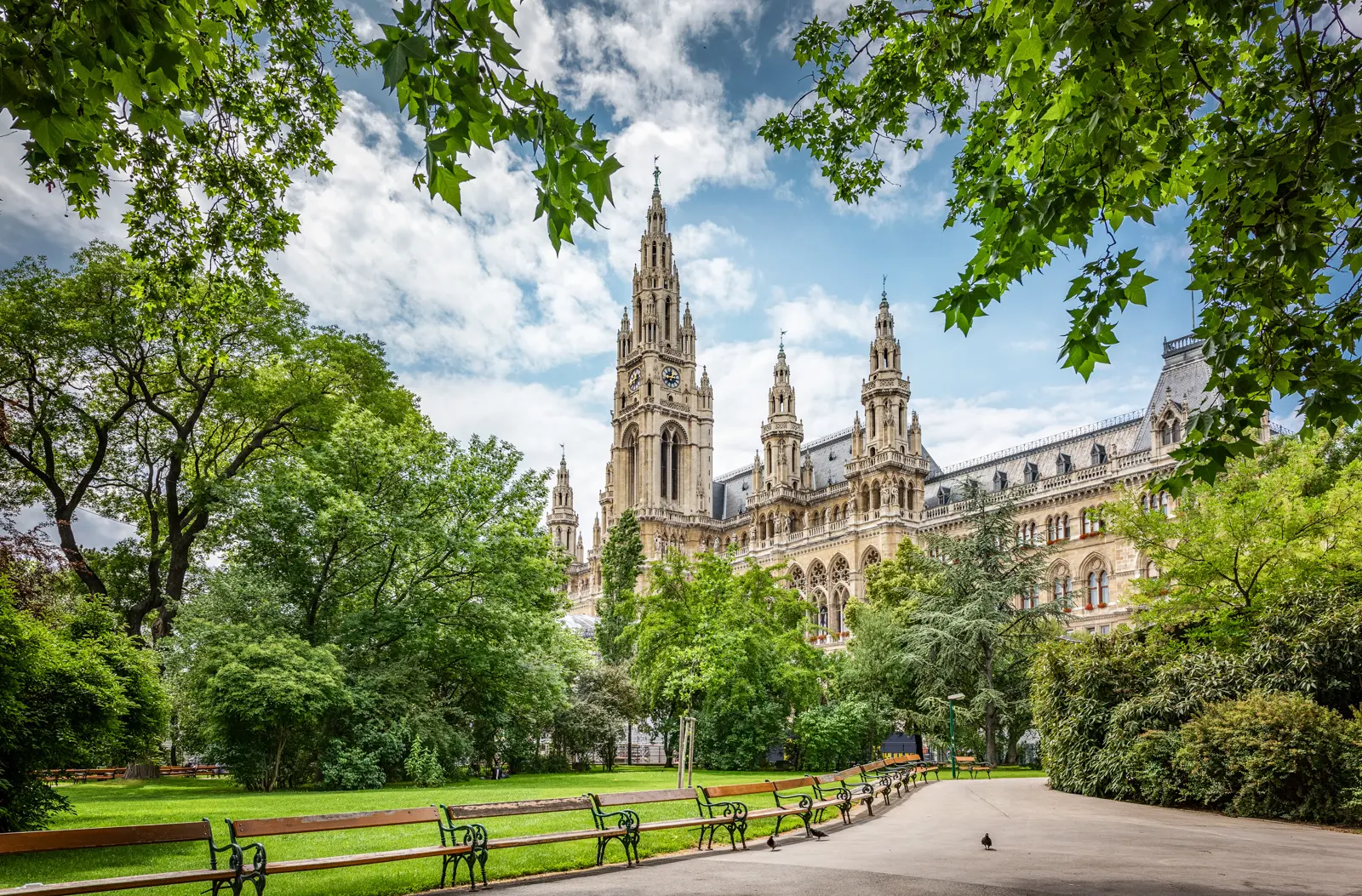
Even political landmarks such as the Austrian Parliament Building and Vienna City Hall feel measured rather than imposing. Framed by gardens, wide sidewalks, and public space, they invite approach rather than distance. Along the Ringstrasse, authority is expressed through proportion and accessibility, not intimidation — another quiet lesson in how Vienna translates power into civic life.
A Boulevard Designed for Walking
What sets the Ringstrasse apart from other grand avenues is how walkable it feels. Despite its scale, it never overwhelms, as the gentle curve of the boulevard allows the experience to unfold gradually, preventing visual fatigue and encouraging attention to detail. As you walk, neighborhoods transition naturally and architectural styles shift without abrupt breaks, drawing your eye to façades, statues, balconies, and quiet courtyards – details that might easily be missed in cities designed for speed or spectacle. Vienna’s restraint creates the mental space to observe, making movement feel intuitive rather than effortful. You are rarely disoriented, and the city reveals itself logically, allowing exploration to happen without stress or friction.
Gardens Along the Ring
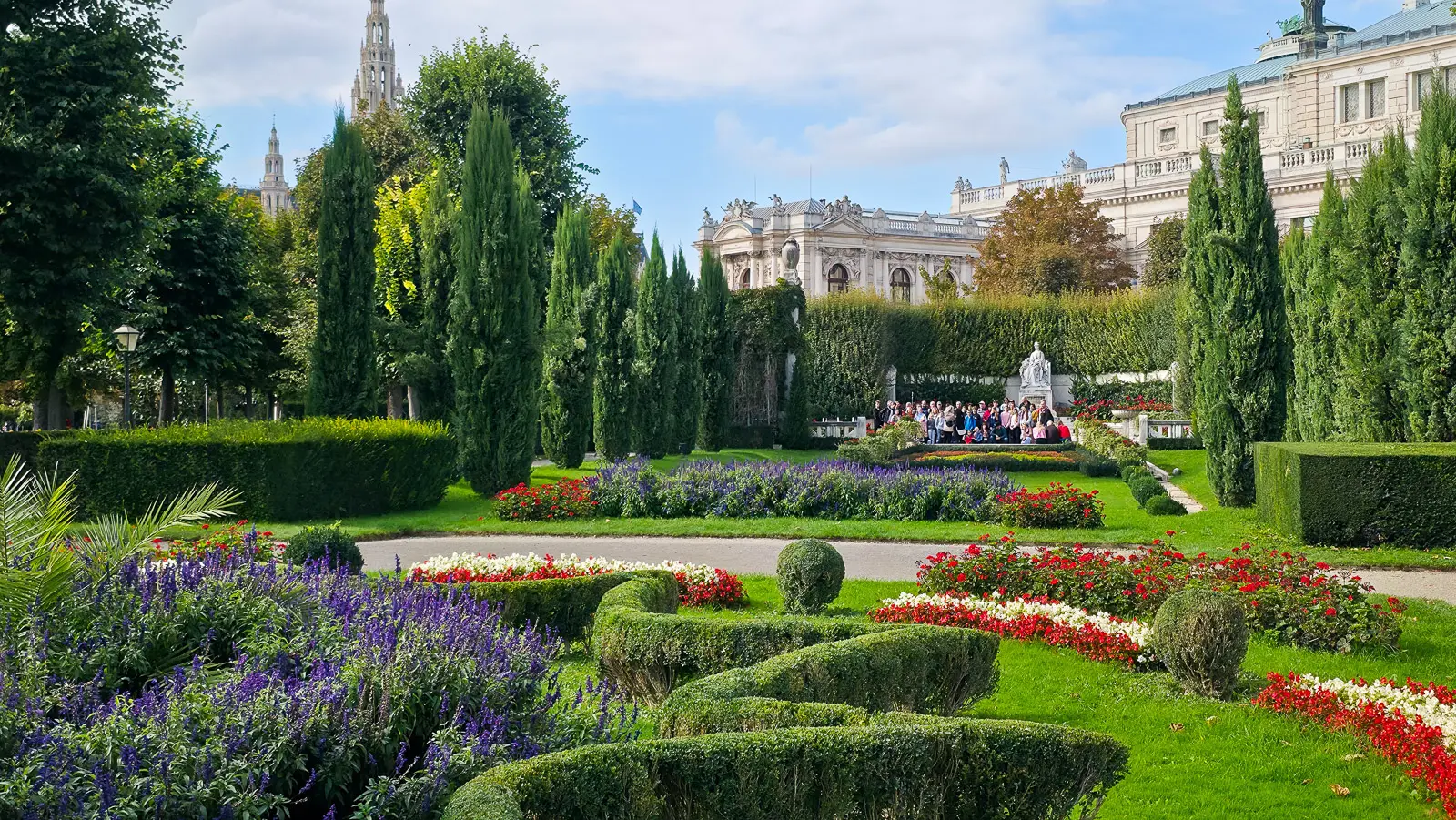
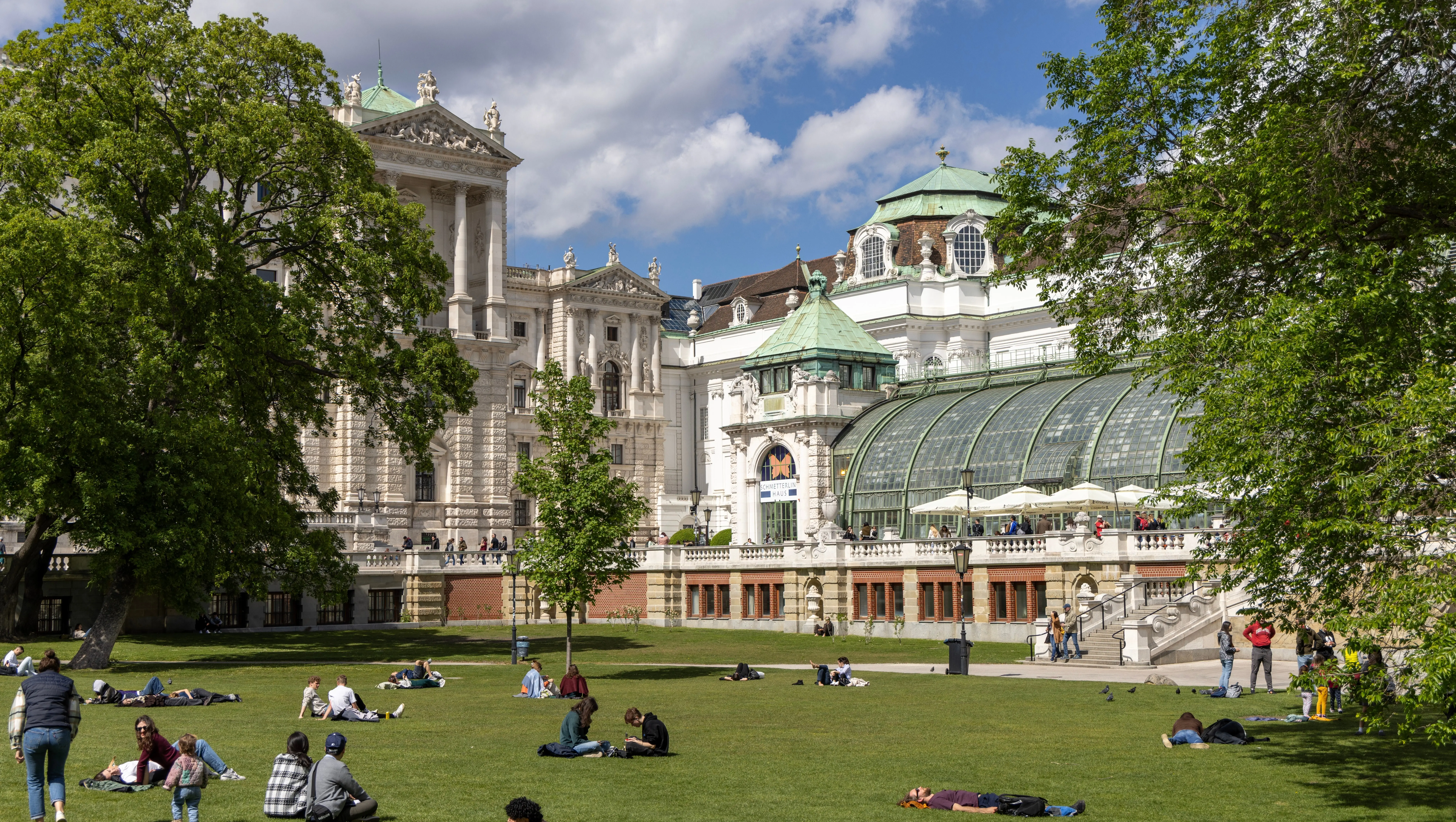
One of the Ringstrasse’s quiet triumphs is how seamlessly green spaces are integrated into its design. Parks are not treated as afterthoughts, but as structural elements of the boulevard itself, deliberately placed to soften monumentality and create room for pause. Gardens such as Volksgarten and Burggarten offer benches, gravel paths, and seasonal color that invite rest rather than consumption. These are not spaces curated for performance or spectacle; they are meant to be used – for reading, strolling, thinking, or simply watching the city pass. Along the Ringstrasse, Vienna makes clear that beauty is not only something to admire, but something that should also restore.
Why the Ringstrasse Stays With You
The Ringstrasse stays with you because it doesn’t overwhelm. It demonstrates how a city can honor its past without becoming trapped by it, and how urban planning can prioritize dignity, accessibility, and calm at the same time. Walking it feels less like sightseeing and more like understanding Vienna’s underlying philosophy: that culture should be integrated rather than isolated, that beauty should be shared rather than staged, and that history can exist comfortably within the rhythms of daily life. The Ringstrasse doesn’t rush you or demand attention; instead, it invites you to walk, to observe, and to notice how seamlessly monumentality and everyday movement coexist.
Planning a Walk Along the Ringstrasse
Is the Ringstrasse easy to walk?
Yes. Despite its grand scale, the Ringstrasse is one of Vienna’s most walkable areas. Wide sidewalks, gentle curves, frequent green spaces, and clear sightlines make it easy to navigate without feeling overwhelmed. Walking allows you to notice architectural details and transitions between neighborhoods that are often missed when moving quickly.
How long does it take to walk the Ringstrasse?
Walking the full Ringstrasse takes approximately one and a half to two hours at a relaxed pace, without accounting for stops. Most visitors choose to experience it in sections, allowing time for cafés, gardens, or museums along the way.
Is the Ringstrasse better explored on foot or by tram?
Both offer different perspectives. Walking provides intimacy and detail, while the tram offers continuity and scale. Many people enjoy combining the two, using the tram to understand the boulevard’s structure and walking selected stretches to experience it more deeply.
Final Thoughts
Walking the Ringstrasse is one of the clearest ways to understand Vienna. It shows you how empire was translated into civic space, how monumentality was balanced with restraint, and how a city can remain elegant without becoming distant.
If Vienna teaches you to slow down, the Ringstrasse shows you how.
Have you walked the Ringstrasse, or is it now on your Vienna wish list? I’d love to hear how you experienced it – or how you imagine it!
Until our next adventure,

🌟 Everything You Need to Plan Your Dream Trip in 2026
- 🌟 Luxury Hotels - Find premium stays with Booking.com & Hotels.com
- 🏡 Vacation Rentals - Discover unique properties on VRBO
- 🏞️ Guided Tours - Explore with Viator or GetYourGuide
- 🎫 Attraction Tickets - Skip the lines with Tiqets
- 🚢 Ocean Cruises - Set sail with Cruise Direct
- 📱 International SIMs - Stay connected with Saily
- 🚗 Car Rentals - Budget-friendly options from Discover Cars
- 🌐 Secure VPNs - Browse safely with NordVPN
- 💶 Currency Exchange - Best rates with Wise
- 🗣️ Learn Languages - Master the local language with Babbel and Rosetta Stone