
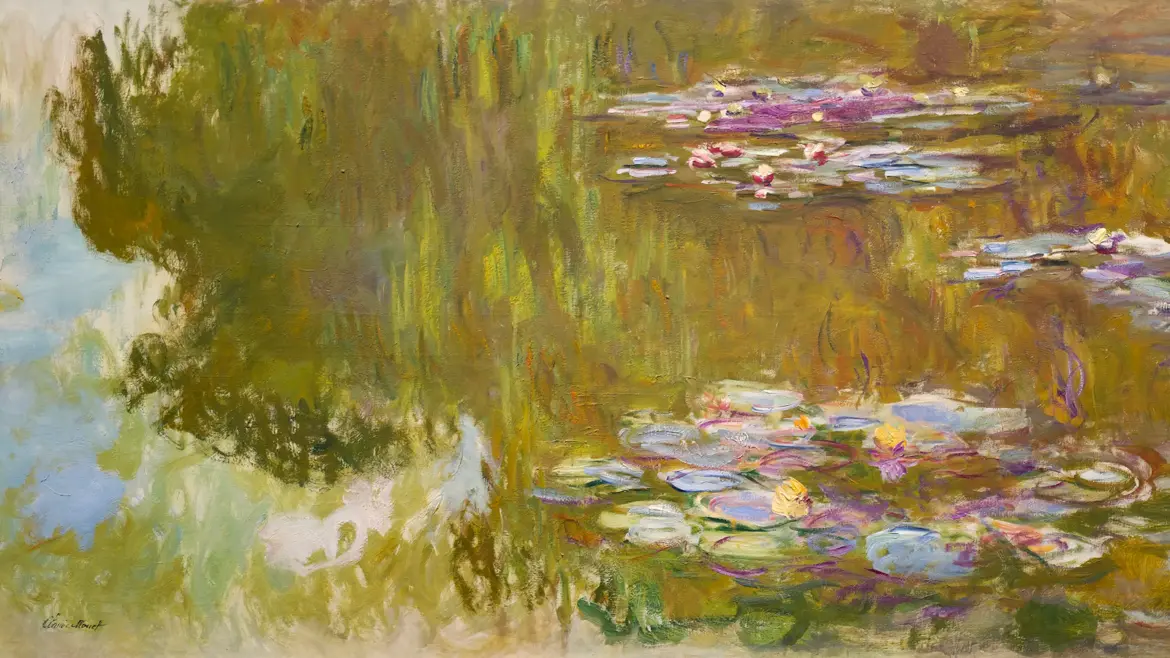
Vienna is a city that effortlessly blends imperial grandeur with artistic soul, where history lives not only in palaces and concert halls, but in brushstrokes, textures, and bold creative revolutions that have shaped the cultural fabric of Europe. While the city itself feels like an open-air museum, there are moments when its artistic legacy becomes especially vivid – and for me, that moment unfolded through the Monet to Picasso exhibition at the Albertina Museum. This exhibition offers a rare and beautifully curated window into one of the most transformative periods in art history, bringing together masterpieces that trace the evolution of modern painting.
During my time in Vienna, stepping into this exhibition felt like entering a living conversation across centuries – one that unfolds gradually, almost poetically, as you move from one gallery to the next. It begins with soft light and impressionist whispers, where fleeting moments are captured with delicacy and nuance, and slowly evolves into bold, fragmented expressions of modernity that challenge perception and redefine artistic boundaries. From the luminous, atmospheric worlds of Claude Monet to the daring, ever-evolving reinventions of Pablo Picasso, the Monet to Picasso exhibition is not simply a collection of works, it is a journey through transformation, emotion, and creative courage. More than anything, it invites you to pause, reflect, and truly feel how art has evolved alongside the human experience itself.
Monet to Picasso at the Albertina at a Glance
🎨 Exhibition: Monet to Picasso — permanent exhibition of the Batliner Collection, one of Europe’s most important collections of modern painting
🖼️ Scope: ~500 works spanning 130+ years — from French Impressionism to contemporary art
👤 Collector: Herbert Batliner (1928–2019), Liechtenstein-born patron who began collecting in the 1960s and entrusted the collection to the Albertina in 2007
🌸 Highlights: Monet’s The Water Lily Pond (1917–1919), Degas’ Two Dancers, Signac’s Venice, the Pink Cloud, Matisse’s Parrot Tulips, and over 40 works by Picasso
🏛️ Museum: Albertina Museum, Albertinaplatz 1, 1010 Vienna — also home to the world-renowned graphic arts collection and Habsburg State Rooms
🕐 Hours: Daily 10:00–18:00; Wednesday & Friday until 21:00
🚇 Getting there: U1/U2/U4 Karlsplatz (3 min walk), U3 Stephansplatz (7 min walk), or tram to Kärntner Ring/Oper
💡 Tip: Visit early or later in the day for a quieter experience; start from the beginning of the modern collection to appreciate the full progression
The Albertina: Where Vienna’s Artistic Heart Beats
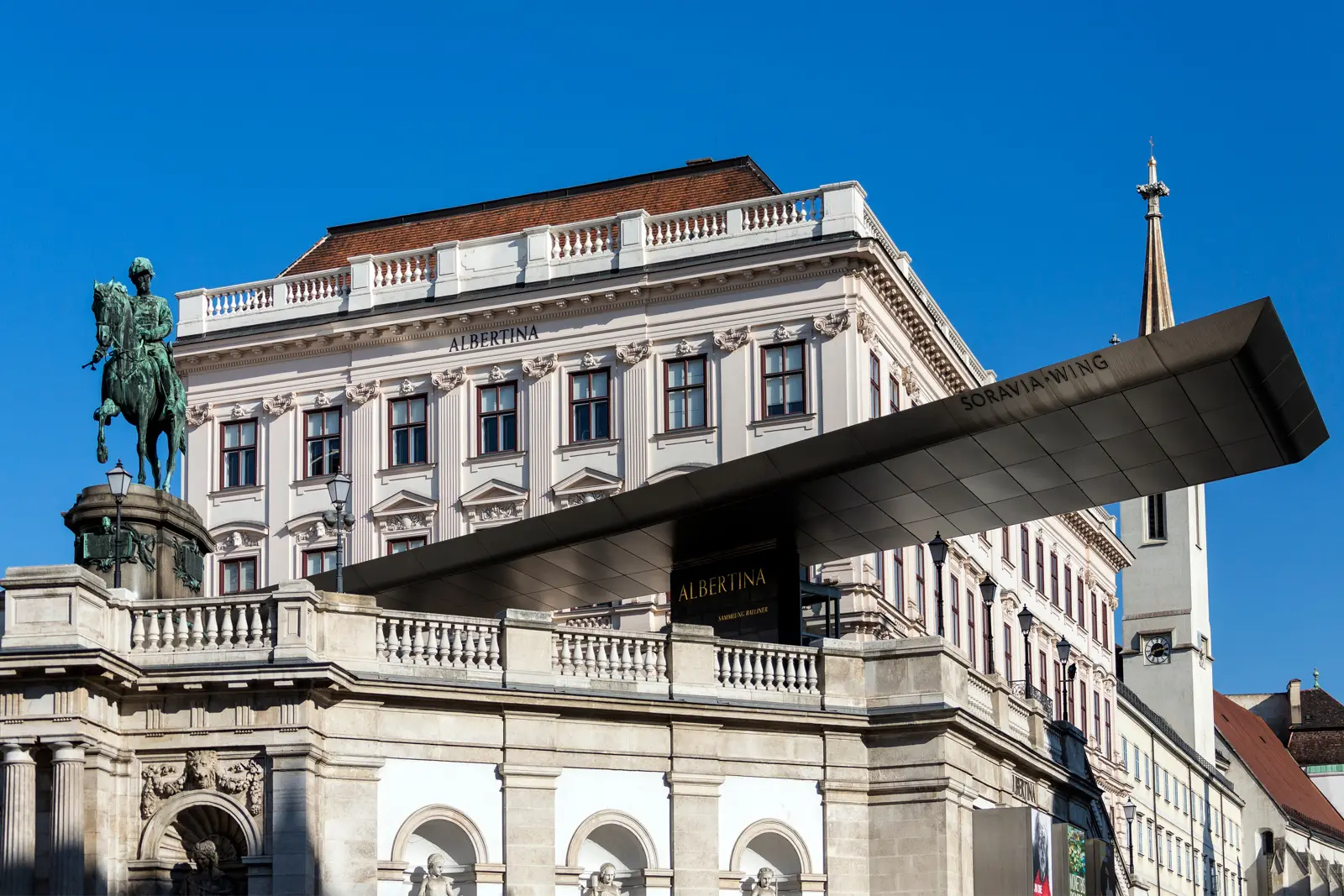
Located in the very heart of Vienna, the Albertina Museum is more than just a museum, it is one of Europe’s most important artistic institutions, where history, culture, and creativity converge under one roof. While many visitors are drawn to its world-renowned graphic arts collection, what truly captivated me was its extraordinary modern art holdings, built around the remarkable Batliner Collection, a collection that quietly yet powerfully anchors the museum’s identity today.
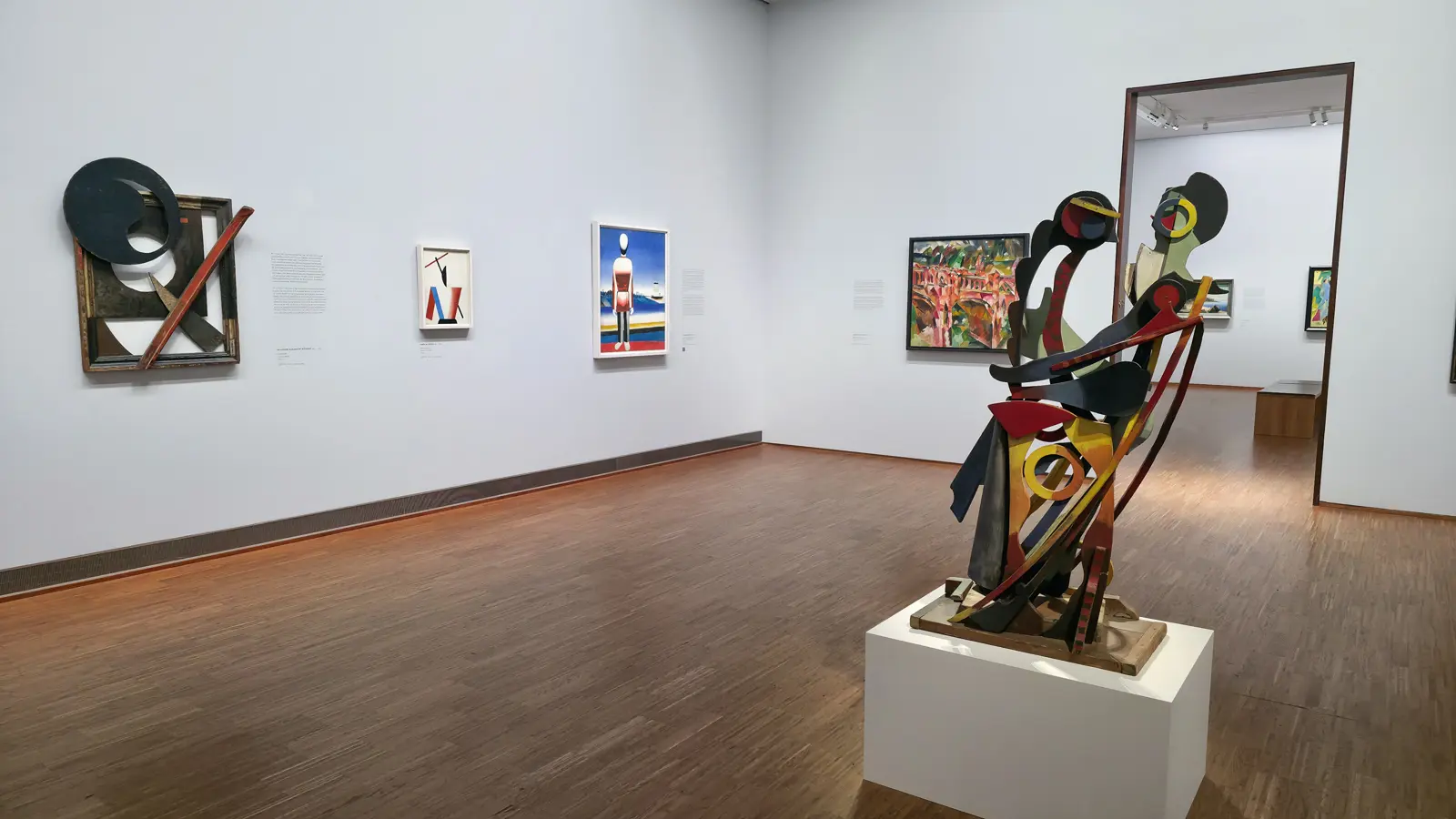
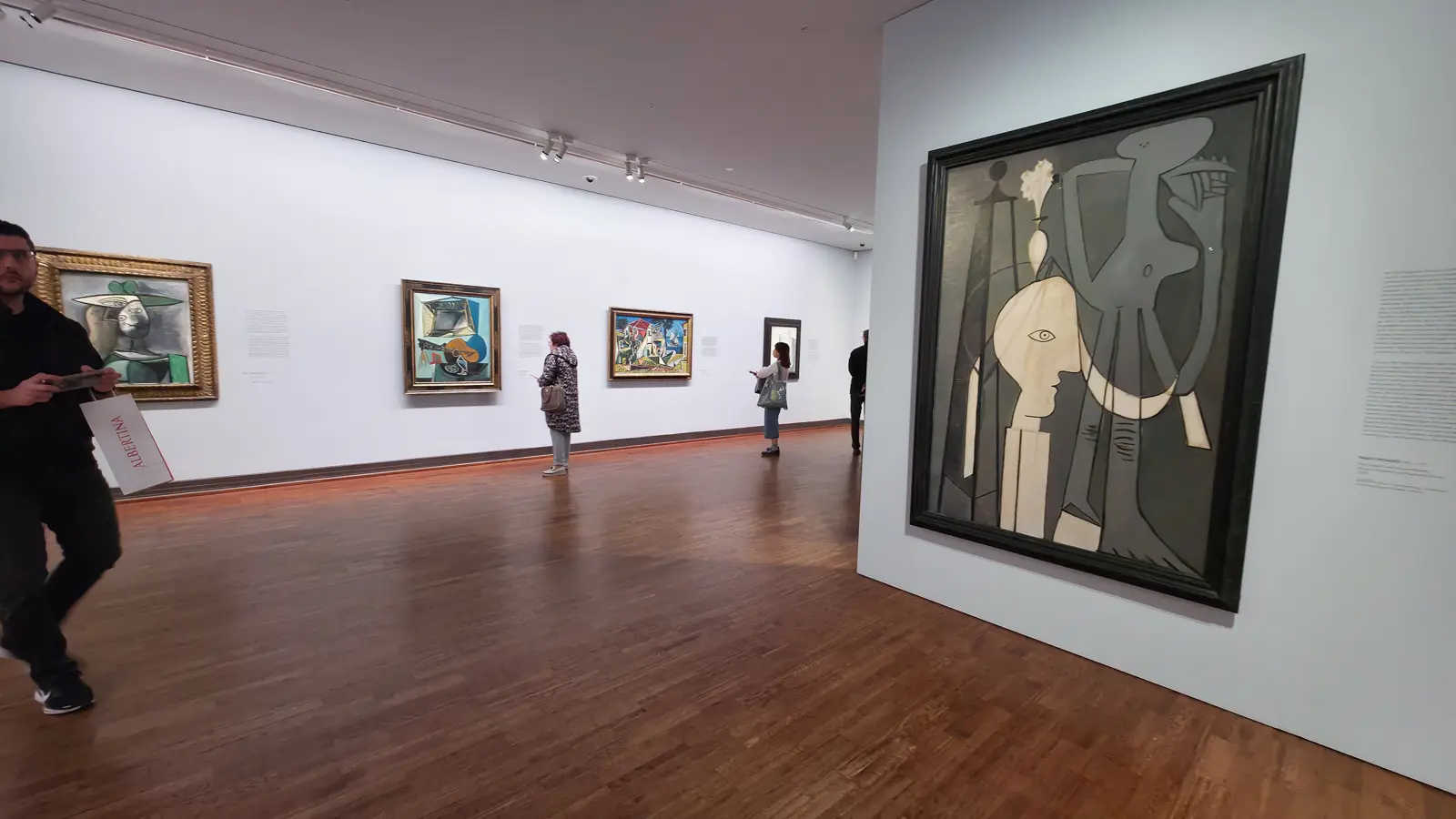
There is something deeply special about how the Albertina presents its works. The galleries feel spacious yet intimate, creating a sense of calm that invites you to slow down and truly immerse yourself in what you are seeing. As you move from room to room, there is a natural, almost seamless flow between artistic movements, allowing you to experience the evolution of art in a way that feels both intuitive and deeply engaging. The light is soft, the pacing is deliberate, and the atmosphere encourages you to pause, observe, and connect – not just with the artworks, but with the emotions and ideas behind them.
It is not overwhelming in the way some large museums can be. Instead, it feels curated with intention and care. Each space gently guides you forward, offering just enough to absorb without ever feeling rushed or saturated. There is a quiet elegance to the experience, a sense that you are being led through one of the most transformative periods in art history with both clarity and respect.
From Impressionism to Modernism: Walking Through Artistic Evolution
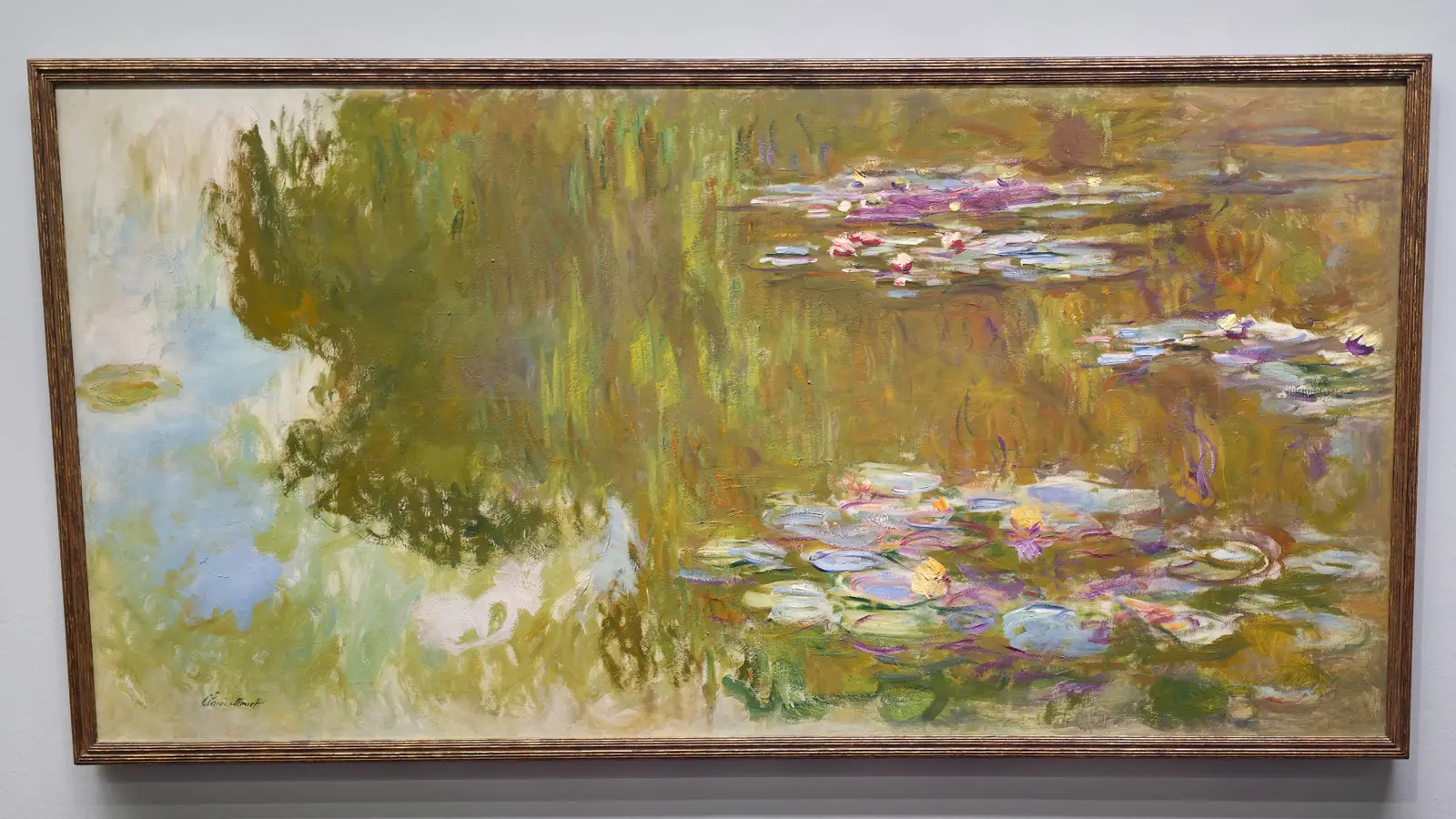
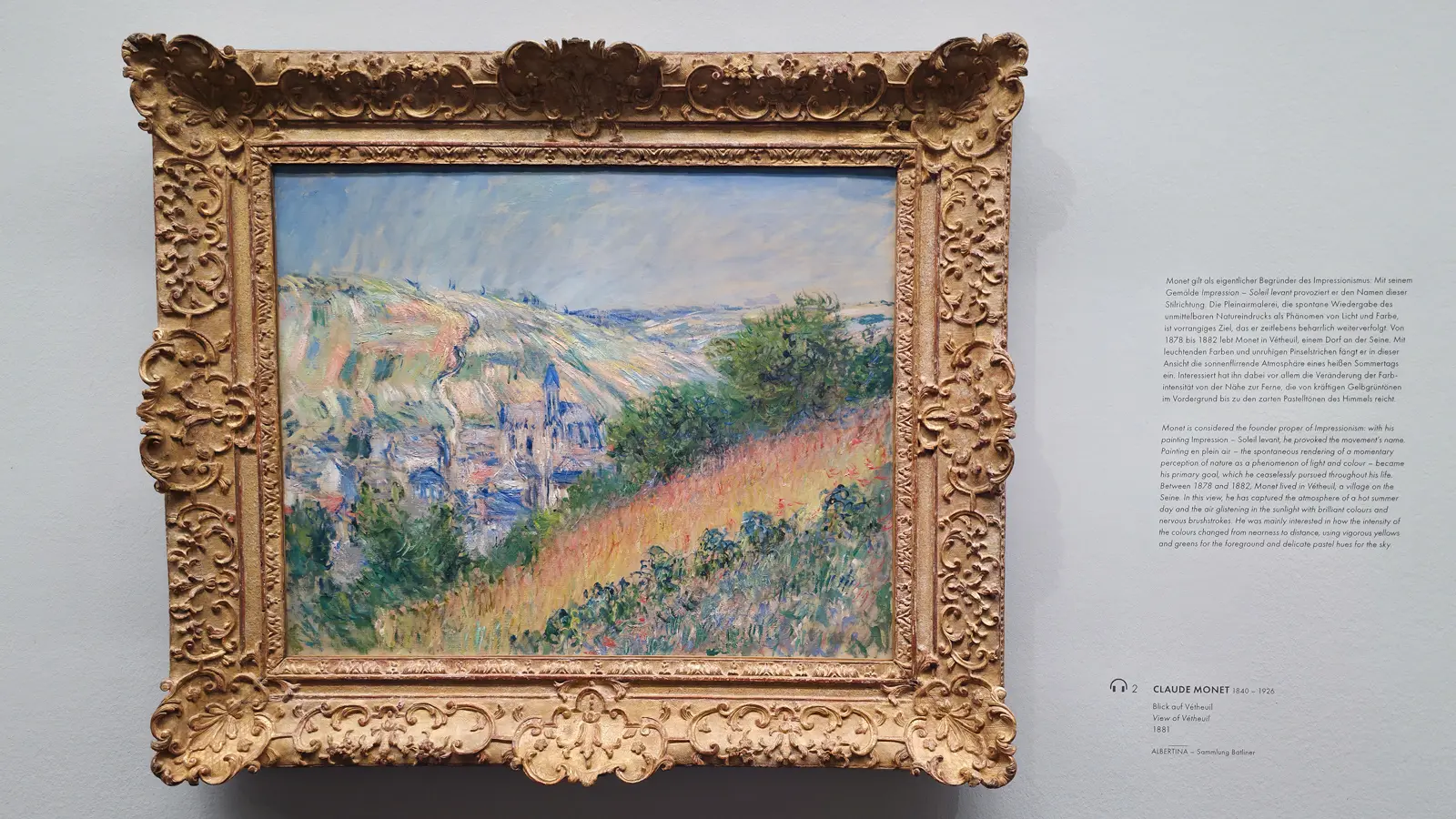
The journey begins with Impressionism – a world of light, movement, and emotion, where artists sought to capture not just what they saw, but how a moment felt. Standing before the works of Claude Monet, such as The Water Lily Pond (1917–1919) and View of Vétheuil (1881), both part of the Batliner Collection at the Albertina Museum, you can almost feel the air, the shifting light, and the quiet passage of time suspended in delicate layers of color. In The Water Lily Pond, reflections dissolve into one another, blurring the boundary between sky and water, while View of Vétheuil offers a luminous glimpse of the village and its surrounding landscape, captured with softness and immediacy. There is a gentleness here, a quiet intimacy that draws you in rather than demanding your attention, allowing you to linger and absorb the atmosphere of each scene as it slowly unfolds before you.
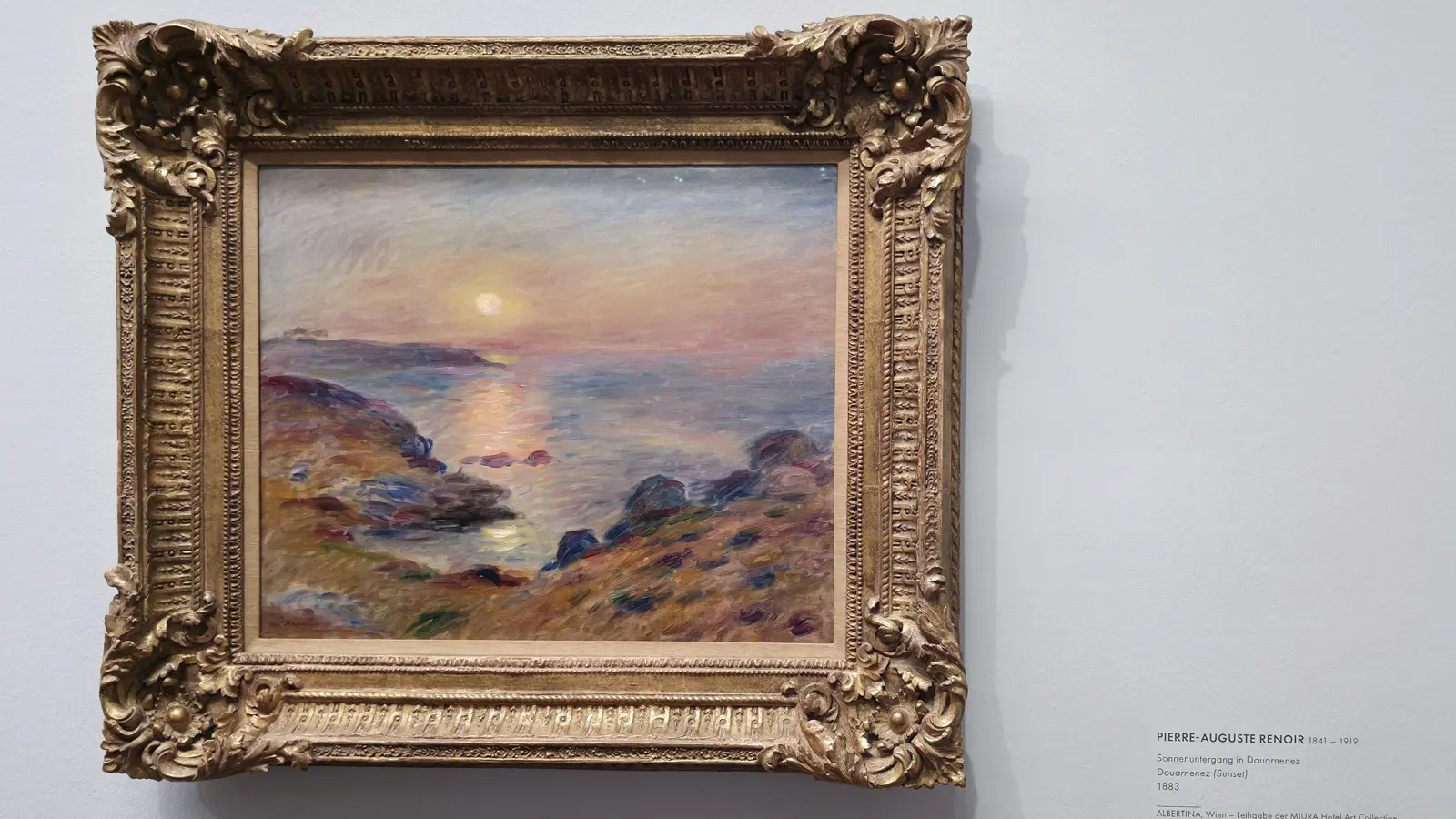
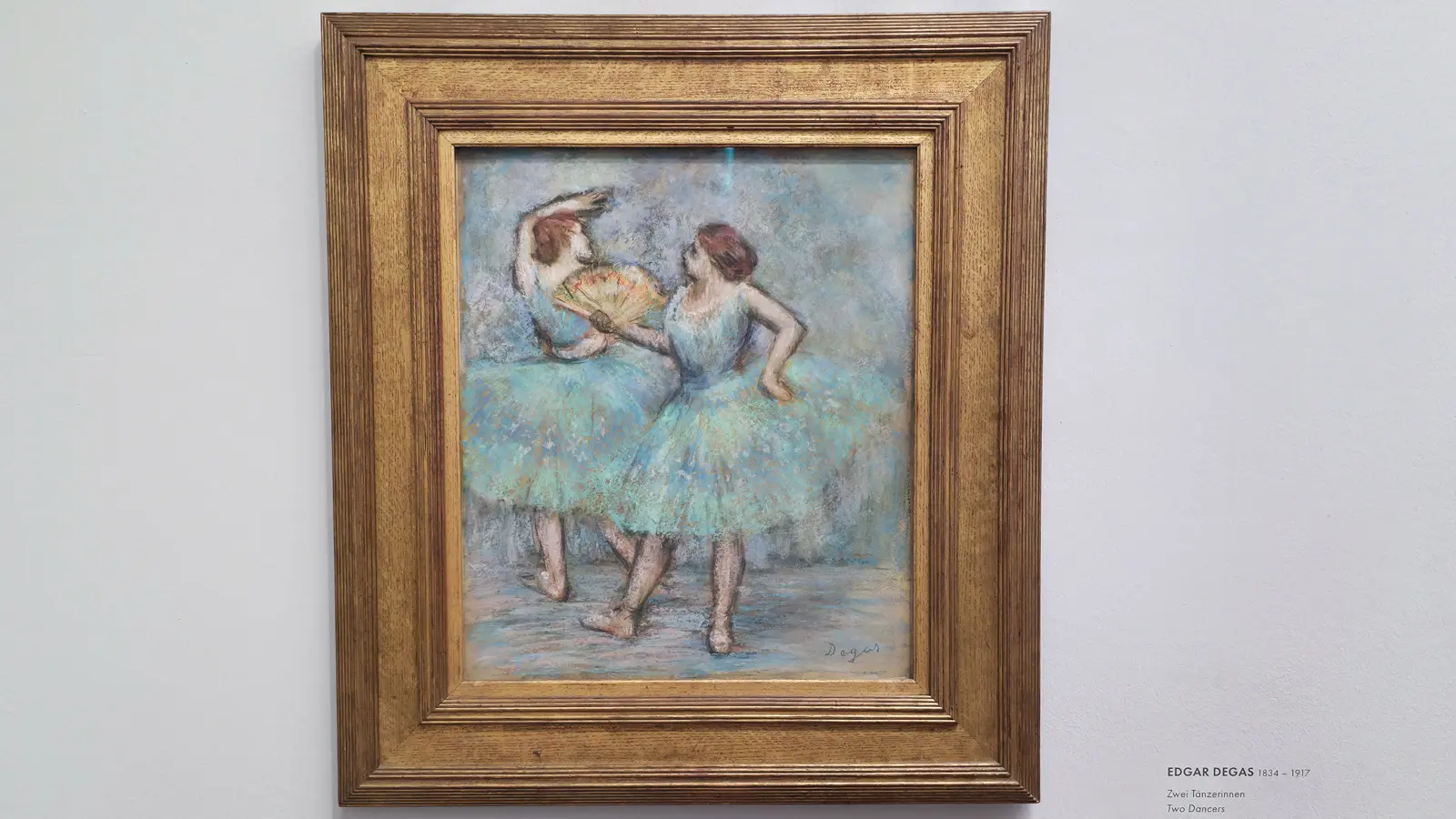
Nearby, the works of Pierre-Auguste Renoir and Edgar Degas begin to subtly shift that narrative. In Renoir’s The Douarnenez (Sunset), the scene is bathed in warm, glowing light, where color and atmosphere take center stage, evoking a sense of calm and quiet beauty. Just steps away, Degas’ Two Dancers introduces a different rhythm – one that feels more structured and intimate, capturing movement with precision and intention. There is a quiet transition here: from the fluid softness of Impressionism toward a more deliberate exploration of form and composition. You begin to sense the early foundations of modern art taking shape, not through abrupt change, but through subtle evolution.
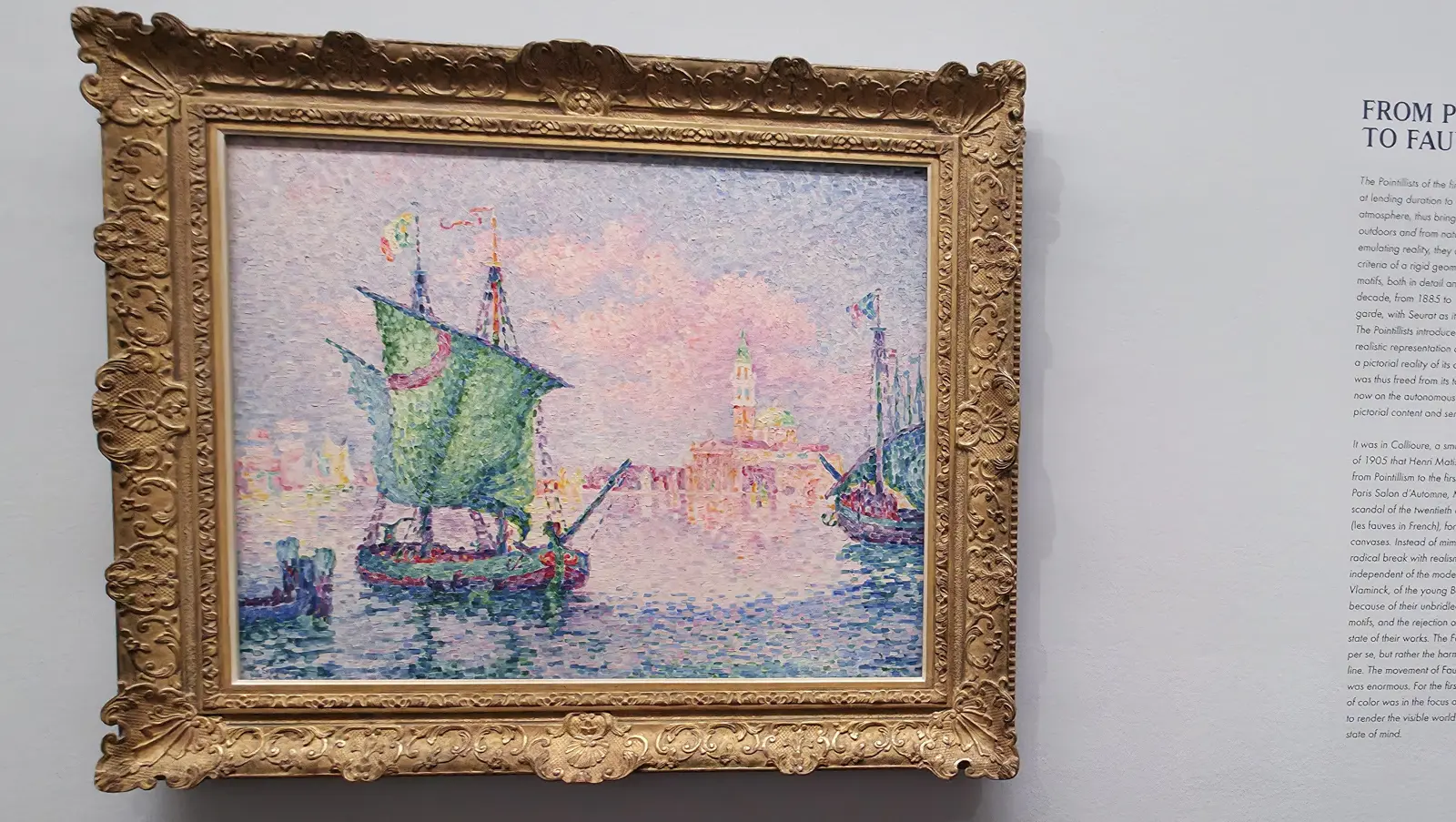
As you move forward, the transition becomes more pronounced, yet remains beautifully cohesive within the exhibition’s narrative. The emotional intensity deepens, the colors grow more vibrant, and artistic expression becomes increasingly intentional. The works of Paul Signac introduce a luminous precision through pointillism, where carefully placed dots of color create shimmering, almost rhythmic compositions. Alongside this, the bold and expressive works of Henri Matisse mark a decisive turning point – where color is no longer used to represent reality, but to convey emotion, freedom, and artistic independence.
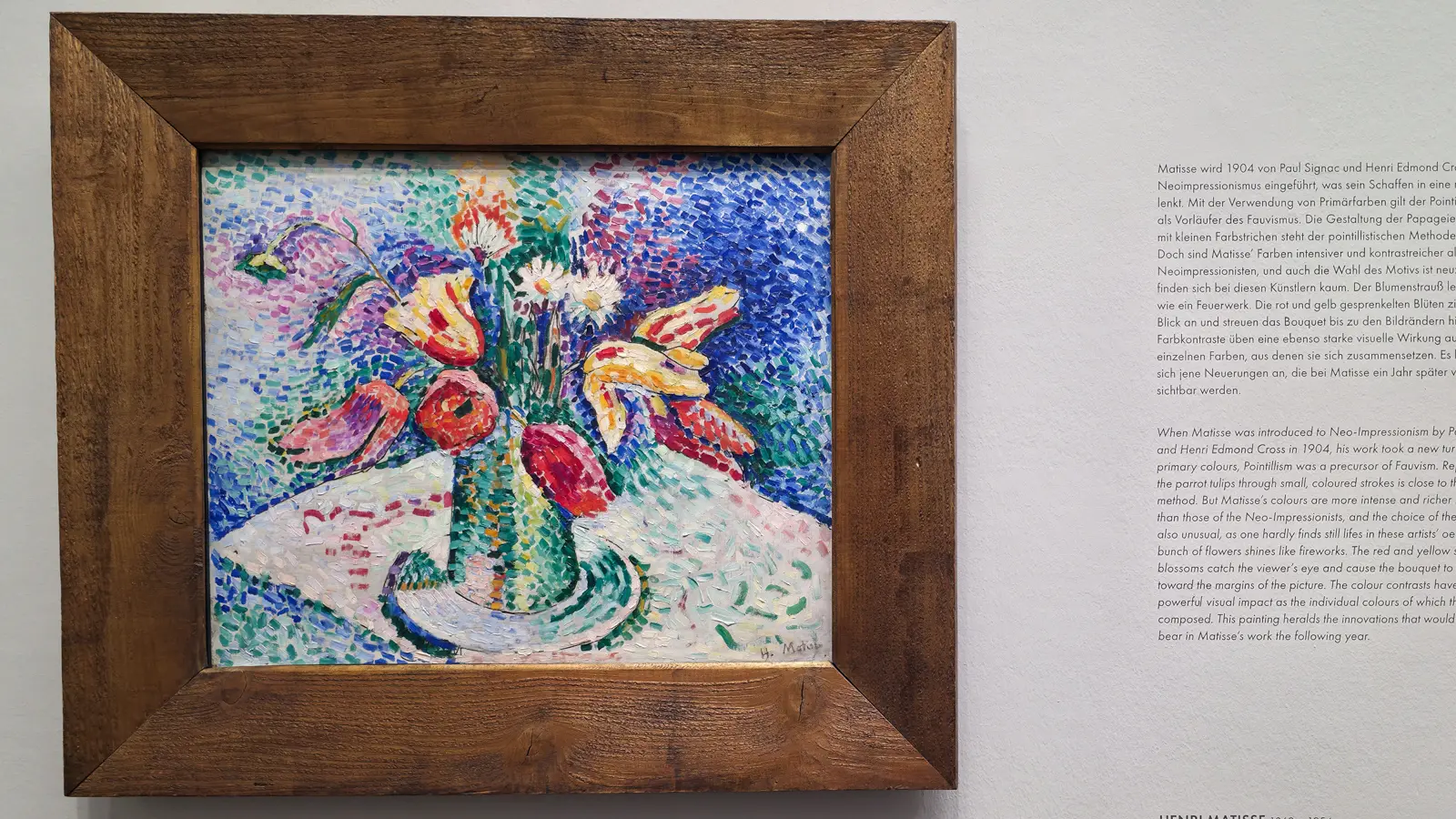
What makes this progression within the Monet to Picasso exhibition so compelling is how intentional and fluid it feels. You are not simply moving between artists or styles, you are following a carefully curated path that reveals how one movement gives rise to the next. Each room builds upon the last, guiding you step by step toward a new way of seeing, and ultimately preparing you for the bold reinventions that define modern art.
Picasso and the Culmination of a Movement
And then, you arrive at Pablo Picasso!
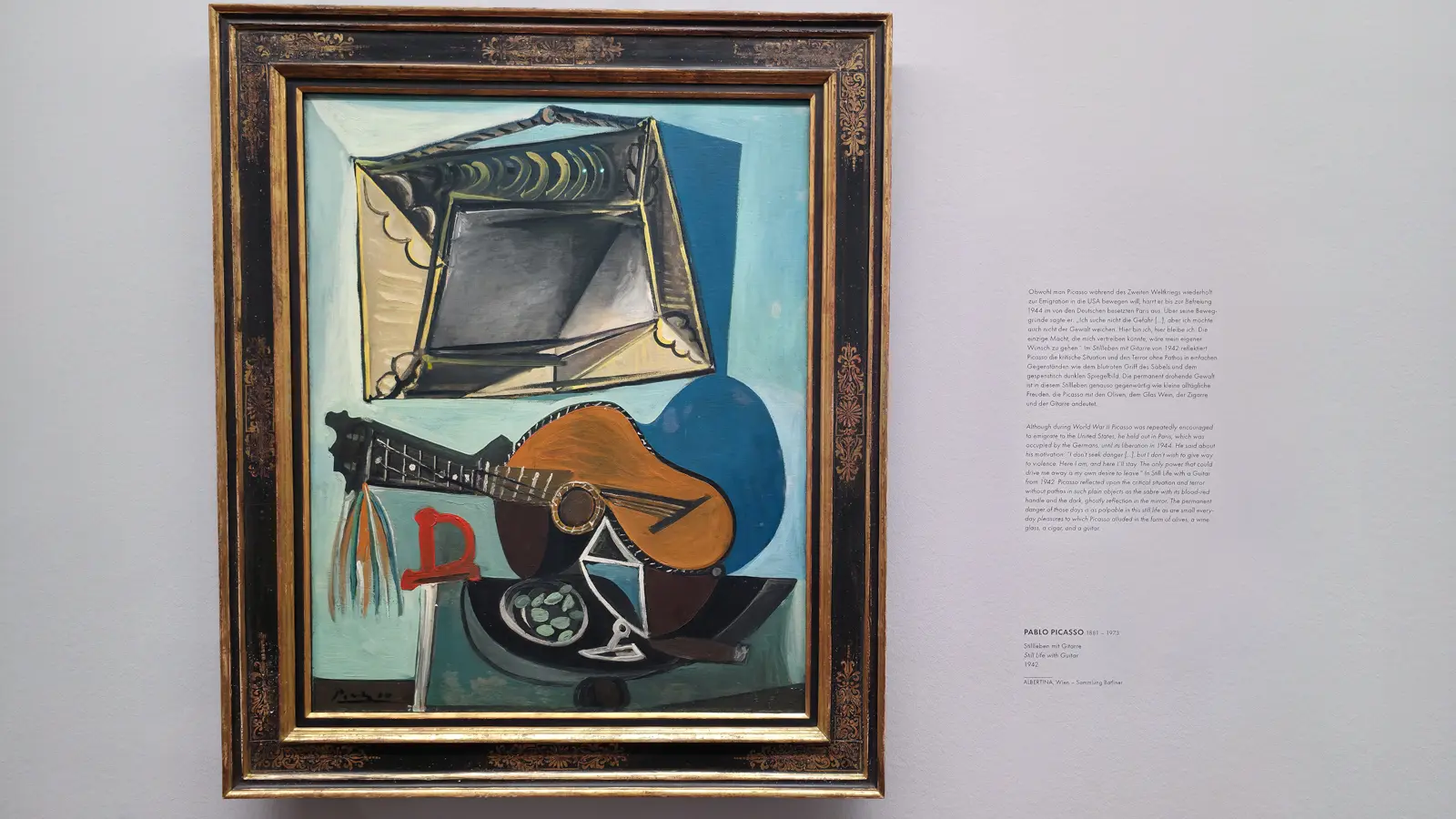
There is a subtle shift in energy the moment you enter this space, a sense that everything you have seen so far has been leading to this point. Picasso’s works feel like both a culmination and a new beginning, where the artistic discoveries of the previous decades are gathered, challenged, and ultimately transformed. His early Cubist compositions fragment reality into geometric planes, breaking apart traditional perspective and inviting you to see multiple viewpoints at once. Faces, objects, and space itself are no longer fixed – they are fluid, reassembled, and reimagined.
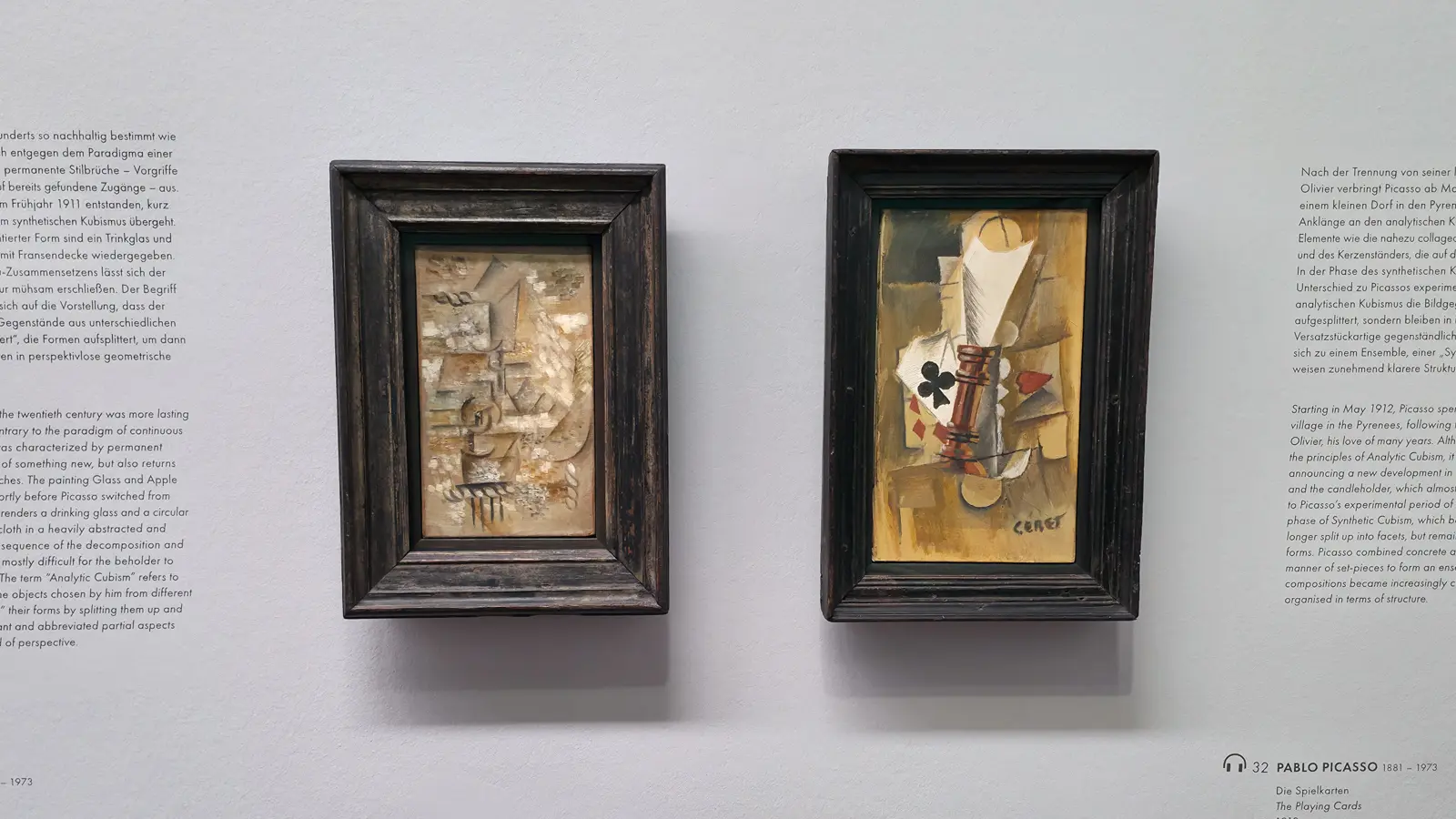
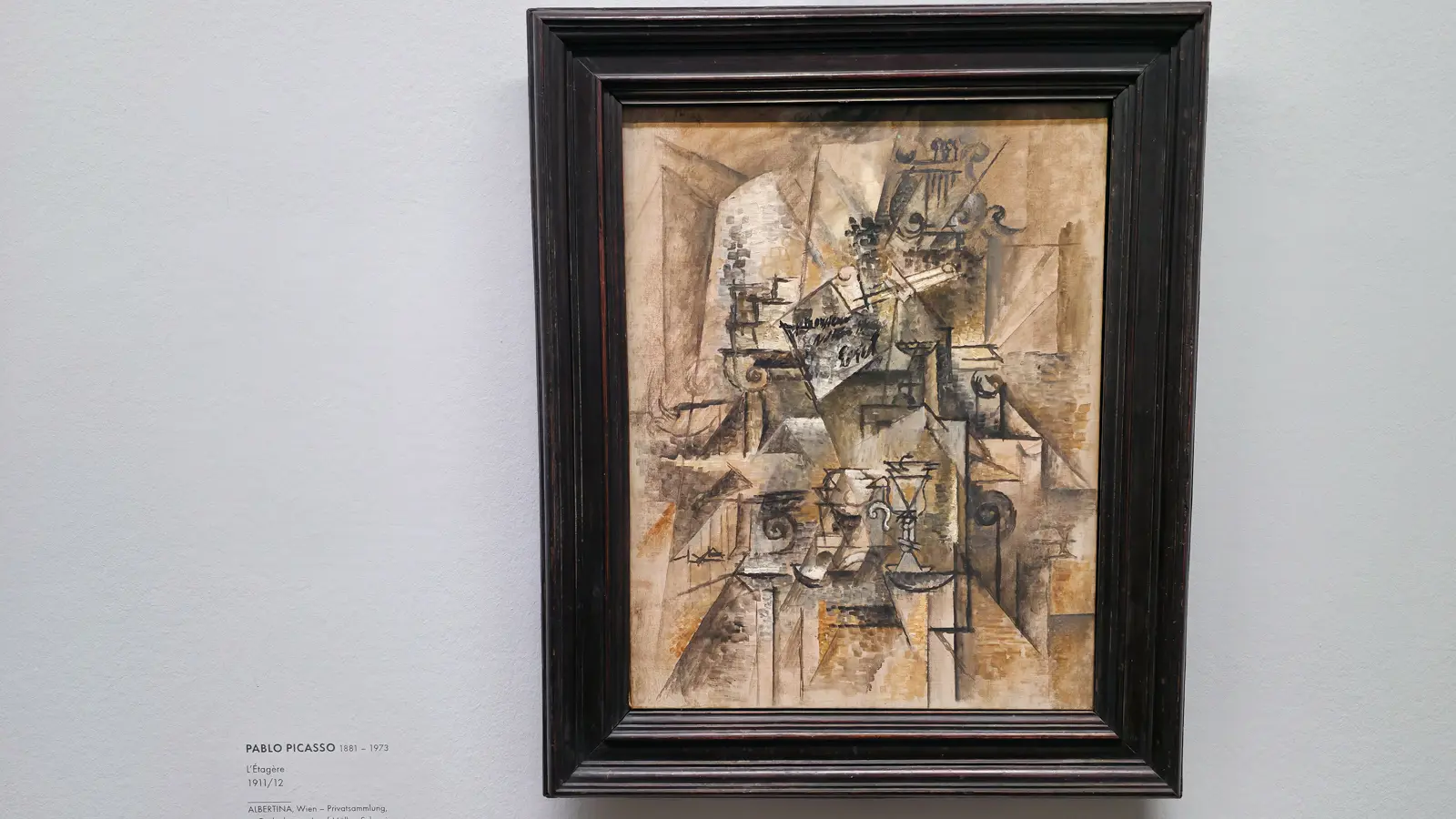
As you move through his works, you begin to notice how fearless his approach is. There is a constant sense of experimentation, a refusal to settle into a single style or way of seeing. His later pieces feel more expressive, sometimes even playful, yet they carry a quiet confidence, as if he is fully in command of the visual language he helped redefine. Lines become freer, forms more abstract, and the boundaries between structure and spontaneity begin to blur.
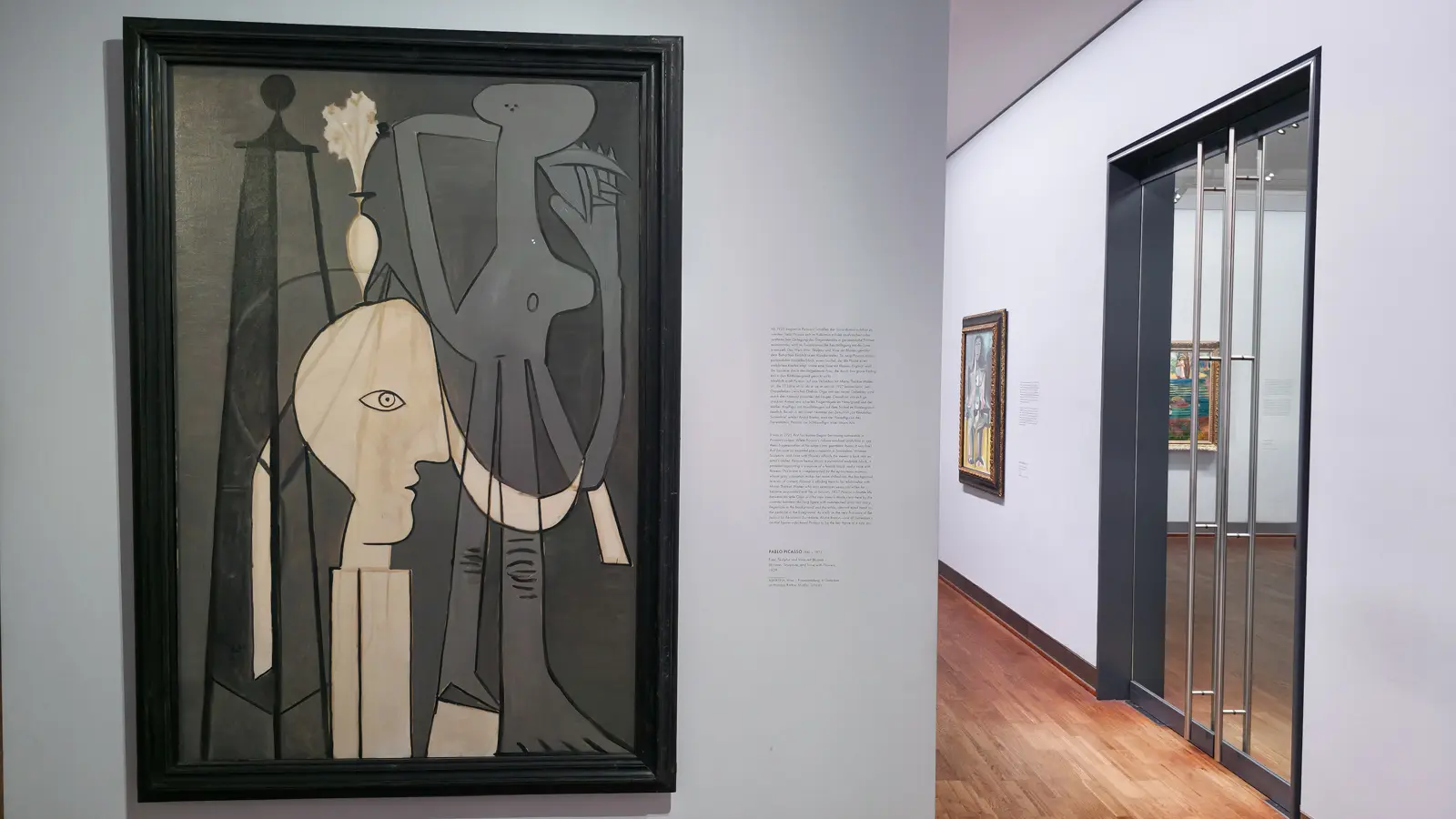
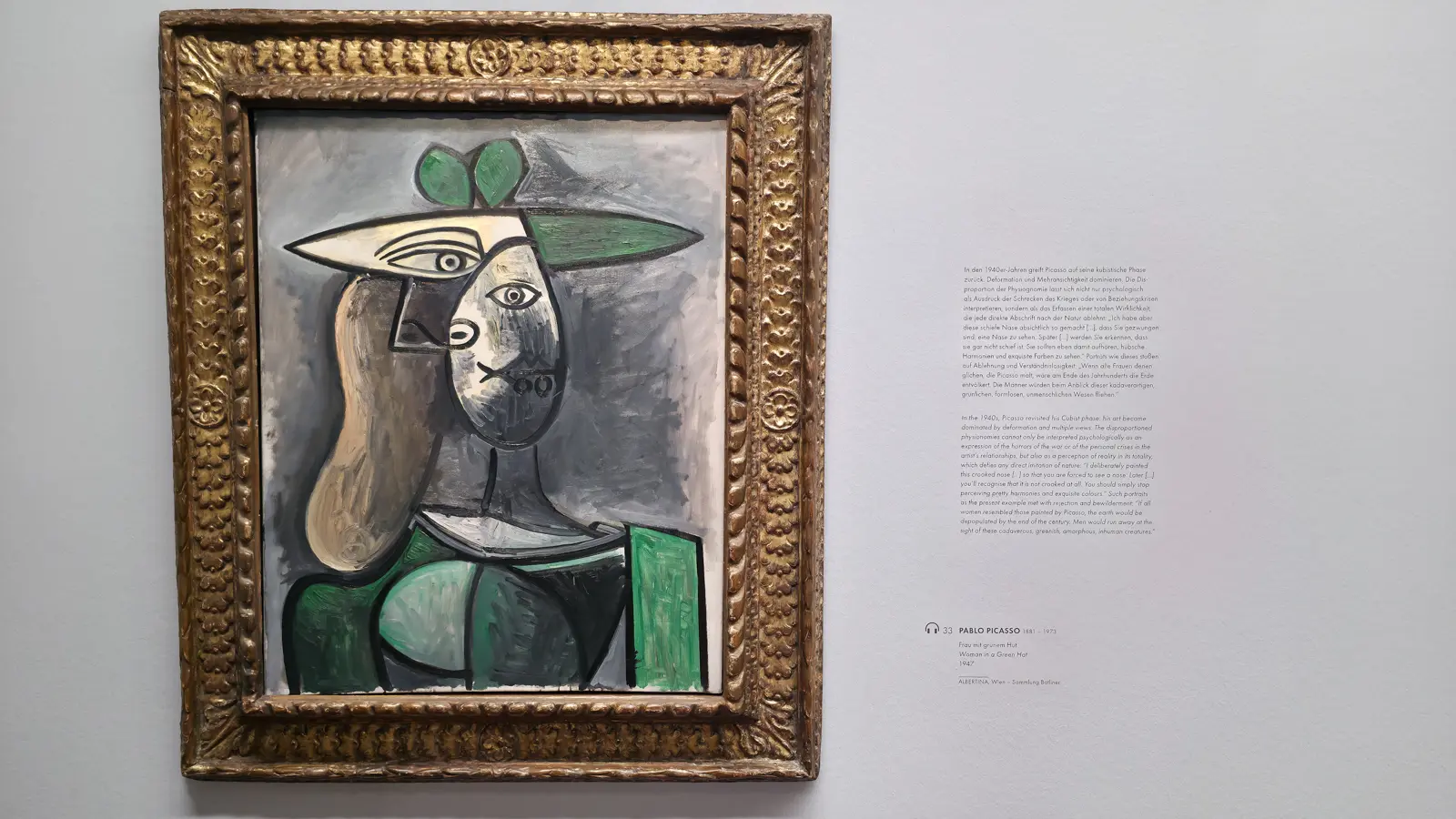
What struck me most is how Picasso’s work seems to absorb everything that came before – the light of Impressionism, the structure of Cézanne, the boldness of Matisse – and transform it into something entirely his own. The journey from Monet to Picasso suddenly comes into focus. It is no longer just a progression of styles, but a conversation across time, where each movement builds upon the last, ultimately culminating in a radical reinvention of how we see and understand the world.
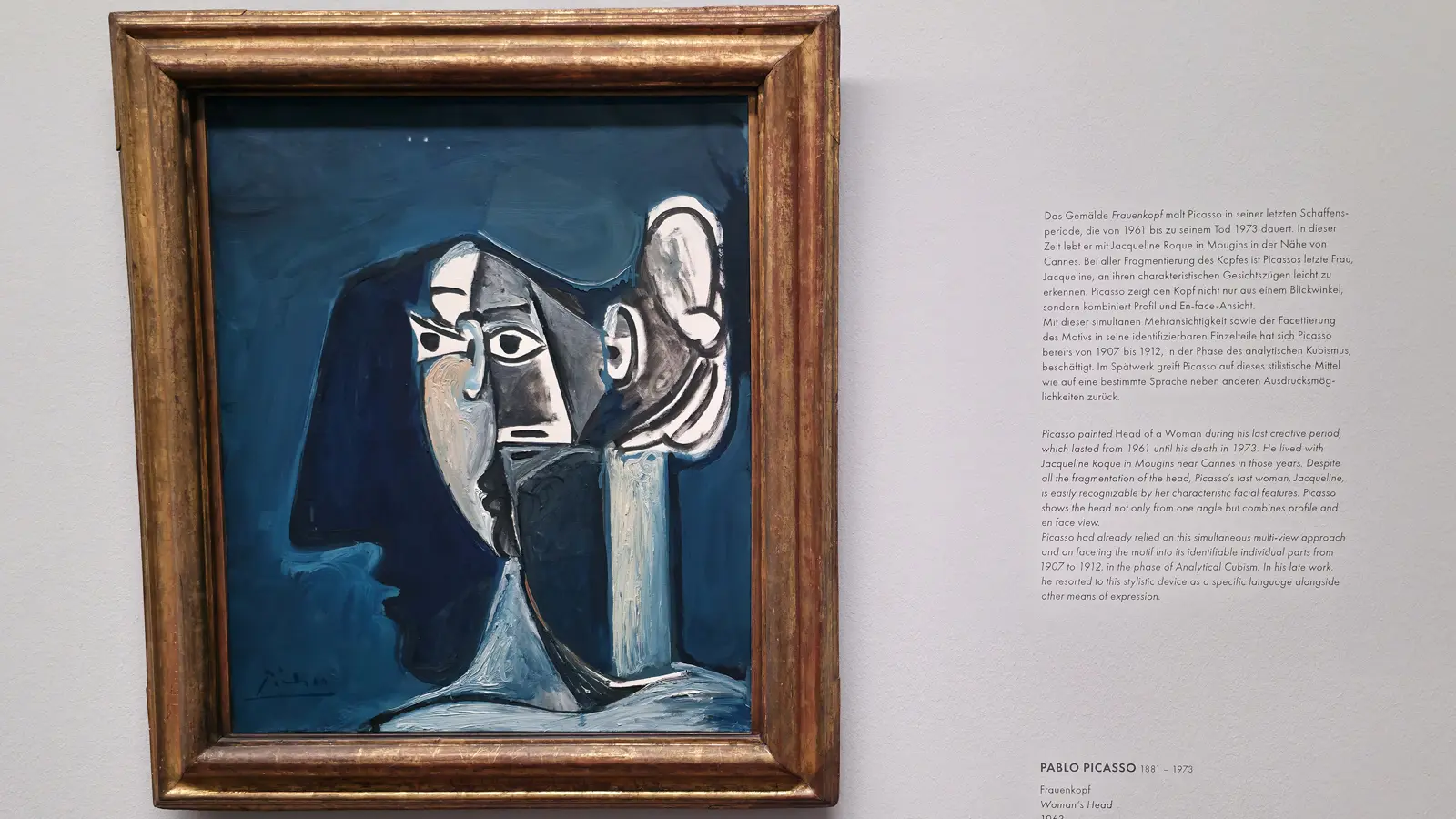
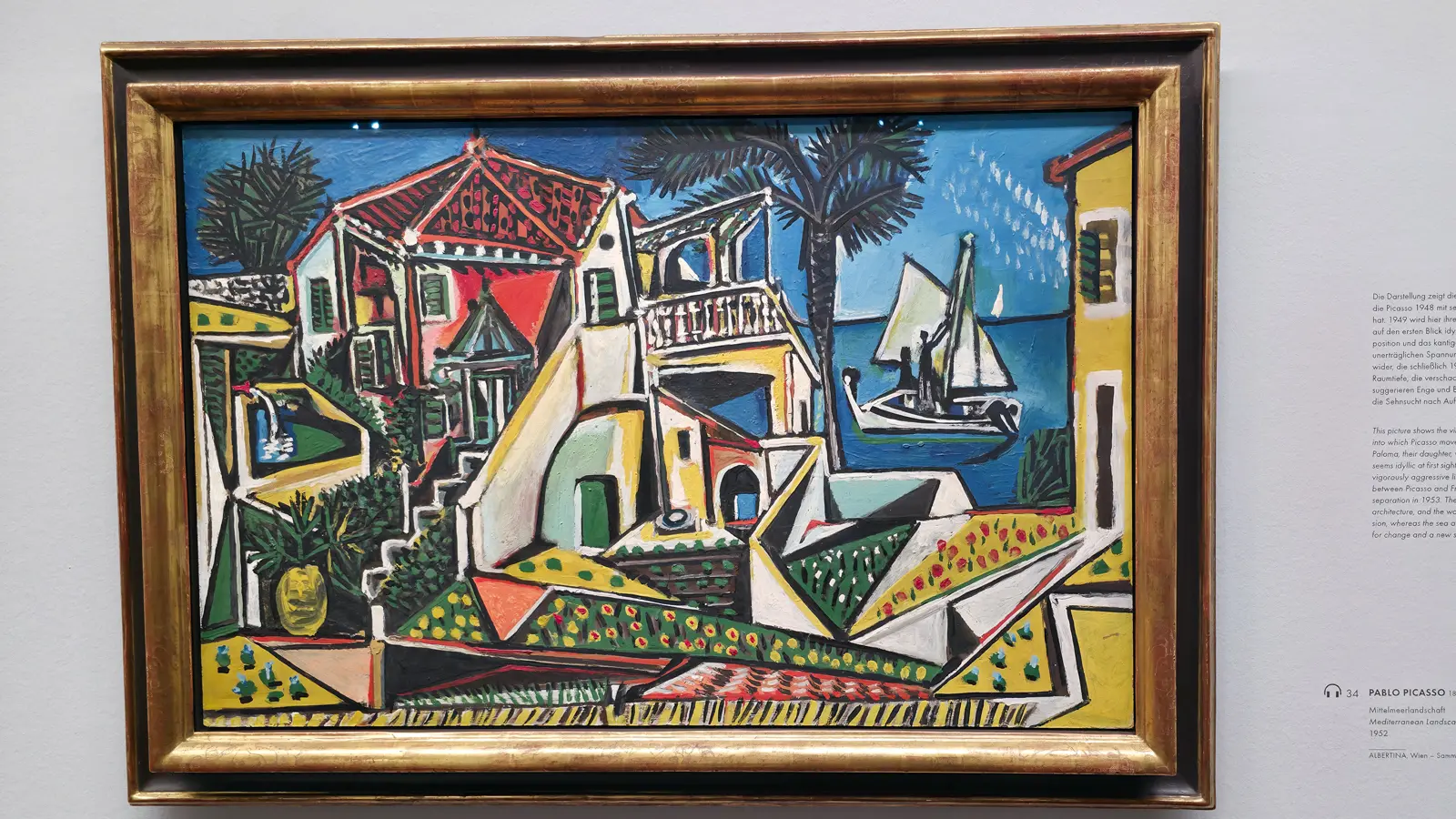
Standing there, you realize that Picasso is not simply the end of the journey – he is the moment where everything shifts, where art fully steps into modernity and opens the door to everything that follows.
The Batliner Collection: A Vision That Shaped the Albertina
Behind this extraordinary journey through the Monet to Picasso exhibition lies the vision of one remarkable individual: Herbert Batliner. A passionate collector and devoted patron of the arts, Batliner began building his collection in the 1960s, guided not by trends, but by a deeply intuitive understanding of artistic significance. At a time when some of these movements were still evolving in public perception, he recognized their importance and brought together works spanning Impressionism, Post-Impressionism, and the early foundations of modern art. His collection was never just about acquiring paintings – it was about creating a coherent narrative, an “instructional journey” through modernist art that allows viewers to understand how one movement flows into the next.
In 2007, Batliner entrusted this extraordinary collection to the Albertina Museum as a permanent loan, a defining moment that transformed the museum into a major center for modern art. Today, the Batliner Collection forms the very heart of the Albertina’s modern exhibitions, including Monet to Picasso, offering visitors a rare opportunity to experience these masterpieces within a thoughtfully curated context. There is something deeply meaningful about this legacy. It reminds us that art is not only created by artists, but also preserved, shaped, and shared by those who believe in its enduring power, ensuring that these works continue to inspire, educate, and move audiences across generations.
The Experience: A Journey Through Feeling, Not Just Time
What makes the Albertina Museum so special is not only the art itself, but the way it is experienced – almost like a quiet, unfolding narrative that invites you to slow down and be fully present. You do not rush through these galleries; instead, you find yourself lingering, pausing, and returning to certain works, drawn in by their atmosphere and emotion. There is a gentle rhythm to the visit, where each room reveals a new layer of perspective. One moment, you are immersed in the serene, luminous world of Impressionism, and the next, you are met with the bold intensity and experimentation that define modern art. The transition is subtle yet deeply impactful, almost like moving through different states of mind. Time begins to feel fluid here – it stretches, softens, and allows you to fully absorb what you are seeing, transforming the visit into something far more personal than simply viewing art.
Bubbly Tips for Visiting the Albertina Museum in Vienna
- Visit early or later in the day to enjoy a quieter, more contemplative experience at the Albertina Museum.
- Take your time exploring the galleries – this is not a museum to rush through, and each room reveals a new layer of artistic evolution.
- Start from the beginning of the modern collection to fully appreciate the progression from Impressionism to Picasso.
- Engage with the artwork emotionally, not just visually – many pieces reveal their depth when you pause and reflect.
- Combine your visit with a walk through central Vienna, with nearby landmarks such as Vienna State Opera, Hofburg Palace, and St. Stephen’s Cathedral just a short stroll away.
Final Thoughts
The Monet to Picasso exhibition at the Albertina Museum is more than a collection of masterpieces, it is a journey through how we see, feel, and understand the world through art. From the gentle light of Impressionism to the bold reinventions of Picasso, each room reveals a story of change, creativity, and artistic courage. What makes this experience so special is not only the works themselves, but the way they are brought together, allowing you to truly feel the evolution of modern art unfold before you.
I’d love to hear your thoughts – would you include this exhibition in your Vienna itinerary, or is it already on your list?
Until next time!

🌟 Everything You Need to Plan Your Dream Trip in 2026
- 🌟 Luxury Hotels - Find premium stays with Booking.com & Hotels.com
- 🏡 Vacation Rentals - Discover unique properties on VRBO
- 🏞️ Guided Tours - Explore with Viator or GetYourGuide
- 🎫 Attraction Tickets - Skip the lines with Tiqets
- 🚢 Ocean Cruises - Set sail with Cruise Direct
- 📱 International SIMs - Stay connected with Saily
- 🚗 Car Rentals - Budget-friendly options from Discover Cars
- 🌐 Secure VPNs - Browse safely with NordVPN
- 💶 Currency Exchange - Best rates with Wise
- 🗣️ Learn Languages - Master the local language with Babbel and Rosetta Stone