
Hello my friends! While exploring Vienna, it is almost impossible not to encounter the legacy of one remarkable woman: Maria Theresa. Her presence can be felt throughout the city: in its grand squares, imperial palaces, and even in the political and cultural institutions that helped shape modern Austria. Few rulers have left such a visible and lasting imprint on Vienna’s landscape.
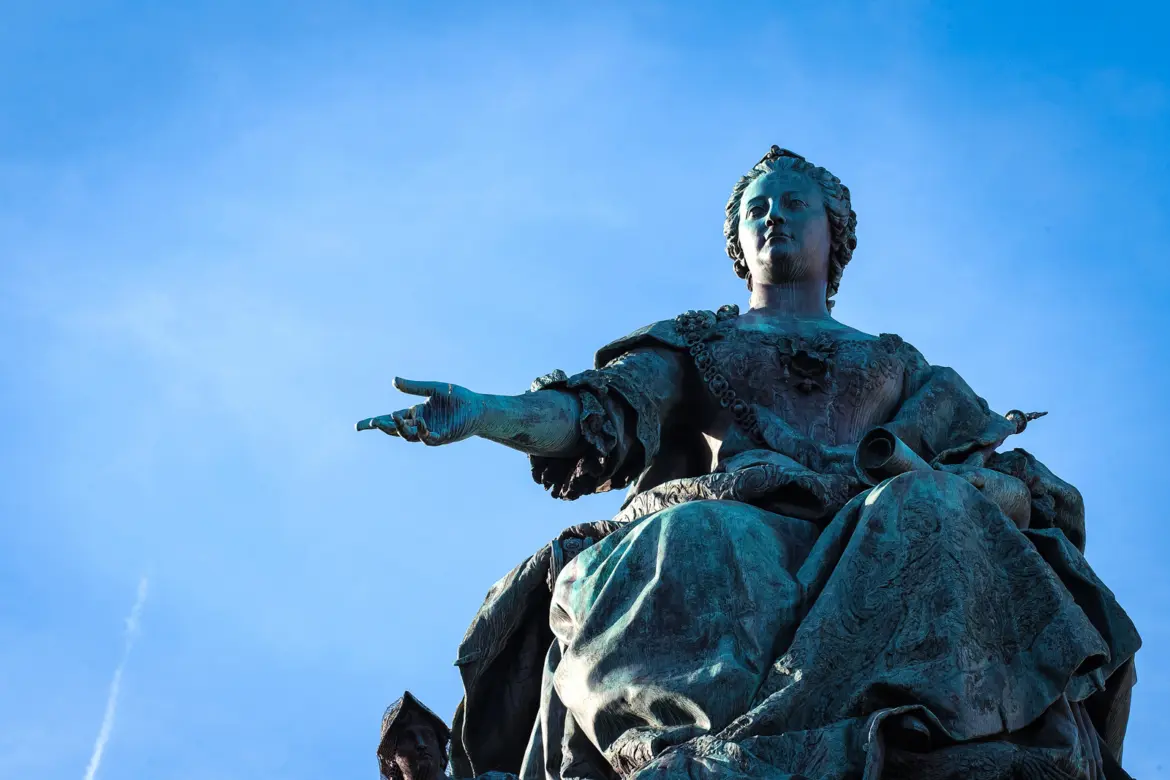
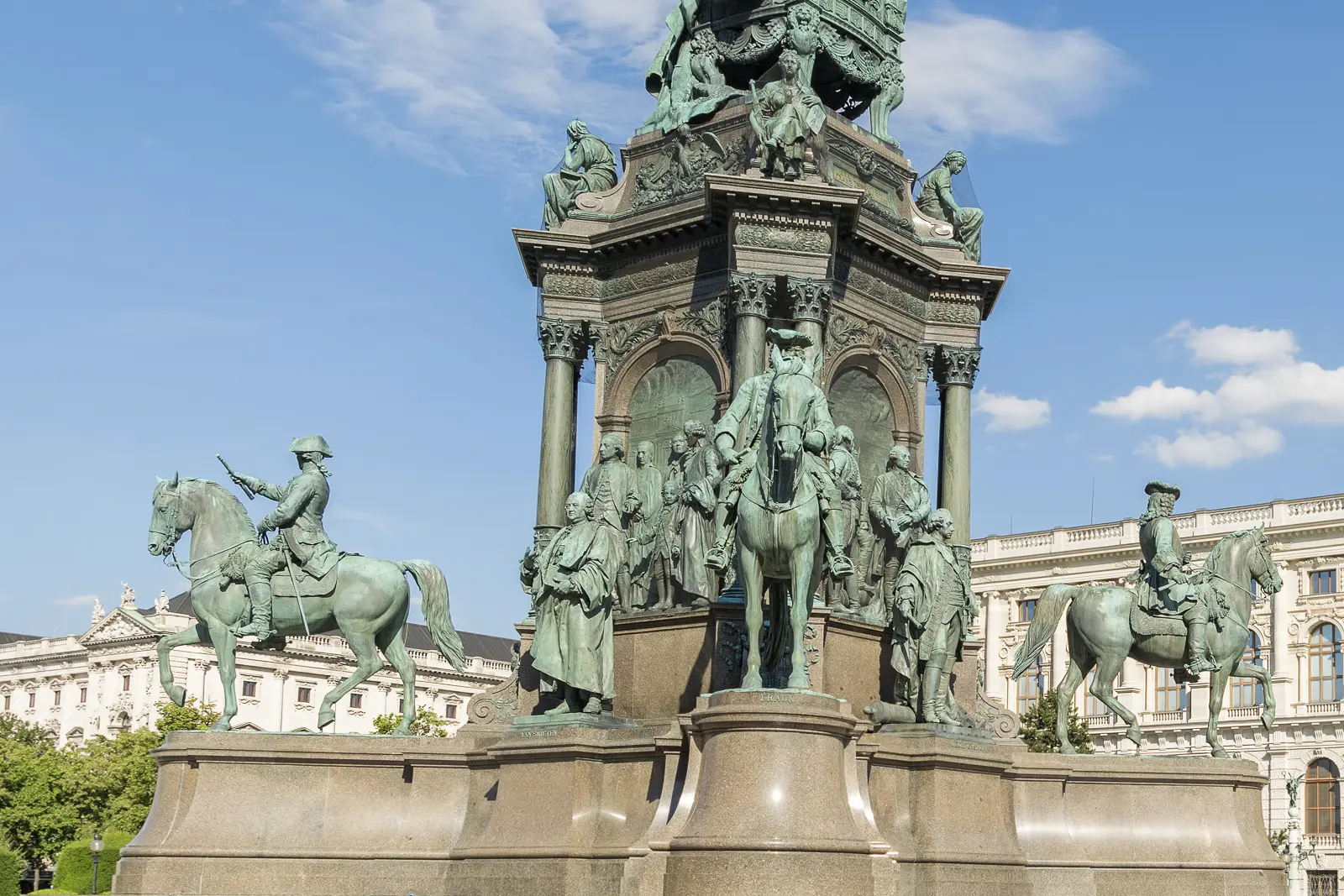
One of the most striking reminders of her influence stands at the center of Maria-Theresien-Platz, where an enormous monument honors the empress surrounded by the statesmen, generals, and scholars who helped build the Habsburg Empire. Standing in this elegant square, framed by Vienna’s magnificent museums and historic architecture, visitors quickly realize that Maria Theresa was far more than a symbolic figure of the past. She was a formidable leader who governed one of Europe’s great empires during a period of intense political upheaval and transformation.
Her life tells a remarkable story of determination, resilience, and political intelligence. In an era when power was overwhelmingly held by men, Maria Theresa rose to the challenge of ruling a vast empire and successfully guided it through war, reform, and modernization. Her reign not only shaped the destiny of the Habsburg lands but also helped define Vienna as one of Europe’s great imperial capitals.
Maria Theresa at a Glance
👑 Born: 13 May 1717, Vienna — eldest daughter of Charles VI
📜 Pragmatic Sanction (1713): Legal decree allowing female Habsburg succession
⚔️ War of Austrian Succession (1740–1748): Maria Theresa defended her throne against multiple European powers; lost Silesia to Frederick the Great
🏛️ Reign: 1740–1780 — forty years of reform, modernization, and centralization
📚 Education reform (1774): Introduced compulsory primary schooling — one of Europe’s earliest public school systems
👨👩👧👦 Sixteen children: Including Marie Antoinette (Queen of France) and Maximilian Franz (Beethoven’s patron)
🏰 Schönbrunn Palace: Transformed from incomplete project into the magnificent baroque residence visitors see today
🎵 Cultural legacy: Mozart, Haydn, and Gluck all flourished during her reign
🪦 Died: 29 November 1780, Vienna
📍 Monument: Maria-Theresien-Platz — unveiled 1888, flanked by Kunsthistorisches Museum and Natural History Museum
A Young Archduchess and an Unexpected Throne
Maria Theresa was born on 13 May 1717 as the eldest daughter of Charles VI, Holy Roman Emperor and the last male ruler of the Habsburg dynasty. Her position as heir was shaped by tragedy from the very beginning – Charles VI’s sole male heir, his son Leopold Johann, had died as an infant in 1716, the year before Maria Theresa was born, leaving the dynasty without a male successor.
Recognizing the potential crisis this could create, Charles VI took an extraordinary step. In 1713 he issued the Pragmatic Sanction, a legal decree that allowed his daughter to inherit the Habsburg territories if no male heir was born. The emperor spent years persuading European powers to recognize this arrangement, hoping to ensure a peaceful transition of power after his death.
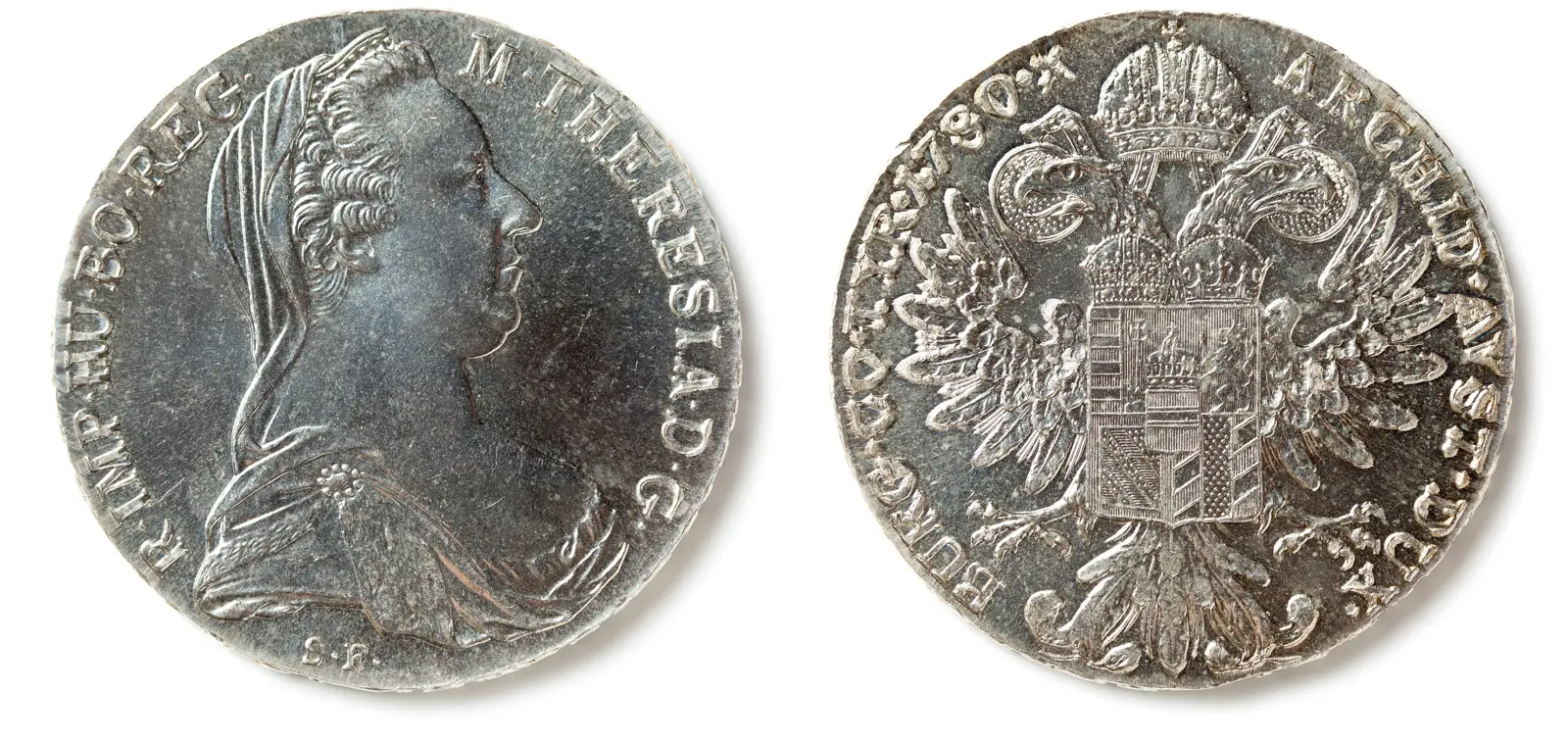
Despite these preparations, Maria Theresa’s accession to the throne proved far from secure. When Charles VI died suddenly in 1740, the twenty-three-year-old archduchess inherited a vast and complicated empire with no formal preparation and virtually no acquaintance with affairs of state. She faced supreme responsibility with an empty treasury and a badly neglected army – a daunting inheritance for any ruler, let alone one whose right to govern was about to be challenged from every direction. The territories she inherited included Austria, Hungary, Bohemia, and several other lands across Central Europe, and almost immediately rival rulers began testing her resolve.
The War of Austrian Succession
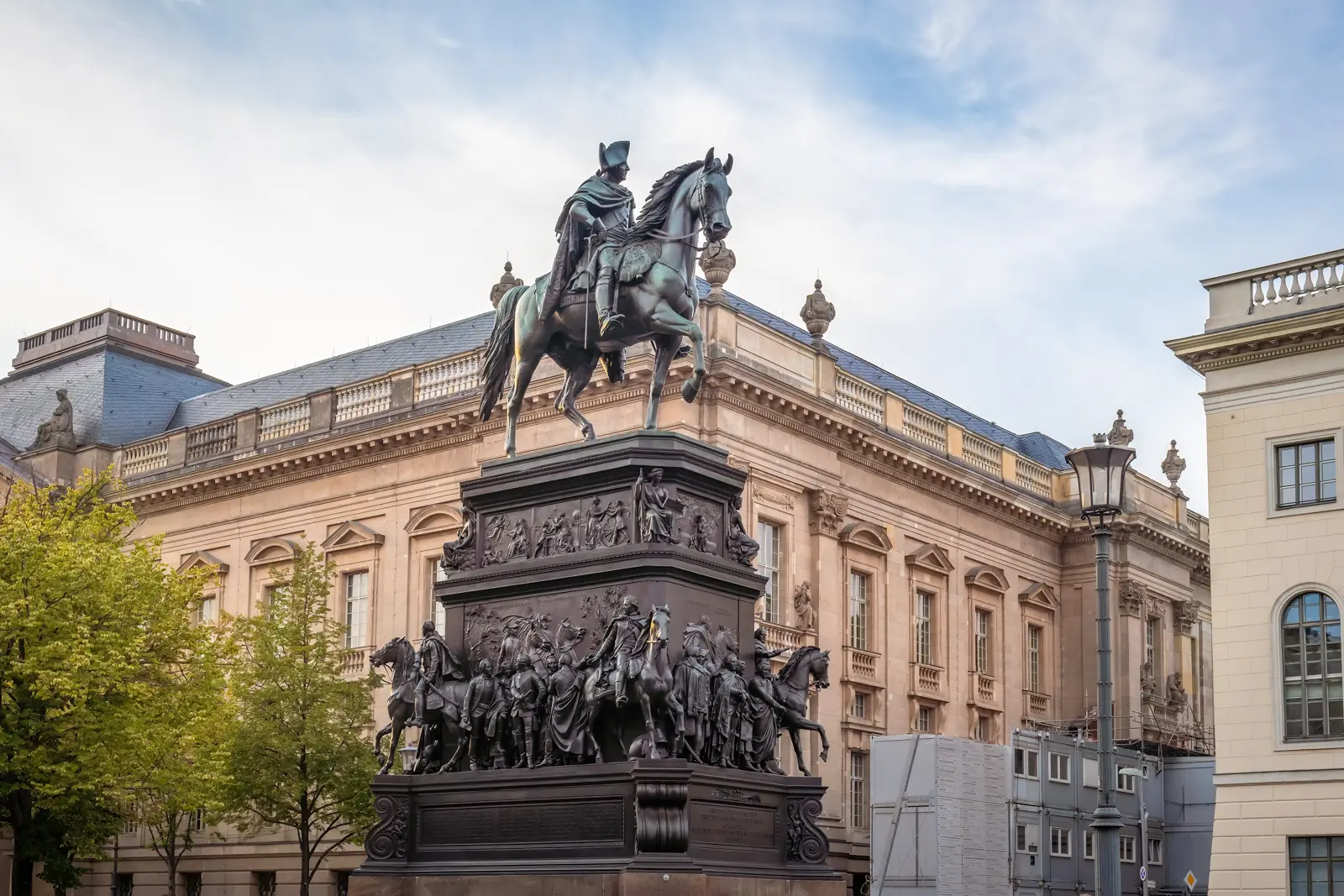
Maria Theresa’s reign began under extraordinary pressure. Several European powers refused to accept her claim to the throne and saw an opportunity to weaken the Habsburg Empire by seizing its territories. This confrontation soon escalated into a major conflict known as the War of the Austrian Succession. Among the most aggressive challengers was Frederick the Great, who quickly invaded and captured the prosperous region of Silesia. Other European states soon joined the struggle, hoping to divide portions of Habsburg territory among themselves. For the young empress, the situation was nothing less than a fight for the survival of her dynasty.
Yet Maria Theresa proved far stronger and more capable than her rivals expected. Through determined leadership, diplomatic alliances, and the loyalty of key supporters within her empire, she managed to defend the core of the Habsburg state. One of the most dramatic moments of her reign occurred on 11 September 1741 when she appeared before the Hungarian Diet in Pressburg to appeal directly to the nobles for support. Contemporary accounts describe a deeply emotional scene as the young ruler asked the Hungarian estates to defend her crown – but she was also shrewd enough to support her appeal with concrete concessions, promising to maintain their tax exemptions and noble privileges.
The war finally concluded with the Treaty of Aix-la-Chapelle in 1748. Maria Theresa had successfully defended the core of the Habsburg monarchy, though at a significant cost – Silesia, one of the empire’s most prosperous regions, was permanently ceded to Prussia. It was a loss she never fully accepted, and one that would shape her foreign policy for the rest of her reign.
Reforming the Habsburg Empire
Once the immediate threats to her throne had been contained, Maria Theresa focused on strengthening and modernizing the empire she governed. The wars had exposed weaknesses in the administration and military organization of the Habsburg lands, and she understood that reform was essential if the state was to remain competitive among Europe’s great powers. During her reign, she introduced sweeping administrative reforms that reorganized government institutions and improved the efficiency of state administration. Tax systems were revised to create a more reliable source of revenue, and the military was modernized in order to better defend the empire’s borders. These changes helped transform the Habsburg monarchy into a more centralized and effective state.
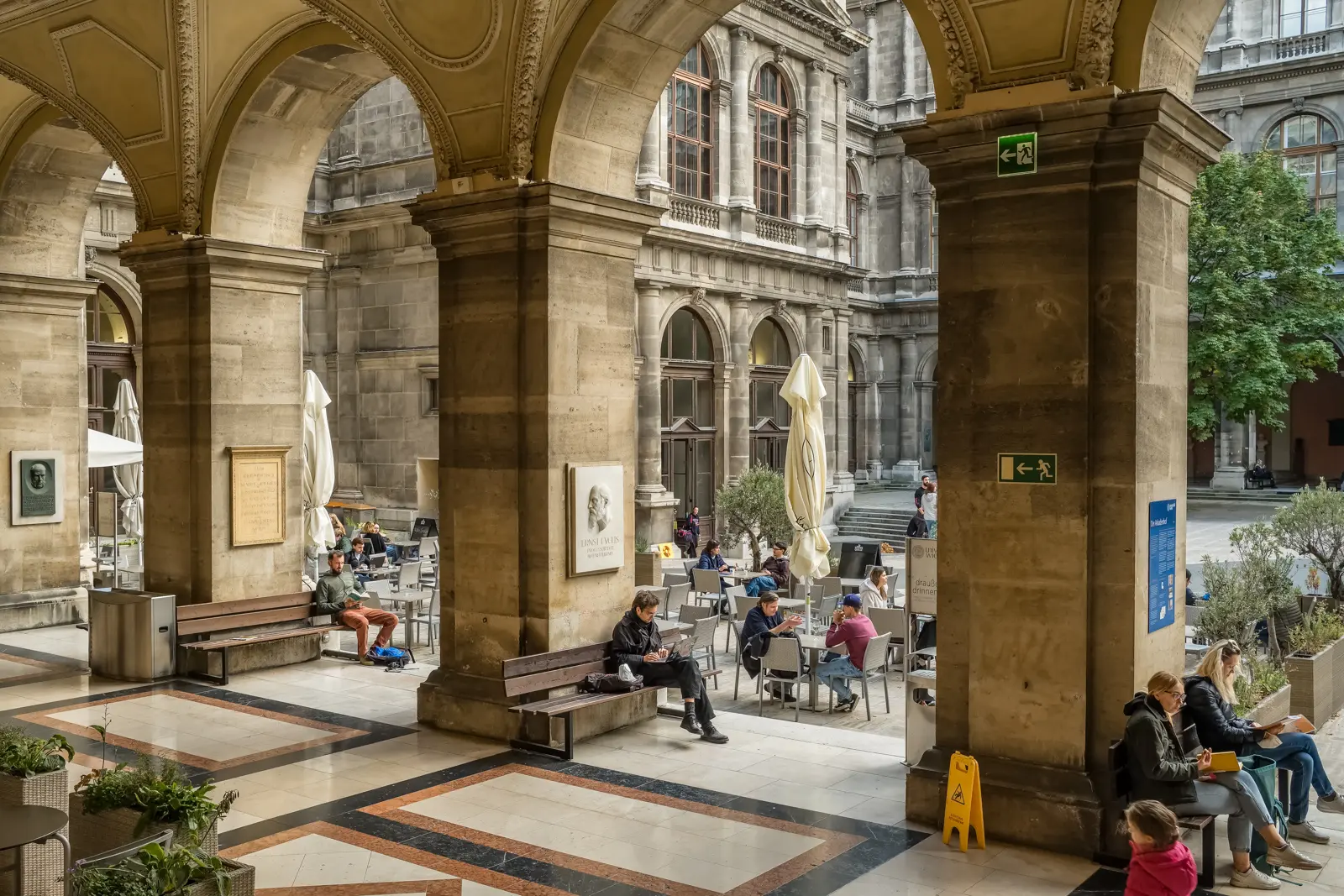
One of her most enduring achievements was the expansion of education. In 1774 Maria Theresa introduced compulsory primary schooling, establishing one of the earliest public school systems in Europe. This reform had a lasting impact, laying the foundation for a more educated population and strengthening the cultural and intellectual life of the empire. Her reforms also extended to higher education. The University of Vienna, originally founded in 1365, underwent important modernization during her reign as the state increased its oversight of academic institutions. New emphasis was placed on practical disciplines such as medicine, administration, and the sciences, reflecting the broader Enlightenment ideals that were beginning to influence governance across Europe.
A Mother of Sixteen Children
Despite the enormous responsibilities of ruling a vast empire, Maria Theresa was also devoted to her family. She gave birth to sixteen children over nineteen years – though only ten survived into adulthood – and many of them would go on to play important roles in European history. So skillfully did she use dynastic marriages to extend Habsburg influence across the continent that she became known as the “mother-in-law of Europe“.
Royal marriages were one of the most important tools of eighteenth-century politics, and Maria Theresa arranged unions with extraordinary calculation. Yet behind the political strategy lay a more complicated human story. She wrote to all of her children at least once a week, maintaining an intense maternal presence even as she deployed them as instruments of dynastic ambition – sacrificing their personal happiness for the benefit of the state, and doing so with full awareness of what she was asking of them.
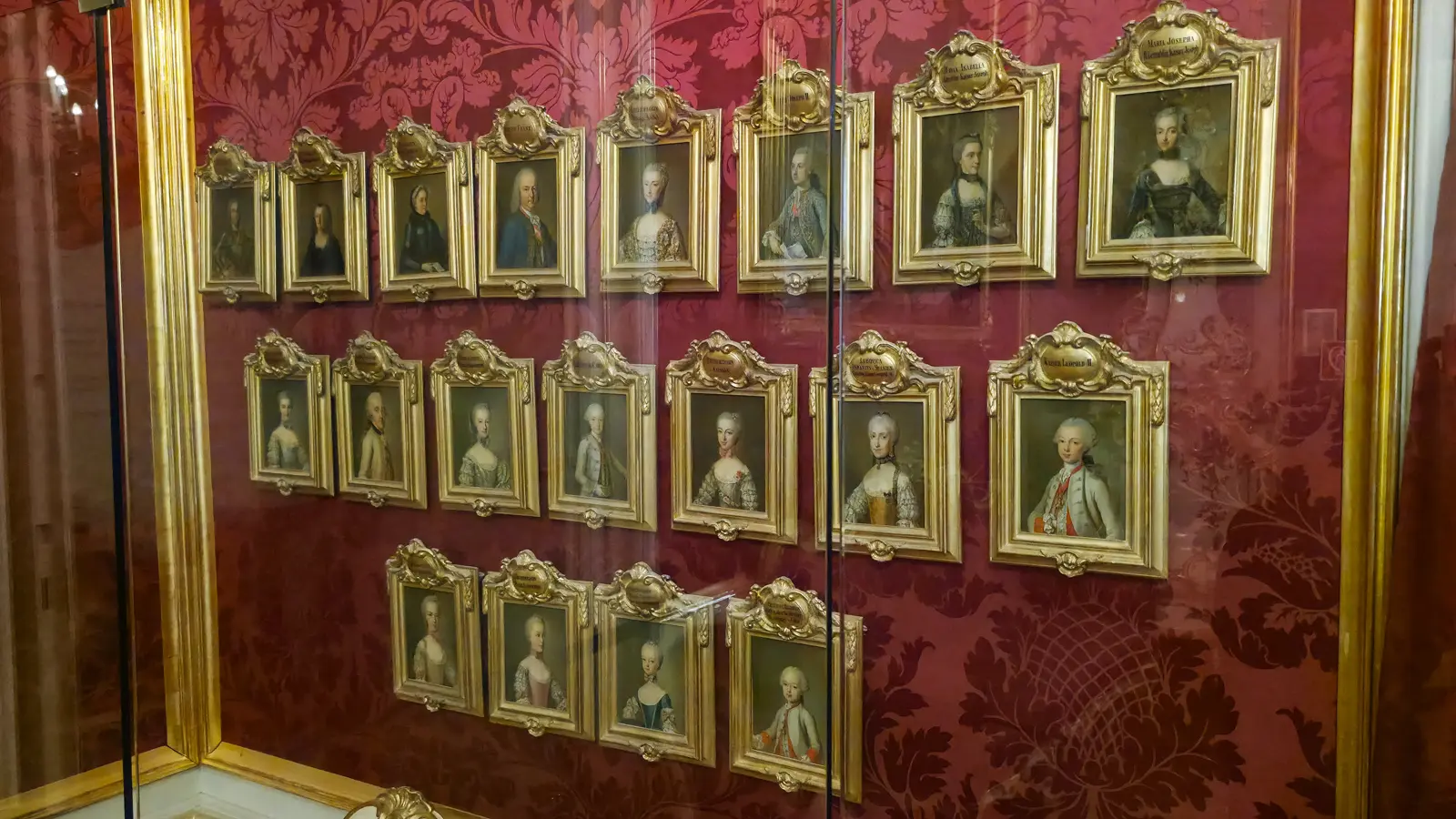
Perhaps the most famous of her children was her fifteenth, Marie Antoinette, who married Louis XVI of France by proxy in Vienna in April 1770 before departing for the splendor of Versailles. Her tragic fate during the French Revolution, ending at the guillotine in 1793, would become one of the most famous stories in European royal history. Less known but equally significant was her youngest child, Maximilian Franz, who became Archbishop of Cologne and went on to act as Beethoven‘s patron – a reminder that the Habsburg children shaped European culture as well as its politics.
Through her children, Maria Theresa extended the influence of the Habsburg dynasty far beyond the borders of Austria, leaving a dynastic legacy that outlasted even the empire itself
Maria Theresa’s Vienna
During the forty-year reign of Maria Theresa from 1740 to 1780, Vienna flourished as never before as a center of politics, culture, and imperial power. The city served as the administrative heart of the Habsburg Empire, where diplomats, nobles, and officials gathered to conduct the affairs of state.
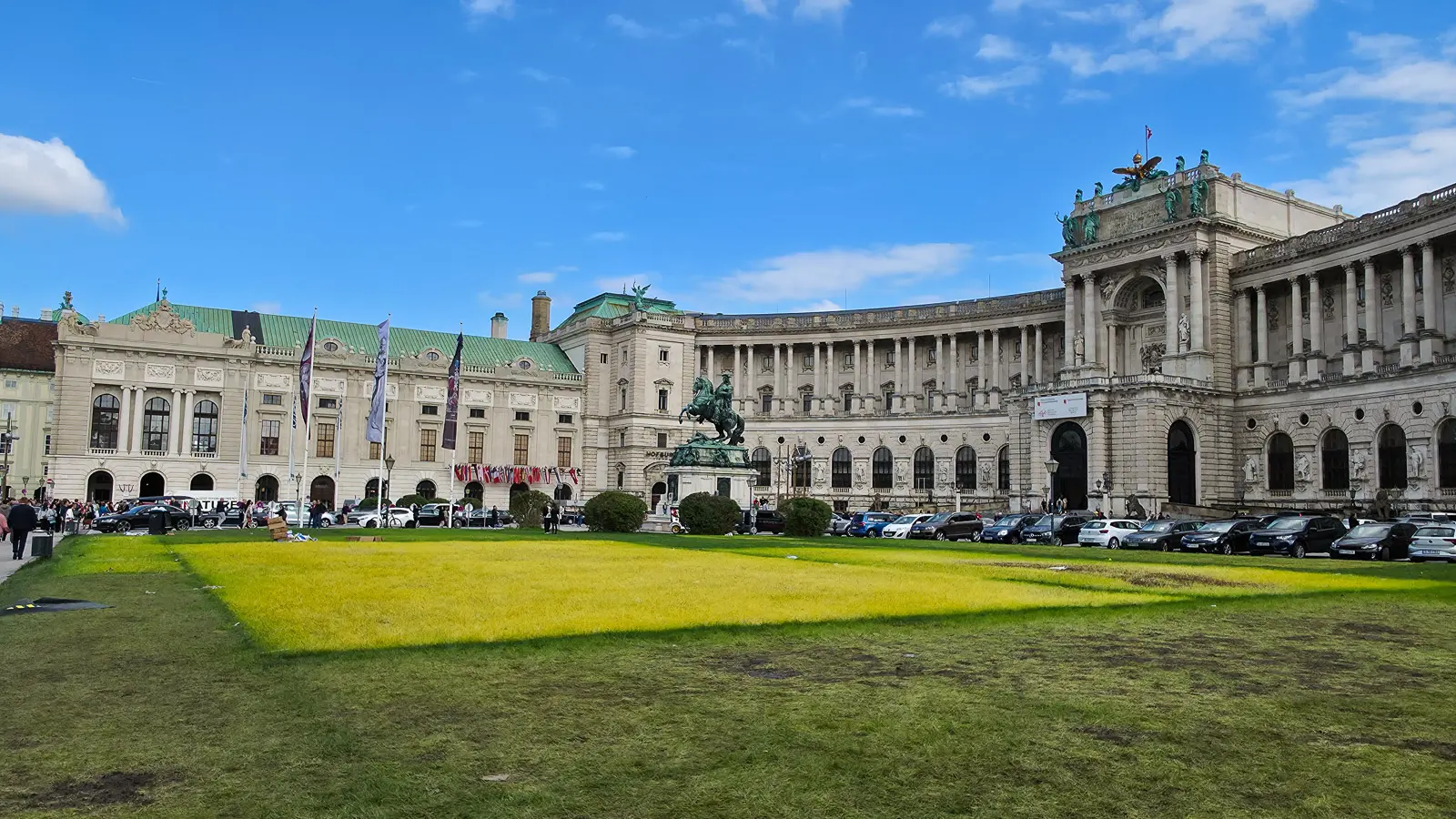
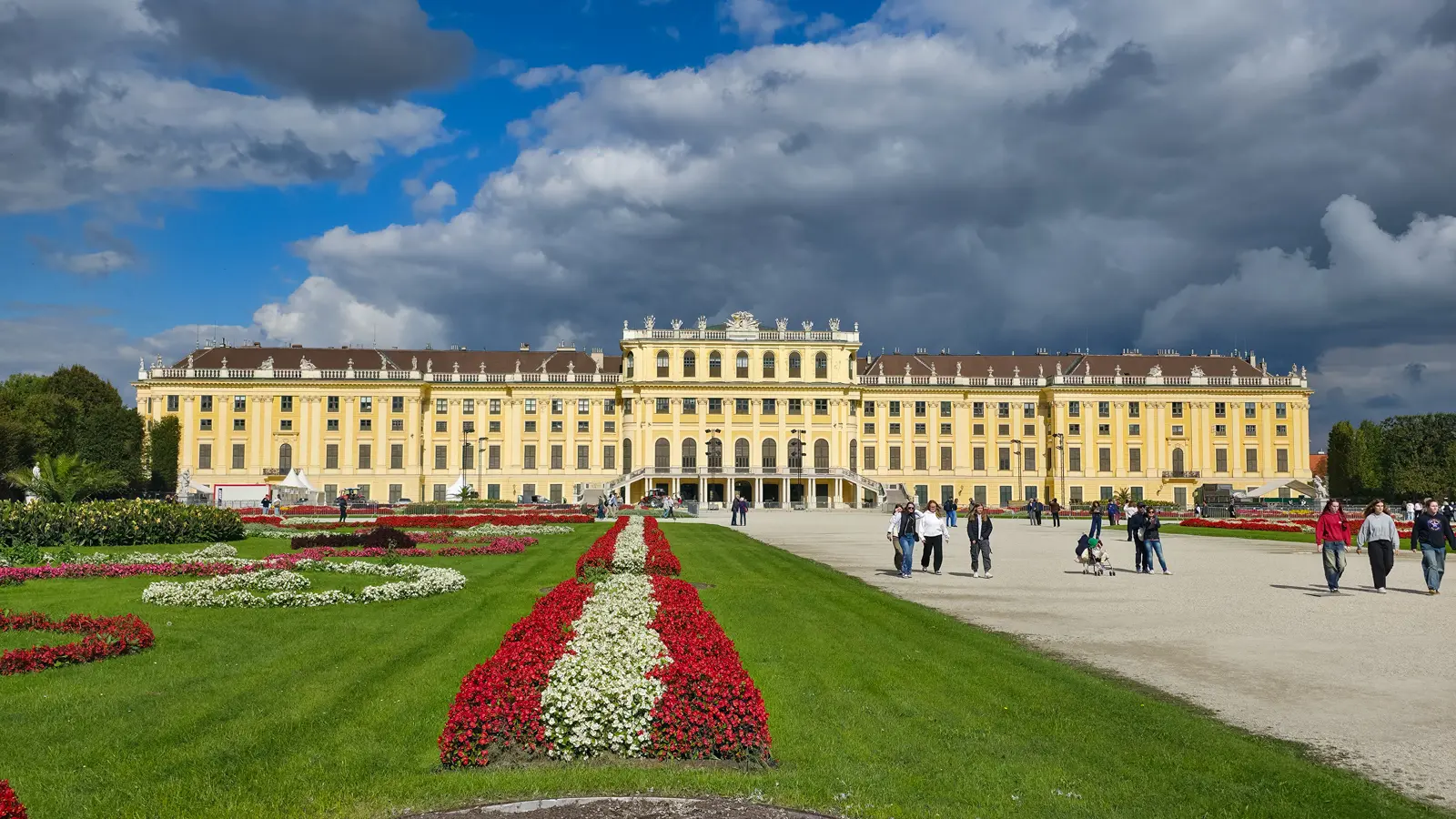
The imperial court at Hofburg Palace functioned as the political center of the empire, while Schönbrunn Palace served as the summer residence of the imperial family. It was Maria Theresa herself who transformed Schönbrunn from an incomplete project into the magnificent baroque residence visitors see today, commissioning architect Nikolaus Pacassi to remodel and expand it in the 1740s. These palaces were not only homes for the ruling dynasty but also stages for elaborate ceremonies, diplomatic meetings, and cultural events that reflected the prestige of the Habsburg court.
Vienna also flourished as a center of musical and intellectual life during this period, and Maria Theresa was not merely a passive patron but an active participant. She was herself a capable singer and musician who took a personal interest in the musical life of her court. During her reign the young Wolfgang Amadeus Mozart famously performed before the imperial court, Joseph Haydn rose to prominence within the musical world of the Habsburg lands, and Christoph Willibald Gluck transformed the world of opera in Vienna – a constellation of musical genius that would define the city’s cultural identity for generations.
Walking through Vienna’s historic streets and squares today, the imprint of Maria Theresa’s reign remains visible at almost every turn – in the palaces she transformed, the institutions she strengthened, and the musical culture she helped nurture. Few rulers have left so deep and lasting a mark on a city as Maria Theresa left on Vienna.
The Monument at Maria-Theresien-Platz
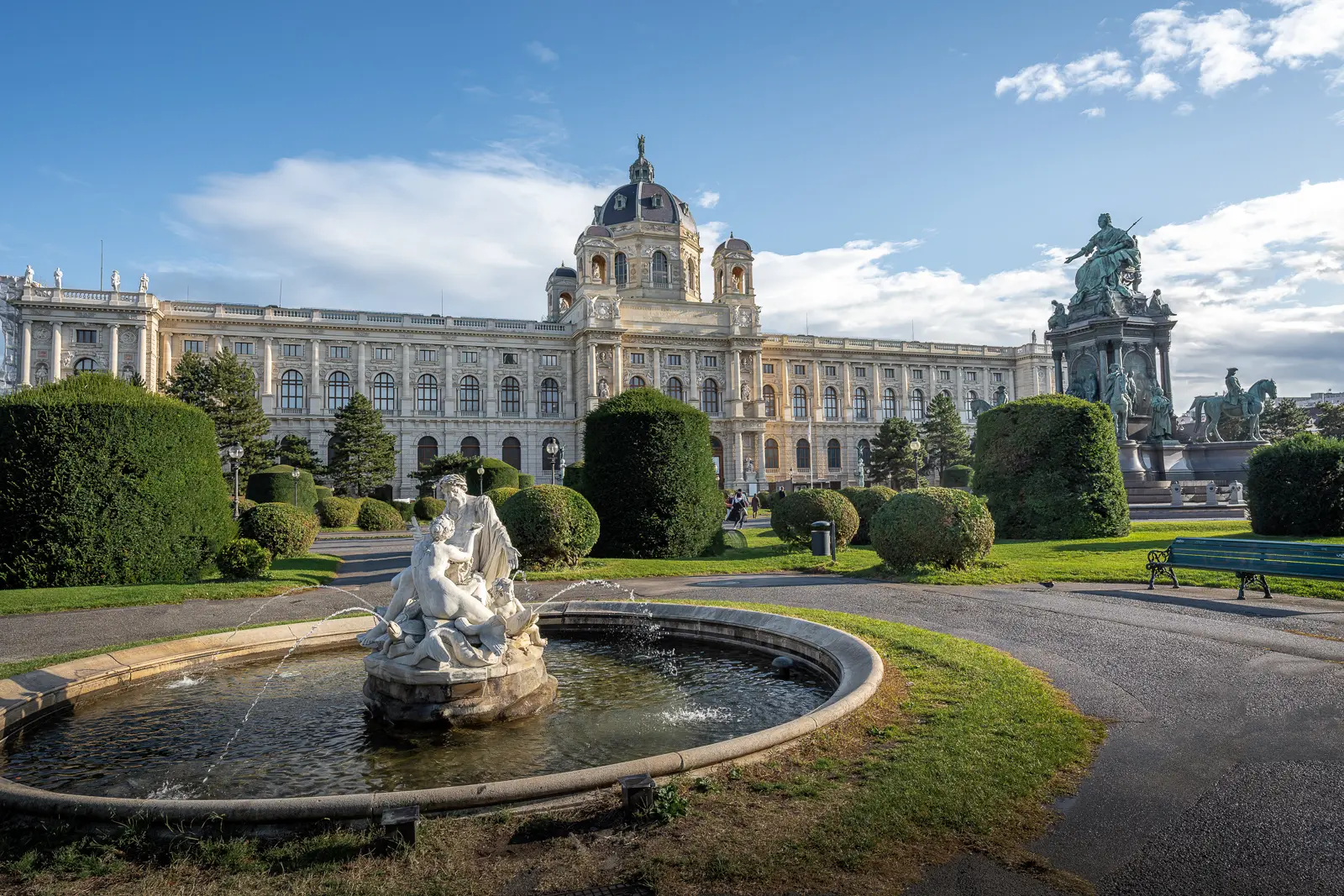
One of the most impressive tributes to Maria Theresa stands in the elegant square known as Maria-Theresien-Platz. The monumental statue, unveiled in 1888, honors the empress more than a century after her death and reflects the deep respect Austrians continued to hold for her legacy. The sculpture depicts Maria Theresa seated confidently on her throne, surrounded by generals, advisors, and cultural figures who played important roles during her reign. These statues represent the individuals who helped shape the political, military, and intellectual life of the Habsburg Empire during the eighteenth century.
The square itself is framed by two magnificent museums: the Kunsthistorisches Museum and the Natural History Museum Vienna. Their symmetrical architecture creates one of the most beautiful public spaces in Vienna, making the monument a focal point of the city’s imperial heritage.
The Legacy of a Remarkable Empress
Maria Theresa ruled the Habsburg Empire for forty years, from 1740 until her death in 1780. Over the course of those decades she successfully defended her dynasty, strengthened the administrative structure of the state, and implemented reforms that would influence the empire for generations. Her leadership helped transform the Habsburg monarchy into a more centralized and modern state capable of navigating the complex political landscape of eighteenth-century Europe. Many of the institutions she created continued to shape Austrian governance long after her reign ended.
Today she remains one of the most significant figures in Austrian history. Her legacy is visible not only in monuments and palaces but also in the institutions, reforms, and cultural traditions that developed during her rule.
Final Thoughts
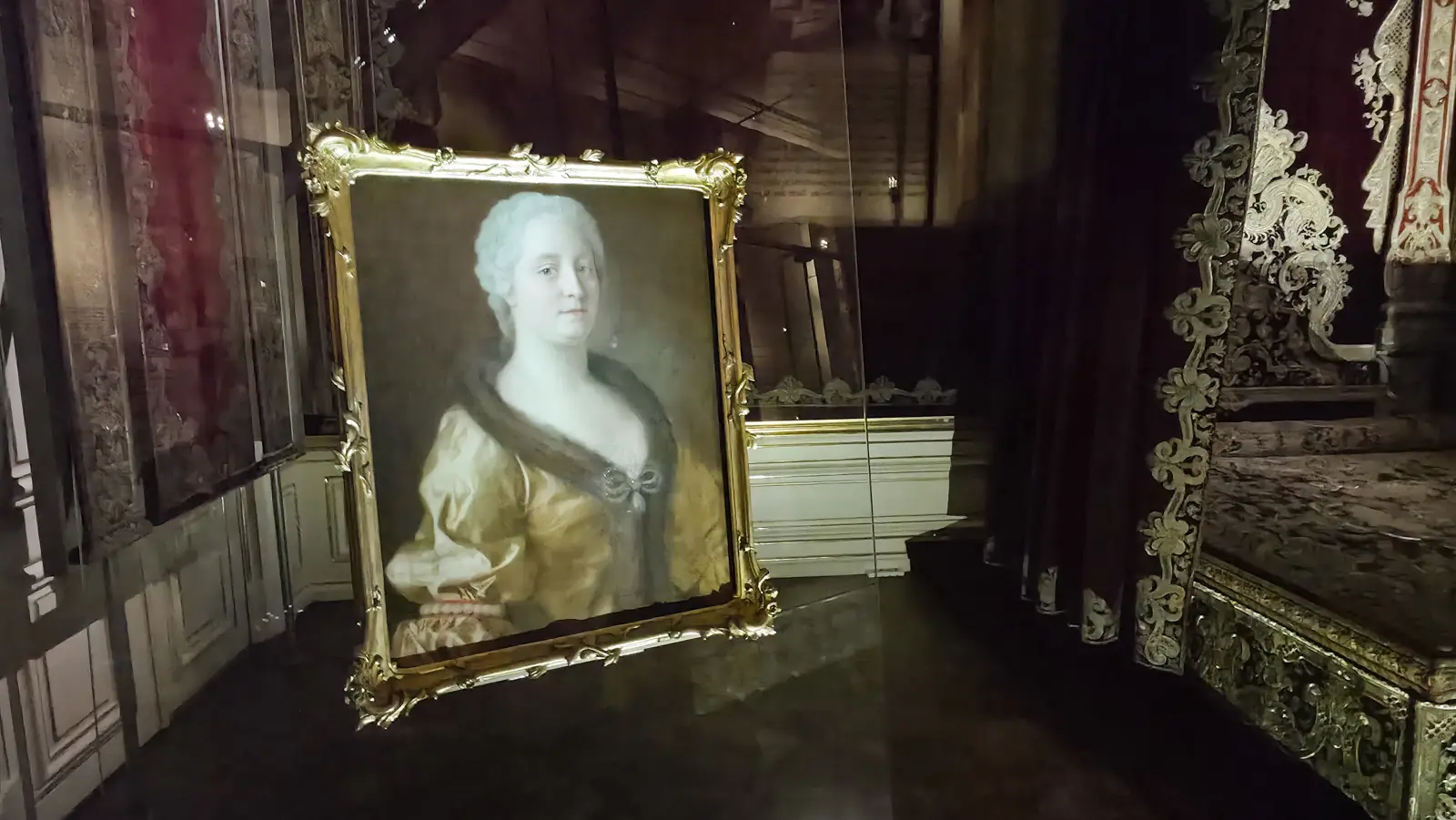
History often remembers emperors and kings, but Maria Theresa’s life reminds us that some of the most influential leaders in Europe were women who governed with remarkable intelligence, resilience, and determination. Her reign stands as one of the most fascinating chapters in the history of the Habsburg Empire.
Standing before her monument in Vienna today, surrounded by grand museums and elegant gardens, visitors can reflect on the extraordinary life of a woman who guided an empire through one of its most challenging eras.
Have you visited Maria-Theresien-Platz or seen the statue of Maria Theresa while exploring Vienna? I would love to hear about your experience in the comments.
Until next time!

🌟 Everything You Need to Plan Your Dream Trip in 2026
- 🌟 Luxury Hotels - Find premium stays with Booking.com & Hotels.com
- 🏡 Vacation Rentals - Discover unique properties on VRBO
- 🏞️ Guided Tours - Explore with Viator or GetYourGuide
- 🎫 Attraction Tickets - Skip the lines with Tiqets
- 🚢 Ocean Cruises - Set sail with Cruise Direct
- 📱 International SIMs - Stay connected with Saily
- 🚗 Car Rentals - Budget-friendly options from Discover Cars
- 🌐 Secure VPNs - Browse safely with NordVPN
- 💶 Currency Exchange - Best rates with Wise
- 🗣️ Learn Languages - Master the local language with Babbel and Rosetta Stone