
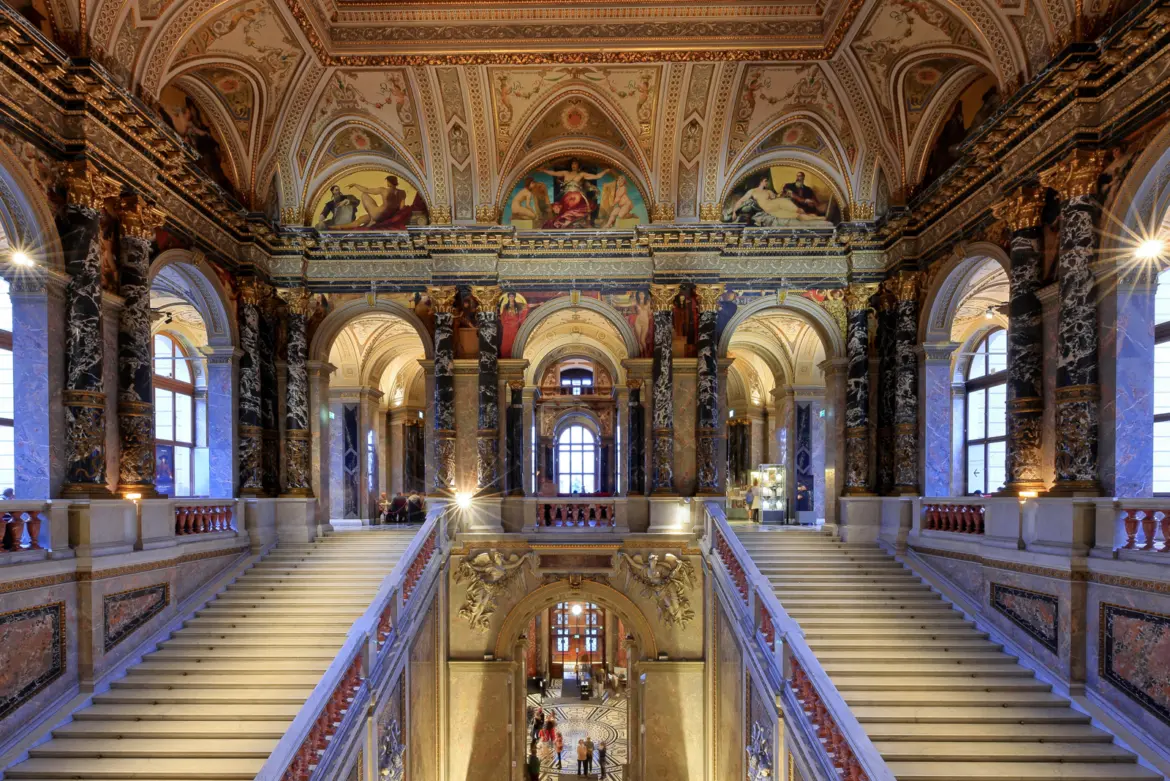
Vienna is a city where history doesn’t simply sit in the background, it surrounds you, rises above you, and reveals itself in layers of art, architecture, and cultural legacy. While the city’s streets echo with imperial grandeur, there are places where that legacy becomes almost tangible, where you don’t just observe history… you feel it. For me, that moment unfolded inside the Kunsthistorisches Museum, a space where art and empire are woven together in the most breathtaking way.
From the moment you approach the museum in Vienna’s elegant Maria-Theresien-Platz, there is a quiet sense of anticipation. This is not just another gallery or exhibition space, it is a monument to centuries of collecting, patronage, and artistic ambition. And once inside, that feeling deepens. What awaits is not simply a collection of masterpieces, but a carefully preserved world where the power, vision, and cultural influence of the Habsburg dynasty come to life through some of the most extraordinary works ever created.
Kunsthistorisches Museum at a Glance
🏛️ Built: 1871–1891 by Gottfried Semper and Karl von Hasenauer for Emperor Franz Joseph I — opened October 17, 1891
🎨 Picture Gallery: World’s largest Bruegel collection (12 paintings including Tower of Babel, Peasant Wedding), Vermeer’s The Art of Painting, Rembrandt, Rubens, Raphael, Titian, Caravaggio, Dürer
🏺 Egyptian Collection: 18,500+ objects spanning 5,000 years — sarcophagi, mummies, original Giza cult chamber
🏛️ Greek & Roman: 2,500 objects including exceptional cameos and gold treasures
💎 Kunstkammer: 2,200+ objects — Cellini’s Saliera, automatons, clocks, curiosities. “The museum within the museum”
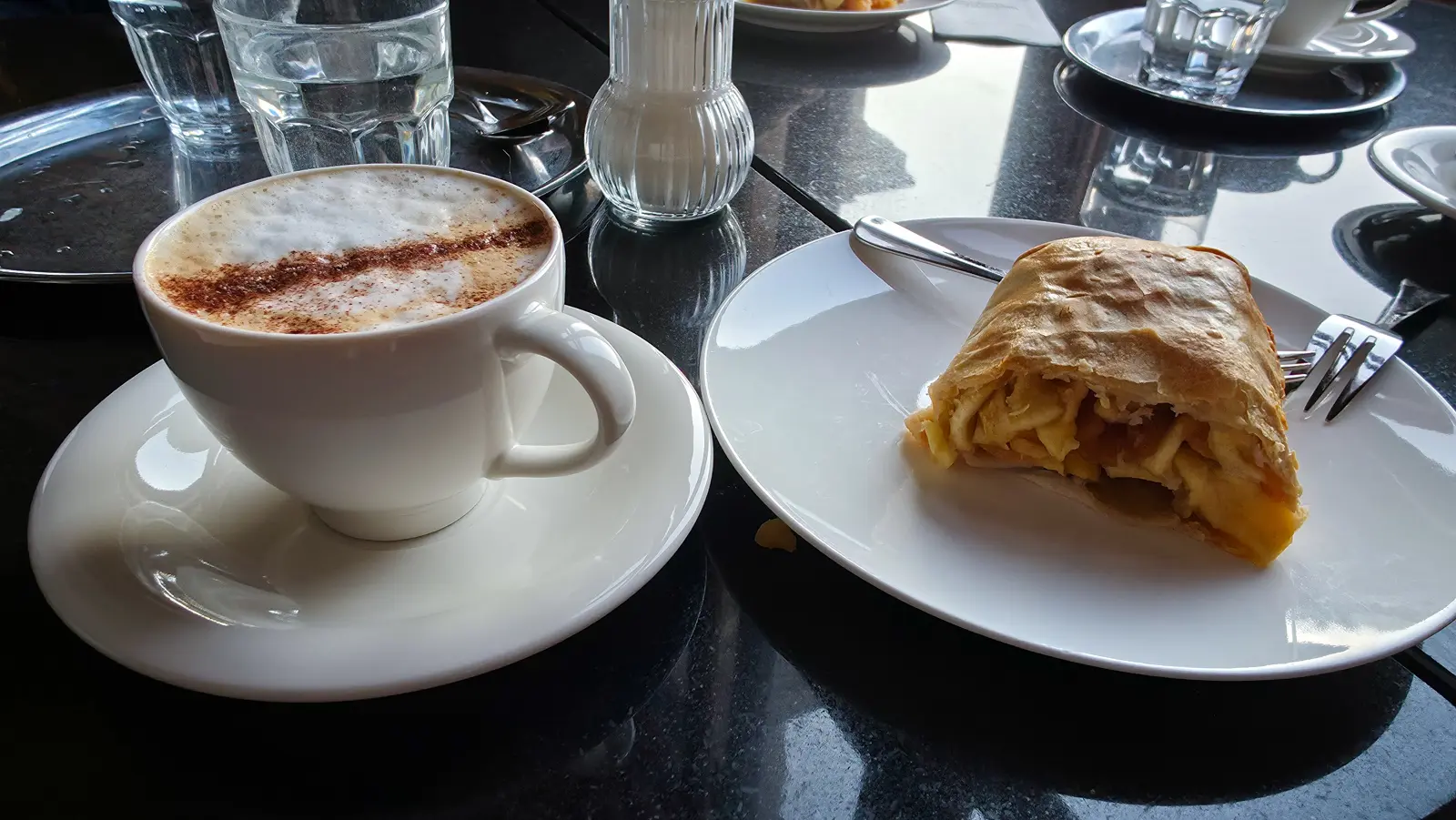
☕ Cupola café: Coffee and Apfelstrudel beneath the 60-meter dome with Klimt-era frescoes — one of Vienna’s most unique settings
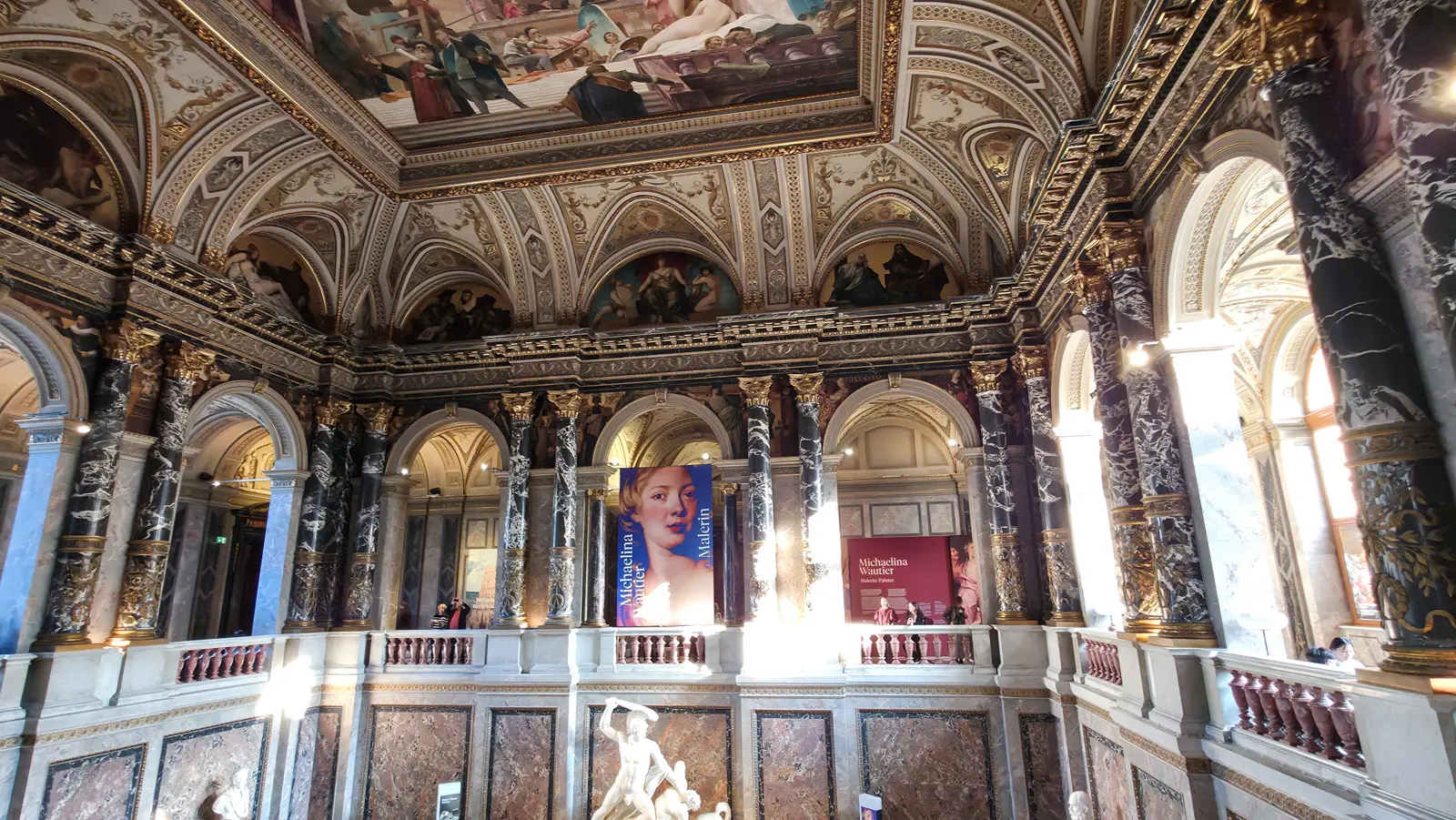
🎨 Staircase: Grand staircase with ceiling paintings by Gustav Klimt, Ernst Klimt, and Franz Matsch
🕐 Hours: Tue–Sun 10–18, Thu until 21:00 (summer: daily)
🎟️ Admission: €23 (€21 online), under 19 free
🚇 Getting there: U2/U3 Volkstheater or Museumsquartier; tram 1, 2, D, 71 to Burgring
A Museum Fit for an Empire
Commissioned by Emperor Franz Joseph I in the late 19th century and completed in 1891, the Kunsthistorisches Museum was designed to house the vast and invaluable art collections of the Habsburgs, one of Europe’s most powerful dynasties. Built along Vienna’s grand Ringstrasse, the museum itself is a statement of imperial identity, reflecting not only wealth, but a deep commitment to culture, knowledge, and artistic legacy. The building was designed by architects Gottfried Semper and Karl von Hasenauer in the Historicist style, deliberately evoking the grandeur of the Renaissance and Baroque periods – a visual language chosen to place the Habsburgs within a longer tradition of great civilisations and their patrons.
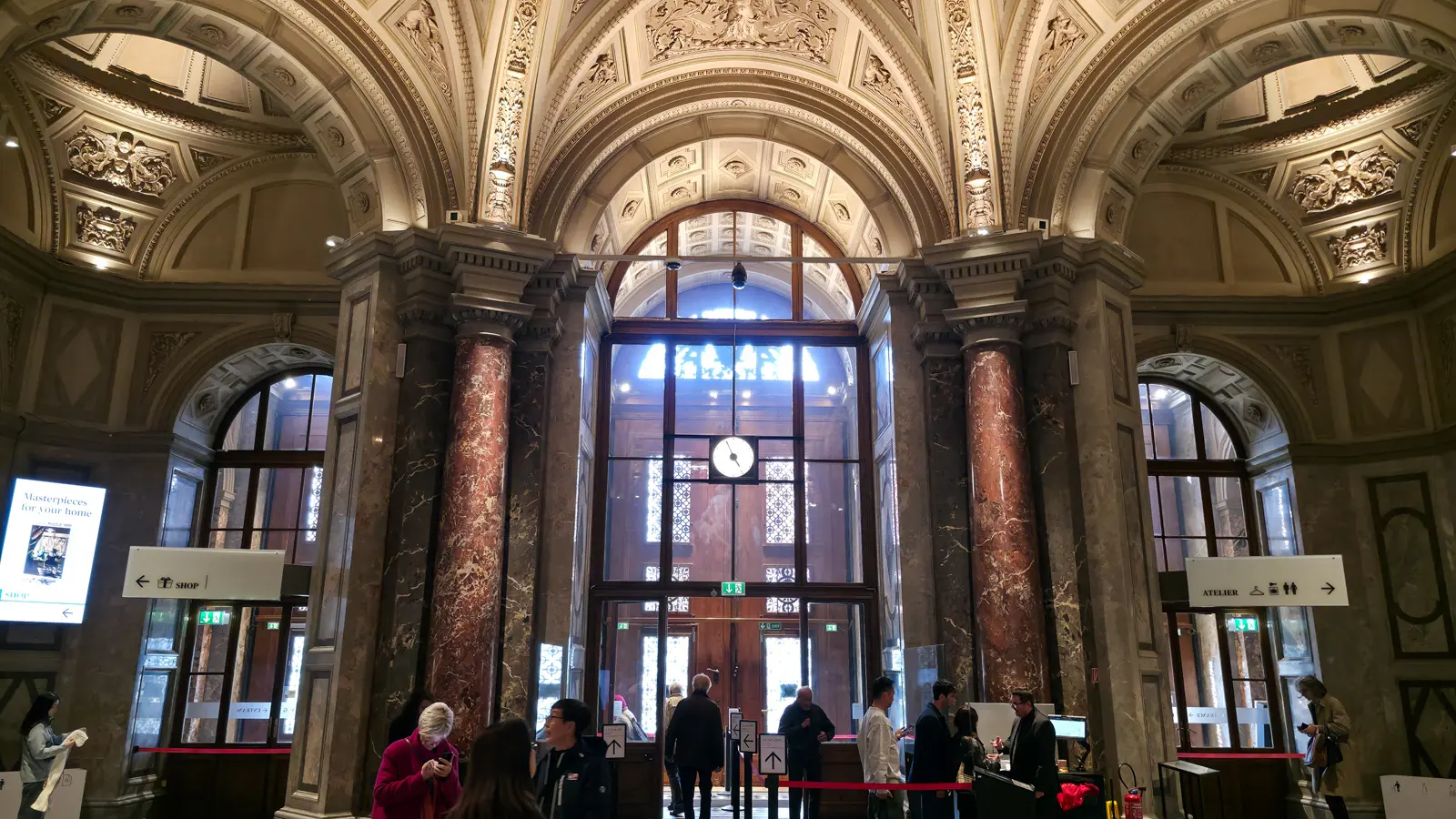
As you step inside, the scale of the space immediately reveals itself. Marble floors, sweeping staircases, and ornate detailing create an atmosphere that feels closer to a palace than a museum. Every element, from the symmetry of the halls to the richness of the materials, has been designed to elevate the experience, reminding you that this was never meant to be an ordinary place. It was built to impress, to inspire, and to endure.
The Cupola and Rotunda: A Moment of Awe
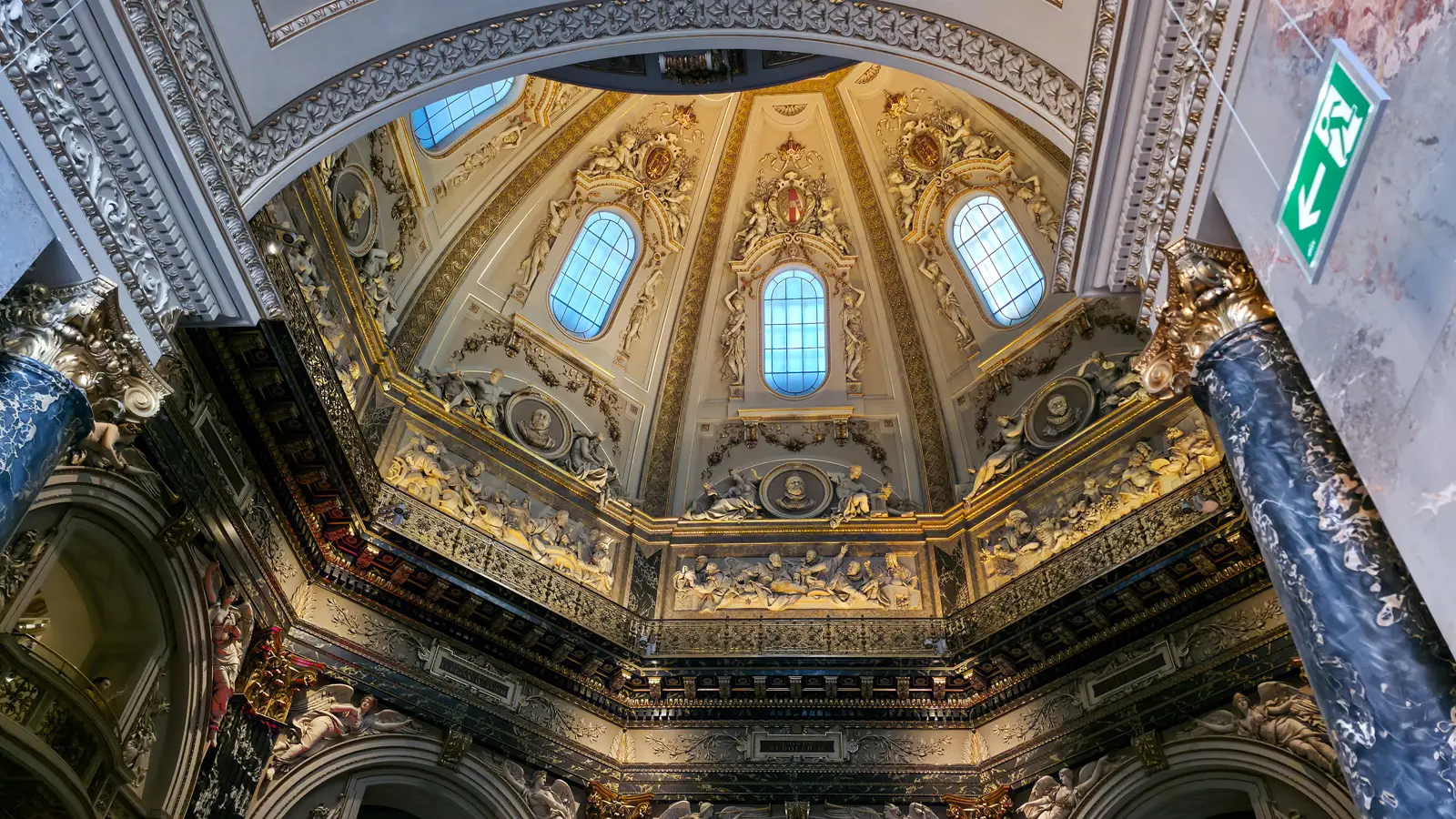
And then, you arrive at the rotunda. At the heart of the Kunsthistorisches Museum lies its most breathtaking architectural feature, the grand central space beneath the soaring cupola. It is the kind of place that instinctively slows you down. You look up, and for a moment, everything else fades away. Light filters gently through the dome, illuminating intricate frescoes, gilded details, and architectural lines that seem to extend endlessly upward. The scale is both impressive and harmonious, drawing your gaze higher and higher as the space unfolds above you.
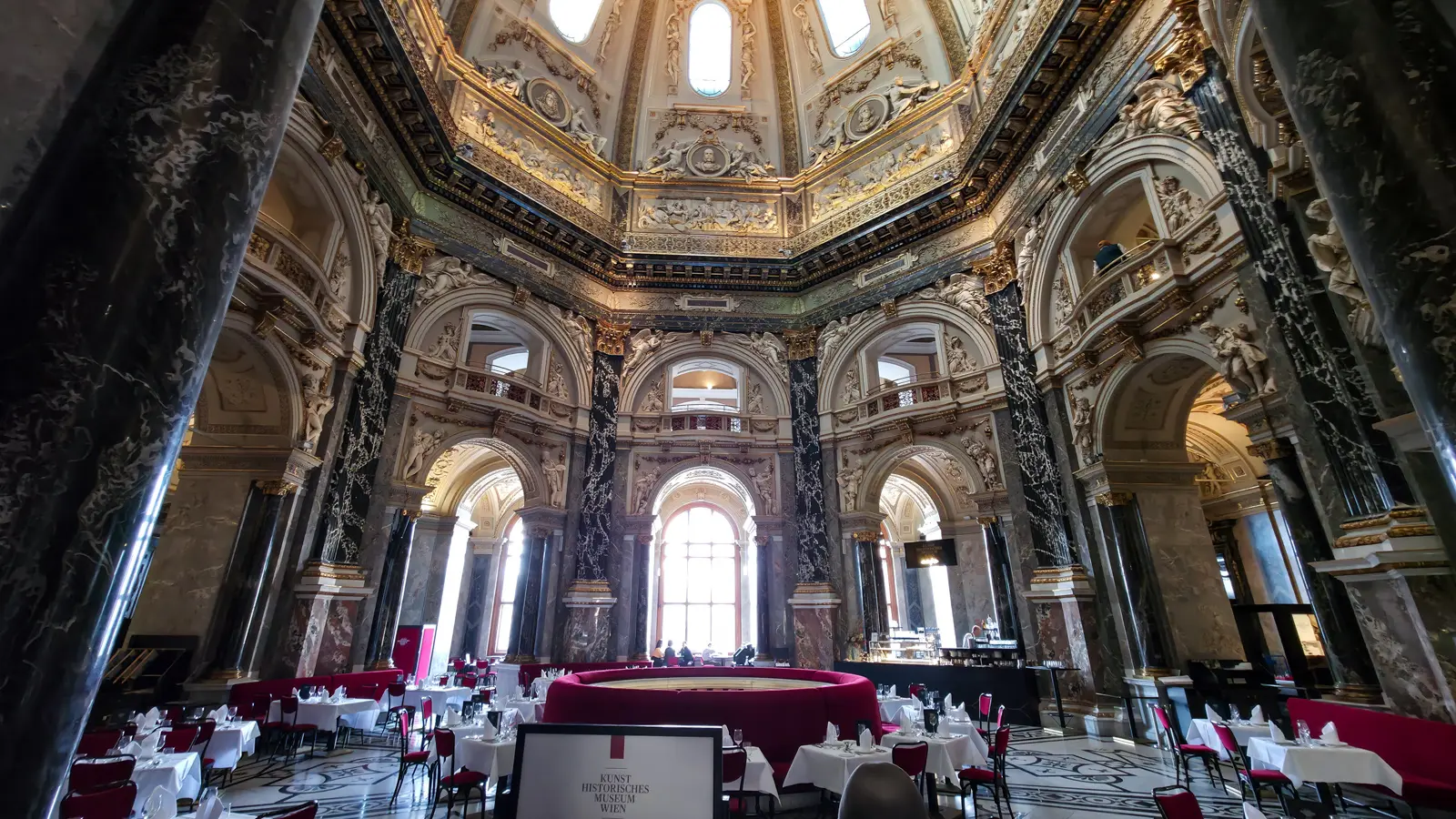
There is a stillness here, a quiet balance between grandeur and serenity that feels almost intentional. Surrounded by marble columns and perfect symmetry, you feel both small and deeply connected to the space, as though you are part of something much larger, yet entirely present within it. It is not just an architectural feature; it is an experience, a pause within the journey where time softens and the atmosphere becomes almost meditative.
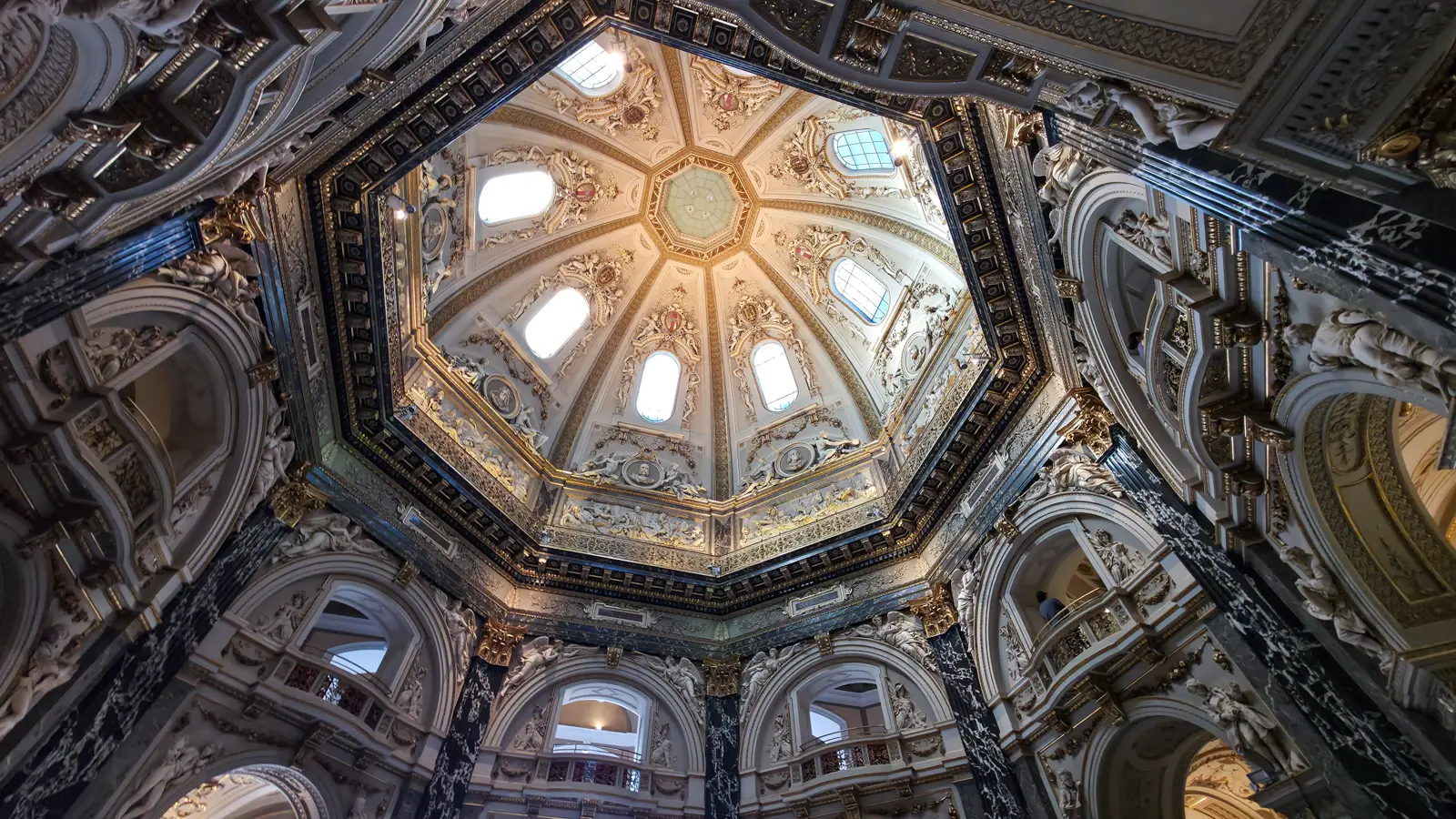
What makes this moment even more special is the opportunity to truly sit within it. Just beneath the cupola, the museum’s café offers a rare and unforgettable setting, and this is exactly what we did. Sitting there with a delicious coffee and dessert, surrounded by this extraordinary architecture, felt like stepping into a different rhythm altogether. It is one thing to admire the space from afar, but to pause, linger, and take it in slowly from within transforms the experience into something deeply personal and memorable. It becomes not just a highlight of the museum, but one of those rare travel moments you carry with you long after you leave.
Masterpieces That Stayed With Me
What makes the Kunsthistorisches Museum truly unforgettable is not just the scale of its collection, but the depth of the stories held within each work. These are not simply paintings, they are reflections of power, belief, ambition, and human complexity, gathered over centuries by the Habsburgs and preserved with remarkable care. As you move through the galleries, you begin to realize that each room is not just displaying art, but revealing a different way of seeing the world – shaped by time, culture, and human experience.
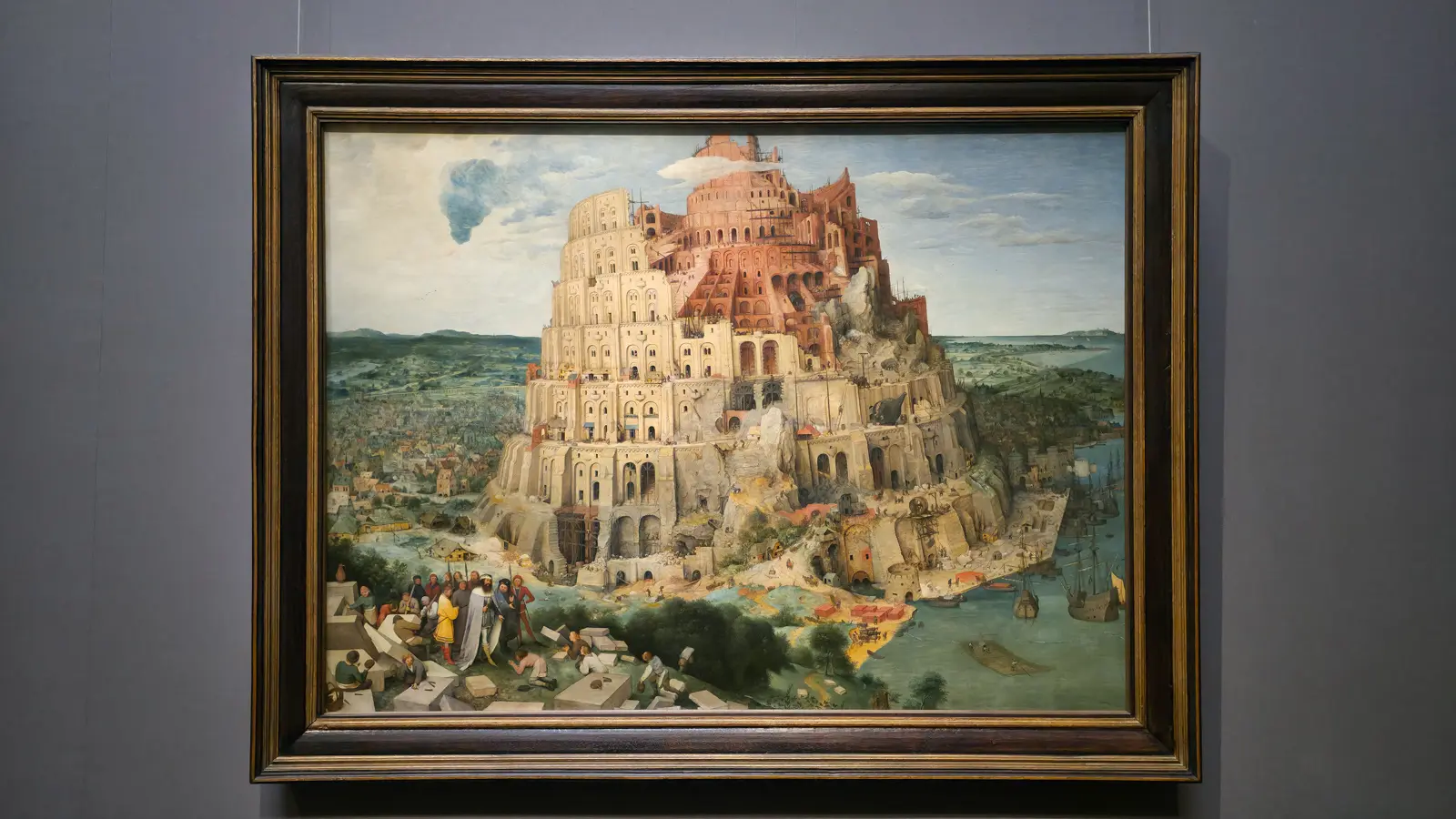
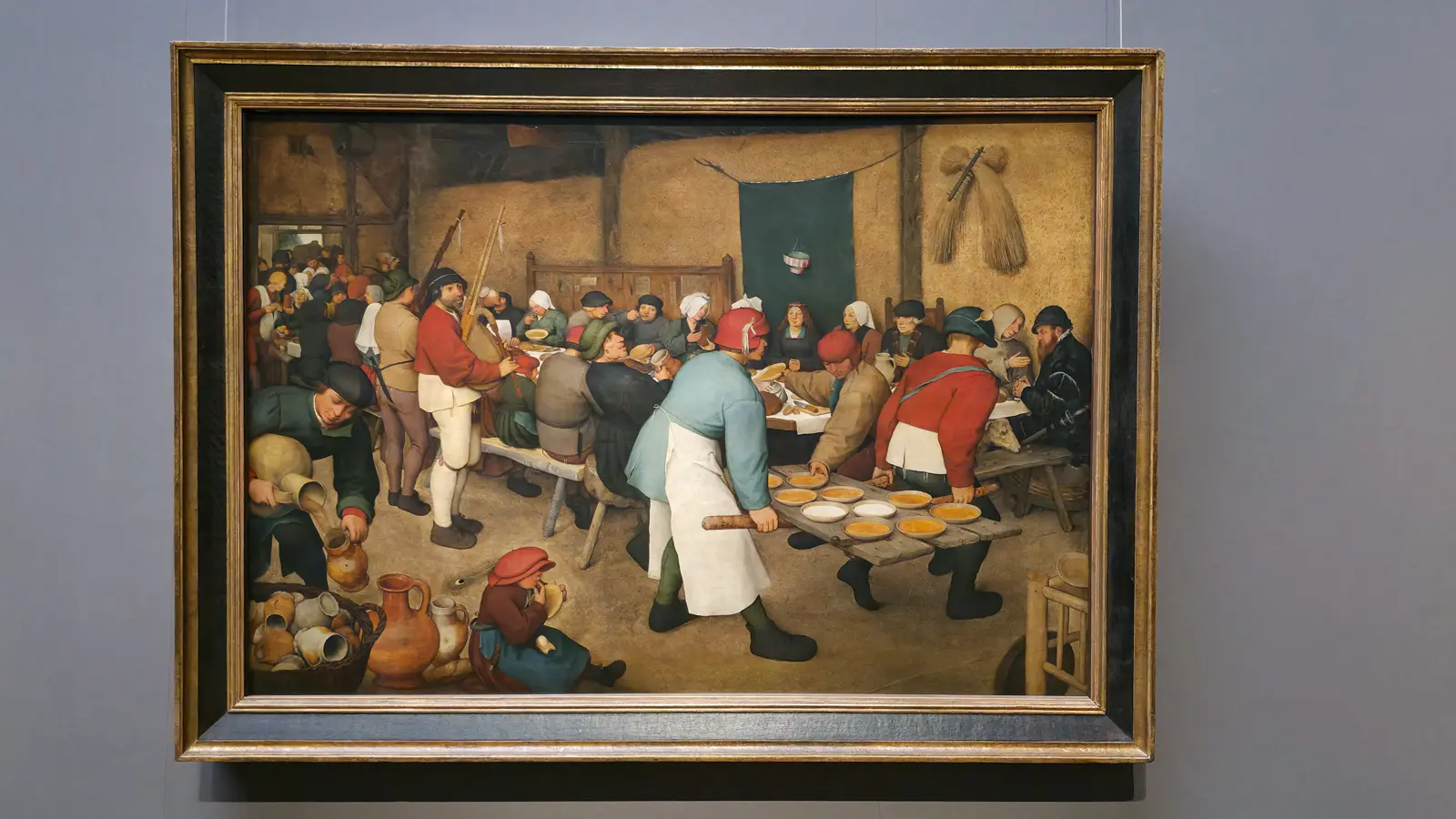
One of the most striking moments for me was standing before works by Pieter Bruegel the Elder. His Tower of Babel feels almost overwhelming in its detail – a vast, spiraling structure filled with movement, ambition, and quiet chaos. It is impossible not to draw parallels between the painting and the broader idea of empire: the desire to build, to reach higher, to create something enduring, even in the face of inevitable limits. Just nearby, The Peasant Wedding offers a completely different perspective – grounded, lively, and deeply human. The contrast between these works is striking: one monumental and symbolic, the other intimate and communal, yet both equally rich in narrative and observation.
There is also a powerful mythological presence woven throughout the collection, including figures like Theseus, whose story reflects themes of courage, transformation, and the eternal struggle between order and chaos. These classical references remind you that art in this period was not created in isolation. it was deeply connected to ancient narratives that shaped identity, belief systems, and cultural imagination across Europe.
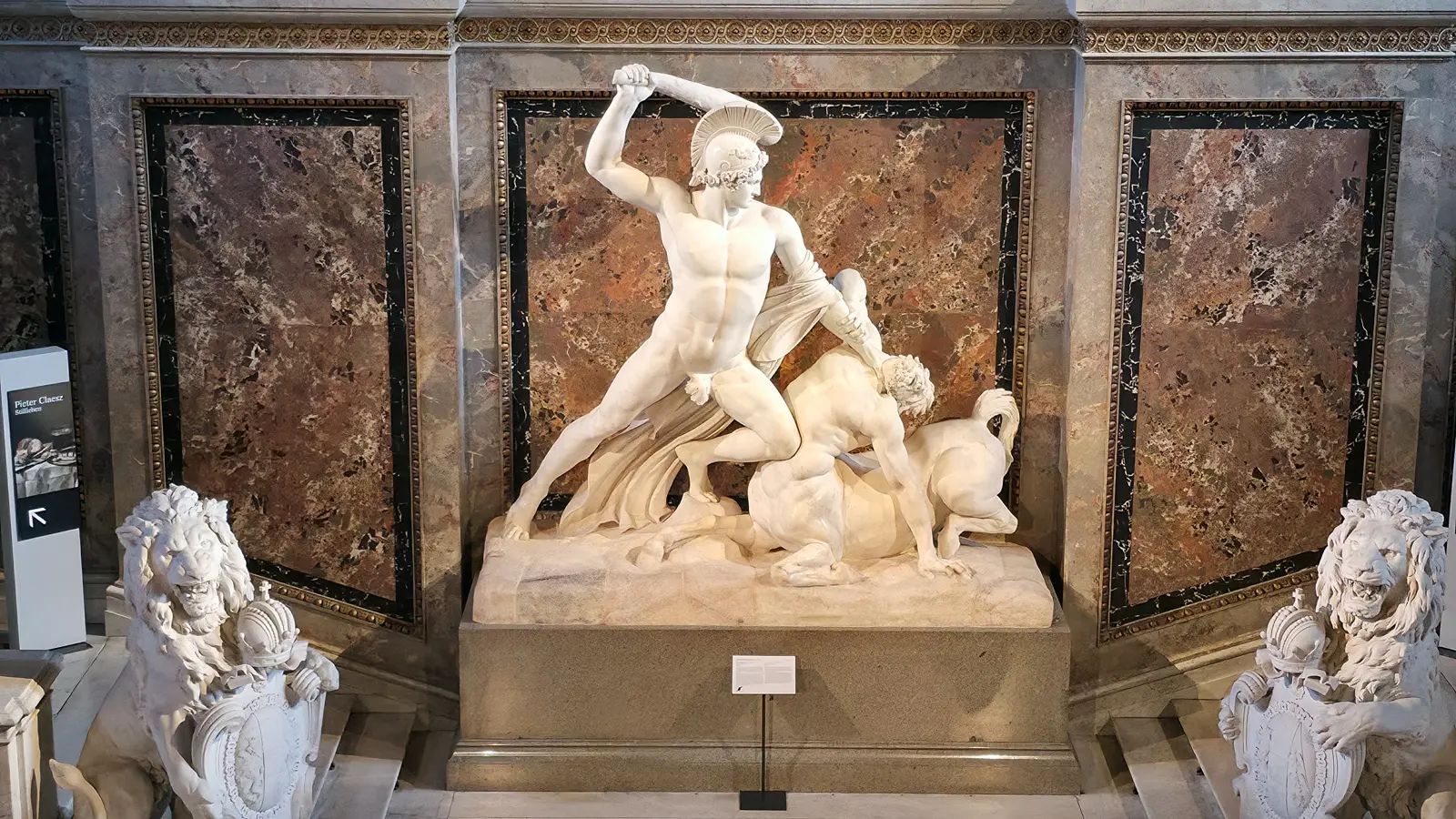
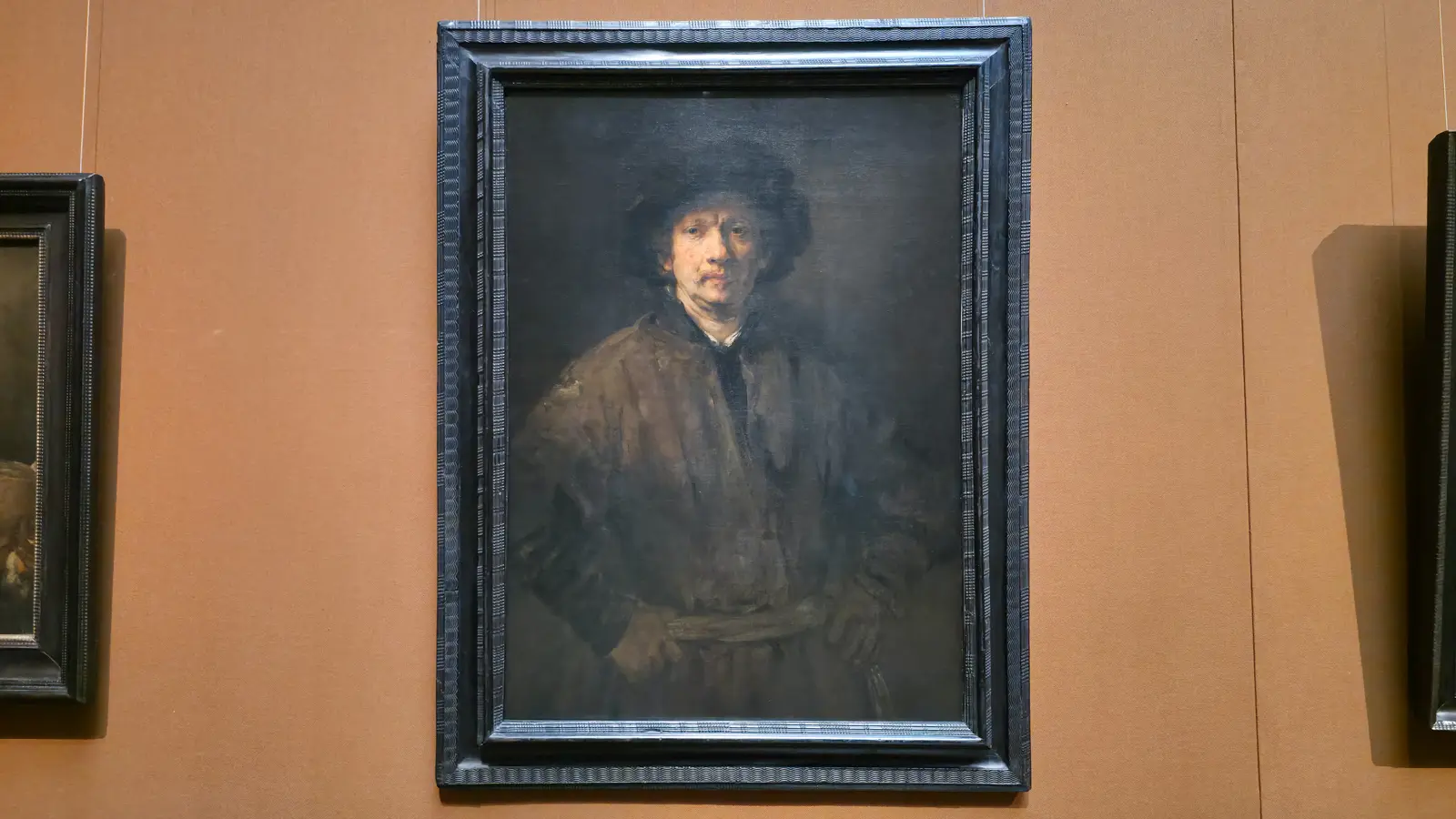
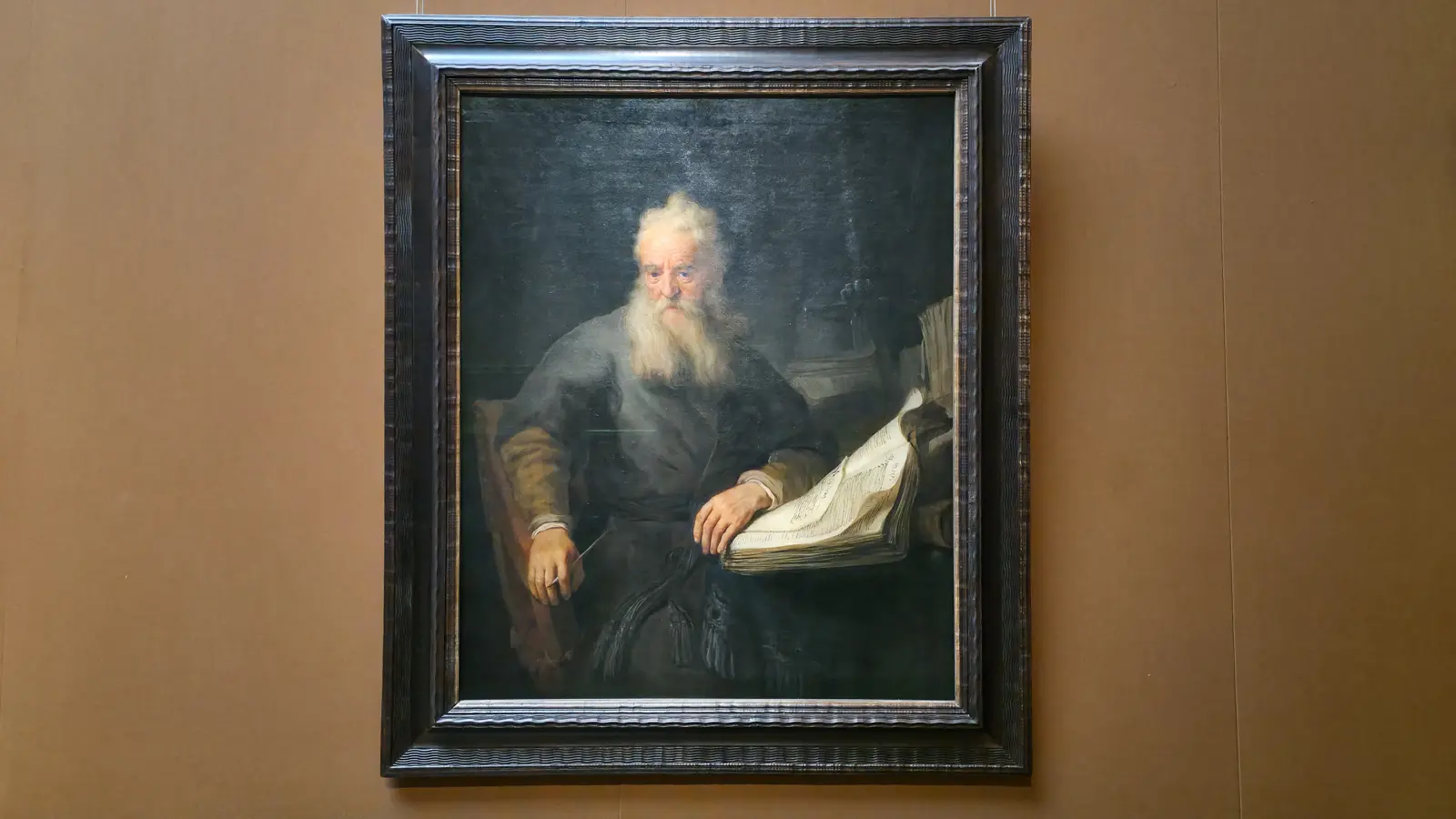
In contrast, the works of Rembrandt introduce a quieter, more introspective intensity. His Self-Portrait and The Apostle Paul draw you inward, not through spectacle, but through presence. There is something profoundly human in the way he captures light – not just as illumination, but as emotion. Faces emerge softly from shadow, revealing vulnerability, wisdom, and introspection. Standing before these works feels less like observing a subject and more like encountering a person.
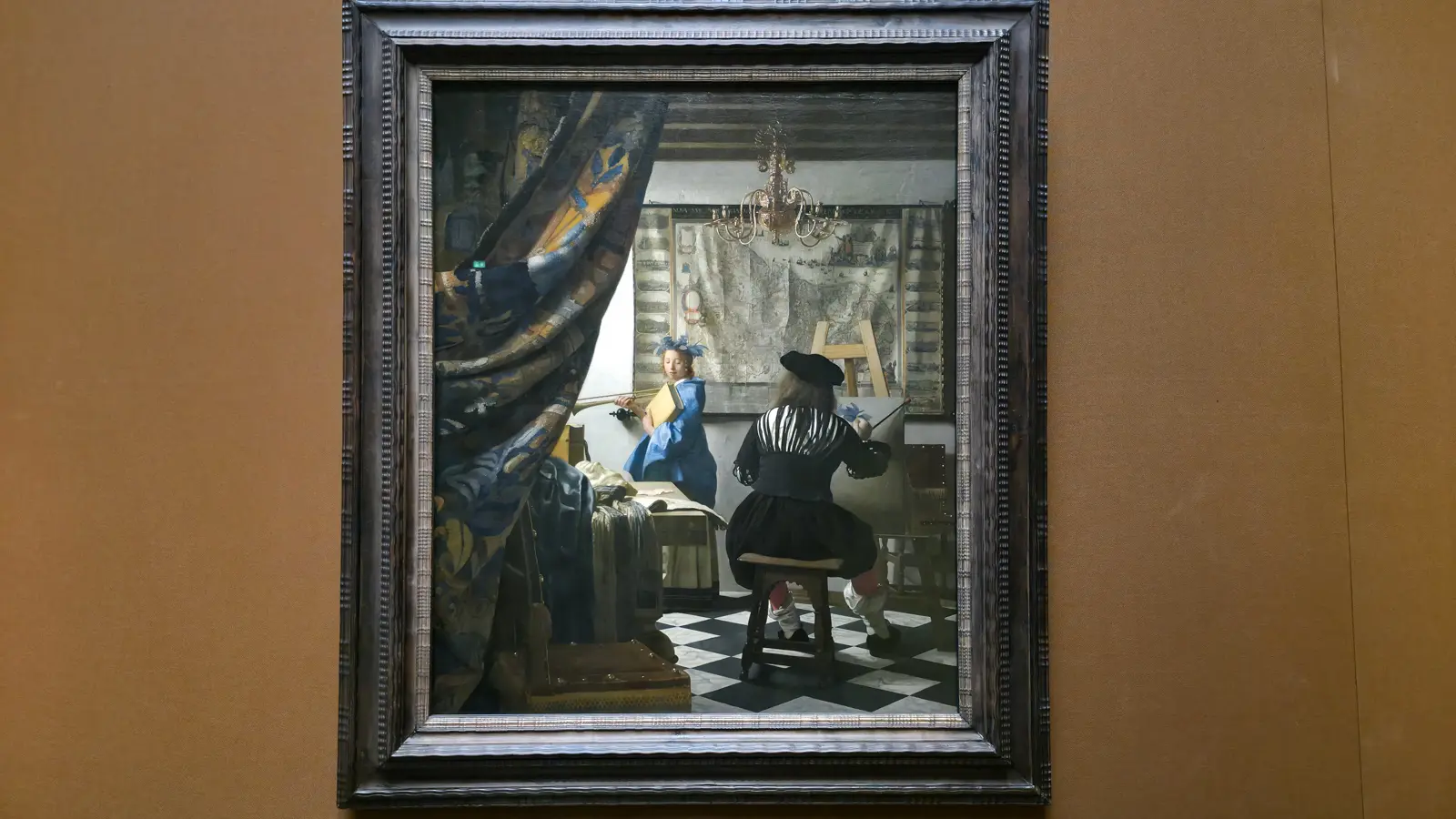
Then, the atmosphere shifts again with the refined stillness of Johannes Vermeer. In The Art of Painting, there is a sense of quiet precision, a moment suspended in time, where every detail feels intentional and balanced. The composition invites you to slow down, to notice the subtle interplay of light, space, and perspective. And finally, the dramatic richness of Peter Paul Rubens brings a surge of energy back into the experience. His Head of Medusa is striking and almost unsettling, filled with movement, texture, and intensity. It is a powerful reminder of the emotional and physical force that Baroque art could convey.
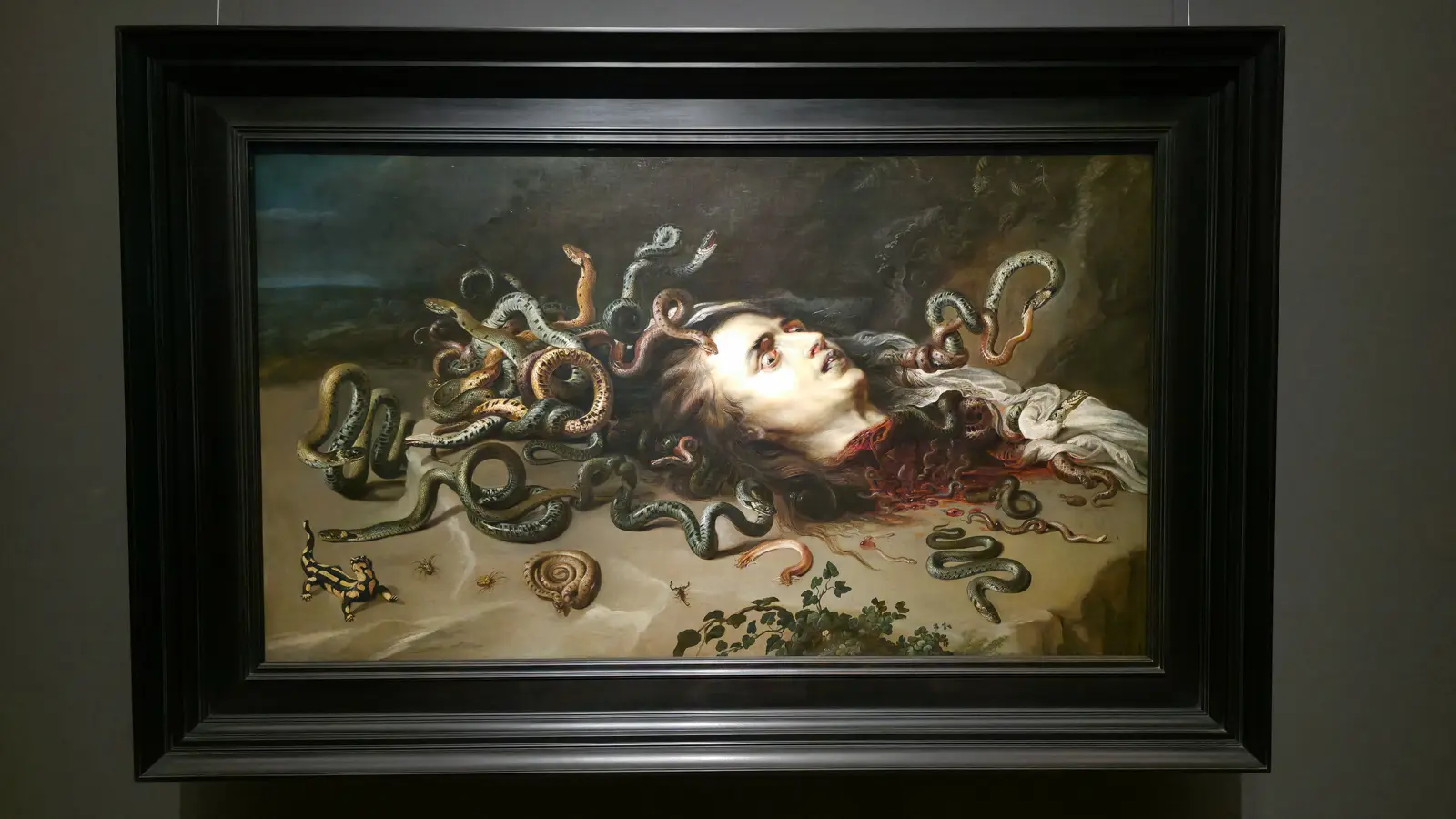
Together, these works create a journey not just through artistic styles, but through different dimensions of human experience: from ambition and mythology to introspection, stillness, and dramatic expression.
A Journey Through Centuries
Moving through the Kunsthistorisches Museum feels like traveling across time, where each room reveals a new chapter not only in the evolution of art, but in the story of human civilisation itself. What makes this experience so unique is the contrast between the permanence of the architecture and the transformation within the collections, a quiet dialogue between what endures and what evolves.
The building stands still: grand, structured, and timeless. Yet within its walls, artistic expression shifts, evolves, and reinvents itself. One moment, you are immersed in the precision and symbolism of the Renaissance, and the next, you are drawn into the drama and emotion of the Baroque period. But the journey does not begin there. It reaches even further back, into the ancient world. In the Egyptian and Near Eastern Collection, you encounter objects shaped by early civilisations – fragments of belief, ritual, and daily life that feel both distant and surprisingly familiar. Sarcophagi, statues, and intricately crafted objects speak to a world deeply rooted in spirituality and the afterlife, where art was not merely decorative, but symbolic, purposeful, and intertwined with existence itself.
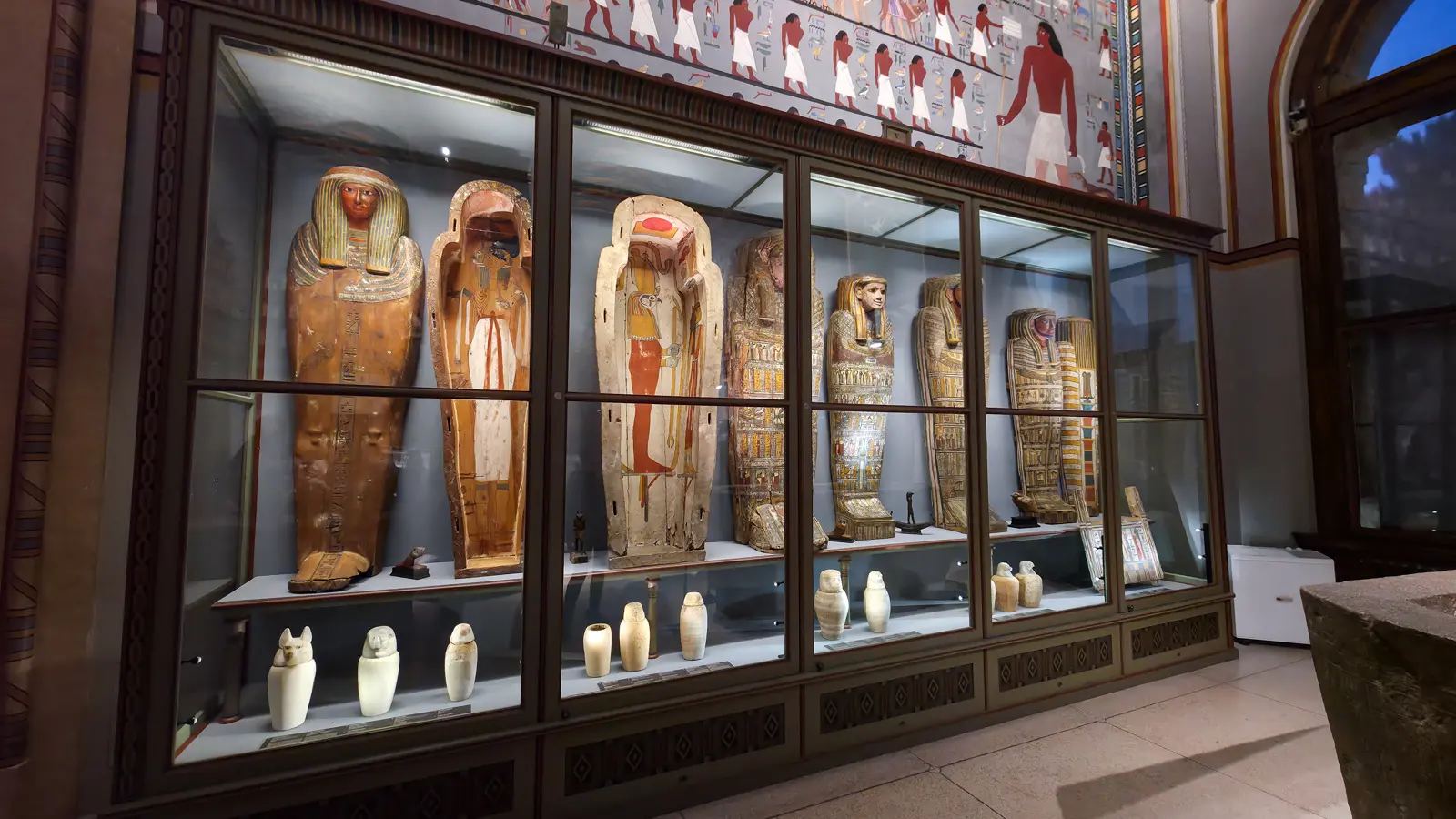
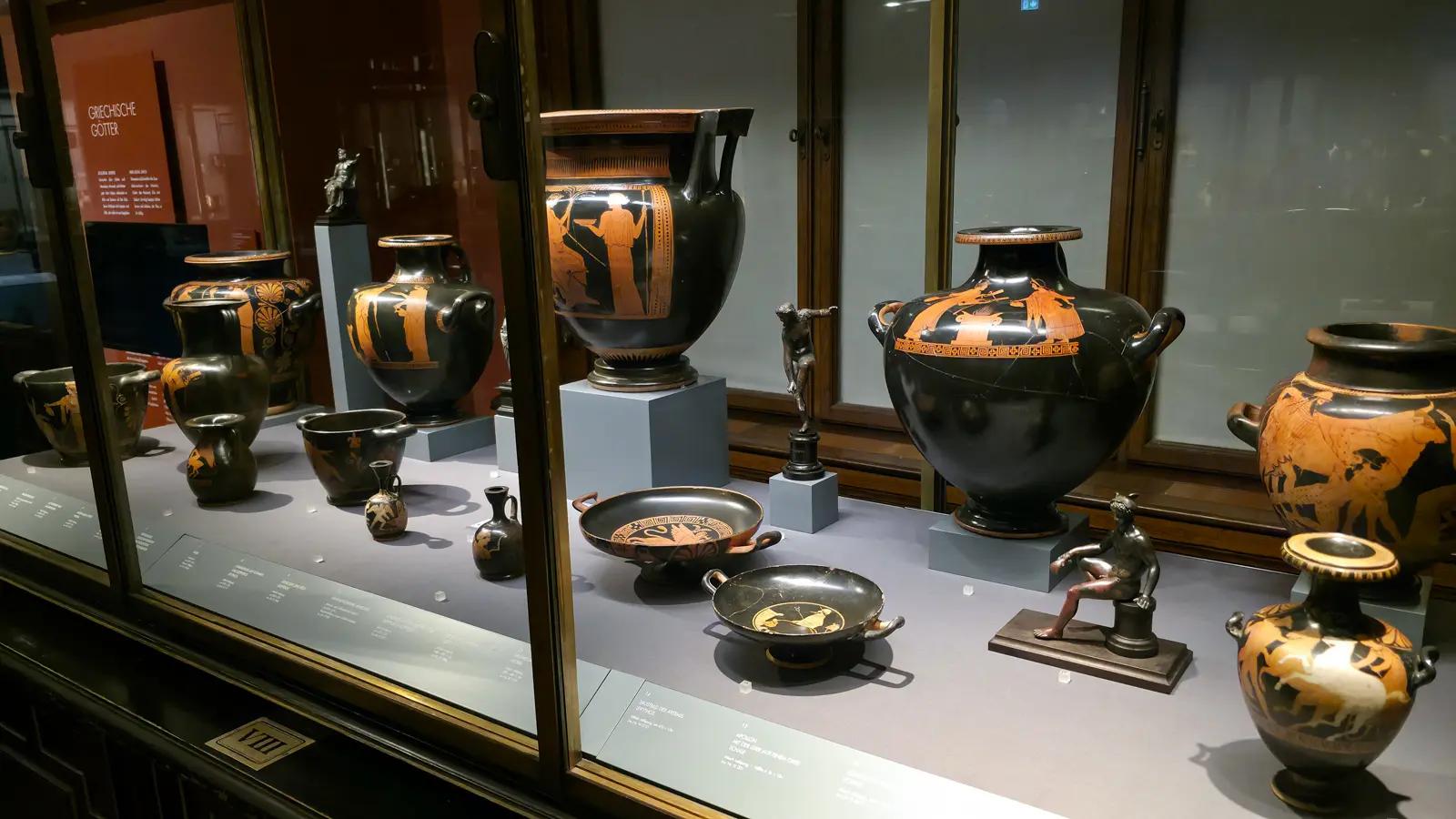
Moving into the Collection of Greek and Roman Antiquities, the atmosphere shifts once again. Here, the focus turns toward harmony, proportion, and the human form – an exploration of beauty and balance that feels both idealized and enduring. Sculptures and artifacts reflect a civilisation deeply engaged with philosophy, mythology, and the pursuit of perfection, where figures appear poised, composed, and almost timeless. There is a clarity in these works, a sense of order and intellectual depth, that would go on to influence centuries of European art and thought. Walking through this section, you begin to recognize familiar forms and narratives, the foundations upon which so much of Western artistic tradition was built.
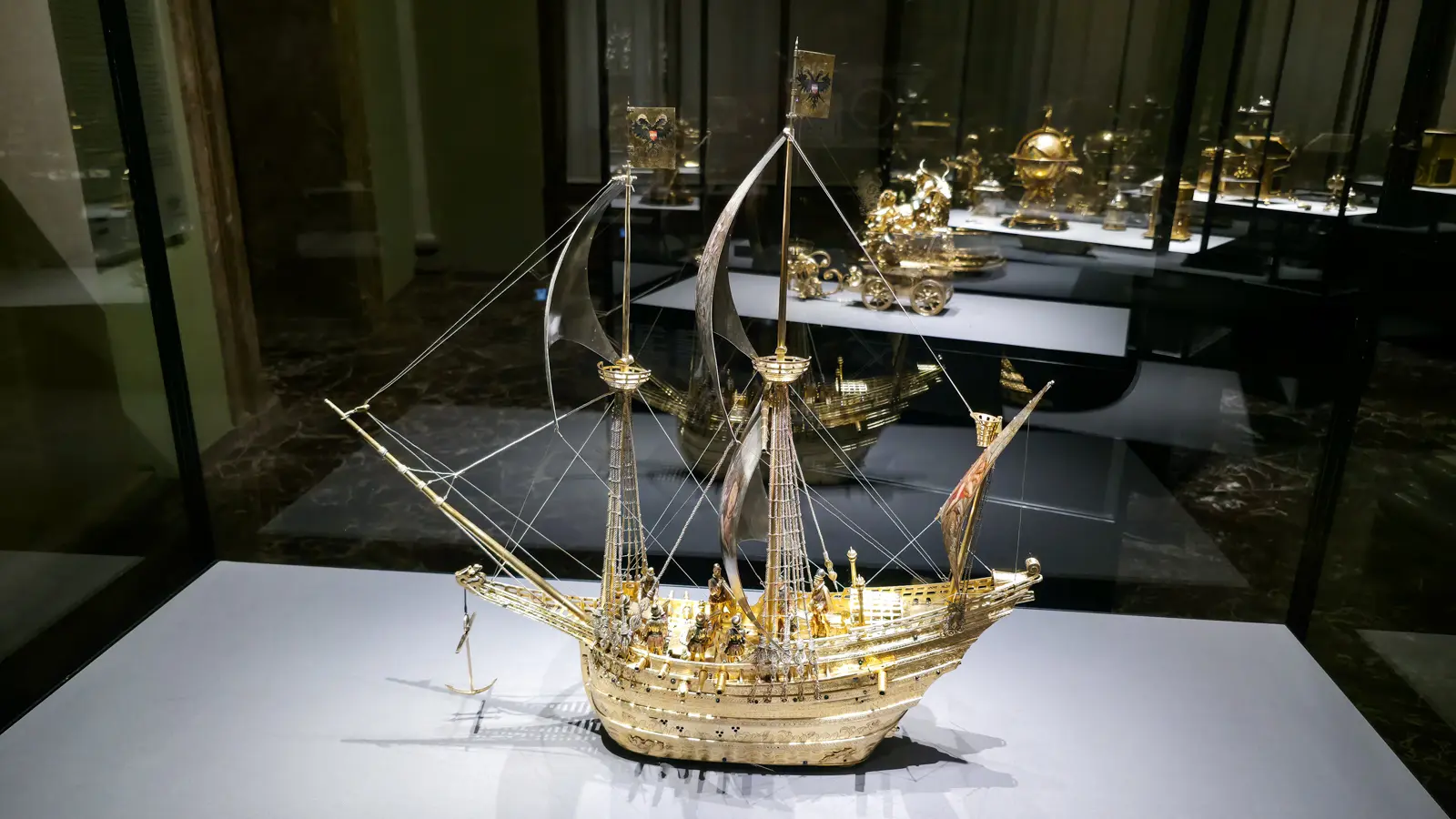
And then there is the Kunstkammer, often described as the cradle of the museum itself. Here, the experience becomes more intimate and intricate, filled with extraordinary objects that blur the line between art, science, and curiosity. These are not just works to be observed from afar, but pieces that invite closer attention – treasures collected not only for their beauty, but for their rarity, craftsmanship, and wonder. Together, these collections expand the experience beyond a single artistic narrative, allowing you to move fluidly across centuries, cultures, and ways of seeing the world.
What makes these transitions so powerful is their subtlety. You are not abruptly transported from one era to another – instead, you feel time unfolding gradually, almost imperceptibly. It becomes less about observing history, and more about experiencing it, as each space reveals a different layer of human expression, memory, and imagination.
The Collection of an Empire
Behind this extraordinary collection lies the legacy of the Habsburg dynasty, whose passion for art went far beyond personal appreciation. For them, collecting was an act of cultural influence – a way to assert power, foster diplomacy, and shape a lasting legacy. Over centuries, they acquired works from across Europe, bringing together artists, styles, and movements into a single, cohesive collection. What we see today is not just a museum, but the result of generations of vision and intention – a reflection of how art can transcend time, politics, and geography to become something enduring.
What makes this collection particularly fascinating is the intention behind it. These works were not gathered randomly, but carefully selected to reflect knowledge, refinement, and a connection to the great artistic centres of Europe. In many ways, the collection mirrors the reach and ambition of the empire itself: expansive, diverse, and deeply rooted in cultural exchange.
As you move through the museum, you begin to sense this continuity. The transition from one room to the next is not only a shift in artistic style, but a reflection of centuries of collecting, preserving, and curating. It becomes clear that what has been created here is not just a display of art, but a carefully constructed legacy, one that continues to shape how we experience and understand these works today.
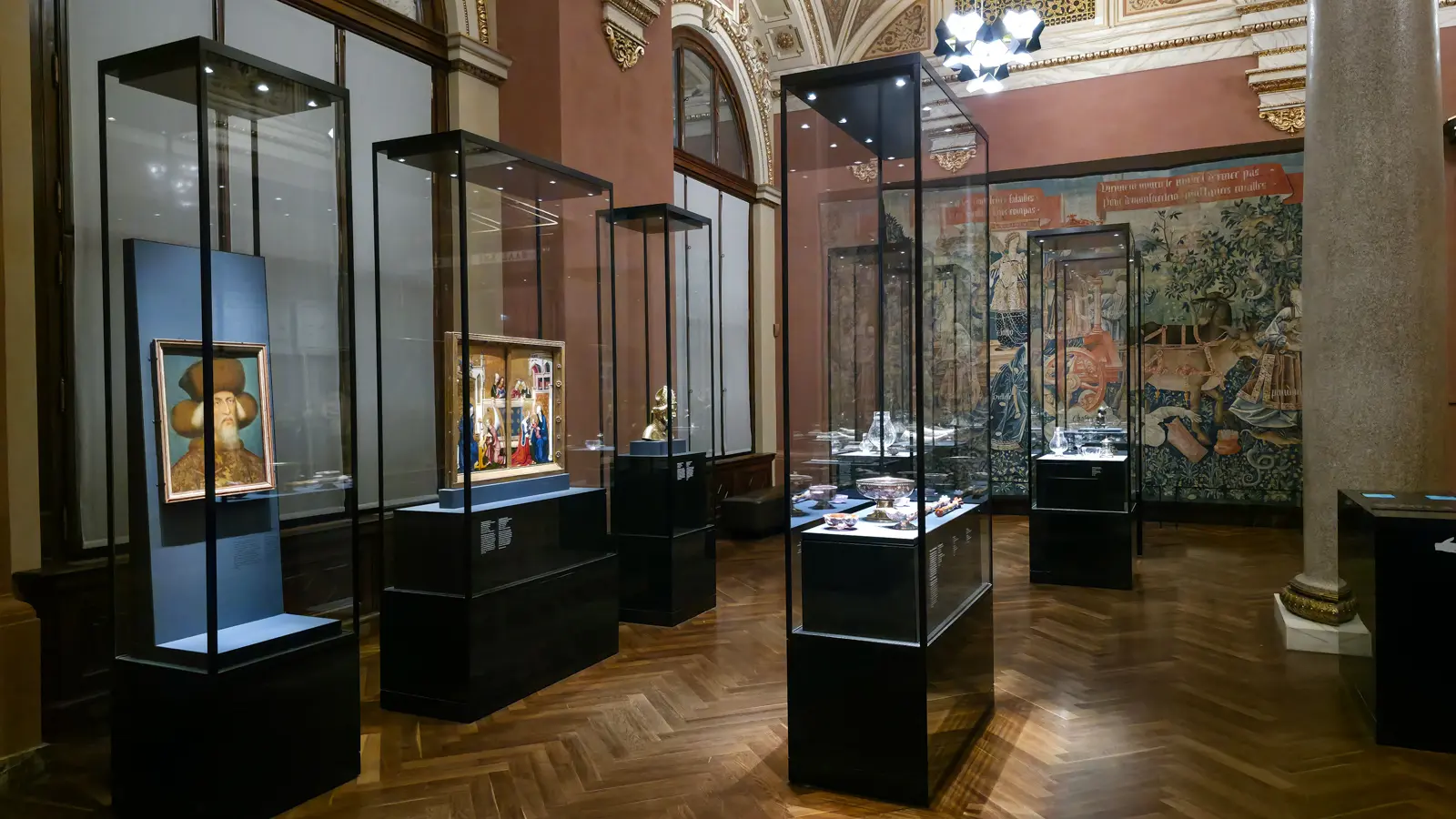
A Moment Above It All
One of my favorite moments came not from a painting, but from a pause. Sitting within the museum’s café at the Kunsthistorisches Museum, beneath the grandeur of the surrounding architecture, there is a rare opportunity to step back and reflect. The light, the space, the quiet hum of visitors, it all creates a moment of stillness within the richness of the experience. What makes this setting truly unforgettable is the beauty that surrounds you: the elegant marble columns, the perfect symmetry of the rotunda, and the soaring cupola above, adorned with intricate details that draw your gaze upward again and again. It is a space that feels both monumental and serene, where time seems to soften and the atmosphere invites you to linger just a little longer. In moments like these, you are reminded that travel is not only about seeing, but about feeling, absorbing, and allowing experiences to settle in a way that stays with you long after you leave.
Bubbly Tips for Visiting the Kunsthistorisches Museum
- Visit the Kunsthistorisches Museum early or later in the day to enjoy a quieter and more immersive experience.
- Take your time exploring the galleries – this Vienna museum is best experienced slowly to fully appreciate its collections.
- Don’t miss the central rotunda and cupola, one of the most breathtaking architectural highlights in Vienna.
- Focus on a few key masterpieces, such as works by Bruegel, Rembrandt, Vermeer, and Rubens, rather than trying to see everything at once.
- Plan for a break at the museum café beneath the dome, one of the most unique café settings in Vienna.
Final Thoughts
The Kunsthistorisches Museum is more than a collection of masterpieces – it is an experience of art, history, and human ambition woven together in one extraordinary space. It invites you not only to see, but to reflect, to connect, and to understand how art has shaped the world we live in today. From the grandeur of its architecture to the depth of its collections, every moment feels layered with meaning, offering a journey that stays with you long after you leave. It is a place where past and present quietly meet, inviting you to slow down and take it all in.
Would his museum be part of your Vienna journey? I’d love to read your thoughts in the comments section below.
Happy travels!

🌟 Everything You Need to Plan Your Dream Trip in 2026
- 🌟 Luxury Hotels - Find premium stays with Booking.com & Hotels.com
- 🏡 Vacation Rentals - Discover unique properties on VRBO
- 🏞️ Guided Tours - Explore with Viator or GetYourGuide
- 🎫 Attraction Tickets - Skip the lines with Tiqets
- 🚢 Ocean Cruises - Set sail with Cruise Direct
- 📱 International SIMs - Stay connected with Saily
- 🚗 Car Rentals - Budget-friendly options from Discover Cars
- 🌐 Secure VPNs - Browse safely with NordVPN
- 💶 Currency Exchange - Best rates with Wise
- 🗣️ Learn Languages - Master the local language with Babbel and Rosetta Stone