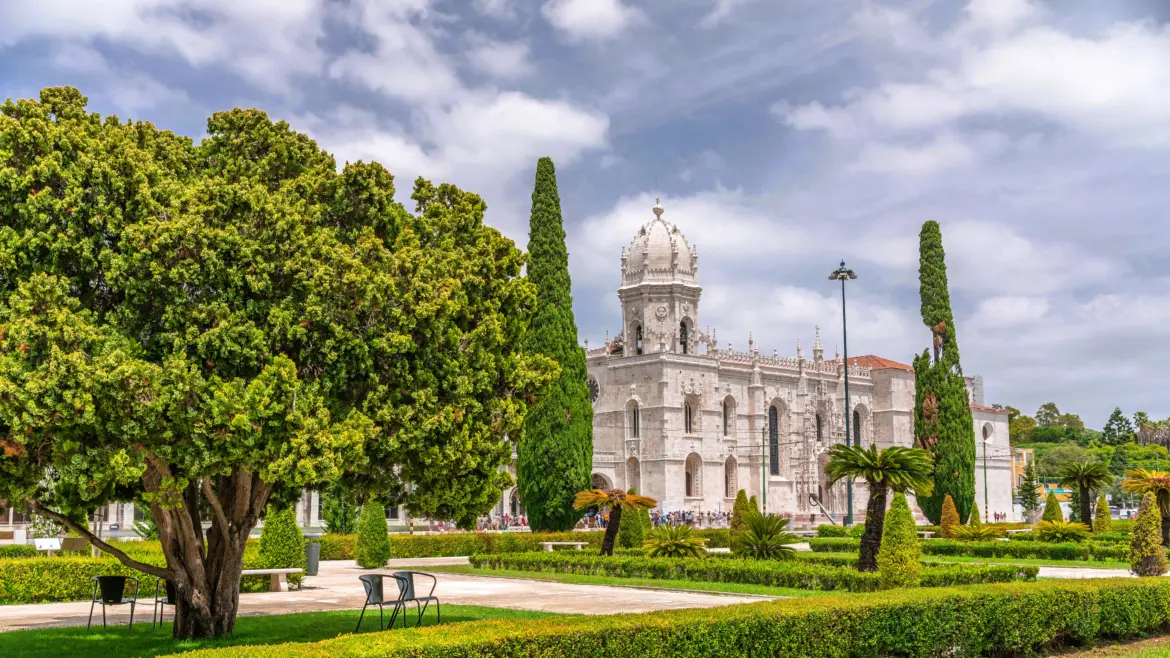
Olá, dear travelers! If there is one place in Lisbon that captures the spirit, artistry, and soul of Portugal, it is Jerónimos Monastery. Located in the riverside district of Belém, this breathtaking architectural wonder is a celebration of the Age of Discoveries, a time when Portuguese explorers mapped the world and Lisbon became a global crossroads of culture, science, and navigation. Stepping into the monastery feels like stepping into a poem carved in stone. It’s serene, majestic, deeply symbolic… and truly unforgettable.
A Masterpiece of Manueline Architecture
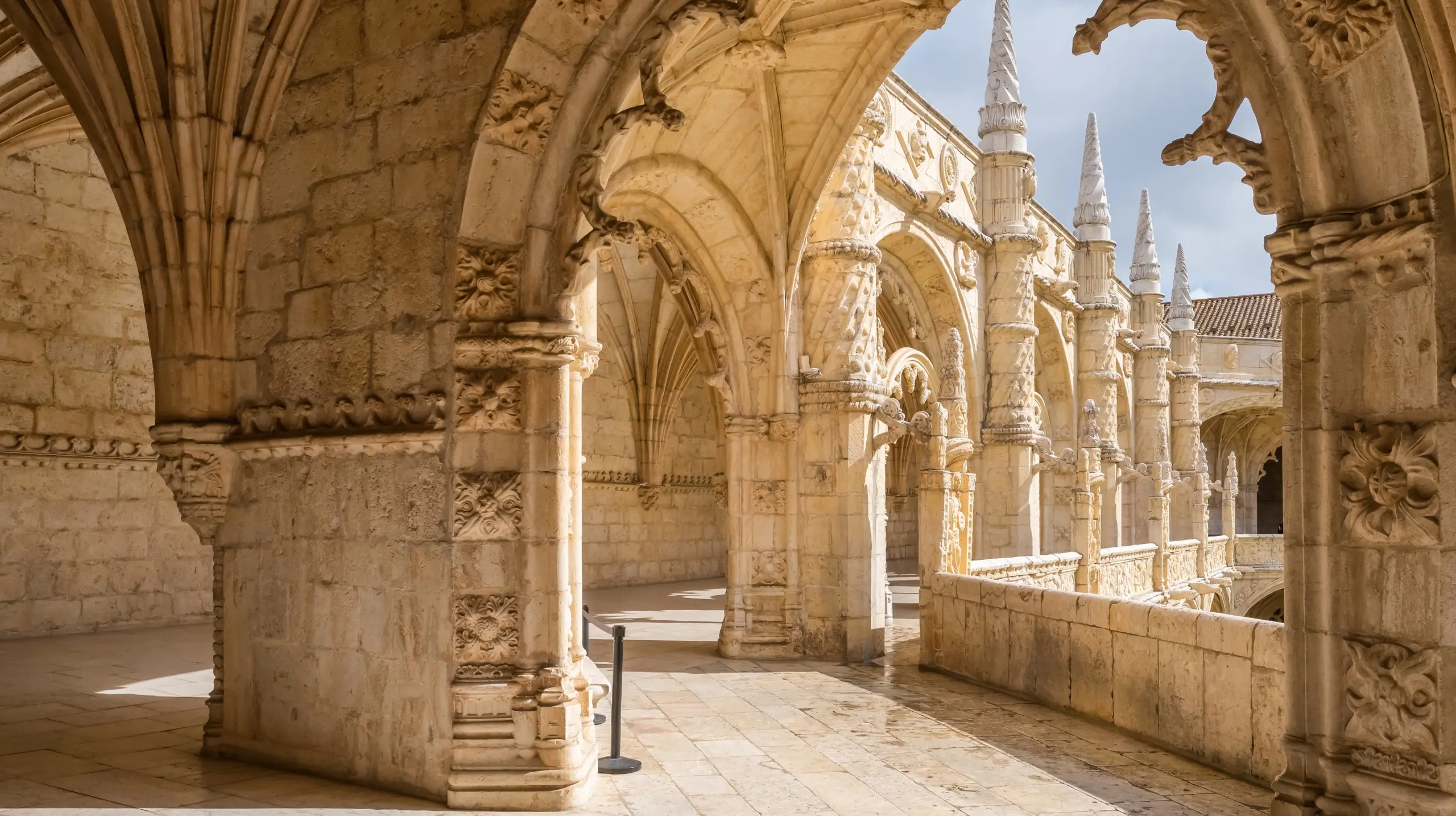
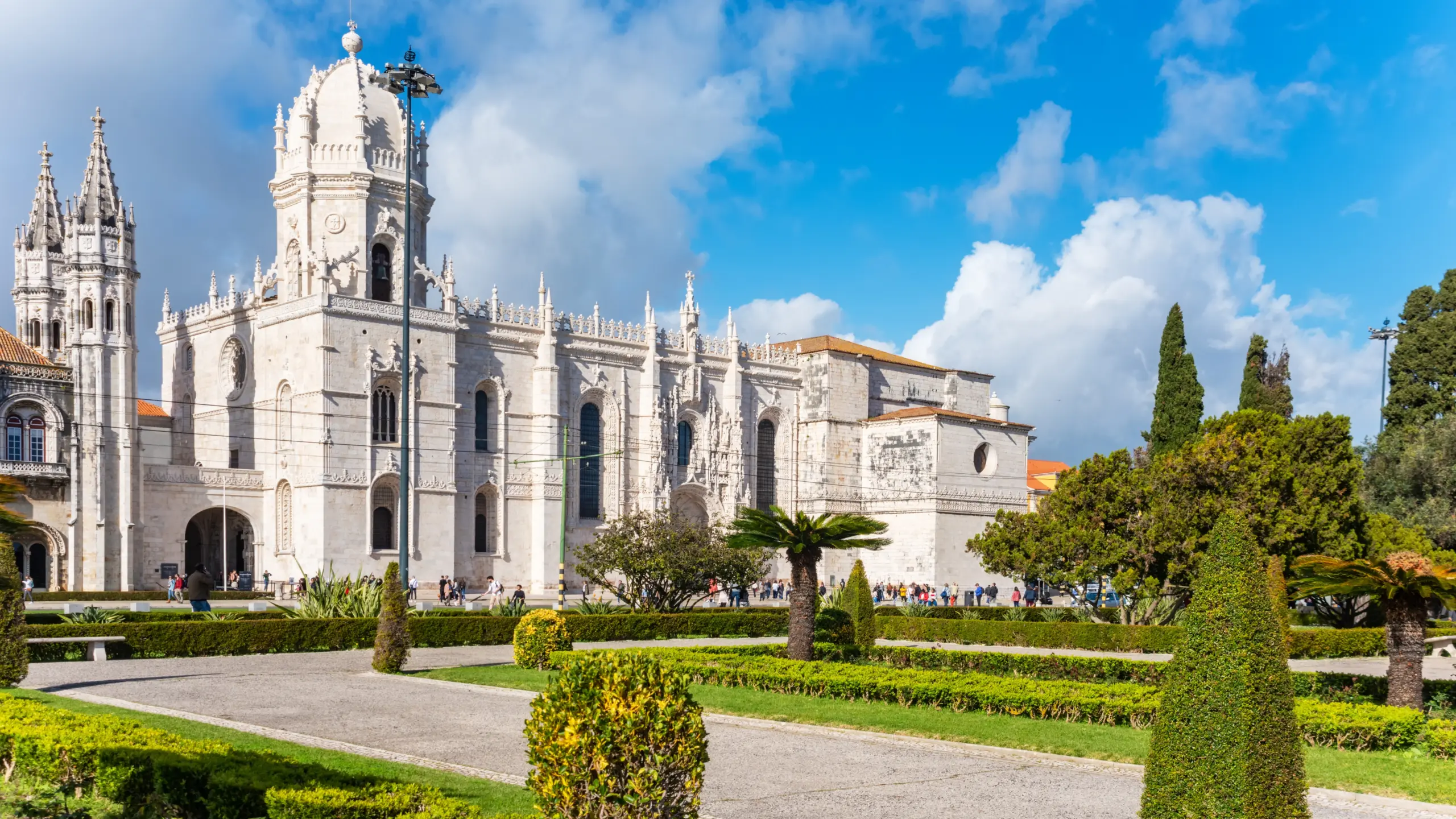
Jerónimos Monastery is one of the finest examples of Manueline architecture, a uniquely Portuguese style that flourished in the early 16th century. It blends Gothic structure with Renaissance harmony and maritime symbols – ropes, anchors, coral, shells, armillary spheres, navigational instruments – all carved with astonishing delicacy.
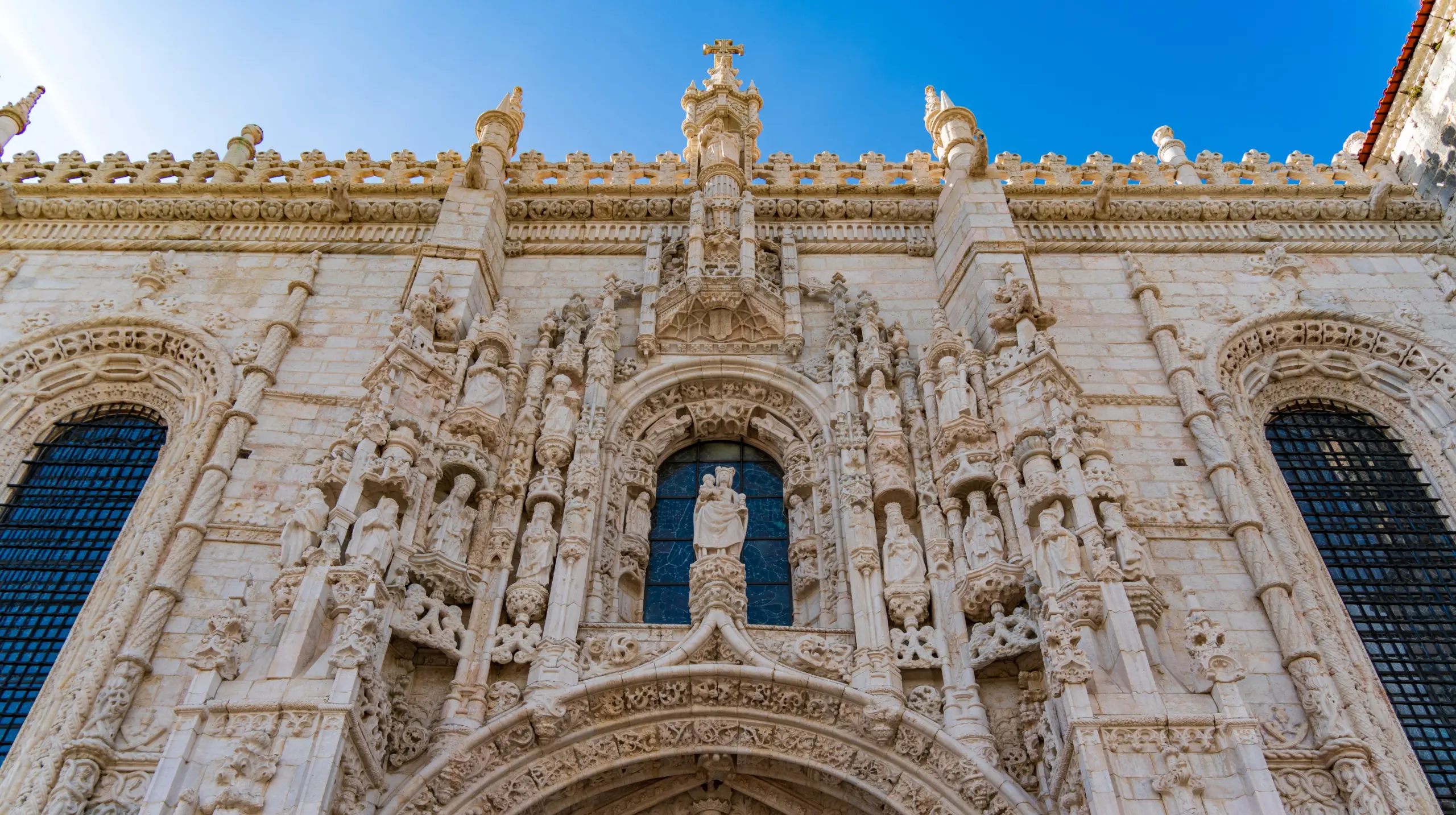
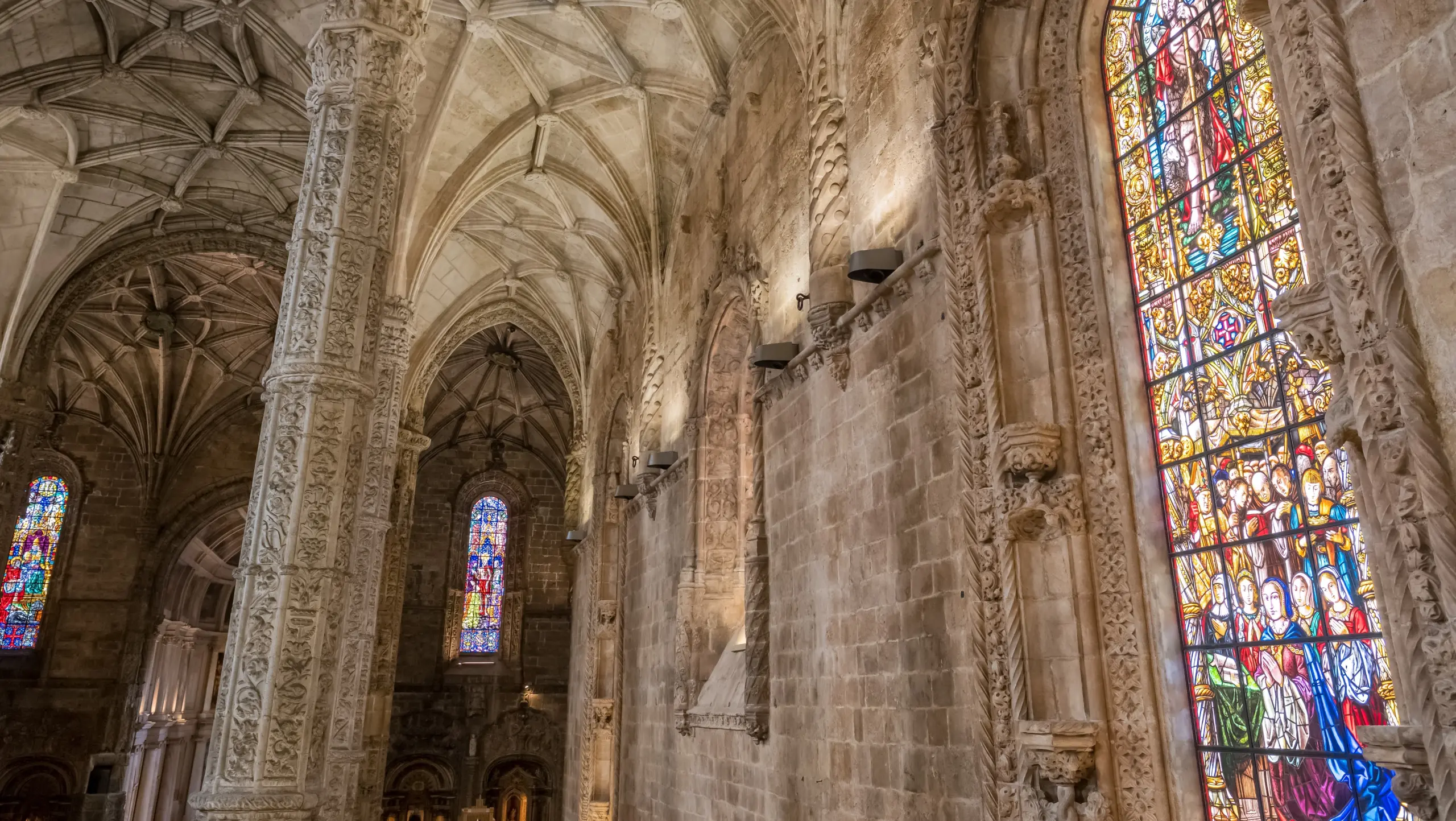
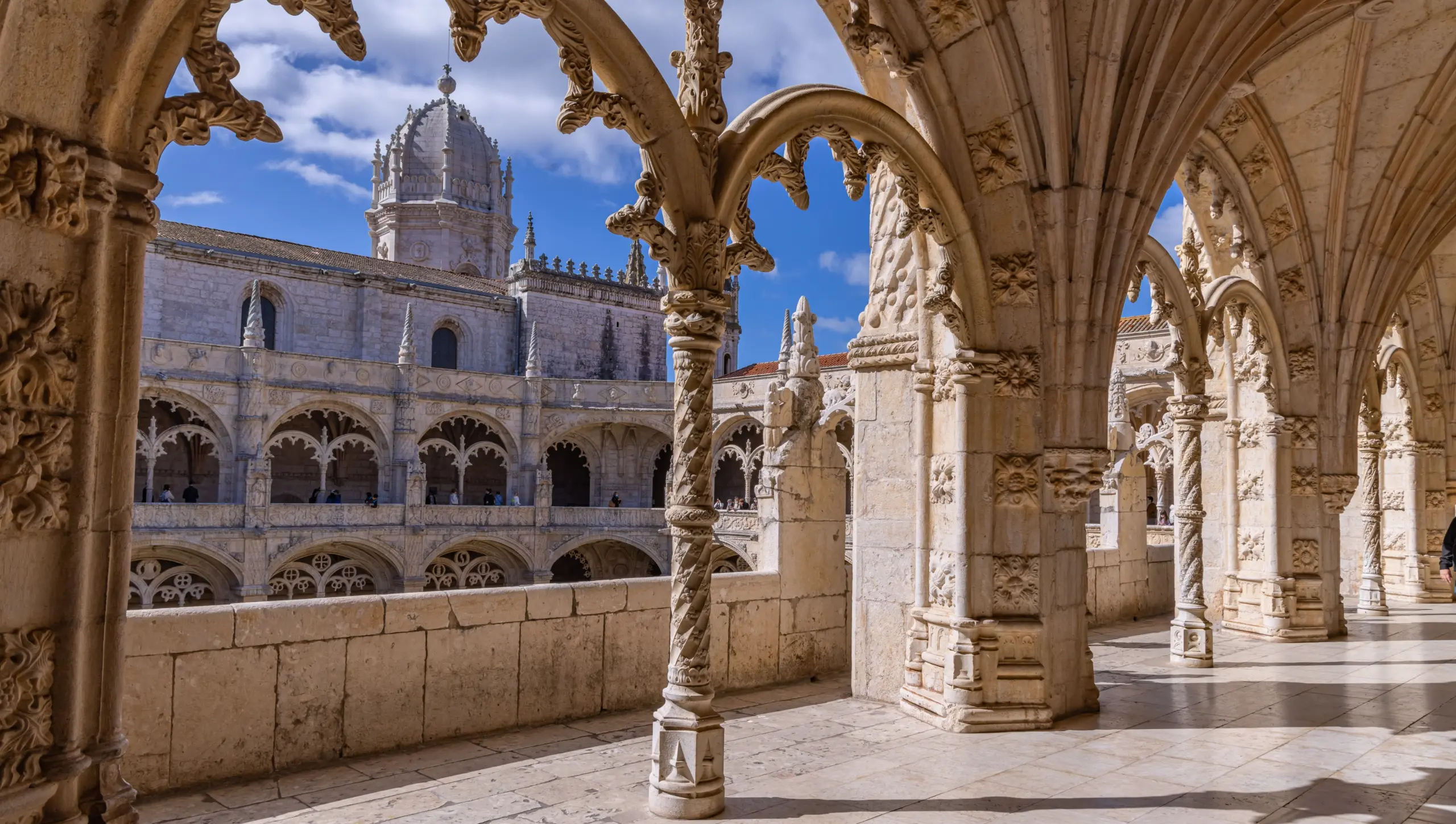
The closer you look, the more details emerge. Every column twists like a rope. Every portal feels like a carved tapestry. Light filters through ornate windows and dances against creamy limestone walls, giving the entire space a warm, golden glow. It is architecture meant not only to inspire but to tell a story: Portugal’s story, written in stone.
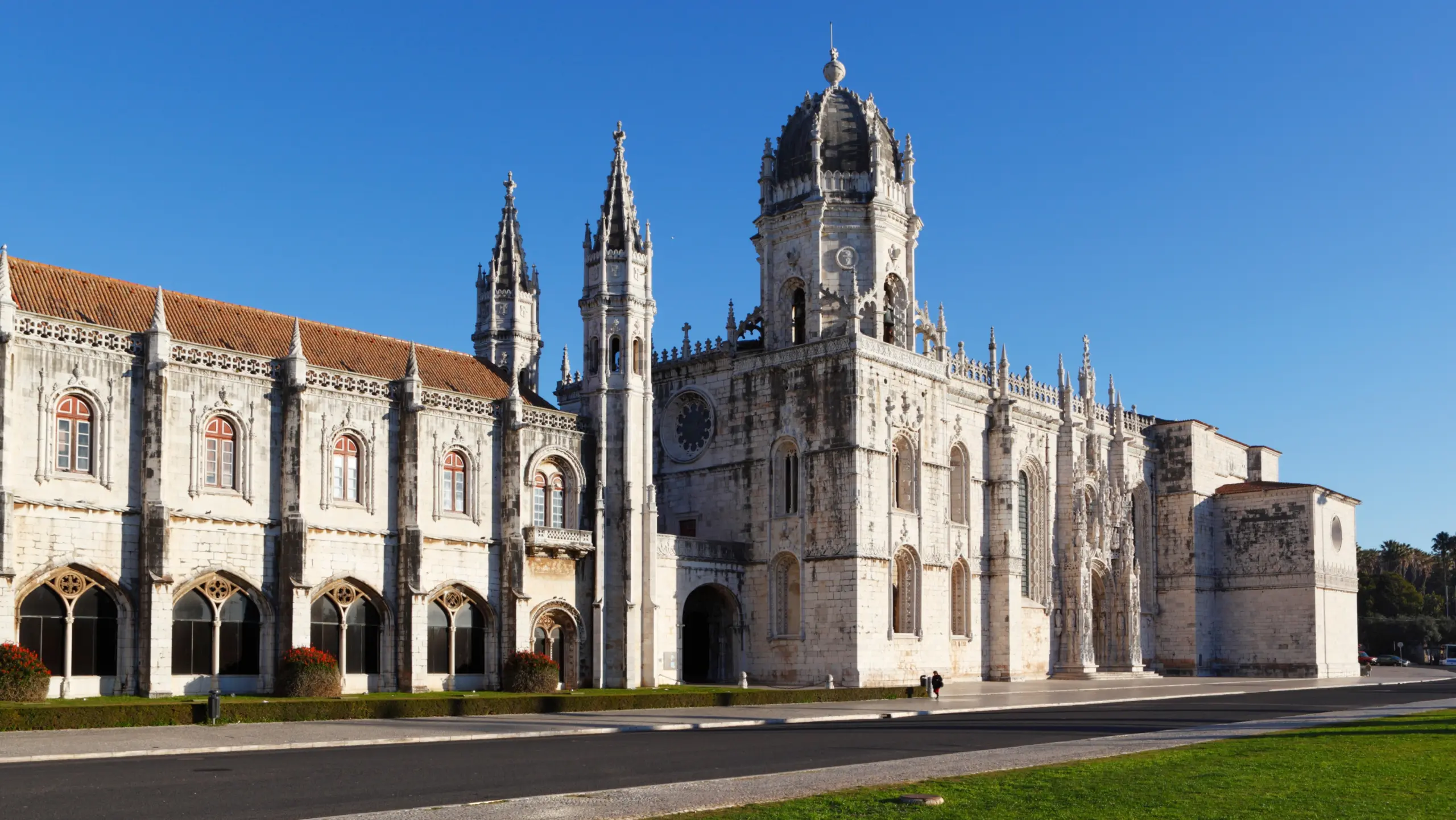
Commissioned by King Manuel I and built using wealth from overseas trade, the monastery stands as both a spiritual sanctuary and a monument to the golden age of exploration.
A Journey Through History
Construction began in 1501 and lasted nearly a century, employing some of Portugal’s greatest artists, stonemasons, and architects, including Diogo de Boitaca and João de Castilho. This was more than a monastery, it was a symbol of gratitude toward the Virgin Mary for protecting Portuguese sailors, especially Vasco da Gama, whose legendary voyage to India transformed Portugal into an international power.
For centuries, the monastery was home to the Hieronymite monks, who prayed for the safety of sailors departing from the Tagus River. They also offered shelter to travelers and worked as spiritual guides at a time when Lisbon was one of Europe’s busiest ports. Today, Jerónimos Monastery is a UNESCO World Heritage Site, cherished not only for its architectural splendour but for the role it played in shaping world history.
The Church of Santa Maria de Belém – Light, Silence & Grandeur
The moment you enter the church, everything becomes still. Slender columns rise like palm trees, lifting the vaulted ceiling high above your head. Sunlight streams through stained-glass windows and scatters softly across the stone floor, filling the nave with a luminous tranquility.
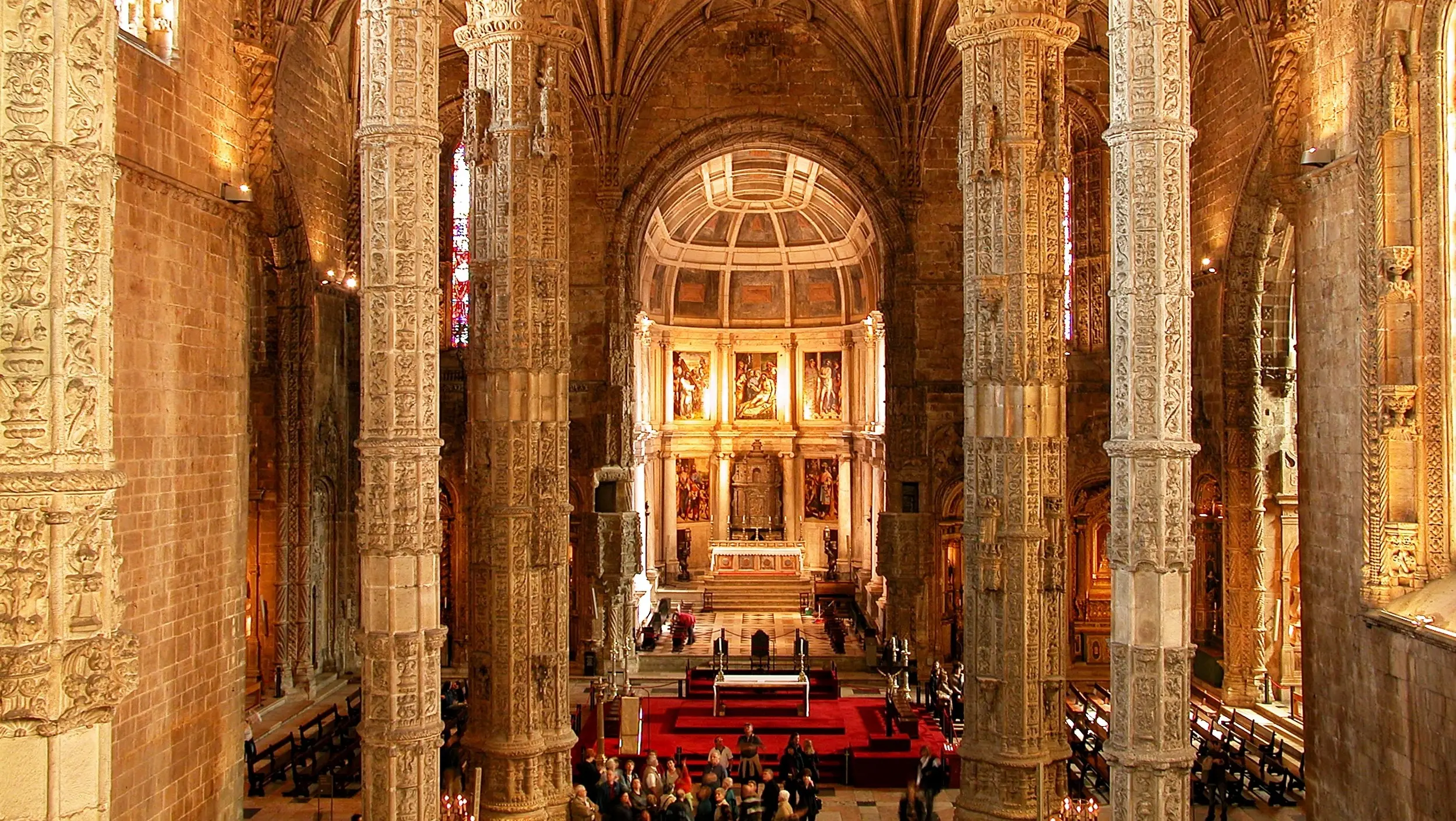
This is also where you’ll find the tomb of Vasco da Gama, resting beneath a beautifully carved effigy that honours his voyage to India. Nearby lies the poet Luís de Camões, author of The Lusiads, a masterpiece of Portuguese literature celebrating the nation’s maritime achievements.
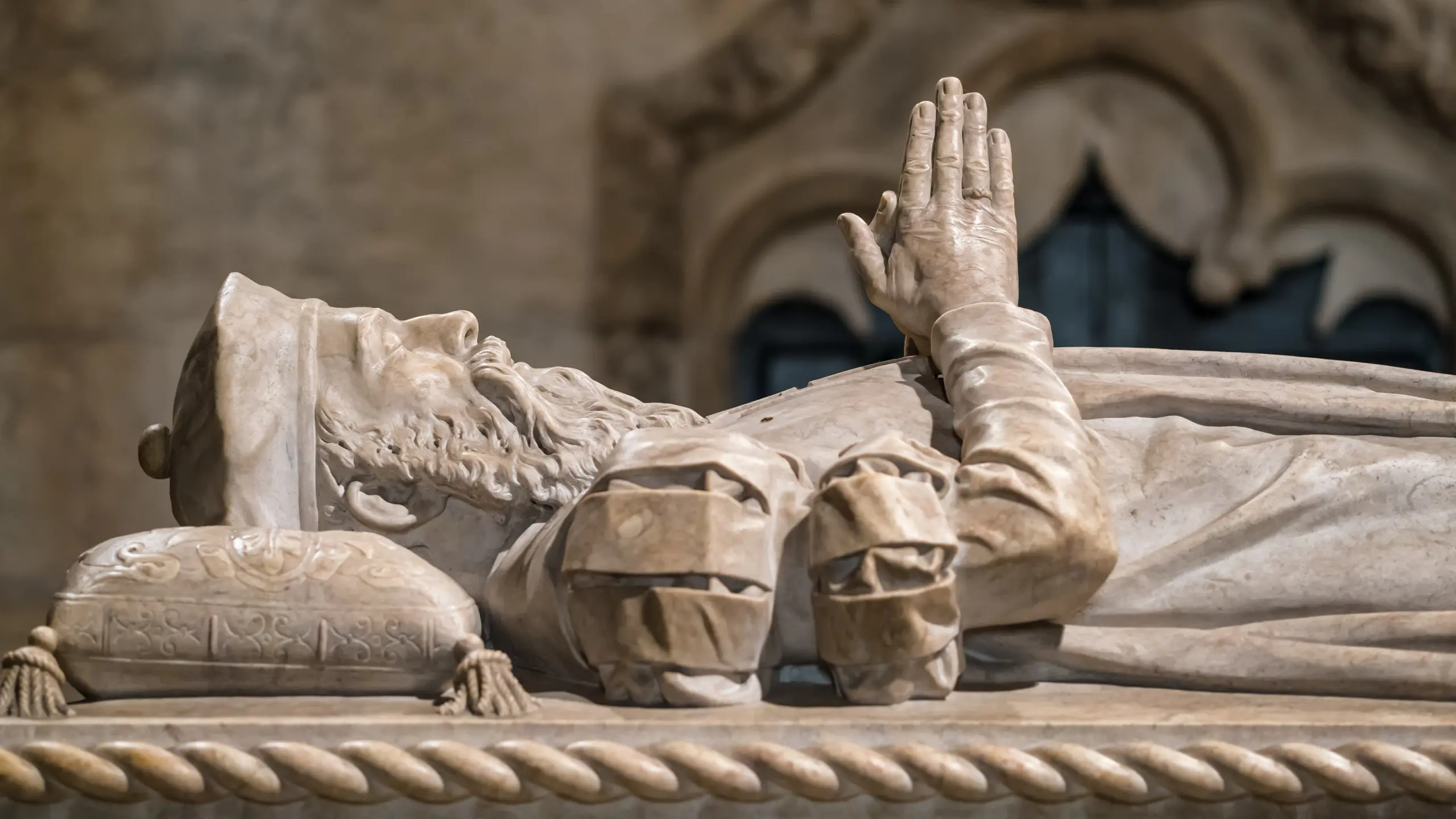
The church feels peaceful yet monumental – a space where art, faith, and national identity intertwine.
The Cloister – A Courtyard of Perfection
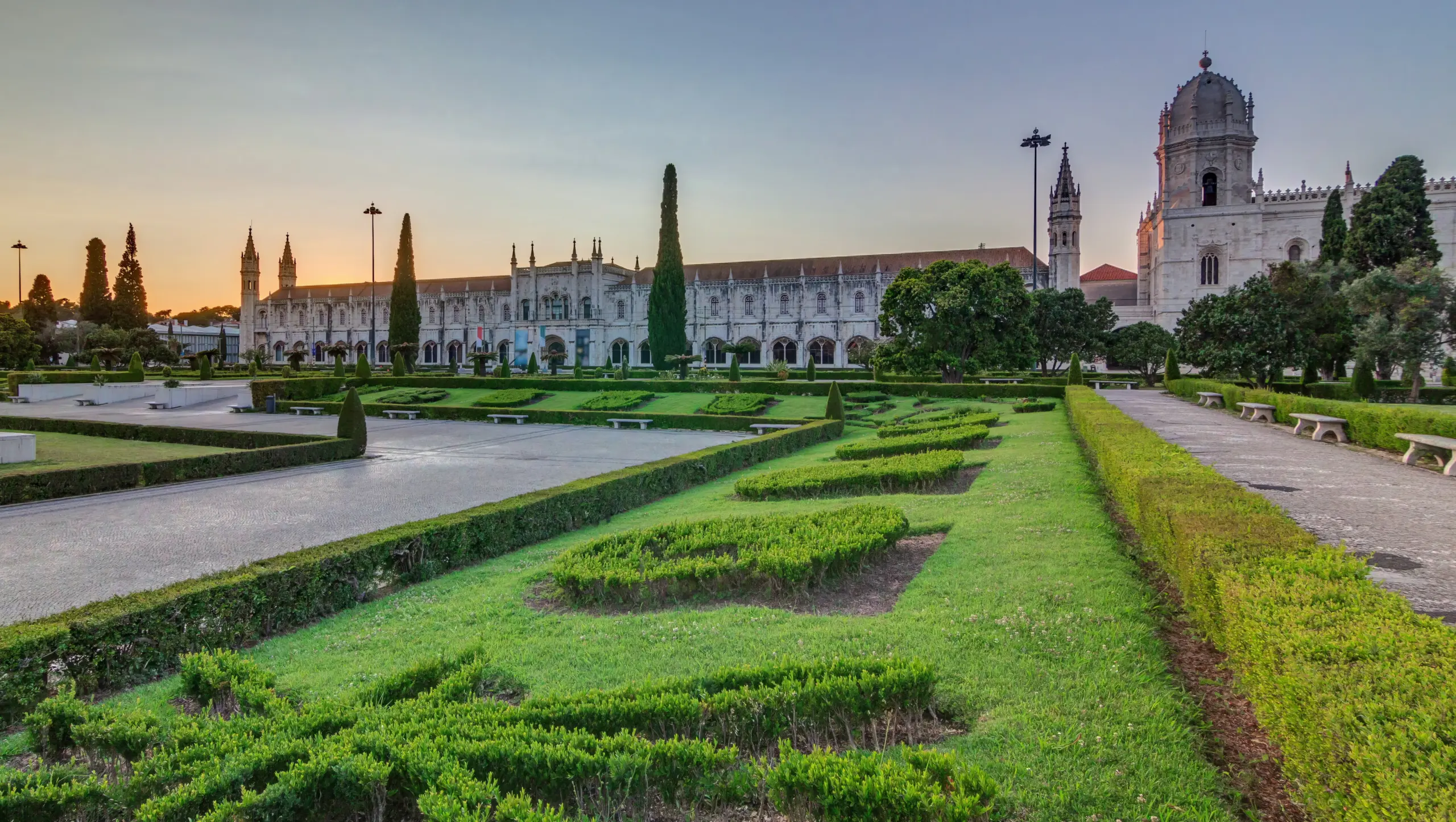
The cloister is, without question, one of the most stunning courtyards in Europe. Every arch, every column, every carving is a marvel of craftsmanship. The two-story structure surrounds a serene garden, where sunlight shifts throughout the day and casts intricate shadows across the stone arcades.
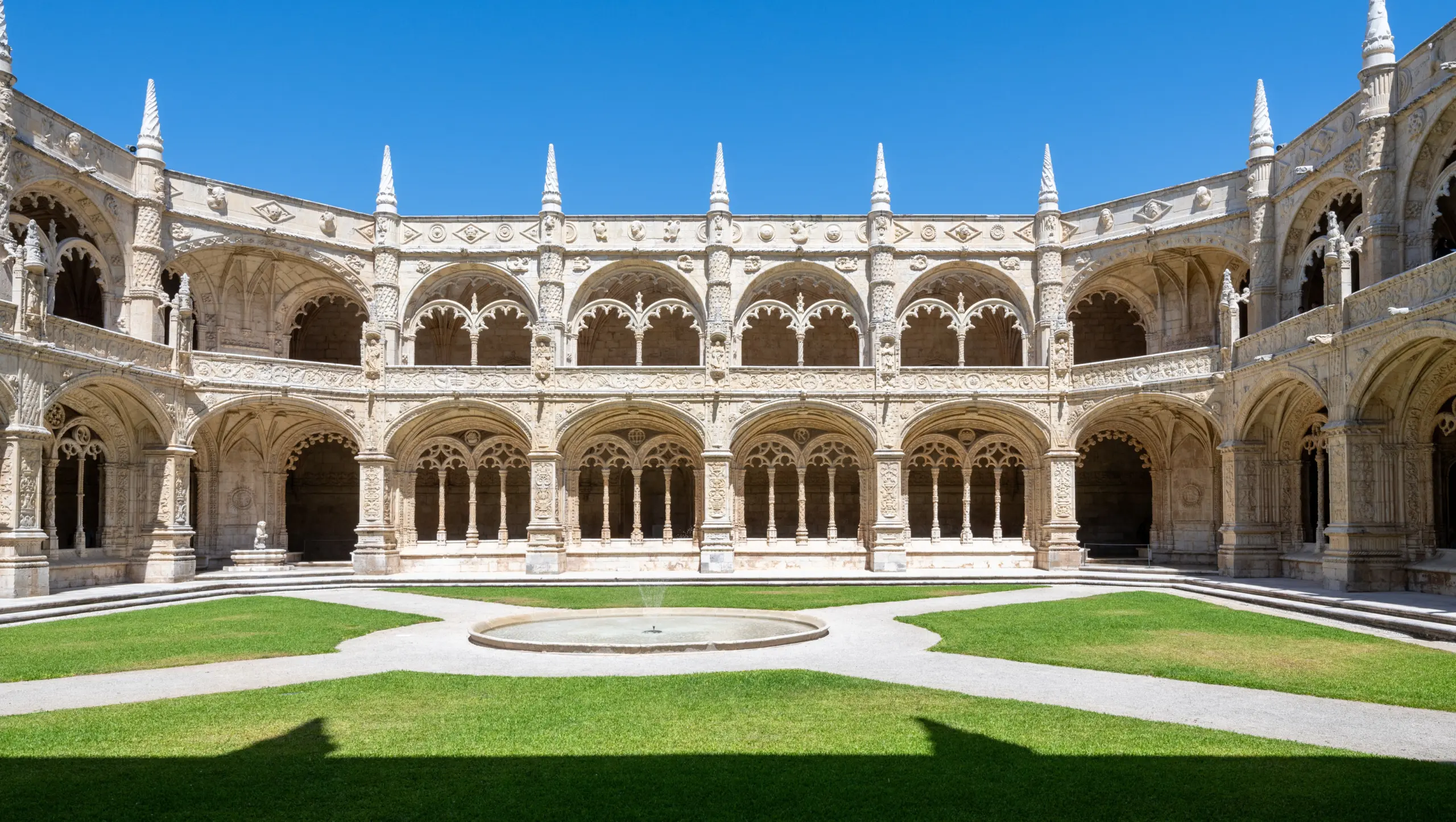
Walking here is like floating. The monastery’s beauty reveals itself slowly – in the silence of the walkways, the elegance of the carved motifs, and the gentle breeze that seems to follow you. This space was designed for contemplation, and it succeeds spectacularly. You can truly feel the history under your feet. Monks once strolled here in meditation; today, travelers from all over the world gather to appreciate its quiet poetry.
Moments That Stay with You
Some places impress you instantly. Others linger in your heart long after you leave. Jerónimos Monastery does both. I remember standing beneath the arches of the cloister as the sun began to shift, turning the limestone a glowing honey colour. Nearby, a guide whispered stories to a small group while a child traced patterns along the stone railing. Everything felt slow, reverent, timeless.
Another moment: watching visitors pause in awe upon entering the church for the first time. The vastness, the light, the delicate ribbed vaults, it all feels miraculous. And then there’s the location itself – steps from the Tagus River, with the scent of the sea and the distant sound of gulls, a reminder of the voyages that changed the world. Jerónimos isn’t just a monument. It’s an experience that follows you home.
Bubbly Tips
- Location: Belém, Lisbon – a quick tram, train, or Uber ride from the city center
- Best Time to Visit: Early morning or late afternoon for softer light and fewer crowds
- Admission: The church is free; the cloister and museum require tickets
- Photo Tip: The cloister glows beautifully during golden hour
- While You’re Here: Walk 5 minutes to enjoy the original Pastéis de Belém
- Plan Ahead: Combine your visit with Belém Tower, the Monument of the Discoveries, and the waterfront promenade
Final Thoughts
Jerónimos Monastery is one of Lisbon’s greatest treasures, a place where beauty, craftsmanship, and history come together in perfect harmony. Whether you’re fascinated by architecture, touched by stories of exploration, or simply seeking a peaceful escape, this landmark will leave you absolutely spellbound.
Have you visited Jerónimos Monastery? Share your experience in the comments below. I love hearing your travel stories!
xoxo,
Bubbly 🌍
🌟 Everything You Need to Plan Your Dream Trip in 2026
- 🌟 Luxury Hotels - Find premium stays with Booking.com & Hotels.com
- 🏡 Vacation Rentals - Discover unique properties on VRBO
- 🏞️ Guided Tours - Explore with Viator or GetYourGuide
- 🎫 Attraction Tickets - Skip the lines with Tiqets
- 🚢 Ocean Cruises - Set sail with Cruise Direct
- 📱 International SIMs - Stay connected with Saily
- 🚗 Car Rentals - Budget-friendly options from Discover Cars
- 🌐 Secure VPNs - Browse safely with NordVPN
- 💶 Currency Exchange - Best rates with Wise
- 🗣️ Learn Languages - Master the local language with Babbel and Rosetta Stone