
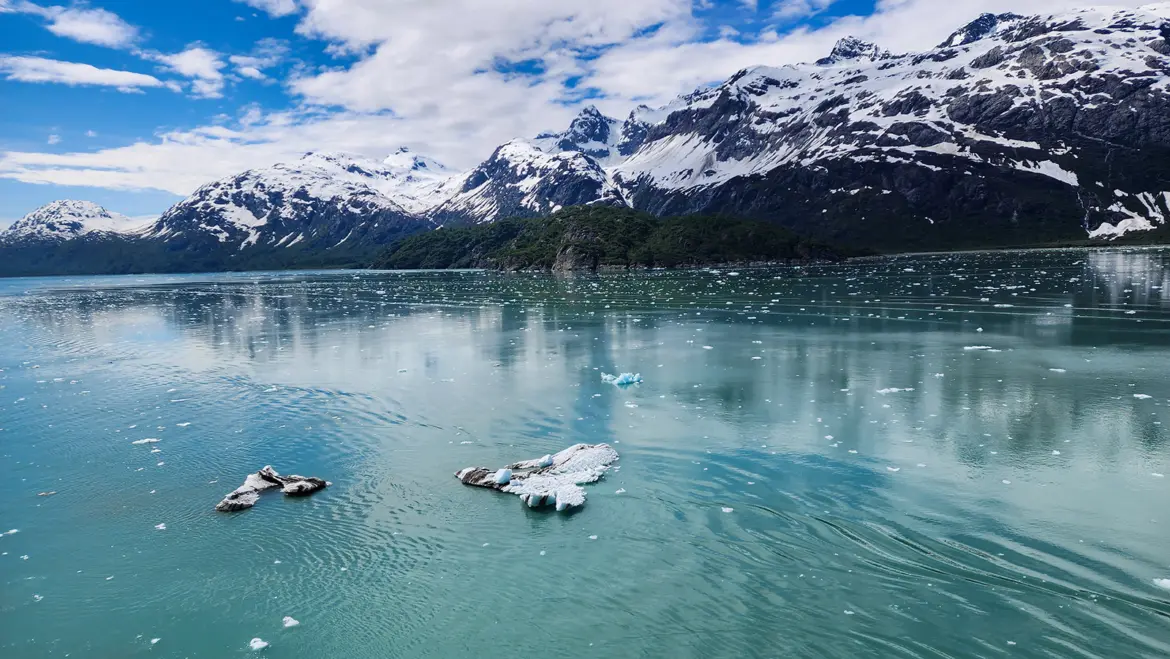
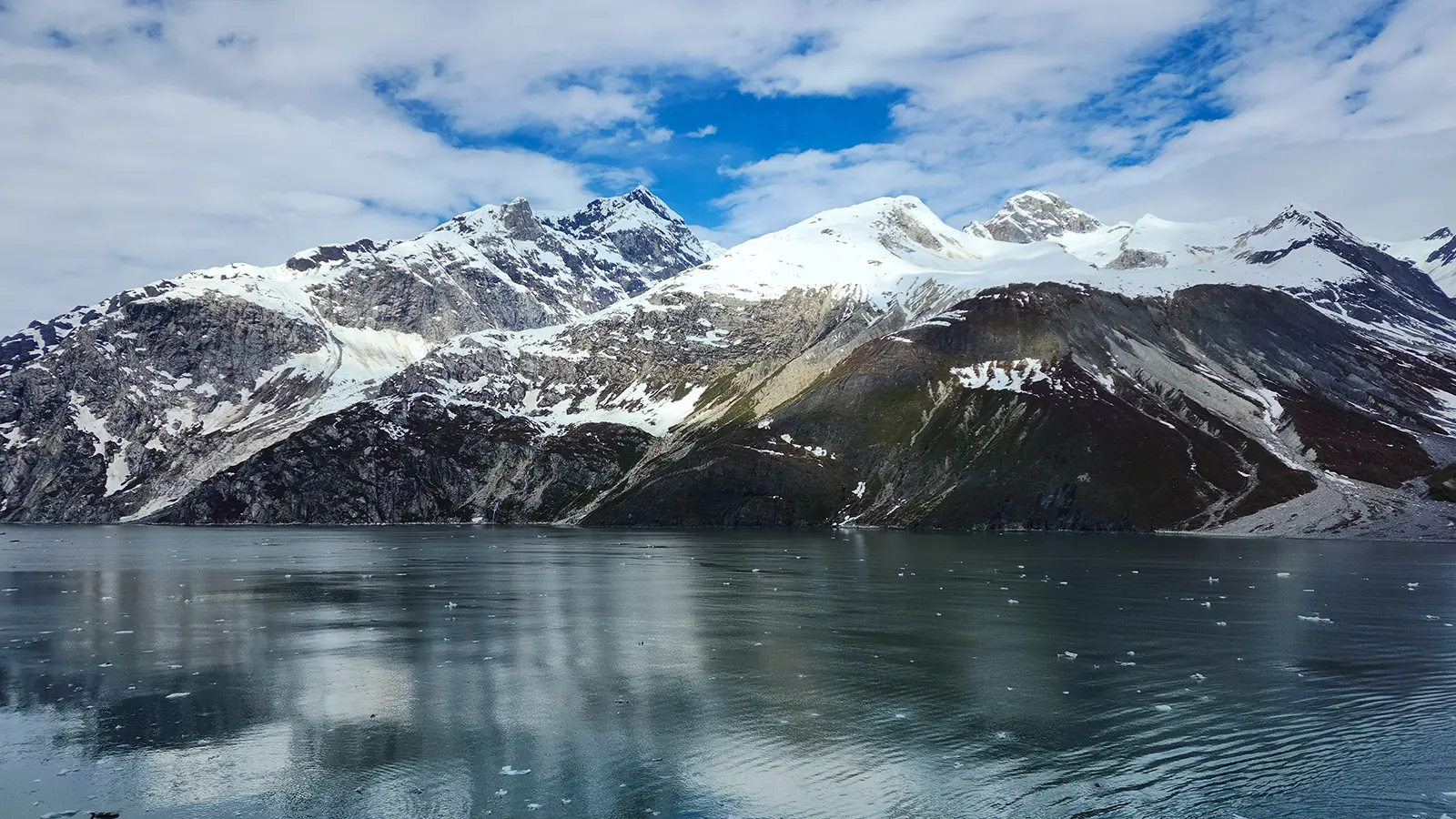
There are places in the world that feel vast, and then there are places that make you feel it. Glacier Bay National Park and Preserve is one of those places. A landscape shaped by time, ice, and silence, where towering glaciers meet deep fjords and snow-capped peaks stretch endlessly into the distance. Here, nature does not simply surround you, it defines the experience. The air feels different – cooler, sharper, quieter – as if everything is moving at its own rhythm, far removed from the pace and noise of everyday life.
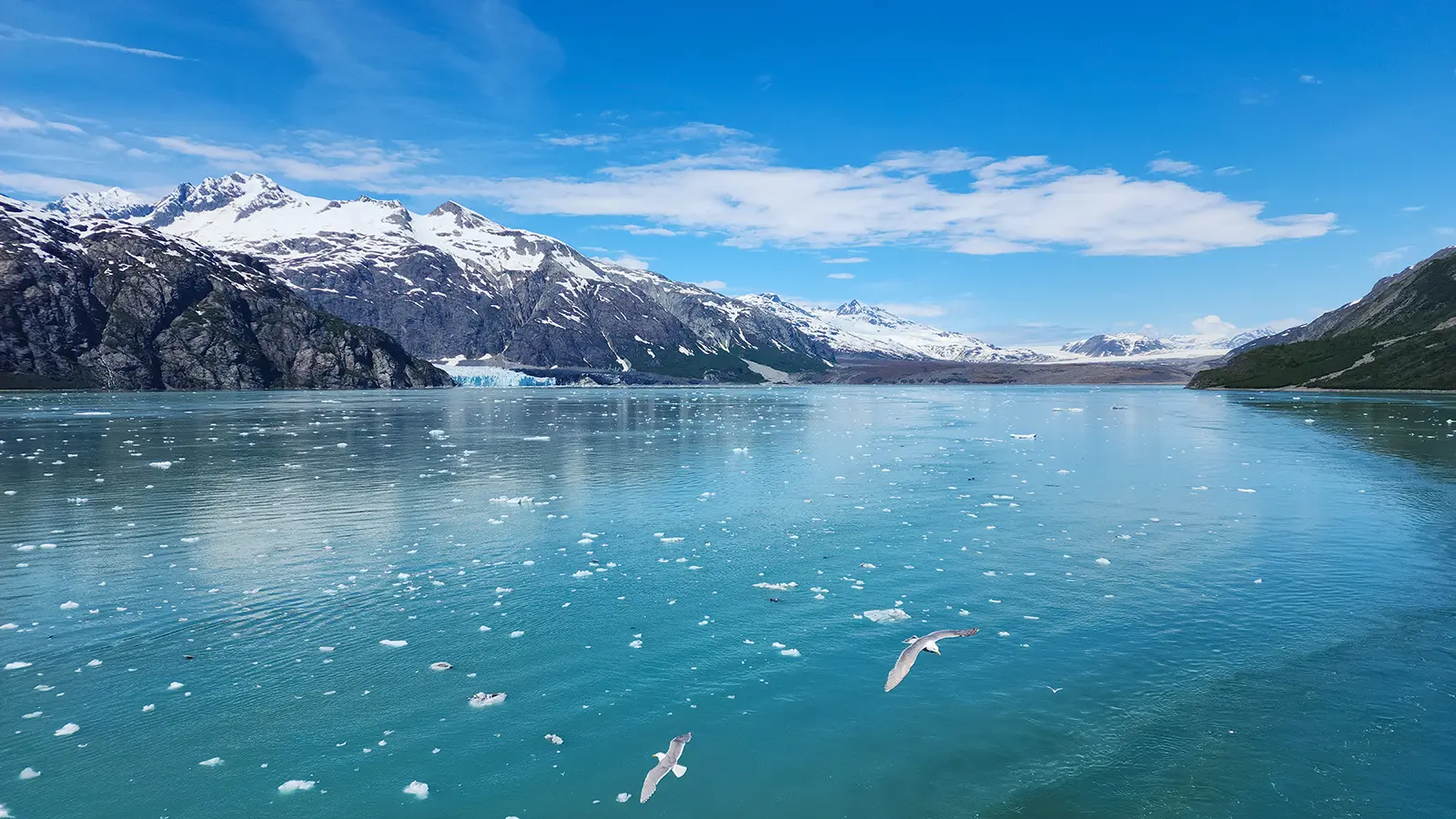
As you move through the bay, whether by ship gliding across still waters or by kayak tracing its edges more slowly, the scenery reveals itself gradually. Ice cliffs rise from the water with quiet authority, their surfaces shifting in shades of blue and white. The sound of a glacier calving – sudden, powerful, and echoing across the fjord – breaks the silence in a way that feels almost elemental. In between these moments, there is stillness, a kind of deep, grounding quiet that invites you to pause and take it all in. It is not just something you see, but something you experience fully — – place that stays with you long after you’ve left.
Glacier Bay National Park at a Glance
🏔️ What it is: A 3.3-million-acre UNESCO World Heritage Site in southeast Alaska — tidewater glaciers, turquoise fjords, and one of Earth’s most dramatic landscapes
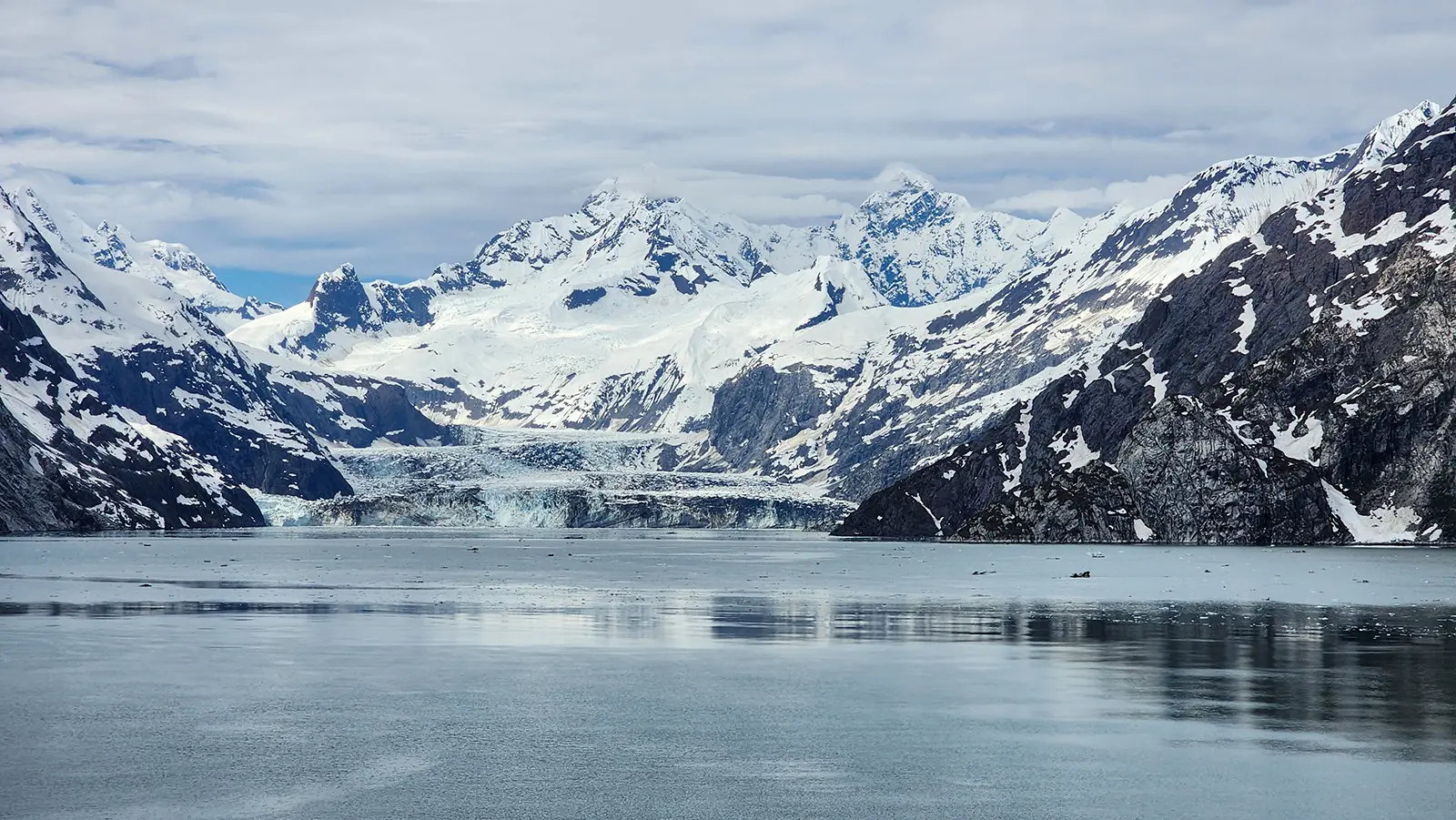
🧊 Lamplugh Glacier: Vivid deep blue ice that looks like the sky fell into the mountain
🏔️ Margerie Glacier: Towering ice face with dramatic calving — when the ice breaks, the thunder echoes across the fjord
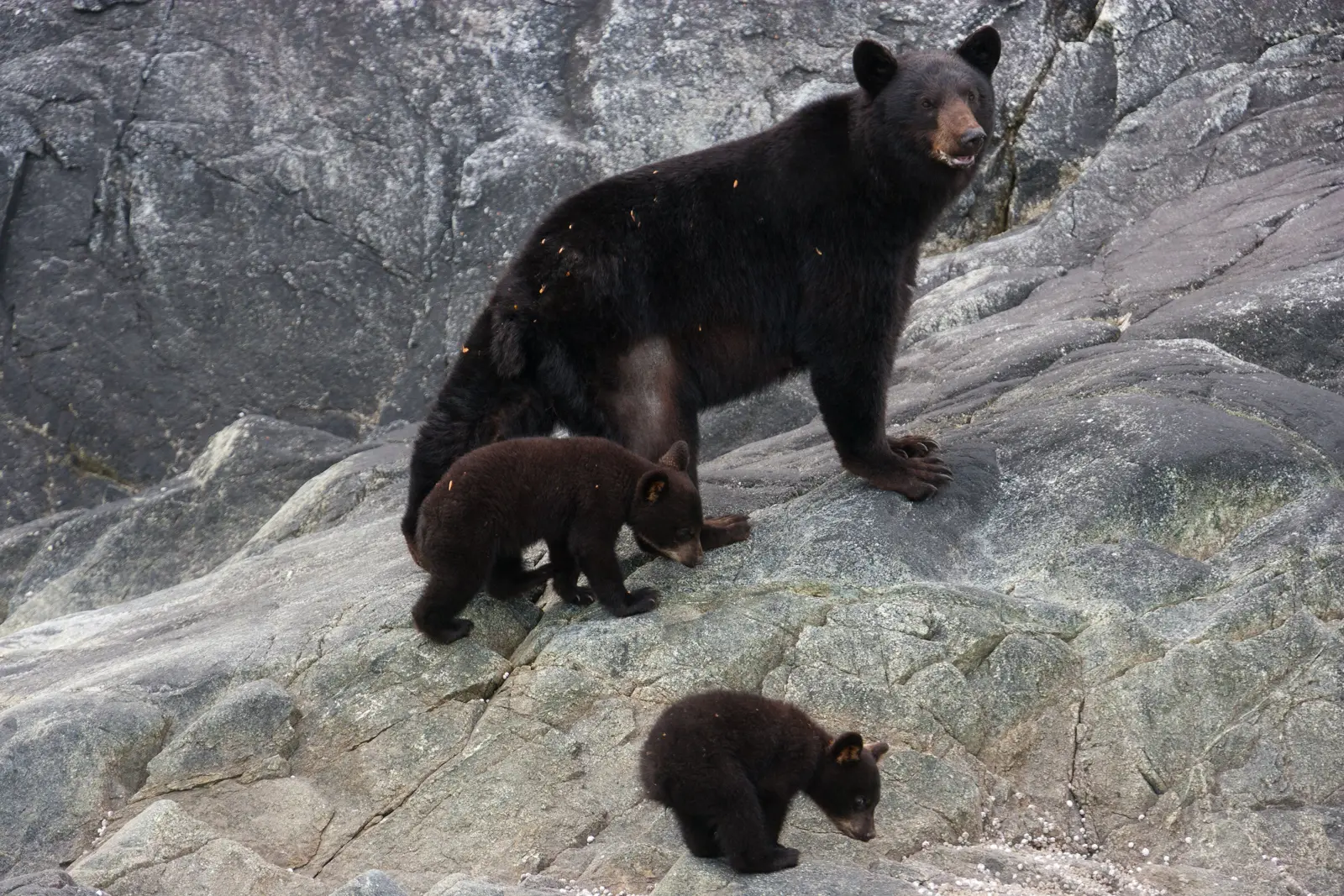
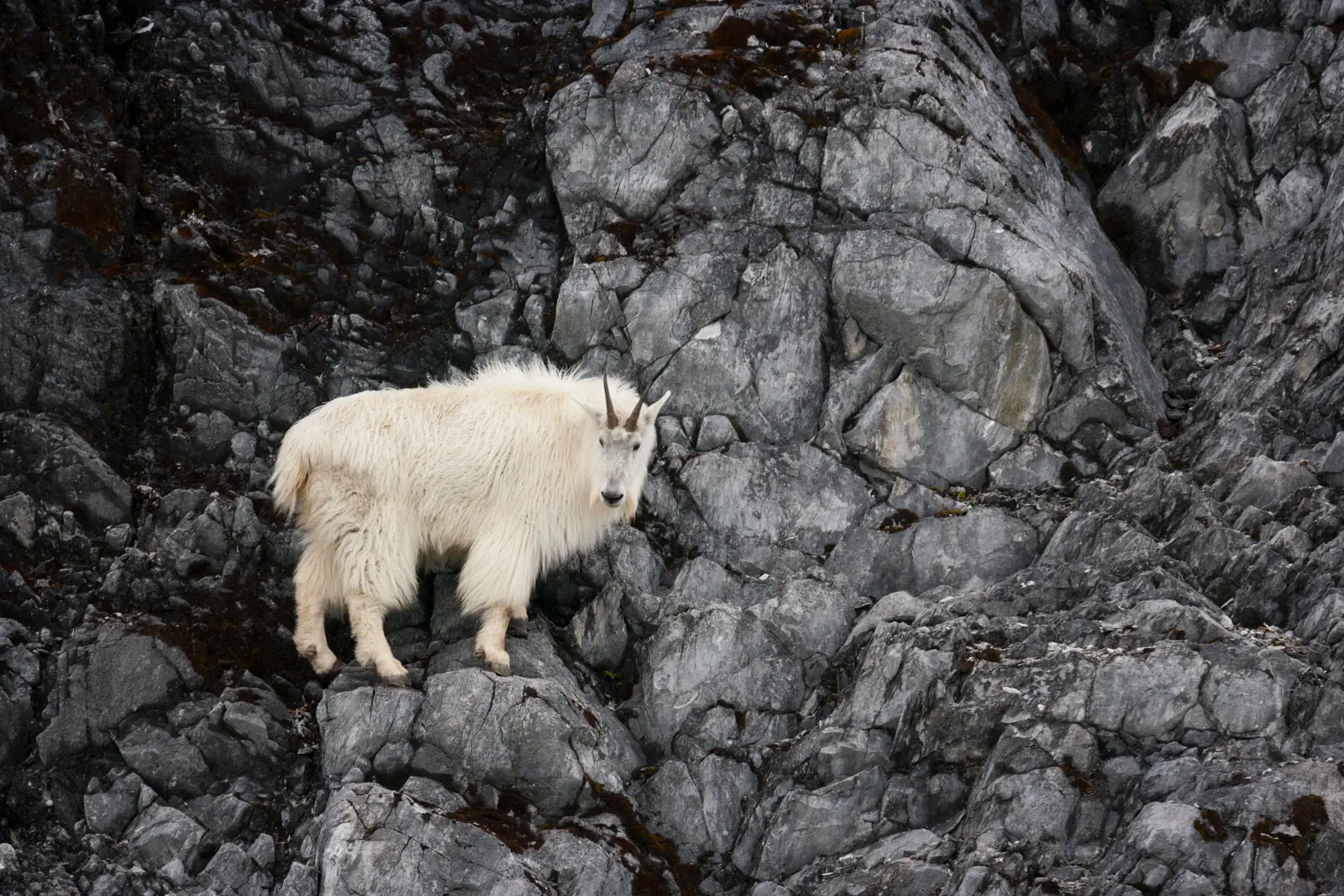
🐋 Wildlife: Humpback whales, orcas, harbor seals on floating ice, bears along the shoreline, mountain goats on rocky cliffs, eagles overhead
🏛️ History: Tlingit homeland for thousands of years; national monument 1925; national park 1980
🆓 Entry: No entrance fee for the park itself
🚢 Access: Most visitors arrive by cruise ship; also accessible via Gustavus by small plane from Juneau
💡 Tip: Stay on deck — the best wildlife sightings and calving moments happen without warning. Patience, layers, and binoculars are your best friends.
A Glimpse of Glacier Bay
Spanning over 3.3 million acres, Glacier Bay National Park and Preserve is a UNESCO World Heritage Site and one of the most extraordinary natural environments in North America. Its history is as dynamic as its landscape, and it is a history that extends far beyond European exploration.
The Tlingit people lived in the basin of what is now Glacier Bay for generations, before advancing ice reshaped the landscape and altered patterns of habitation several centuries before George Vancouver arrived. When Vancouver charted the area in 1794, he described what he saw as “a compact sheet of ice as far as the eye can see”. Eighty-five years later, in 1879, naturalist John Muir arrived by canoe to find a dramatically transformed landscape – the ice had retreated an extraordinary 48 miles up the bay, a powerful and almost unimaginable testament to the scale and speed of glacial change.
That sense of transformation is still present today. First designated a national monument by Calvin Coolidge in 1925 and later established as a national park and preserve in 1980, Glacier Bay continues to evolve, shaped by natural forces that operate on both immense and subtle scales. Whether you are cruising through its waters, kayaking along its edges, or simply standing in quiet observation, it offers a rare opportunity to witness nature in motion – a landscape that is not fixed, but constantly becoming.
Towering Glaciers and Icy Marvels
Among the many glaciers that define Glacier Bay National Park and Preserve, two stand out in particular: Lamplugh Glacier and Margerie Glacier. Lamplugh Glacier captivates immediately with its deep, almost luminous blue – a color formed over centuries as compacted ice absorbs all wavelengths of light except blue. Its surface appears smooth from a distance, yet as you draw closer, subtle textures and fractures begin to emerge, revealing the quiet complexity of the ice. There is something almost surreal about it, a presence that feels both solid and fragile, timeless yet constantly in motion, shaped by forces that continue to act beneath the surface.
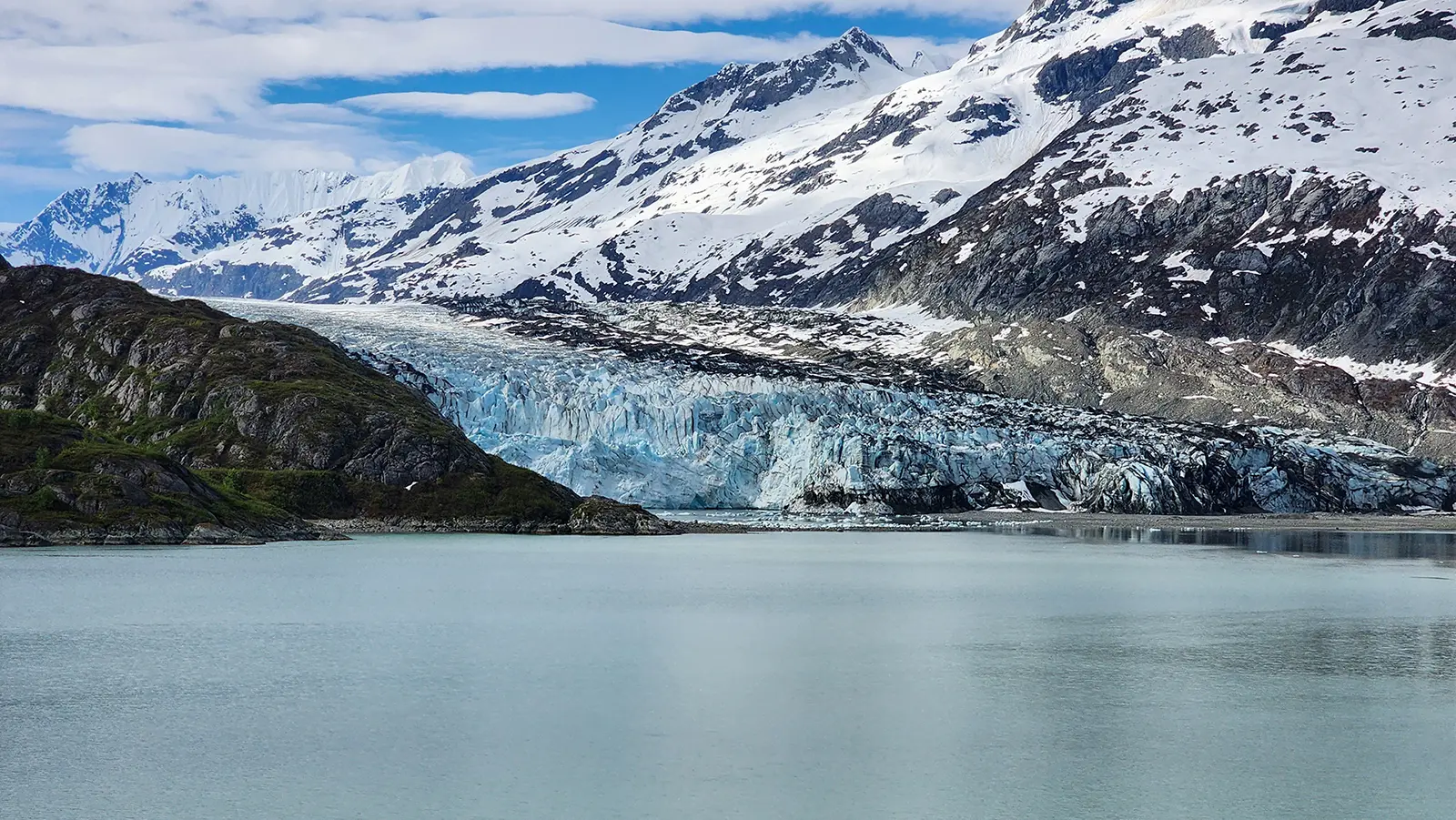
Margerie Glacier, by contrast, impresses with its sheer scale and commanding presence. Rising approximately 250 feet above the waterline (with much more hidden below), its towering face creates a sense of awe that is difficult to fully capture. The glacier stretches wide across the fjord, its jagged edges and vertical ridges catching the light in ever-changing ways. And then there is the moment everyone waits for: calving. When massive chunks of ice break away and crash into the water, the sound echoes across the bay – sudden, powerful, and unmistakable. In those moments, the stillness is broken, and you are reminded that this landscape is not static, but alive, constantly reshaping itself in real time.
Untamed Nature
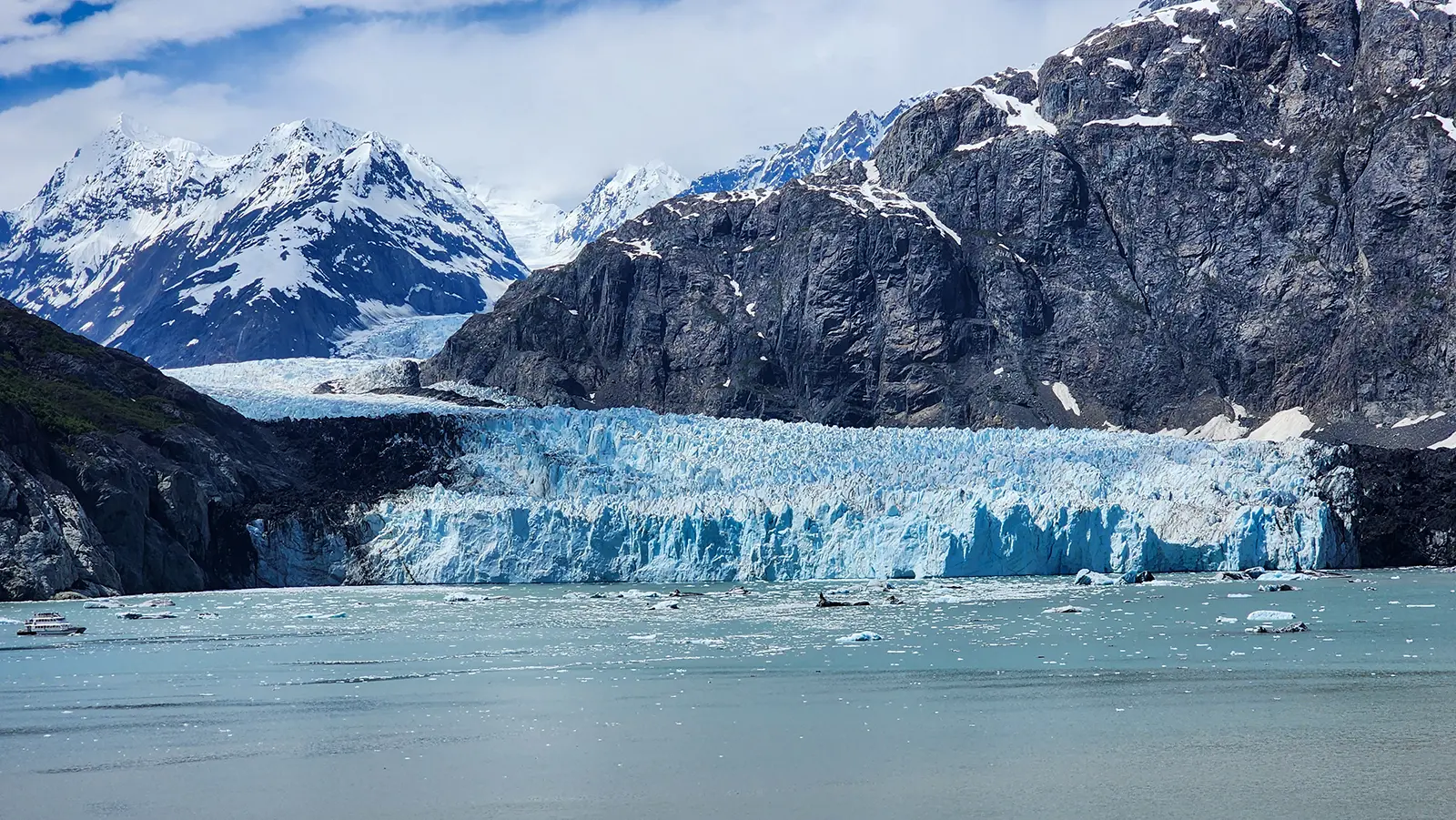
Glacier Bay National Park and Preserve is not only a place of ice, it is a thriving ecosystem where life unfolds in quiet, powerful ways. As you move through the water, the bay reveals itself gradually. Humpback whales surface in the distance, their movements slow and deliberate, sometimes followed by the sudden arc of a tail disappearing beneath the water. Orcas glide through the fjord with a sense of precision that feels almost effortless, while sea otters float on their backs, drifting with the current as if completely at ease in this vast environment. Harbor seals rest on floating ice, their stillness blending seamlessly into the landscape, a reminder of how naturally life adapts to even the most extreme conditions.
On land, the rhythm continues, just as quietly but no less powerfully. Along the shoreline, bears roam in search of food, moving with a calm confidence that reflects their place at the top of the ecosystem. High above, mountain goats navigate steep, rocky cliffs with surprising ease, their presence almost blending into the terrain itself. Between these edges of land and sea, dense forests stretch into the distance, creating a layered environment where each element supports the next. What makes Glacier Bay so remarkable is not just the presence of wildlife, but the balance it represents – a fragile, interconnected system where everything exists in relation to everything else, shaped by a landscape that is constantly evolving.
Keeping Glacier Bay Pristine
Part of what makes Glacier Bay National Park and Preserve so extraordinary is how untouched it feels, a rare sense of purity that is becoming increasingly difficult to find. That feeling is not accidental; it is carefully protected. Visitors are encouraged to follow the principles of Leave No Trace, respecting both the landscape and the wildlife that call it home. This means maintaining a thoughtful distance from animals, minimizing environmental impact, and remaining aware that even the smallest actions can have lasting effects on a fragile and interconnected ecosystem.
Preservation here is also intentional at a larger scale. Access to the bay is carefully regulated, with strict limits on the number of ships allowed each day – not only to protect marine life, but also to preserve the natural soundscape of the environment. The quiet you experience in Glacier Bay is part of its identity. These measures are not restrictive, but purposeful – ensuring that the landscape remains as pristine and awe-inspiring for future generations as it is today. In many ways, visiting Glacier Bay becomes not just an experience, but a shared responsibility.
Why Glacier Bay Stays With You
There is something about Glacier Bay National Park and Preserve that lingers long after you leave, something that is difficult to fully put into words. It is not just the glaciers or the wildlife, but the feeling of being part of something much larger. A place shaped over centuries, where ice, water, and land continue to evolve in quiet, powerful ways. The scale, the stillness, and the slow movement of the landscape create a sense of perspective that feels both humbling and grounding, reminding you just how small – and yet connected – you are within it.
In a world that often feels fast and constant, Glacier Bay offers something entirely different. It invites you to slow down, to observe, to listen – not just to the sounds around you, but to the quiet within yourself. There is no urgency here, no need to rush from one moment to the next. Instead, the experience unfolds gradually, leaving space for reflection. And perhaps that is what stays with you most – not just what you saw, but how it made you feel. A sense of calm, of clarity, and of connection that lingers long after the journey ends.
Top Questions About Glacier Bay
Why does the ice look blue?
- The blue color of glacier ice is due to the dense, compacted ice absorbing all colors of the spectrum except blue, which is reflected back to our eyes.
Does the bay freeze in the winter?
- While the bay itself doesn’t completely freeze due to the tides and currents, the surrounding areas can experience significant ice formation.
Can anybody bring a ship in here?
- Access to Glacier Bay by large vessels is regulated to protect the delicate environment. Special permits are required, and only a limited number of ships are allowed each day.
Where are the whales?
- Whales can be spotted throughout Glacier Bay, especially during the summer months. Humpback whales are the most common, but you might also see orcas and other marine life.
How high is the face of Margerie Glacier?
- The face of Margerie Glacier stands about 250 feet above the waterline and extends another 100 feet below.
Why is the Grand Pacific Glacier so dirty?
- The Grand Pacific Glacier appears dirty because it carries a lot of debris and sediment from the land as it moves, giving it a muddy appearance.
How deep is Glacier Bay?
- Glacier Bay reaches depths of up to 1,410 feet, making it a deep fjord carved by ancient glaciers.
What are the chances of seeing the glacier calve?
- Glacier calving is relatively common, especially during the warmer months. Patience is key, and you may be rewarded with the spectacular sight and sound of ice breaking away.
What’s the weather like?
- Weather in Glacier Bay can be quite variable. Summers are cool and damp, with temperatures ranging from 50°F to 60°F (10°C to 16°C). Be prepared for rain and always dress in layers.
Is climate change affecting Glacier Bay’s glaciers?
- Yes, climate change is impacting glaciers worldwide, including those in Glacier Bay. Many glaciers are retreating due to warming temperatures, making it even more important to appreciate and protect these natural wonders.
Final Thoughts
Visiting Glacier Bay National Park and Preserve is not just a trip, it is an experience that stays with you. From the vast glaciers and incredible wildlife to the quiet moments of reflection, it offers something rare: a sense of scale, stillness, and connection that is increasingly hard to find.
If you ever have the opportunity to visit, take it. And when you do, take your time, because this is not a place to rush through, but one to truly absorb.
I’d love to hear from you – is Glacier Bay on your travel list, or have you already experienced its magic?
Happy travels!

🌟 Everything You Need to Plan Your Dream Trip in 2026
- 🌟 Luxury Hotels - Find premium stays with Booking.com & Hotels.com
- 🏡 Vacation Rentals - Discover unique properties on VRBO
- 🏞️ Guided Tours - Explore with Viator or GetYourGuide
- 🎫 Attraction Tickets - Skip the lines with Tiqets
- 🚢 Ocean Cruises - Set sail with Cruise Direct
- 📱 International SIMs - Stay connected with Saily
- 🚗 Car Rentals - Budget-friendly options from Discover Cars
- 🌐 Secure VPNs - Browse safely with NordVPN
- 💶 Currency Exchange - Best rates with Wise
- 🗣️ Learn Languages - Master the local language with Babbel and Rosetta Stone