
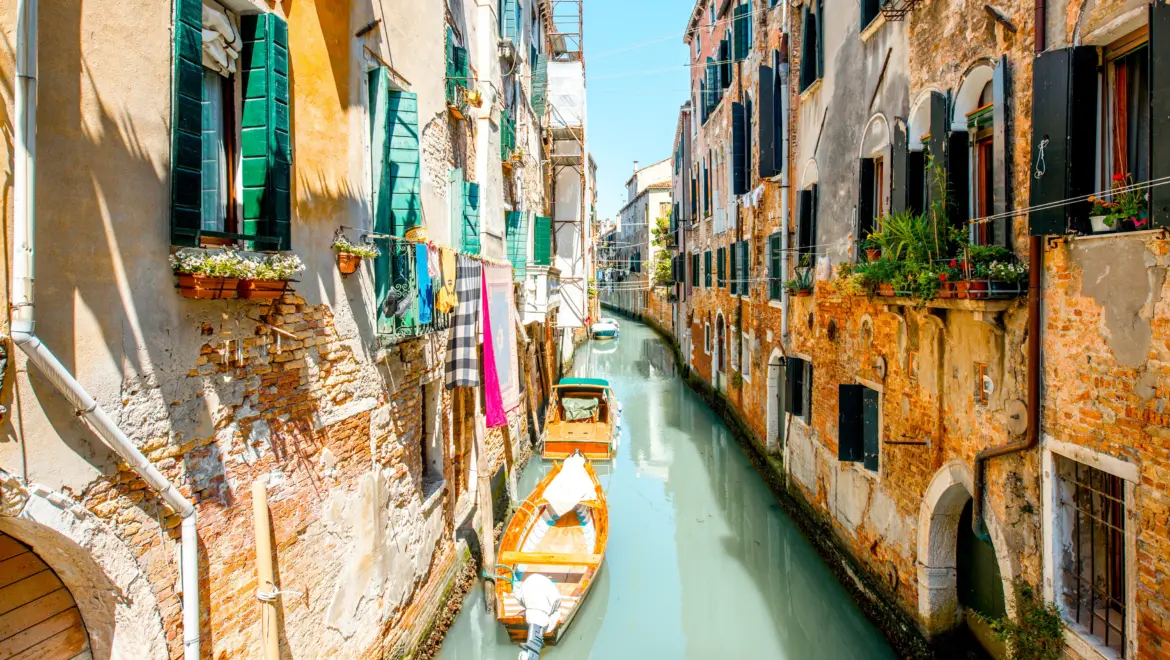
Ciao, world travelers! Venice has many faces. Some are ceremonial. Some are theatrical. And then there is Castello – a neighborhood that doesn’t perform at all. Stretching east from the crowds of San Marco, Castello is Venice at its most expansive and grounded. It is the city’s largest sestiere, yet one of its quietest. Here, canals widen, walkways open, and the rhythm slows naturally. You don’t arrive in Castello with a checklist. You arrive with curiosity, and leave with understanding. This is where Venice feels lived in rather than curated. Where daily life unfolds with quiet confidence. Where beauty exists not as spectacle, but as continuity.
What Is Castello Venice?
Castello is Venice’s largest sestiere (district), stretching east from San Marco to the lagoon. Unlike tourist-heavy areas, Castello is primarily residential with wider canals, quieter streets, and authentic local life. Home to Campo Santi Giovanni e Paolo, the historic Arsenale, San Pietro di Castello (Venice’s former cathedral), neighborhood bakeries like Pasticceria Rosa Salva, and local restaurants, Castello reveals Venice as a lived-in city shaped by daily routines rather than performance. It’s where laundry hangs between buildings, locals gather for morning espresso, and the pace slows naturally.
A Neighborhood Built for Purpose, Not Performance
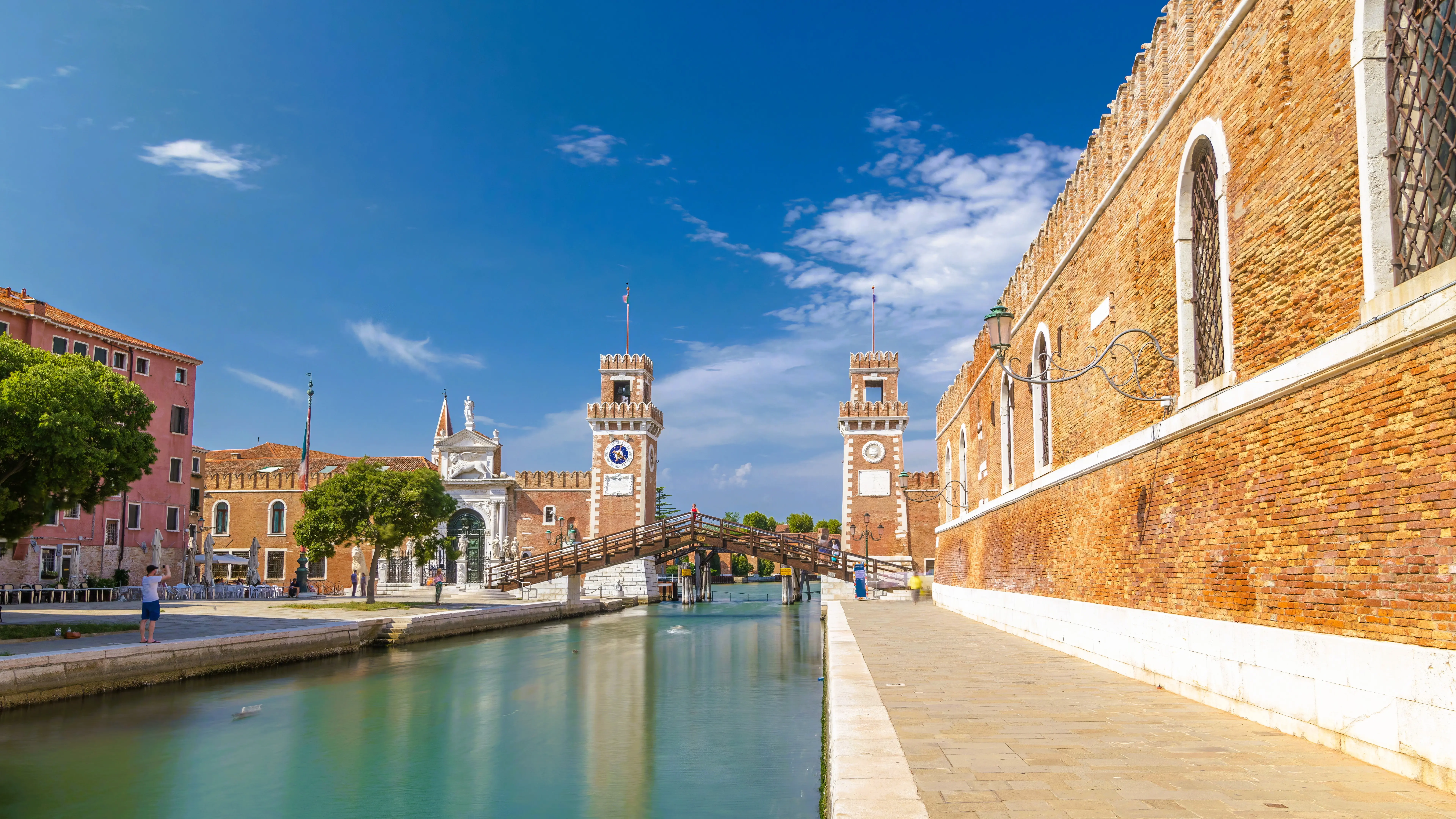
Castello’s character is rooted in function. Historically, this district was closely tied to Venice’s civic and maritime life, shaped by proximity to the Venetian Arsenale (Arsenale di Venezia), once the beating heart of the Venetian Republic’s naval power. Unlike neighborhoods built to impress visitors or host ceremony, Castello developed to support real work, real households, and real routines. That purpose still shows. Streets feel wider. Canals feel calmer. The architecture is dignified rather than ornate, practical rather than indulgent. You sense immediately that this is a place designed to be inhabited – not admired from a distance.
Campo Santi Giovanni e Paolo: The Civic Heart of Castello
At the heart of the district lies Campo Santi Giovanni e Paolo, one of the largest open squares in Venice. Its scale alone feels refreshing after the density of the historic center. The space breathes. Light lingers. Movement feels unhurried. This campo has long been a gathering place – not for tourists, but for Venetians themselves. Locals cross it diagonally on their way to errands. Children play near the edges. Conversations pause and resume naturally. The square anchors Castello socially and emotionally, reinforcing the idea that public space here exists to be used, not admired.
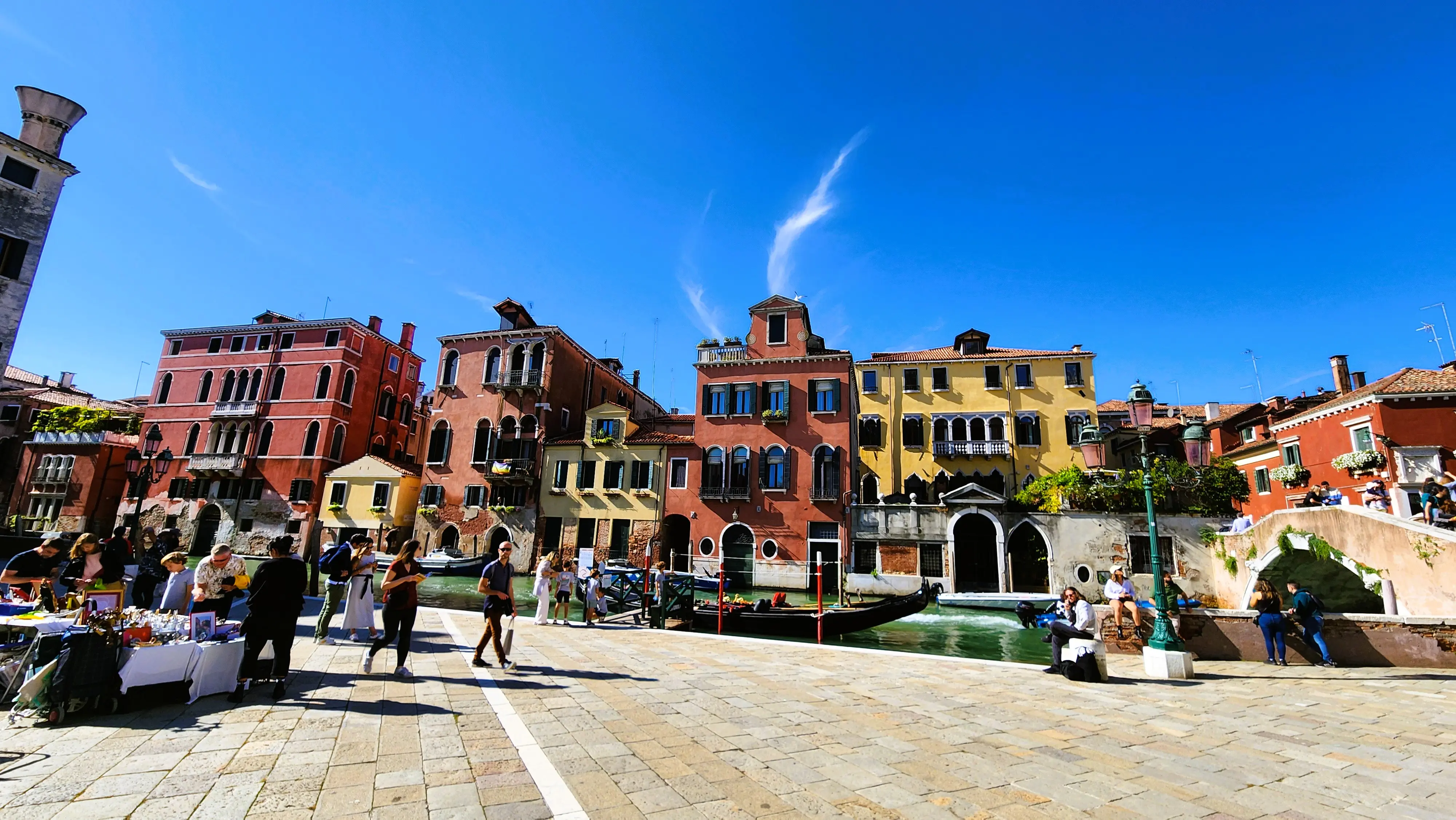
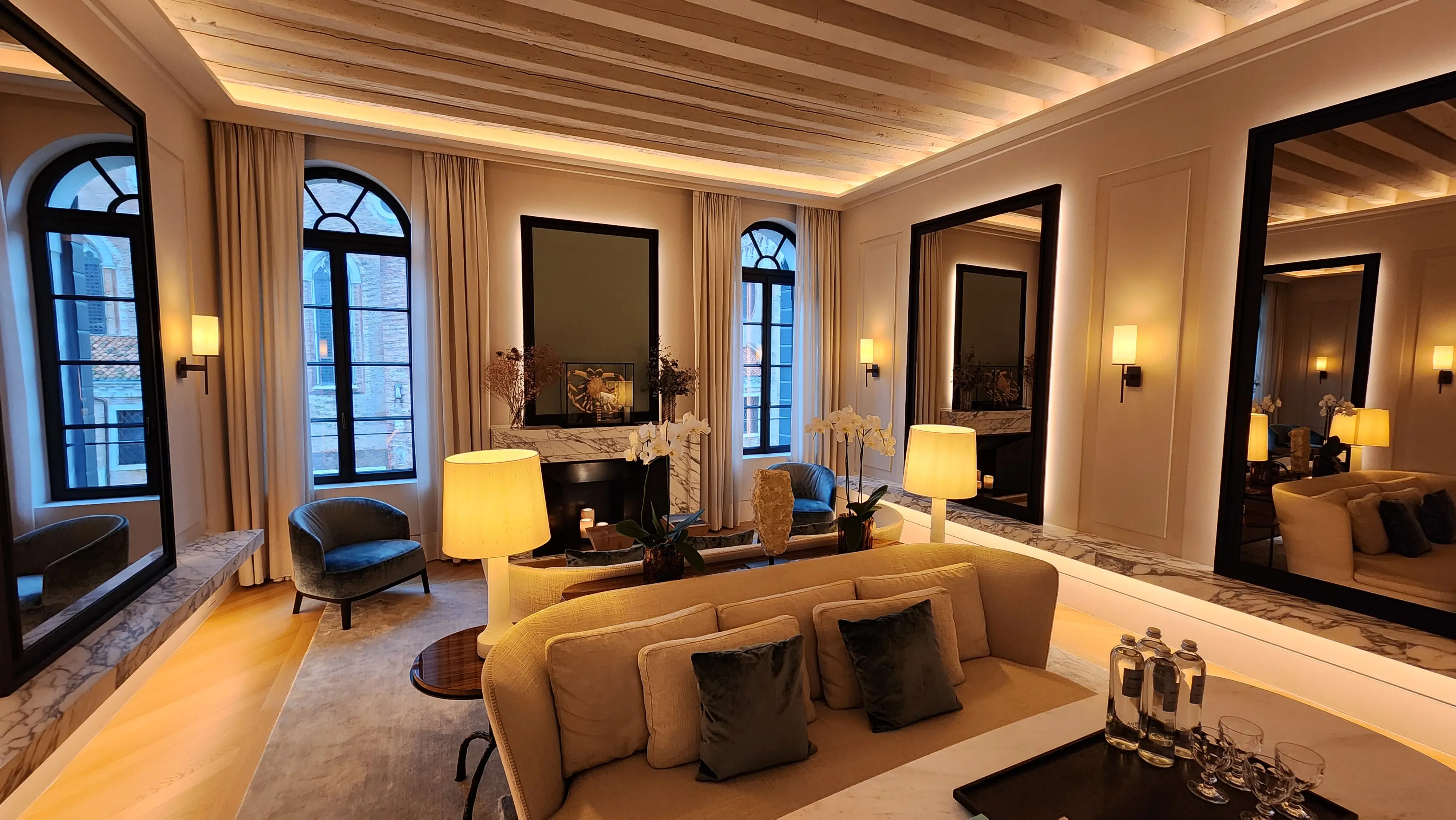
Nearby, places like Palazzo Cristo and its surroundings quietly reinforce this lived-in quality of Castello. Staying here doesn’t feel like stepping into a curated “Venice experience”, but into a neighborhood that continues its routines regardless of who is passing through.
Morning Rituals: Bakeries, Coffee, and Familiar Faces
Mornings in Castello unfold without urgency. Doors open early. Coffee is taken standing. Greetings are exchanged without ceremony. Local bakeries operate first and foremost for residents, shaping the rhythm of the neighborhood long before the rest of the city stirs. Pasticceria Rosa Salva, located near Campo Santi Giovanni e Paolo, is a perfect example. Founded in the 19th century, it has quietly served generations of Venetians, becoming a constant rather than a curiosity. Locals stop in for pastries they know by heart, exchange a few words with staff who recognize them, and continue on with their day.
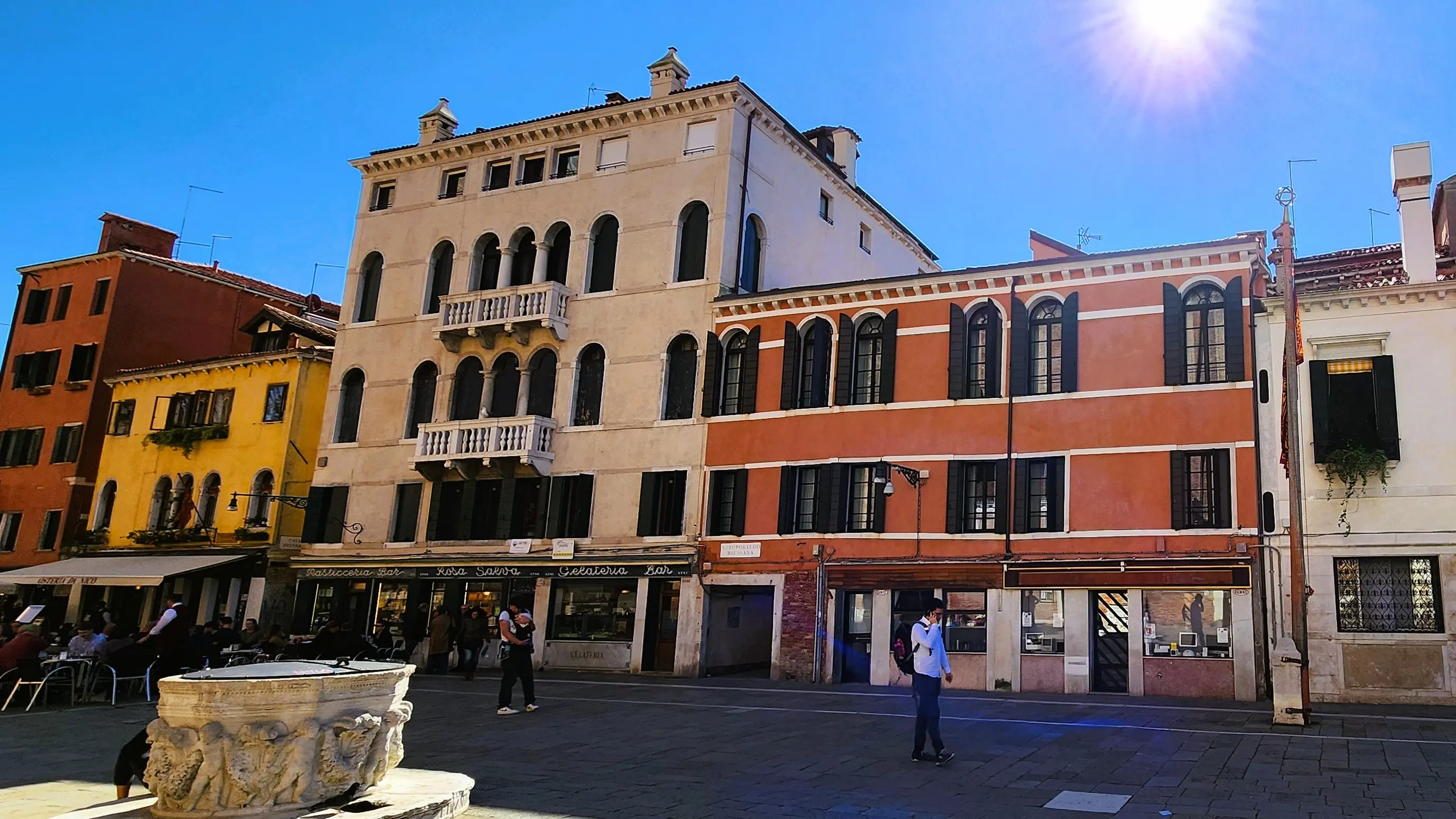
There’s no rush to display perfection here. What matters is consistency, familiarity, and trust. These are places people return to day after day – not because they’re “famous,” but because they’re dependable. In Castello, food is part of routine, not performance. And that distinction matters. It’s one of the clearest signs that this neighborhood still lives for itself.
Lunch and Evening in Castello: Food Without Spectacle
In Castello, meals follow the pace of the day rather than dictating it. Lunch is unhurried but purposeful – a pause, not a production. Places like Spaghetteria Pizzeria 6342 A Le Tole capture this perfectly. Tucked into the neighborhood streets, the restaurant feels welcoming and lived-in, with a warm ambiance that invites you to sit just a little longer than planned. Pasta arrives generous and comforting. Pizza is simple, well-made, and meant to be shared. Nothing is overworked. Nothing is rushed.
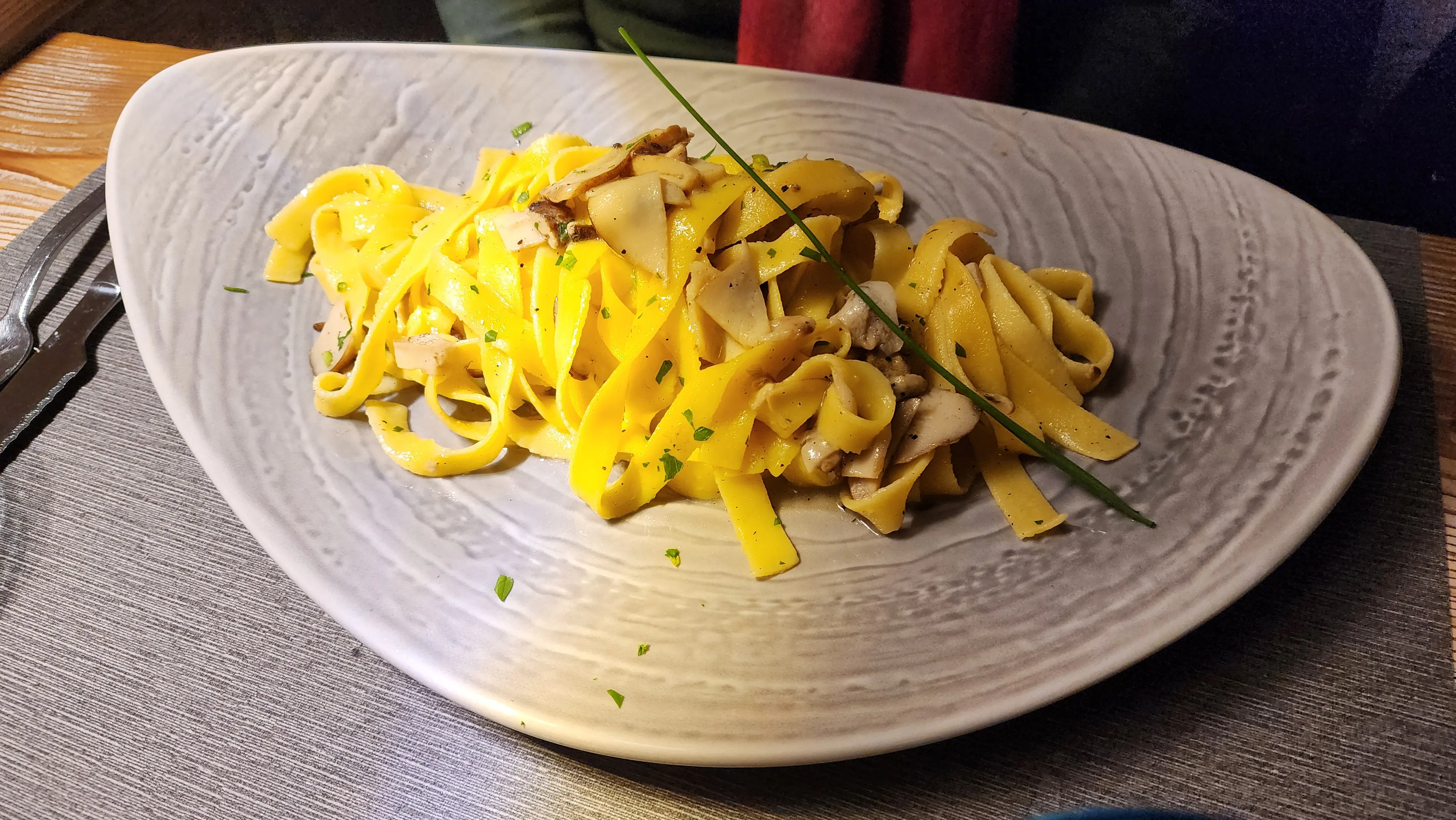
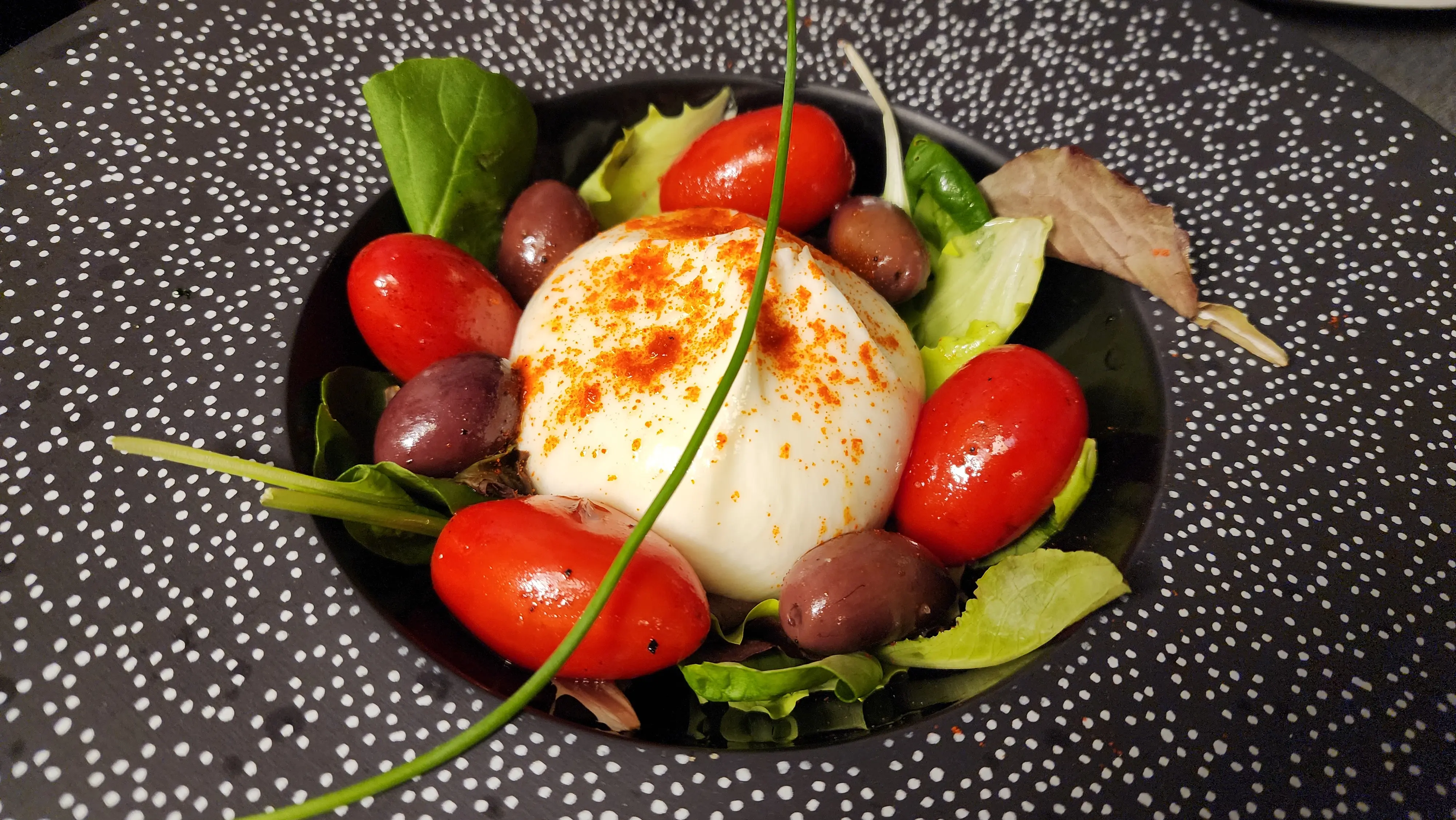
As afternoon stretches toward evening, the energy shifts subtly rather than dramatically. Tables fill again, this time with neighbors meeting after work, families gathering casually, and travelers who’ve wandered far enough from the main routes to feel the city settle around them. Conversation softens. Glasses clink quietly. The room hums without ever becoming loud. It’s the kind of place where time slips gently, where dinner doesn’t announce itself as a destination but unfolds naturally as part of the day.
Here, food is not a performance or a pause from “seeing Venice.” It is Venice – everyday, satisfying, and grounded in habit rather than hype. In Castello, meals nourish more than appetite. They anchor you, briefly but memorably, in the life of the neighborhood.
Walking Castello: Space, Light, and Ease
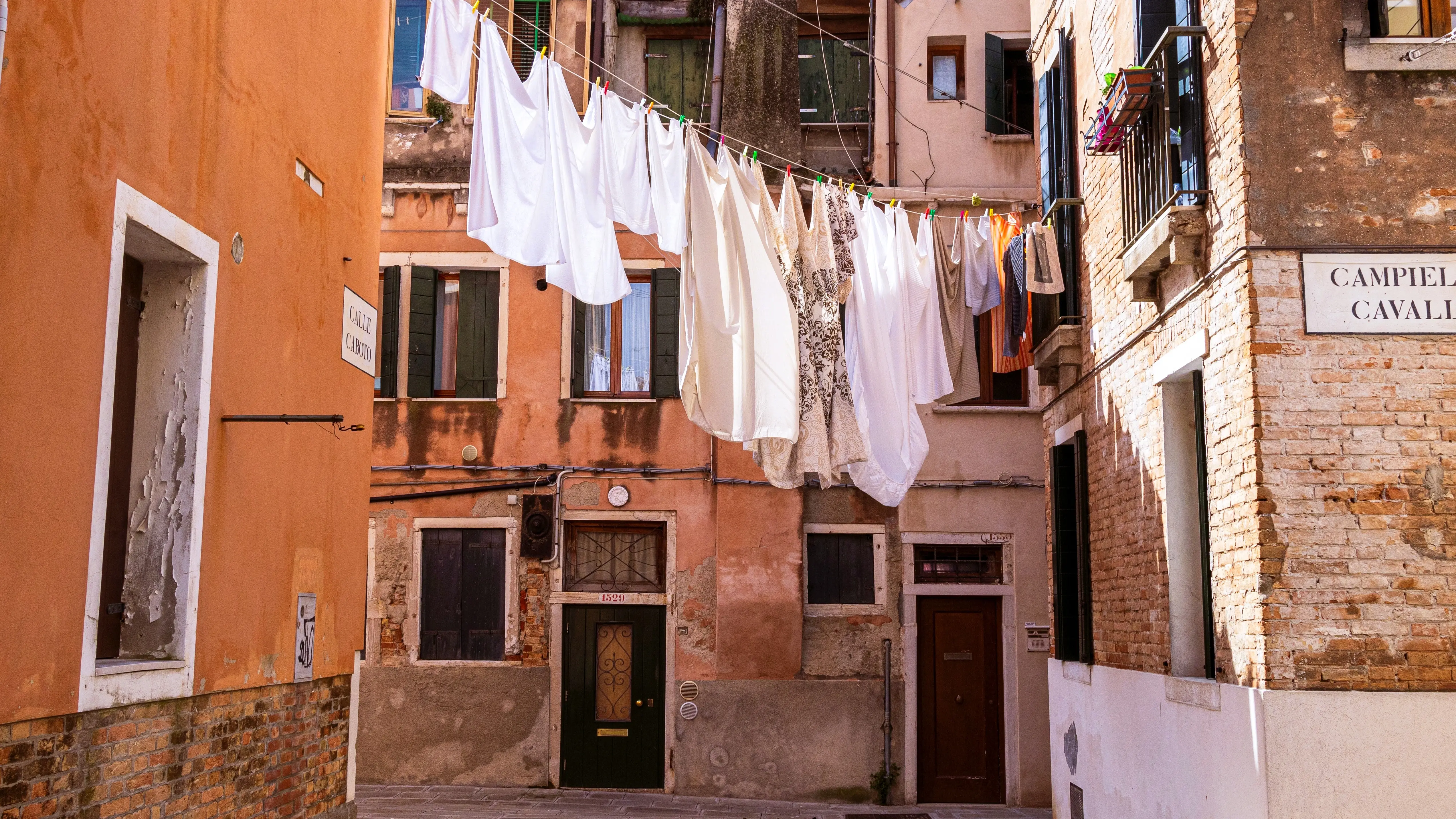
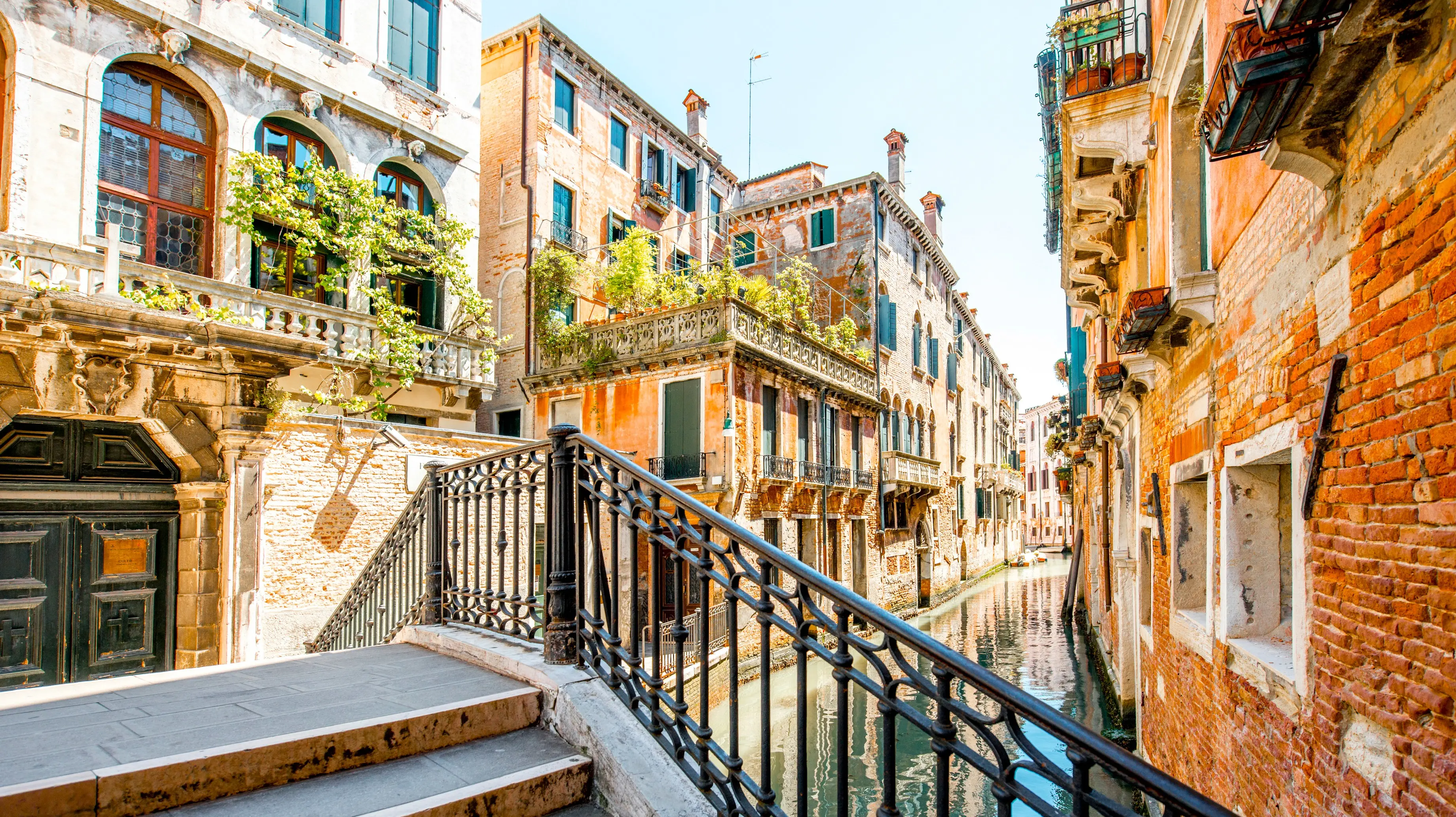
Walking through Castello feels physically different from much of Venice. The fondamente (canal-side walkways) stretch longer, bottlenecks are fewer, and the absence of constant foot traffic allows your senses to open up. You notice the sound of water brushing gently against stone, laundry shifting overhead in the breeze, shutters opening and closing as the day unfolds. Narrow streets lead to quiet corners, small bridges, and sunlit canals where nothing feels staged. This is Venice without compression, without choreography. You move at your own pace, guided by light rather than landmarks, by curiosity rather than obligation. In Castello, walking isn’t about getting somewhere, it’s about inhabiting the space in between.
San Pietro di Castello: Venice’s Former Cathedral
Long before St Mark’s Basilica became the ceremonial heart of Venice, San Pietro di Castello held that role. From 1451 until 1807, this church served as Venice’s official cathedral and seat of the Patriarch (though a church on this site and the Patriarch’s presence date back to the 8th century). Its location at the eastern edge of Castello reflects a very different Venice – one oriented toward the lagoon, maritime power, and civic function rather than spectacle.
Today, the church feels removed from the city’s main flows, and that distance is telling. Standing here, or even simply knowing it exists, reframes how you understand Venice’s development. Power once radiated outward from this quieter corner, long before Piazza San Marco took center stage. The shift from San Pietro di Castello to St. Mark’s was not just architectural; it marked a reorientation of identity, ceremony, and visibility.
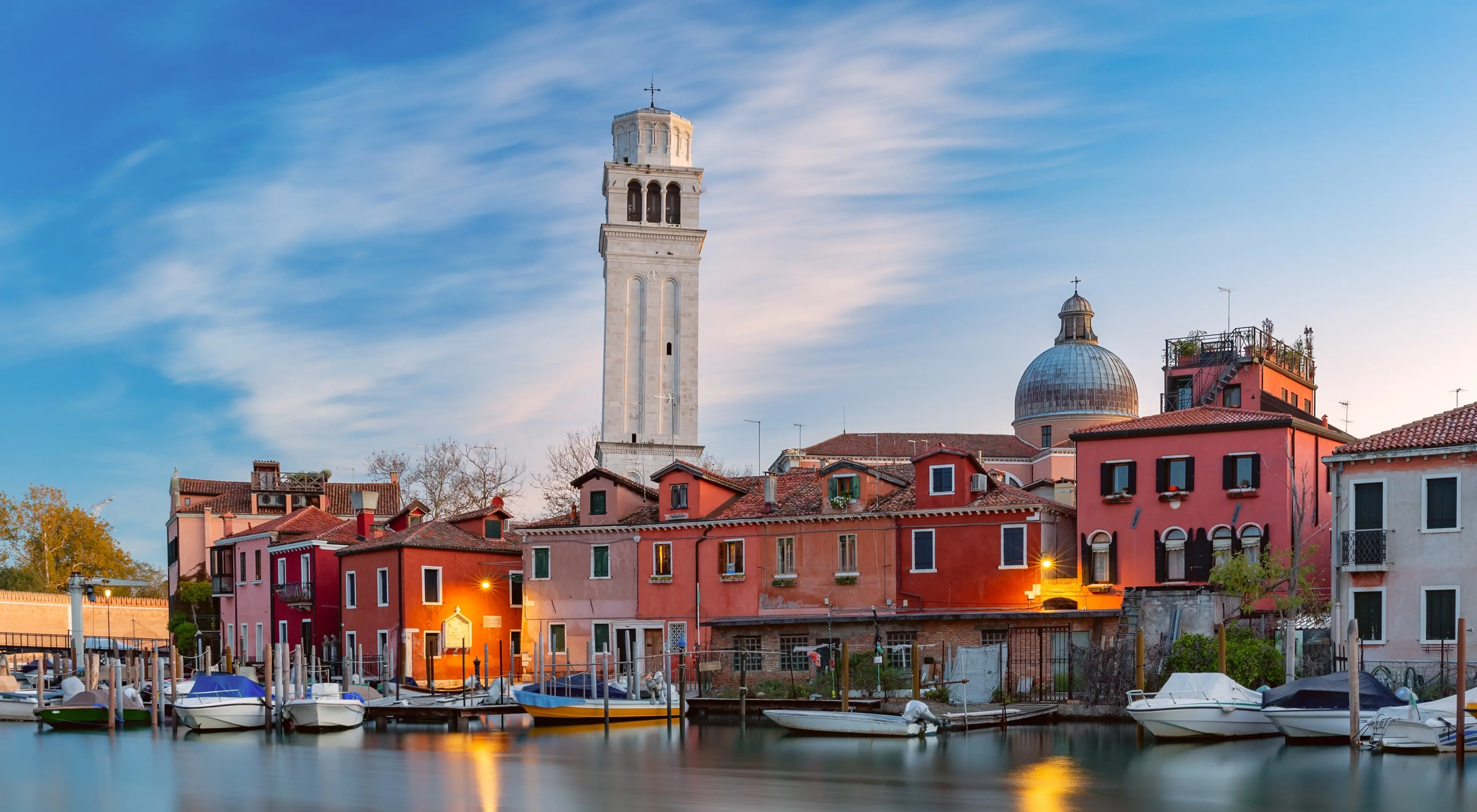
Including San Pietro di Castello in your understanding of Venice reminds you that the city did not always revolve around its most photographed spaces. Its spiritual and political foundations were laid here, in Castello, in places that prioritized function and continuity over display. Even unseen, this former cathedral anchors the neighborhood historically, another reminder that Castello has always mattered, even when it isn’t performing.
Why Castello Matters – and Why It Stays with You
Castello matters because it quietly dismantles the idea that Venice is a fragile stage set, preserved only for admiration. Here, the city functions. It adapts. It moves forward without erasing what came before. Preservation doesn’t feel performative or precious – it feels practical, lived-in, and necessary. Heritage exists alongside daily routines: meals cooked, laundry hung, conversations carried across small bridges. Beauty remains present, but it is not isolated or protected behind spectacle. It is allowed to participate in life.
Spending time in Castello recalibrates how you understand Venice as a whole. The neighborhood offers space – physical and emotional – that is increasingly rare elsewhere in the city. Light falls more generously. Movement feels easier. Streets invite wandering rather than funneling. You stop feeling the need to document every step and instead begin to notice how the city breathes. In a place shaped by water and history, Castello feels remarkably grounded, anchored not by grand monuments but by continuity.
What lingers most is the quiet assurance of it all. Castello does not ask to be remembered. It doesn’t announce itself or demand attention. It simply exists – confident in its rhythm, secure in its purpose. And that steadiness stays with you. Long after the icons blur together, you remember how it felt to walk here, to pause here, to belong briefly to a Venice that was not performing, but simply living.
Bubbly Tips for Exploring Castello Like a Local
- Best time to explore: Late morning through early evening is ideal. Mornings feel residential and calm, while afternoons bring gentle energy without crowds. Early evenings are especially lovely, when the light softens and locals reclaim the streets.
- Walk east, not west: Many visitors instinctively drift back toward San Marco. Instead, continue eastward. The further you go, the quieter and more residential Castello becomes – and the more authentic it feels.
- Follow the fondamente: Canal-side walkways offer the most generous sense of space in Venice. Walking along them reveals daily rhythms – deliveries, neighbors chatting, boats passing slowly – details often missed in narrower calli.
- Eat where menus are simple: In Castello, fewer menu pages often mean better food. Look for places serving seasonal dishes, handwritten specials, and locals at lunchtime. This is a neighborhood built on routine, not reinvention.
- Don’t skip the smaller churches: Even if you don’t enter major landmarks, step inside a parish church when doors are open. These spaces often hold centuries of quiet devotion, local history, and architectural layers – without crowds or queues.
- Let errands guide you: Pop into a bakery, a small grocery, or a neighborhood café. Castello reveals itself most clearly when you engage with its everyday infrastructure rather than its monuments.
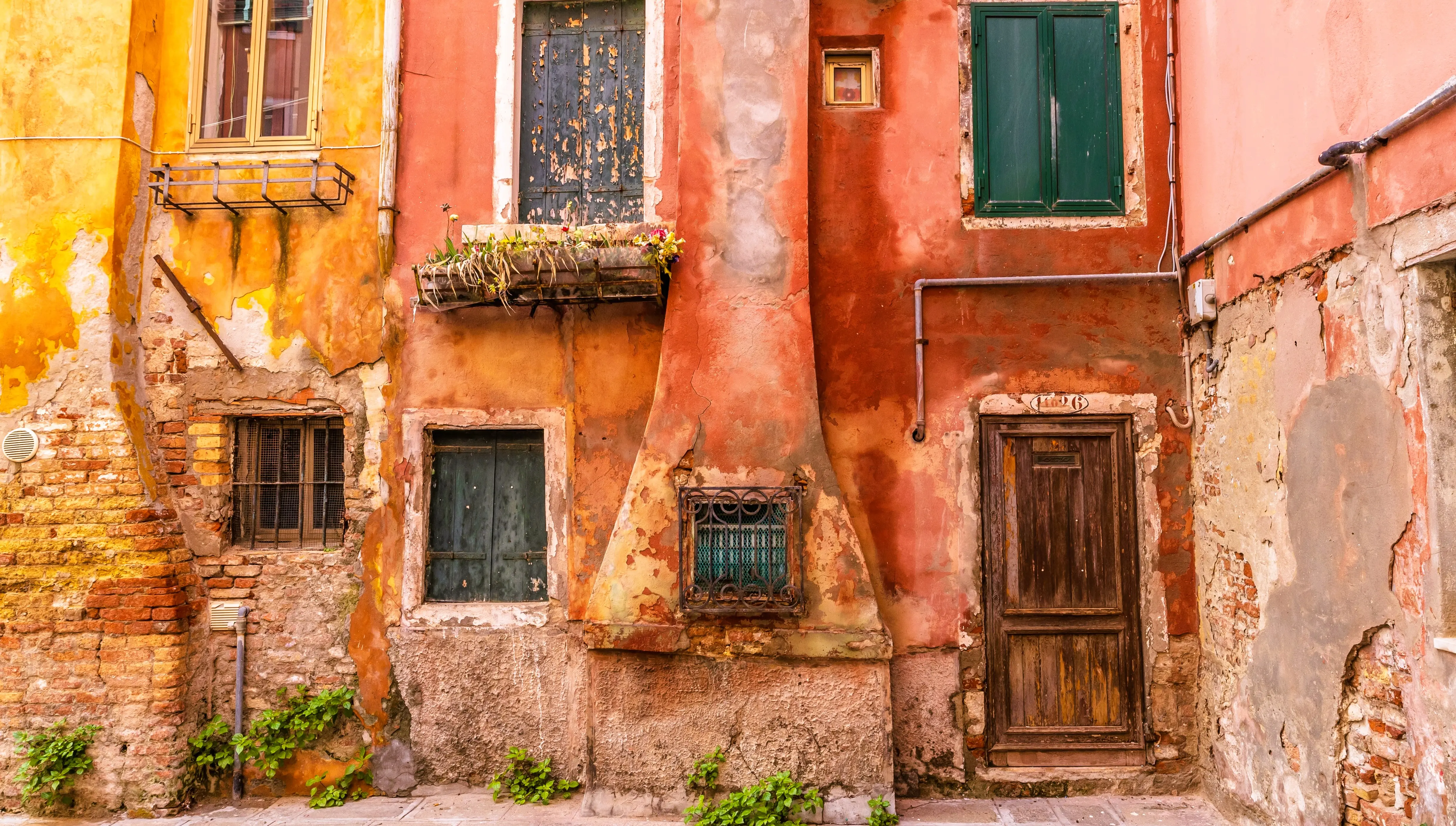
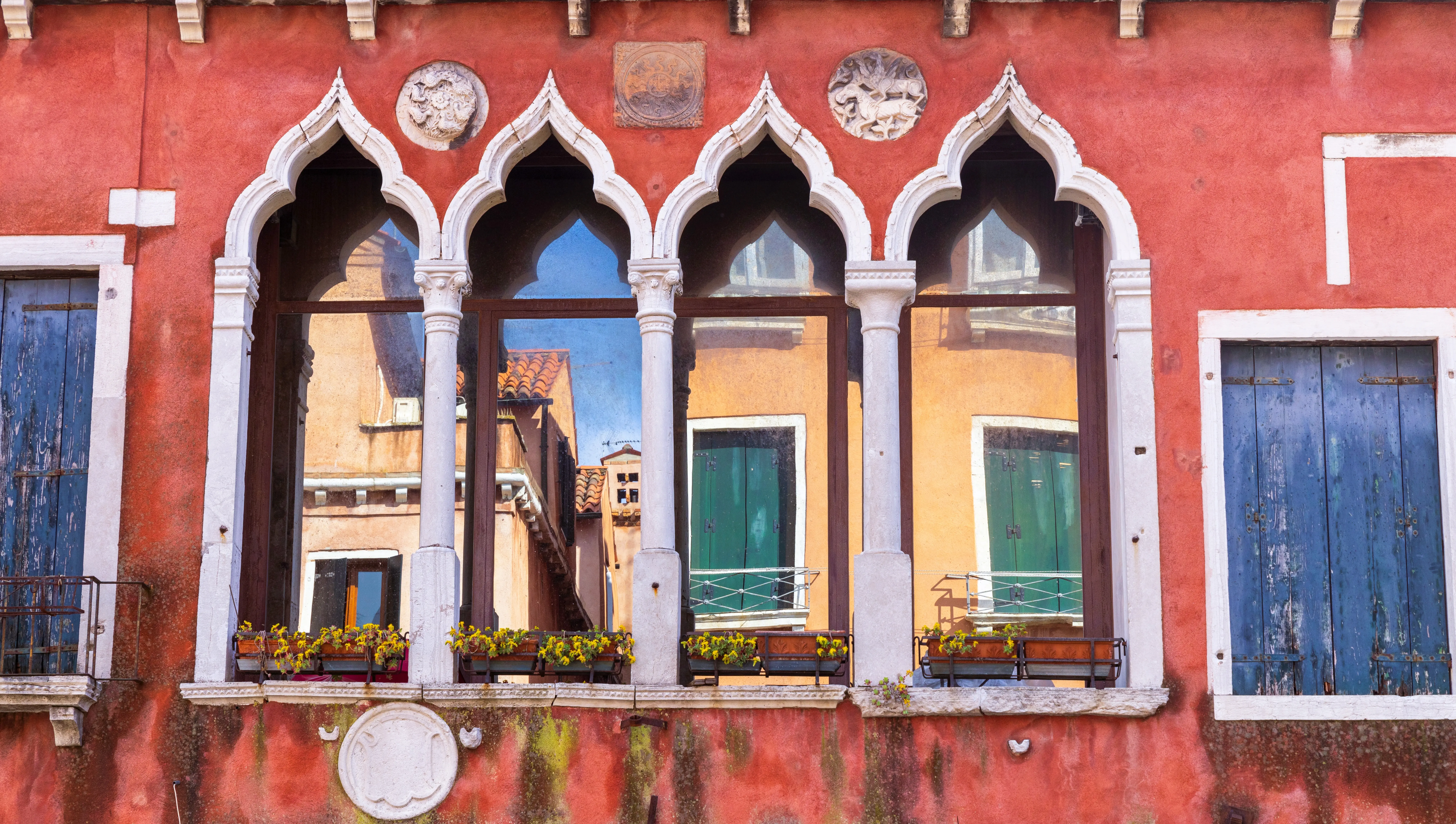
- Photography tip: This is not a neighborhood for dramatic wide shots. Focus on texture: worn stone, reflections in canals, doorways, laundry lines, light on plaster walls. Castello photographs beautifully when approached slowly.
- Mindset: Castello is not about “seeing more.” It’s about seeing differently. Let go of expectations. Let repetition and familiarity work their quiet magic.
Final Thoughts
Castello is the kind of place that stays with you quietly. Not because of a single landmark, but because of how it feels to be there – unhurried, grounded, and unmistakably real. It shows a side of Venice that isn’t performing, just living.
If you’re curious to experience Venice beyond the icons, Castello offers that rare gift: space, rhythm, and continuity in a city shaped by water and time.
Have you explored Castello, or would you add it to your Venice itinerary? I’d love to hear your thoughts

🌟 Everything You Need to Plan Your Dream Trip in 2026
- 🌟 Luxury Hotels - Find premium stays with Booking.com & Hotels.com
- 🏡 Vacation Rentals - Discover unique properties on VRBO
- 🏞️ Guided Tours - Explore with Viator or GetYourGuide
- 🎫 Attraction Tickets - Skip the lines with Tiqets
- 🚢 Ocean Cruises - Set sail with Cruise Direct
- 📱 International SIMs - Stay connected with Saily
- 🚗 Car Rentals - Budget-friendly options from Discover Cars
- 🌐 Secure VPNs - Browse safely with NordVPN
- 💶 Currency Exchange - Best rates with Wise
- 🗣️ Learn Languages - Master the local language with Babbel and Rosetta Stone