
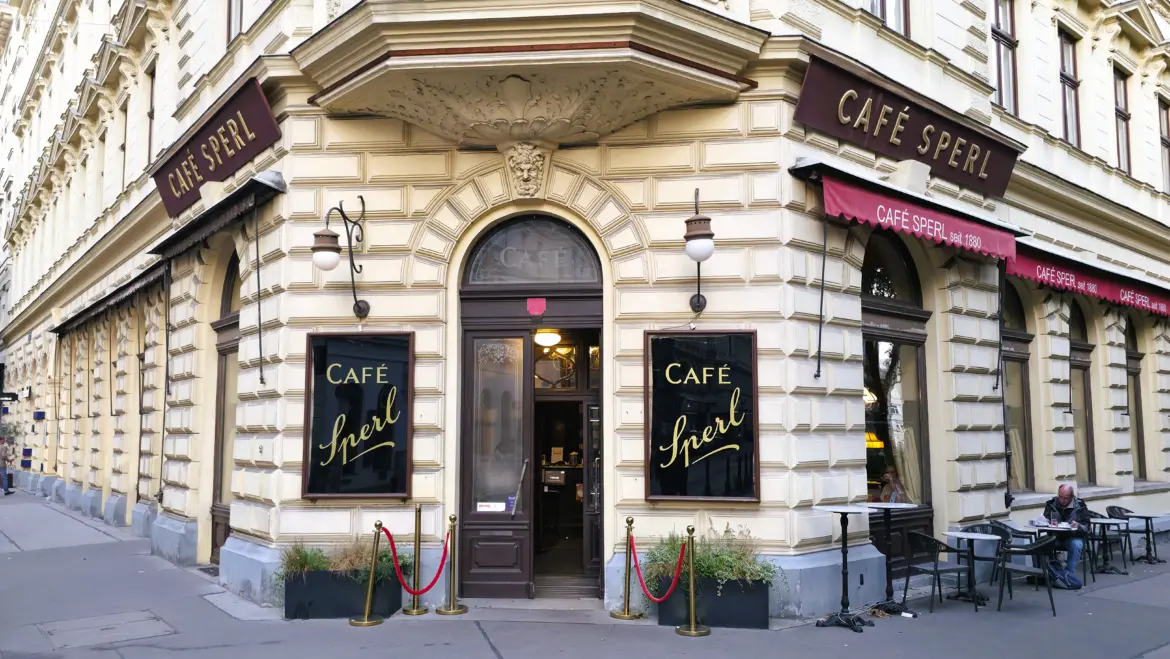
Hello, coffee enthusiasts! Some cafés are places you visit. Others are places you enter. Café Sperl in Vienna belongs unmistakably to the second category. Walking into Café Sperl feels like stepping into Vienna’s inner life – not the polished postcard version, but the city as it has been lived, debated, composed, argued over, and quietly observed for well over a century. This is not a café designed for efficiency or reinvention. It is a café that has endured by remaining itself.
Café Sperl at a Glance
📍 Location: Gumpendorfer Str. 11, 6th district (Mariahilf), Vienna, Austria
☕ Known For: Preserved 19th-century interior, carambole billiard tables, Viennese coffeehouse tradition
📖 Founded: 1880, designed by Ringstrasse architects Gross & Jelinek
🎨 Cultural Legacy: Meeting place of the Vienna Secession, artists, composers, and writers
🎂 Must-Try: Wiener Apfelstrudel, Sperl Schnitte, Verlängerter, Großer Brauner
⏱️ Time Needed: 1–2 hours (lingering encouraged)
💡 Tip: Come with time, not an agenda — Café Sperl rewards slow visits, reading, and conversation
A Coffeehouse Born in the Age of Empire
Café Sperl opened in 1880, originally designed by the Ringstrasse architects Gross & Jelinek for impresario Jakob Ronacher. Shortly thereafter, the café was taken over by the Sperl family and, in 1884, by Adolf Kratochwilla, whose family would steward the café for more than eight decades. Importantly, the name Café Sperl remained, already a sign that continuity mattered here.
From the beginning, Sperl was more than a neighborhood café. It became a meeting ground for architects, artists, musicians, actors, singers, military officers, and high-ranking officials. Among its regulars were Archdukes Josef Ferdinand and Karl Ferdinand, as well as Franz Conrad von Hötzendorf, Chief of Staff of the Austro-Hungarian Army. What makes this remarkable is not the prestige, but the coexistence: political, artistic, and military worlds shared the same tables, newspapers, and silences.
Where Modern Art Quietly Took Shape
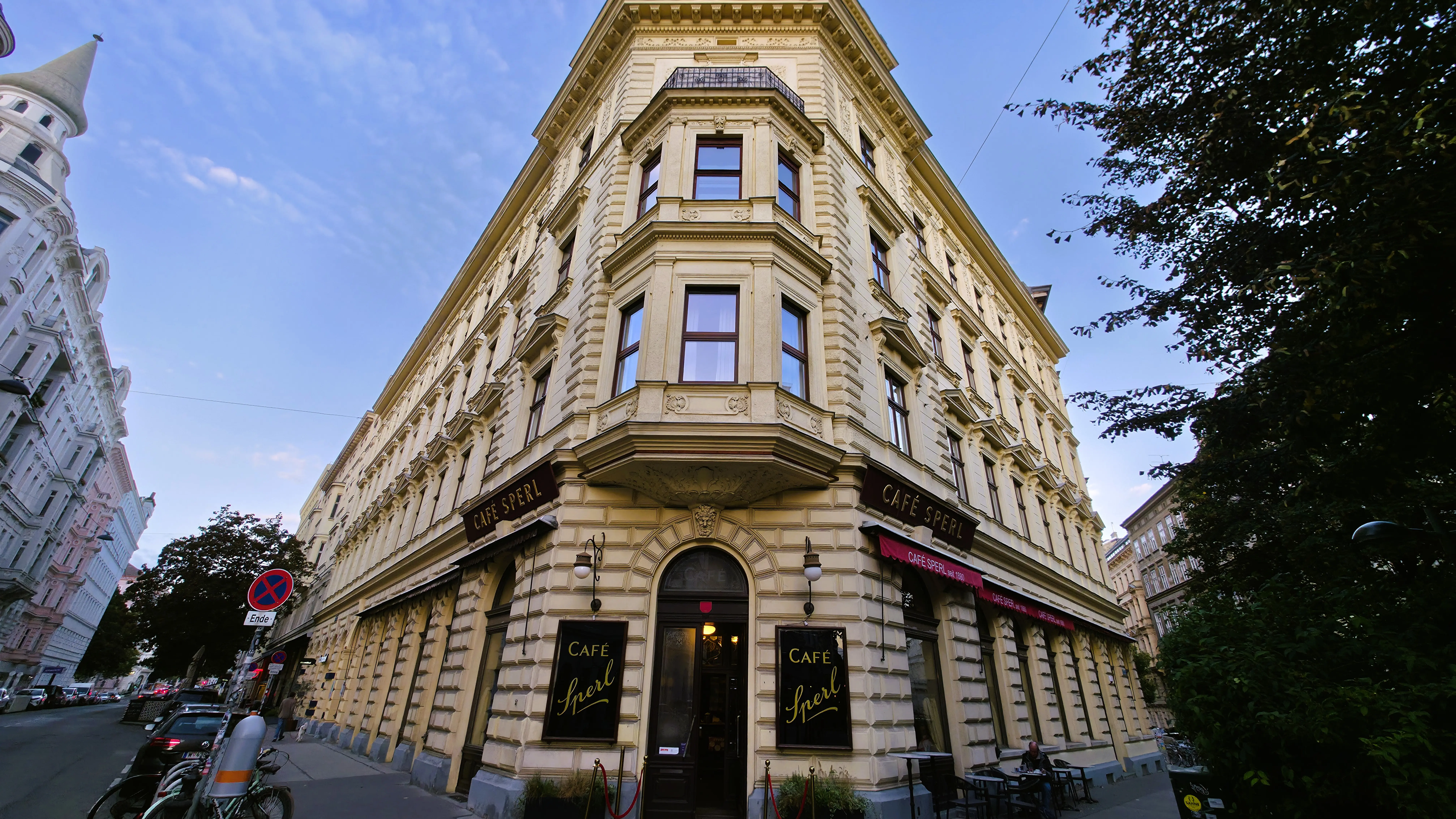
One of Café Sperl’s most lasting contributions to cultural history occurred in the 1890s, when it became the regular meeting place of the Siebenerclub (C7), while members of the nearby Hagen Society also frequented Sperl. From these gatherings emerged figures such as Josef Hoffmann, Koloman Moser, Josef Maria Olbrich, and Max Kurzweil – artists and architects who would go on to form the Vienna Secession in 1897. This matters deeply. The Secession was not born in a gallery or an academy, but around café tables – through conversation, debate, and shared resistance to academic rigidity and market-driven art. Café Sperl was not merely adjacent to this movement; it was one of its incubators.
Music, Theatre, and the Rhythm of the City
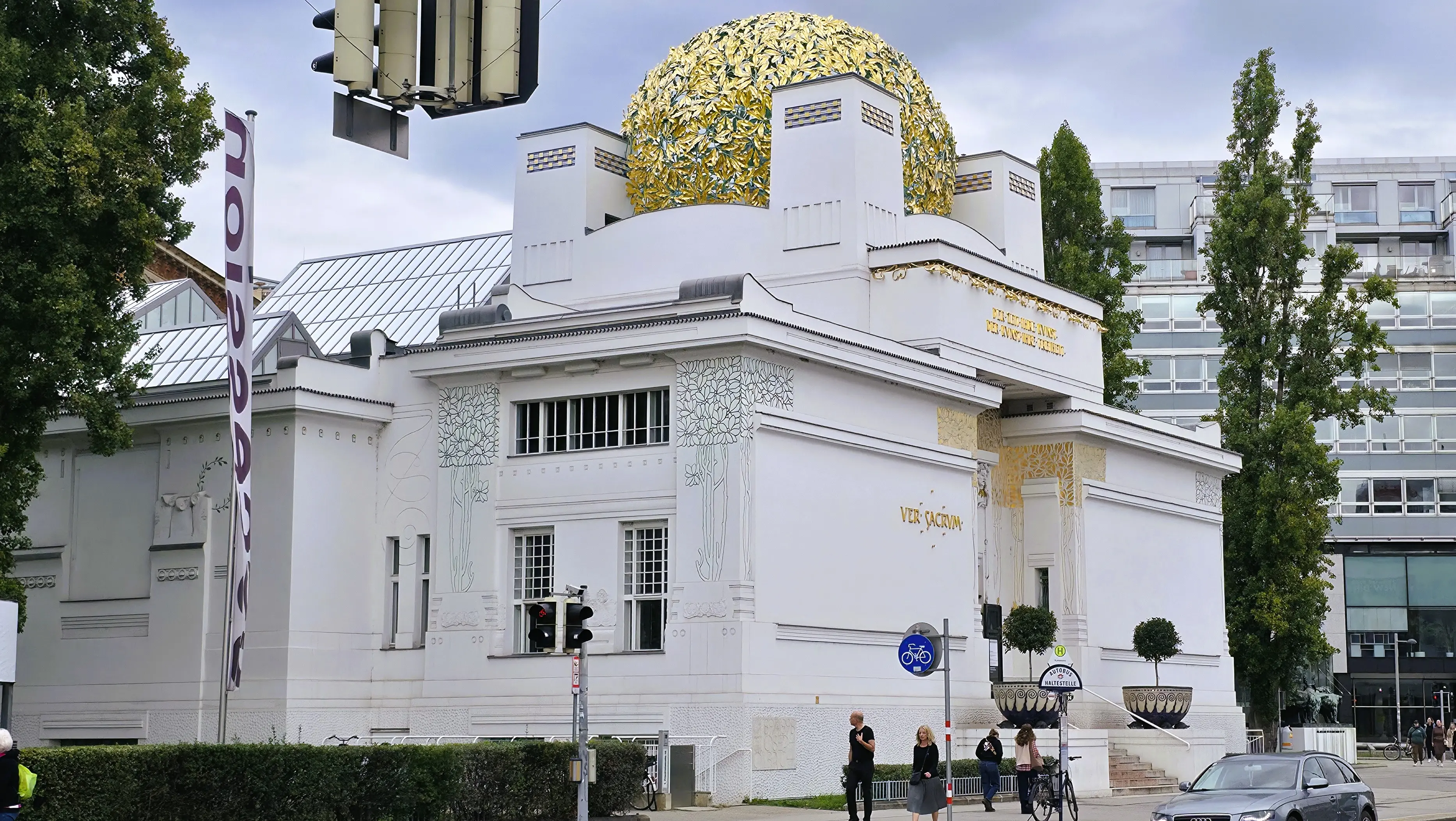
As operetta captured Vienna’s imagination around 1890, Café Sperl became a natural extension of the city’s theatrical life. Located near the Theater an der Wien and the Raimund Theater, it attracted composers and performers such as Franz Lehár, Emmerich Kálmán, Carl Millöcker, Richard Heuberger, Johann Strauss’s circle, and many others who shaped Vienna’s musical identity well into the 1930s.
Later, writers and intellectuals became increasingly present. In more recent decades, authors such as Pavel Kohout, Robert Menasse, Michael Köhlmeier, Thomas Sautner, and Friederike Mayröcker have been part of Sperl’s living literary tradition. Readings, discussions, and quiet solitary writing continue to give the café its sense of intellectual continuity.
Inside Café Sperl: An Interior That Resists Time
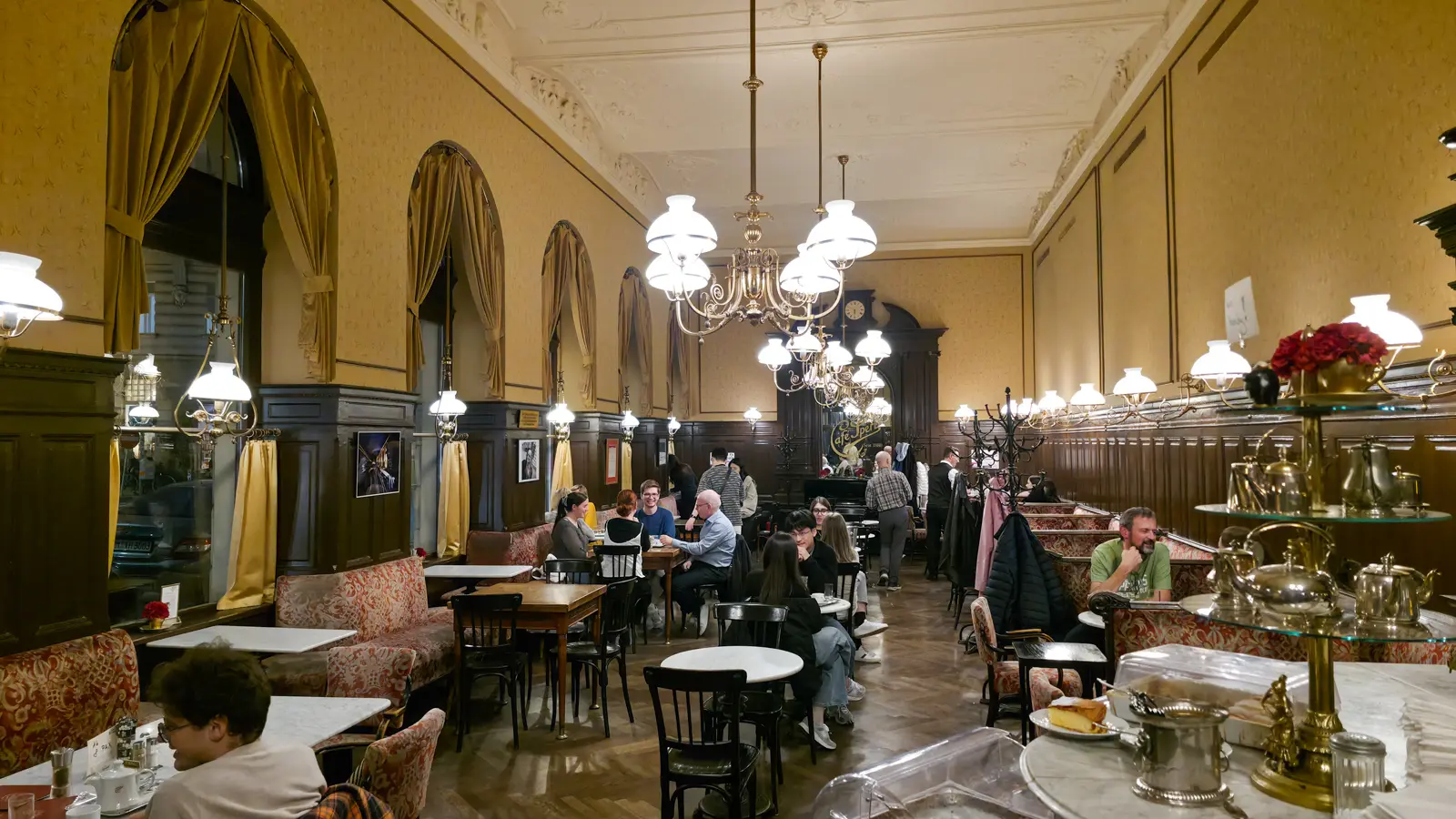
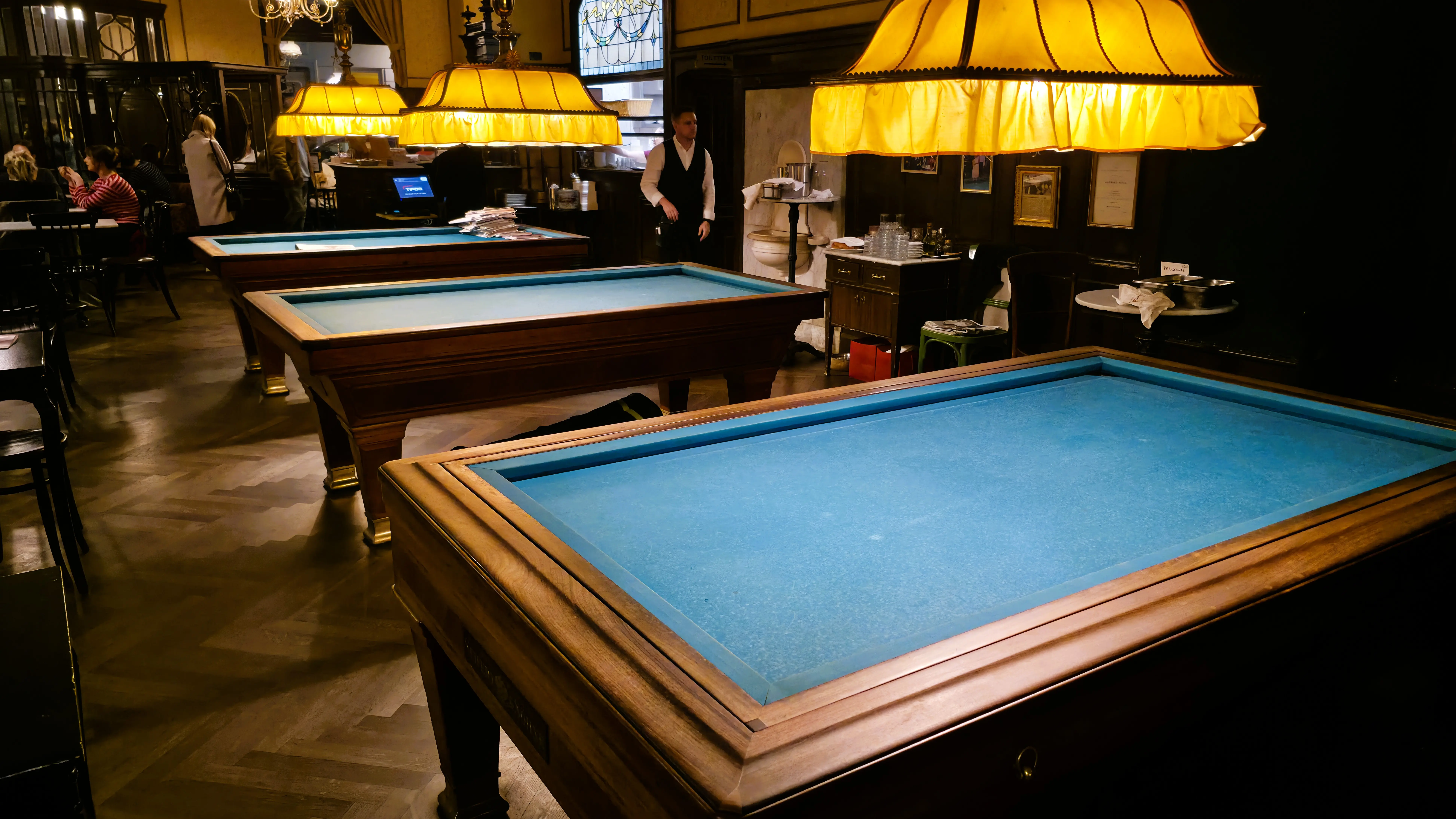
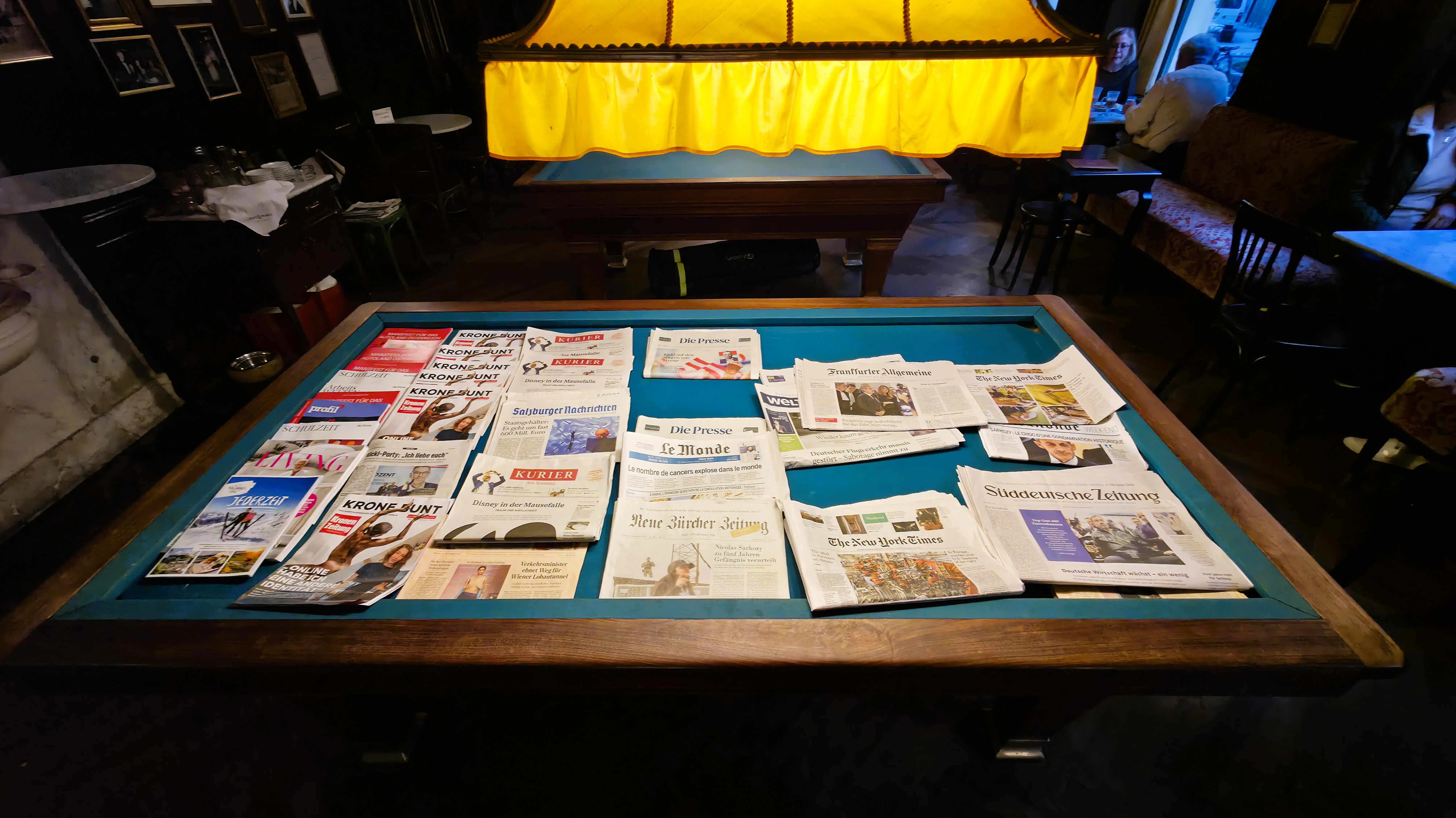
The interior of Café Sperl is famously unchanged, defined by high ceilings, marble tabletops, Thonet-style chairs, and a generous sense of space that quietly encourages long stays. Newspapers are always within reach, conversations remain low, and time seems to stretch rather than move forward. The presence of three carambole billiard tables, a rarity today, reinforces the café’s role as a social and cultural meeting place rather than a transactional one. Even the inclusion of a small children’s corner speaks to a deeper philosophy: that Viennese coffeehouse culture is not merely visited, but inherited and lived across generations. This is not nostalgia performed for effect; it is continuity practiced daily.
What We Ordered: Tasting the Tradition
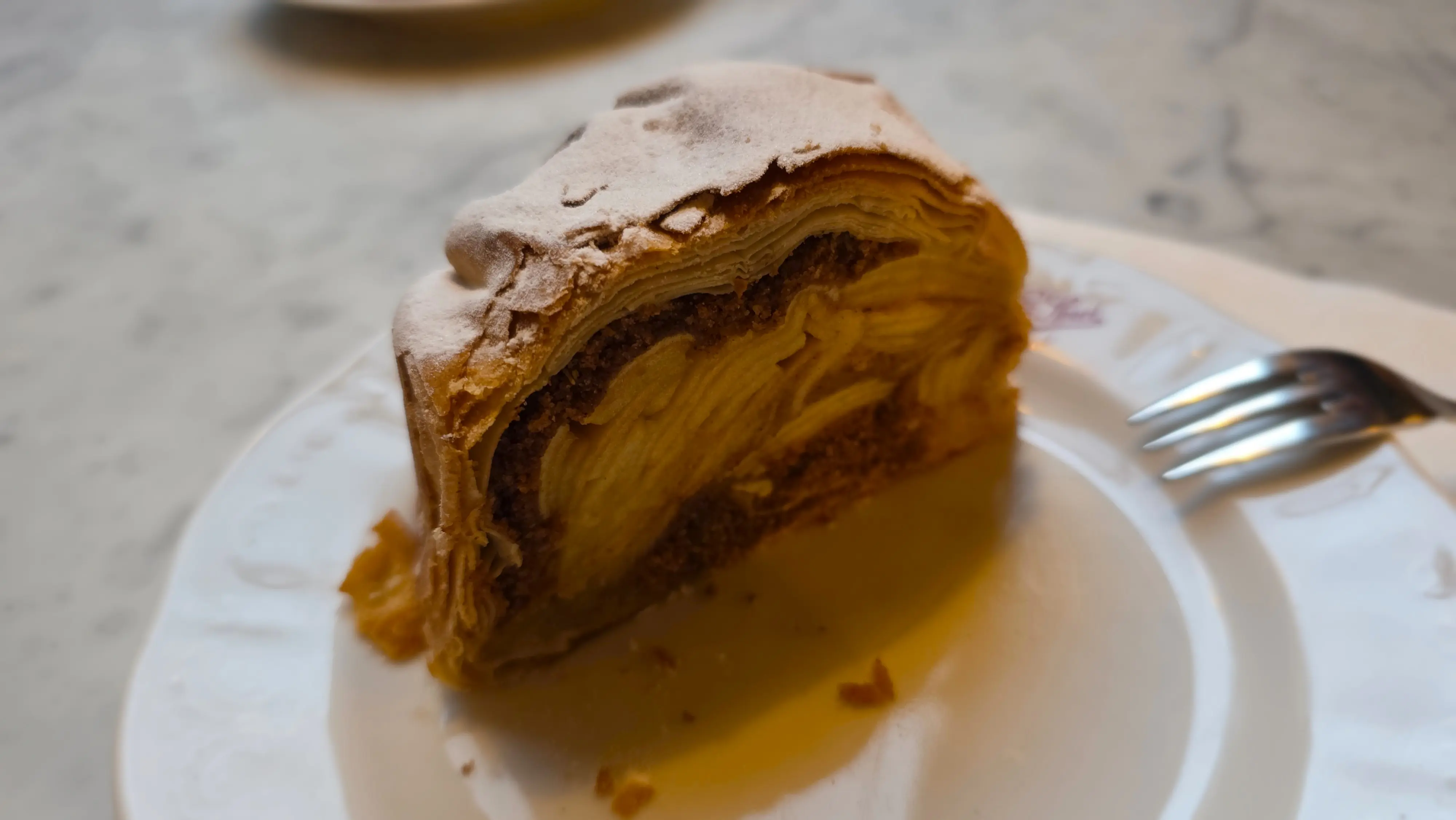
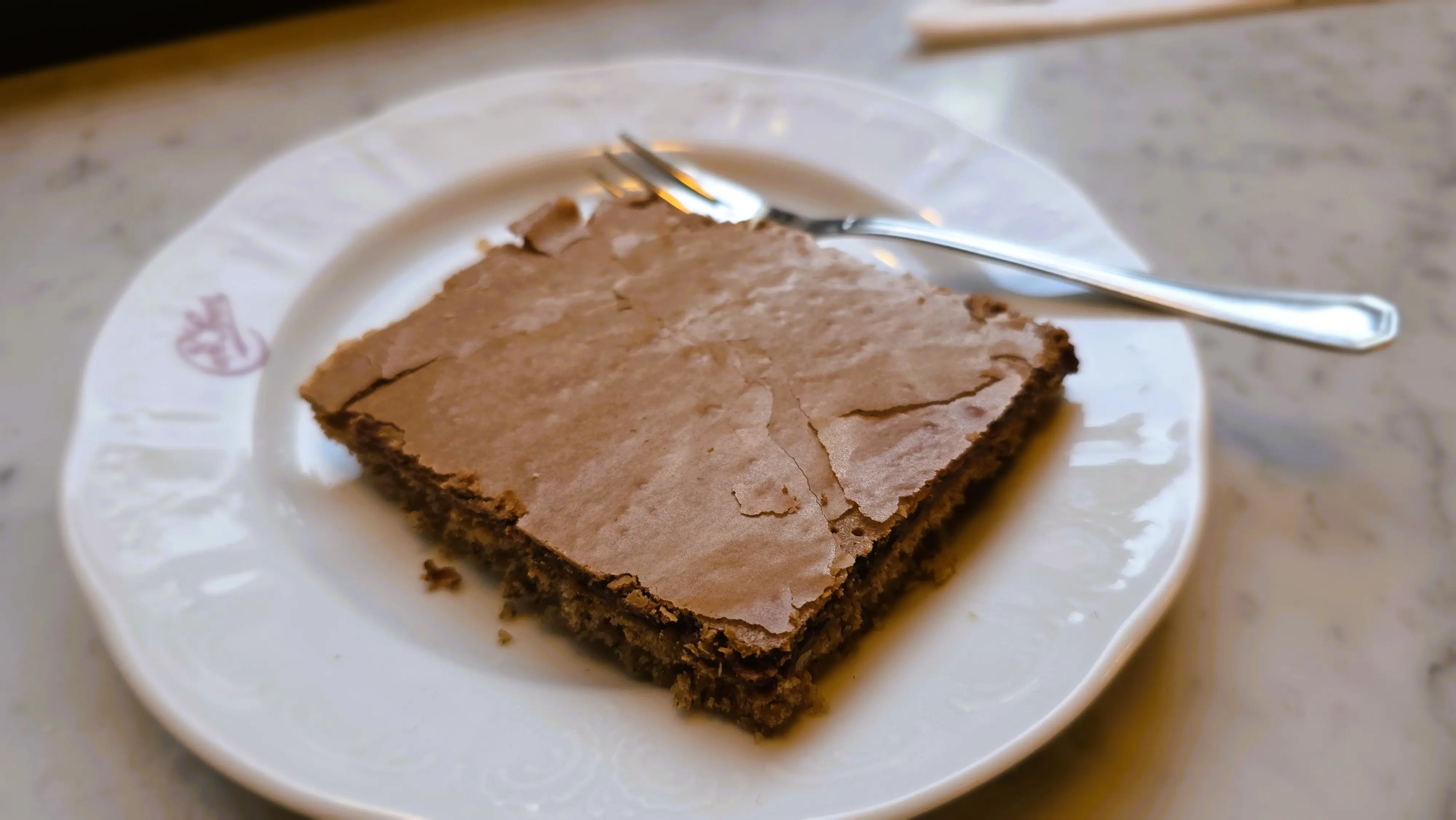
Our table reflected Vienna’s classic coffeehouse rhythm. The Wiener Apfelstrudel, served warm, was everything it should be: thin layers of pastry, gently spiced apples, and a sense of familiarity that feels earned rather than routine. The thin Sperl Schnitte, a house specialty at Café Sperl, offered a refined balance of chocolate and apricot – lighter and more restrained than heavier cakes, and quietly composed rather than overly sweet.
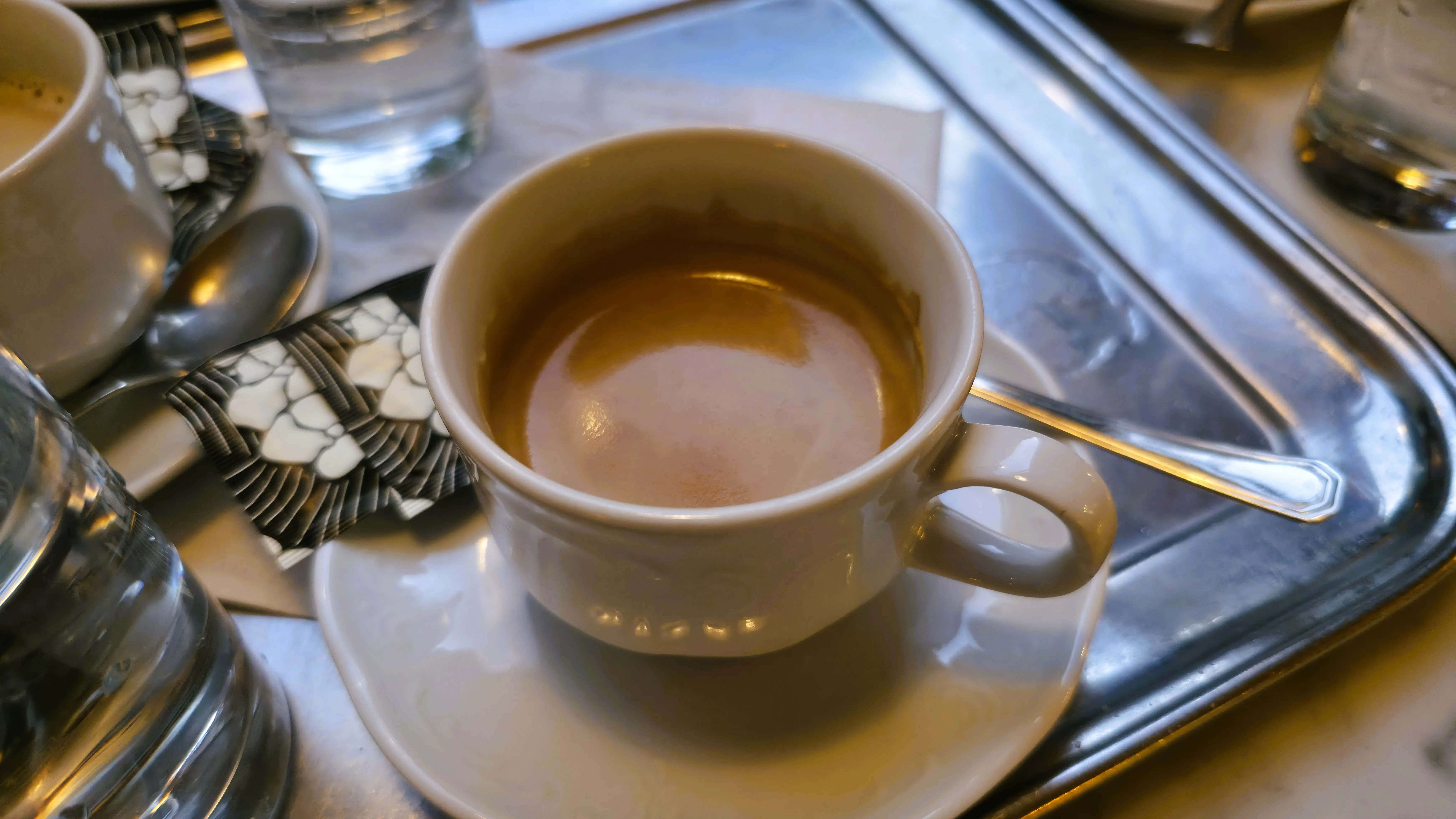
Coffee was treated with equal seriousness. We enjoyed a Verlängerter – espresso diluted with hot water – clean, measured, and ideal for lingering. Alongside it, a Großer Brauner, the larger version of espresso served with a touch of cream, reinforced how precise and intentional Viennese coffee culture is, even in its language. Nothing here is rushed. Everything arrives with quiet confidence.
Bubbly Tips for Visiting Café Sperl
- Come with time, not an agenda. Café Sperl is not meant for quick stops. It rewards lingering, reading, and conversation.
- Order classically. A Verlängerter, Brauner, or Melange paired with a traditional pastry offers the truest experience.
- Look around. The floors, tables, and billiard room tell as much of the story as the menu.
- Don’t worry about being a tourist. Café Sperl has always welcomed outsiders – the ritual is participation, not origin.
- Visit more than once if you can. The café feels different in the morning, afternoon, and early evening – each hour reveals a new rhythm.
Final Thoughts: Why Café Sperl Endures
Café Sperl endures because it has never tried to keep up with time, it has simply allowed time to pass through it. Here, history is not curated. It is lived. Artists, soldiers, writers, and visitors continue to share space much as they always have.
In a city famous for its coffeehouses, Café Sperl remains unmistakably itself – patient, thoughtful, and deeply Viennese.
Have you ever visited a café that made you slow down without asking? I’d love to hear which Viennese coffeehouse, or moment, stayed with you the longest in the comments section below!
Until our next adventure,

🌟 Everything You Need to Plan Your Dream Trip in 2026
- 🌟 Luxury Hotels - Find premium stays with Booking.com & Hotels.com
- 🏡 Vacation Rentals - Discover unique properties on VRBO
- 🏞️ Guided Tours - Explore with Viator or GetYourGuide
- 🎫 Attraction Tickets - Skip the lines with Tiqets
- 🚢 Ocean Cruises - Set sail with Cruise Direct
- 📱 International SIMs - Stay connected with Saily
- 🚗 Car Rentals - Budget-friendly options from Discover Cars
- 🌐 Secure VPNs - Browse safely with NordVPN
- 💶 Currency Exchange - Best rates with Wise
- 🗣️ Learn Languages - Master the local language with Babbel and Rosetta Stone