
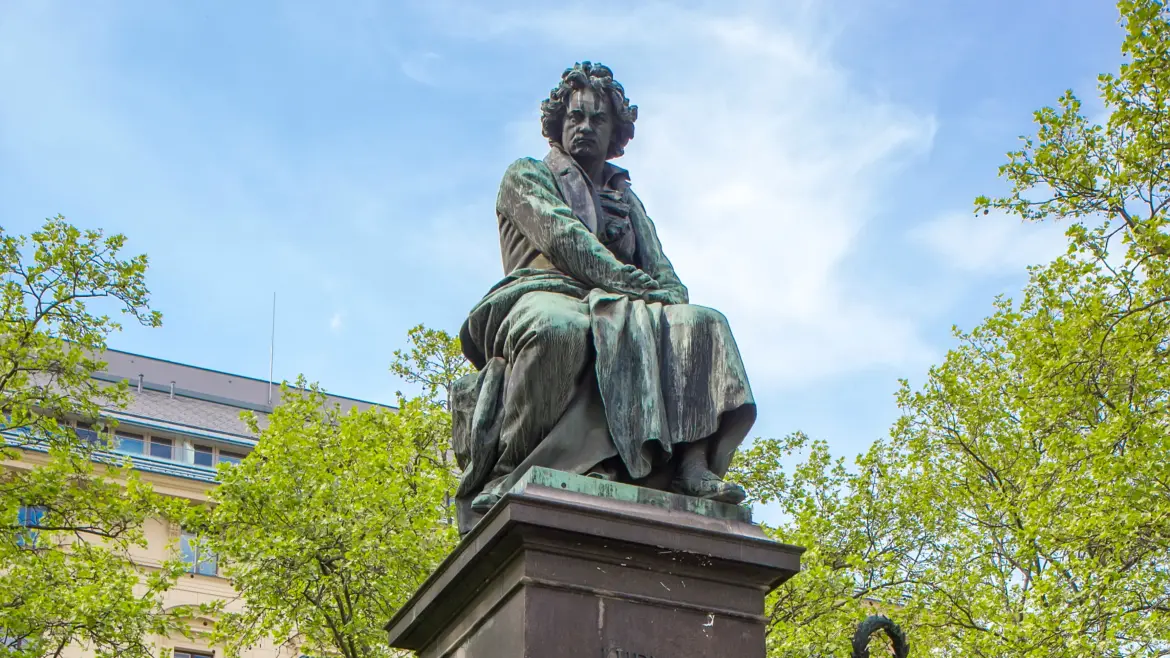
Hello, my friends! Vienna is often described as a city of music, but that description only becomes meaningful when you understand how deeply music is woven into its streets, homes, and daily rhythms. Few figures embody this more completely than Ludwig van Beethoven. Beethoven did not merely pass through Vienna. He lived here. He struggled here. He walked its streets, listened to its silences, and composed some of the most enduring works in Western music while the city unfolded around him. This is not a story about monuments or mythology. It is a story about presence – about how Vienna held Beethoven, and how Beethoven, in turn, shaped Vienna.
Beethoven in Vienna at a Glance
📍 Key Sites: Beethovenplatz, Pasqualati House, Theater an der Wien, Vienna Woods, Zentralfriedhof
🎵 Composed Here: Symphonies 4–7, Fidelio, and much of his most celebrated work
🏠 Main Residence: Pasqualati House, Mölker Bastei (1804–1815)
🎭 Premiere Venue: Theater an der Wien — where Fidelio debuted
🌿 Walking Grounds: Heiligenstadt and the Vienna Woods (Wienerwald)
⚰️ Resting Place: Zentralfriedhof, beside Franz Schubert
💡 Tip: Start at the Pasqualati House for an intimate introduction, then let the journey unfold through theater, nature, and remembrance
A City That Became Home
Beethoven arrived in Vienna in November 1792, initially as a promising young composer and pianist from Bonn, Germany. What began as a period of study and opportunity gradually became permanence. Vienna offered patronage, intellectual energy, and a musical culture unlike any other in Europe. Over time, it also became the setting for Beethoven’s most profound personal and artistic challenges. Unlike composers who lived within courtly structures, Beethoven’s life in Vienna was notably unsettled. He moved frequently, lived modestly, and remained fiercely independent. Yet it was precisely this independence – intellectual, emotional, and artistic – that allowed his music to evolve beyond convention. Vienna did not constrain him. It absorbed him.
Pasqualati House: A Place of Looking Outward
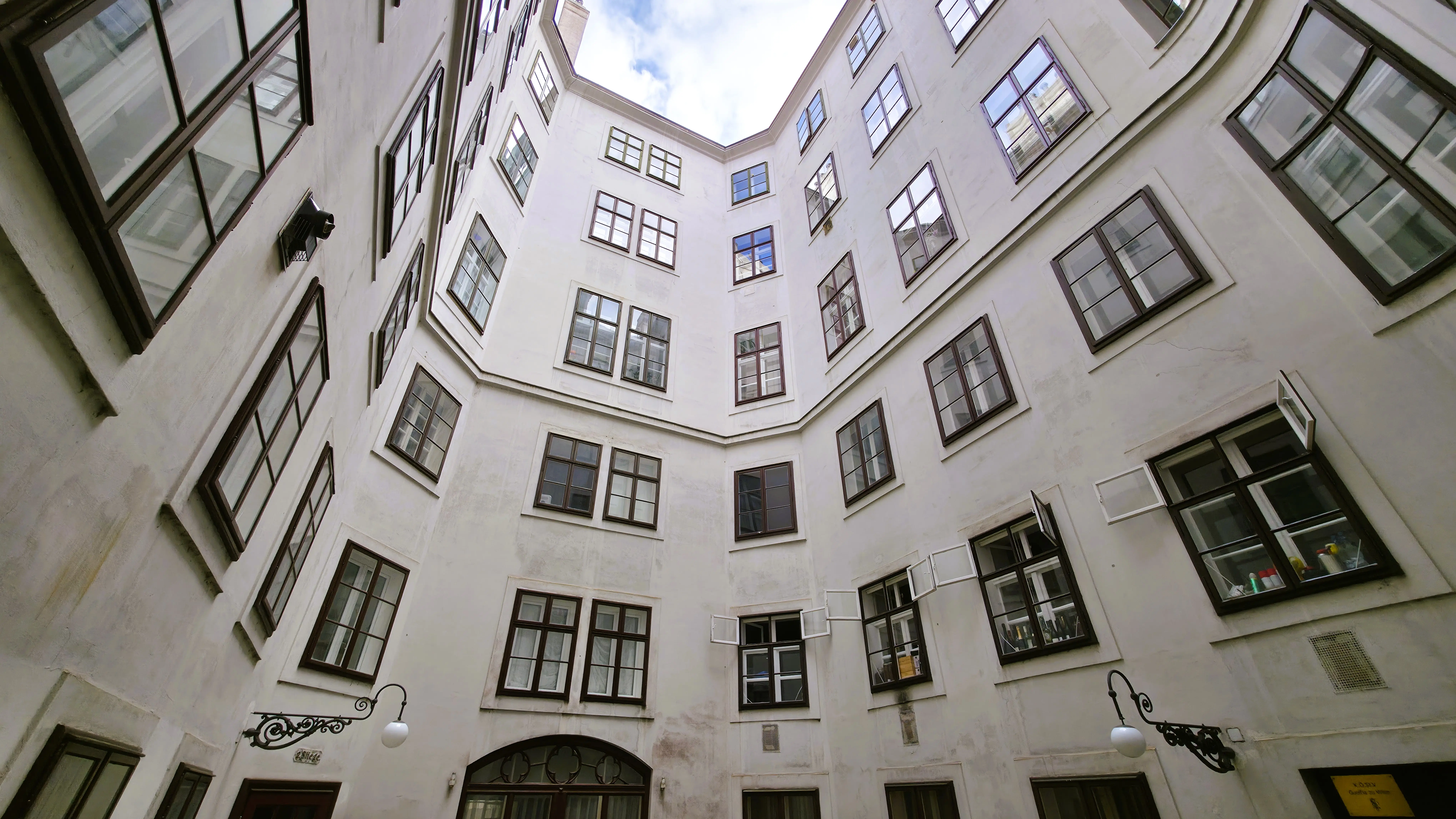
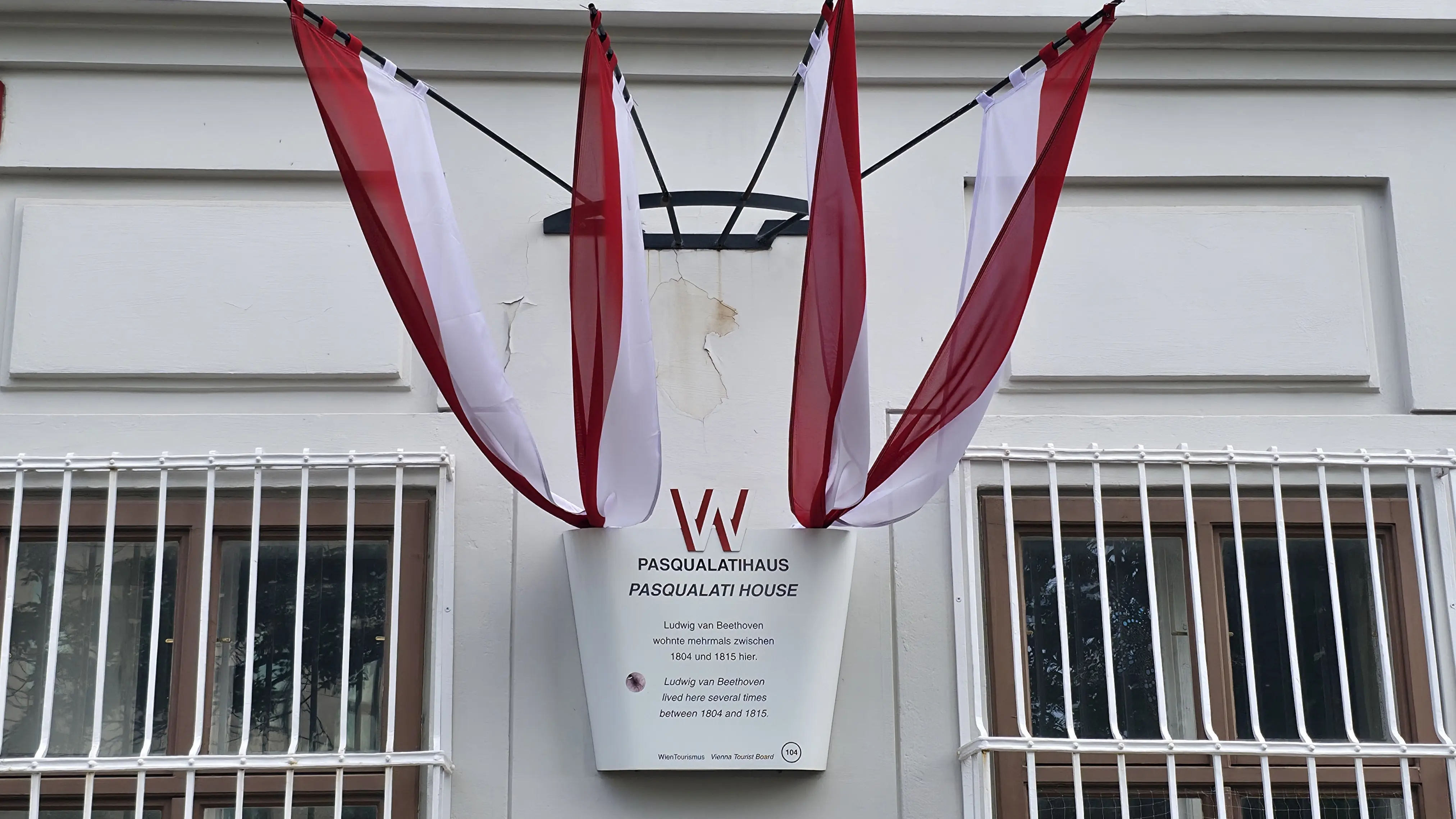
One of the most revealing places to connect with Beethoven in Vienna is the Pasqualati House, located on Mölker Bastei near today’s Ringstrasse. Beethoven lived here multiple times between 1804 and 1815, returning to the apartment during some of the most productive years of his career.
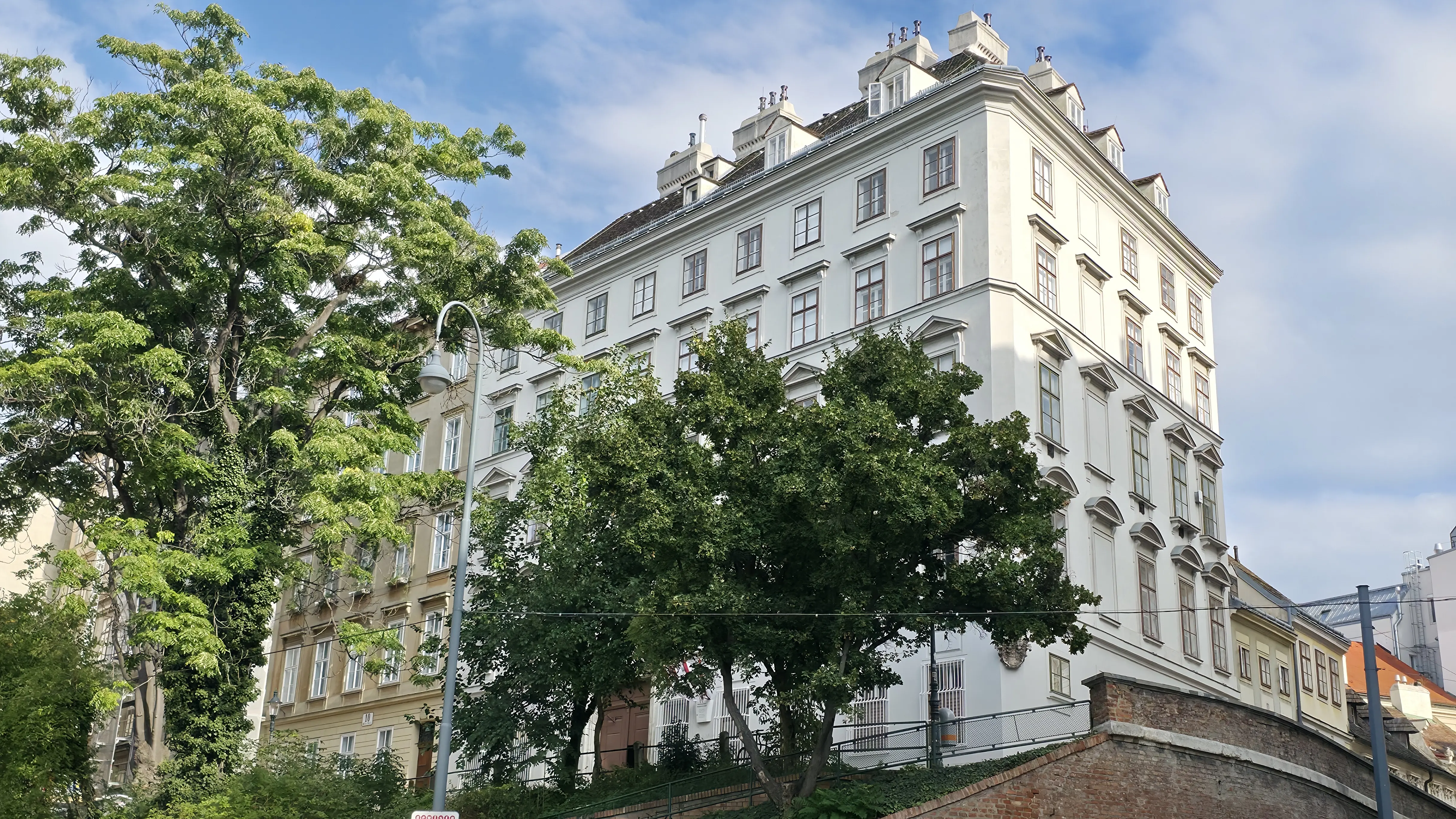
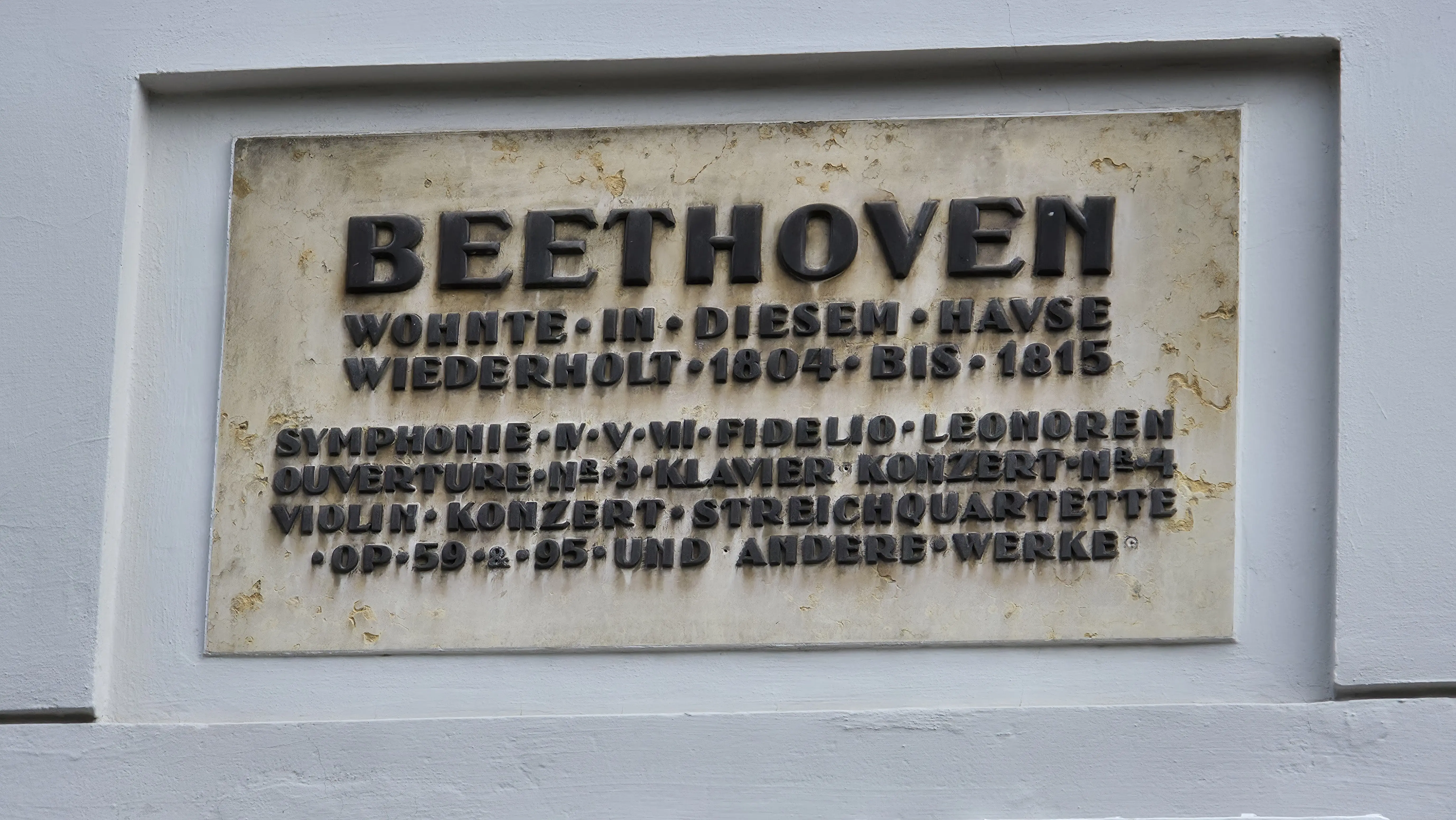
From these rooms, Beethoven looked out over the city. He composed here. He wrestled with his increasing deafness here. Works including Fidelio and his Fourth, Fifth, Sixth, and Seventh Symphonies took shape within these walls, along with Für Elise, the Archduke Trio, and the Razumovsky String Quartets. What makes Pasqualati House especially compelling is its intimacy. It does not monumentalize Beethoven. It humanizes him. The space feels lived-in rather than preserved, reinforcing the idea that genius often unfolds quietly, amid everyday life. Standing here, Vienna feels close – audible, visible, present. Beethoven was not removed from the city. He was immersed in it.
Theater an der Wien: Music Meets the City
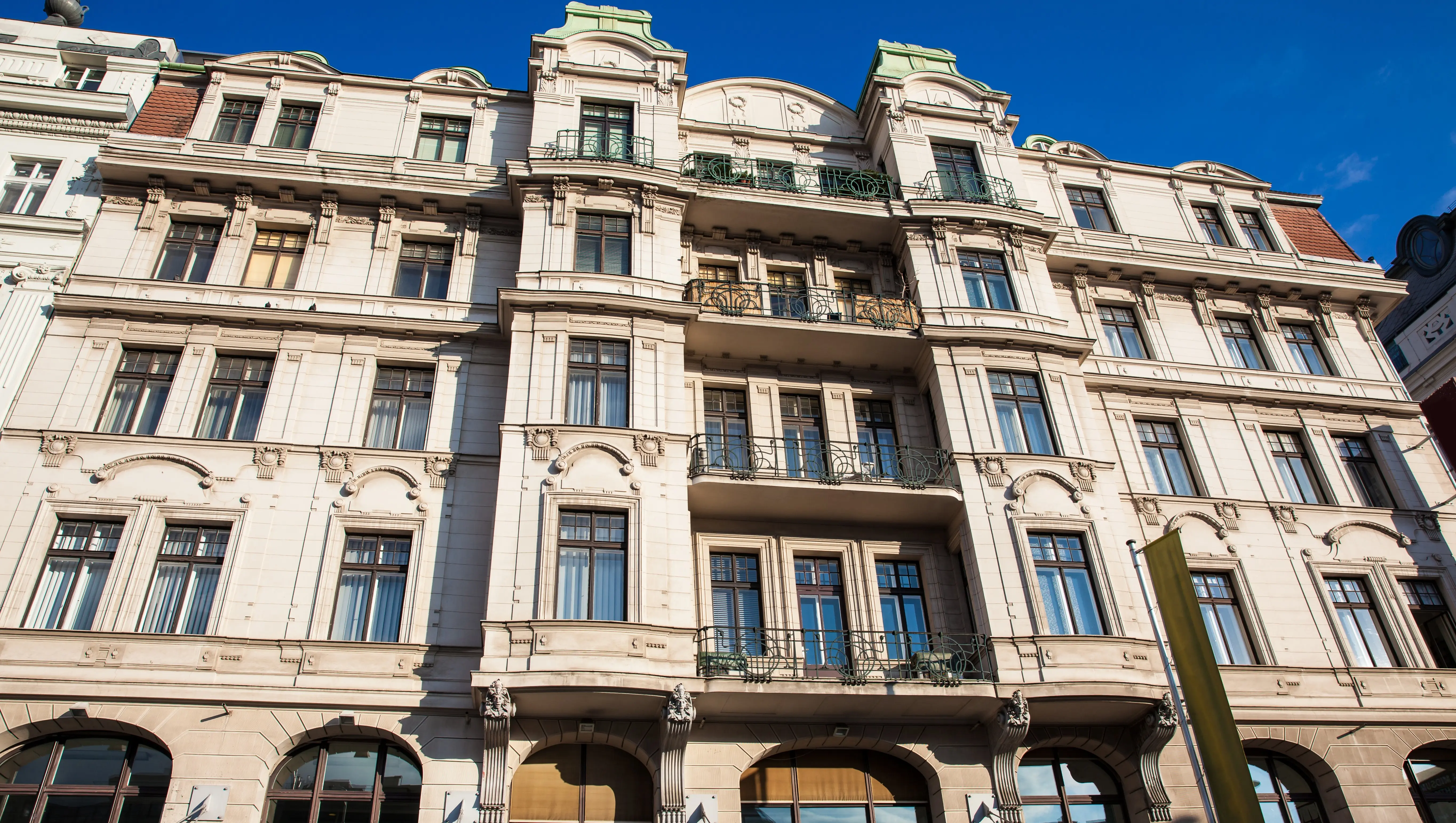
Beethoven’s connection to Vienna is inseparable from performance, and the Theater an der Wien plays a crucial role in that story. Beethoven lived here briefly, and it was on this stage that Fidelio, his only opera, premiered. Theater an der Wien reflects Vienna’s belief that music belongs within public life. This was not an isolated concert hall, but a living venue embedded in the city’s rhythm. Beethoven’s work here was met with both admiration and resistance, a reminder that innovation is often uncomfortable in its own time.
Vienna as Companion, Not Backdrop
What distinguishes Beethoven’s Vienna from that of other composers is not grandeur, but proximity. The city was not a distant stage upon which he performed. It was a companion – present in his walks, his lodgings, his frustrations, and his triumphs. Beethoven was known for long, solitary walks, often composing in his head as he moved through the city and its outskirts, pausing frequently to note musical ideas.
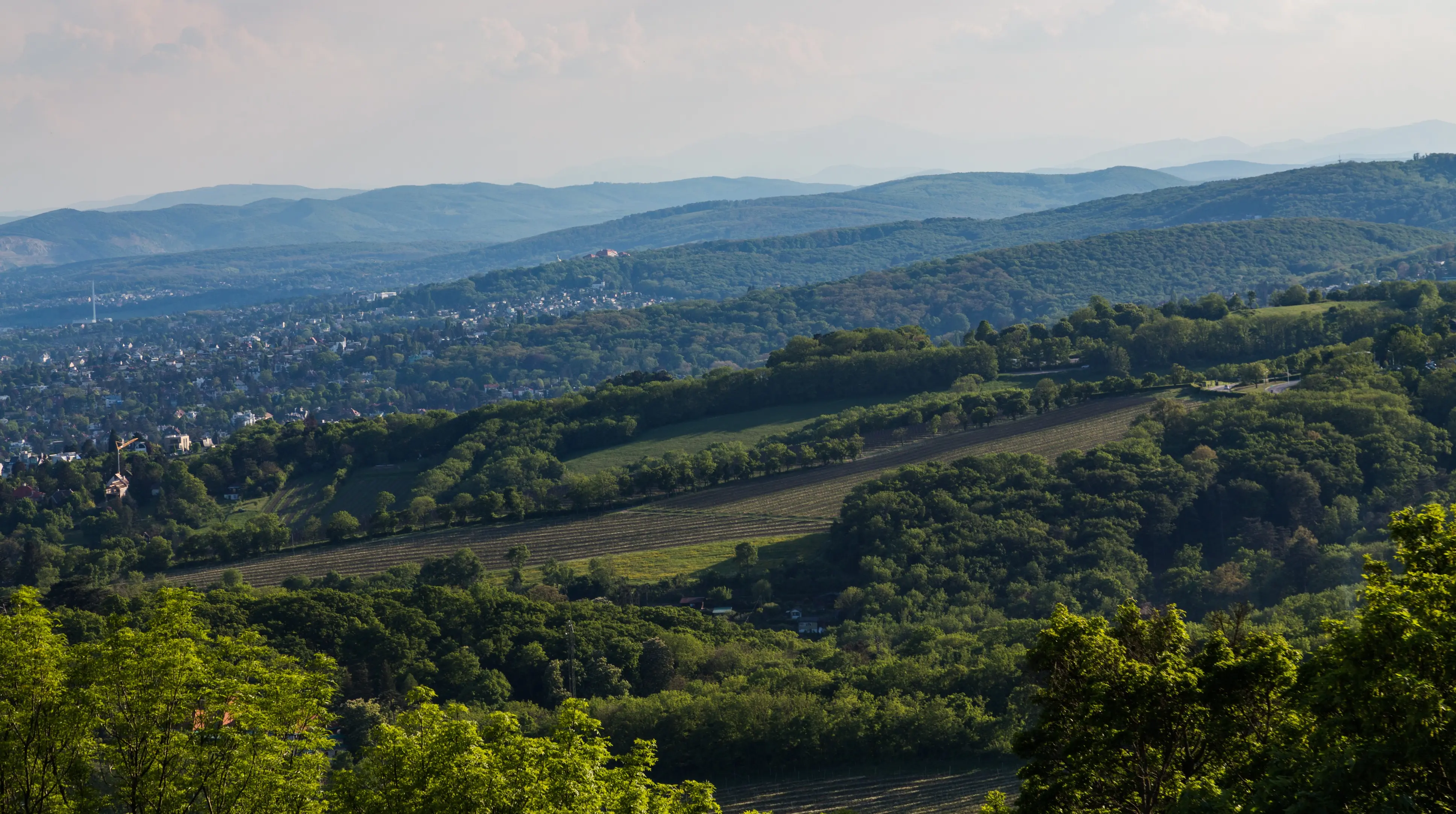
Vienna’s streets, gardens, and surrounding landscapes gave him the space he needed to think. He walked through areas like Heiligenstadt and the Vienna Woods, seeking quiet rather than company, movement rather than performance. Even public spaces such as the Prater offered room to pass through without ceremony. The city’s structure – ordered, legible, humane – supported this way of living. Beethoven did not require spectacle. He required space to think.
A Resting Place Among Equals
Today, Beethoven rests at the Zentralfriedhof, Vienna’s Central Cemetery, alongside other musical figures who shaped the city’s cultural identity, including Franz Schubert. The setting feels intentional. Rather than elevating Beethoven above others, Vienna places him within a shared landscape of memory, one that values contribution over spectacle. Wide paths, trees, and open space encourage slow movement and reflection rather than ceremony.
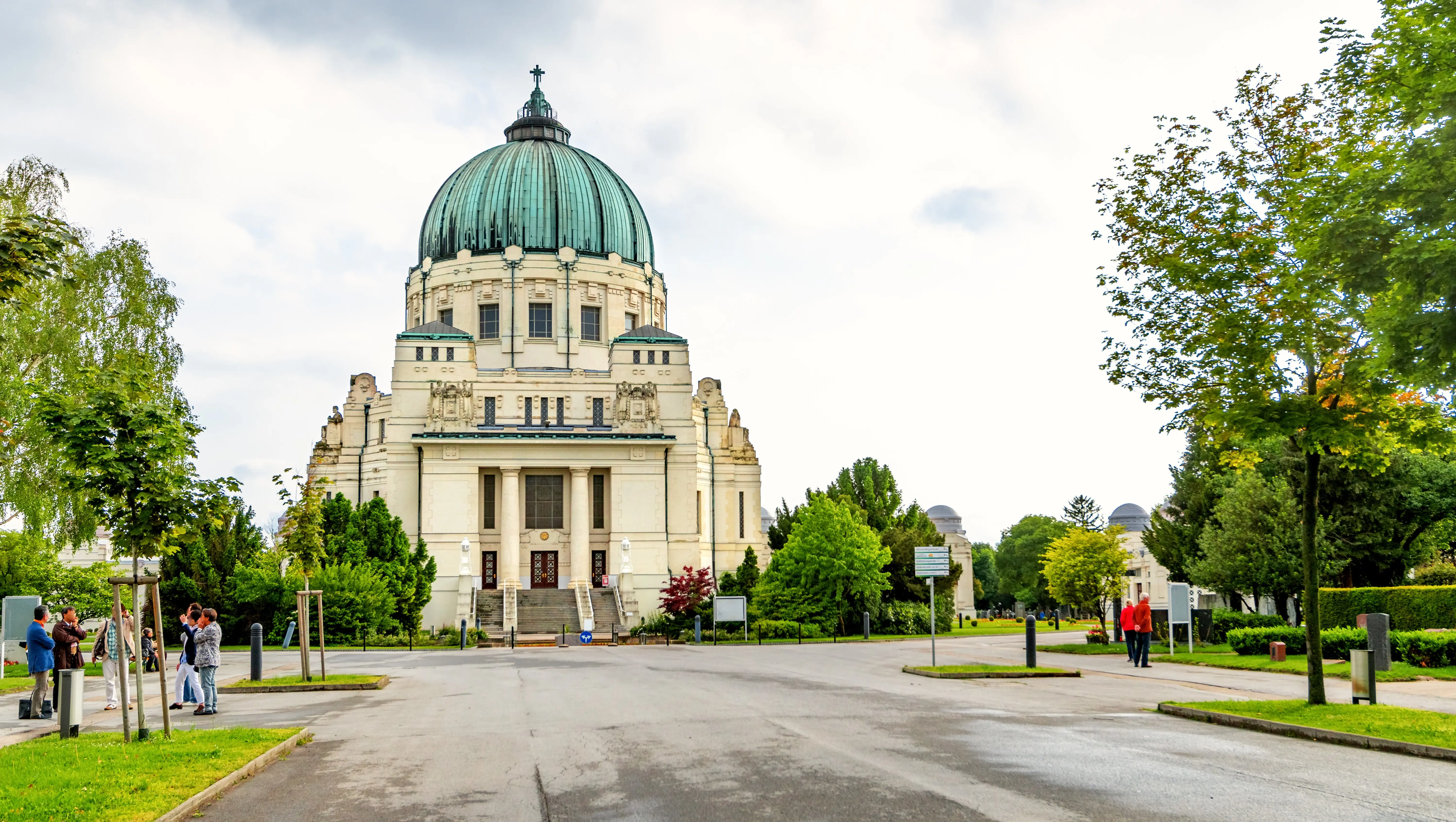
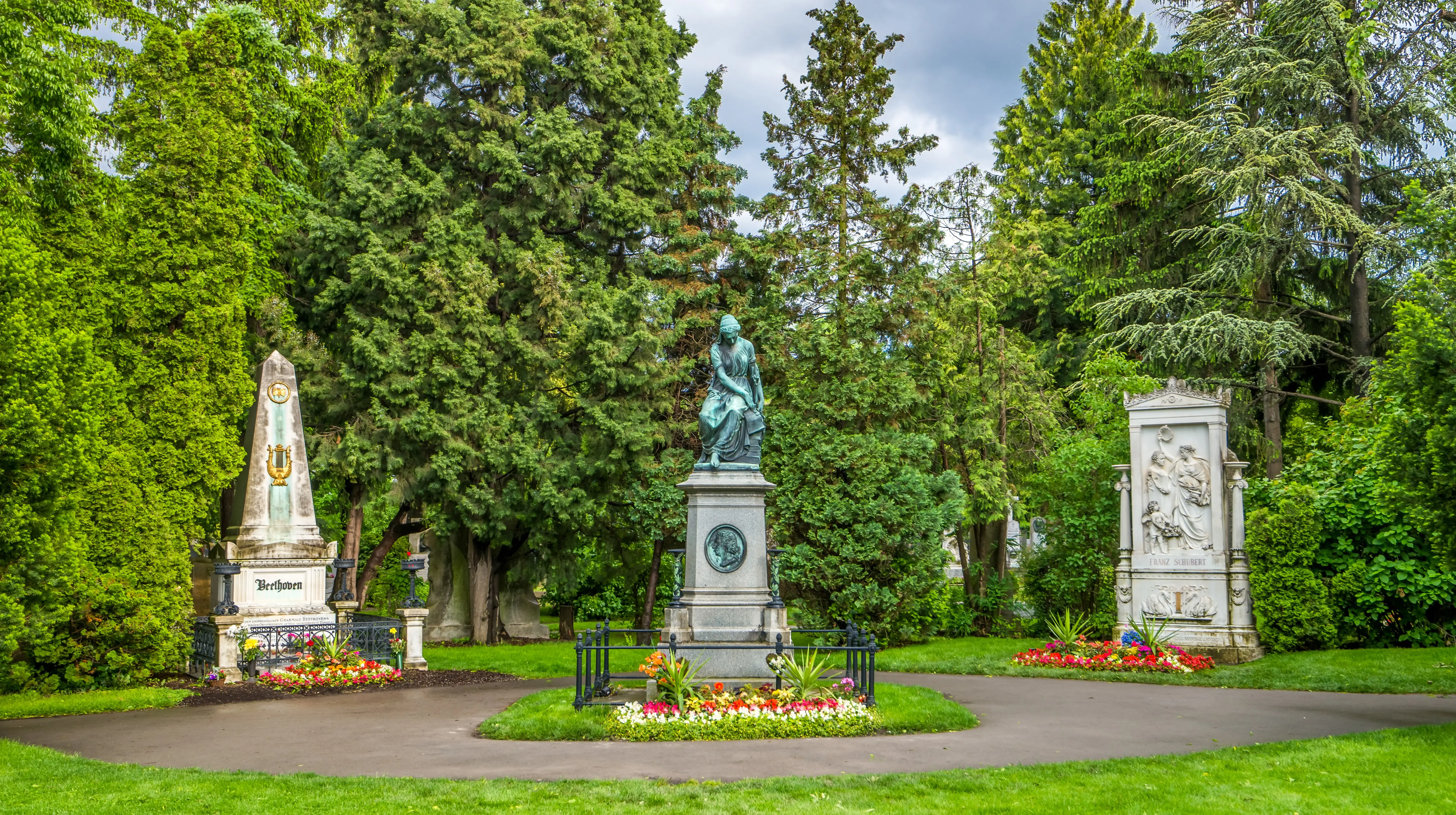
There is something deeply Viennese about this choice. Beethoven is honored not through isolation or excess, but through continuity – as part of a lineage that still resonates. The cemetery does not ask visitors to marvel. It asks them to pause. In this quiet setting, Beethoven’s legacy feels less like a conclusion and more like an ongoing presence, woven into the city’s understanding of music as something lived, remembered, and passed forward.
Why Beethoven Still Belongs to Vienna
Beethoven belongs to Vienna because the city understands something essential: that culture is not something you display, it is something you live with. Beethoven’s presence here is not confined to museums or plaques. It lingers in the city’s pace, its listening, its tolerance for complexity. Vienna did not rush Beethoven. It allowed him to exist, to struggle, to evolve. And in return, Beethoven gave the city a body of work that continues to shape how we hear the world.
Bubbly Tips for Visiting Beethoven’s Vienna
- Start at the Pasqualati House for an intimate introduction to Beethoven’s daily life and working environment in Vienna.
- Visit the Theater an der Wien, even if you don’t attend a performance; its connection to Fidelio and Beethoven’s time there adds important context.
- Include a walk through Heiligenstadt or the Vienna Woods (Wienerwald) to experience the landscapes where Beethoven found solitude and composed while walking.
- Leave time for silence – Beethoven’s story is as much about listening and reflection as it is about sound.
- Pair this journey with Vienna’s gardens and public squares, where the city’s calm, walkable rhythm mirrors the way Beethoven moved through the world.
Final Thoughts
Beethoven’s Vienna is not about spectacle. It is about endurance, presence, and the quiet courage to continue. Walking these spaces, you don’t feel instructed to admire. You feel invited to listen – to the city, to the music, and perhaps to yourself.
Have you followed Beethoven’s footsteps in Vienna, or is this a journey you’d like to take one day? I’d love to hear how music has shaped your own travels.
Until our next adventure,

🌟 Everything You Need to Plan Your Dream Trip in 2026
- 🌟 Luxury Hotels - Find premium stays with Booking.com & Hotels.com
- 🏡 Vacation Rentals - Discover unique properties on VRBO
- 🏞️ Guided Tours - Explore with Viator or GetYourGuide
- 🎫 Attraction Tickets - Skip the lines with Tiqets
- 🚢 Ocean Cruises - Set sail with Cruise Direct
- 📱 International SIMs - Stay connected with Saily
- 🚗 Car Rentals - Budget-friendly options from Discover Cars
- 🌐 Secure VPNs - Browse safely with NordVPN
- 💶 Currency Exchange - Best rates with Wise
- 🗣️ Learn Languages - Master the local language with Babbel and Rosetta Stone